

DuKKAh
Spanish · Kita, Osaka
Restaurant in Osaka, Japan
 Book with Pearl
The Read
Galician-Japanese Counter Synthesis
Price
¥¥¥
Dress
Smart Casual
Why go
A Michelin Plate counter restaurant in Kita Ward, Osaka, DuKKAh applies northern Spanish cuisine; Galician and Basque in focus; through a Japanese-ingredient lens, using kudzu, soba, green pepper flower to create genuinely distinct flavour combinations. At the ¥¥¥ tier and with easy booking availability, it is the most accessible and conceptually distinctive Spanish option in the city.
About DuKKAh
DuKKAh, Osaka: Counter Spanish with a Japanese Accent
If you are looking for a serious counter-dining experience in Osaka that sits outside the kaiseki circuit, DuKKAh is the clearest answer in the city. This Kita Ward restaurant takes the cuisines of Galicia and the Basque Country; two Atlantic-facing regions whose cooking is built on seafood, land produce, deep regional identity; and layers Japanese ingredients over that foundation.
What DuKKAh Actually Is
DuKKAh is a counter restaurant, the format matters here because it shapes the entire experience. Counter seating in Osaka's better restaurants creates a pace of service that is closer to a conversation than a transaction: you watch, you eat in sequence, the meal has an arc. The kitchen's focus is on northern Spain, specifically Galicia and the Basque Country, both of which face the Bay of Biscay and share a culinary tradition built around abundant seafood and well-developed land-based produce. What the chef adds to that framework is a set of Japanese ingredients, kudzu, soba, green pepper flower, that are not decorative but structural. They create genuinely different flavour profiles than you would encounter at a Spanish restaurant working from European pantry logic alone.
For a special occasion in Osaka, this format works particularly well. The counter setting gives the meal focus and theatre without the formality of a multi-room kaiseki restaurant. If you are celebrating something and want a memorable meal that does not require fluency in Japanese culinary tradition, DuKKAh gives you a legible but distinctive evening. For a similar counter-driven Spanish experience in Japan, ZURRIOLA in Tokyo is the closest peer, though it operates in a different city and at a different price point.
Seasonal Timing and What It Means for Your Visit
Because DuKKAh's cooking is anchored in two regions defined by seasonal fishing cycles and agricultural calendars, because it overlays Japanese ingredients that are themselves intensely seasonal, the menu will read differently depending on when you visit. Both Galician and Basque cooking track the sea closely: certain shellfish and fish are at their leading in colder months, while the land-based produce that characterises the interior of both regions shifts through the year. Japanese ingredients add another seasonal layer: kudzu, for instance, is a winter and early spring plant, green pepper flower (kinome in Japanese) is a spring flavour. If you are planning a special occasion visit and want the menu at its most coherent, aim for spring or autumn, when the overlap between Spanish seasonal logic and Japanese seasonal ingredients is richest. Summer visits remain worthwhile but the menu composition may lean more heavily on preserved or pantry-driven elements.
Osaka's dining scene in spring (late March through May) and autumn (October through November) also benefits from weather that makes the city easier to move around, which is worth factoring in if you are pairing DuKKAh with broader restaurant plans. See our full Osaka restaurants guide for seasonal recommendations across the city.
How It Compares to Other Spanish Options in Osaka
DuKKAh is not the only Spanish address in Osaka worth knowing. Asador ROCA focuses on the grill-driven asador tradition, which gives it a different register, bigger, more meat-forward, more about fire than technique. Donostia and ETXOLA both work in the Basque tradition, as does DuKKAh in part, so if you are specifically drawn to pintxos culture or Basque-style fish cookery, comparing these three directly is worth doing before you book. Ñ and EL ALMA offer further points of comparison across the broader Osaka Spanish scene. DuKKAh's distinguishing position is the Japanese-ingredient integration, if that hybrid approach interests you, no other Osaka Spanish restaurant makes it the structural centre of the menu in quite this way.
If you are travelling beyond Osaka, akordu in Nara is another Japan-based Spanish restaurant worth knowing, with a different approach to the same cross-cultural question. For reference points beyond Spain, Harutaka in Tokyo and Gion Sasaki in Kyoto show how counter-format fine dining operates at the top of the Japanese category.
Practical Details
Reservations: Booking difficulty is rated Easy, which is unusual for a Michelin-recognised counter in Osaka, use this to your advantage and book with reasonable lead time rather than assuming availability. Budget: ¥¥¥ tier, placing it below the ¥¥¥¥ level of peers like HAJIME or Fujiya 1935. Address: 4 Chome-3-13 Nishitenma, Kita Ward, Osaka, the Nishitenma area of Kita Ward is a well-established dining district and easy to reach by subway. Dress: No confirmed dress code in available data, but counter fine-dining in Osaka at this price tier runs smart-casual as a practical minimum. Awards: Michelin Plate 2024 and 2025.
For hotels near this part of Kita Ward, see our full Osaka hotels guide. For bars to pair with an evening at DuKKAh, our Osaka bars guide covers the neighbourhood. Further afield, Goh in Fukuoka, 1000 in Yokohama, and 6 in Okinawa are worth knowing if your Japan itinerary extends further. For a Spanish comparison in the US, BCN Taste & Tradition in Houston sits in a comparable conversation about serious regional Spanish cooking outside Spain.
The Verdict
Book DuKKAh if the counter format appeals and you want a Spanish meal with genuine conceptual interest rather than a direct Iberian restaurant. At ¥¥¥, it is priced fairly for what it delivers, the Michelin recognition across two consecutive years gives you confidence that the kitchen is consistent. For spring and autumn visits, the seasonal overlap between Spanish and Japanese ingredients gives the menu additional coherence. If you need a more conventional kaiseki experience for the same occasion, Taian or Kashiwaya Osaka Senriyama are the alternatives to consider. But for something that sits outside Osaka's default fine-dining categories, DuKKAh is the more interesting booking.
Explore more of Osaka: our full Osaka experiences guide and our Osaka wineries guide.
Planning details
- Location
- 4 Chome-3-13 Nishitenma, Kita Ward, Osaka, 530-0047, Japan
- Website
- eiichimatumoto0321.wixsite.com/dukkah
The take
The Take
The Vibe
DuKKAh sits quietly in Nishitenma, a mid-block counter restaurant that prioritizes proximity to the kitchen and the focused attention that serious cooking demands. The dining room favors a single-counter layout where the rhythm of service and the work of the chefs form the room’s atmosphere. Rather than a bustling, tourist-driven energy, the place cultivates a discreet, professional calm—an environment well suited to detailed explanations of technique and ingredient provenance. The overall mood is restrained and considered, encouraging attentive dining that rewards curiosity about how northern Spanish sourcing meets the Japanese pantry.
Best For
DuKKAh is best for intimate evening dining where the meal is the main event. Its single-counter format and an explanatory menu make it especially apt for date nights, special occasions and business dinners where conversation can focus on the food and technique. The room’s quieter neighborhood setting and counter seating favor small parties or solo diners who appreciate interaction with the kitchen, and the ingredient-driven, technical approach to dishes suits guests who want a thoughtful, deliberate dining experience rather than a casual drop-in.
Ordering Tips
Expect a menu that requires explanation and a kitchen that treats sourcing and technique as the central narrative. Staff are likely to guide you through dishes that pivot between Galician and Basque Atlantic traditions and the Japanese ingredient calendar, so allow time for descriptions and ask about provenance when curiosity strikes. Take advantage of the counter setting to inquire about how items such as kudzu starch, soba, or regional seafood are being deployed — the restaurant frames its plates as interpretive experiments that benefit from a bit of context rather than brief menu summaries.
Venue details
Ambiance
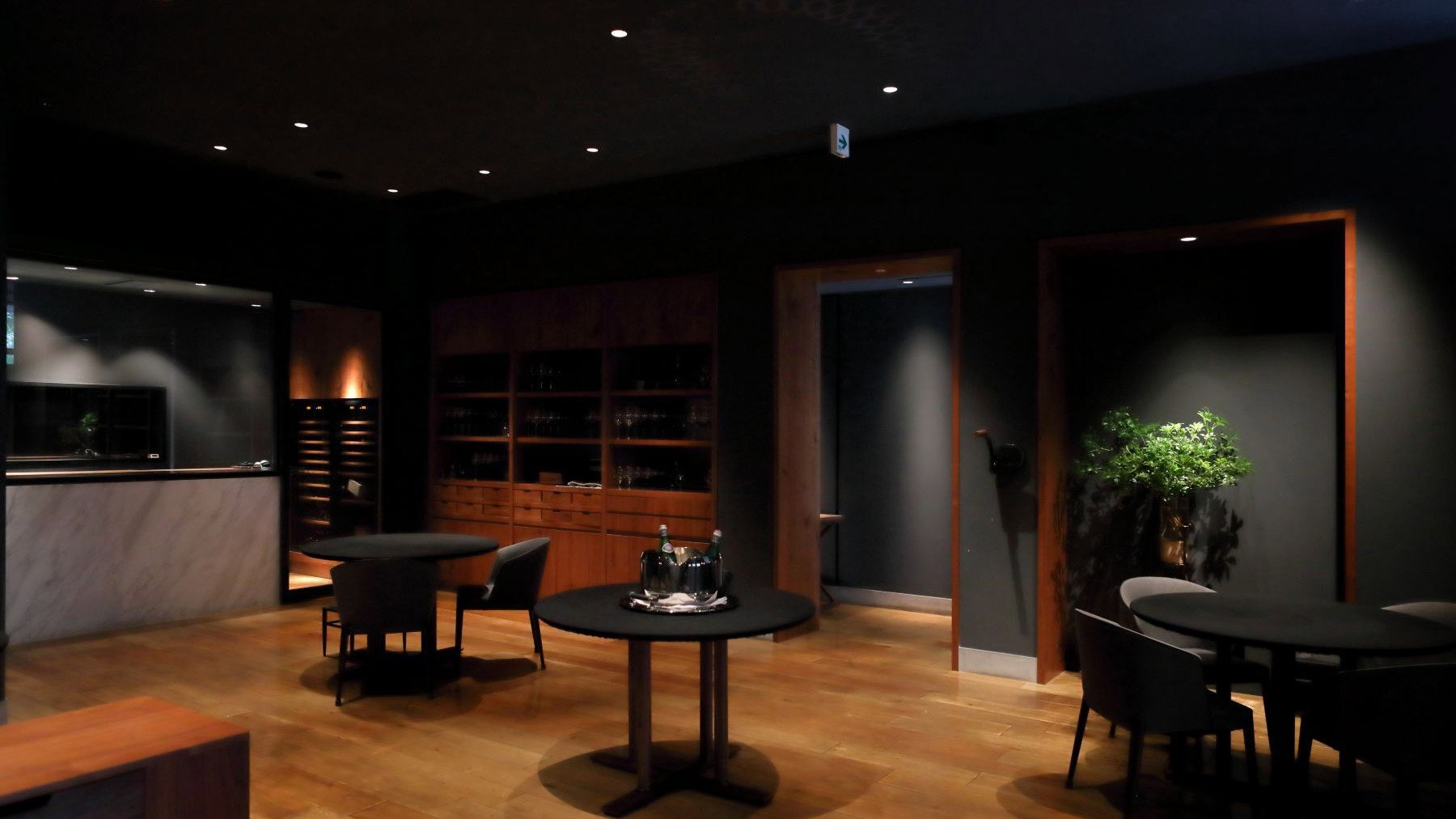
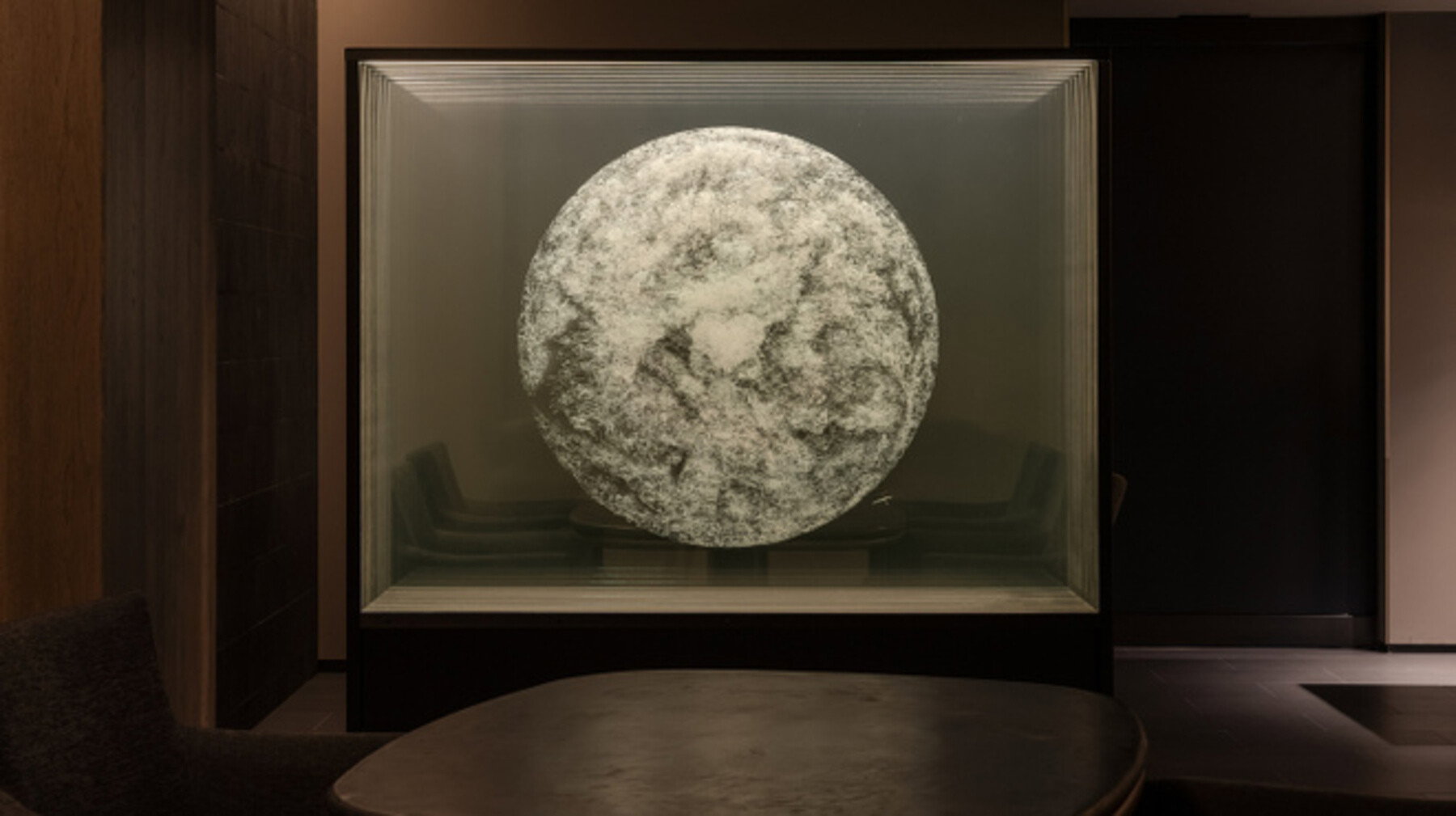
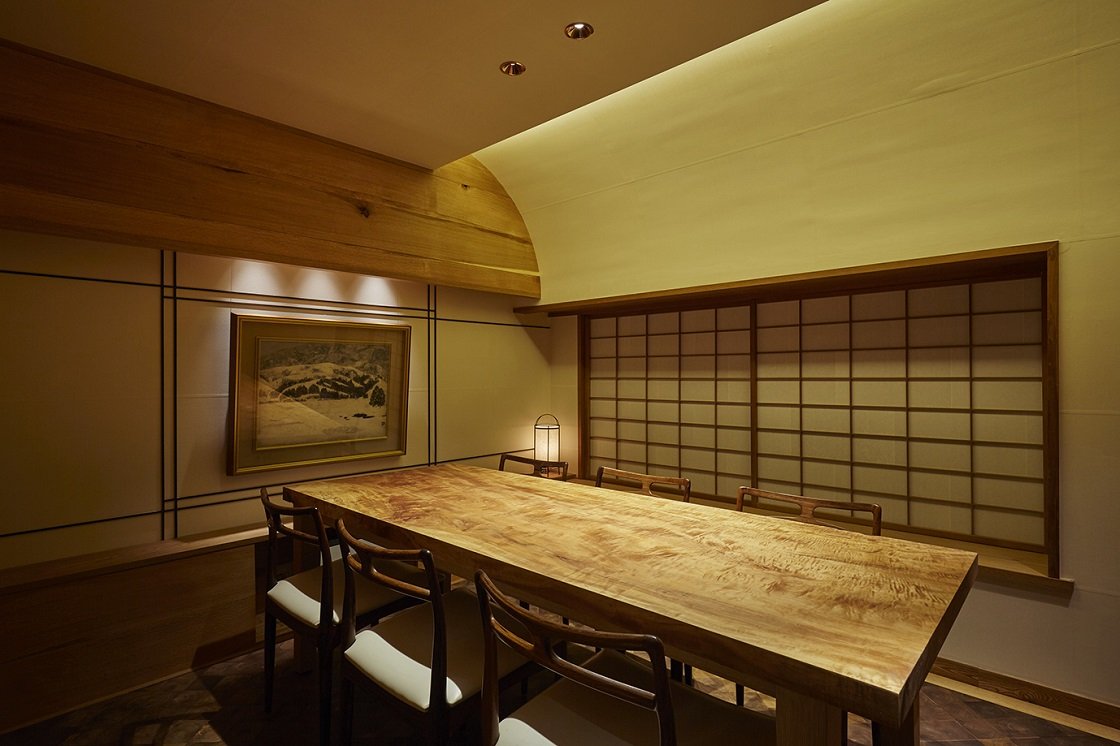
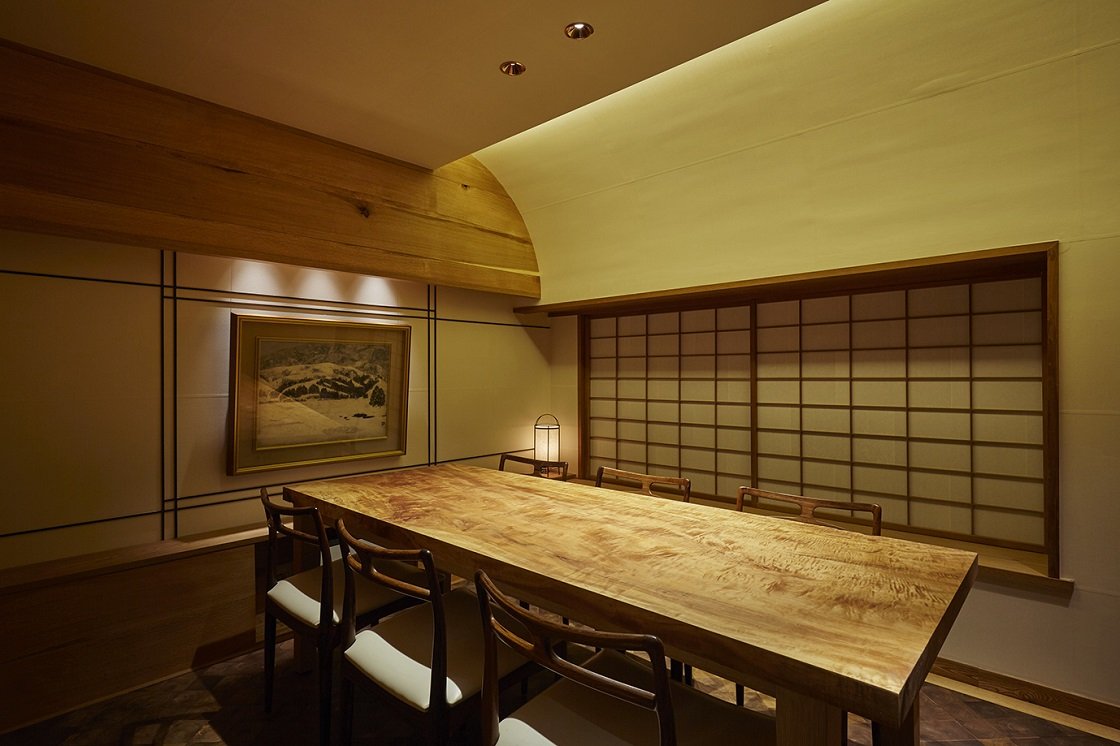
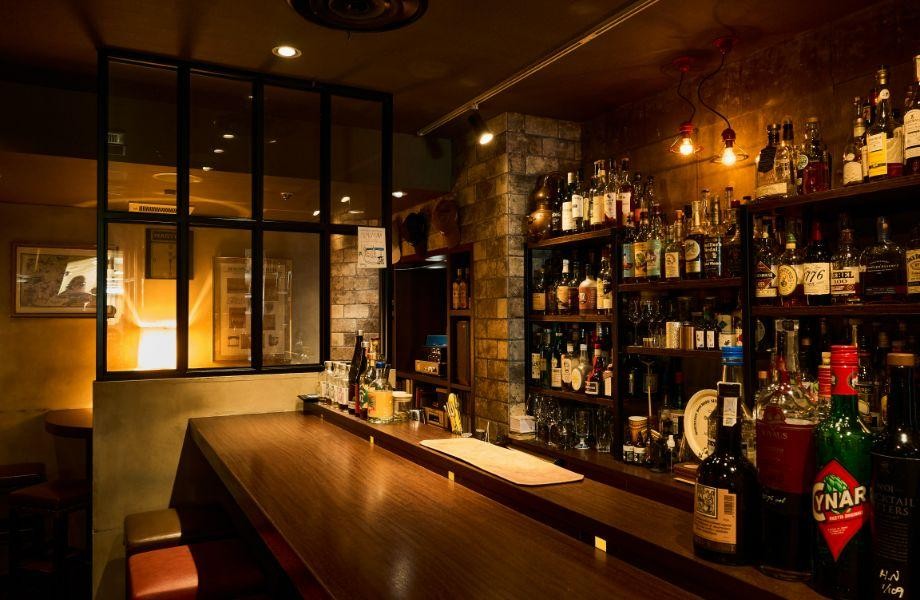
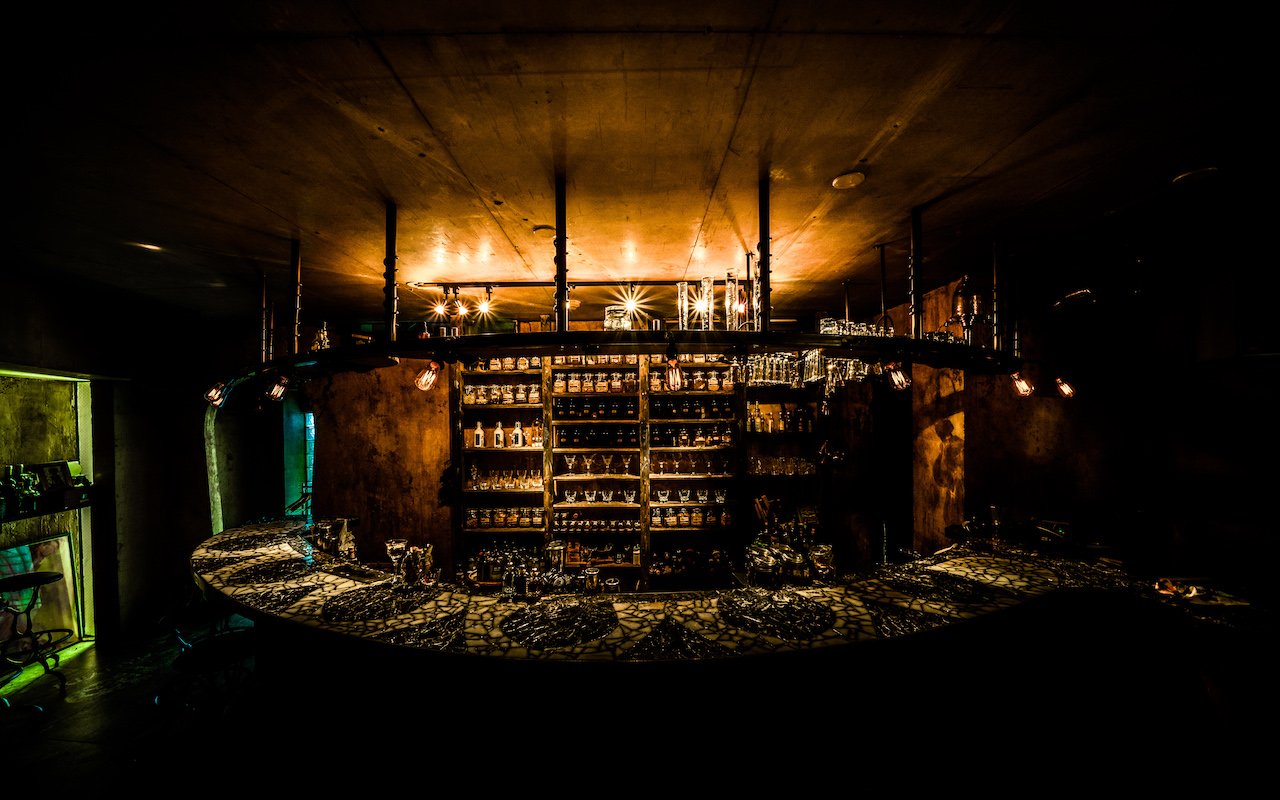
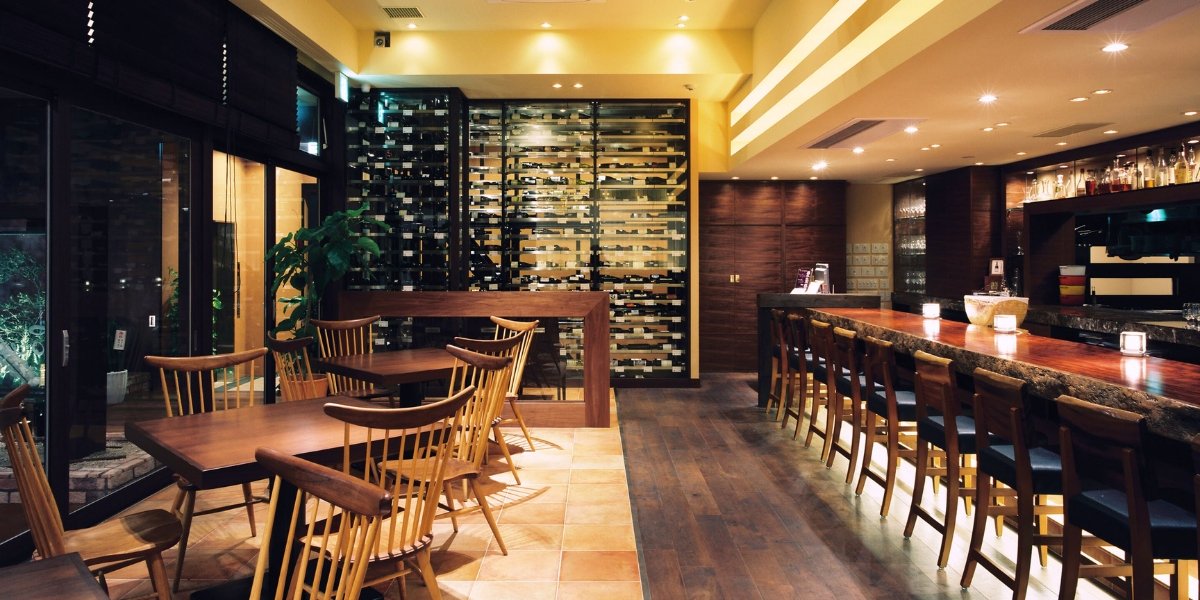
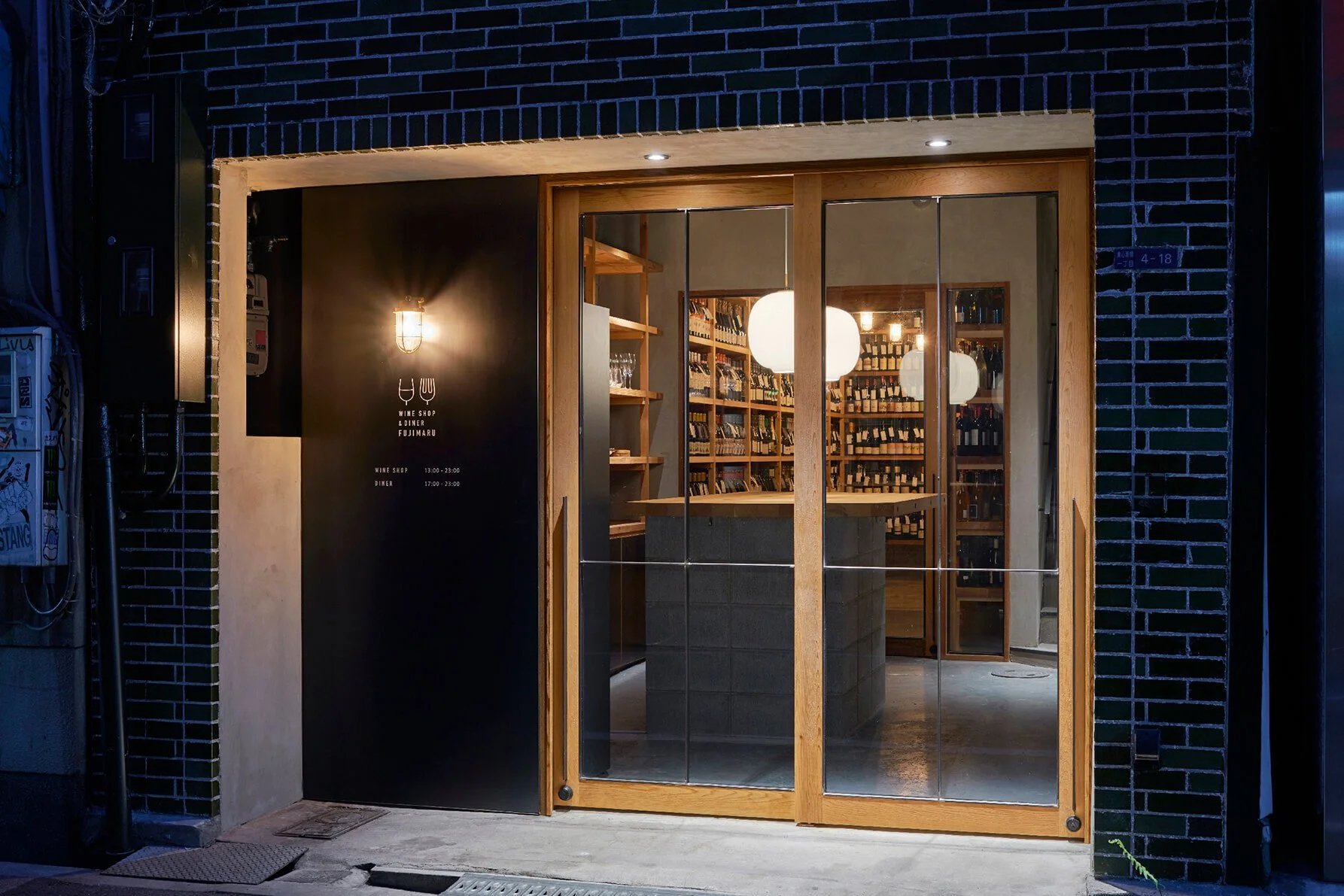
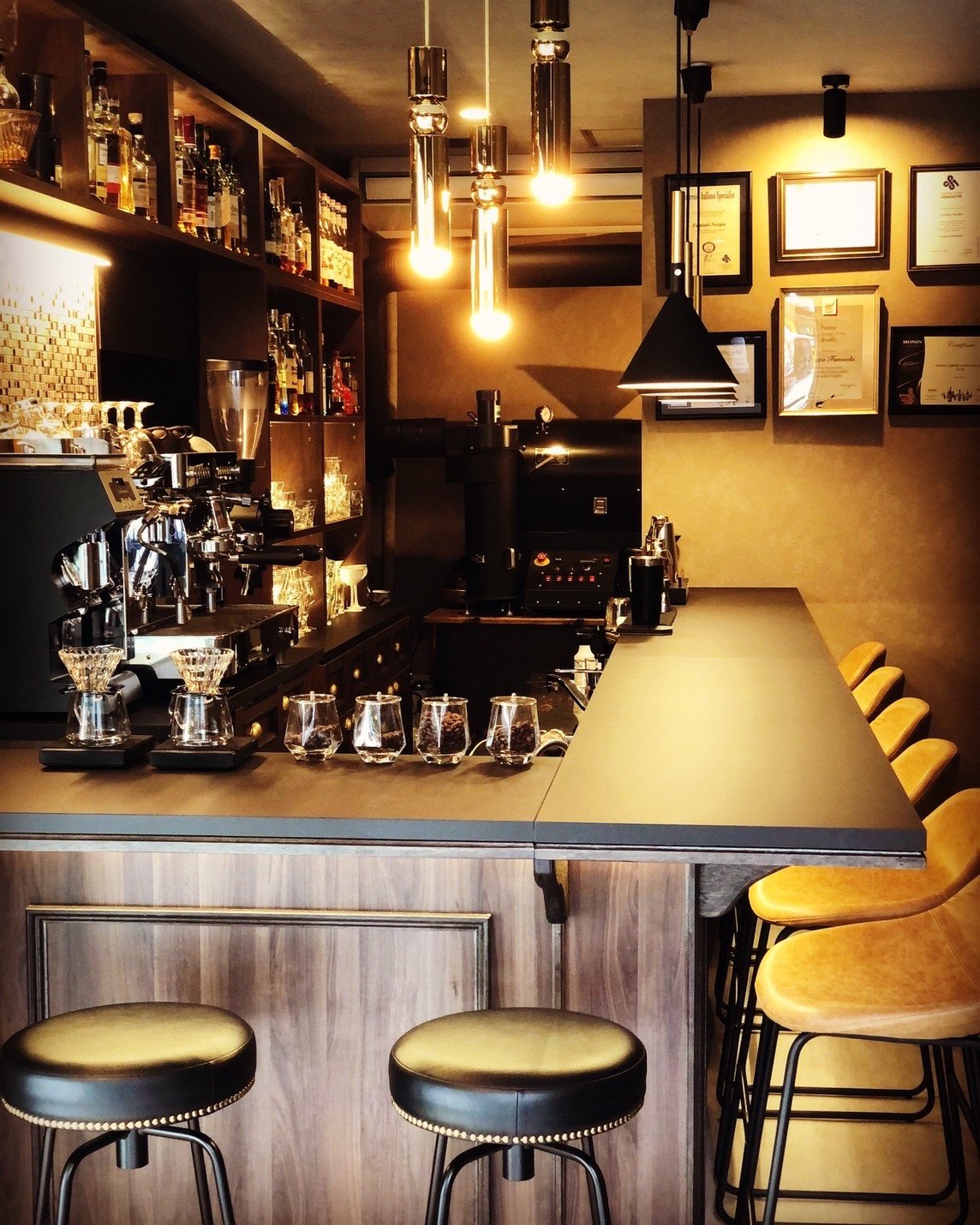
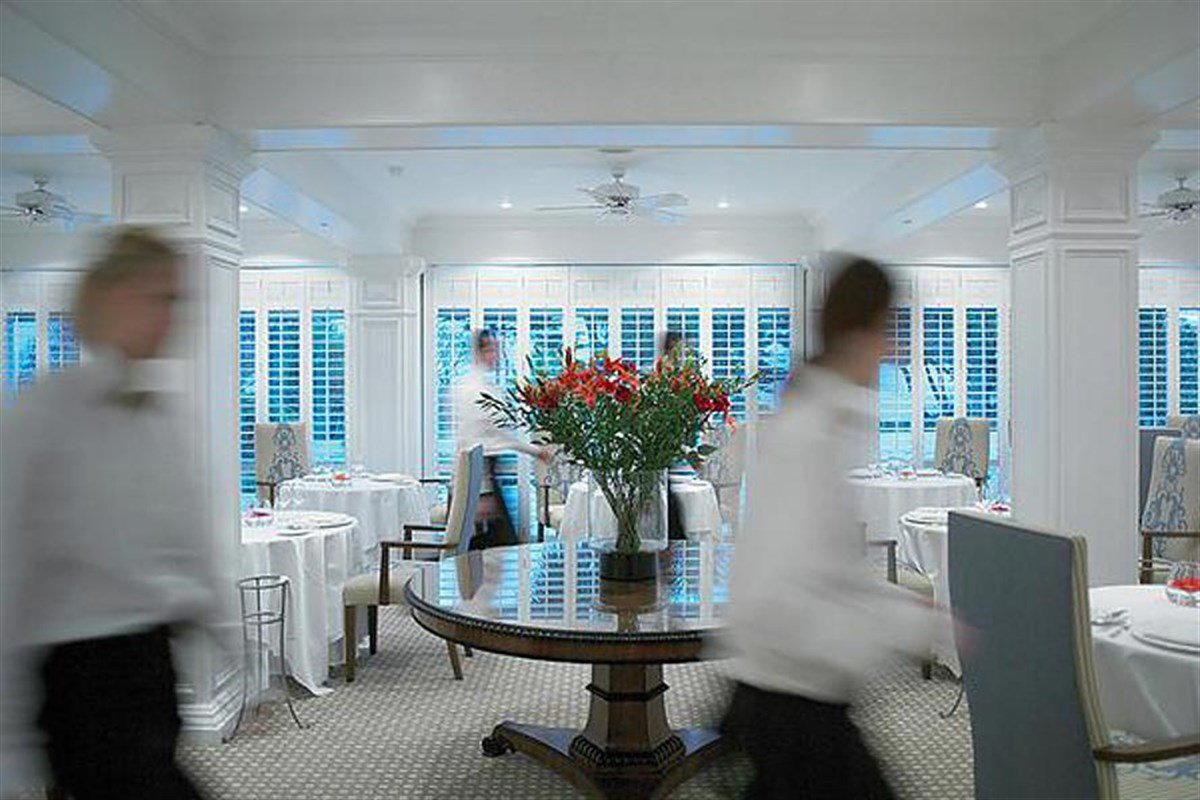
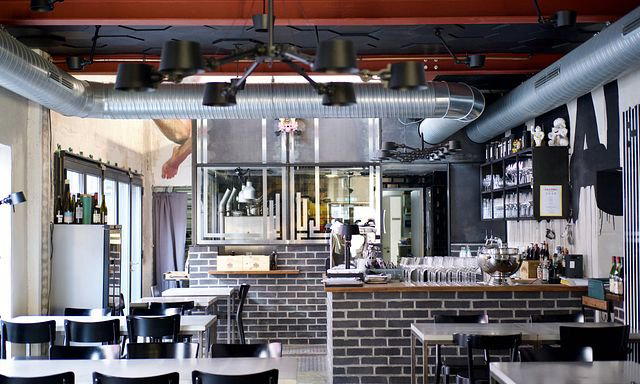
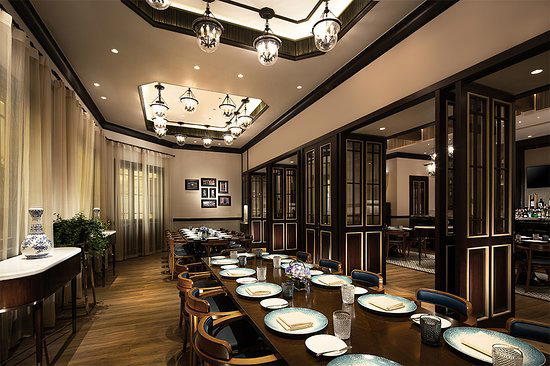
Warm amber lighting in a quietly confident space with sculpted stone, burnished metals, hand-glazed ceramics, and fully open kitchen.
Tags
Vibe
Best For
Experience
Sourcing
Accessibility
At the Table
- Dress Code
- Smart Casual
- Noise Level
- Quiet
- Service Style
- Upscale Casual
- Meal Pacing
- Leisurely
- Capacity
- Intimate
Planning details
Location
4 Chome-3-13 Nishitenma, Kita Ward, Osaka, 530-0047, Japan · Directions
Recognition and awards
Also consider
Also Consider
- HAJIME; French, Innovative, ¥¥¥¥
- La Cime; French, ¥¥¥¥
- Kashiwaya Osaka Senriyama; Japanese, ¥¥¥
- Taian; Kaiseki, Japanese, ¥¥¥
- Fujiya 1935; Innovative, ¥¥¥¥
Restaurant context
DuKKAh sits at ¥¥¥, which immediately separates it from the ¥¥¥¥ bracket occupied by HAJIME, La Cime, and Fujiya 1935. If you are deciding between DuKKAh and one of those three for a special occasion, the question is whether you want Spanish-Japanese fusion at a considered price point or French-influenced innovation at full Osaka fine-dining spend. HAJIME and Fujiya 1935 both hold Michelin stars and represent the ceiling of the city's innovative dining category; DuKKAh holds a Michelin Plate across two consecutive years and delivers a more niche, cuisine-specific proposition. For most diners, DuKKAh offers better value relative to its ambition.
Against the ¥¥¥ peers, the comparison is different. Kashiwaya Osaka Senriyama and Taian both operate in the kaiseki tradition at the same price tier. If your group wants a meal rooted in Japanese culinary logic, either of those is the stronger choice. If you specifically want European cuisine with Japanese integration, DuKKAh is the only restaurant in this bracket making northern Spain its primary reference. The counter format at DuKKAh also gives it a different atmosphere from the more formal room settings typical of kaiseki at this level.
On booking difficulty, DuKKAh is rated Easy, which compares favourably to the harder-to-access tables at Kashiwaya and Taian. If you are planning a last-minute special occasion or working with a compressed itinerary, DuKKAh is the most reliably bookable option in this peer group that still delivers a Michelin-recognised meal. For the clearest decision: book DuKKAh if you want Spanish cuisine, counter format, ¥¥¥ spend; book Taian or Kashiwaya if you want kaiseki at the same budget; step up to HAJIME or La Cime if budget is not the constraint and you want the highest-ambition innovative French cooking Osaka offers.
Explore Osaka
Around this place
Discover more on Pearl
Unlock the full DuKKAh guide in Pearl, including awards, comparisons, FAQs, planning details, and nearby places.
Compare DuKKAh
| Venue | Price | Awards |
|---|---|---|
| DuKKAh | ¥¥¥ | Tabelog 100 - Spanish cuisine - 2026 · #93Michelin Guide Kyoto Osaka 20262026 Michelin Plate2025 Michelin Plate2024 Michelin Plate |
| HAJIME | ¥¥¥¥ | Star Wine Lists 2026 · #12026 Tabelog Bronze · #922026 OAD Top Restaurants in Japan Ranked · #98Michelin Guide Kyoto Osaka 20262026 La Liste Top RestaurantsTabelog 100 - Innovative / Creative cuisine - 2025 · #692025 Asia's 50 Best Restaurants · #832025 OAD Top Restaurants in Japan Ranked · #87We're Smart World Top Restaurants 2025 |
| La Cime | ¥¥¥¥ | 2026 Asia's 50 Best Restaurants · #132026 OAD Top Restaurants in Japan Ranked · #1492026 Tabelog Bronze · #231Michelin Guide Kyoto Osaka 20262026 La Liste Top Restaurants2025 Asia's 50 Best Restaurants · #82025 World's 50 Best Restaurants · #44Tabelog 100 - French - WEST - 2025 · #932025 OAD Top Restaurants in Japan Ranked · #123 |
| Kashiwaya Osaka Senriyama | ¥¥¥ | 2026 Tabelog Bronze · #1682026 OAD Top Restaurants in Japan Recommended2026 Relais Chateaux RestaurantsMichelin Guide Kyoto Osaka 20262026 La Liste Top RestaurantsTabelog 100 - Japanese cuisine - WEST - 2025 · #772025 OAD Top Restaurants in Japan Ranked · #1552025 Relais Chateaux Award2025 Michelin 3 Stars |
| Taian | ¥¥¥ | 2026 OAD Top Restaurants in Japan RecommendedMichelin Guide Kyoto Osaka 20262026 La Liste Top Restaurants2025 OAD Top Restaurants in Japan Ranked · #2042025 La Liste Top Restaurants2025 Michelin 3 Stars2024 OAD Top Restaurants in Japan Ranked · #1912024 Michelin 3 Stars2023 OAD Top Restaurants in Japan Highly Recommended |
| Fujiya 1935 | ¥¥¥¥ | 2026 Tabelog Bronze · #752026 OAD Top Restaurants in Japan RecommendedMichelin Guide Kyoto Osaka 20262026 La Liste Top Restaurants2025 Michelin 2 Stars2025 Tabelog Silver2025 La Liste Top Restaurants2024 OAD Top Restaurants in Japan Ranked · #2392024 Michelin 2 Stars |
.png?width=1200&quality=80)








A quick look at how DuKKAh measures up.
FAQ
Frequently Asked Questions
Is DuKKAh worth the price?
At ¥¥¥, DuKKAh delivers a concept you will not find elsewhere in Osaka: northern Spanish regional cooking; rooted in Galicia and the Basque Country; overlaid with Japanese ingredients like kudzu and soba. Two consecutive Michelin Plates (2024 and 2025) confirm it is cooking to a recognised standard. If counter dining and cross-cultural conceptual cooking interest you, the price holds up. If you want a more conventional Iberian meal, the value equation is less clear.
Is DuKKAh good for solo dining?
Counter format makes DuKKAh one of the better solo dining calls in Osaka. You are seated directly at the pass, which is where the food and the experience are centred. Booking is rated Easy, so a solo reservation is straightforward; unlike many Michelin-recognised counters in the city where solo seats are the first to go.
Is the tasting menu worth it at DuKKAh?
The cooking draws on two Spanish regions defined by seasonal cycles; Galicia and the Basque Country; and layers in Japanese seasonal ingredients, which means the menu has genuine range across land and sea. Two Michelin Plates suggest the execution is consistent. At ¥¥¥ in the Osaka market, it sits below the city's top omakase tier, making it a reasonable price point for the level of concept on offer.
Can I eat at the bar at DuKKAh?
DuKKAh is a counter restaurant, so the counter is the dining room; there is no secondary bar or lounge area separate from the main seats. Every guest eats at the counter. Booking is rated Easy, which is atypical for this format in Osaka, so securing a counter seat is not the obstacle it would be at comparable venues.
What should I wear to DuKKAh?
The venue database does not specify a dress code. Counter restaurants at the ¥¥¥ level in Osaka's Nishitenma area generally expect neat, considered dress without requiring formal attire. Err toward business casual; avoid sportswear, but a jacket is unlikely to be required.