

Raiz
Contemporary · Kita, Kyoto
Restaurant in Kyoto, Japan
 Book with Pearl
The Read
Spanish-Technique Provenance Cooking
Price
¥¥¥
Why go
A Michelin Plate-recognised contemporary restaurant in Kyoto's Kita Ward, Raiz applies Spanish techniques to seasonal produce sourced directly from farmers in Nara and Kyoto. At ¥¥¥, it sits below the top kaiseki rooms in price but delivers a serious, producer-driven meal. Booking is straightforward, making it one of the easier quality commitments on Kyoto's dining calendar.
About Raiz
Should You Book Raiz?
Getting a table at Raiz is direct by Kyoto standards, which makes it an easier entry point into the city's contemporary dining scene than most spots at this price tier. Bookings are available without months-long waits, but that accessibility should not be mistaken for a lack of ambition. For a first-time visitor to Kyoto looking for something beyond kaiseki tradition, Raiz is worth your time and budget.
Portrait: What Raiz Actually Is
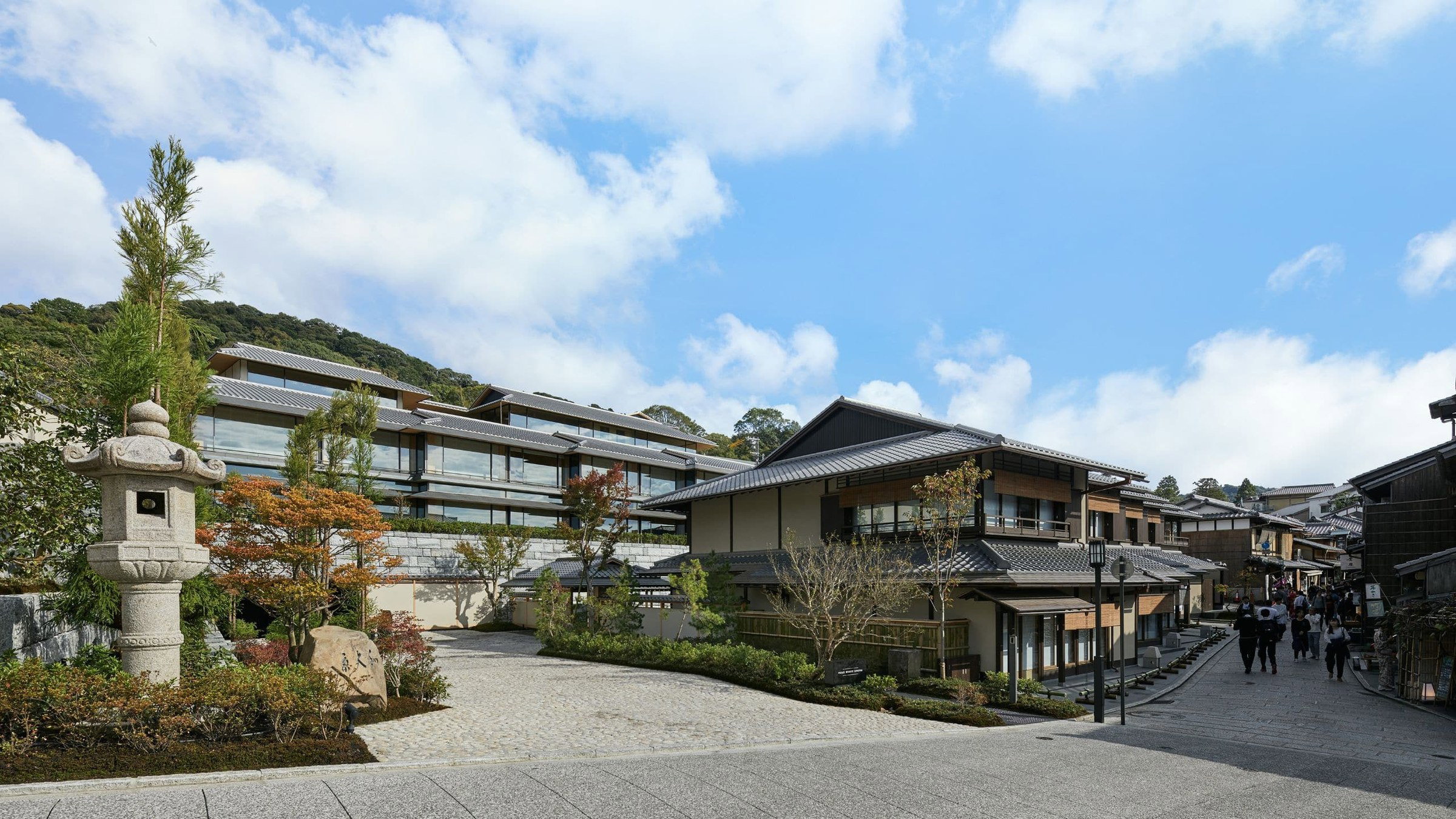
Raiz sits in Kita Ward, in the Murasakino district, north of the central tourist corridors around Gion and Kawaramachi. That address matters practically: you will not stumble across it on an evening walk from your hotel near the Shinkansen station. Plan your route before you go, and factor in travel time from central Kyoto. The neighbourhood is quieter and more residential, which shapes the atmosphere inside. This is not a room designed to be seen in; it is a room designed to eat in.
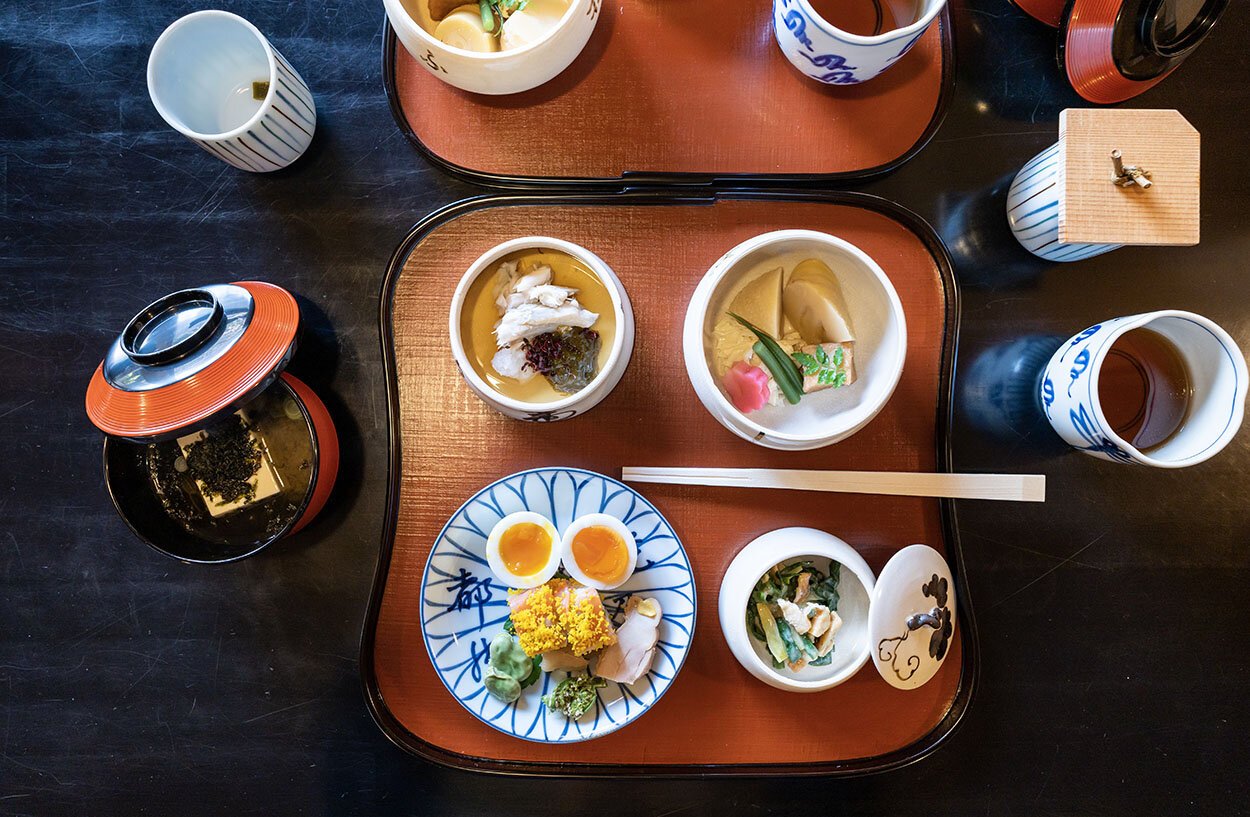
The name itself is the clearest description of the restaurant's intent. Raiz is Spanish for 'roots', and the kitchen operates on the principle that the ingredient relationships built with farmers in Nara and Kyoto are not a marketing angle but the actual architecture of each menu. Vegetables sourced from those producers carry the character of their growing environment, and the kitchen's job, working through Spanish techniques, is to make that character legible on the plate. The approach is contemporary rather than traditional, and the cooking format sits somewhere between a Spanish-influenced tasting progression and a produce-led Japanese sensibility. For a first-time visitor unfamiliar with this category, think of it as Spanish technique applied to the leading seasonal vegetables and seafood from the surrounding region, presented with the precision that Kyoto dining culture demands.
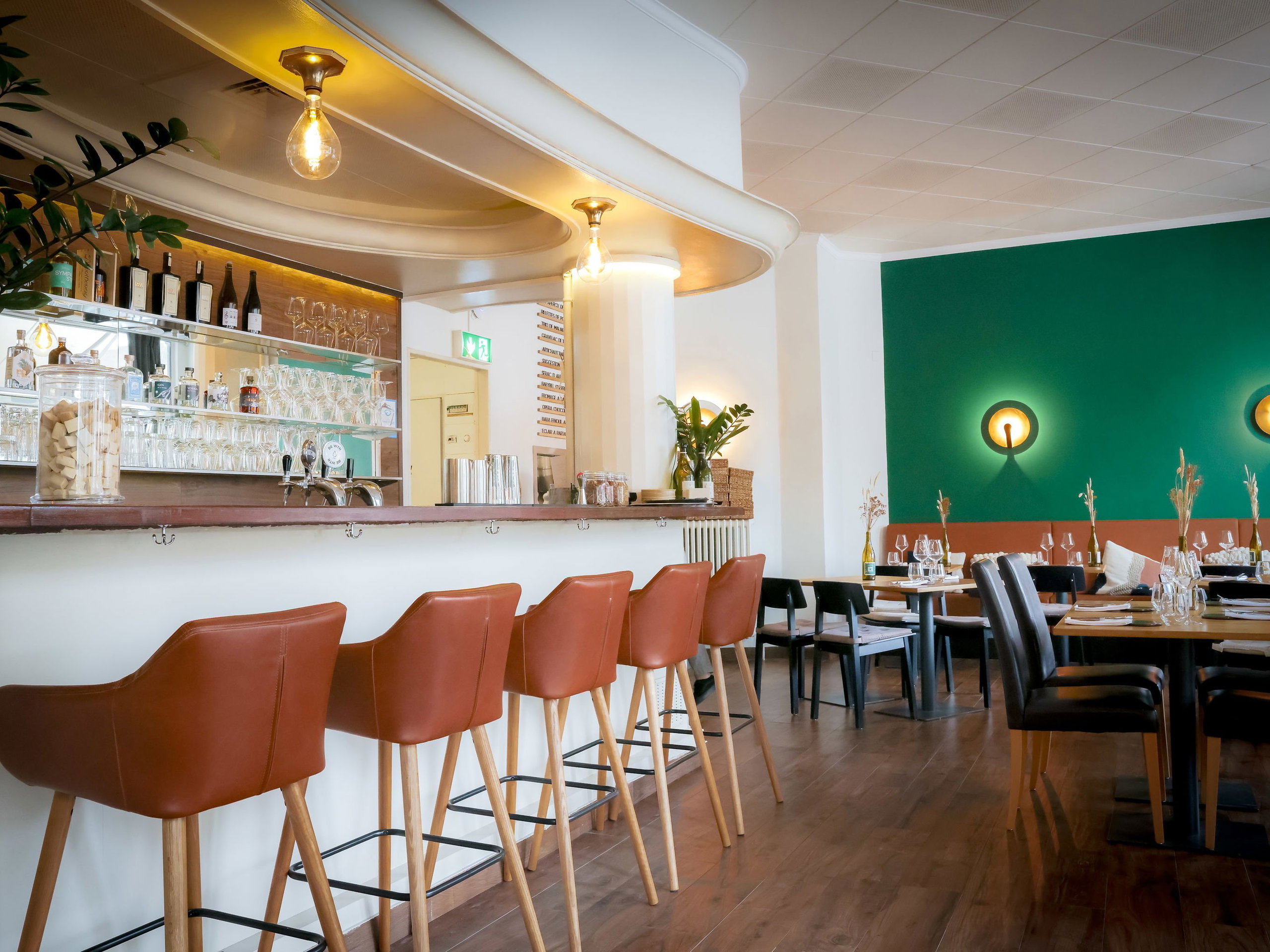
The spatial experience at Raiz is intimate in scale. Without a confirmed seat count in the public record, it would be imprecise to specify exact numbers, but the address, neighbourhood, and the nature of a kitchen working this closely with individual producers all point toward a small-room format. Expect a dining environment where tables are not crowded together and where the service-to-guest ratio allows for proper attention. For a first-timer, this matters: you are not entering a large, buzzing operation where you can disappear into the room. The meal will feel curated, and the pace will be set by the kitchen rather than by the clock.
The Wine Program
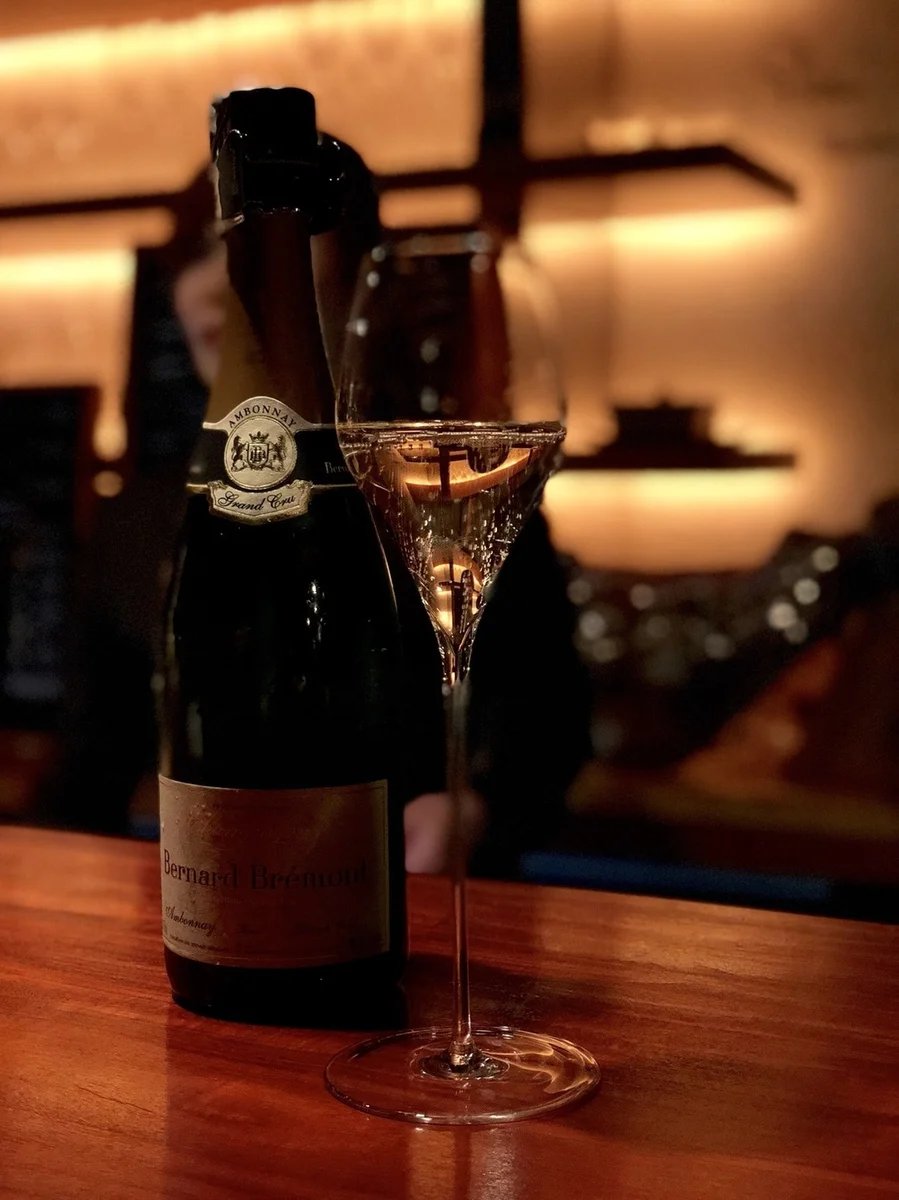
Editorial angle for Raiz in Kyoto's contemporary dining context is worth addressing directly: the Spanish technical backbone of the kitchen creates a natural bridge to wine pairings that go beyond the sake-first default of most Kyoto restaurant experiences. A kitchen working Spanish techniques with Japanese produce is structurally compatible with European wine pairings, and specifically with wines from Spain and from the natural wine producers increasingly present in Japan's restaurant import market. If you are the kind of diner for whom the wine pairing shapes the value equation of the meal, Raiz's culinary framework gives a sommelier considerably more to work with than a traditional kaiseki room would. That said, specific wine list details are not confirmed in available data, so enquire when booking about pairing options if this matters to your decision.
For comparison within the contemporary dining category across Japan, kitchens blending European technique with Japanese produce have found strong footing at places like akordu in Nara and, at a higher price and profile tier, HAJIME in Osaka. Raiz operates at ¥¥¥, making it a more accessible price point than either of those while sharing the producer-relationship philosophy that defines the category. If you are building a multi-city Japan itinerary around contemporary European-Japanese cooking, Raiz fits that arc well.
Booking and Practical Details
Booking difficulty is rated Easy. Raiz does not require the weeks-in-advance planning that defines the leading kaiseki rooms in Kyoto. A reservation a few days to a week ahead should be sufficient in most periods, though popular travel seasons in Kyoto (cherry blossom in late March to early April, autumn foliage in November) will compress that window. Check availability and book as soon as your Kyoto dates are confirmed. Phone and online booking details are best confirmed via current listings, as these are not included in available data.
The price tier is ¥¥¥, which in Kyoto's contemporary restaurant context sits below the ¥¥¥¥ kaiseki rooms and roughly in line with cenci, Kyoto's well-regarded Italian option at the same tier. For a first-timer managing a Kyoto dining budget, ¥¥¥ means you are spending seriously but not at the level of a full kaiseki dinner at Gion Sasaki or Kyokaiseki Kichisen.
Dress code details are not confirmed in the available record, but a contemporary Kyoto restaurant at this price and positioning warrants smart casual at minimum. Err on the side of neat. For broader Kyoto dining and travel planning, see our full Kyoto restaurants guide, our full Kyoto hotels guide, our full Kyoto bars guide, and our full Kyoto experiences guide.
Pearl Picks: If You Like Raiz
Within Kyoto, MASHIRO, COPPIE, middle, shiro, and TOKI cover adjacent territory for diners interested in contemporary cooking at this tier. Outside Kyoto, the producer-driven contemporary format connects to akordu in Nara (closely comparable in philosophy), Goh in Fukuoka, 1000 in Yokohama, and 6 in Okinawa. For the broader contemporary category internationally, César in New York City and Jungsik in Seoul share a European-technique-meets-local-produce framework. See also our full Kyoto wineries guide if the wine angle is a priority for your trip.
Planning details
- Location
- 21-4 Murasakino Kamimonzencho, Kita Ward, Kyoto, 603-8217, Japan
- Website
- raiz-restaurant.com
- Phone
- +81 75-406-0735
The take
The Take
The Vibe
Raiz occupies a quiet, residential pocket of Kita Ward and delivers an understated, refined dining experience that feels removed from Kyoto’s tourist corridors. The kitchen combines Spanish technique with Japanese produce, producing focused, ingredient-led plates that reflect close ties to producers. The setting leans toward an intimate, low-key elegance rather than theatrical ceremony: it’s the sort of restaurant that wins repeat diners through the quality of its cooking rather than by virtue of location. Expect a composed, sophisticated atmosphere that complements the provenance-driven cuisine without demanding the ritual of kaiseki.
Best For
Raiz is best for diners who want a thoughtful, ingredient-first meal away from the bustle of central Kyoto. It suits couples and small groups marking a special occasion or a date night, and appeals to those who appreciate chef-led technique — here, Spanish culinary approaches applied to Japanese ingredients. Because the restaurant operates at a ¥¥¥ price point and positions itself as an alternative to kaiseki, it also works well for travelers and locals seeking a high-quality, contemporary dinner that emphasizes producer relationships and seasonal sourcing rather than formal ceremonial dining.
Ordering Tips
Approach Raiz expecting dishes that foreground seasonality and producer relationships: the write-up highlights Spanish technique married to Japanese produce, so look for plates that showcase provenance and ingredient detail. The restaurant is framed as a ¥¥¥ contemporary option one tier below Kyoto’s kaiseki houses and one tier above mid-market venues, so plan accordingly for a thoughtful, higher-end dinner experience. Because the venue distinguishes itself by merit rather than location, evaluate it on the quality and clarity of its cooking rather than traditional kaiseki conventions.
Venue details
Ambiance
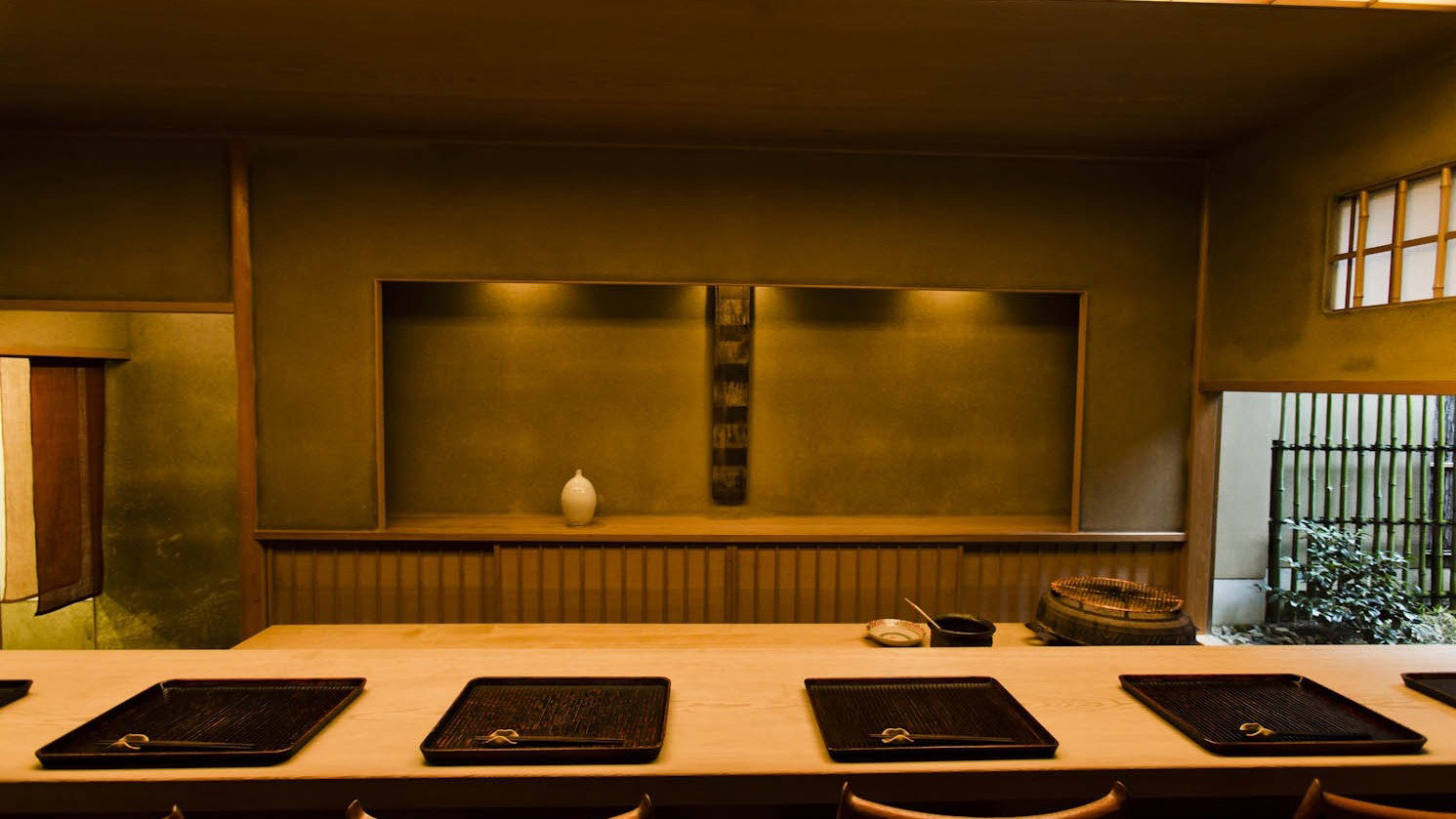
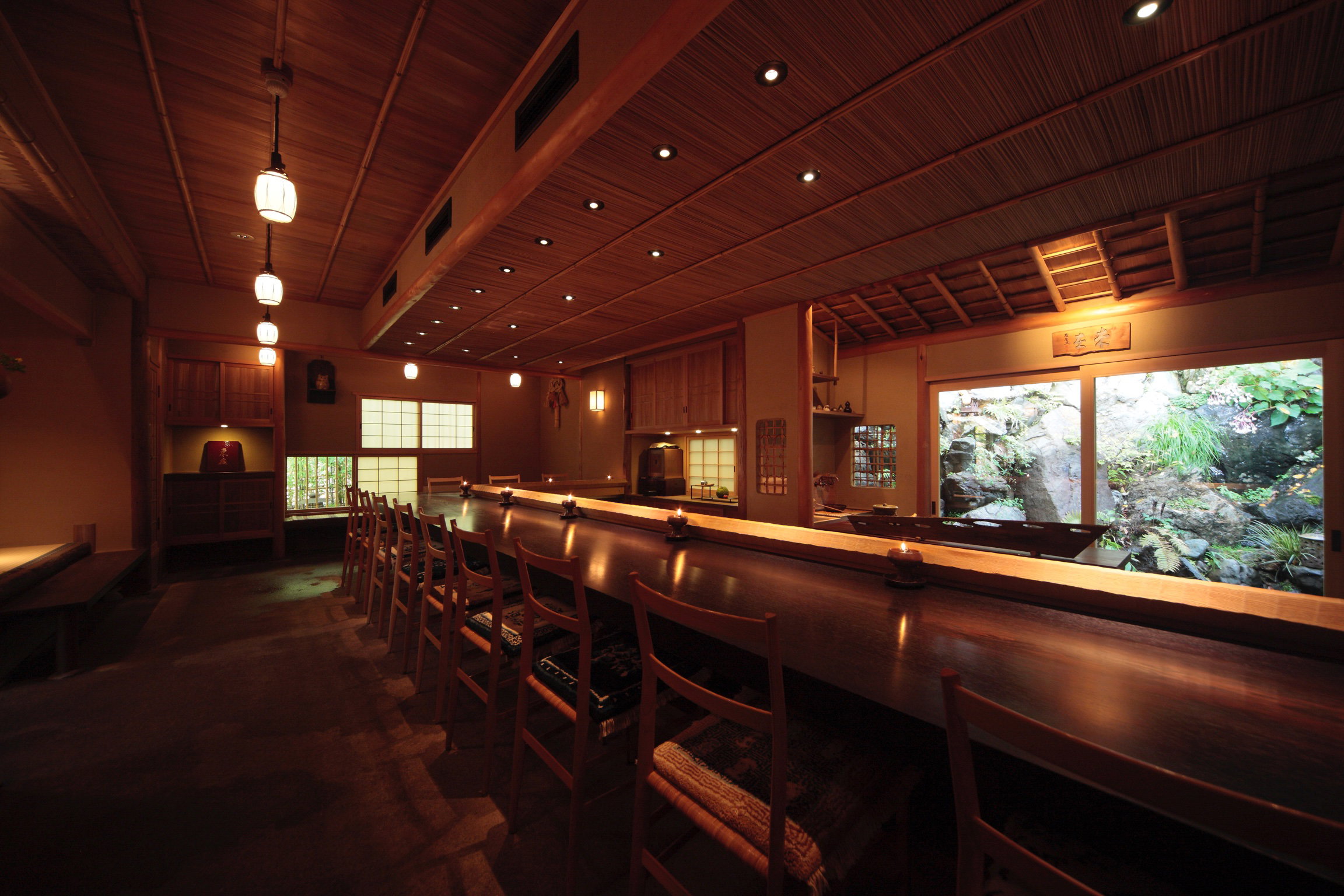
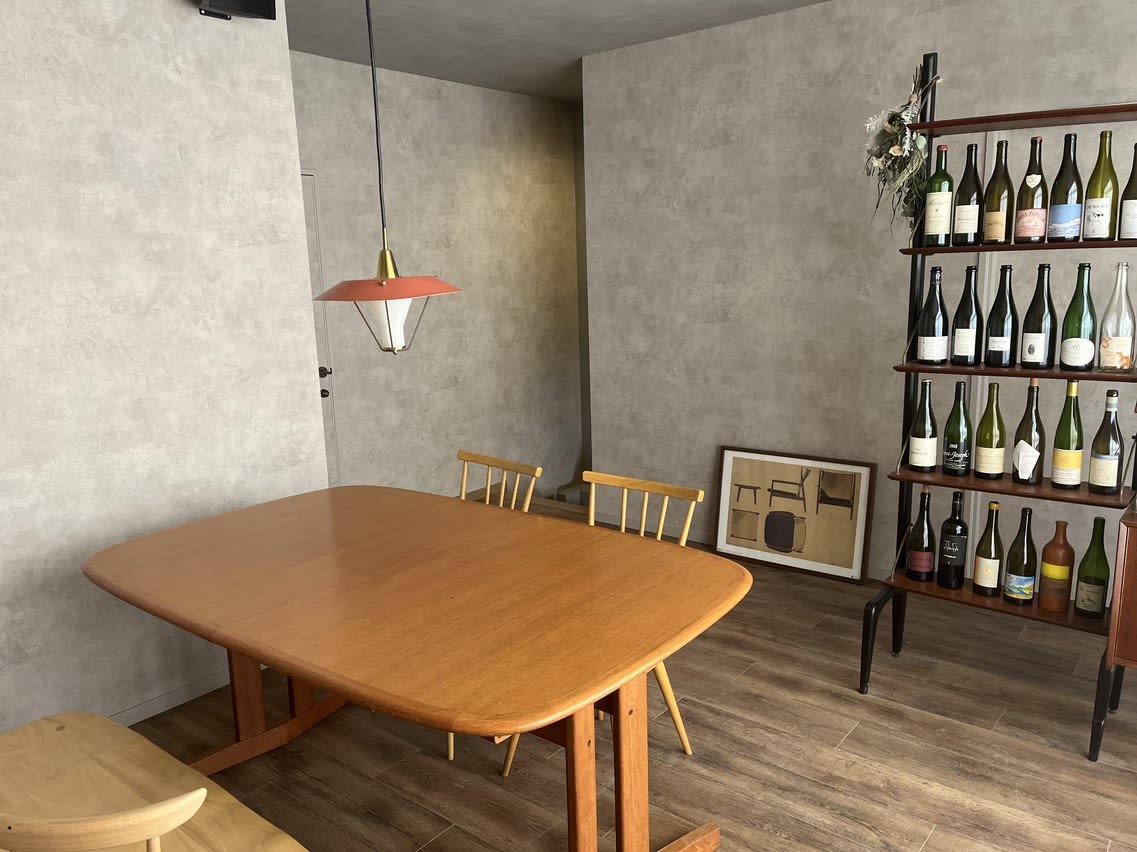
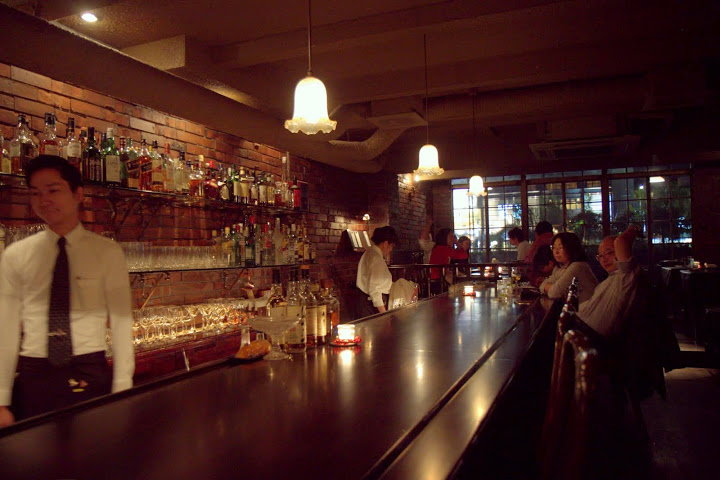
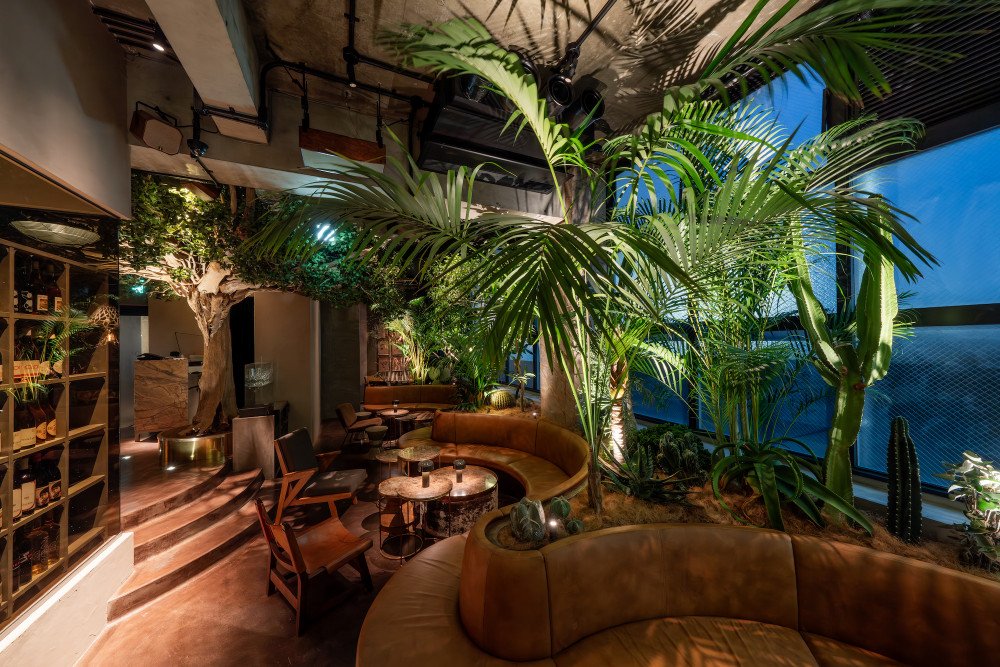
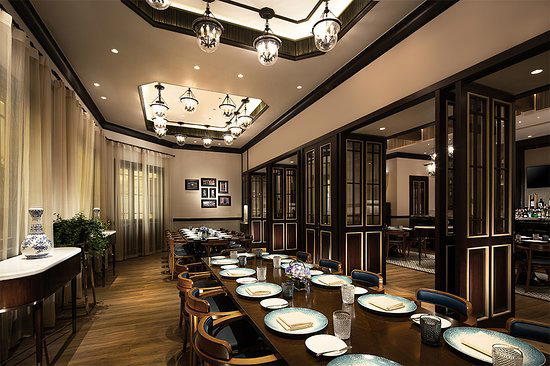
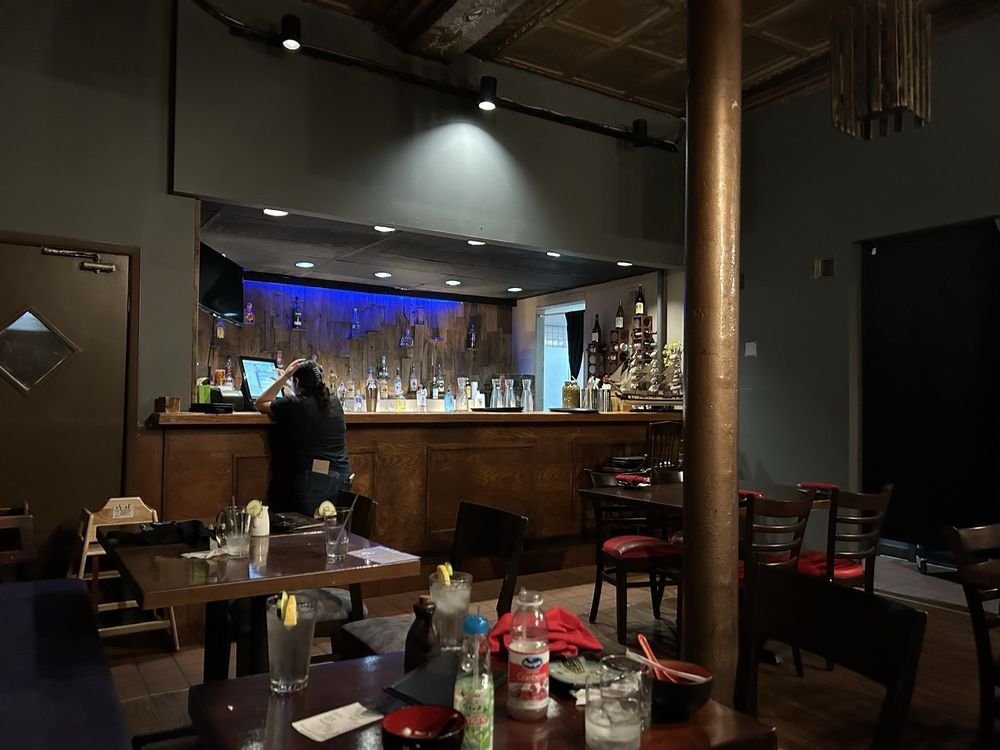
Warm wooden interior with relaxing atmosphere, stylish and cozy space featuring counter seating and a private room overlooking a courtyard garden.
Tags
Vibe
Best For
Experience
Sourcing
View
Accessibility
At the Table
- Noise Level
- Quiet
- Service Style
- Upscale Casual
- Meal Pacing
- Leisurely
- Capacity
- Intimate
Know before you go
Know Before You Go
- Getting there
- 21-4 Murasakino Kamimonzencho, Kita Ward, Kyoto, 603-8217, Japan
Planning details
Location
21-4 Murasakino Kamimonzencho, Kita Ward, Kyoto, 603-8217, Japan · Directions
Recognition and awards
Also consider
Also Consider
- Gion Sasaki, Kaiseki, Japanese, ¥¥¥¥
- cenci, Italian, ¥¥¥
- Ifuki, Kaiseki, ¥¥¥¥
- Kyokaiseki Kichisen, Japanese, ¥¥¥¥
- Kyo Seika, Chinese, ¥¥¥
Restaurant context
At ¥¥¥, Raiz is priced a full tier below Kyoto's serious kaiseki rooms. Gion Sasaki and Kyokaiseki Kichisen both operate at ¥¥¥¥ and require considerably more advance planning, with the kaiseki format demanding a different kind of commitment from the diner. If your priority is traditional Kyoto kaiseki at the highest level, those rooms are the benchmark. Raiz is the better choice if you want contemporary, produce-led cooking without the formal kaiseki structure or the ¥¥¥¥ price tag.
The closest price-matched peer is cenci, Kyoto's Italian option at ¥¥¥. Both restaurants bring a European technical framework to Japanese ingredients, but cenci works from an Italian base while Raiz works from a Spanish one. Cenci has a longer track record in Kyoto's contemporary dining conversation. For first-timers choosing between the two, the decision is essentially about cuisine preference rather than quality differential. Ifuki at ¥¥¥¥ sits above both in the kaiseki register and is harder to book.
For diners who want to spend less but still eat well in Kyoto, Kyo Seika (Chinese, ¥¥¥) offers a different register entirely. Raiz is the pick for anyone specifically interested in the Spanish-technique-meets-Japanese-produce format; no other venue in the comparison set occupies exactly that position. Book Raiz if contemporary and European-influenced is what you are after at a price that does not require a full kaiseki budget.
Explore Kyoto
Around this place
Discover more on Pearl
Unlock the full Raiz guide in Pearl, including awards, comparisons, FAQs, planning details, and nearby places.
Compare Raiz
| Venue | Cuisine | Price | Booking Difficulty | Awards |
|---|---|---|---|---|
| Raiz | Contemporary | ¥¥¥ | Easy | Tabelog 100 - Spanish cuisine - 2026 · #81Michelin Guide Kyoto Osaka 20262026 Michelin Plate2025 Michelin Plate |
| Gion Sasaki | Kaiseki, Japanese | ¥¥¥¥ | Unknown | 2026 Tabelog Bronze · #3862026 OAD Top Restaurants in Japan RecommendedMichelin Guide Kyoto Osaka 20262026 La Liste Top RestaurantsTabelog 100 - Japanese cuisine - WEST - 2025 · #132025 OAD Top Restaurants in Japan Ranked · #2462025 Tabelog Silver2025 Michelin 3 Stars2025 La Liste Top Restaurants |
| cenci | Italian | ¥¥¥ | Unknown | 2026 Tabelog Bronze · #442026 Asia's 50 Best Restaurants · #762026 OAD Top Restaurants in Japan Highly RecommendedMichelin Guide Kyoto Osaka 2026Tabelog 100 - Italian - WEST - 2025 · #632025 Asia's 50 Best Restaurants · #632025 OAD Top Restaurants in Japan Ranked · #1682025 Tabelog Bronze2024 OAD Top Restaurants in Japan Ranked · #135 |
| Ifuki | Kaiseki | ¥¥¥¥ | Unknown | 2026 OAD Top Restaurants in Japan Ranked · #1222026 Tabelog Bronze · #128Michelin Guide Kyoto Osaka 20262026 La Liste Top RestaurantsTabelog 100 - Japanese cuisine - WEST - 2025 · #622025 OAD Top Restaurants in Japan Ranked · #1002025 La Liste Top Restaurants2025 Tabelog Bronze2025 Michelin 2 Stars |
| Kyokaiseki Kichisen | Japanese | ¥¥¥¥ | Unknown | 2026 Tabelog Bronze · #1752026 OAD Top Restaurants in Japan Highly RecommendedMichelin Guide Kyoto Osaka 20262025 OAD Top Restaurants in Japan Ranked · #1862025 Michelin 2 Stars2025 La Liste Top Restaurants2024 OAD Top Restaurants in Japan Ranked · #1422024 Michelin 2 Stars2023 OAD Top Restaurants in Japan Ranked · #136 |
| Kyo Seika | Chinese | ¥¥¥ | Unknown | Tabelog 100 - Chinese cuisine - WEST - 2026 · #762026 Tabelog Bronze · #2162026 OAD Top Restaurants in Japan Recommended2026 Michelin 1 Star2025 OAD Top Restaurants in Japan Ranked · #3262025 Tabelog Bronze2024 OAD Top Restaurants in Japan Ranked · #3042024 Michelin Plate2024 Michelin 1 Star |
.png?width=1200&quality=80)






Side-by-side comparison to help you decide where to book.
FAQ
Frequently Asked Questions
What are alternatives to Raiz in Kyoto?
For contemporary cooking at a similar tier, cenci and MASHIRO cover the most comparable ground in Kyoto. If you want more formal Japanese structure alongside modern technique, Ifuki is worth considering. Raiz's specific angle — Spanish methods applied to Nara and Kyoto produce — is distinct enough that none of these are direct swaps, but cenci is the closest in spirit.
Is Raiz good for solo dining?
Yes. Raiz's contemporary format and producer-led, vegetable-forward menu works well for solo diners who want to engage with the cooking rather than manage a shared-plates negotiation. Booking difficulty is rated Easy, which removes the stress of solo reservation logistics that plagues higher-demand Kyoto rooms.
How far ahead should I book Raiz?
A few days to a week out is typically sufficient. Raiz is one of the easier contemporary Kyoto restaurants to book — nowhere near the weeks-in-advance planning required for top kaiseki rooms. If you have a fixed travel date, book early anyway, but last-minute availability is realistic here.
What should I wear to Raiz?
The venue data doesn't specify a dress code, and the restaurant's contemporary format in Kita Ward — away from the formal kaiseki corridors of central Kyoto — suggests a relaxed approach is fine. Neat, put-together clothing is appropriate; there is no evidence of a strict dress requirement.
Is Raiz worth the price?
At ¥¥¥ with a Michelin Plate in 2025, Raiz sits in a price band where the cooking needs to justify the spend against Kyoto's deep competition. The producer-relationship model — sourcing vegetables from specific farmers in Nara and Kyoto — gives the menu a concrete identity that goes beyond generic 'modern cuisine', which makes the price defensible. If you are weighing Raiz against a comparable kaiseki room, Raiz offers more flexibility and less ceremony for similar money.
Is the tasting menu worth it at Raiz?
The menu at Raiz is built around the kitchen's direct relationships with specific producers, meaning the vegetable-forward dishes have a clear sourcing rationale rather than just seasonal gesture. The Spanish technical backbone applied to Kyoto and Nara produce is the main reason to choose the format here over a la carte alternatives elsewhere in the city. It is worth it if producer-driven, contemporary cooking appeals to you — less so if you want traditional kaiseki structure.