
.png?width=1200&quality=80)
Ueroku wine
Spanish · Tennōji, Osaka
Restaurant in Osaka, Japan
 Book with Pearl
The Read
Dual-Coastline Spanish
Price
¥¥
Dress
Smart Casual
Why go
A Michelin Bib Gourmand Spanish restaurant in Osaka's Tennoji Ward that builds its menu around Japanese seafood interpreted through a coastal Spanish lens. At ¥¥, it is one of the most accessible Michelin-recognised Spanish addresses in the Kansai region. The owner's Bordeaux estate, Clos Leo, anchors a wine list with real provenance.
About Ueroku wine
Is Ueroku Wine Worth Booking for a Special Occasion in Osaka?
Yes — and more clearly so if you are looking for something other than the kaiseki or French-Japanese hybrids that dominate Osaka's higher-end dining scene. Ueroku Wine is a Spanish restaurant in Tennoji Ward with a Michelin Bib Gourmand (2025) and a Michelin Plate (2024), which tells you two things at once: the cooking is good enough to earn formal recognition, and the price point sits deliberately below the city's tasting-menu heavyweights. At ¥¥, it is one of the more accessible Michelin-recognised Spanish addresses in the Kansai region, and the wine list — anchored by Clos Leo, the owner's own Bordeaux estate, adds a dimension that most neighbourhood Spanish spots in Japan simply cannot match.
What Makes This Restaurant Different
The concept at Ueroku Wine is built around a specific geographical argument: Spain has two coastlines, Mediterranean and Atlantic, and Japan is effectively an archipelago surrounded by sea. The kitchen uses that parallel as a framework, channelling Japan's exceptional domestic seafood through a Spanish culinary lens. That is not a gimmick. Japan's fishing culture produces raw material that genuinely holds its own in Spanish preparations, whether in briny, oil-forward dishes or lighter preparations where freshness carries the plate. The result is a menu with a distinctive character that you will not find replicated at Ñ, Asador ROCA, or Donostia, each of which approaches Spanish cooking in Osaka from a different angle. For travellers who have already explored ZURRIOLA in Tokyo and want to see how Osaka interprets the same tradition, Ueroku Wine makes a compelling case.
Lunch vs Dinner: Which Sitting Delivers More Value?
This is the practical question that most determines whether the booking is worth making. At a ¥¥ price range, Ueroku Wine is already operating in territory where the gap between lunch and dinner pricing is meaningful relative to budget. Lunch services at Michelin Bib Gourmand restaurants in Japan typically offer compressed menus at lower price points, making them the higher-value entry point for first-timers who want to assess the kitchen before committing to a full dinner spend. If the concept appeals to you as a date or celebration venue, dinner is the natural choice, the wine list, including Clos Leo, will be more fully available and the pacing of an evening service suits a longer, more relaxed meal. For a business lunch or a solo visit to check whether the Spanish-Japanese seafood premise delivers, the daytime sitting is likely the smarter first move.
The Wine Programme
The owner's connection to Bordeaux is not incidental. Clos Leo, the estate behind Ueroku Wine, gives this restaurant access to a wine list with genuine provenance rather than a generic imported selection. A Spanish restaurant with a Bordeaux owner producing its own wine is an unusual enough combination to take seriously, and for wine-focused diners this alone justifies the visit over alternatives. The list draws from multiple countries alongside the house wine, which gives it range without abandoning the Iberian thread. If the wine programme is central to why you are considering Ueroku Wine, dinner is the correct session, a lunch visit that skips the bottles misses a significant part of what the restaurant is doing.
Booking and Logistics
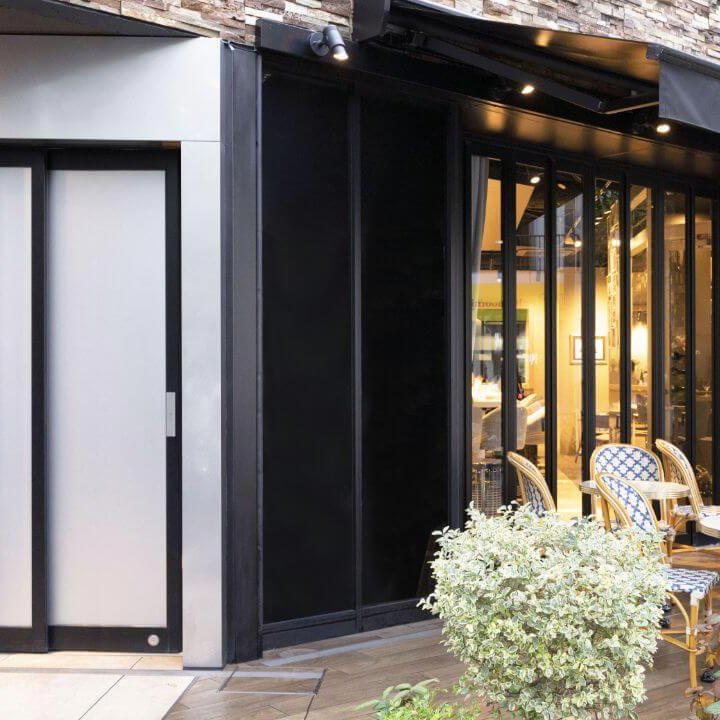
Booking here is direct by Osaka standards. The restaurant holds a Michelin Bib Gourmand designation rather than a star, which means demand is real but not at the level of Osaka's starred addresses. For a weekend dinner on a special occasion, booking one to two weeks in advance is a reasonable approach; for a weekday lunch, a few days' notice is often sufficient. The restaurant sits in Tennoji Ward at 4-15 Higashikozucho, in a building called Mansion VIP Kotsu, a residential-looking address that is typical of the small, tucked-away restaurants in this part of Osaka. The lack of a listed website and phone number in publicly available records means reservations are most reliably made through a third-party booking platform or by asking your hotel concierge to call ahead. If you are also planning evenings around EL ALMA or DuKKAh, Ueroku Wine slots naturally into a multi-night Osaka itinerary weighted toward Tennoji and the southern districts.
Context in the Broader Japan Spanish Dining Scene
Spanish cooking has found a more receptive audience in Japan than in most other Asian countries, partly because the shared emphasis on seafood and technique creates natural overlap. If you are mapping Spanish restaurants across a Japan trip, akordu in Nara is worth considering as a contrast, it operates at a different price tier and in a very different setting. For high-level creative cooking in Osaka that draws on European traditions without the Spanish focus, HAJIME and La Cime are the obvious alternatives, though both sit at ¥¥¥¥. Beyond Osaka, Harutaka in Tokyo, Gion Sasaki in Kyoto, and Goh in Fukuoka each represent the kind of precision cooking that defines Japan's restaurant scene at the top tier, though none of them share Ueroku Wine's specific European-Japanese seafood framework.
The Verdict
Book Ueroku Wine if you want Michelin-recognised Spanish cooking at a price point well below Osaka's starred roster, with a wine list that reflects genuine ownership investment rather than a standard import selection. It is particularly well-suited to a date dinner or a relaxed business meal where the food is the point but the bill is not expected to be alarming. First-timers should consider starting with lunch to assess the kitchen's execution on the Japan-seafood-meets-Spain premise before returning for the fuller evening experience. For everything else Osaka offers, see our full Osaka restaurants guide, and explore the city further with our Osaka hotels guide, our Osaka bars guide, our Osaka wineries guide, and our Osaka experiences guide.
Planning details
- Location
- Japan, 〒543-0021 Osaka, Tennoji Ward, Higashikozucho, 4−15 マンションヴィップ高津
- Website
- yoyaku.at/uerokuwine
- Phone
- +81 50-1395-5207
The take
The Take
The Vibe
Ueroku wine sits quietly in Tennoji Ward, offering a restrained, classic take on Spanish coastal cooking filtered through a Bordeaux producer's sensibility. The room and menu read as thoughtful rather than flashy: the kitchen stages an argument about two coasts — Atlantic and Mediterranean — and their parallels with Japan's varied seafood traditions. That intellectual rigor is balanced by an approachable warmth; the place operates below the city's headline fine-dining tier while earning a Michelin Bib Gourmand, so the experience feels polished and quietly rewarding rather than ostentatious.
Best For
This is a spot for focused evening dining when you want serious cooking without formal pageantry. The menu leans on seasonal Japanese seafood executed with Spanish coastal technique, which makes the restaurant a good fit for diners seeking considered flavors and thoughtful plating at dinner. The Bib Gourmand recognition signals careful execution and value, so the room suits intimate meals and occasions when the quality of ingredients and technique matters more than theatrical service. It’s ideal for visitors looking for a refined, low-key culinary encounter in Tennoji.
Ordering Tips
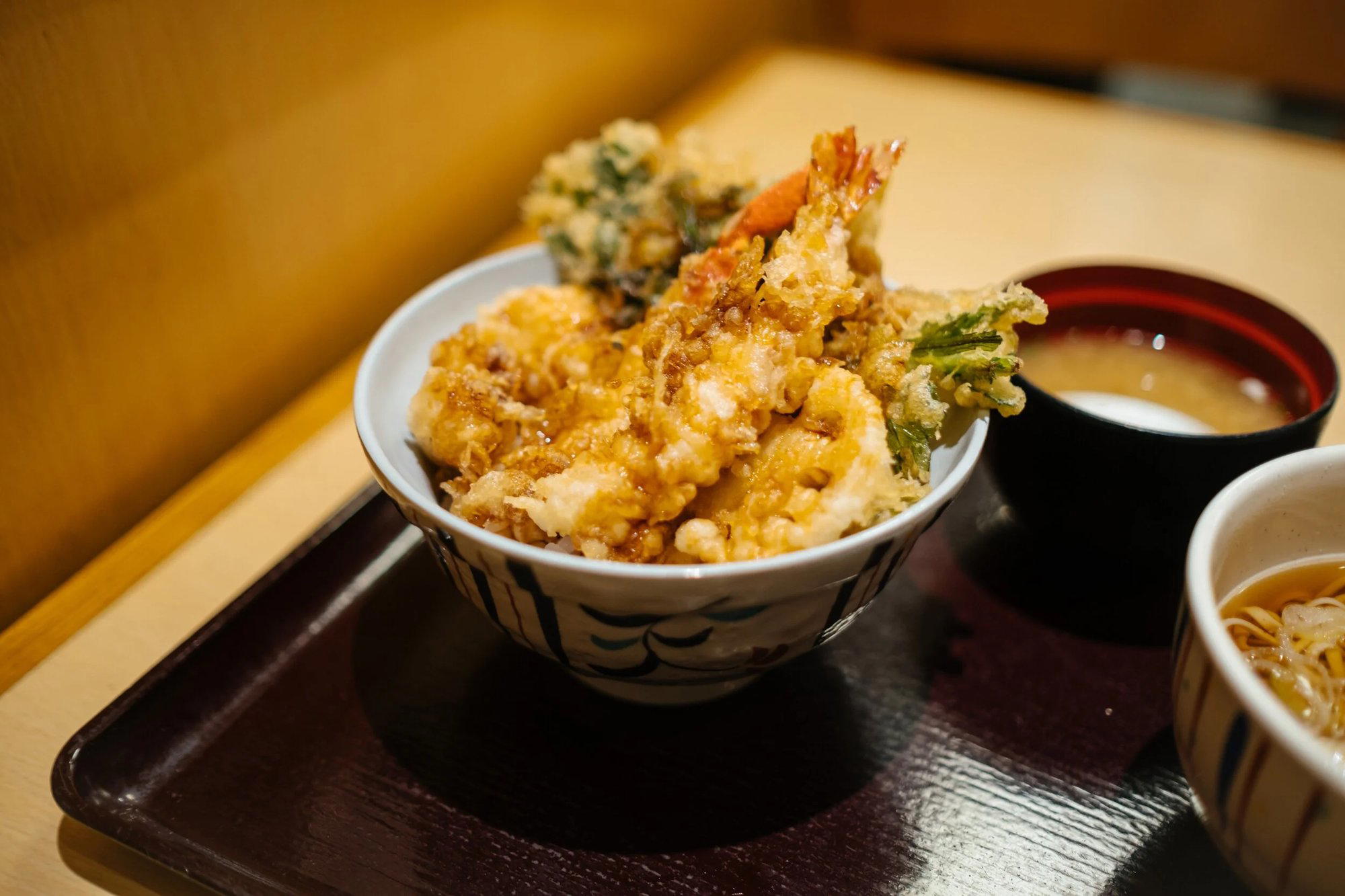
Order with the menu’s geographical logic in mind: pay attention to the Atlantic-style and Mediterranean-style sections and choose dishes that highlight seasonal seafood. The kitchen uses Japanese catches as its primary ingredient, so daily availability and seasonality shape the best plates — ask what arrived that day. Don’t miss the paella, the listed signature, and consider selecting a few coast-specific preparations to compare how Atlantic and Mediterranean techniques play against local fish and shellfish.
Venue details
Ambiance
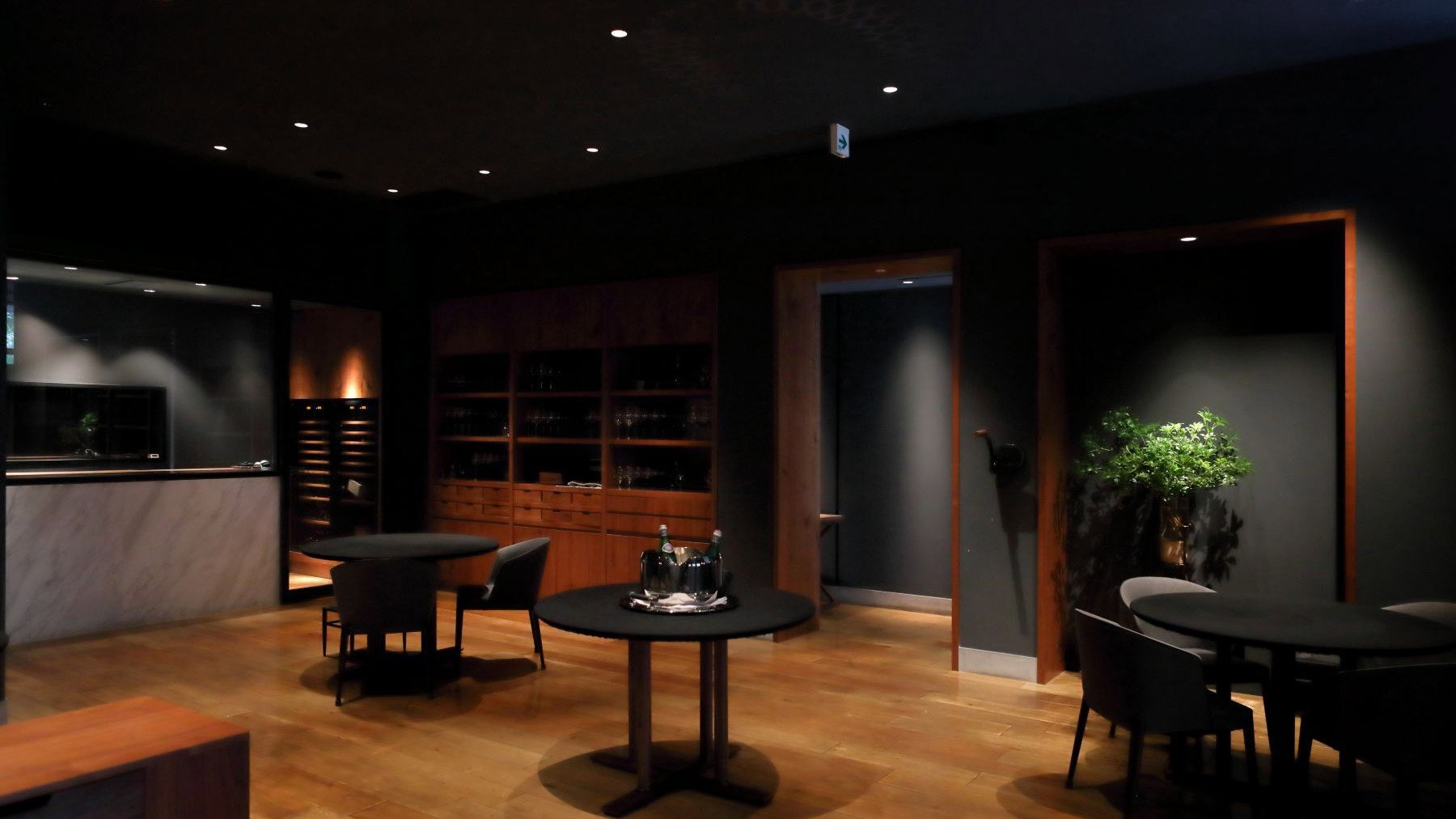
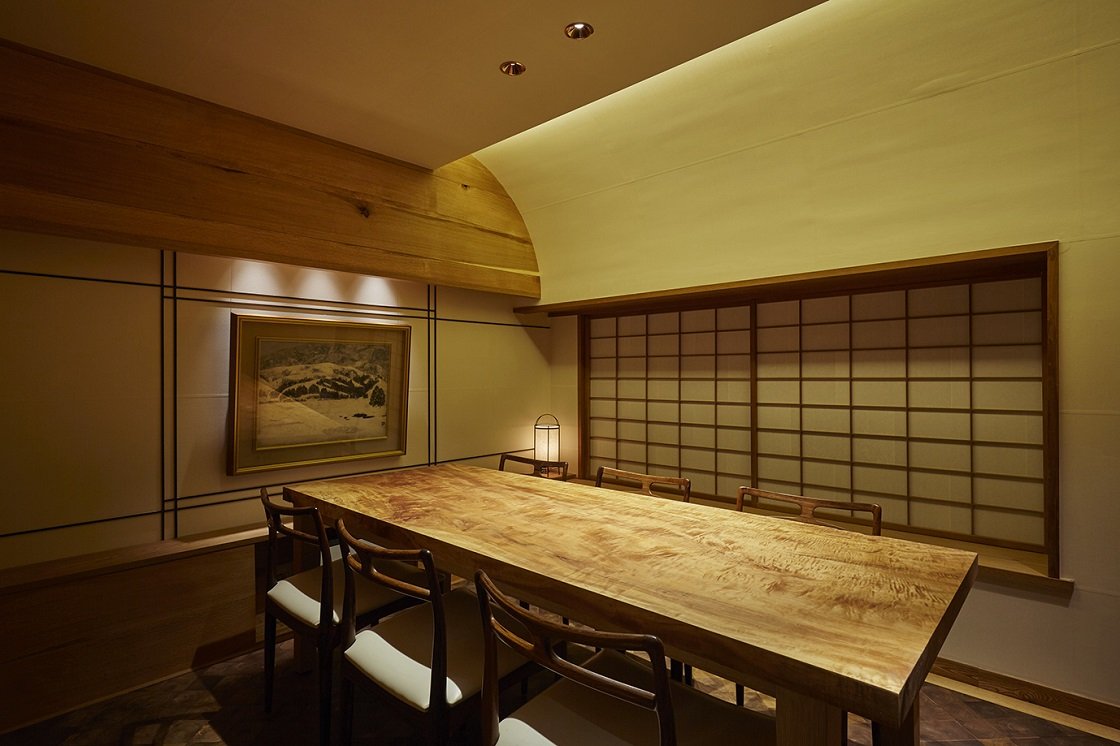
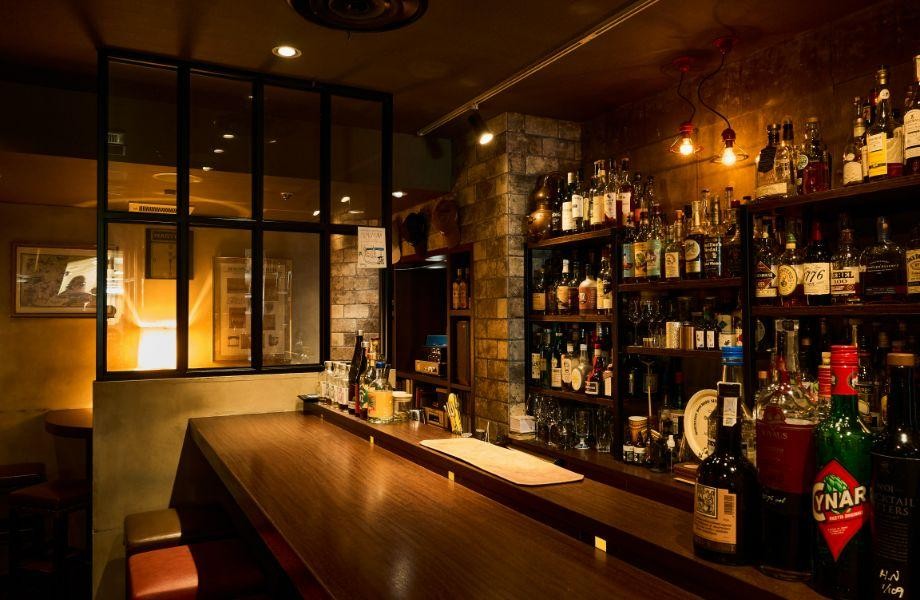
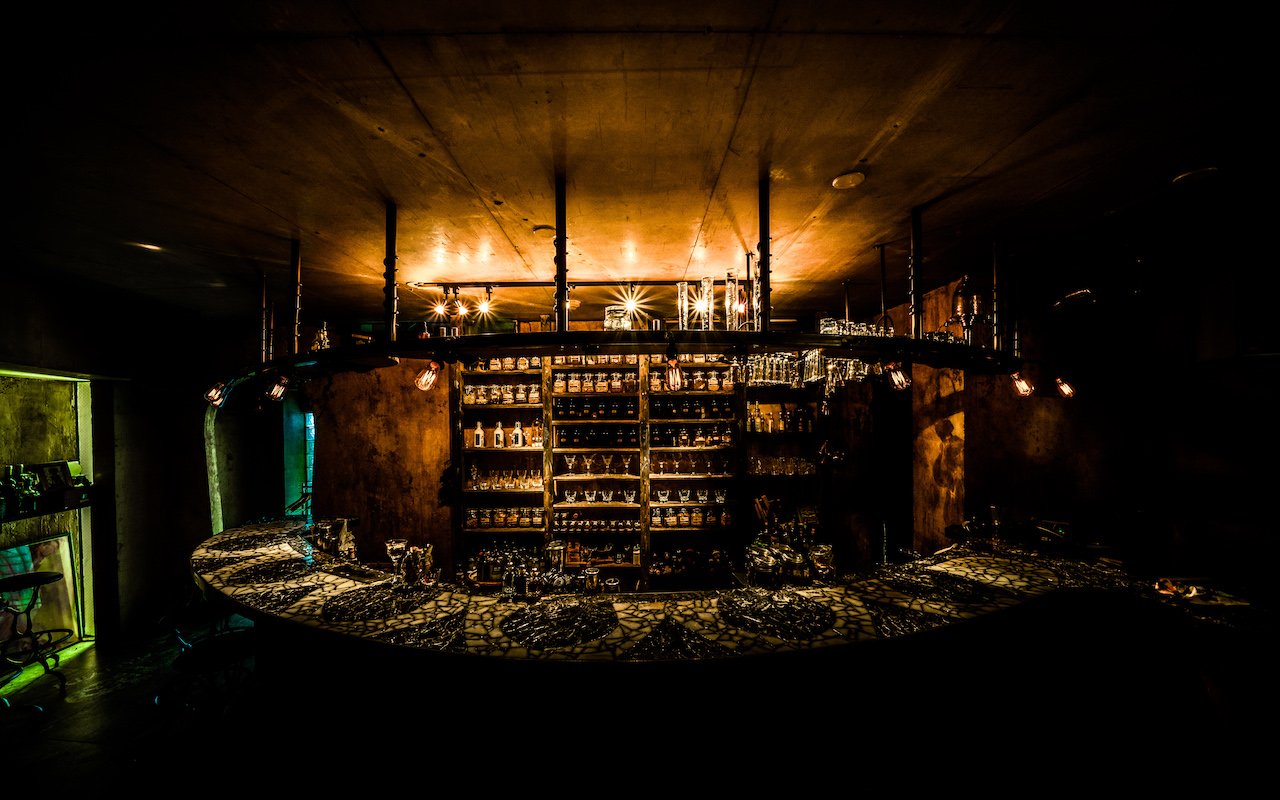
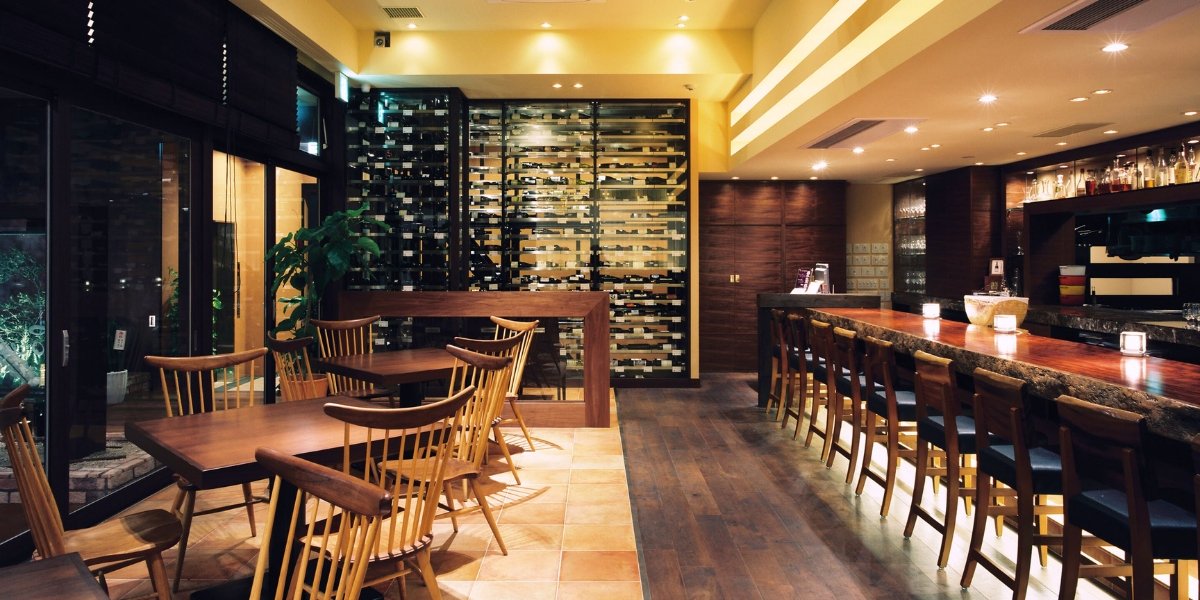
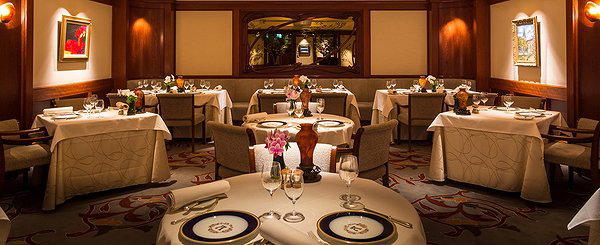
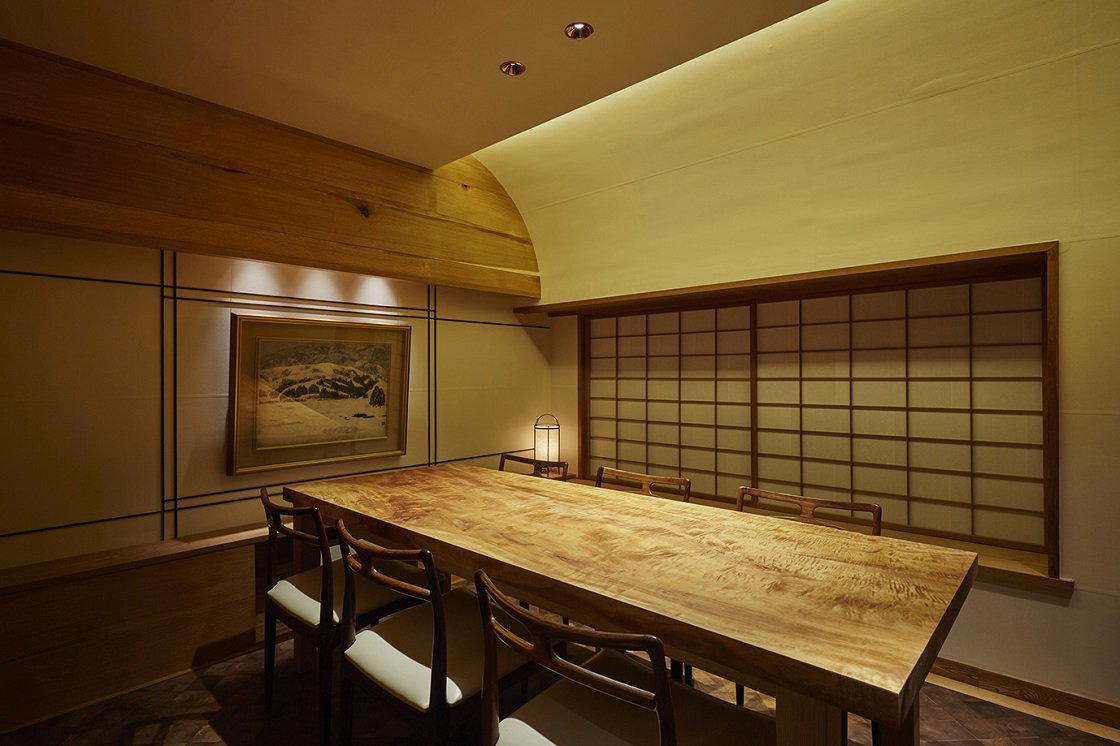
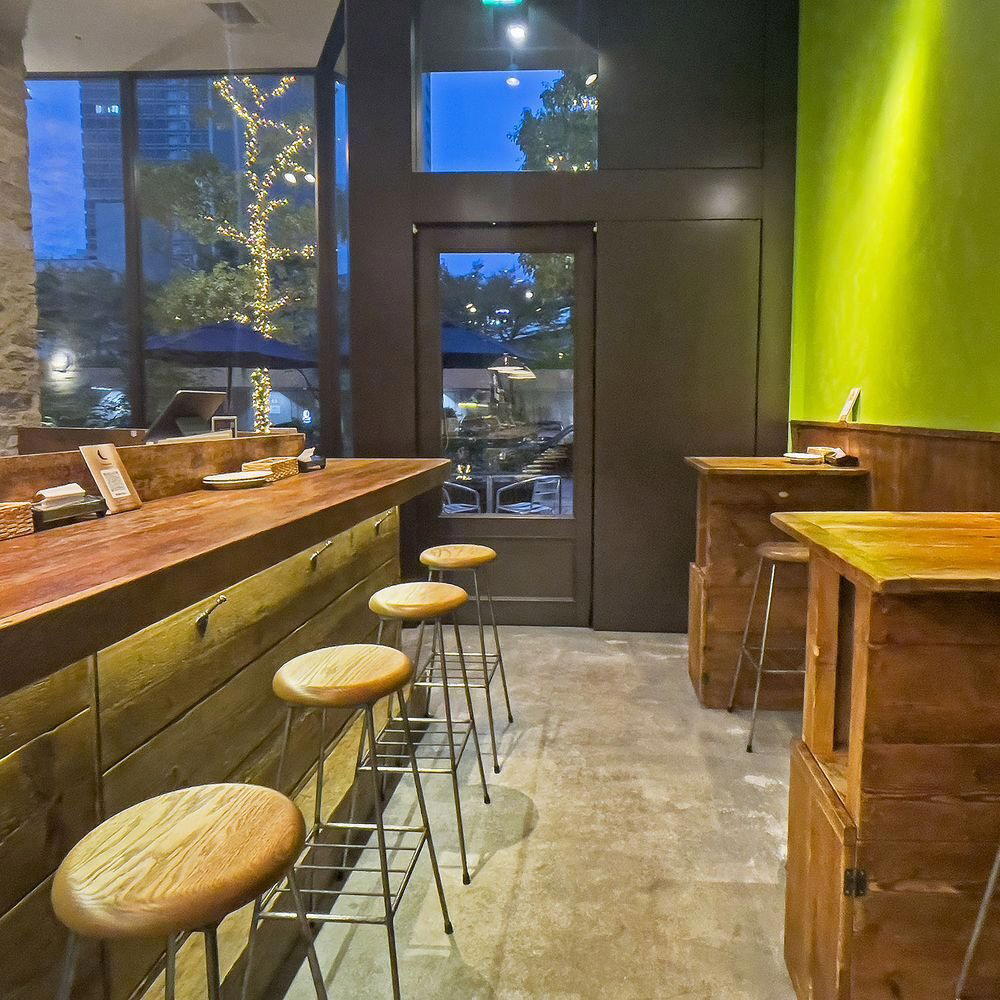
Low-lit candlelit space with warm chiaroscuro lighting, hushed and refined atmosphere like a private salon.
Tags
Vibe
Best For
Experience
At the Table
- Dress Code
- Smart Casual
- Noise Level
- Quiet
- Service Style
- Upscale Casual
- Meal Pacing
- Leisurely
- Capacity
- Intimate
Signature Dishes
paella
Know before you go
Know Before You Go
- Getting there
- Japan, 〒543-0021 Osaka, Tennoji Ward, Higashikozucho, 4−15 マンションヴィップ高津
Planning details
Location
Japan, 〒543-0021 Osaka, Tennoji Ward, Higashikozucho, 4−15 マンションヴィップ高津 · Directions
Recognition and awards
Also consider
Also Consider
- HAJIME, French, Innovative, ¥¥¥¥
- La Cime, French, ¥¥¥¥
- Kashiwaya Osaka Senriyama, Japanese, ¥¥¥
- Taian, Kaiseki, Japanese, ¥¥¥
- Fujiya 1935, Innovative, ¥¥¥¥
Restaurant context
Against Osaka's high-end field, Ueroku Wine occupies a specific and useful position: it is the only Spanish restaurant in this peer group, and it operates at ¥¥ while the alternatives, HAJIME, La Cime, and Fujiya 1935, all sit at ¥¥¥¥. If your priority is value for a formally recognised meal, Ueroku Wine delivers more clearly than any of them. The Bib Gourmand is not a consolation prize; it signals cooking that the Michelin inspectors found worth recommending at a price that does not require a special occasion to justify.
For diners who want the full Osaka fine-dining experience and have budget flexibility, La Cime is the most focused creative-French address and slightly easier to book than HAJIME. HAJIME itself operates at a level of ambition and difficulty that makes it a separate category, genuinely hard to book and priced to match. Kashiwaya Osaka Senriyama and Taian sit at ¥¥¥ and represent the kaiseki tradition if Japanese cooking is what you are prioritising. Neither competes with Ueroku Wine on cuisine type or wine programme depth.
The clearest decision rule: if you want Spanish cooking with a wine list built around an owner-produced Bordeaux, book Ueroku Wine. If you want kaiseki or French-Japanese precision at any price point, the other four venues in this group cover that ground more directly. Ueroku Wine is the easiest of the group to book and the most forgiving on price, making it the natural first booking for a multi-night Osaka itinerary before you commit to a higher-spend evening elsewhere.
Explore Osaka
Around this place
Discover more on Pearl
Unlock the full Ueroku wine guide in Pearl, including awards, comparisons, FAQs, planning details, and nearby places.
Compare Ueroku wine
| Venue | Price | Booking Difficulty | Awards |
|---|---|---|---|
| Ueroku wine | ¥¥ | Easy | Tabelog 100 - Spanish cuisine - 2026 · #382026 Bib Gourmand2025 Michelin Bib Gourmand2024 Michelin Plate |
| HAJIME | ¥¥¥¥ | Unknown | Star Wine Lists 2026 · #12026 Tabelog Bronze · #922026 OAD Top Restaurants in Japan Ranked · #98Michelin Guide Kyoto Osaka 20262026 La Liste Top RestaurantsTabelog 100 - Innovative / Creative cuisine - 2025 · #692025 Asia's 50 Best Restaurants · #832025 OAD Top Restaurants in Japan Ranked · #87We're Smart World Top Restaurants 2025 |
| La Cime | ¥¥¥¥ | Unknown | 2026 Asia's 50 Best Restaurants · #132026 OAD Top Restaurants in Japan Ranked · #1492026 Tabelog Bronze · #231Michelin Guide Kyoto Osaka 20262026 La Liste Top Restaurants2025 Asia's 50 Best Restaurants · #82025 World's 50 Best Restaurants · #44Tabelog 100 - French - WEST - 2025 · #932025 OAD Top Restaurants in Japan Ranked · #123 |
| Kashiwaya Osaka Senriyama | ¥¥¥ | Unknown | 2026 Tabelog Bronze · #1682026 OAD Top Restaurants in Japan Recommended2026 Relais Chateaux RestaurantsMichelin Guide Kyoto Osaka 20262026 La Liste Top RestaurantsTabelog 100 - Japanese cuisine - WEST - 2025 · #772025 OAD Top Restaurants in Japan Ranked · #1552025 Relais Chateaux Award2025 Michelin 3 Stars |
| Taian | ¥¥¥ | Unknown | 2026 OAD Top Restaurants in Japan RecommendedMichelin Guide Kyoto Osaka 20262026 La Liste Top Restaurants2025 OAD Top Restaurants in Japan Ranked · #2042025 La Liste Top Restaurants2025 Michelin 3 Stars2024 OAD Top Restaurants in Japan Ranked · #1912024 Michelin 3 Stars2023 OAD Top Restaurants in Japan Highly Recommended |
| Fujiya 1935 | ¥¥¥¥ | Unknown | 2026 Tabelog Bronze · #752026 OAD Top Restaurants in Japan RecommendedMichelin Guide Kyoto Osaka 20262026 La Liste Top Restaurants2025 Michelin 2 Stars2025 Tabelog Silver2025 La Liste Top Restaurants2024 OAD Top Restaurants in Japan Ranked · #2392024 Michelin 2 Stars |

.png?width=1200&quality=80)









How Ueroku wine stacks up against the competition.
FAQ
Frequently Asked Questions
What should a first-timer know about Ueroku wine?
The concept is built around a geographical argument — Spanish coastal cooking reimagined through Japanese seafood — so expect dishes that feel distinctly Spanish in structure but draw from Japan's waters. The restaurant holds a Michelin Bib Gourmand (2025), which means the kitchen has been recognised for quality at a price point that won't require the budget planning of Osaka's starred venues. The owner's Bordeaux estate, Clos Leo, anchors the wine list, so you're not looking at a generic imported selection. Come with curiosity about the wine pairing side of the meal, not just the food.
Is Ueroku wine good for solo dining?
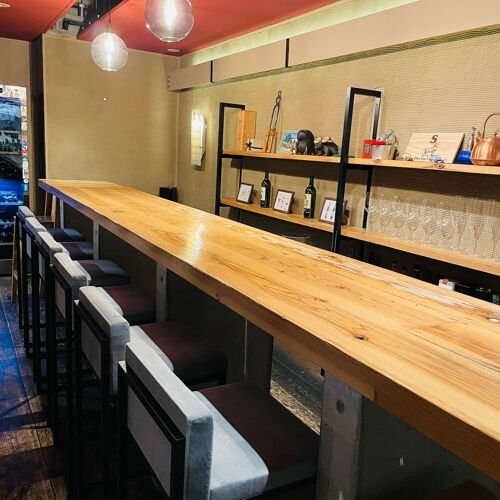
Yes, and likely more so than many comparable Osaka options. Spanish restaurants with counter or bar-style seating generally work well for solo diners, and the Bib Gourmand price range (¥¥) keeps a solo meal from feeling financially disproportionate. The wine-focused format also suits individual pacing. That said, specific seating arrangements aren't confirmed in available data, so it's worth checking directly when you book.
What should I wear to Ueroku wine?
Nothing in the venue record prescribes a dress code. At a ¥¥ Michelin Bib Gourmand restaurant in Tennoji Ward, the reasonable assumption is that smart casual is appropriate — tidy but not formal. If you're coming from dinner at a starred venue earlier in the trip, what you're already wearing will be fine. When in doubt, err slightly more formal than you think you need to in an Osaka dining context.
Is Ueroku wine worth the price?
At ¥¥ with a Michelin Bib Gourmand (2025), yes — the value case is clear. The Bib designation specifically recognises good cooking at a moderate price, and the Clos Leo wine access gives the list a depth that most restaurants at this price point can't match. For comparison, reaching Michelin-star territory in Osaka (La Cime, Fujiya 1935) typically means stepping up two or three price brackets for a format that's also more demanding. Ueroku Wine is the lower-commitment, lower-cost way into serious Osaka dining.
What should I order at Ueroku wine?
Specific dishes aren't confirmed in available data, so any particular recommendation would be speculation. What the venue record makes clear is that Japanese seafood prepared through Spanish culinary technique is the kitchen's defining focus — that's where to concentrate your choices. Factor in at least one glass from the Clos Leo selection when ordering; the owner-producer connection makes the wine list a meaningful part of the experience, not an afterthought.
How far ahead should I book Ueroku wine?
Bib Gourmand venues in Japan tend to draw serious local demand without the international reservation-hunt pressure of starred restaurants, but Osaka dining rooms at this recognition level still fill up. Booking one to two weeks out is a reasonable baseline for midweek; aim for two to three weeks if you're targeting a Friday or Saturday. Hours and booking platform details aren't confirmed in available data, so check via a local reservation service or the venue directly.
Can I eat at the bar at Ueroku wine?
Bar or counter seating details aren't confirmed in the venue record. Given the Spanish restaurant format and the wine-programme focus, counter seating would be a logical fit, but that's category knowledge rather than venue-specific fact. Confirm when booking — and if counter seats are available, they're worth requesting for solo diners or pairs who want to engage more directly with the kitchen and wine service.