
.png?width=1200&quality=80)
Donostia
Spanish · Kita, Osaka
Restaurant in Osaka, Japan
 Book with Pearl
The Read
Basque Counter Informality
Price
¥¥
Dress
Casual
Why go
Donostia is Osaka's most accessible Basque-Spanish counter, backed by back-to-back Michelin Bib Gourmand recognition in 2024 and 2025. At the ¥¥ price point, pinchos, marinated sardines, and bean-and-giblet stew deliver genuine regional specificity without the reservation pressure or cost of Osaka's tasting-menu circuit. Book same-week for a low-effort, high-value dinner.
About Donostia
Verdict
Donostia is the most accessible Basque-Spanish restaurant in Osaka and one of the few places in Japan where you can eat pinchos, tortilla, and herb-rich seafood salsas at a price point that won't require a reservation weeks in advance. Book it for a low-pressure weeknight meal or as a contrast to the kaiseki options across the city. If you are an explorer visiting Osaka specifically to eat broadly across cuisines, Donostia earns a place on your itinerary.
The Room and the Counter
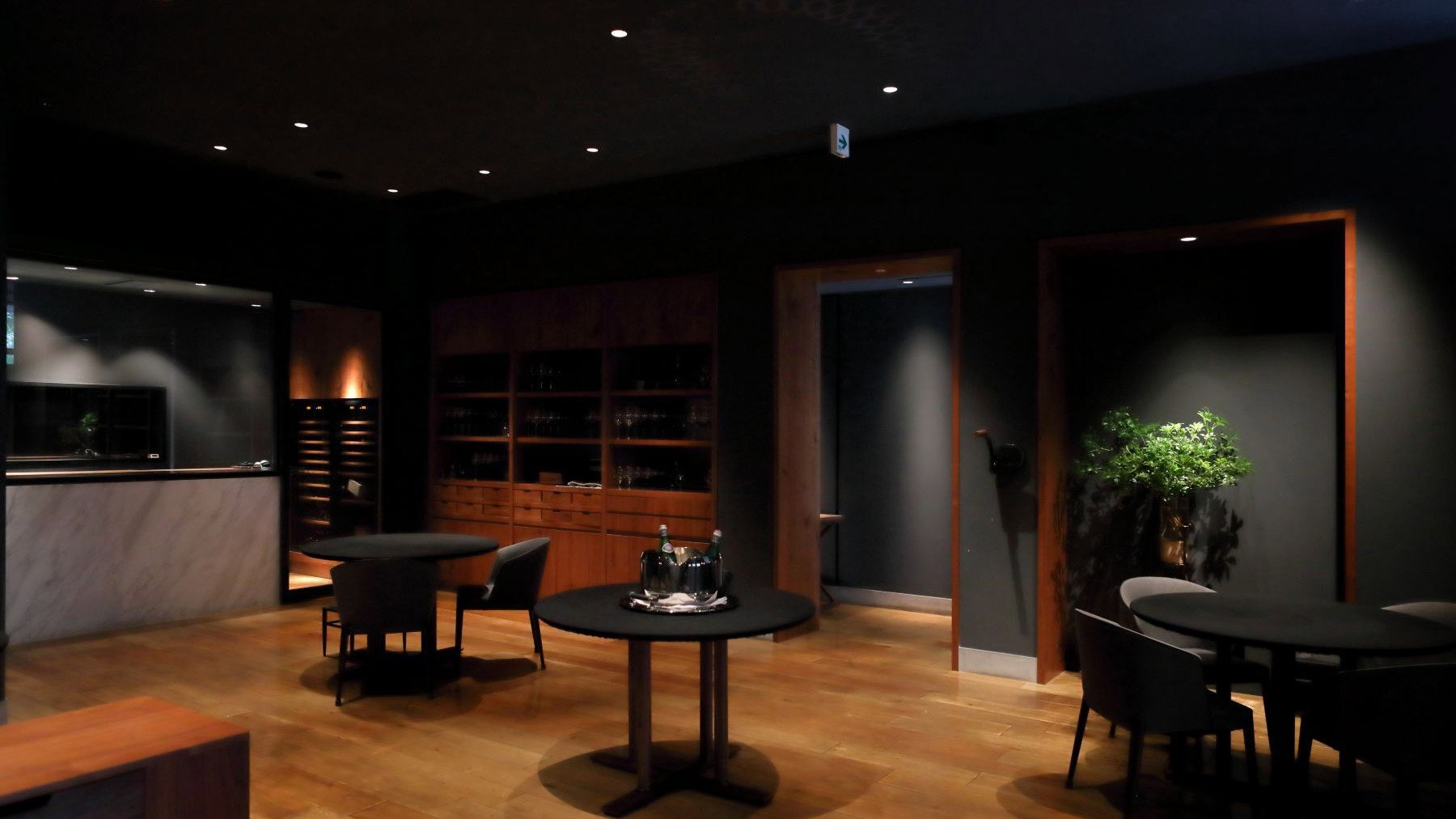
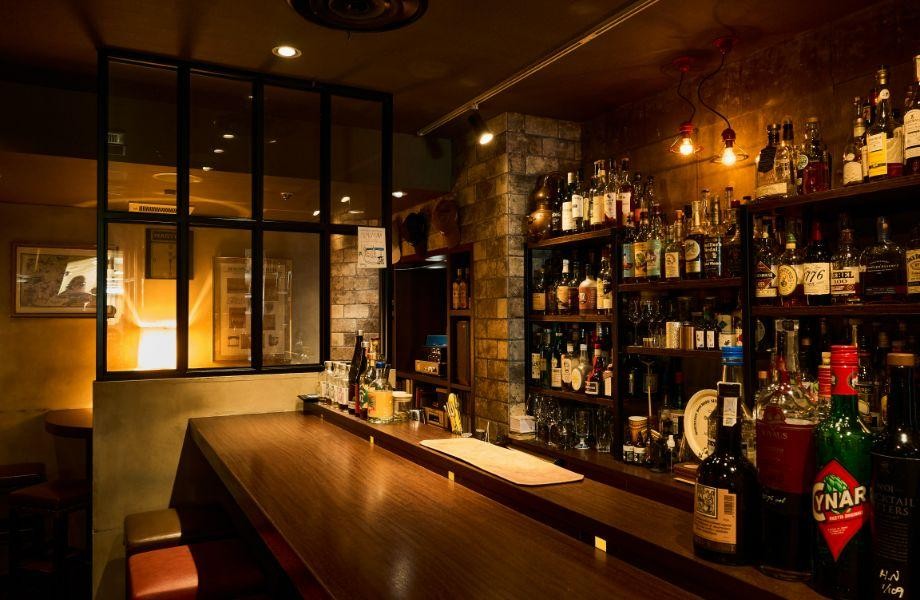
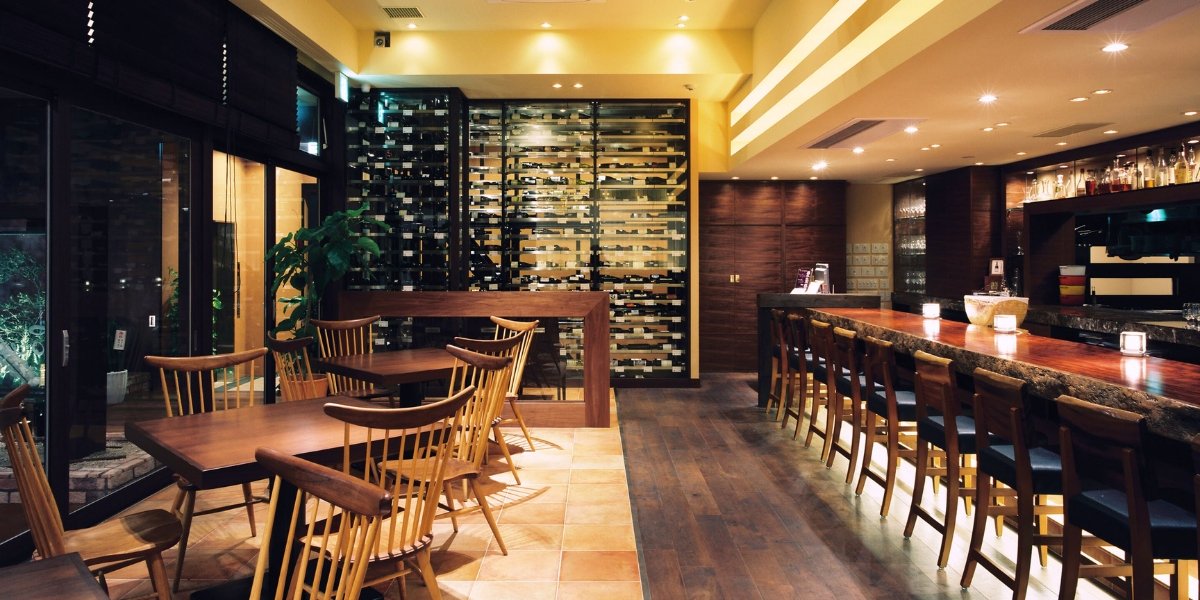
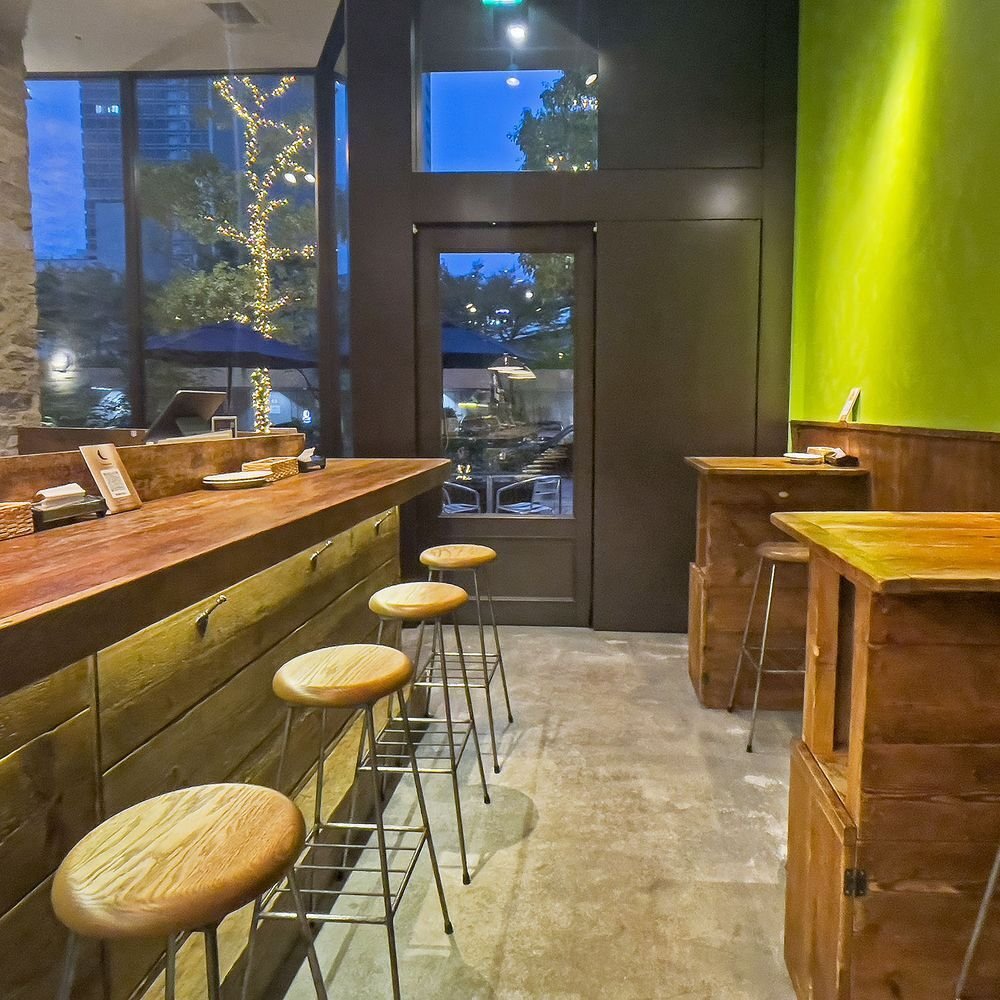
The first thing you notice at Donostia is the glass case on the counter: pinchos and tortillas arranged the way you would find them in a bar in San Sebastián itself — the Donostia of the restaurant's name, the Basque word for that city. The setting is deliberately informal. This is not a white-tablecloth interpretation of Spanish cuisine; it is a tapas bar format transplanted to Nakanoshima, one of Osaka's more interesting dining districts, sitting inside the Daiwa Building on the ground floor. The visual language of the room signals the format before you sit down: small plates, counter seating, a pace you control.
That informality matters practically. It means the venue works well for solo diners who want counter interaction, for pairs who want to graze through several dishes, and for explorers who prefer to order in rounds rather than commit to a fixed menu. The Basque tapas format also means the eating experience here is fundamentally different from the kaiseki or French tasting-menu format that dominates Osaka's higher Michelin tiers — a relevant comparison if you are planning a multi-day eating itinerary across the city.
What You Are Eating
The menu reads as a coherent argument for Basque country cooking rather than a pan-Spanish survey. Dry-cured ham, marinated sardines, and squid frit represent the snacking tier. Seafood in salsa verde with fresh herbs and a bean-and-giblet stew represent the more substantial, slow-cooked side of the cuisine. These are dishes with regional specificity, the bean-and-giblet stew in particular is a genre of Basque home cooking that rarely appears outside Spain, let alone in Osaka. For a food traveller seeking depth and context beyond the obvious, that specificity is a genuine draw.
On the question of whether this food travels well for delivery or takeout: the format is partly suited to it and partly not. Pinchos and tortillas are relatively strong as cold or room-temperature eating, and the dry-cured ham holds its quality off-premise. The salsa verde and bean stew are less well-served by a delivery container, these are dishes that benefit from being eaten at the counter while still properly warm, with the texture of the broth intact. If you are considering Donostia for an off-premise meal, the cold pintxos tier is the practical choice; skip the stewed dishes unless you are eating immediately. The venue's informal counter format also means dine-in is genuinely easy, so there is little compelling reason to take the food elsewhere if you are already in the Nakanoshima area.
For context on Spanish cuisine elsewhere in Japan: ZURRIOLA in Tokyo takes a more technically refined approach to Spanish cooking at a higher price point. In Osaka itself, the Spanish-leaning options include Ñ, Asador ROCA, EL ALMA, ETXOLA, and DuKKAh. Donostia's Bib Gourmand status places it in a distinct value tier: Michelin-recognised quality without the ¥¥¥¥ price commitment.
Booking and Timing
Booking difficulty at Donostia is rated easy. Given the counter format and the price tier, same-week reservations are likely achievable for most nights, though confirming in advance is sensible for weekend visits. You do not need to plan weeks ahead the way you would for Taian or a kaiseki counter like Kashiwaya Osaka Senriyama. This is part of Donostia's practical appeal for visitors building an Osaka eating plan: it slots in more flexibly than the high-demand tasting-menu venues.
Hours and booking method are not confirmed in Pearl's current data. Contacting the restaurant directly or checking current availability through a local booking platform is the safest approach. The address is Daiwa Building 1F, 3-6-32 Nakanoshima, Kita Ward, Osaka.
Donostia sits in Nakanoshima, which makes it a practical dinner stop if you are moving through the central Osaka area. For a broader eating plan, see our full Osaka restaurants guide, and for hotel placement near the area, our Osaka hotels guide covers the main options. If you are bar-hopping before or after dinner, our Osaka bars guide is worth checking.
For the Travelling Eater
If Osaka is one stop on a longer Japan trip, Donostia fits a specific slot: the evening where you want something genuinely different from Japanese cuisine without spending at the level of HAJIME or Fujiya 1935. At ¥¥, it offers a clear palate break from kaiseki and ramen without the planning burden of a tasting-menu reservation. Elsewhere in Japan, travellers on a similar food-explorer itinerary might consider akordu in Nara for a European-Japanese intersection, Goh in Fukuoka for something further south, or Harutaka in Tokyo if the next stop is the capital. For Kyoto, Gion Sasaki represents the kaiseki benchmark worth knowing. And if the itinerary extends further, 1000 in Yokohama and 6 in Okinawa round out the picture of what is interesting beyond the obvious cities. For comparison outside Japan, BCN Taste & Tradition in Houston shows what serious Catalan cooking looks like in a different market context.
The Bib Gourmand is a meaningful signal here: Michelin's designation for restaurants where the quality-to-price ratio is explicitly the point. Two consecutive years of that recognition at Donostia suggests the kitchen is stable and the value proposition is holding. For a ¥¥ Spanish counter in Osaka, that is a strong baseline to book against.
Quick reference: Basque-Spanish tapas counter, ¥¥ price range, Michelin Bib Gourmand 2024 and 2025, Nakanoshima Kita Ward, easy booking, leading for solo diners and pairs, cold pinchos recommended if eating off-premise.
Planning details
- Location
- Japan, 〒530-0005 Osaka, Kita Ward, Nakanoshima, 3 Chome−6−32 ダイビル本館 1F
- Website
- donostia.site
- Phone
- +81 6-6136-5500
The take
The Take
The Vibe
Donostia presents a focused Basque pintxo-bar set within Osaka’s business corridor. A glass counter loaded with pinchos and tortillas anchors the room, signaling a vernacular way of eating that privileges small plates and immediacy over formal coursing. The writing leans heavily on tradition — references to San Sebastián, the asador and the txoko — so the place reads as a classic, unpretentious translation of Basque habits into an urban Japanese context. The overall temperament is informal and deliberate: curated product on display, counter seating for close-up interaction, and an accessible, well-honed culinary identity recognized by consecutive Michelin Bib Gourmand nods.
Best For
Donostia suits after-work gatherings and casual social evenings where grazing and conversation are the point. Situated in Nakanoshima’s office-and-cultural stretch, it caters to people stopping in for a selection of pinchos or to share small plates at the counter. The Bib Gourmand recognition positions it as a reliably approachable option for dinner that still feels thoughtful rather than chainlike. It’s a good pick for couples or friends who want an informal date-night vibe without formal service, and for diners who appreciate tasting multiple focused preparations rather than a lengthy, plated progression.
Ordering Tips
Approach Donostia with a grazing mindset: pick from the pinchos displayed on the glass counter and order small plates to share rather than a single plated entrée. The venue emphasizes items meant to be sampled a little at a time, so try a mix of the cold pinchos and a few hot dishes from the counter; the Seafood Arroz Meloso and the Cod and Clam Stew are listed as signatures and are suitable when you want something more substantial to complement the snacks. Expect counter service rhythms and staggered arrivals rather than simultaneously plated courses.
Venue details
Ambiance
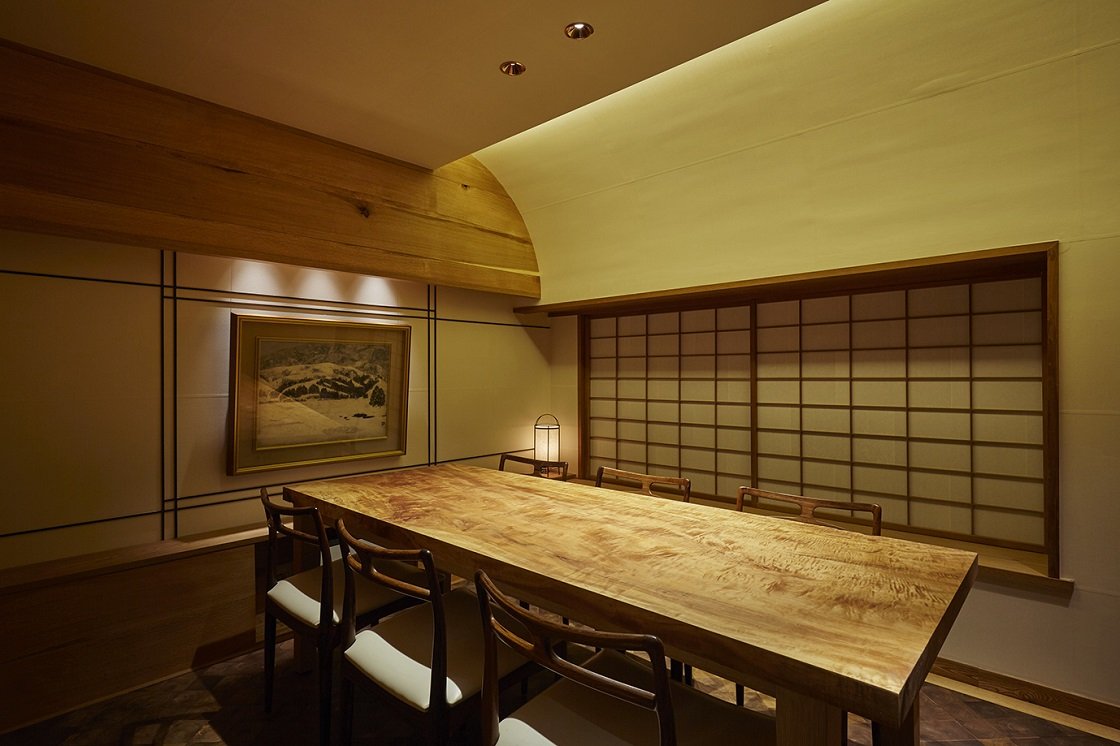
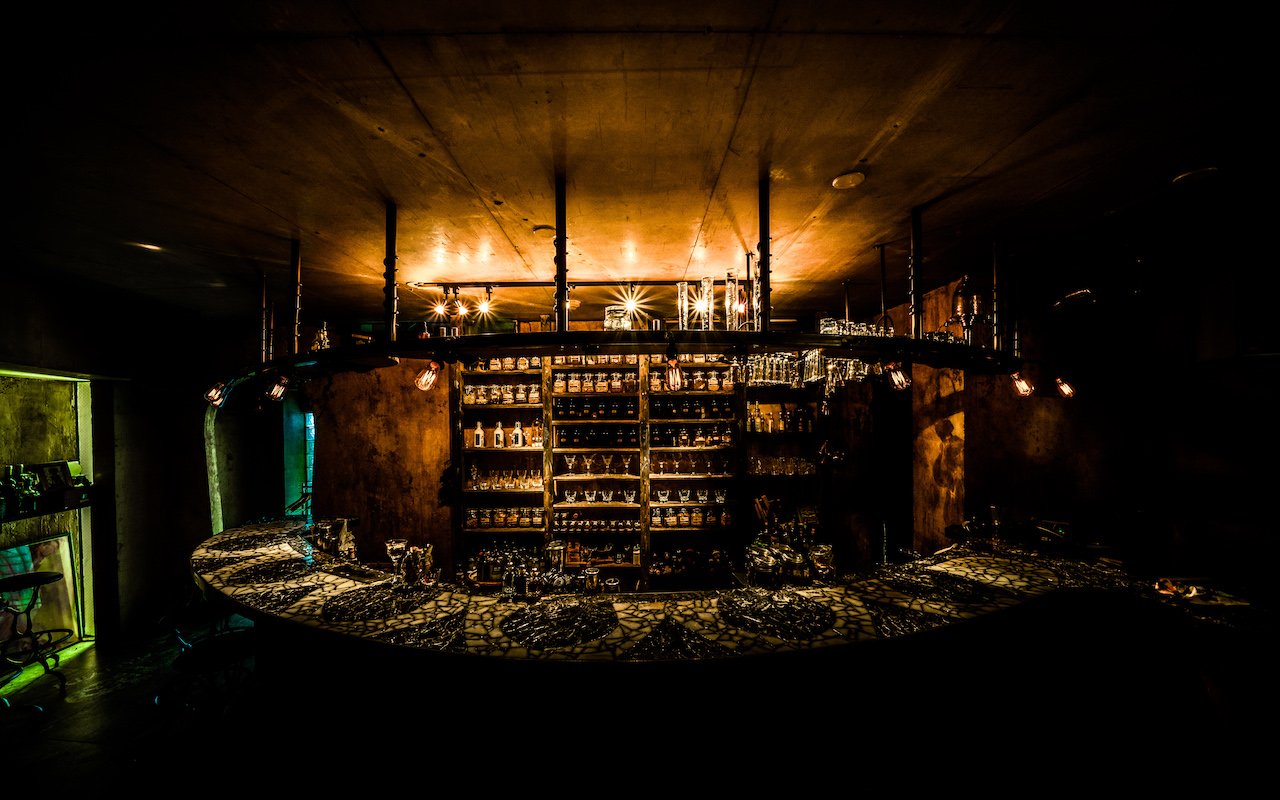
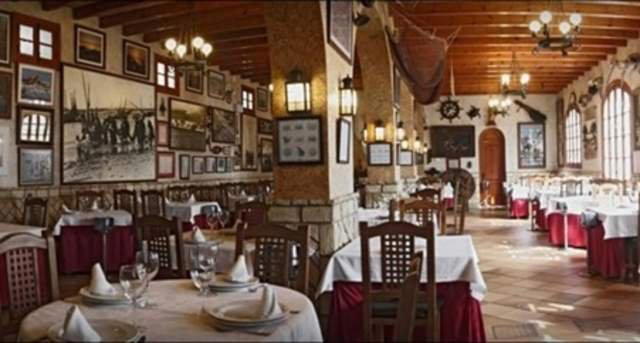
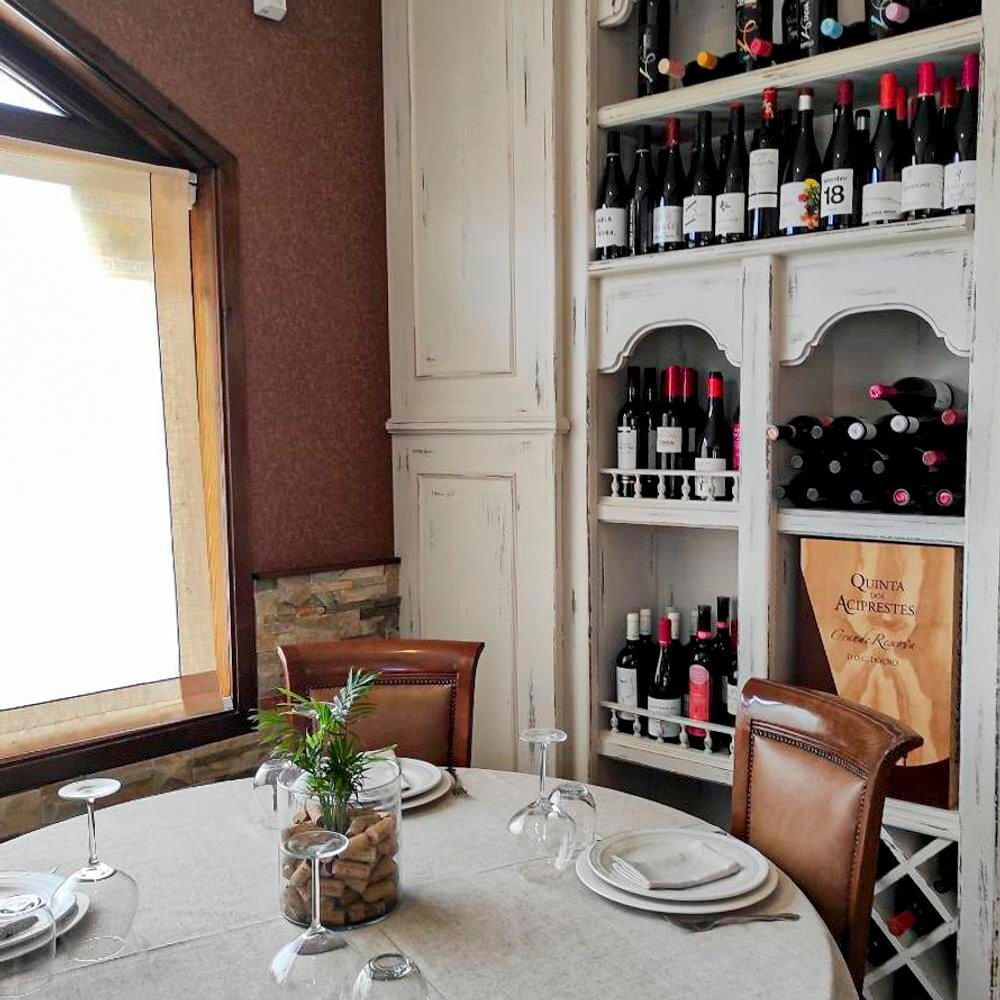
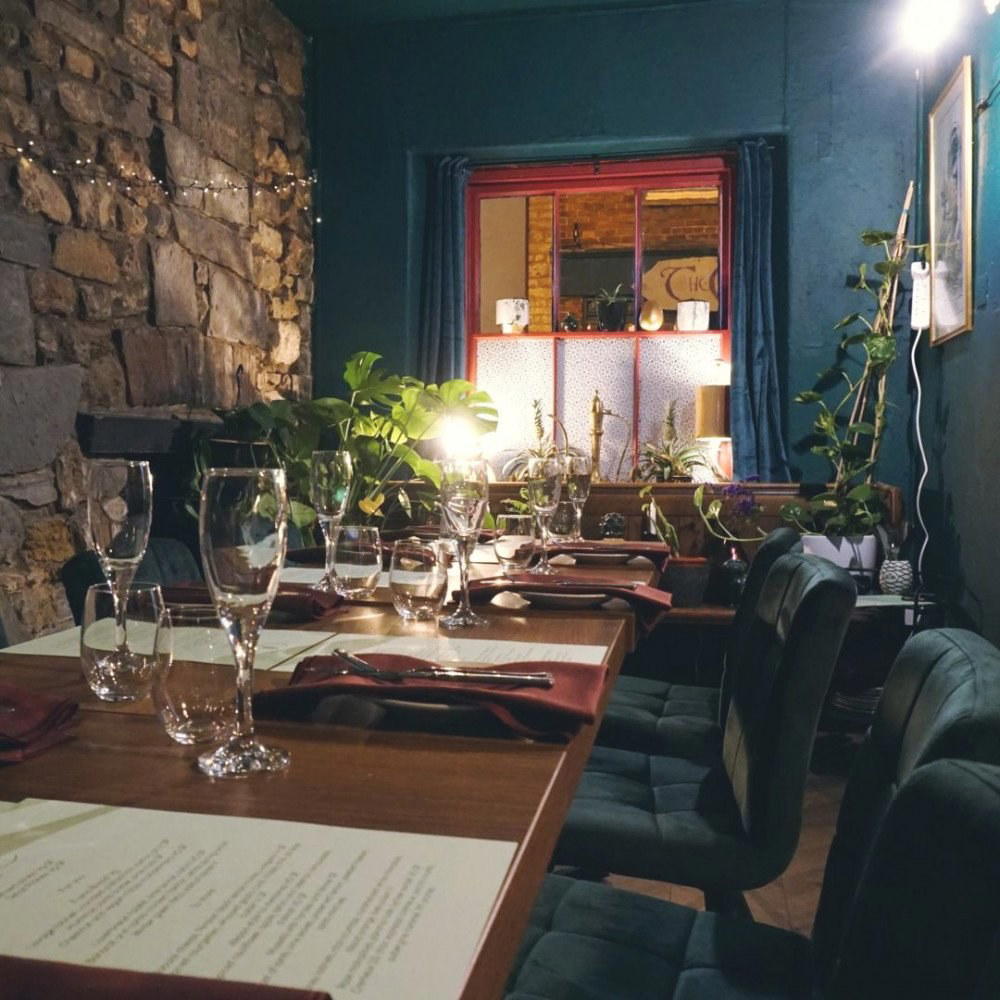
Rustic decor mirroring traditional Spanish aesthetics, creating a warm, welcoming, and vibrant atmosphere with open counter seating.
Tags
Vibe
Best For
Experience
Sourcing
At the Table
- Dress Code
- Casual
- Noise Level
- Conversational
- Service Style
- Upscale Casual
- Meal Pacing
- Standard
- Capacity
- Intimate
Signature Dishes
- Seafood Arroz Meloso
- Cod and Clam Stew
Know before you go
Know Before You Go
- Getting there
- Japan, 〒530-0005 Osaka, Kita Ward, Nakanoshima, 3 Chome−6−32 ダイビル本館 1F
Planning details
Location
Japan, 〒530-0005 Osaka, Kita Ward, Nakanoshima, 3 Chome−6−32 ダイビル本館 1F · Directions
Recognition and awards
Also consider
Also Consider
- HAJIME, French, Innovative, ¥¥¥¥
- La Cime, French, ¥¥¥¥
- Kashiwaya Osaka Senriyama, Japanese, ¥¥¥
- Taian, Kaiseki, Japanese, ¥¥¥
- Fujiya 1935, Innovative, ¥¥¥¥
Restaurant context
How It Compares
Donostia operates in a different tier and format from most of Osaka's Michelin-recognised dining. HAJIME, La Cime, and Fujiya 1935 are all ¥¥¥¥ tasting-menu venues requiring significant advance planning and financial commitment. If your goal is a single landmark dinner in Osaka, those three offer the depth and technical ambition that Donostia does not attempt. HAJIME in particular is the choice for diners who want a full creative statement; La Cime and Fujiya 1935 both sit at the intersection of French technique and Japanese product. None of them competes with Donostia on value or spontaneity.
Kashiwaya Osaka Senriyama and Taian occupy the ¥¥¥ middle tier with kaiseki formats that require more advance planning than Donostia and serve a fundamentally different cuisine. For diners who want to experience Japanese fine dining during their Osaka visit, either of those is the appropriate choice. Donostia is not the answer to that question, it is the answer to a different one: where to eat well, spend modestly, and eat something that is not Japanese.
On pure value, Donostia is the call. Two consecutive Bib Gourmand awards signal Michelin's explicit endorsement of the price-to-quality ratio, and at ¥¥ it is the only Michelin-recognised Spanish option in this tier in Osaka. If you are building a multi-night eating plan and want one slot for something outside Japanese cuisine that does not carry a high-end price tag, Donostia fits that slot more cleanly than any of the French or kaiseki alternatives in its peer set.
Explore Osaka
Around this place
Discover more on Pearl
Unlock the full Donostia guide in Pearl, including awards, comparisons, FAQs, planning details, and nearby places.
Compare Donostia
| Venue | Price | Awards |
|---|---|---|
| Donostia | ¥¥ | Tabelog 100 - Spanish cuisine - 2026 · #102026 Bib Gourmand2025 Michelin Bib Gourmand2024 Michelin Bib Gourmand |
| HAJIME | ¥¥¥¥ | Star Wine Lists 2026 · #12026 Tabelog Bronze · #922026 OAD Top Restaurants in Japan Ranked · #98Michelin Guide Kyoto Osaka 20262026 La Liste Top RestaurantsTabelog 100 - Innovative / Creative cuisine - 2025 · #692025 Asia's 50 Best Restaurants · #832025 OAD Top Restaurants in Japan Ranked · #87We're Smart World Top Restaurants 2025 |
| La Cime | ¥¥¥¥ | 2026 Asia's 50 Best Restaurants · #132026 OAD Top Restaurants in Japan Ranked · #1492026 Tabelog Bronze · #231Michelin Guide Kyoto Osaka 20262026 La Liste Top Restaurants2025 Asia's 50 Best Restaurants · #82025 World's 50 Best Restaurants · #44Tabelog 100 - French - WEST - 2025 · #932025 OAD Top Restaurants in Japan Ranked · #123 |
| Kashiwaya Osaka Senriyama | ¥¥¥ | 2026 Tabelog Bronze · #1682026 OAD Top Restaurants in Japan Recommended2026 Relais Chateaux RestaurantsMichelin Guide Kyoto Osaka 20262026 La Liste Top RestaurantsTabelog 100 - Japanese cuisine - WEST - 2025 · #772025 OAD Top Restaurants in Japan Ranked · #1552025 Relais Chateaux Award2025 Michelin 3 Stars |
| Taian | ¥¥¥ | 2026 OAD Top Restaurants in Japan RecommendedMichelin Guide Kyoto Osaka 20262026 La Liste Top Restaurants2025 OAD Top Restaurants in Japan Ranked · #2042025 La Liste Top Restaurants2025 Michelin 3 Stars2024 OAD Top Restaurants in Japan Ranked · #1912024 Michelin 3 Stars2023 OAD Top Restaurants in Japan Highly Recommended |
| Fujiya 1935 | ¥¥¥¥ | 2026 Tabelog Bronze · #752026 OAD Top Restaurants in Japan RecommendedMichelin Guide Kyoto Osaka 20262026 La Liste Top Restaurants2025 Michelin 2 Stars2025 Tabelog Silver2025 La Liste Top Restaurants2024 OAD Top Restaurants in Japan Ranked · #2392024 Michelin 2 Stars |










Key differences to consider before you reserve.
FAQ
Frequently Asked Questions
How far ahead should I book Donostia?
Same-week reservations are likely achievable for most nights. Donostia holds a Michelin Bib Gourmand and sits in the ¥¥ price tier, which keeps demand steady but not unmanageable — this is not a weeks-out chase like the starred rooms in Osaka. Mid-week slots will be the easiest to secure.
What should a first-timer know about Donostia?
Donostia is named after the Basque word for San Sebastián, and the menu follows that logic: this is Basque country cooking — pinchos, dry-cured ham, marinated sardines, squid frit, herb-led seafood, and bean-and-giblet stew — not a pan-Spanish survey. Two consecutive Michelin Bib Gourmands (2024 and 2025) at ¥¥ pricing make it one of the stronger value propositions in Osaka. Order broadly across the small dishes rather than anchoring on one or two.
Is Donostia good for solo dining?
Yes. The counter setup at Donostia is well-suited to solo diners — pinchos and small plates are the format, so there is no pressure to order for a table. At ¥¥ pricing with a Bib Gourmand behind it, solo eating here costs less and requires less planning than most comparable destination spots in Osaka.
Can I eat at the bar at Donostia?
The counter is central to how Donostia operates — pinchos and tortillas are displayed in a glass case along it, replicating the format of a Basque pintxos bar in San Sebastián. Eating at the counter is the intended experience here, not a fallback option for walk-ins.