

TOKi
¥¥¥ · Contemporary, Spanish Contemporary · Minato, Tokyo
Restaurant in Tokyo, Japan
 Book with Pearl
The Read
Accordion-Format Nara Tasting
Price
$50–100per person
Dress
Smart Casual
Why go
TOKi in Shimbashi is a creative Spanish-contemporary restaurant supervised by akordu of Nara, translating ancient-capital produce through a modern Spanish lens at the ¥¥¥ tier. Booking is easy by Tokyo standards, the setting suits dates and quiet celebrations, and the seasonal tasting menu rewards repeat visits as Nara's produce calendar shifts. A well-priced entry point for serious creative cuisine in Tokyo.
About TOKi
Should you book TOKi in Tokyo?
Yes, if you want a creative Spanish-contemporary menu rooted in Nara Prefecture's ingredients, served in the heart of Shimbashi at a price point that sits a tier below Tokyo's most expensive tasting restaurants. TOKi is supervised by akordu in Nara, a restaurant that applies modern Spanish technique to ancient-capital produce, and this Tokyo outpost functions as a deliberate bridge between those two worlds. The format is composed and focused, making it a sound choice for a date, a quiet business meal, or a celebration dinner where you want genuine culinary ambition without the full ceremony of a ¥¥¥¥ kaiseki house.
What TOKi is
TOKi occupies the second floor of the SMBC Shimbashi Building in Minato City, positioned inside a space that also showcases Nara Prefecture's attractions. That context matters: the menu reads less like a standalone restaurant concept and more like an edited argument for why Nara's seasonal ingredients deserve serious attention. The menu format itself is described as pleated like an accordion, suggesting a folding-book structure, with dish names written to prompt the imagination rather than describe ingredients literally. The cuisine is light and creative, shaped by Spanish contemporary technique filtered through Japanese seasonal thinking. If you have eaten at L'Effervescence and appreciated how French discipline can serve Japanese produce, TOKi operates on a comparable premise: but through a Spanish lens and at a lower price tier.
For special occasions, the proposition is solid. The setting is calm rather than loud, the cooking asks for attention, and the Nara-to-Tokyo-to-Spain concept gives the meal a genuine through-line that holds across courses. It is a better fit for two or a small group than for a large party, given both the nature of the tasting format and the second-floor setting.
Multi-visit strategy
Because the menu draws on Nara's seasonal produce and carries poetic dish names that rotate with the kitchen's direction, TOKi rewards more than one visit. On a first visit, follow the full menu sequence without modification: the accordion structure is designed to be read start to finish, and skipping courses or substituting heavily will break the internal logic of the meal. This visit is about understanding the Nara-Spain connection that akordu has built and how it translates to a Tokyo dining room.
A second visit makes sense in a different season. Nara's produce calendar shifts markedly between spring, summer, and autumn, and a menu this tightly tied to ingredient provenance will feel meaningfully different six months later. If you can align a return visit with the transition between two seasons, the contrast in the menu's character becomes the point of the meal rather than a coincidence. For comparison, RyuGin operates on a similar seasonal logic at the ¥¥¥¥ tier, TOKi offers a comparable seasonal attentiveness at a more accessible price.
A third visit, for those who have already mapped the seasonal range, is the moment to request guidance from the floor on which courses are carrying the most interesting produce that week. The kitchen's relationship to Nara means that within any given menu, certain dishes will reflect very specific short-window ingredients. Asking for that steer in advance of sitting down is the move that separates a routine visit from a well-timed one.
Practical details
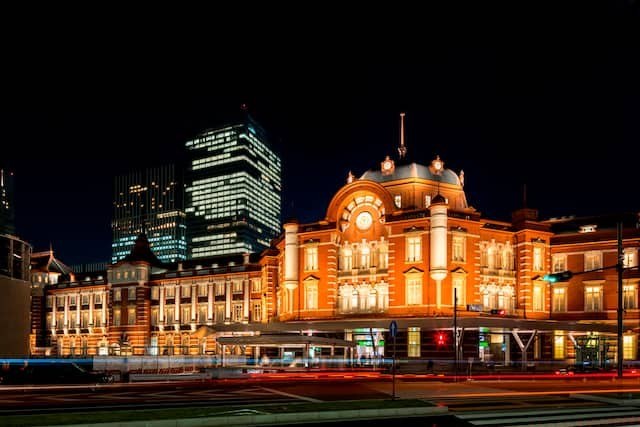
TOKi is located in Shimbashi, Minato City, which is one of Tokyo's better-connected business districts and direct to reach by rail. The venue is on the second floor of the SMBC Shimbashi Building; the building's frontage has both a staircase and elevator on the right side, so the access is manageable. Booking difficulty is rated easy, which makes this a lower-pressure reservation than comparable creative-cuisine addresses in Tokyo such as Florilège or Crony. For those planning a wider Tokyo itinerary, see our full Tokyo restaurants guide, Tokyo hotels guide, Tokyo bars guide, and Tokyo experiences guide. If the akordu concept interests you and you are travelling beyond Tokyo, HAJIME in Osaka, Gion Sasaki in Kyoto, and Goh in Fukuoka represent the strongest regional alternatives for creative tasting-format dining. For international points of comparison on the Spanish-contemporary-meets-local-produce model, Lazy Bear in San Francisco and Le Bernardin in New York City offer useful contrasts in how kitchens build a menu concept around provenance at high price points.
Price tier: ¥¥¥. Cuisine: Contemporary, Spanish Contemporary. Booking difficulty: Easy. Location: 2F, SMBC Shimbashi Building, 1-8-4 Shimbashi, Minato City, Tokyo.
Planning details
- Hours
- Monday: Closed · Tuesday: 12–3:30 PM, 6–10 PM
- Location
- Japan, 〒105-0004 Tokyo, Minato City, Shinbashi, 1 Chome−8−4 SMBC Shimbashi Building, 2階 ※ビル正面右側に2階への階段、エレベーターが御座います。
- Website
- toki.nara.jp
- Phone
- +81 3-6228-5665
The take
The Take
The Vibe
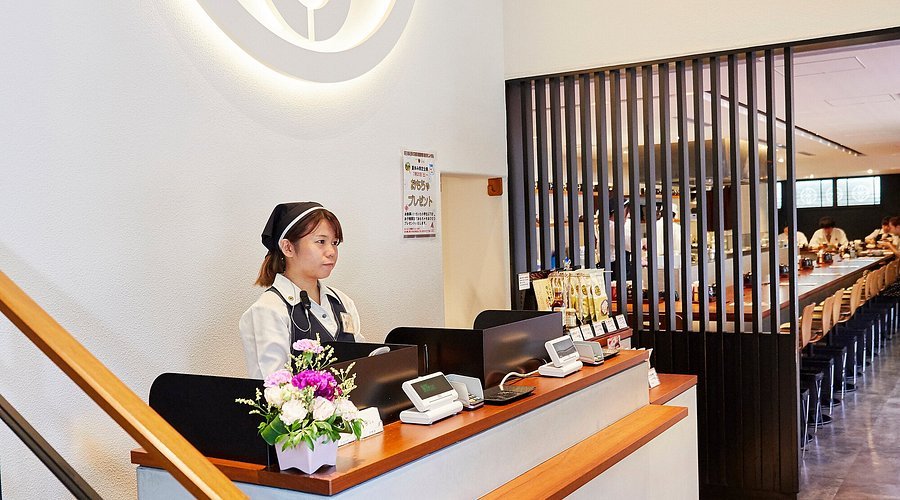
TOKi reads as a tightly focused, intimate tasting counter that marries post-elBulli technique with the regional terroir of Nara. It sits on the second floor of a Shimbashi showroom that foregrounds Nara produce, craft and cultural identity, so the emphasis is on disciplined, ingredient-led cooking rather than nostalgic Spanish clichés. The menu is an "accordion"—a folded sequence that asks diners to experience dishes as a literary and gustatory progression. The overall tone is modern and quietly rigorous: a room built around technique, seasonality and close attention to provenance.
Best For
This is a destination for diners seeking a deliberate tasting experience: couples on date night, colleagues entertaining out-of-town guests, or anyone marking a special occasion. The format favors focused, seated attention at the counter, where the kitchen's methodology, deconstruction and reassembly of flavor, reveals itself over a sequence of small courses. Patrons who care about provenance, seasonal specificity and refined technique will find the meal rewarding; it is less suited to casual drop-ins or looser, social gatherings.
Ordering Tips
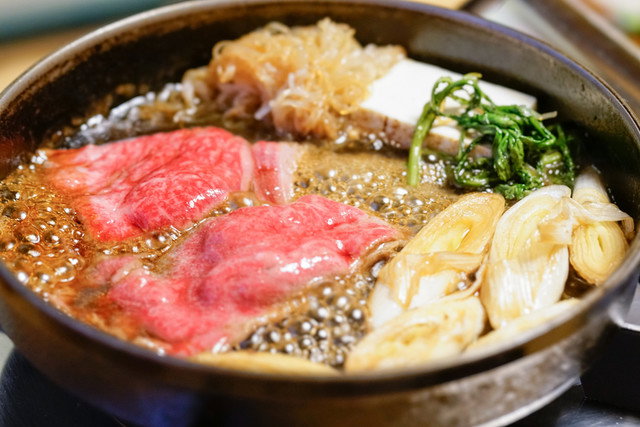
The menu at TOKi is organized like an accordion, with sections that unfold as the service progresses, so treat the sequence as part of the experience rather than patching together a la carte choices. Expect a tasting-counter rhythm and let the kitchen lead the order of dishes; the restaurant foregrounds Nara ingredients, so highlights include the Nara Yamato Pork with Lavender Sauce, Seafood Aros and Striped Horse Mackerel Ceviche. Approach the meal ready to follow the menu's seasonal logic and to read each course as part of a larger narrative.
Venue details
Ambiance
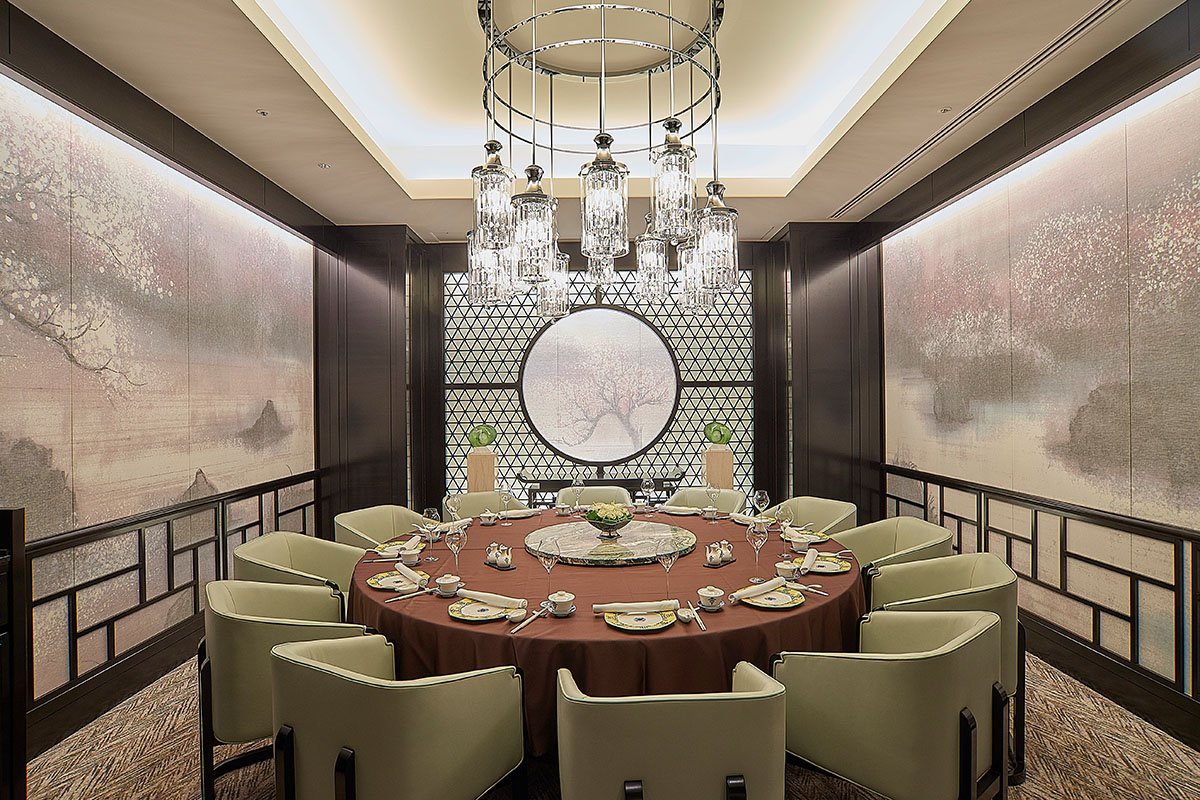
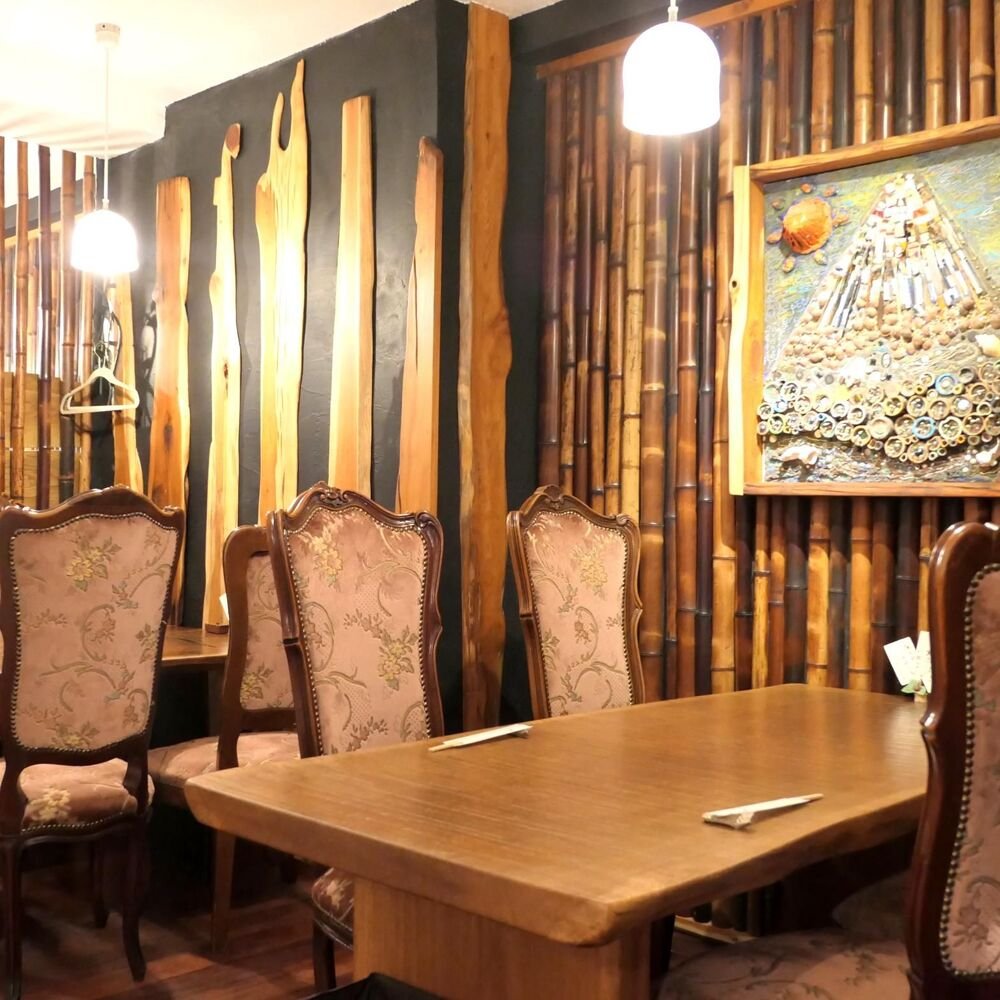
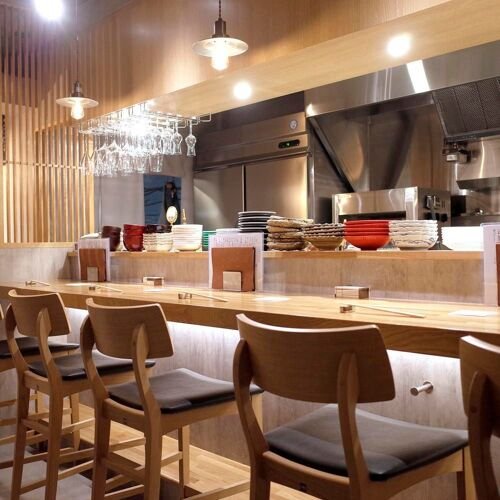
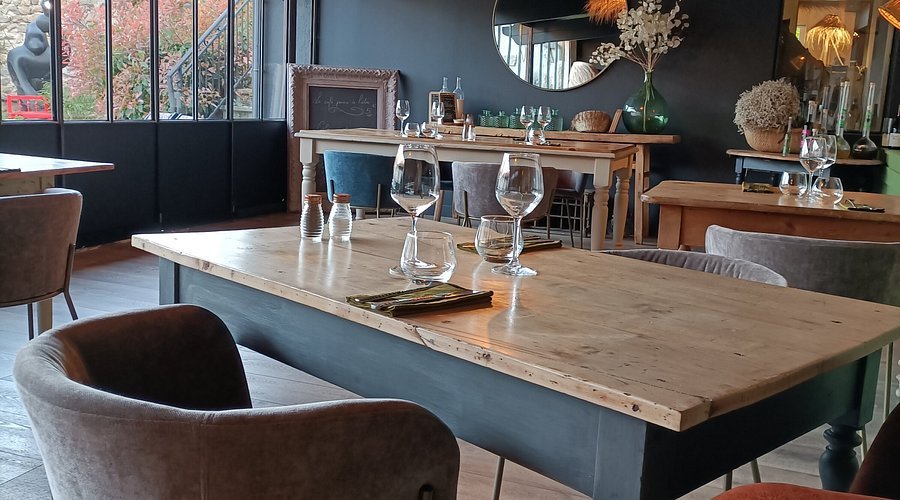
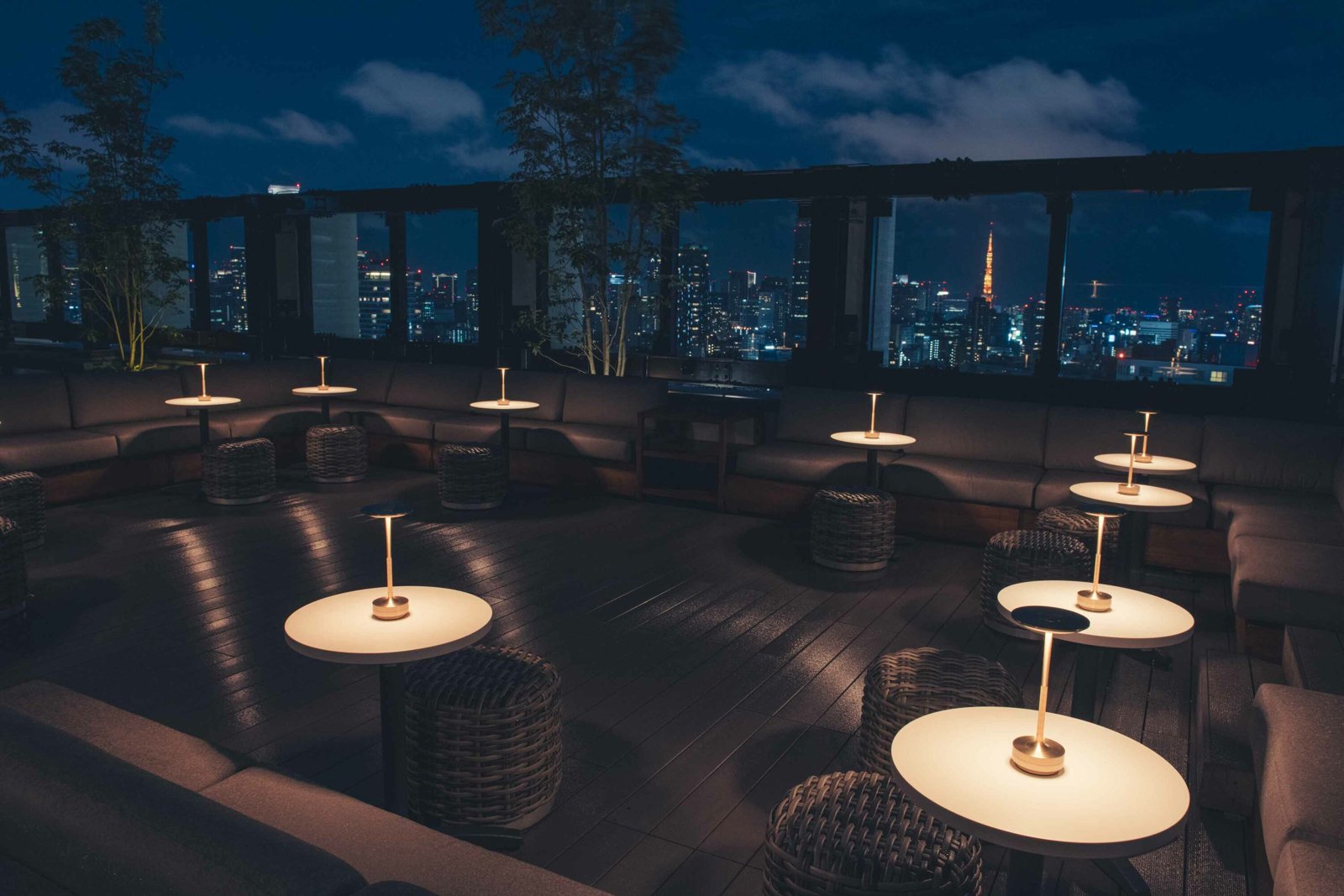
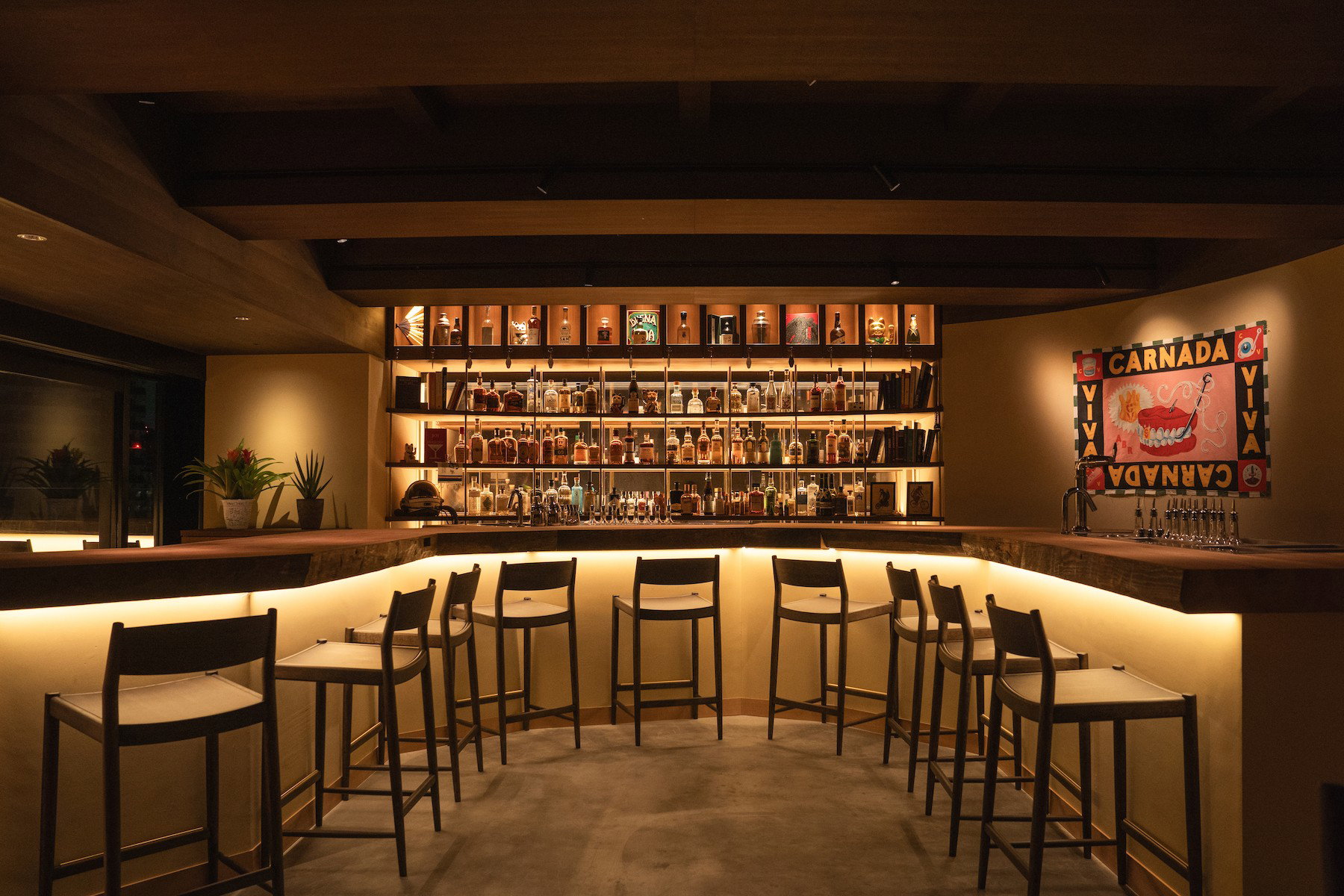
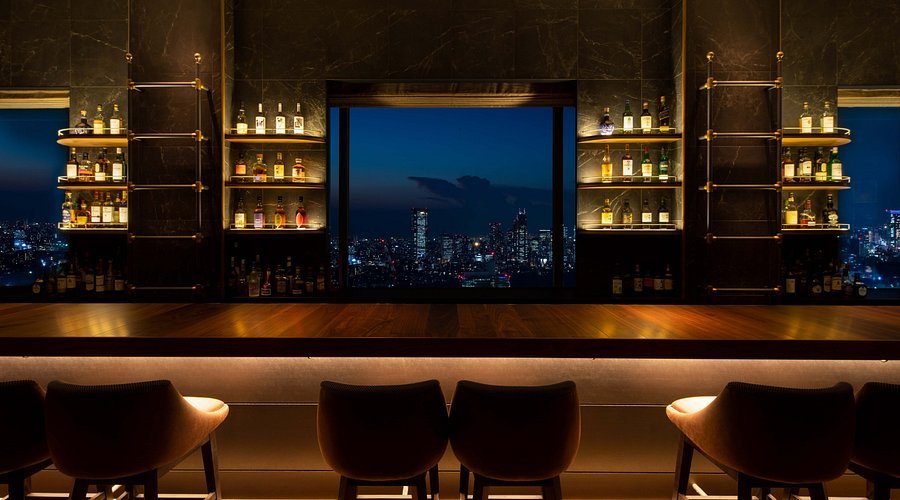
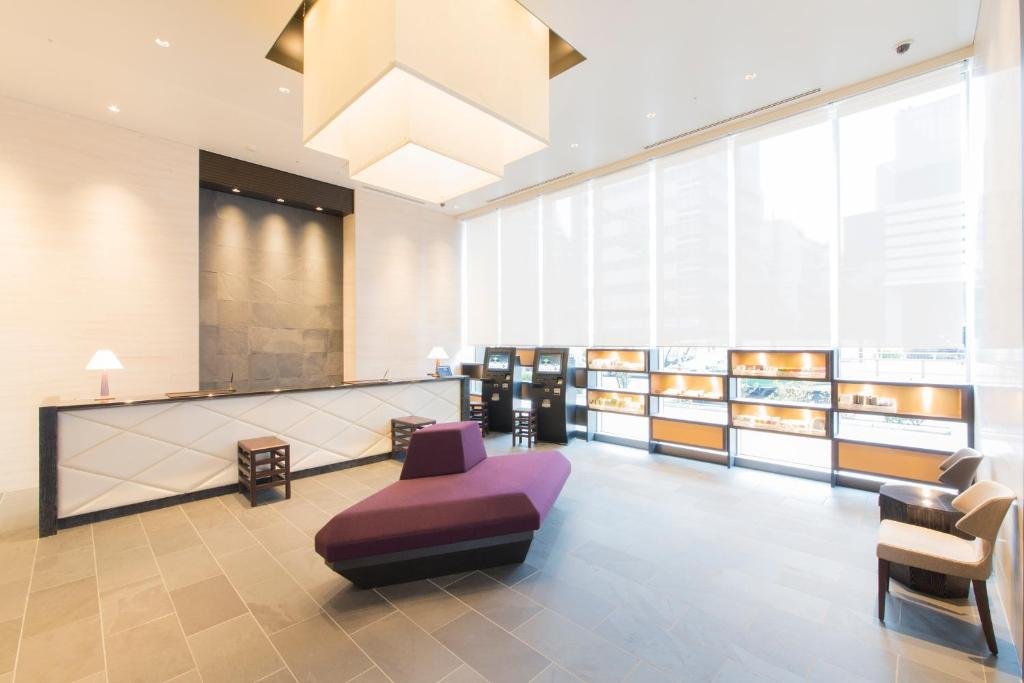
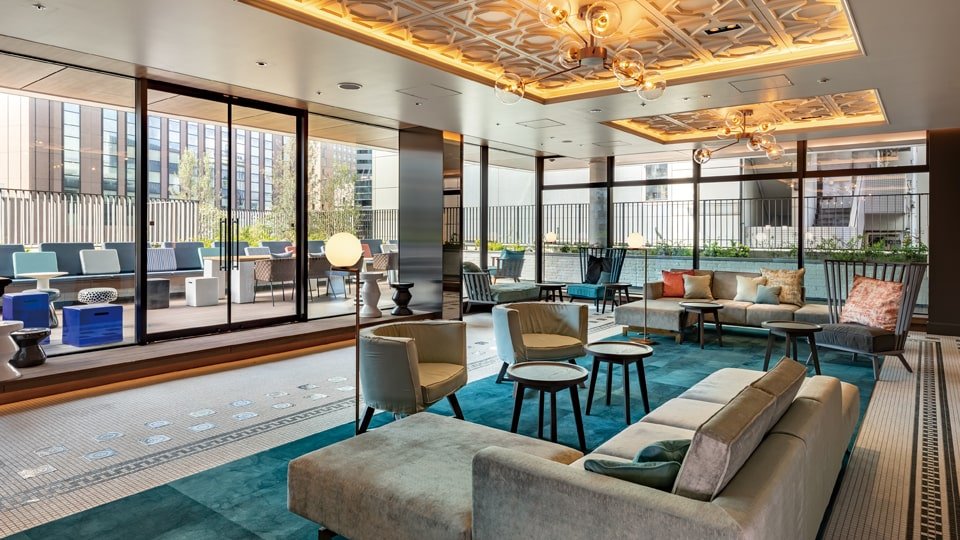
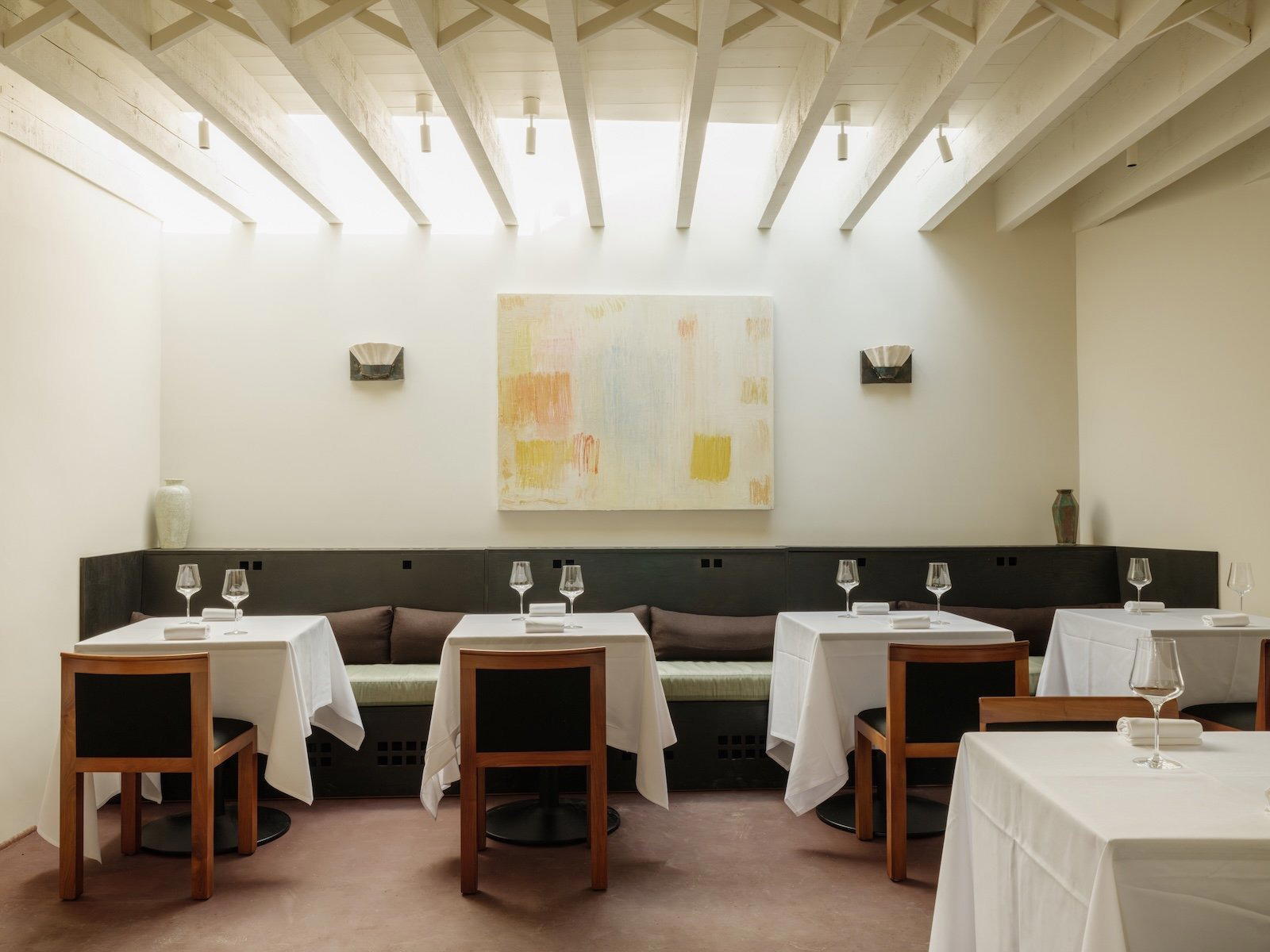
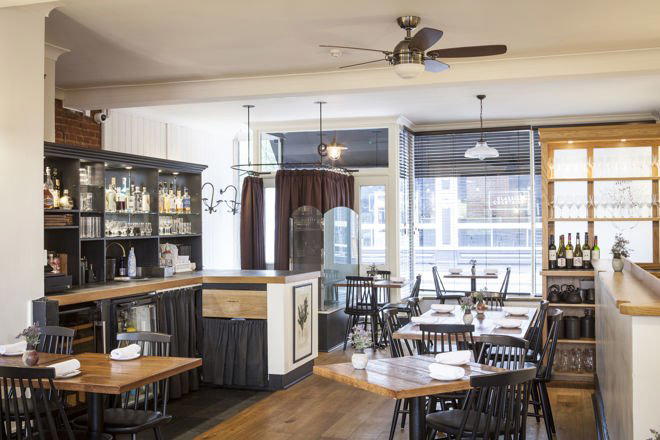
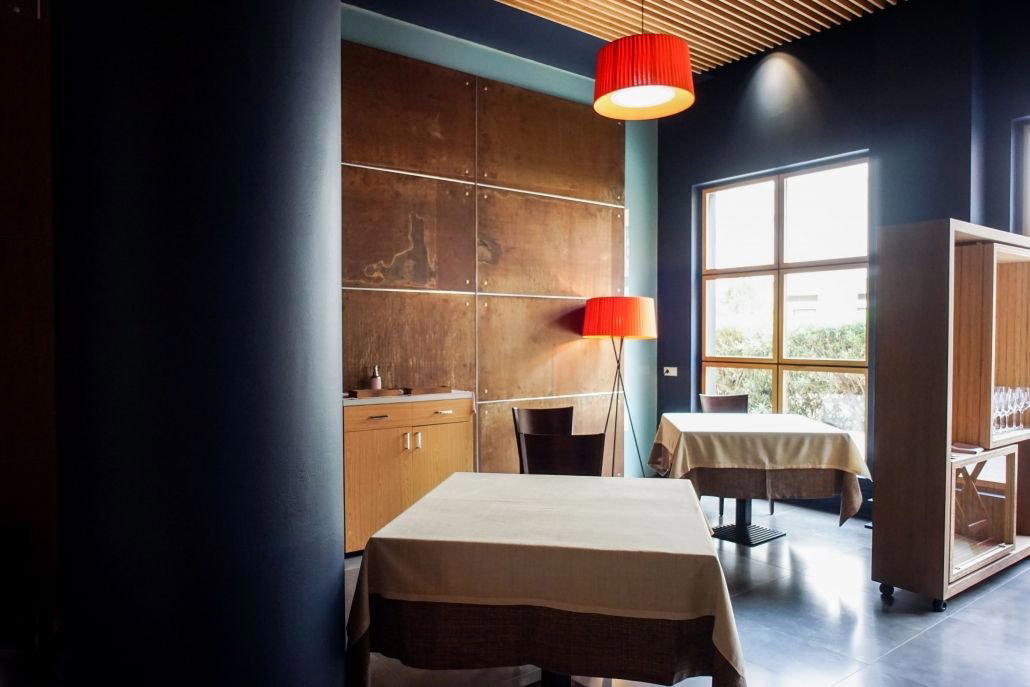
Sophisticated and calming with wooden counters, high ceilings, soft lighting, and a relaxed atmosphere ideal for conversations.
Tags
Vibe
Best For
Experience
Sourcing
At the Table
- Dress Code
- Smart Casual
- Noise Level
- Conversational
- Service Style
- Upscale Casual
- Meal Pacing
- Leisurely
- Capacity
- Small
- Kitchen
- Modern
- Menu Format
- Tasting menu, A la carte, Small plates
- Drinks Focus
- Sake program
Signature Dishes
- Nara Yamato Pork with Lavender Sauce
- Seafood Aros
- Striped Horse Mackerel Ceviche
Know before you go
Know Before You Go
- Getting there
- Japan, 〒105-0004 Tokyo, Minato City, Shinbashi, 1 Chome−8−4 SMBC Shimbashi Building, 2階 ※ビル正面右側に2階への階段、エレベーターが御座います。
Planning details
Hours
- Monday
- Closed
- Tuesday
- 12–3:30 PM, 6–10 PM
- Wednesday
- 12–3:30 PM, 6–10 PM
- Thursday
- 12–3:30 PM, 6–10 PM
- Friday
- 12–3:30 PM, 6–10 PM
- Saturday
- 12–3:30 PM, 6–10 PM
- Sunday
- Closed
Location
Japan, 〒105-0004 Tokyo, Minato City, Shinbashi, 1 Chome−8−4 SMBC Shimbashi Building, 2階 ※ビル正面右側に2階への階段、エレベーターが御座います。 · Directions
Recognition and awards
Also consider
Also Consider
- Harutaka: Sushi, ¥¥¥¥
- RyuGin: Kaiseki, Japanese, ¥¥¥¥
- L'Effervescence: French, ¥¥¥¥
- HOMMAGE: Innovtive French, French, ¥¥¥¥
- Florilège: French, ¥¥¥
Restaurant context
How TOKi compares
At the ¥¥¥ tier, TOKi has no direct Tokyo equivalent: a Spanish-contemporary tasting menu built on Nara Prefecture produce is a specific proposition. The closest comparison in format is Florilège, also priced at ¥¥¥, which applies French technique to Japanese ingredients with a similar degree of creative intent. Florilège carries stronger critical recognition and is harder to book, making TOKi the more accessible choice if the creative-tasting-format experience is what you are after and you have limited lead time.
If budget is not the deciding factor, L'Effervescence and HOMMAGE both operate at ¥¥¥¥ and offer French-led tasting menus with deep ingredient sourcing and a more polished service infrastructure. L'Effervescence is the pick for a full special-occasion dinner with maximum service depth. HOMMAGE suits diners who want innovative French technique in a less formal environment. Neither offers the Nara-Spain provenance narrative that makes TOKi distinct. RyuGin at ¥¥¥¥ is the strongest option if you want Japanese seasonal cuisine in its kaiseki form rather than through a Western technique framework.
For sushi at a comparable or higher spend, Harutaka at ¥¥¥¥ is Tokyo's counter-sushi benchmark and a very different experience: precision over creativity, fish over produce, counter interaction over composed tasting. Choose TOKi when the Nara-to-Spain concept and creative menu format are the draw. Choose Harutaka when you want the city's most focused sushi expression and are prepared to book further in advance.
Explore Tokyo
Around this place
Discover more on Pearl
Unlock the full TOKi guide in Pearl, including awards, comparisons, FAQs, planning details, and nearby places.
Compare TOKi
| Venue | Location | Cuisine | Awards | Price |
|---|---|---|---|---|
| TOKi | Tokyo | ¥¥¥ · Contemporary, Spanish Contemporary | Tabelog 100 - Spanish cuisine - 2026 · #82026 Michelin 1 Star | |
| Harutaka | Tokyo | Sushi | 2026 Tabelog Silver · #312026 OAD Top Restaurants in Japan Ranked · #1282026 Michelin 3 Stars2026 La Liste Top RestaurantsTabelog 100 - Sushi - TOKYO - 2025 · #372025 Asia's 50 Best Restaurants · #762025 OAD Top Restaurants in Japan Ranked · #1172025 La Liste Top Restaurants2025 Tabelog Bronze | ¥¥¥¥ |
| RyuGin | Tokyo | Kaiseki, Japanese | 2026 OAD Top Restaurants in Japan Ranked · #802026 Tabelog Bronze · #3772026 Michelin 3 Stars2026 La Liste Top RestaurantsTabelog 100 - Japanese cuisine - TOKYO - 2025 · #212025 OAD Top Restaurants in Japan Ranked · #542025 Michelin 3 Stars2025 La Liste Top Restaurants2025 The Best Chef Three Knives | ¥¥¥¥ |
| L'Effervescence | Tokyo | French | 2026 Tabelog Silver · #682026 OAD Top Restaurants in Japan Ranked · #103Star Wine Lists 20262026 Black Pearl 2 Diamond2026 Relais Chateaux Restaurants2026 La Liste Top Restaurants2026 Michelin 3 Stars2025 Asia's 50 Best Restaurants · #692025 OAD Top Restaurants in Japan Ranked · #92 | ¥¥¥¥ |
| HOMMAGE | Tokyo | Innovtive French, French | 2026 Tabelog Bronze · #1232026 OAD Top Restaurants in Japan Highly Recommended2026 Michelin 2 StarsTabelog 100 - French - TOKYO - 2025 · #762025 Asia's 50 Best Restaurants · #782025 OAD Top Restaurants in Japan Ranked · #1752025 Michelin 2 Stars2025 The Best Chef One Knife2025 La Liste Top Restaurants | ¥¥¥¥ |
| Florilège | Tokyo | French | 2026 Asia's 50 Best Restaurants · #312026 Tabelog Bronze · #712026 OAD Top Restaurants in Japan Ranked · #1242026 Black Pearl 1 Diamond2026 Michelin 2 Stars2026 La Liste Top RestaurantsJapan's Best Restaurant 20262025 Asia's 50 Best Restaurants · #172025 World's 50 Best Restaurants · #36 | ¥¥¥ |













How TOKi Tokyo compares with similar nearby venues.
FAQ
Frequently Asked Questions
What should a first-timer know about TOKi?
TOKi is supervised by akordu, a Nara restaurant known for reading Japanese ingredients through a modern Spanish framework, so the menu skews creative and conceptual rather than comfort-driven. The space sits on the second floor of the SMBC Shimbashi Building inside a Nara Prefecture showcase, which shapes the setting as much as the food. Poetic dish names rotate with the season, so the menu is not fixed. Come expecting a tasting format built around discovery, not a familiar Spanish or Japanese menu.
Is TOKi good for solo dining?
TOKi is a reasonable solo choice given its counter-adjacent Shimbashi setting and tasting-menu format, which removes the friction of ordering decisions. The creative Spanish-contemporary approach from akordu suits solitary attention rather than group conversation. That said, confirm seat availability for solo bookings directly with the venue, as second-floor tasting rooms in Tokyo sometimes hold counter seats for single diners on specific sittings.
How far ahead should I book TOKi?
Book at least two to three weeks in advance, more if you are visiting during peak seasons when Nara's seasonal produce drives menu changes and demand rises. TOKi's connection to akordu gives it a defined following among diners already tracking the Nara-Spain culinary link, so availability is not as open as a standard Shimbashi restaurant. Check the venue directly for current booking windows.
Does TOKi handle dietary restrictions?
The menu draws heavily on Nara Prefecture's seasonal produce and is built around a creative, composed format, which means substitutions may be limited without advance notice. Contact TOKi directly before booking if you have serious dietary restrictions, particularly around proteins or allergens common in Japanese and Spanish cooking. Notifying the kitchen at reservation stage gives the best chance of accommodation.
Can TOKi accommodate groups?
TOKi is located on a second-floor venue within a building showroom, which suggests a compact dining room rather than a large-group space. Parties of two to four will find the tasting format fits naturally; larger groups should contact the venue to confirm capacity before booking. The Nara Prefecture showcase context suits small-scale dinners.
What should I order at TOKi?
TOKi operates a tasting menu format with poetic dish names that change with the season, so there is no fixed a la carte list to navigate. The kitchen is supervised by akordu and builds around Nara Prefecture ingredients filtered through modern Spanish technique, which means the menu does the deciding for you. Trust the full progression rather than asking for a shorter version; the seasonal arc is where the concept is clearest.