
.png?width=1200&quality=80)
ARROCERÍA La Panza
Spanish · Chūō, Tokyo
Restaurant in Tokyo, Japan
 Book with Pearl
The Read
Regional Spanish Rice Counter
Price
$50–100per person
Why go
A Michelin Bib Gourmand rice specialist in Ginza bringing together regional Spanish rice preparations, paella, Basque clay-pot clam rice, and Mar Menor caldero, at a ¥¥ price point that is hard to match in this neighbourhood. Book it for a celebration dinner when you want a communal, region-spanning Spanish meal.
About ARROCERÍA La Panza
The Verdict
If you have already eaten at ARROCERÍA La Panza once, the question on a return visit is not whether the rice cookery holds up, it does, but whether you want to commit to the same shared-pot ritual all over again. The answer is almost certainly yes. Book it for a celebratory dinner when you want something genuinely different from the kaiseki and sushi formats that dominate Tokyo's special-occasion circuit.
Portrait
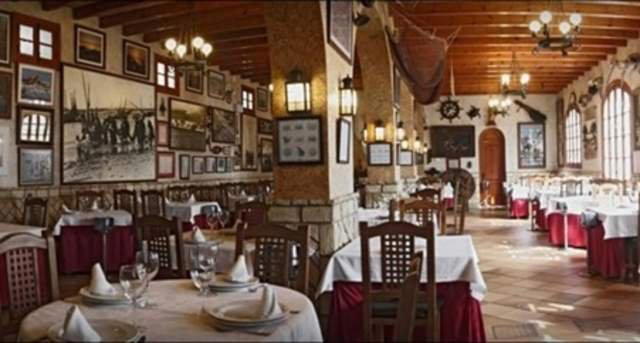
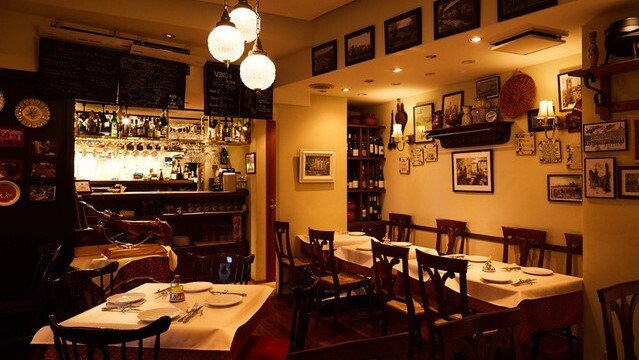
The room in Ginza 1-chome has the energy of a Spanish comedor transported without irony into central Tokyo: animated enough to feel festive, settled enough that you can actually hear your dining companions. The ambient sound sits at a level that works for conversation, not the hushed reverence of a tasting-menu counter, not the roar of an izakaya. For a date or a small celebration, that pitch is close to ideal. Arrive knowing that the shared-pot format is the point: this is not a restaurant where individual plates arrive in sequence. The structure here is communal, regional, and built around rice.
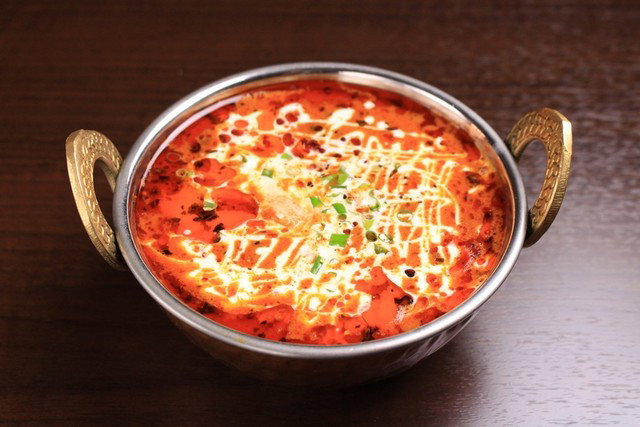
The menu is organised around Spanish rice cuisine drawn from multiple regions, not just Valencia. That distinction matters more than it might initially seem. Paella is present, but so is arroz en cazuela de barro, rice with clams cooked in a clay pot in the Basque style, and caldero, a simmered iron-pot preparation from the Mar Menor coast. Taken together, the progression across a meal here functions like a quiet education in how Spanish culture uses rice differently depending on geography: the sofrito base shifts, the protein changes, the ratio of crust to liquid adjusts. For anyone who associates Spanish rice purely with the Valencia paella template, eating through this range is instructive rather than merely decorative. The restaurant's name, Panza, translates to pot belly, a deliberate signal about what a full meal here does to you.
Appetiser range runs to dry-cured ham and a selection of tapas, which serve a practical function: they give a table time to settle, order, and let the kitchen time the rice correctly. Paella and its regional cousins cannot be rushed; the socarrat, the caramelised crust that forms at the bottom of a properly executed pan, requires patience from the kitchen and a few minutes' rest at the table. Coming in already hungry and impatient is the wrong approach. This is food designed around the rhythm of a Spanish meal, which means longer and slower than a typical Tokyo dinner service.
For special occasions, the format plays well. A table of two can share a single rice dish without waste; a table of four can order across two or three regional preparations and compare them directly, which is where the menu's educational arc becomes most apparent. The ¥¥ price point means a full meal, appetisers, a rice main, drinks, will not require financial recovery the following morning. That positioning, holding a Michelin Bib Gourmand at a mid-range price tier in Ginza, is genuinely unusual. Comparable Spanish cooking in Tokyo at a similar credential level includes ZURRIOLA and ENEKO Tokyo, both of which run at higher price points. If rice-forward Spanish cuisine is your priority and budget matters, La Panza is the clearest recommendation in the city.
Tokyo's Spanish restaurant circuit is stronger than most visitors expect. Arrocería Sal y Amor is the most direct peer in the rice-specialist category, and worth checking availability alongside La Panza. For broader Spanish in the city, LANBRoA and eman cover different registers of the cuisine. Outside Tokyo, the Spanish influence in Japan extends to akordu in Nara, which applies a different approach to the same cross-cultural conversation. For diners building a broader Japan itinerary, Pearl's guides to dining in HAJIME in Osaka, Gion Sasaki in Kyoto, and Goh in Fukuoka offer complementary reference points across the country's major dining cities.
For context on how this restaurant sits within the city's full dining picture, see our full Tokyo restaurants guide. If you are building a complete trip, our Tokyo hotels guide, bars guide, and experiences guide cover the rest of the city. For Spanish rice cookery in other international contexts, Arco by Paco Pérez in Gdańsk and BCN Taste & Tradition in Houston show how the cuisine translates across very different dining scenes. Closer to home, 1000 in Yokohama and 6 in Okinawa round out Pearl's broader Japan coverage. For wineries and more in the capital, our Tokyo wineries guide is the place to start.
Ratings & Recognition
- Michelin Bib Gourmand, 2024
- Price range: ¥¥ (mid-range)
Booking & Practical Details
Booking at La Panza is relatively direct by Ginza standards, the Bib Gourmand recognition keeps it in demand, but this is not a months-out situation. A week or two of lead time should be sufficient for most dates, with weekends requiring slightly more. The address is 1 Chome-15-8 Ginza, Chuo City, Tokyo, ground floor. The ¥¥ price tier means you can plan a full meal, tapas, a shared rice dish, drinks, without pricing anxiety. Dress code is not specified, but Ginza context suggests smart-casual is appropriate.
Planning details
- Hours
- Monday: Closed · Tuesday: 5–10:30 PM
- Location
- Japan, 〒104-0061 Tokyo, Chuo City, Ginza, 1 Chome−15−8 1F
- Reservations
- Book on TableCheck
- Website
- vandk.jp/restaurant/arrocerialapanza
- Phone
- +81 50-1720-7784
The take
The Take
The Vibe
ARROCERÍA La Panza channels the communal spirit of Spain’s rice regions into a compact Ginza setting. It trades clinical formality for a convivial table culture: pots arrive at the center and diners lean in, comparing regional rice preparations rather than observing ritual silence. The room feels charming and intimate, anchored by classic Spanish technique, from Valencian paella’s socarrat to clay-pot and iron-pot traditions, while remaining approachable. Its Michelin Bib Gourmand nod underscores a focus on well-executed, tradition-minded food delivered in an unpretentious, people-forward atmosphere.
Best For
The restaurant is best encountered at dinner, especially as a shared experience. Its menu is organized around comparative rice styles, making it ideal for groups who want to taste different regional preparations and for couples seeking a lively, intimate evening. The Bib Gourmand positioning also means it suits business dinners that favor relaxed conviviality over excessive formality. While it can feel festive with a table that shares multiple pots, the setting is equally appropriate for a focused two-person meal that privileges conversation and mutual tasting.
Ordering Tips
Order with sharing in mind: plan to sample multiple rice styles so the table can compare textures and broths: think Valencian paella alongside clay- and iron-pot preparations. Iberian ham and squid-ink buñuelos punctuate the rice dishes with cured and fried contrasts. Pace the meal around whole pots arriving to the center, and expect to coordinate choices with your table rather than choosing entirely individual plates. Reservations are recommended for groups to secure communal seating.
Venue details
Ambiance
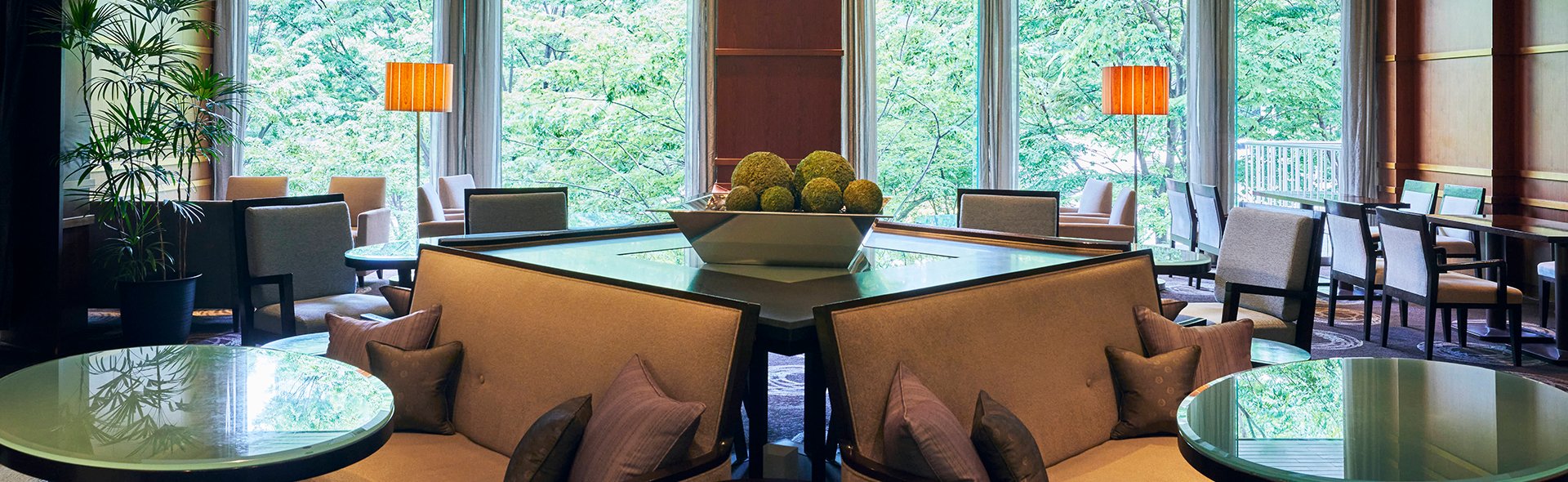
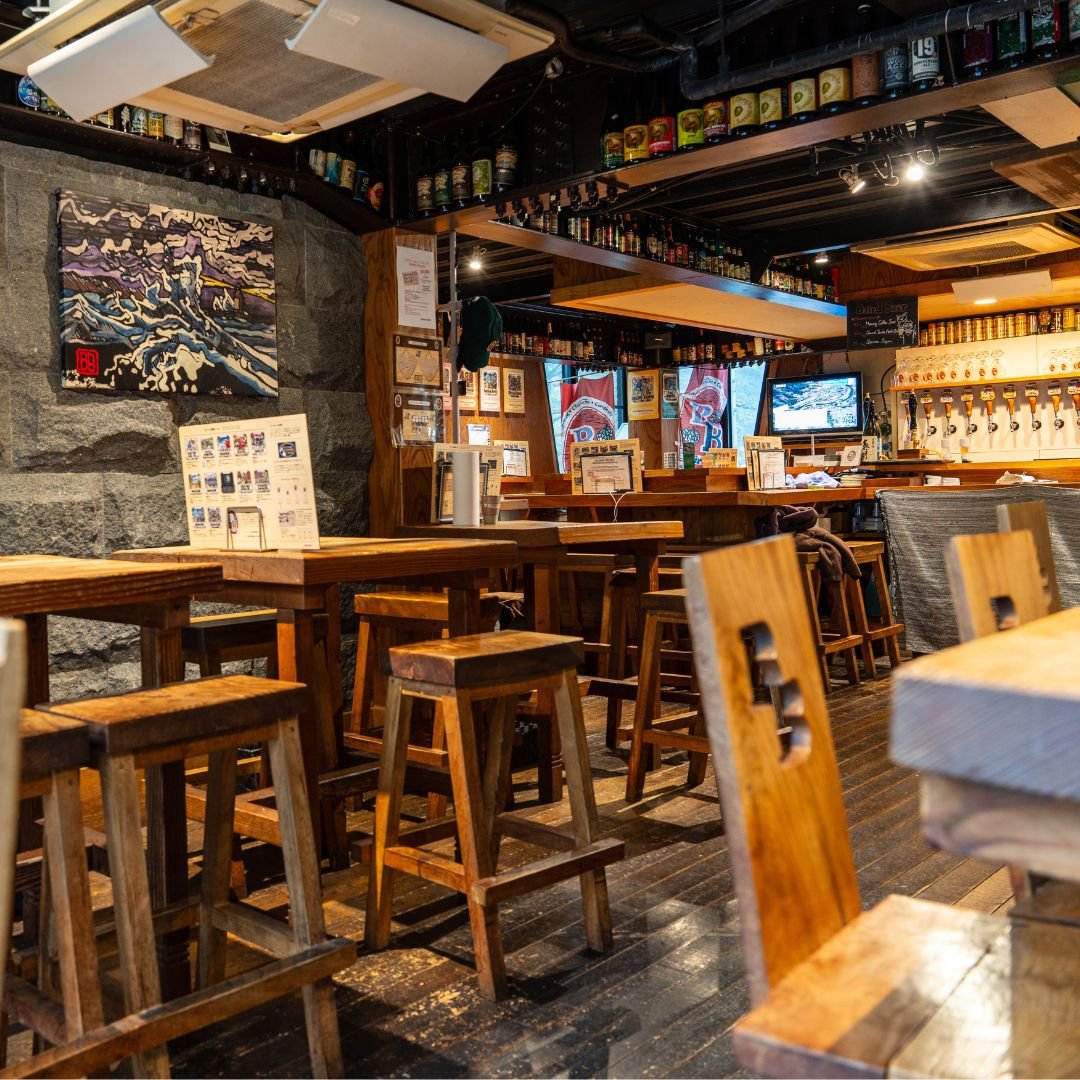
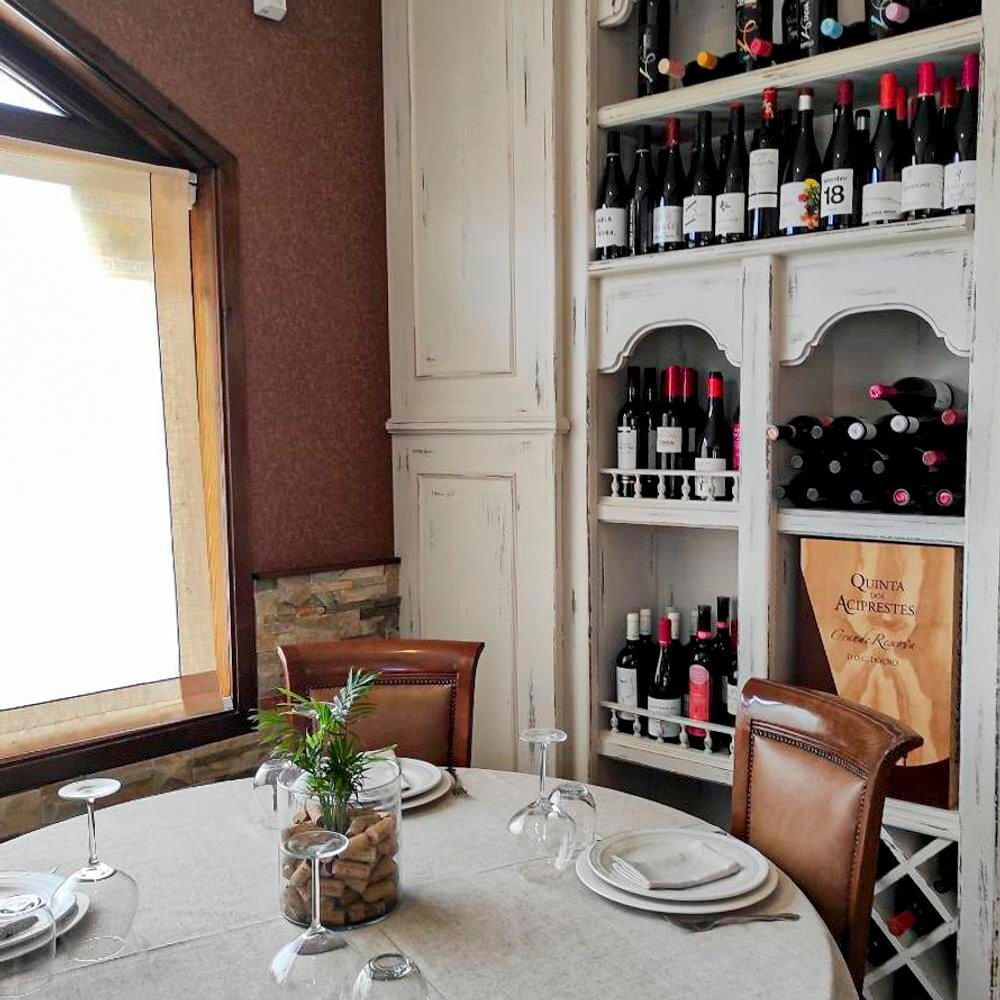
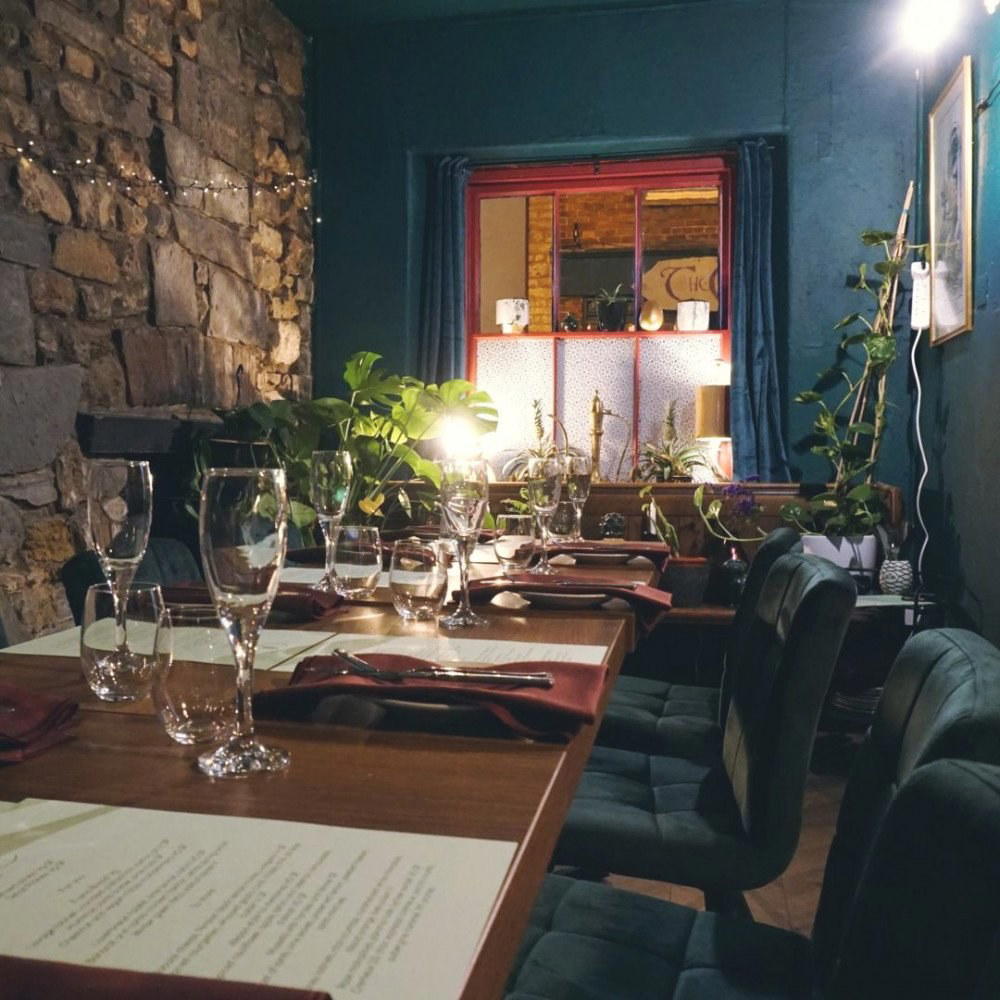
Cozy and warmly decorated with stylish, relaxing space evoking a Spanish bar atmosphere and rustic countryside warmth.
Tags
Vibe
Best For
Experience
At the Table
- Noise Level
- Conversational
- Service Style
- Upscale Casual
- Meal Pacing
- Leisurely
- Capacity
- Intimate
- Kitchen
- Traditional
- Menu Format
- A la carte, Set menu
- Drinks Focus
- Wine
- Dietary
- Allergy accommodating
Signature Dishes
- paella
- squid ink buñuelos
- Iberian ham
Know before you go
Know Before You Go
- Getting there
- Japan, 〒104-0061 Tokyo, Chuo City, Ginza, 1 Chome−15−8 1F
Planning details
Hours
- Monday
- Closed
- Tuesday
- 5–10:30 PM
- Wednesday
- 5–10:30 PM
- Thursday
- 5–10:30 PM
- Friday
- 11:45 AM–2:30 PM, 5–10:30 PM
- Saturday
- 11:45 AM–3 PM, 5–10 PM
- Sunday
- 11:45 AM–3 PM, 5–10 PM
Location
Japan, 〒104-0061 Tokyo, Chuo City, Ginza, 1 Chome−15−8 1F · Directions
Recognition and awards
Also consider
Also Consider
- Harutaka: Sushi, ¥¥¥¥
- L'Effervescence: French, ¥¥¥¥
- RyuGin: Kaiseki, Japanese, ¥¥¥¥
- HOMMAGE: Innovtive French, French, ¥¥¥¥
- Crony: Innovative, French, ¥¥¥¥
Restaurant context
La Panza sits at ¥¥ with a 2024 Michelin Bib Gourmand. The comparison venues on this list Harutaka, L'Effervescence, RyuGin, HOMMAGE, and Crony: all operate at ¥¥¥¥. That price gap is the first and most important consideration. If your evening budget is limited and you want Michelin-recognised cooking in central Tokyo, La Panza is the clear pick. None of the ¥¥¥¥ venues above will deliver more value per yen spent.
On experience format, La Panza is fundamentally different from its comparison peers. Harutaka is an intimate omakase counter; RyuGin is seasonal kaiseki at a high level of ceremony; L'Effervescence, HOMMAGE, and Crony are all variations on the French fine-dining progression. La Panza does none of that: it is a communal Spanish rice restaurant where the meal is built around a shared pot rather than a tasting sequence. If you want a structured, chef-driven tasting arc with wine pairing, the ¥¥¥¥ options above deliver more of that architecture. If you want a relaxed, conversation-friendly celebration dinner that does not feel like a performance, La Panza is the better fit.
For a special occasion with two diners who care about food but are not chasing a prestige tasting-menu format, La Panza is the recommendation. For a client dinner or a milestone celebration where the ritual of a tasting menu is part of the occasion, RyuGin or L'Effervescence will serve better: at roughly double or triple the cost. The decision comes down to format preference more than quality: the Bib Gourmand is not a consolation prize, it is recognition of cooking that delivers clearly at its price tier.
Explore Tokyo
Around this place
Discover more on Pearl
Unlock the full ARROCERÍA La Panza guide in Pearl, including awards, comparisons, FAQs, planning details, and nearby places.
Compare ARROCERÍA La Panza
| Venue | Price | Awards |
|---|---|---|
| ARROCERÍA La Panza | ¥¥ | Tabelog 100 - Spanish cuisine - 2026 · #742026 Bib Gourmand2024 Michelin Bib Gourmand |
| Harutaka | ¥¥¥¥ | 2026 Tabelog Silver · #312026 OAD Top Restaurants in Japan Ranked · #1282026 Michelin 3 Stars2026 La Liste Top RestaurantsTabelog 100 - Sushi - TOKYO - 2025 · #372025 Asia's 50 Best Restaurants · #762025 OAD Top Restaurants in Japan Ranked · #1172025 La Liste Top Restaurants2025 Tabelog Bronze |
| L'Effervescence | ¥¥¥¥ | 2026 Tabelog Silver · #682026 OAD Top Restaurants in Japan Ranked · #103Star Wine Lists 20262026 Black Pearl 2 Diamond2026 Relais Chateaux Restaurants2026 La Liste Top Restaurants2026 Michelin 3 Stars2025 Asia's 50 Best Restaurants · #692025 OAD Top Restaurants in Japan Ranked · #92 |
| RyuGin | ¥¥¥¥ | 2026 OAD Top Restaurants in Japan Ranked · #802026 Tabelog Bronze · #3772026 Michelin 3 Stars2026 La Liste Top RestaurantsTabelog 100 - Japanese cuisine - TOKYO - 2025 · #212025 OAD Top Restaurants in Japan Ranked · #542025 Michelin 3 Stars2025 La Liste Top Restaurants2025 The Best Chef Three Knives |
| HOMMAGE | ¥¥¥¥ | 2026 Tabelog Bronze · #1232026 OAD Top Restaurants in Japan Highly Recommended2026 Michelin 2 StarsTabelog 100 - French - TOKYO - 2025 · #762025 Asia's 50 Best Restaurants · #782025 OAD Top Restaurants in Japan Ranked · #1752025 Michelin 2 Stars2025 The Best Chef One Knife2025 La Liste Top Restaurants |
| Crony | ¥¥¥¥ | 2026 Asia's 50 Best Restaurants · #34Star Wine Lists 20262026 OAD Top Restaurants in Japan Recommended2026 Michelin 2 Stars2025 Asia's 50 Best Restaurants · #30Tabelog 100 - French - TOKYO - 2025 · #782025 OAD Top Restaurants in Japan Ranked · #227We're Smart World Top Restaurants 20252025 Michelin 2 Stars |














Comparing your options in Tokyo for this tier.
FAQ
Frequently Asked Questions
Is ARROCERÍA La Panza good for solo dining?
It works for solo diners, but the format is built around sharing pots: paella, caldero, clams and rice in clay. A solo visit is more practical if you order from the appetiser range, which includes dry-cured ham and tapas, rather than committing to a full rice dish designed for two or more. The ¥¥ price point keeps the bill manageable either way.
Can ARROCERÍA La Panza accommodate groups?
Yes, and groups are arguably who this place is designed for. The share-pot rice dishes, paella, caldero, clams in a clay pot, are made to anchor a table of four or more. The Bib Gourmand 2024 recognition means demand is real, so book ahead rather than showing up with a large party and hoping for the best.
What should I order at ARROCERÍA La Panza?
The rice dishes are the reason to come: paella in the Valencian tradition, caldero from Mar Menor, and clams with rice in a Basque-style clay pot. The appetiser selection, dry-cured ham and tapas, rounds out the meal and is worth ordering alongside rather than skipping. That combination is what earned the Michelin Bib Gourmand in 2024.
How far ahead should I book ARROCERÍA La Panza?
Book at least a week out. Bib Gourmand status keeps La Panza in steady demand, but by Ginza standards this is not a months-out situation. It sits at ¥¥ pricing, which makes it one of the more accessible Michelin-recognised options in the neighbourhood: that accessibility means tables move quickly, especially on weekends.