
Restaurant in Tokyo, Japan
Arrocería Sal y Amor
375Pearl PointsSerious Spanish rice. Rare value for Tokyo.

.png?width=144&height=144&quality=80)
About Arrocería Sal y Amor
Arrocería Sal y Amor is a Michelin Bib Gourmand (2024) Spanish rice specialist in Daikanyama, Tokyo, offering paella, meloso, and caldoso made with Japan-grown rice at mid-range ¥¥ prices. Chef Lionello Cera runs a credentialled kitchen in an informal basement setting — one of the better value-to-quality ratios among Tokyo's international dining options. Easy to book, genuinely worth it.
The Verdict
Arrocería Sal y Amor is one of the few places in Tokyo where you can eat serious Spanish rice cookery at a price point that doesn't require planning around. Holding a Michelin Bib Gourmand (2024) and sitting in Daikanyama, one of the city's most walkable and food-literate neighbourhoods, this basement arrocería earns a clear recommendation — particularly for food-focused travelers who want something genuinely different from the sushi-kaiseki circuit. Book it. It's easy to get a table, the value is strong, and the cooking is credentialled.
What You're Walking Into
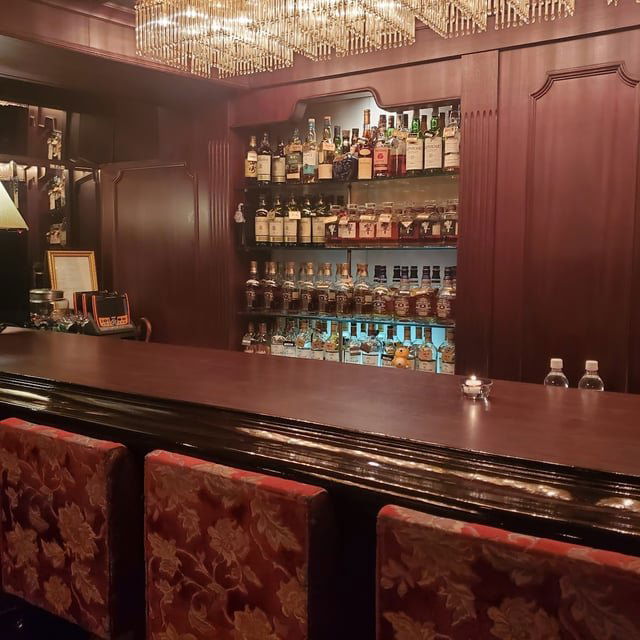
The room is downstairs, basement-level on Daikanyamacho, and the first thing you notice is the atmosphere — folk songs playing, orders called in Spanish, a setting that reads distinctly un-Tokyo. That contrast is part of the draw. Daikanyama already sits at the intersection of international influence and Japanese craft sensibility, and Arrocería Sal y Amor fits that neighbourhood logic well. It's not a themed restaurant performing Spanishness; it's an arrocería , a restaurant built specifically around rice dishes , that happens to be operating in one of Tokyo's most design-conscious residential-commercial pockets.
The format is worth understanding before you arrive. An arrocería specialises in rice as the main event, not as a side. Beyond paella, the menu runs to meloso (closer to risotto in texture and moisture), caldoso (rice cooked in broth, looser and more soup-adjacent), and further variations. The rice itself is Japan-grown and carefully selected, which matters: this is a kitchen that has thought seriously about the ingredient that defines every dish, and the domestic sourcing reflects how Japanese culinary standards have been applied to a Spanish format. Chef Lionello Cera shapes the menu. The result is a kitchen operating at a clear technical level, verified by the Bib Gourmand, which Michelin awards specifically for quality cooking at moderate prices.
For the food-focused traveler working through Tokyo, this fills a gap. If you've already done the kaiseki end of the spectrum , or if you're planning to , places like RyuGin and Gion Sasaki in Kyoto represent the formal Japanese high end. Sal y Amor is the counterpoint: informal, Spanish, and approachable in price. It also sits in a different conversation from the other Spanish kitchens in the city. ZURRIOLA and ENEKO Tokyo both operate at a higher price tier with more formal service; LANBRoA takes a different approach to Basque influence. Sal y Amor's specific focus , rice dishes, basement room, Bib Gourmand pricing , puts it in its own lane.
Daikanyama as a neighbourhood adds context to why this works. This is not a tourist-facing district in the way Shinjuku or Asakusa are. It draws a local, internationally minded crowd: residents, creative professionals, people who know food. A Spanish rice specialist sitting here, building a 4.4 rating across 433 Google reviews, signals that the local audience has validated the concept consistently. That's meaningful data for a first-time visitor deciding whether to make the trip from another part of the city.
The ¥¥ price range puts this in the mid-tier, well below the ¥¥¥¥ venues that dominate Tokyo's international food media coverage. For a Michelin-recognised kitchen, that ratio is worth noting. You are not paying a premium for the credential; the Bib Gourmand exists precisely to flag quality-to-value overachievers. If your Tokyo trip includes nights at HAJIME in Osaka-tier restaurants, Sal y Amor is the kind of meal you book on the same trip to reset the spend without resetting the quality expectations.
For further Spanish dining context in Japan, akordu in Nara offers another data point on how Spanish and Japanese culinary ideas interact at the fine-dining end. Sal y Amor sits at the accessible end of that spectrum. If you're building a broader Tokyo dining itinerary, our full Tokyo restaurants guide gives the full picture, and eman and ARROCERÍA La Panza are both worth comparing if the rice-focused Spanish format interests you. For international comparisons on Spanish cooking, Arco by Paco Pérez in Gdańsk and BCN Taste and Tradition in Houston show how the format travels across different markets.
Beyond restaurants, if you're spending time in the area: our Tokyo hotels guide, bars guide, and experiences guide cover the full city. For dining beyond Tokyo, Goh in Fukuoka, 1000 in Yokohama, and 6 in Okinawa are worth knowing if your Japan itinerary goes wider.
Ratings at a Glance
- Michelin recognition: Bib Gourmand 2024
- Google rating: 4.4 out of 5 (433 reviews)
- Price range: ¥¥ (mid-range)
- Booking difficulty: Easy
Know Before You Go
- Address: Daikanyamacho 12-19, B1F, Shibuya, Tokyo 150-0034
- Cuisine: Spanish arrocería , rice dishes including paella, meloso, and caldoso
- Price range: ¥¥
- Michelin: Bib Gourmand (2024)
- Google: 4.4 / 5 (433 reviews)
- Chef: Lionello Cera
- Booking difficulty: Easy , walk-ins may be possible, but confirming ahead is advisable
- Hours: Not confirmed , check current listings before visiting
- Dress code: Not specified , smart casual suits the neighbourhood
- Phone / Website: Not listed , search directly or use a booking platform
Frequently Asked Questions
Does Arrocería Sal y Amor handle dietary restrictions?
Rice-forward Spanish cooking naturally accommodates some dietary needs, but the menu is built around specific rice formats — paella, meloso, caldoso — so flexibility depends on what you're avoiding. The kitchen uses Japan-grown rice as its core ingredient, which keeps things straightforward for gluten concerns on the rice dishes. Contact ahead if you have serious restrictions; the ¥¥ price point suggests a focused, relatively compact menu with limited off-menu substitution.
Is Arrocería Sal y Amor worth the price?
Yes, and the Michelin Bib Gourmand (2024) says the same — this is the award specifically for good cooking at a reasonable price. At ¥¥ in Tokyo, a serious arrocería serving multiple rice formats using carefully sourced Japanese rice is genuinely hard to find. If you want Spanish rice cookery done properly without the cost of a full tasting-menu restaurant, this is the right call.
What should I order at Arrocería Sal y Amor?
The menu is built around three Spanish rice formats: paella (dry, crusted), meloso (looser, closer to risotto), and caldoso (rice in broth). All use Japan-grown rice selected specifically for the dishes. Go with at least two formats across your table to understand the range — caldoso in particular is rarely done well outside Spain, let alone Tokyo. Chef Lionello Cera runs the kitchen, so the Spanish framing is deliberate, not decorative.
How far ahead should I book Arrocería Sal y Amor?
Book at least one to two weeks ahead. Bib Gourmand recognition in Tokyo reliably fills smaller restaurants, and the basement room on Daikanyamacho is not a large space. Weekend slots will go faster. No booking platform or phone number is listed publicly, so track down reservations through the venue directly or via a concierge.
Can Arrocería Sal y Amor accommodate groups?
Spanish rice dishes are format-friendly for groups since paella and caldoso are inherently shareable. That said, a basement venue in Daikanyama at ¥¥ typically runs a compact dining room, so large parties above six should confirm capacity before assuming availability. For groups of two to four, this is a comfortable fit — order across the rice formats and share.
Can I eat at the bar at Arrocería Sal y Amor?
Bar seating is not confirmed in the available venue data. The basement setting and Spanish restaurant format suggest counter or bar options may exist, but don't book assuming that's the case. If solo dining or bar seating is a priority, confirm directly when reserving.
Location
Japan, 〒150-0034 Tokyo, Shibuya, Daikanyamacho, 12−19 B1階
Tokyo, Japan
Compare Arrocería Sal y Amor
| Venue | Price | Value |
|---|---|---|
| Arrocería Sal y Amor | ¥¥ | , |
| Harutaka | ¥¥¥¥ | , |
| L'Effervescence | ¥¥¥¥ | , |
| RyuGin | ¥¥¥¥ | , |
| HOMMAGE | ¥¥¥¥ | , |
| Crony | ¥¥¥¥ | , |
What to weigh when choosing between Arrocería Sal y Amor and alternatives.
Also Consider
- Harutaka, Sushi, ¥¥¥¥
- L'Effervescence, French, ¥¥¥¥
- RyuGin, Kaiseki, Japanese, ¥¥¥¥
- HOMMAGE, Innovtive French, French, ¥¥¥¥
- Crony, Innovative, French, ¥¥¥¥
Arrocería Sal y Amor sits at the accessible end of Tokyo's international dining spectrum, and that positioning is its clearest advantage. The four comparison venues, Harutaka, L'Effervescence, RyuGin, HOMMAGE, and Crony, all operate at ¥¥¥¥, making them a different financial and experiential commitment. If your Tokyo dining budget is finite, Sal y Amor is where you absorb the city's Spanish culinary influence without redirecting funds from a kaiseki or omakase night elsewhere.
For pure dining ambition, RyuGin and L'Effervescence represent the formal high end, multi-course, technically demanding, and priced accordingly. Harutaka is the choice if sushi at the counter is the priority. HOMMAGE and Crony both take French-influenced creative cooking seriously at the same ¥¥¥¥ tier. None of these overlap with what Sal y Amor does. The comparison isn't really about quality competition, it's about format fit and budget allocation. Sal y Amor's Bib Gourmand is a Michelin signal, just a different one: quality at accessible prices rather than the star-level technical ambition of its ¥¥¥¥ peers.
The practical recommendation: if you're building a multi-night Tokyo itinerary with one or two ¥¥¥¥ bookings already in place, Sal y Amor is the logical mid-week or lunch-slot addition, low booking friction, credentialled, and genuinely different in format from everything else on that list. If Spanish rice cookery doesn't feature in your priorities, the ¥¥¥¥ options above will each deliver a more formally ambitious meal. But for value density and neighbourhood character, Sal y Amor in Daikanyama competes with nothing else on this list.
Recognized By


Explore Tokyo
Save or rate Arrocería Sal y Amor on Pearl
Keep this venue in your Pearl passport, rate it after you visit, and track it alongside every other place you collect.