

ETXOLA
Spanish · Nishi, Osaka
Restaurant in Osaka, Japan
 Book with Pearl
The Read
Char-Grill Basque
Price
¥¥¥
Dress
Smart Casual
Why go
ETXOLA brings Basque asado cooking to Osaka's Nishi Ward, with a sommelier-led Spanish wine programme that is genuinely rare in the city. At the ¥¥¥ tier, it earns the spend if you take the wine pairing; skip it and the value case weakens. Holding a Michelin Plate for 2025 and, it is the right call for pairs or solo diners who want to eat seriously without the formality of a tasting-menu format.
About ETXOLA
Who Should Book ETXOLA; and When
If you are planning a dinner in Osaka where the food does all the talking and the room reinforces every bite, ETXOLA is the right call for anyone who already has a relationship with Basque cuisine and wants to see how it translates to a Japanese context. It is particularly well-suited to pairs; a date night, a business dinner where the conversation matters as much as the food, or a solo diner who wants to sit quietly and eat seriously. Come when the seasons shift and char-grilled seafood is at its finest, because the asado is the reason to be here.
The Room and the Register
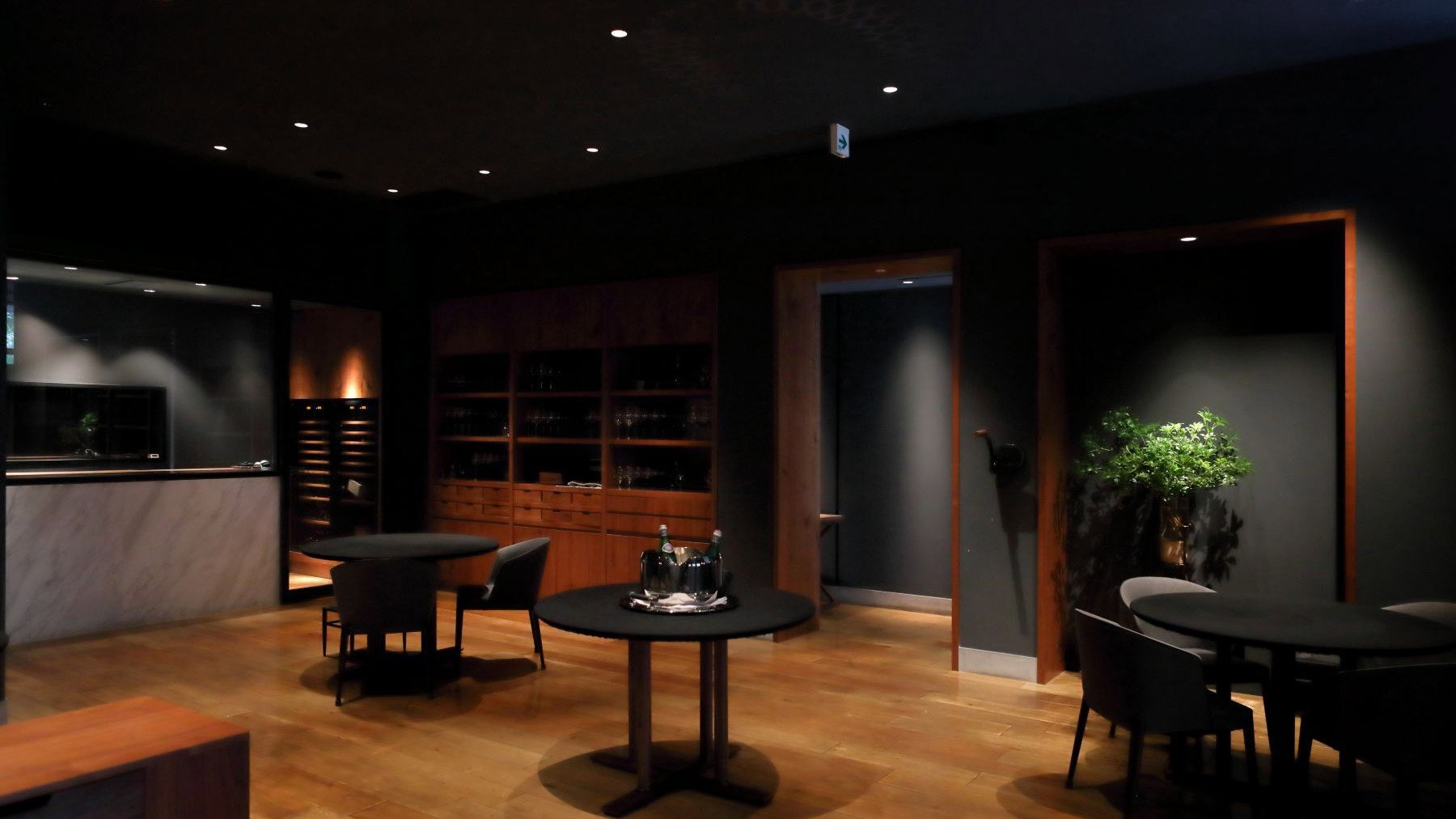
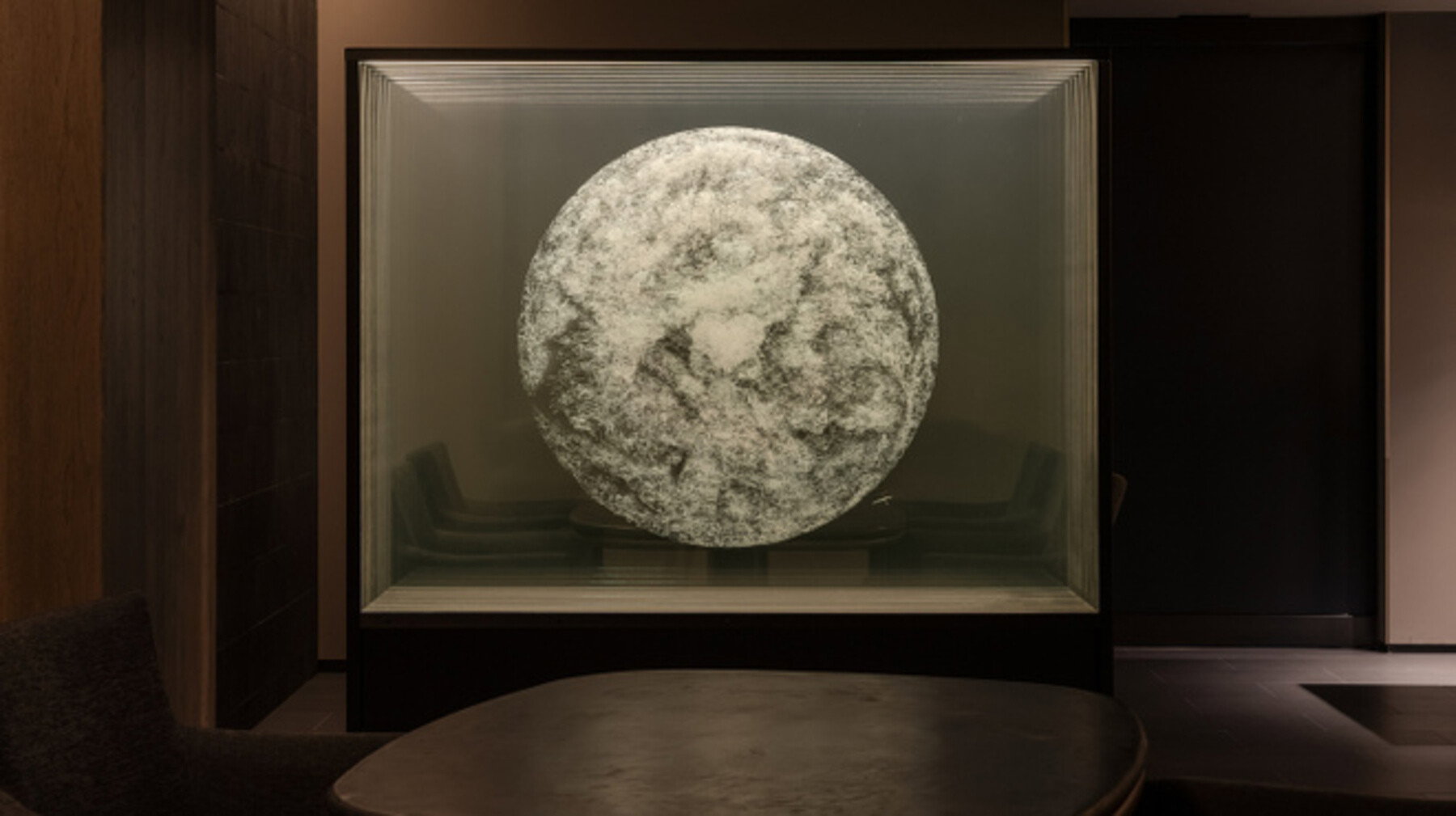
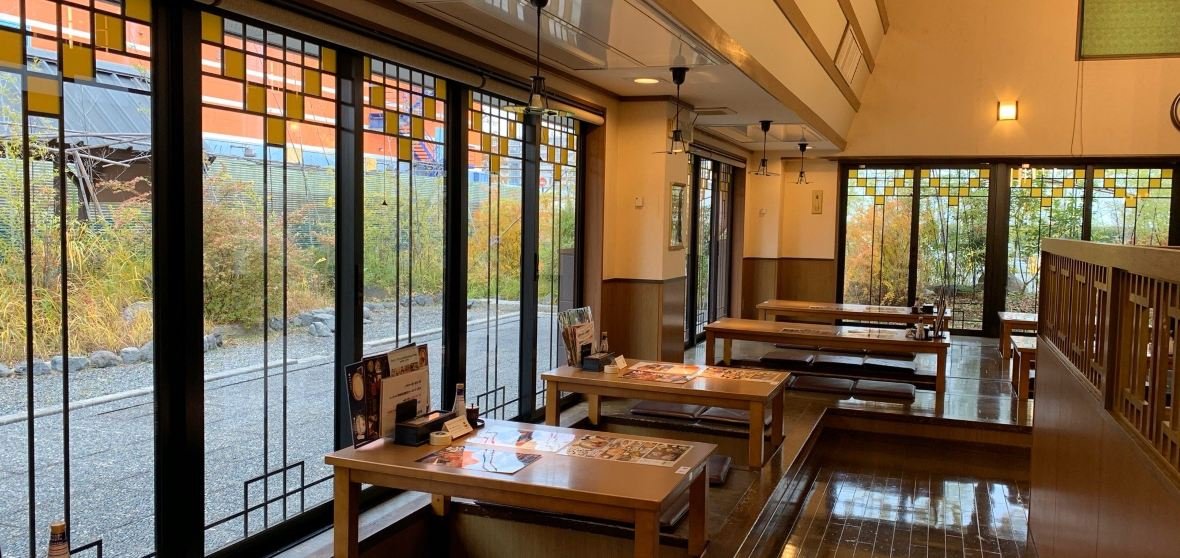
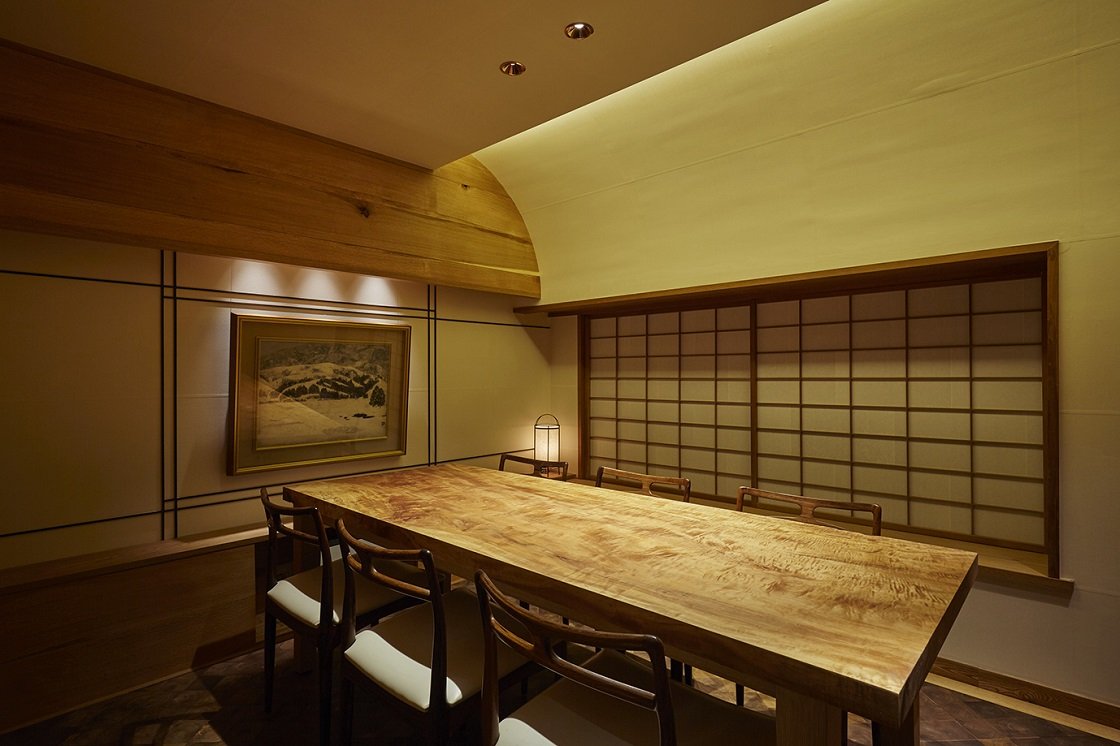
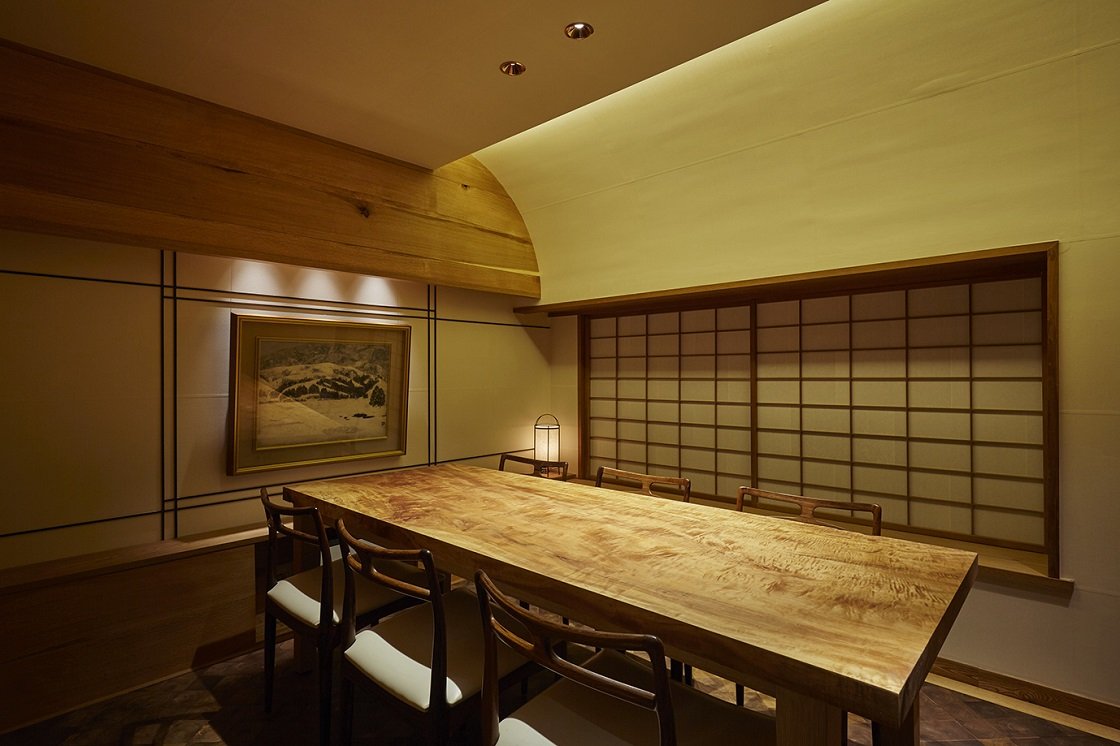
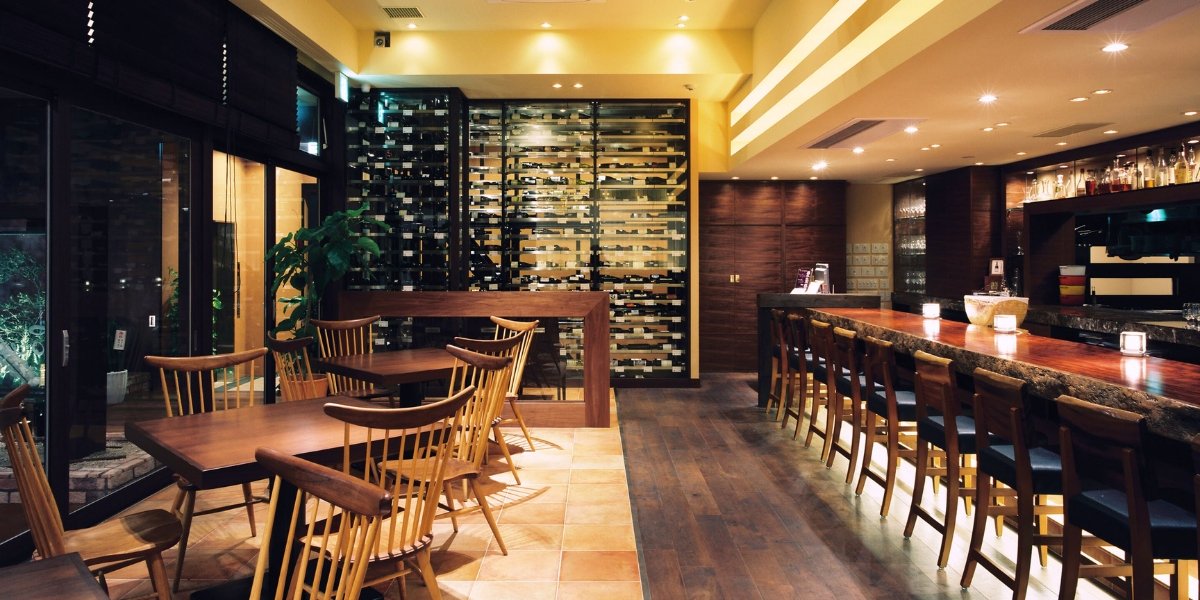
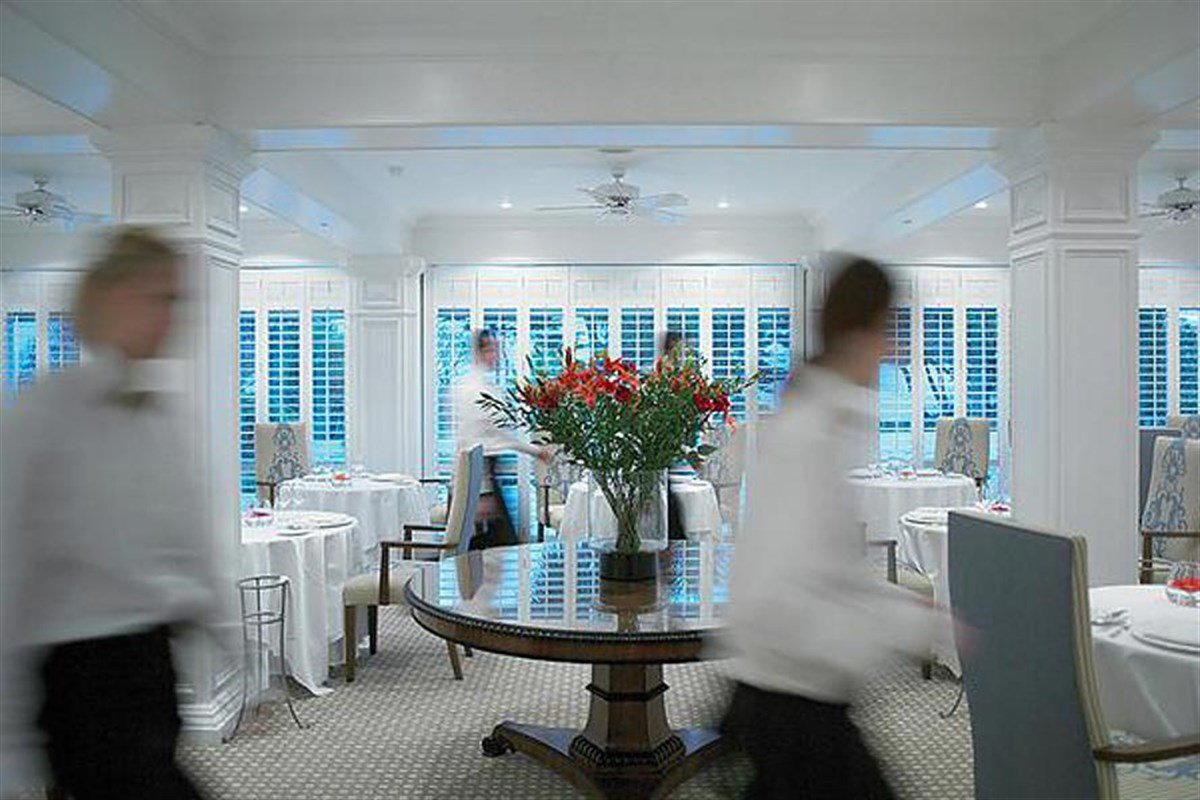
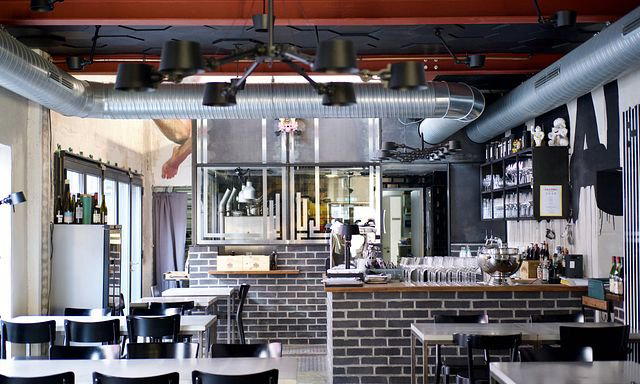
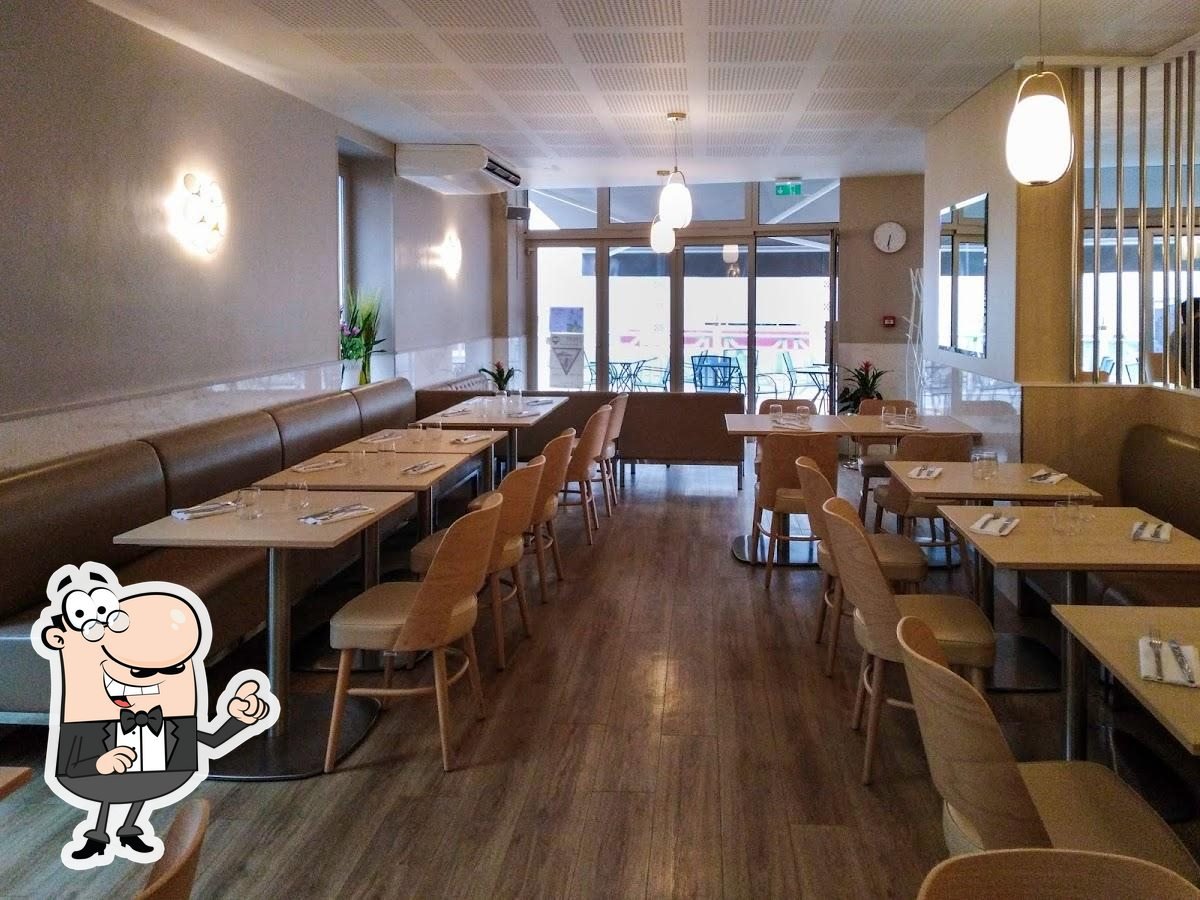
ETXOLA takes its name from the Basque word for mountain hut, the interior commits to that reference without irony: stout timber beams overhead, white walls, Basque-style woven tablecloths on the tables. In Nishi Ward's Utsubohonmachi, this is a room that feels deliberately unhurried, which is either exactly what you want or a signal to book elsewhere if you are looking for Osaka's more theatrical dining energy.
The scent that greets you is char and smoke from the grill, wood and rendered fat layered with the mineral tang of seafood. It is the kitchen making its intentions clear before you have sat down. That sensory cue matters: it tells you this is cooking built around fire and product, not elaboration. Bread is shipped from Spain and arrives at the table as a working utensil, not a garnish. That detail alone tells you something about how seriously the kitchen takes sourcing.
Service Philosophy: Does It Earn the Price?
At the ¥¥¥ price tier, ETXOLA is asking you to spend meaningfully without reaching the best of Osaka's dining market. The question worth asking is whether the service model justifies that spend. Here, the answer is yes, but with a specific caveat. The format depends on the chef and the owner-sommelier operating in close coordination, which means your experience of the room is shaped by two people who have chosen to work together on a defined brief: Basque food culture, Spanish wine. When that synchrony is working, the service feels like you are being guided through a region rather than processed through a menu.
The sommelier's role is not incidental. Spanish wine pairings in a Japanese context are genuinely uncommon, the wine list here is the differentiating factor against every other European-leaning restaurant in the city. If you drink wine with dinner, the pairing option is worth taking. If you skip it, you are leaving the most distinctive part of the experience on the table. The Michelin Plate recognition for 2025 confirms the kitchen is cooking to a consistent standard, but the service structure is what separates ETXOLA from a technically competent restaurant that happens to serve Spanish food.
The one risk in this format is availability and pacing. With a concept this tightly built around two principals, off nights exist. If you have been once and had a good experience, the thing to do next time is lean into the wine pairing more deliberately and ask the sommelier to direct the sequence. That is when the room works at full strength.
The Food: What to Expect
Asado, char-grilled seafood or meat, is the anchor of the menu. Basque cooking at its core is about quality product and fire, that is what ETXOLA is delivering. Spanish bread accompanies each dish, which is a small but pointed detail: it signals that the kitchen is not adapting the cuisine into something easier to contextualise for a local audience. You are eating Basque food as it is understood in the Basque Country, not a Japanese interpretation of it. For a returning visitor, the move is to work through different proteins on the asado and let the sommelier match accordingly, rather than defaulting to the same order as your first visit.
If you want to benchmark what Basque cooking looks like elsewhere in Japan, akordu in Nara is the closest peer reference for the style. For Spanish cooking more broadly in the Kansai region, Ñ, Asador ROCA, Donostia, and EL ALMA are all operating in Osaka with overlapping but distinct briefs. ZURRIOLA in Tokyo is the most direct point of comparison if you have eaten Spanish in the capital and want to calibrate expectations. Further afield, Arco by Paco Pérez in Gdańsk represents what a more formal Basque-influenced tasting format looks like at a higher price point.
Know Before You Go
- Cuisine: Basque / Spanish, asado-led, fire-cooked
- Price range: ¥¥¥ (mid-to-upper tier)
- Location: 1 Chome-4-2 Utsubohonmachi, Nishi Ward, Osaka
- Booking difficulty: Easy, no significant lead time required
- Awards: Michelin Plate 2025
- Wine programme: Spanish wines curated by owner-sommelier, take the pairing
- Bread: Shipped from Spain, arrives with the asado
- Leading for: Pairs, solo diners, wine-focused dinners
- Avoid if: You want a tasting-menu format or a high-energy room
Explore More in Osaka and Beyond
For a full picture of where ETXOLA sits in the Osaka dining scene, see our full Osaka restaurants guide. If you are planning the broader trip, our Osaka hotels guide, bars guide, and experiences guide cover the rest of the city. For wine specifically, our Osaka wineries guide is worth a look. If you are travelling the wider Japan circuit, Harutaka in Tokyo, Gion Sasaki in Kyoto, Goh in Fukuoka, 1000 in Yokohama, and 6 in Okinawa represent the range of what serious dining looks like across the country. DuKKAh is also worth noting if you want to compare Osaka's broader European-influenced dining options.
Planning details
- Location
- Japan, 〒550-0004 Osaka, Nishi Ward, Utsubohonmachi, 1 Chome−4−2 1F
- Website
- etxola.com
- Phone
- +81 6-6136-3824
The take
The Take
The Vibe
ETXOLA reads like a small Basque mountain hut transported into Osaka: stout wooden beams cross a white-walled room dressed with woven Basque cloths, and the interior deliberately places emphasis on timber, linen and hearth-centered cooking. The kitchen’s focus on the grill and asado techniques gives the room an elemental warmth and an artisanal, grounded character. Rather than leaning on avant-garde theatrics, the dining room conveys a composed, classic presence that feels intimate and quietly charming—a place where the materiality of wood and fabric matches the muscular, produce-first Basque cooking coming from the grill.
Best For
This is a restaurant that suits focused, occasion-driven dining: the Basque asado format and ¥¥¥ positioning make it a natural fit for date nights, business dinners and other special occasions where the quality of grill cooking is the point of the meal. Michelin Plate recognition underscores consistent execution without the star-level formality, so diners looking for serious, hearth-driven seafood and meat preparations in a composed, cabinlike setting will find it especially appropriate for an evening out.
Ordering Tips
Center your choices on the grill: the kitchen’s signature is char-grilled seafood and char-grilled meat, and the cooking is described as tied to the hearth and coastline. Lean into those preparations and any dishes that highlight smoke, charring and seasonal produce—the menu’s produce-first register is a defining trait. Given the restaurant’s focused Basque asado identity and ¥¥¥ positioning, expect a meat- and seafood-forward tasting or sharing approach rather than experimental, avant-garde plates.
Venue details
Ambiance
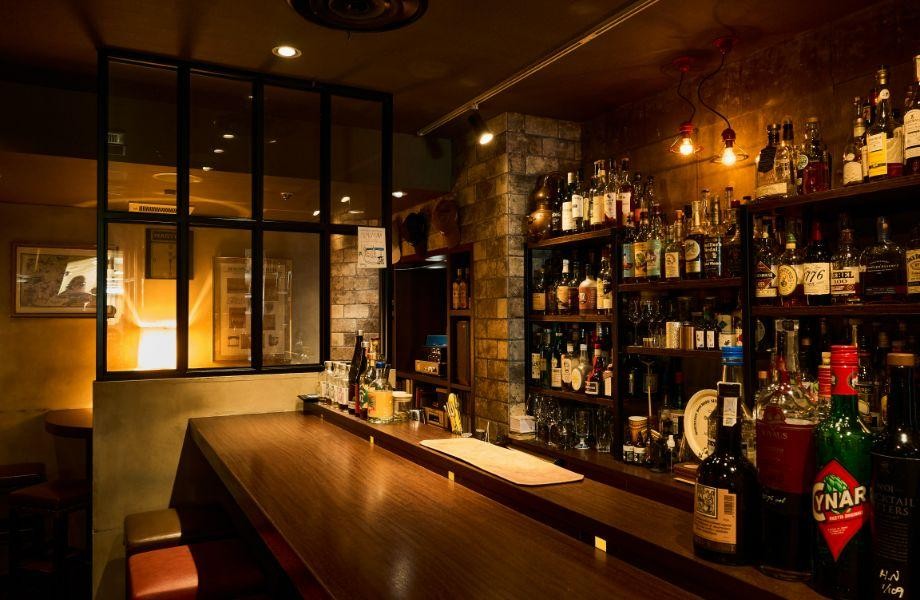
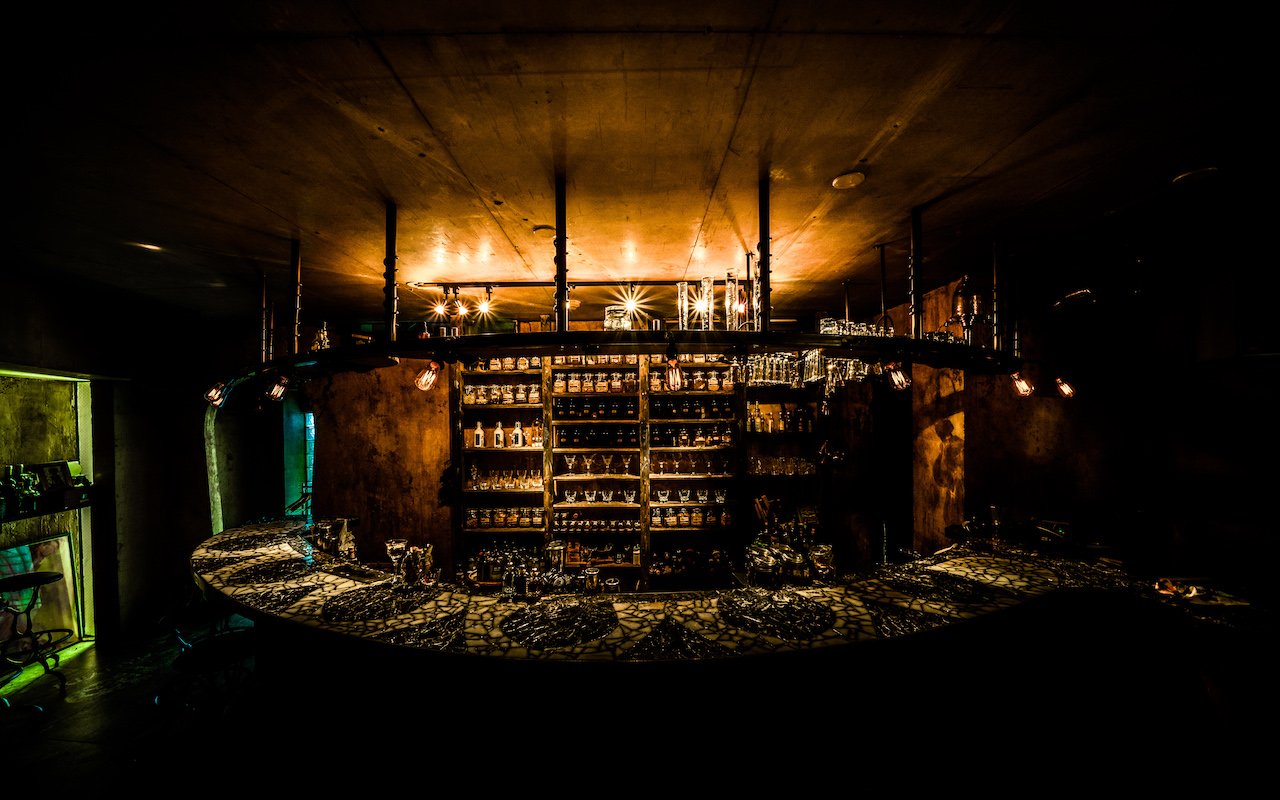
Sophisticated space with stout beams, white walls, and wood-colored interior evoking a Basque mountain lodge.
Tags
Vibe
Best For
Experience
At the Table
- Dress Code
- Smart Casual
- Noise Level
- Conversational
- Service Style
- Upscale Casual
- Meal Pacing
- Leisurely
- Capacity
- Intimate
Signature Dishes
- char-grilled seafood
- char-grilled meat
Planning details
Location
Japan, 〒550-0004 Osaka, Nishi Ward, Utsubohonmachi, 1 Chome−4−2 1F · Directions
Recognition and awards
Also consider
Also Consider
- HAJIME; French, Innovative, ¥¥¥¥
- La Cime; French, ¥¥¥¥
- Kashiwaya Osaka Senriyama; Japanese, ¥¥¥
- Taian; Kaiseki, Japanese, ¥¥¥
- Fujiya 1935; Innovative, ¥¥¥¥
Restaurant context
ETXOLA at ¥¥¥ is the only Basque-focused restaurant in Osaka with a dedicated Spanish wine programme, which makes direct comparison to other Osaka fine dining options slightly imprecise. If you are choosing between ETXOLA and the city's ¥¥¥¥ options; HAJIME, La Cime, and Fujiya 1935; the honest answer is that those restaurants are operating in a different register: formal tasting menus, multiple courses, higher price commitment. ETXOLA is the better booking if you want a focused, product-driven dinner without a multi-course structure, if Spanish wine matters to you as a category.
Against the ¥¥¥ Japanese options, Kashiwaya Osaka Senriyama and Taian are both kaiseki-format restaurants where the precision and local ingredient focus is the main event. If you are eating your way through Osaka and want to cover both European and Japanese cooking, ETXOLA and one of those two kaiseki options is a sensible two-dinner combination. If you only have one dinner and want the most technically ambitious cooking at ¥¥¥¥, La Cime is the booking. If you want Basque fire cooking with serious wine, ETXOLA is the only one doing it in this city at this price.
On booking difficulty, ETXOLA is easy to secure; no long lead times required. That is an advantage over HAJIME and the kaiseki options, which require more planning. If you are making a last-minute decision in Osaka and want a serious dinner, ETXOLA's accessibility is a practical argument in its favour that the Michelin-starred alternatives cannot match.
Explore Osaka
Around this place
Discover more on Pearl
Unlock the full ETXOLA guide in Pearl, including awards, comparisons, FAQs, planning details, and nearby places.
Compare ETXOLA
| Venue | Cuisine | Awards | Booking Difficulty |
|---|---|---|---|
| ETXOLA | Spanish | Tabelog 100 - Spanish cuisine - 2026 · #86Michelin Guide Kyoto Osaka 20262026 Michelin Plate2025 Michelin Plate | Easy |
| HAJIME | French, Innovative | Star Wine Lists 2026 · #12026 Tabelog Bronze · #922026 OAD Top Restaurants in Japan Ranked · #98Michelin Guide Kyoto Osaka 20262026 La Liste Top RestaurantsTabelog 100 - Innovative / Creative cuisine - 2025 · #692025 Asia's 50 Best Restaurants · #832025 OAD Top Restaurants in Japan Ranked · #87We're Smart World Top Restaurants 2025 | Unknown |
| La Cime | French | 2026 Asia's 50 Best Restaurants · #132026 OAD Top Restaurants in Japan Ranked · #1492026 Tabelog Bronze · #231Michelin Guide Kyoto Osaka 20262026 La Liste Top Restaurants2025 Asia's 50 Best Restaurants · #82025 World's 50 Best Restaurants · #44Tabelog 100 - French - WEST - 2025 · #932025 OAD Top Restaurants in Japan Ranked · #123 | Unknown |
| Kashiwaya Osaka Senriyama | Japanese | 2026 Tabelog Bronze · #1682026 OAD Top Restaurants in Japan Recommended2026 Relais Chateaux RestaurantsMichelin Guide Kyoto Osaka 20262026 La Liste Top RestaurantsTabelog 100 - Japanese cuisine - WEST - 2025 · #772025 OAD Top Restaurants in Japan Ranked · #1552025 Relais Chateaux Award2025 Michelin 3 Stars | Unknown |
| Taian | Kaiseki, Japanese | 2026 OAD Top Restaurants in Japan RecommendedMichelin Guide Kyoto Osaka 20262026 La Liste Top Restaurants2025 OAD Top Restaurants in Japan Ranked · #2042025 La Liste Top Restaurants2025 Michelin 3 Stars2024 OAD Top Restaurants in Japan Ranked · #1912024 Michelin 3 Stars2023 OAD Top Restaurants in Japan Highly Recommended | Unknown |
| Fujiya 1935 | Innovative | 2026 Tabelog Bronze · #752026 OAD Top Restaurants in Japan RecommendedMichelin Guide Kyoto Osaka 20262026 La Liste Top Restaurants2025 Michelin 2 Stars2025 Tabelog Silver2025 La Liste Top Restaurants2024 OAD Top Restaurants in Japan Ranked · #2392024 Michelin 2 Stars | Unknown |
.png?width=1200&quality=80)








Comparing your options in Osaka for this tier.
FAQ
Frequently Asked Questions
Is ETXOLA good for solo dining?
Yes, solo diners do well here. The focused Basque format, anchored around the asado, gives a single diner a clear through-line without the awkwardness of a long tasting menu built for pairs. The ¥¥¥ price tier is a real commitment solo, so come with appetite and interest in Spanish wine; the owner-sommelier pairing is a big part of the experience.
What should I order at ETXOLA?
The asado is the reason to come: char-grilled seafood or meat cooked in the Basque tradition, served with bread shipped in from Spain. That combination is the core of what ETXOLA does, the Michelin Plate recognition in 2025 reflects consistent execution of exactly that. Build your order around the grill and let the sommelier guide the wine.
What are alternatives to ETXOLA in Osaka?
For high-end Japanese cuisine at a comparable or higher price, Taian and Kashiwaya Osaka Senriyama are the natural alternatives. For modern European ambition, La Cime and Fujiya 1935 both operate at the top of Osaka's contemporary dining market with stronger international recognition. ETXOLA's case is different: it is the only Basque-focused address in Osaka with Michelin Plate recognition, so if Spanish regional cooking is the specific draw, there is no direct like-for-like.
Is ETXOLA worth the price?
At ¥¥¥, ETXOLA sits in the meaningful-spend tier without reaching the ceiling of Osaka's dining market. The Michelin Plate (2025) signals consistent quality rather than starred ambition, the offer is specific: Basque asado, Spanish wine, a room that commits to the regional identity. Worth it if that combination is what you are after. If you want more culinary range or higher technical register at a similar price, La Cime or Fujiya 1935 are stronger bets.