

Michelin Bordeaux 2026: 1 Grape
Michelin Guide 2026 Bordeaux wine estates: 1 Grape selection.

Venues on this list
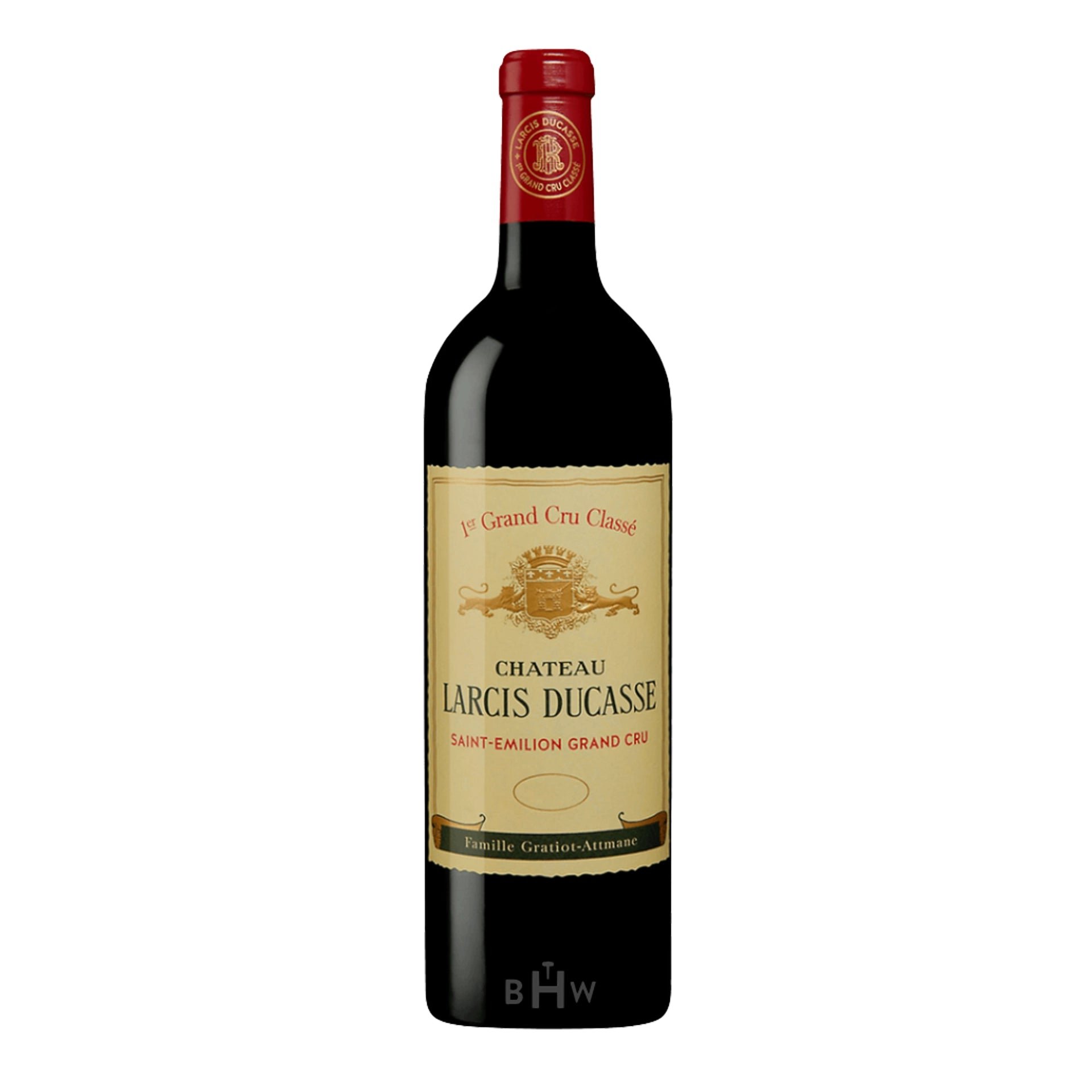
Château Larcis Ducasse
Saint-Émilion, France
Prioritize Château Larcis Ducasse if the Saint-Emilion trip is built around serious wine appointments and selective access. It is a stronger fit for Bordeaux-focused travelers than casual tasting groups, and it works better as one carefully planned stop than as part of an overpacked château crawl.
Château Jean Faure
Saint-Émilion, France
Book Château Jean Faure if the goal is a serious Saint-Émilion tasting with a clear Cabernet Franc identity rather than a broad hospitality show. It is strongest for couples, small celebrations, and wine-focused travellers who want appellation context, organic and biodynamic farming credentials, and a quieter Grand Cru Classé experience.
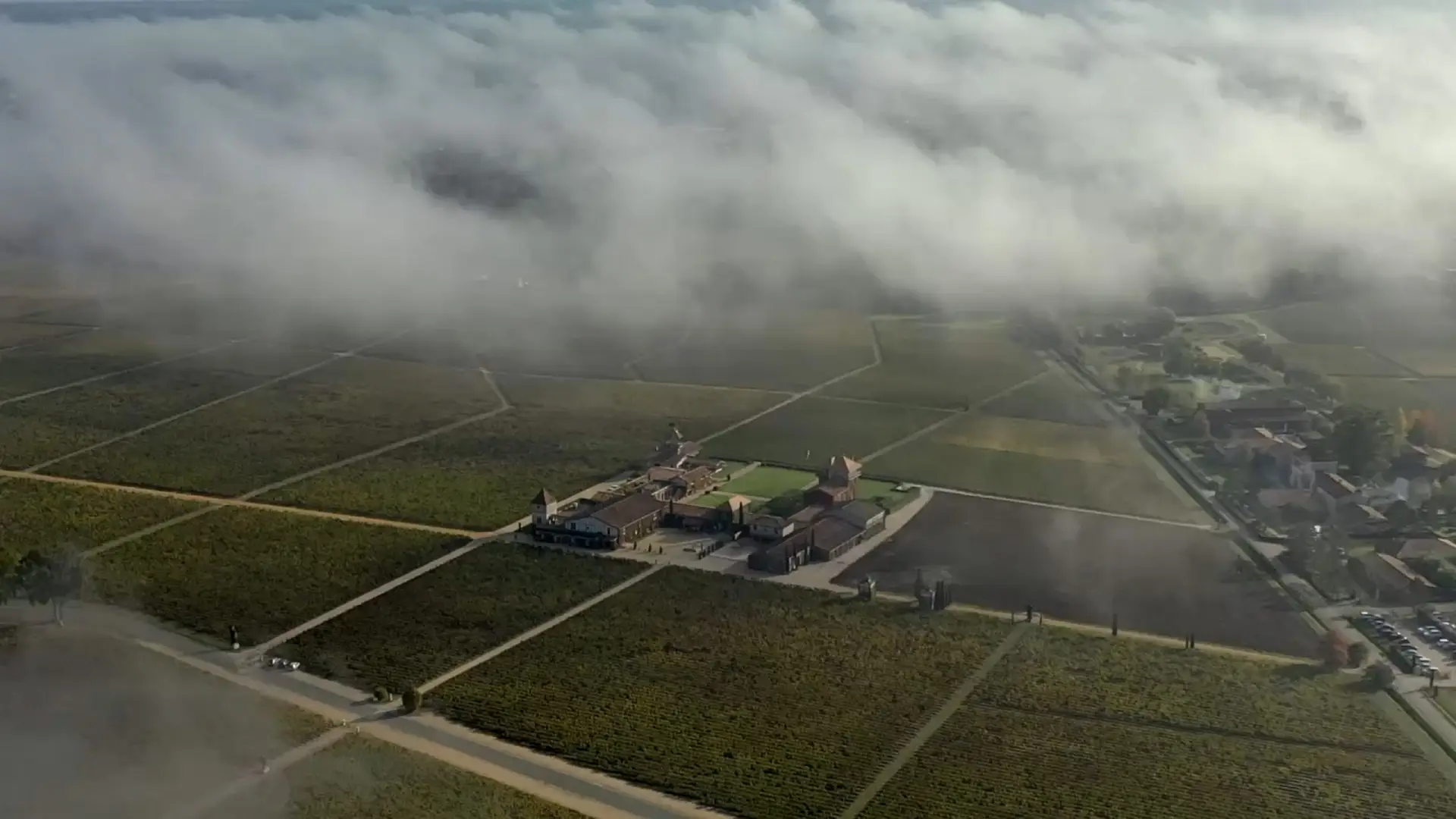
Château Smith Haut Lafitte
Martillac, France
Château Smith Haut Lafitte is a wine estate in Martillac in the Pessac-Léognan appellation.
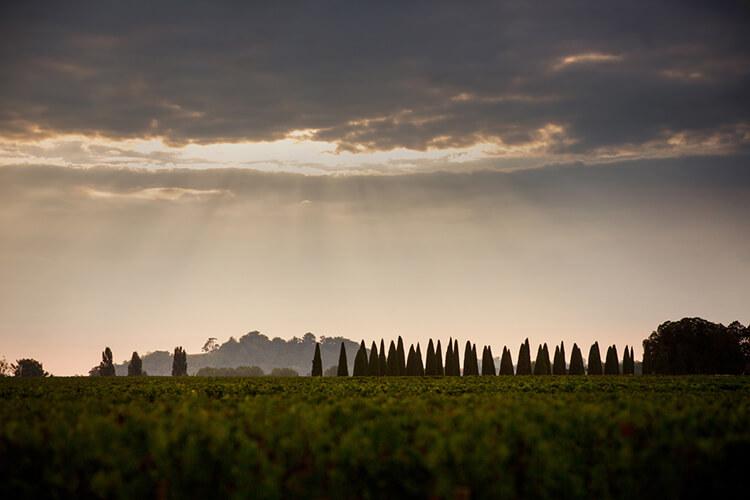
Château Trotanoy
Pomerol, France
Château Trotanoy is worth pursuing if the priority is serious Pomerol depth rather than an easy cellar-door stop. Its Pearl 3 Star Prestige recognition and Jean- Berrouet connection make it a high-conviction target for collectors, but access is the deciding factor; casual visitors may get more practical value from a more visitor-facing Pomerol peer.
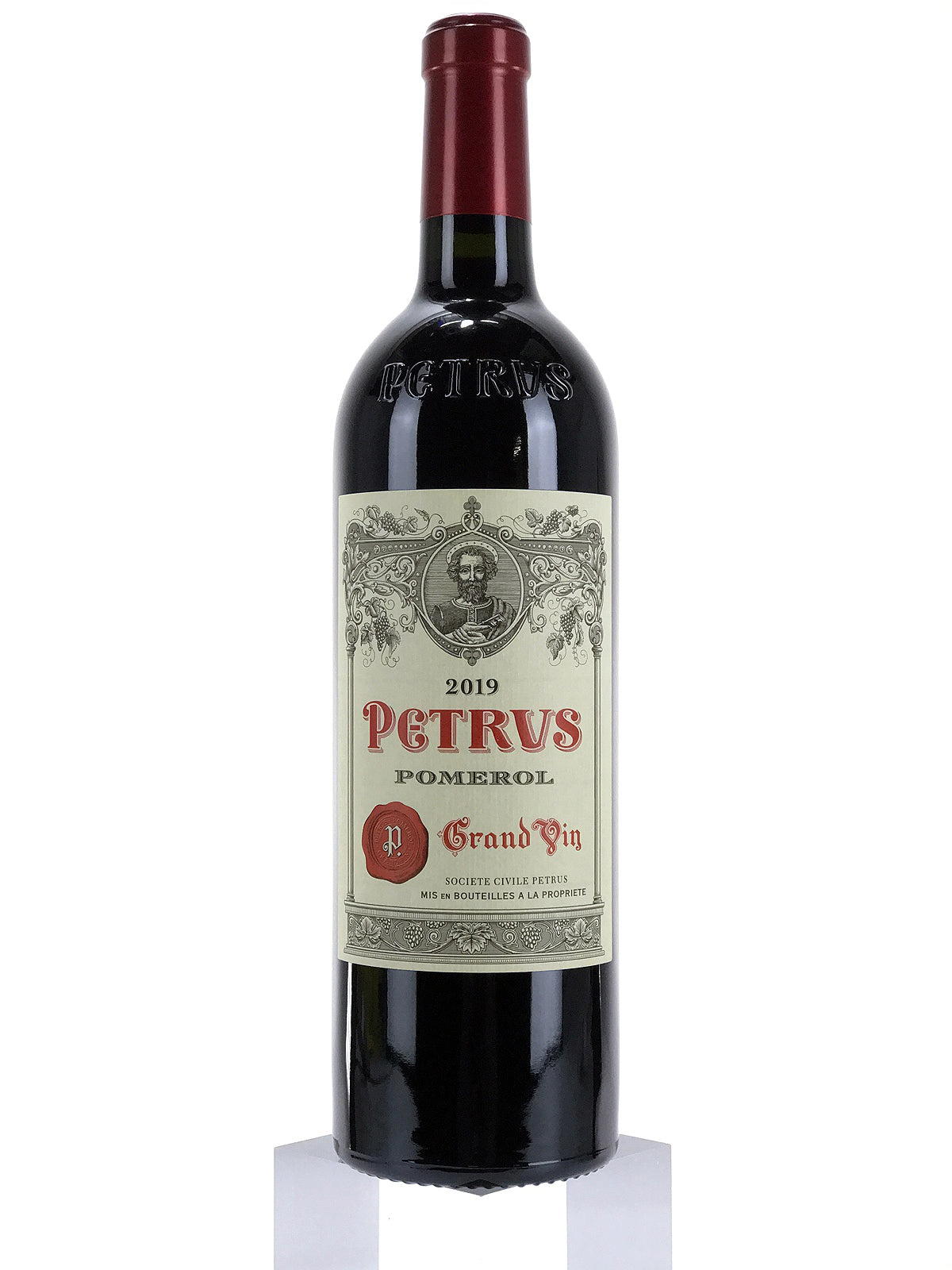
Château La Fleur-Pétrus
Pomerol, France
A serious Pomerol target for collectors and special-occasion buyers, not a casual tasting-room stop. Château La Fleur Petrus makes sense if allocation value, Right Bank reputation, and gifting credibility matter more than easy access or hospitality breadth.
Château Grand-Puy-Lacoste
Pauillac, France
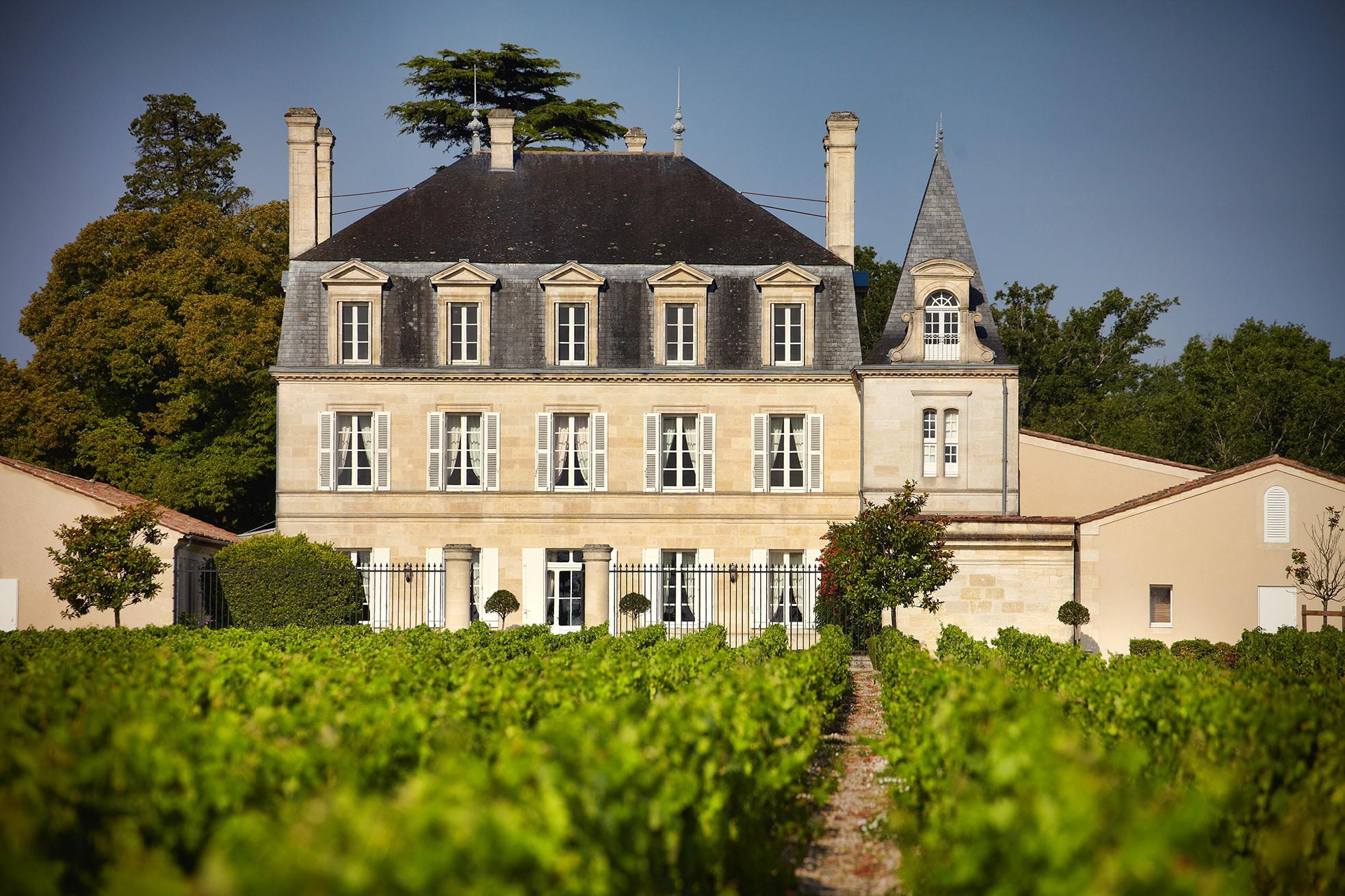
Château Grand-Puy-Lacoste is worth targeting for a serious Pauillac itinerary, especially if you care about estate history and a focused winery visit. Access should be planned well ahead, so treat it as the anchor of the day rather than a flexible drop-in between nearby châteaux.
Château Cos d'Estournel
Saint-Estèphe, France
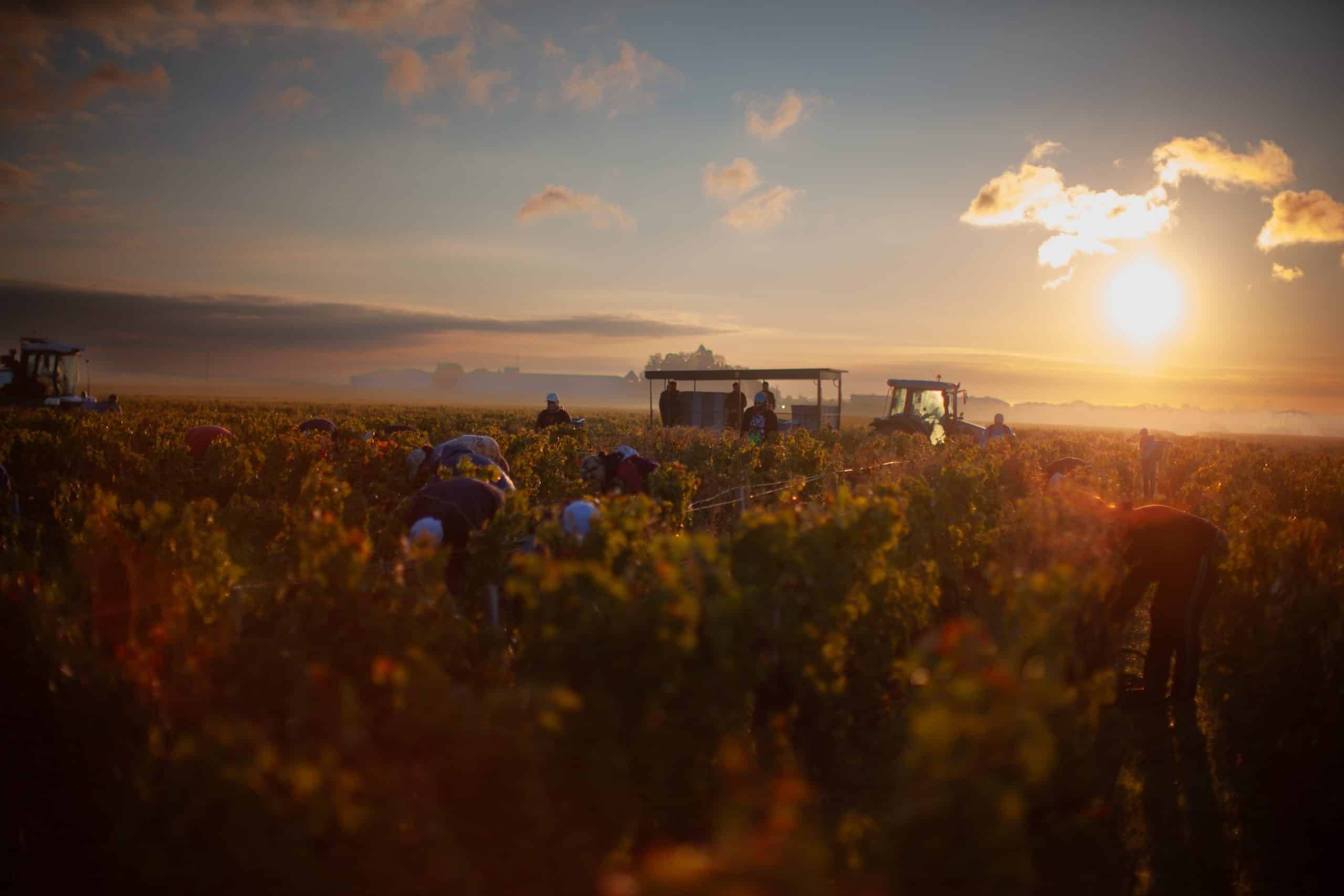
Château Cos d'Estournel is a winery in Saint-Estèphe, Bordeaux.
Château Bellefont-Belcier
Saint-Laurent-des-Combes, France
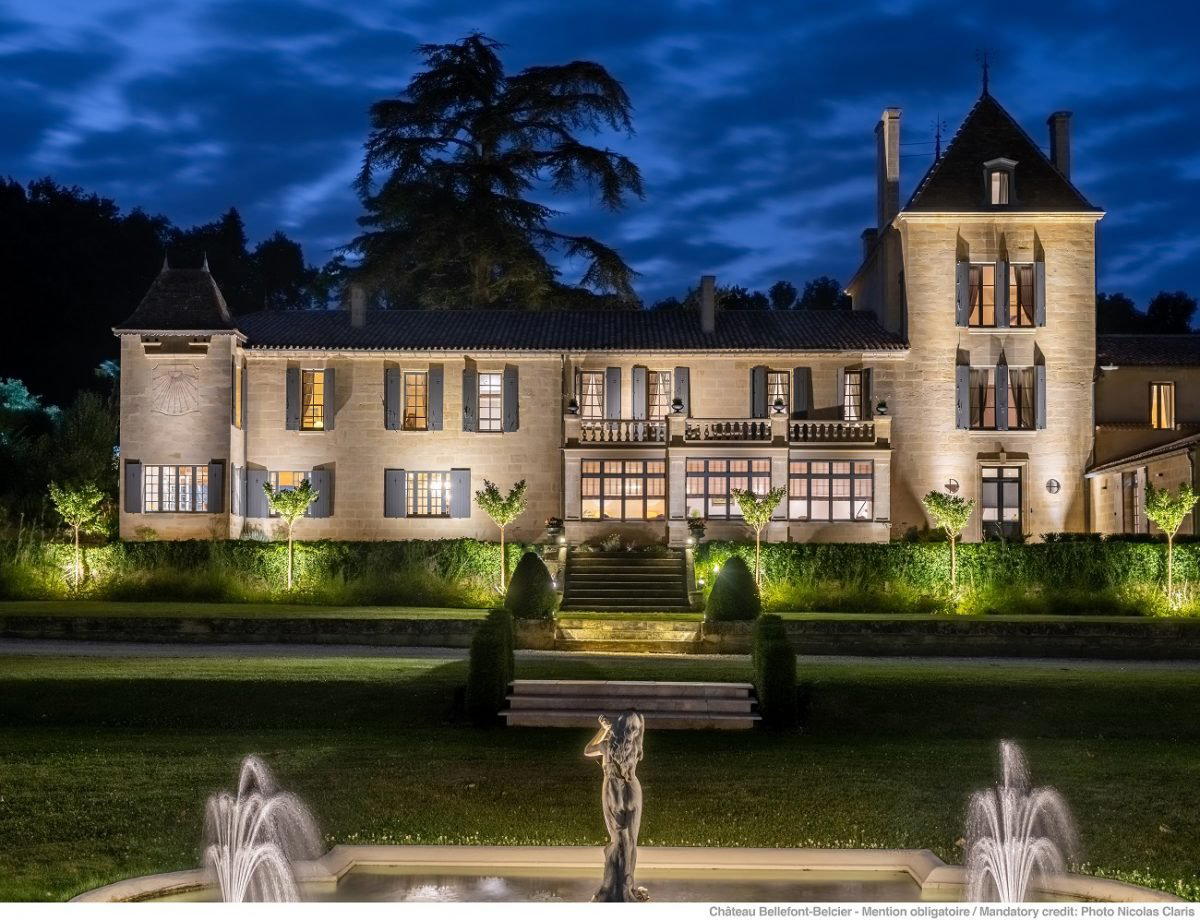
A good fit for travelers building a wine-focused Saint-Laurent-des-Combes route, especially if recent Falstaff recognition matters to the decision. Book it for château context and Right Bank depth, not for a restaurant-style visit or guaranteed private tasting format.
Château Clerc Milon
Pauillac, France
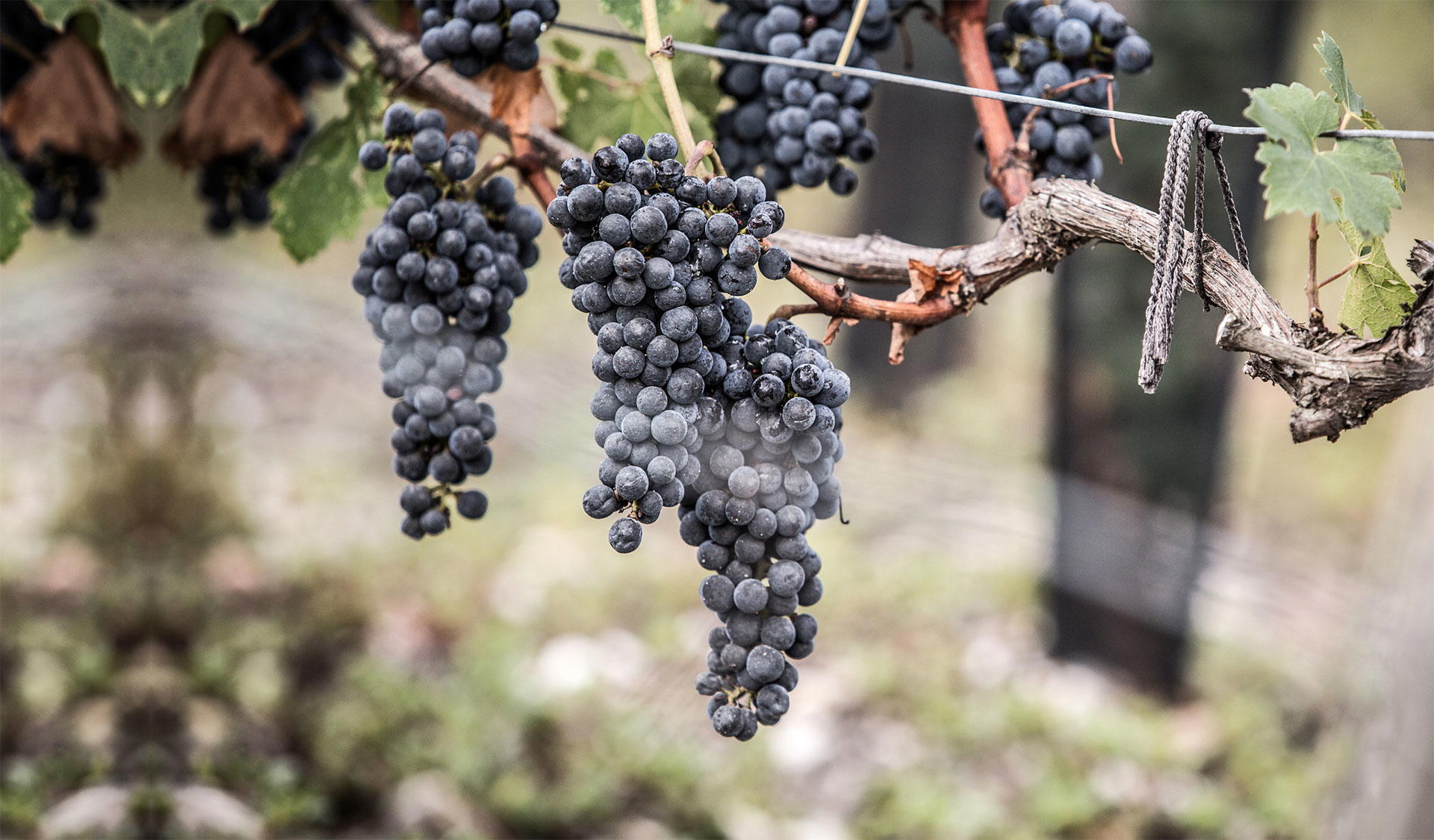
Château Clerc Milon is worth the effort for first-time Pauillac visitors who care about classified-growth context and potential allocation value more than pure name recognition. It is a stronger fit for serious Bordeaux buyers than casual tasters, with Lafite and Mouton better for trophy appeal and Château d'Armailhac a useful nearby cross-shop.
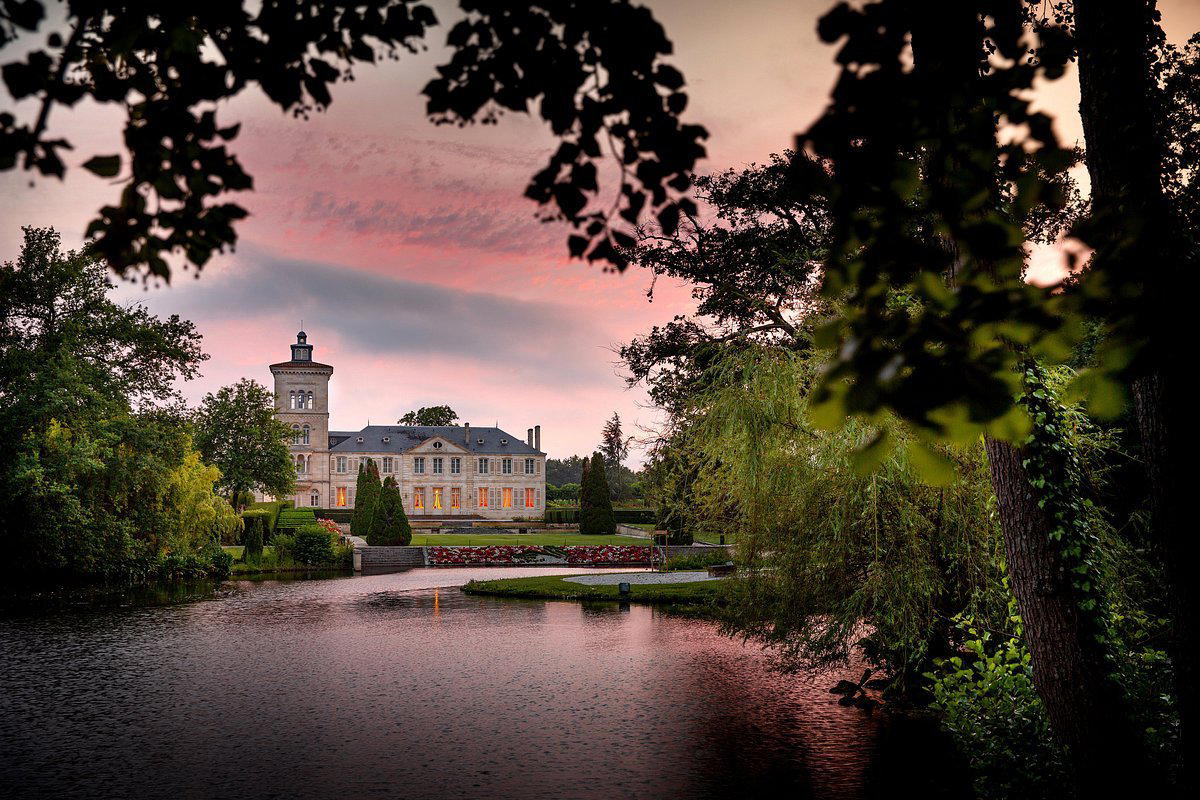
Château Lagrange
Saint-Julien-Beychevelle, France
Château Lagrange is worth prioritizing if the plan is a serious Saint-Julien winery visit rather than a loose tasting crawl. Booking should be treated as difficult, so first-timers are better off anchoring the day here and cross-shopping Château Talbot or Château Gloria only if timing does not work.
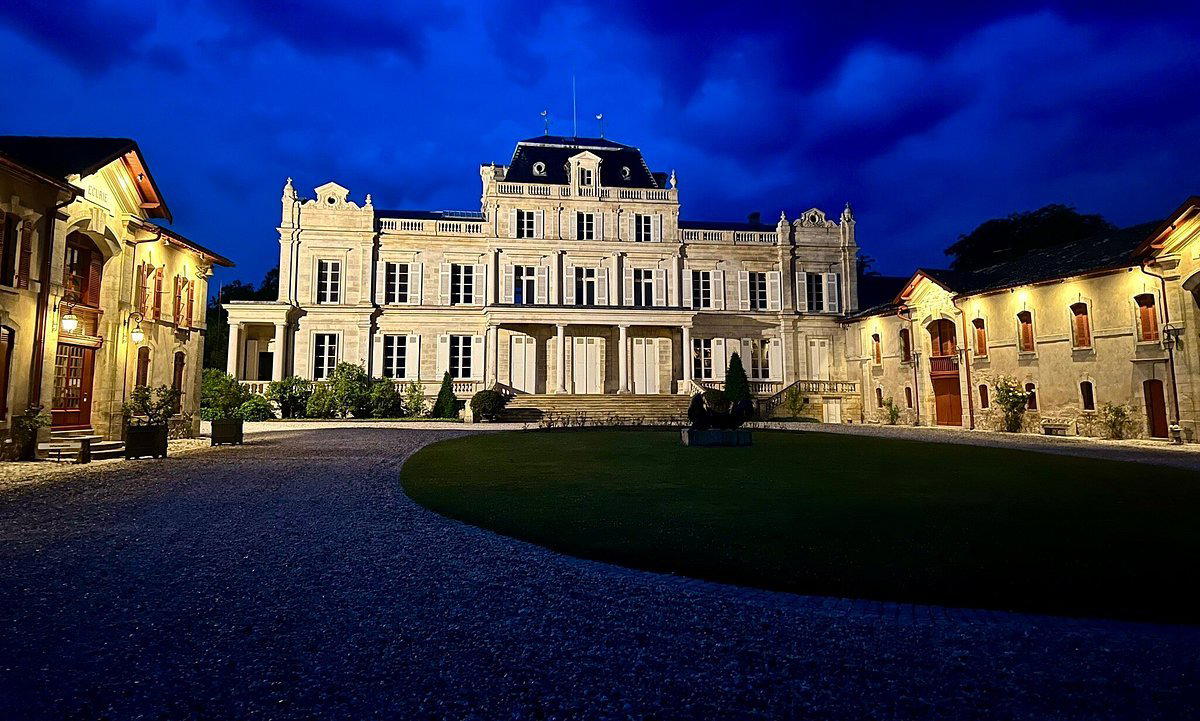
Château Giscours
Labarde, France
A strong Labarde choice for a planned Médoc winery visit, especially for couples, collectors, or business guests who want the estate appointment to anchor the day. It is less suited to spontaneous tasting plans or groups that need maximum flexibility, so keep a nearby alternative ready if timing is tight.
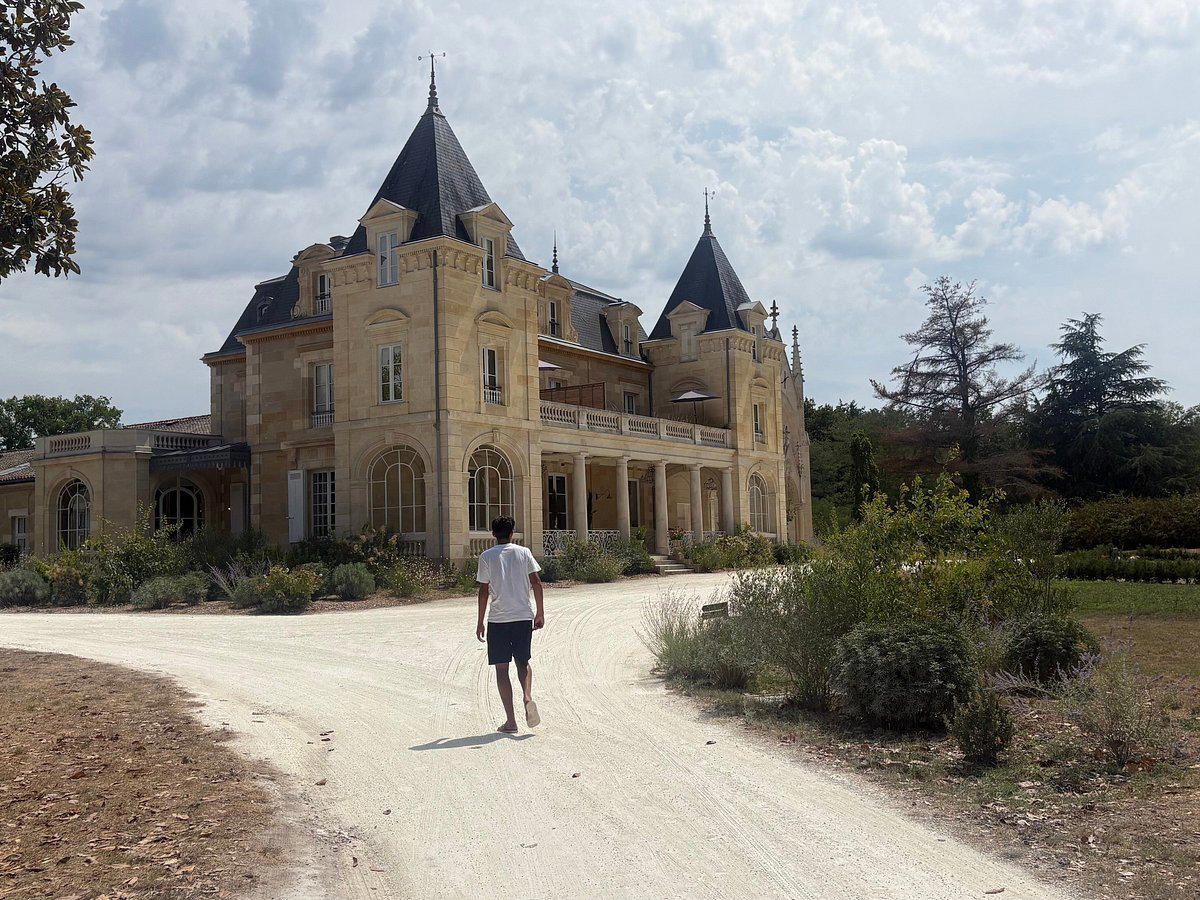
Château de Fieuzal
Léognan, France
A strong pick for wine travelers who want Graves production detail, not a casual drop-in tasting. The draw is the classified Pessac-Léognan context, red and white grand vin range, sustainable vineyard work, and a modern winery setup that makes the visit feel more technical than decorative.
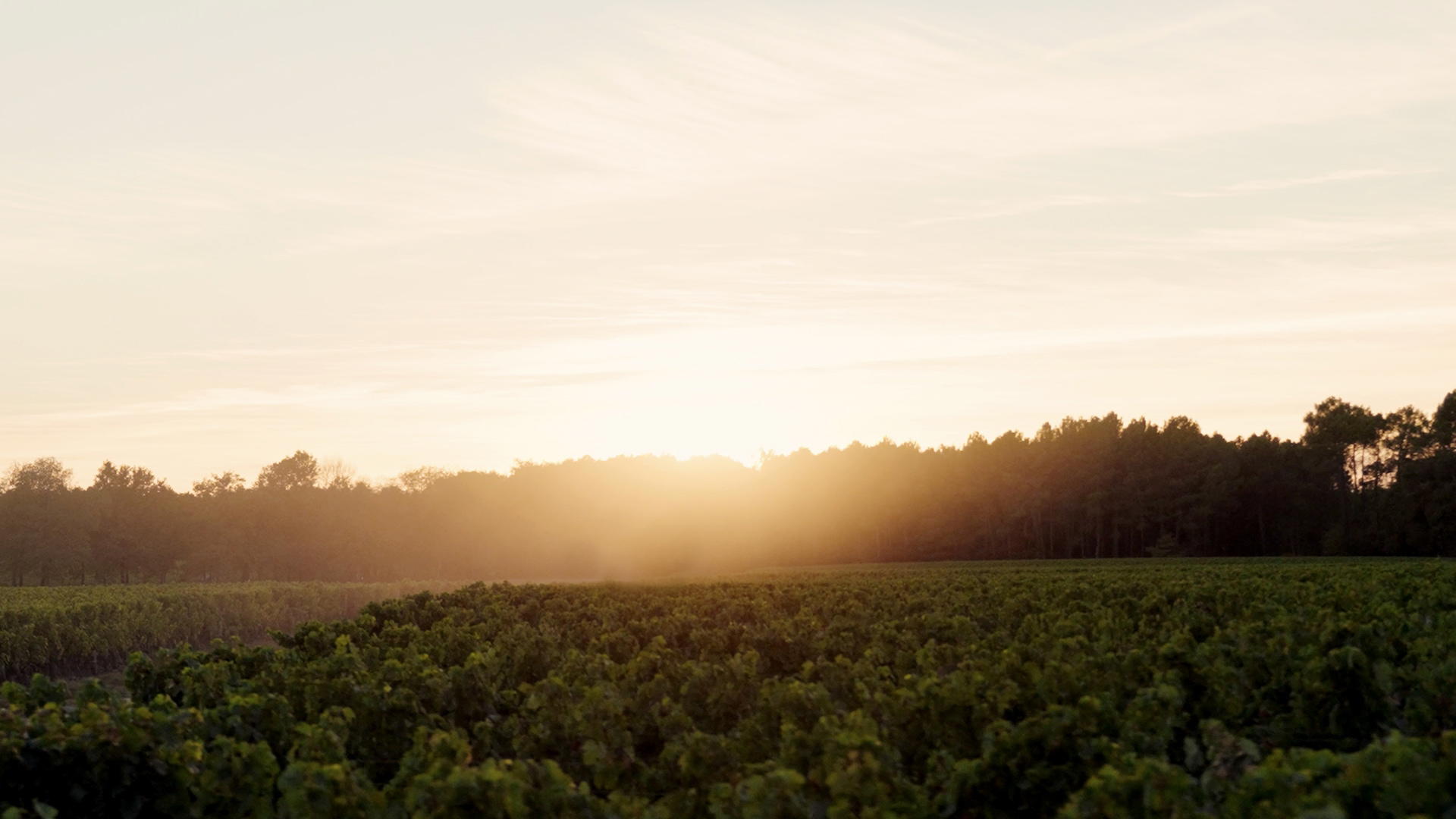
Domaine de Chevalier
Léognan, France
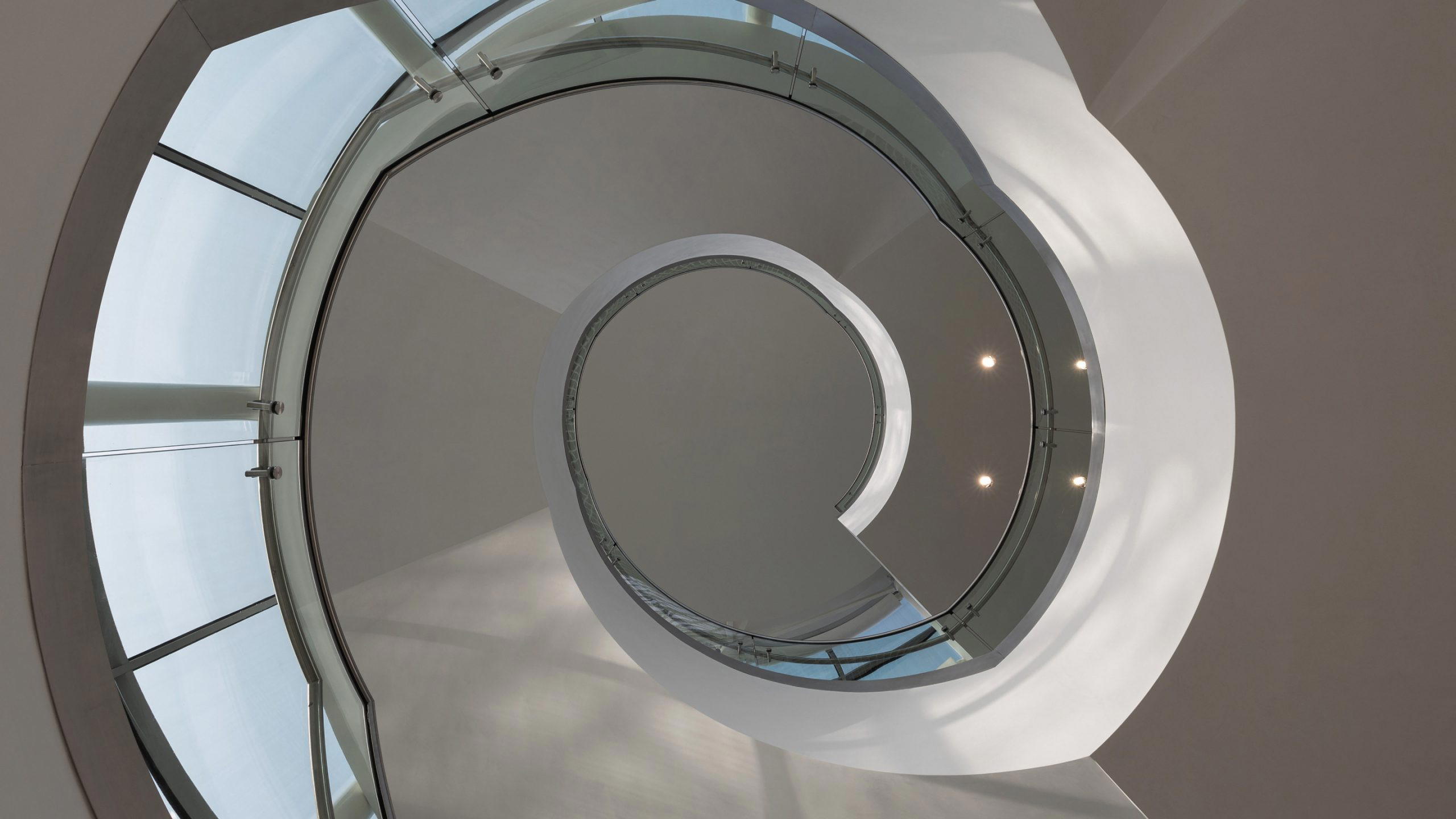
Book Domaine de Chevalier if the goal is a serious Léognan winery visit built around wine context rather than hospitality add-ons. It is better suited to focused enthusiasts than groups looking for a restaurant-driven château day, and it cross-shops most naturally with Château Haut-Bailly and Château Smith Haut Lafitte.
Château Lynch-Bages
Pauillac, France
Château Lynch-Bages is the Pauillac choice for serious Bordeaux context rather than casual value hunting. With a first vintage listed in 1779 and winemaking led by Nicolas Labenne, it suits collectors and wine-focused travelers building a tighter Médoc itinerary around depth, history, and cellar relevance.
Château Rauzan Ségla
Margaux, France
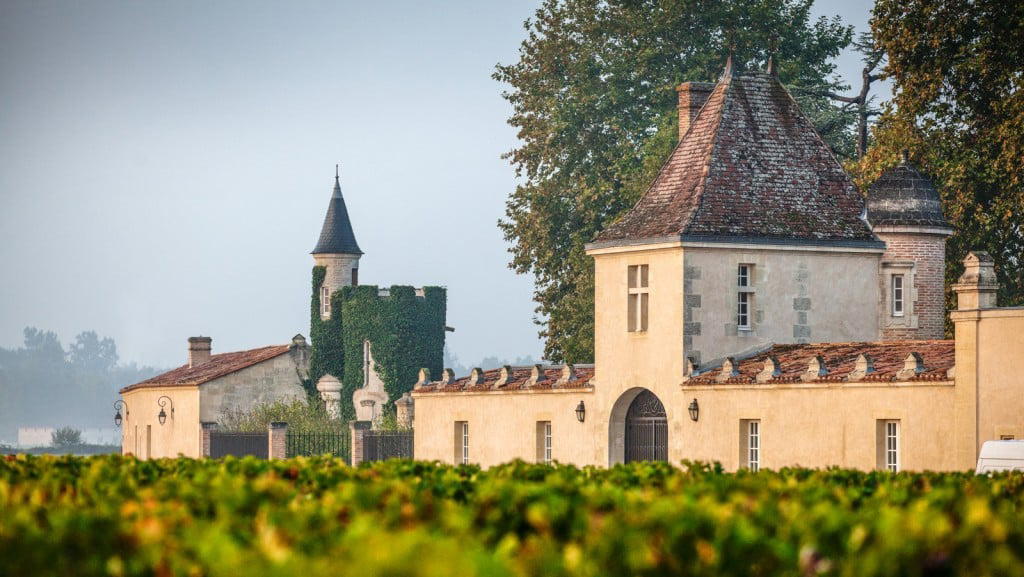
Château Rauzan Ségla is worth prioritizing for a serious Margaux itinerary, especially if history and wine provenance matter more than a food-led visit. With a first vintage dating to 1661 and Nicolas Audebert leading winemaking, it suits collectors, special occasions, and Bordeaux-focused travelers; casual groups should plan meals separately.
Château L'Évangile
Pomerol, France
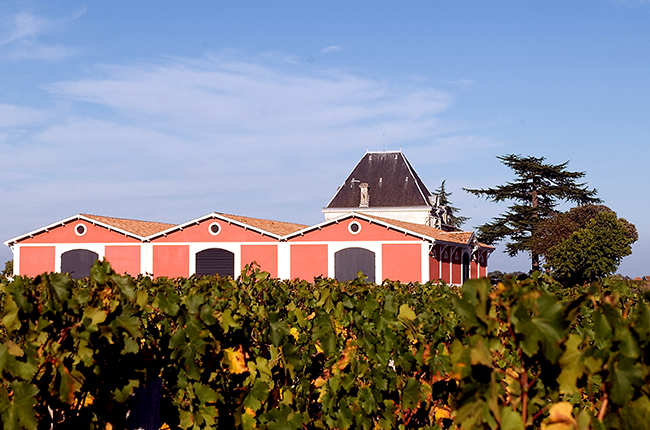
Worth considering for wine travellers who want Pomerol history and a quieter château stop rather than a food-led visit. The first vintage is listed as 1741, which gives the appointment real context, but plan meals elsewhere and compare it with Château Gazin, Vieux Château Certan, or Château La Conseillante depending on access and itinerary shape.
Château Le Pin
Pomerol, France
A serious Pomerol target for collectors and special-occasion wine travelers, not a casual drop-in winery. The 2026 Falstaff Winery 5 Stars signal supports the quality case, but the real decision is access: pursue it if rarity is the point, and build the rest of the day around Pomerol logistics.
Château Mangot
Saint-Émilion, France
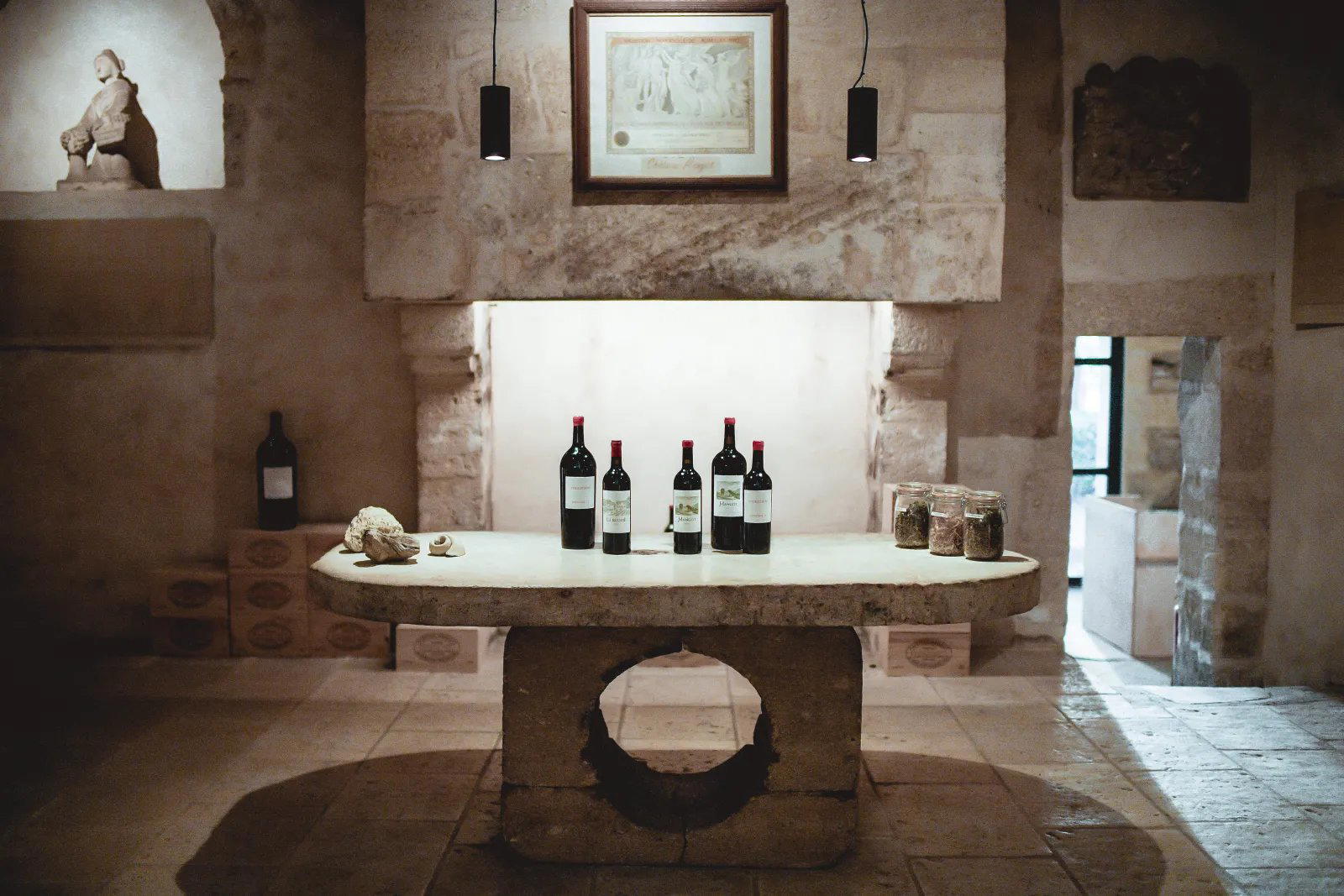
Against Saint-Émilion’s trophy-label circuit, Château Mangot is the more practical kind of winery stop: useful for visitors who want a focused Right Bank tasting without handing the whole day to one appointment. Its 2026 Falstaff listing gives it a useful recognition signal, but confirm tasting format directly if a private or group visit is the point of the booking.
Château Haut-Bailly
Léognan, France
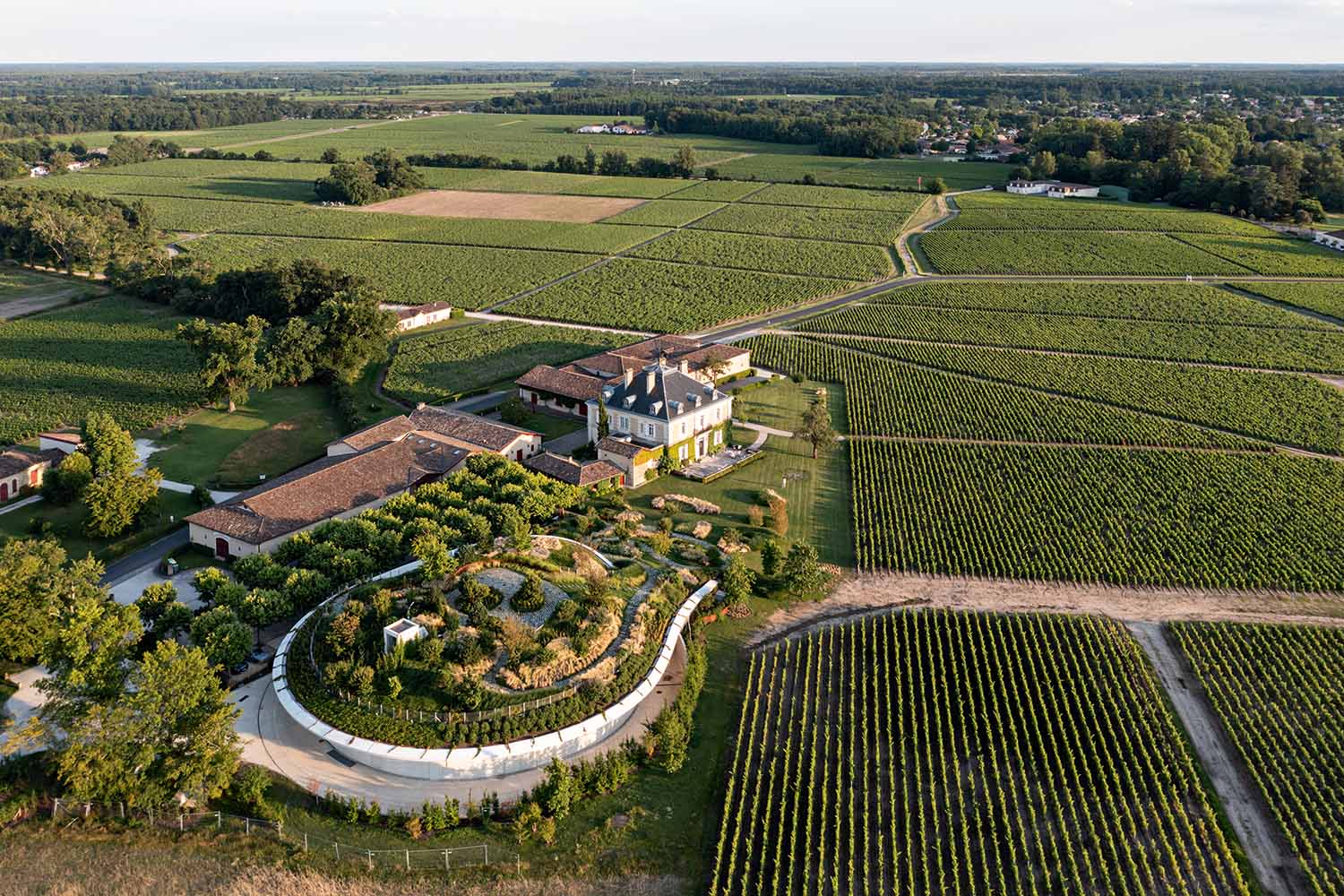
Prioritise Château Haut-Bailly if the goal is a serious Léognan wine appointment with deep Bordeaux history, not a casual drop-in tasting. Access is highly constrained, so build the day around confirmed availability and keep the rest of the itinerary light. Domaine de Chevalier is the closest listed fallback for staying within Léognan.
Château Coutet
Barsac, France
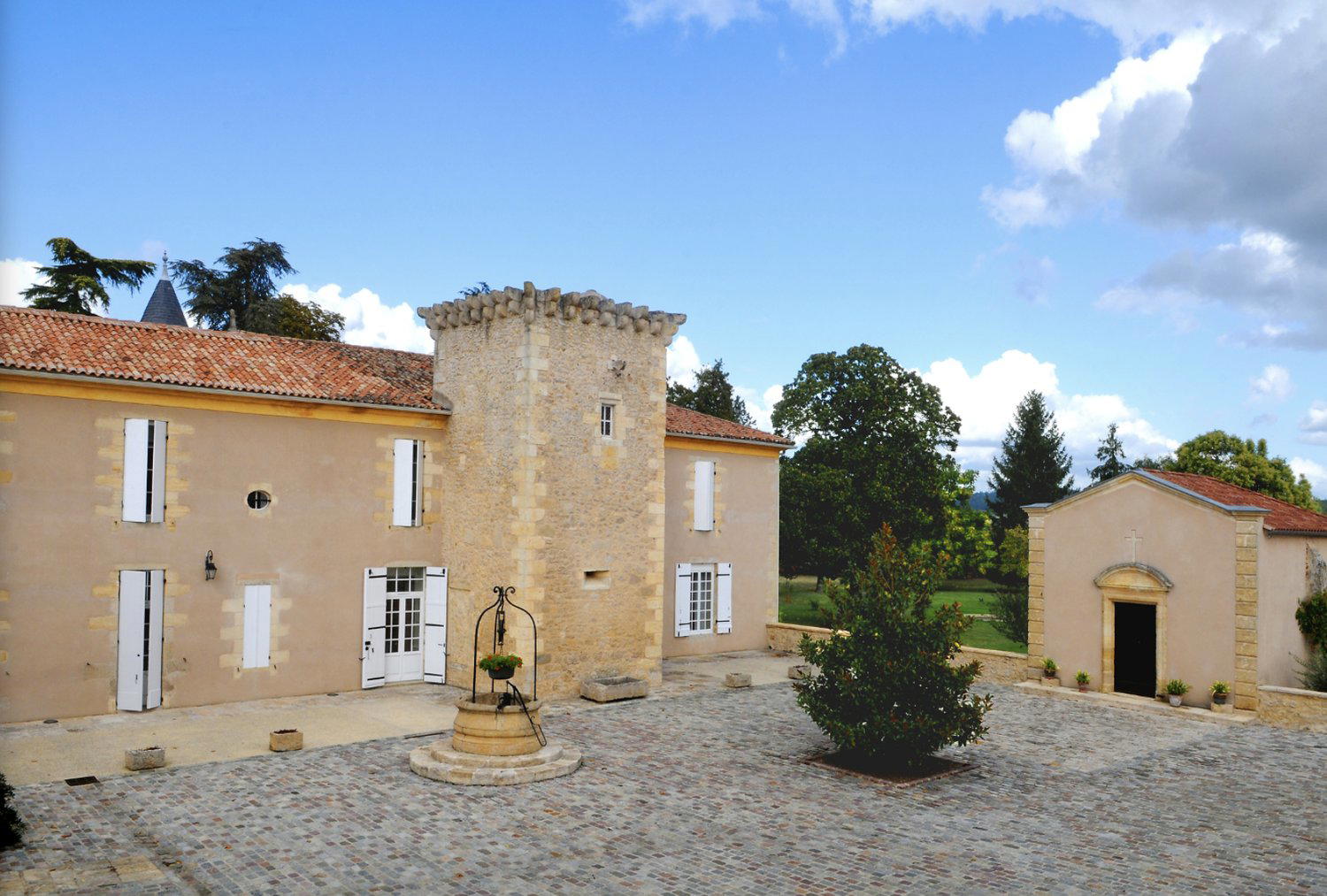
Château Coutet is worth booking if you want a Barsac tasting where the estate setting carries real weight. The $22 per person price is sensible for a Premier Cru Classé property with historic cellars, a fortress tower, and a quiet sweet-wine focus. Best for planned, appointment-led wine touring rather than spontaneous drop-ins.
Château Clinet
Pomerol, France
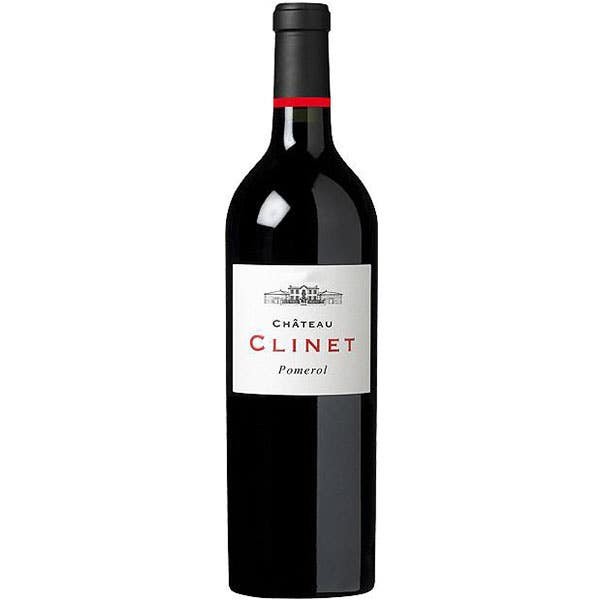
Château Clinet is worth prioritizing if the trip is built around serious Pomerol wine rather than casual tasting-room access. Plan it as an appointment-led winery stop and compare it with nearby estates such as Château L'Eglise Clinet, Château La Fleur Petrus, Chateau Petrus, and Château Trotanoy for a sharper read on the appellation.
Château Haut-Marbuzet
Saint-Estèphe, France
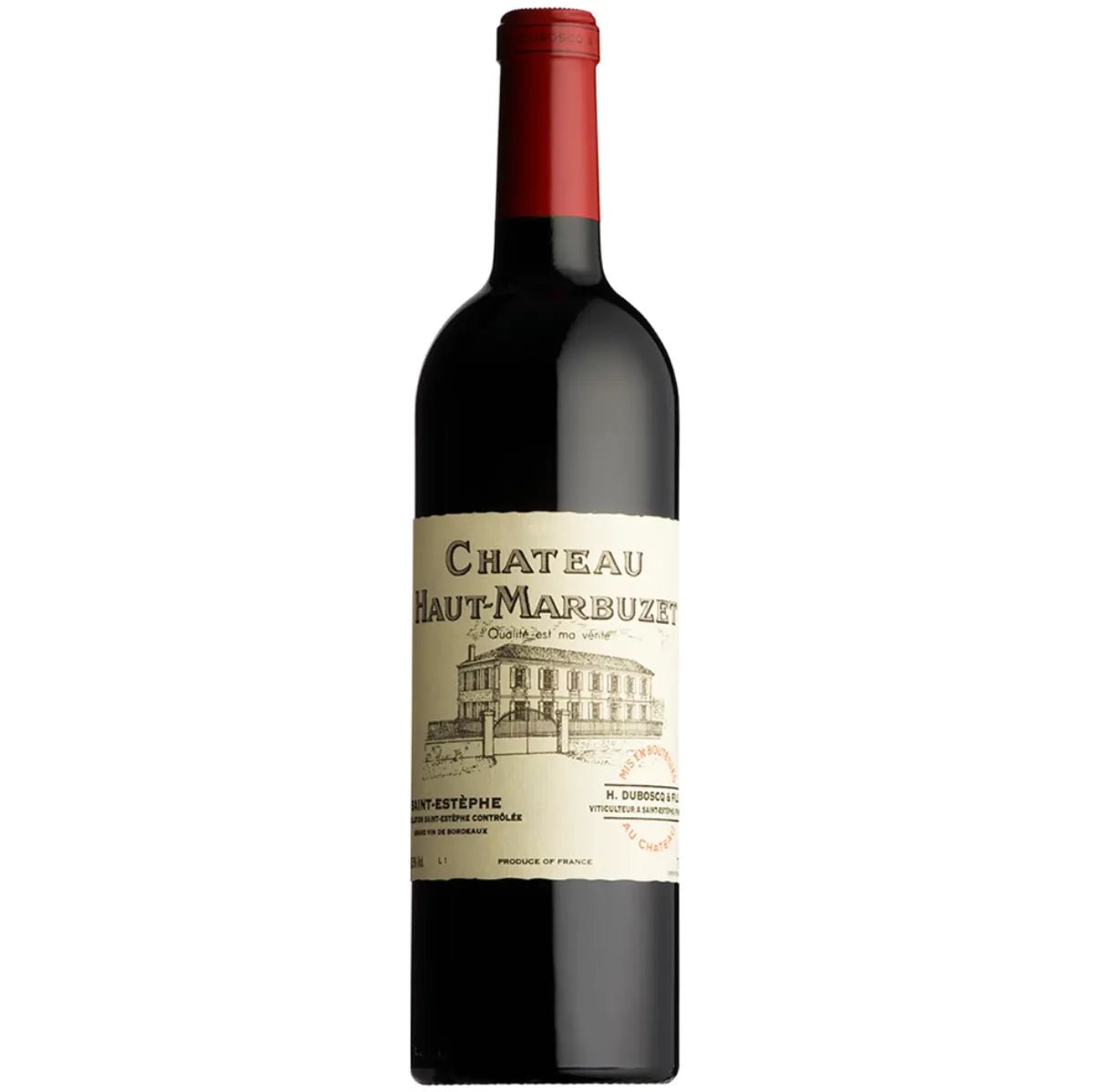
Château Haut-Marbuzet works if your Saint-Estèphe day is about understanding the appellation rather than chasing only the highest-profile labels. Treat it as a serious, advance-planned wine stop and cross-shop it with Montrose, Cos d'Estournel, Lafon-Rochet, and Clerc Milon depending on whether prestige, access, or range matters more.
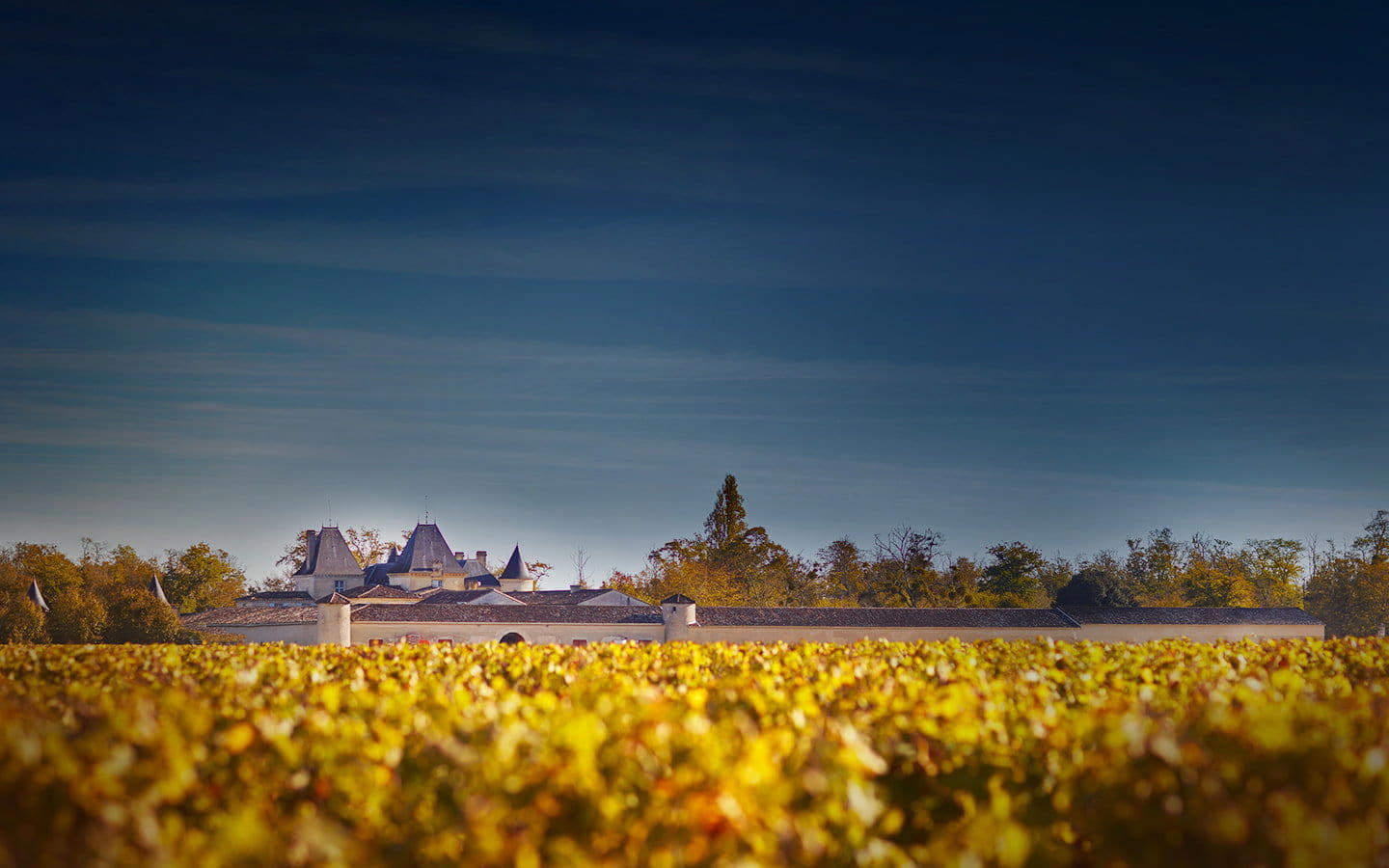
Château Suduiraut
Preignac, France
Château Suduiraut is worth pursuing if Sauternes is the reason for the trip, not just a side stop in Bordeaux. Expect a serious château-led wine experience anchored by winemaker Pierre Montégut, with planning required because access is difficult and casual drop-in assumptions are the wrong approach.
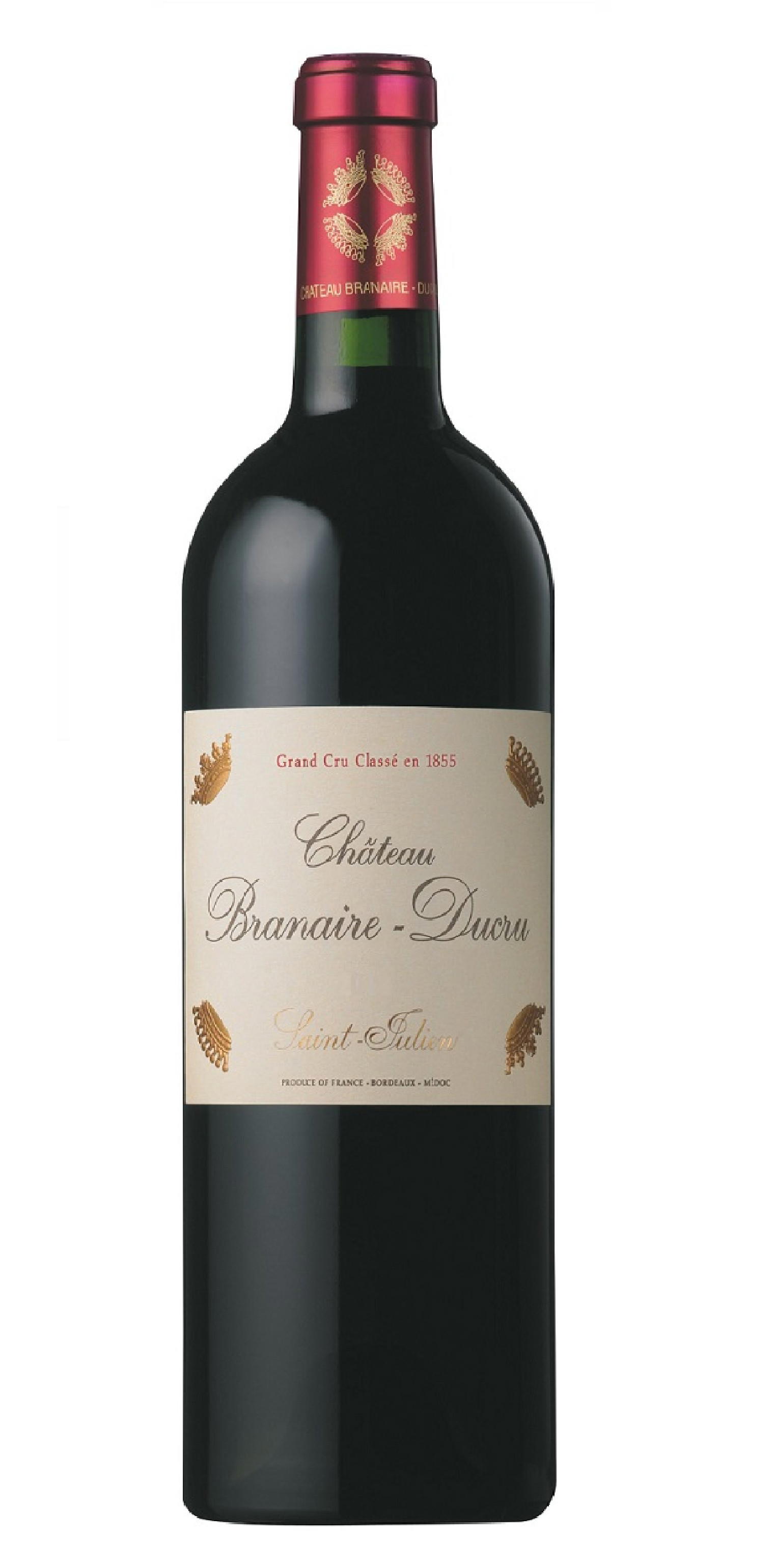
Château Branaire Ducru
Saint-Julien-Beychevelle, France
Château Branaire Ducru is the right call for a polished St-Julien château visit when the trip is built around Médoc context and occasion-level planning. It is less suited to casual drop-ins or groups needing food service details confirmed in advance, but strong for guests who want one serious left-bank stop to anchor the day.
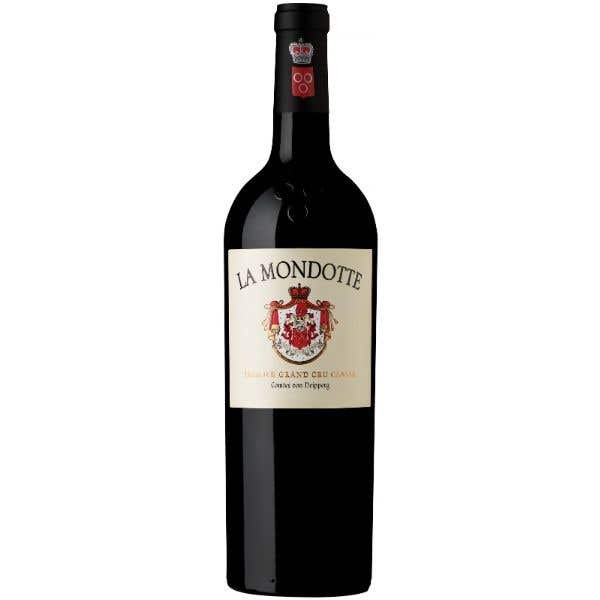
Château La Mondotte
Saint-Émilion, France
Choose Château La Mondotte for a serious Saint-Emilion wine itinerary, especially if the group cares more about producer focus than broad hospitality extras. It is better suited to collectors, celebration trips, and business hosting than casual drop-in sightseeing, with Stephan von Neipperg's winemaking role giving the visit a clear point of distinction.
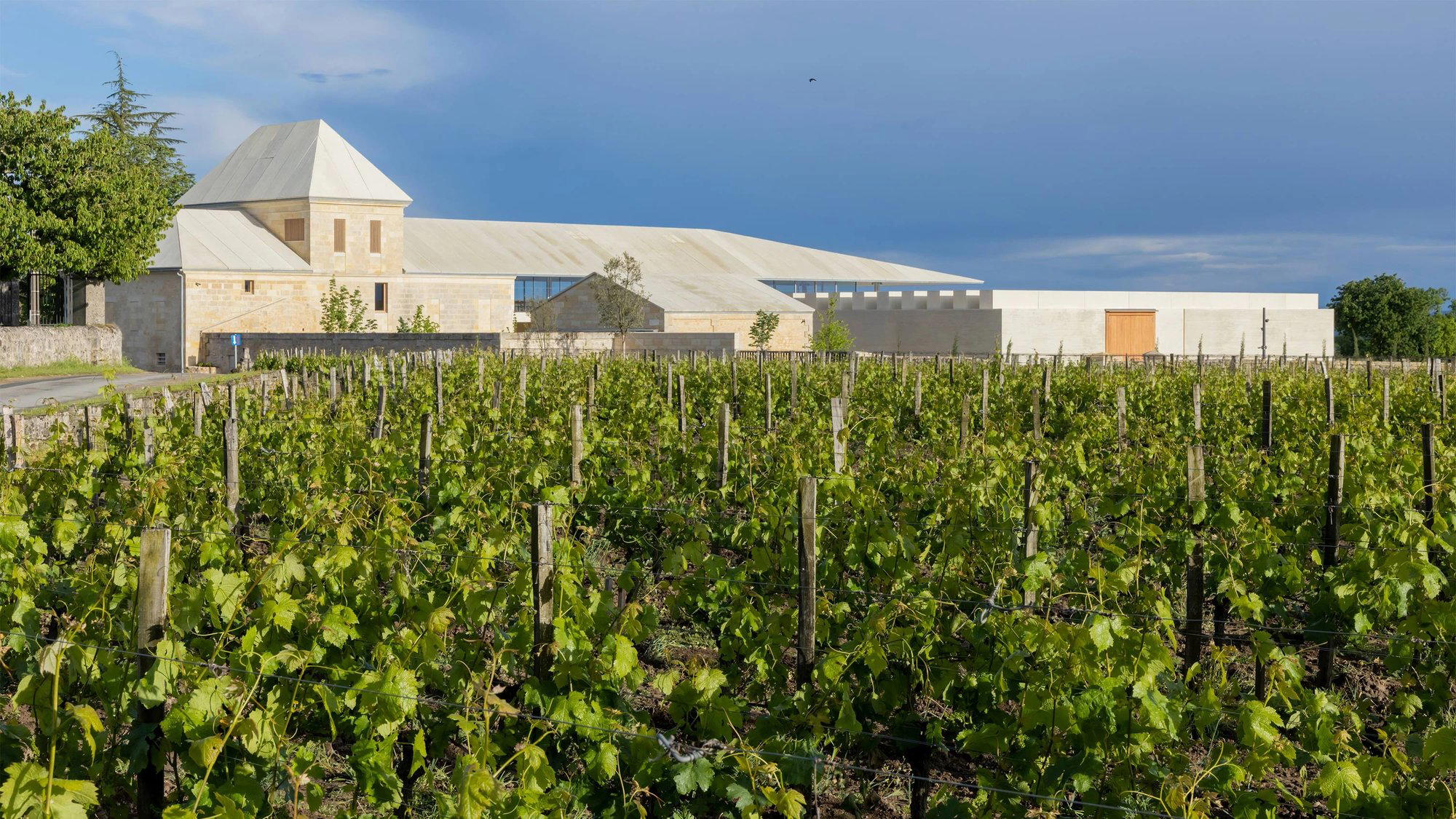
Château Bélair-Monange
Saint-Émilion, France
A serious Saint-Emilion target for collectors and allocation-minded wine travelers, not a casual drop-in tasting. Prioritize Château Bélair-Monange if prestige and cellar relevance matter more than convenience; otherwise cross-shop nearby peers with smoother itinerary flexibility.
Château Soutard
Saint-Émilion, France
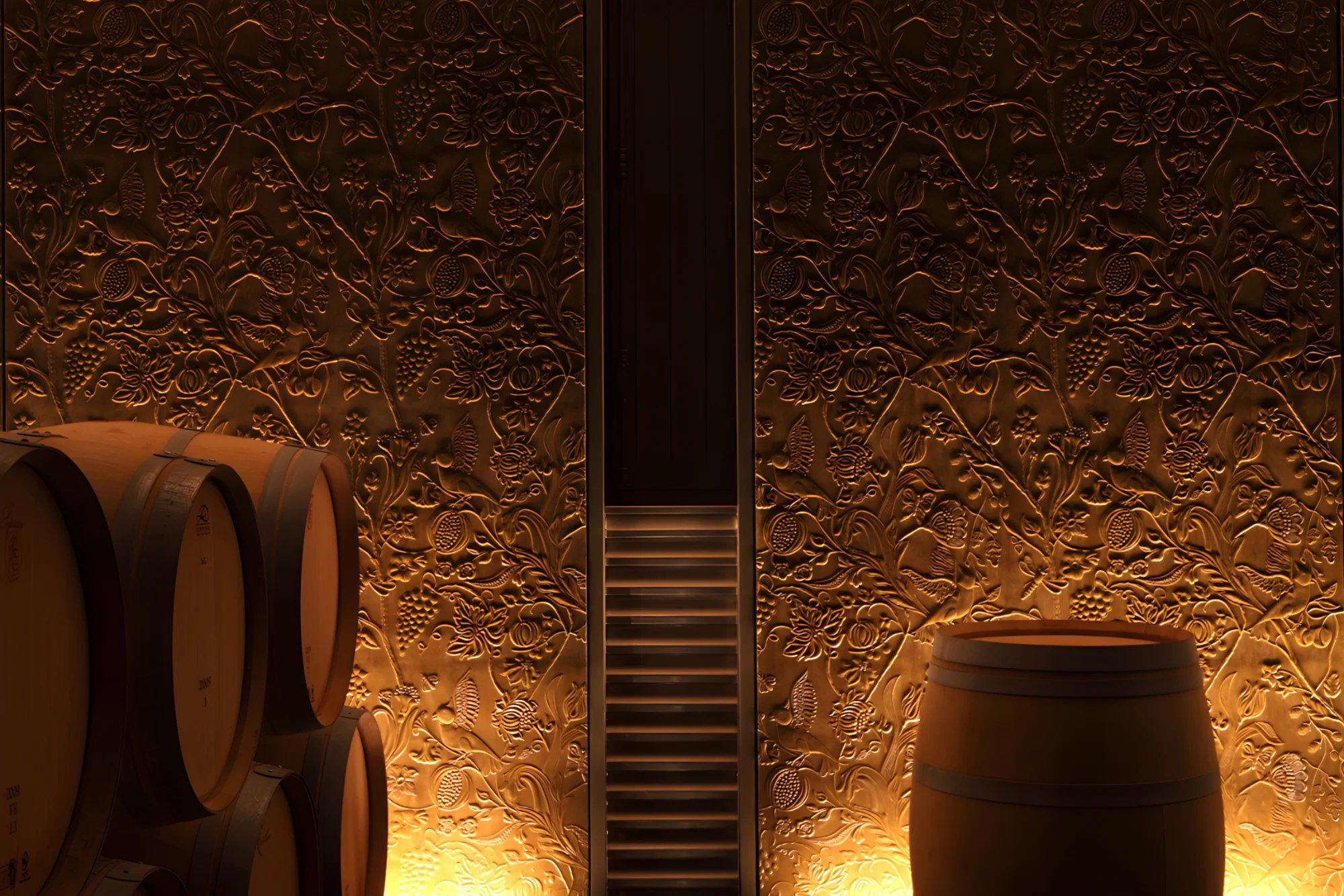
Château Soutard is worth booking if you want a polished, educational Saint-Émilion château visit with strong visual payoff and clear production context. The draw is the combination of 18th-century estate setting, Grand Cru Classé pedigree, gravity-fed cellar, and tasting formats that work for both casual drinkers and more serious Bordeaux travelers.
Château Berliquet
Saint-Émilion, France
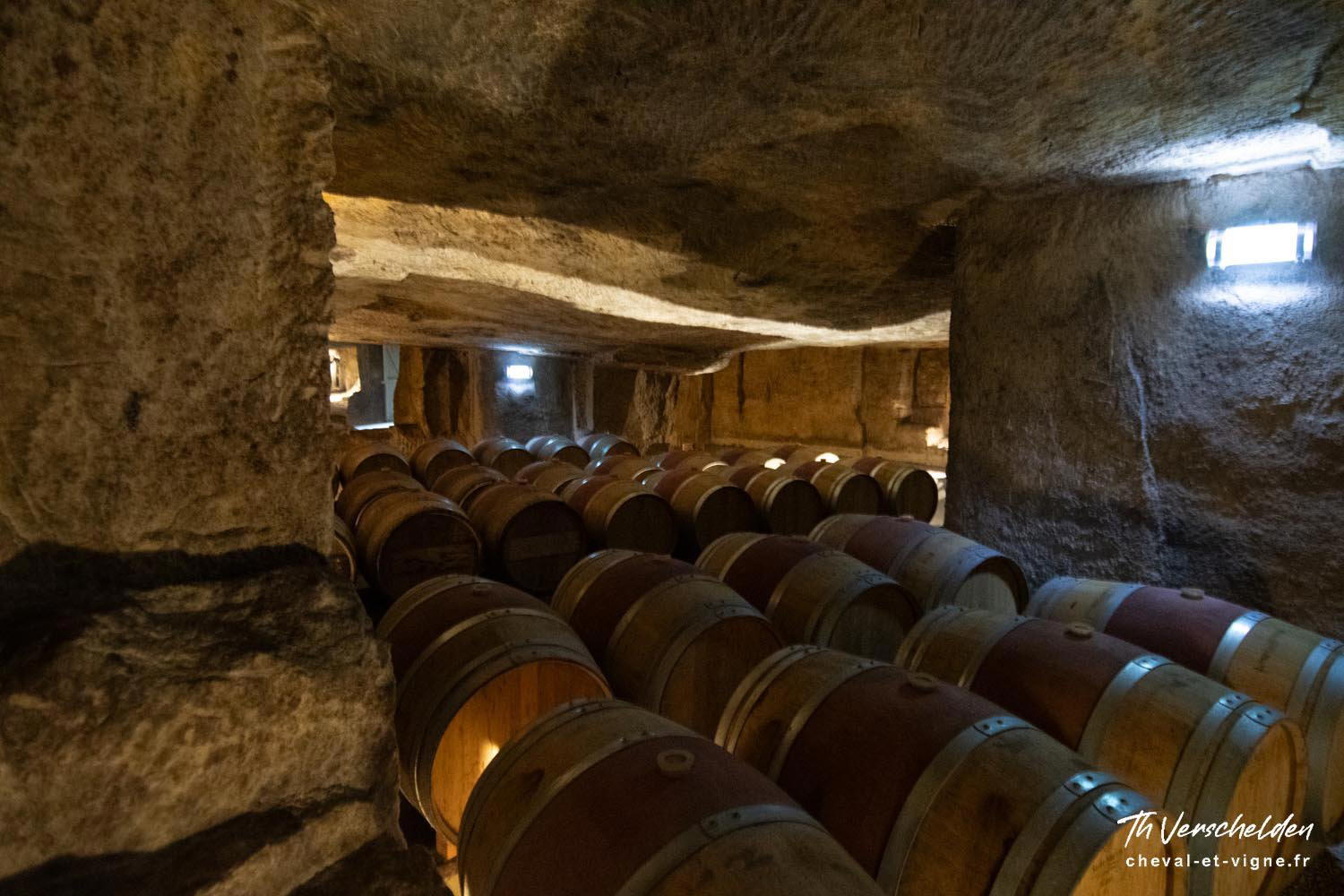
Château Berliquet is a strong Saint-Émilion target if you want a recognised winery stop and can plan well ahead. Its 2026 Falstaff two-star recognition gives it a clear quality signal, but access is the catch: treat it as an anchor booking, not a casual drop-in between other village plans.
Château Rieussec
Fargues, France
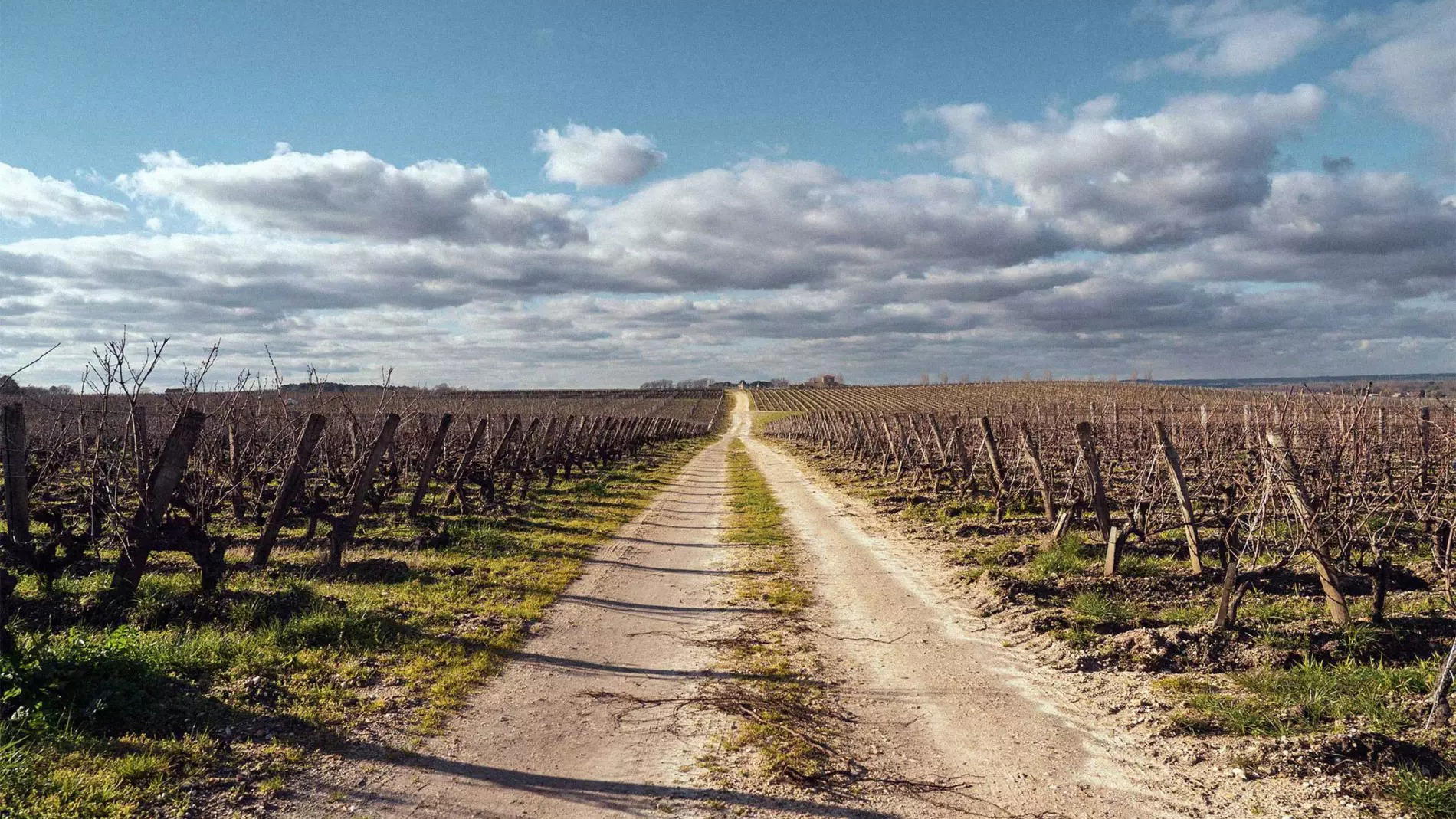
Château Rieussec is worth prioritizing for a serious Sauternes-focused itinerary, especially if the goal is to understand production choices rather than add a casual tasting stop. Access should be treated as difficult, so plan with confirmed timing and have nearby Fargues alternatives ready.
Château Brane-Cantenac
Cantenac, France
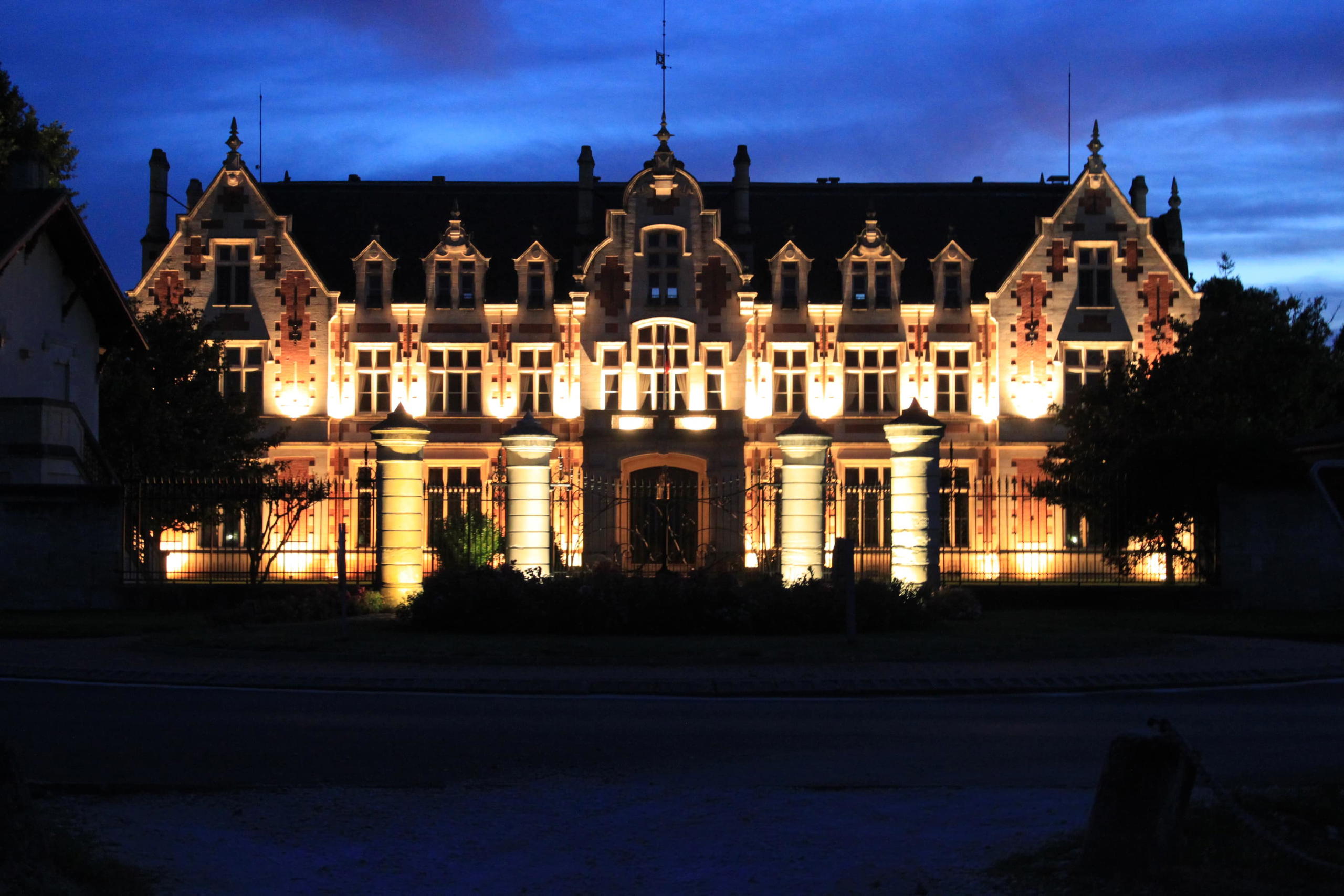
Book Château Brane Cantenac if the trip needs a serious Margaux-area château appointment with heritage and a special-occasion feel. It is better for collectors, couples, and business guests than casual groups looking for an easy tasting-room stop, and nearby Cantenac estates are worth cross-shopping if availability is tight.
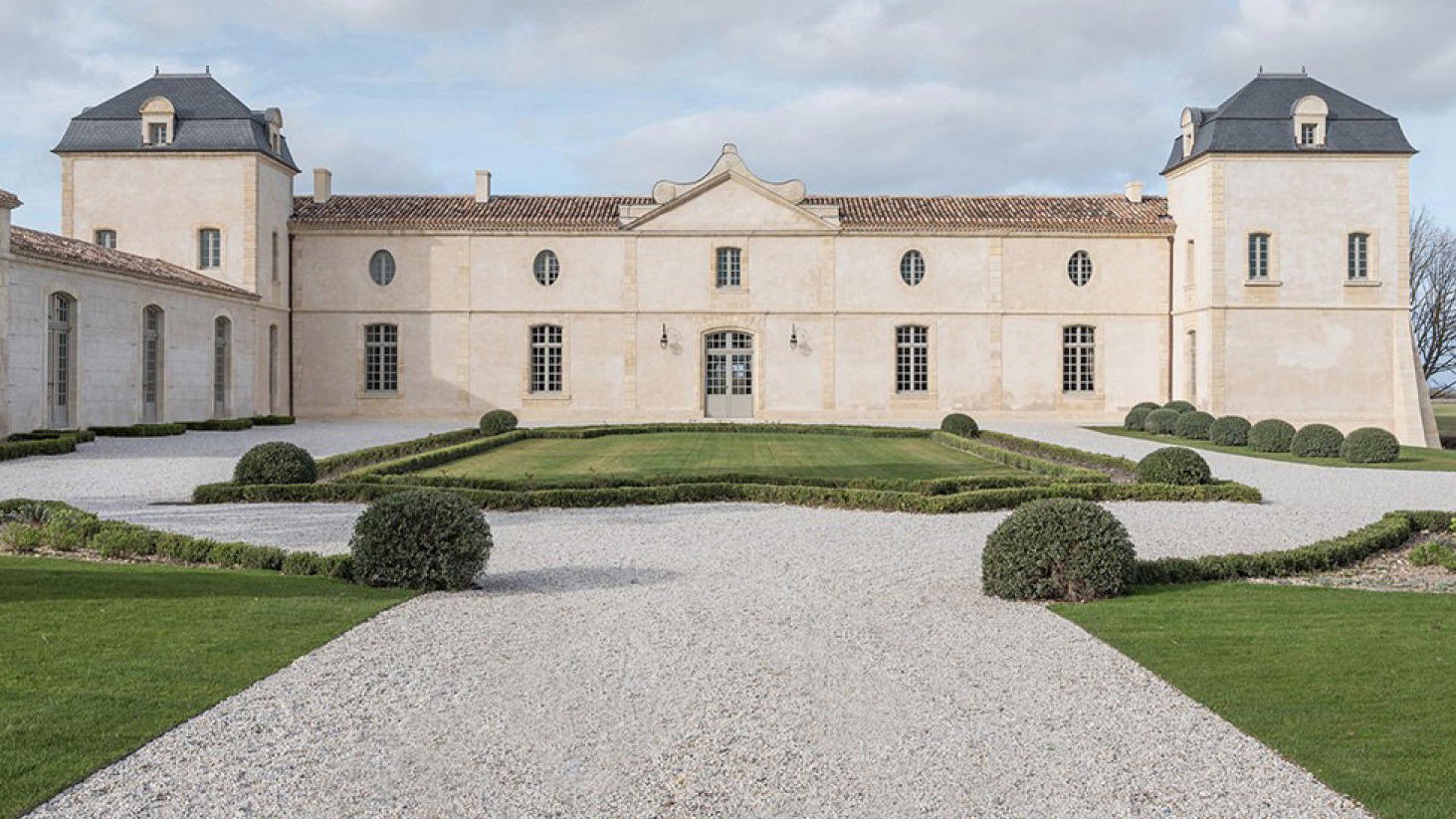
Château Calon Ségur
Saint-Estèphe, France
Château Calon Ségur is worth prioritizing for serious Saint-Estèphe buyers who care about flagship bottles and cellar context. Access is highly constrained, so it works better as the anchor of a wine-focused itinerary than as a casual stop; if timing is tight, cross-shop Montrose, Cos d'Estournel, Haut-Marbuzet, or Lafon-Rochet.
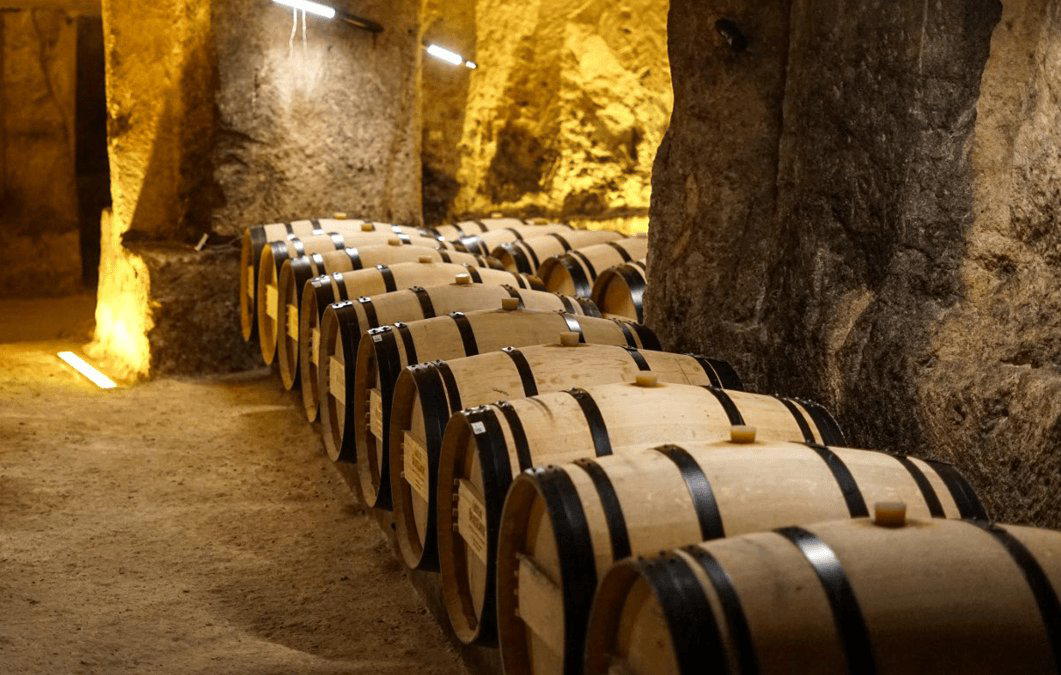
Château Beauséjour Duffau-Lagarrosse
Saint-Émilion, France
A strong Saint-Émilion choice for travelers planning a serious Right Bank wine day rather than a casual tasting crawl. Make it an anchor stop, keep the schedule light, and build a backup route before committing the rest of the day.
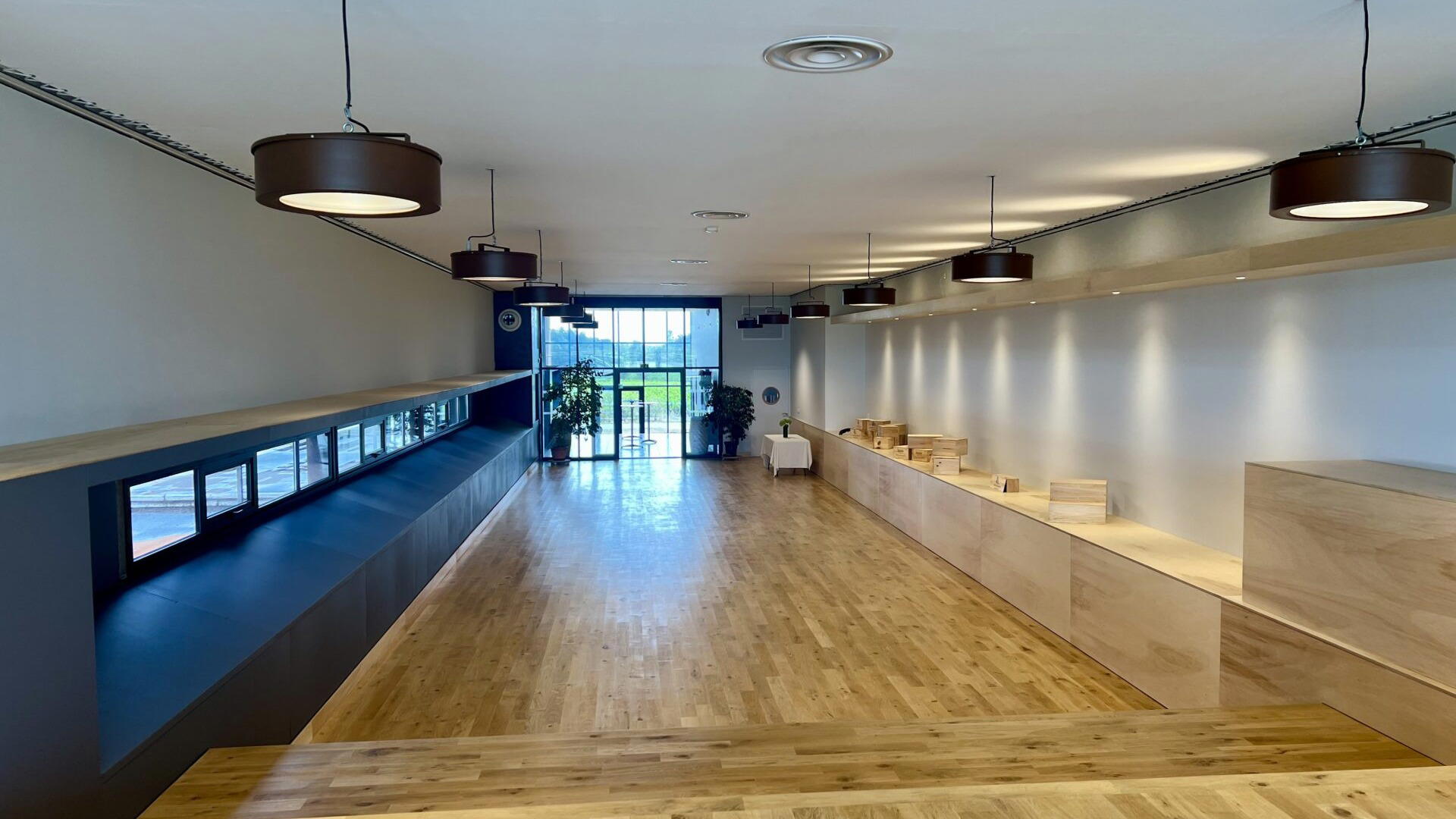
Château Sigalas-Rabaud
Bommes, France
Choose Château Sigalas-Rabaud for a focused Sauternes visit in Bommes, especially if the goal is tasting context rather than a food-led day. It is a stronger fit for couples or small groups than for large social itineraries, and it cross-shops naturally with Château Lafaurie-Peyraguey and Château Rabaud-Promis.
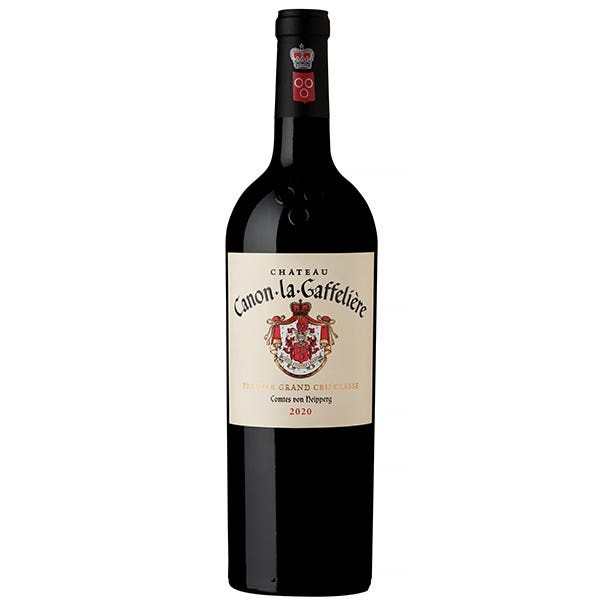
Château Canon La Gaffelière
Saint-Émilion, France
Book Château Canon-la-Gaffeliere if the goal is serious Saint-Emilion context rather than an easy tasting stop. It is a better fit for collectors and wine-focused travelers than casual groups, with access best treated as difficult and timing-led. Cross-shop Château La Gaffelière or Château Larcis Ducasse if convenience matters more.
Château Langoa-Barton
Saint-Julien-Beychevelle, France
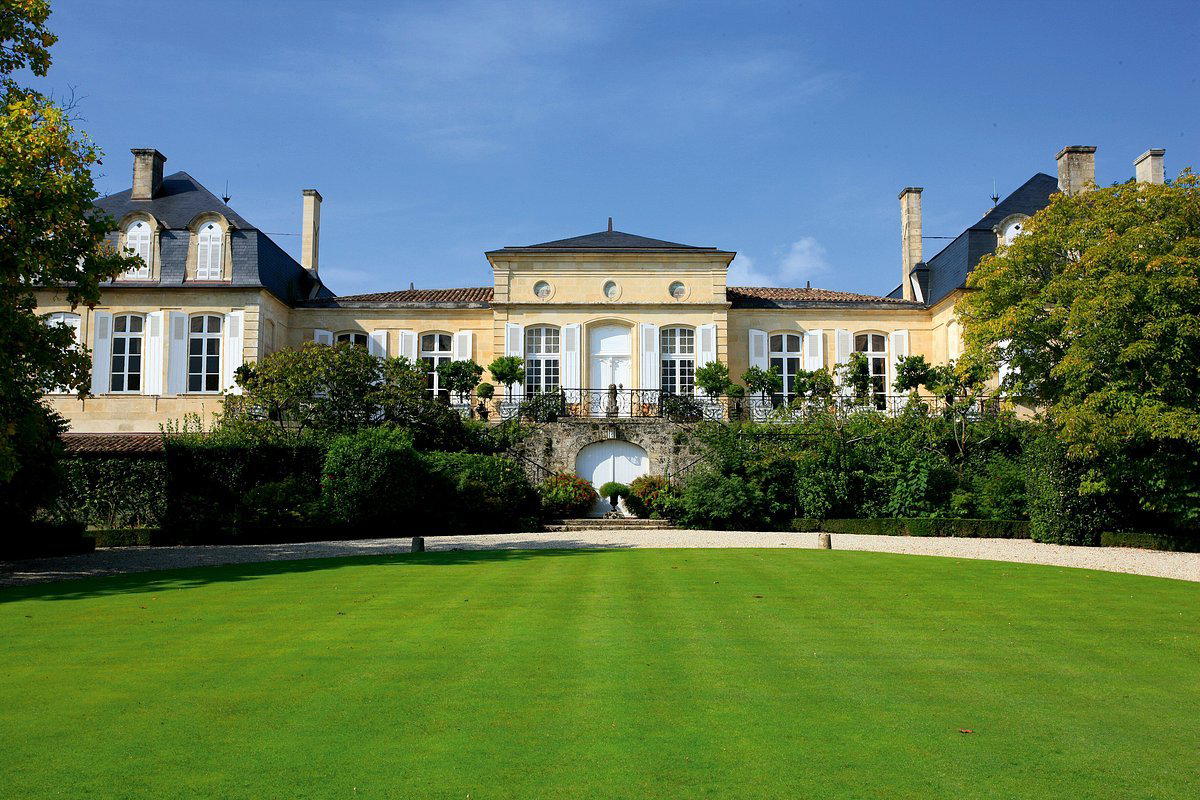
Château Langoa-Barton is a strong Saint-Julien choice for collectors and special-occasion travellers who want a serious Médoc reference point rather than a showy visit. Prioritise it if the trip is about understanding and buying Bordeaux; cross-shop Château Léoville Barton, Château Ducru-Beaucaillou, or Chateau Leoville Las Cases if label prestige is the main goal.
Château Léoville Barton
Saint-Julien-Beychevelle, France
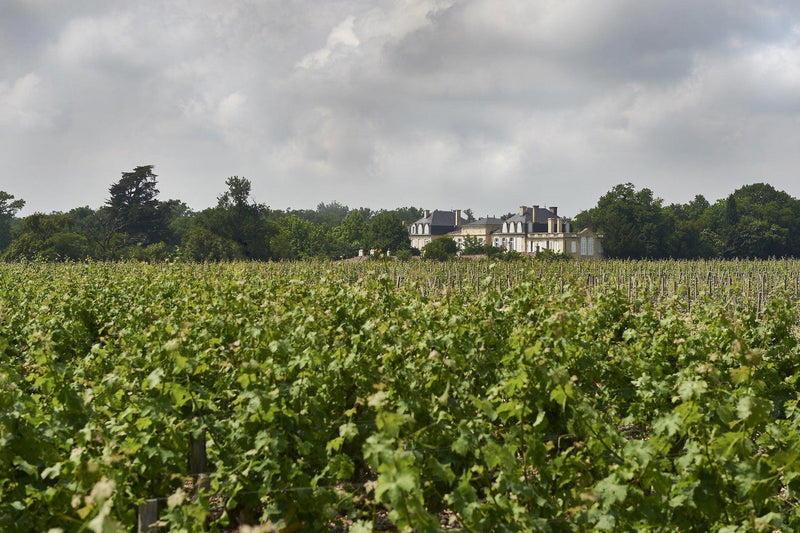
Book Château Léoville Barton if the goal is a serious Saint-Julien wine stop with historical weight, not a casual tasting-room visit. Its first vintage dates to 1821, and the decision comes down to access: plan well ahead, build a flexible Médoc day, and compare it with nearby peers if availability is limited.
Overview
Michelin Bordeaux 2026: 1 Grape is the 1 grape collection of wine estates in the Bordeaux selection. One Grape recognizes producers making very good wines with a distinct character, particularly in stronger vintages.
Five wine criteria guide assessment: agronomy, winemaking technique, identity, balance and consistency. They address vineyard care, execution in the cellar, expression of place, harmony in the wine and performance over vintages. Grapes evaluate producers; restaurant Stars and hotel Keys use separate frameworks.
This tier provides a starting point for comparing distinctive Bordeaux producers without treating every estate as equivalent in price or visitor experience.
Quick Facts
- Publisher
- Michelin Guide
- Edition
- Bordeaux 2026
- Category
- 1 Grape
- Recognition focus
- Character and style
- Entity
- Wine producer
About This Edition
Bordeaux's 2026 selection covers 83 estates across four recognition levels. It includes Medoc, Pessac-Leognan, Saint-Emilion, Pomerol, Sauternes and Barsac. Pearl's page counter reflects the mapped places available here, not necessarily the publisher's complete regional total.
Frequently Asked Questions
What does this distinction assess?
Which criteria are used?
Can I visit every estate without booking?
How many of these have you visited?
Find out on Pearl and keep score across every place in 2026 Michelin 1 Grape - Bordeaux.