


Château Trotanoy
Pomerol
Winery in Pomerol, France
 Book with Pearl
The Read
Plateau Merlot Precision
Why go
Château Trotanoy is worth pursuing if the priority is serious Pomerol depth rather than an easy cellar-door stop. Its Pearl 3 Star Prestige recognition and Jean- Berrouet connection make it a high-conviction target for collectors, but access is the deciding factor; casual visitors may get more practical value from a more visitor-facing Pomerol peer.
About Château Trotanoy
Château Trotanoy is a Pomerol venue with Pearl 3 Star Prestige recognition for 2025. For readers mapping the area, Château Trotanoy can be treated as a notable Pomerol reference point, while any practical plan should be anchored in information that has been directly confirmed.
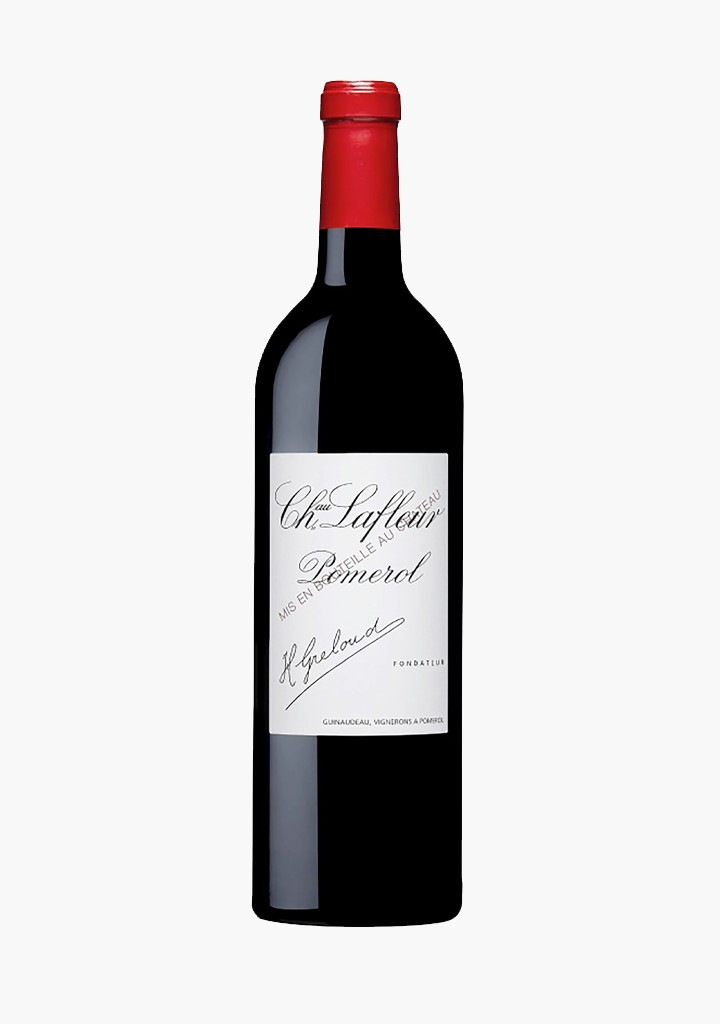
The clearest details are direct: Château Trotanoy is in Pomerol, Jean-Claude Berrouet is associated as emeritus chef/owner, and the dress code is smart casual. Those details give the listing a defined shape without overextending it. The Pomerol location places it within a concentrated destination where names often carry substantial expectation, while the smart casual dress code offers a simple, useful cue for visitors thinking about presentation. Travelers comparing major Pomerol names may naturally consider it alongside Chateau Petrus, Château Clinet, Château L'Eglise Clinet, and Château La Fleur Petrus, while keeping expectations grounded in the details that are confirmed. In that context, comparison should be used for orientation rather than as evidence of a shared visitor model, shared access policy, or similar on-site experience.
Worth pursuing with confirmed details in mind
Château Trotanoy is best framed as a Pomerol venue with confirmed Pearl 3 Star Prestige recognition in 2025. Beyond that, specific claims about visitor format, prices, group size, or availability should be directly before planning around them. This makes the venue worth noting, but it also calls for a careful approach: do not assume that a prestige designation automatically translates into a particular kind of appointment, hospitality offering, or public-facing program. The most reliable planning posture is to treat the recognition as a meaningful confirmed marker, then separately confirm every operational detail that would affect the day itself.
Jean-Claude Berrouet's emeritus association is a useful detail for readers tracking the venue. It should not be stretched into unsupported claims about a particular hospitality style, menu, cellar program, or visitor experience. The association may be relevant for those who follow the people connected to Pomerol, but the page should remain precise about what it does and does not establish. In practical terms, it helps identify the venue more clearly, while leaving open the need to verify anything experiential. That distinction keeps the listing useful without turning a limited set of public facts into an implied promise.
Plan the trip around confirmed details, then build the rest of Pomerol around it
For an itinerary in Pomerol, treat Château Trotanoy as a notable point of reference and confirm all practical arrangements before committing time. That means using the confirmed information as a starting point, not as a substitute for direct planning. If a visit, meeting, or other arrangement matters to the trip, those details should be checked before travel plans become fixed. Use Our full Pomerol wineries guide to frame the broader area, then cross-check other Pomerol dining and travel planning through Our full Pomerol restaurants guide. If the wider trip includes other destinations, compare them generically as different styles of travel rather than assuming Pomerol follows the same access or hospitality patterns. This approach lets Château Trotanoy sit in the itinerary with appropriate weight: notable, clearly identified, and best approached through confirmed details rather than expectation alone.
Planning details
- Location
- 33500 Pomerol
- Website
- moueix.com/en/pomerol/trotanoy
- Phone
- +33557517896
The take
The Take
The Vibe
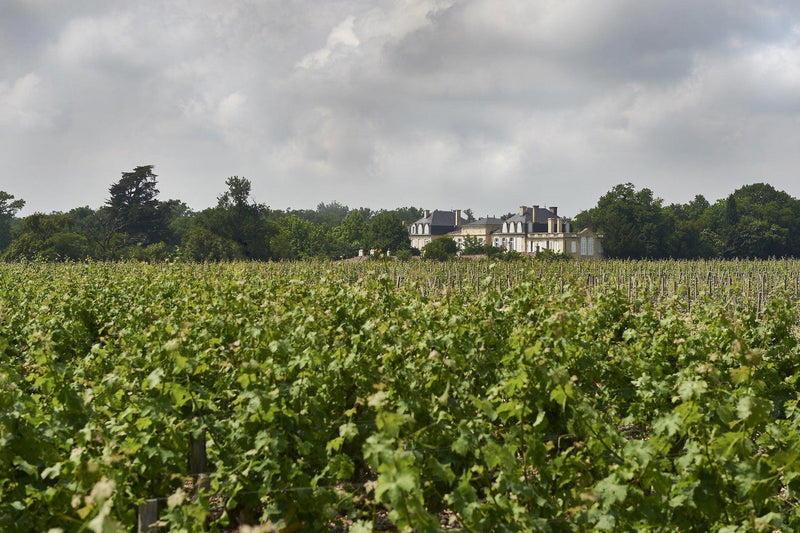
Château Trotanoy reads like a quietly authoritative address: reserved, historically grounded and unapologetically terroir-driven. The prose foregrounds the estate’s relationship to Pomerol’s blue clay and the slow, inevitable logic of its wines, which arrive with serious structure and long timelines. Trotanoy isn’t theatrical or flashy; its prestige accrues through generations of critical attention rather than visitor-facing spectacle. The experience implied is contemplative and intimate — the sort of place that rewards patience, discreet knowledge and an appreciation for nuance rather than immediate gratification.
Best For
Trotanoy is best suited to collectors, committed enthusiasts and anyone planning for a decisive occasion. The description spells out that these Merlots carry tannic weight and a tendency to close in their middle years, so they reward cellaring and long-term ownership. It’s an estate to visit or reference when studying Pomerol’s geology and aging profiles, and its wines fit special occasions that justify patience — milestone celebrations or years-to-come to mark anniversaries and other premeditated events.
Tasting Tips
Treat purchases from Trotanoy as part of a cellar plan rather than instant drinking acquisitions. The text warns that the wines frequently “close down in their middle years before opening with considerable depth at decade-plus maturity,” so buyers who want early accessibility should seek older, already mature bottles when possible. Otherwise, buy with the intent to cellar: allocate space, note ideal drinking windows a decade or more out, and select vintages with known aging curves. For those unfamiliar with Pomerol’s style, consult provenance and critic notes before acquiring.
Venue details
Ambiance
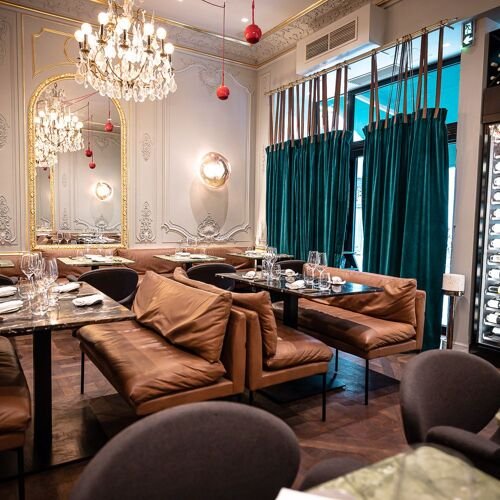
Elegant and sophisticated with a classic, timeless atmosphere reflecting its storied heritage and meticulous winemaking.
Tags
Vibe
Best For
Experience
View
At the Vineyard
- Appellation
- Pomerol AOC
- Varietals
- Merlot, Cabernet Franc
- Tour Duration
- 60-90 minutes
- Visits
- By appointment only
- Production
- Small producer
- Wine Styles
- Still Red
- Wine Club
- Available
Know before you go
Know Before You Go
- Getting there
- 33500 Pomerol
Planning details
Location
Recognition and awards

Also consider
Also Consider
- Château Clinet, Notable alternative
- Château La Fleur Petrus, Notable alternative
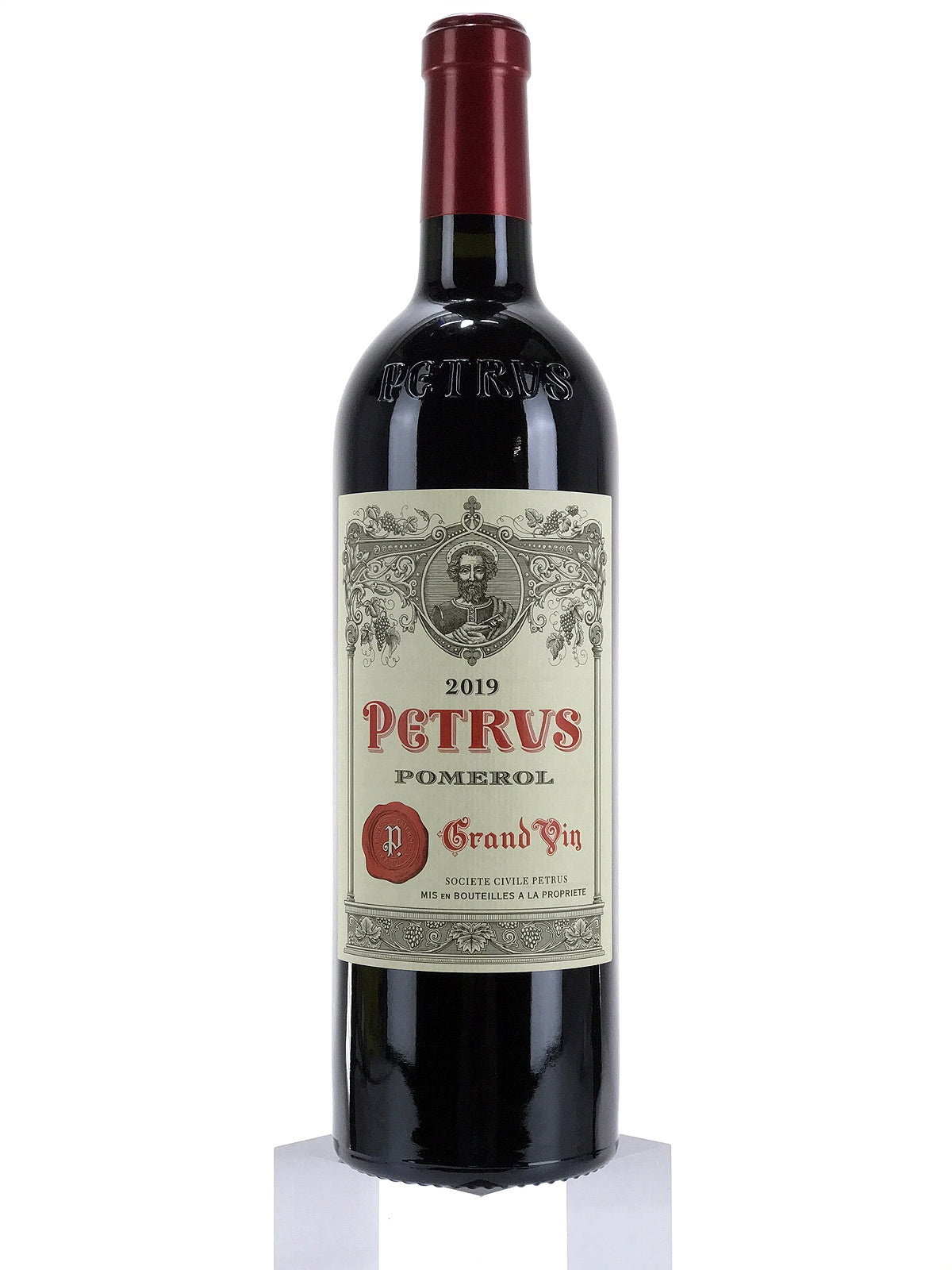
- Chateau Petrus, Notable alternative
- Château L'Eglise Clinet, Notable alternative
- Château Latour, Notable alternative
Winery context
How Château Trotanoy compares in Pomerol
Choose Château Trotanoy over Château Clinet if the trip is built around collector-grade Pomerol and a quieter, more serious tasting mood. Clinet is the more practical cross-shop for visitors who want a Pomerol name with less intimidation around access, while Trotanoy is the stronger fit when the goal is depth and scarcity rather than an easy booking.
Against Château La Fleur Petrus and Château L'Eglise Clinet, Trotanoy sits in the same high-attention Pomerol lane: serious, limited, and better suited to focused wine travelers than mixed-interest groups. If a private tasting is available, Trotanoy is worth prioritising for context; if the group wants smoother logistics, La Fleur Petrus or L'Eglise Clinet may be easier to build around depending on availability.
Chateau Petrus remains the harder comparison because demand and reputation can dominate the decision before practicalities enter. Trotanoy is the more realistic target for many serious travelers, while Château Latour belongs to a different Médoc frame: choose Latour for a broader Left Bank benchmark, choose Trotanoy for a tighter Pomerol-specific itinerary.
Explore Pomerol
Around this place
Discover more on Pearl
Unlock the full Château Trotanoy guide in Pearl, including awards, comparisons, FAQs, planning details, and nearby places.
Compare Château Trotanoy
| Venue | Location | Awards |
|---|---|---|
| Château Trotanoy | Pomerol | 2026 Michelin 1 Grape - Bordeaux2026 Falstaff Winery Guide2025 Pearl 3 Star Prestige |
| Château Clinet | Pomerol | 2026 Falstaff Winery Guide2026 Michelin 1 Grape - Bordeaux2025 Pearl 3 Star Prestige |
| Château La Fleur Petrus | Pomerol | No published awards |
| Chateau Petrus | Pomerol | 2026 Michelin 3 Grapes - Bordeaux2026 Falstaff Winery Guide2025 Pearl 5 Star Prestige |
| Château L'Eglise Clinet | Pomerol | 2026 Falstaff Winery Guide2025 Pearl 3 Star Prestige |
| Château Latour | Pauillac | 2026 Falstaff Winery Guide2025 Pearl 5 Star Prestige |

How Château Trotanoy Pomerol compares with similar nearby venues.
FAQ
Frequently Asked Questions
What is Château Trotanoy known for?
Château Trotanoy is a Pomerol venue with Pearl 3 Star Prestige recognition for 2025. Jean-Claude Berrouet is associated as emeritus chef/owner.
Do I need a reservation at Château Trotanoy?
Reservation requirements should be confirmed directly. If you are planning a visit in Pomerol, confirm arrangements before making it part of an itinerary.
Can Château Trotanoy handle large groups?
Large-group capacity should be confirmed directly with Château Trotanoy before planning around it.
Is there a dress code at Château Trotanoy?
Yes. The dress code for Château Trotanoy is smart casual.