



Château Cos d'Estournel
Saint-Estèphe
Winery in Saint-Estèphe, France
 Book with Pearl
The Read
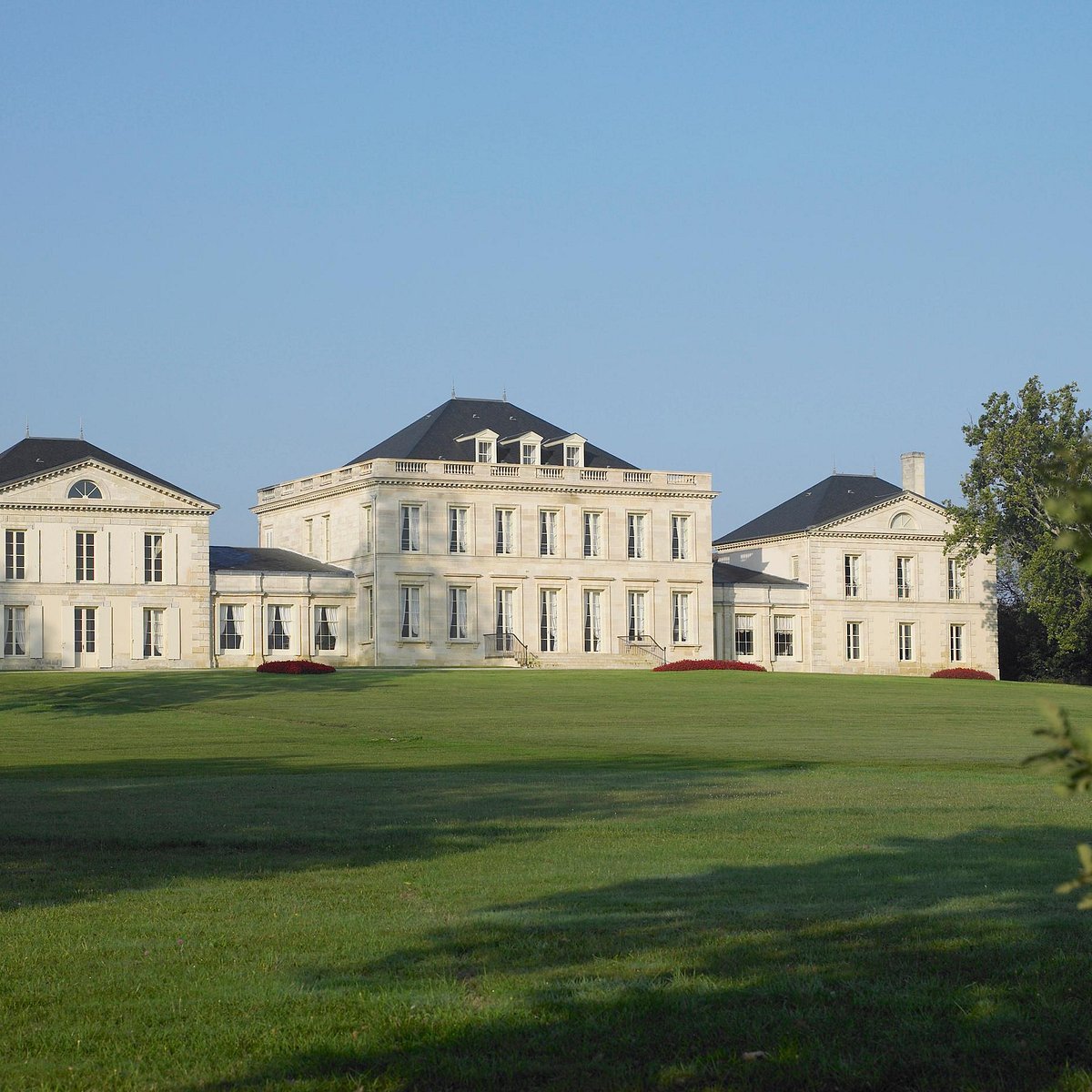
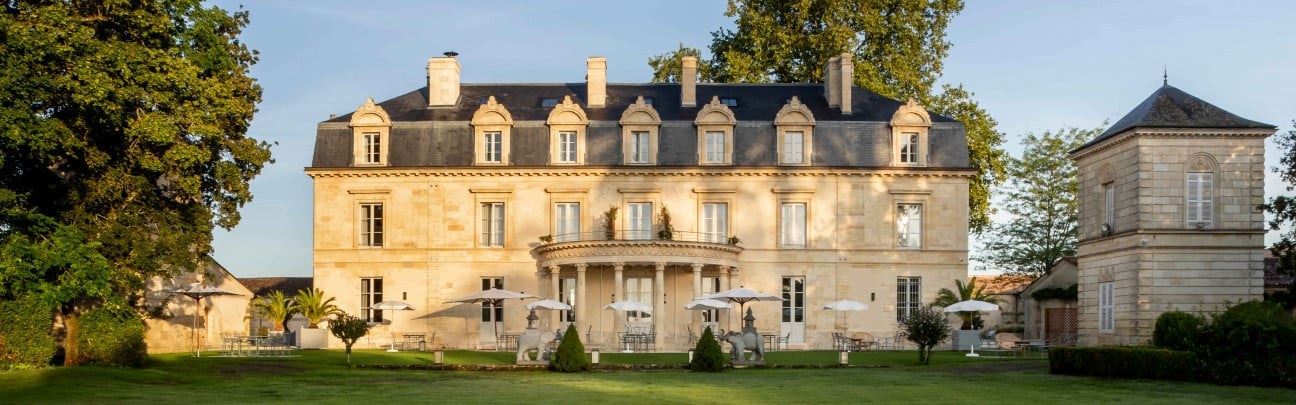
Orientalist Médoc Architecture
Why go
Château Cos d'Estournel is a winery in Saint-Estèphe, Bordeaux.
About Château Cos d'Estournel
Château Cos d'Estournel is a Saint-Estèphe venue with clearly confirmed recognition: Pearl 4 Star Prestige (2025) and World's 50 Best Vineyards #97 (2025). For readers comparing Saint-Estèphe stops, those accolades are the grounded reason to keep it high on the shortlist.
The chef/owner is Dominique Arangoïts, and the dress code is smart casual. Beyond that, details such as visit format, pricing, hours, menu, food service, and reservation requirements should be confirmed directly with the venue before planning around them. If you are comparing nearby names, Château Montrose, Château Lafon-Rochet, and Château Haut-Marbuzet are relevant Saint-Estèphe reference points.
Worth prioritising if confirmed details fit your plans
The right reader is someone who wants a Saint-Estèphe venue with confirmed 2025 recognition and is comfortable checking current practical details before committing. Details regarding a specific tasting format, dining offer, walk-in policy, or hospitality program are not specified, so avoid building an itinerary on assumptions. Dominique Arangoïts gives the venue an identifiable leadership point, while the confirmed awards provide the clearest context for why it stands out.
Plan with care rather than treating the stop as interchangeable with a meal or casual drop-in. Saint-Estèphe works well when the day is not overpacked, especially if you are comparing several estates or venues in the area. Keep the schedule flexible until the venue confirms the details that matter for your visit.
How to think about value, planning, and alternatives
For planning decisions, use only the confirmed signals as a starting point: Château Cos d'Estournel has Pearl 4 Star Prestige (2025) and World's 50 Best Vineyards #97 (2025). A club, allocation program, price, or purchase terms are not specified, so any buying decision should be based on current information from the venue. For Saint-Estèphe comparisons, Château Lafon-Rochet and Château Haut-Marbuzet are natural reference points; for a broader Bordeaux comparison, consider Chateau Lafite Rothschild or Château Clerc Milon.
Use the wider Saint-Estèphe plan to keep the trip balanced. Dining, hotels, bars, and local activities should be checked separately through Our full Saint-Estèphe restaurants guide and Our full Saint-Estèphe hotels guide. For Château Cos d'Estournel specifically, rely on the confirmed facts above and verify any practical details directly before arranging the day.
Planning details
- Location
- Cos S, 33180 Saint-Estèphe
- Website
- estournel.com
- Phone
- +33 5 56 73 15 50
The take
The Take
The Vibe
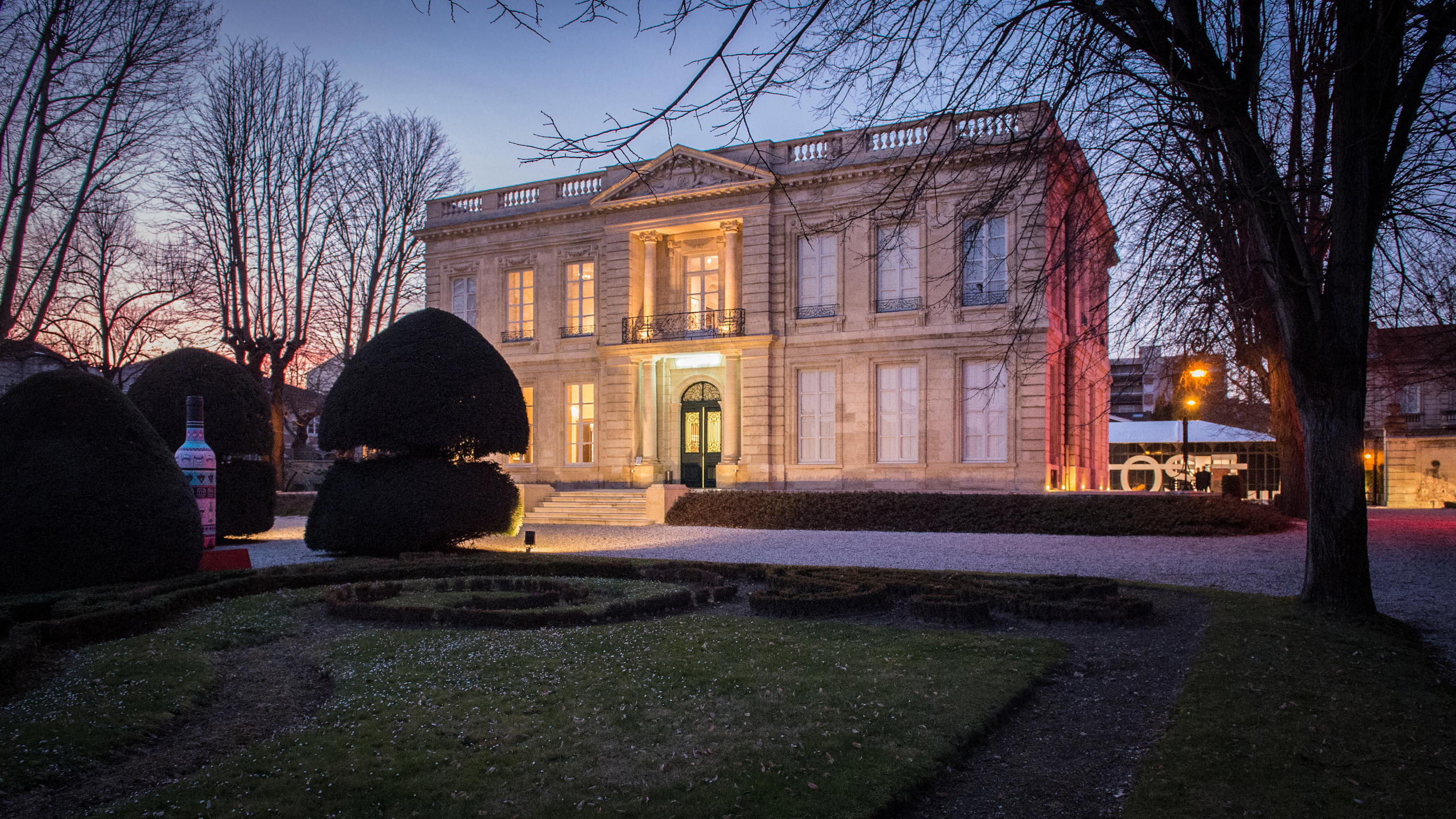
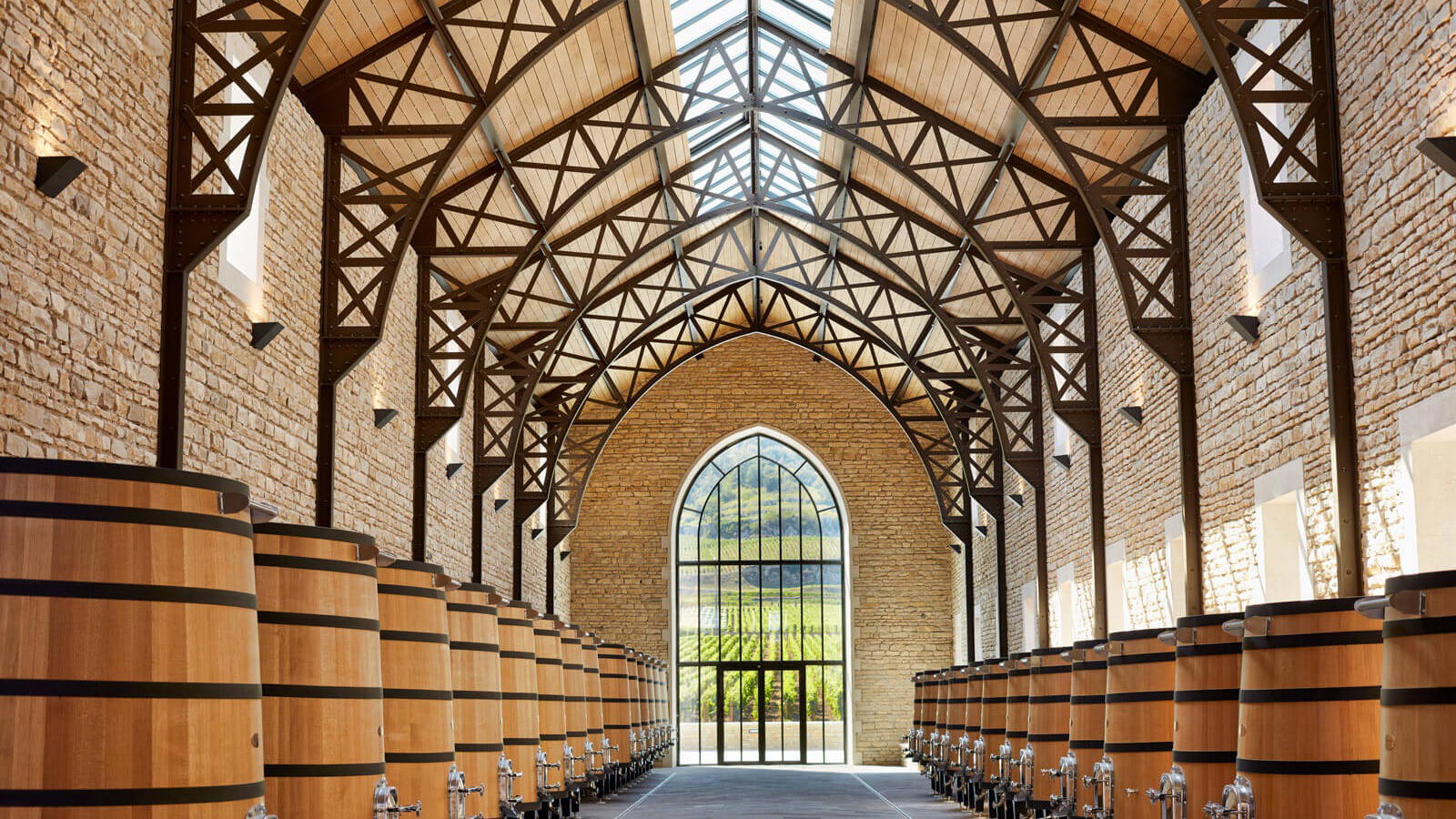
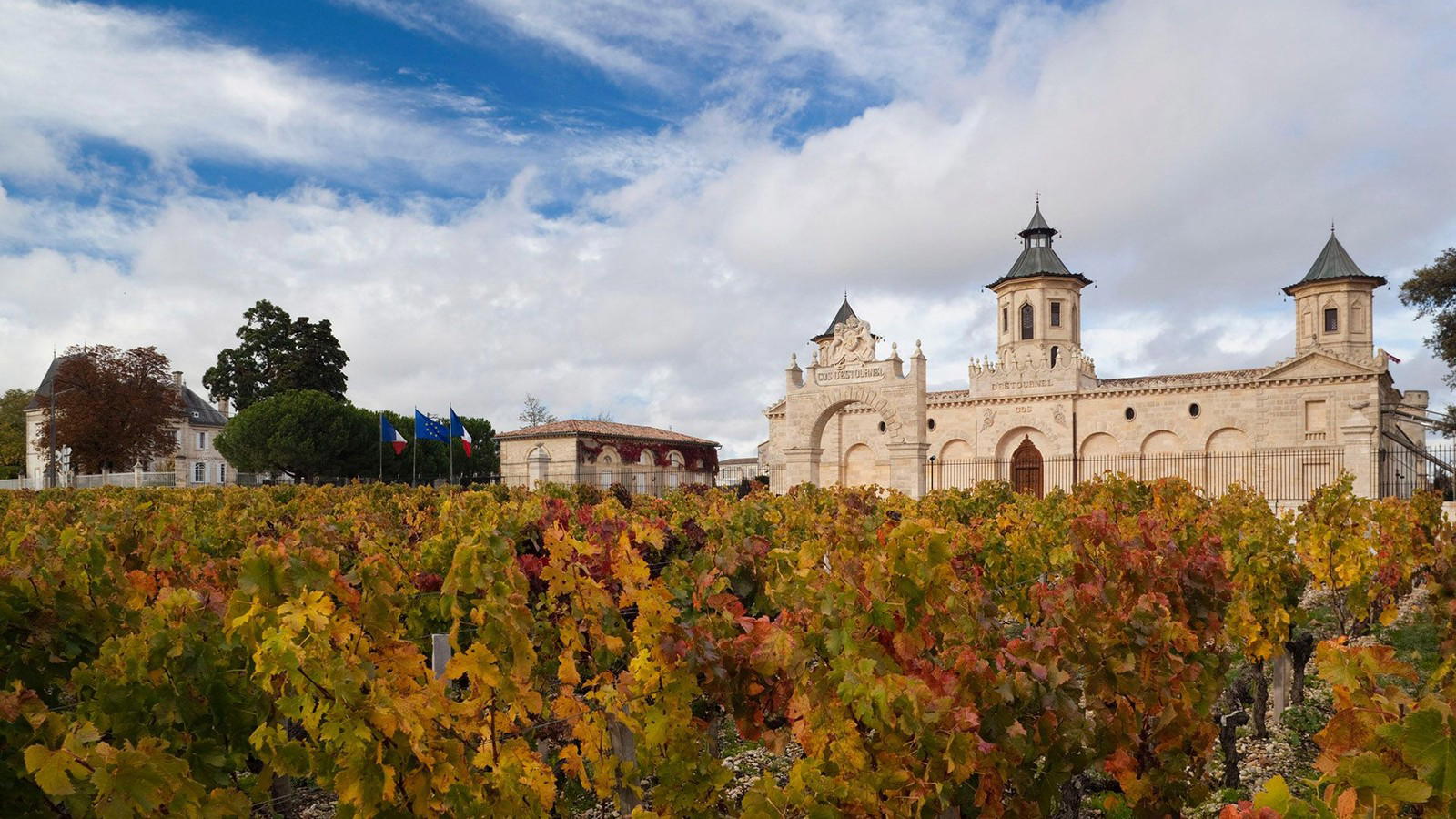
Château Cos d'Estournel presents a striking mix of flamboyant architecture and rigorous winemaking. Pagodas and an elephant-carved gate announce an estate that refuses Bordeaux convention, while nearly two centuries of continuous production and a respected Second Growth pedigree make the place unmistakably classic in stature. The drama above ground signals a distinct aesthetic; below ground, the cellar programme and barrel élevage demonstrate the technical seriousness that collectors prize. The result is an iconic, design-forward château where visual theatre and disciplined craftsmanship coexist, rewarding visitors who appreciate both architectural singularity and traditional Médoc winemaking.
Best For
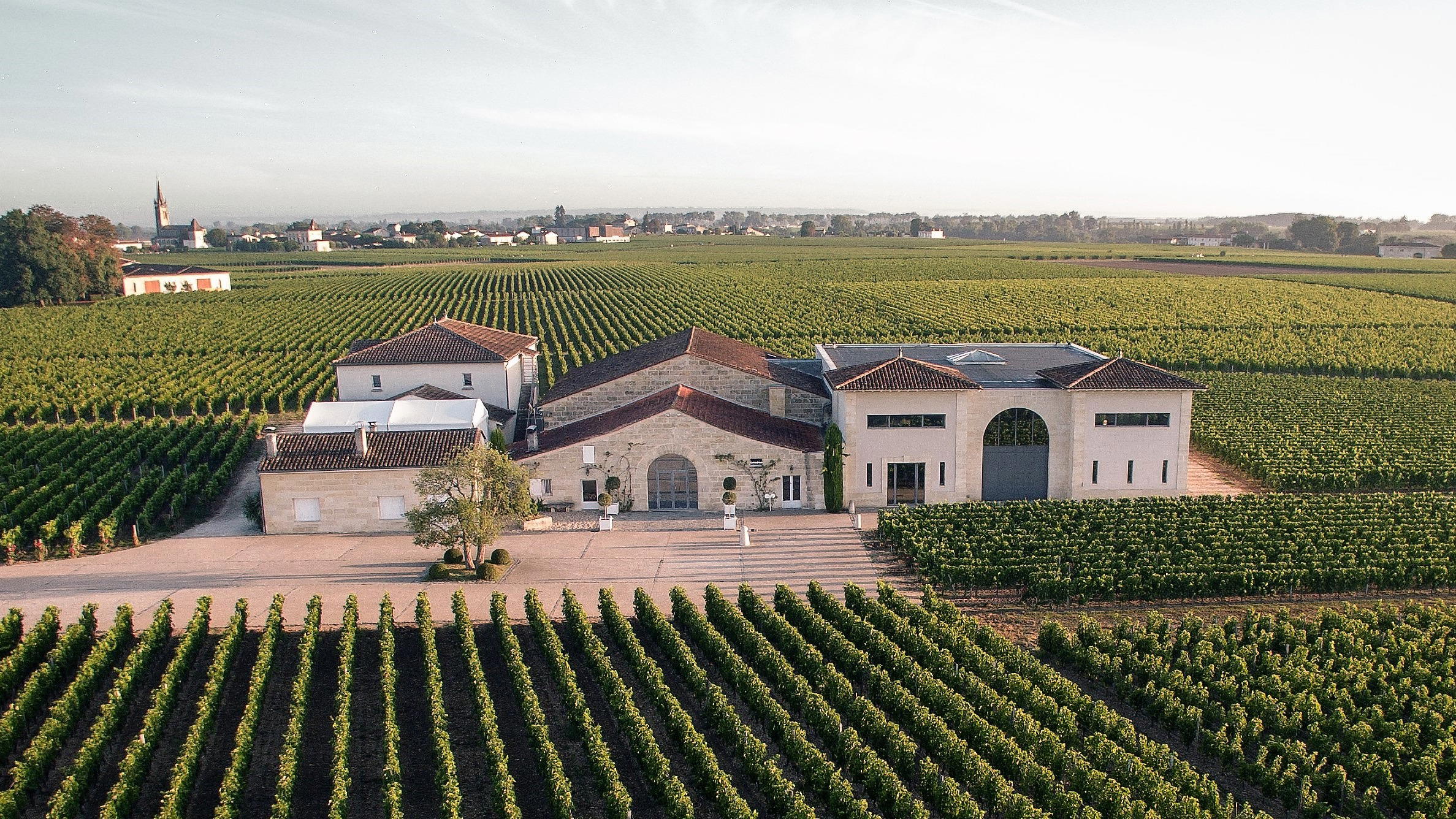
Cos d'Estournel is best suited to serious wine-minded visits and celebratory occasions. Collectors and students of Bordeaux find the estate informative: the vineyard siting on a gravel mound and the cellar’s eighteen-month-plus élevage are focal points for understanding how site and cellar decisions shape a grand Médoc wine. The property’s recognisable architecture also makes it a memorable backdrop for special tastings or milestone visits. Casual drop-ins are less emphasized here; the estate caters to guests who want depth — in terroir, barrel regime and provenance — rather than a quick quaff.
Tasting Tips
When tasting here, steer the conversation toward the cellar programme and élevage: ask about new-oak percentages, the barrel ageing regimen and how recent vintages reflect changes in the estate’s approach. Request wines that illustrate the gravel mound vineyard site to understand how drainage influences structure. If possible, taste across a couple of vintages to hear how the estate’s Second Growth profile evolves with élevage and bottle age. Frame questions around terroir and barrel handling rather than casual flavor notes to get the most instructive perspective from the winemaking team.
Venue details
Ambiance
Elegant and historic with an opulent, sophisticated atmosphere blending classic Bordeaux heritage and modern winemaking precision.
Tags
Vibe
Best For
Experience
Sourcing
View
At the Vineyard
- Appellation
- Saint-Estèphe
- Varietals
- Cabernet Sauvignon, Merlot, Cabernet Franc, Petit Verdot
- Tour Languages
- French, English
- Visits
- By appointment only
- Farming
- Organic
- Production
- Mid-size producer
- Wine Styles
- Still Red
- Wine Club
- Not available
Know before you go
Know Before You Go
- Getting there
- Cos S, 33180 Saint-Estèphe
Planning details
Location
Recognition and awards


Also consider
If access does not work
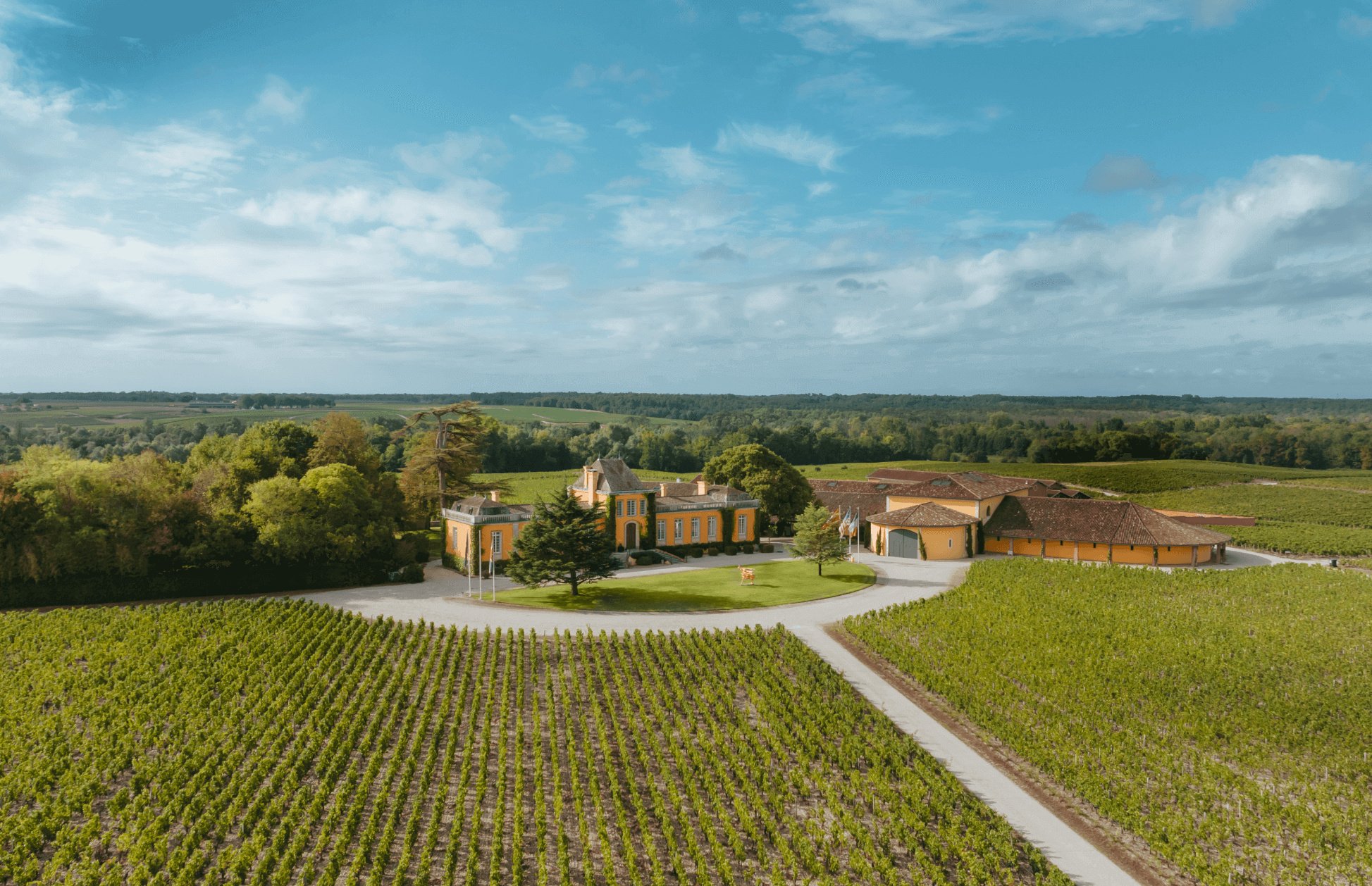
Try Château Montrose first if the goal is to keep the day firmly in the serious Saint-Estèphe category. For a less prestige-driven but still relevant local alternative, use Château Lafon-Rochet as the cleaner cross-shop.
Winery context
How It Compares
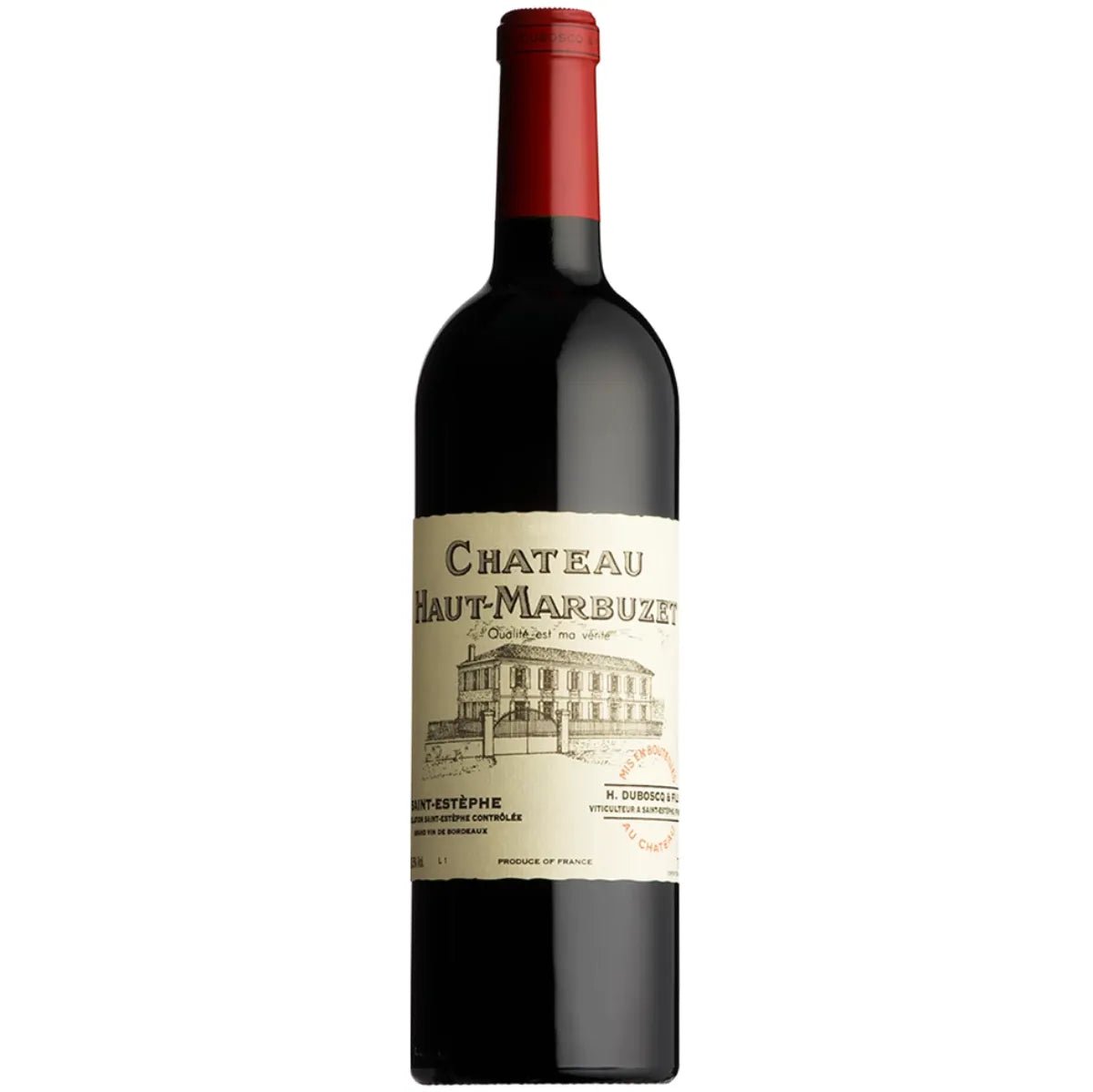
Choose Château Cos d'Estournel over Château Lafon-Rochet or Château Haut-Marbuzet when prestige and collector relevance are the point of the trip. Lafon-Rochet and Haut-Marbuzet are better cross-shops for visitors who want a Saint-Estèphe day that feels less dependent on securing a scarce slot.
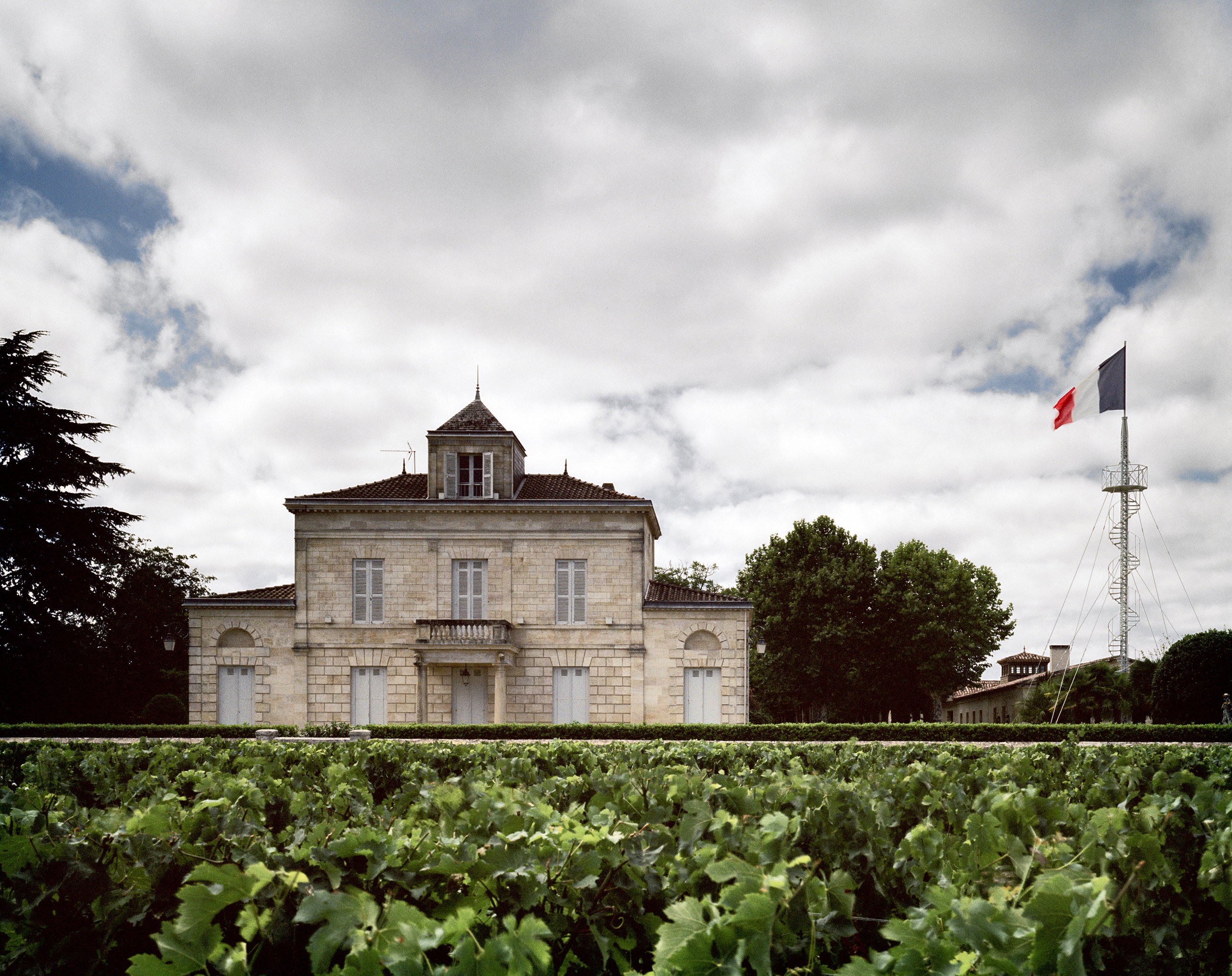
Against Château Montrose, this is a closer call: both sit in the serious Saint-Estèphe lane, so the decision should come down to confirmed availability and which estate better fits the rest of the itinerary. If access is tight, Montrose is the natural nearby alternative rather than a downgrade in ambition.
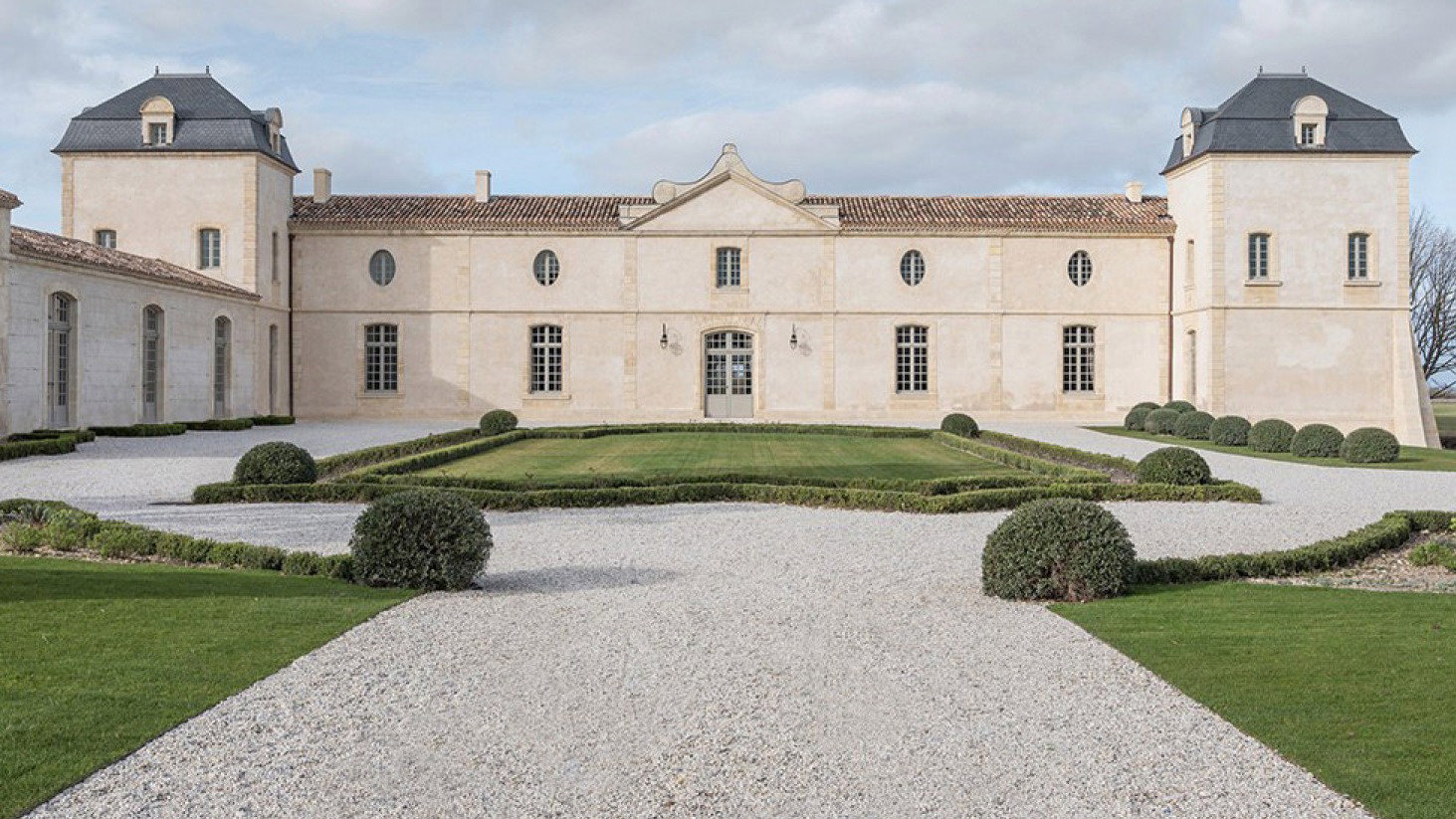
Chateau Lafite Rothschild and Château Clerc Milon are better comparisons for readers stretching beyond Saint-Estèphe. Lafite is the prestige-heavy peer; Clerc Milon is the practical Pauillac-side cross-shop if the day is already pulling south.
Explore Saint-Estèphe
Around this place
Discover more on Pearl
Unlock the full Château Cos d'Estournel guide in Pearl, including awards, comparisons, FAQs, planning details, and nearby places.
Compare Château Cos d'Estournel
| Venue | Location | Awards |
|---|---|---|
| Château Cos d'Estournel | Saint-Estèphe | 2026 Michelin 1 Grape - Bordeaux2026 Falstaff Winery Guide2025 World's 50 Best Vineyards · #972025 Pearl 4 Star Prestige |
| Chateau Lafite Rothschild | Pauillac | 2026 Michelin 3 Grapes - Bordeaux2026 Falstaff Winery Guide2025 Pearl 5 Star Prestige |
| Château Lafon-Rochet | Saint-Estèphe | 2026 Michelin Grape Main Selection - Bordeaux2026 Falstaff Winery Guide |
| Château Haut-Marbuzet | Saint-Estèphe | 2026 Falstaff Winery Guide2026 Michelin 1 Grape - Bordeaux |
| Château Clerc Milon | Pauillac | 2026 Michelin 1 Grape - Bordeaux2026 Falstaff Winery Guide2025 Pearl 4 Star Prestige |
| Château Montrose | Saint-Estèphe | 2026 Michelin 3 Grapes - Bordeaux2026 Falstaff Winery Guide2025 Pearl 5 Star Prestige |


How Château Cos d'Estournel compares with similar nearby venues.
FAQ
Frequently Asked Questions
When is the best time to visit Château Cos d'Estournel?
Opening hours, seasonal guidance, or a visit schedule are not included. Choose a time only after checking current information from the venue, and avoid making assumptions about availability. If you are comparing Saint-Estèphe options, Château Haut-Marbuzet is another nearby name to research.
How long should I plan for a visit to Château Cos d'Estournel?
A visit length or format is not stated. Plan only after confirming the current arrangement with Château Cos d'Estournel, especially if you are building a Saint-Estèphe itinerary around its Pearl 4 Star Prestige (2025) and World's 50 Best Vineyards #97 (2025) recognition. Château Clerc Milon is another Bordeaux comparison point to research separately.