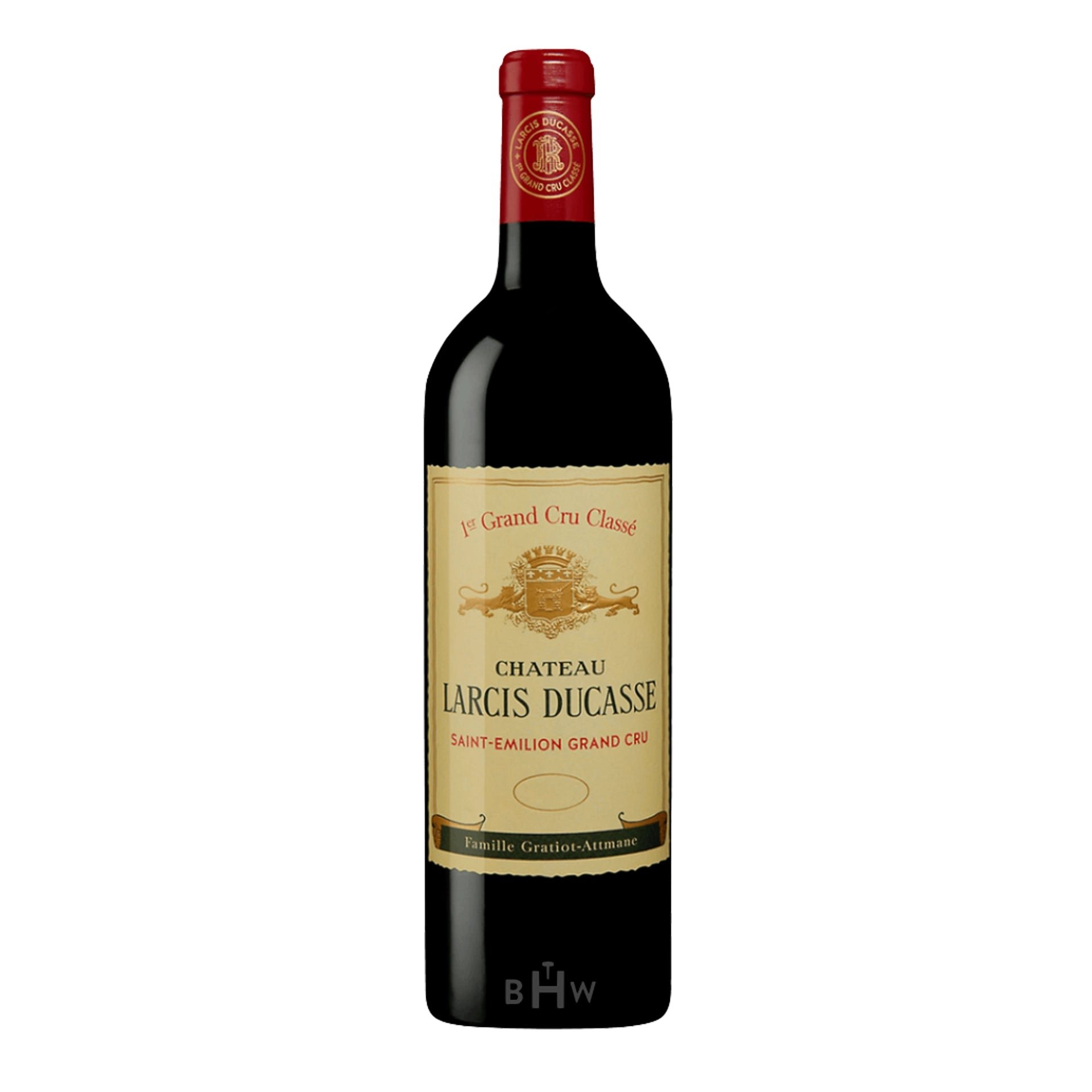

Château Larcis Ducasse
Saint-Emilion, Saint-Émilion
Winery in Saint-Émilion, France
 Book with Pearl
The Read
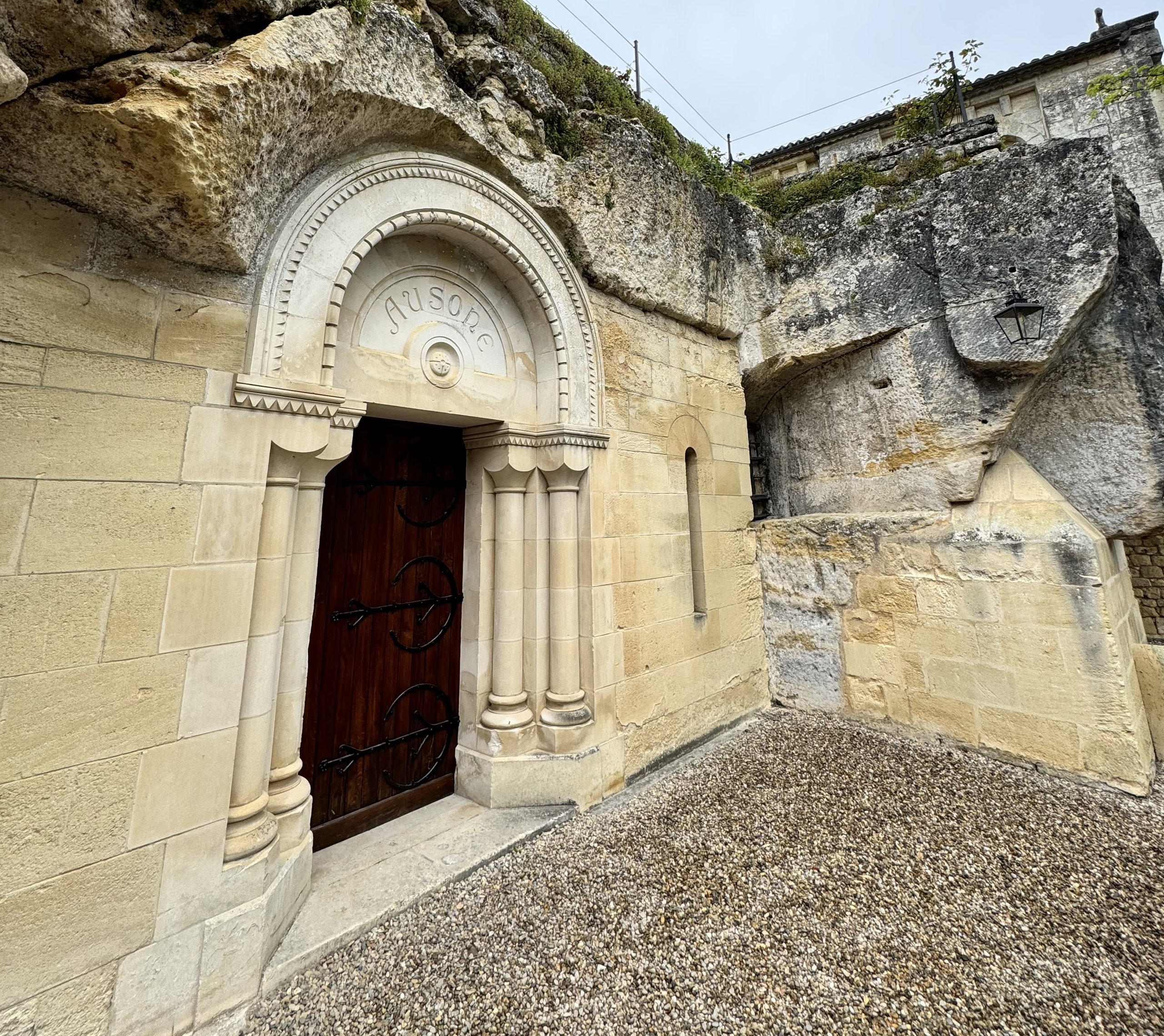
Limestone-Shelf Precision
Why go
Prioritize Château Larcis Ducasse if the Saint-Emilion trip is built around serious wine appointments and selective access. It is a stronger fit for Bordeaux-focused travelers than casual tasting groups, and it works better as one carefully planned stop than as part of an overpacked château crawl.
About Château Larcis Ducasse
Château Larcis Ducasse is a Saint-Emilion venue with Pearl 3 Star Prestige recognition for 2025. For travelers considering it as part of a Saint-Emilion plan, confirm any visit arrangements directly before building an itinerary around it.
The practical note is simple: the dress code is smart casual. For comparison within a broader itinerary, travelers may also consider Château La Gaffelière, Château La Mondotte, Château Le Tertre Roteboeuf, Château Pavie, and Château Troplong Mondot. Keep the plan focused on firm bookings and avoid assuming services, formats, meals, or access details.
A Saint-Emilion venue with a Prestige distinction
The reason to keep Château Larcis Ducasse on a shortlist is its Saint-Emilion setting and Pearl 3 Star Prestige recognition in 2025. Details such as visit format, food service, pricing, hours, and specific guest experience should be checked directly rather than assumed.
If food is part of the day, separate the Château Larcis Ducasse plan from the meal plan. Use Our full Saint-Emilion restaurants guide for lunch or dinner, then handle any Château Larcis Ducasse arrangements directly. The same logic applies to lodging and evening planning: Our full Saint-Emilion hotels guide, Our full Saint-Emilion bars guide, and Our full Saint-Emilion experiences guide are better places to solve those parts of the trip. For broader routing, start with Our full Saint-Emilion wineries guide.
How to decide if it belongs on the itinerary
Include Château Larcis Ducasse if a Saint-Emilion itinerary benefits from a venue with a Pearl 3 Star Prestige distinction and a smart-casual dress code. Before committing, check directly whether the timing, access, and any expected services match the needs of your group.
For a broader plan, compare Château Larcis Ducasse with other options such as Château Pavie, Château La Mondotte, Château Troplong Mondot, Château Le Tertre Roteboeuf, and Château La Gaffelière. The strongest itinerary is the one built from firm details rather than assumptions about meals, formats, or availability.
Planning details
- Location
- 1 grottes d'Arsis, 33330 Saint-Émilion
- Website
- larcis-ducasse.com
- Phone
- +33 5 57 24 70 84
The take
The Take
The Vibe
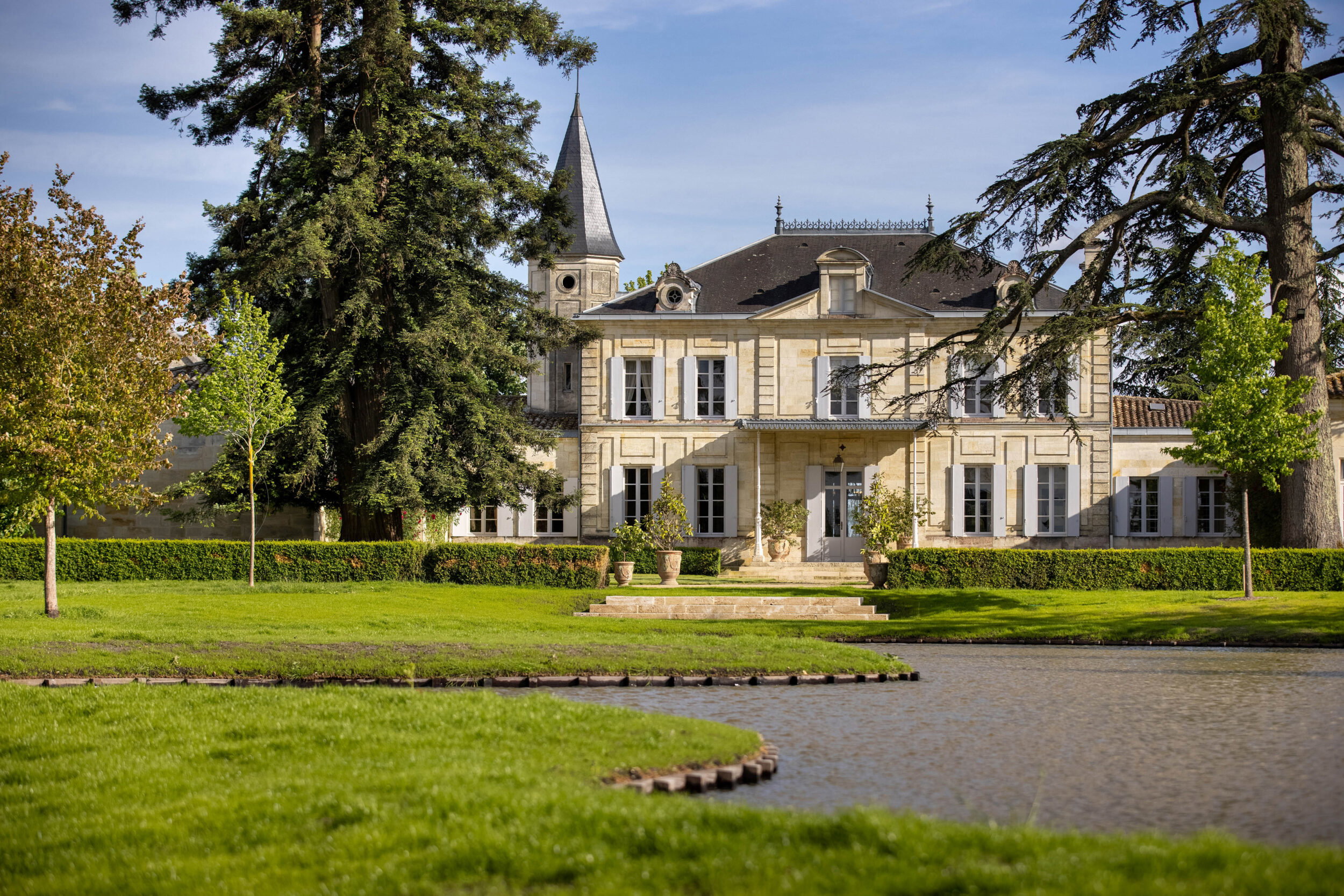
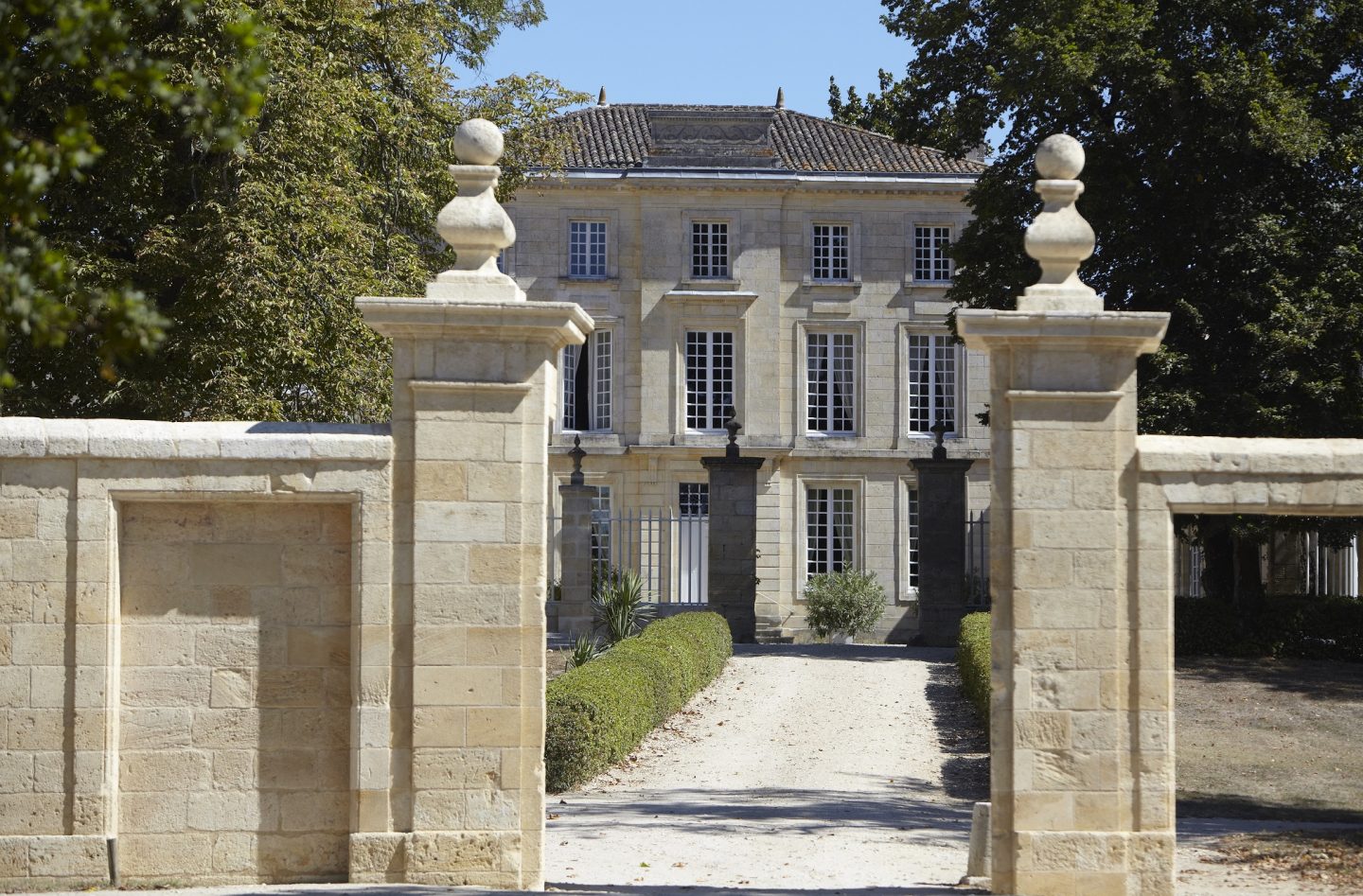
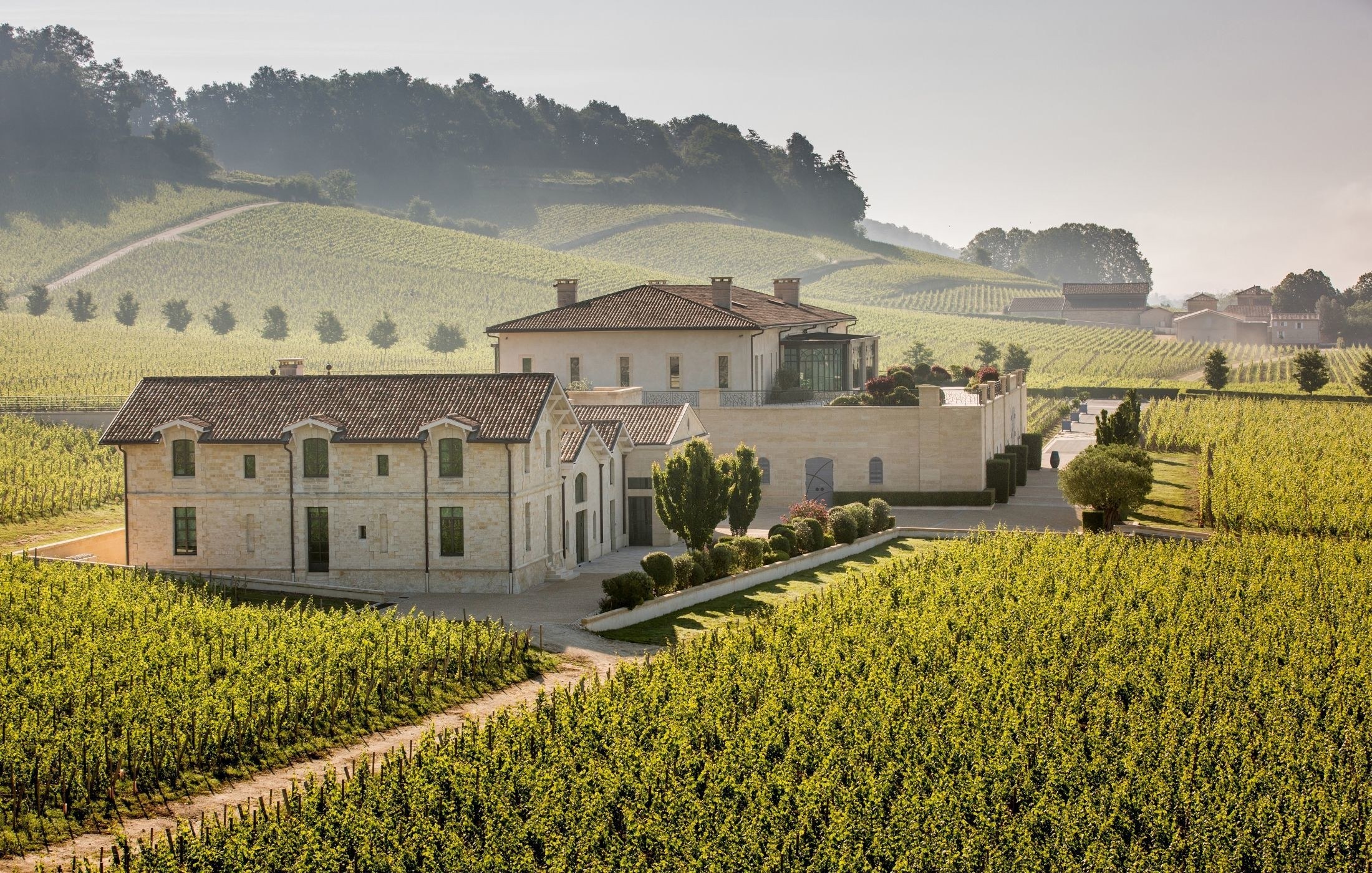
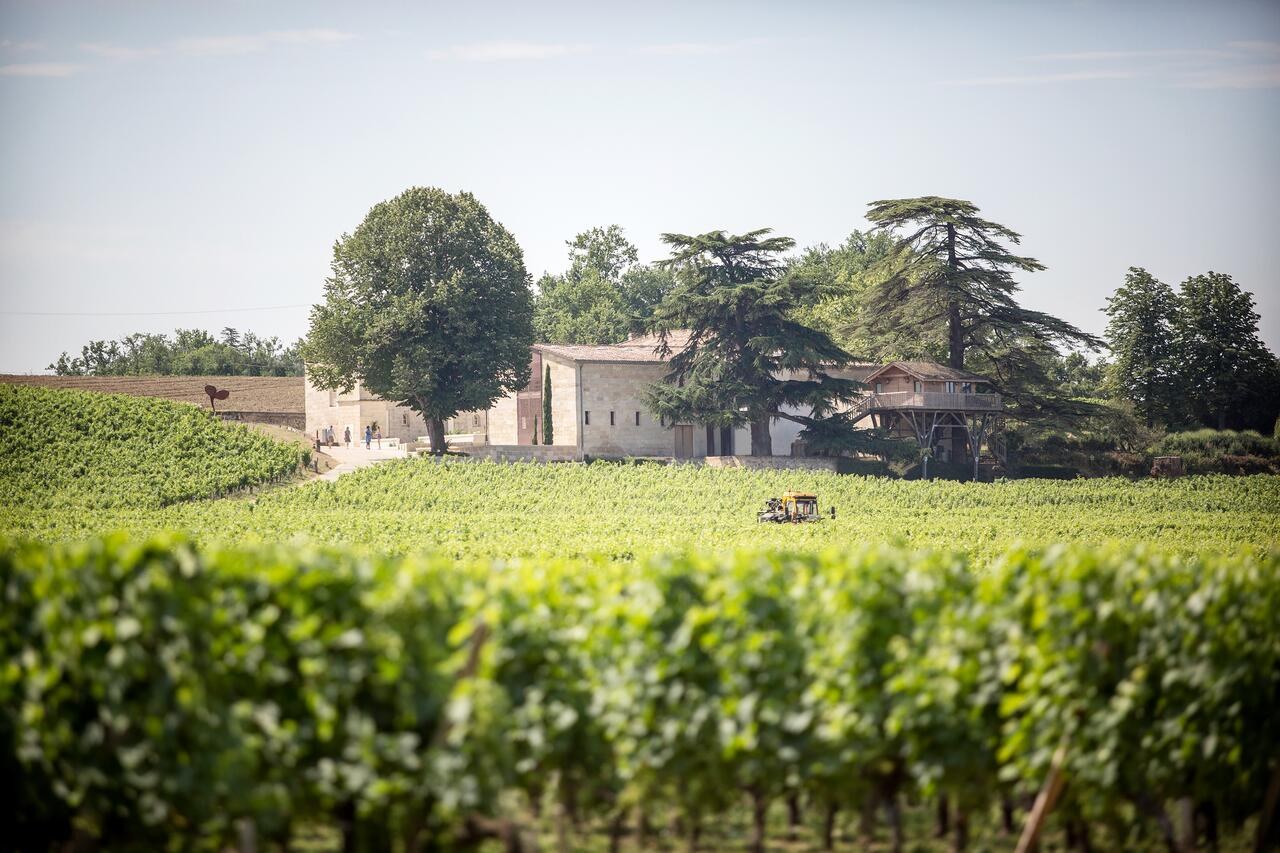
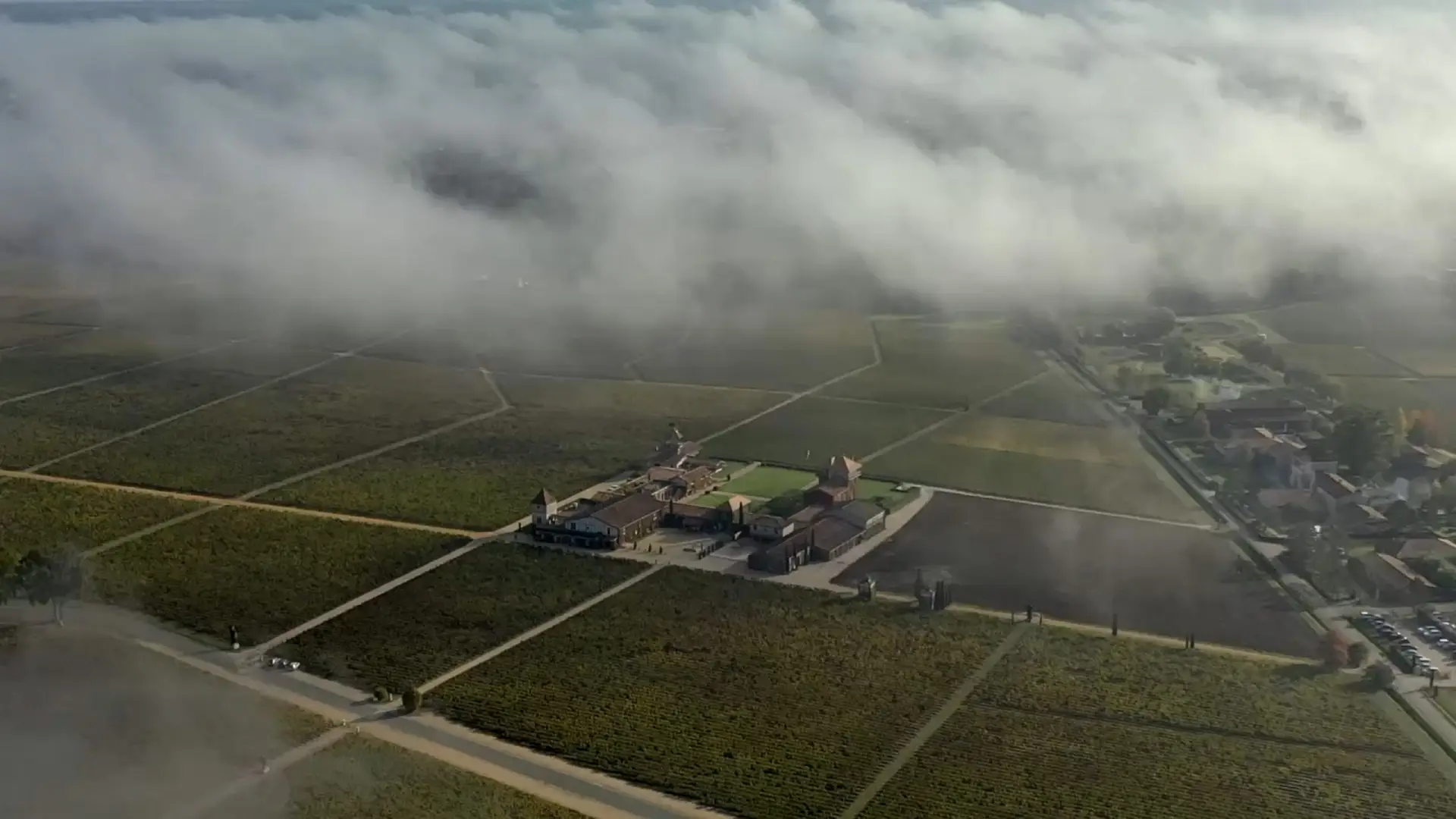
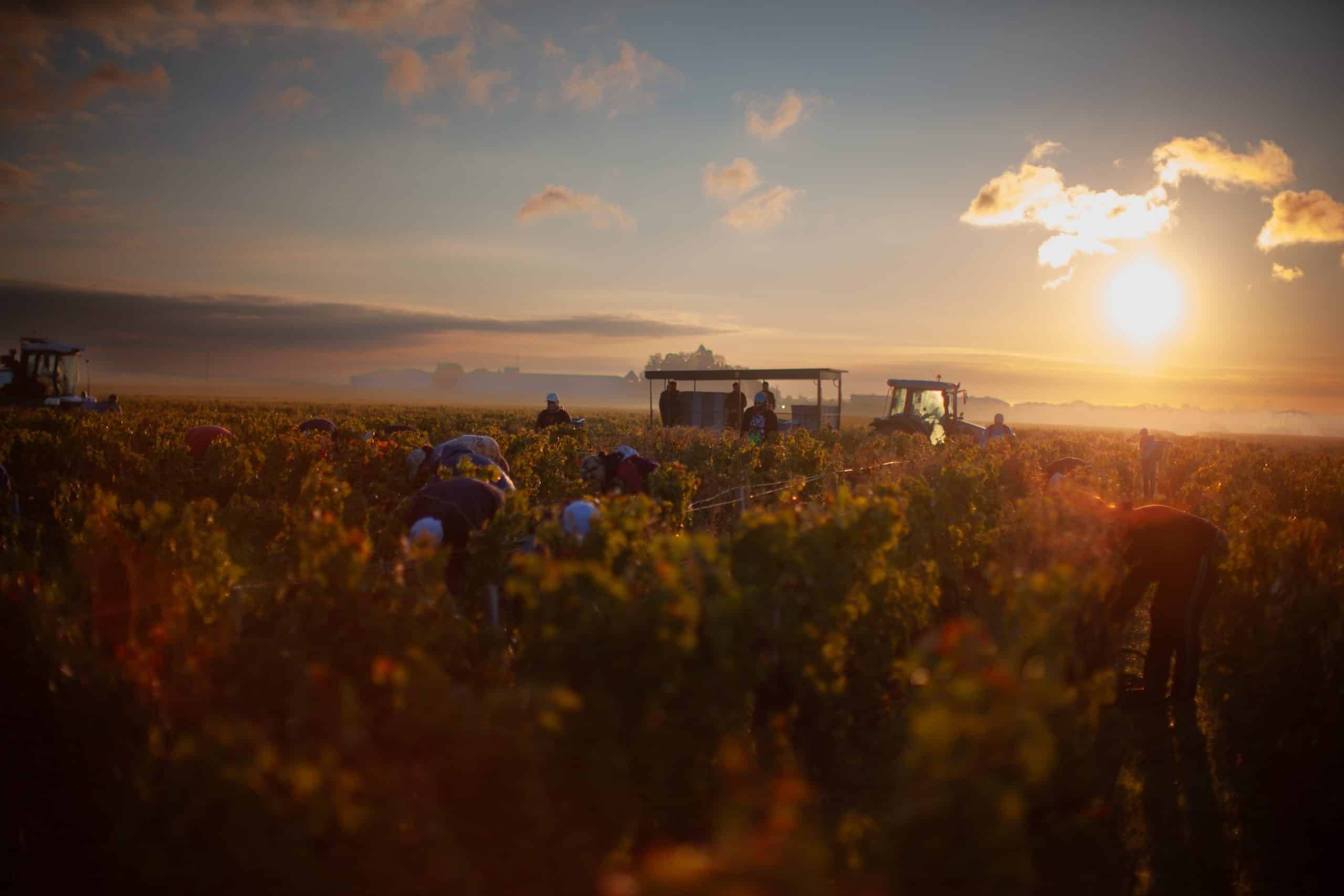
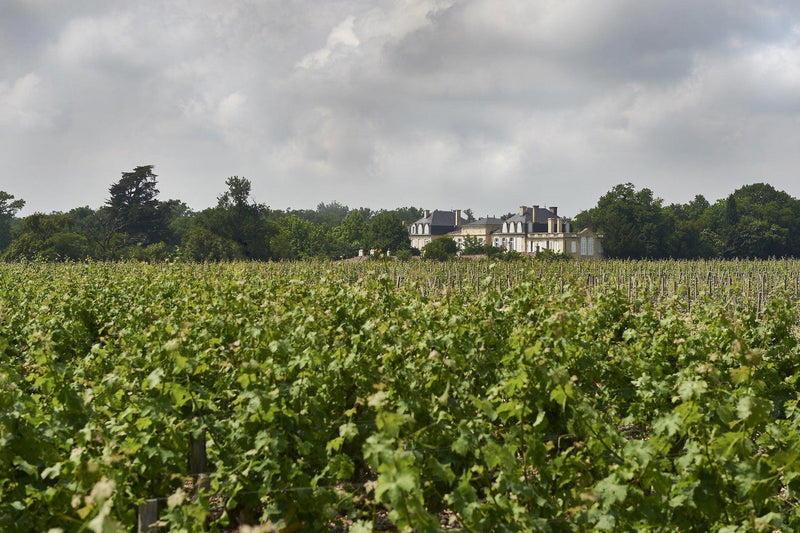
Château Larcis Ducasse reads like a statement of place: terraces of limestone and steep, south-facing côtes frame an estate whose identity is rooted in geology as much as in winemaking tradition. The writing emphasizes positional consequence within Saint-Émilion, associating the château with a recognisable right-bank style — structured, age-worthy wines with a pronounced minerality. That terroir-first focus and the estate's repeated critical recognition give Larcis Ducasse an authoritative, iconic presence in the appellation; visits feel less like tourist stops and more like encounters with a property that helped define a particular, long-lived register of Saint-Émilion.
Best For
This is a destination for people who care about terroir and classification: collectors, students of the right bank and anyone planning a tasting that explores how limestone-clay côtes shape structure and minerality. The château’s high-profile 2025 Pearl 3 Star Prestige rating signals that its top releases are suited to special occasions and focused tastings rather than casual drop-ins. Expect a visit to reward slow, attentive tasting — it’s best for wine education-minded itineraries and celebratory appointments where the pedigree of place matters as much as the bottle itself.
Tasting Tips
When engaging with Larcis Ducasse, prioritize examples that showcase its côtes identity and age potential: structured vintages and flagship cuvées best convey the site’s minerality and longevity. The estate’s standing among right-bank peers means critics’ classifications and the Pearl 3 Star Prestige rating are useful guides to which bottlings to seek. For tastings, arrange focused comparisons with neighbouring côte estates to appreciate stylistic differences rooted in limestone-clay soils; if possible, request older vintages to experience the wines’ development and the site’s long-term structure.
Venue details
Ambiance
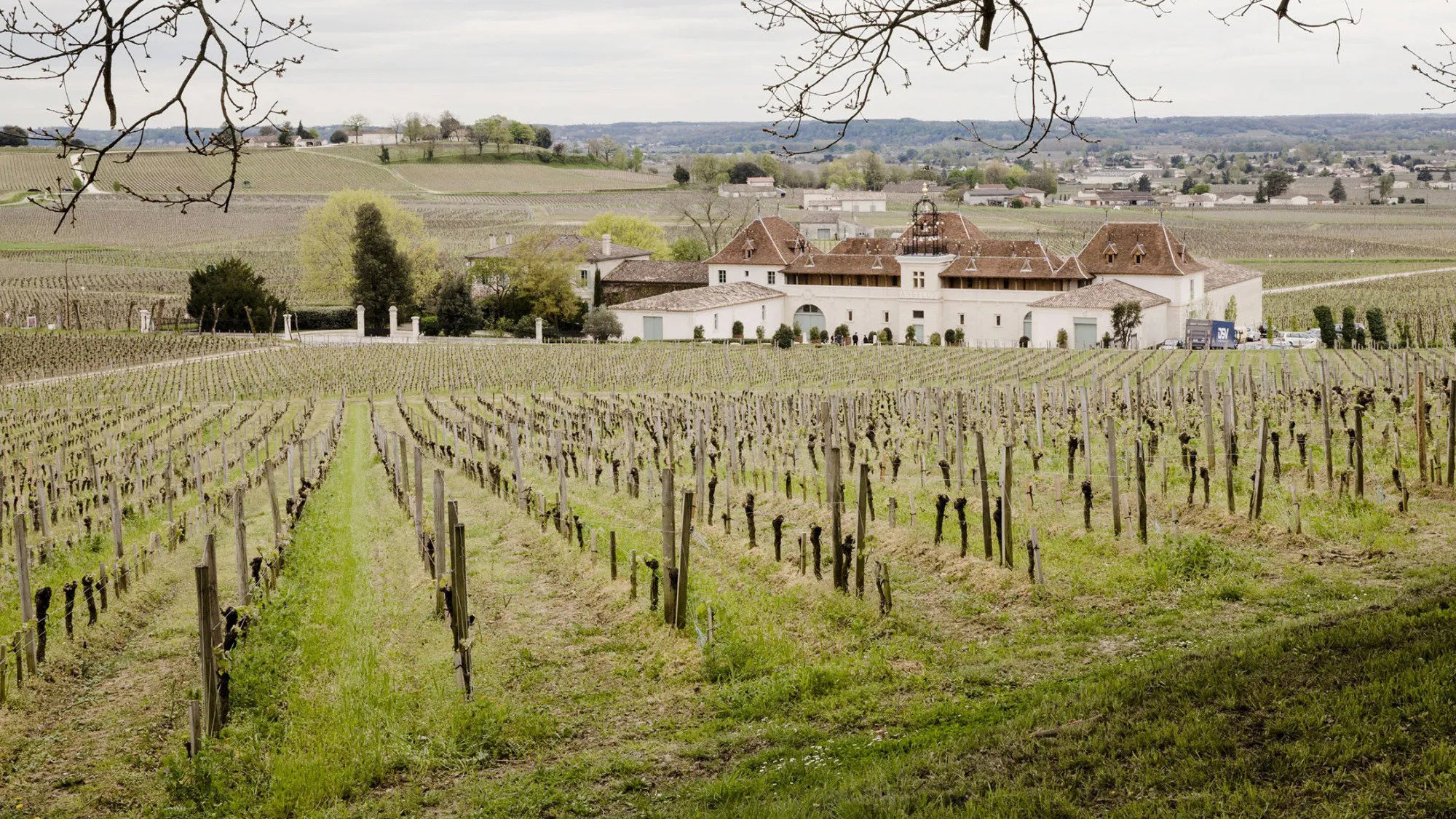
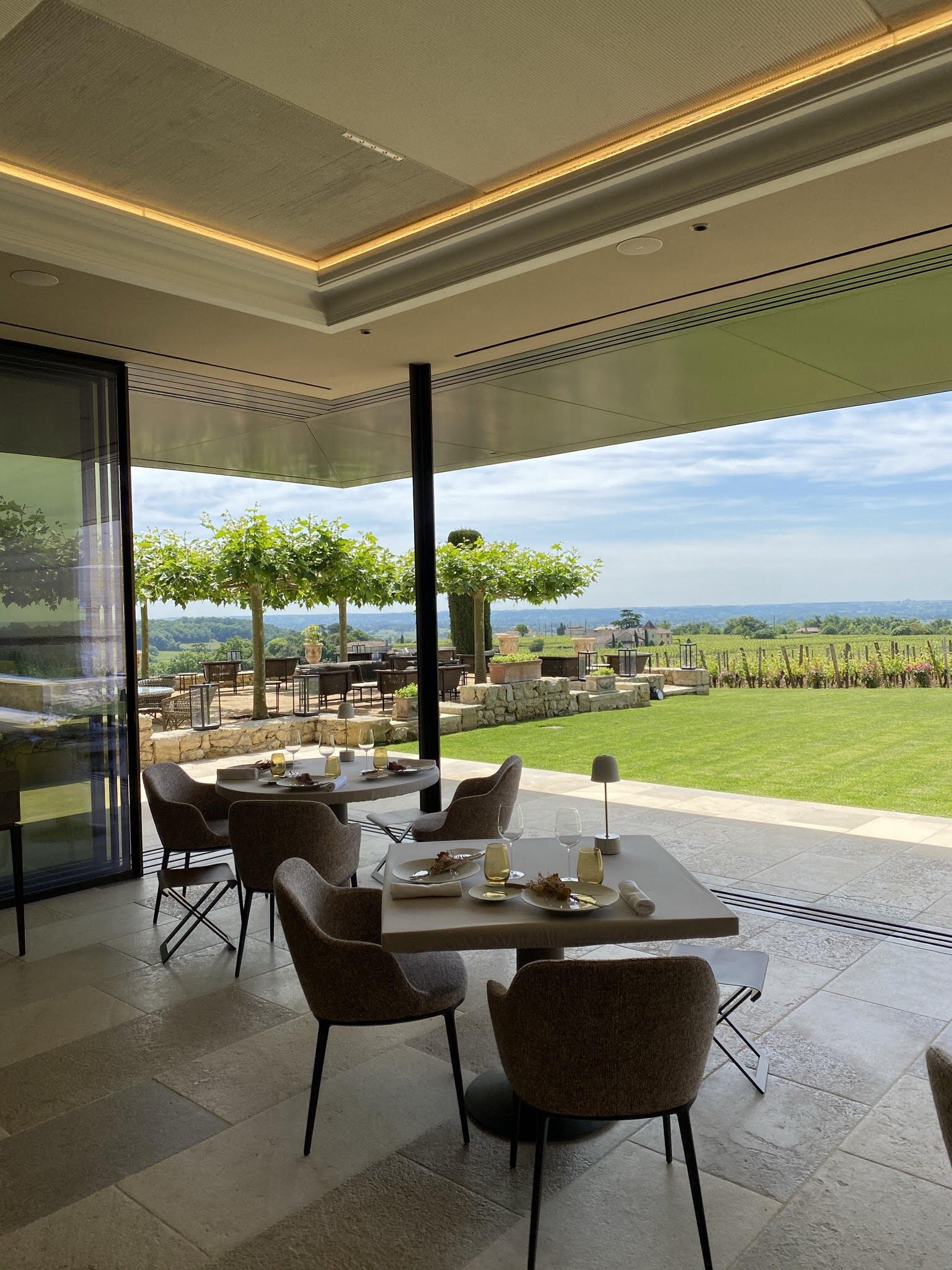
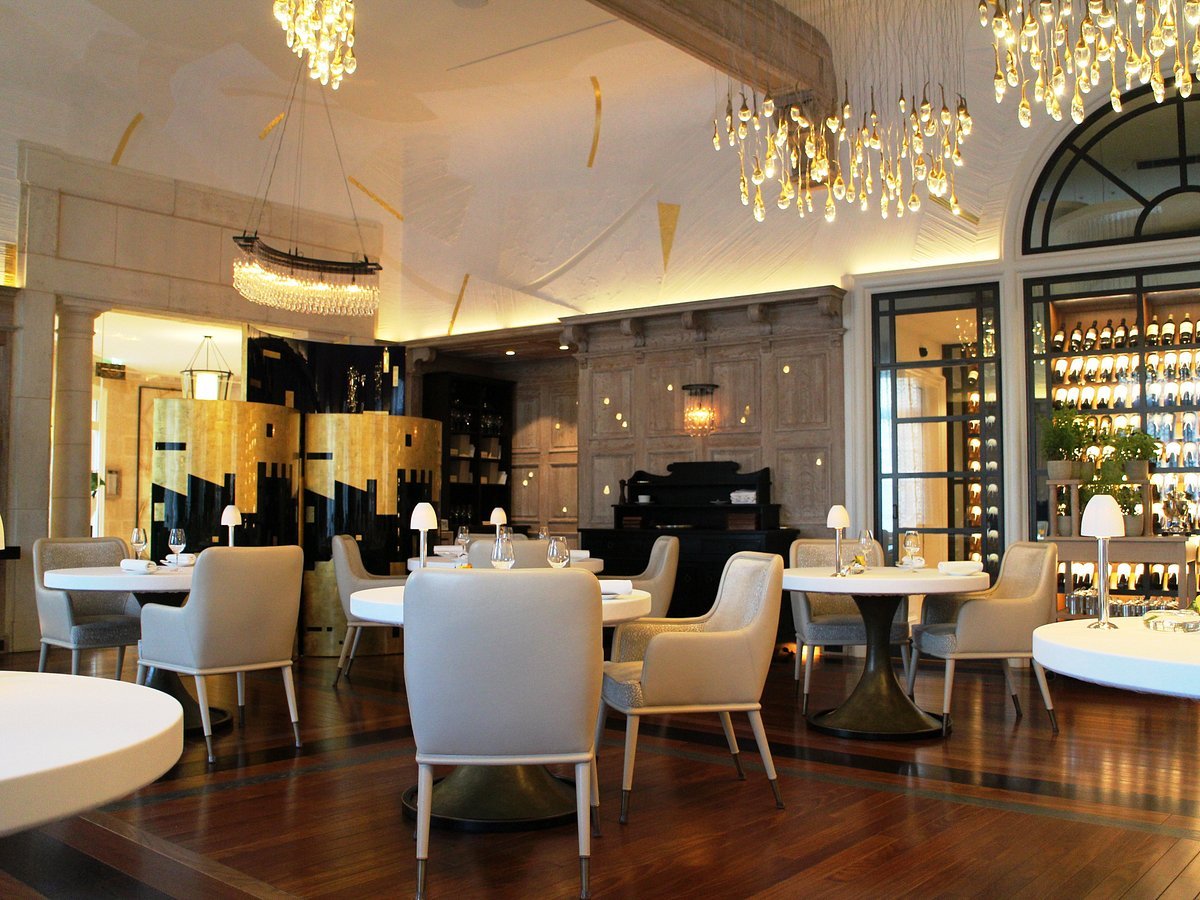
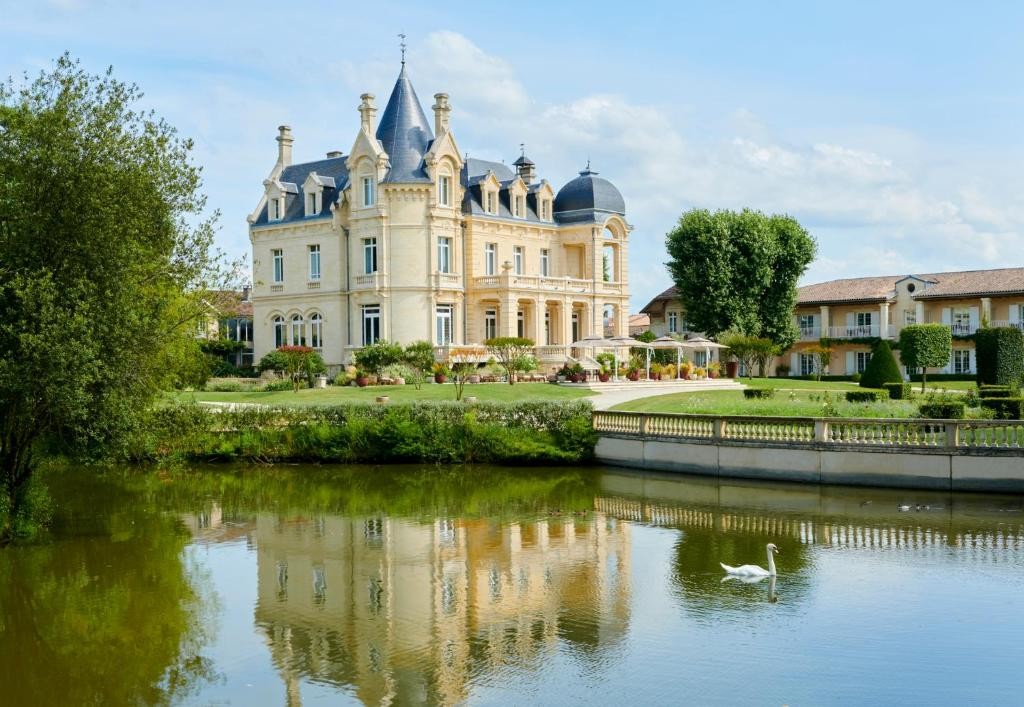
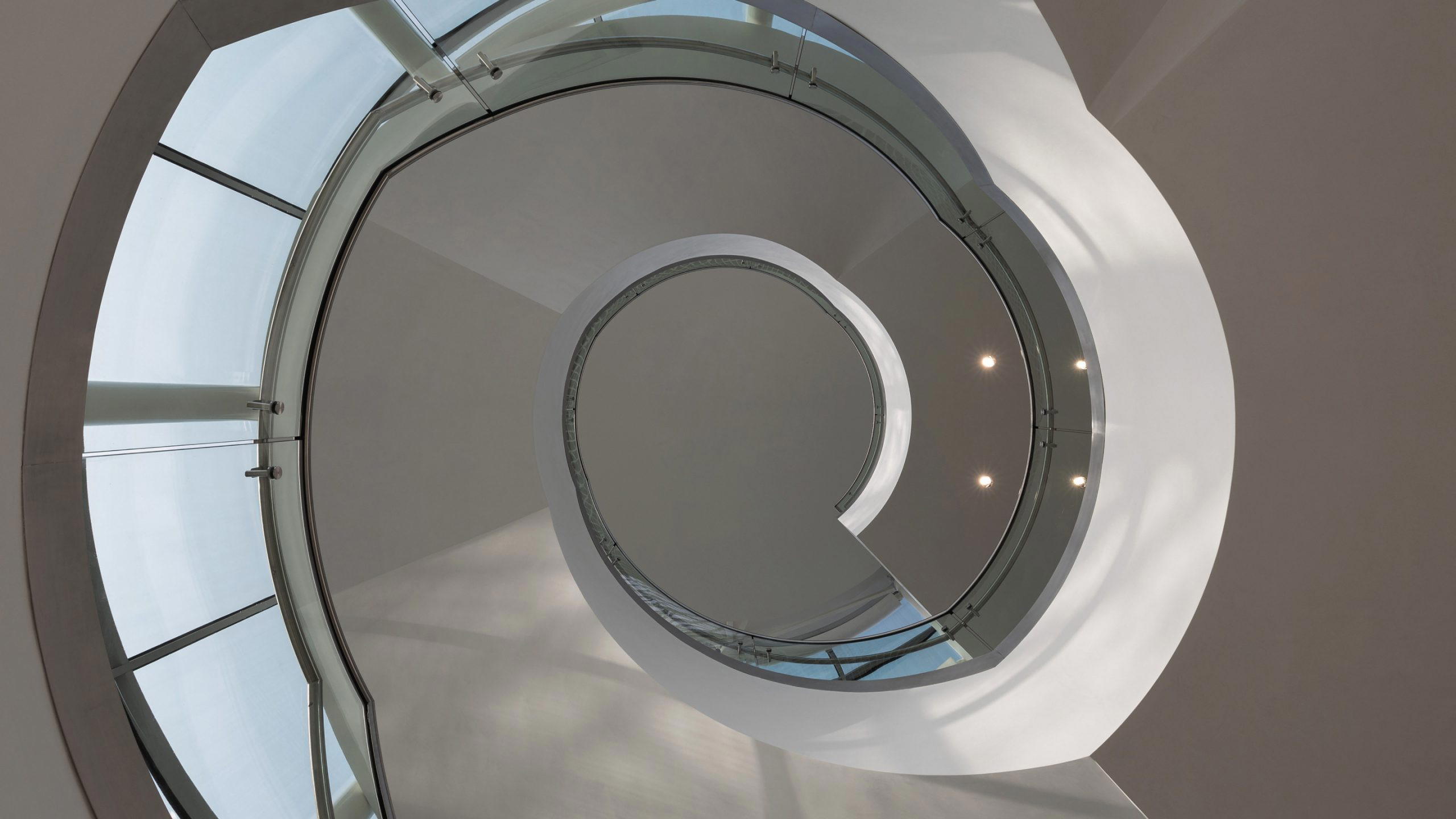
Elegant and refined atmosphere in a magnificent architect-designed winery overlooking Dordogne valley.
Tags
Vibe
Best For
Experience
Sourcing
View
At the Vineyard
- Appellation
- Saint-Émilion Grand Cru Classé
- Varietals
- Merlot, Cabernet Franc
- Tour Duration
- 60-90 minutes
- Tour Languages
- English, French
- Visits
- By appointment only
- Farming
- Organic
- Production
- Small producer
- Wine Styles
- Still Red
- Wine Club
- Not available
Know before you go
Know Before You Go
- Getting there
- 1 grottes d'Arsis, 33330 Saint-Émilion
Planning details
Location
Recognition and awards
Also consider
If this is not available
Try Château Troplong Mondot if the group wants a more complete visitor experience around the appointment. Try Château La Gaffelière if the priority is staying close to the Saint-Emilion core with a serious château alternative.
Winery context
How it compares in Saint-Emilion
Choose Château Pavie if the goal is a high-profile Saint-Emilion name with major collector pull; choose Château Larcis Ducasse if the itinerary benefits from a quieter, more focused prestige stop. Château La Mondotte and Château Le Tertre Roteboeuf make sense for travelers who want a more tightly curated producer comparison rather than a broad introductory day.
Château Troplong Mondot is the more practical cross-shop if ambiance and a fuller visitor day matter, while Château Larcis Ducasse is the better request for travelers prioritizing wine context over extra hospitality layers. Château La Gaffelière is a sensible alternative when the plan needs a Saint-Emilion visit that feels anchored but less dependent on landing a harder appointment.
For value, do not judge these wineries only by tasting cost. The real cost is itinerary space. Château Larcis Ducasse earns the slot when the day is already wine-led and the group will appreciate a serious appointment; for mixed-interest groups, Troplong Mondot or La Gaffelière is likely to produce an easier overall day.
Explore Saint-Émilion
Around this place
Discover more on Pearl
Unlock the full Château Larcis Ducasse guide in Pearl, including awards, comparisons, FAQs, planning details, and nearby places.
Compare Château Larcis Ducasse
| Venue | Location | Awards |
|---|---|---|
| Château Larcis Ducasse | Saint-Emilion | 2026 Michelin 1 Grape - Bordeaux |
| Château Pavie | Saint-Emilion | 2025 Pearl 4 Star Prestige |
| Château La Mondotte | Saint-Emilion | 2026 Michelin 1 Grape - Bordeaux2026 Falstaff Winery Guide2025 Pearl 3 Star Prestige |
| Château Troplong Mondot | Saint-Laurent-des-Combes | 2026 Michelin 2 Grapes - Bordeaux2026 Falstaff Winery Guide2025 Pearl 4 Star Prestige |
| Château Le Tertre Roteboeuf | Saint-Emilion | 2026 Falstaff Winery Guide2025 Pearl 3 Star Prestige |
| Château La Gaffelière | Talence | 2026 Falstaff Winery Guide2025 Pearl 4 Star Prestige |



How Château Larcis Ducasse compares with similar nearby venues.
FAQ
Frequently Asked Questions
What other venues can I compare with Château Larcis Ducasse?
If you are building an itinerary, look at Château Pavie, Château La Mondotte, Château Troplong Mondot, Château Le Tertre Roteboeuf, and Château La Gaffelière. Château Larcis Ducasse is in Saint-Emilion and fits best into a plan built around firm arrangements.
Does Château Larcis Ducasse serve food?
How long should I plan for a visit to Château Larcis Ducasse?
What is Château Larcis Ducasse known for?
Château Larcis Ducasse is a Saint-Emilion venue with Pearl 3 Star Prestige recognition for 2025. The dress code is smart casual.