

Château Bélair-Monange
Saint-Emilion, Saint-Émilion
Winery in Saint-Émilion, France
 Book with Pearl
The Read
Limestone Plateau Provenance
Why go
A serious Saint-Emilion target for collectors and allocation-minded wine travelers, not a casual drop-in tasting. Prioritize Château Bélair-Monange if prestige and cellar relevance matter more than convenience; otherwise cross-shop nearby peers with smoother itinerary flexibility.
About Château Bélair-Monange
Château Bélair-Monange is a Saint-Emilion venue with Pearl 3 Star Prestige recognition for 2025. With only limited practical detail available, the safest way to plan is to confirm current visit specifics directly before building an itinerary around it.
The dress code is smart casual. Other practical details, including visit format, group policy, and public visitor arrangements, are not available, so avoid assuming them in advance.
Worth considering if Saint-Emilion depth matters more than convenience
The recommendation is strongest for travelers who are specifically interested in Château Bélair-Monange and want to include a Pearl 3 Star Prestige Saint-Emilion name in their plans. The recommendation rests on the recognition and location, not on assumptions about access or service format.
For planning value, treat Château Bélair-Monange as a venue to confirm directly rather than a stop with guaranteed public-facing details. If the available arrangements suit your trip, it can be part of a Saint-Emilion itinerary; if not, compare it with other Saint-Emilion options before committing the day.
Build the day around nearby Saint-Emilion alternatives
Because practical details are limited, do not make the itinerary depend on a single venue. Pair the request with other Saint-Emilion names in the same decision set: Château Canon, Chateau Ausone, and Château Beau-Séjour (héritiers Duffau-Lagarrosse). For broader planning across the village, use Our full Saint-Emilion wineries guide, then layer in meals, lodging, and low-key drinks through Our full Saint-Emilion restaurants guide, Our full Saint-Emilion hotels guide, and Our full Saint-Emilion bars guide.
Quick reference: consider it for a Pearl 3 Star Prestige Saint-Emilion venue; compare other options if you need practical details that are not available.
Planning details
- Location
- 386 Rte de la Côte de la Jeune, 33330 Saint-Émilion
- Website
- belairmonange.com/fr/les-chais
- Phone
- +33 5 57 51 78 96
The take
The Take
The Vibe
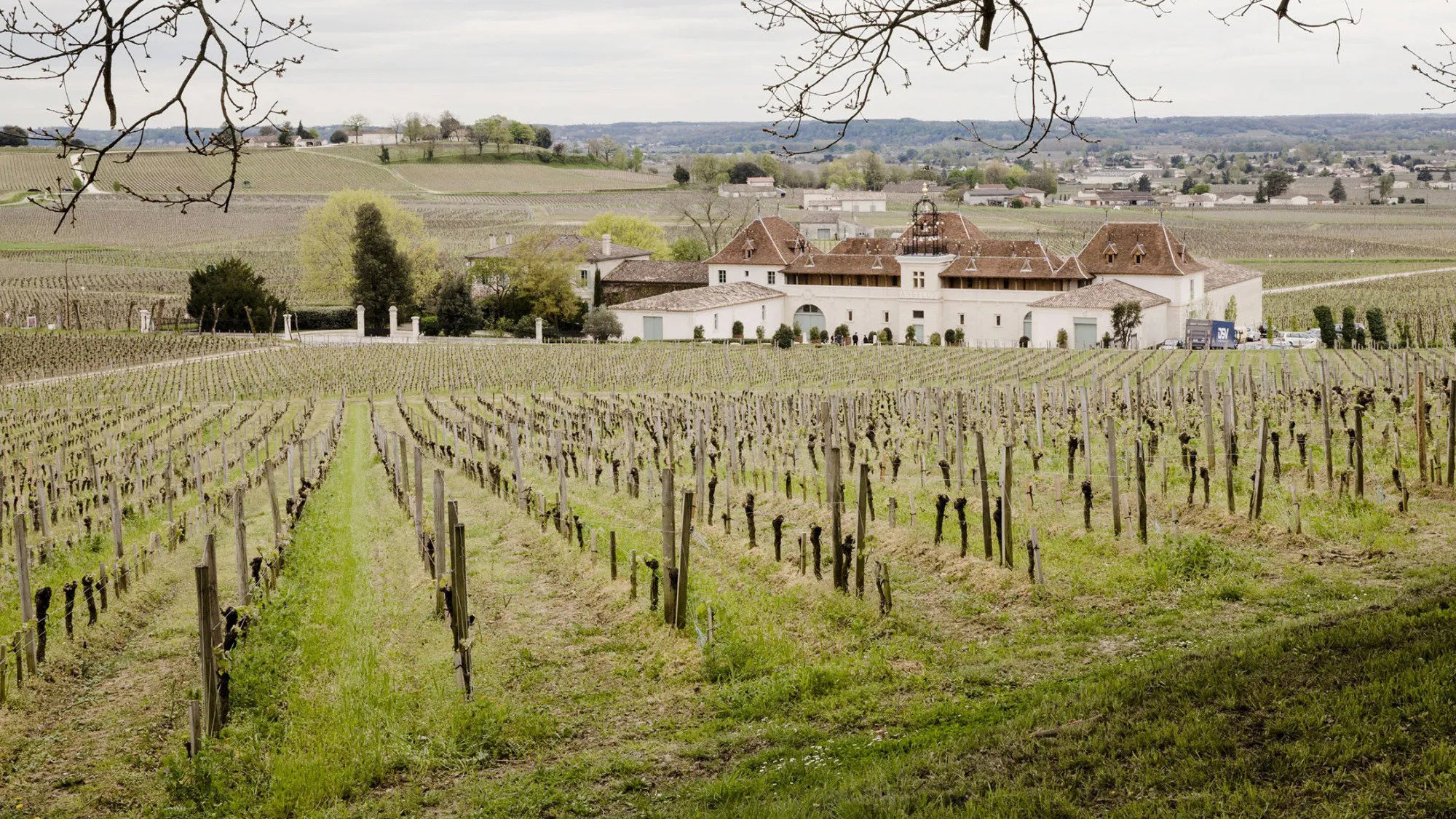
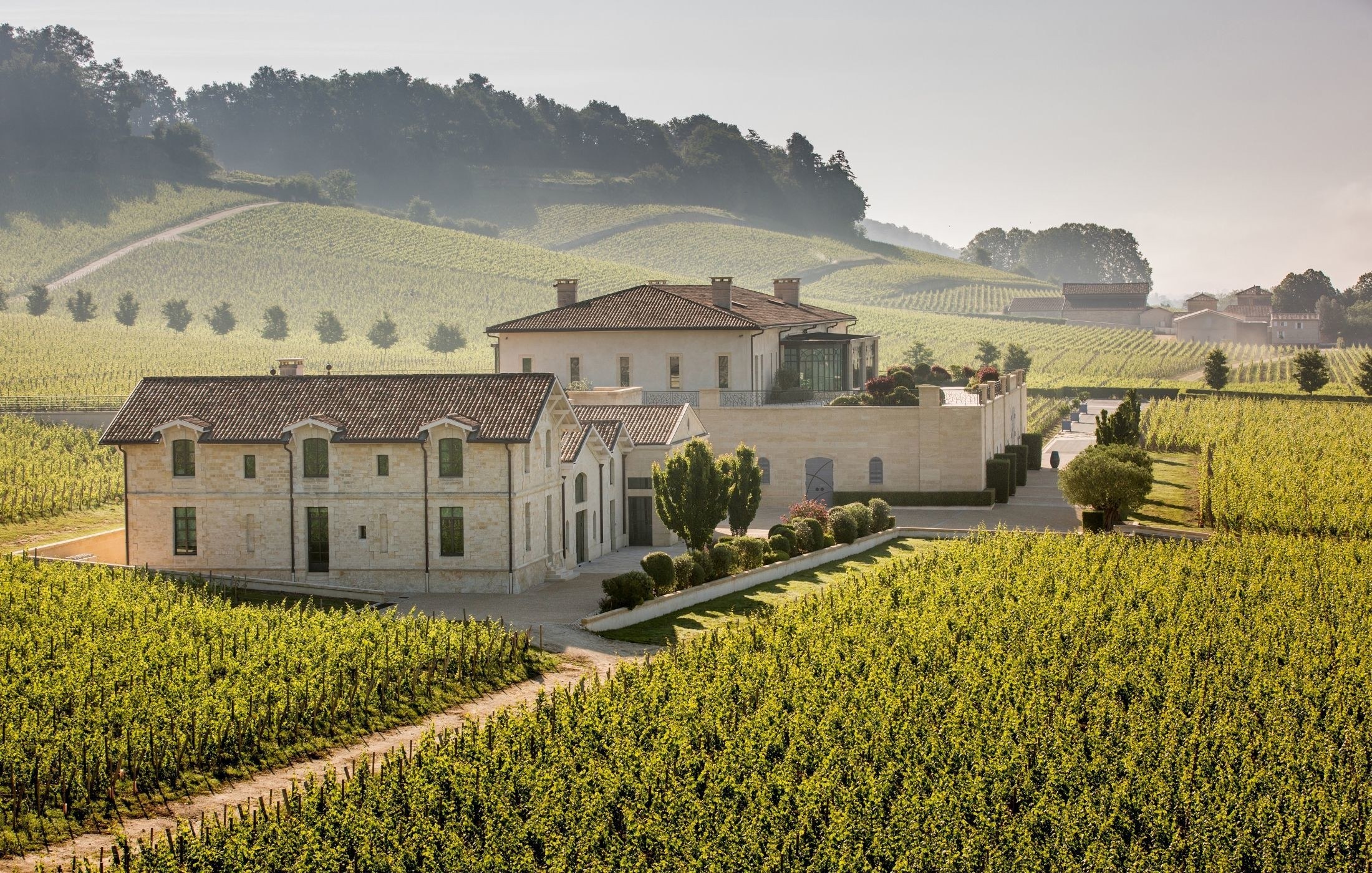
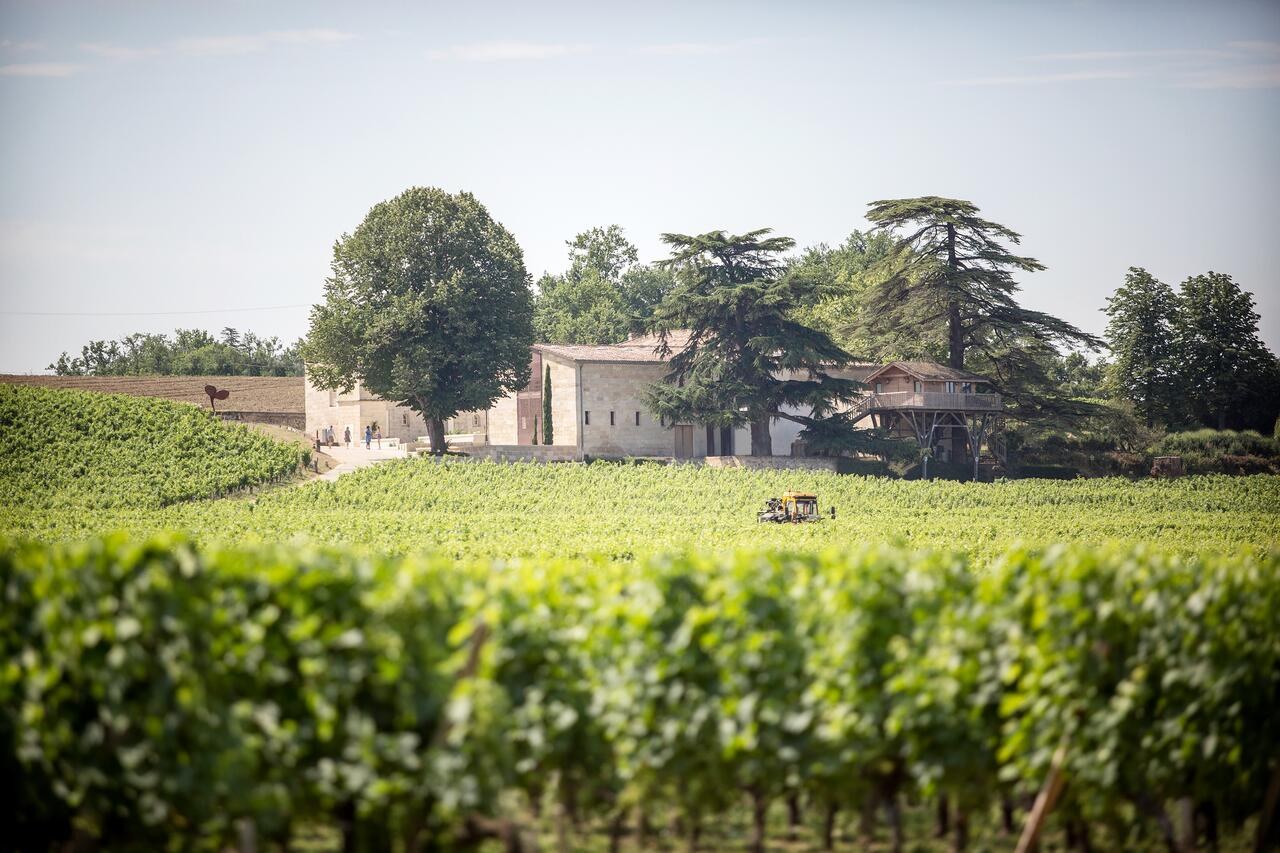
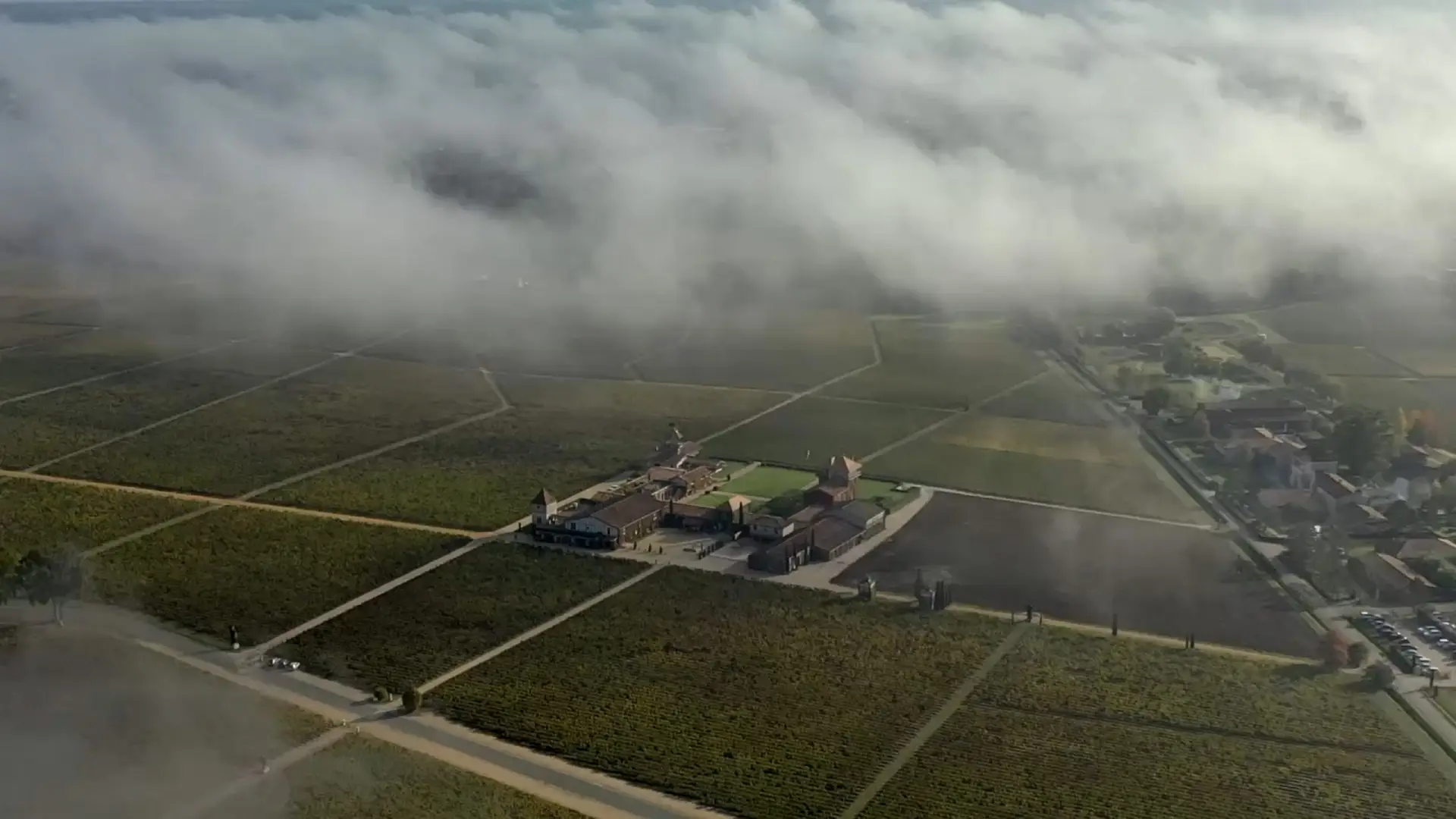
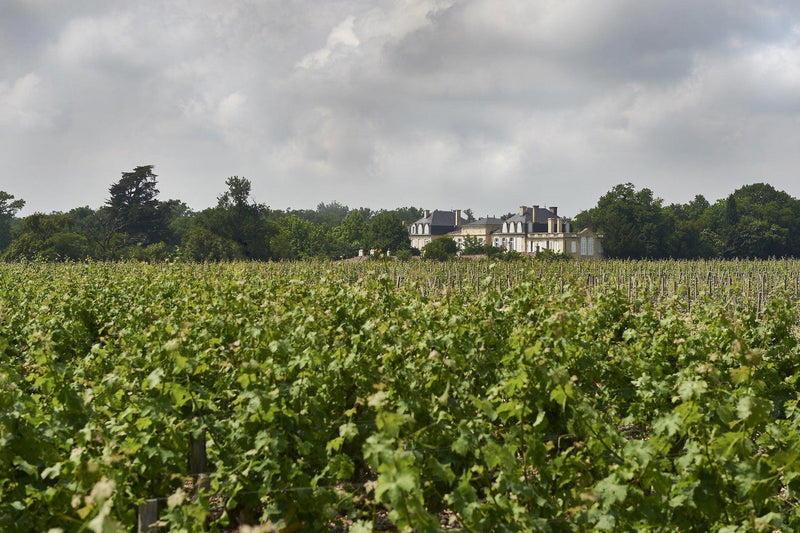
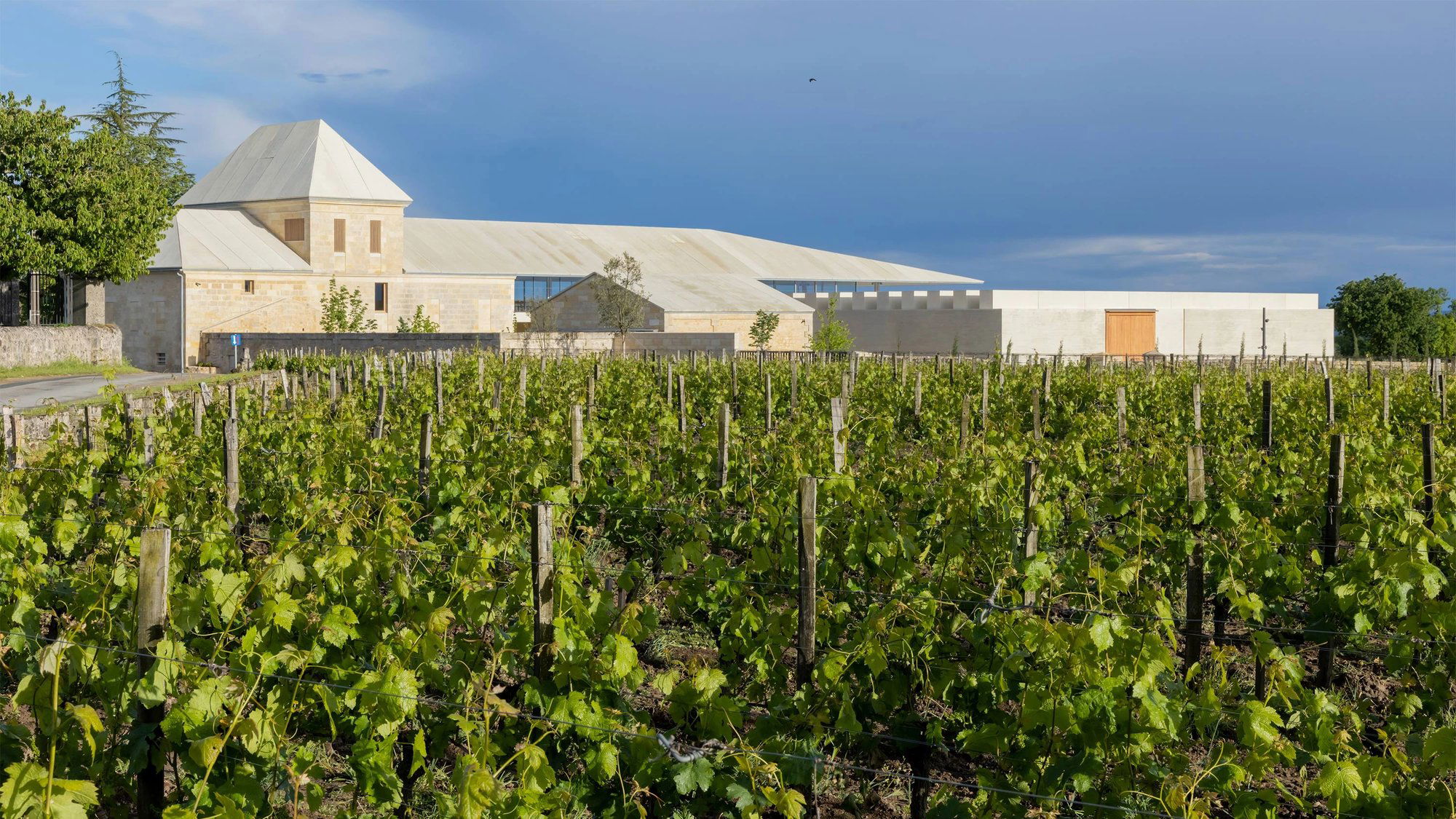
Château Bélair-Monange presents a measured, contemplative presence on Saint-Émilion’s upper plateau. The writing focuses on limestone escarpments, cool subsoils and the tectonic logic of the côte, and that geology gives the place a quietly authoritative character. Rather than flashy ornament, the estate’s story is territorial: vineyards descending toward the valley floor, a continuous limestone shelf and a peer group of scrutinised neighbours. The tone is refined and restrained — a setting for serious wine that favors mineral tension and length over plush excess — making the château feel like a storied, terroir-driven landmark in the right bank landscape.
Best For
This property is best for visitors who prioritize terroir and classification context. The description frames Bélair-Monange as a study in how limestone, elevation and slope shape Merlot-dominant wines, so it suits wine students, collectors and guests seeking a focused, educational tasting or an occasion anchored in place. It also reads as appropriate for special occasions that value provenance and pedigree: the address and plateau pedigree signal a seriousness of position that appeals when the point of a visit is the wine’s architectural profile rather than casual socializing.
Tasting Tips
When engaging with wines from Château Bélair-Monange, orient your tasting toward structure and mineral clarity. The text emphasizes Merlot-dominant expressions that show tension and mineral length on cooler limestone subsoils, so prioritize flights or bottles that showcase those traits and ask about parcel-level differences on the côte. Compare examples from the plateau to neighbours mentioned in the neighbourhood section to understand how the continuous limestone shelf influences profile. Favor vintages and formats that allow the wine’s mineral persistence and ageing potential to reveal themselves rather than seeking immediate plushness.
Venue details
Ambiance
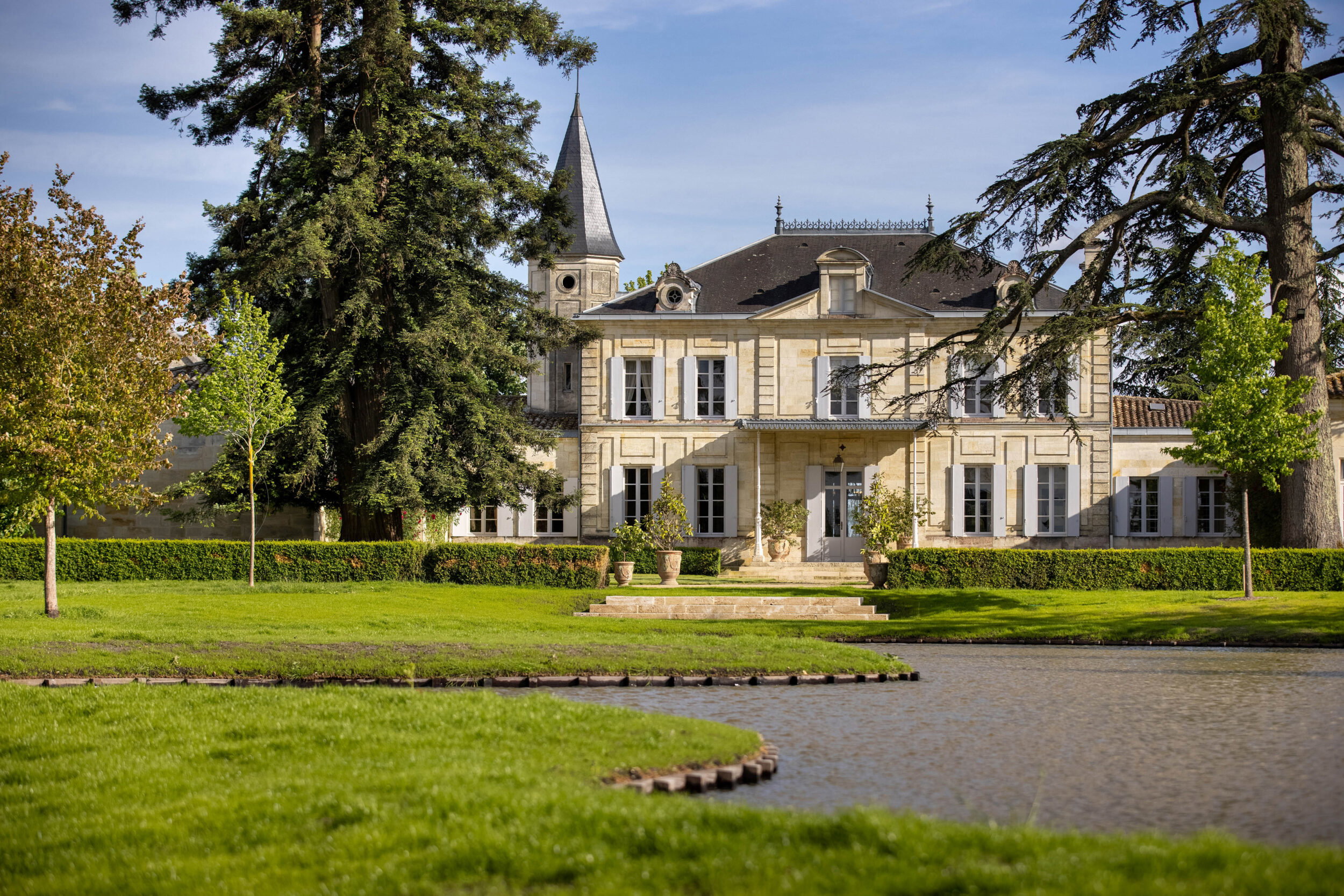
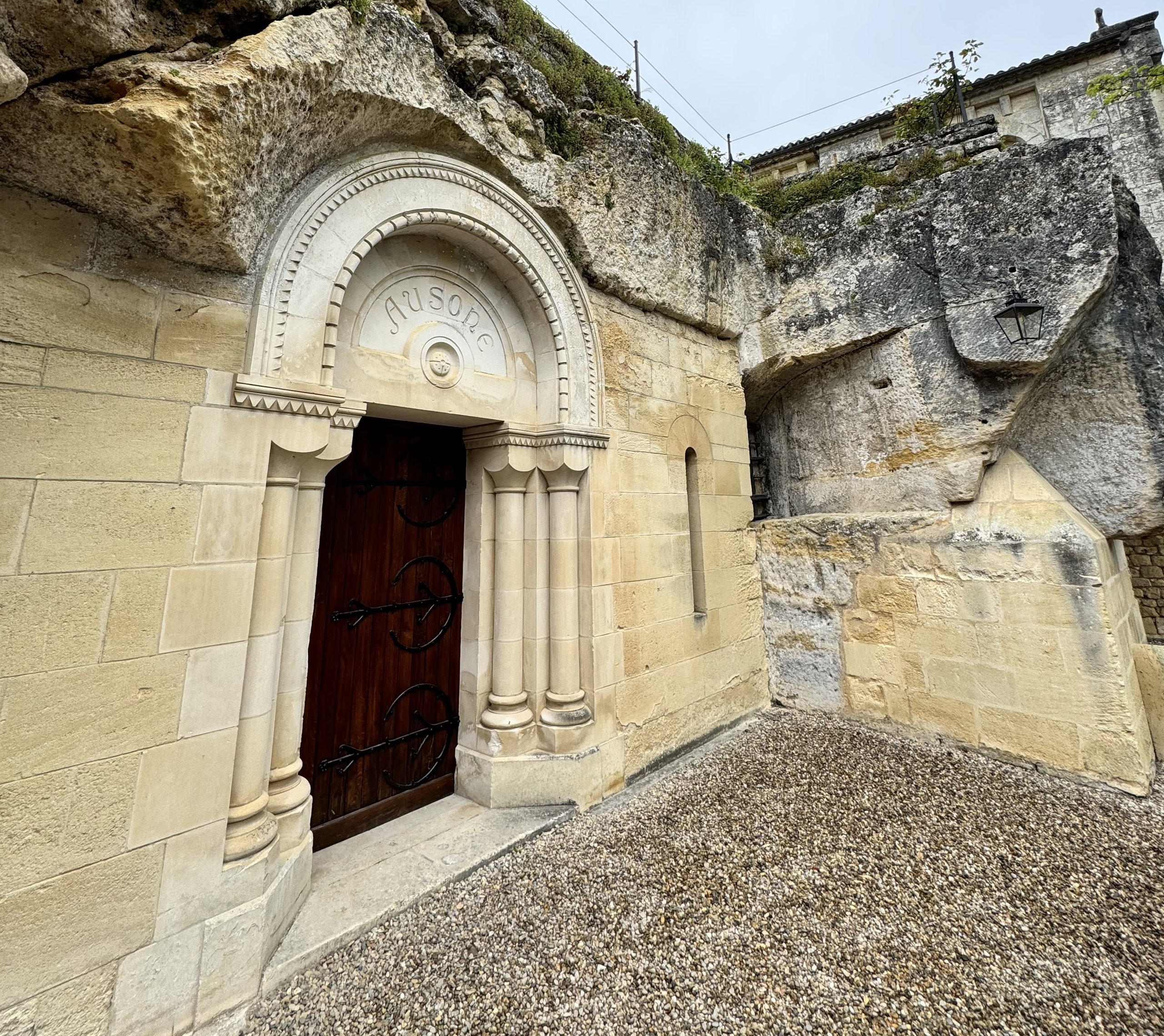
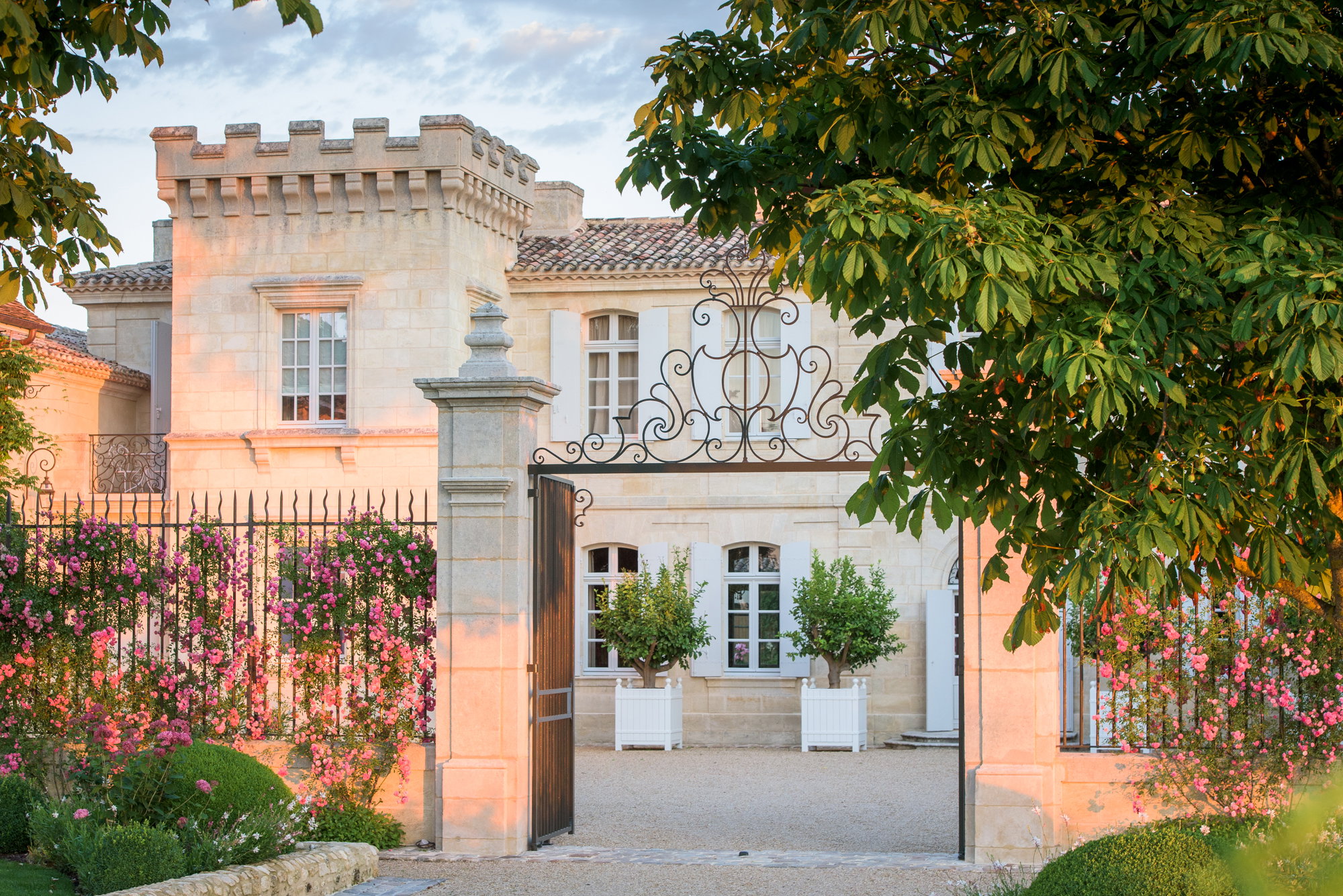
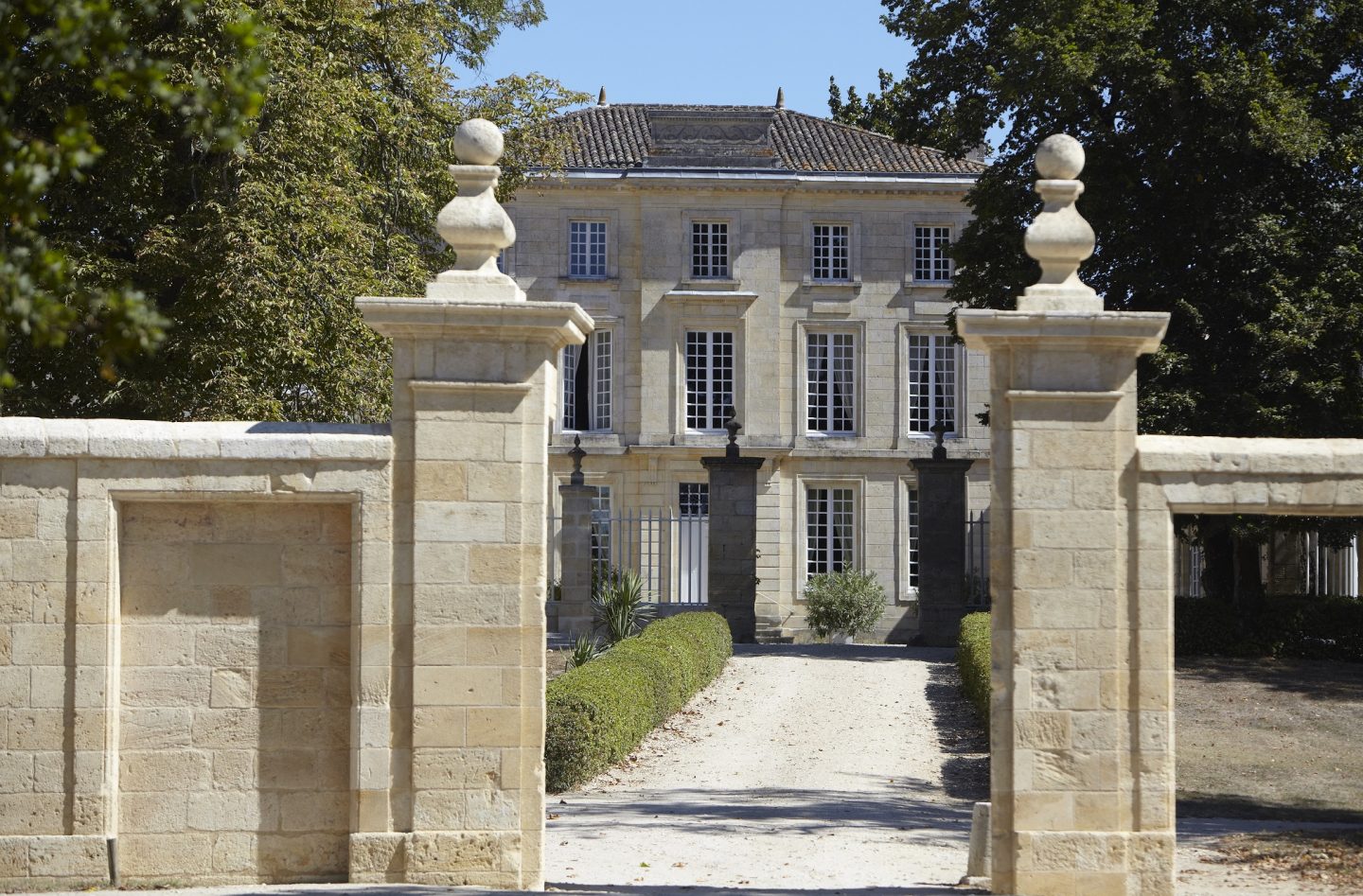
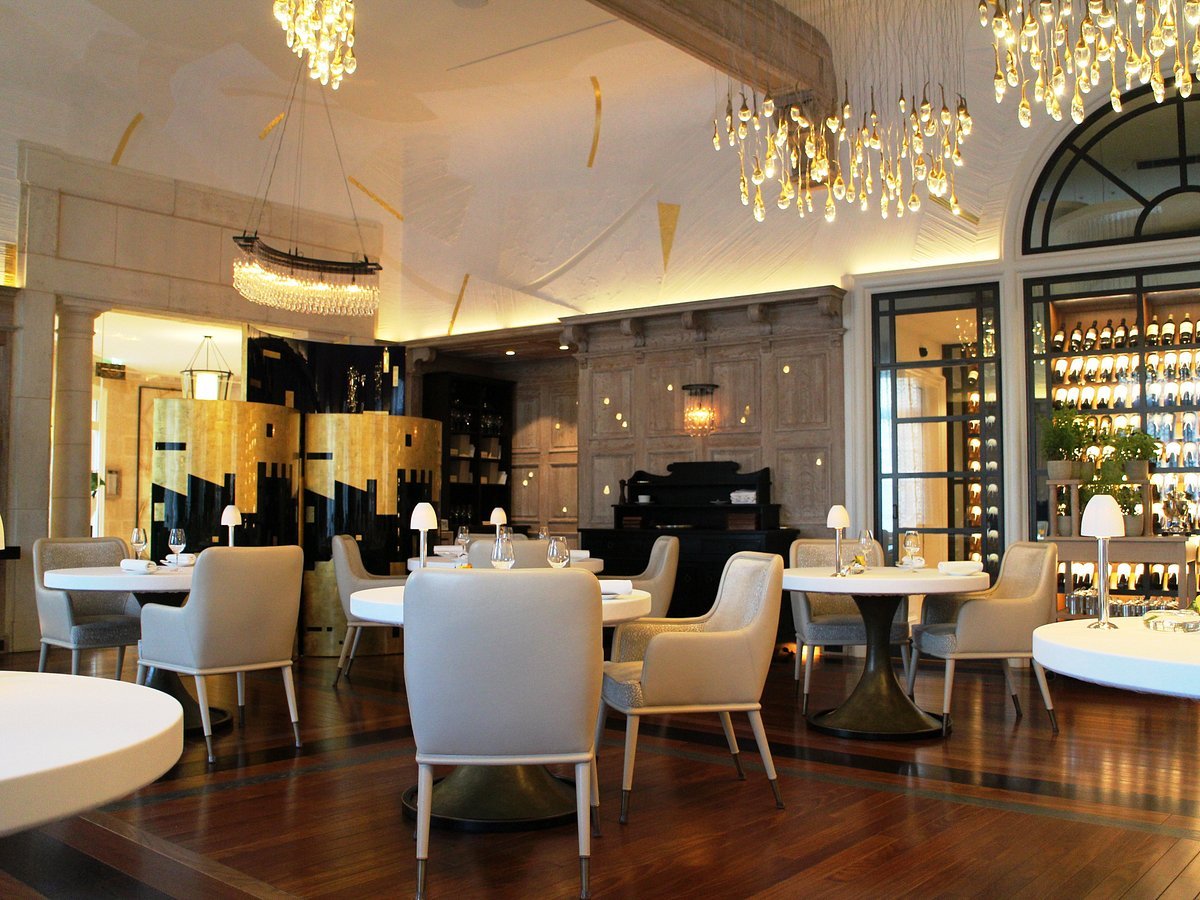
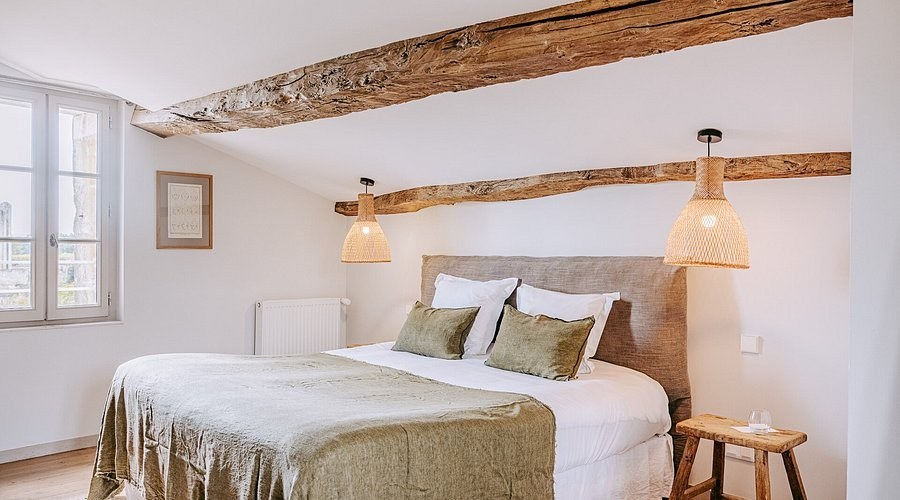
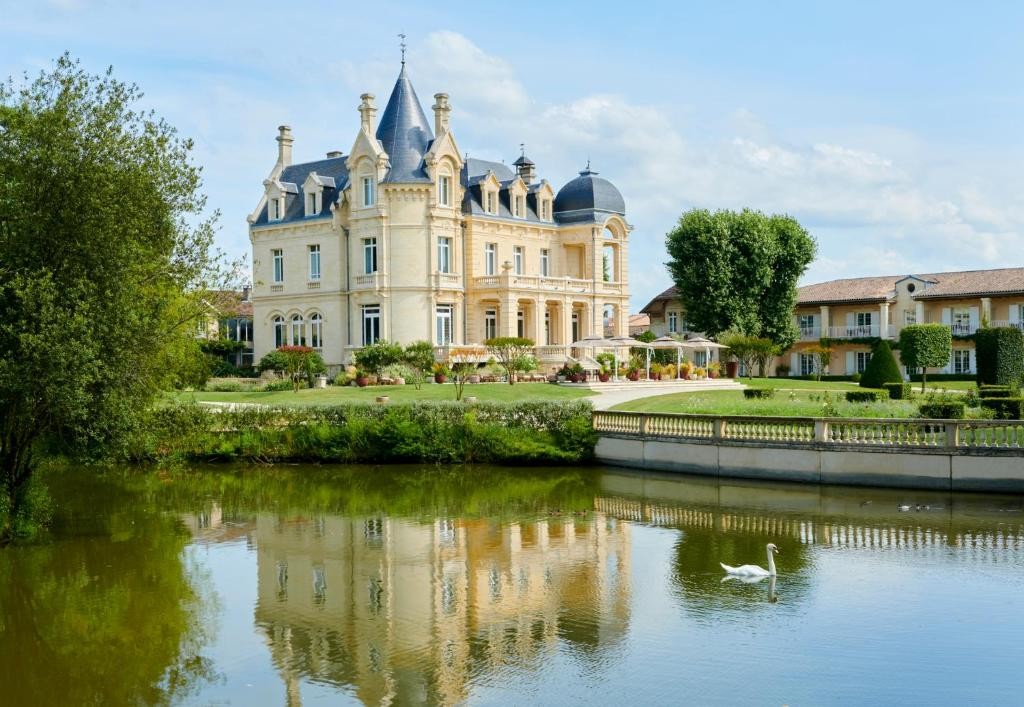
Elegant and historic atmosphere in a renovated 18th-century château with underground limestone cellars providing a cool, timeless setting.
Tags
Vibe
Best For
Experience
View
At the Vineyard
- Appellation
- Saint-Emilion Grand Cru
- Varietals
- Merlot, Cabernet Franc
- Tour Duration
- 60-90 minutes
- Visits
- By appointment only
- Farming
- Sustainable
- Production
- Small producer
- Wine Styles
- Still Red
- Wine Club
- Available
Know before you go
Know Before You Go
- Getting there
- 386 Rte de la Côte de la Jeune, 33330 Saint-Émilion
Planning details
Location
386 Rte de la Côte de la Jeune, 33330 Saint-Émilion · Directions
Recognition and awards

Also consider
Also Consider
- Château Beau-Séjour (héritiers Duffau-Lagarrosse), Notable alternative
- Château Canon, Notable alternative
- Chateau Ausone, Notable alternative
- Château La Gaffelière, Notable alternative
- Château Clos Fourtet, Notable alternative
Winery context
How it compares in Saint-Emilion
Château Bélair-Monange is the prestige-first pick in this set: worth chasing if the purpose is cellar relevance, allocation potential, and a deeper Saint-Emilion trip. Château Canon is the cleaner cross-shop for travelers who want another polished village benchmark, while Chateau Ausone suits visitors who put historic weight ahead of ease.
For value, think in terms of experience fit rather than listed price. Château Beau-Séjour (héritiers Duffau-Lagarrosse) and Château Clos Fourtet are sensible alternates if the main goal is a high-level Saint-Emilion day without relying on one difficult request. Château La Gaffelière is the practical backup for readers who want to keep the itinerary anchored in the same broader appellation mood.
Book this first only if the name itself matters to the trip. If the group includes casual drinkers, or if timing flexibility matters more than estate hierarchy, Canon or Clos Fourtet will usually be the easier recommendation.
Explore Saint-Émilion
Around this place
Discover more on Pearl
Unlock the full Château Bélair-Monange guide in Pearl, including awards, comparisons, FAQs, planning details, and nearby places.
Compare Château Bélair-Monange
| Venue | Location | Awards |
|---|---|---|
| Château Bélair-Monange | Saint-Emilion | 2026 Falstaff Winery Guide2026 Michelin 1 Grape - Bordeaux |
| Château Beau-Séjour (héritiers Duffau-Lagarrosse) | Saint-Emilion | No published awards |
| Château Canon | Saint-Emilion | 2026 Michelin 2 Grapes - Bordeaux2025 Pearl 4 Star Prestige |
| Chateau Ausone | Saint-Emilion | 2026 Michelin 2 Grapes - Bordeaux2025 Pearl 5 Star Prestige |
| Château La Gaffelière | Talence | 2026 Falstaff Winery Guide2025 Pearl 4 Star Prestige |
| Château Clos Fourtet | Saint-Emilion | 2026 Michelin Grape Main Selection - Bordeaux2025 Pearl 3 Star Prestige |



How Château Bélair-Monange Saint-Emilion compares with similar nearby venues.
FAQ
Frequently Asked Questions
Do I need a reservation at Château Bélair-Monange?
Reservation requirements are not available. Plan ahead by checking directly with Château Bélair-Monange, especially if you want the visit to fit a Saint-Emilion route without wasting time. The Pearl 3 Star Prestige recognition for 2025 makes it a venue worth researching before arrival.
When is the best time to visit Château Bélair-Monange?
Specific visiting times are not available. Choose a time that fits your Saint-Emilion itinerary, and confirm current arrangements directly with the venue before finalizing plans. If you are balancing the area against Château Canon or Château Clos Fourtet, compare practical details before deciding.