

Château Lagrange
Saint-Julien-Beychevelle
Winery in Saint-Julien-Beychevelle, France
 Book with Pearl
The Read
Classified Médoc Precision
Why go
Château Lagrange is worth prioritizing if the plan is a serious Saint-Julien winery visit rather than a loose tasting crawl. Booking should be treated as difficult, so first-timers are better off anchoring the day here and cross-shopping Château Talbot or Château Gloria only if timing does not work.
About Château Lagrange
Château Lagrange is a Pearl 3 Star Prestige (2025) venue in Saint-Julien-Beychevelle. For planning, use it as a concise identification guide: it establishes the venue’s basic identity, location reference, and current Pearl recognition, while finer points of a visit should be checked directly with the château. That approach keeps expectations practical from the start.
The dress code is smart casual. That gives visitors a clear general cue without turning the guidance into a more specific attire requirement. Specific details such as visit format, opening times, reservations, prices, group capacity, services, food service, and beverage offerings should be checked directly with Château Lagrange before making plans. This is especially important for anyone building a day around fixed timings, coordinating multiple stops, arranging a group, or hoping to understand what is or is not offered on site. The most accurate approach is to avoid filling the gaps with assumptions.
Use it as a Saint-Julien-Beychevelle reference point
For travelers comparing notable names, Château Lagrange can be considered alongside Château Gloria, Château Gruaud-Larose, Château Saint-Pierre, and Château Talbot. In that context, it functions as one of the named reference points a visitor may place on a shortlist when mapping options and deciding which venues merit direct follow-up. The comparison should remain careful and factual: the names may sit within the same planning frame, but the visitor experience, access conditions, and practical arrangements should not be presumed to match from one château to another. Château La Tour-Carnet is another relevant comparison for broader planning, but details should be confirmed individually for each venue.
Avoid assuming a specific tasting format, appointment policy, group arrangement, or visitor service. A venue may be meaningful to a Saint-Julien-Beychevelle itinerary even when the exact terms of a particular visit still need direct follow-up. Use Château Lagrange's location in Saint-Julien-Beychevelle and its Pearl 3 Star Prestige (2025) recognition as the grounded basis for planning, then confirm all operational details before visiting. That sequence keeps the planning clean: first identify why the venue belongs on the radar, then check the practical terms that would make an actual stop possible.
Use Saint-Julien-Beychevelle as the planning anchor
Keep the itinerary centered on Saint-Julien-Beychevelle and compare Château Lagrange with other named château options only after checking individual details. This helps prevent assumptions about service style, visitor access, or commercial arrangements. Treat the commune as the geographical anchor, the Pearl 3 Star Prestige (2025) note as the recognition anchor, and the smart casual dress code as the key visitor-preparation detail. For anything practical, timing, access, reservations, purchases, or group needs, contact the venue directly rather than relying on assumptions. A direct confirmation is the best way to turn this concise venue profile into a reliable plan, particularly when schedules, expectations, or travel logistics depend on those details.
Planning details
- Location
- Château Lagrange, 33250 Saint-Julien-Beychevelle
- Website
- chateau-lagrange.com
- Phone
- +33 5 56 73 38 38
The take
The Take
The Vibe
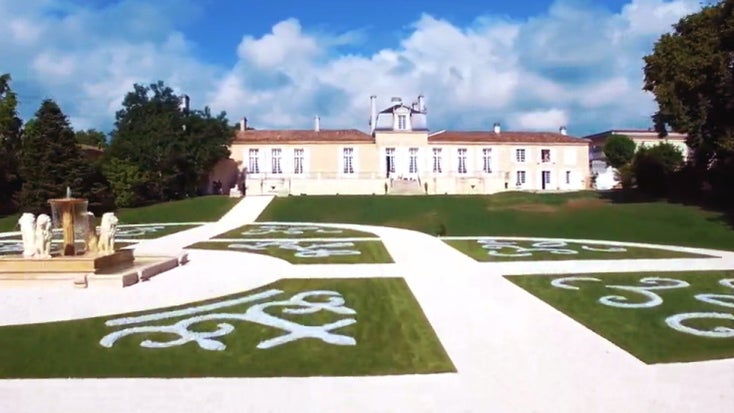
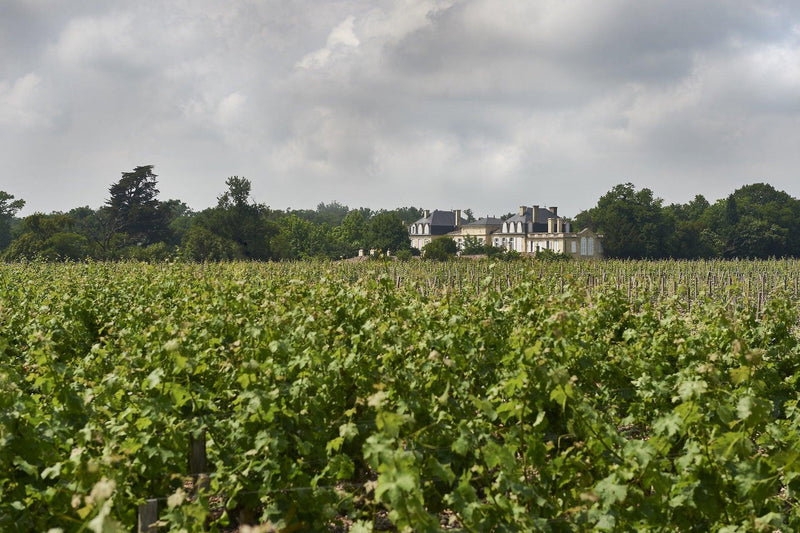
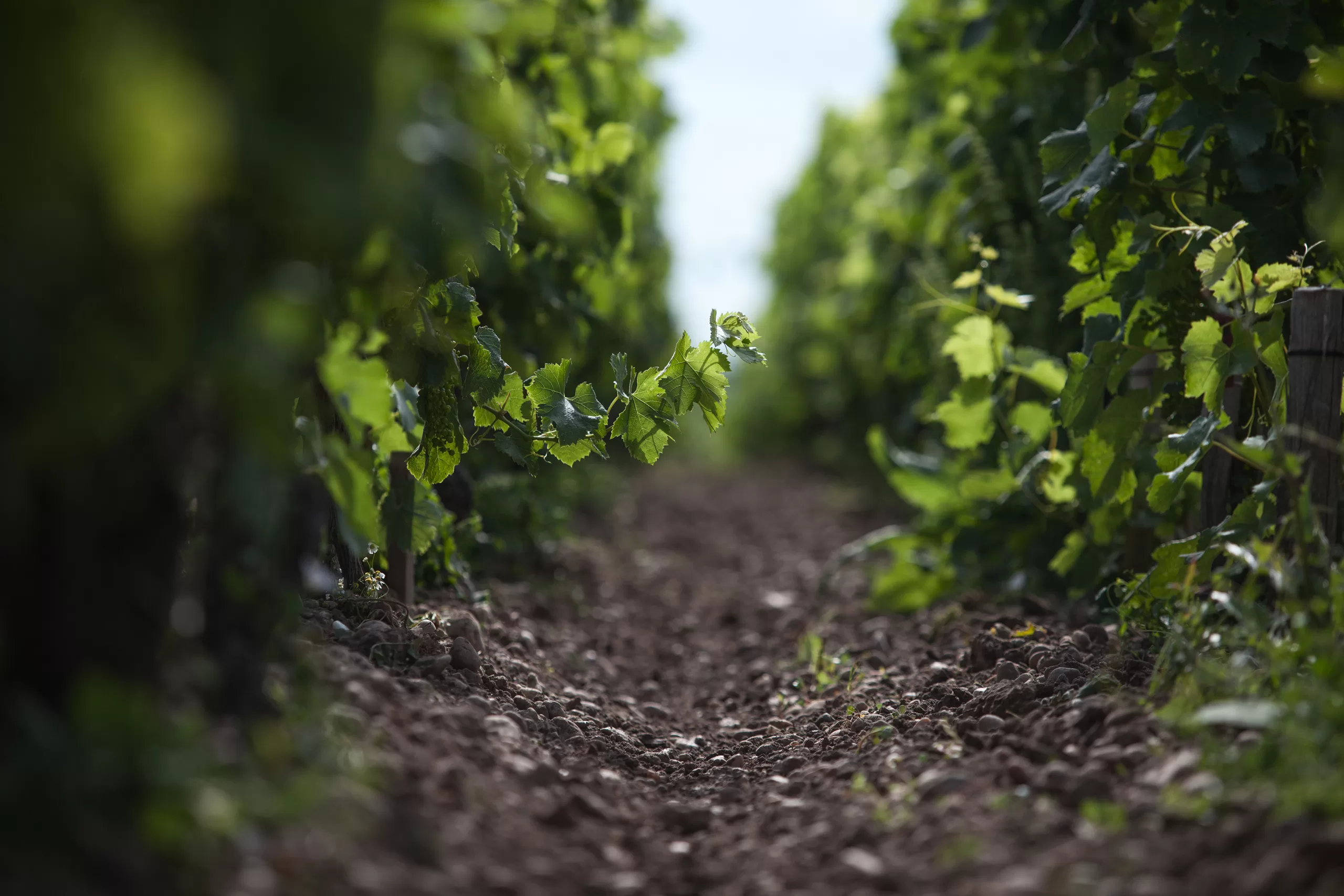
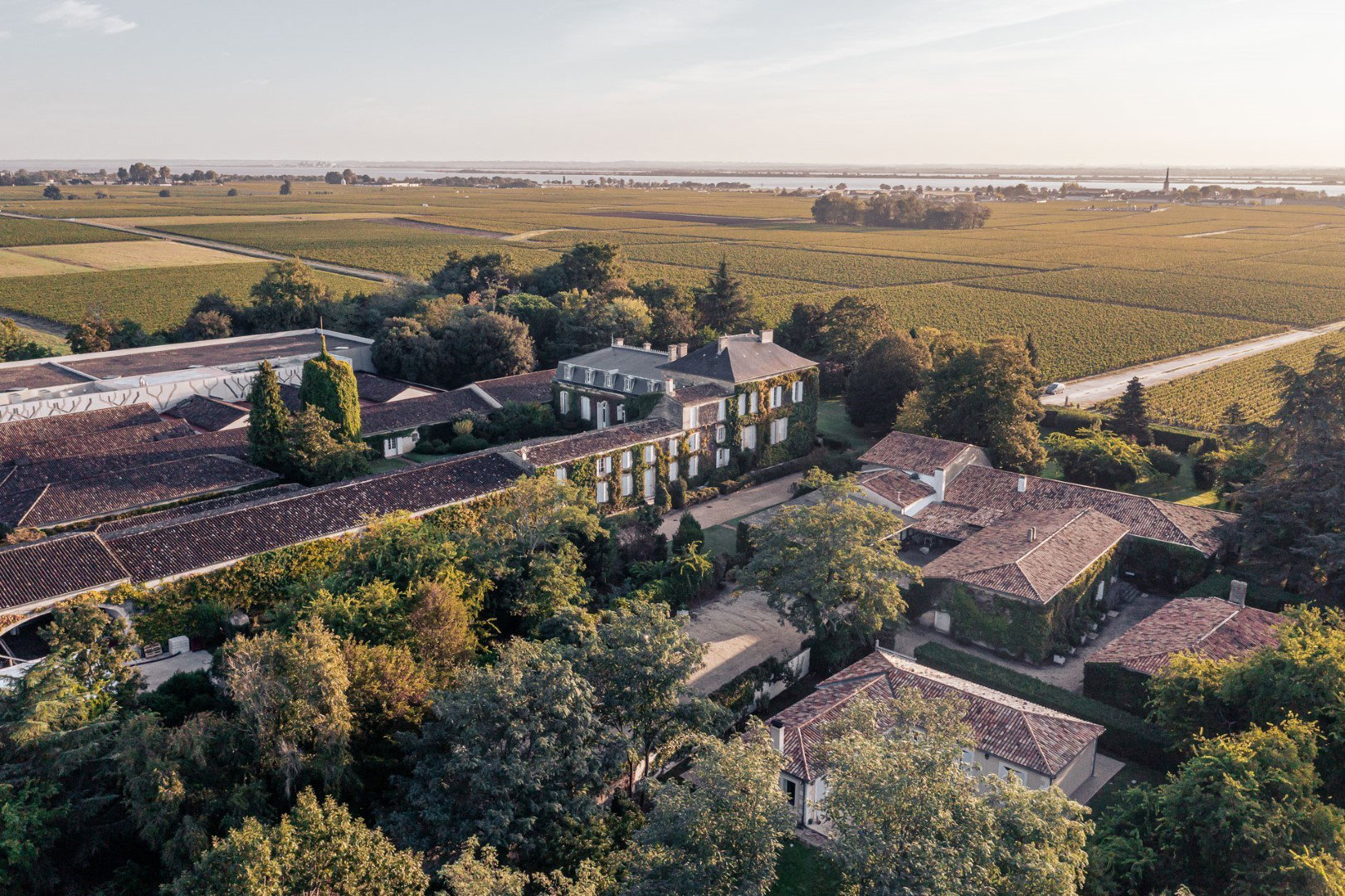
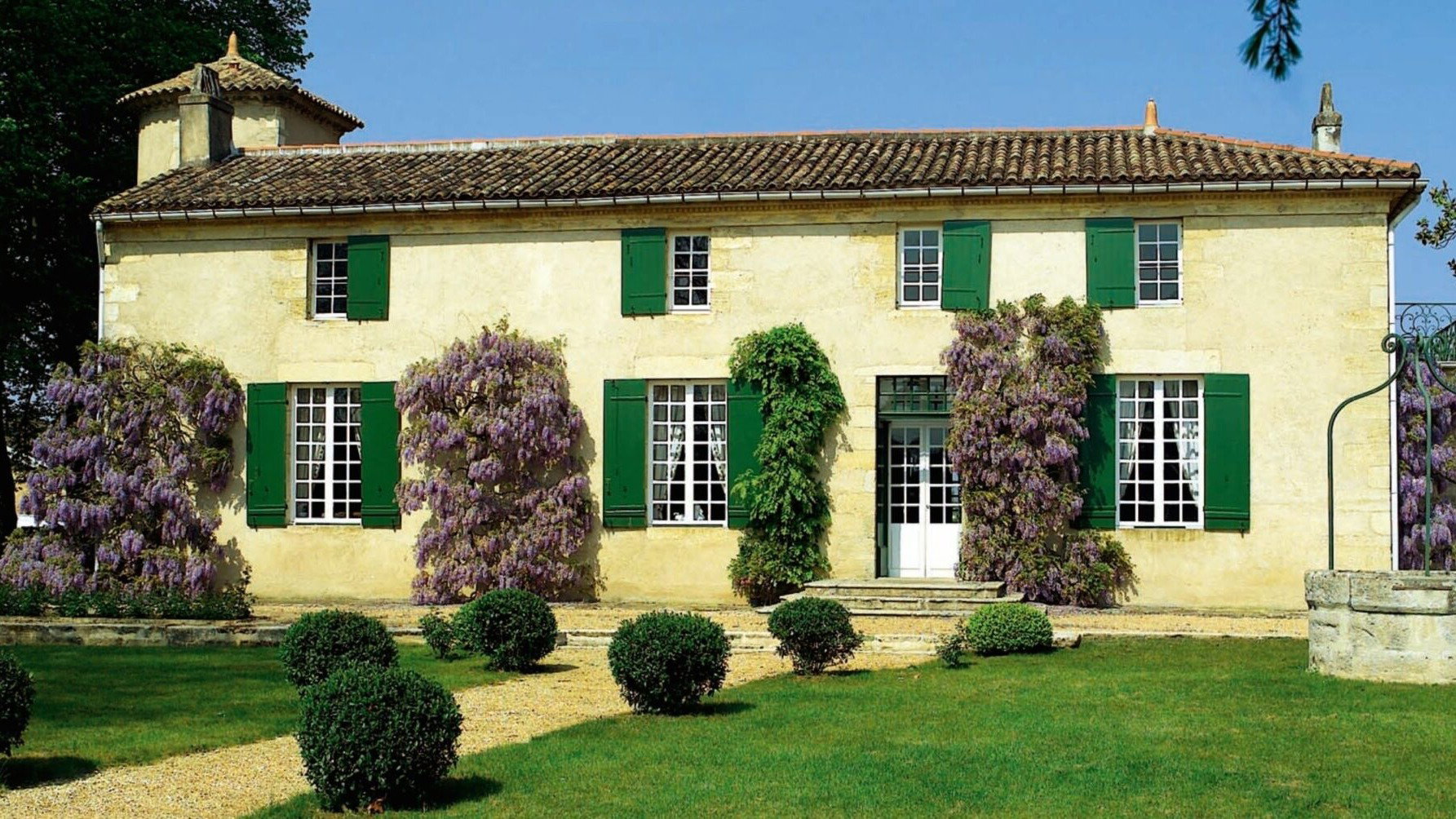
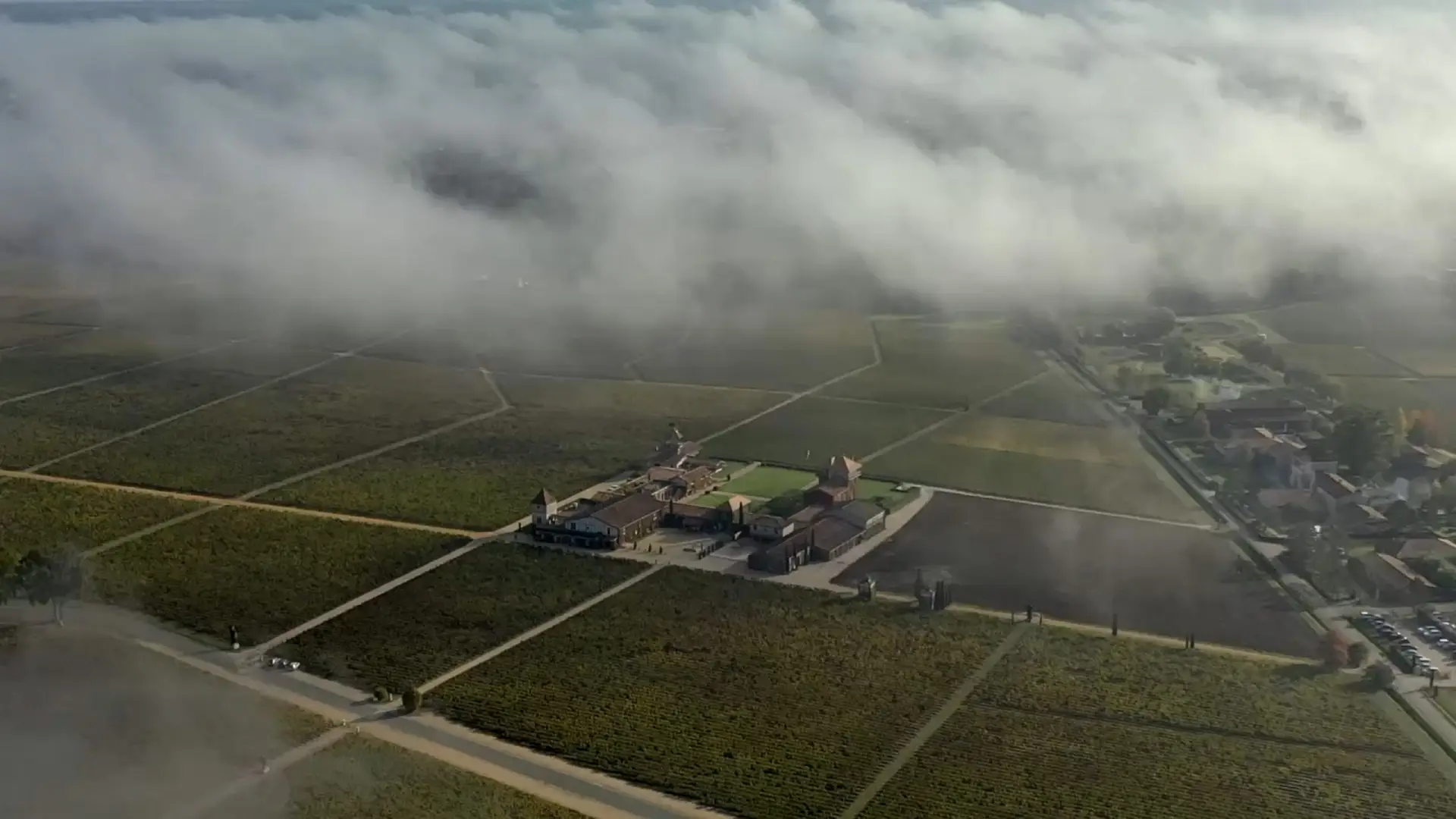
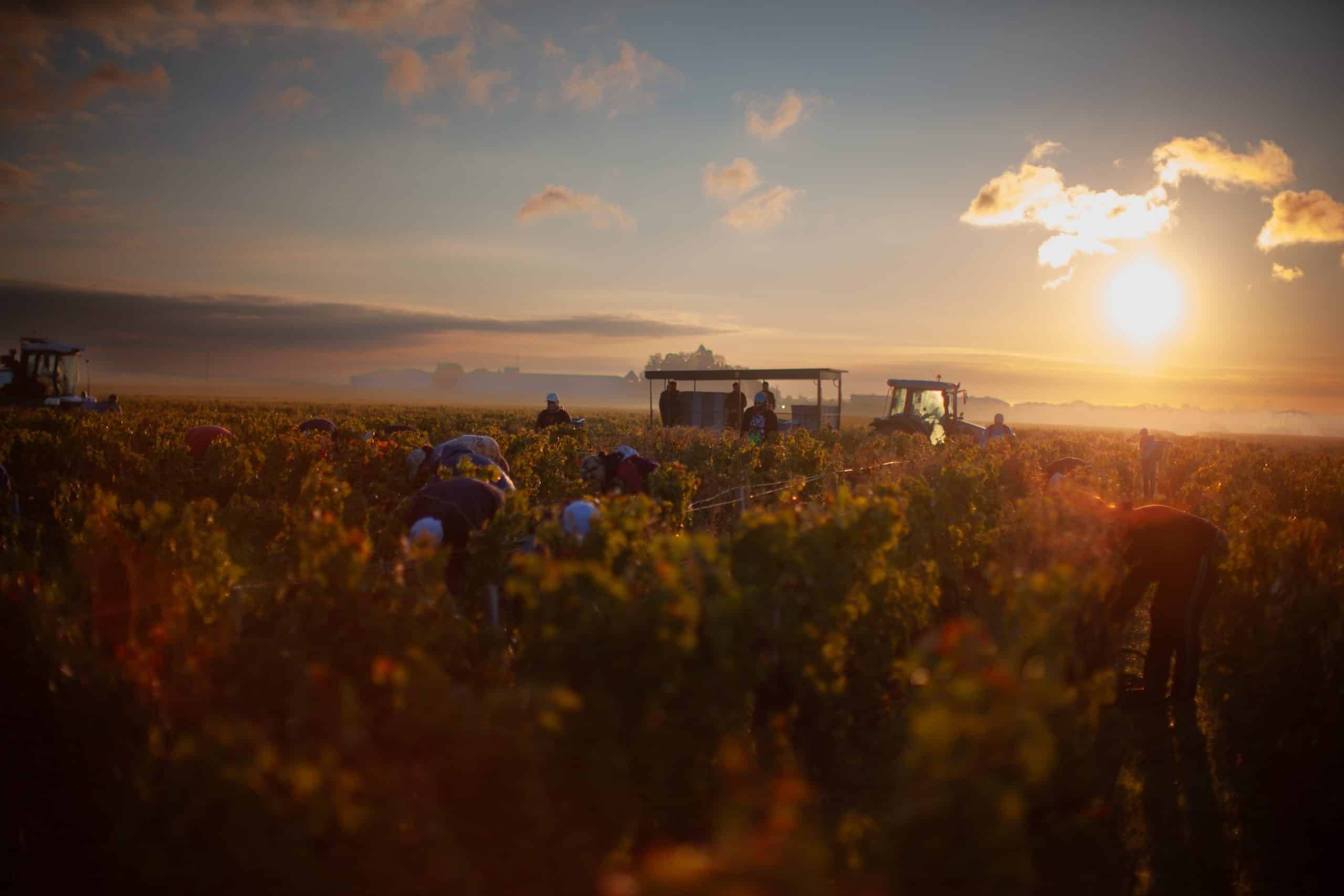
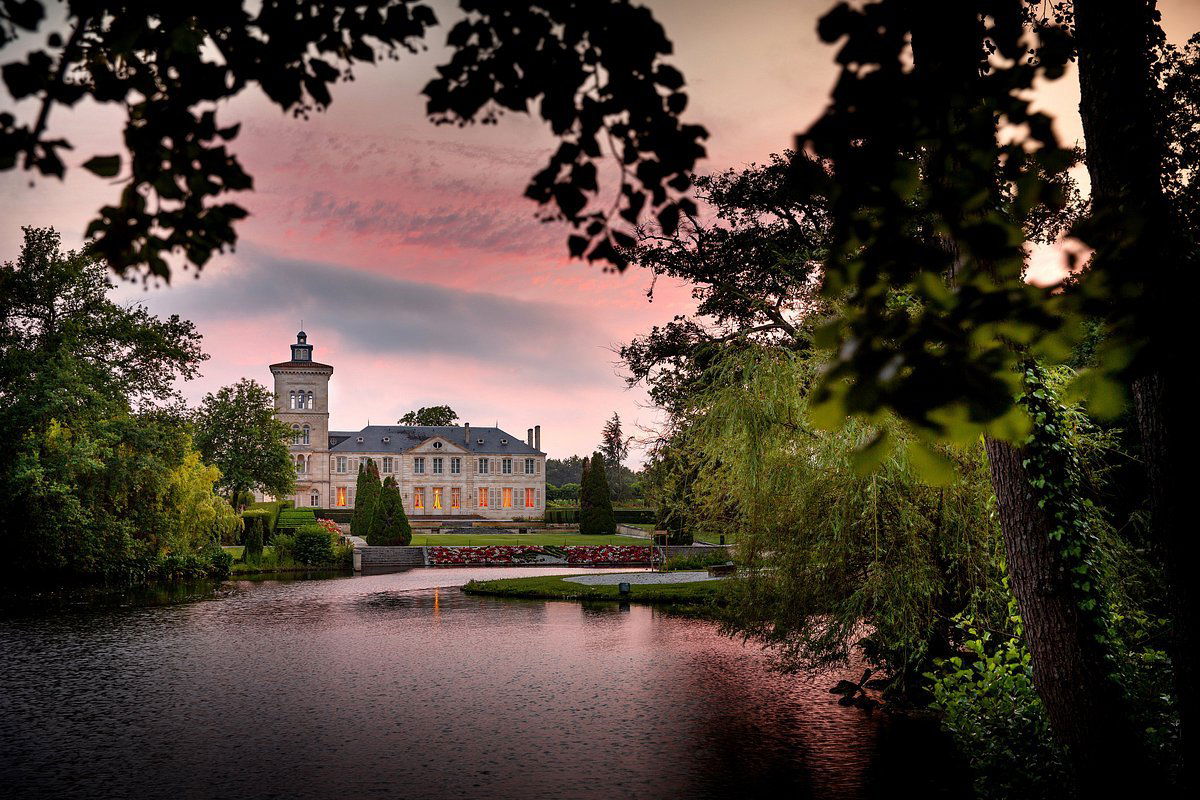
Château Lagrange reads like a study in Bordeaux place and pedigree. The writing emphasizes the estate’s architectural weight—stone chai buildings, gravel drives—and the regimented geometry of long vine rows, situating the property squarely within Saint-Julien’s measured, Cabernet-led character. Its status as a classified third-growth and a 'long documented history' gives visits a sense of gravitas: tastings unfold in reception rooms and barrel halls rather than casual tasting bars. The overall impression is historic and refined, a working grand estate where the landscape and lineage shape the mood more than flash or whimsy.
Best For
This is a visit for focused wine study and considered occasion. The description underscores appointment-based tastings and the estate’s role within Saint-Julien’s lineup of classified growths, making Lagrange especially well suited for wine education and special-occasion visits when context and provenance matter. Guests who appreciate structured tastings, the chance to connect labels with place, and a quieter, architecture-forward estate experience will find it rewarding. It’s less about bar-side socializing and more about encountering concentrated, terroir-driven wines in an intentional, appointment-led setting.
Tasting Tips
Book well in advance and expect a scheduled, seat-limited visit rather than drop-in service: the text highlights that tastings at Saint-Julien’s classified estates are 'appointment-based' and take place in reception rooms that open onto barrel halls or the grounds. When arranging a visit, request the format you prefer—time in the reception rooms, access to barrel halls, or a walk of the estate grounds—so the host can plan accordingly. Come prepared to discuss communal style and vintage context; Lagrange is presented as a structured estate visit focused on education and provenance.
Venue details
Ambiance
,null
Tags
Vibe
Best For
Experience
View
At the Vineyard
- Appellation
- Saint-Julien AOC
- Varietals
- Cabernet Sauvignon, Merlot, Petit Verdot, Sauvignon Blanc, Semillon
- Tour Duration
- ,null
- Visits
- By appointment only
- Wine Styles
- Still Red, Still White
- Wine Club
- Not available
Know before you go
Know Before You Go
- Getting there
- Château Lagrange, 33250 Saint-Julien-Beychevelle
Planning details
Location
Recognition and awards

Also consider
If you cannot get in
Try Château Talbot first if the goal is to stay with a major Saint-Julien name. Try Château Gloria if the main need is a nearby fallback that keeps the day from turning into a long transfer exercise.
Winery context
How it compares in and around Saint-Julien
Choose Château Lagrange if the priority is a serious Saint-Julien château visit with a prestige signal and a more appointment-led feel. Château Talbot is the natural in-commune comparison for visitors who want another established Saint-Julien name, while Château Gloria is the cleaner backup if the aim is to stay local and keep the day efficient.
Château La Tour-Carnet and Château Gruaud-Larose make more sense for travelers building a wider Médoc route rather than a tight Saint-Julien schedule. Château Saint-Pierre is another serious comparison, but Lagrange is the better first choice when the decision is one focused stop and the booking can be secured early.
For value, the question is not only tasting cost; it is how much of the day the appointment controls. If timing is fixed, cross-shop Talbot and Gloria first. If the visit can be planned around the château, Lagrange is the more compelling anchor.
Explore Saint-Julien-Beychevelle
Around this place
Discover more on Pearl
Unlock the full Château Lagrange guide in Pearl, including awards, comparisons, FAQs, planning details, and nearby places.
Compare Château Lagrange
| Venue | Location | Awards |
|---|---|---|
| Château Lagrange | Saint-Julien-Beychevelle | 2026 Michelin 1 Grape - Bordeaux2026 Falstaff Winery Guide |
| Château La Tour-Carnet | Saint-Laurent-de-Médoc | 2026 Falstaff Winery Guide |
| Château Talbot | Saint-Julien-Beychevelle | 2026 Michelin Grape Main Selection - Bordeaux2026 Falstaff Winery Guide2025 Pearl 4 Star Prestige |
| Château Gruaud-Larose | St-Julien | 2026 Michelin Grape Main Selection - Bordeaux2026 Falstaff Winery Guide2025 Pearl 3 Star Prestige |
| Château Saint-Pierre | St-Julien | 2026 Michelin Grape Main Selection - Bordeaux2025 Pearl 3 Star Prestige |
| Château Gloria | Saint-Julien-Beychevelle | 2026 Falstaff Winery Guide |


How Château Lagrange Saint-Julien-Beychevelle compares with similar nearby venues.
FAQ
Frequently Asked Questions
When is the best time to visit Château Lagrange?
For specific visit timing and seasonal guidance, contact Château Lagrange directly before planning around a particular date in Saint-Julien-Beychevelle.
What services are available at Château Lagrange?
What recognition does Château Lagrange have?
Château Lagrange holds Pearl 3 Star Prestige (2025) recognition. Other practical details should be confirmed directly with the venue.
Do I need a reservation at Château Lagrange?
Can Château Lagrange handle large groups?
If you are planning for a group, contact Château Lagrange directly to confirm whether the venue can accommodate your needs.