


Domaine de Chevalier
Léognan
Winery in Léognan, France
 Book with Pearl
The Read
Forest-Edge Classified Blanc
Why go
Book Domaine de Chevalier if the goal is a serious Léognan winery visit built around wine context rather than hospitality add-ons. It is better suited to focused enthusiasts than groups looking for a restaurant-driven château day, and it cross-shops most naturally with Château Haut-Bailly and Château Smith Haut Lafitte.
About Domaine de Chevalier
Domaine de Chevalier is a Léognan venue with weekday opening hours and a smart-casual dress code. It is open Monday to Friday from 9 AM–12 PM and 2–5 PM, and closed Saturday and Sunday. Plan around those weekday windows rather than treating it as a weekend option.
The chef/owner names are Rémi Edange and Thomas Stonestreet, and the venue is recognized with Pearl 4 Star Prestige (2025). For a broader destination-style comparison, Château Smith Haut Lafitte is another nearby name to consider; otherwise, Domaine de Chevalier remains a Léognan option to plan around carefully.
A Léognan stop for travelers who care about planning details
The case for considering Domaine de Chevalier is strongest if the practical details fit your itinerary. Rémi Edange and Thomas Stonestreet are the chef/owner names associated with the venue, which gives visitors a concrete reference point when checking current information before going.
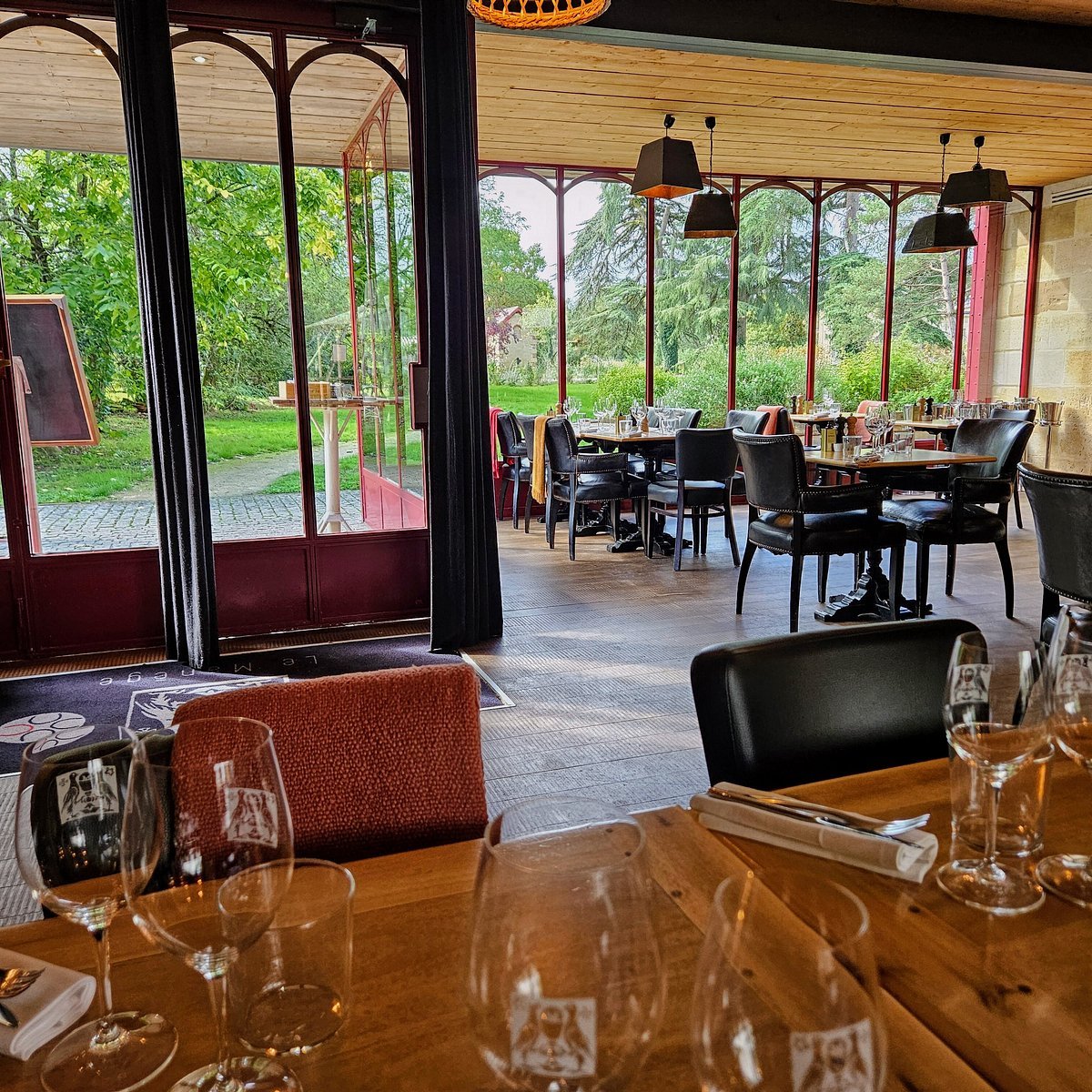
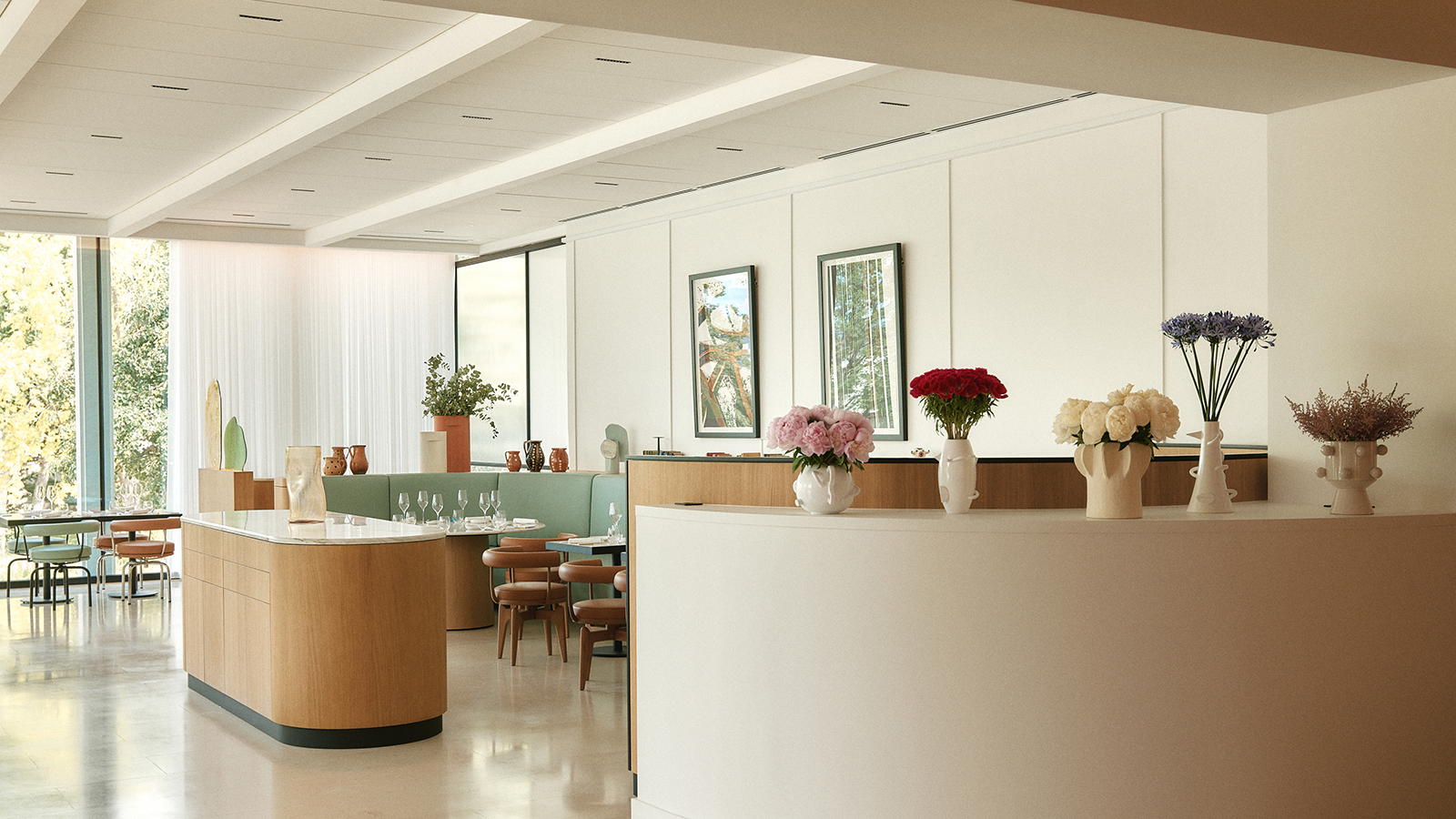
Do not build the day around assumptions about food service, menu format, pricing, or special services. No specific restaurant or cuisine format is confirmed, so use Our full Léognan restaurants guide if a meal needs to be planned before or after. For overnight planning, pair the visit with Our full Léognan hotels guide, then check current local options if the group wants more around the appointment.
Choose this when the basics fit your plans
Compared with Château Haut-Bailly, Château Pape Clement, Domaine Clarence Dillon, and Château La Mission Haut-Brion, Domaine de Chevalier should be judged on the basics: Léognan location, weekday daytime hours, smart-casual dress code, the named chef/owner details, and Pearl 4 Star Prestige (2025). Choose it when those details match the kind of stop you want, and confirm any specific visit arrangements directly before going.
The practical recommendation is to make it a planned weekday stop in Léognan, not a spontaneous weekend visit. Travelers building a broader itinerary can compare planning needs generically with other destinations, while keeping Domaine de Chevalier's hours and Léognan location as the key facts.
Planning details
- Location
- 102 Chemin Mignoy, 33850 Léognan, France
- Website
- domainedechevalier.com
- Phone
- +33556641616
The take
The Take
The Vibe
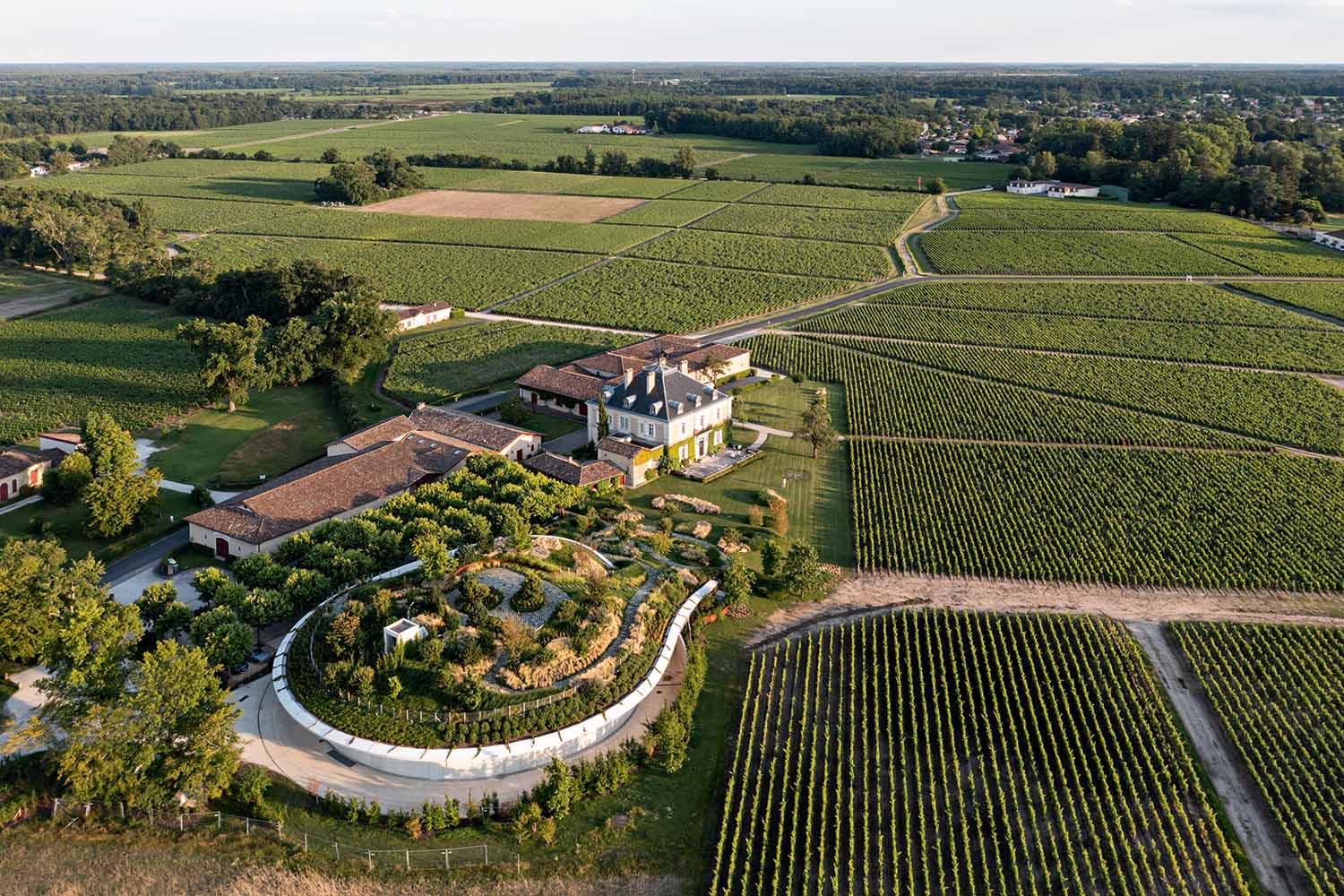
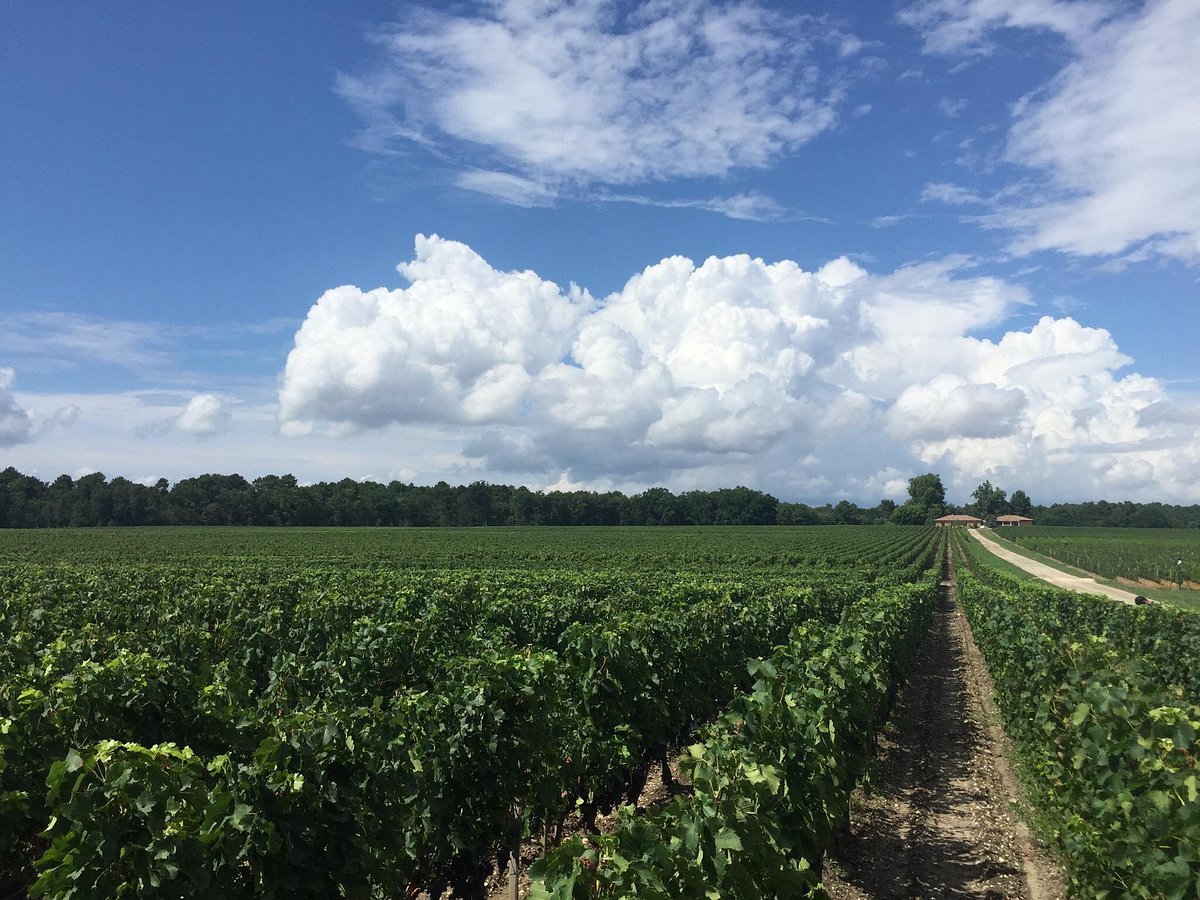
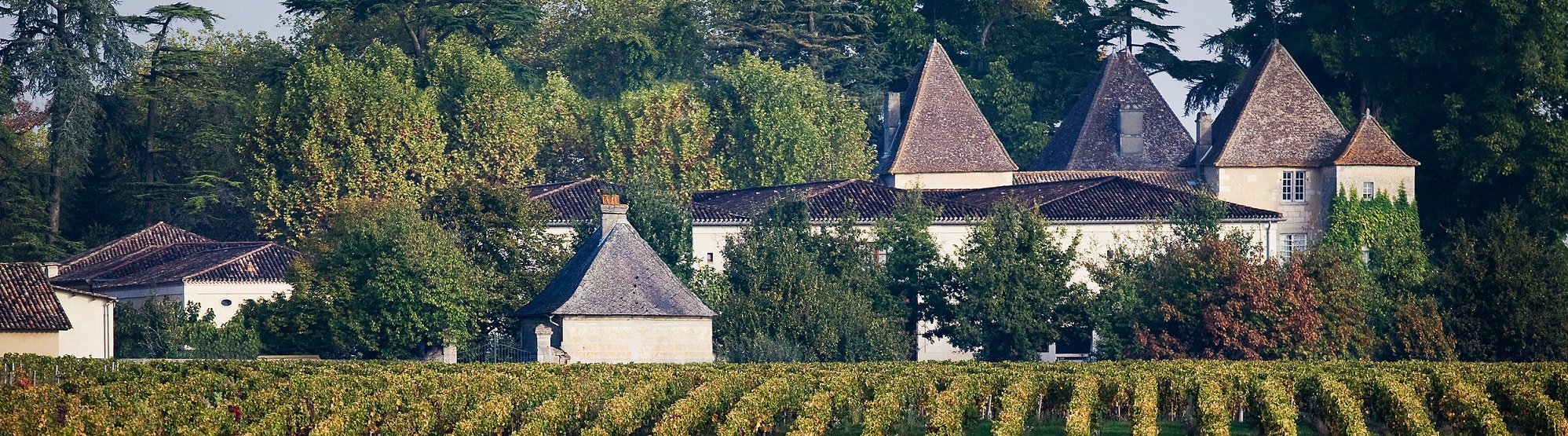
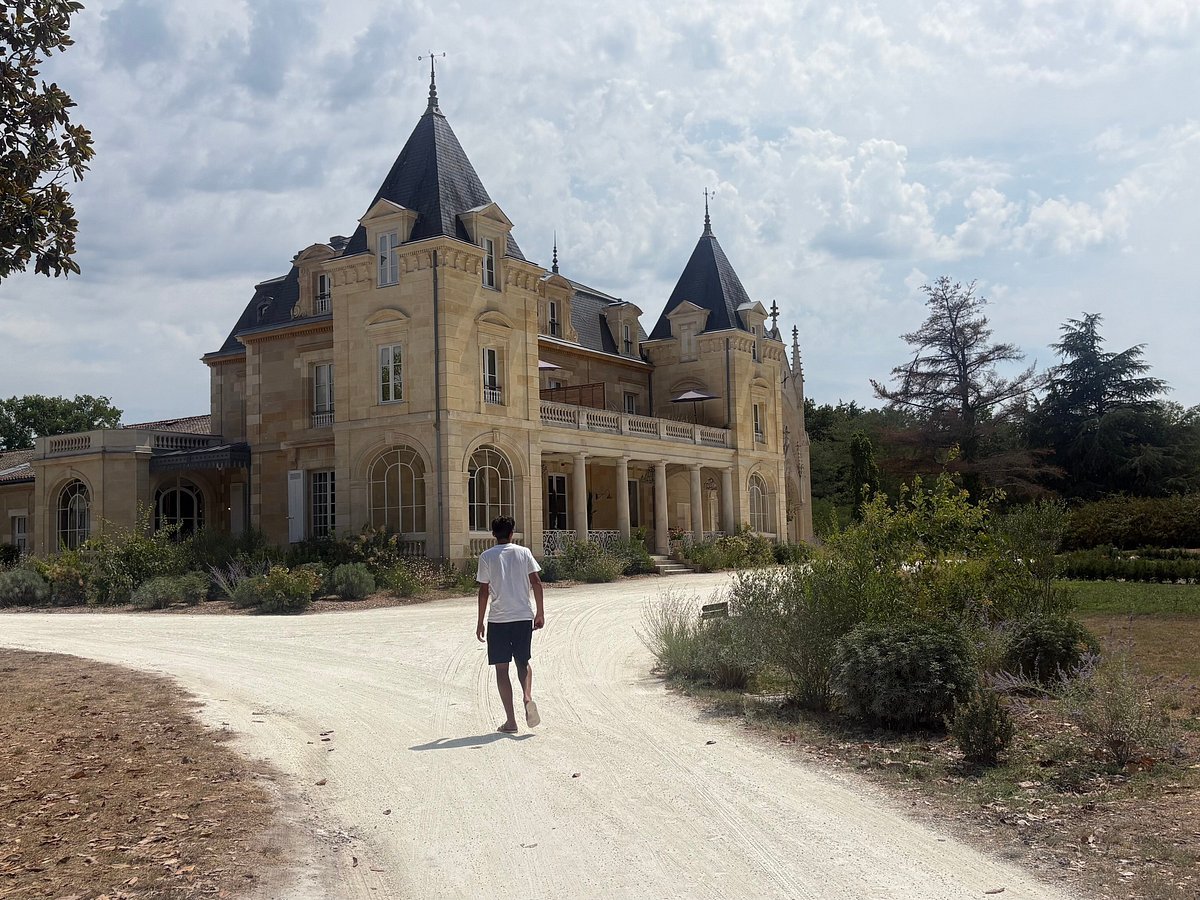
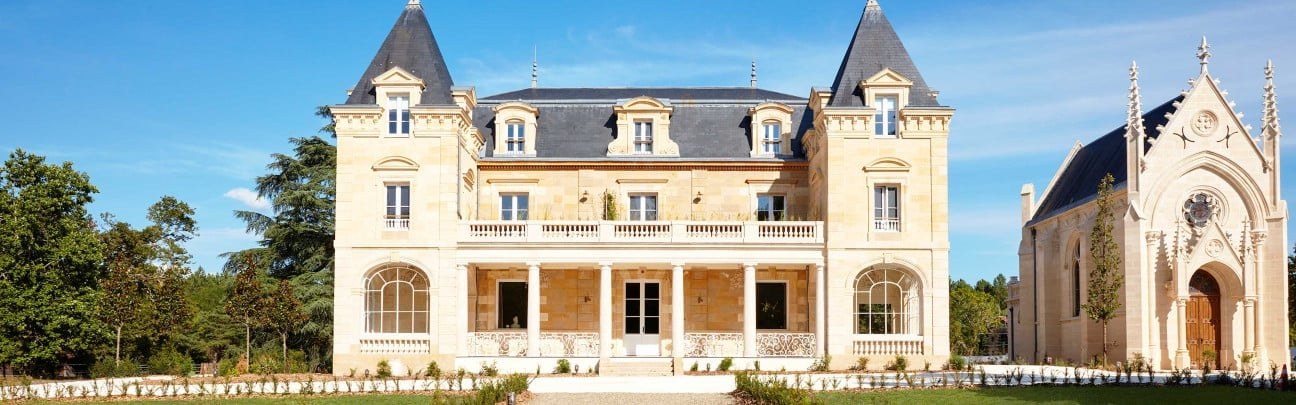
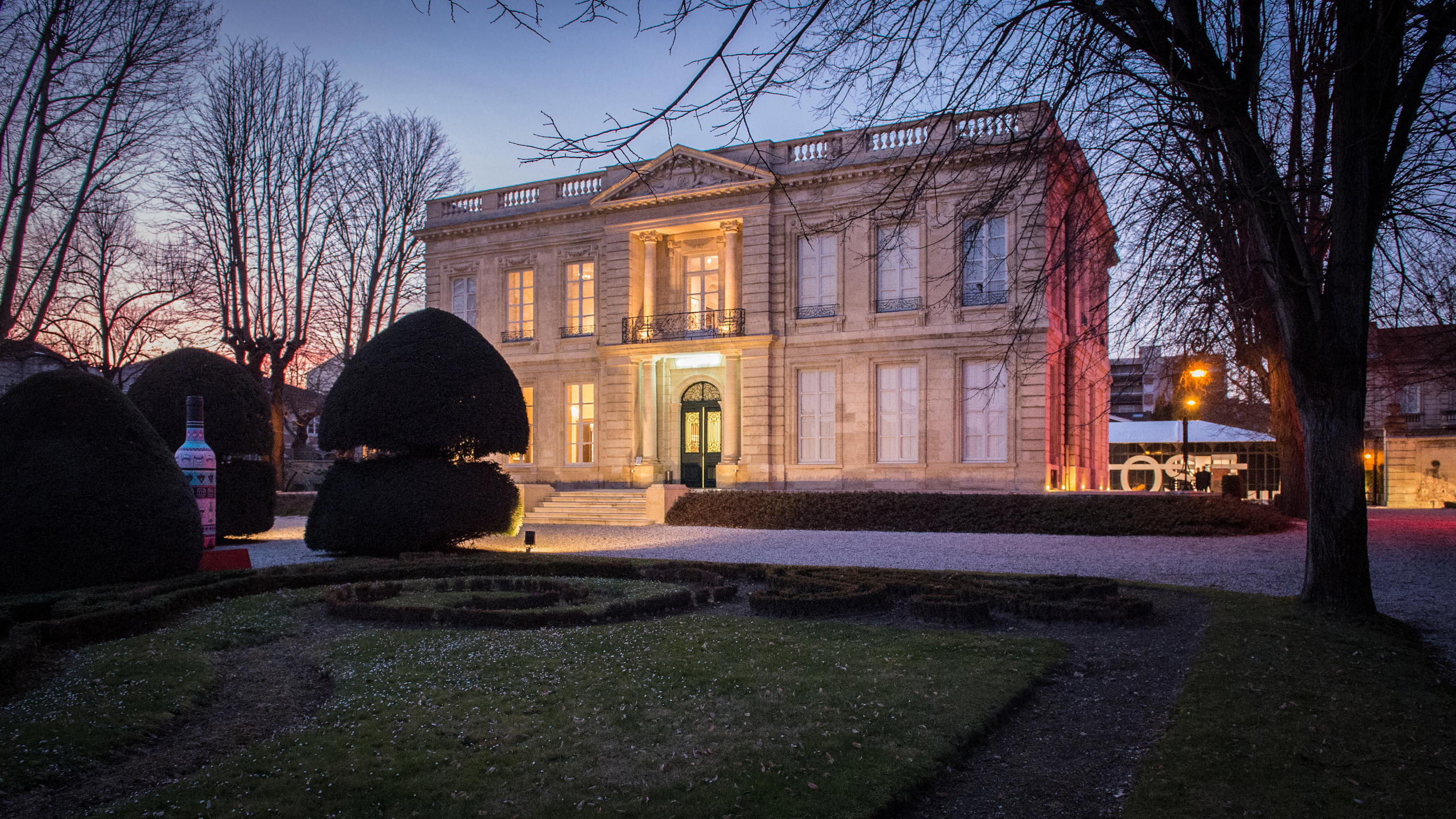
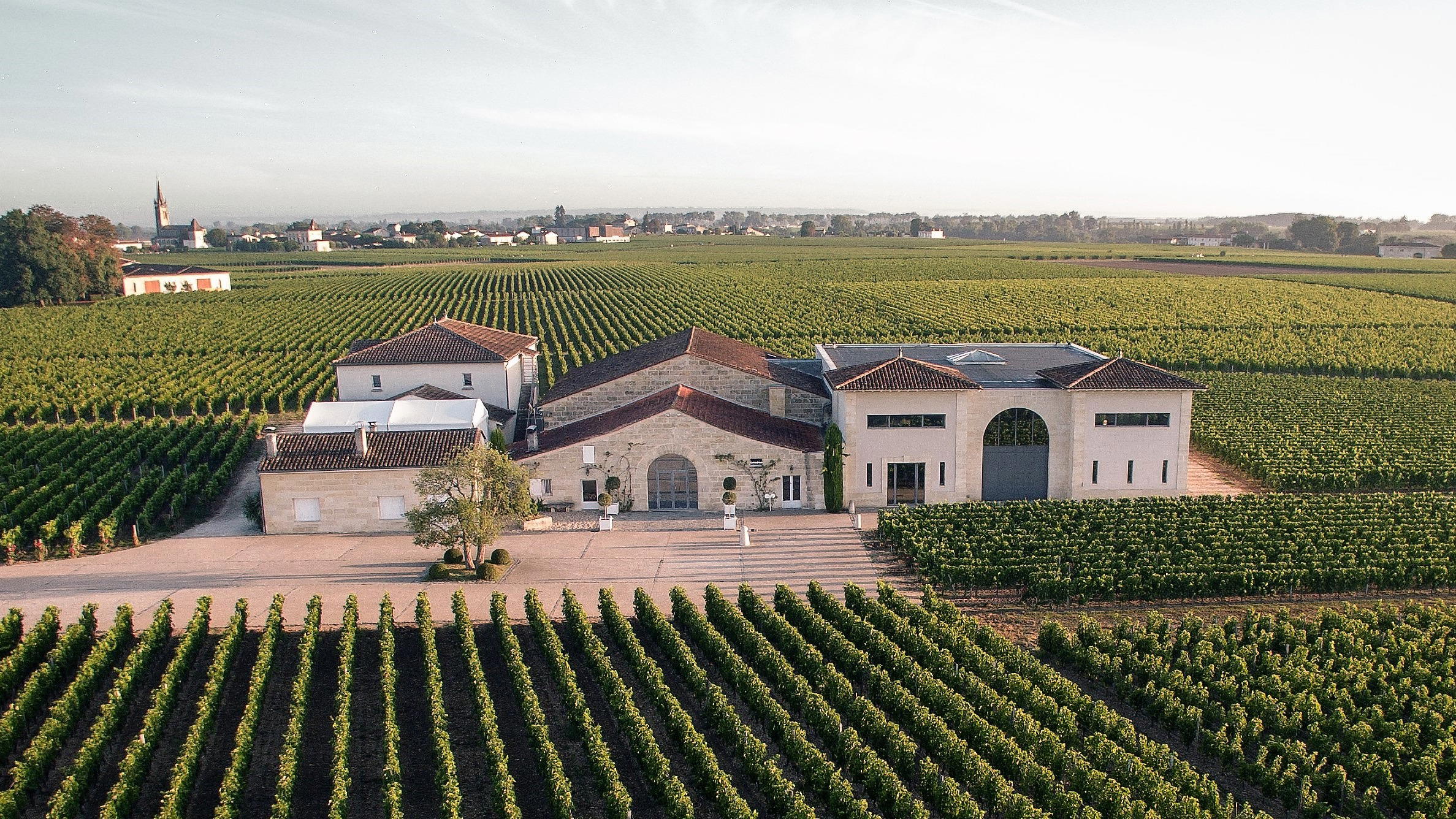
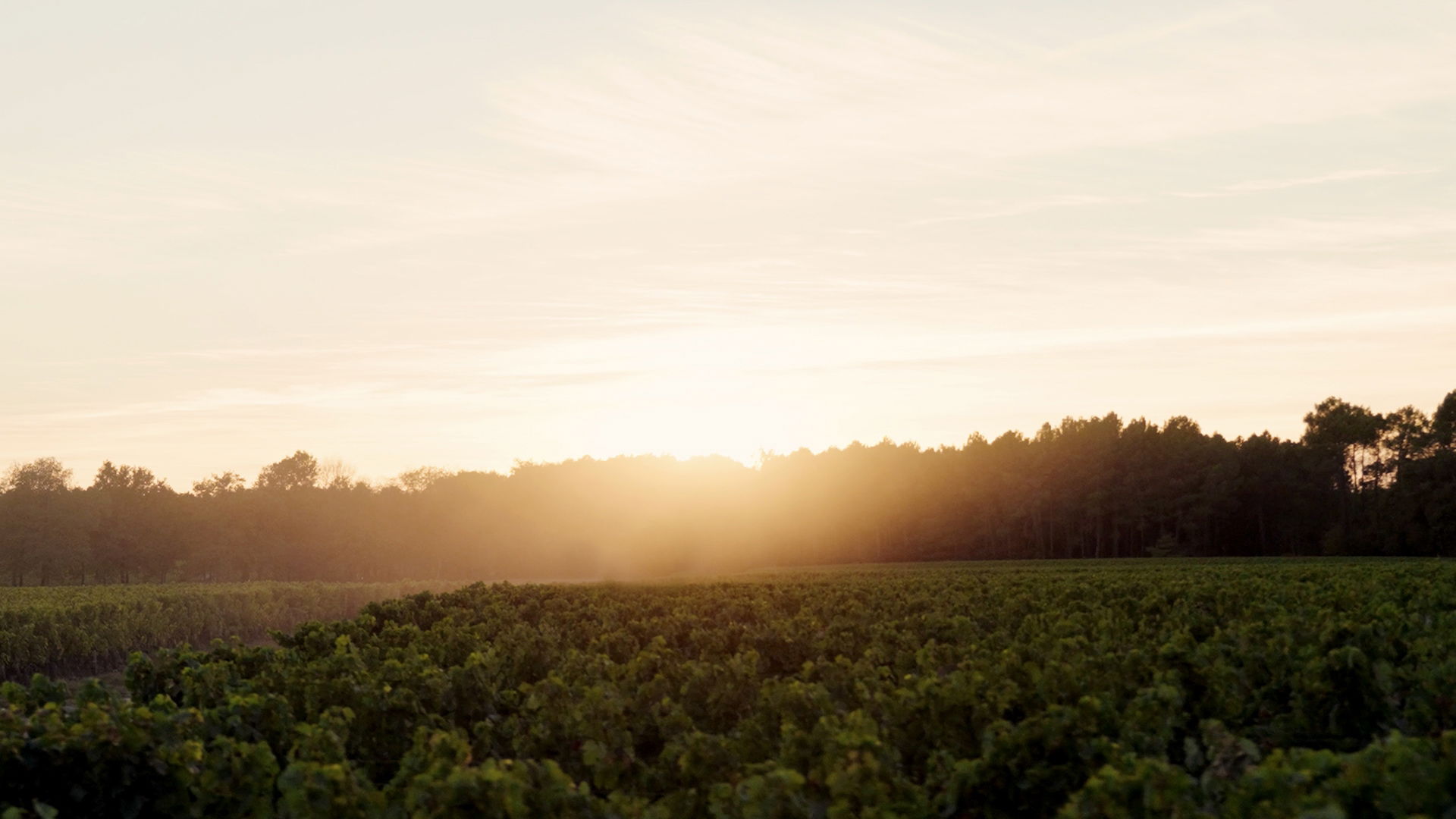
Domaine de Chevalier presents an understated, historic calm. A pine‑lined approach gives way to forest clearings and gravel terraces, and the estate favors a functional, unshowy aesthetic: the argument is made in the cellar and the glass rather than on the façade. With a continuous production history dating to 1863, the place feels measured and contemplative, its character shaped by soil, institutional memory, and thoughtful winemaking. Visitors encounter a reserved, sincere expression of Graves terroir—quiet, attentive, and rooted in craft rather than theatrical presentation.
Best For
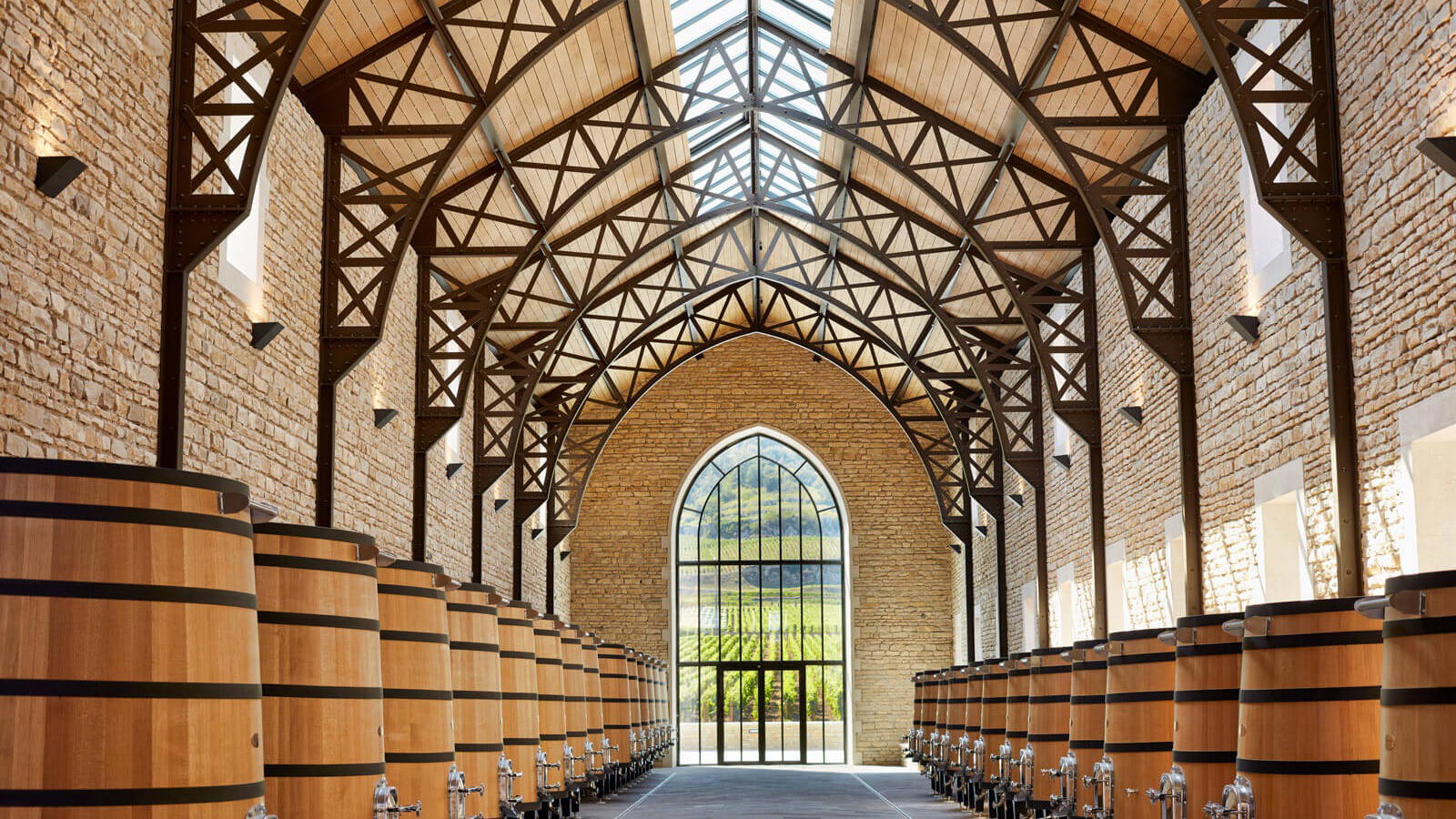
This estate is best for people who prioritize terroir, history, and serious wine study. Its long production timeline and emphasis on cellar practice make it especially appropriate for educational tasting experiences and assessments of vintage and style within the Léognan context. Rather than a spectacle, Domaine de Chevalier rewards guests who are interested in how soil, drainage and institutional knowledge translate into wine; it suits focused tastings, collectors comparing vintages, and anyone seeking a considered, terroir‑driven perspective on Graves.
Venue details
Ambiance
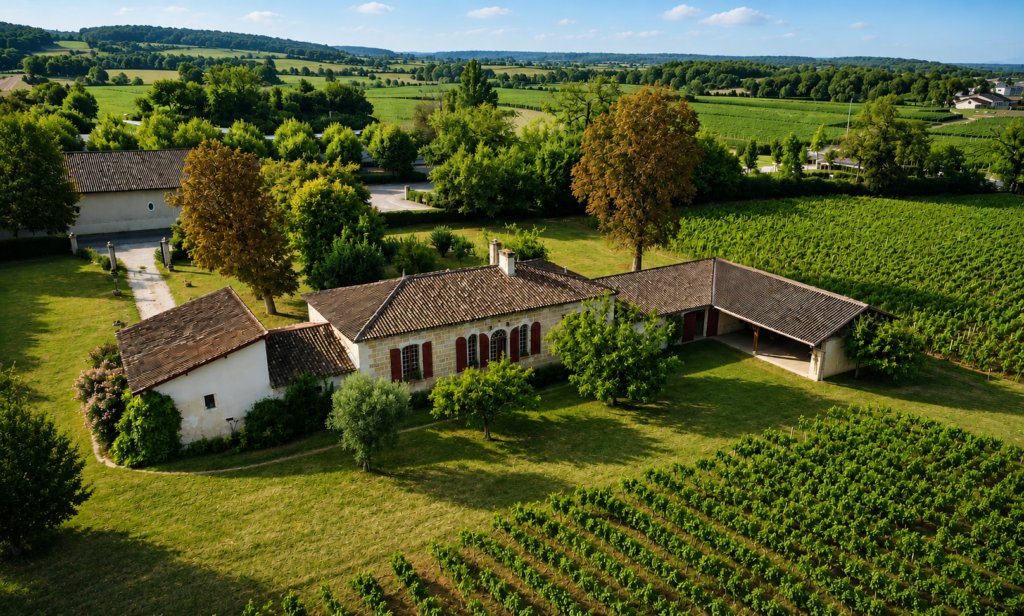
Elegant and refined atmosphere in a secluded forest clearing with parkland, trees, and gently rolling hills surrounding the modern winery facilities.
Tags
Vibe
Best For
Experience
Sourcing
View
At the Vineyard
- Appellation
- Pessac-Léognan
- Varietals
- Cabernet Sauvignon, Merlot, Petit Verdot, Cabernet Franc, Sauvignon Blanc
- Tour Duration
- 60-90 minutes
- Visits
- By appointment only
- Farming
- Biodynamic
- Wine Styles
- Still Red, Still White
- Wine Club
- Available
Know before you go
Know Before You Go
- Getting there
- 102 Chemin Mignoy, 33850 Léognan, France
Planning details
Location
Recognition and awards

Also consider
Where to Look If You Cannot Get In
Try Château Haut-Bailly first if the goal is another serious Léognan château visit with similar wine-focused appeal. For a more hospitality-forward day, shift the search to Château Smith Haut Lafitte.
Winery context
How It Compares
For a focused Léognan wine appointment, Domaine de Chevalier is the pick for travelers who want estate context without making the day about a larger hospitality campus. Château Smith Haut Lafitte is the stronger choice if the group wants a broader luxury stop, while Château Haut-Bailly is the cleaner comparison for visitors prioritizing a serious château setting in Léognan.
Château Pape Clement and Domaine Clarence Dillon make more sense for travelers chasing name recognition and a broader Bordeaux itinerary. Domaine de Chevalier is easier to justify when the group wants the visit to feel wine-led rather than brand-led.
Château La Mission Haut-Brion belongs on the shortlist for collectors and serious Bordeaux followers, but it is not the fallback for a relaxed casual stop. If booking pressure is the deciding factor, keep two or three of these peers in play rather than planning the day around a single request.
Explore Léognan
Around this place
Discover more on Pearl
Unlock the full Domaine de Chevalier guide in Pearl, including awards, comparisons, FAQs, planning details, and nearby places.
Compare Domaine de Chevalier
| Venue | Location | Awards |
|---|---|---|
| Domaine de Chevalier | Léognan | 2026 Michelin 1 Grape - Bordeaux2026 Falstaff Winery Guide2025 Pearl 4 Star Prestige |
| Château Haut-Bailly | Léognan | 2026 Falstaff Winery Guide2026 Michelin 1 Grape - Bordeaux2025 Pearl 4 Star Prestige |
| Château Smith Haut Lafitte | Martillac | 2026 Michelin 1 Grape - Bordeaux2026 Falstaff Winery Guide2025 World's 50 Best Vineyards · #52025 Pearl 4 Star Prestige2024 World's 50 Best Vineyards · #72023 World's 50 Best Vineyards · #52022 World's 50 Best Vineyards · #132021 World's 50 Best Vineyards · #122020 World's 50 Best Vineyards · #7 |
| Château Pape Clement | Pessac | 2026 Falstaff Winery Guide2025 World's 50 Best Vineyards · #272025 Pearl 4 Star Prestige2024 World's 50 Best Vineyards · #212023 World's 50 Best Vineyards · #192022 World's 50 Best Vineyards · #26 |
| Domaine Clarence Dillon | Pessac | No published awards |
| Château La Mission Haut-Brion | Bommes | 2026 Michelin 2 Grapes - Bordeaux2026 Falstaff Winery Guide2025 Pearl 5 Star Prestige |


How Domaine de Chevalier Léognan compares with similar nearby venues.
FAQ
Frequently Asked Questions
Can Domaine de Chevalier handle large groups?
Large parties should contact Domaine de Chevalier directly before planning a visit. The confirmed hours are Monday to Friday, 9 AM–12 PM and 2–5 PM, with Saturday and Sunday closed. If you need to compare options for a wider itinerary, Château Smith Haut Lafitte is another nearby name to check.
Are there membership or special-access options at Domaine de Chevalier?
Domaine de Chevalier is recognized with Pearl 4 Star Prestige (2025), but any arrangement should be confirmed directly with the venue. Château Pape Clement is another name to consider when comparing visits in the wider area.
Does Domaine de Chevalier offer purchasing or shipping services?
Confirm directly with Domaine de Chevalier before you go or before making any purchase. The location is Léognan, and the confirmed weekday hours are 9 AM–12 PM and 2–5 PM. If logistics are central to your plans, Domaine Clarence Dillon is another comparison to check alongside it.
How long should I plan for a visit to Domaine de Chevalier?
Confirm timing directly with Domaine de Chevalier when arranging your plans. The venue is open Monday to Friday from 9 AM–12 PM and 2–5 PM, and closed Saturday and Sunday. Those hours make it best suited to a weekday Léognan itinerary.
When is the best time to visit Domaine de Chevalier?
Visit during the confirmed opening hours: Monday to Friday, 9 AM–12 PM and 2–5 PM. Saturday and Sunday are closed, so it is not a weekend option. Confirm any appointment or visit requirements directly before going.