

Château Sigalas-Rabaud
Bommes
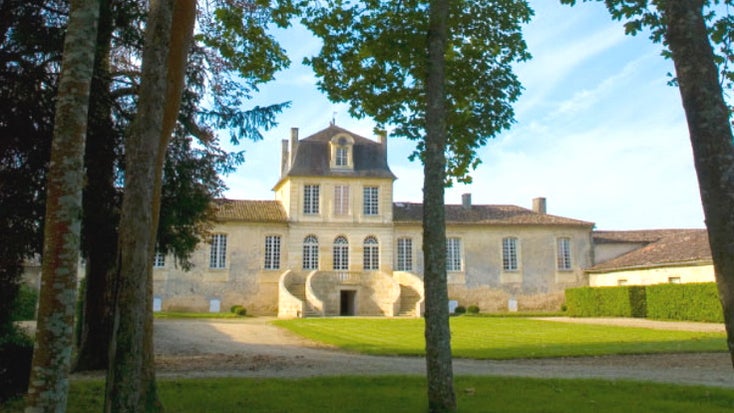
Winery in Bommes, France
 Book with Pearl
The Read
Botrytised Precision
Price
$10–20tasting
Why go
Choose Château Sigalas-Rabaud for a focused Sauternes visit in Bommes, especially if the goal is tasting context rather than a food-led day. It is a stronger fit for couples or small groups than for large social itineraries, and it cross-shops naturally with Château Lafaurie-Peyraguey and Château Rabaud-Promis.
About Château Sigalas-Rabaud
Château Sigalas-Rabaud is a Bommes venue with 4 Star Prestige recognition for 2025. It is a premium Bommes venue associated with Laure de Lambert Compeyrot, with a smart casual dress code.
Cuisine, menus, service format, prices, hours, tastings, or visitor arrangements are not detailed. Do not build a plan around any specific meal, tour, or appointment style without confirming directly with the venue. Key planning facts include the name, Bommes location, Laure de Lambert Compeyrot, smart casual dress, and 4 Star Prestige status.
Choose it for a Bommes prestige listing
Château Sigalas-Rabaud belongs on a Bommes shortlist for travellers comparing premium venues in the area, but specific dining format, beverage programme, lunch service, or group setup are not described. Readers planning the surrounding day can keep meals, hotels, and evening plans separate through Our full Bommes restaurants guide, Our full Bommes hotels guide, and broader Bommes planning resources.
The practical approach is to treat the listing as a prestige signal rather than a complete itinerary. Dress smart casual, confirm any visit details directly, and avoid assuming that unlisted services are available.
How to place it in a Bommes day
If you are comparing other château names, Château Lafaurie-Peyraguey, Château Rabaud-Promis, Château Rayne-Vigneau, Château d'Yquem, and Clos Haut-Peyraguey are natural points of reference. Château Sigalas-Rabaud can be considered alongside them without assuming the same format, access, or hospitality offering.
For planning, Château Sigalas-Rabaud is in Bommes, is associated with Laure de Lambert Compeyrot, carries 4 Star Prestige recognition for 2025, and has a smart casual dress code. Anything more specific should be checked before travel.
Quick reference: choose it as a 4 Star Prestige Bommes listing; dress smart casual; confirm visit details directly; compare it with other château names only where the comparison is useful and factual.
Planning details
- Location
- 1425 Route des Gourgues, 33210 Bommes
- Website
- chateau-sigalas-rabaud.com
- Phone
- +33 5 57 31 07 45
The take
The Take
The Vibe
Château Sigalas-Rabaud reads as a historically rooted, sophisticated Sauternes estate where landscape and tradition shape the wines. The prose emphasizes the morning mists by the Ciron river, hand harvesting in multiple passes and a winemaker — Laure de Lambert Compeyrot — who leads a Premier Cru Classé property. That combination of place, patient technique and classification gives the château a refined, contemplative character: serene vineyards, an adherence to long-established practices and the kind of quiet gravitas associated with top-tier Sauternes producers.
Best For
This estate is well suited to people seeking a focused wine-education experience and those marking a special occasion or romantic escape. The description foregrounds the botrytis-driven nature of Sauternes and the selective, multi-pass harvests that define quality here, making tastings at the château appealing to enthusiasts who want to understand how terroir and picking strategy shape botrytised wines. Its Premier Cru Classé standing and recent prestige recognition also make it a fitting stop for milestone purchases or celebratory bottles.
Tasting Tips
Approach Sigalas-Rabaud with an eye for structure and balance: the text underlines that great Sauternes combines residual sugar with high natural acidity, so these wines pair beyond simple-dessert roles. Ask for bottles identified as Premier Cru Classé and note the estate’s 2025 Pearl 4 Star Prestige mention as a signal of consistent quality. When serving, prioritize classic matches cited in the write-up — foie gras and blue-veined cheeses like Roquefort — and remember that the wine’s acidity lets it stand alongside savory, high-fat or salty elements rather than only sweet desserts.
Venue details
Ambiance
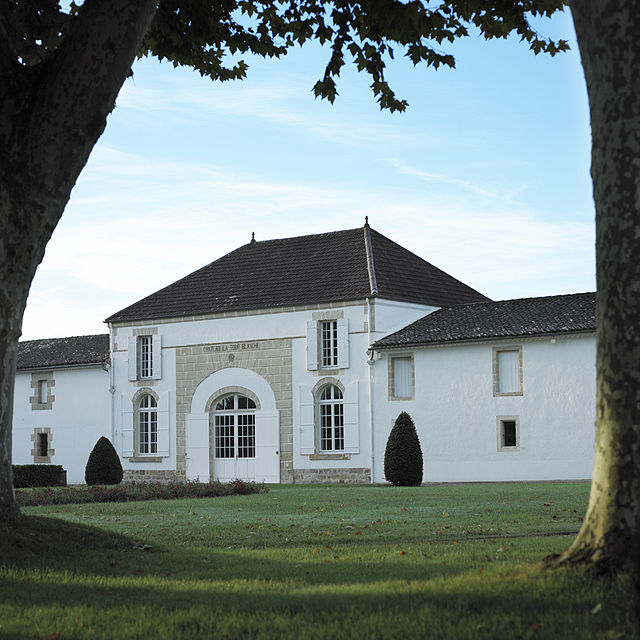
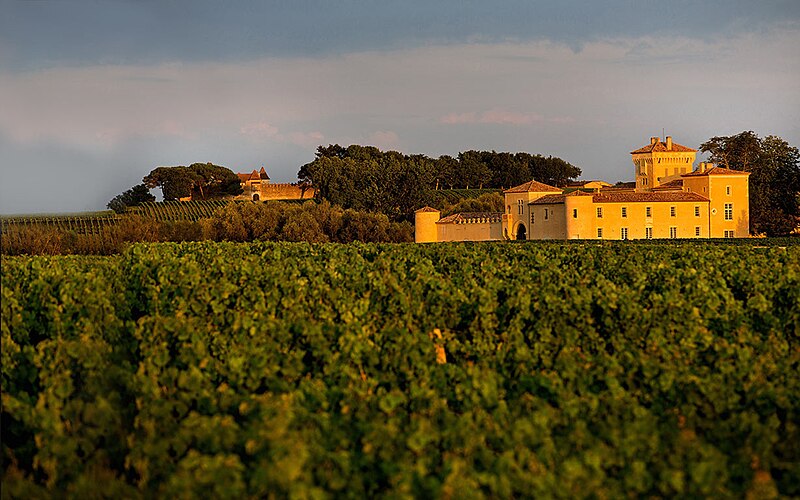
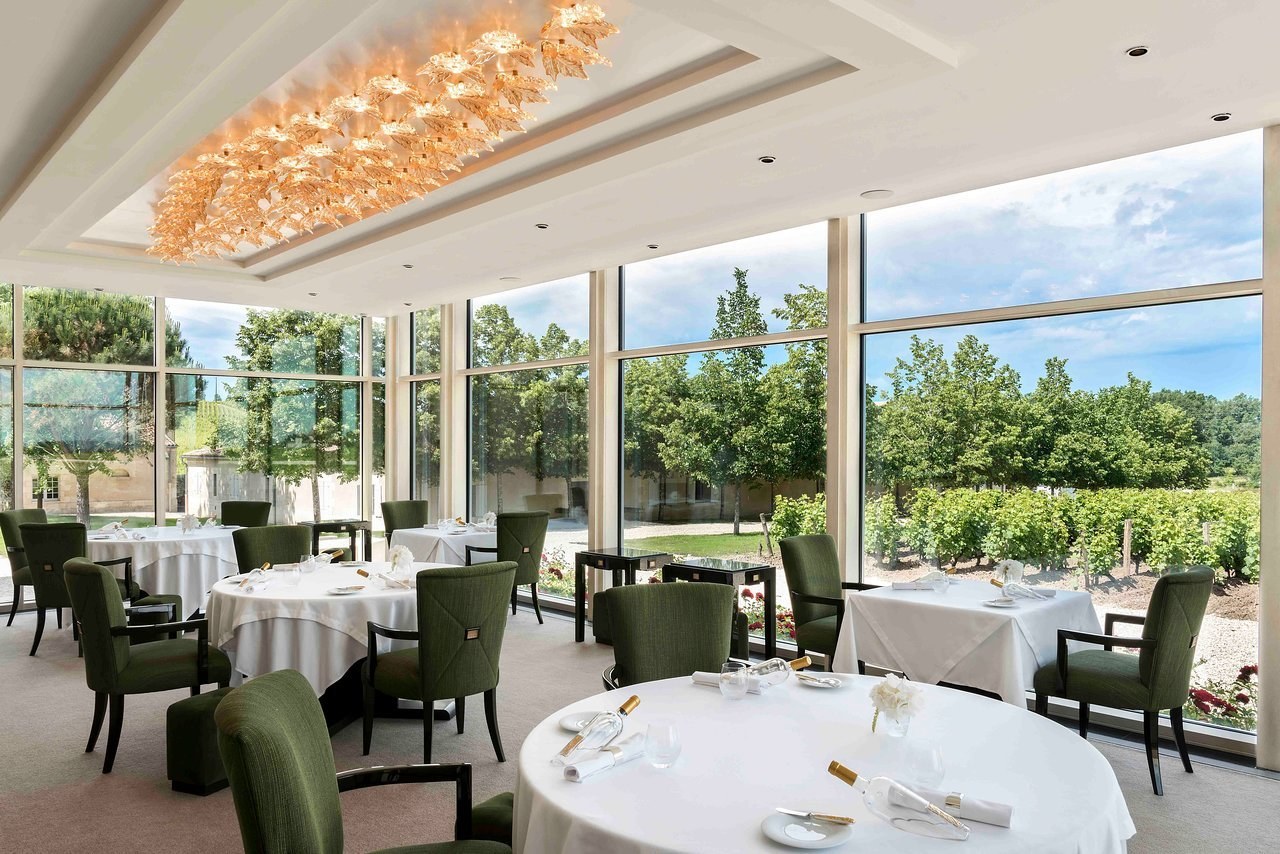
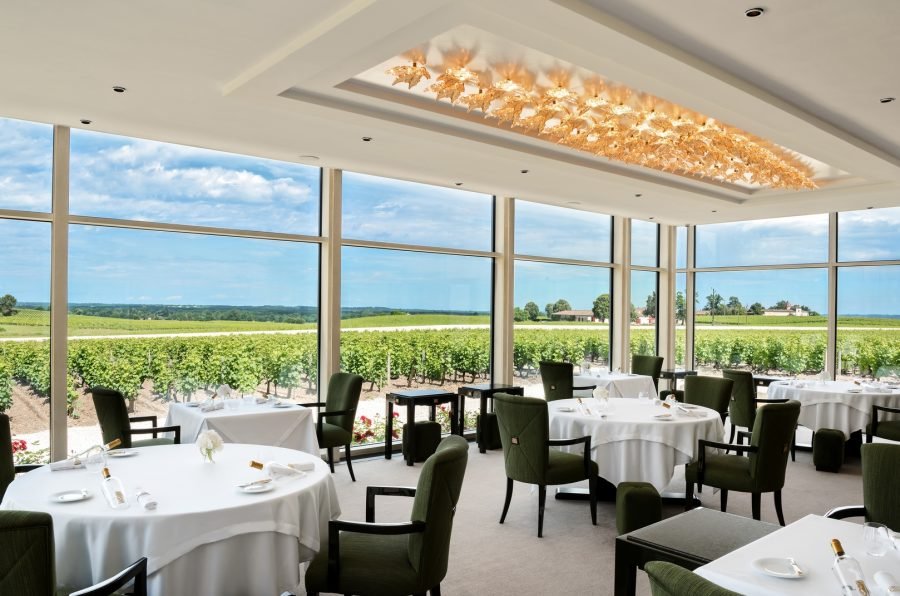
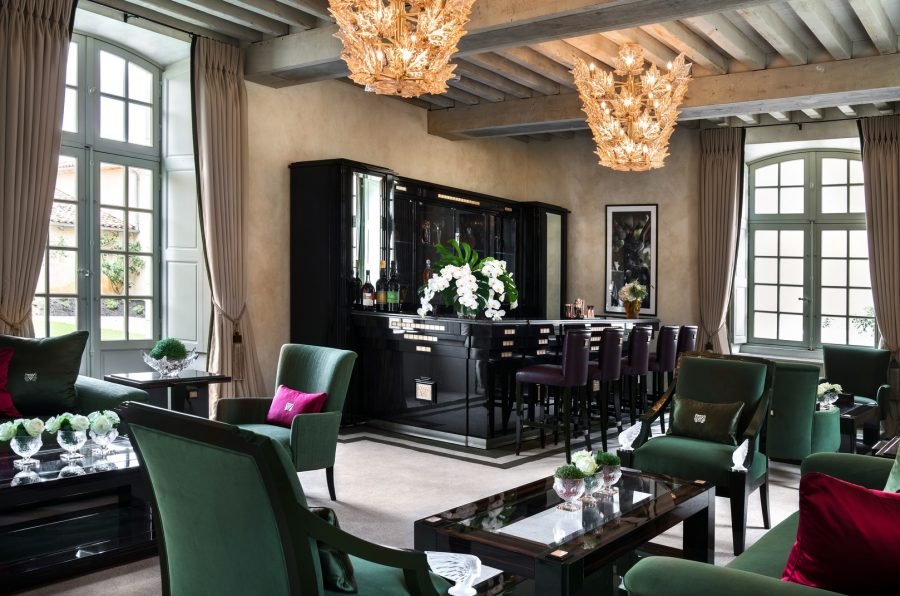
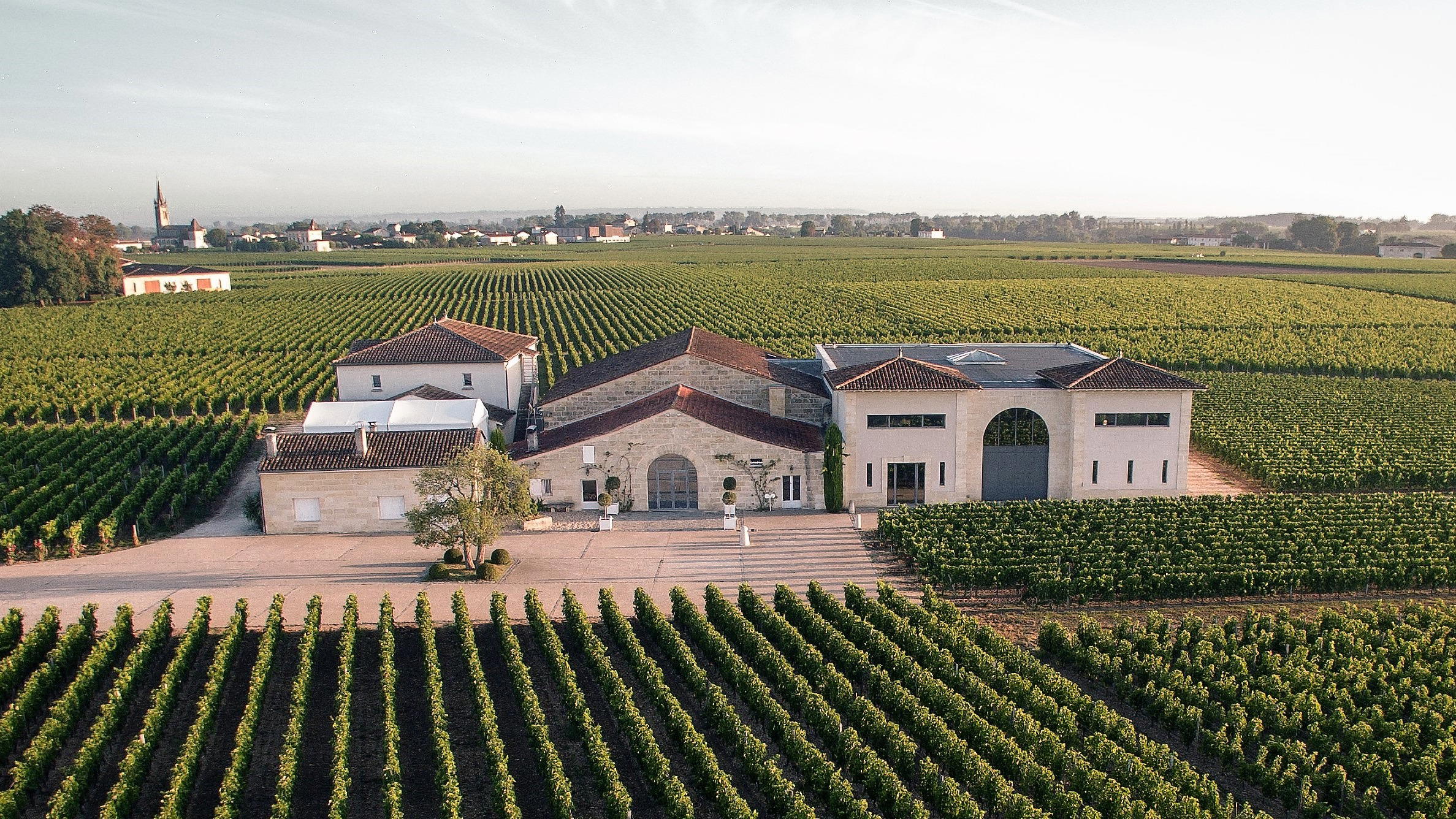
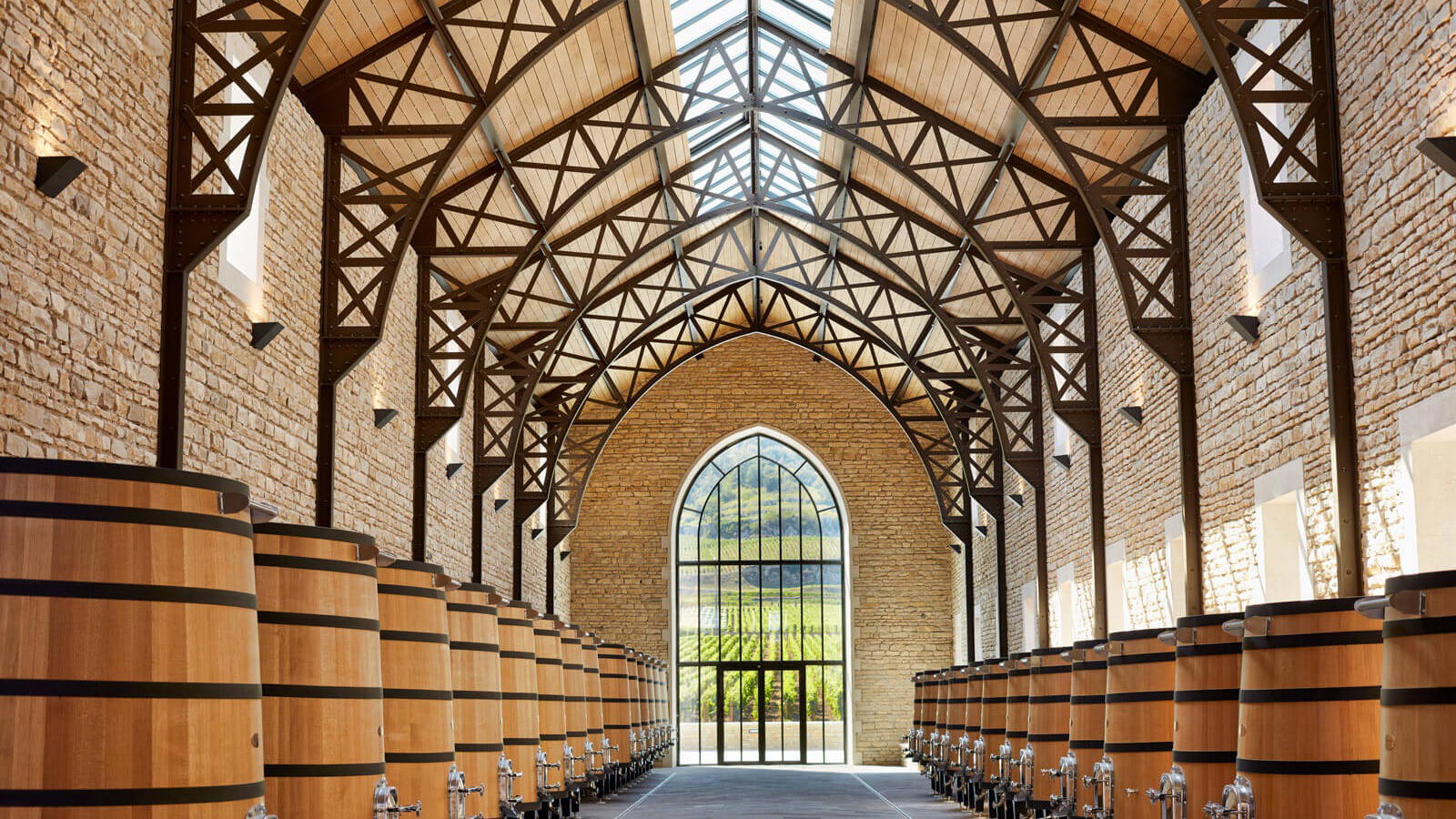
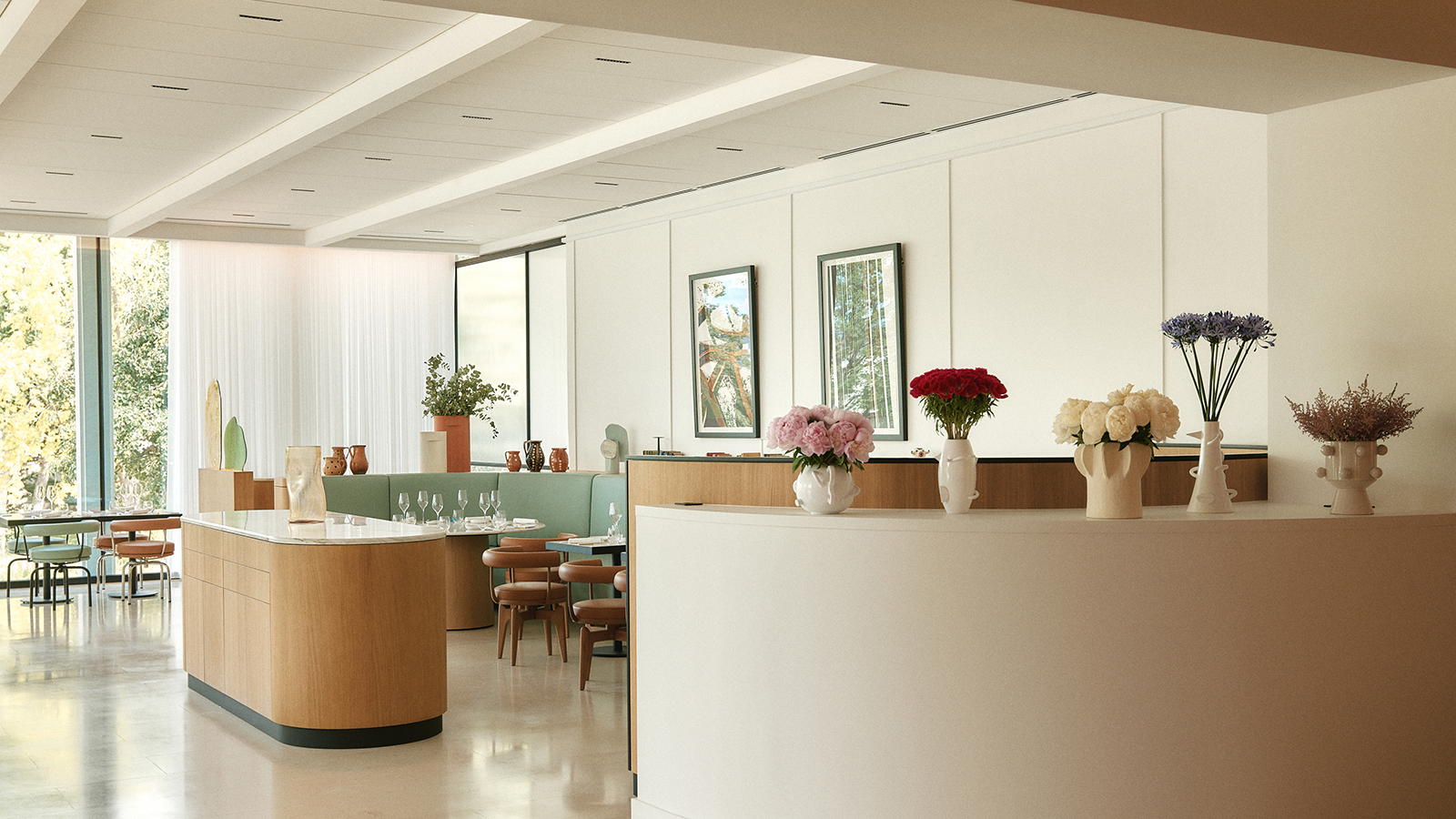
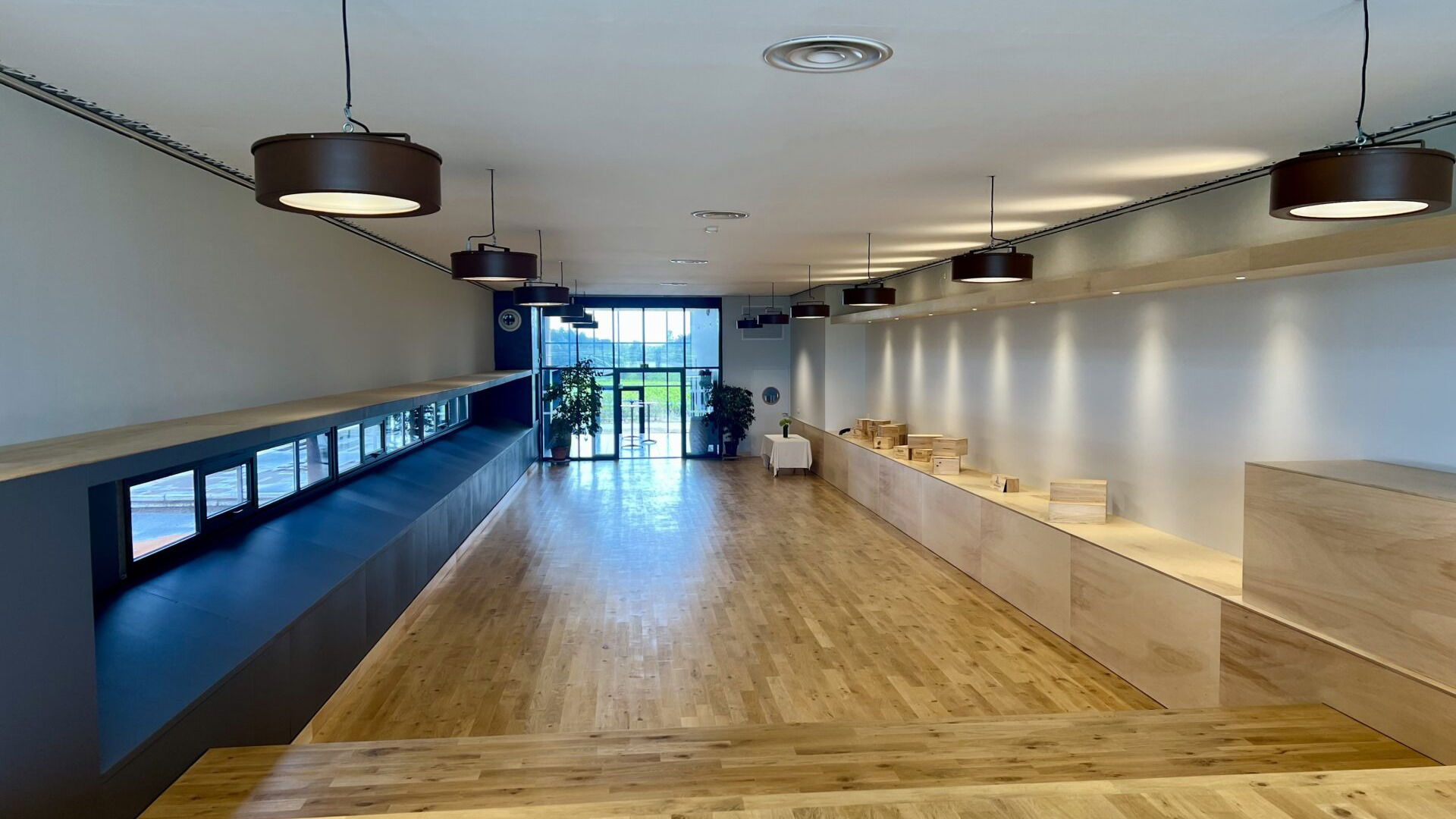
Warm, welcoming family atmosphere with high-quality furnishings and tasteful décor; peaceful setting nestled among vineyards with thermo-regulated cellars and barrel rooms visible through glass walls.
Tags
Vibe
Best For
Experience
Sourcing
View
At the Vineyard
- Appellation
- Sauternes AOC
- Varietals
- Sémillon, Sauvignon Blanc
- Tour Duration
- 60 minutes
- Tour Languages
- English, French
- Visits
- By appointment only
- Farming
- Sustainable
- Wine Styles
- Dessert, Still White
- Food Pairing
- Offered
- Wine Club
- Not available
Know before you go
Know Before You Go
- Getting there
- 1425 Route des Gourgues, 33210 Bommes
Planning details
Location
Recognition and awards

Also consider
Where to look if this does not work
If access is the blocker, try Château Rabaud-Promis first for a nearby Bommes alternative. If the group wants a more polished destination feel, Château Lafaurie-Peyraguey is the better cross-shop.
Winery context
How Château Sigalas-Rabaud compares in Bommes
Pick Château Sigalas-Rabaud when the priority is a calm, wine-led Sauternes stop. Château Rabaud-Promis is the closest practical cross-shop for keeping the day tightly local, while Château Lafaurie-Peyraguey is the better choice if the group wants a more destination-style experience around the visit.
Clos Haut-Peyraguey and Château Rayne-Vigneau make more sense for readers building a broader Sauternes comparison day, especially if tasting contrast matters more than staying in one immediate pocket of Bommes. Château Sigalas-Rabaud is the cleaner pick for a quieter, narrower visit.
Château d'Yquem is the aspirational comparison, but it should not be treated as the default alternative. If access, timing, or group logistics are the problem, Château Sigalas-Rabaud is a more practical Sauternes plan than chasing the hardest name first.
Explore Bommes
Around this place
Discover more on Pearl
Unlock the full Château Sigalas-Rabaud guide in Pearl, including awards, comparisons, FAQs, planning details, and nearby places.
Compare Château Sigalas-Rabaud
| Venue | Location | Awards |
|---|---|---|
| Château Sigalas-Rabaud | Bommes | 2026 Michelin 1 Grape - Bordeaux2026 Falstaff Winery Guide2025 Pearl 4 Star Prestige |
| Château Rabaud-Promis | Bommes | 2026 Falstaff Winery Guide |
| Château Lafaurie-Peyraguey | Bommes | 2026 Wine Spectator Best of Award of Excellence2026 Falstaff Winery Guide2025 Pearl 4 Star Prestige |
| Clos Haut-Peyraguey | Bommes | 2026 Falstaff Winery Guide |
| Château Rayne-Vigneau | Bommes | 2026 Falstaff Winery Guide |
| Château d'Yquem | Sauternes | 2026 Michelin 3 Grapes - Bordeaux2026 Falstaff Winery Guide2025 World's 50 Best Vineyards · #92025 Pearl 5 Star Prestige2024 World's 50 Best Vineyards · #132023 World's 50 Best Vineyards · #182022 World's 50 Best Vineyards · #232020 World's 50 Best Vineyards · #31 |


How Château Sigalas-Rabaud Bommes compares with similar nearby venues.
FAQ
Frequently Asked Questions
When is the best time to visit Château Sigalas-Rabaud?
What is Château Sigalas-Rabaud known for?
Château Sigalas-Rabaud is a Bommes venue associated with Laure de Lambert Compeyrot and recognised with 4 Star Prestige in 2025.
Does Château Sigalas-Rabaud serve food?
How long should I plan for a visit to Château Sigalas-Rabaud?
Do I need a reservation at Château Sigalas-Rabaud?
Reservation policy is not specified. Contact Château Sigalas-Rabaud directly before travelling to Bommes.