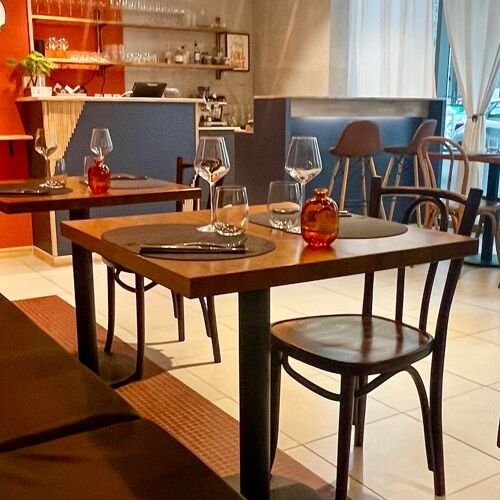
.png?width=1200&quality=80)
Sobakappo Nagano
Soba · Sumida, Tokyo
Restaurant in Tokyo, Japan
 Book with Pearl
The Read
Terroir-Driven Soba Kappo
Price
¥¥
Dress
Smart Casual
Why go
Sobakappo Nagano in Sumida City holds a Michelin Plate (2025) and, and it earns both at the ¥¥ price point. The chef's kappo-influenced format builds a full meal of sake-paired small dishes before arriving at two distinct soba styles — making this a genuine special-occasion option for diners who want more than a bowl, without the ¥¥¥¥ commitment of a kaiseki counter.
About Sobakappo Nagano
Is Sobakappo Nagano worth booking for a special occasion?
Yes — and more decisively than you might expect from a soba restaurant at the ¥¥ price point. Sobakappo Nagano, in the Higashimukojima neighbourhood of Sumida City, holds a Michelin Plate (2025) and a , which is an unusually tight signal of consistency for a venue this size. This is not a casual noodle shop. The chef draws on a background in broader Japanese cuisine to build a meal where soba is the culmination, not the whole story — a format that makes the restaurant genuinely suited to celebration dinners and considered date nights, not just quick lunches.
What makes Sobakappo Nagano different
The name says everything: sobakappo combines soba craft with kappo-style Japanese cooking, meaning multi-course, chef-led dining rather than a single-item counter experience. The kitchen produces cooked vegetable stews, marinated salads, and combination platters of small dishes designed to pair with sake, including simmered herring in sweet soy sauce and marinated grilled shrimp, according to the Michelin record. These are not afterthoughts. They are a deliberate progression that earns the soba its place at the end of the meal rather than treating it as a standalone bowl.
Soba itself comes in two distinct forms: seiro soba, served on a traditional wickerwork tray, and a coarser-ground variety with a heavier texture and more pronounced buckwheat flavour. Critically, the noodles are made differently depending on the grain's terroir, the regional character of the buckwheat is treated as a variable worth accentuating, not standardising away. For a diner who has eaten soba casually, this approach will register as a meaningful step up in intention and execution.
Lunch vs dinner at Sobakappo Nagano
The kappo structure of this restaurant makes the lunch-versus-dinner question more consequential here than at a typical soba-ya. At most soba restaurants in Tokyo, the daytime and evening menus are near-identical, and the value calculus is simple: lunch is cheaper and the noodles are the same. At Sobakappo Nagano, the multi-dish format means that an evening visit, where the full progression of small plates, sake pairings, and two soba varieties can be explored at a proper pace, delivers a materially different experience from a midday meal.
If your goal is a special occasion dinner, the evening format is the right choice. The combination platters and sake accompaniments have more room to breathe when you are not watching a clock. For a first visit on a tighter schedule or budget, lunch remains an honest entry point to the soba itself, but you will be leaving the more distinctive part of the kitchen's offer untested. The ¥¥ pricing means that even an evening visit is well below the cost of a comparable-length meal at a kappo or kaiseki restaurant in central Tokyo, a meaningful advantage when planning a celebration that does not require a ¥¥¥¥ commitment.
Location and access
Sobakappo Nagano sits in Higashimukojima, Sumida City, east of the Sumida River, away from the tourist-heavy circuits of Ginza, Shinjuku, or Shibuya. This is a working residential neighbourhood, and getting here takes a deliberate effort. That distance is, in practice, a minor consideration for anyone willing to travel for a specific meal, and Sumida is accessible by the Tobu Skytree Line. The restaurant's setting is consistent with a place that has earned its following through cooking rather than location convenience. For visitors staying in east Tokyo or near Asakusa, the journey is short; for those based in Minato or Shibuya, factor in 30-40 minutes each way.
Ratings and recognition
The Michelin Plate (2025) indicates food quality that inspects well and merits attention without yet carrying star-level expectations or pricing. The Together, these signals suggest a venue that over-delivers for its price tier. For comparison, Michelin-starred soba restaurants in Tokyo typically operate at ¥¥¥ or above; Sobakappo Nagano sits below that threshold while attracting equivalent recognition at the Plate level.
Practical details
Booking: Booking difficulty is rated Easy, making this a realistic option even for visitors who plan ahead by only a week or two. Given the small-format nature of the restaurant, reservations are still advisable for evening visits and for groups. Budget: ¥¥, expect a meal cost that is moderate by Tokyo dining standards, and significantly below what a comparable multi-course experience costs at a kappo or kaiseki venue. Dress: No formal dress code is listed; smart casual is appropriate and consistent with the neighbourhood and price tier. Groups: The combination platter format suits pairs and small groups leading; larger groups should confirm capacity in advance.
How It Compares
Other soba restaurants worth considering in Tokyo
If you want to compare before booking, Akasaka Sunaba, Azabukawakamian, Edosoba Hosokawa, and Hamacho Kaneko each offer a different take on Tokyo soba. For a broader Japanese dining evening in the same price neighbourhood, Hamadaya is worth examining. Outside Tokyo, Ayamedo in Osaka and Chikuyuan Taro no Atsumori in Kyoto are the closest regional comparisons for soba craft. For high-end Japanese dining elsewhere in Japan, see HAJIME in Osaka, Gion Sasaki in Kyoto, akordu in Nara, Goh in Fukuoka, 1000 in Yokohama, and 6 in Okinawa.
For full dining, hotel, bar, winery, and experience coverage of Tokyo, see our full Tokyo restaurants guide, our full Tokyo hotels guide, our full Tokyo bars guide, our full Tokyo wineries guide, and our full Tokyo experiences guide.
Planning details
- Location
- Japan, 〒131-0032 Tokyo, Sumida City, Higashimukojima, 2 Chome−20−6 永野ビル
- Website
- soba-kappou-nagano.com
- Phone
- +81 3-6675-0167
The take
The Take
The Vibe
Sobakappo Nagano blends soba craft with the kappo tradition, producing an intimate, skill-focused experience. The kitchen makes noodles in-house and arranges a sequence of precise small plates designed to accompany sake; a 2025 Michelin Plate underscores its serious approach. The menu emphasizes buckwheat terroir, offering seiro soba on a traditional tray and a coarser‑ground noodle that foregrounds grain character. It feels refined and quietly confident rather than flashy — a classic, sophisticated spot for diners who appreciate technique and ingredient-driven Japanese cookery.
Best For
Best for dinner and focused tasting-style meals, Sobakappo Nagano suits solo diners seeking thoughtful soba and sake pairings as well as small, special-occasion meals. The kappo format—oriented around multiple small plates—encourages lingering over several courses rather than a single bowl, so it works well for those who want to make an evening of drinks and food. Given its Michelin Plate recognition and craft-forward approach to buckwheat, it's a smart choice for visitors who value terroir-driven noodles and precise, seasonal preparations.
Ordering Tips
When ordering, follow the house’s grain-first philosophy: try both the seiro soba (served on a wicker tray to preserve texture) and the coarser‑ground variety to compare terroir and mouthfeel. Treat the meal as kappo—order several small plates to pace with sake rather than rushing to finish at the noodle course. Given the kitchen’s focus on buckwheat origin, ask staff which regional grain is featured that day. Resist seeing soba as an afterthought; here it’s the main event and pairs best with carefully chosen sakes.
Venue details
Ambiance
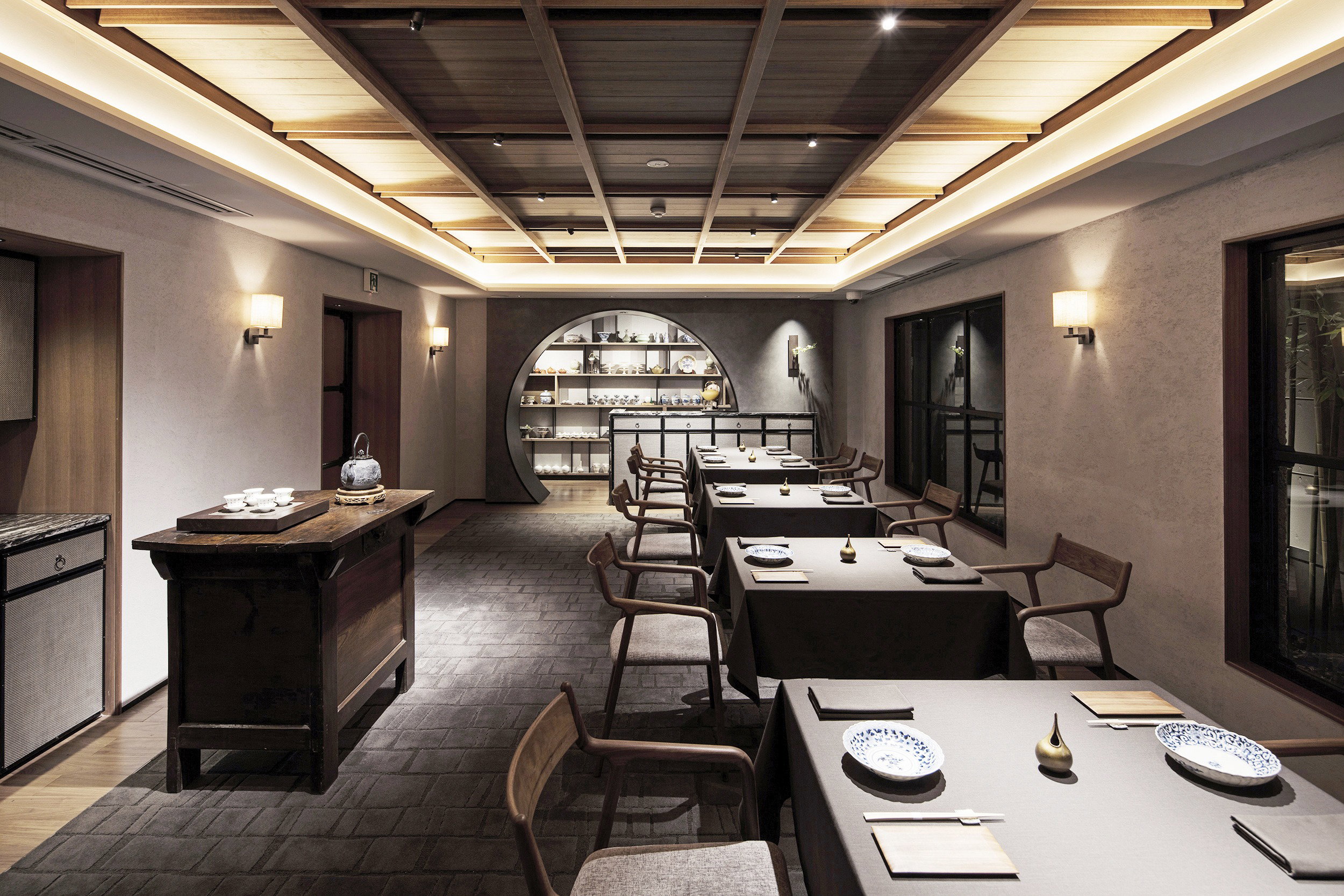
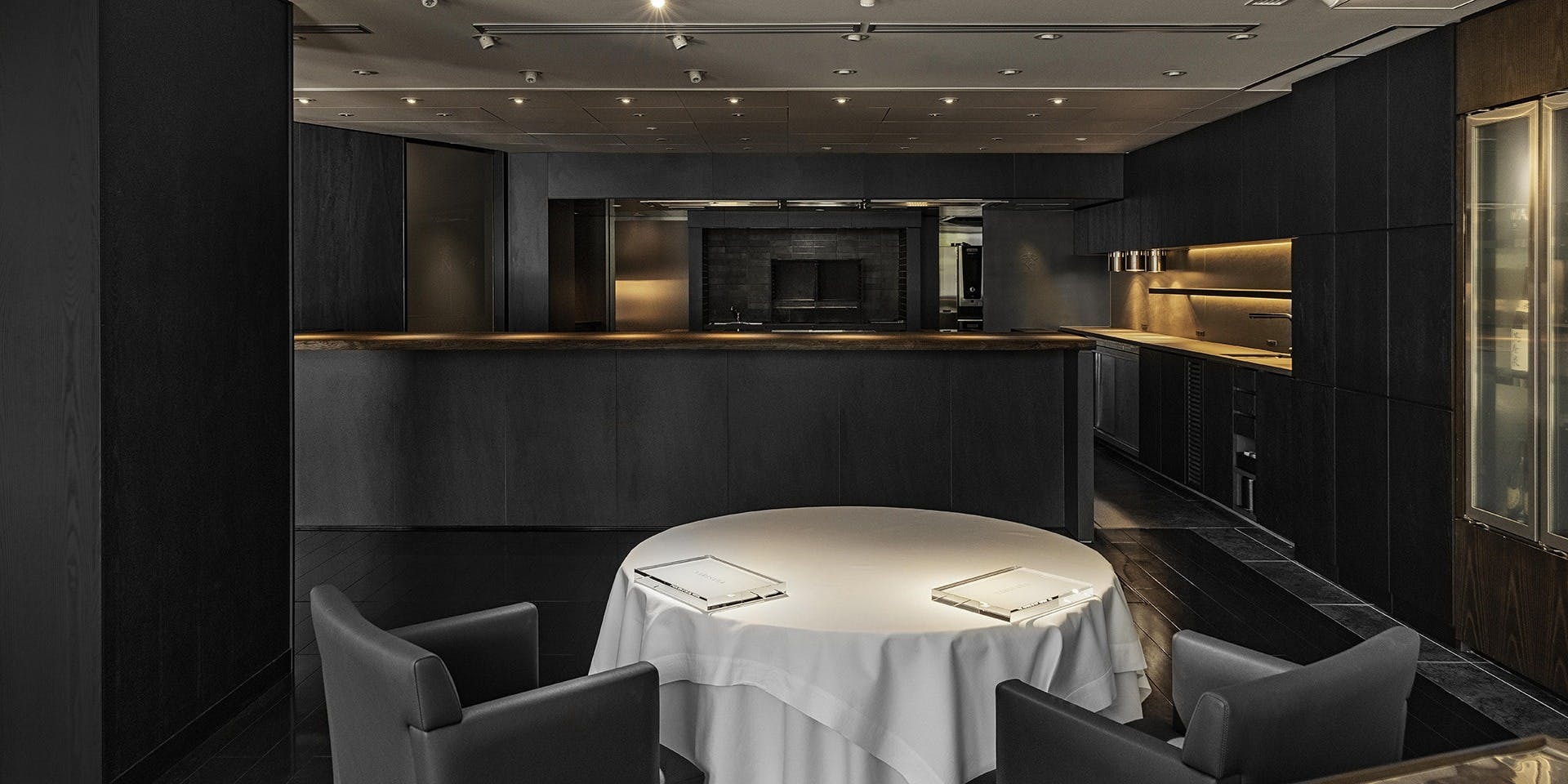
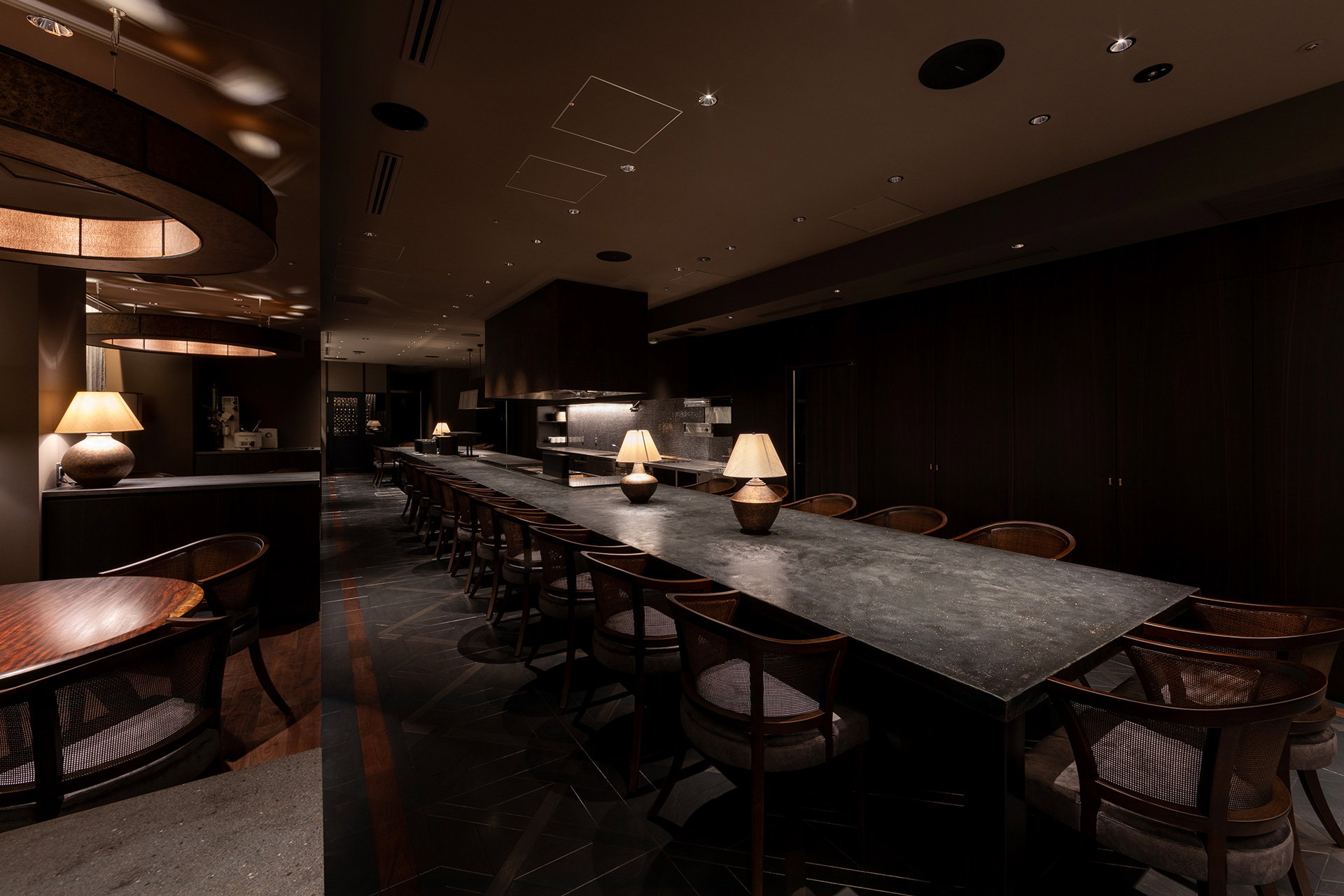
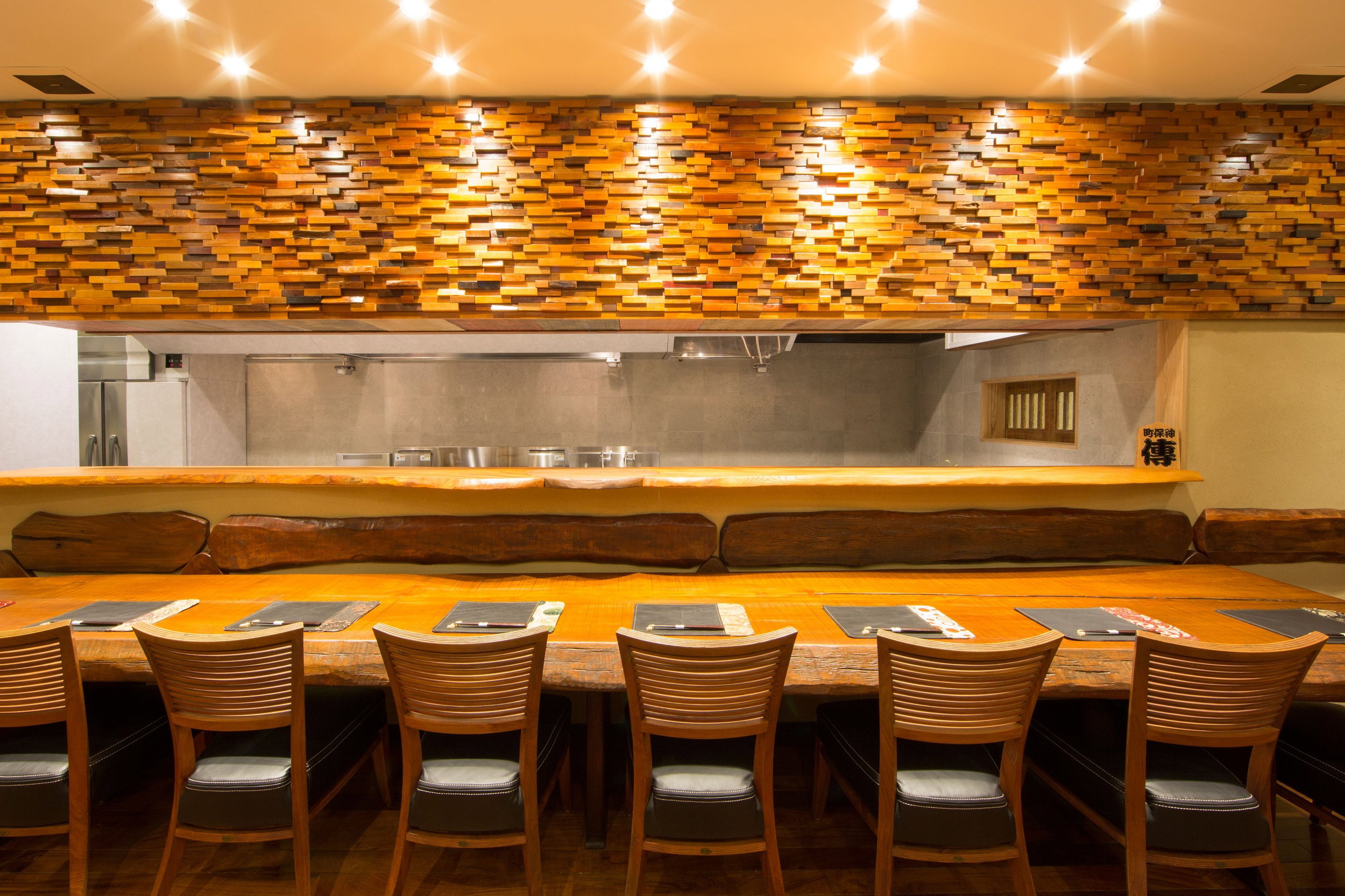
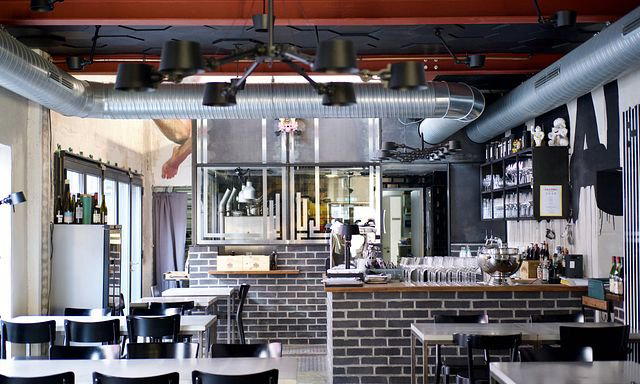
Relaxing space with counter seating providing an intimate view of the open kitchen and warm Japanese hospitality.
Tags
Vibe
Best For
Experience
Sourcing
Accessibility
At the Table
- Dress Code
- Smart Casual
- Noise Level
- Quiet
- Service Style
- Upscale Casual
- Meal Pacing
- Leisurely
- Capacity
- Intimate
Know before you go
Know Before You Go
- Getting there
- Japan, 〒131-0032 Tokyo, Sumida City, Higashimukojima, 2 Chome−20−6 永野ビル
Planning details
Location
Japan, 〒131-0032 Tokyo, Sumida City, Higashimukojima, 2 Chome−20−6 永野ビル · Directions
Recognition and awards
Also consider
Also Consider
- Harutaka, Sushi, ¥¥¥¥
- L'Effervescence, French, ¥¥¥¥
- RyuGin, Kaiseki, Japanese, ¥¥¥¥
- HOMMAGE, Innovtive French, French, ¥¥¥¥
- Crony, Innovative, French, ¥¥¥¥
Restaurant context
Against Tokyo's decorated dining options, Sobakappo Nagano occupies a different tier by price but competes on experience quality in ways that matter for certain diner profiles. RyuGin and L'Effervescence both operate at ¥¥¥¥ and deliver the full weight of multi-starred ambition, if your celebration warrants serious splashing out and you want the most technically demanding cooking in the city, those are the calls. Sobakappo Nagano at ¥¥ is the right choice when you want a structured, chef-led meal with a clear point of view and a meaningful total bill that doesn't require a ¥¥¥¥ budget.
Harutaka at ¥¥¥¥ is the reference point for omakase sushi at the top of the market; HOMMAGE and Crony both make strong cases for innovative French cooking in Tokyo at the same ¥¥¥¥ level. None of these compete directly with Sobakappo Nagano's category, soba in a kappo format is a genuinely different experience from sushi omakase or contemporary French tasting menus. The comparison that matters is whether you want a cuisine-specific, craft-driven meal at an accessible price, or whether the occasion calls for the full-commitment experience of a starred French or Japanese counter.
For booking ease, Sobakappo Nagano is the clear winner in this set. The ¥¥¥¥ venues listed here are all harder to secure on short notice and require more planning. If you have two weeks rather than two months, and want a meal that still delivers intention and craft, Sobakappo Nagano is the most practical high-quality option among them. For diners travelling specifically for the city's top tables, pair an evening at one of the ¥¥¥¥ venues with a more relaxed Sobakappo Nagano lunch, the contrast in format and price makes for a well-rounded Tokyo dining itinerary.
Explore Tokyo
Around this place
Discover more on Pearl
Unlock the full Sobakappo Nagano guide in Pearl, including awards, comparisons, FAQs, planning details, and nearby places.
Compare Sobakappo Nagano
| Venue | Cuisine | Price | Awards | Booking Difficulty |
|---|---|---|---|---|
| Sobakappo Nagano | Soba | ¥¥ | 2026 Bib Gourmand2025 Michelin Plate | Easy |
| Harutaka | Sushi | ¥¥¥¥ | 2026 Tabelog Silver · #312026 OAD Top Restaurants in Japan Ranked · #1282026 Michelin 3 Stars2026 La Liste Top RestaurantsTabelog 100 - Sushi - TOKYO - 2025 · #372025 Asia's 50 Best Restaurants · #762025 OAD Top Restaurants in Japan Ranked · #1172025 La Liste Top Restaurants2025 Tabelog Bronze | Unknown |
| L'Effervescence | French | ¥¥¥¥ | 2026 Tabelog Silver · #682026 OAD Top Restaurants in Japan Ranked · #103Star Wine Lists 20262026 Black Pearl 2 Diamond2026 Relais Chateaux Restaurants2026 La Liste Top Restaurants2026 Michelin 3 Stars2025 Asia's 50 Best Restaurants · #692025 OAD Top Restaurants in Japan Ranked · #92 | Unknown |
| RyuGin | Kaiseki, Japanese | ¥¥¥¥ | 2026 OAD Top Restaurants in Japan Ranked · #802026 Tabelog Bronze · #3772026 Michelin 3 Stars2026 La Liste Top RestaurantsTabelog 100 - Japanese cuisine - TOKYO - 2025 · #212025 OAD Top Restaurants in Japan Ranked · #542025 Michelin 3 Stars2025 La Liste Top Restaurants2025 The Best Chef Three Knives | Unknown |
| HOMMAGE | Innovtive French, French | ¥¥¥¥ | 2026 Tabelog Bronze · #1232026 OAD Top Restaurants in Japan Highly Recommended2026 Michelin 2 StarsTabelog 100 - French - TOKYO - 2025 · #762025 Asia's 50 Best Restaurants · #782025 OAD Top Restaurants in Japan Ranked · #1752025 Michelin 2 Stars2025 The Best Chef One Knife2025 La Liste Top Restaurants | Unknown |
| Crony | Innovative, French | ¥¥¥¥ | 2026 Asia's 50 Best Restaurants · #34Star Wine Lists 20262026 OAD Top Restaurants in Japan Recommended2026 Michelin 2 Stars2025 Asia's 50 Best Restaurants · #30Tabelog 100 - French - TOKYO - 2025 · #782025 OAD Top Restaurants in Japan Ranked · #227We're Smart World Top Restaurants 20252025 Michelin 2 Stars | Unknown |
.png?width=1200&quality=80)














How Sobakappo Nagano stacks up against the competition.
FAQ
Frequently Asked Questions
Is the tasting menu worth it at Sobakappo Nagano?
Yes, at the ¥¥ price point it overdelivers for what you get. The kappo format means you receive a sequence of small dishes — simmered herring, marinated grilled shrimp, cooked vegetable salads — designed to pair with sake, before the soba arrives as a considered finale. That structure justifies the meal as an event rather than a quick lunch stop. For straight soba without the surrounding courses, Akasaka Sunaba or Edosoba Hosokawa are simpler alternatives.
What should a first-timer know about Sobakappo Nagano?
Arrive expecting a chef-led, multi-course format, not a standard soba-ya where you order a bowl and leave. The restaurant earned a Michelin Plate in 2025, signalling food quality that rewards attention. The noodles come in two forms — seiro soba on a wickerwork tray or coarse-ground soba — and the kitchen treats terroir as a real variable in how noodles are made. Booking ahead is rated easy, so planning a week or two out is sufficient.
What should I wear to Sobakappo Nagano?
The Higashimukojima address and ¥¥ pricing point to a relaxed neighbourhood setting rather than a formal dining room. Neat, comfortable clothes are appropriate; there is no indication from the venue's format or price range that formal dress is expected or required. Avoid overly casual beachwear-level dress given the Michelin Plate recognition, but a jacket is not necessary.
Can I eat at the bar at Sobakappo Nagano?
The kappo format traditionally centres on a counter where the chef works in front of guests, which is the likely configuration here given the sobakappo concept. Counter seating at a kappo-style restaurant is typically the preferred spot, not a fallback — it puts you closest to the preparation. Specific seating arrangements are not detailed in available records, so confirm when booking.
Is Sobakappo Nagano good for a special occasion?
Yes — it is a more considered choice for a special occasion than most ¥¥ soba restaurants because the kappo structure creates a proper progression rather than a single dish. The Michelin Plate (2025) gives it credibility without the pricing pressure of a starred venue. For a more formal milestone dinner, RyuGin or L'Effervescence carry more ceremonial weight; Sobakappo Nagano suits occasions where the emphasis is on craft and intimacy over spectacle.