

2026 Falstaff Winery Guide: The Ultimate Wine Authority — Page 60
Falstaff's 2026 Wineries guide.

Venues on this list
Domaine Les Dryades
Rivaz Vd, Switzerland
Domaine Les Dryades works for a Rivaz wine stop when the goal is a scenic Lavaux-style outing backed by Falstaff Listed (2026) recognition. Treat it as a focused winery visit rather than a meal-led celebration, and confirm group needs before planning around it.
El Grillo Y La Luna, S.L.
Barbastro, Spain
A strong choice in Barbastro for travellers who want small-production Somontano rather than a generic cellar stop. Prioritize it for patient red-wine craft, manual vineyard work, and a quieter family-winery atmosphere; skip it if the group needs an easy walk-in format or a broad, high-capacity tasting route.
Haselgrove Wines
McLaren Vale, Australia
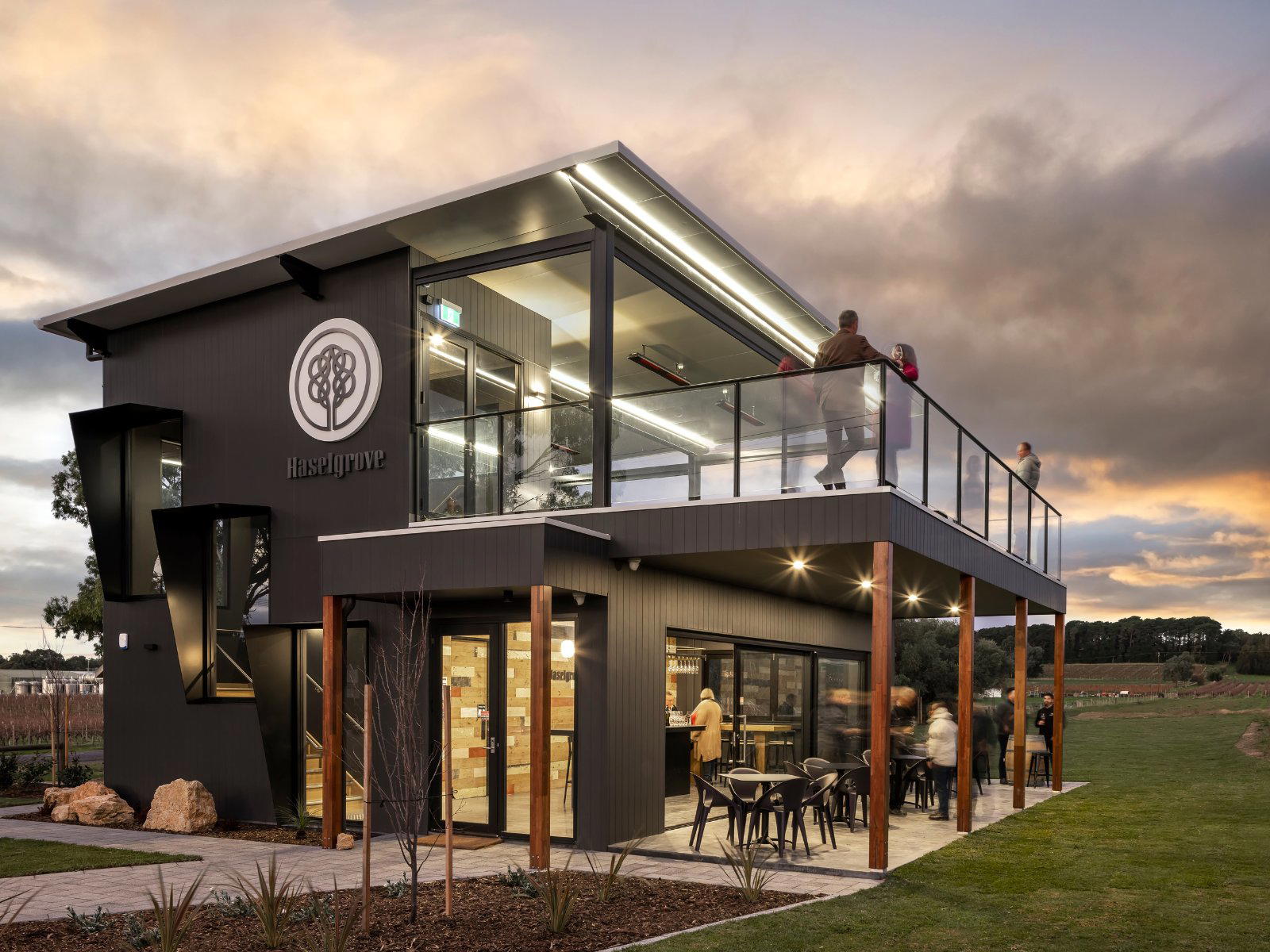
Haselgrove Wines is worth booking if you want a relaxed McLaren Vale cellar door with serious red-wine credentials and enough range for mixed palates. The draw is old-vine Shiraz and Cabernet Sauvignon, broader South Australian sourcing, seated tastings, casual food and vineyard-facing hospitality rather than a formal technical tasting.
Domaine Marcel Deiss
Bergheim, France
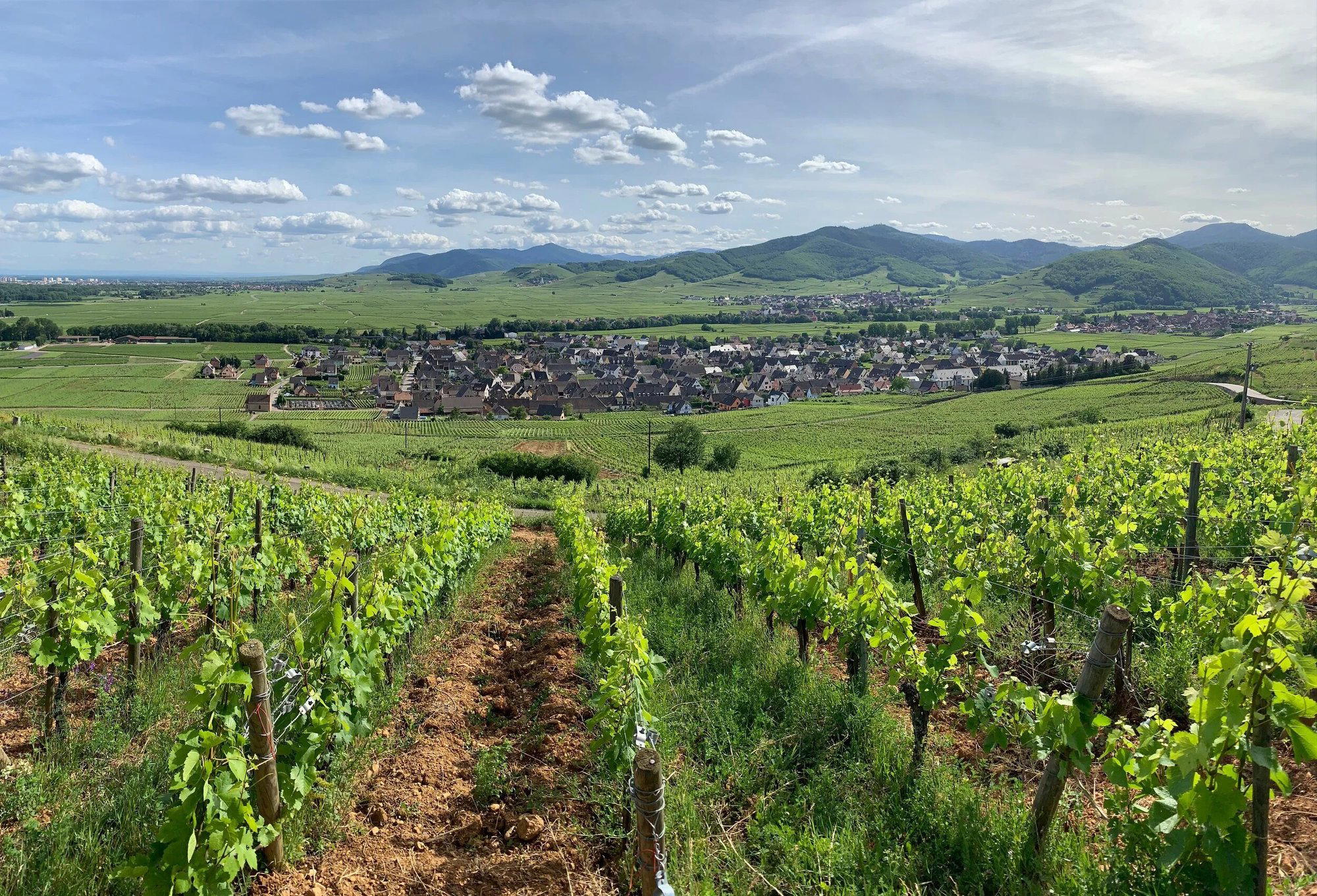
Prioritise Domaine Marcel Deiss if Bergheim is a wine-first stop and producer reputation matters more than a broad visitor package. The World's 50 Best Vineyards recognition gives it a clear trust signal, but plan the day carefully: meals, hotels, and backup winery options should be arranged separately.
Bodegas Fuentespina
Fuentespina, Spain
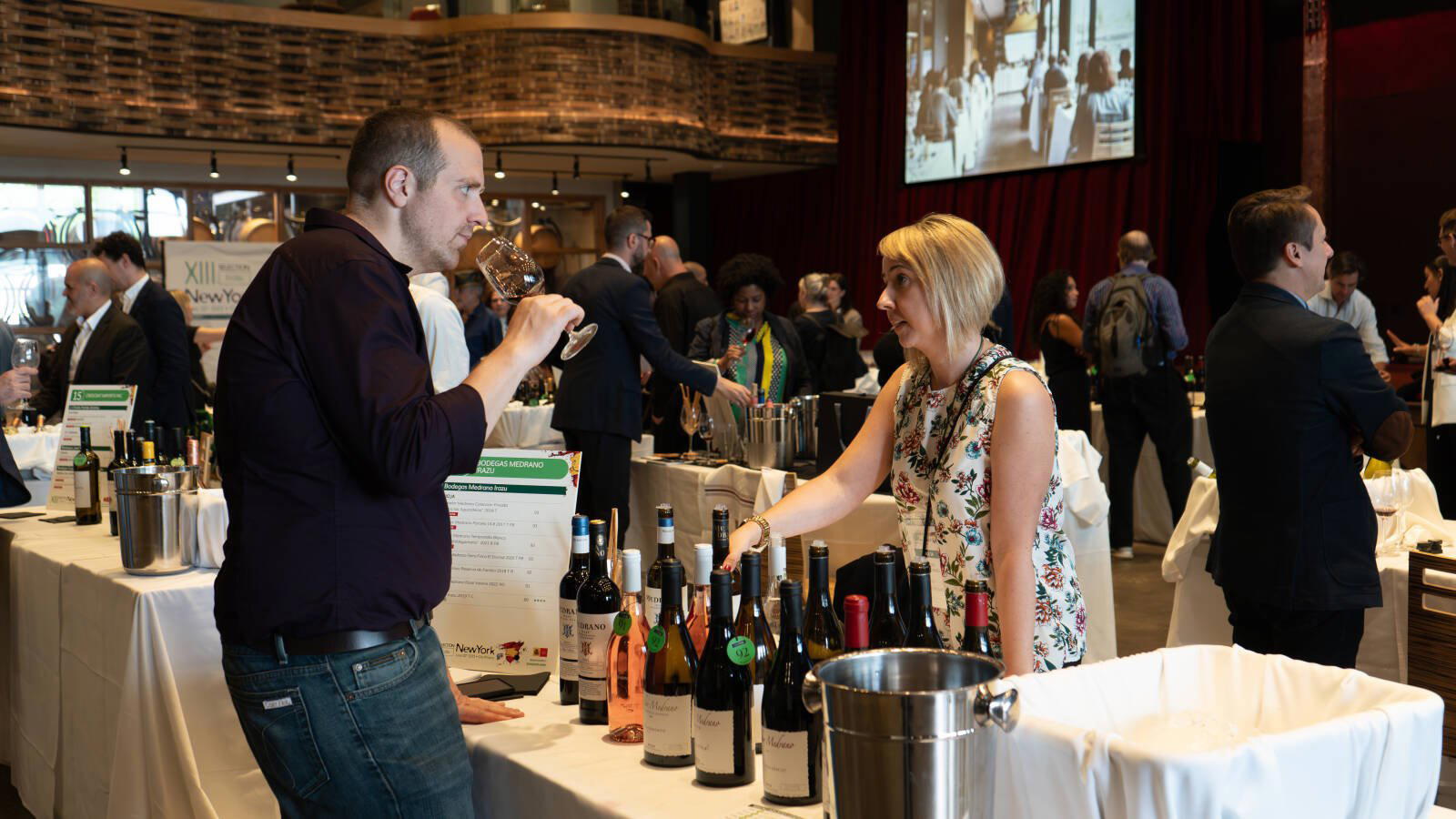
A good fit for wine-focused travelers who want a quiet, cellar-oriented Ribera del Duero visit rather than a hospitality-heavy tasting. Bodegas Fuentespina is appointment-led, moderately priced, and strongest for guests interested in barrel-room context, Tempranillo, and a broad winery lineup.
Fünfschilling Hof
Fischingen, Germany
A good Fischingen pick if you want a casual countryside venue with restaurant and farm-shop appeal in a vineyard setting. Do not treat it as a guaranteed structured tasting or wine-club destination without checking the current offer first; the stronger use case is an easy, rustic stop during a Baden-Württemberg food-and-wine day.
Hochriegl Sektkellerei
Vienna, Austria
Hochriegl Sektkellerei works if the priority is Austrian sparkling wine rather than a full winery-hospitality day. The safer plan is to treat it as a Vienna-linked Sekt producer for category depth, then handle dining and broader trip planning elsewhere. It is less compelling for travelers who need a confirmed food pairing, cellar tour, or detailed tasting-room format.
Barbaran
Zenson Di Piave, Italy
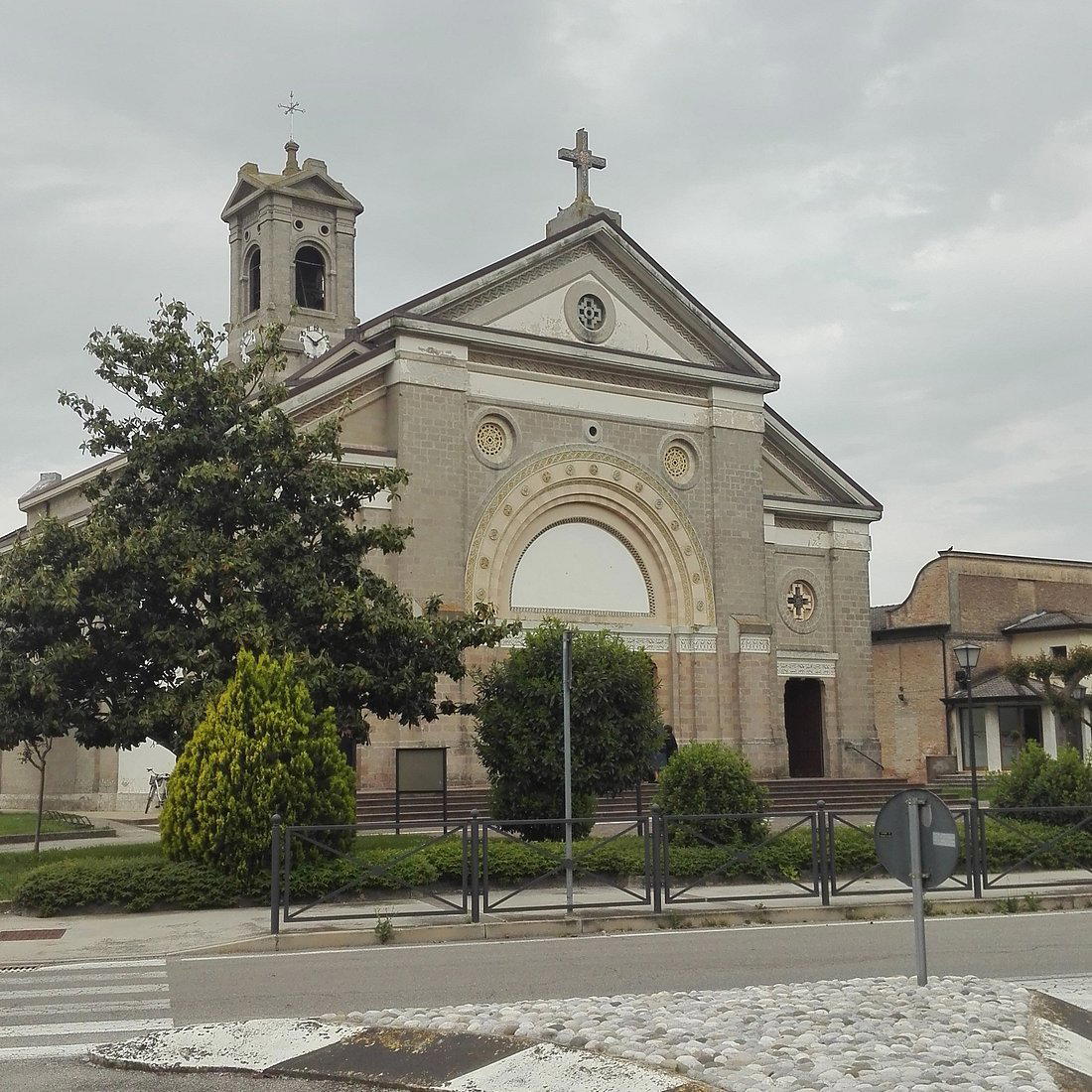
Barbaran is worth booking if you want a focused Piave winery visit built around Raboso del Piave DOC, Grapariol and a Falstaff-recognised Prosecco. The setting is rural and family-run rather than highly produced, so it suits travellers who care more about native Veneto varieties than a polished visitor-centre format.
Château le Grand Verdus
Sadirac, France
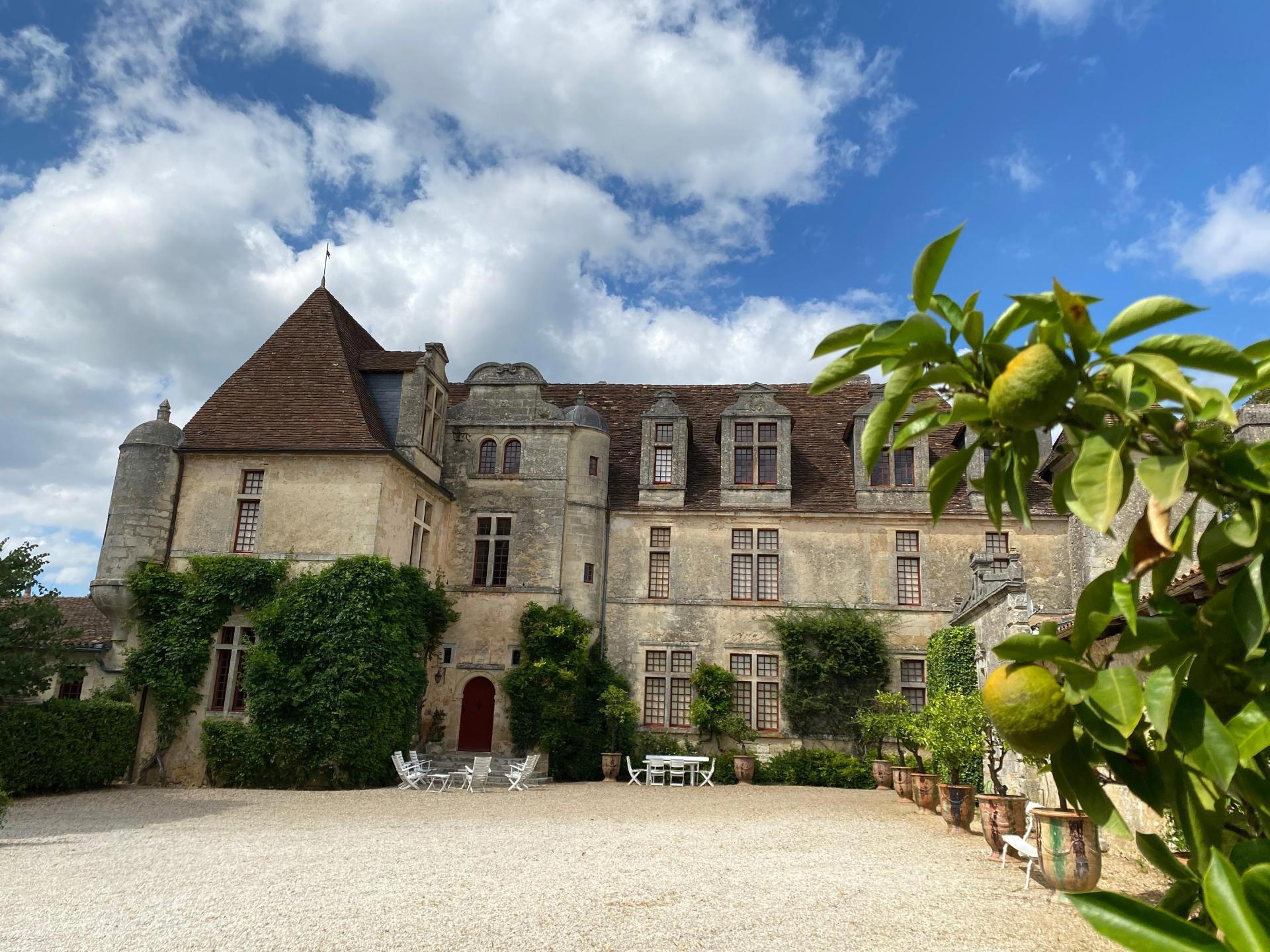
Book Château le Grand Verdus for a small-group Bordeaux estate visit where the manor-house setting matters as much as the tasting. It is a strong fit for dates, celebrations, or curious drinkers who want Entre-Deux-Mers wines with organic farming credentials and a portfolio that stretches beyond classic Bordeaux formats.
Domaine viticole A. Gloden et Fils
Schengen, Germany
Book Domaine viticole A. Gloden et Fils if the priority is a traditional Moselle family estate with serious Riesling, Pinot Gris and Crémant credentials. It suits couples and small wine-focused groups better than visitors looking for a high-service tasting production or food-led winery experience.
Bodegas Tradición
Jerez de la Frontera, Spain
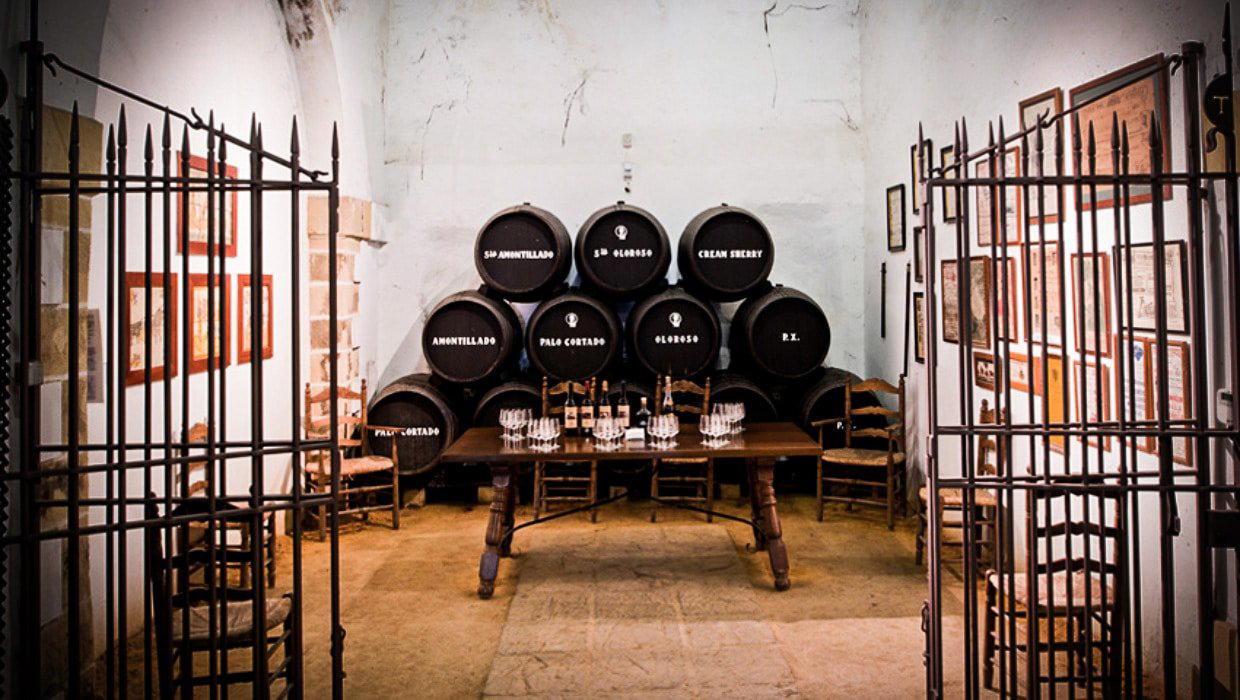
Book Bodegas Tradición if the goal is a serious sherry-focused bodega visit in Jerez rather than a broad, casual tasting stop. It suits repeat visitors and wine-led itineraries; for mixed groups or easier logistics, Lustau or Williams & Humbert are safer cross-shops.
Dehesa Valdelaguna
Cuellar, Spain
Dehesa Valdelaguna works for a quieter Ribera del Duero visit focused on Pesquera de Duero context rather than polished wine-tourism extras. The family-owned winery carries Falstaff 2 Stars for 2026 and sits in the $$ tier, making it a sensible pick for travelers who want appellation depth and a more rural pace.
Finca Decero
Agrelo, Argentina
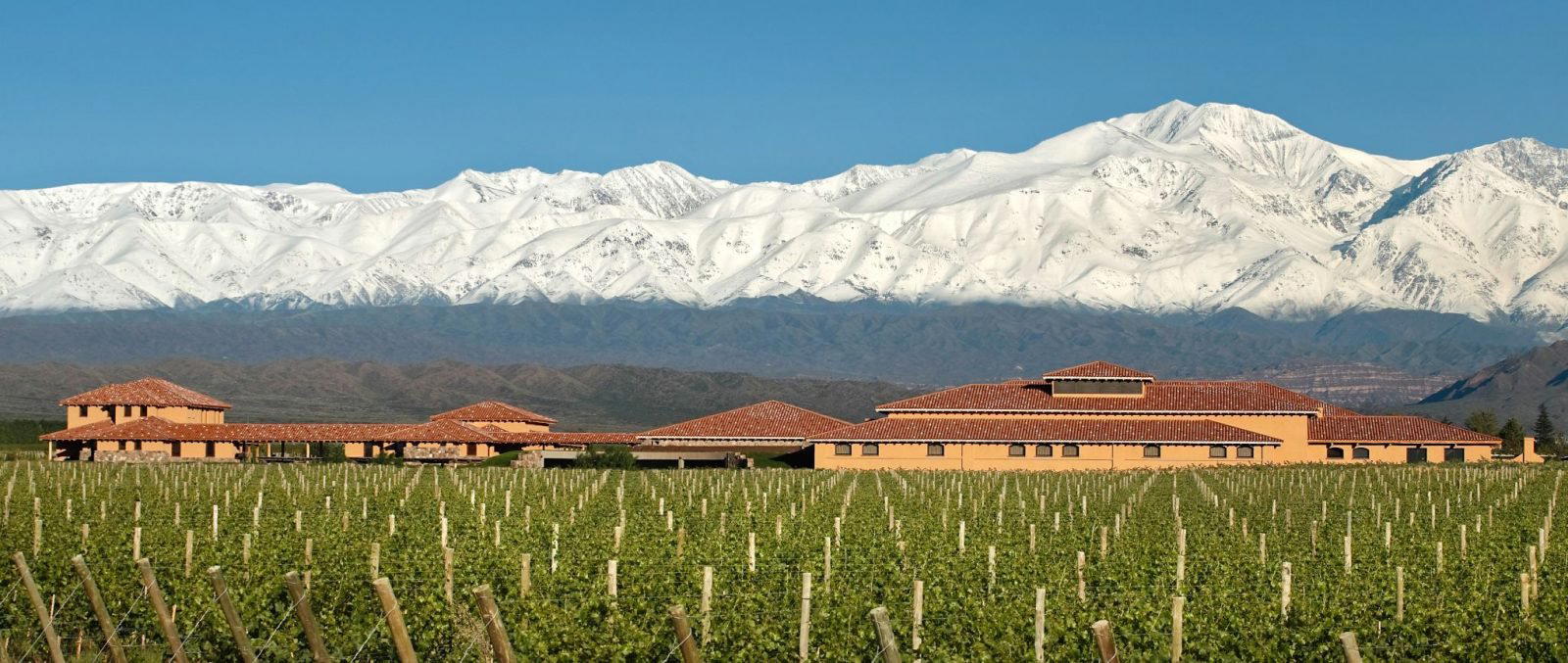
Finca Decero is the Agrelo winery to consider when the visit needs to feel planned, polished, and suitable for a celebration or client outing. Treat it as an anchor booking rather than a casual add-on, especially if the day is built around fewer, higher-intent winery stops.
Wairau River Wines
Rapaura, New Zealand
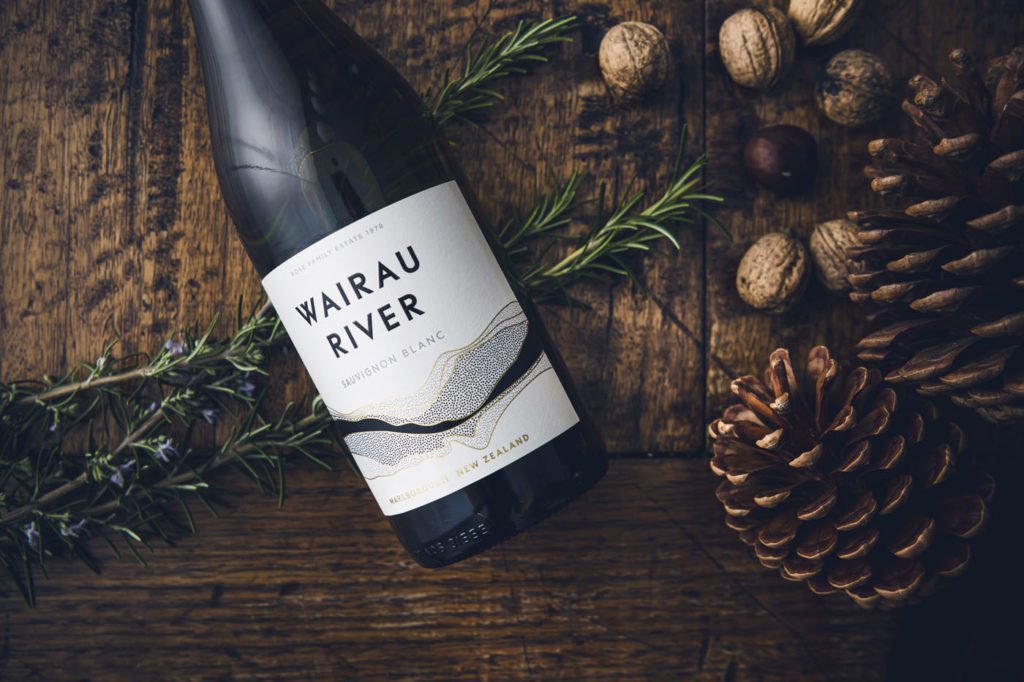
Wairau River Wines is a strong Rapaura pick for travelers who want a recognised Marlborough winery rather than a casual filler stop. Its 2025 World's 50 Best Vineyards placement gives the visit real credibility, but a wine club commitment only makes sense after tasting confirms repeat-buy appeal.
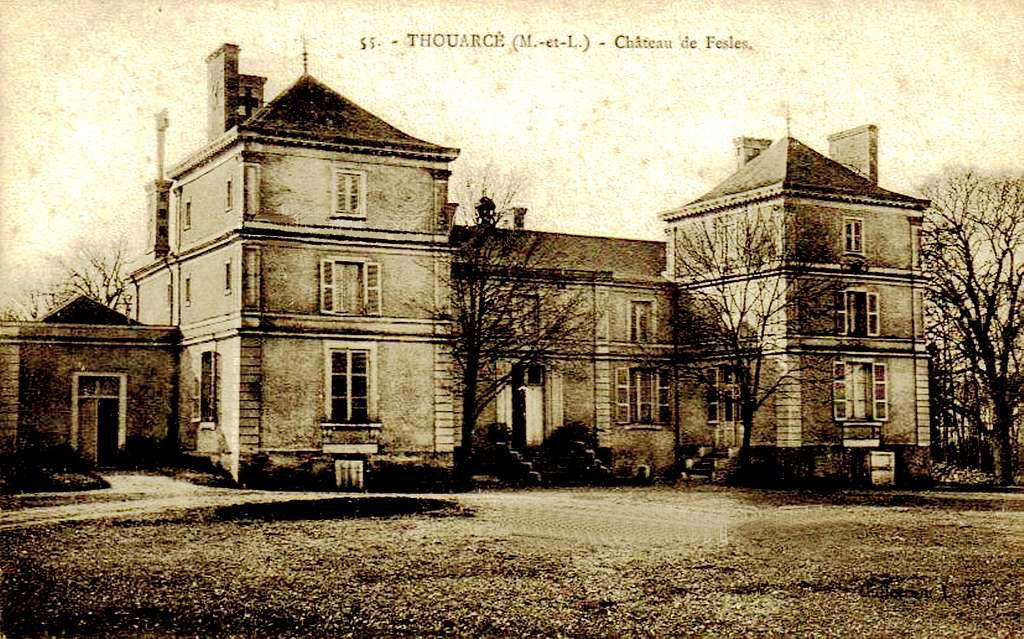
Château de Fesles
Thouarce, France
Book Château de Fesles if the goal is a serious but accessible Anjou vineyard visit anchored in Chenin Blanc and Bonnezeaux. It is better for travellers who want production context, organic farming detail, and a historic estate setting than for anyone looking for a quick casual tasting.
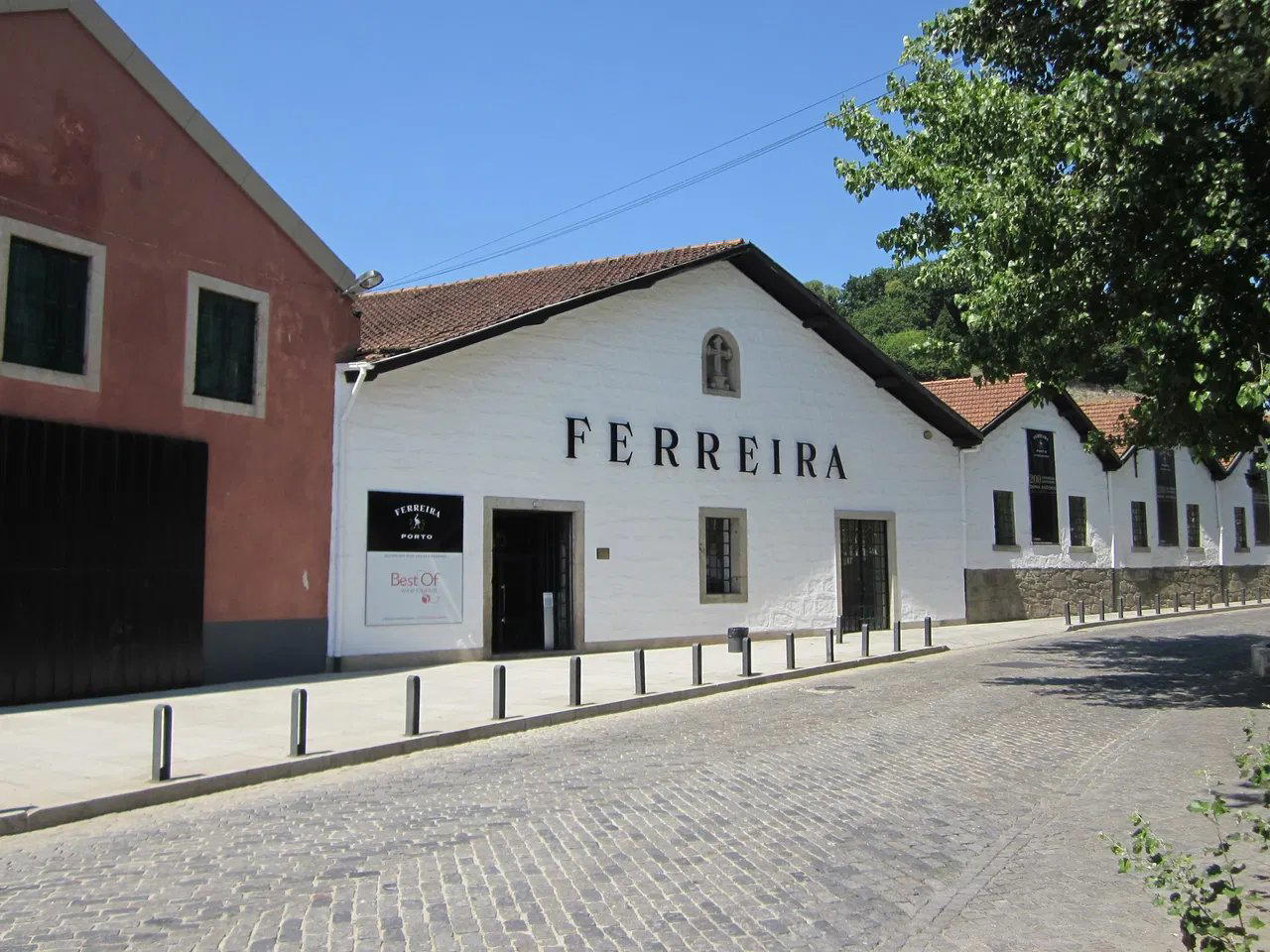
Ferreira
Vila Nova de Gaia, Portugal
Ferreira is worth prioritizing in Vila Nova de Gaia if the plan is a serious port tasting rather than a food-led outing. Aim for the most focused tasting format available, especially for wine travelers who want context and cellar depth; cross-shop Churchill's for a smaller-house feel or Cockburn's Port for an easier group-friendly stop.
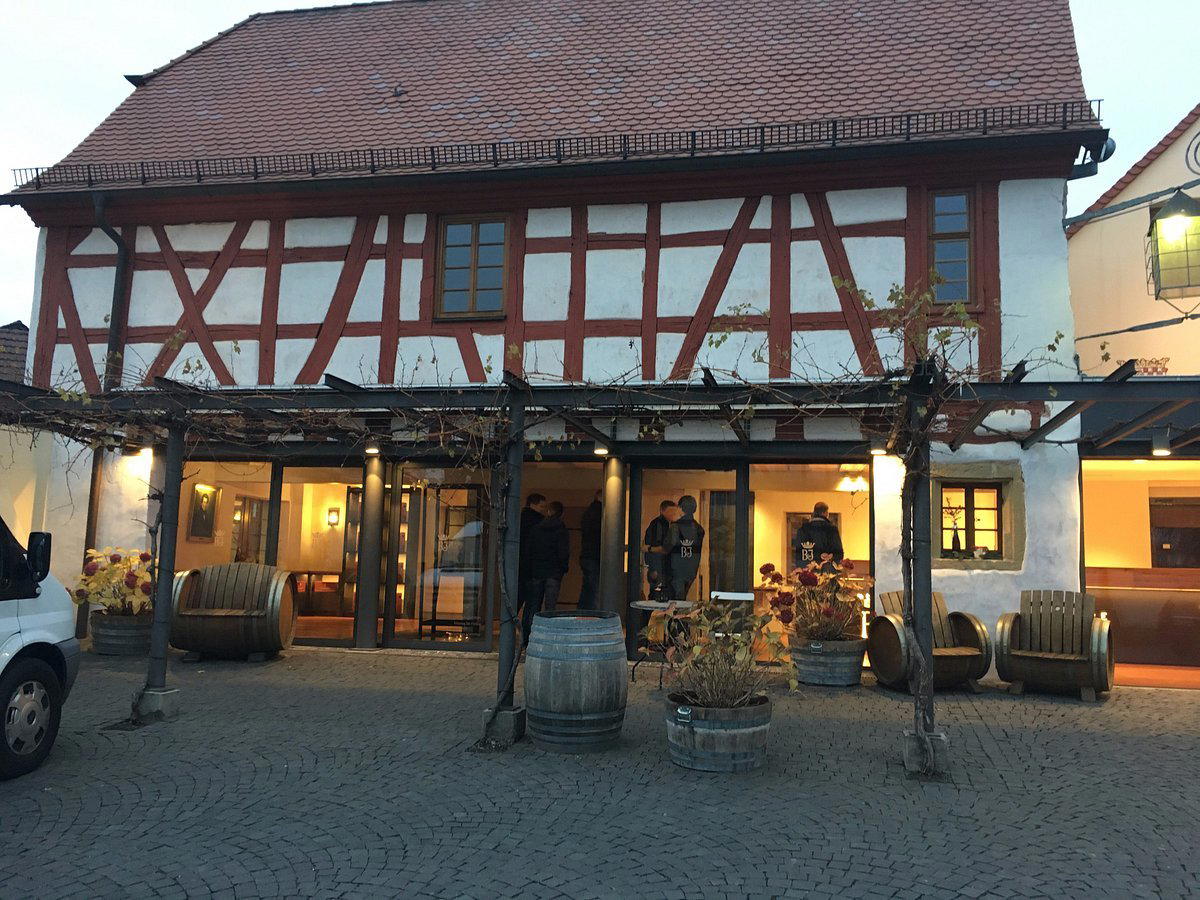
Weingut Bassermann-Jordan
Deidesheim, Germany
Choose Weingut Bassermann-Jordan when the Deidesheim stop needs a serious Pfalz anchor rather than a casual tasting add-on. It suits special-occasion and business-minded wine itineraries, especially if Riesling and producer pedigree are the point. Cross-shop nearby Deidesheim peers if flexibility matters more than securing a harder-to-plan estate visit.
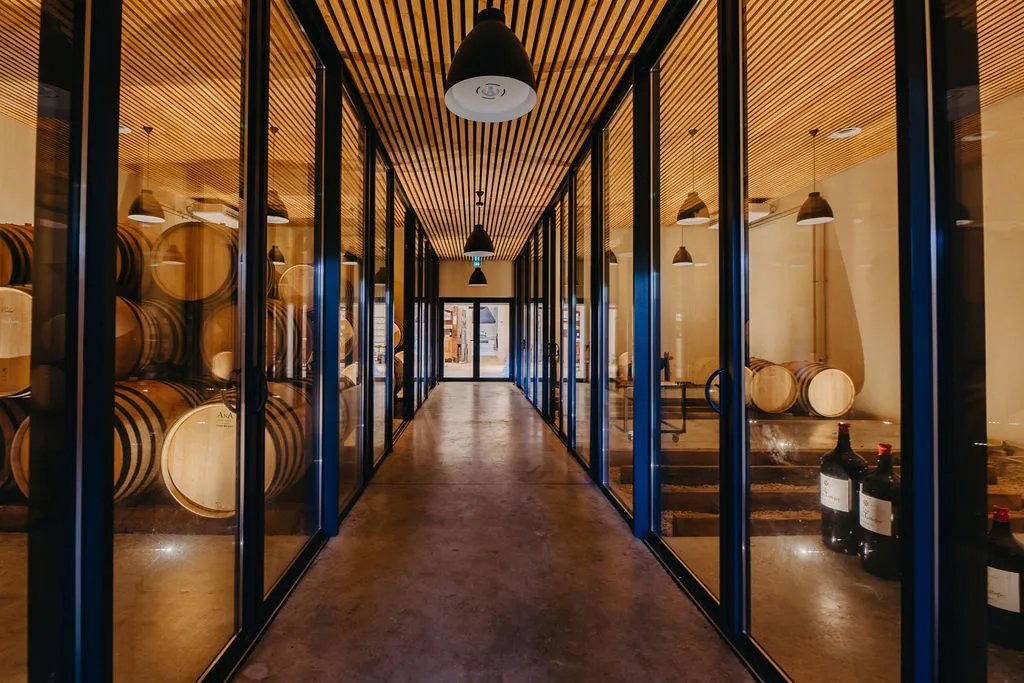
Château Rol Valentin
Saint Etienne De Lisse, France
Book Château Rol Valentin if the priority is a focused Saint-Émilion tasting at a small, modern family estate rather than a grand château spectacle. The strongest case is the combination of compact vineyard scale, gravity-flow cellar, sustainability credentials, and Falstaff 3 Stars in 2026; casual drop-ins should look elsewhere because visits are appointment-led.
Earl François Gay et Fils
Chorey-lès-Beaune, France
Worth considering if you want a focused Chorey-lès-Beaune Pinot Noir visit rather than a polished tasting-room experience. Earl François Gay et Fils is strongest for Burgundy drinkers who care about family-estate continuity, HVE-certified farming, and village-level reds with aging potential; casual groups wanting a broad hospitality setup may prefer a more visitor-oriented stop.
Domaine Louis Carillon et Fils
Puligny-Montrachet, France
Domaine Louis Carillon et Fils is worth pursuing for serious Puligny-Montrachet Chardonnay context, especially if older bottles and vineyard-specific white Burgundy are the goal. It is not the easy choice for a casual tasting itinerary; the value is in provenance, premier cru focus, and the historic family line behind the wines.
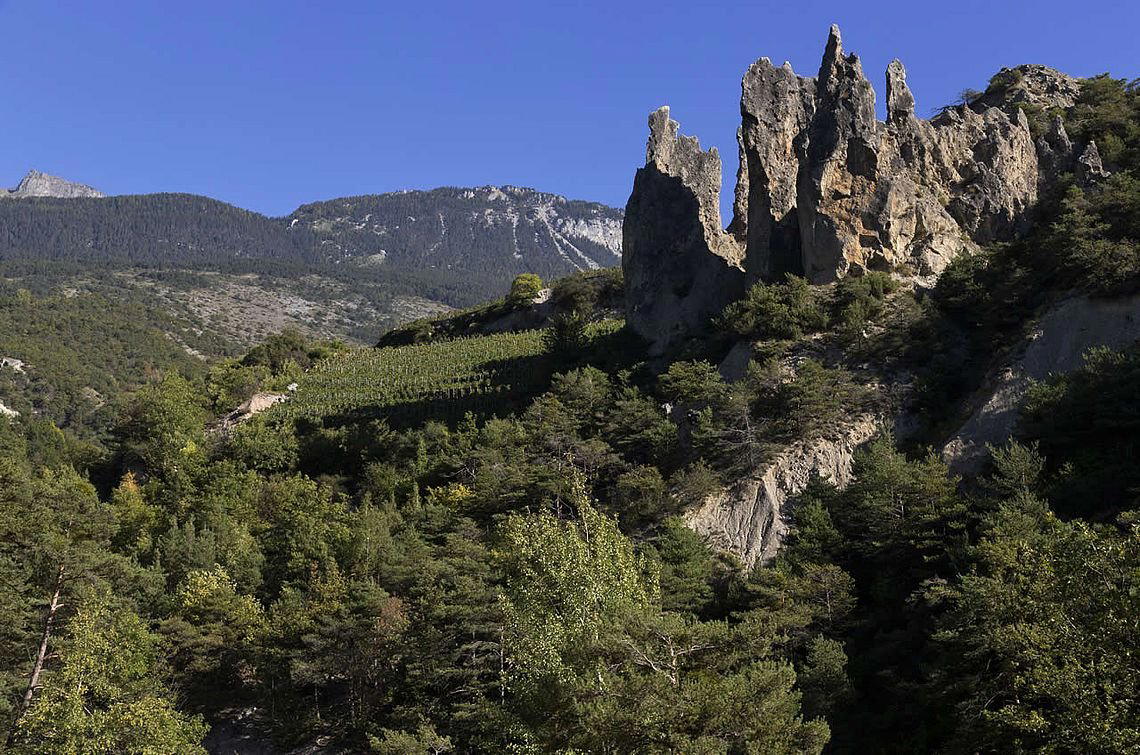
Cave St. Philippe – Philippe Constantin
Salgesch, Switzerland
A sensible Salgesch pick for a wine-first occasion, especially if the Valais setting is part of the appeal. Cave St. Philippe – Philippe Constantin has a 2026 Falstaff listing, so it carries a credible quality signal, but plan it as a focused winery stop rather than a full hospitality experience.
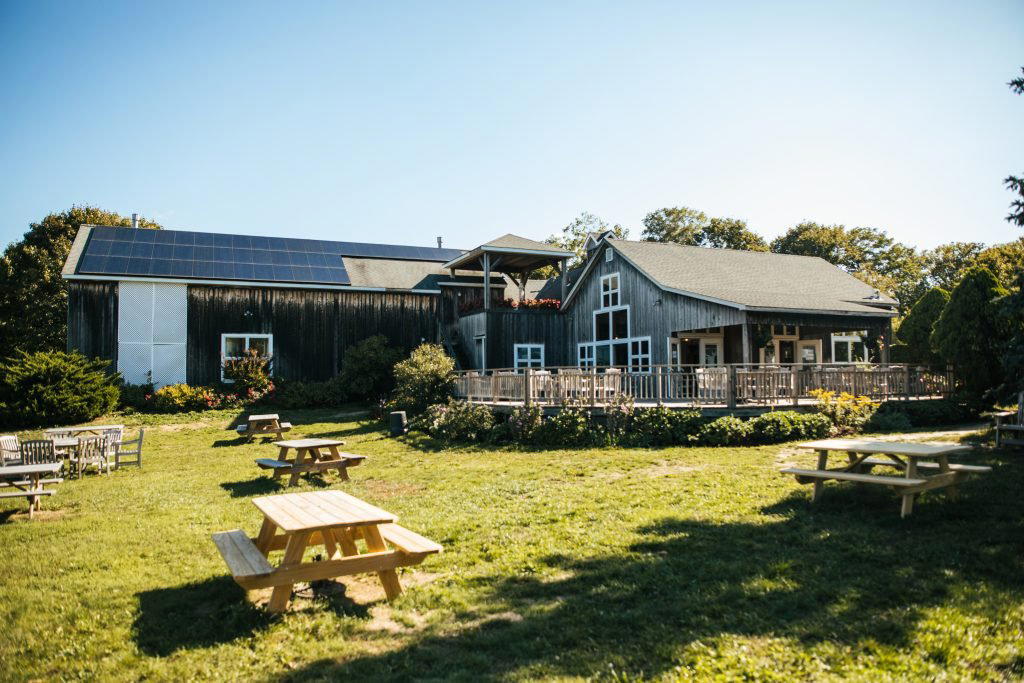
Paumanok Vineyards
Aquebogue, United States
Paumanok Vineyards is the Aquebogue choice for a wine-first North Fork stop, especially if the group wants more focus than a casual drinks crawl. It suits repeat visitors and wine-minded travelers better than mixed groups looking mainly for an easy social stop.
Finca Nueva
Briones, Spain
Finca Nueva is a wine-first Briones pick for travelers who value Rioja Alta context over a fully packaged visitor experience. The 2026 Falstaff 2 Stars recognition gives it a clear quality signal, but plan carefully: food, group capacity, shipping, and online booking details should not be assumed.
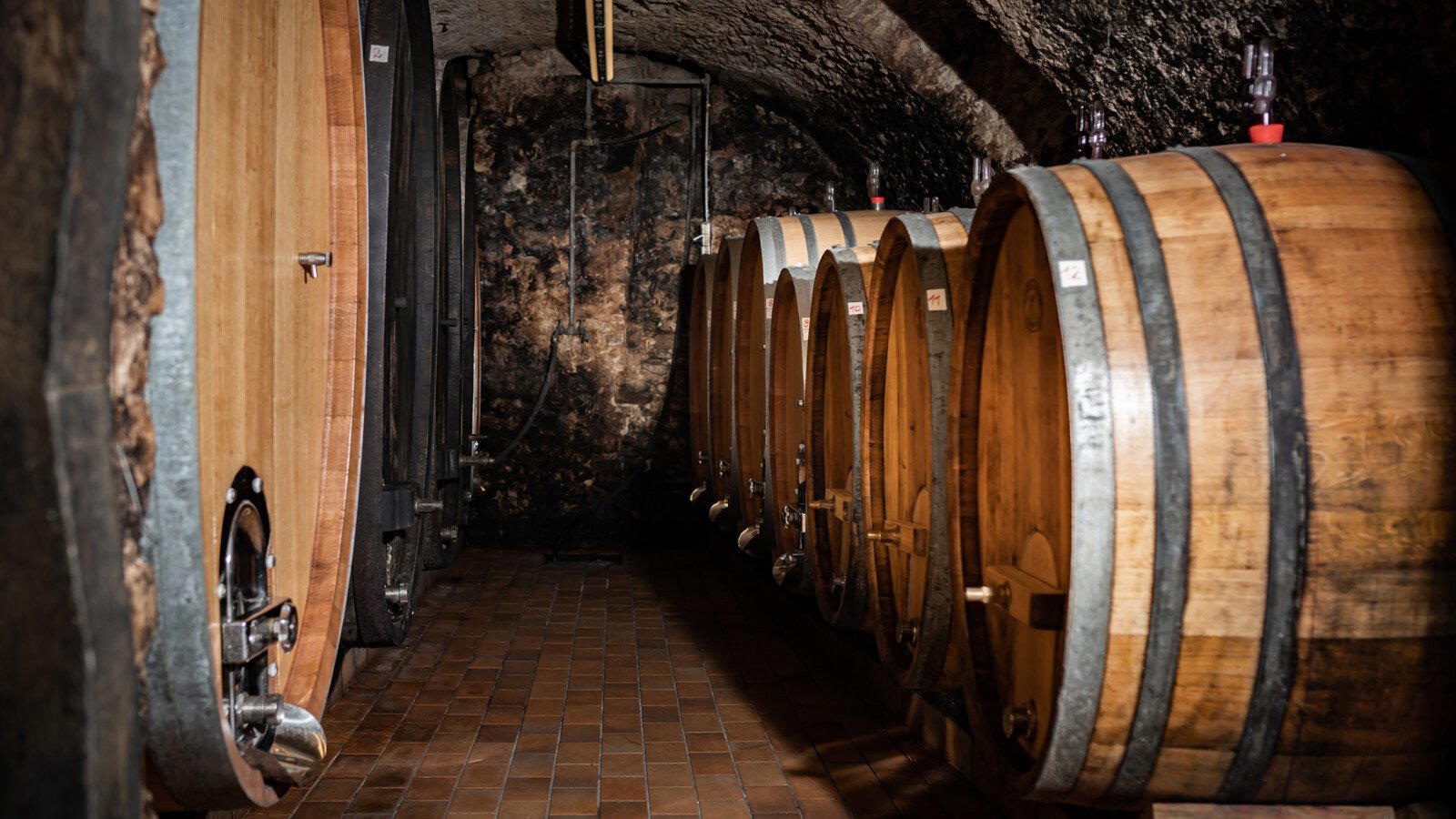
Badischer Weinbauverband
Freiburg im Breisgau, Germany
Book Badischer Weinbauverband for Baden wine context, not a standard winery tasting. It is strongest for first-timers who want to understand the region’s producers, sub-regions, and flagship categories before choosing estate visits or bottles.
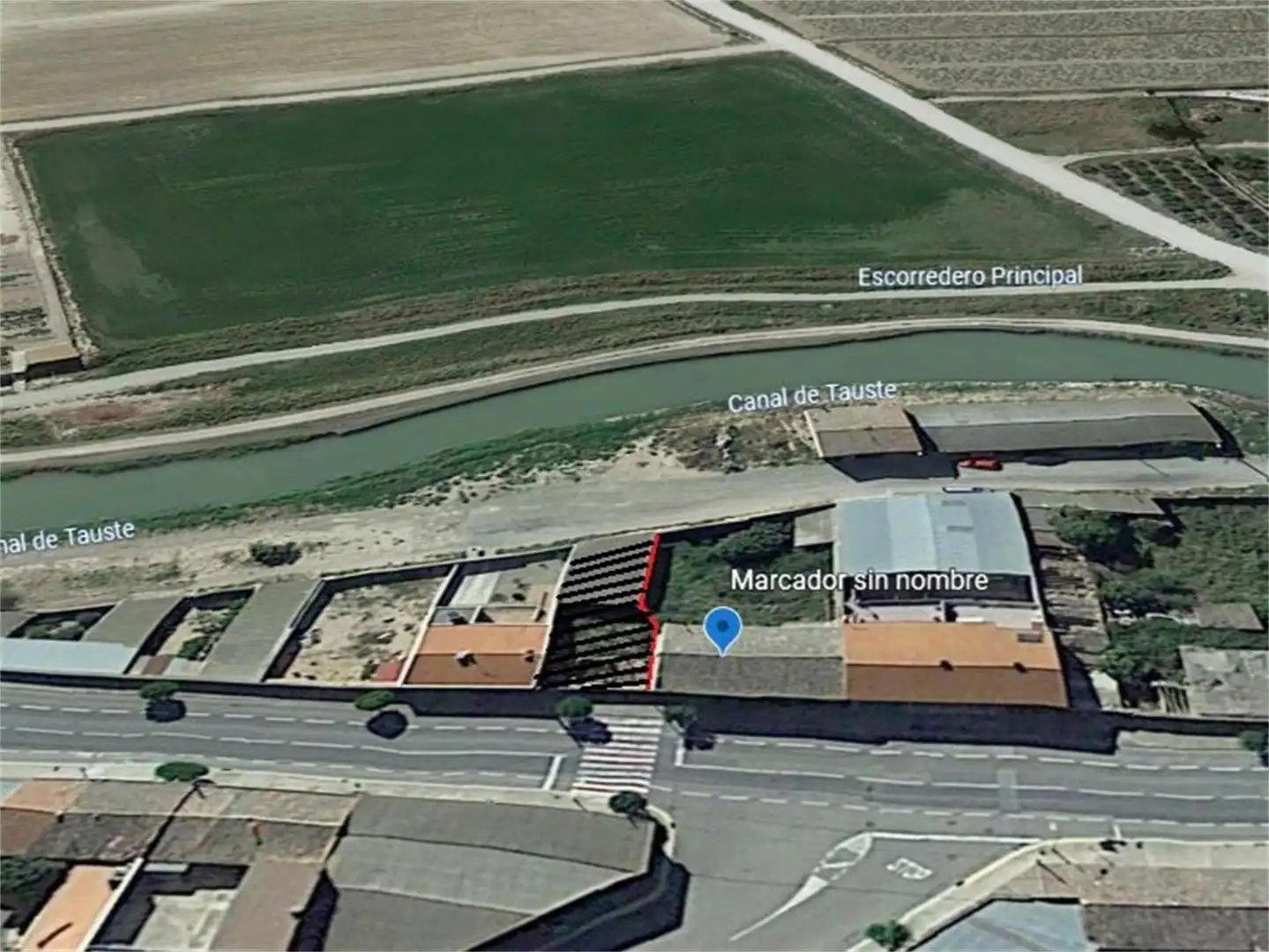
Bodega Campos de Enanzo
Murchante, Spain
Book Bodega Campos de Enanzo if the goal is a grounded Navarra winery visit with cooperative history, broad vineyard scale, and a rural production feel. It is better for wine-focused small groups than for guests expecting a polished tasting-room occasion, and the appointment-only format means advance planning is essential.
Domaine des Muses
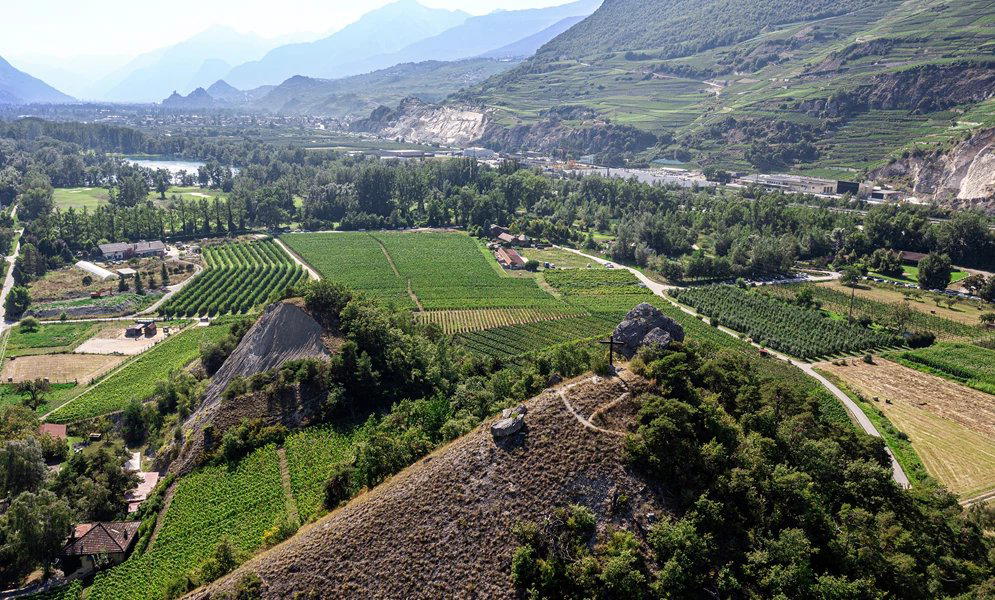
Sierre, Switzerland
Prioritise Domaine des Muses if the goal is a serious Valais wine stop rather than a casual tasting detour. Falstaff’s 4-star 2026 recognition gives collectors a reason to investigate allocations or membership access, but occasional buyers should confirm terms before committing.
Dashwood Wine
Waihopai Valley, New Zealand
Dashwood Wine works if a Waihopai Valley itinerary is built around Marlborough wine context rather than a fully confirmed cellar-door experience. Its Falstaff Listed 2026 recognition is the main trust signal; verify access, food, timing, and group suitability before making it a central stop.
Cantine Lenotti
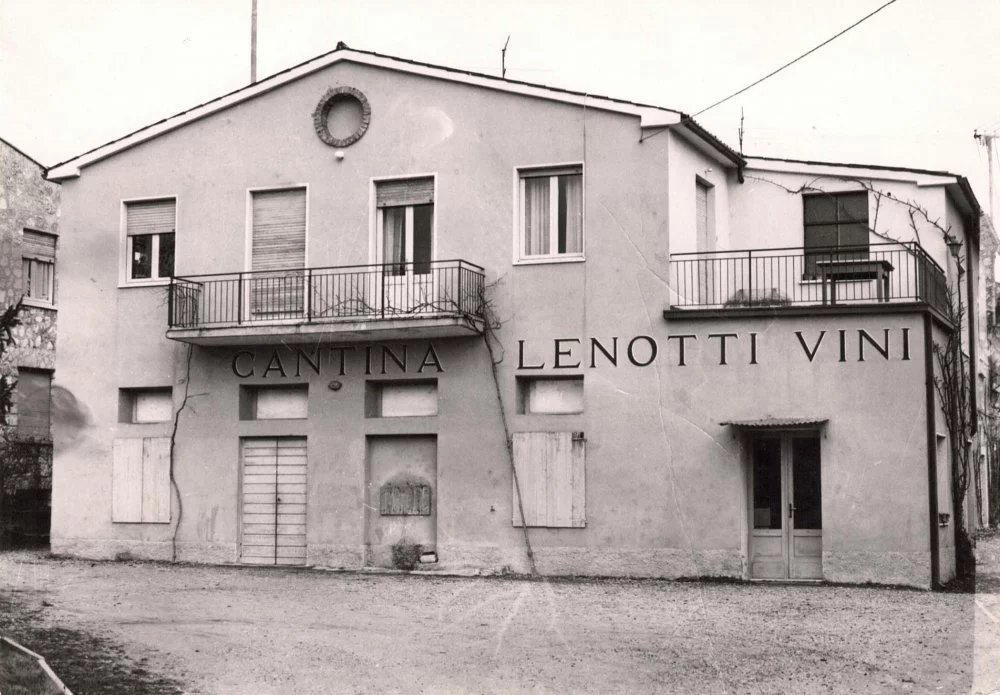
Bardolino, Italy
Book Cantine Lenotti if you want a polished, value-minded Bardolino winery visit with enough range to understand local Veneto styles in one stop. It is better for curious drinkers who want structure, heritage, and bottle breadth than for travelers seeking a long countryside meal or a highly intimate vineyard appointment.
Bodega Noemía de Patagonia
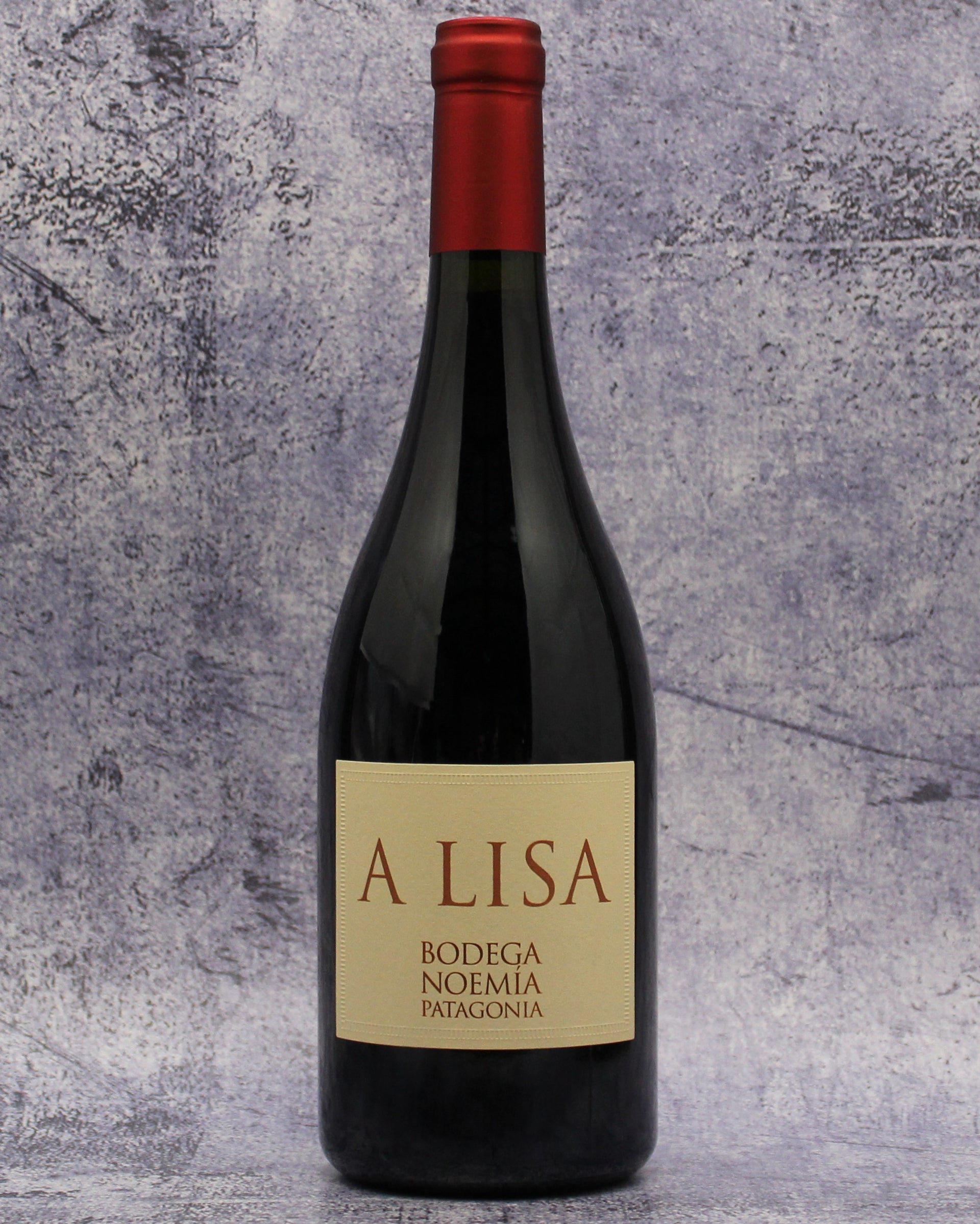
Mainqué, Argentina
Book Bodega Noemía de Patagonia only if Río Negro wine is a priority and hard-to-secure access is part of the appeal. It is better for collectors and serious wine travelers than casual tasting groups, with Bodega Chacra the closest Mainqué cross-shop for a Patagonia-focused itinerary.
Château de Meursault
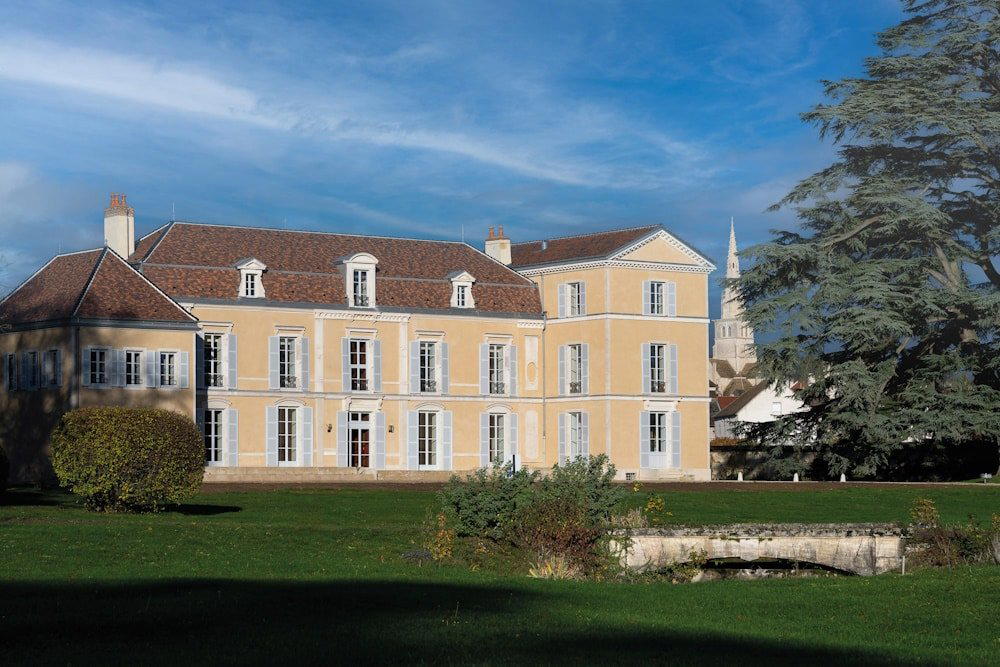
Meursault, France
Book Château de Meursault if you want a structured Meursault wine-country stop with château scale and broad Burgundy context. Serious collectors may prefer smaller domaine appointments, but for mixed-knowledge groups or first-time Meursault planning, this is a practical anchor for the village.
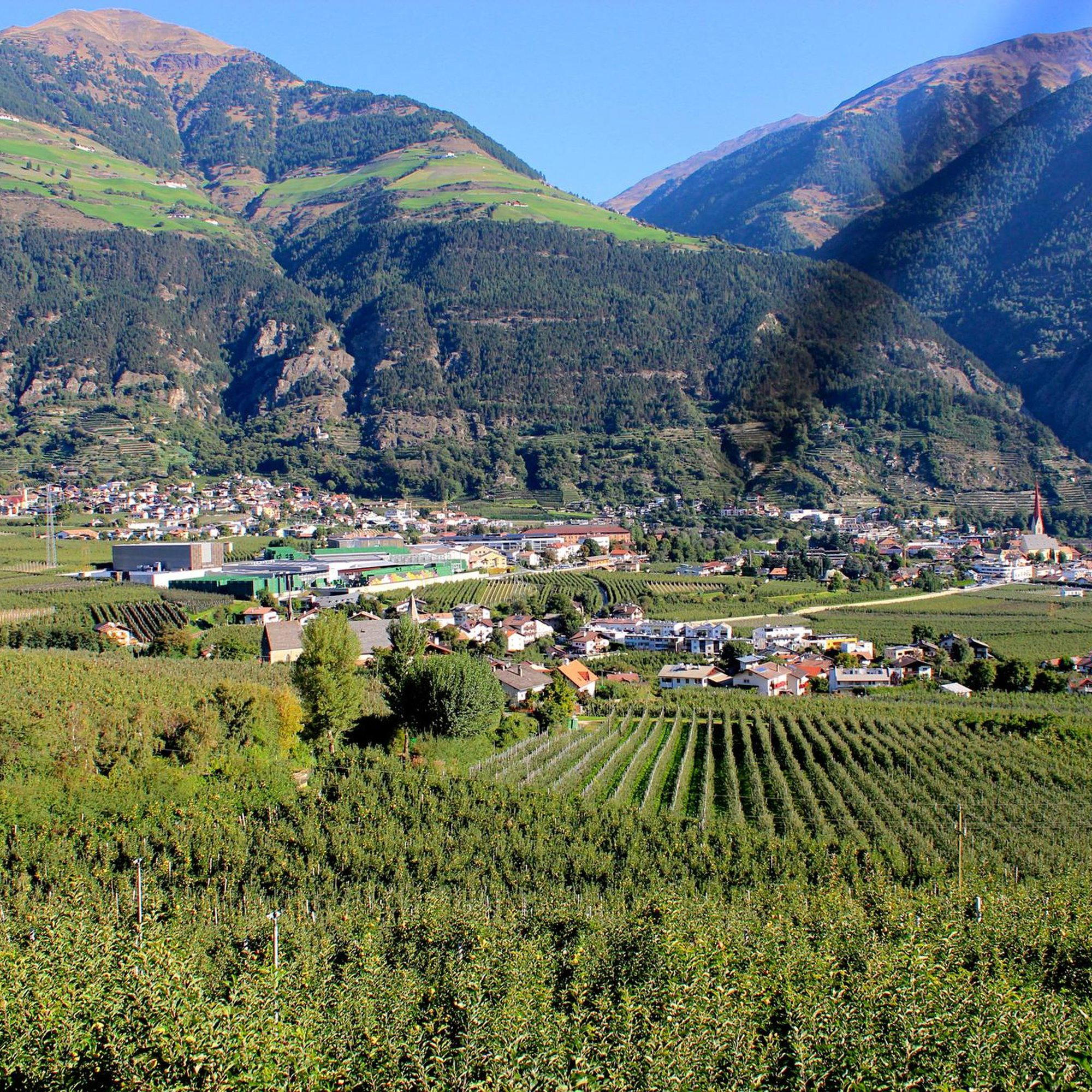
Befehlhof
Schlanders, Italy
Befehlhof is worth booking if you want a small, personal South Tyrol winery visit with both high-altitude wines and estate distillates. The fit is strongest for couples or small groups planning a slower Vinschgau day; Falstaff recognition adds credibility, but the main draw is the intimate family-run format rather than luxury polish.
Franck Balthazar
Cornas, France
Franck Balthazar is best booked as a focused Cornas wine stop rather than a food-led special occasion. The draw is northern Rhône Syrah context, with Falstaff listing recognition in 2026; choose it for a serious tasting day, not for a guaranteed pairing menu or large-group hospitality setup.
Frelih
Sentrupert, Slovenia
Frelih is worth booking if the draw is Dolenjska wine identity, especially Cviček od Fare, rather than a high-design tasting room. The family history, vineyard setting above Šentrupert, $$ positioning, and Falstaff 2 Stars recognition make it a strong low-key choice for a wine-focused overnight or small celebration.
Giacosa Fratelli
Neive, Italy
Book Giacosa Fratelli if the priority is serious Piedmont vineyard context, especially Barolo Scarrone “Vigna Mandorlo,” Bussia, and Neive-linked Barbaresco. The estate is strongest for collectors and curious wine travelers who want named-site Nebbiolo, a fifth-generation family story, and documented low-impact production rather than a hospitality-led tasting experience.
Highfield Estate
Waihopai Valley, New Zealand
Highfield Estate works for a calm, scenery-led Marlborough winery stop rather than a technical tasting deep dive. The draw is the hilltop vineyard setting in Waihopai Valley, making it better for dates, celebrations, and relaxed touring than for visitors who need a fully published tasting format before they go.
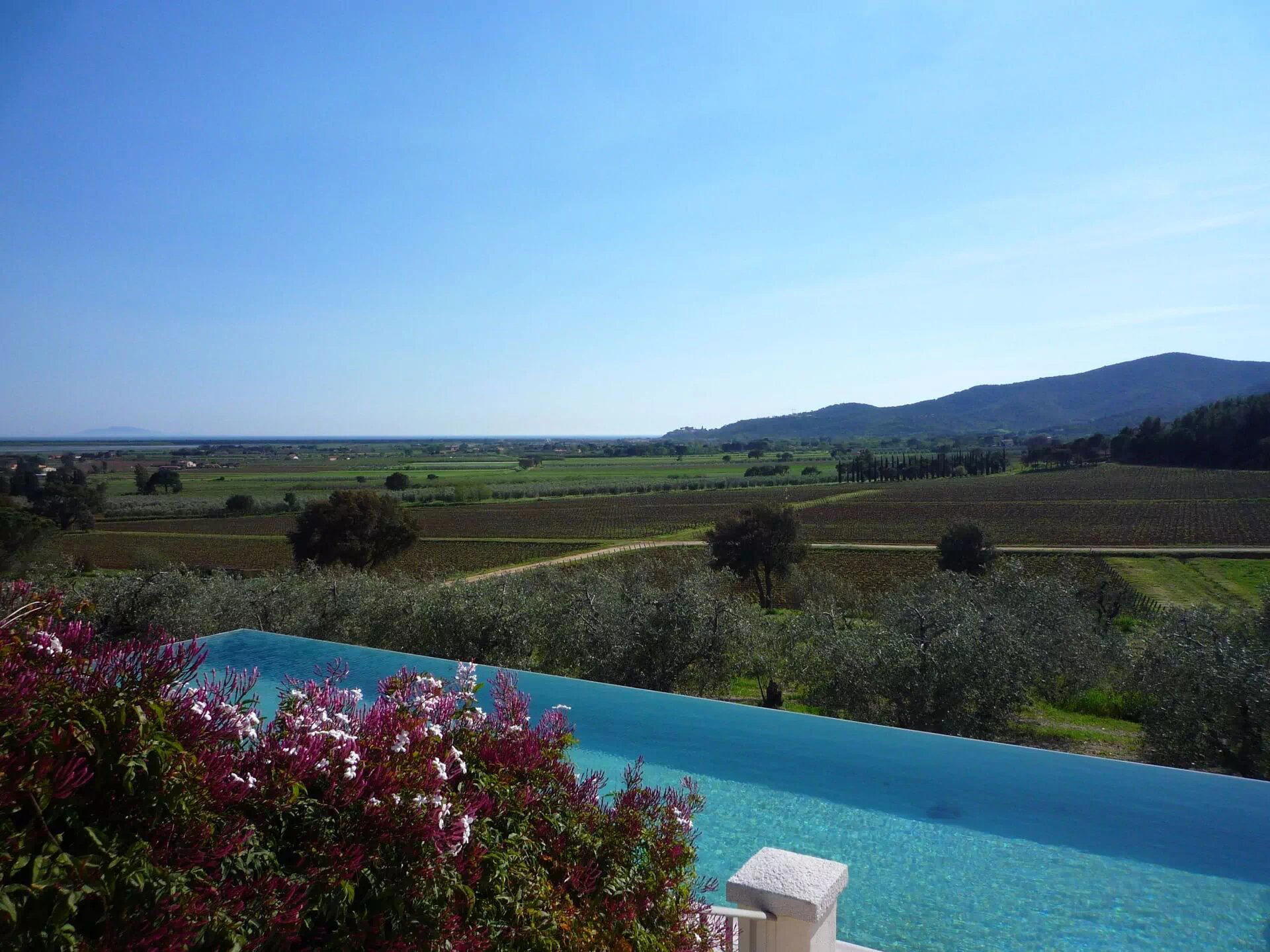
Castelprile
Castiglione della Pescaia, Italy
Castelprile is worth booking for a focused coastal Maremma tasting built around organic estate-grown wines, especially Vermentino with citrus, floral and mineral character. It suits couples, small celebrations and wine-curious groups better than travellers looking for a quick casual stop. The appeal is the hilltop coastal terroir, the former Lake Prelius story and a portfolio that balances fresh whites with structured reds.
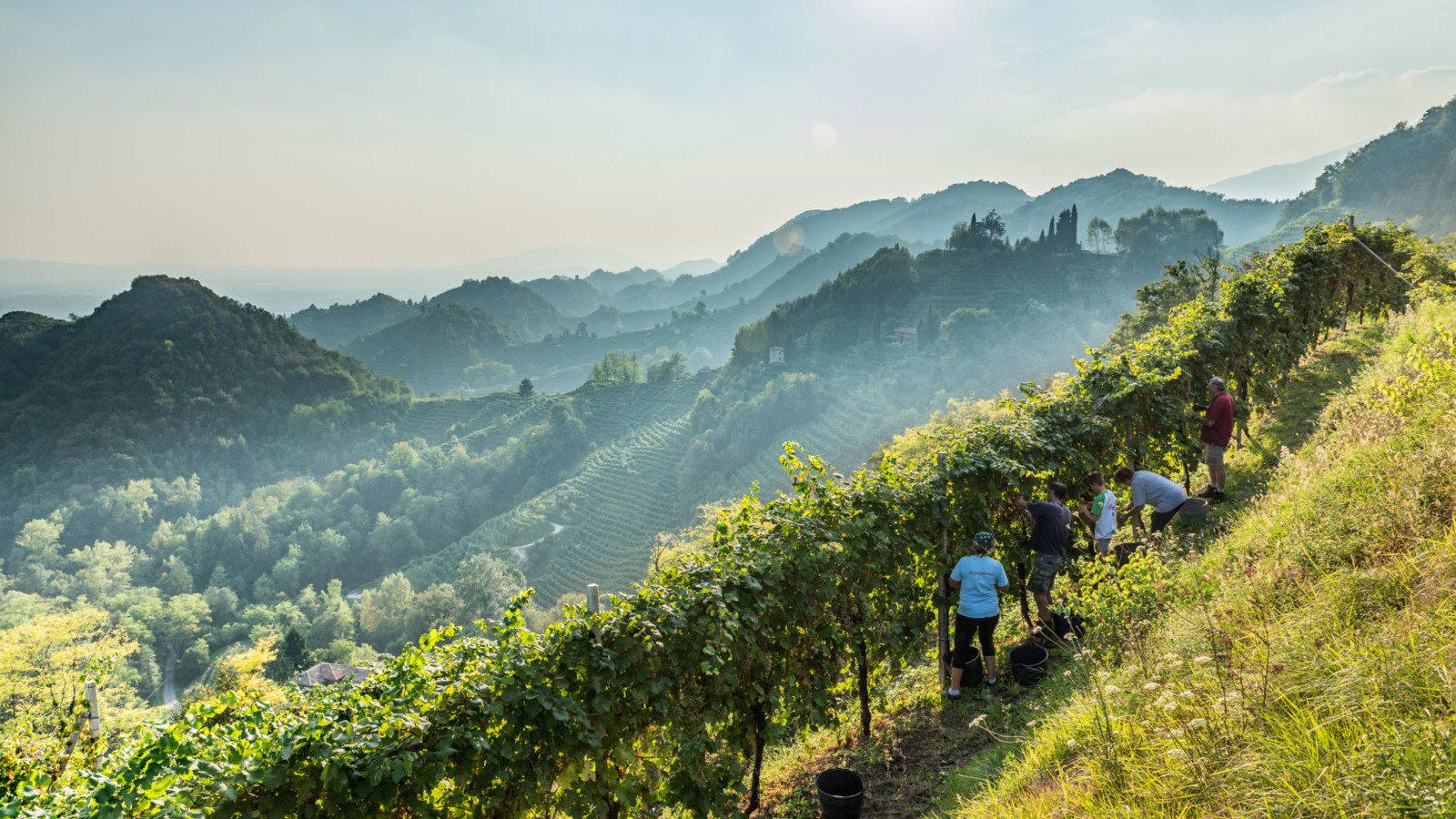
Bortolomiol
Valdobbiadene, Italy
Bortolomiol is worth prioritizing if the goal is a serious Prosecco-focused stop in Valdobbiadene, backed by Falstaff 5 Stars for 2026. Plan it as a wine appointment rather than a restaurant experience, and make bottle decisions around the producer’s core sparkling range and any higher-tier releases presented during the visit.
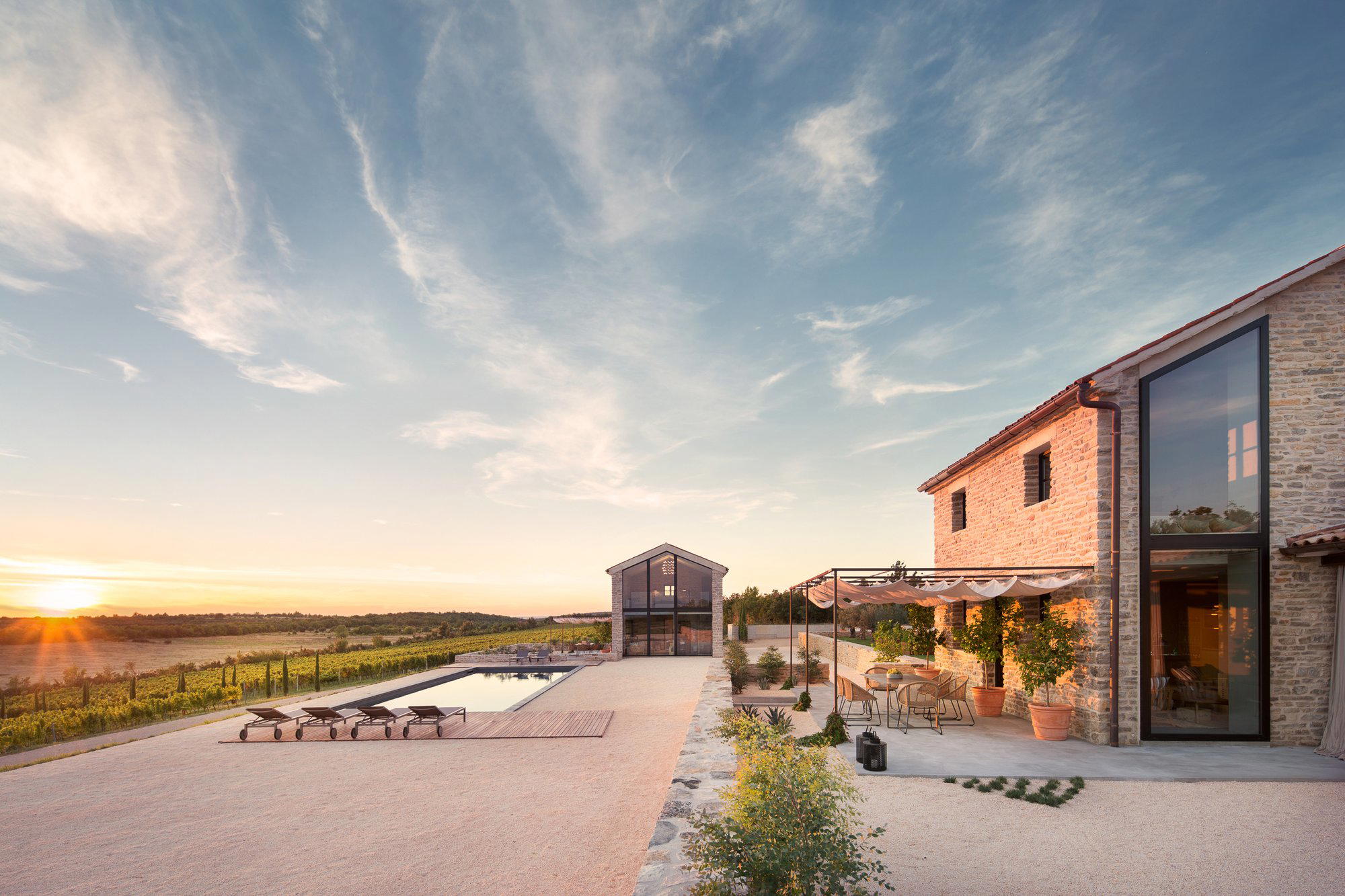
Bibich
Skradin, Croatia
Bibich works for a wine-led Skradin stop, especially if the day has room for a slower tasting rather than a tightly scheduled meal. Its Falstaff Listed 2026 recognition gives it a useful trust signal, but confirm timing and group logistics before building the itinerary around it.
Glaetzer Wines
Barossa Valley, Australia
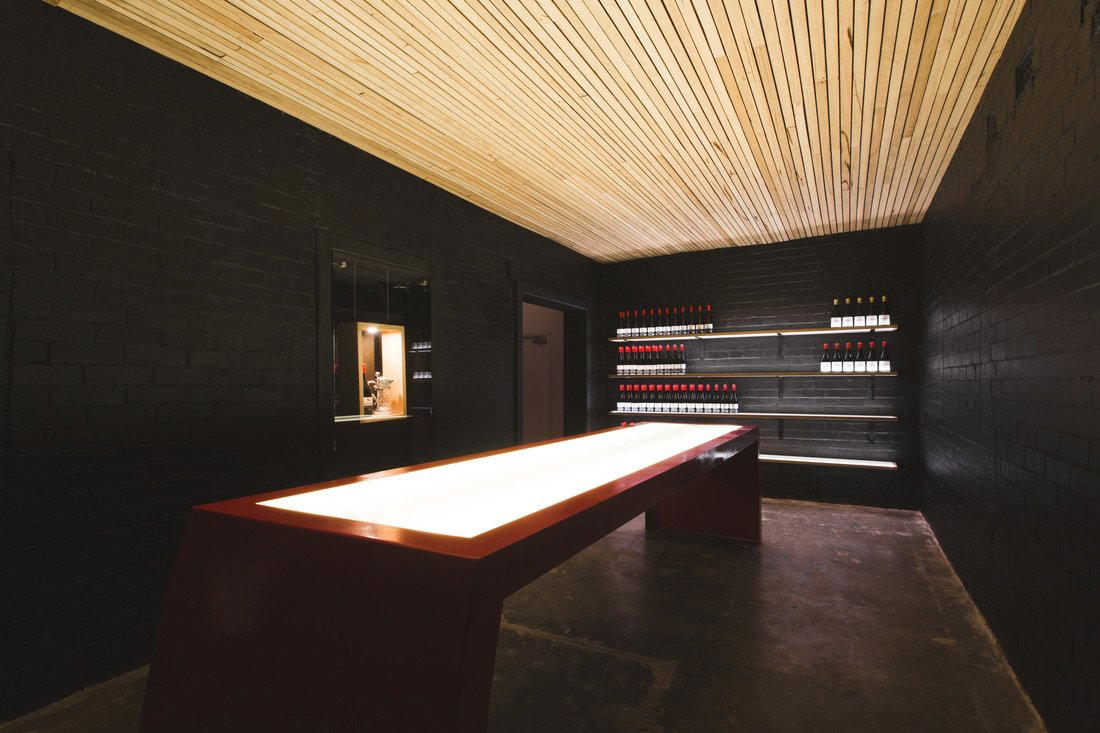
Glaetzer Wines is worth prioritising for a serious Barossa Valley wine itinerary, especially if producer focus matters more than visitor-centre convenience. Treat it as a high-commitment stop: plan ahead, keep the rest of the day flexible, and cross-shop Grant Burge, Rockford, Turkey Flat, or Jacob's Creek if access or group logistics are the deciding factor.
Château Plincette
Libourne, France
Château Plincette works for a quiet, wine-first Pomerol visit rather than a full hospitality experience. It suits couples, small groups, and Right Bank collectors who want a focused estate appointment; skip it if the occasion needs food pairings, broad tasting flights, or a polished visitor-center setup.
Domaine Roland Van Hecke
Grancey Sur Ource, France
Domaine Roland Van Hecke is worth booking if the goal is value-driven Crémant de Bourgogne in a family-run cellar rather than a polished luxury tasting. The moderate price tier, 2026 Falstaff listing, and strong medal history make it a smart special-occasion stop for small groups who care more about the wines than a grand hospitality setup.
Herdade do Esporão
Reguengos de Monsaraz, Portugal
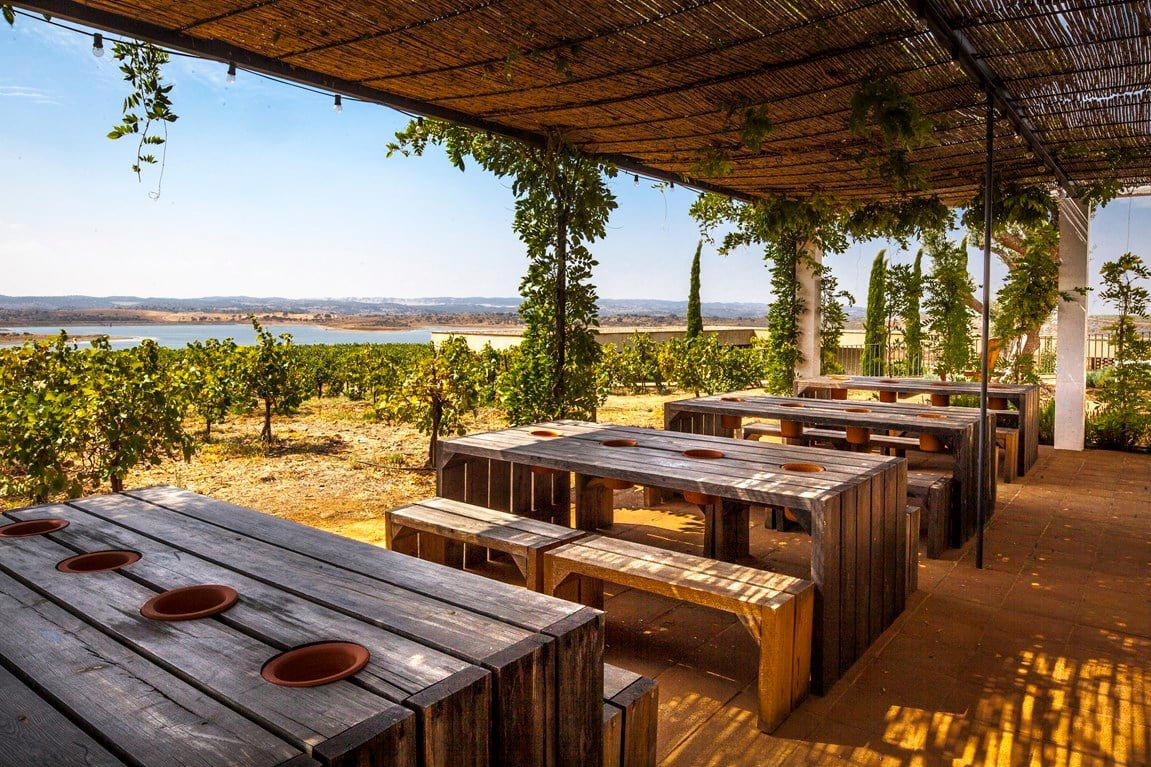
Herdade do Esporão is a wine estate near Reguengos de Monsaraz in Portugal's Alentejo region.
Weingut Rudi Pichler
Wösendorf, Austria
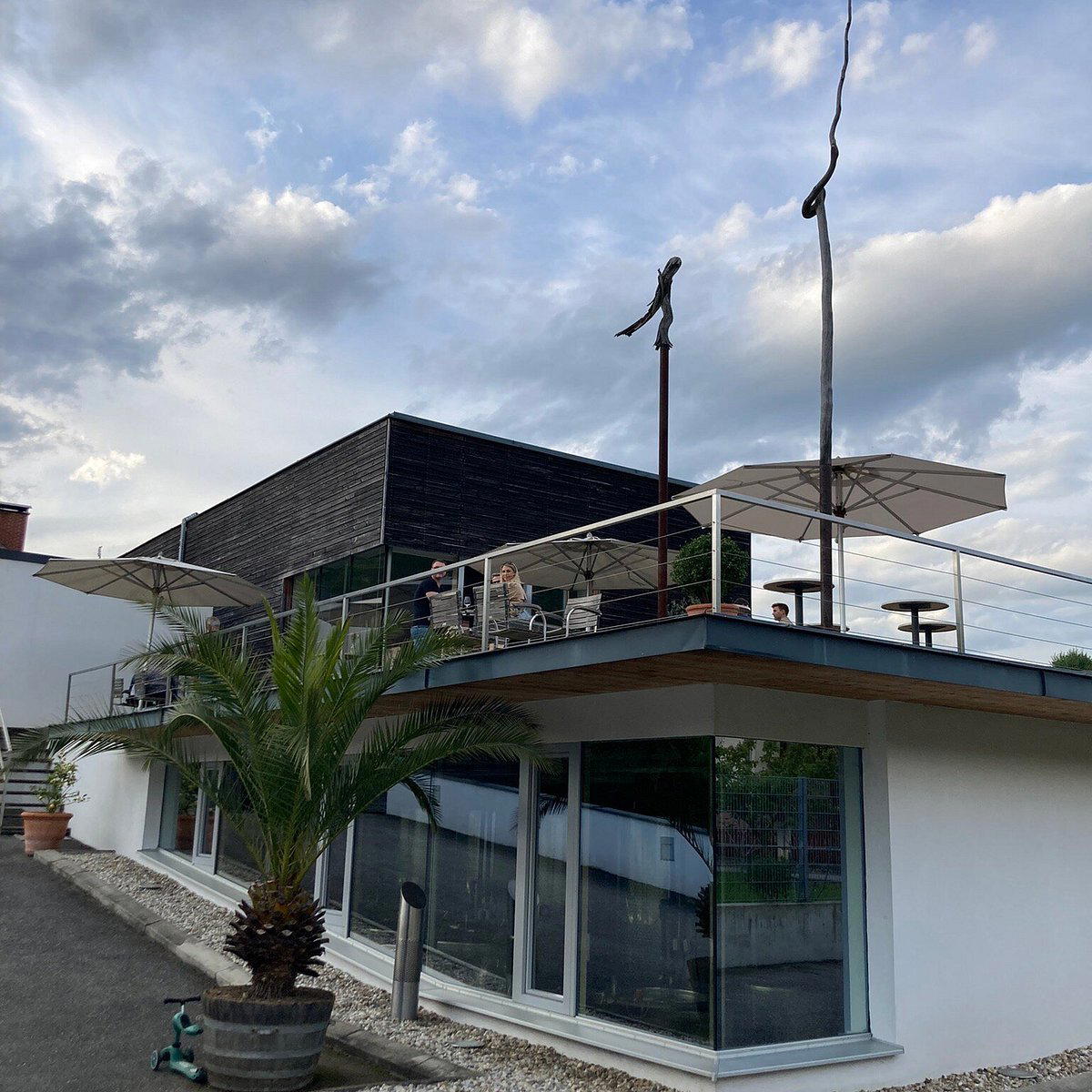
A strong choice for Wachau-focused collectors, especially if access or allocation matters more than casual hospitality. Plan it as a targeted Wösendorf wine stop with backup estates nearby, because booking difficulty makes loose scheduling risky. Value is clearest for buyers already committed to serious Austrian white wine.
Cascina Galletto
Santo Stefano Belbo, Italy
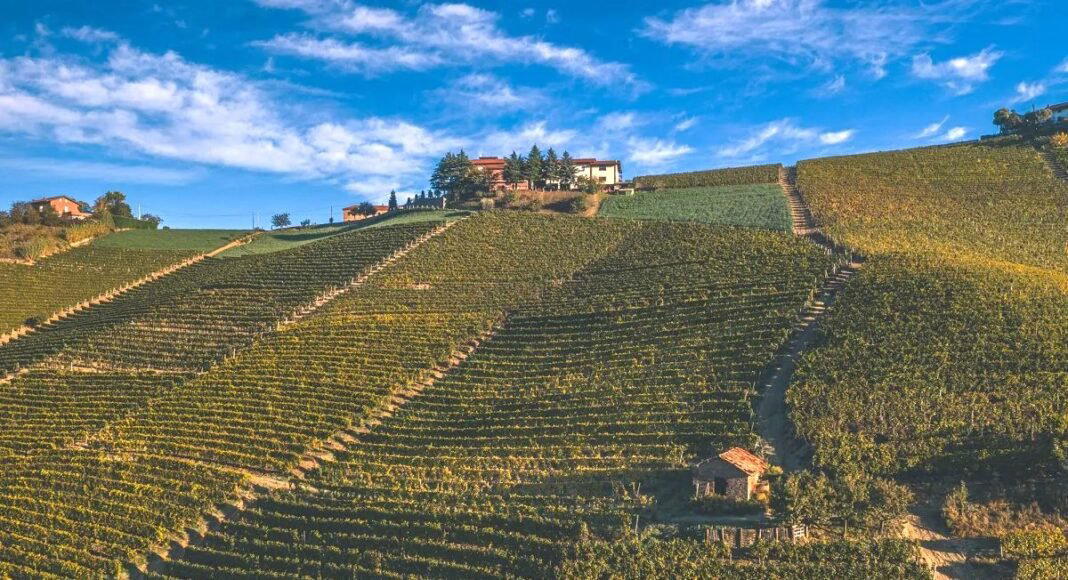
Cascina Galletto works as a focused Santo Stefano Belbo winery stop, especially for travellers who want local Piedmont context without needing a full hospitality program. Do not treat any wine club or allocation decision as automatic; confirm shipping, bottle access, and cancellation terms before joining.
Baša vino
Madrid, Spain
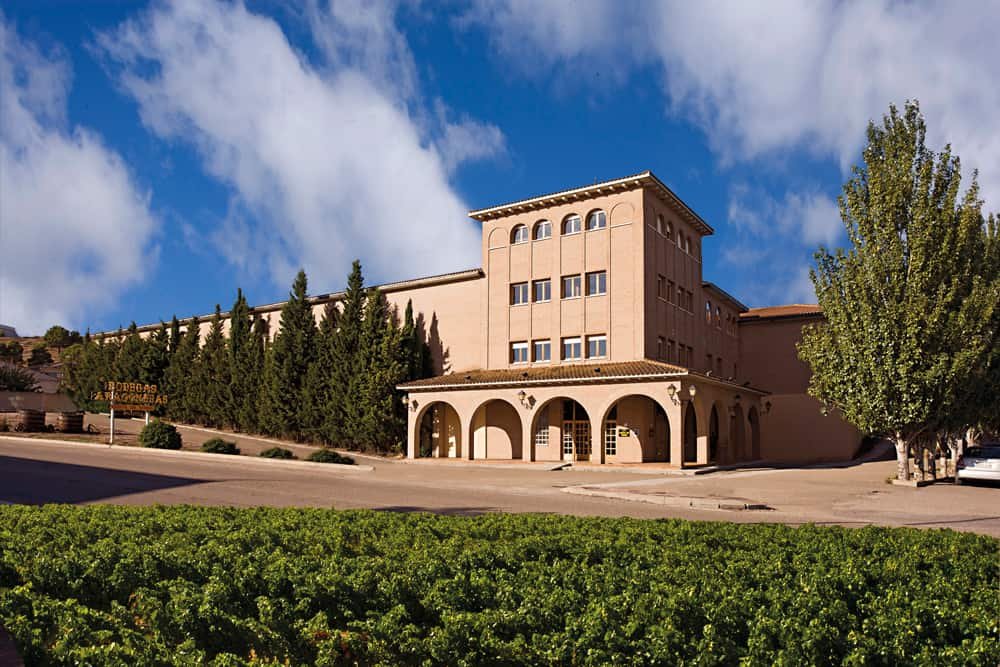
Baša vino is a sensible Madrid wine stop if the goal is a low-planning tasting built around the city rather than a full estate itinerary. The clearest trust signal is its Falstaff listing for 2026, so shortlist it for a date, small celebration, or business-friendly wine plan where recognition matters more than published extras.
Figuero
La Horra, Spain
Book Figuero if the priority is old-vine Tempranillo in a rural La Horra setting, not a broad-variety tasting or polished hospitality show. The value is strongest for wine travellers who want family context, vineyard detail, and a clear Ribera del Duero point of view at a $$ price tier.
Dublette Santa Cristina
Cortona, Italy
Dublette Santa Cristina works if the appeal is Santa Cristina’s Tuscan wine history and Cortona context, not a fully mapped luxury tasting program. The 2026 Falstaff listing adds a current trust signal, but the smarter move is to verify the exact tasting format and bottle lineup before building a day around it.
Il Corniale
Montaione, Italy
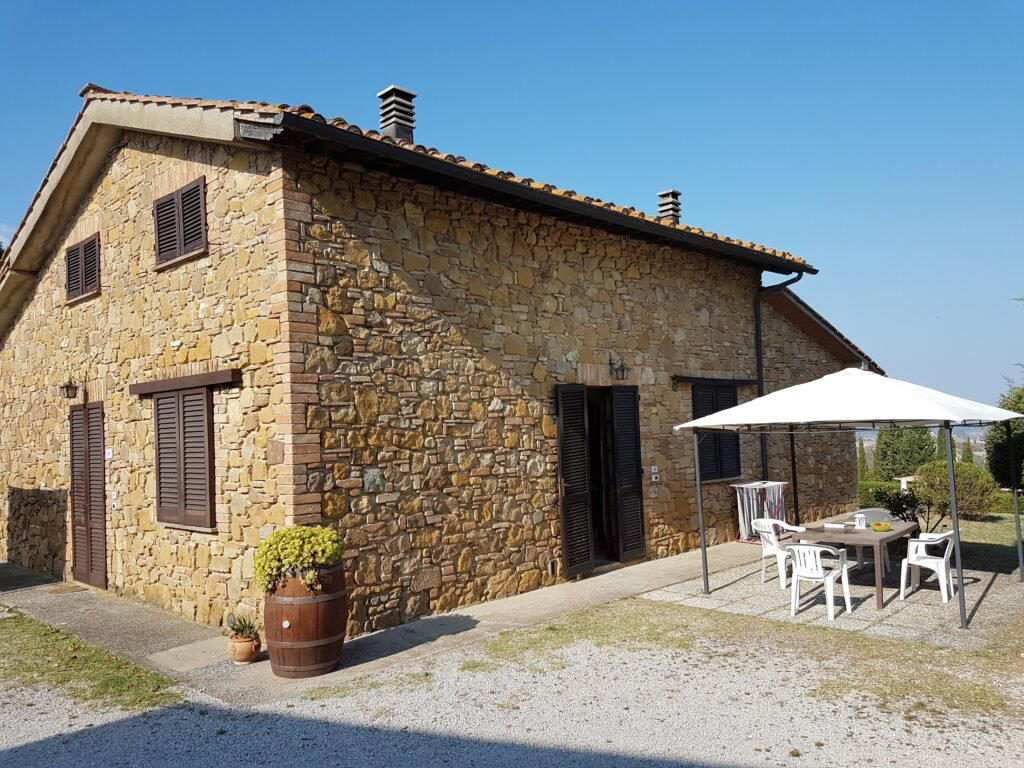
Quiet, rustic, and better for couples than large groups, Il Corniale is worth booking if you want an organic Tuscan farm tasting with modest bottle pricing and direct producer access. Go for Chianti-led wines, olive oil, and a relaxed countryside mood; skip it if the occasion needs a formal tasting-room production or restaurant-style hospitality.
Heinrich Männle
Durbach, Germany
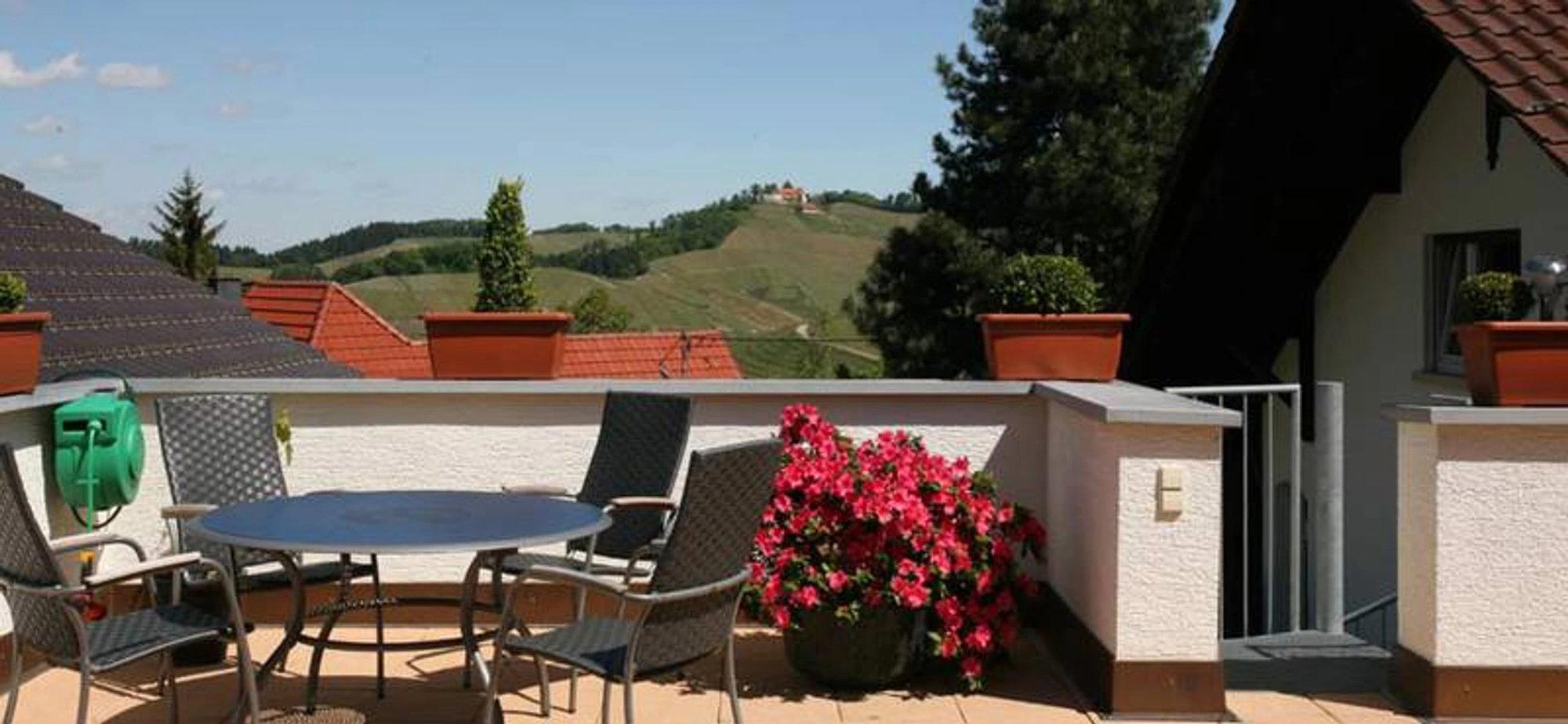
Choose Heinrich Männle if your Durbach priority is red Baden wine from a small, family-run estate rather than a broad tasting stop. The draw is Pinot Noir-led vineyard identity, deep family continuity, and a traditional Black Forest setting; it is less suited to visitors who need published food, tour, or tasting-format details before planning.
Azienda Agricola Viviani
Negrar, Italy
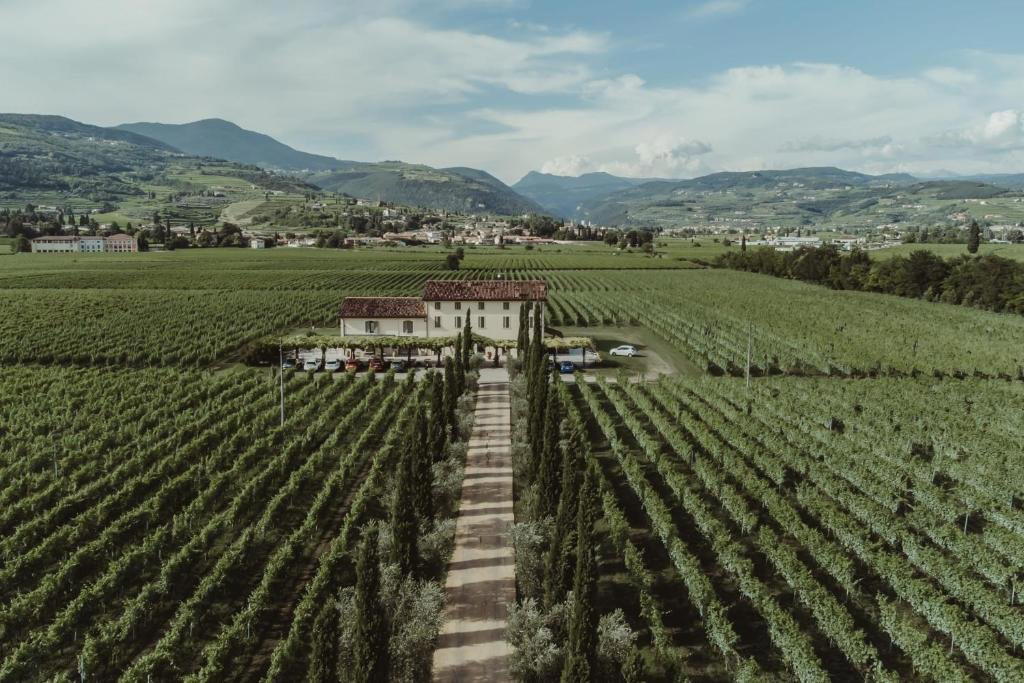
Dry mountain air and high-altitude vineyards make Azienda Agricola Viviani a strong pick for wine travelers who want Valpolicella with restraint, not just power. It suits couples, small celebrations, and serious tasters who care about appassimento, cellar process, and food-friendly Amarone. Falstaff Listed in 2026, it is worth planning as a deliberate Negrar stop rather than a casual add-on.
Dal Bello
Fonte, Italy
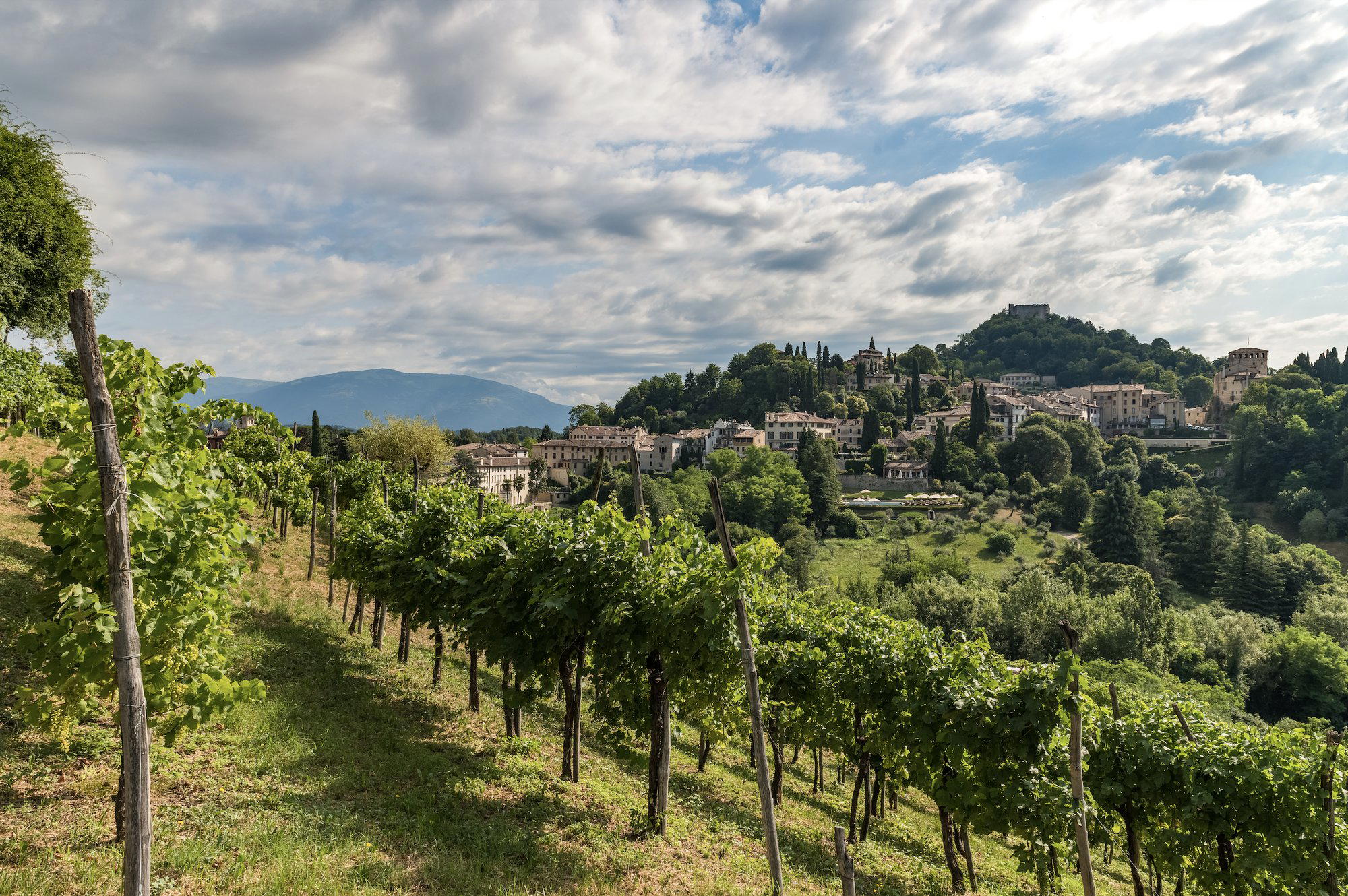
Dal Bello works if Fonte is already part of a Veneto wine itinerary, especially because it carries a Falstaff Listed recognition for 2026. Do not treat it as a high-certainty destination for food, groups, or a fixed tasting format unless those details are confirmed through the venue’s own channels.
Terrazas de los Andes
Mendoza, Argentina
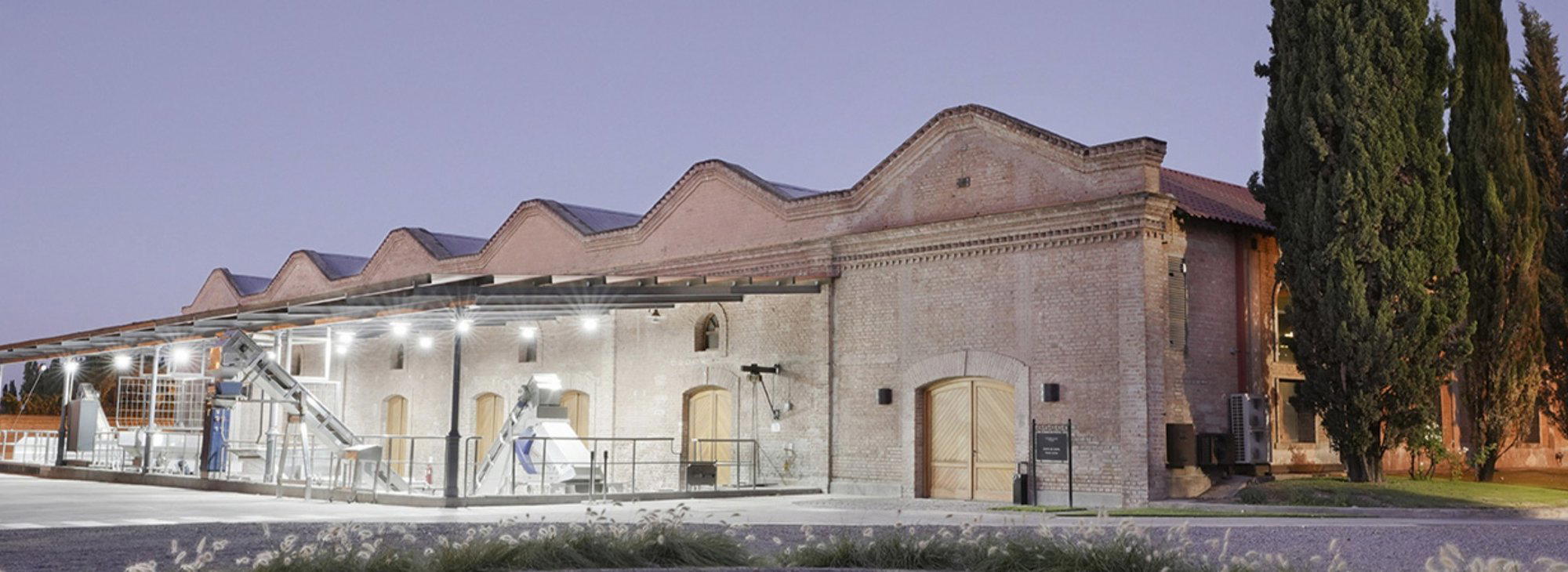
Terrazas de los Andes is worth prioritizing for a wine-focused Mendoza itinerary, especially if Andean vineyard context matters more than easy booking logistics. Treat it as a planned appointment in Perdriel, not a casual drop-in, and keep nearby winery backups ready if availability is tight.
Chatto
Glaziers Bay, Australia
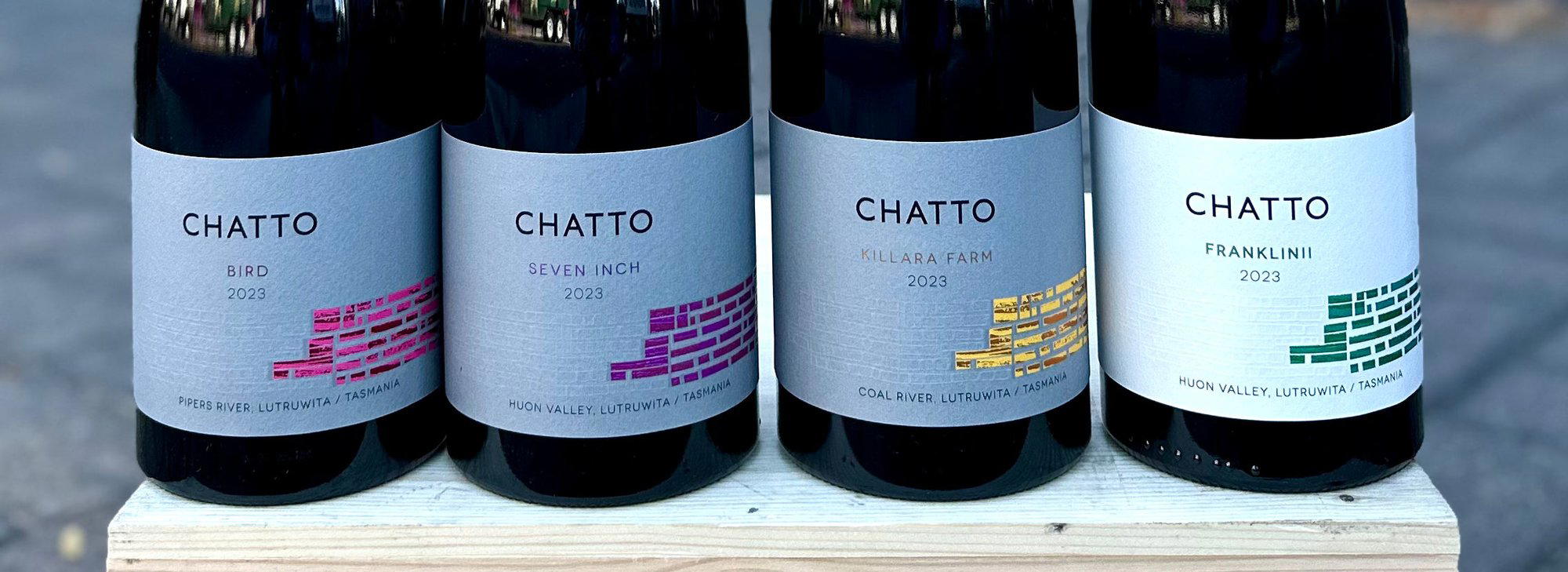
Chatto is a focused Glaziers Bay wine stop for travellers who care more about bottle assessment than a broad visitor setup. It suits serious tasters and small groups; for food-led plans, larger groups, or a more structured day out, cross-shop Moorilla Estate or Stefano Lubiana first.
Cennatoio
Greve in Chianti, Italy
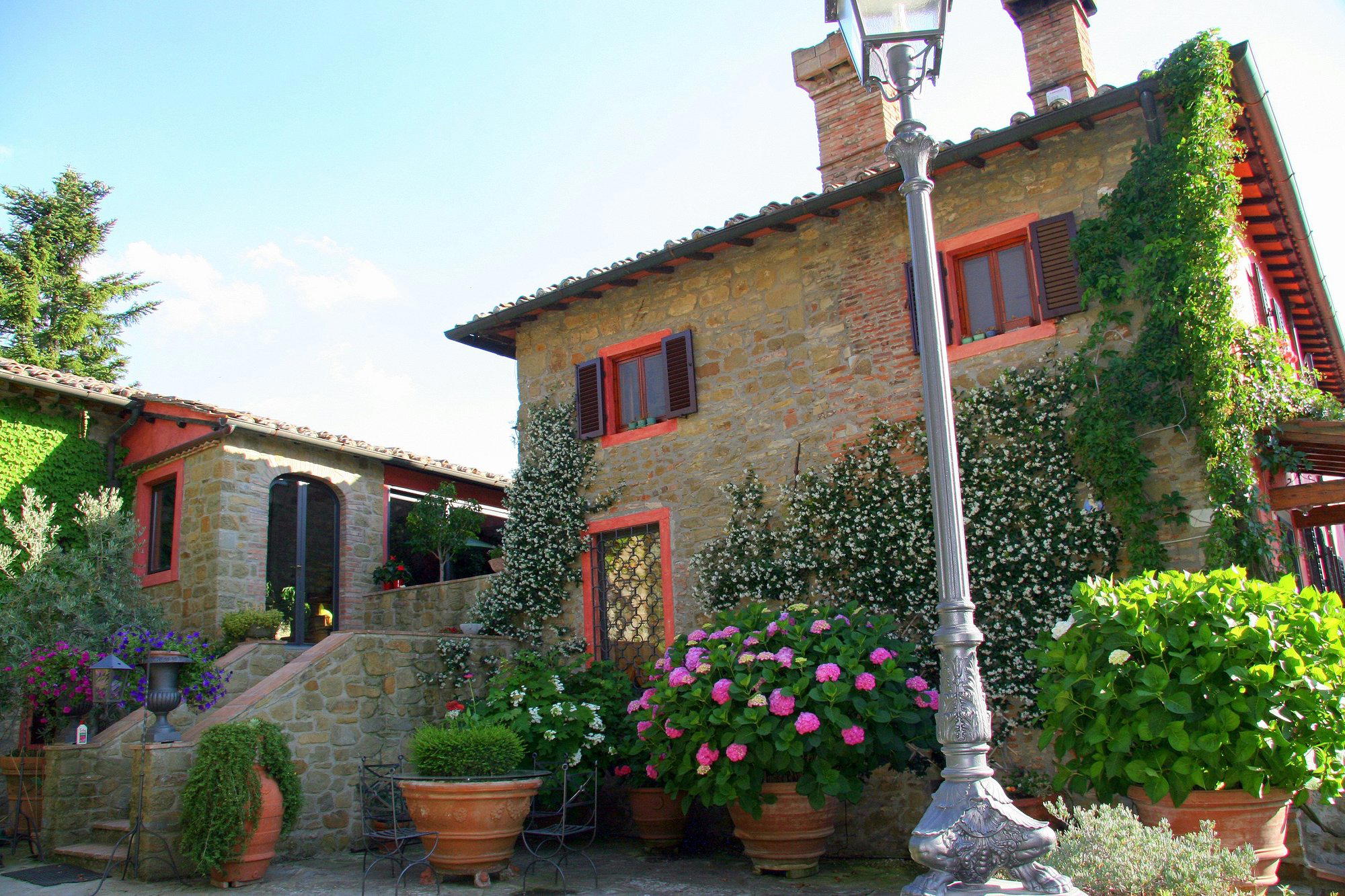
Book Cennatoio if the goal is a personal, wine-focused Chianti estate visit rather than a polished tasting-room circuit. The draw is organic farming, family continuity since 1970, estate-grown fruit, and a traditional barrel cellar. It is strongest for travelers who want context around Sangiovese, Chianti Classico, and Super Tuscan styles.
How many of these have you visited?
Find out on Pearl and keep score across every place in 2026 Falstaff Winery Guide.