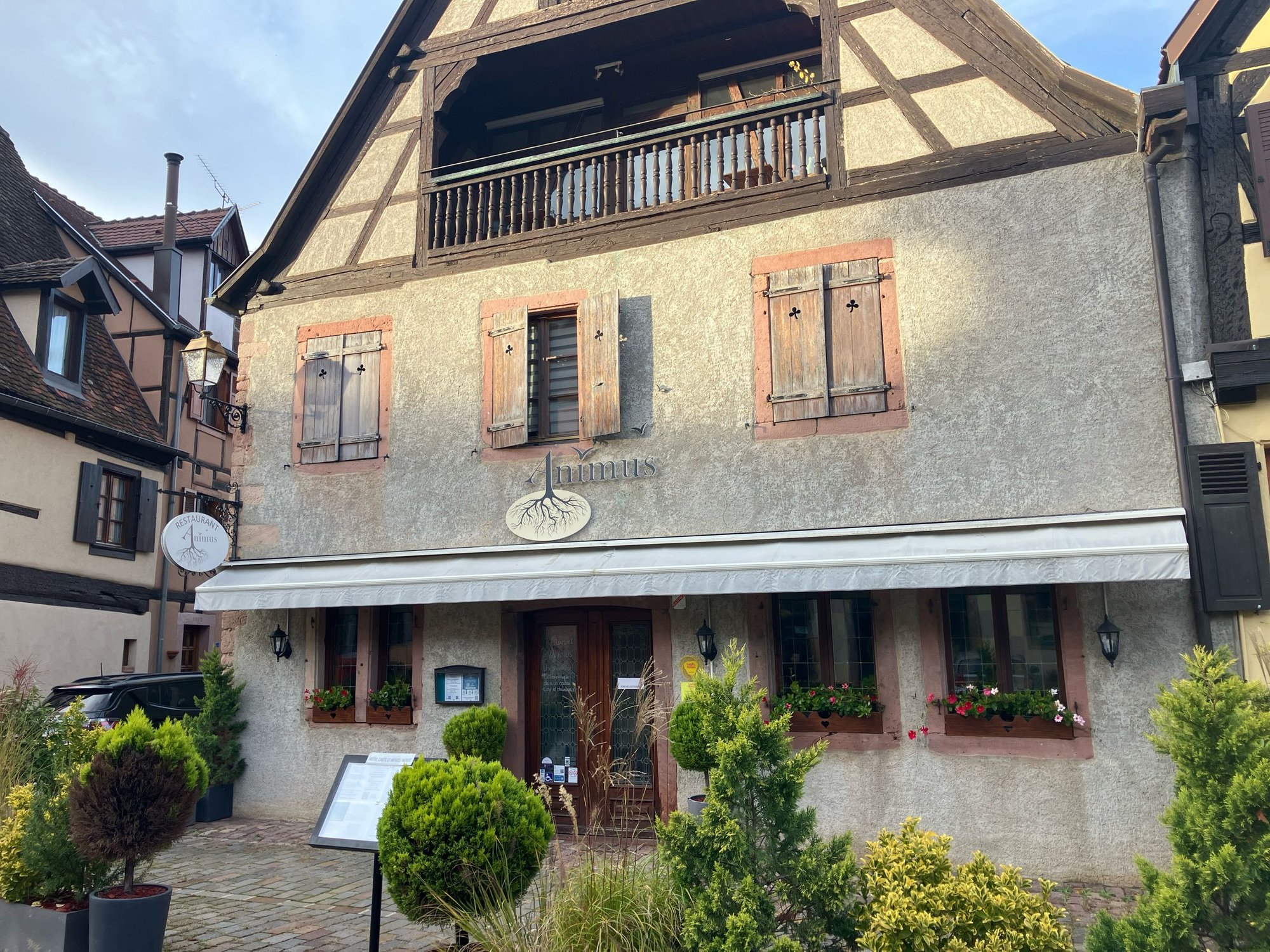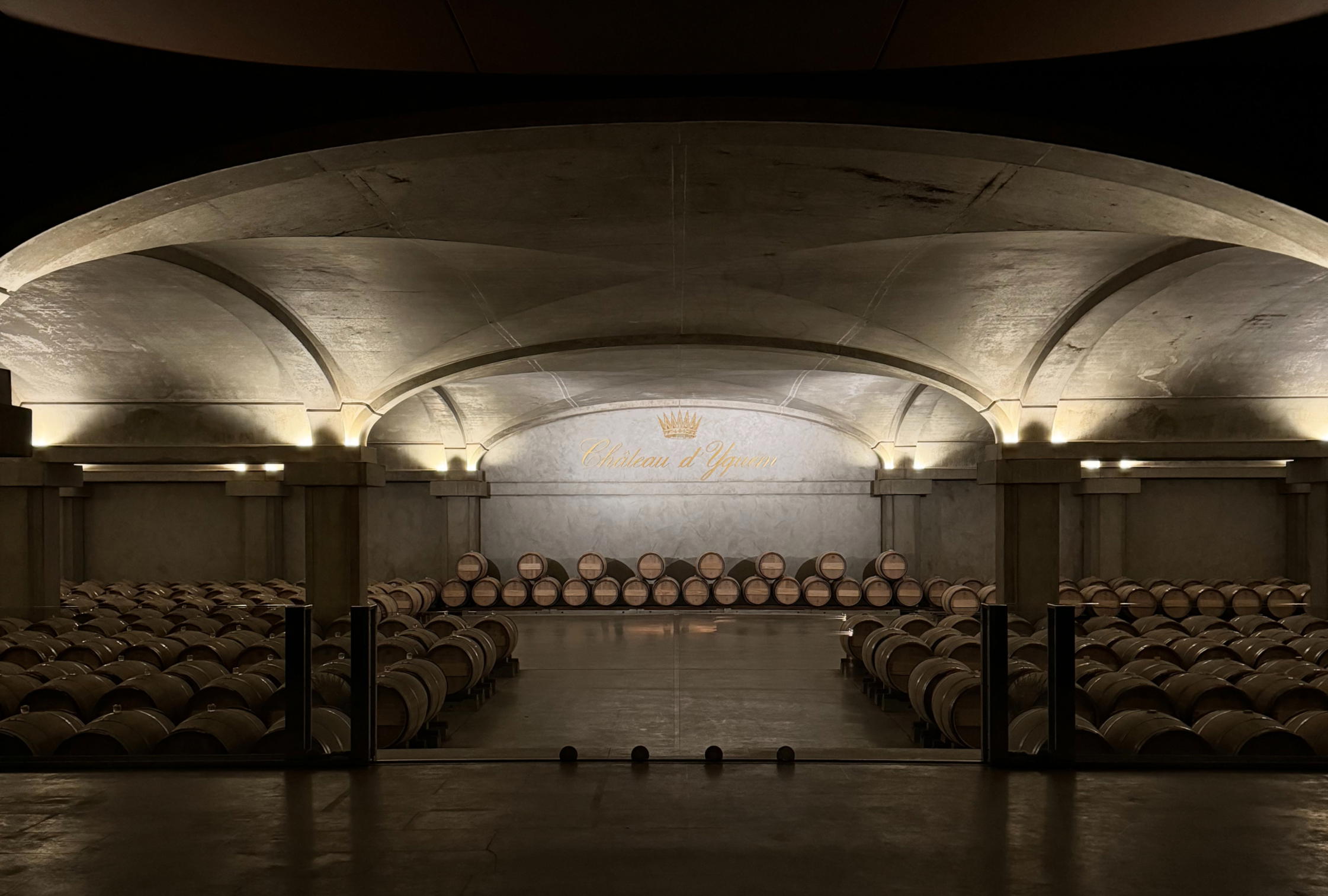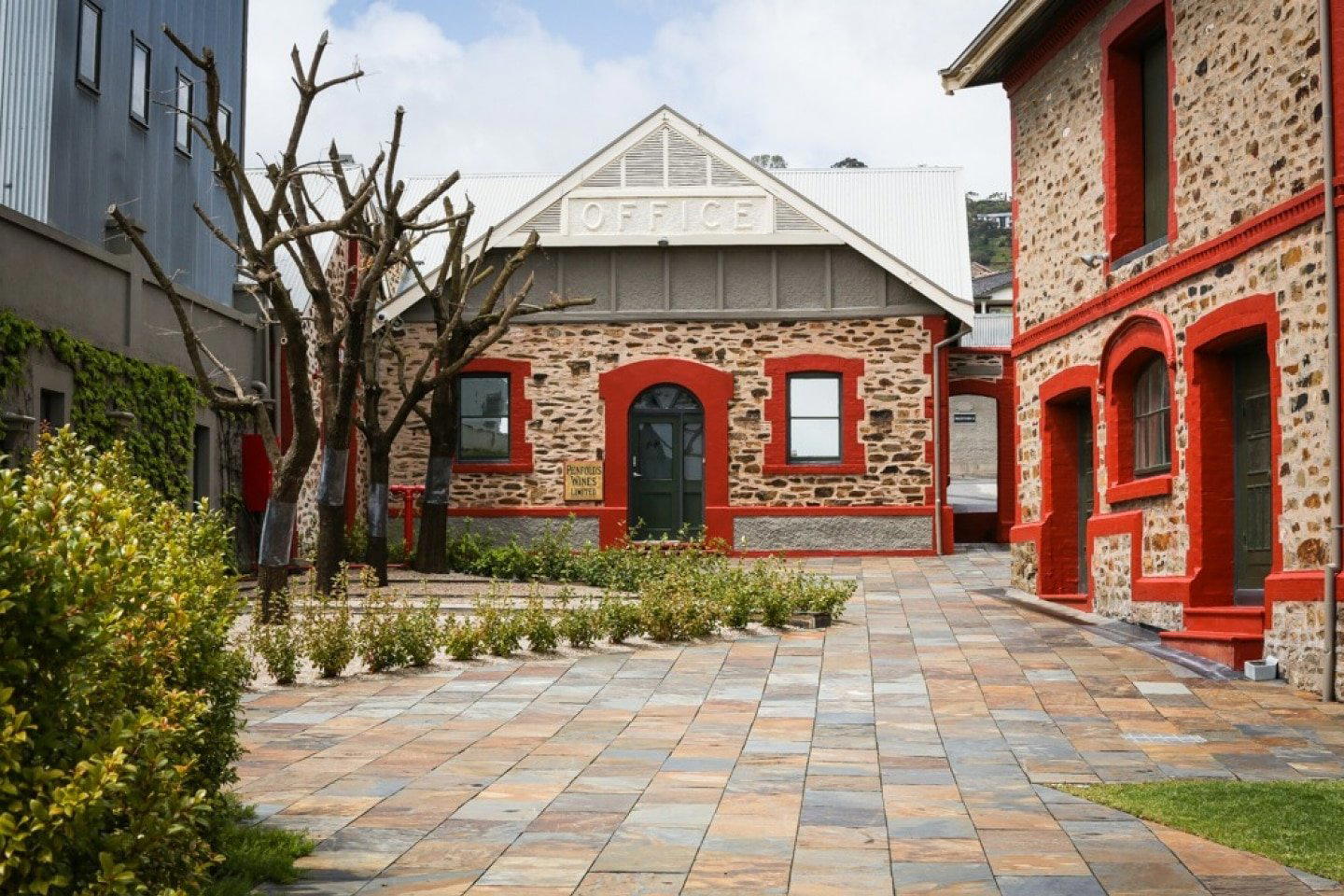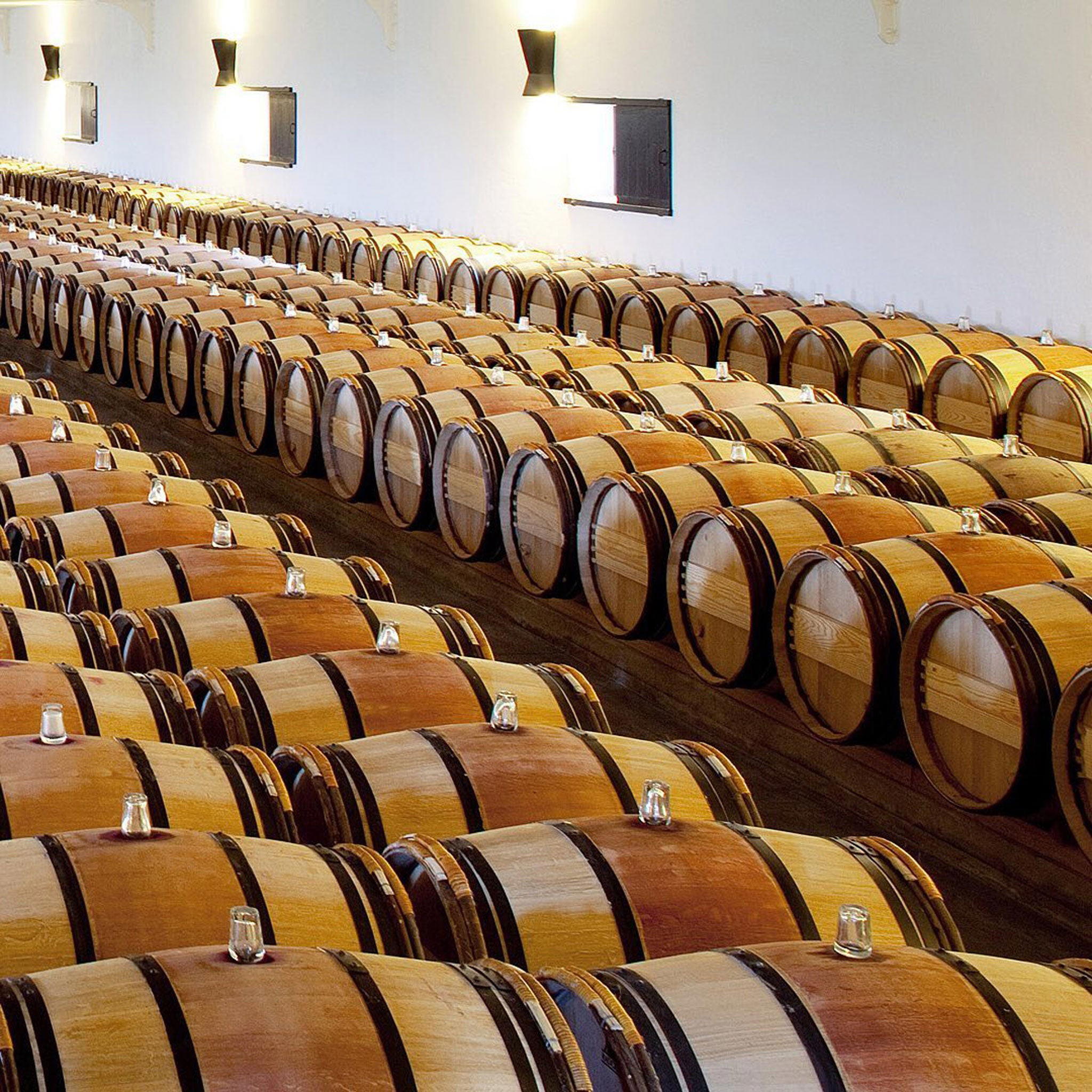


Domaine Marcel Deiss
Bergheim
Winery in Bergheim, France
 Book with Pearl
The Read
Terroir-First Elegance
Price
$20–30tasting
Why go
Prioritise Domaine Marcel Deiss if Bergheim is a wine-first stop and producer reputation matters more than a broad visitor package. The World's 50 Best Vineyards recognition gives it a clear trust signal, but plan the day carefully: meals, hotels, and backup winery options should be arranged separately.
About Domaine Marcel Deiss
Domaine Marcel Deiss in Bergheim has two clear signals: World's 50 Best Vineyards #45 (2020) and Pearl 1 Star Prestige (2025). That makes it a serious name to consider for a Bergheim wine-focused itinerary, especially for visitors comparing it with other major Alsace references rather than building a day around dining or hotel amenities.
Book for the recognition, not a broad visitor package
The useful case for Domaine Marcel Deiss is its recognition and its Bergheim setting. There is no restaurant format, menu, tasting tariff, opening schedule, dress requirement, or visitor-package detail to plan around, so arrange the rest of the day separately. Use broader Bergheim resources to build the rest of the itinerary around it.
How to make the Bergheim day work
If this stop is difficult to fit into the schedule, keep the plan flexible rather than forcing the whole day around a single visit. For Alsace comparisons, consider Albert Boxler, Bestheim, Domaine Zind Humbrecht, Hugel, and Maison Trimbach, while keeping Domaine Marcel Deiss as the Bergheim reference point in the itinerary.
Planning details
- Location
- 15 Rte du Vin, 68750 Bergheim
- Website
- marceldeiss.com
- Phone
- +33 3 89 73 63 37
The take
The Take
The Vibe
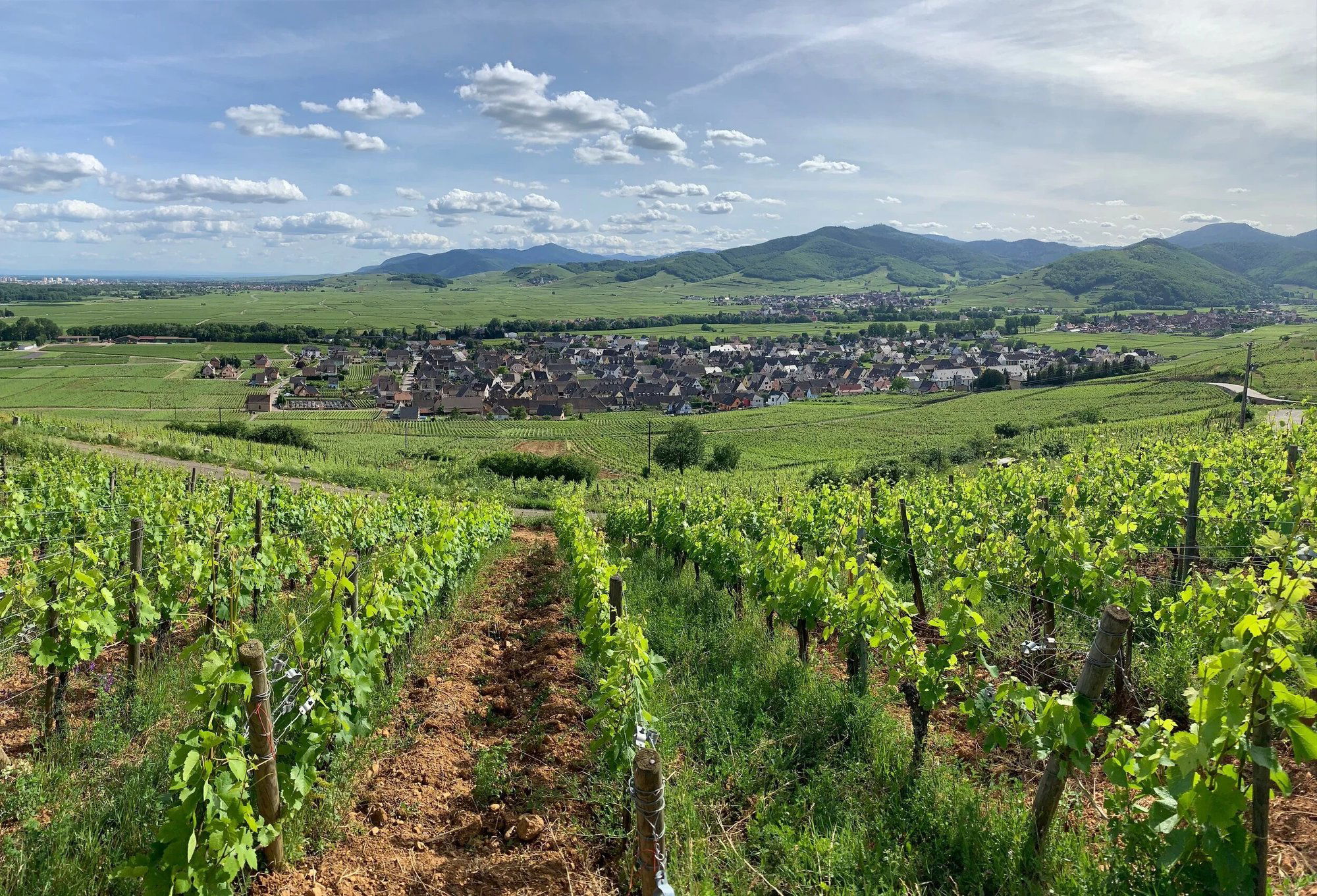
Domaine Marcel Deiss presents as a thoughtful, sophisticated destination rooted in Alsace’s historic wine country. Set on the Route du Vin amid half-timbered villages and grand cru slopes, the domaine foregrounds place over varietal labeling and invites visitors into an intellectual tasting experience. The atmosphere reads less like a tourist stop and more like a small-scale study in terroir: measured, rigorous and quietly confident. Visitors should expect an instructive, scenic visit that privileges soil, parcel and structural nuance over straightforward fruit-driven tasting notes.
Best For
This domaine is best for wine travelers and curious oenophiles who want to move beyond surface impressions. Tastings are designed for people who want to understand texture, weight and the structural logic of wine rather than simply cataloguing fruit. It’s ideal for solo visitors or small groups focused on wine education, especially those touring the Route du Vin and seeking a deeper, terroir-first perspective on Alsace wines. The visit works as an informative stop on a wine-route itinerary rather than a casual drop-in tasting.
Tasting Tips
Approach a tasting here with curiosity and an attention to structure: staff encourage you to consider texture, weight and the logic of each wine. Ask explicitly about field blends and how individual parcels are managed and harvested together, since many wines are fermented by parcel rather than by single variety. Allow the tasting format to guide your questions and take notes on how wines express place rather than grape identity. Expect conversation and explanation—this is a domain where the tasting is meant to teach as much as it tastes.
Venue details
Ambiance
Biodynamic estate winery with a modern tasting room and winery set in a historic Alsatian village, focused on terroir-driven, low-intervention wines.
Tags
Vibe
Best For
Experience
Sourcing
View
At the Vineyard
- Appellation
- Alsace AOC; Alsace Grands Crus AOC
- Varietals
- Riesling, Pinot Gris, Pinot Noir, Muscat, Gewurztraminer
- Tour Duration
- 1-2 hours
- Tour Languages
- English, Italian
- Visits
- By reservation
- Farming
- Biodynamic
- Production
- Mid-size producer
- Wine Styles
- Still White, Still Red, Dessert
- Founded
- 1947
- Wine Club
- Not available
Know before you go
Know Before You Go
- Getting there
- 15 Rte du Vin, 68750 Bergheim
Planning details
Location
Recognition and awards


Also consider
Also Consider
- Maison Trimbach, Notable alternative
- Hugel, Notable alternative
- Bestheim, Notable alternative
- Albert Boxler, Notable alternative
- Domaine Zind Humbrecht, Notable alternative
Winery context
Against Maison Trimbach and Hugel, Domaine Marcel Deiss is the pick for a more focused Bergheim decision: choose it when producer depth matters more than fitting several familiar Alsace names into one day. Trimbach and Hugel make sense for travellers who want established, easy-to-explain reference points; this is the better fit for someone returning to the region and looking for a more specific cellar target.
Compared with Bestheim, the value question is less about lowest spend and more about whether the visit justifies scarce itinerary time. Bestheim is the safer cross-shop for a broader, less pressured stop; Domaine Marcel Deiss is the stronger call when recognition and producer focus are the point of the trip.
If the booking proves difficult, look first at Albert Boxler or Domaine Zind Humbrecht. Both keep the trip in serious Alsace wine territory, while giving you alternatives if Bergheim timing does not line up. For ambiance, expect the decision to come down to wine priorities rather than extras: choose the producer whose bottles you most want to understand better.
Explore Bergheim
Around this place
Discover more on Pearl
Unlock the full Domaine Marcel Deiss guide in Pearl, including awards, comparisons, FAQs, planning details, and nearby places.
Compare Domaine Marcel Deiss
| Venue | Location | Awards |
|---|---|---|
| Domaine Marcel Deiss | Bergheim | 2026 Falstaff Winery Guide2020 World's 50 Best Vineyards · #45 |
| Maison Trimbach | Ribeauvillé | 2026 Falstaff Winery Guide |
| Hugel | Riquewihr | 2026 Falstaff Winery Guide |
| Bestheim | Bennwihr | 2026 Falstaff Winery Guide2025 Decanter Winery Prestige |
| Albert Boxler | Niedermorschwihr | 2026 Falstaff Winery Guide |
| Domaine Zind Humbrecht | Turckheim | 2026 Falstaff Winery Guide |

How Domaine Marcel Deiss Bergheim compares with similar nearby venues.
FAQ
Frequently Asked Questions
Do I need a reservation at Domaine Marcel Deiss?
Plan ahead before arranging a Bergheim visit, especially since Domaine Marcel Deiss has recognised credentials, including World's 50 Best Vineyards #45 (2020) and Pearl 1 Star Prestige (2025).
Are there membership or club benefits at Domaine Marcel Deiss?
If you are interested in a deeper relationship with Domaine Marcel Deiss, base that decision on current information from the venue rather than assuming specific benefits.
What other names are useful comparisons for Domaine Marcel Deiss?
Maison Trimbach, Hugel, Bestheim, Albert Boxler, and Domaine Zind Humbrecht are useful Alsace comparisons for Domaine Marcel Deiss. Use them as reference points when deciding how to shape a wine-focused itinerary around Bergheim.
Does Domaine Marcel Deiss serve food?
Treat Domaine Marcel Deiss as a wine-focused Bergheim stop and arrange any meals separately.
How long should I plan for a visit to Domaine Marcel Deiss?
Plan with enough flexibility to account for current availability and the type of visit you arrange directly with the venue.
When is the best time to visit Domaine Marcel Deiss?
Check current availability before setting your Bergheim itinerary.
What is the flagship wine at Domaine Marcel Deiss?
The grounded draw is Domaine Marcel Deiss in Bergheim, backed by World's 50 Best Vineyards #45 (2020) and Pearl 1 Star Prestige (2025).