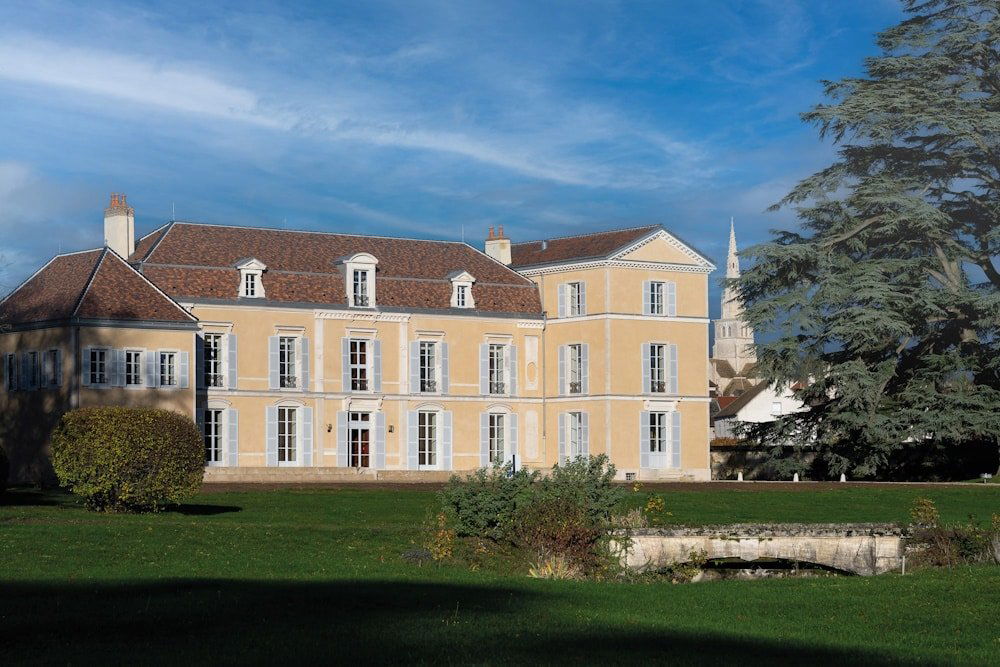

Château de Meursault
Meursault
Winery in Meursault, France
 Book with Pearl
The Read
Geology-Driven Chardonnay
Price
$50–100tasting
Why go
Book Château de Meursault if you want a structured Meursault wine-country stop with château scale and broad Burgundy context. Serious collectors may prefer smaller domaine appointments, but for mixed-knowledge groups or first-time Meursault planning, this is a practical anchor for the village.
About Château de Meursault
Is Château de Meursault worth considering? It can be, if you are looking for a Meursault stop with Pearl 3 Star Prestige recognition for 2025. For planning, confirm details directly before building a day around it.
For planning, the basics are direct: Château de Meursault is in Meursault, carries Pearl 3 Star Prestige recognition for 2025, and has a smart casual dress code. Beyond those points, specific details such as visit format, pricing, hours, availability, and services should be checked with the venue directly.
Meursault Context
The strongest reason to keep Château de Meursault on a shortlist is its Pearl 3 Star Prestige recognition in Meursault. If you are comparing nearby options, consider it alongside Château de Meursault, Domaine Chavy-Chouet, Domaine Fabien Coche, Domaine Pierre Matrot - Thierry et Pascale Matrot, Domaine Roulot, and Domaine Yves Boyer-Martenot.
The trade-off is that many practical details are not listed. Do not assume a particular format, menu, tasting structure, price, schedule, product availability, or service focus. Confirm the current experience directly, then decide whether it fits the rest of your Meursault plans.
How to fit it into Meursault planning
Use Château de Meursault as a Meursault reference point, then build the rest of the day only after confirming the practical details you need. For planning beyond this venue, keep Our full Meursault guide close; the important point is to avoid assuming details that are not confirmed.
If the trip includes other Meursault names, compare Château de Meursault with Domaine Chavy-Chouet, Domaine Fabien Coche, Domaine Pierre Matrot - Thierry et Pascale Matrot, Domaine Roulot, and Domaine Yves Boyer-Martenot. The useful comparison is practical: which venue has the details, timing, and fit for your plans once you have checked current information directly.
Planning details
- Location
- Rue Charles Giraud, 21190 Meursault
- Website
- chateau-meursault.com
- Phone
- +33 3 80 26 22 75
The take
The Take
The Vibe
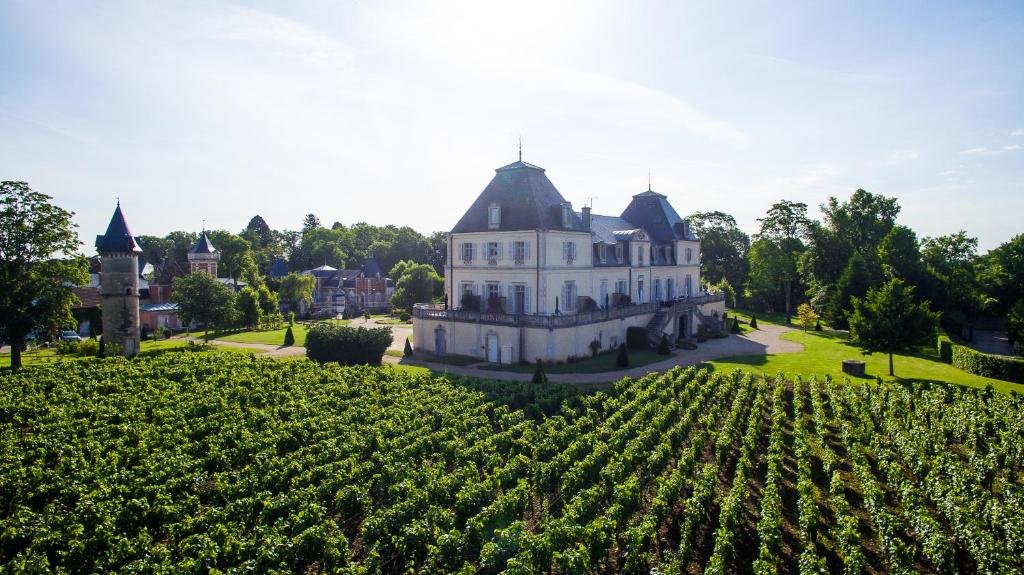
Château de Meursault reads like a quietly authoritative chapter in Burgundy’s story. The estate’s architectural completeness in the village centre and the image of open cellar doors combine with a measured, terroir-forward voice to create a sense of historical refinement. Mornings feel still and contemplative—light on limestone, the scent of fermentation at the threshold—so the place feels both serene and intimately rooted in place. Visitors experience a tasteful, old-world charm where geology and craftsmanship are as present as the buildings themselves, making the château feel like a cultured, calming stop through Meursault.
Best For
This château is best for anyone who comes to Meursault to learn as much as to taste. The writing and focus on Bathonian and Oxfordian limestones, slope position and named premier crus mark it out as a destination for wine education and terroir study. Its architectural presence and EP Club Pearl 3 Star Prestige rating also make it well suited to romantic getaways and special-occasion visits, where atmosphere and pedigree matter as much as the wines. Travelers seeking a thoughtful, place-driven tasting will find it especially rewarding.
Tasting Tips
When engaging with Château de Meursault, prioritize examples that speak to site and ageability: ask about village and premier cru bottlings and any releases from Les Perrières, Les Charmes and Les Genevrières, which are explicitly discussed in the estate’s context. Listen for notes on slope, stone content and parcel provenance—these details explain differences in minerality, weight and structure. Seek out older vintages if available to experience the slow-developing structure the text highlights, and request estate bottlings that show the domaine’s approach to Meursault terroir.
Venue details
Ambiance
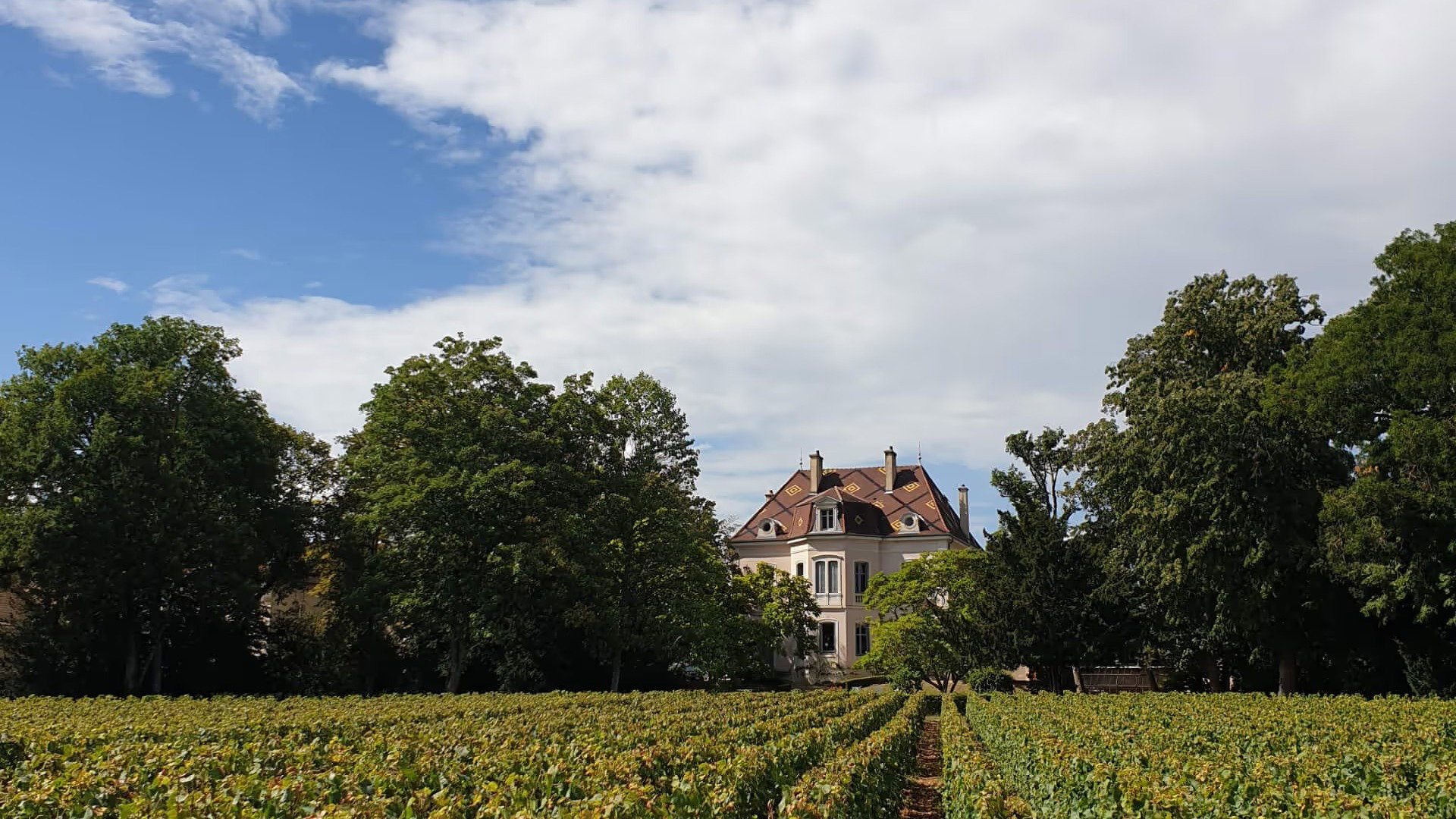
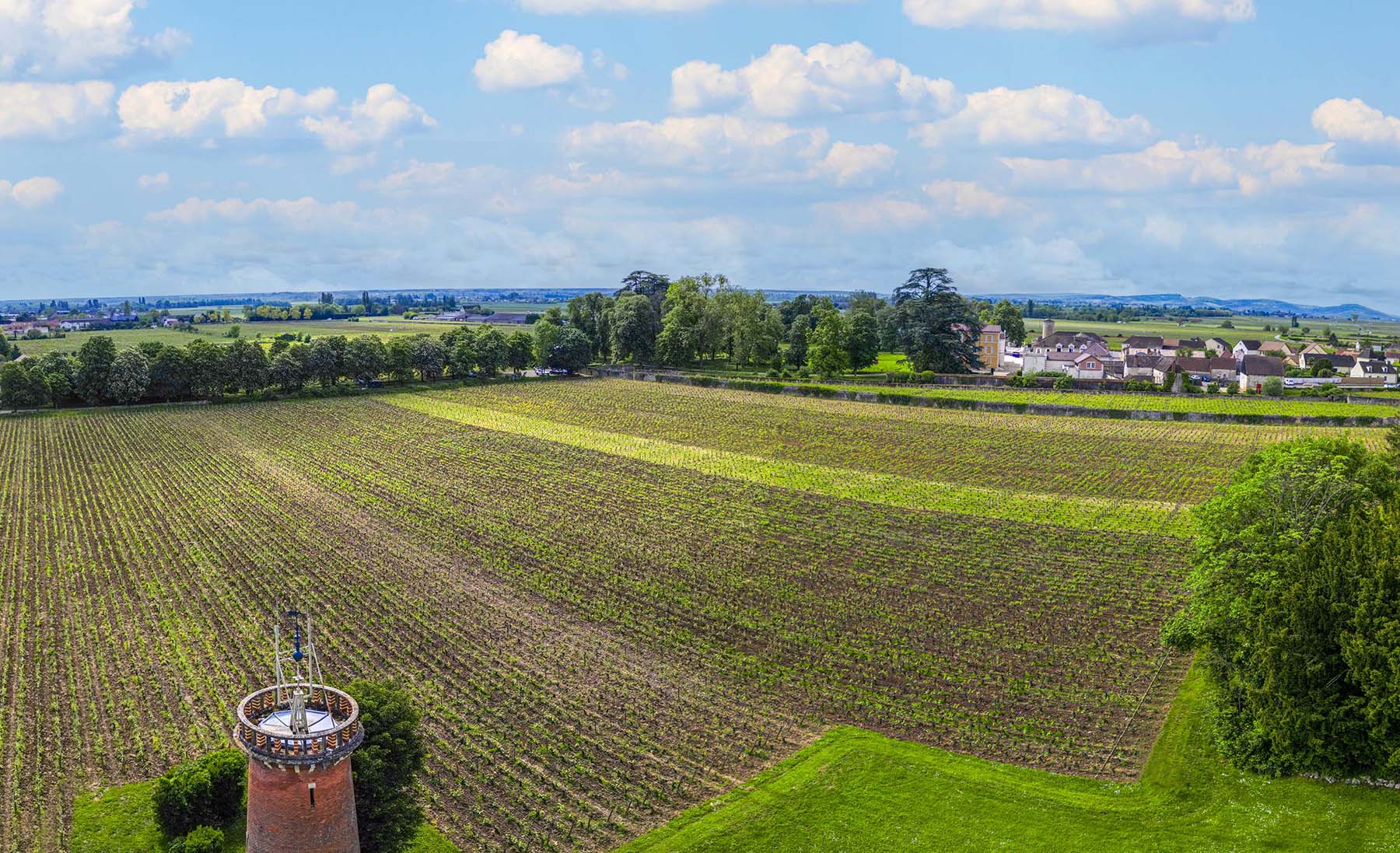
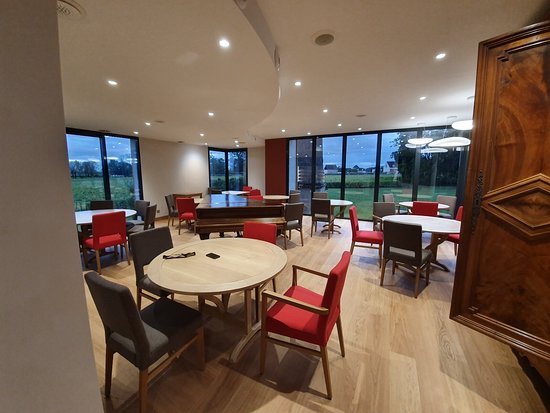
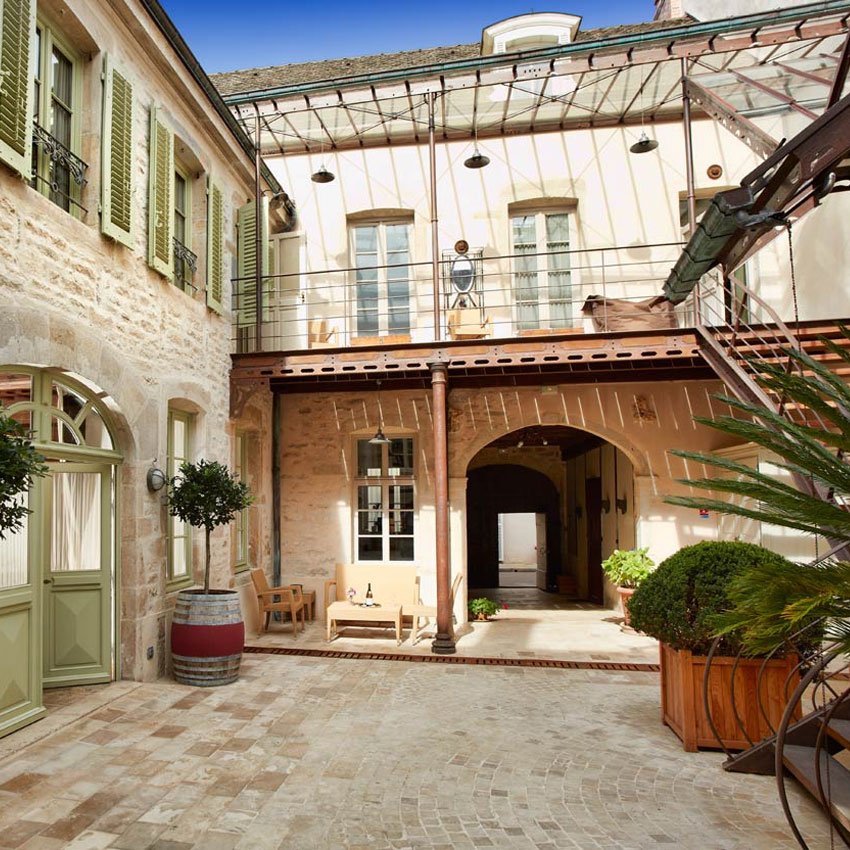
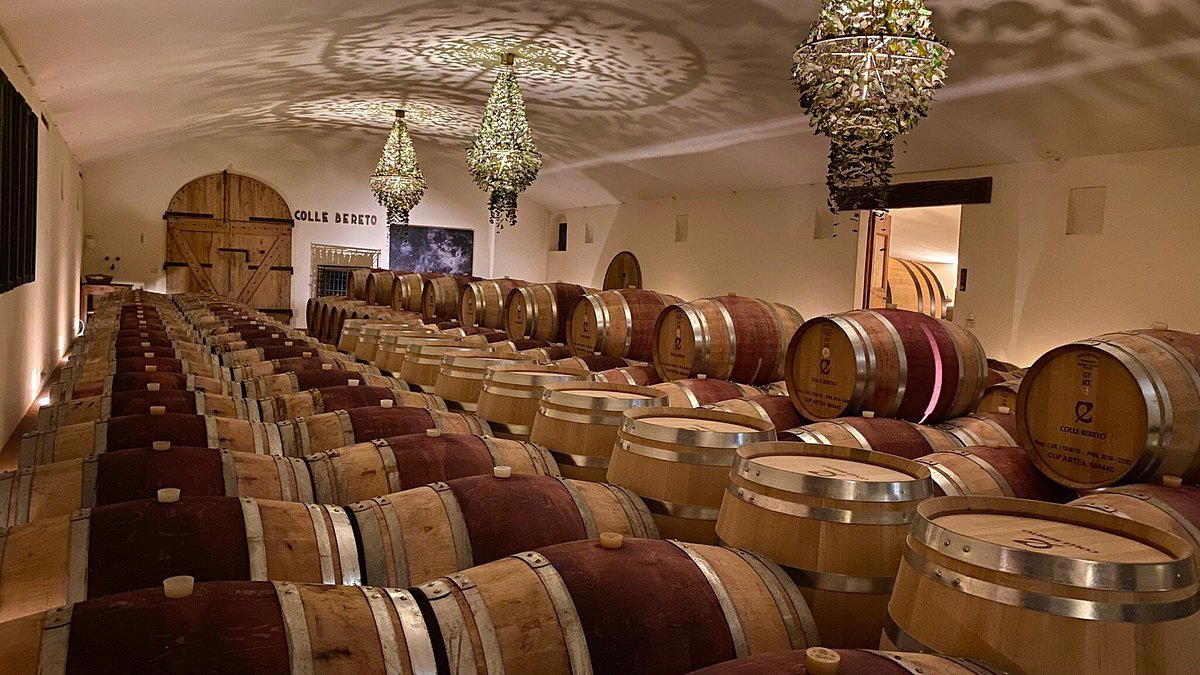
Elegant and refined atmosphere in renovated château lounges opening onto a terrace with breathtaking vineyard views; historic cistercian cellars with superb double arches create a unique, atmospheric setting.
Tags
Vibe
Best For
Experience
Sourcing
View
At the Vineyard
- Appellation
- Meursault AOC
- Varietals
- Chardonnay, Pinot Noir
- Tour Duration
- 90-120 minutes
- Visits
- By appointment only
- Farming
- Organic
- Wine Styles
- Still White, Still Red
- Wine Club
- Not available
Know before you go
Know Before You Go
- Getting there
- Rue Charles Giraud, 21190 Meursault
Planning details
Location
Recognition and awards

Also consider
Where to Look if This Is Full
If Château de Meursault is not workable, try Domaine Chavy-Chouet for a more domaine-specific Meursault angle. For a higher-demand collector target, Domaine Roulot is the name to cross-shop, but plan around tighter access and less flexibility.
Winery context
How It Compares
Choose Château de Meursault over Domaine Yves Boyer-Martenot, Domaine Fabien Coche, and Domaine Pierre Matrot - Thierry et Pascale Matrot when the group wants a more structured visitor experience in Meursault rather than a tighter producer-led appointment. It is the safer fit for mixed groups, first-time Burgundy travelers, and itineraries where ambiance and ease matter as much as bottle access.
For value-minded wine travelers, Domaine Chavy-Chouet and the other grower addresses may be more rewarding if the goal is to understand a single domaine's style. For collectors, Domaine Roulot is the higher-stakes cross-shop, but it is a tougher practical target and less suited to casual planning.
The practical verdict: book Château de Meursault for a polished Meursault anchor, then cross-shop the domaines if the trip is about allocation, producer specificity, or a quieter cellar feel.
Explore Meursault
Around this place
Discover more on Pearl
Unlock the full Château de Meursault guide in Pearl, including awards, comparisons, FAQs, planning details, and nearby places.
Compare Château de Meursault
| Venue | Location | Awards |
|---|---|---|
| Château de Meursault | Meursault | 2026 Falstaff Winery Guide |
| Domaine Yves Boyer-Martenot | Meursault | No published awards |
| Domaine Fabien Coche | Meursault | 2026 Falstaff Winery Guide |
| Domaine Pierre Matrot - Thierry et Pascale Matrot | Meursault | 2026 Falstaff Winery Guide |
| Domaine Chavy-Chouet | Meursault | 2026 Falstaff Winery Guide |
| Domaine Roulot | Meursault | 2026 Falstaff Winery Guide2026 Michelin 1 Grape - Burgundy2025 Pearl 5 Star Prestige |

How Château de Meursault compares with similar nearby venues.
FAQ
Frequently Asked Questions
Do I need a reservation at Château de Meursault?
Reservation requirements are not listed. Plan ahead by checking directly with Château de Meursault before visiting Meursault, especially if your schedule depends on a specific time.
What is Château de Meursault best known for?
Château de Meursault is a Meursault venue with Pearl 3 Star Prestige recognition for 2025 and a smart casual dress code. Other specific experience details should be checked directly with the venue.
Does Château de Meursault offer shipping or other purchase services?
Shipping, purchases, or related services are not listed. Ask Château de Meursault directly before planning around any service in Meursault.
How should I compare Château de Meursault with other Meursault options?
Start with the basics: Château de Meursault is in Meursault, has Pearl 3 Star Prestige recognition for 2025, and lists smart casual dress. Then compare current practical details directly with other Meursault options such as Domaine Fabien Coche or Domaine Pierre Matrot - Thierry et Pascale Matrot.
When is the best time to visit Château de Meursault?
Hours or ideal visiting times are not listed. Choose a time only after checking directly with Château de Meursault, and note that the dress code is smart casual.