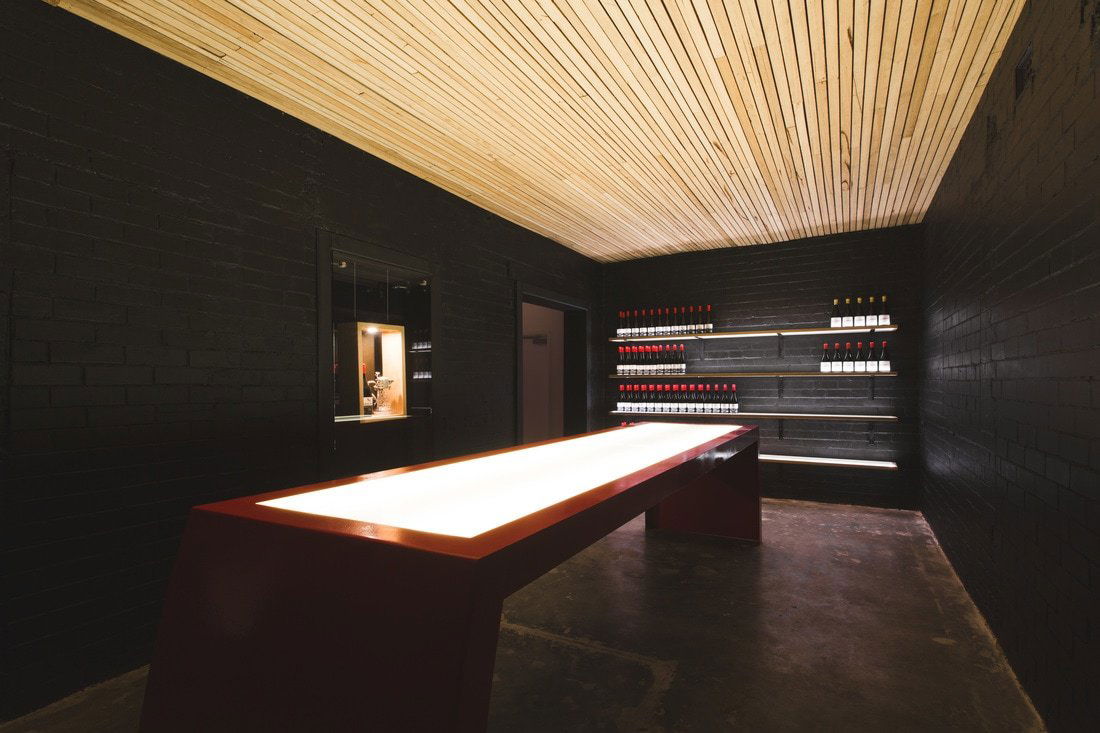

Glaetzer Wines
Tanunda, Barossa Valley
Winery in Barossa Valley, Australia
 Book with Pearl
The Read
Old-Vine Barossa Conviction
Why go
Glaetzer Wines is worth prioritising for a serious Barossa Valley wine itinerary, especially if producer focus matters more than visitor-centre convenience. Treat it as a high-commitment stop: plan ahead, keep the rest of the day flexible, and cross-shop Grant Burge, Rockford, Turkey Flat, or Jacob's Creek if access or group logistics are the deciding factor.
About Glaetzer Wines
Glaetzer Wines is a Barossa Valley venue. It is listed in Barossa Valley, the dress code is smart casual, and it holds Pearl 2 Star Prestige recognition for 2025. Beyond that, specific claims about hours, food, booking process, visit format, capacity, pricing, or visitor services should be confirmed directly before arranging a visit.
For trip planning, Glaetzer Wines is one stop to verify in advance rather than a venue with fully published logistics on this page. If you are building a wider Barossa Valley itinerary, compare it with named regional options such as Grant Burge, Jacob's Creek, Rieslingfreak, Rockford, and Turkey Flat, or with other Barossa Valley venues generically. Avoid relying on assumptions about meals, group handling, purchases, or walk-in availability unless the venue confirms them.
For Barossa Valley visitors who want clear facts before committing
Barossa Valley rewards planning, and Glaetzer Wines is best approached with that mindset because the information here is intentionally narrow.
That makes direct confirmation important before building the day around it. Use Our full Barossa Valley wineries guide alongside Our full Barossa Valley restaurants guide, Our full Barossa Valley hotels guide, Our full Barossa Valley bars guide, and Our full Barossa Valley experiences guide for broader planning.
Plan it with confirmed details, then cross-shop around it
The safest way to use Glaetzer Wines in an itinerary is to confirm the current visit details first, then decide how it fits alongside other Barossa Valley names. Grant Burge, Jacob's Creek, Rieslingfreak, Rockford, and Turkey Flat are natural comparison points when deciding how to structure a regional day, while other Barossa Valley venues can fill in meals, timing, or additional stops as needed.
The recommendation is simple: consider Glaetzer Wines if you are specifically interested in including it in a Barossa Valley plan, but do not infer details about service style, food, hours, purchases, or group logistics from this page. Confirm those points directly before committing the itinerary.
Planning details
- Location
- Gomersal Rd, Tanunda SA 5232
- Website
- glaetzer.com
- Phone
- +61 8 8563 0947
The take
The Take
The Vibe
Glaetzer Wines presents a restrained, sophisticated profile that prizes site and consistency over theatrical cellar-door flourish. The winery's Pearl 2 Star Prestige rating for 2025 places it squarely among a compact peer set of producers whose reputations are built on the quality in the bottle and the fidelity to vineyard blocks—old-vine Shiraz and Grenache in particular. The writing privileges viticultural rigor and a serious approach to varietal expression, so visits read as purposeful and focused rather than flashy. Expect an experience aimed at appreciating terroir and vintage nuance.
Best For
Glaetzer is best for visitors assembling substantive tasting itineraries and anyone interested in wine education rooted in vineyard practice. The profile frames the cellar as a stop for those comparing site-driven wines across the Barossa or deepening their understanding of old-vine Shiraz and Grenache. Its prestige positioning also makes it a sensible choice for milestone visits or special-occasion tastings where the goal is to encounter consistently produced, terroir-focused bottlings rather than theatrical spectacle.
Tasting Tips
Focus your tasting on the site-driven bottlings: the write-up highlights old-vine Shiraz and Grenache and stresses vineyard-specific attention. Use the winery's Pearl 2 Star Prestige rating as a cue to prioritize core and single-block wines that showcase vine age and site detail. Ask staff about block provenance, vine age and any verticals or single-vineyard expressions—the profile emphasizes site over marketing, so notes on soil, canopy and vintage will illuminate what makes each bottle distinctive.
Venue details
Ambiance
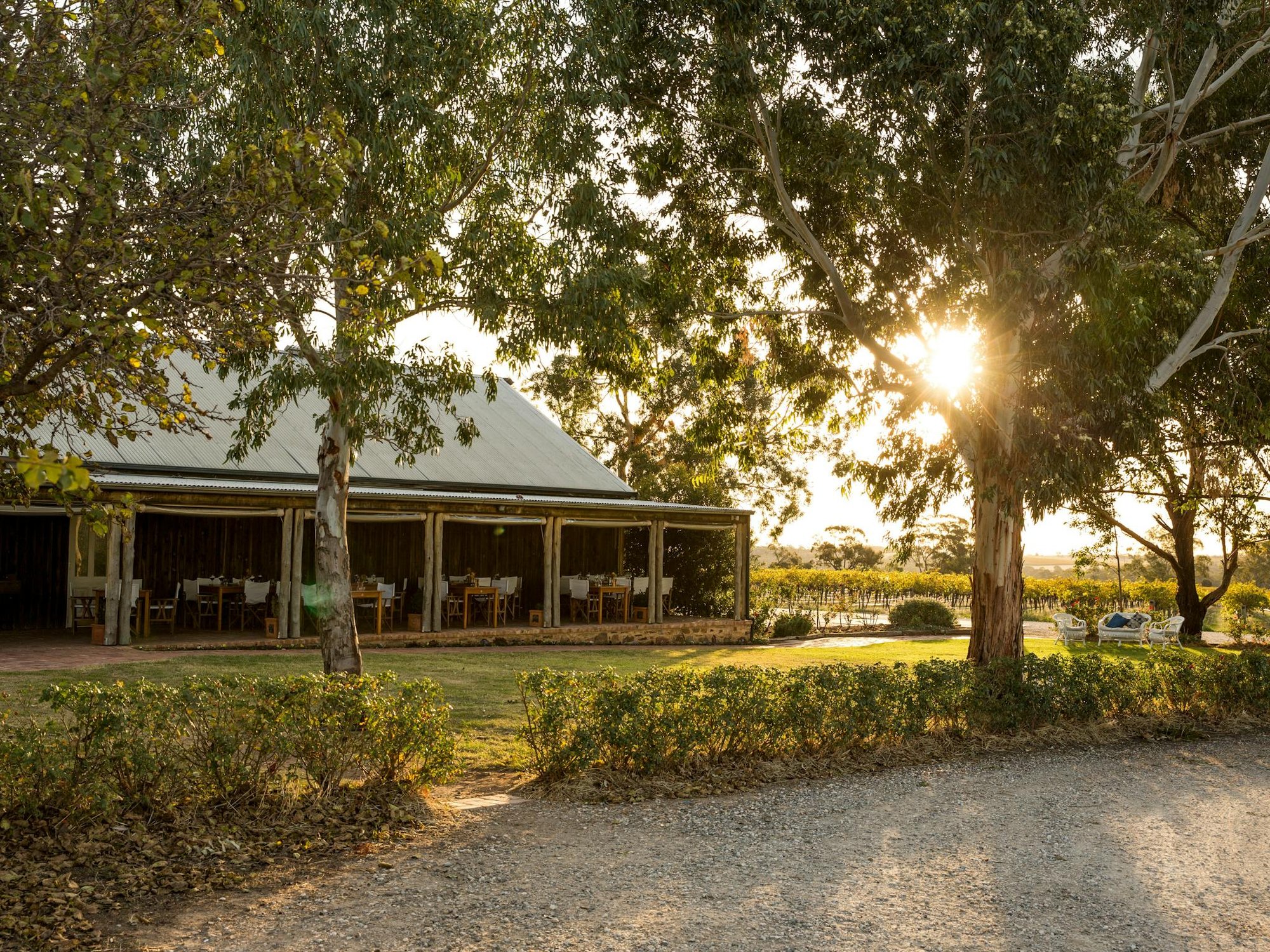
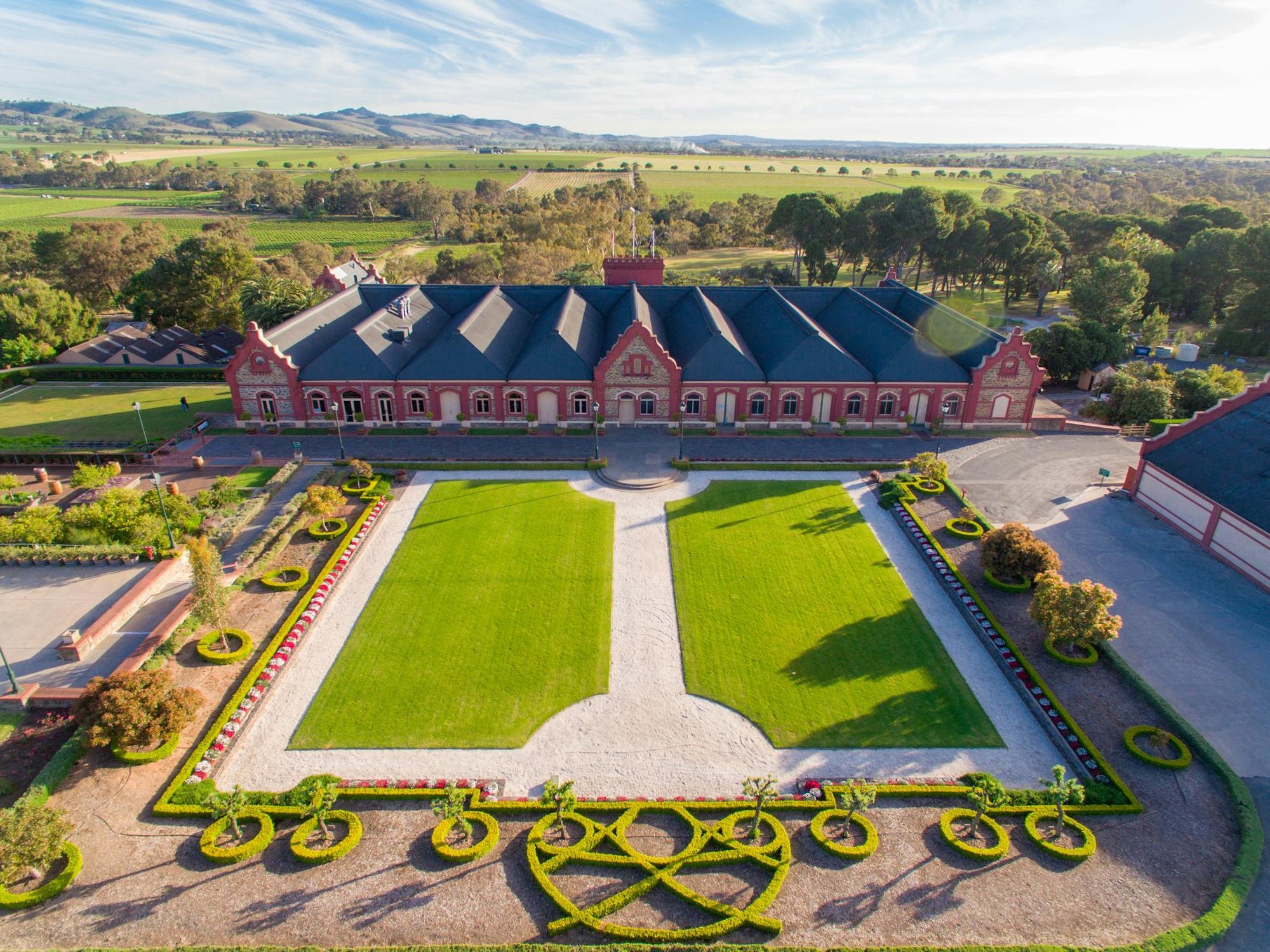
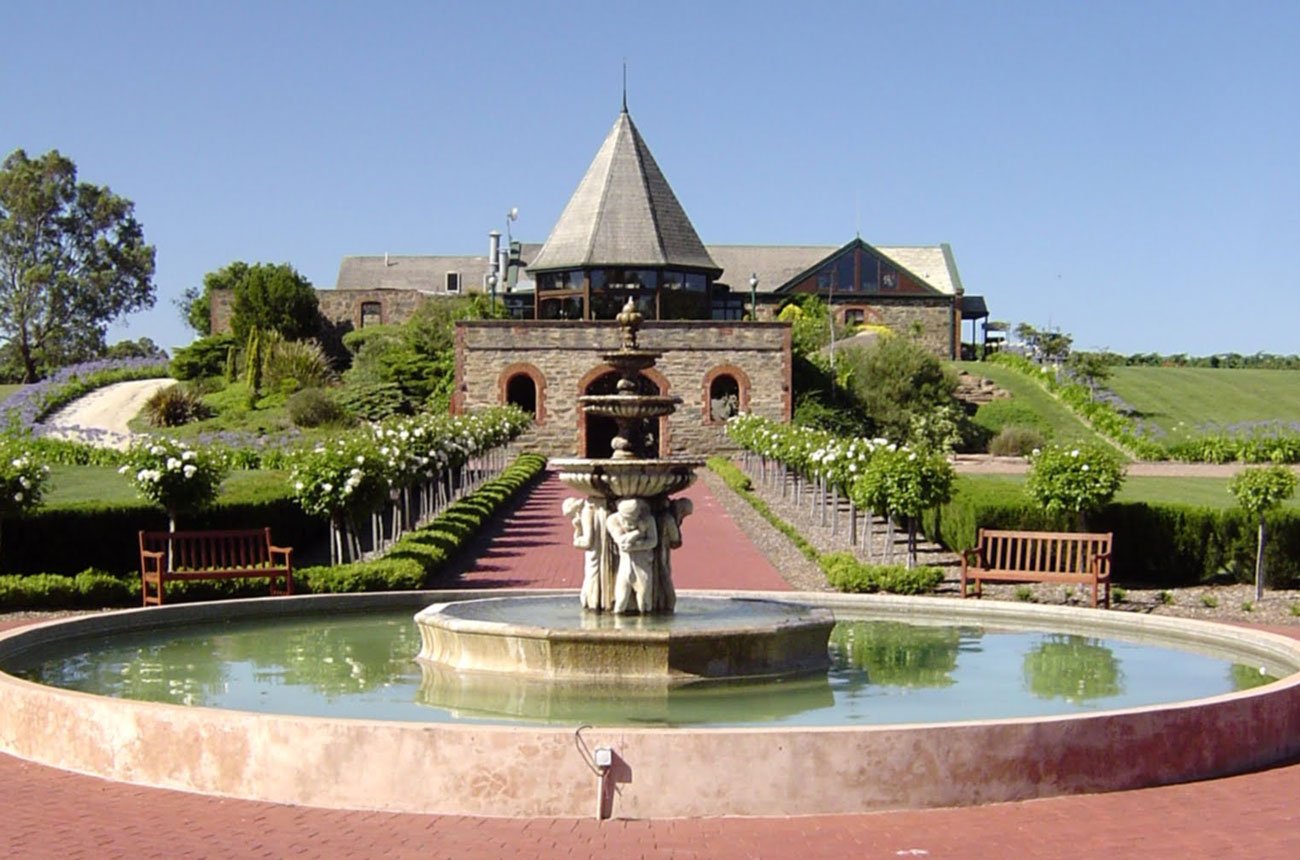
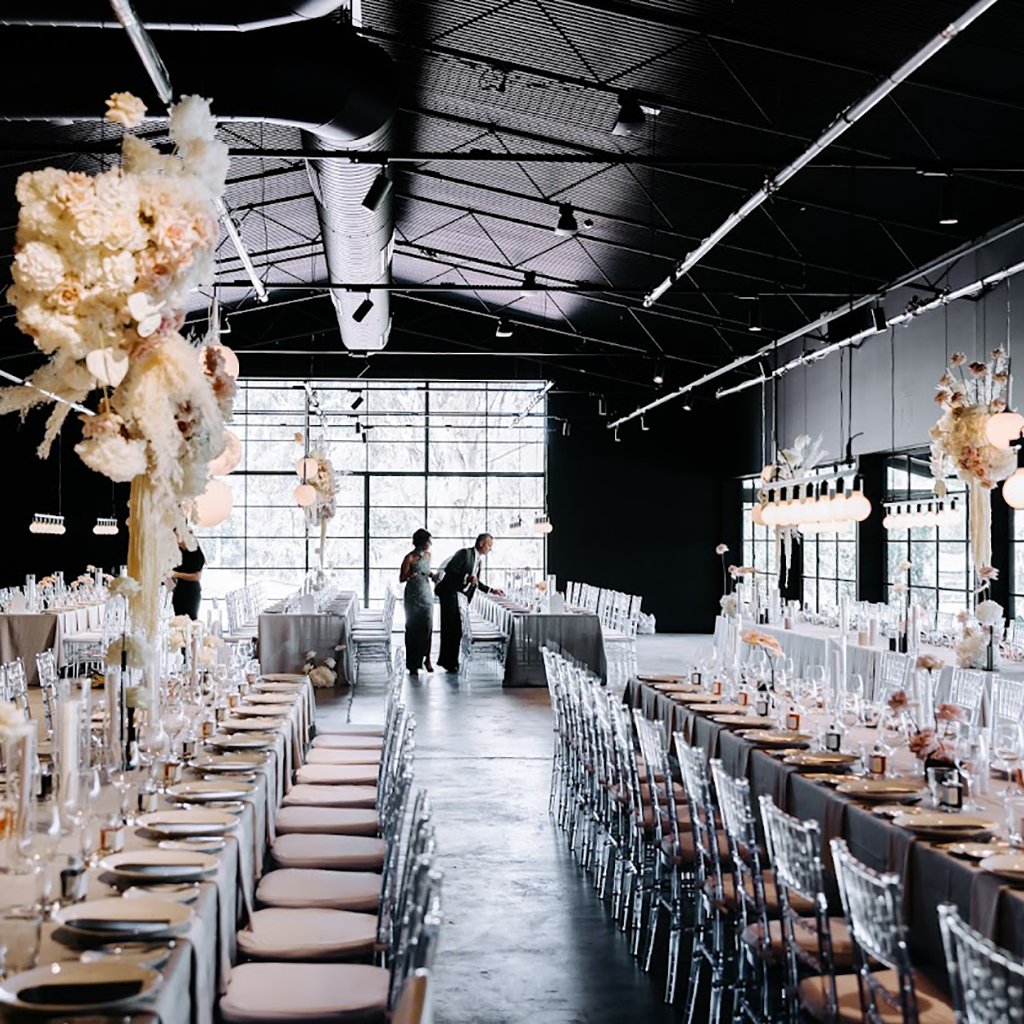
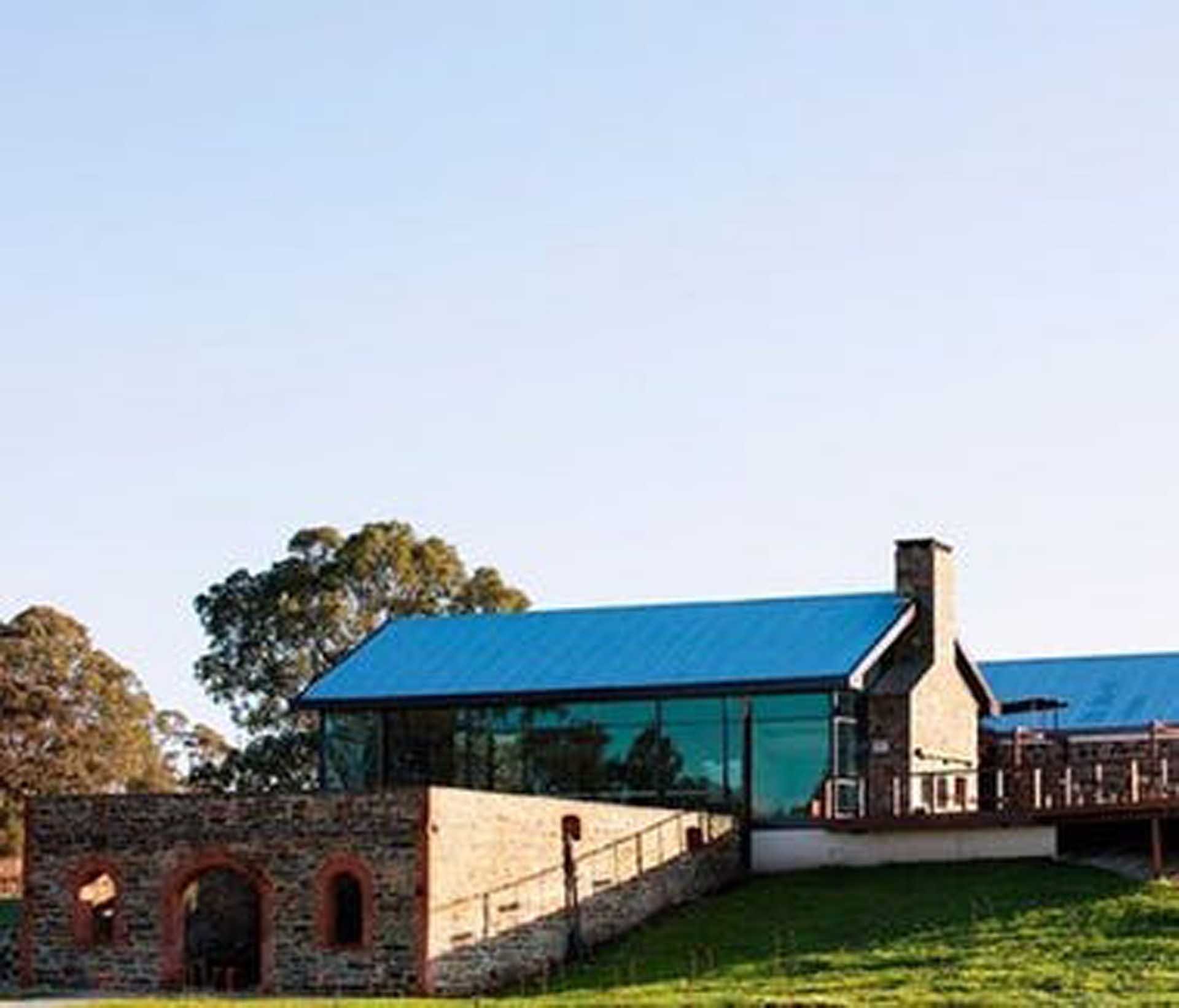
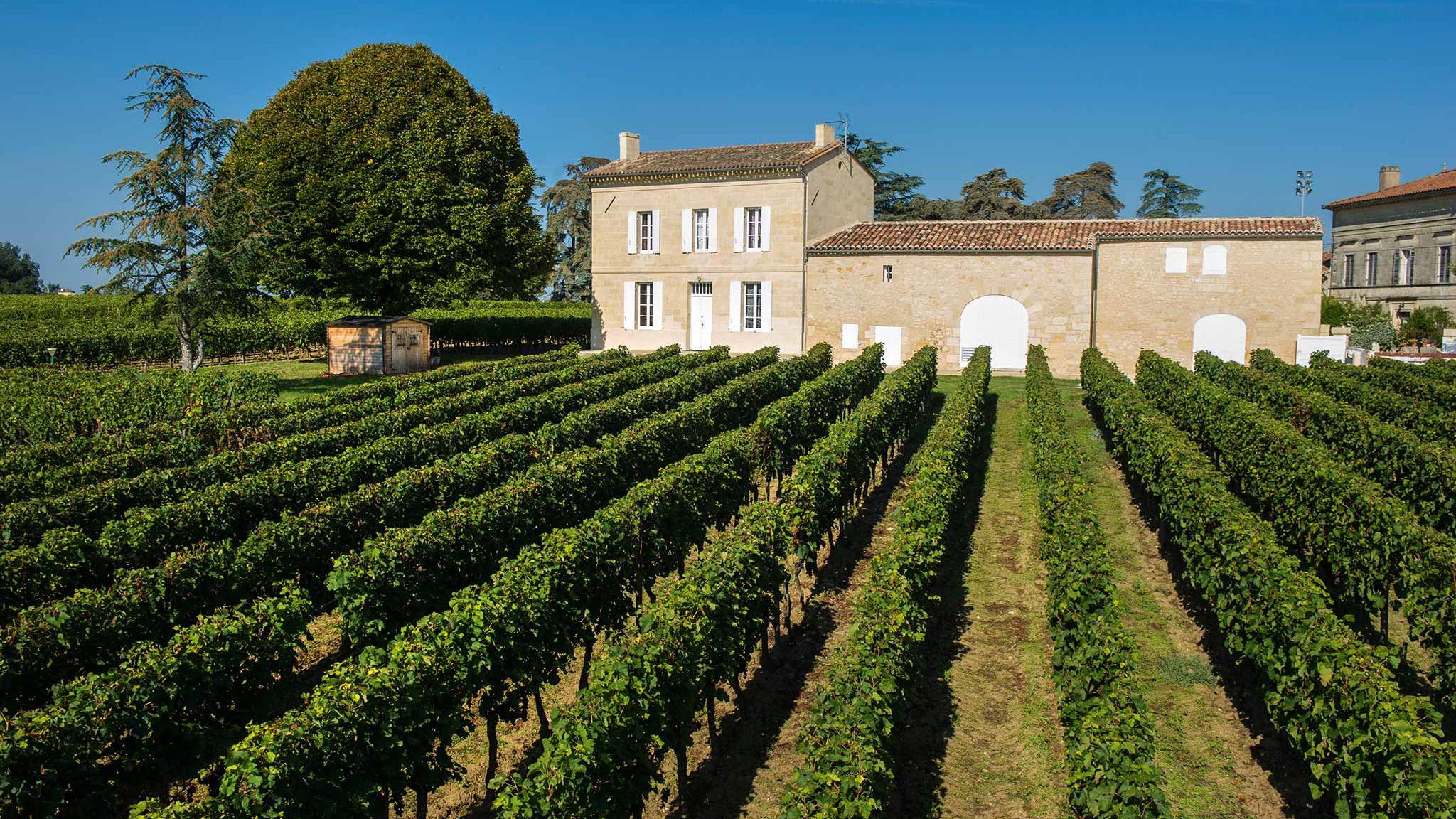
Elegant and classic with knowledgeable service in a scenic vineyard setting.
Tags
Vibe
Best For
Experience
Sourcing
View
At the Vineyard
- Appellation
- Barossa Valley
- Varietals
- Shiraz, Grenache, Cabernet Sauvignon
- Tour Duration
- 60-90 minutes
- Visits
- By appointment only
- Production
- Small producer
- Wine Styles
- Still Red
- Shipping
- Available
- Wine Club
- Available
Know before you go
Know Before You Go
- Getting there
- Gomersal Rd, Tanunda SA 5232
Planning details
Location
Recognition and awards

Also consider
If you cannot secure Glaetzer Wines
Try Grant Burge first if the day needs a more predictable winery visit in Barossa Valley. For easier logistics and a broader visitor setup, Jacob's Creek is the more practical fallback.
Winery context
How it compares in Barossa Valley
Glaetzer Wines is the pick for a focused wine decision rather than an easy all-purpose tasting day. Grant Burge is the safer alternative if the priority is a more established visitor setup, while Jacob's Creek is the practical fallback for travellers who need convenience and a broader, less fragile plan.
For a more heritage-led Barossa route, cross-shop Rockford and Turkey Flat. They make more sense when the day is about classic regional context, while Glaetzer Wines is better treated as the tighter producer-focused target. Rieslingfreak sits outside the immediate Barossa set and is more useful as a contrast point if the trip is expanding beyond one regional style.
On booking difficulty, assume Glaetzer Wines is the harder play and build backups into the route. On value, the decision is less about a published price and more about whether a focused producer visit is worth the planning friction. For relaxed groups or travellers who need food, schedule certainty, and a wider visitor setup, choose Jacob's Creek or Grant Burge first.
Explore Barossa Valley
Around this place
Discover more on Pearl
Unlock the full Glaetzer Wines guide in Pearl, including awards, comparisons, FAQs, planning details, and nearby places.
Compare Glaetzer Wines
| Venue | Location | Awards |
|---|---|---|
| Glaetzer Wines | Barossa Valley | 2026 Falstaff Winery Guide |
| Rieslingfreak | Clare Valley | No published awards |
| Jacob's Creek | Barossa Valley | No published awards |
| Grant Burge | Barossa Valley | 2026 Falstaff Winery Guide |
| Turkey Flat | Barossa Valley | 2026 Falstaff Winery Guide |
| Rockford | Barossa Valley | 2026 Falstaff Winery Guide |
How Glaetzer Wines Barossa Valley compares with similar nearby venues.
FAQ
Frequently Asked Questions
Can Glaetzer Wines handle large groups?
Glaetzer Wines is listed in Barossa Valley with a smart casual dress code and Pearl 2 Star Prestige (2025) recognition, but party size, booking process, and group arrangements should be confirmed directly before visiting.
What visitor services are confirmed for Glaetzer Wines?
The details here are limited to Barossa Valley location, smart casual dress code, and Pearl 2 Star Prestige (2025) recognition. Confirm any visitor services directly with Glaetzer Wines before planning around them.
Does Glaetzer Wines serve food?
What should I confirm before visiting Glaetzer Wines?
Confirm current hours, booking requirements, visit conditions, pricing, and any services you need directly with Glaetzer Wines.