
Weingut Rudi Pichler
Wösendorf
Winery in Wösendorf, Austria
 Book with Pearl
The Read
Wösendorf Terroir Precision
Why go
A strong choice for Wachau-focused collectors, especially if access or allocation matters more than casual hospitality. Plan it as a targeted Wösendorf wine stop with backup estates nearby, because booking difficulty makes loose scheduling risky. Value is clearest for buyers already committed to serious Austrian white wine.
About Weingut Rudi Pichler
For travelers considering Weingut Rudi Pichler in Wösendorf, the profile is concise: the venue has Pearl 2 Star Prestige (2025), and the dress code is smart casual. Before travel, check tasting availability, food service, prices, shipping, group policies, and booking requirements directly with the venue.
Wösendorf can still be approached as a focused stop for visitors comparing notable options, but the safest planning style is conservative. Use current official information for timing and availability, and keep other Wösendorf dining, lodging, bar, and experience plans flexible until the visit details are confirmed.
Worth considering if Weingut Rudi Pichler is already part of the plan
The strongest signal for Weingut Rudi Pichler is Pearl 2 Star Prestige (2025). That makes it a name to consider seriously when planning around Wösendorf. For wine lists, flagship bottles, tasting formats, allocation systems, membership programs, or purchasing models, consult the venue directly.
If collecting or buying is part of the trip, base decisions on current information from the venue. The recognition supports interest in Weingut Rudi Pichler as a prestige-listed Wösendorf venue, without assuming access, pricing, shipping, hospitality perks, or specific bottle availability.
Plan the day around current details, not a single assumption
A practical plan can include comparing Weingut Rudi Pichler with other named venues such as Weingut Prager, Weingut Franz Hirtzberger, Weingut Jamek, Weingut Josef Schmelz, and Weingut Jäger. Keep the comparisons general until current availability, format, and visitor policies are in hand.
For broader planning, separate unrelated stops from a Wösendorf-focused itinerary. The clearest approach is to confirm Weingut Rudi Pichler directly, then build any additional venue, dining, hotel, bar, or experience plans around current availability rather than assumptions.
Quick reference: prioritize this for a Wösendorf itinerary if Pearl 2 Star Prestige (2025) is a meaningful signal for you; confirm all visit details directly before relying on a specific plan.
Planning details
- Location
- Marienfeldweg 122, 3610 Wösendorf in der Wachau
- Website
- rudipichler.at
- Phone
- +43 2715 2267
The take
The Take
The Vibe
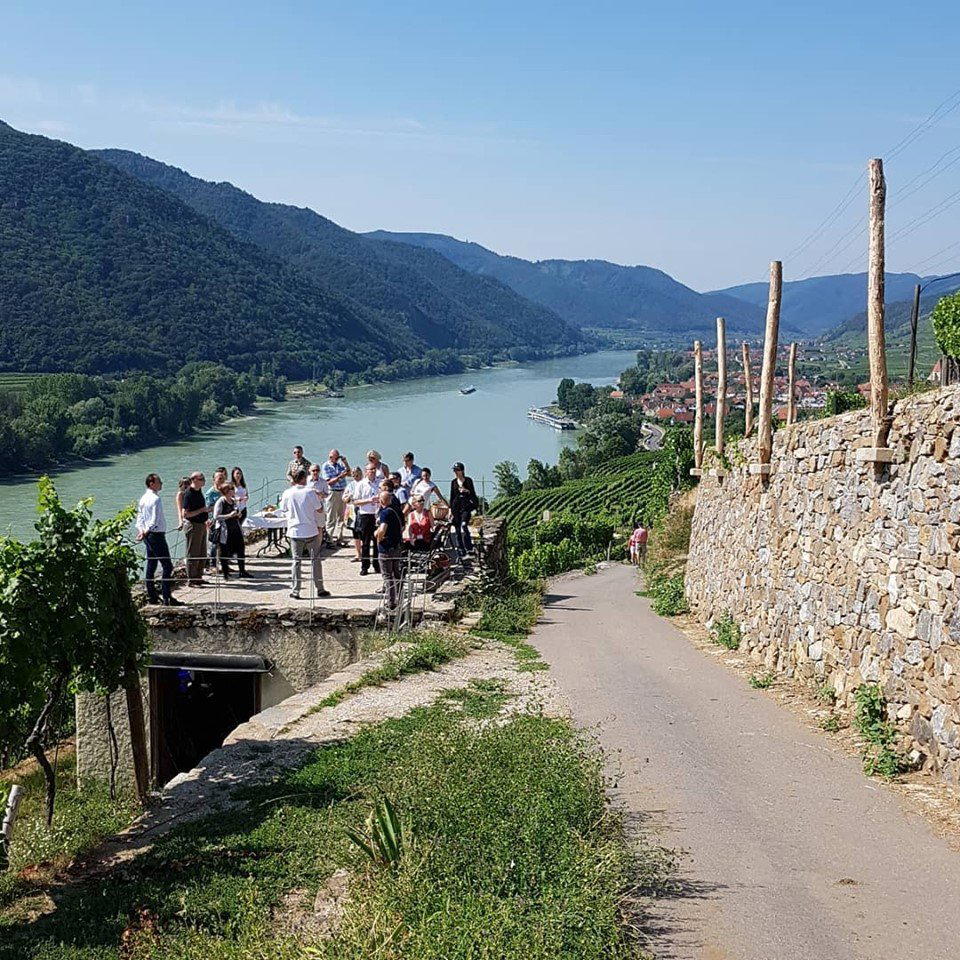
Weingut Rudi Pichler reads like a study in focused refinement. Set in the compact village of Wösendorf, the estate belongs unmistakably to Wachau’s upper tier: celebrated single sites, steep gneiss- and mica-rich terraces and a collector-minded reputation give the place a quietly sophisticated air. The writing privileges geology and technique—flinty minerality, bracing acidity and low-intervention cellar work—so the overall mood is contemplative and intimate rather than flashy. Tastings here feel like technical lessons in site expression, where precision and restraint are the defining characteristics of both the wines and the visit.
Best For
This is a destination for people who come to learn and to savor the specificity of place. The estate’s strengths—Grüner Veltliner and Riesling from named sites, cellar-led aging and a reputation among collectors—make it a natural stop for wine education, solo exploration and special-occasion visits. It suits visitors who want a thoughtful tasting centered on terroir and winemaking choices rather than a casual social outing. Given the village setting and focused program, expect a measured tasting experience geared toward guests who value nuance, provenance and technical clarity.
Tasting Tips
When you visit, center your tasting on site-labeled Grüner Veltliner and Riesling and ask specifically about Kollmütz and Hochrain bottlings; the text highlights those parcels as signature sites. Inquire about cellar practice—notes reference low intervention and extended lees aging—which helps explain texture and longevity. Seek older vintages or prestige-designated releases if available, since collectors follow the estate and prestige recognition is noted. Keep the conversation focused on minerality, acid structure and site differences rather than oak or overt extraction to appreciate what the estate emphasizes.
Venue details
Ambiance
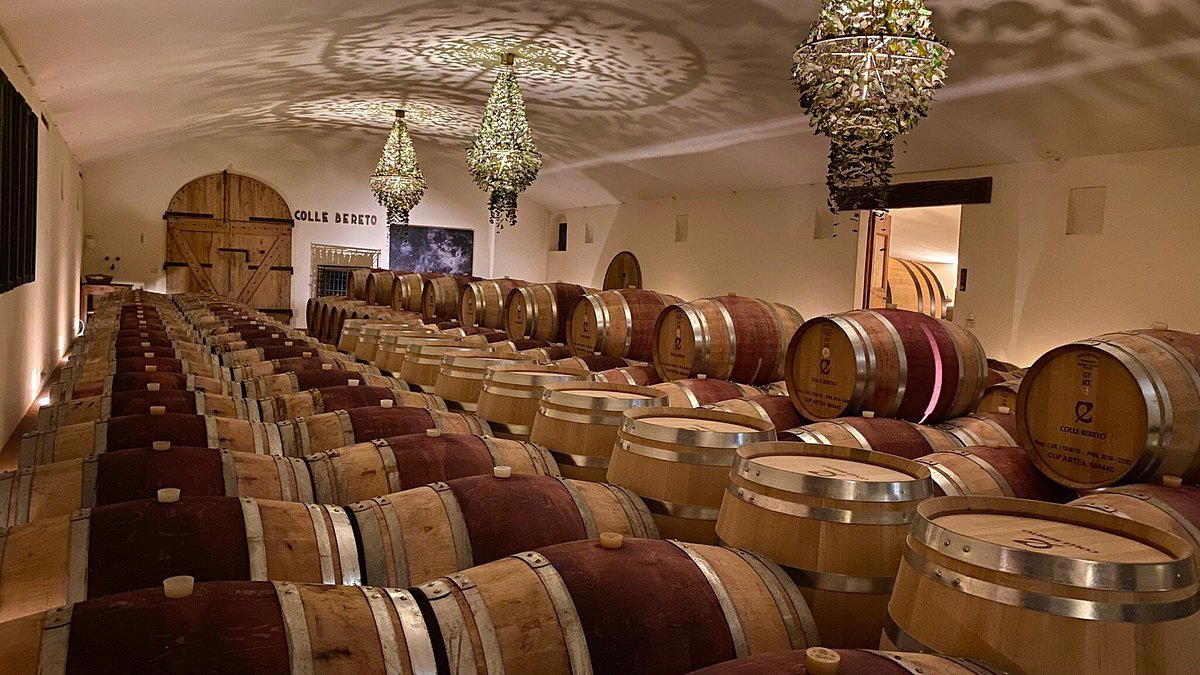
Pure, dense, and taut wines reflecting vineyard terroir in a modern cellar amid historic family tradition.
Tags
Vibe
Best For
Experience
Sourcing
View
At the Vineyard
- Appellation
- Wachau DAC
- Varietals
- Grüner Veltliner, Riesling, Weißburgunder, Roter Veltliner
- Tour Duration
- 60-90 minutes
- Tour Languages
- English
- Visits
- By appointment only
- Farming
- Sustainable
- Wine Styles
- Still White
- Wine Club
- Not available
Know before you go
Know Before You Go
- Getting there
- Marienfeldweg 122, 3610 Wösendorf in der Wachau
Planning details
Location
Recognition and awards

Also consider
Also Consider
- Weingut Josef Schmelz, Notable alternative
- Weingut Jamek, Notable alternative
- Weingut Prager, Notable alternative
- Weingut Jäger, Notable alternative
- Weingut Franz Hirtzberger, Notable alternative
Winery context
How it compares with Wösendorf peers
Weingut Rudi Pichler is the pick for collectors who want a high-conviction Wachau target and are willing to plan around difficult access. Weingut Prager and Weingut Franz Hirtzberger are the closest cross-shops for travelers chasing similarly serious names; choose them as backup options if availability becomes the deciding factor.
For a broader Wösendorf day, Weingut Jamek, Weingut Josef Schmelz, and Weingut Jäger make more sense for travelers who want comparative context rather than a single trophy appointment. If value for time is the priority, build a route across two or three producers instead of making one difficult booking carry the whole day.
The practical call: prioritize Weingut Rudi Pichler when cellar access is the point of the trip; choose the peers when ambiance, easier scheduling, or a wider tasting range matters more.
Explore Wösendorf
Around this place
Discover more on Pearl
Unlock the full Weingut Rudi Pichler guide in Pearl, including awards, comparisons, FAQs, planning details, and nearby places.
Compare Weingut Rudi Pichler
| Venue | Location | Awards |
|---|---|---|
| Weingut Rudi Pichler | Wösendorf | 2026 Falstaff Winery Guide |
| Weingut Josef Schmelz | Joching | 2026 Falstaff Winery Guide |
| Weingut Jamek | Joching | 2026 Falstaff Winery Guide |
| Weingut Prager | Weißenkirchen | 2026 Falstaff Winery Guide |
| Weingut Jäger | Weißenkirchen | 2026 Falstaff Winery Guide |
| Weingut Franz Hirtzberger | Spitz | 2026 Falstaff Winery Guide |
How Weingut Rudi Pichler Wösendorf compares with similar nearby venues.
FAQ
Frequently Asked Questions
What is the flagship wine at Weingut Rudi Pichler?
Do not plan around a named flagship bottle without checking current details directly with the venue. The Wösendorf location and Pearl 2 Star Prestige (2025) recognition are the main signals to keep in mind before you go.
Does Weingut Rudi Pichler ship wine?
If shipping matters, ask the venue directly before making plans. Compare terms with venues such as Weingut Jamek or Weingut Prager only after checking each venue's current information directly.
Is the wine club at Weingut Rudi Pichler worth joining?
Any membership or buying decision should be based on current details from the venue, including allocation, pricing, and shipping terms. Pearl 2 Star Prestige (2025) is the key trust signal.
Can Weingut Rudi Pichler handle large groups?
What other venues are relevant comparisons for Weingut Rudi Pichler?
Relevant comparison names include Weingut Josef Schmelz, Weingut Jamek, Weingut Prager, Weingut Jäger, and Weingut Franz Hirtzberger. Confirm current availability and visit details with each venue before building an itinerary.