
Bodegas Tradición
historic center, Jerez de la Frontera
Winery in Jerez de la Frontera, Spain
 Book with Pearl
The Read
VORS Solera Depth
Why go
Book Bodegas Tradición if the goal is a serious sherry-focused bodega visit in Jerez rather than a broad, casual tasting stop. It suits repeat visitors and wine-led itineraries; for mixed groups or easier logistics, Lustau or Williams & Humbert are safer cross-shops.
About Bodegas Tradición
Bodegas Tradición is a 2 Star Prestige (2025) venue in Jerez de la Frontera. public-facing details are limited, so the safest way to plan is to treat the listing as a premium venue profile rather than a source for unconfirmed specifics about menus, tours, drinks, pricing, hours, or group arrangements. The confirmed dress code is smart casual.
Use Bodegas Tradición as a Jerez de la Frontera stop to consider alongside other names such as Lustau, Valdespino, Williams & Humbert, González Byass (Tío Pepe), Bodegas Barbadillo, and other regional options.
Choose this for a Prestige venue in Jerez de la Frontera
The clearest confirmed reason to note Bodegas Tradición is its 2 Star Prestige (2025) recognition. Beyond that, avoid assuming a particular experience format. If your itinerary depends on food, timing, accessibility, group size, or a specific kind of visit, confirm those details directly before going.
For meal planning around the city, use our full Jerez de la Frontera restaurants guide. That keeps the Bodegas Tradición listing focused on what is while leaving lunch or dinner planning to venues with confirmed dining details.
Where it sits in a Jerez itinerary
Bodegas Tradición can be considered with other notable names, including Lustau, Valdespino, Williams & Humbert, González Byass (Tío Pepe), and Bodegas Barbadillo. The profile here is intentionally narrow: Jerez de la Frontera, smart casual dress, and 2 Star Prestige (2025).
If the trip also includes hotels or broader city planning, build the rest around our full Jerez de la Frontera hotels guide. For Bodegas Tradición itself, confirm current arrangements directly, especially if your plans depend on hours, booking requirements, food, shipping, or group logistics.
Planning details
- Location
- C. Cordobeses, 3, 11408 Jerez de la Frontera, Cádiz
- Website
- bodegastradicion.es
- Phone
- +34 956 16 86 28
The take
The Take
The Vibe
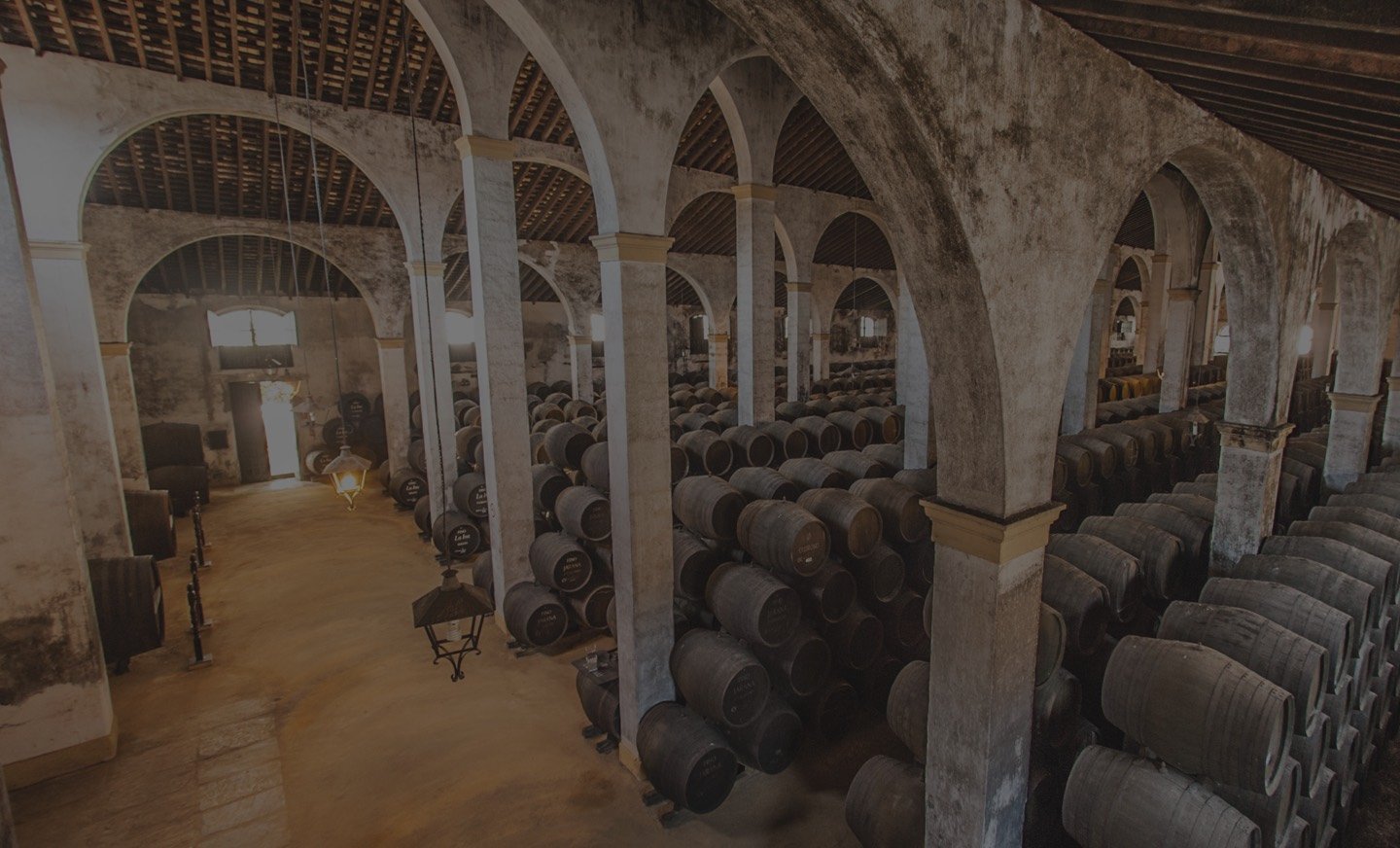
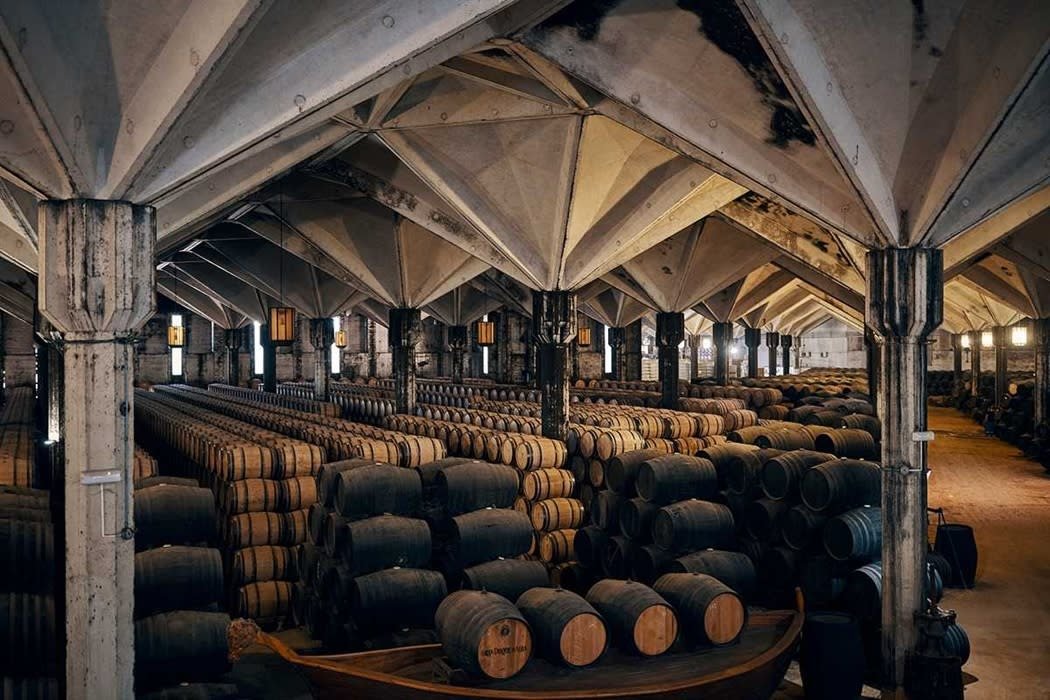
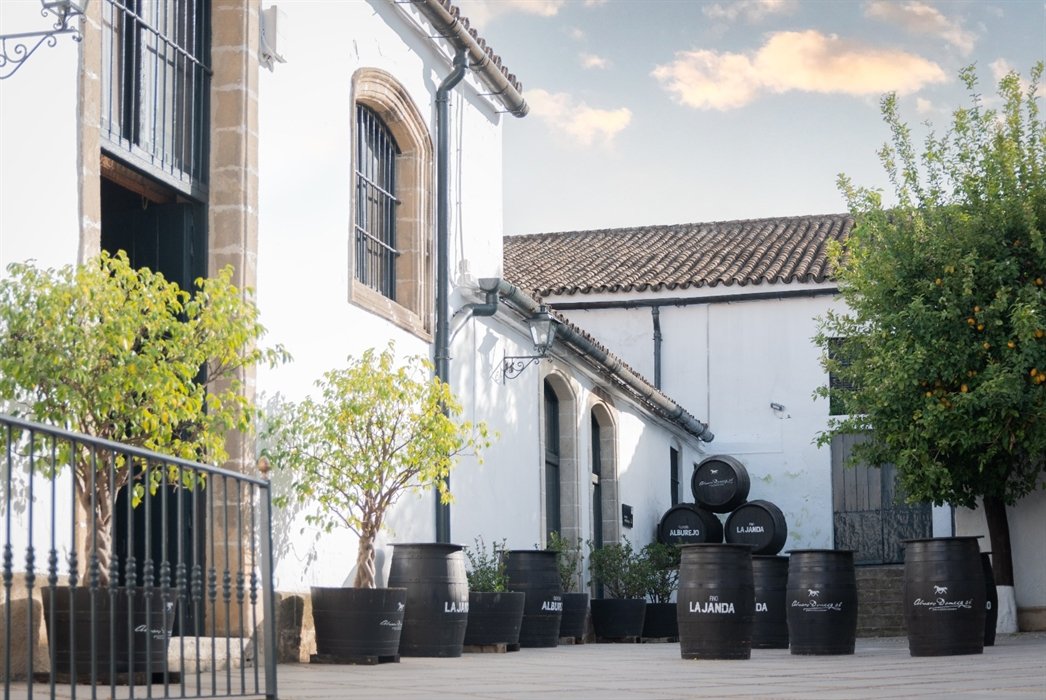
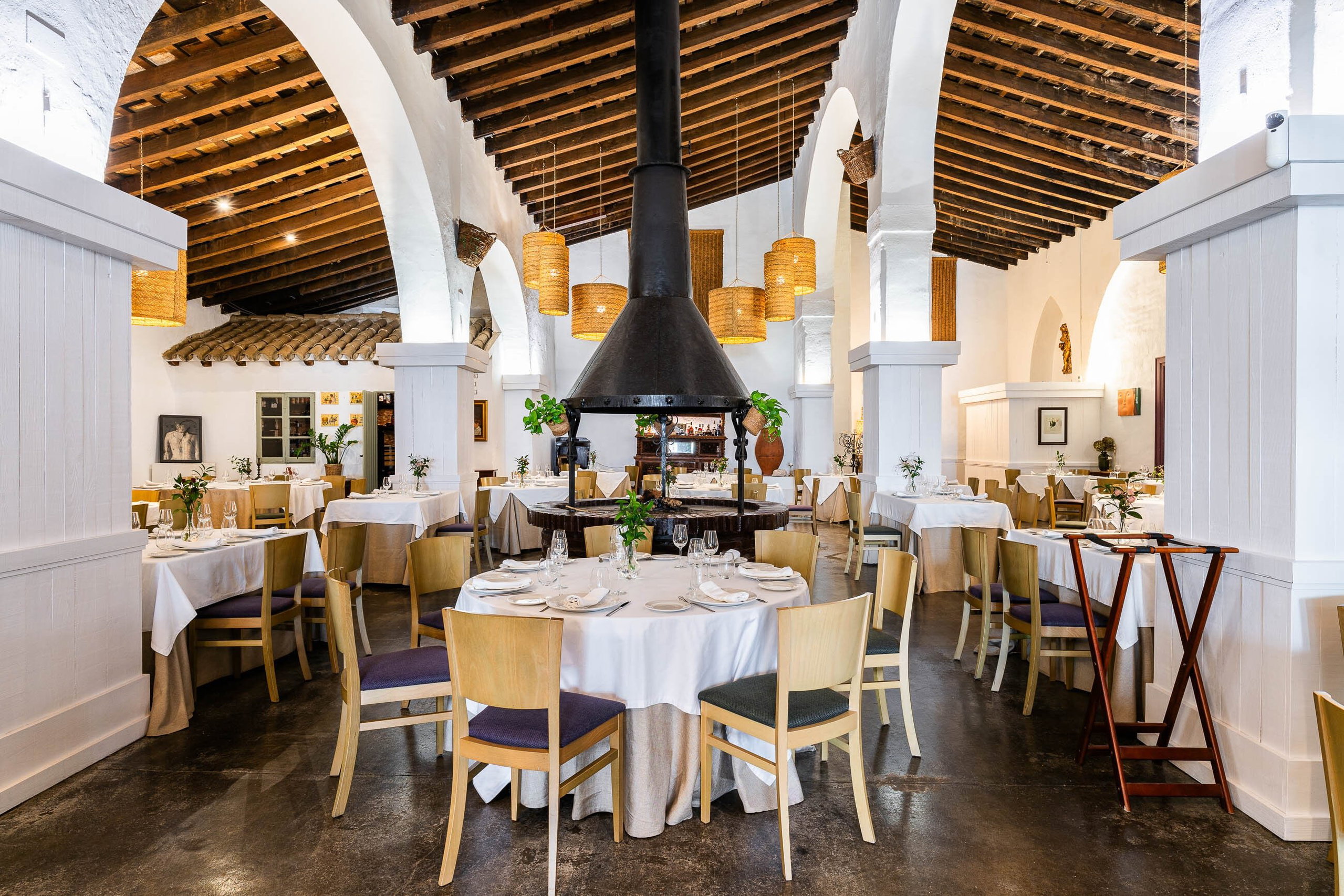
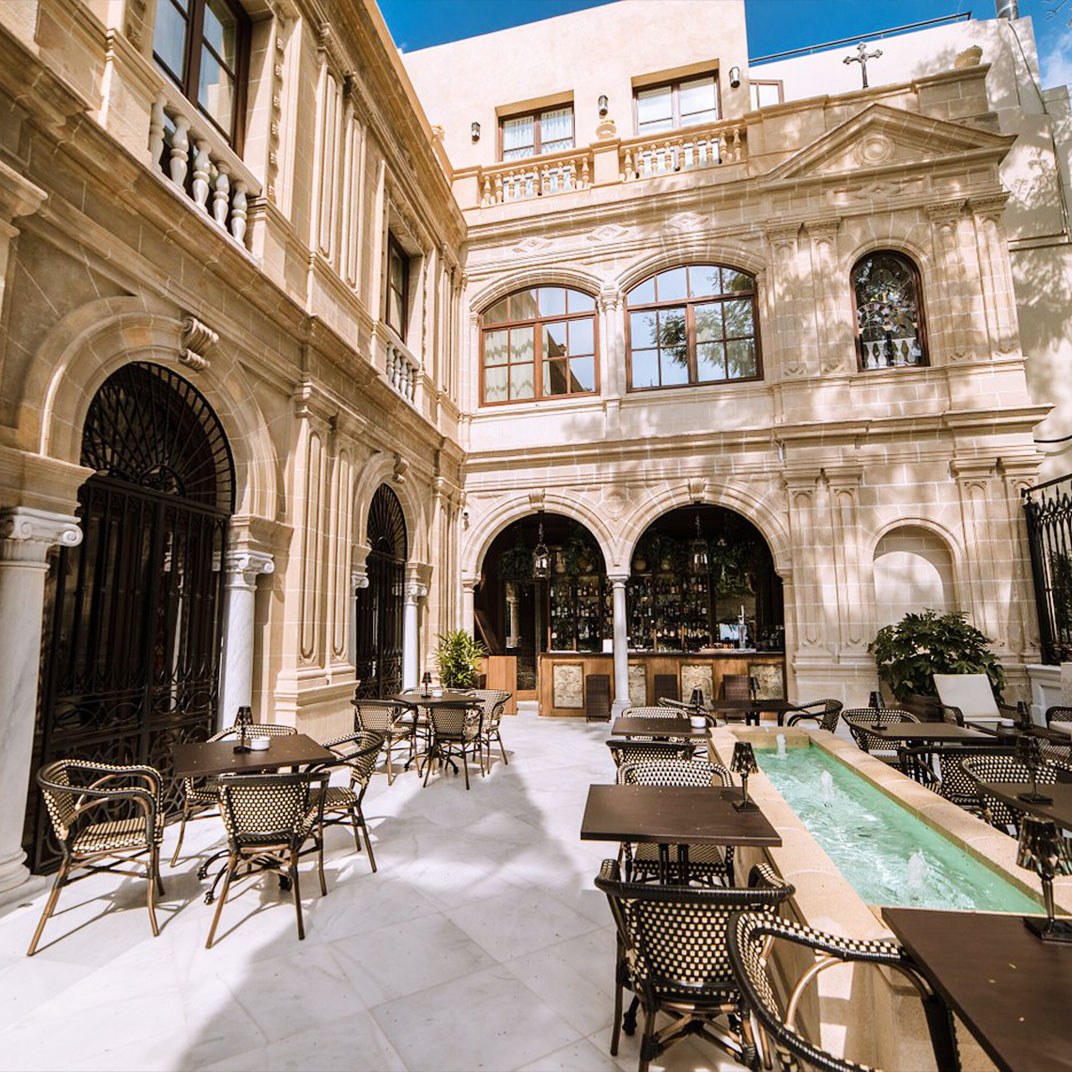
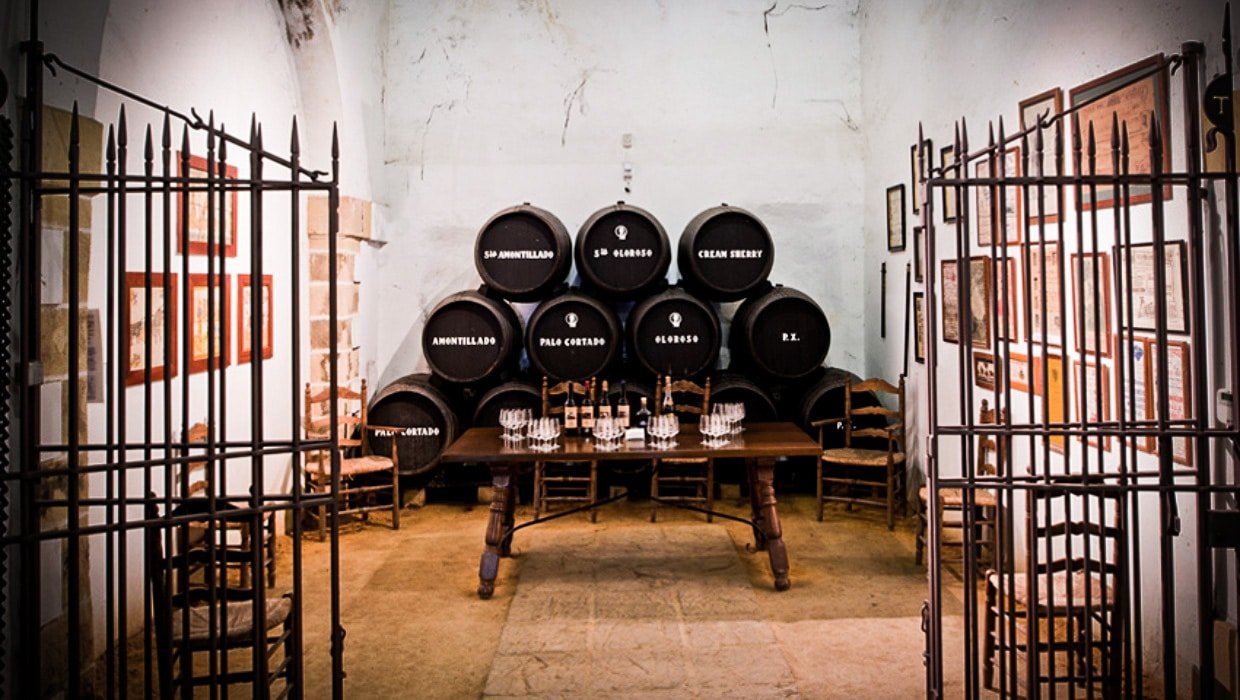
Bodegas Tradición inhabits the historic fabric of Jerez de la Frontera: whitewashed facades, heavy timber doors and high vaulted ceilings speak to production-first architecture rather than tourism. The writing emphasizes the building as an active participant in winemaking — spaces engineered to moderate temperature swings, sustain flor and preserve decades-old soleras. The resulting impression is quietly powerful and charming rather than flashy: this is a place where heritage and craft are visible in the physical structure, and visiting feels like stepping into a working archive of Jerez’s vinous traditions.
Best For
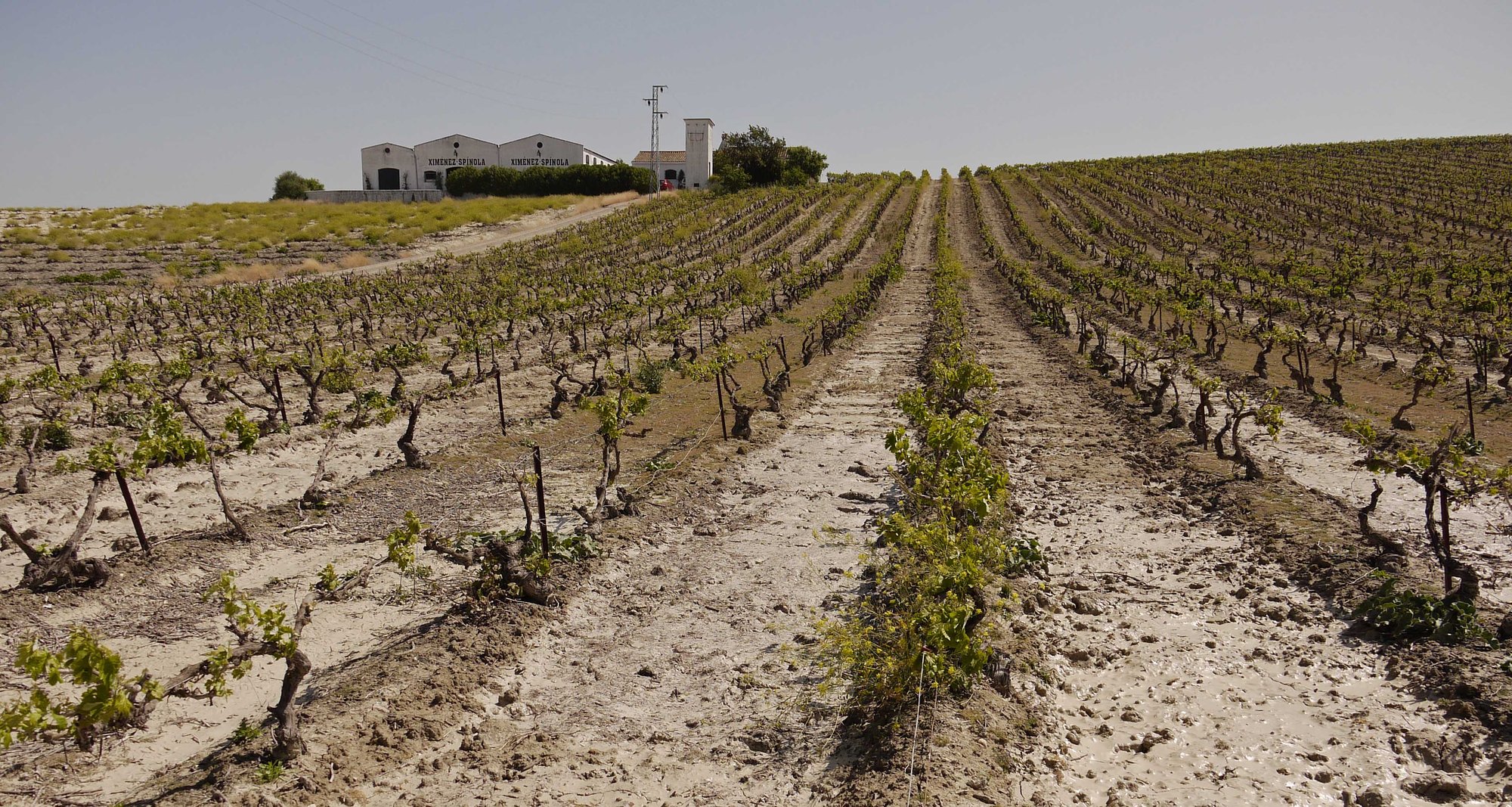
This is a destination for people who want to understand sherry in context. The notes on albariza soils, the Levante and Poniente winds, and the mechanics of flor make Tradición especially rewarding for wine-education visits and anyone celebrating a special occasion with a taste of deeply aged soleras. Its placement in the old quarter and its focus on production over presentation suit small, contemplative visits rather than noisy group nights; it’s best for curious wine lovers and collectors who appreciate historical continuity and technical depth.
Tasting Tips
Focus on the solera-driven expressions and ask about the estate’s older releases: the description stresses decades-deep solera systems and limited, age-focused bottlings. When you visit, steer conversation toward the geographic drivers the text highlights — albariza soils, the Levante and Poniente winds, and the role of flor — to frame tasting notes. Given the producer’s placement in the higher-recognition tier (Pearl 2 Star Prestige), prioritize samples that showcase age and fractional blending rather than young or commercial styles.
Venue details
Ambiance
Historic and atmospheric with the aroma of aged oak barrels, elegant lighting highlighting the bodega's patios and traditional cellars.
Tags
Vibe
Best For
Experience
At the Vineyard
- Appellation
- Jerez-Xérès-Sherry D.O.
- Varietals
- Palomino, Pedro Ximénez, Moscatel
- Tour Duration
- 60-90 minutes
- Tour Languages
- Spanish, English
- Visits
- By reservation
- Wine Styles
- Fortified
- Wine Club
- Not available
Know before you go
Know Before You Go
- Getting there
- C. Cordobeses, 3, 11408 Jerez de la Frontera, Cádiz
Planning details
Location
Recognition and awards

Also consider
Where to go if this is not the right fit
If Bodegas Tradición feels too specialised, book Lustau for a more accessible sherry introduction in Jerez. If the group is larger or wants a more practical visit format, Williams & Humbert is the cleaner backup.
For another serious wine-led option, cross-shop Valdespino. It is the better alternative when the brief is depth rather than ease.
Winery context
How it compares in Jerez
Bodegas Tradición is the pick for a more focused sherry appointment, especially if the group already cares about aged wines and wants the bodega visit to feel deliberate. González Byass (Tío Pepe) is the better fit for first-timers who want a larger, more famous visitor circuit, while Lustau is the easier recommendation for a polished introduction that works for mixed-interest groups.
For serious sherry drinkers, the closest comparison is Valdespino: both make more sense when the visitor wants depth over convenience. Williams & Humbert is the more practical alternative for scale and group comfort, while Bodegas Barbadillo belongs in the conversation if the itinerary stretches beyond central Jerez and the group wants a broader regional contrast.
Value depends on what the visit is meant to solve. If the goal is a memorable cellar-focused sherry stop, Bodegas Tradición is worth prioritising. If the goal is easier booking, a broader visitor setup, or a lower-risk choice for guests who are new to sherry, start with González Byass, Lustau, or Williams & Humbert instead.
Explore Jerez de la Frontera
Around this place
Discover more on Pearl
Unlock the full Bodegas Tradición guide in Pearl, including awards, comparisons, FAQs, planning details, and nearby places.
Compare Bodegas Tradición
| Venue | Location | Awards |
|---|---|---|
| Bodegas Tradición | Jerez de la Frontera | 2026 Falstaff Winery Guide |
| González Byass (Tío Pepe) | Jerez | 2025 World's 50 Best Vineyards · #212024 World's 50 Best Vineyards · #342023 World's 50 Best Vineyards · #212022 World's 50 Best Vineyards · #62021 World's 50 Best Vineyards · #92020 World's 50 Best Vineyards · #18 |
| Lustau | Jerez de la Frontera | 2026 Falstaff Winery Guide |
| Williams & Humbert | Jerez de la Frontera | 2026 Falstaff Winery Guide |
| Valdespino | Jerez de la Frontera | 2026 Falstaff Winery Guide |
| Bodegas Barbadillo | Sanlúcar de Barrameda | 2026 Falstaff Winery Guide |

How Bodegas Tradición Jerez compares with similar nearby venues.
FAQ
Frequently Asked Questions
Do I need a reservation at Bodegas Tradición?
When is the best time to visit Bodegas Tradición?
opening hours and preferred visit times are not available in the available data. Confirm current timing directly with Bodegas Tradición before planning your day in Jerez de la Frontera.