
Finca Decero
Agrelo
Winery in Agrelo, Argentina
 Book with Pearl
The Read
Altitude-Disciplined Malbec
Why go
Finca Decero is the Agrelo winery to consider when the visit needs to feel planned, polished, and suitable for a celebration or client outing. Treat it as an anchor booking rather than a casual add-on, especially if the day is built around fewer, higher-intent winery stops.
About Finca Decero
Finca Decero is a venue in Agrelo with a smart casual dress code and Pearl 2 Star Prestige recognition for 2025. Before planning around specific prices, hours, menus, tasting formats, capacity, or services, check the venue's current channels.
Use Finca Decero as a considered Agrelo option when the group is comfortable confirming details directly before visiting. For anything time-sensitive or budget-sensitive, check the venue's current channels before making plans.
Use it as a serious Agrelo booking, not the filler stop
The safest planning approach is to treat Finca Decero as a booking to confirm in advance rather than a stop to assume will fit any schedule. The smart casual dress code also makes it sensible to plan attire rather than arriving as if every format were informal.
For a broader day in the area, compare options without making assumptions about Finca Decero's visit specifics. The Agrelo guide can help with wider planning, and the Agrelo hotels guide may be useful if the visit is part of an overnight stay.
What to cross-shop before committing
If you are comparing Finca Decero with other named options, keep the shortlist to comparison names such as Bodega Bressia, Bodega Séptima, Viña Cobos, Susana Balbo (Dominio del Plata), and Las Perdices. The practical move is to confirm current availability and visit details directly rather than relying on assumptions about format, pricing, food, or timing.
Finca Decero's Pearl 2 Star Prestige recognition in 2025 gives it a clear quality signal, but it should not be used as a substitute for checking the details that matter to your visit. Book when the profile fits your plans; compare alternatives if you need specific services or schedule information.
Planning details
- Location
- Bajo las Cumbres 9003, M5509 Agrelo, Mendoza
- Website
- fincadecero.com
- Phone
- +54 261 215-1271
The take
The Take
The Vibe
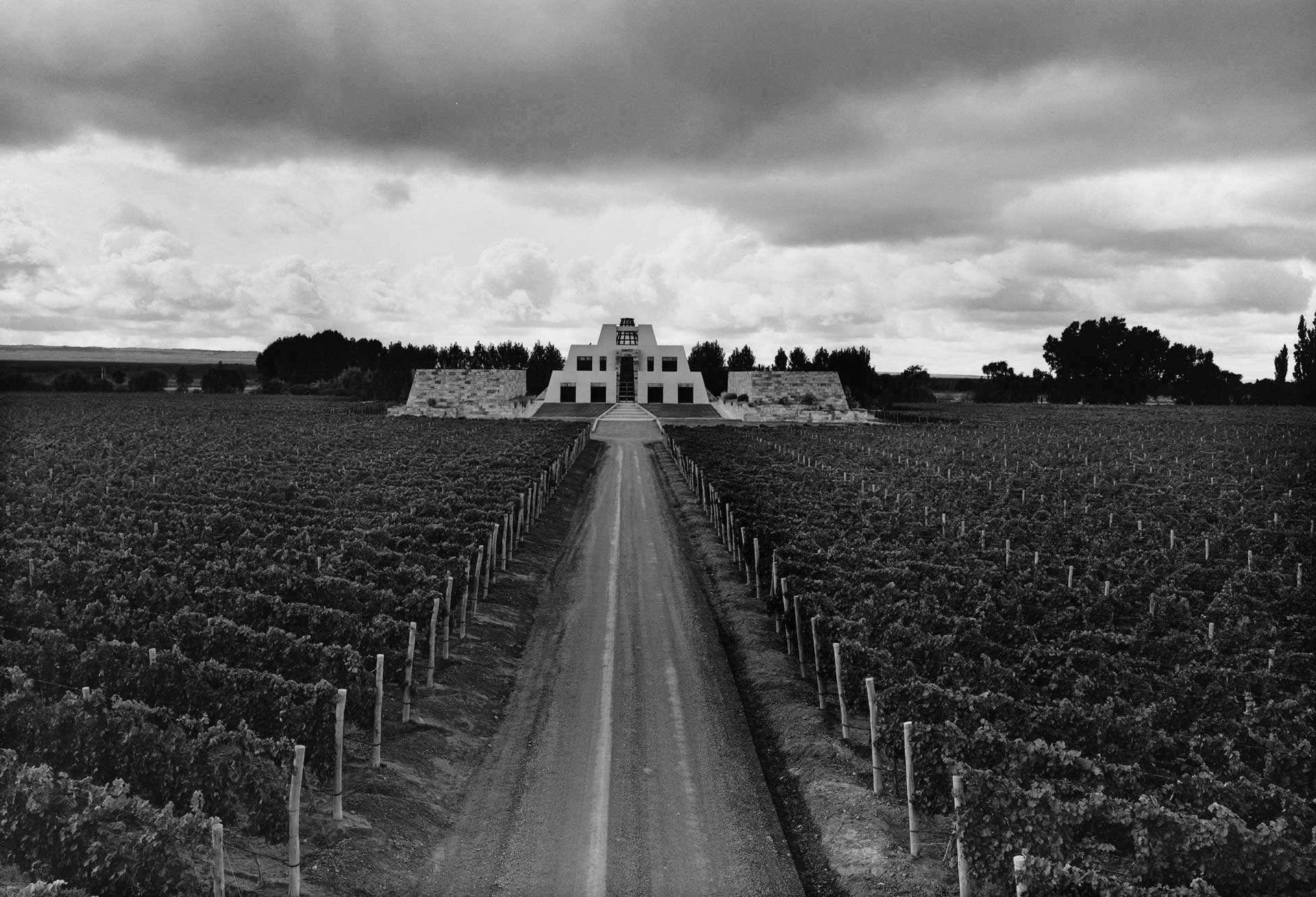
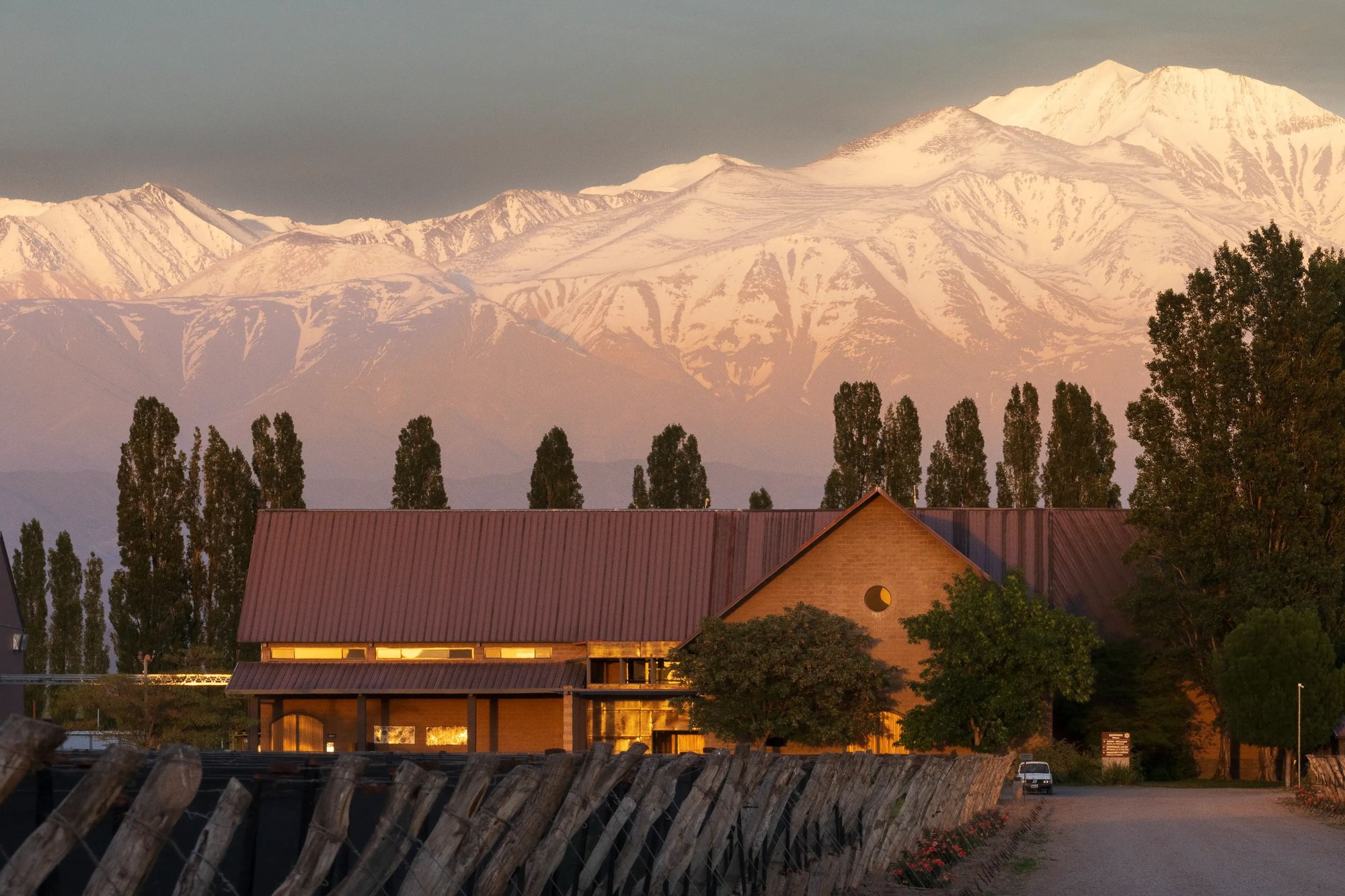
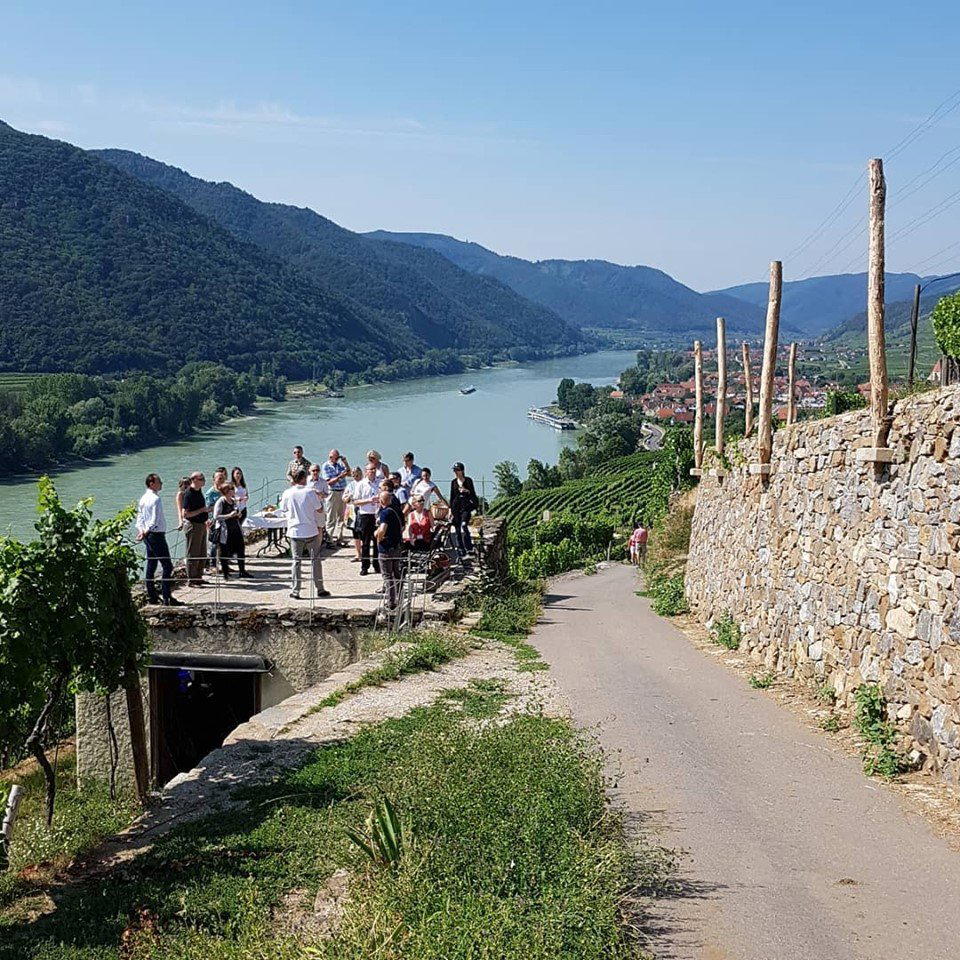
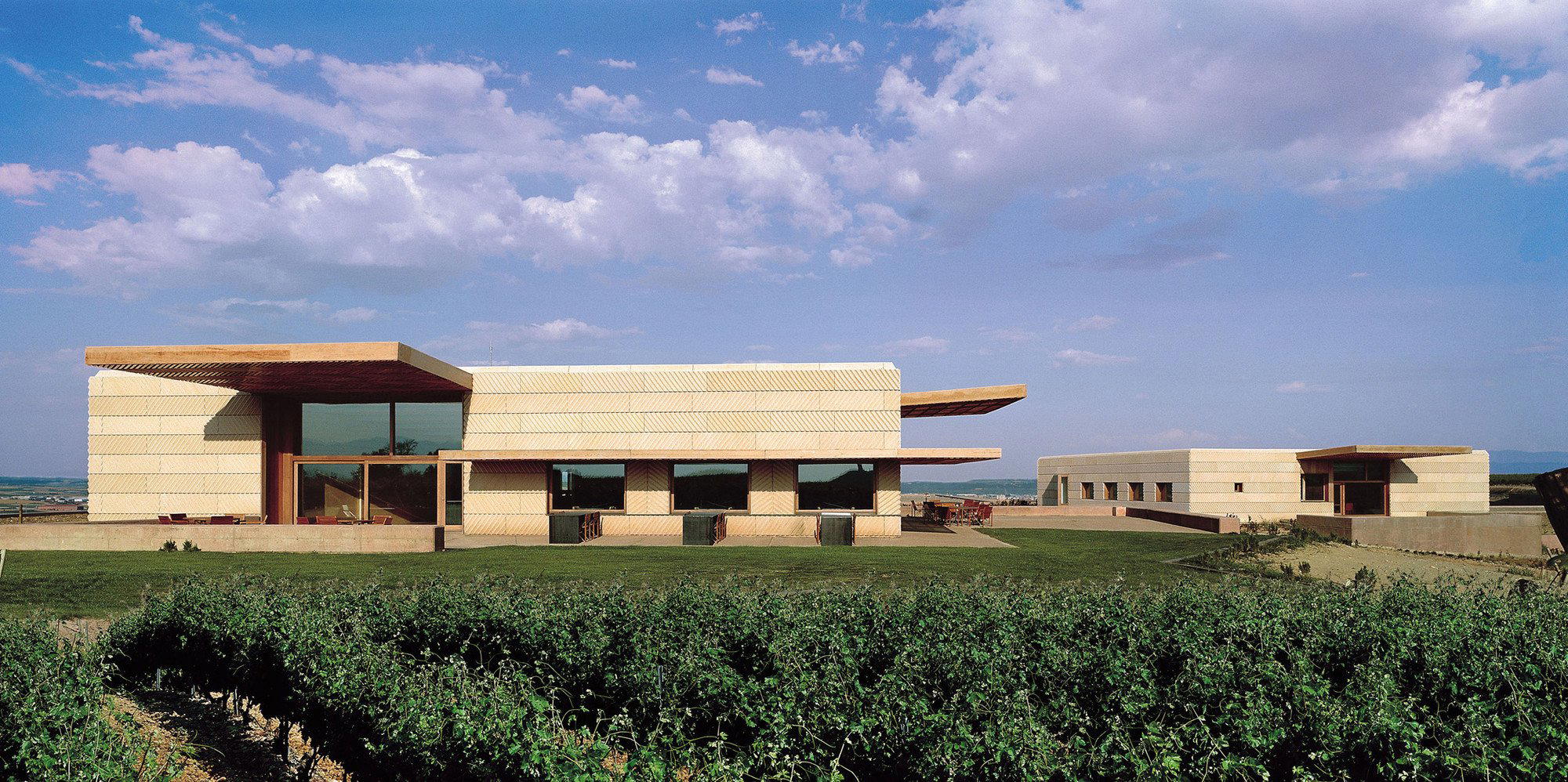
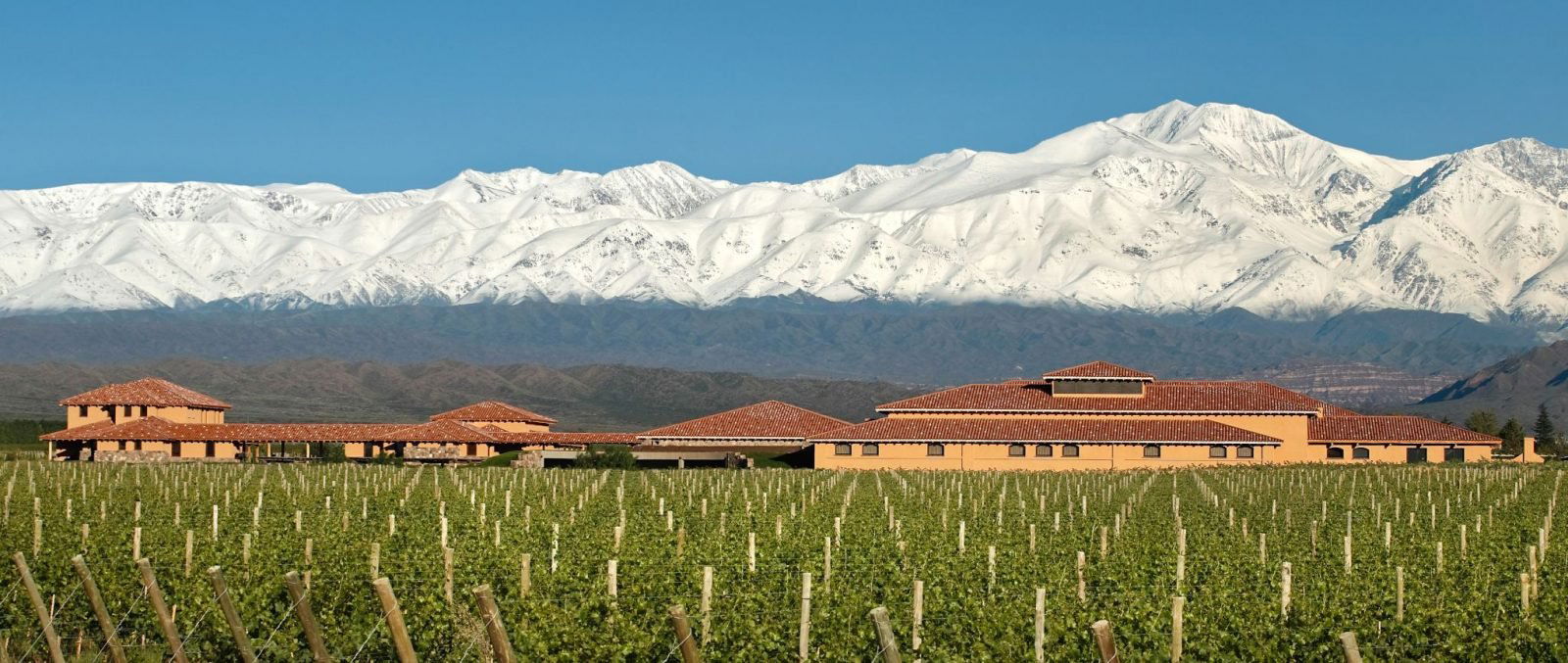
Finca Decero sits where the Andes begin to press into Mendoza’s Luján de Cuyo—an exposed, high-elevation parcel where light, rock and silence define the place. The writing foregrounds the vineyard first: austere soils, sharp elevation shifts and an atmosphere that demands attention. That seriousness translates into a refined, measured character—wines conceived with structure, acidity and longevity in mind—and a tasting environment that feels quietly focused rather than flashy. The overall effect is a sophisticated, serene estate that foregrounds terroir and patience over theatrics.
Best For
This estate is best for visitors who are primarily interested in the vineyard and the wines it produces: students of viticulture, collectors and attentive wine travelers who want to understand altitude-driven expression. The location and framing make it a strong fit for small group outings centered on tasting and study, and for special-occasion visits where the setting and the wines’ structural focus are part of the appeal. Travelers seeking scenery and a thoughtful, terroir-forward wine conversation will find Finca Decero rewarding.
Tasting Tips
When engaging with the estate, prioritize vineyard-led bottlings that illustrate altitude and site-specific character—look for the wines discussed in the copy that emphasize phenolic development, acidity and structure. Ask hosts about how elevation and soil influence particular parcels and vintages; that line of questioning aligns with the winery’s stated focus and yields the clearest sense of what distinguishes Finca Decero from lower-elevation Mendoza producers. Avoid seeking generic, mass-market labels and instead request estate or single-vineyard expressions that showcase terroir.
Venue details
Ambiance
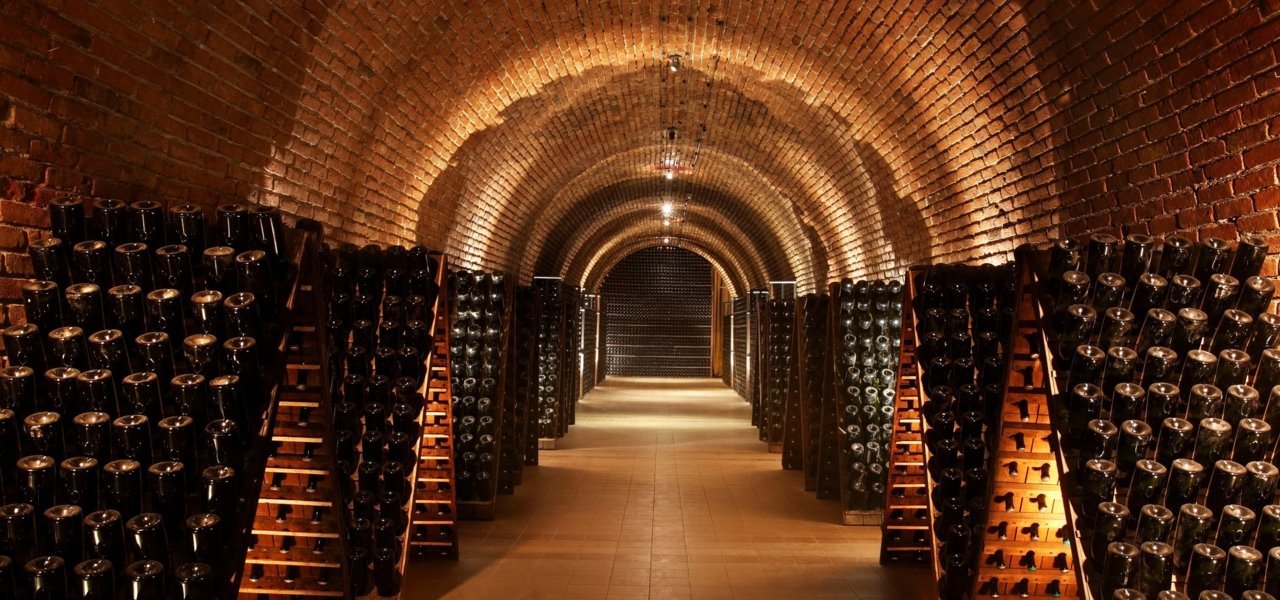
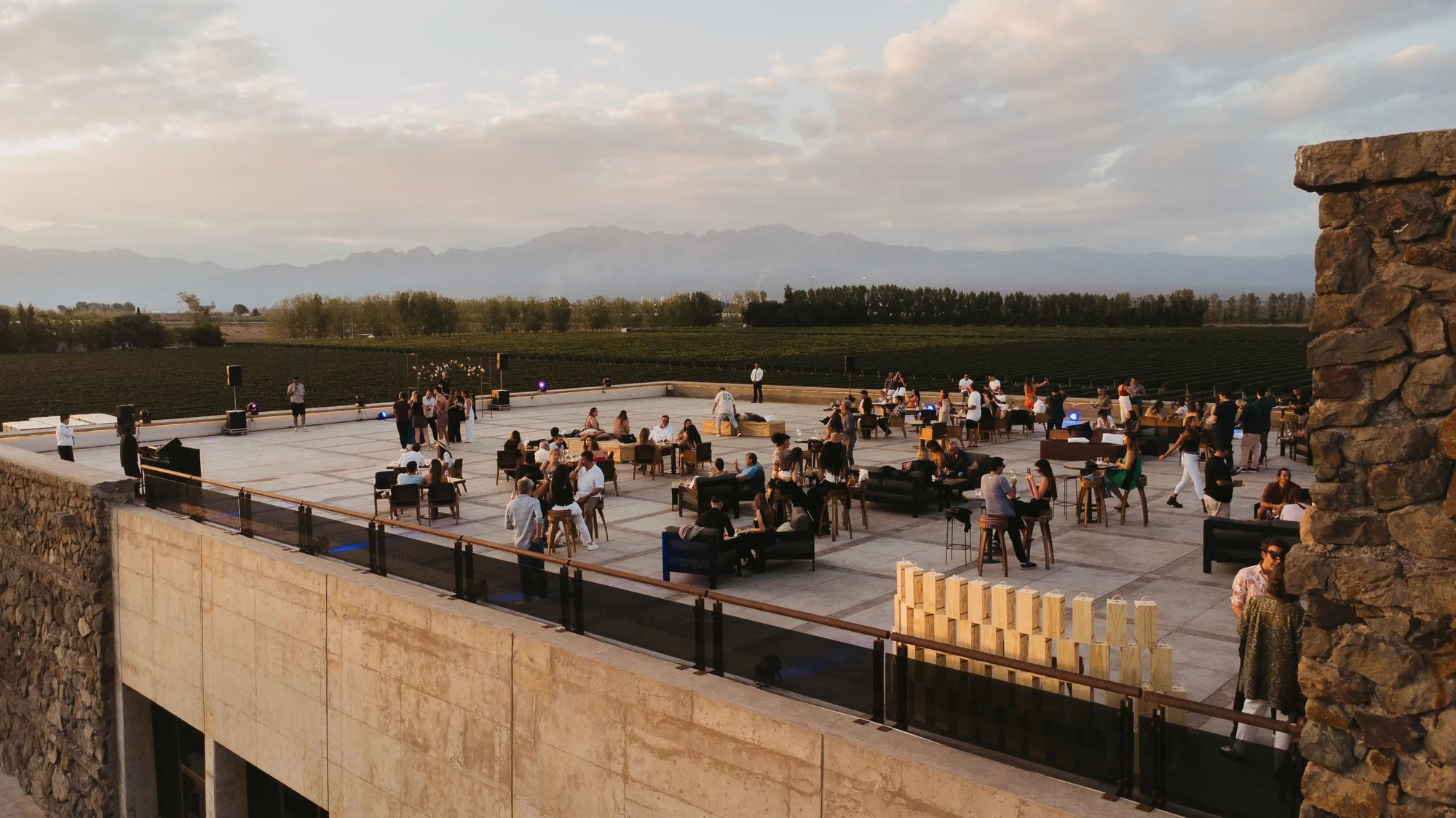
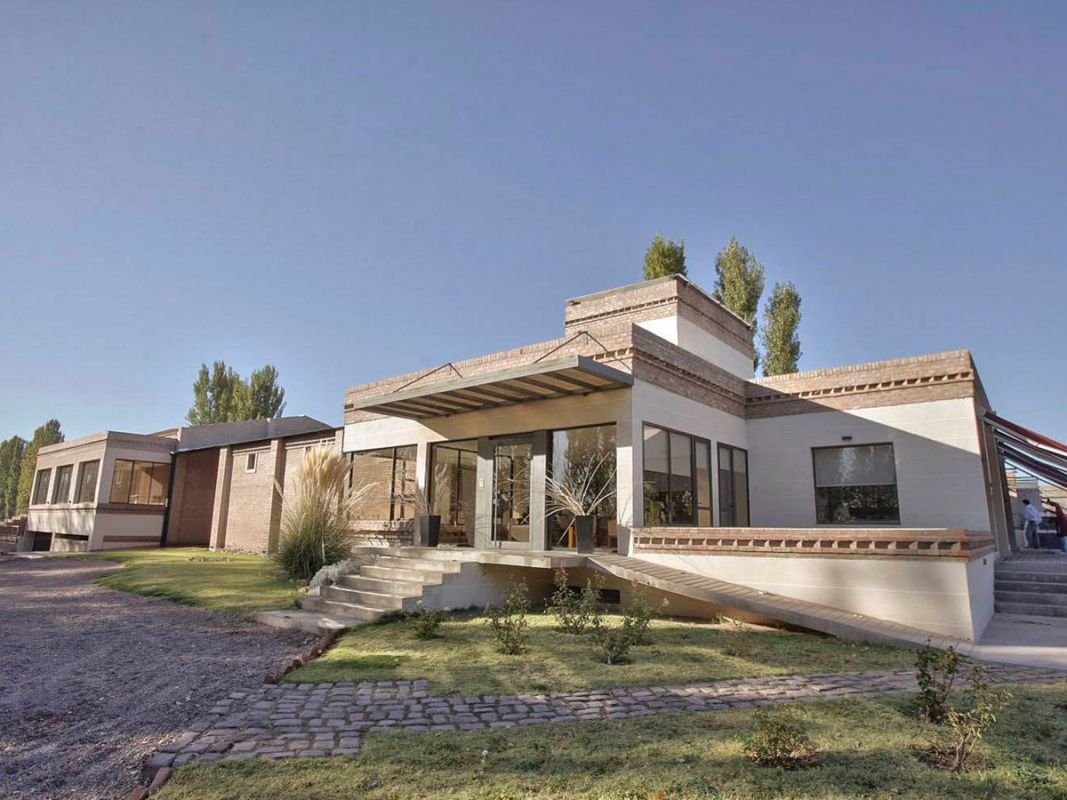
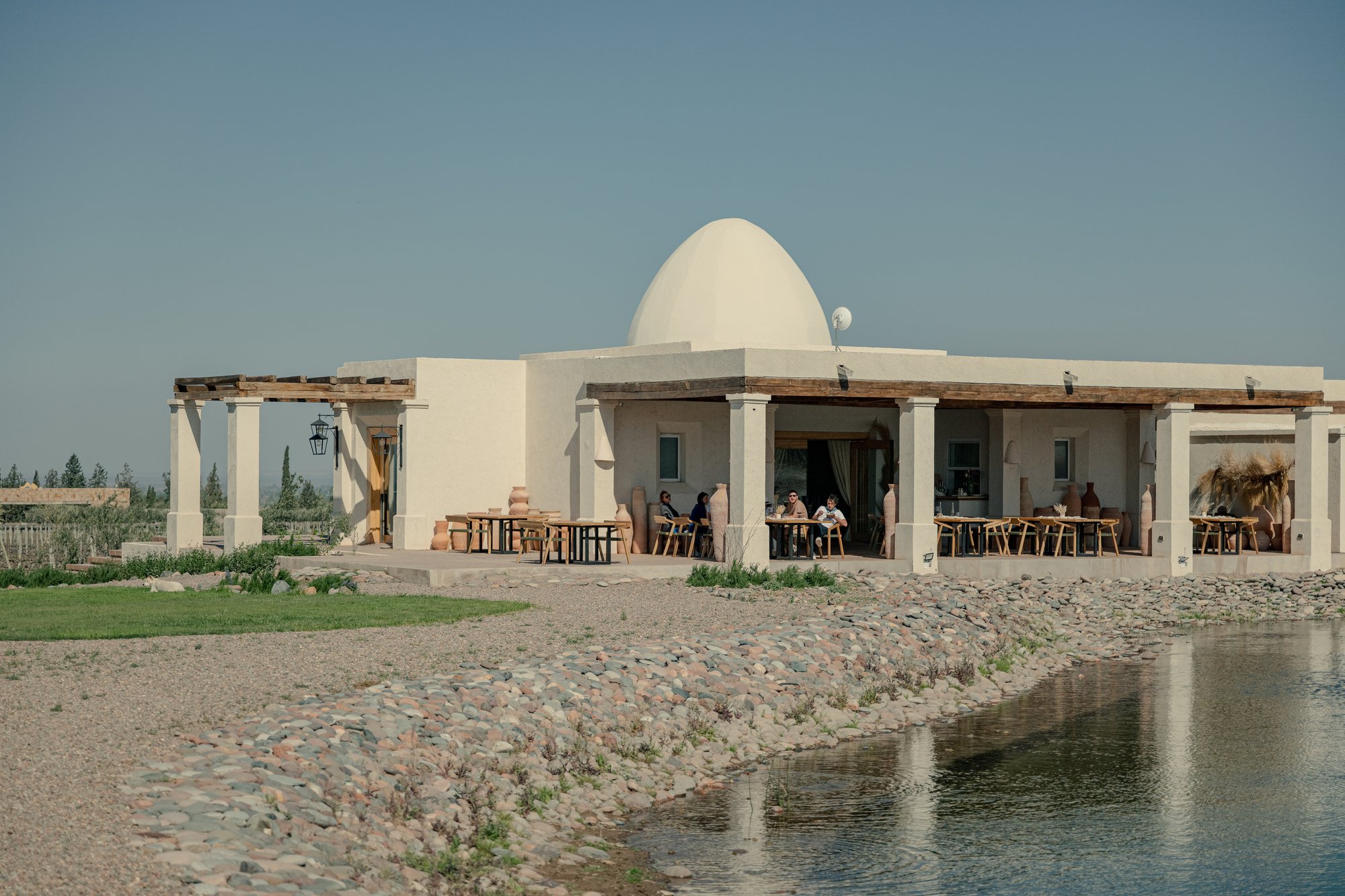
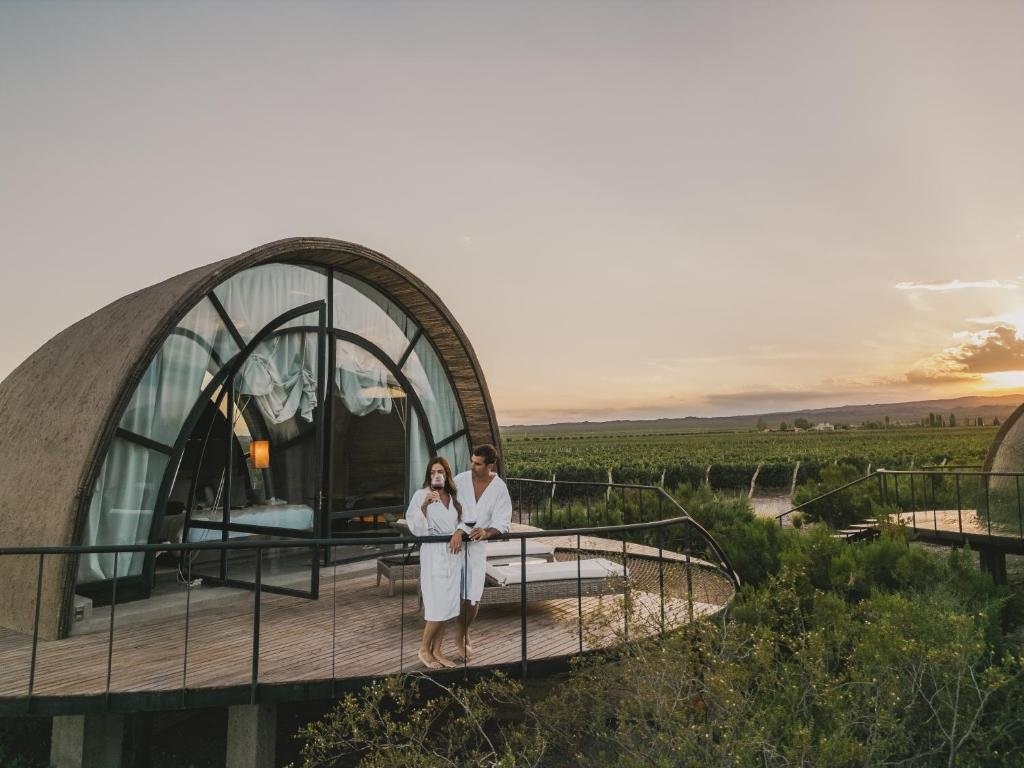
Stunning mountain views, chic and well-maintained facilities with an elegant patio atmosphere enhanced by exceptional service and paired wines.
Tags
Vibe
Best For
Experience
Sourcing
View
At the Vineyard
- Appellation
- Lujan de Cuyo
- Varietals
- Malbec, Cabernet Sauvignon, Petit Verdot, Cabernet Franc, Tannat
- Tour Duration
- 60-90 minutes
- Visits
- By reservation
- Farming
- Sustainable
- Wine Styles
- Still Red
- Food Pairing
- Offered
- Wine Club
- Not available
Know before you go
Know Before You Go
- Getting there
- Bajo las Cumbres 9003, M5509 Agrelo, Mendoza
Planning details
Location
Recognition and awards

Also consider
Also Consider
- Las Perdices, Notable alternative
- Bodega Séptima, Notable alternative
- Viña Cobos, Notable alternative
- Susana Balbo (Dominio del Plata), Notable alternative
- Bodega Bressia, Notable alternative
Winery context
How It Compares
Choose Finca Decero when the goal is a more occasion-led Agrelo winery visit and the group is willing to plan around a harder booking. Bodega Séptima is the easier comparison for visitors who want a broad, accessible Mendoza stop; Finca Decero is the stronger pick when the visit needs to feel more focused and less like a flexible itinerary filler.
For value, Las Perdices and Bodega Bressia are the safer cross-shops before committing, especially if the group cares more about tasting breadth than a high-polish setting. If the brief is a serious wine-focused day, compare against Viña Cobos; if the group wants a more social hospitality feel, Susana Balbo (Dominio del Plata) may be the better fit.
The practical call: book Finca Decero for celebrations, couples, or business-hosting where ambiance and experience quality matter. Cross-shop Bodega Séptima for simpler logistics, Bodega Bressia for a lower-pressure Agrelo plan, and Viña Cobos when wine intensity matters more than ease.
Explore Agrelo
Around this place
Discover more on Pearl
Unlock the full Finca Decero guide in Pearl, including awards, comparisons, FAQs, planning details, and nearby places.
Compare Finca Decero
| Venue | Location | Awards |
|---|---|---|
| Finca Decero | Agrelo | 2026 Falstaff Winery Guide |
| Las Perdices | Luján de Cuyo | No published awards |
| Bodega Séptima | Agrelo | 2026 Falstaff Winery Guide |
| Viña Cobos | Luján de Cuyo | 2026 Falstaff Winery Guide2025 World's 50 Best Vineyards · #49 |
| Susana Balbo (Dominio del Plata) | Luján de Cuyo | No published awards |
| Bodega Bressia | Agrelo | No published awards |

How Finca Decero Agrelo compares with similar nearby venues.
FAQ
Frequently Asked Questions
What should I confirm before visiting Finca Decero?
Can Finca Decero handle large groups?
If you are planning for a larger party, contact Finca Decero directly before visiting. The location is Agrelo, and the dress code is smart casual.
What other venues should I compare with Finca Decero?
Useful comparisons include Bodega Bressia, Bodega Séptima, Viña Cobos, Susana Balbo (Dominio del Plata), and Las Perdices. Compare current availability and visit details directly before building an itinerary.
Are membership or special-access options available for Finca Decero?
Contact Finca Decero directly for current membership, special-access, or benefit details. Decide only after confirming current terms directly with the venue. The public-quality signal is Pearl 2 Star Prestige for 2025.