
Paumanok Vineyards
Aquebogue
Winery in Aquebogue, United States
 Book with Pearl
The Read
Maritime Terroir Viticulture
Price
$10–20tasting
Why go
Paumanok Vineyards is the Aquebogue choice for a wine-first North Fork stop, especially if the group wants more focus than a casual drinks crawl. It suits repeat visitors and wine-minded travelers better than mixed groups looking mainly for an easy social stop.
About Paumanok Vineyards
Paumanok Vineyards is a Pearl 2 Star Prestige (2025) venue in Aquebogue with a casual dress code. For a smooth visit, it is best to plan it as a focused Aquebogue stop and confirm any operational details directly before building a schedule around them.
The practical verdict is simple: prioritize Paumanok Vineyards if you specifically want this Aquebogue venue in the day's plan. If you are comparing other options, keep the comparison broad and category-based rather than relying on specifics.
Choose it for a focused Aquebogue visit
Paumanok Vineyards has Pearl 2 Star Prestige (2025) recognition, which makes it a notable option to consider in Aquebogue. If the group is also weighing other venues, Twin Stills Moonshine, Montauk Distilling Co. Long Island Spirits, Macari Vineyards, and Rose Hill Vineyards (Shinn Estate) may be useful comparison points, depending on the kind of outing you want.
Do not assume a particular format, private experience, menu structure, seating setup, or reservation policy. For guests who care about the specifics, the best move is to confirm directly before visiting.
How to fit it into an Aquebogue day
Use Paumanok Vineyards as a planned Aquebogue stop, then let the rest of the itinerary cover whatever else the group needs, such as a meal, a more casual venue, or another activity. The dress code is casual, so the visit does not require formal attire.
For comparison planning, keep the focus on fit rather than invented details. Paumanok Vineyards is the Aquebogue venue here with Pearl 2 Star Prestige (2025); other named options such as Macari Vineyards, Rose Hill Vineyards (Shinn Estate), Long Island Spirits, Montauk Distilling Co. and Twin Stills Moonshine should be considered on their own terms rather than treated as interchangeable.
Planning details
- Location
- 1074 Main Rd, Aquebogue, NY 11931
- Website
- paumanok.com
- Phone
- +1 631-722-8800
The take
The Take
The Vibe
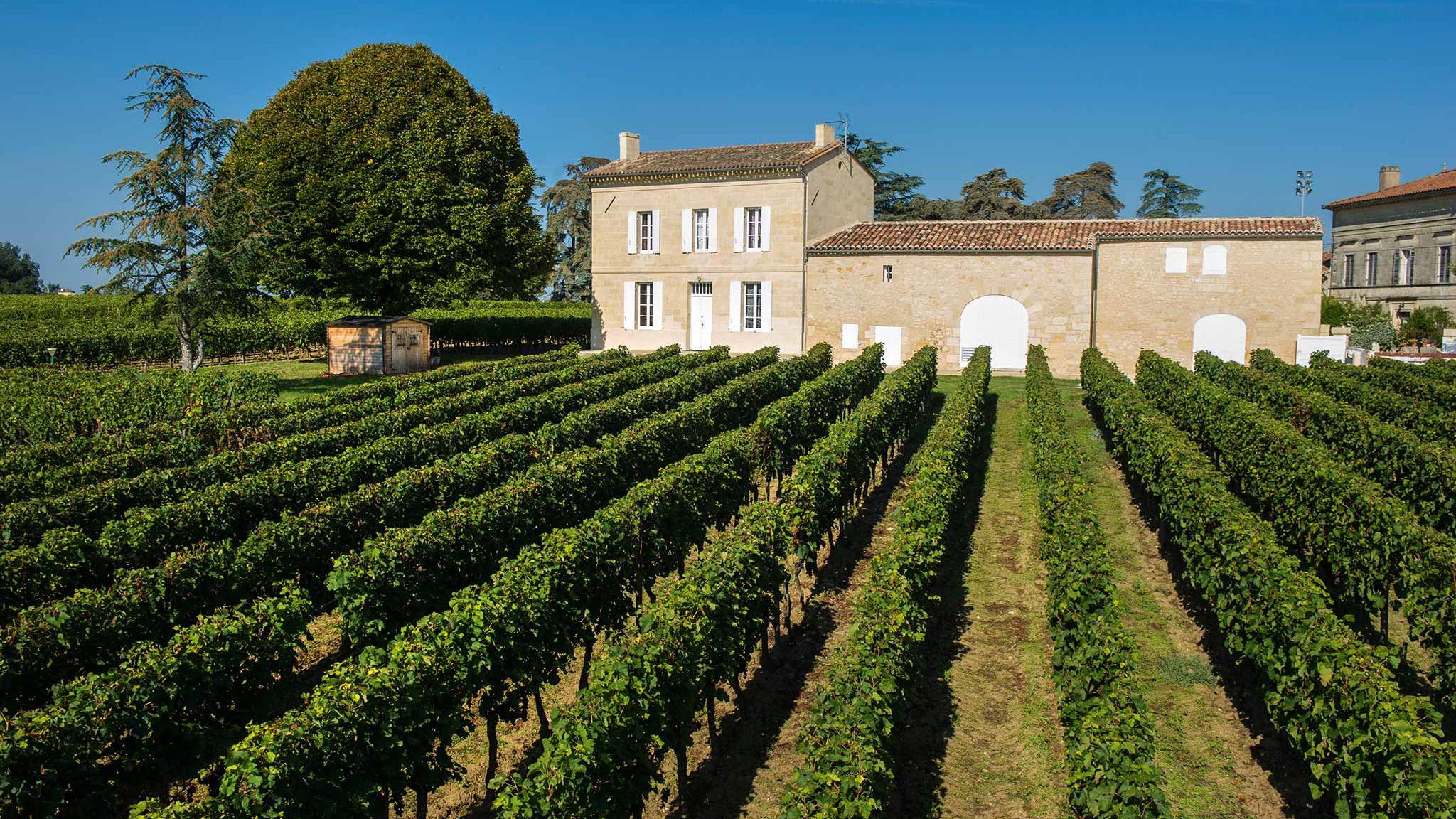
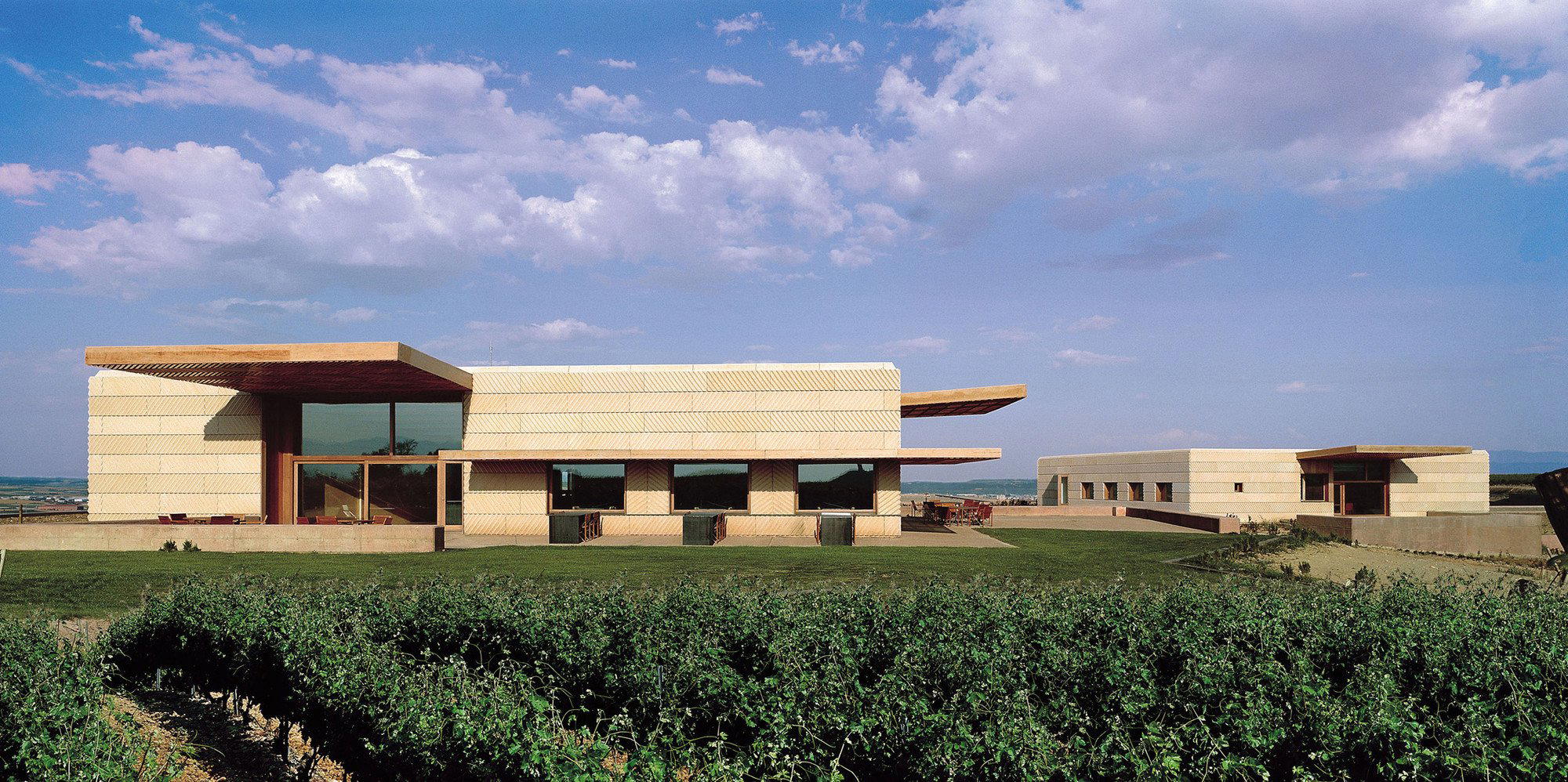
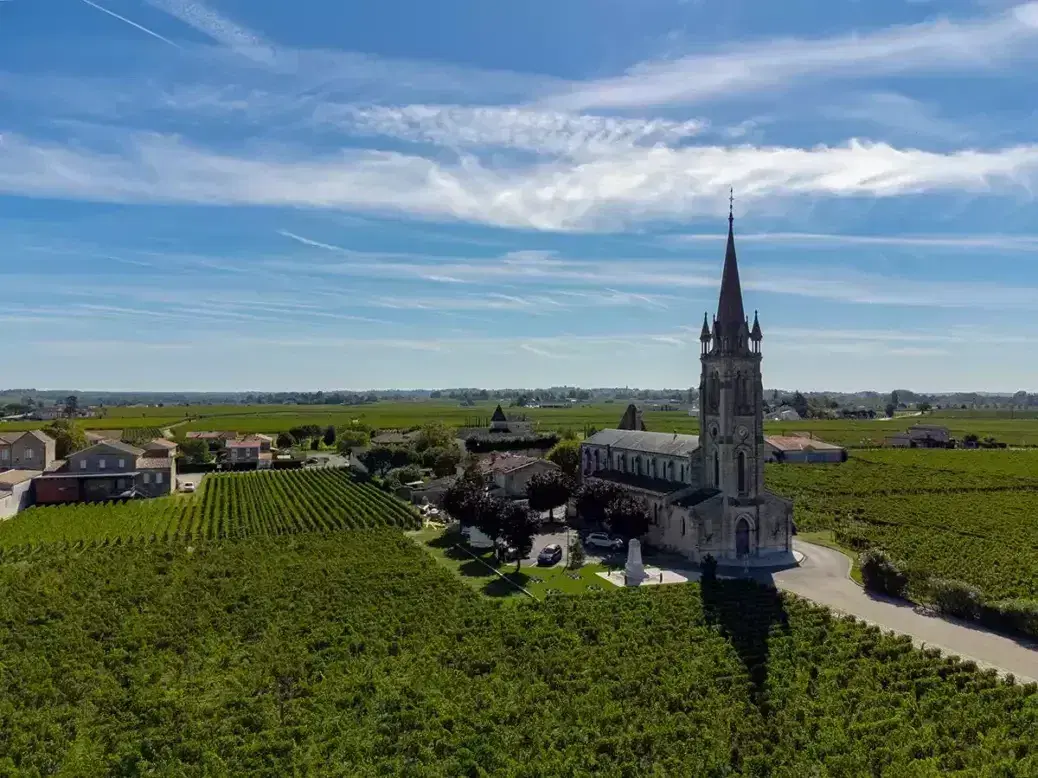
Paumanok Vineyards reads like a classic East End estate: low-key, terroir-first and quietly assured. The property favors agricultural clarity over architectural flash, with working vine rows stretching toward the horizon and a tasting room deliberately oriented to the land. Recent industry recognition places it among the region’s more sophisticated producers, but the experience remains unpretentious—visitors encounter a refined, charming landscape where the focus is squarely on what the soil and climate deliver. The tone is serene rather than theatrical, making it feel like a respectful, grounded expression of Long Island terroir.
Best For
Paumanok is best for visitors who want to study place as much as bottle: solo explorers seeking a contemplative tasting, groups assembled for an educational visit, and anyone interested in learning how Long Island’s soils shape wine. The tasting facility’s orientation toward the vines and the write-up’s emphasis on geology and consistent quality across vintages signal that this is a stop for thoughtful tasting and conversation rather than party-centric drinking. It suits small groups and individuals focused on wine education and terroir-driven discovery.
Tasting Tips
Focus your tasting on estate expressions that illustrate terroir—staff and literature at Paumanok emphasize site, soil and vintage consistency. Ask the tasting-room team about the growing conditions they referenced (sandy loam, gravel, clay) and how recent vintages reflect those soils; that line of questioning pairs directly with the vineyard-focused philosophy described. Given the winery’s recognition for consistent quality, inquire about recent and comparative vintages to hear how the house style and terroir evolve year to year.
Venue details
Ambiance
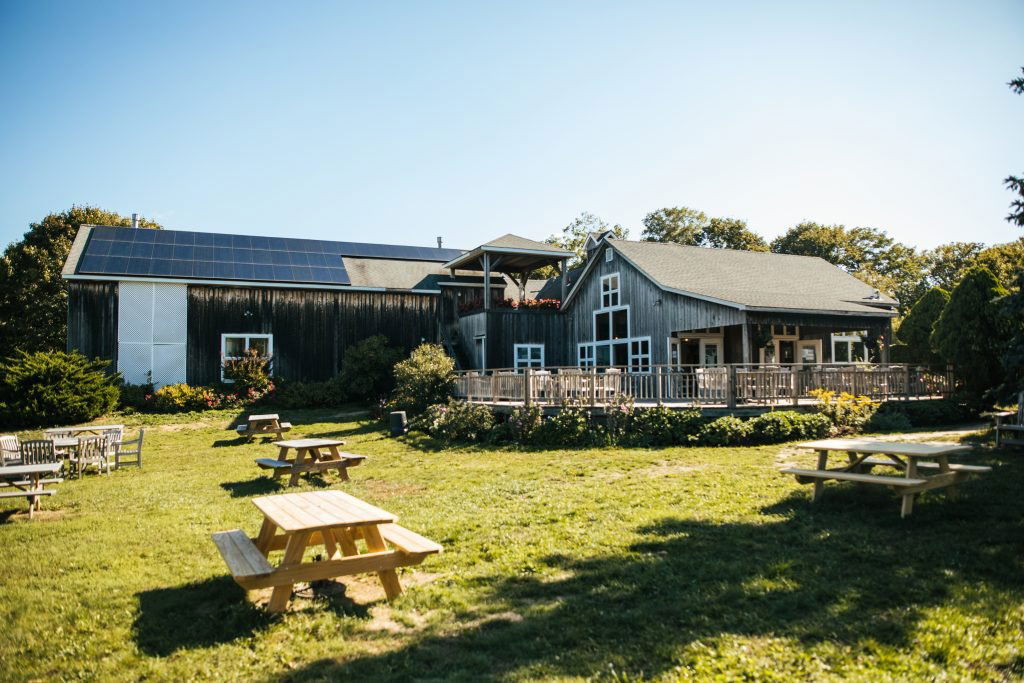
Relaxed and scenic with beautiful vineyard views from the back patio and tasting room; can be chilly indoors in cooler months but warm and inviting outdoors on sunny days.
Tags
Vibe
Best For
Experience
View
At the Vineyard
- Appellation
- North Fork of Long Island AVA
- Varietals
- Chenin Blanc, Riesling, Sauvignon Blanc, Chardonnay, Merlot
- Visits
- By reservation
- Wine Styles
- Still White, Still Red, Still Rose, Sparkling
- Food Pairing
- Offered
- Wine Club
- Available
Know before you go
Know Before You Go
- Getting there
- 1074 Main Rd, Aquebogue, NY 11931
Planning details
Location
Recognition and awards

Also consider
Also Consider
- Twin Stills Moonshine, Notable alternative
- Macari Vineyards, Notable alternative
- Montauk Distilling Co., Notable alternative
- Rose Hill Vineyards (Shinn Estate), Notable alternative
- Long Island Spirits, Notable alternative
Winery context
How It Compares
Choose Paumanok Vineyards when the priority is a winery-led afternoon in Aquebogue. Macari Vineyards and Rose Hill Vineyards (Shinn Estate) are the closer cross-shops for wine-focused travelers; pick among them based on availability, route, and the style of tasting the group wants that day.
If the group is less wine-focused, Twin Stills Moonshine, Montauk Distilling Co. and Long Island Spirits make more sense as spirits-led alternatives. They are better fits for groups that want a looser drinks stop rather than a winery comparison.
For value, the right move is not to stack similar venues. Book one serious winery, then add a distillery only if the group wants a change of pace. For a more wine-heavy day, cross-shop Paumanok against Macari and Rose Hill first.
Explore Aquebogue
Around this place
Discover more on Pearl
Unlock the full Paumanok Vineyards guide in Pearl, including awards, comparisons, FAQs, planning details, and nearby places.
Compare Paumanok Vineyards
| Venue | Location | Awards |
|---|---|---|
| Paumanok Vineyards | Aquebogue | 2026 Falstaff Winery Guide |
| Twin Stills Moonshine | Riverhead | No published awards |
| Macari Vineyards | Mattituck | 2026 Falstaff Winery Guide |
| Montauk Distilling Co. | Montauk | No published awards |
| Rose Hill Vineyards (Shinn Estate) | Mattituck | No published awards |
| Long Island Spirits | Baiting Hollow | No published awards |
How Paumanok Vineyards Aquebogue compares with similar nearby venues.
FAQ
Frequently Asked Questions
What planning details are confirmed for Paumanok Vineyards?
Paumanok Vineyards is in Aquebogue, has a casual dress code, and holds Pearl 2 Star Prestige (2025).
When is the best time to visit Paumanok Vineyards?
Specific hours and crowd patterns are not available. Paumanok Vineyards is in Aquebogue and has Pearl 2 Star Prestige (2025), so verify current visiting details directly before you go.
Is there a signature offering at Paumanok Vineyards?
No signature offering is named in the venue details. Plan around Paumanok Vineyards as a Pearl 2 Star Prestige (2025) Aquebogue venue rather than around one specific item.
Are membership or special access details confirmed for Paumanok Vineyards?
Membership and special access details are not available. If those details matter to your visit, ask Paumanok Vineyards directly about current terms and availability.
Can Paumanok Vineyards handle large groups?
Large-group policies are not available. If you are planning for a group, contact Paumanok Vineyards directly before treating it as a drop-in stop.
Does Paumanok Vineyards serve food?
Food service details are not available. If your group needs a meal, plan a separate Aquebogue dining stop unless Paumanok Vineyards confirms current food options directly.
Do I need a reservation at Paumanok Vineyards?
Reservation requirements are not available. Plan ahead by checking directly with Paumanok Vineyards, especially if your timing or group size is important.