

2026 Falstaff Winery Guide: The Ultimate Wine Authority — Page 59
Falstaff's 2026 Wineries guide.

Venues on this list
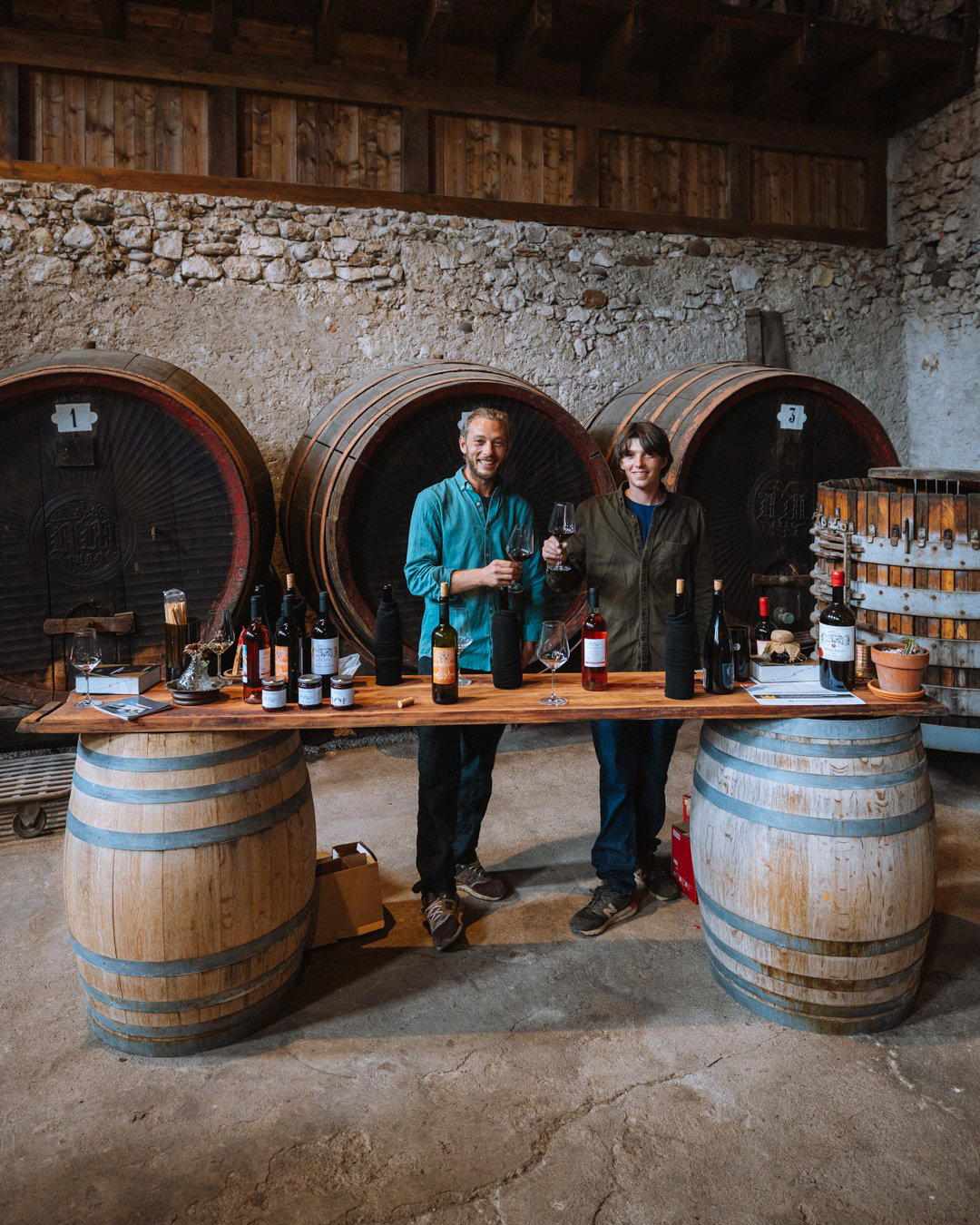
Cantina Pelossi SA
Pazzallo, Switzerland
Cantina Pelossi SA works for a Pazzallo wine stop if Falstaff 3 Stars in the 2023/24 Wineguide is the quality signal you need. Treat it as a wine-first appointment to verify in advance, especially if you want a private tasting, food, shipping, or group arrangements.
Domínio do Açor
Carregal Do Sal, Portugal
Worth booking if the priority is focused Dão character rather than a polished, drop-in winery circuit. Domínio do Açor is strongest for travellers interested in fresh, mineral-driven reds, native varieties such as Tinta Pinheira, and a quiet rural setting near Oliveira do Conde.
Fortemasso
Monforte d'Alba, Italy
Fortemasso is worth prioritizing if the trip is built around Barolo and a quieter, more polished winery visit in Monforte d’Alba. The strongest reason to go is the Castelletto focus: the estate’s hierarchy moves from village Barolo to single-vineyard Castelletto and Riserva, making it better for collectors and special occasions than casual drop-in tasting.
Domaine Pinson
Chablis, France
Domaine Pinson is worth prioritizing if your Chablis visit is about serious Chardonnay and cru-level comparison rather than a polished hospitality program. The draw is a family-run estate with roots since 1640, 14 hectares, organic-leaning vineyard work, and holdings across Premier Cru and Grand Cru sites.
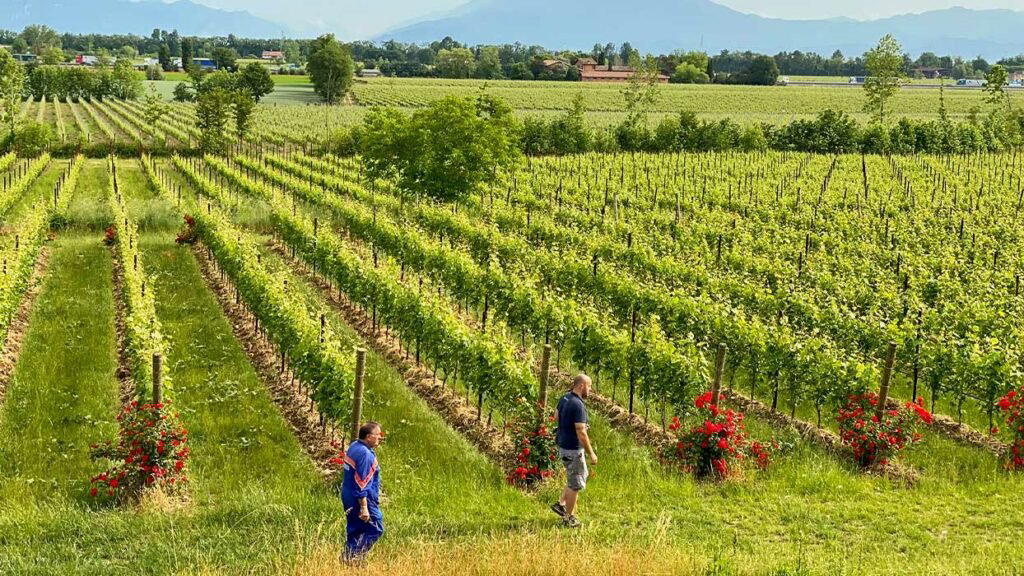
Cantina Saottini
Lonato Del Garda, Italy
Cantina Saottini is a good first Lake Garda winery booking if the goal is local context over luxury polish. Expect a family-run Valtenesi tasting built around estate vineyards, Groppello, Rebo and Lugana, with a rustic setting and moderate price signal. Book ahead, especially in warmer travel months.
Domaine la Tour Vieille
Collioure, France
Book Domaine la Tour Vieille if the priority is a serious Collioure and Banyuls tasting in a simple working-estate setting. It suits couples and small groups who care more about Grenache, schist soils, and fortified wines than polished hospitality. Less ideal if the occasion needs food, a long guided format, or weekend flexibility.
Heribert Bayer Kellerei In Signo Leonis
Neckenmarkt, Austria
Book this if the priority is serious Burgenland red wine rather than a broad winery-tourism setup. The In Signo reds are the draw, backed by Falstaff 4 Stars in 2026 and documented bottles in the roughly €31.60–€38.20 range; it makes the strongest case for collectors and repeat visitors who want to compare cuvées.
Constant Jomini Sàrl
Chexbres, Switzerland
Constant Jomini Sàrl is a focused Lavaux wine stop for travelers already planning time in Chexbres. The 2026 Falstaff listing gives it a credible quality signal, but the practical details are sparse, so it suits small, wine-led visits better than group outings, food plans, or hospitality-heavy tastings.
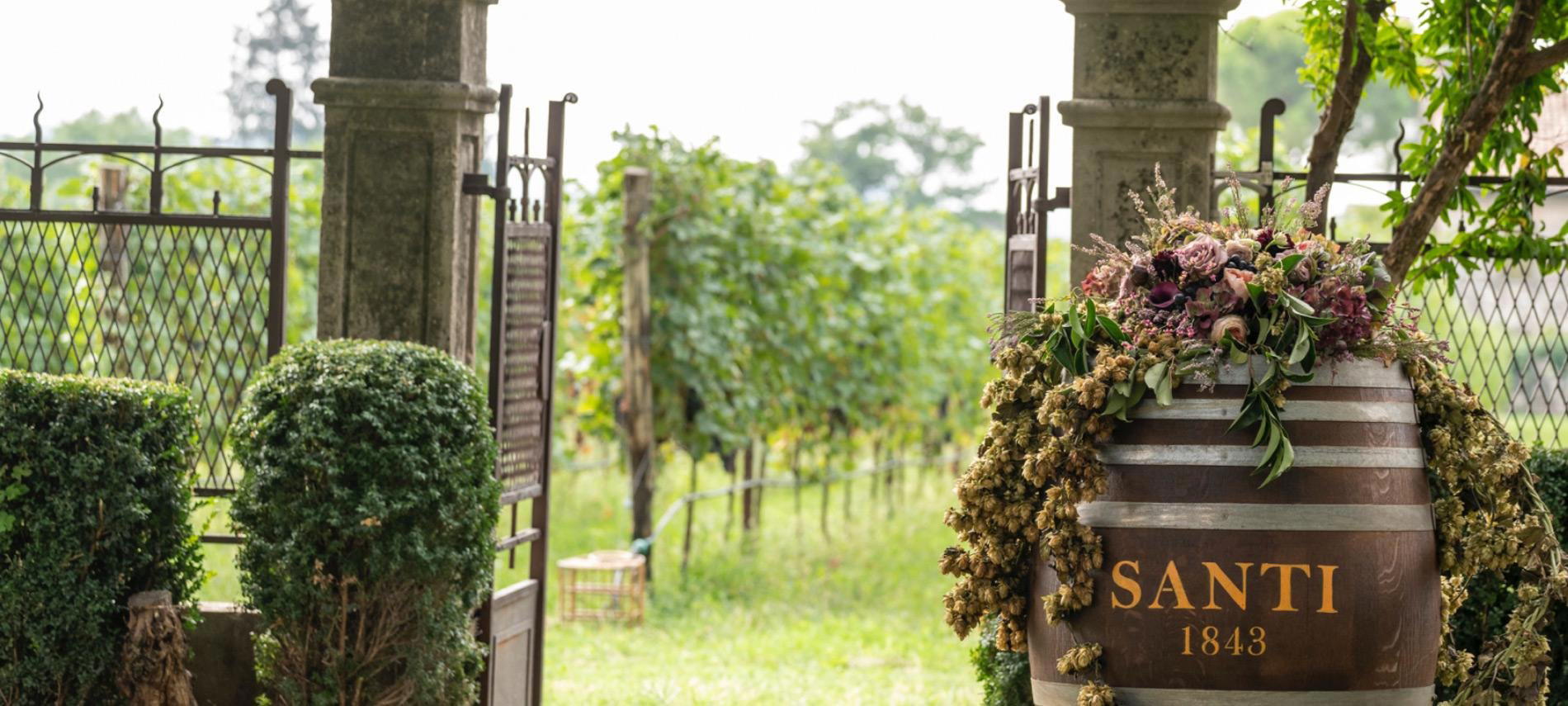
Cantina Santi
Illasi, Italy
Cantina Santi works as a wine-first stop in Illasi, especially for first-timers building a broader Veneto cellar day. Falstaff Listed in 2026, it makes more sense as part of an itinerary than as a standalone food-led experience.
Còlpetrone - Tenute del Cerro
Gualdo Cattaneo, Italy
Book Còlpetrone - Tenute del Cerro if Sagrantino is the reason for your Umbrian wine day. The draw is production depth around Montefalco DOCG, a structured native red, and a 2026 Falstaff 3 Stars signal; pass if the group needs confirmed food service, casual walk-in flexibility, or a lighter tasting format.
Domaine Alex Foillard
Brouilly, France
Domaine Alex Foillard works for a wine-first Brouilly visit, especially if external recognition matters: it is Falstaff Listed for 2026. Treat it as a producer-led stop to confirm in advance, not a turnkey hospitality experience with published food, hours, or group details.
Château Puygueraud
Saint Cibard, France
Château Puygueraud works for a Saint-Cibard wine stop if regional Bordeaux context matters more than visitor amenities. The Falstaff 1-star recognition gives it a clear quality signal, but plan only with confirmed arrangements because public hours, food service, and tasting format are not listed.
Domaine Bid’gi
La Haie Fouassiere, France
Domaine Bid’gi works for a low-key wine stop in La Haie-Fouassière, especially if the setting matters as much as formal visitor programming. The Falstaff Listed 2026 signal gives it credibility, but plan around it carefully if food, group handling, or detailed booking logistics matter.
Dragonfly Wine & Events
Ebrach, Germany
Dragonfly Wine & Events works for a relaxed wine-led occasion in Ebrach, especially when a rustic, cozy room matters more than a heavily documented tasting format. For wine-club value, visit before committing: membership only makes sense if pricing, access, shipping, and event benefits are clearly explained.
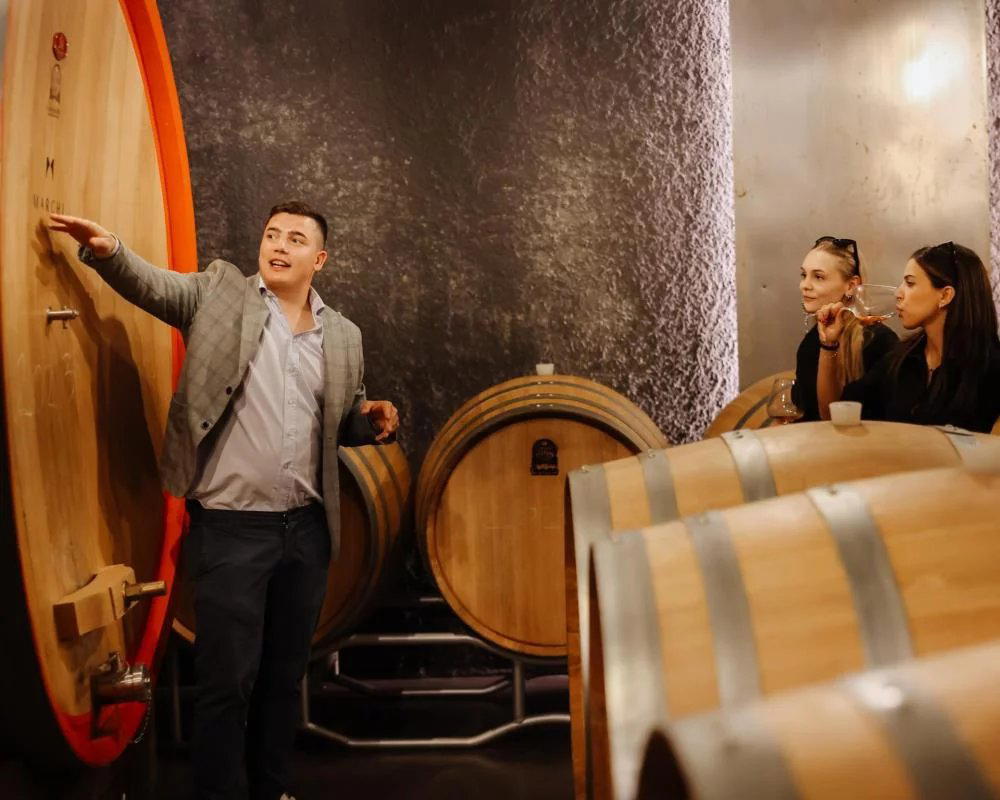
Cantina Marchi
Tregnago, Italy
Choose Cantina Marchi if the winery setting matters as much as the wine. The draw is a guided-feeling descent into underground barrel and vault spaces, balanced by a hilltop Valpolicella position above Tregnago and a bistro layer above the cellar. It suits curious wine travelers better than quick-tasting visitors.
Guldbaek Vingård
Aalborg, Denmark
Book Guldbaek Vingård if you want a quiet, countryside-leaning Aalborg wine stop rather than a polished destination tasting. Its $$ positioning and Falstaff Listed (2026) recognition make it a sensible pick for curious Danish-wine drinkers, but advance planning is the safer move for groups or anyone building a tight itinerary.
Gut Wilhelmsberg
Kitzingen, Germany
Gut Wilhelmsberg works for a calm, low-friction Franconian wine stop at a $$ price tier, especially if direct estate contact matters more than a highly designed tasting room. Falstaff Listed 2026 recognition adds credibility, but the smarter play is to include it within a broader Kitzingen wine itinerary rather than build the whole trip around it.
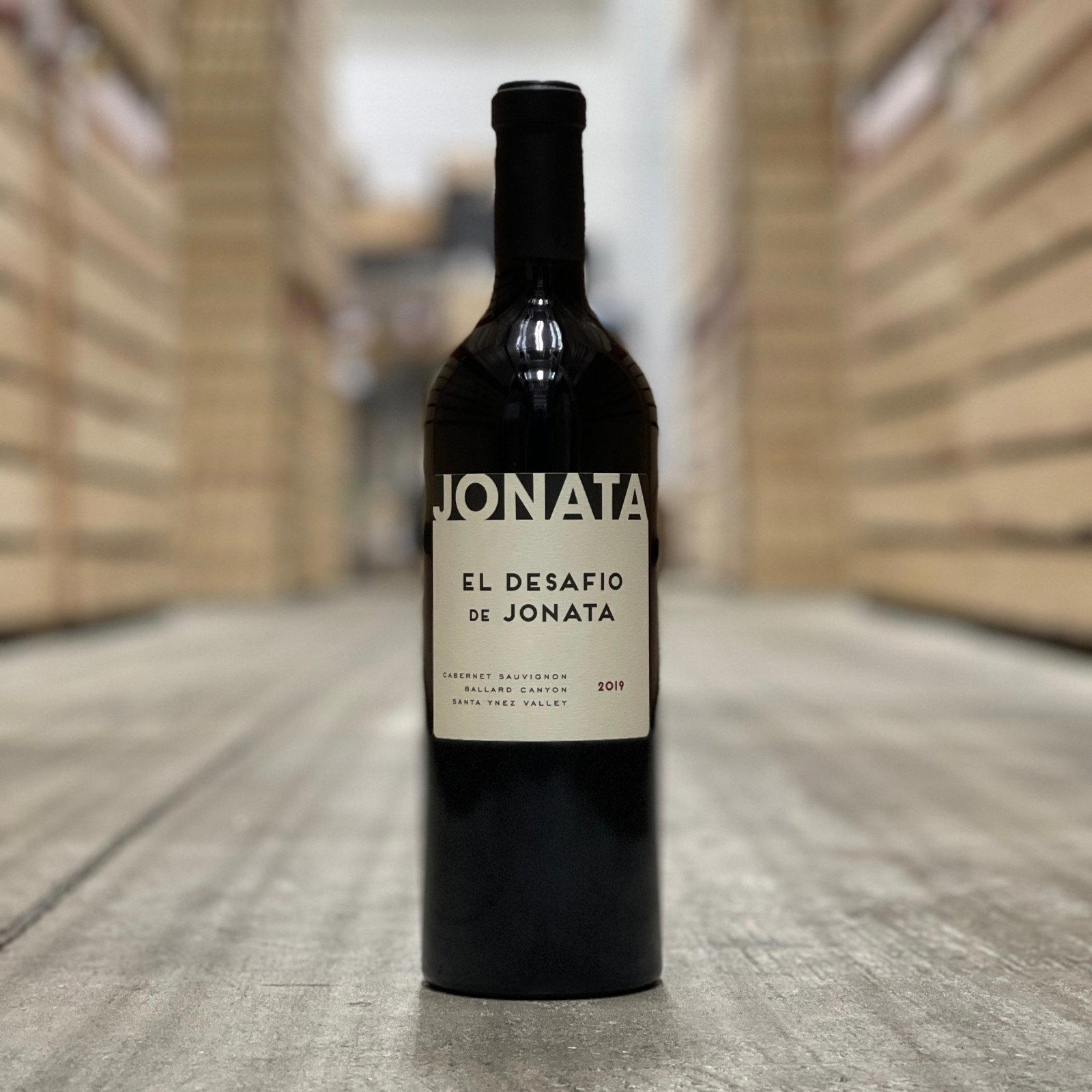
JONATA
Santa Ynez, United States
JONATA is worth prioritizing for a Santa Ynez wine itinerary when the goal is a serious, quality-led stop rather than an easy tasting-room crawl. First-timers should treat it as the anchor of the day, then use more accessible nearby wineries as backups if timing or availability gets difficult.
Caves Garnier
Munchenbuchsee, Switzerland
Caves Garnier works for a focused Swiss wine appointment, especially if Pinot Noir-based Oeil-de-Perdrix from Valais and Neuchâtel is the draw. Book for bottle context and a quiet, targeted visit rather than a long hospitality-led winery afternoon.
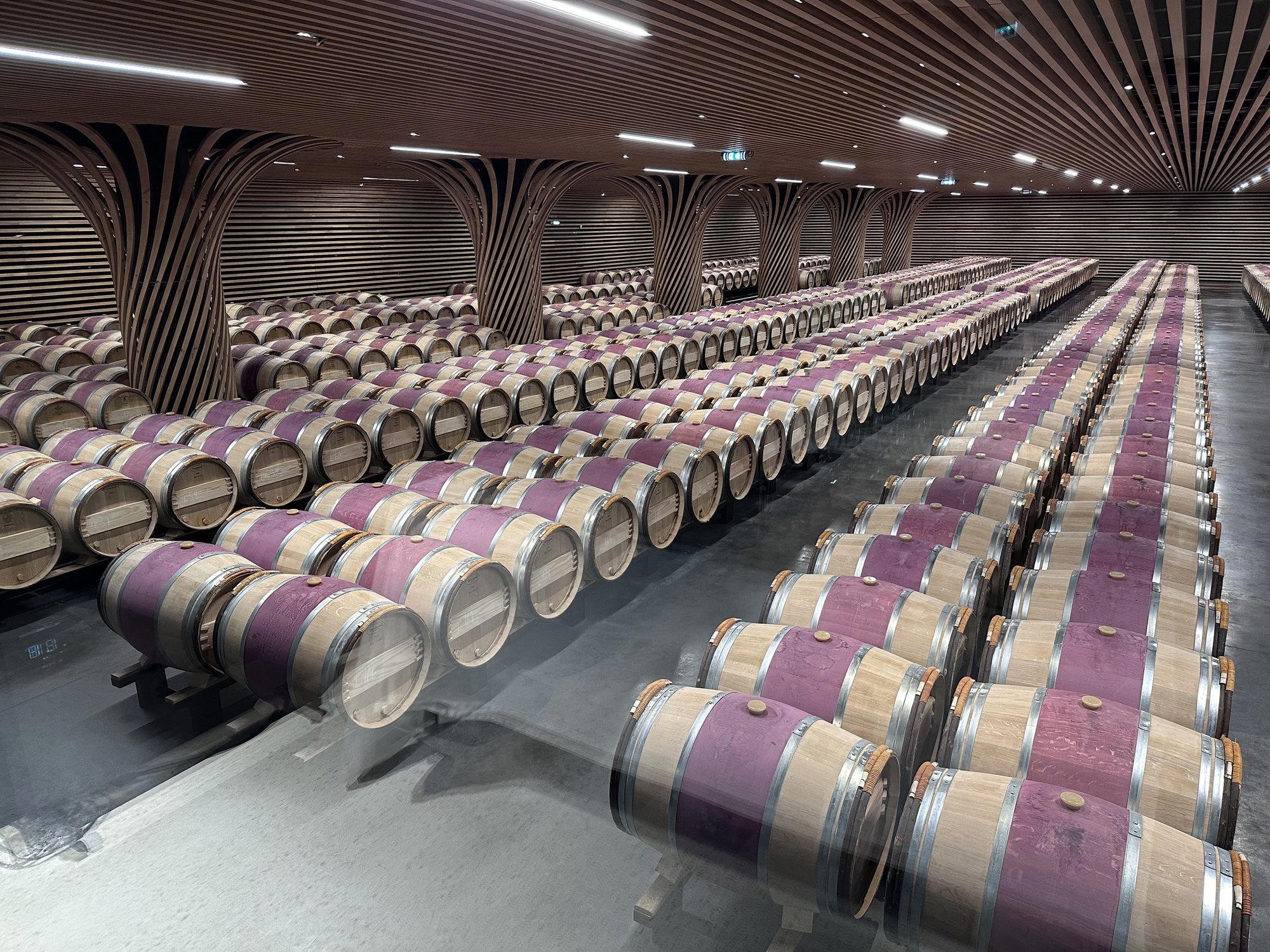
Bio-Weingut Frühwirth
Teesdorf, Austria
A practical Teesdorf pick for travelers building a Thermenregion wine day around organic producers. Bio-Weingut Frühwirth works if you want a quieter, flexible winery stop rather than a heavily programmed tasting venue; plan it alongside other local stops and keep group logistics simple.
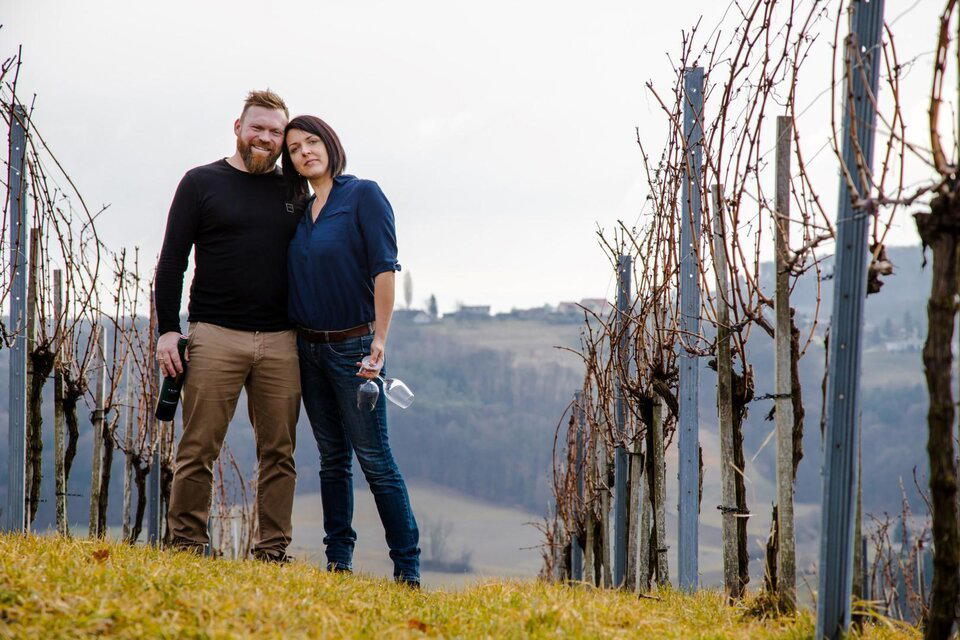
Buschenschank Seidl
Bad Gleichenberg, Austria
Book Buschenschank Seidl for a modest, traditional Styrian Buschenschank outing: estate-grown wines, regional tavern food, and a quiet rural room suited to groups and relaxed celebrations. It is stronger as a visit-and-buy-bottles stop than as a wine-club decision, with Falstaff listing in 2026 adding a useful credibility signal.
Alpdrinks
Bregenz, Austria
Alpdrinks is worth a look for wine-focused travelers already in Bregenz, especially given its Falstaff Listed recognition for 2026. Treat it as a flexible Vorarlberg drinks stop rather than a fully planned private tasting anchor, since public details on pricing, food, booking, and group format are thin.
Château Pajzos
Sárospatak, Hungary
A strong choice for Tokaj travelers who care about Aszú, Essencia, and dry Furmint more than a casual tasting-room afternoon. Château Pajzos is worth prioritizing for cellar pedigree and regional context, but casual visitors should fold it into a wider Sárospatak wine itinerary rather than making it the whole trip.
Elõd Szijjártó
Etyek, Hungary
Compared with more structured Etyek winery outings, Elõd Szijjártó is the better fit for a quiet, wine-led stop rather than a full hospitality production. The Falstaff listing gives it a credible signal, but plan conservatively: confirm tasting availability, group fit, and any purchase or shipping options before building a special-occasion itinerary around it.
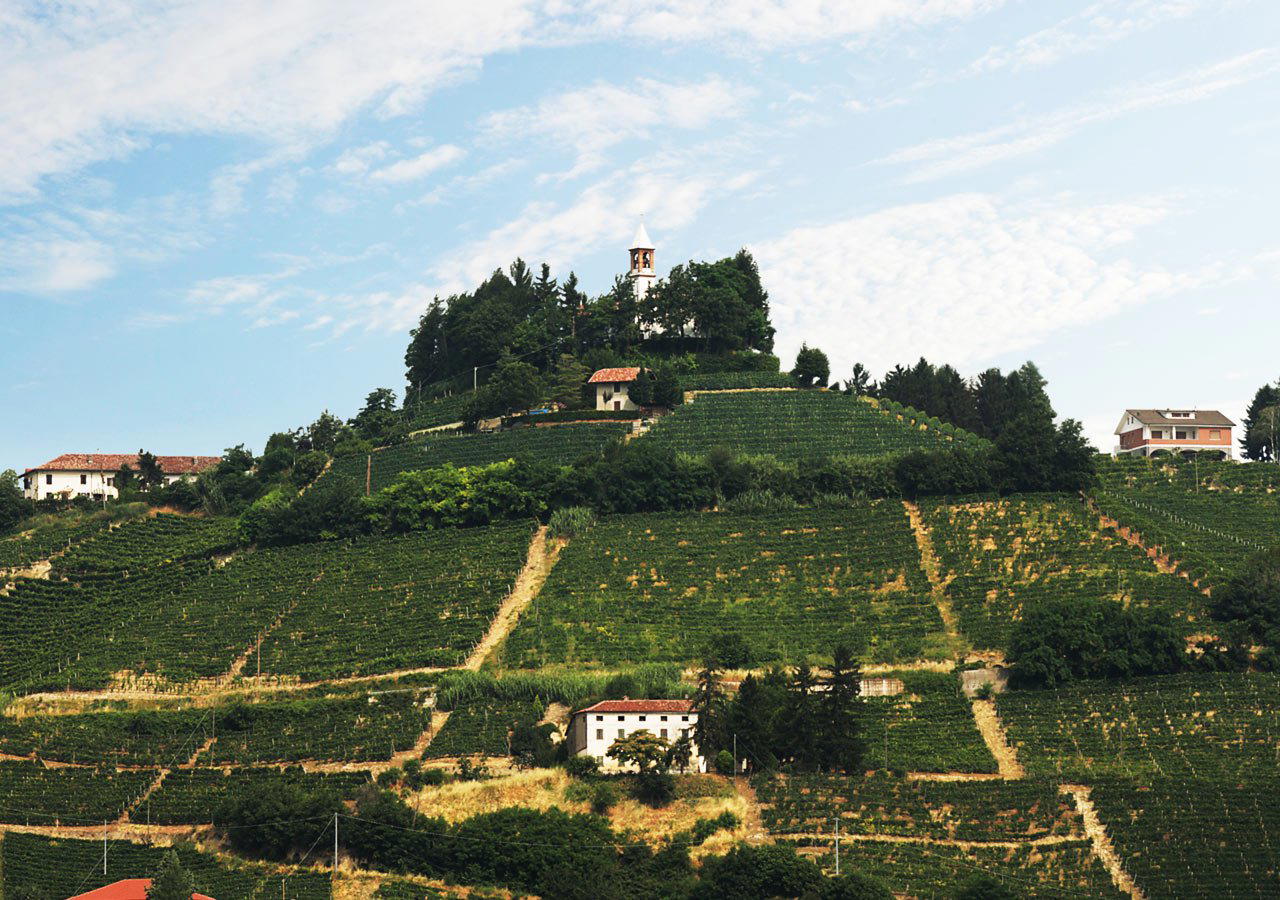
Cascina delle Rocche di Moncucco
Santo Stefano Belbo, Italy
Book this for a relaxed Santo Stefano Belbo winery visit centered on Moscato d’Asti, hillside farming, and family-run hospitality. The cellar is rustic rather than polished, which works well for couples or small groups who want regional context and guided storytelling over luxury tasting-room extras.
Cantina di Monteforte
Monteforte d'Alpone, Italy
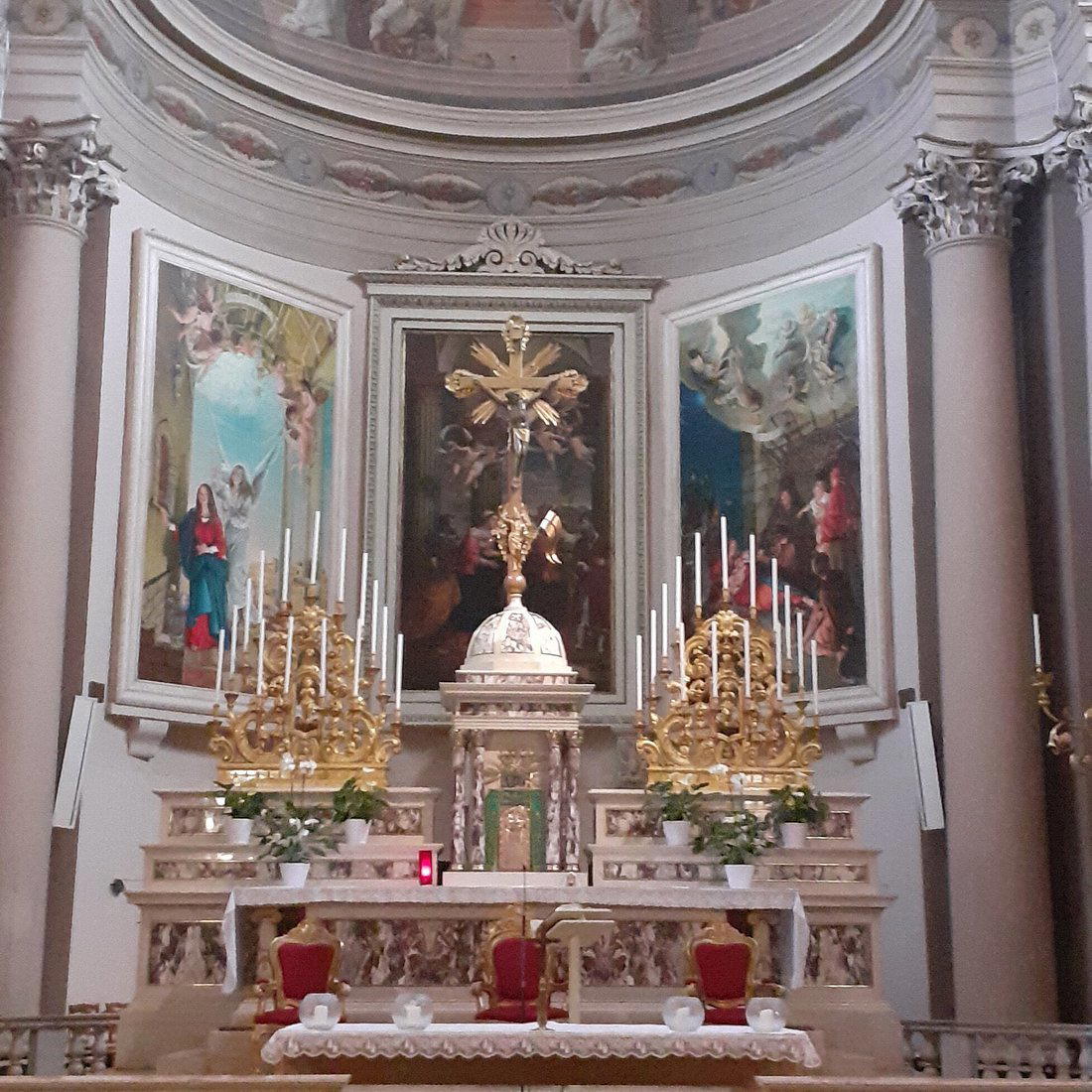
Cantina di Monteforte works if the goal is a practical, good-value look at Soave and Valpolicella through a long-running cooperative lens. Go for bottle buying, regional context, and food-friendly wines rather than a luxury estate experience or a formal dining-led tasting.
Azienda Vitivinicola Vaona
Valgatara Marano Di Valpolicella, Italy
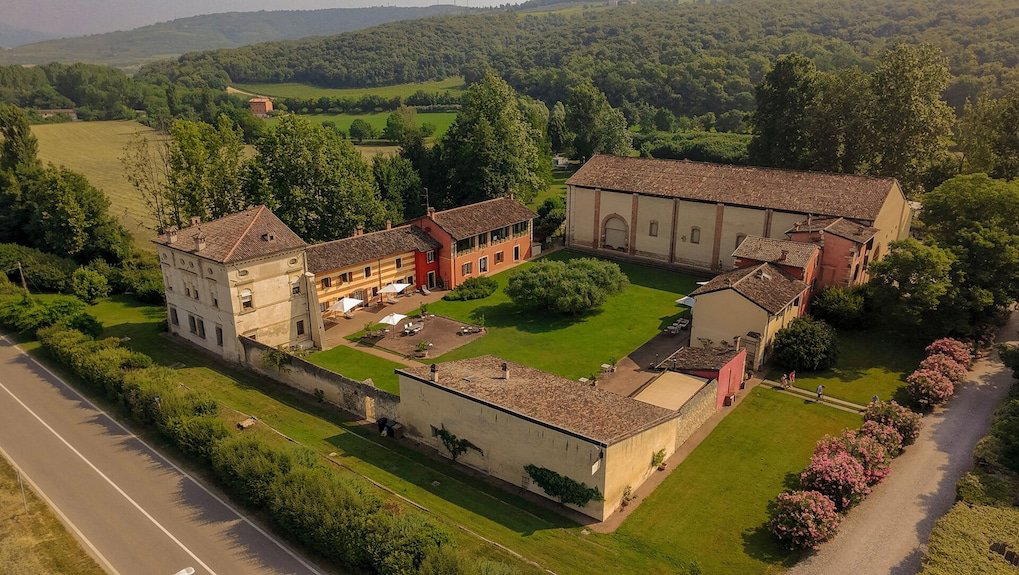
Azienda Vitivinicola Vaona is a good Valgatara pick for a quieter, appointment-led Valpolicella tasting with a family-run feel. Go for Amarone and Recioto focus, hillside context, and a traditional rural setting; skip it if you want a glossy, high-production hospitality experience.
Yalumba
Eden Valley, Australia
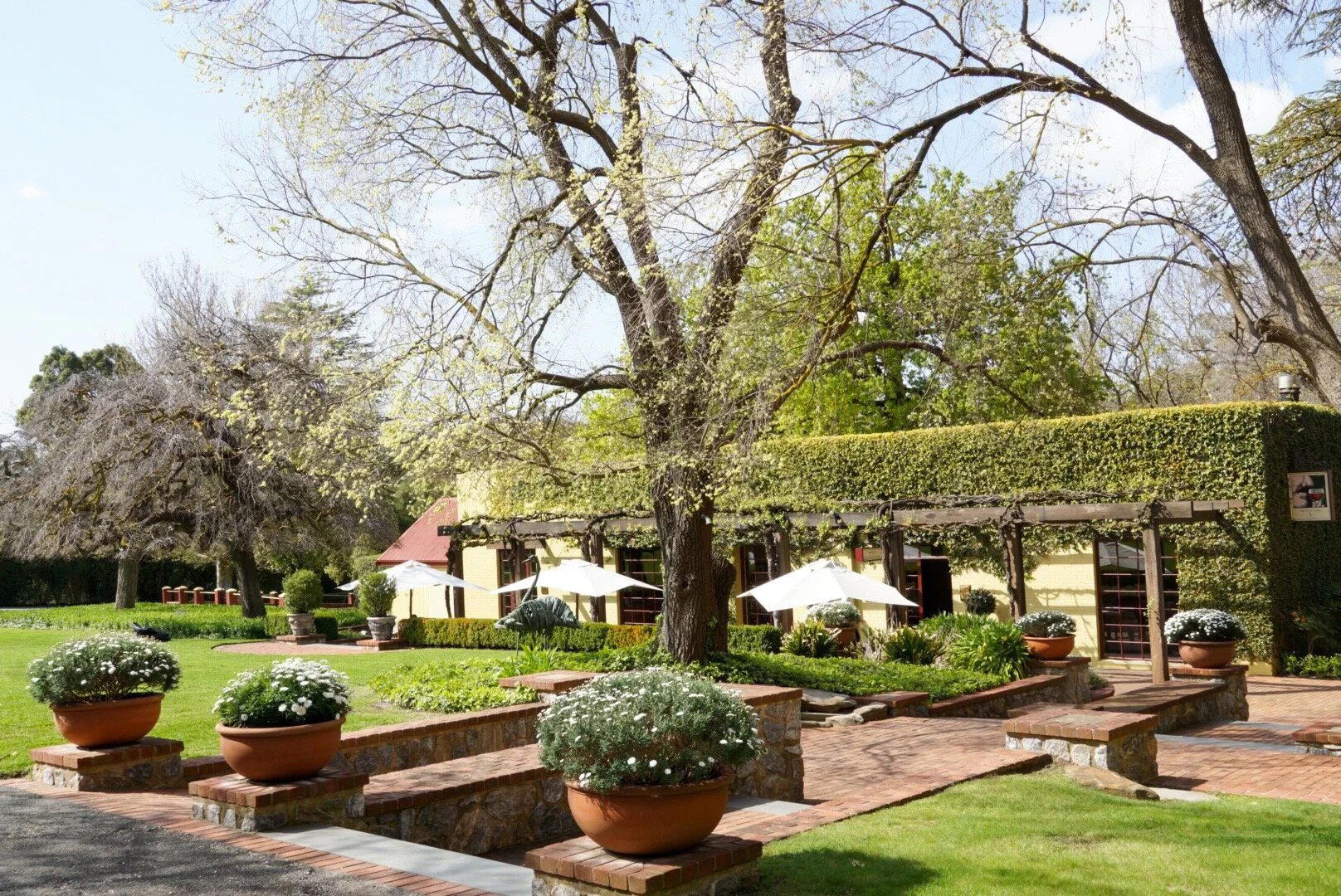
Yalumba is worth prioritising for a serious Eden Valley wine day, especially if the goal is deciding which bottles justify carrying home or shipping. Treat it as a planned appointment rather than a casual drop-in, and pair it with another Eden Valley winery for a more useful regional read.
Castello La Leccia
Castellina in Chianti, Italy
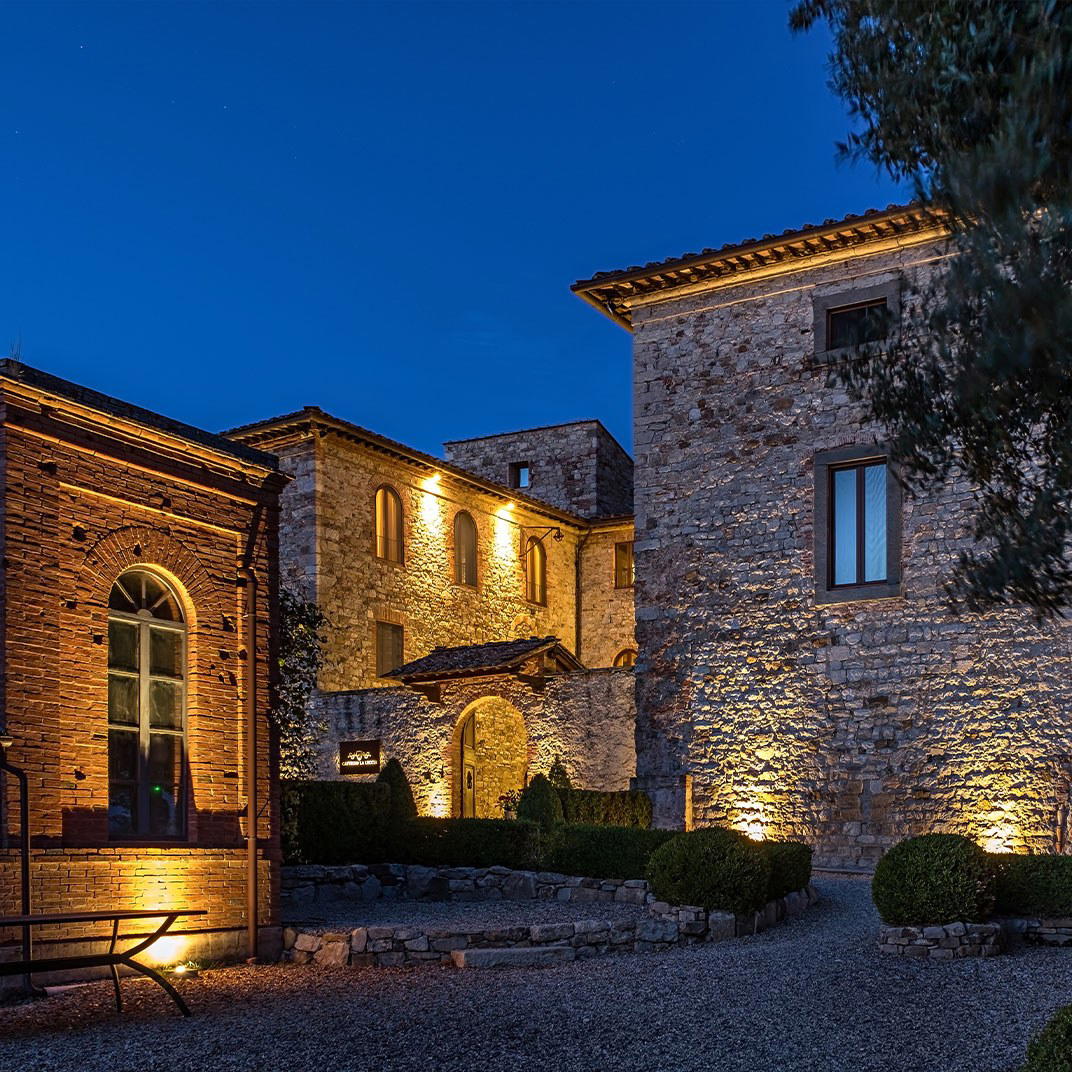
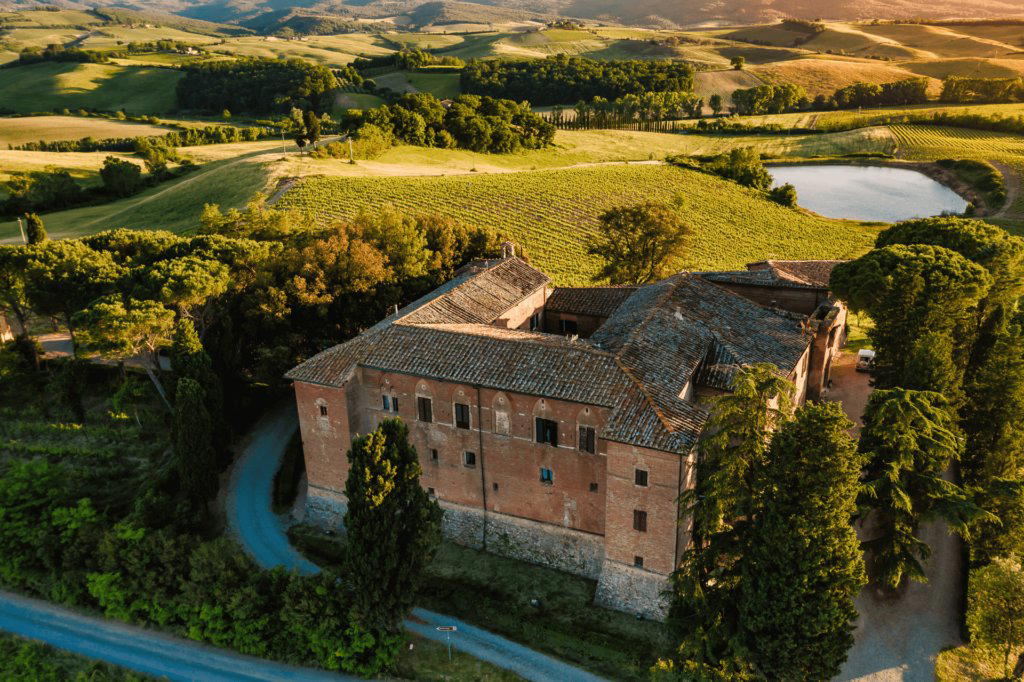
A strong choice for a romantic or celebration-focused Chianti stay, Castello La Leccia combines a historic castle setting with certified organic wine production and a small-format tasting experience. Book it when the goal is a slower estate visit with lodging, cellar time, and Tuscan food rather than a quick tasting-room stop.
Cave Hug
Bourg En Lavaux, Switzerland
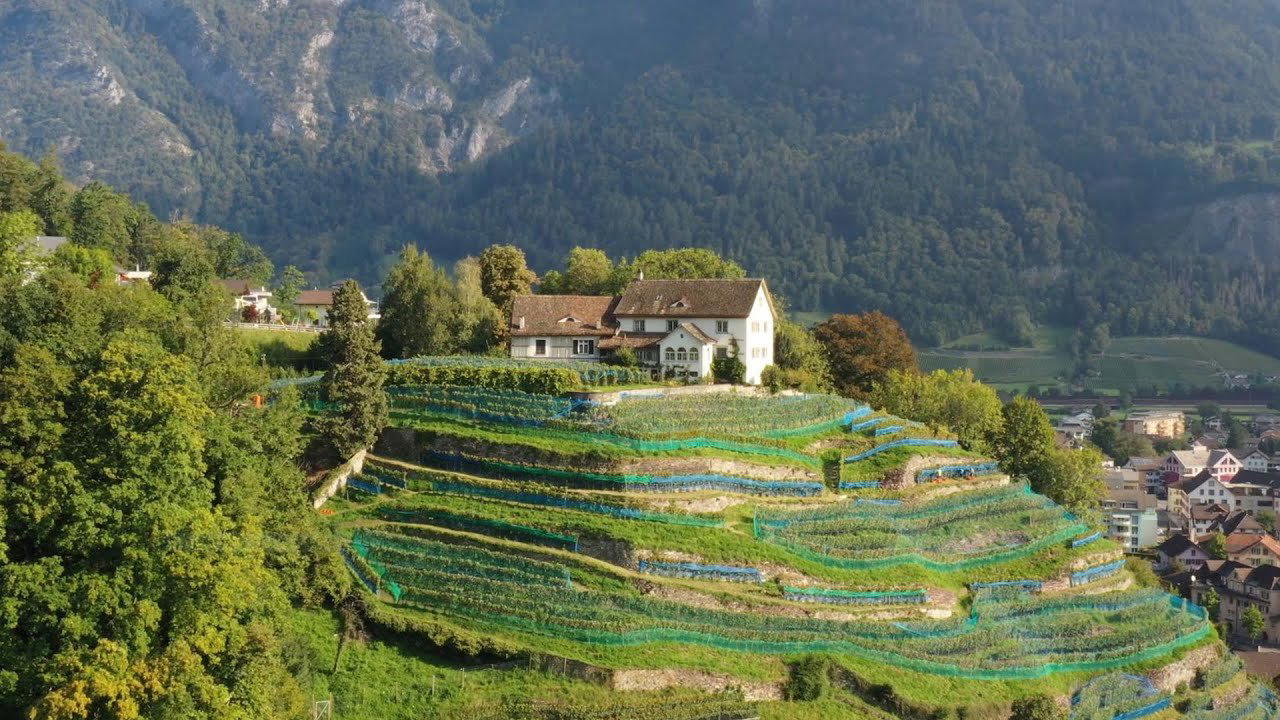
Terraced Lavaux views and a relaxed village-winery feel are the draw at Cave Hug. Book it into a Bourg-en-Lavaux wine route if Chasselas, local atmosphere, and a low-key caveau-style stop matter more than a formal private tasting setup.
David Machavariani
Tblissi, Georgia
A worthwhile pick for serious Georgian wine travelers who want a quiet, appointment-led tasting near Tbilisi rather than a polished tourist cellar. The 2026 Falstaff listing adds credibility, but the experience is best suited to small groups comfortable with a low-key, traditional format.
Castello Tricerchi
Montalcino, Italy
Castello Tricerchi works if the point of the trip is focused Brunello context rather than a packed Montalcino tasting schedule. Public planning details are limited, so treat it as a deliberate winery stop and confirm logistics before building the rest of the day around it.
Château Les Landes de Cach
Saint-Laurent-Médoc, France
Book Château Les Landes de Cach if you want a focused Médoc tasting built around classic reds, not a high-production visitor experience. The Pauillac bottling is the main reason to pay attention, while the Haut-Médoc and Moulis wines make the stop more useful for understanding soil and appellation differences across the estate’s range.
Bärtsch Weine
Mels, Switzerland
Book Bärtsch Weine if you want a quiet, appointment-only Mels winery visit focused on regional Pinot Noir and Riesling rather than a large hospitality setup. The $$ price tier and Falstaff recognition make it a sensible value pick for wine-focused couples or small groups already planning time in Sarganserland.
Champagne Comtesse Lafond
Épernay, France
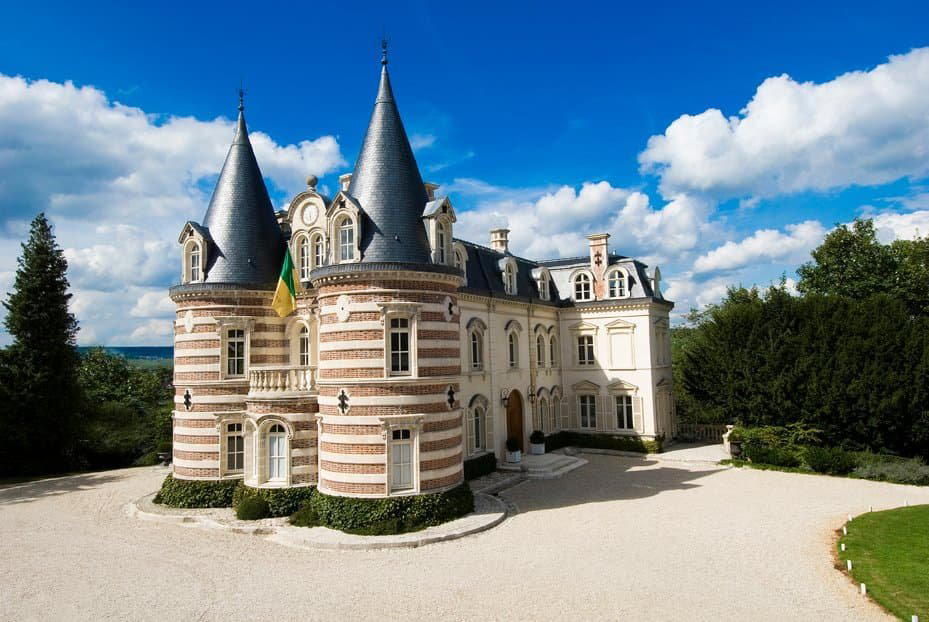
Against Épernay’s larger Champagne-house circuit, Champagne Comtesse Lafond is better treated as an easy add-on than the anchor of a first visit. Book it if you want another producer perspective with low booking friction; skip it if you need a fully documented tasting format, food program, or published package details before committing. Falstaff listing in 2026 gives it a useful recognition signal.
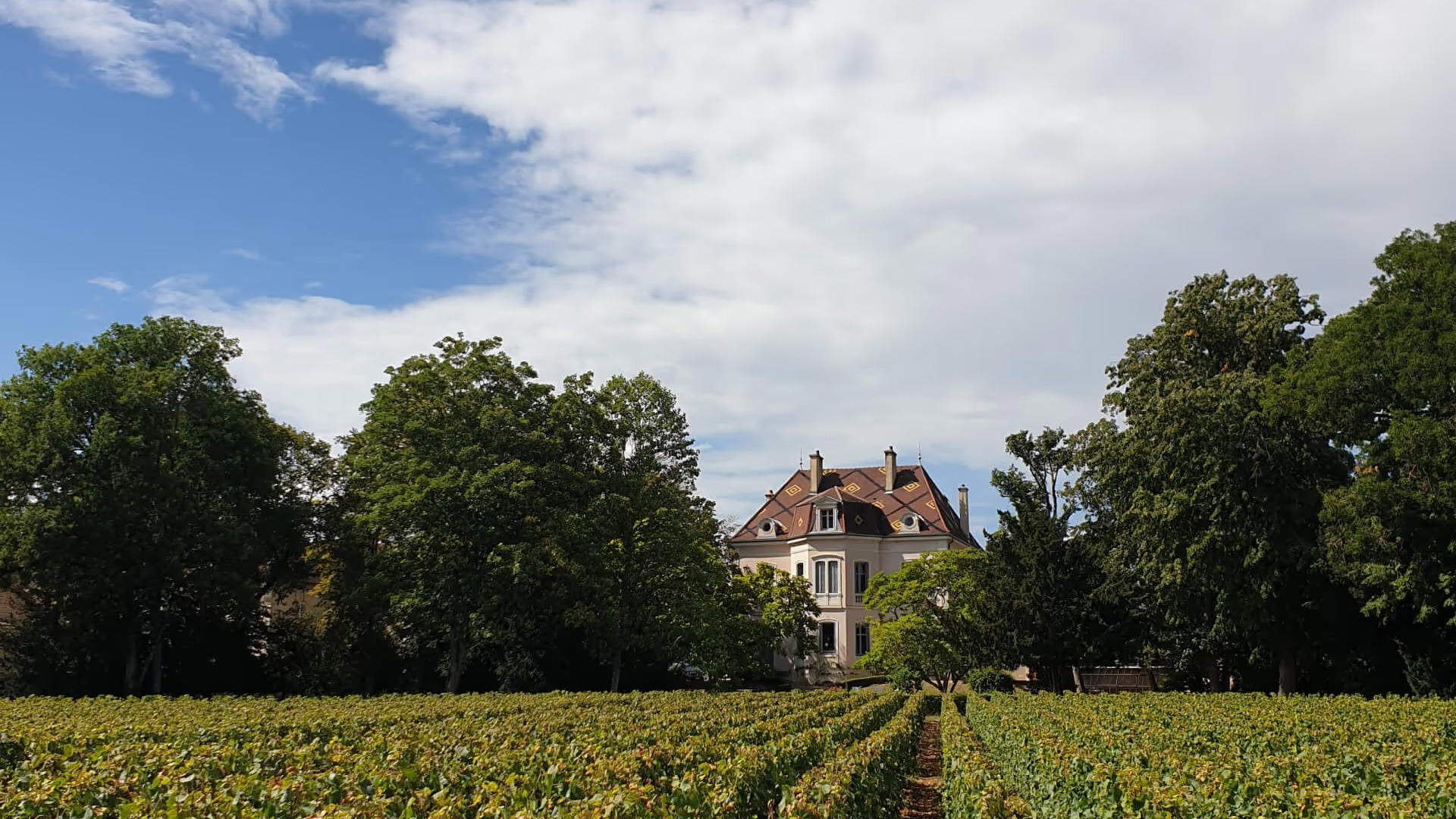
Domaine des Comtes Lafon
Meursault, France
Domaine des Comtes Lafon is a wine estate in Meursault, Burgundy.
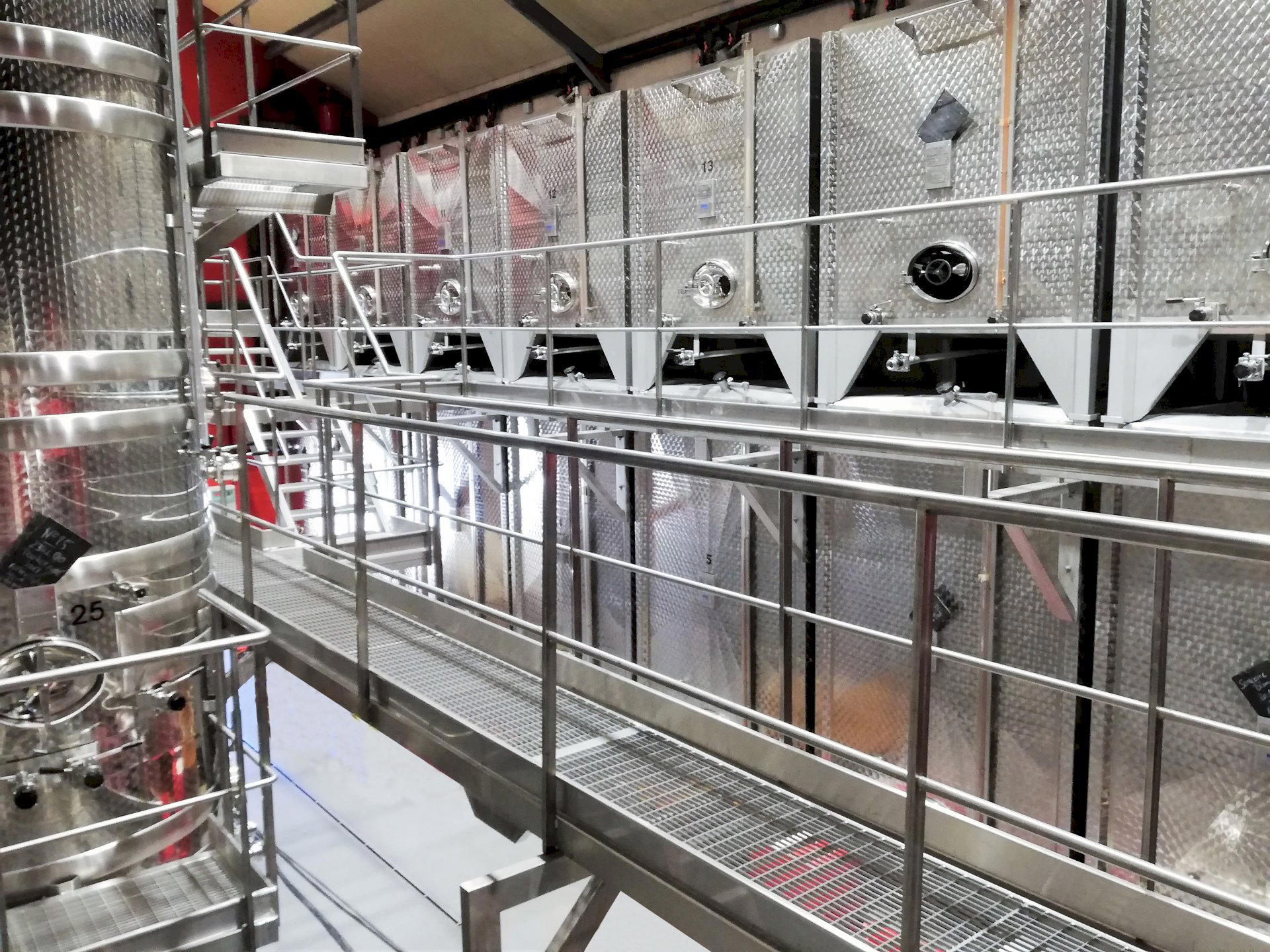
Domaine Raimbault-Pineau
Sury En Vaux, France
Domaine Raimbault-Pineau is a worthwhile Sury-en-Vaux stop for visitors who want a focused Loire Sauvignon Blanc tasting rather than a destination-winery production. Go for the family-run setting, multi-appellation range, and useful bottle-comparison value; skip it if the occasion needs food pairings, a dramatic room, or large-group infrastructure.
Cave de la Côte
Tolochenaz, Switzerland
Cave de la Côte is a practical Vaud wine-country option for travelers building a compact Tolochenaz route rather than a full meal-led stop. Its Falstaff 2 Stars recognition in 2026 gives it a useful quality signal, but plan around availability, keep expectations focused on wine, and confirm any food, shipping, or club details before committing the day around it.
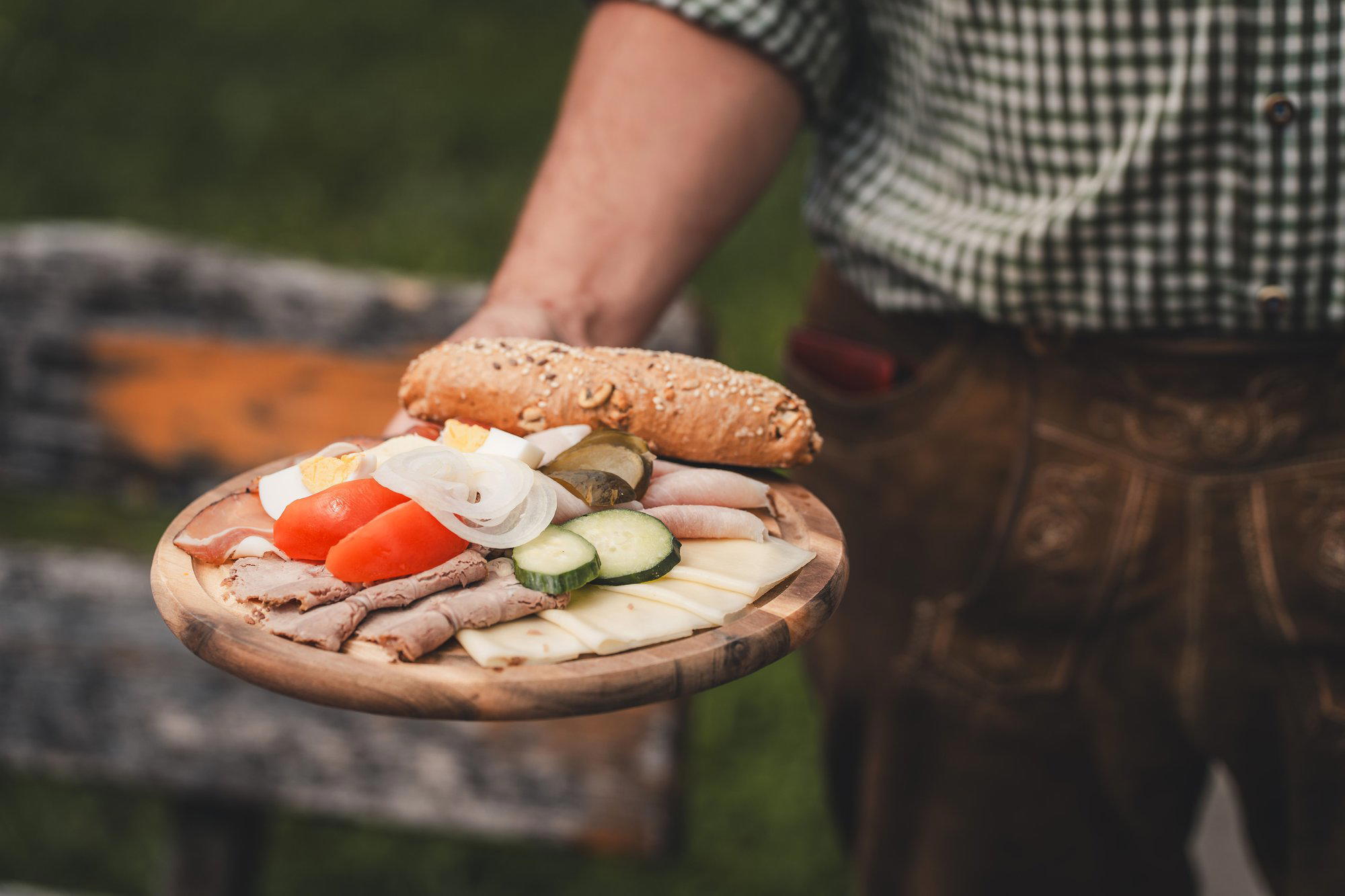
Bioweingut Lorenz
Friesenheim, Germany
Bioweingut Lorenz is worth booking for a quiet, wine-focused Friesenheim stop built around organic Rheinhessen production rather than polished wine-tourism theatre. Go for family-run scale, estate farming, and a mid-range value proposition; skip it if the occasion needs formal hospitality, large-group infrastructure, or luxury cues.
Château de Vullierens
Vullierens, Switzerland
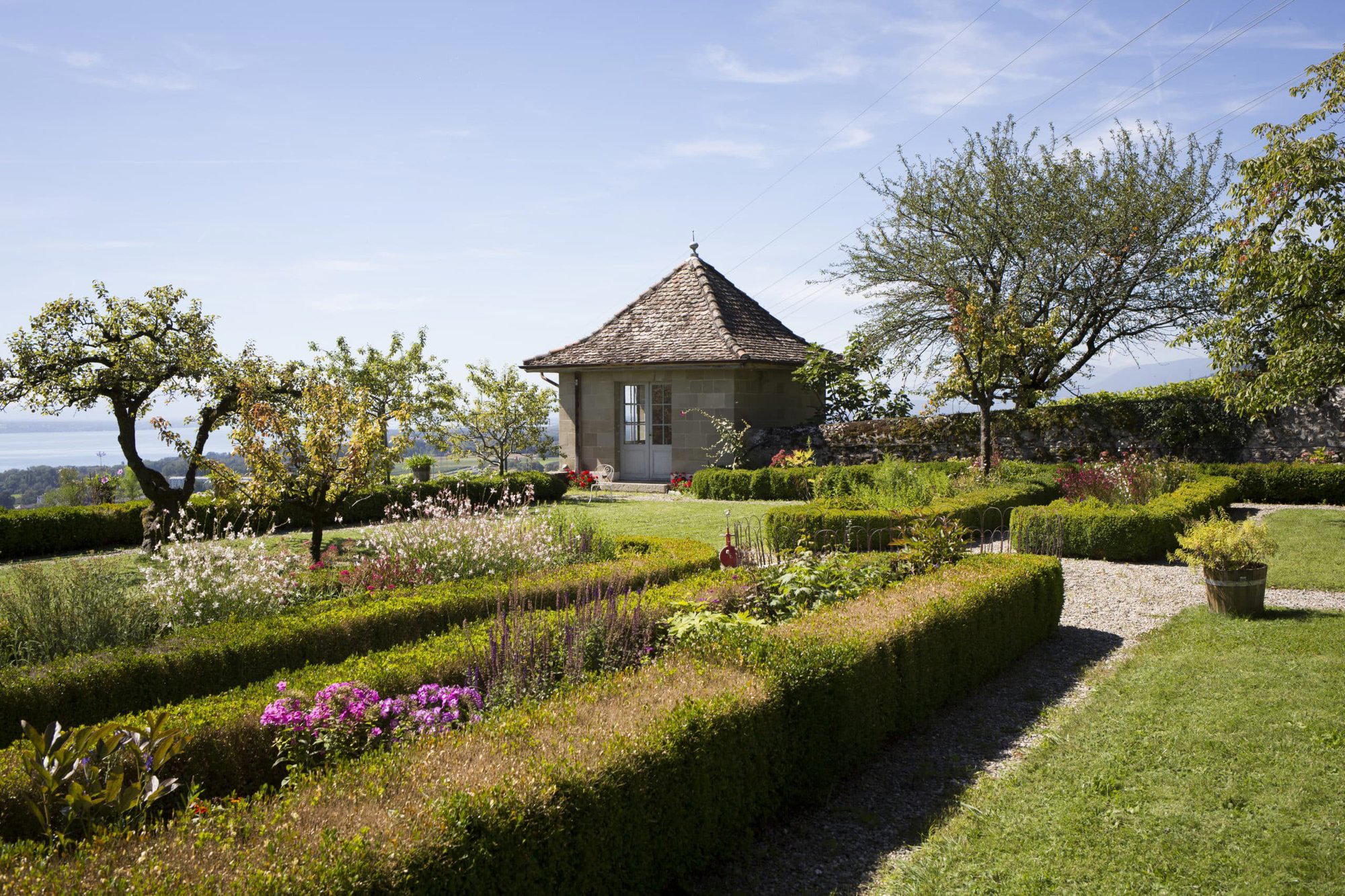
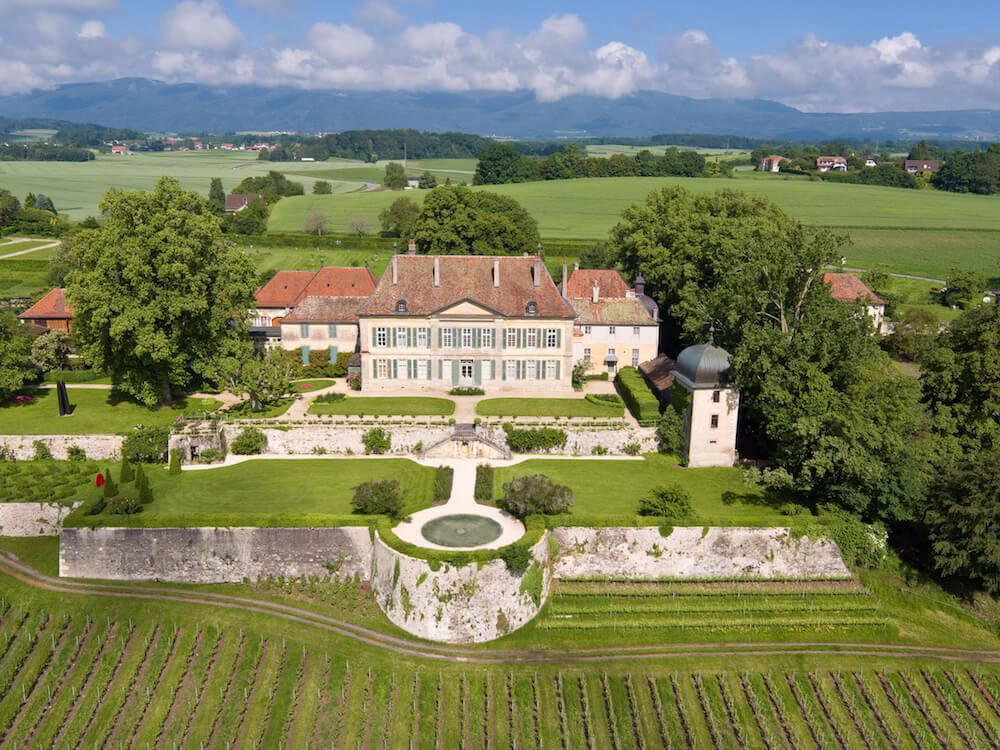
Book Château de Vullierens if the estate setting is part of the point: gardens, sculpture, heritage architecture, and biodynamic Swiss wines make it stronger as a slow cultural wine stop than a quick tasting. It suits couples, families, and curious wine travelers who want context without turning the day into a technical cellar marathon.
Château Fleur La Mothe
Pauillac, France
Château Fleur La Mothe is worth booking if you want a quieter, more technical Médoc visit rather than a grand château production. The appeal is value-driven Cabernet–Merlot, sustainability credentials, and Cru Bourgeois context; skip it if you need a food program, fixed tasting-room rhythm, or a luxury-style hospitality stop.
Entre-Deux-Monts
Heuvelland, Belgium
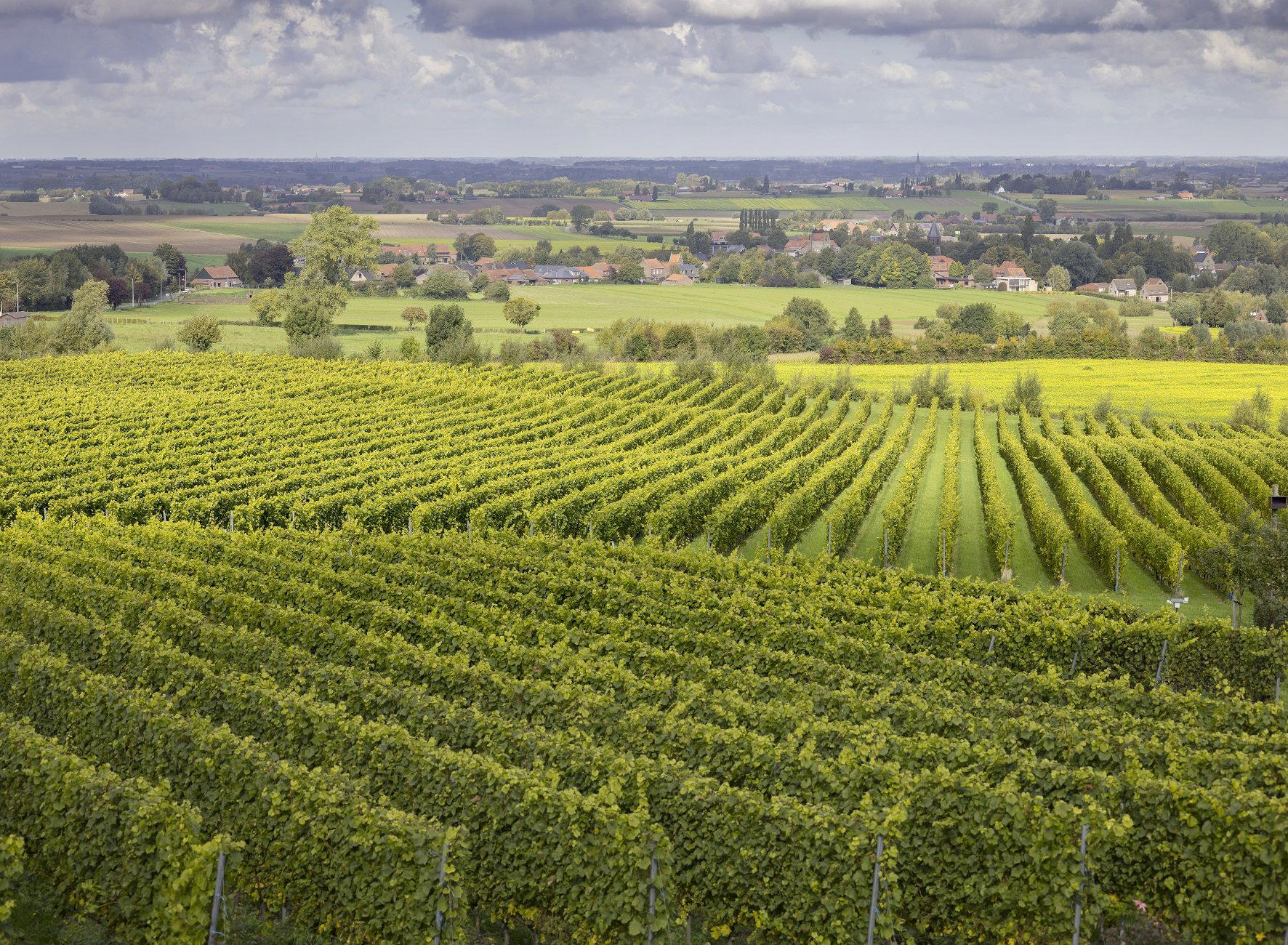
Entre-Deux-Monts works for a focused Heuvelland wine stop, especially if the goal is Belgian wine context rather than a full dining experience. The Falstaff listing adds credibility, but food, seating, and visit-format details should not be assumed. Build it into a wider West Flanders itinerary instead of treating it as the whole plan.
Caves Défayes & Crettenand
Leytron, Switzerland
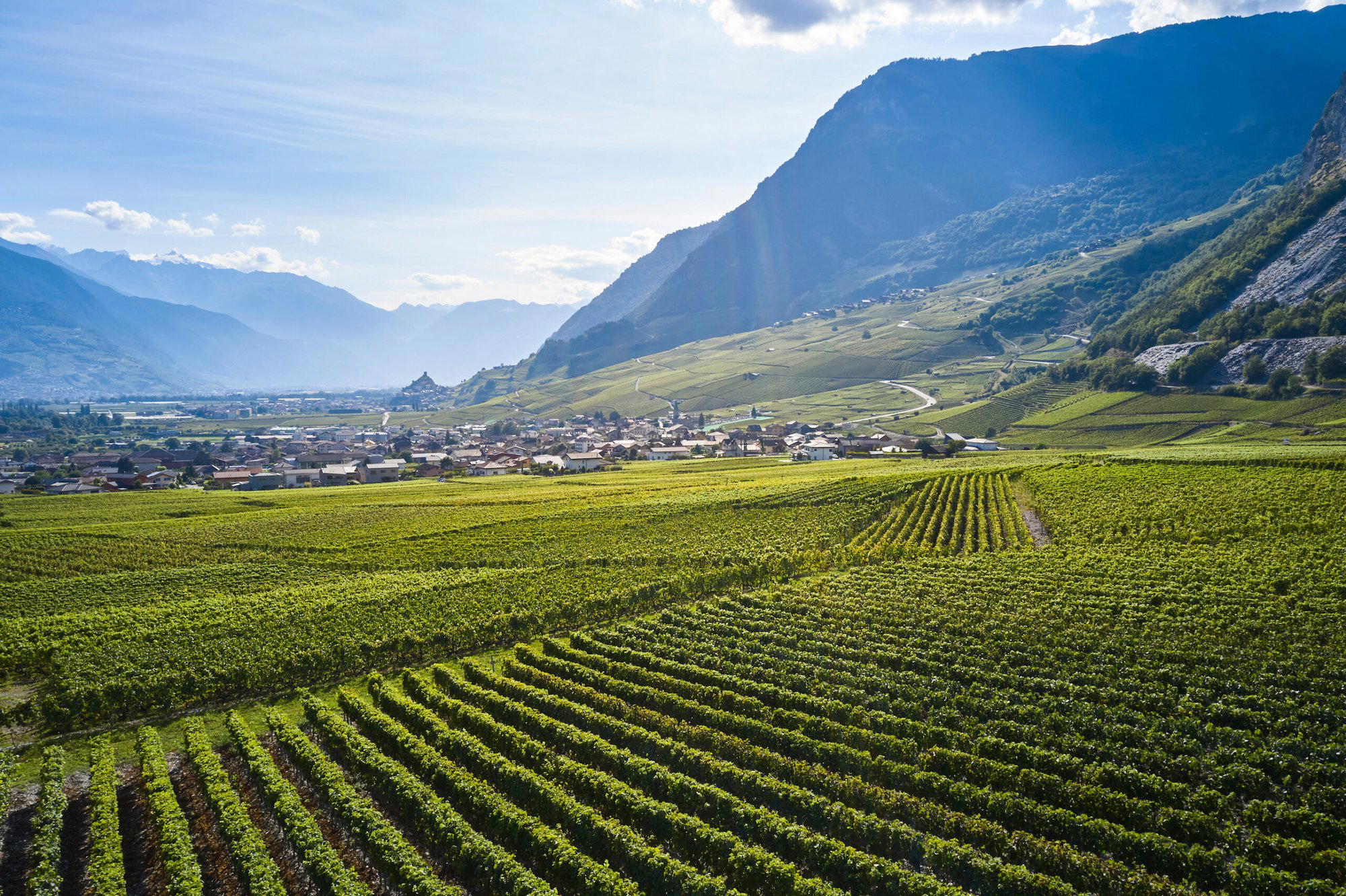
A practical Leytron cellar for travellers who want Valais grape depth rather than a glossy tasting-room production. Caves Défayes & Crettenand is strongest for Fendant, Humagne Rouge, Syrah, Petite Arvine and Cornalin context, with a casual family-run feel and Falstaff recognition supporting the stop.
Tokaj Hétszőlő
Tokaj, Hungary
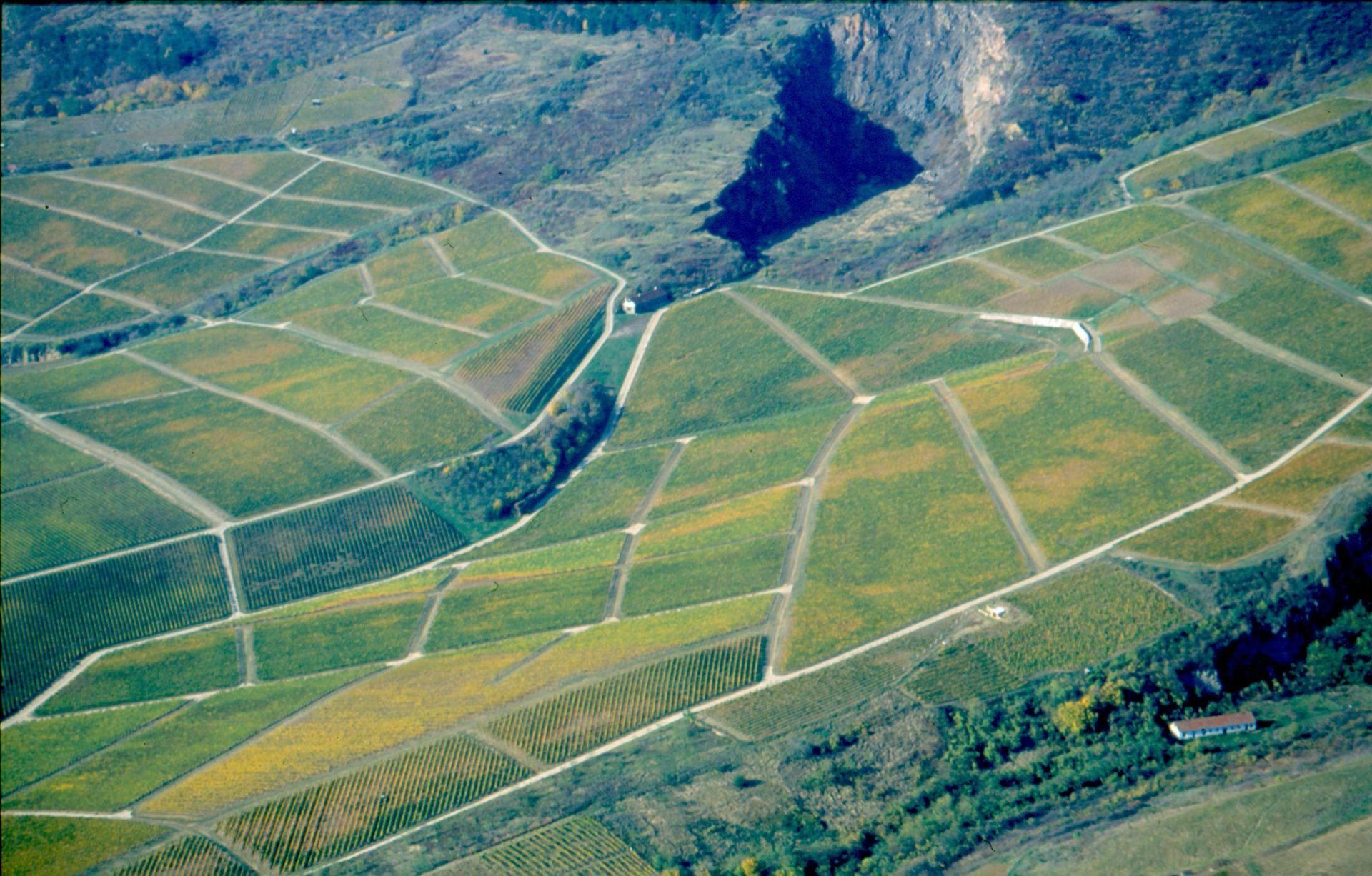
Tokaj Hétszőlő is worth prioritising if the trip is about understanding Tokaj, not just tasting another flight. Its 2025 World's 50 Best Vineyards recognition gives it a clear credibility signal, and it works better for wine travellers seeking regional context than for groups after a quick, casual stop.
Château La Clémence
Saint Hippolyte, France
A focused Pomerol stop for drinkers who care more about the flagship red than a large visitor-center experience. Château La Clémence is strongest for Merlot-Cabernet Franc context, cellar-led tasting, and right-bank comparison, with a $$$ signal and Falstaff Listed recognition for 2026. Book ahead and treat it as a planned wine stop, not a casual walk-in.
Éric Bordelet
Charchigne, France
Éric Bordelet works for wine-focused travelers in Charchigné who want a producer-led stop with an external Falstaff Listed 2026 signal. Treat it as a targeted winery visit rather than a restaurant or full-service tasting-room booking, and confirm logistics before building the day around it.
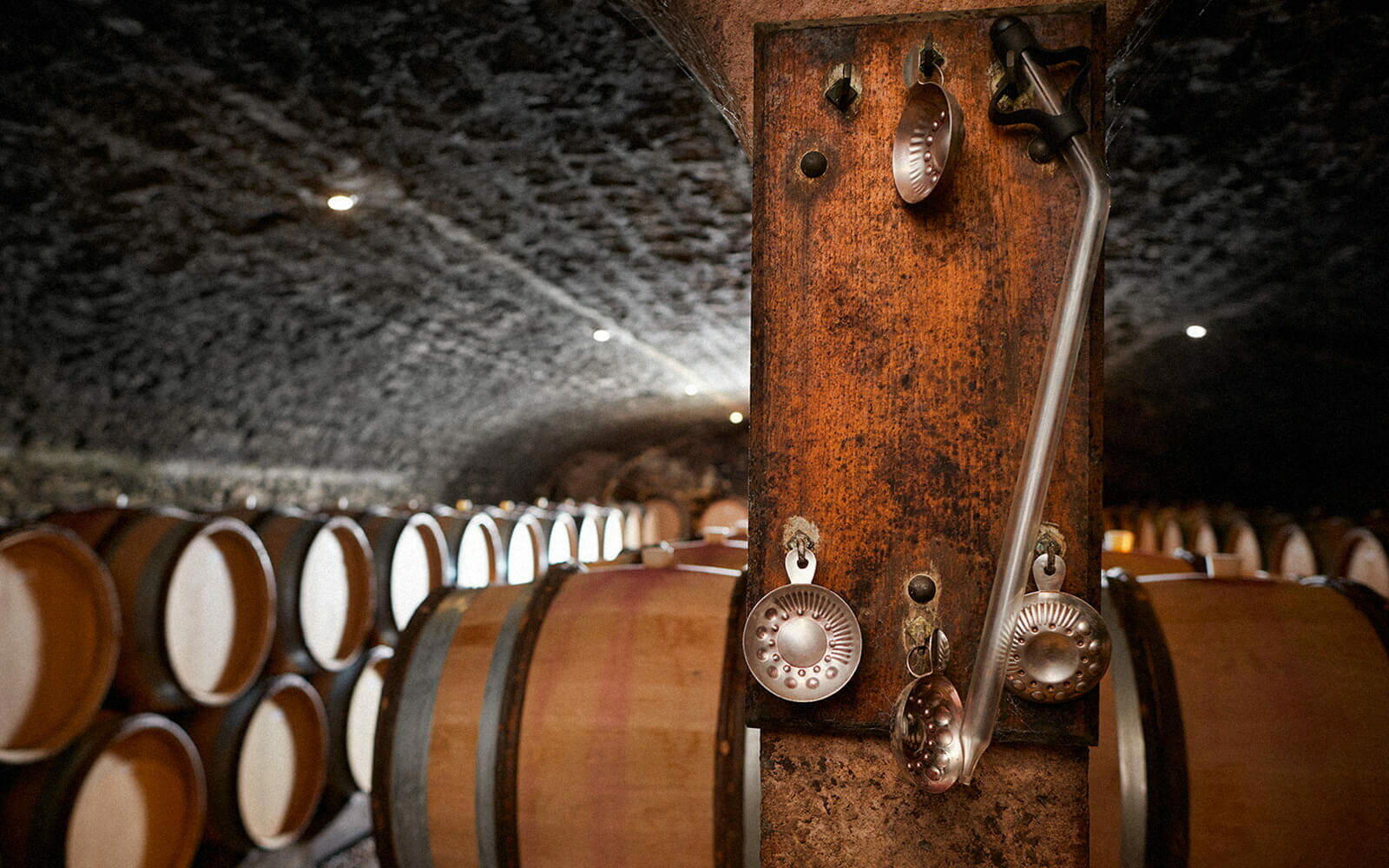
Domaine Trapet Père et Fils
Gevrey-Chambertin, France
Domaine Trapet Père et Fils is a serious Gevrey-Chambertin target for travelers who want depth rather than a casual tasting-room stop. Prioritize it if a confirmed appointment fits the itinerary; otherwise, cross-shop nearby Gevrey domaines with more flexible planning potential.
Corvus
Bozcaada, Turkey
Corvus is a sensible shortlist pick for a Bozcaada wine-focused itinerary, especially for travelers using the island as a cellar-and-coast stop in 2026. Go in with practical expectations: the strongest confirmed signal is Falstaff listing, while details like pricing, wine club value, shipping, and tasting format should be checked before building the day around it.
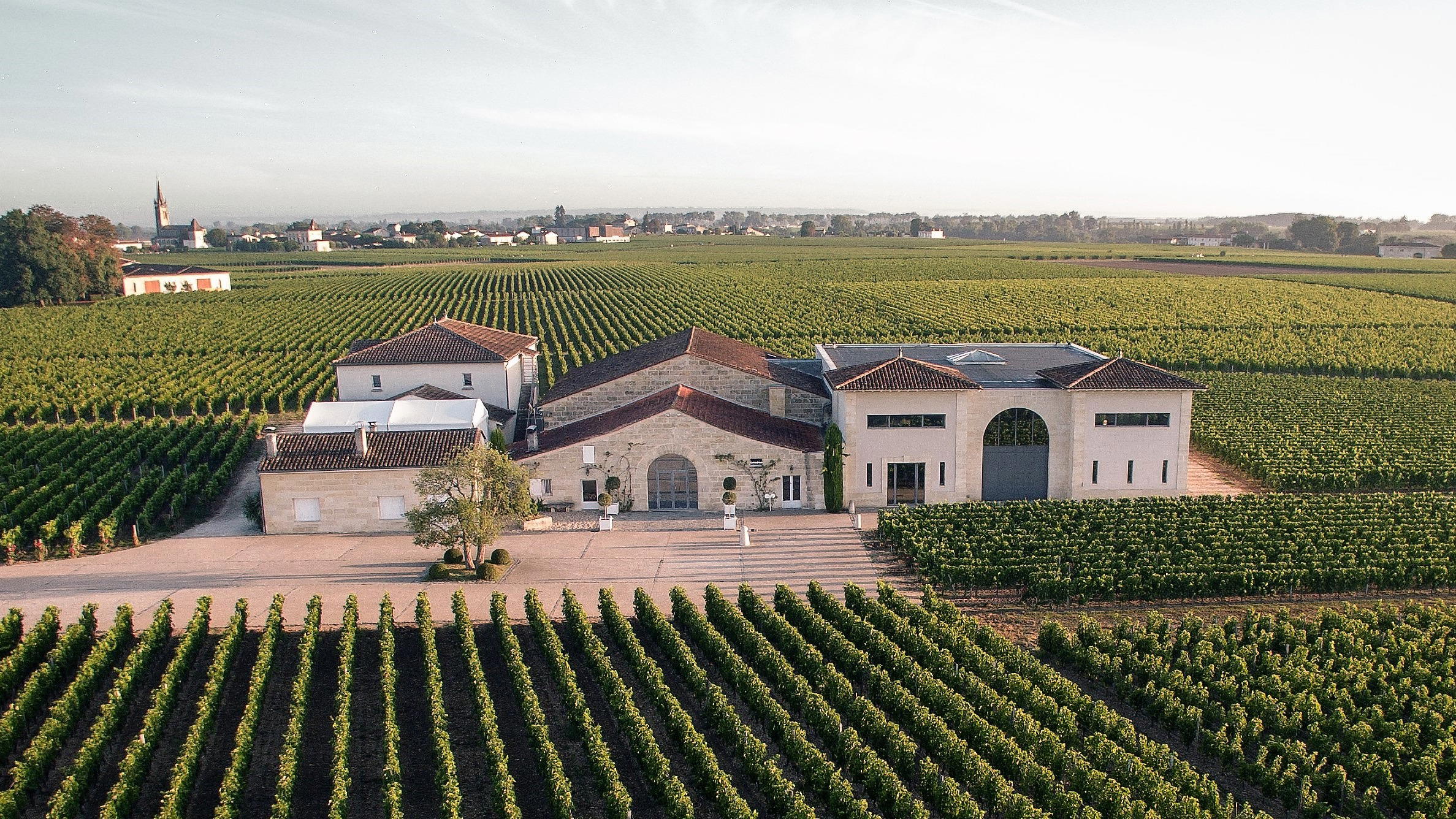
Château La Conseillante
Pomerol, France
Château La Conseillante is worth pursuing for serious Pomerol collectors and first-timers who care about access more than casual cellar-door ease. Treat any allocation or club-style opportunity as a due-diligence decision: confirm terms, purchase expectations, and shipping before committing.
How many of these have you visited?
Find out on Pearl and keep score across every place in 2026 Falstaff Winery Guide.