

Tokaj Hétszőlő
Tokaj
Winery in Tokaj, Hungary
 Book with Pearl
The Read
Five-Century Aszú Heritage
Price
$30–50tasting
Why go
Tokaj Hétszőlő is worth prioritising if the trip is about understanding Tokaj, not just tasting another flight. Its 2025 World's 50 Best Vineyards recognition gives it a clear credibility signal, and it works better for wine travellers seeking regional context than for groups after a quick, casual stop.
About Tokaj Hétszőlő
Should you visit Tokaj Hétszőlő while in Tokaj? It is a strong candidate if you are prioritising a recognised Tokaj venue: Tokaj Hétszőlő has Pearl 3 Star Prestige (2025) recognition and is listed at #58 in World's 50 Best Vineyards (2025). Beyond those points, keep plans flexible and confirm visit details directly before building a day around it.
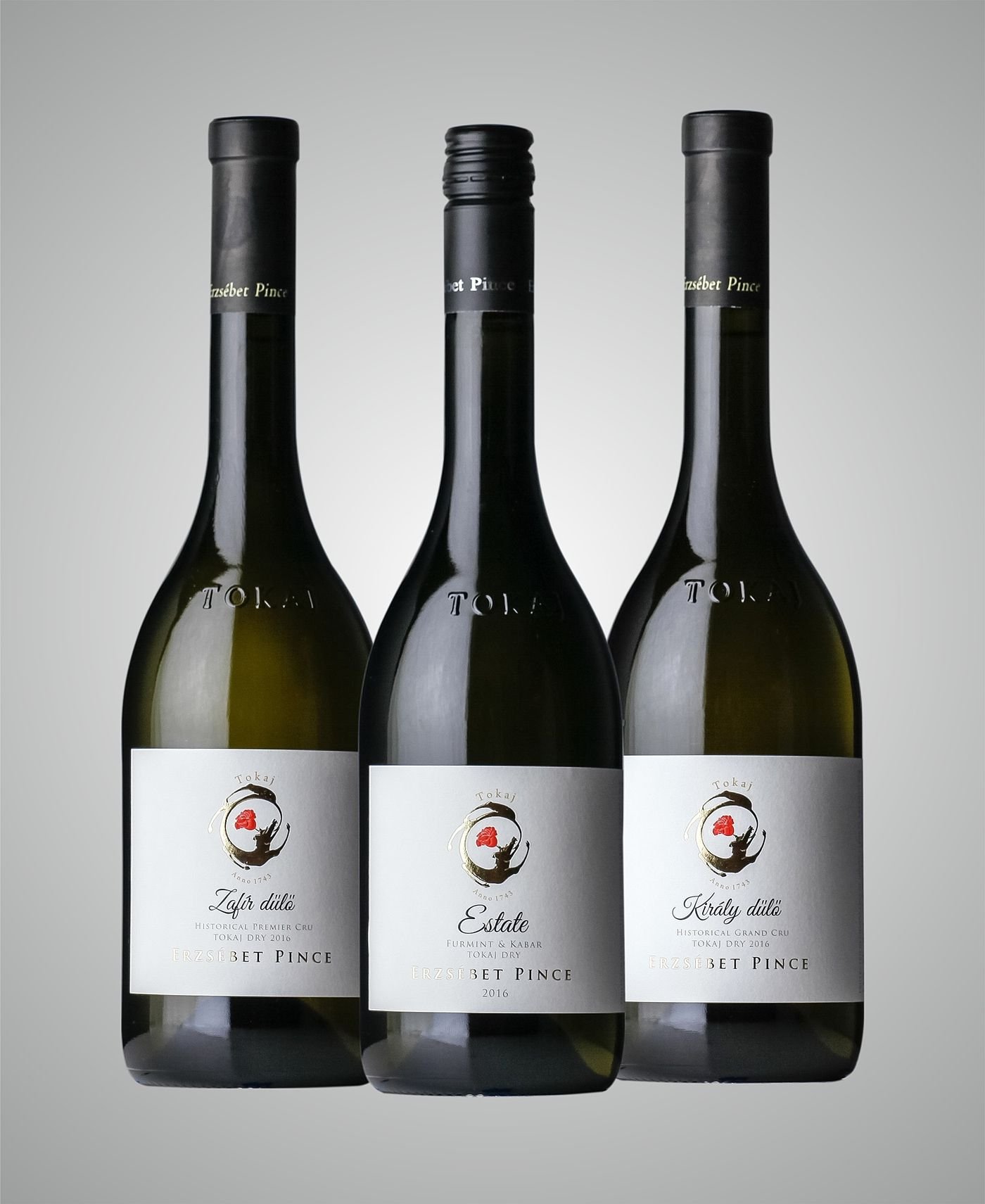
The dress code is smart casual, so plan for a polished but not overly formal visit. If you are comparing options, you can also look at Hímesudvar, Balassa Winery, Demeter Zoltán Winery, Dobogó Pincészet, and Erzsébet Pince as other named points of reference.
Book this for a recognised Tokaj stop
Tokaj Hétszőlő is best framed as a recognised venue in Tokaj, though details about tasting format, opening hours, pricing, seating, or specific services should be confirmed directly. The safest planning approach is to confirm availability and visit conditions directly before you go.
For an itinerary, treat Tokaj Hétszőlő as one anchor and compare it with Dobogó Pincészet, Erzsébet Pince, Hímesudvar, Balassa Winery, and Demeter Zoltán Winery depending on what else is available during your dates. Avoid overloading the day until you have confirmed practical details for each stop.
Who should choose it for a recognised Tokaj visit
Choose Tokaj Hétszőlő if recognition matters to your shortlist: Pearl 3 Star Prestige (2025) and World's 50 Best Vineyards #58 (2025) are clear reasons to prioritise it. If you are deciding between multiple venues, use those accolades, the Tokaj location, and the smart casual dress code as the grounded basis for comparison.
The main planning caution is that specific details such as visit structure, pricing, duration, shipping, or special services should be confirmed directly. Confirm those directly, then decide whether Tokaj Hétszőlő should be the central stop of your Tokaj day or one part of a broader route.
Planning details
- Location
- Tokaj, 3910
- Website
- tokajhetszolo.com
- Phone
- +36 47 352 009
The take
The Take
The Vibe
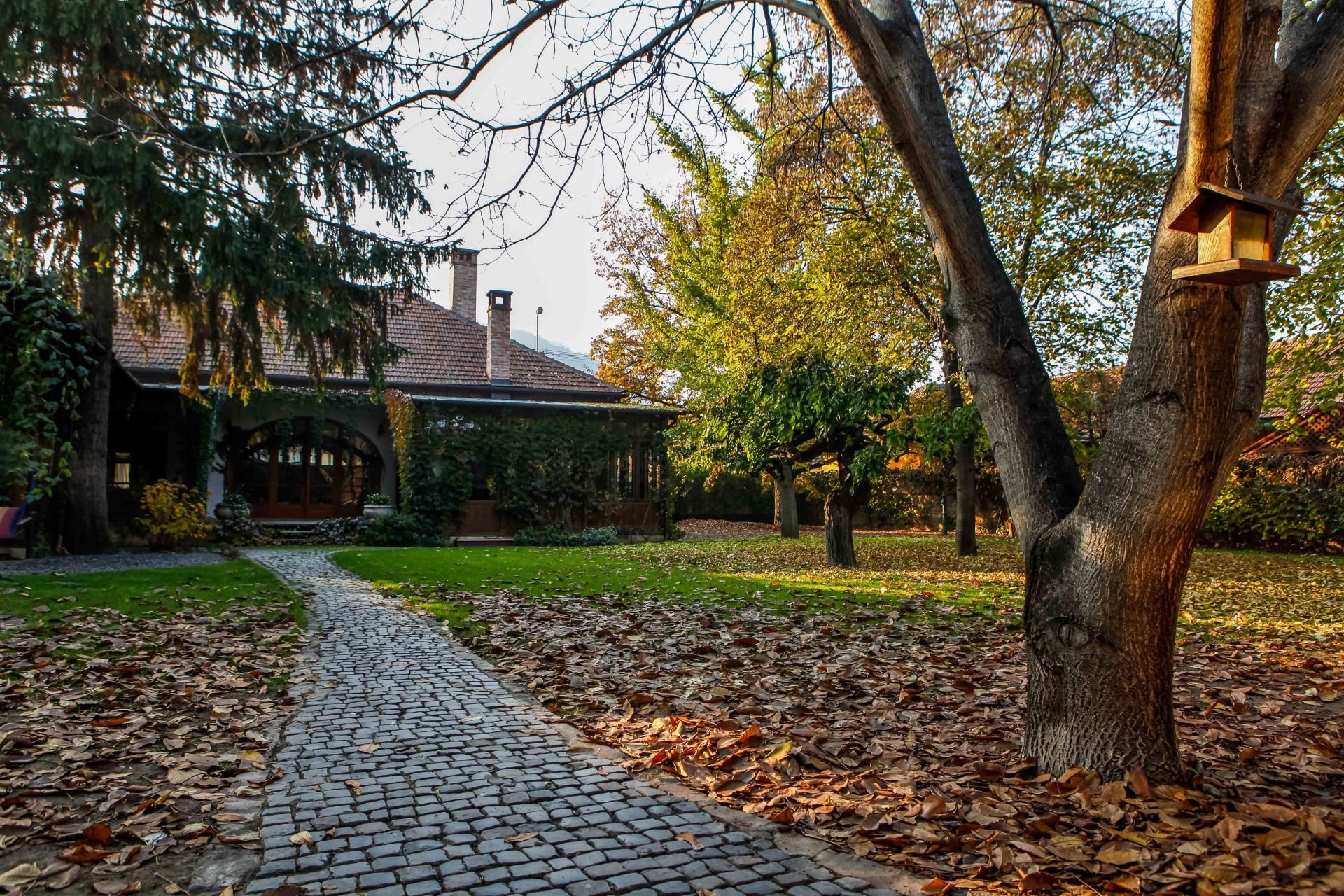
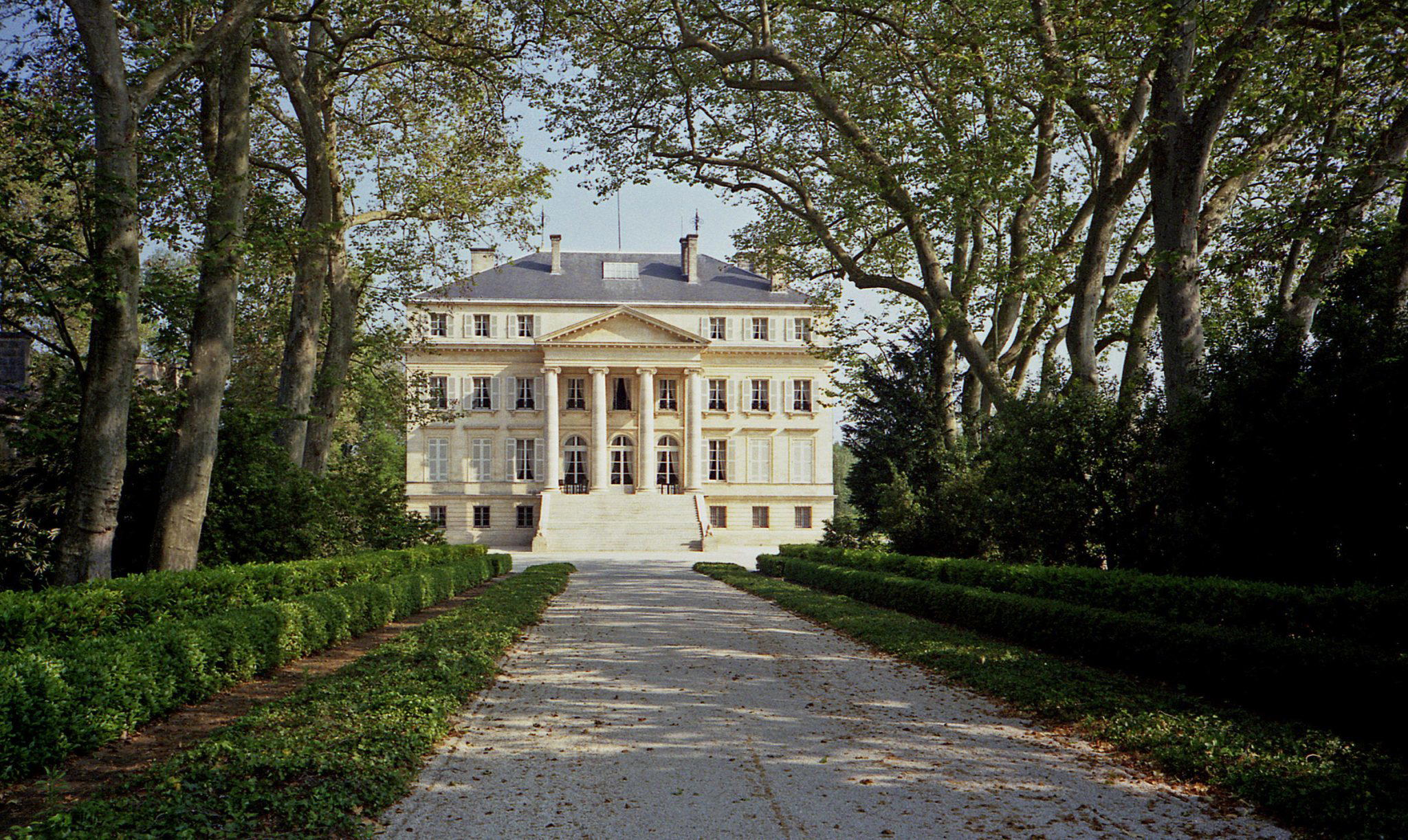
Tokaj Hétszőlő reads as a layered, historically resonant estate that foregrounds its long provenance while operating as a full hospitality destination. Founded in 1502 and carrying high regional prestige, the property balances its vineyard landscape with a courtyard garden, a bistro, a wine bar and a small retail shop. The courtyard functions as the organizing space, linking trails, hospitality spaces and event infrastructure without feeling fragmented. The result is a scenic, elegant estate experience that still feels intimate and slightly rustic — a place where history and everyday hospitality sit side by side.
Best For
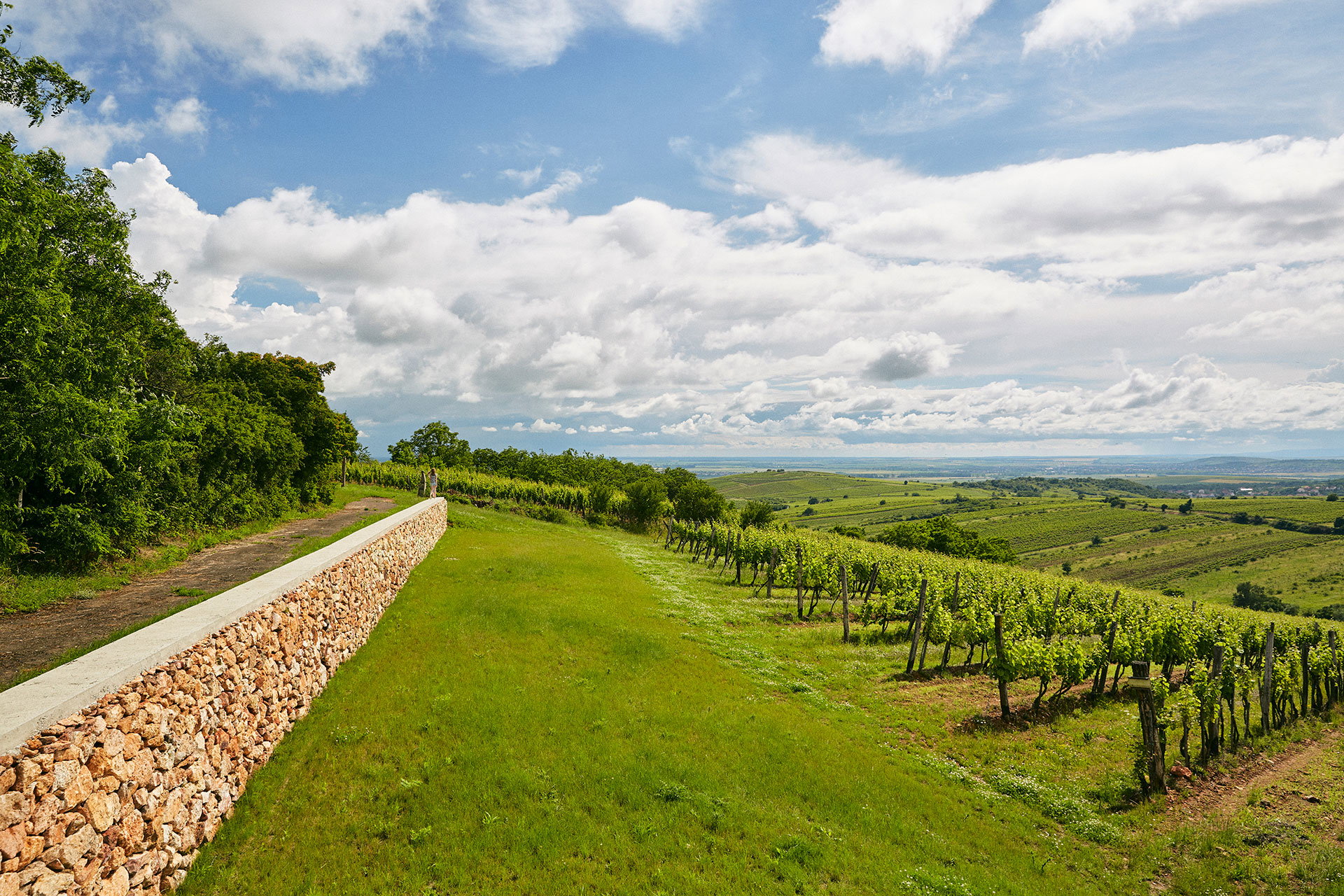
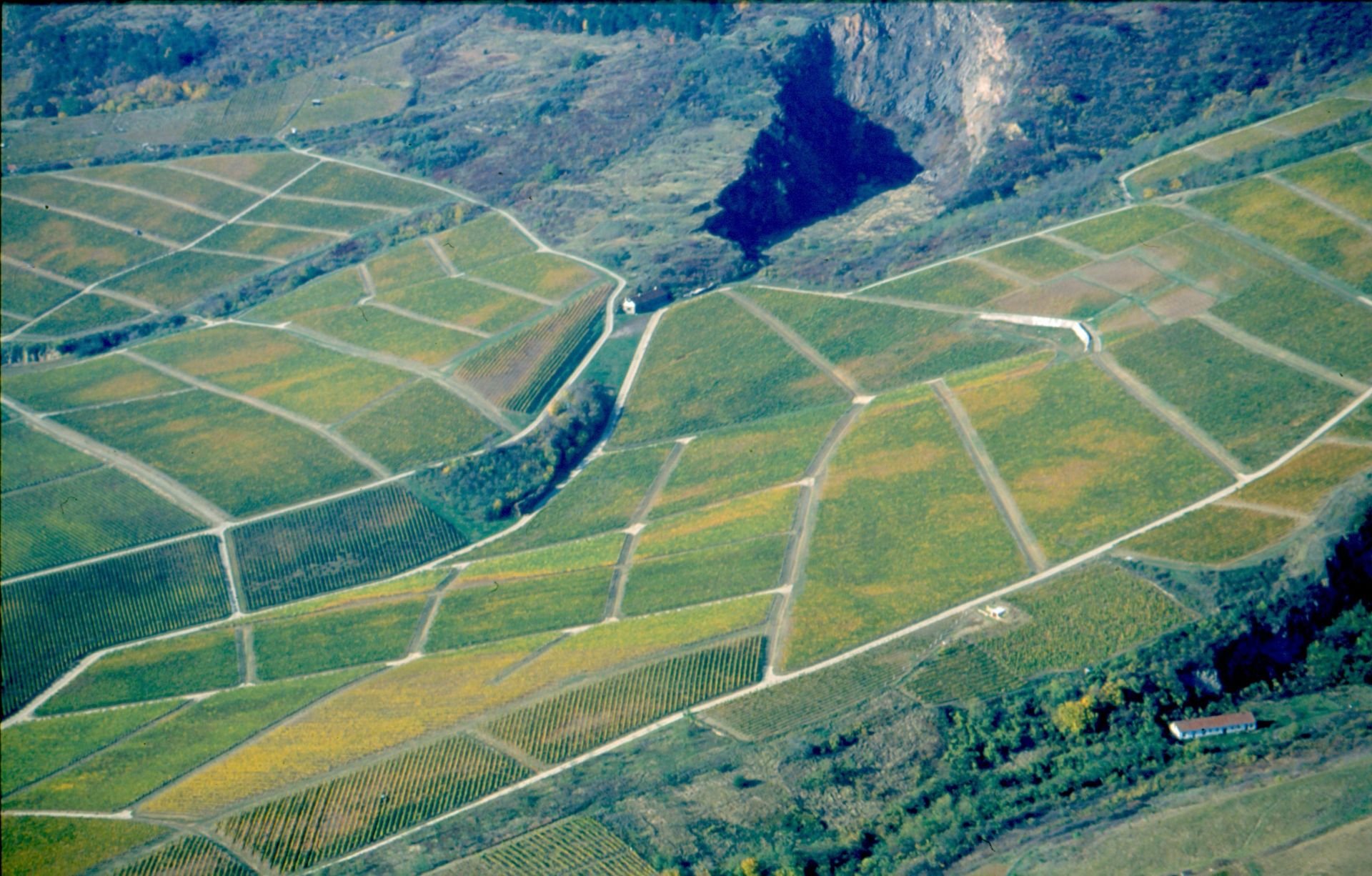
Hétszőlő is best for visitors who want a rounded estate visit that combines wine learning with place. The vineyard trails give terrain context for tastings, the courtyard and bistro make for relaxed daytime exploration, and the wine bar and shop let you extend the visit. Its standing among the region’s premium producers makes it fitting for celebratory moments and organized private events — the estate explicitly offers event infrastructure, including a dance floor and DJ provision. Guests can comfortably cover the property on foot across an afternoon or linger for a longer, educational visit.
Tasting Tips
Plan time for both tasting and the landscape: start with wines at the wine bar or bistro, then take the vineyard trails to connect the tasting notes to the terrain. Visit the wine shop to pick up estate bottles after you taste. Allow for an afternoon pace — the estate is compact enough for a leisurely walk yet expansive enough to warrant time on the trails. If you’re visiting for an event or celebration, note that the property maintains specific event infrastructure, so inquire ahead about bookings or private arrangements.
Venue details
Ambiance
Elegant and refined atmosphere in the historic underground Knight’s Hall with a focus on the winery's centuries-old heritage and natural terroir.
Tags
Vibe
Best For
Experience
Sourcing
View
At the Vineyard
- Appellation
- Tokaj
- Varietals
- Furmint, Hárslevelű, Sárga muskotály, Kövérszőlő
- Tour Duration
- 45-60 minutes
- Tour Languages
- Hungarian, English
- Visits
- By reservation
- Farming
- Organic
- Wine Styles
- Still White, Dessert, Fortified
- Wine Club
- Not available
Know before you go
Know Before You Go
- Getting there
- Tokaj, 3910
Planning details
Location
Recognition and awards


Also consider
If you cannot secure Tokaj Hétszőlő
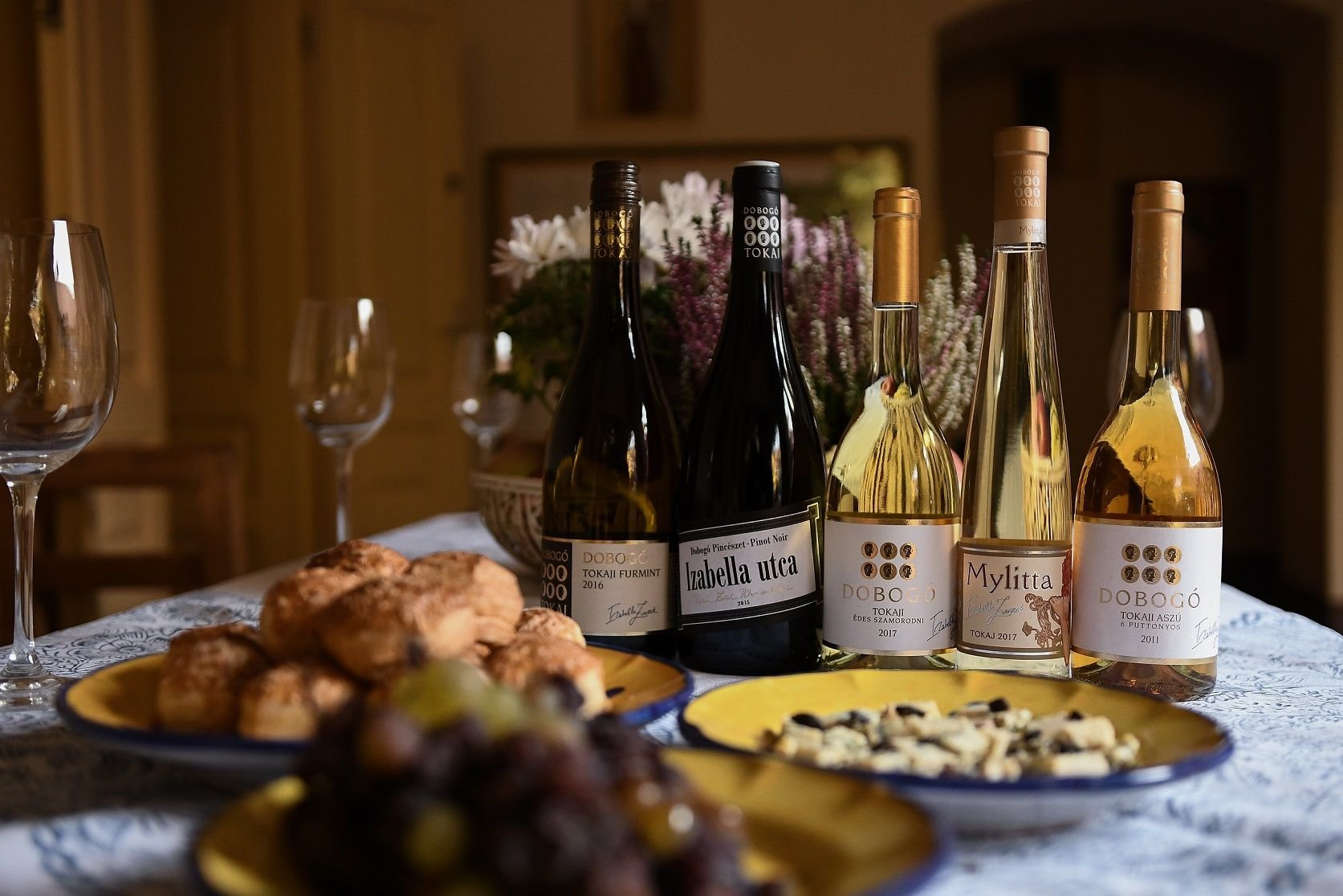
Try Dobogó Pincészet first if the aim is another polished Tokaj tasting with serious regional credibility. For a more relaxed fallback, choose Hímesudvar; it is the better option when the group wants a lower-pressure stop rather than a deeply structured visit.
Winery context
How Tokaj Hétszőlő compares in Tokaj
Tokaj Hétszőlő is the stronger choice for travellers who want a region-defining visit with a quieter, more structured feel. Balassa Winery and Demeter Zoltán Winery are better cross-shops for visitors who prefer smaller-producer focus and a more personal cellar experience, while Hétszőlő makes more sense when the priority is Tokaj context and a polished sense of place.
For value and ease, Hímesudvar is the safer backup: it should suit travellers who want a lighter, more flexible Tokaj stop. Erzsébet Pince is a good alternative when the day needs a compact cellar visit rather than a flagship-style appointment. Dobogó Pincészet sits closer to Hétszőlő for visitors seeking a polished Tokaj tasting, but Hétszőlő is the pick when vineyard heritage and regional framing matter more than simple convenience.
Recommendation: make Tokaj Hétszőlő the anchor if there is room for only one serious winery visit in town. If availability is tight, pair Hímesudvar with Erzsébet Pince for an easier day, or aim for Balassa Winery and Demeter Zoltán Winery if the goal is to compare focused producer voices rather than estate scale.
Explore Tokaj
Around this place
Discover more on Pearl
Unlock the full Tokaj Hétszőlő guide in Pearl, including awards, comparisons, FAQs, planning details, and nearby places.
Compare Tokaj Hétszőlő
| Venue | Location | Awards |
|---|---|---|
| Tokaj Hétszőlő | Tokaj | 2026 Falstaff Winery Guide2025 World's 50 Best Vineyards · #58 |
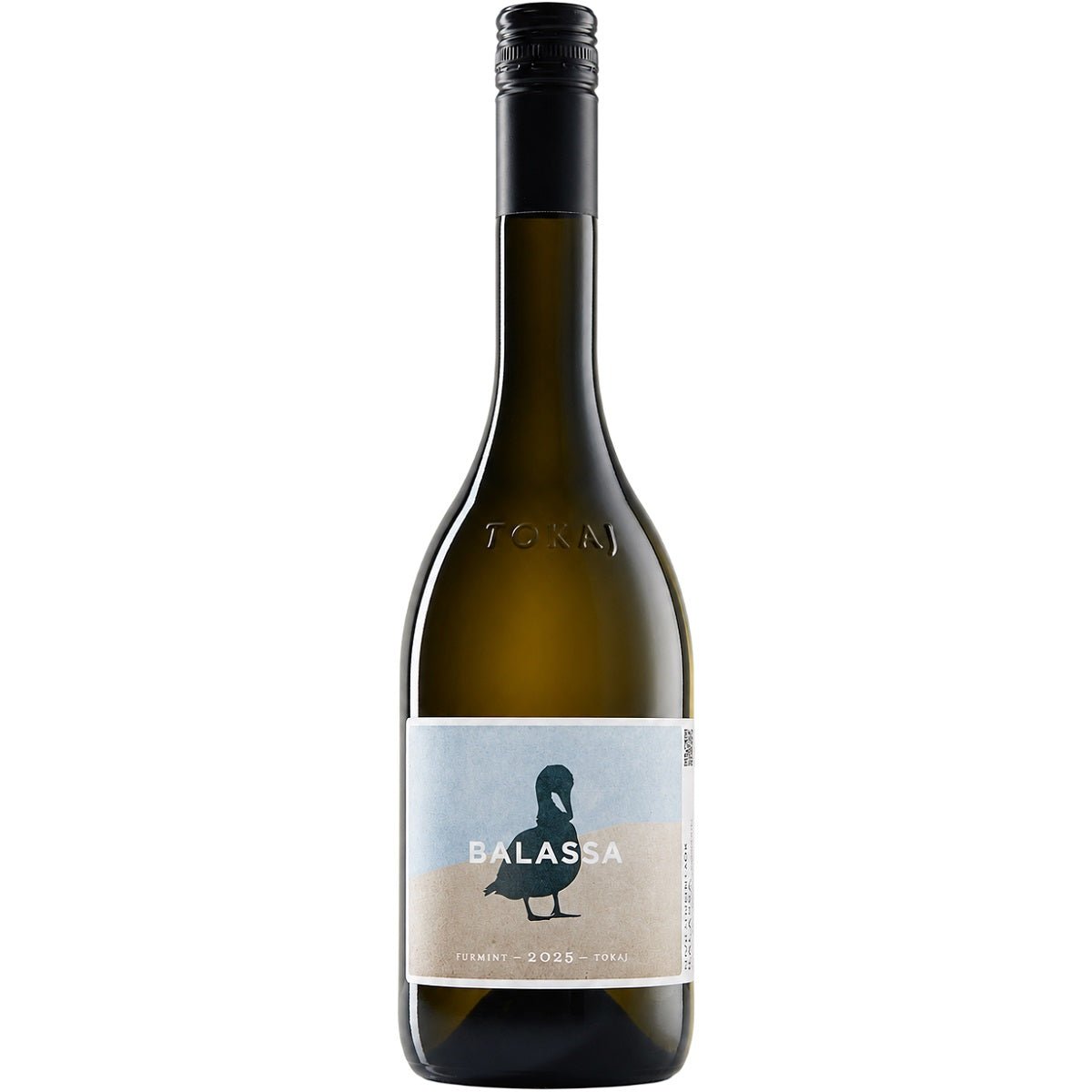
| Balassa Winery | Tokaj | 2026 Falstaff Winery Guide |
| Dobogó Pincészet | Tokaj | No published awards |
| Hímesudvar | Tokaj | No published awards |
| Erzsébet Pince | Tokaj | No published awards |
| Demeter Zoltán Winery | Tokaj | 2026 Falstaff Winery Guide |
How Tokaj Hétszőlő Tokaj compares with similar nearby venues.
FAQ
Frequently Asked Questions
When is the best time to visit Tokaj Hétszőlő?
Visit when you have confirmed current availability directly with Tokaj Hétszőlő. Reasons to plan around it are its Tokaj location, smart casual dress code, Pearl 3 Star Prestige (2025), and World's 50 Best Vineyards #58 (2025).
How long should I plan for a visit to Tokaj Hétszőlő?
What other venues can I compare with Tokaj Hétszőlő?
For comparison, consider Balassa Winery, Dobogó Pincészet, Hímesudvar, Erzsébet Pince, and Demeter Zoltán Winery. Tokaj Hétszőlő stands out for Pearl 3 Star Prestige (2025) and World's 50 Best Vineyards #58 (2025).
Are membership or club details available for Tokaj Hétszőlő?
Membership or club details are not available. If that is important to your decision, ask Tokaj Hétszőlő directly before relying on it as part of your Tokaj plans.