
JONATA
Ballard Canyon, Santa Ynez
Winery in Santa Ynez, United States
 Book with Pearl
The Read
Terroir-Driven Precision
Price
$50–100tasting
Why go
JONATA is worth prioritizing for a Santa Ynez wine itinerary when the goal is a serious, quality-led stop rather than an easy tasting-room crawl. First-timers should treat it as the anchor of the day, then use more accessible nearby wineries as backups if timing or availability gets difficult.
About JONATA
Is JONATA worth considering in Santa Ynez? It carries Pearl 2 Star Prestige (2025), and the stated dress code is smart casual. Those are strong reasons to put it on a shortlist. Beyond that, plan with care rather than assuming specific services, formats, menus, or access details.
That makes JONATA a prestige-led choice for a Santa Ynez itinerary. Use the recognition as a reason to research and plan ahead, while keeping the rest of the day flexible until you have current details directly from the venue.
For value, prioritize it only if prestige is part of the point
The value case here is not about a price, menu, tasting format, or service style. It is about whether Pearl 2 Star Prestige (2025) matters to your plans. If that recognition is central to the visit, JONATA belongs higher on the shortlist. If the day is meant to be looser, compare it with Kalyra Winery or use broader Santa Ynez research to build a route.
Do not make assumptions about timing, availability, or format based on prestige alone. Pair JONATA with broader Santa Ynez research rather than relying on assumptions.
Build a Santa Ynez shortlist before committing
For first-timers, the key decision is whether the day should be built around a confirmed prestige signal or around a wider set of options. A selective plan can put JONATA first, with another comparison such as Crawford Family Wines, Kalyra Winery, Ken Brown Wines, Standing Sun Wines, or DorWood Distillery considered separately.
If the comparison set extends beyond JONATA, keep the filter simple: use only confirmed information, avoid assuming specific formats or services, and decide whether Pearl 2 Star Prestige (2025) is important enough to shape the itinerary. Quick reference: prioritize JONATA when its confirmed recognition matters; choose other options when flexibility is the main goal.
Planning details
- Location
- 73 Thomas Rd, Buellton, CA 93427, United States
- Website
- jonata.com
- Phone
- +18055648581
The take
The Take
The Vibe
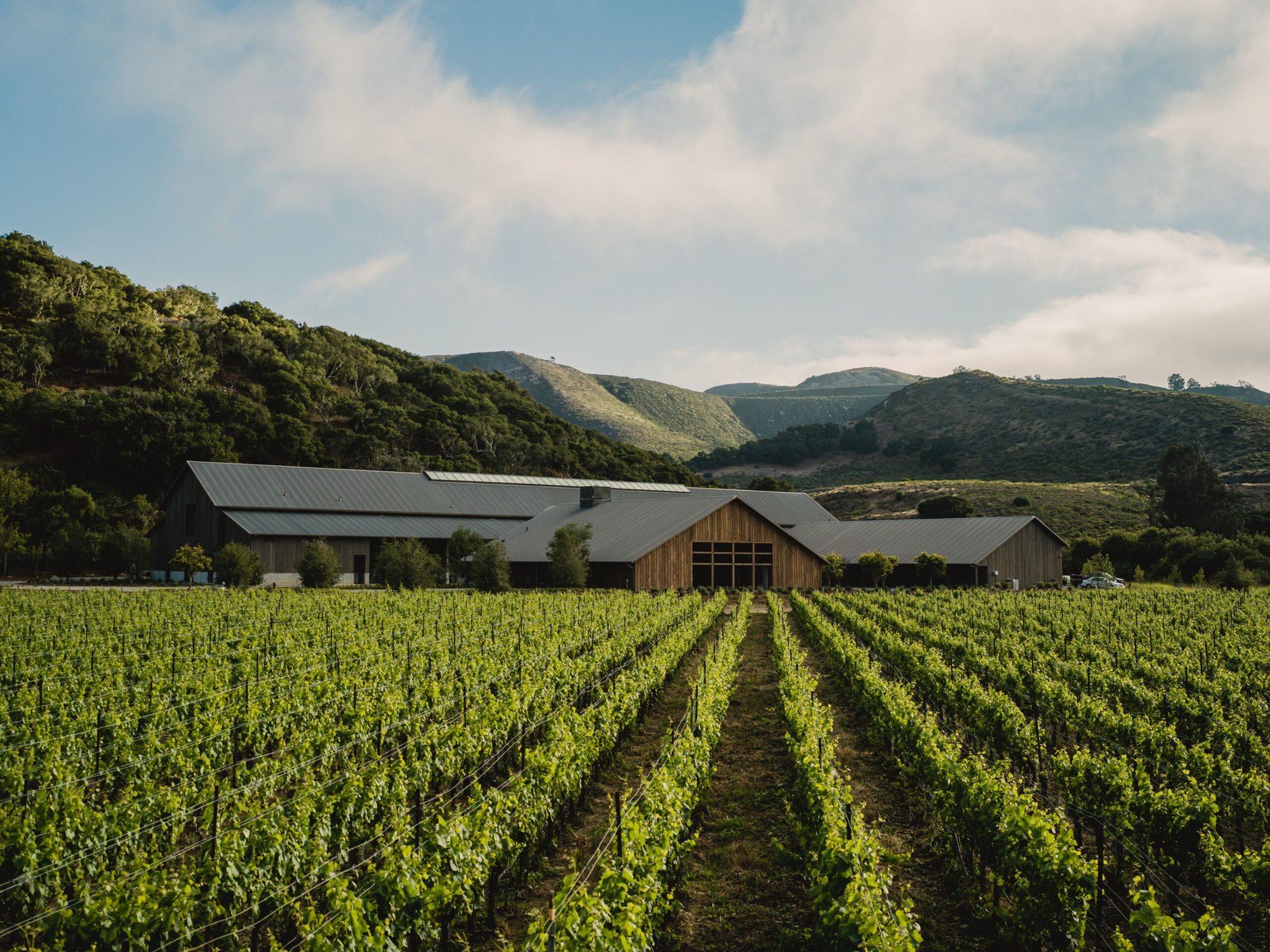
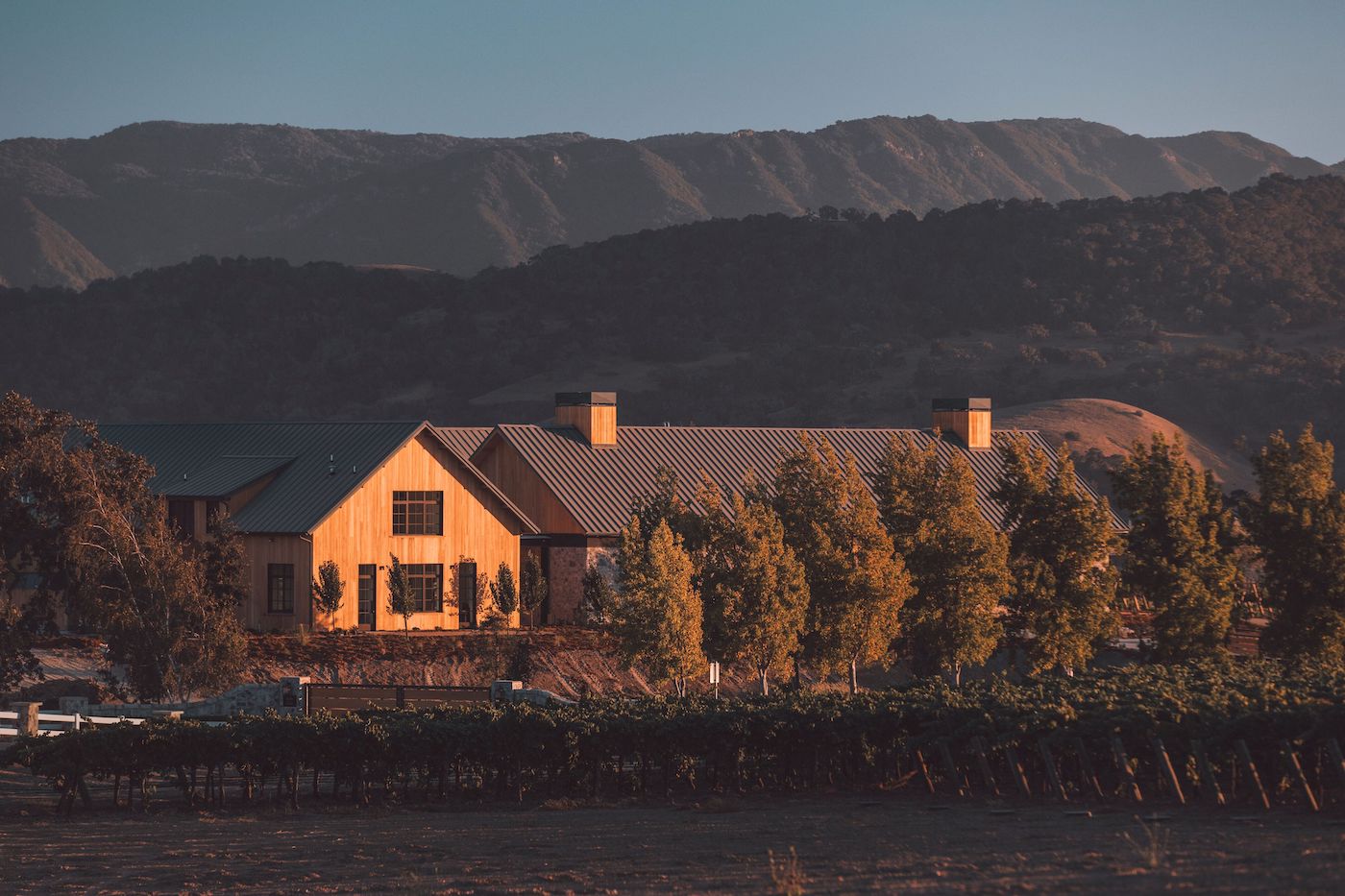
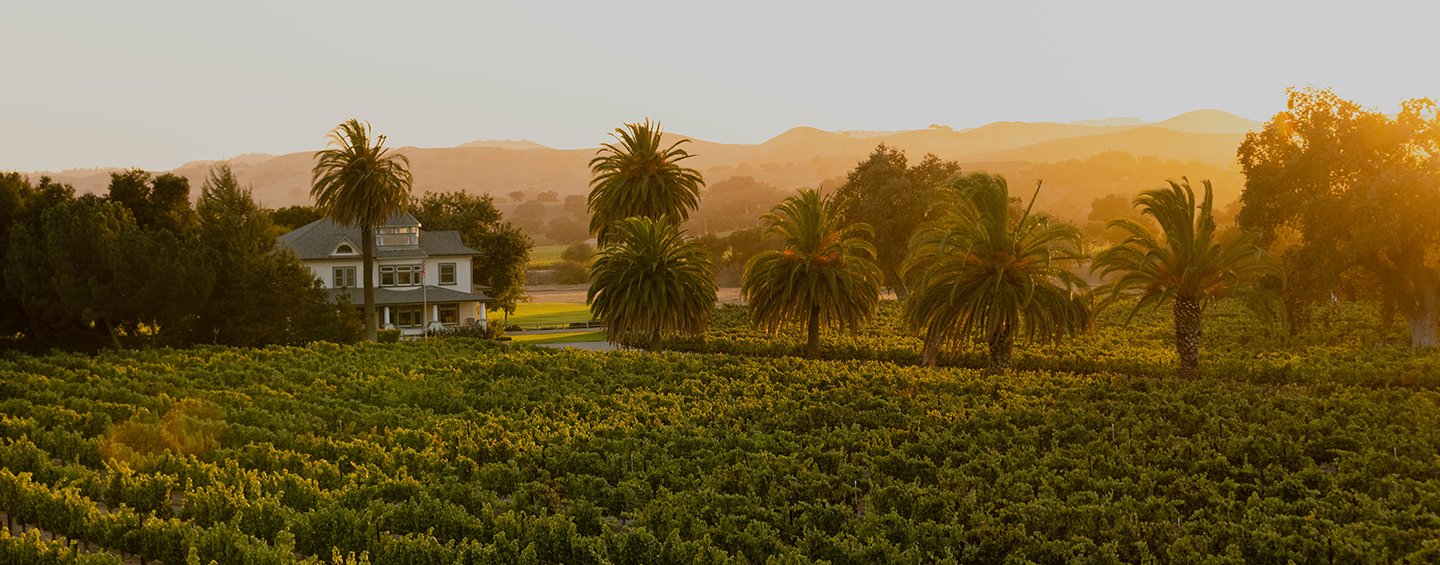
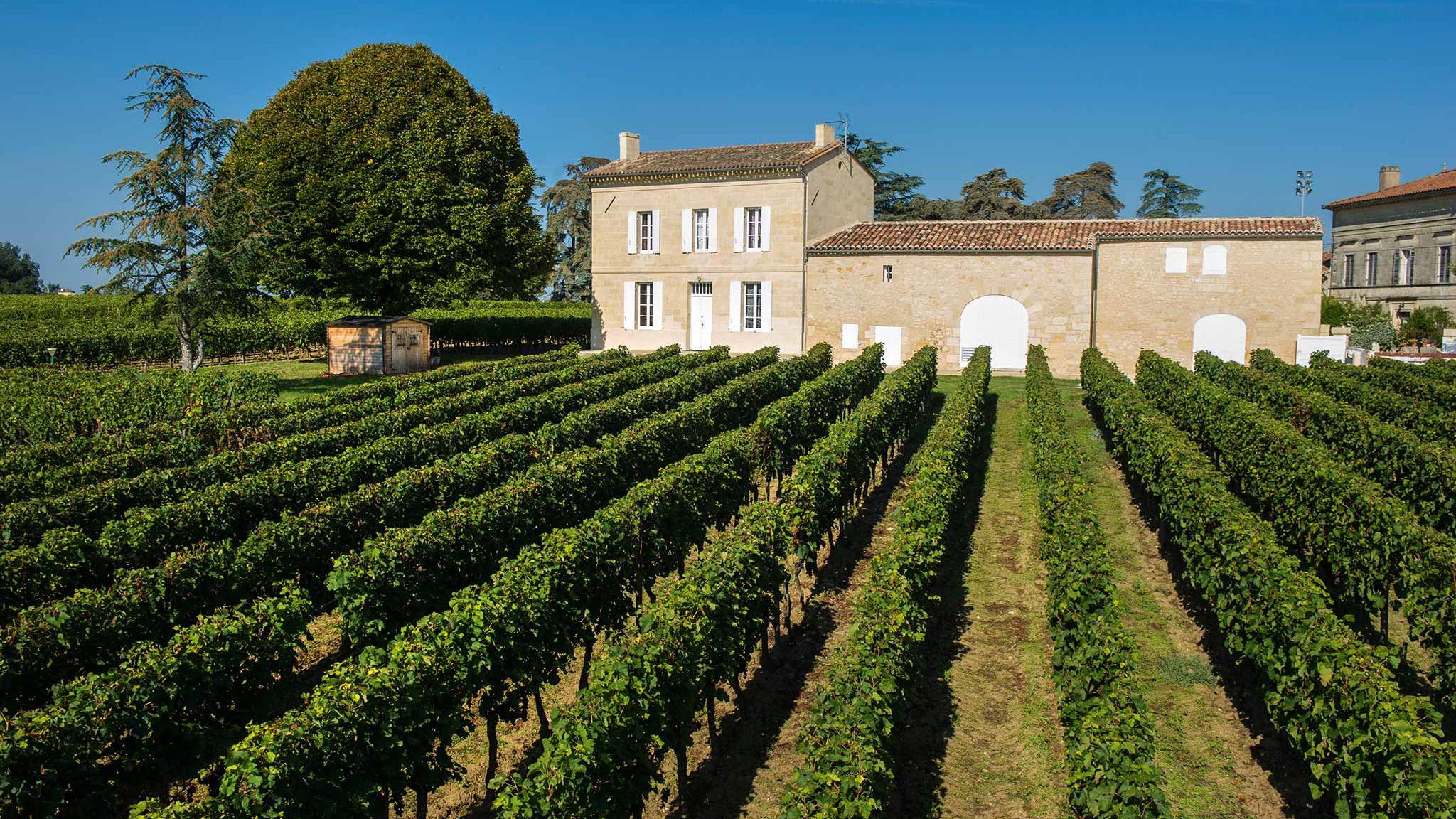
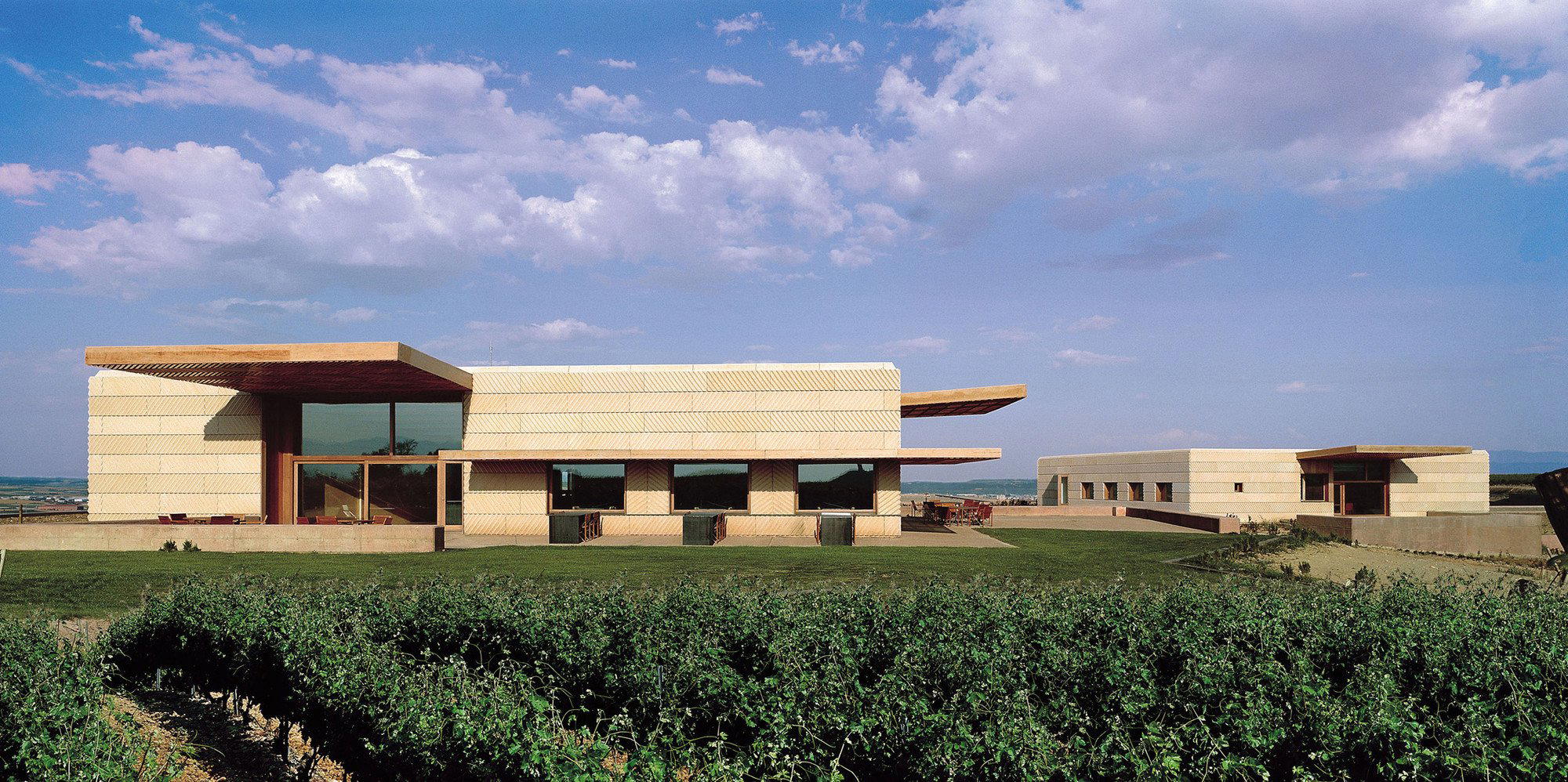
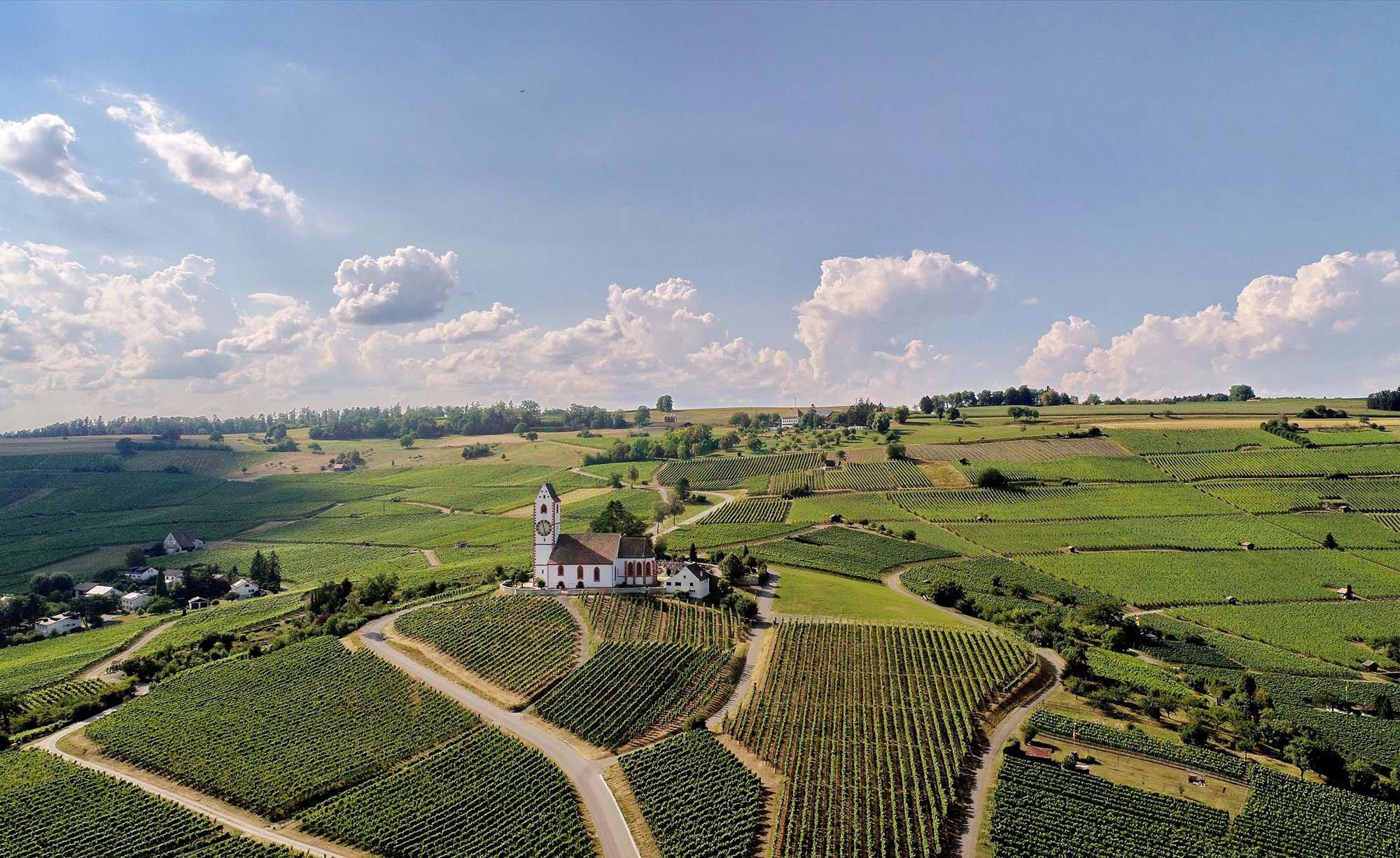
JONATA reads like a serious, quietly polished estate rather than a tourist-facing winery. The tone is controlled and refined: prestige-tier ratings, limited-release allocations and a property that keeps its gate mostly closed all point toward an understated, modern elegance. Visitors encounter a landscape-first sensibility—Santa Ynez’s working agricultural stretch rather than theatrical tasting pavilions—so the experience feels scenic and reserved. The overall impression is of a sophisticated, discreet producer where attention is on site specificity and the wines themselves rather than spectacle.
Best For
This is a stop for people who come with purpose: collectors, students of terroir and couples seeking a composed, elevated experience. The estate’s prestige positioning and constrained distribution make it well suited to wine-education visits, special-occasion tastings and intimate getaways that prioritize quality over convenience. It’s less a casual drop-in and more a destination for visitors who want to engage with focused, site-driven wines and the argument the winery is making about varietal potential in the Santa Ynez Valley.
Tasting Tips
Access is a core part of the story: JONATA operates at a prestige level where wines often move through allocation lists and the gate stays mostly closed. Prospective visitors should approach with the expectation that releases may be limited and that direct channels or prior arrangements are the likeliest way to secure access. Treat inquiries as purposeful—ask about allocations, release timing and any appointment or invitation-only practices rather than assuming walk-in availability.
Venue details
Ambiance
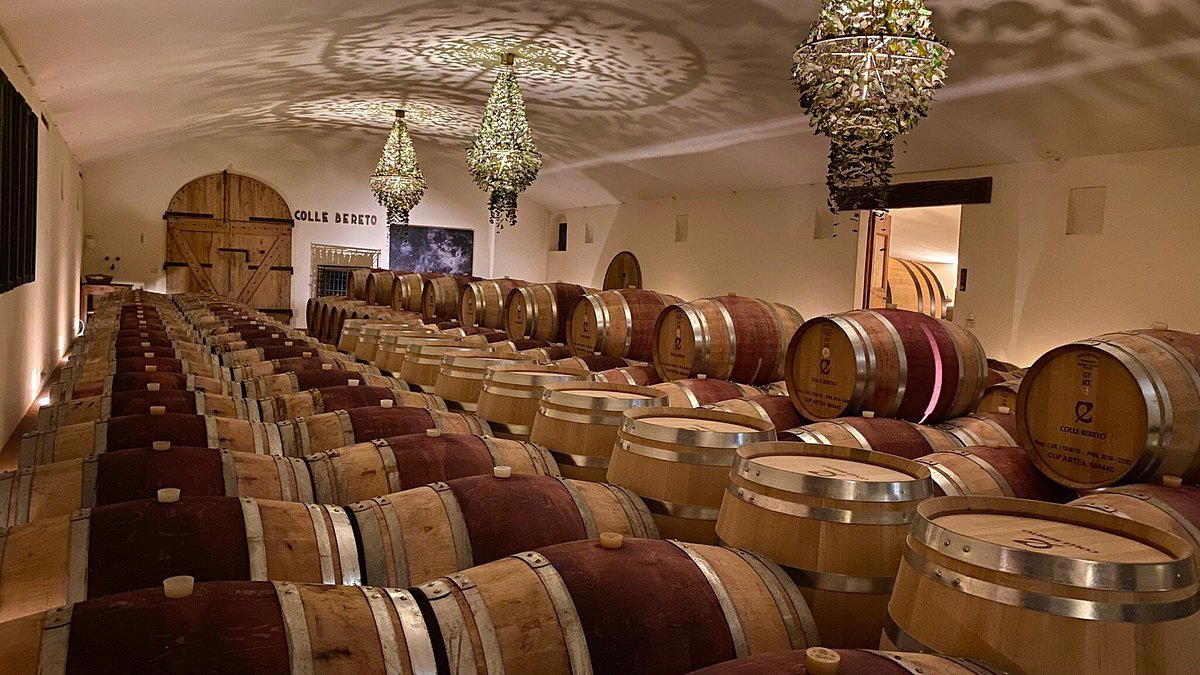
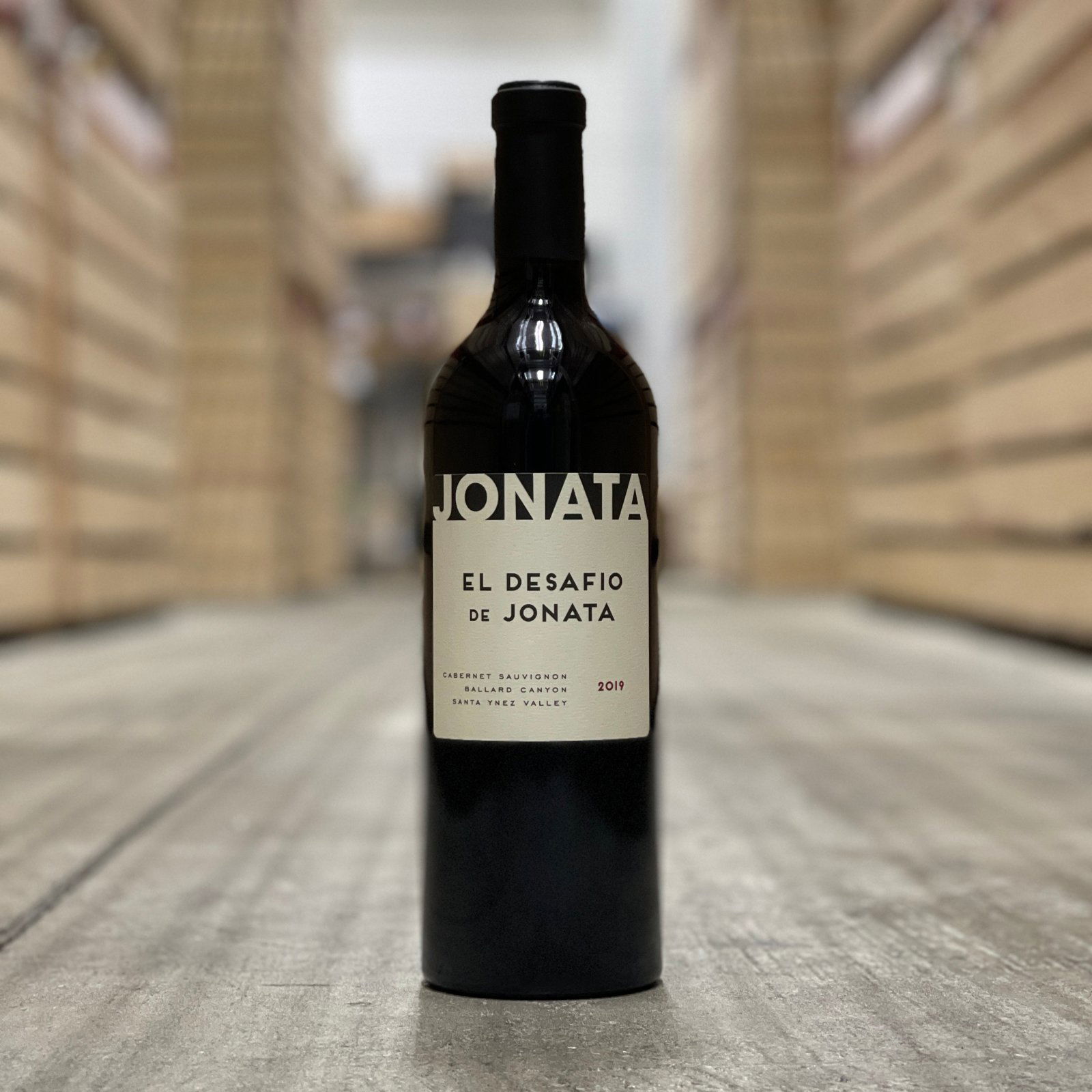
Modern, state-of-the-art facility with dramatic estate grounds; wines are darkly hued, intense, and structured with sophisticated complexity.
Tags
Vibe
Best For
Experience
Sourcing
View
At the Vineyard
- Appellation
- Ballard Canyon AVA
- Varietals
- Syrah, Cabernet Sauvignon, Cabernet Franc, Sangiovese, Petit Verdot
- Tour Duration
- 90-120 minutes
- Tour Languages
- English
- Visits
- By appointment only
- Farming
- Sustainable
- Wine Styles
- Still Red, Still White
- Shipping
- Available
- Wine Club
- Available
Know before you go
Know Before You Go
- Getting there
- 73 Thomas Rd, Buellton, CA 93427, United States
Planning details
Location
Recognition and awards

Also consider
Also Consider
- Crawford Family Wines, Notable alternative
- Standing Sun Wines, Notable alternative
- Ken Brown Wines, Notable alternative
- DorWood Distillery, Notable alternative
- Kalyra Winery, Notable alternative
Winery context
How It Compares
Against Crawford Family Wines, Standing Sun Wines, and Ken Brown Wines, JONATA is the better pick when the priority is a higher-conviction wine stop and the group is comfortable planning ahead. Those peers make more sense for visitors who want a less pressured itinerary or are building a multi-stop tasting day.
Kalyra Winery is the more practical Santa Ynez cross-shop if availability is the deciding factor. Choose Kalyra when the group wants a simpler local option; choose JONATA when the point of the day is to concentrate time and budget on one stronger signal of quality.
DorWood Distillery is not a like-for-like substitute, but it is useful for mixed groups where not everyone wants another wine tasting. If the group is split between wine and spirits, DorWood can reduce planning friction; if the group is wine-focused, keep JONATA ahead of it.
Explore Santa Ynez
Around this place
Discover more on Pearl
Unlock the full JONATA guide in Pearl, including awards, comparisons, FAQs, planning details, and nearby places.
Compare JONATA
| Venue | Location | Awards |
|---|---|---|
| JONATA | Santa Ynez | 2026 Falstaff Winery Guide |
| Crawford Family Wines | Buellton | No published awards |
| Standing Sun Wines | Buellton | No published awards |
| Ken Brown Wines | Buellton | No published awards |
| DorWood Distillery | Buellton | No published awards |
| Kalyra Winery | Santa Ynez | No published awards |
How JONATA Santa Ynez compares with similar nearby venues.
FAQ
Frequently Asked Questions
Do I need a reservation at JONATA?
If JONATA is on your Santa Ynez list, check directly with the venue before planning around it. Its Pearl 2 Star Prestige (2025) recognition is a reason to plan carefully, but it does not by itself confirm access details.
How long should I plan for a visit to JONATA?
When is the best time to visit JONATA?
What other venues can I compare with JONATA?
For comparison while planning, consider Crawford Family Wines, Standing Sun Wines, Ken Brown Wines, Kalyra Winery, and DorWood Distillery. JONATA is the option with Pearl 2 Star Prestige (2025), while the right choice depends on the details you confirm for your own itinerary.