
Weingut Bassermann-Jordan
Deidesheim
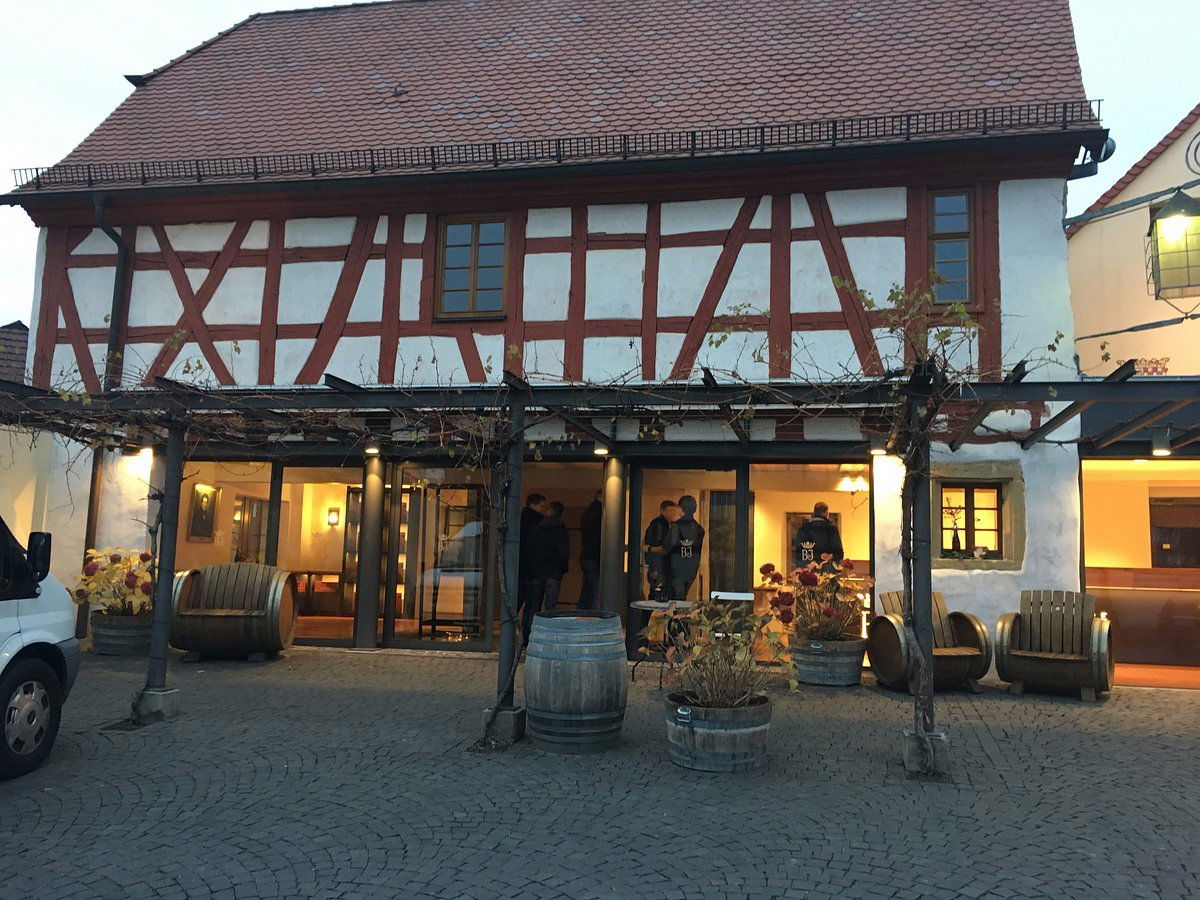
Winery in Deidesheim, Germany
 Book with Pearl
The Read
Mittelhaardt GG Precision
Price
$20–30tasting
Why go
Choose Weingut Bassermann-Jordan when the Deidesheim stop needs a serious Pfalz anchor rather than a casual tasting add-on. It suits special-occasion and business-minded wine itineraries, especially if Riesling and producer pedigree are the point. Cross-shop nearby Deidesheim peers if flexibility matters more than securing a harder-to-plan estate visit.
About Weingut Bassermann-Jordan
Weingut Bassermann-Jordan is a Deidesheim venue with Pearl 3 Star Prestige recognition for 2025. Use it as a planning candidate for a Deidesheim-focused itinerary, and check menus, tastings, opening hours, prices, and services directly before making firm plans.
The practical verdict is simple: it is worth considering if you want a recognised Deidesheim name and are comfortable checking visit details directly before making plans. The dress code is smart casual, so plan accordingly. For a broader route, compare it with Weingut Reichsrat von Buhl or Weingut Von Winning, and keep the schedule focused enough that each stop has enough time.
Why it works for a serious Deidesheim itinerary
Weingut Bassermann-Jordan stands out because it has Pearl 3 Star Prestige recognition for 2025. That is the strongest reason to put it on a shortlist. For details such as visit format, bottle lineup, prices, food, or appointment requirements, check with the venue rather than assuming.
Convenience details can shape the itinerary. If you are building a flexible day, use the full Deidesheim wineries guide to identify alternatives before committing your schedule. If the stop is part of a larger visit, it can also help to review the Deidesheim restaurants guide and the Deidesheim hotels guide while checking winery plans separately.
Who should prioritise it, and who should cross-shop
Prioritise Weingut Bassermann-Jordan if you want a Deidesheim venue with Pearl 3 Star Prestige recognition and a smart casual setting. Cross-shop if your plans depend on details such as hours, food service, pricing, shipping, or a specific visit format. In those cases, check directly before building the day around it.
For readers comparing recognised names, keep the choice specific to the route you are building. Weingut A. Christmann, Weingut Dr. Bürklin-Wolf, Weingut Georg Mosbacher, Weingut Reichsrat von Buhl, and Weingut Von Winning are natural points of comparison depending on the itinerary. Other dining in Deidesheim can round out the day, while Weingut Bassermann-Jordan works best as a recognised Deidesheim stop rather than a place to load with assumptions about extras.
Planning details
- Location
- Kirchgasse 10, 67146 Deidesheim
- Website
- bassermann-jordan.de
- Phone
- +49 6326 6006
The take
The Take
The Vibe
Weingut Bassermann-Jordan reads as a terroir-first, refinement-minded estate. The copy emphasizes multi-generational site-focused viticulture, formal recognition (a Pearl 3 Star Prestige rating) and careful cellar work, situating the house among the region’s serious producers. The tone is measured and exacting: this is a place where vineyard site, soil and microclimate are arguments in the bottle. Visitors encounter a producer that prizes clarity and longevity in its Rieslings rather than flash; the overall impression is of disciplined winemaking and a sophisticated, wine-centric atmosphere grounded in place and history.
Best For
The estate is best for visitors who come to study Pfalz terroir and to mark meaningful moments. Its emphasis on classified Lagen, site expression and cellar discipline makes it a natural stop for wine-education visits—tastings that reward attention to soil, exposure and ageing potential. The winery’s formal standing and lineage also make it appropriate for special-occasion visits where provenance and seriousness matter. Enthusiasts looking to compare single-vineyard Rieslings or to explore ageworthy examples find the estate particularly rewarding.
Tasting Tips
Focus on the Rieslings and any site-designated bottlings when tasting here. The Pfalz expression described in the text leans toward fuller-bodied Riesling with stone-fruit character and the structure to age; seek out vineyard-labeled wines or older vintages to experience that clarity and development. Ask about the estate’s prestige-rated bottlings and any cellar-released or reserve cuvées—those are most likely to showcase the site-focused approach and the careful cellar work noted in the description.
Venue details
Ambiance
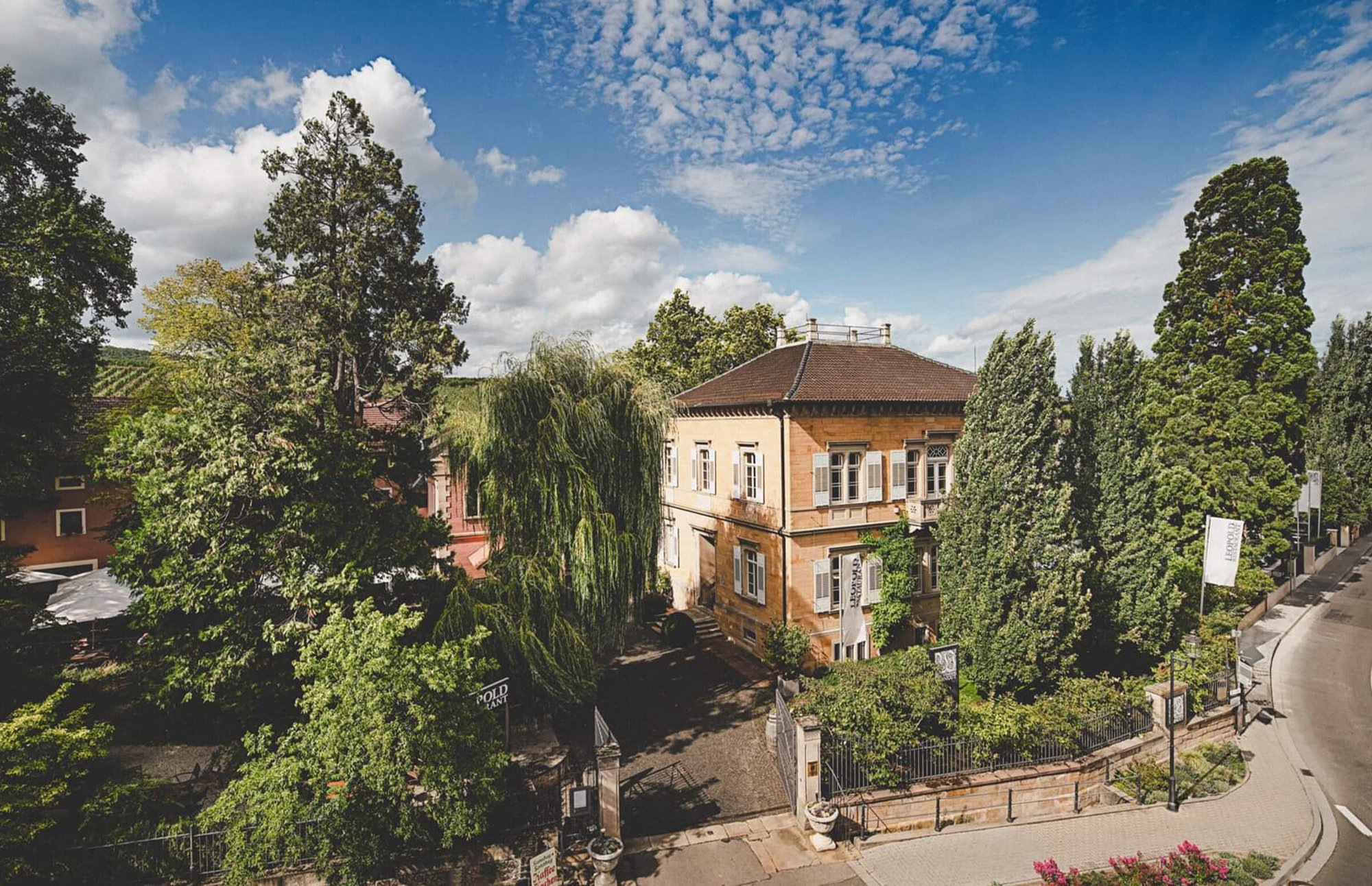
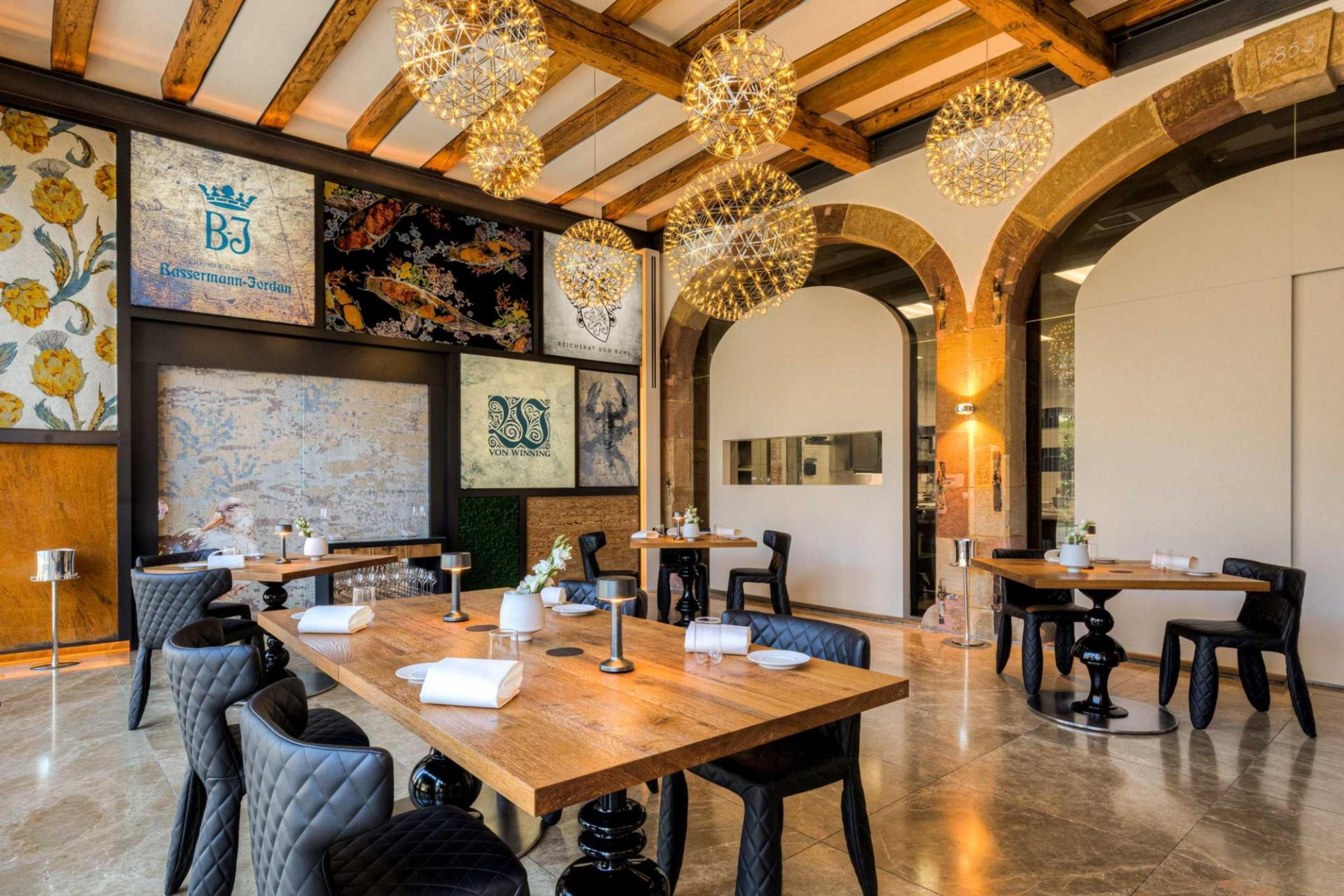
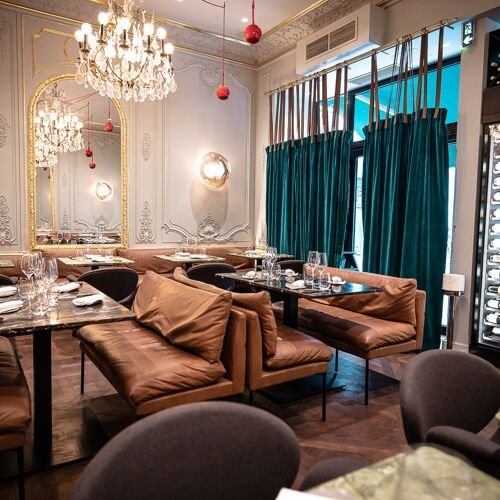
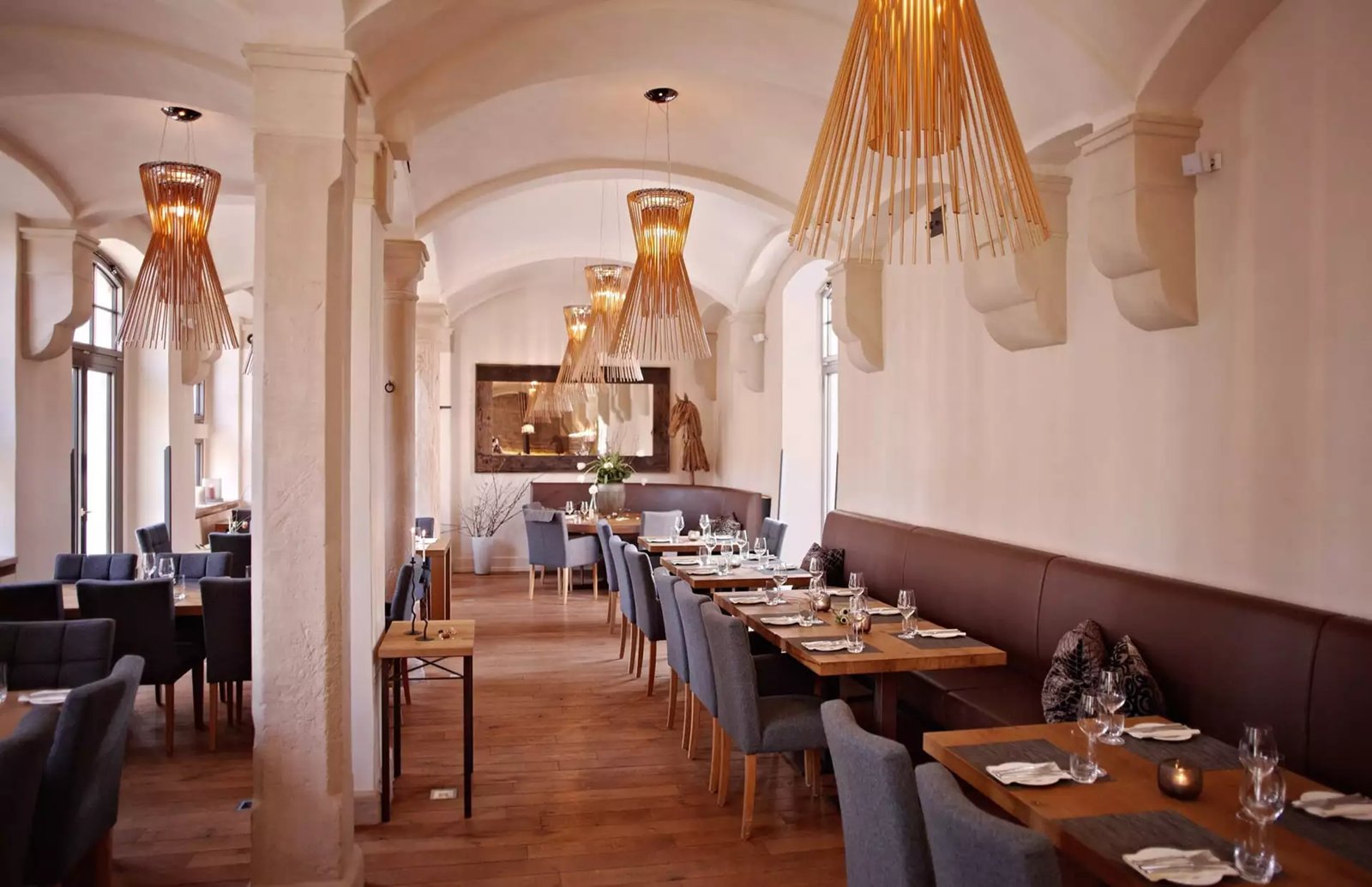
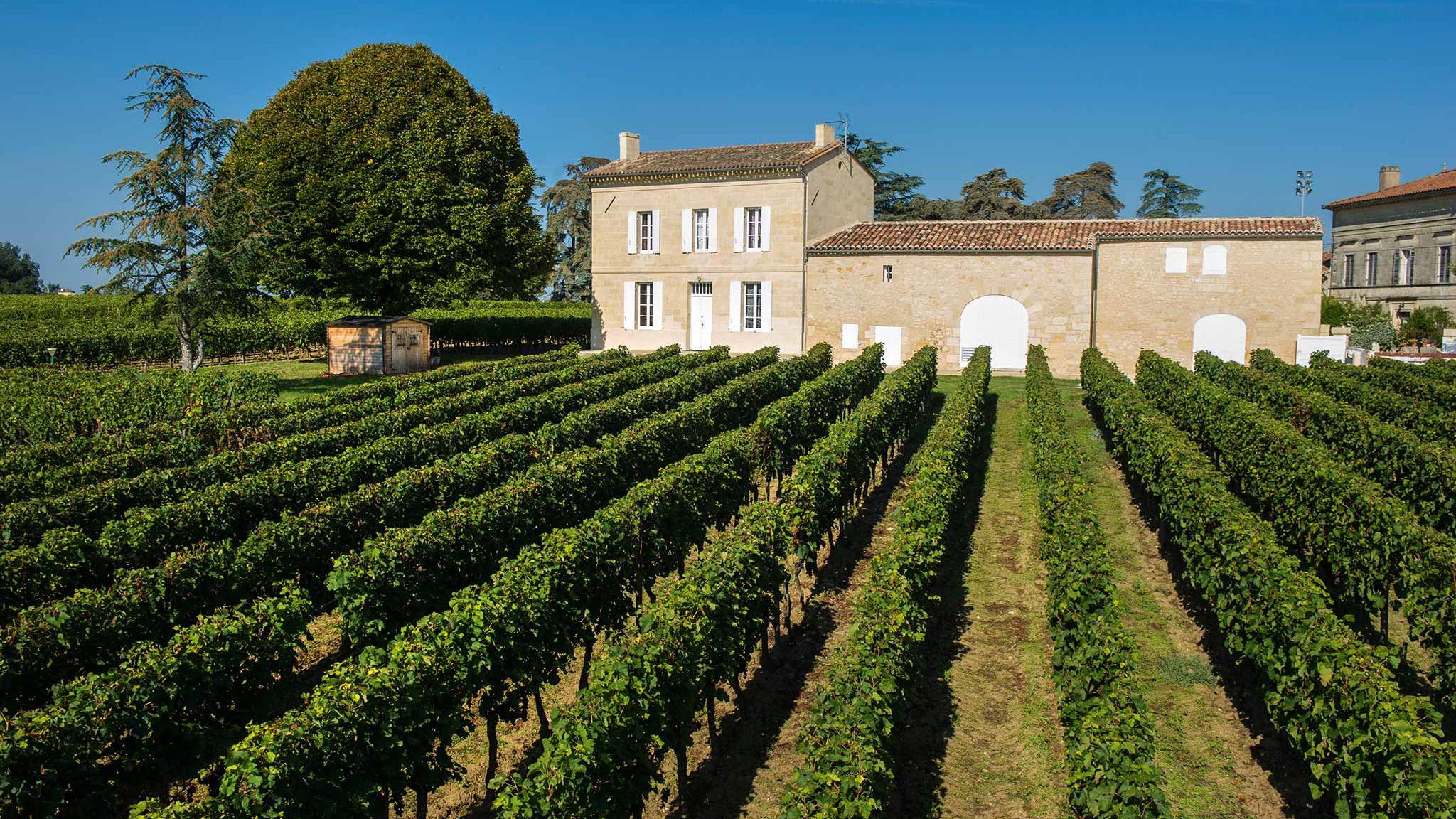
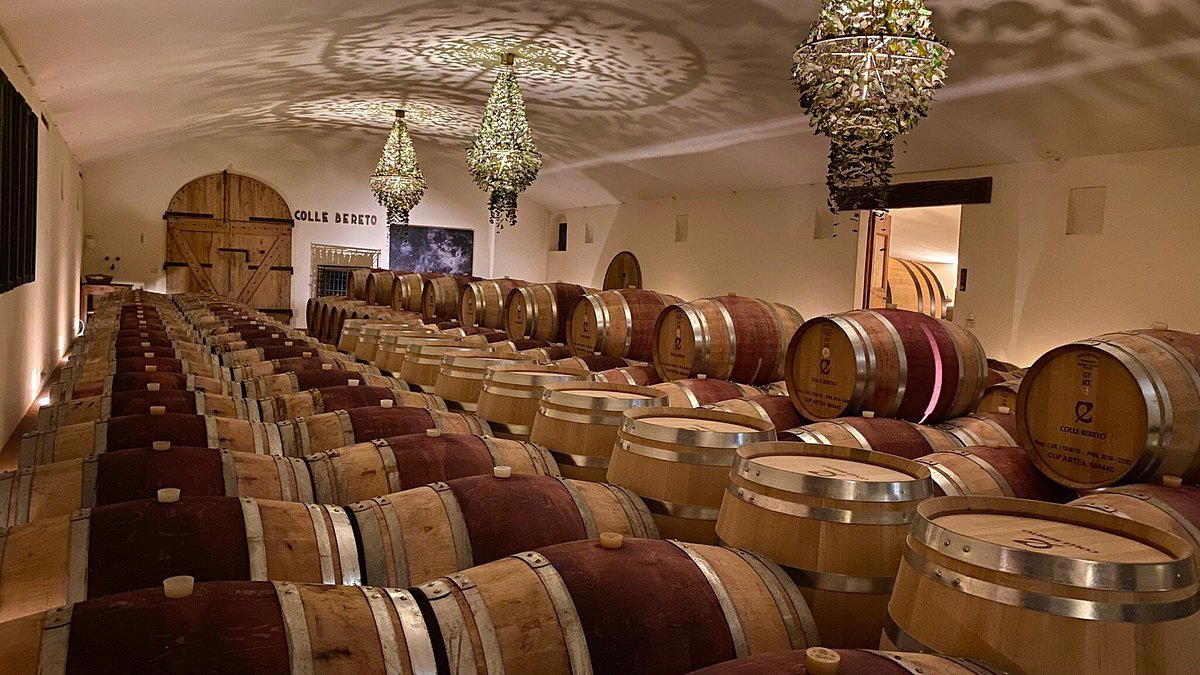
Traditional sandstone vaulted cellars with gentle aging in wooden casks, evoking a sophisticated and storied atmosphere.
Tags
Vibe
Best For
Experience
Sourcing
View
At the Vineyard
- Appellation
- Pfalz
- Varietals
- Riesling, Chardonnay, Pinot Blanc, Pinot Gris, Scheurebe
- Tour Duration
- 60-90 minutes
- Tour Languages
- German, English
- Visits
- By reservation
- Farming
- Organic
- Production
- Mid-size producer
- Wine Styles
- Still White, Still Red
- Wine Club
- Not available
Know before you go
Know Before You Go
- Getting there
- Kirchgasse 10, 67146 Deidesheim
Planning details
Location
Recognition and awards

Also consider
Also Consider
- Weingut Reichsrat von Buhl, Notable alternative
- Weingut Von Winning, Notable alternative
- Weingut Georg Mosbacher, Notable alternative
- Weingut Dr. Bürklin-Wolf, Notable alternative
- Weingut A. Christmann, Notable alternative
Winery context
How it compares in Deidesheim
Against Weingut Reichsrat von Buhl and Weingut Von Winning, Weingut Bassermann-Jordan is the pick when the brief is heritage, occasion value, and a serious Pfalz address. Reichsrat von Buhl is the cleaner cross-shop for visitors who want another Deidesheim benchmark, while Von Winning is useful if the group wants to compare a nearby producer without leaving town.
Weingut Georg Mosbacher, Weingut Dr. Bürklin-Wolf, and Weingut A. Christmann are better treated as regional cross-shops rather than same-stop substitutes. Pick them when the itinerary can stretch beyond Deidesheim and the goal is broader Pfalz comparison. Stay with Bassermann-Jordan when the day needs one central, celebration-worthy anchor.
For booking strategy, treat Bassermann-Jordan as the least casual choice in this set. If plans are fixed, put it first and build the day around it. If the group needs flexibility, keep Reichsrat von Buhl or Von Winning as the more practical Deidesheim alternatives.
Explore Deidesheim
Around this place
Discover more on Pearl
Unlock the full Weingut Bassermann-Jordan guide in Pearl, including awards, comparisons, FAQs, planning details, and nearby places.
Compare Weingut Bassermann-Jordan
| Venue | Location | Awards |
|---|---|---|
| Weingut Bassermann-Jordan | Deidesheim | 2026 Falstaff Winery Guide |
| Weingut Reichsrat von Buhl | Deidesheim | 2026 Falstaff Winery Guide |
| Weingut Von Winning | Deidesheim | 2026 Falstaff Winery Guide |
| Weingut Georg Mosbacher | Forst an der Weinstraße | 2026 Falstaff Winery Guide |
| Weingut Dr. Bürklin-Wolf | Wachenheim an der Weinstraße | 2026 Falstaff Winery Guide |
| Weingut A. Christmann | Neustadt an der Weinstraße | 2026 Falstaff Winery Guide |
How Weingut Bassermann-Jordan Deidesheim compares with similar nearby venues.
FAQ
Frequently Asked Questions
Does Weingut Bassermann-Jordan have a wine club?
Before joining any wine club, check the current terms directly with Weingut Bassermann-Jordan and decide whether they fit how often you expect to buy from or visit Deidesheim.
Does Weingut Bassermann-Jordan ship wine?
When is the best time to visit Weingut Bassermann-Jordan?
Does Weingut Bassermann-Jordan serve food?
Check with the venue before planning on a meal at Weingut Bassermann-Jordan.
How long should I plan for a visit to Weingut Bassermann-Jordan?
Ask the venue about the current visit format, then plan your Deidesheim schedule around that timing.