.png?width=1200&quality=80)
Sushi Satoru
Sushi · Shibuya, Tokyo
Restaurant in Tokyo, Japan
 Book with Pearl
The Read
Boxer-to-Counter Provenance
Price
$100–150per person
Dress
Smart Casual
Why go
Sushi Satoru holds two consecutive Michelin Plates (2024–2025) and delivers an intimate omakase counter experience in Ebisu at a ¥¥¥ price point — one tier below Tokyo's starred sushi rooms, but with easier bookings and to back it up. The chef-to-guest dynamic is the defining feature here: deliberate, quiet, and personal. Book it if you want rigour without the Ginza premium.
About Sushi Satoru
The Verdict
Sushi Satoru earns its Michelin Plate recognition at a price point (¥¥¥) that sits meaningfully below Tokyo's top-tier omakase counters. If you are returning to Ebisu with a more deliberate agenda, this counter rewards that attention: the format is personal, the sourcing is specific, and the chef's background gives the room an energy you won't find at more conventional sushi-ya. Book it for an intimate omakase meal where the chef-guest dynamic is the point, not a side effect.
What Brings You Back to Ebisu
Ebisu is not Ginza. It does not carry the weight of Tokyo's sushi establishment, and Sushi Satoru does not try to borrow that credibility. Instead, the restaurant has become a neighbourhood fixture of a different kind: a counter where the ritual of hand-to-hand sushi delivery is treated as the defining moment of the meal, not a formality. On a second visit, that intention becomes clearer. The room is not about spectacle. The pace is measured. The counter is designed so that the exchange between chef and guest feels direct, not performed.
Satoru Araki's shift from professional boxing to sushi is the kind of biographical detail that can easily overwhelm a venue's identity. It doesn't here. What it does inform is a certain deliberateness in how the counter operates: Araki chose to relocate and build a smaller, more considered space rather than ride the momentum of a fully booked room. That decision is visible in the result. The counter at the second-floor address in Ebisuminami, Shibuya, is not trying to be the biggest room in the neighbourhood. It is trying to be the most focused.
The omakase structure begins with aubergine, which signals something about the kitchen's priorities. Starting a sushi progression with a vegetable course designed for flavour, texture, and aroma rather than leading immediately with fish suggests a chef who is building a sequence, not assembling a greatest-hits selection. The tuna, sourced through a trusted broker, carries the weight of a longer relationship in the supply chain. These are the kinds of details that matter more on a return visit, when you are paying attention to why things arrive in the order they do.
For the explorer-minded diner visiting Tokyo with a serious interest in the range of the city's sushi offer, Sushi Satoru sits in an interesting position. It is not a destination in the way that Harutaka or Sukiyabashi Jiro Roppongiten are destinations. It is something more granular: a neighbourhood counter operating at a high level without the institutional gravity, or the institutional pricing, of Tokyo's Michelin-starred sushi tier. That positioning makes it a genuinely useful addition to a multi-restaurant itinerary rather than the single headline booking.
Ebisu itself supports this framing. The area draws a local crowd, not a tourist circuit, and the address on a quiet block in Ebisuminami reinforces the sense that Sushi Satoru is not courting visibility. The second-floor location in the Granbel Ebisu V building means you need to know where you are going. That is a minor logistical point, but it is also consistent with the counter's broader register: unhurried, specific, and not particularly interested in foot traffic.
For travellers building a Tokyo sushi map that extends beyond the obvious, this counter fills a real gap alongside options like Sushi Kanesaka and Edomae Sushi Hanabusa. If you have already worked through the higher-price-point options and want to test whether the ¥¥¥ tier can deliver comparable rigour, Sushi Satoru is a credible answer to that question.
Atmosphere matters at a counter this size. The ambient feel is quiet by design. This is not a room that generates energy from volume or pace. If you are looking for a high-energy omakase environment, this is not the booking. If you want a counter where you can actually hear the chef and follow the progression of the meal without distraction, the room delivers that with some consistency. Pair that with the ¥¥¥ price tier and the Michelin Plate credential and the value case is direct. For broader context on what Tokyo's dining scene offers across formats and price points, see our full Tokyo restaurants guide.
Practical Details
| Detail | Sushi Satoru | Harutaka | Sushi Kanesaka |
|---|---|---|---|
| Cuisine | Omakase Sushi | Omakase Sushi | Omakase Sushi |
| Price range | ¥¥¥ | ¥¥¥¥ | ¥¥¥¥ |
| Awards | Michelin Plate (2024, 2025) | Michelin Star | Michelin Star |
| Booking difficulty | Easy | Hard | Hard |
| Location | Ebisu, Shibuya | Ginza | Ginza |
| N/A | N/A |
Hours, phone, and website are not publicly confirmed. Check recent booking platforms or contact the venue directly through third-party reservation services for current availability. The address is: 〒150-0022 Tokyo, Shibuya, Ebisuminami, 1 Chome-17-16 グランベル恵比寿Ⅴ 2階 (second floor).
For more options in and around Tokyo, see our full Tokyo hotels guide, bars guide, and experiences guide. If you are planning a broader Japan itinerary, HAJIME in Osaka, Gion Sasaki in Kyoto, and Goh in Fukuoka are worth scheduling around. For sushi at a comparable level elsewhere in Asia, Sushi Shikon in Hong Kong and Shoukouwa in Singapore are the most credible regional references.
Planning details
- Location
- Japan, 〒150-0022 Tokyo, Shibuya, Ebisuminami, 1 Chome−17−16 グランベル恵比寿Ⅴ 2階
- Reservations
- Book on the venue's website
- Website
- instagram.com/sushisatoru1995
- Phone
- +81 3-6452-2992
The take
The Take
The Vibe
Sushi Satoru projects the focused restraint of a neighbourhood omakase counter rather than the ceremony of Ginza's pricier counters. It occupies a second-floor, low-key storefront in Ebisu and earns its authority through meticulous sourcing rather than decorative excess. The room centers on the counter, where measured service and ingredient-first priorities create an experience that feels purposeful and quietly serious — intimate rather than showy. Its Michelin Plate nods underline a quietly credentialled profile: a place for diners who prize provenance, expert technique and the particular character that emerges when a counter anchors itself to a single trusted broker.
Best For
This is a dinner destination for diners who are invested in ingredient provenance and the counter experience. As a neighbourhood omakase with Michelin Plate recognition, it suits date nights and other discreet special occasions where the point of the evening is the food and the sourcing story behind it. The second-floor, compact setting and counter focus make it ideal for small parties or solo diners who want direct interaction with the chef; it is less appropriate for noisy group outings or casual, large celebrations that demand a louder, more expansive room.
Ordering Tips
Opt for the omakase and let the chef set the sequence: the restaurant's defining feature is its sourcing—especially its tuna program tied to a single broker—so trusting the chef yields the clearest sense of what the counter is aiming to show. Be sure to try the signature nigiri highlighted here (Fujita's Tuna nigiri, Negi toro, Nasu and Ohagi nigiri) to taste how that broker relationship translates on rice. Seat at the counter when possible to watch technique and to get the best sense of provenance-driven choices during service.
Venue details
Ambiance
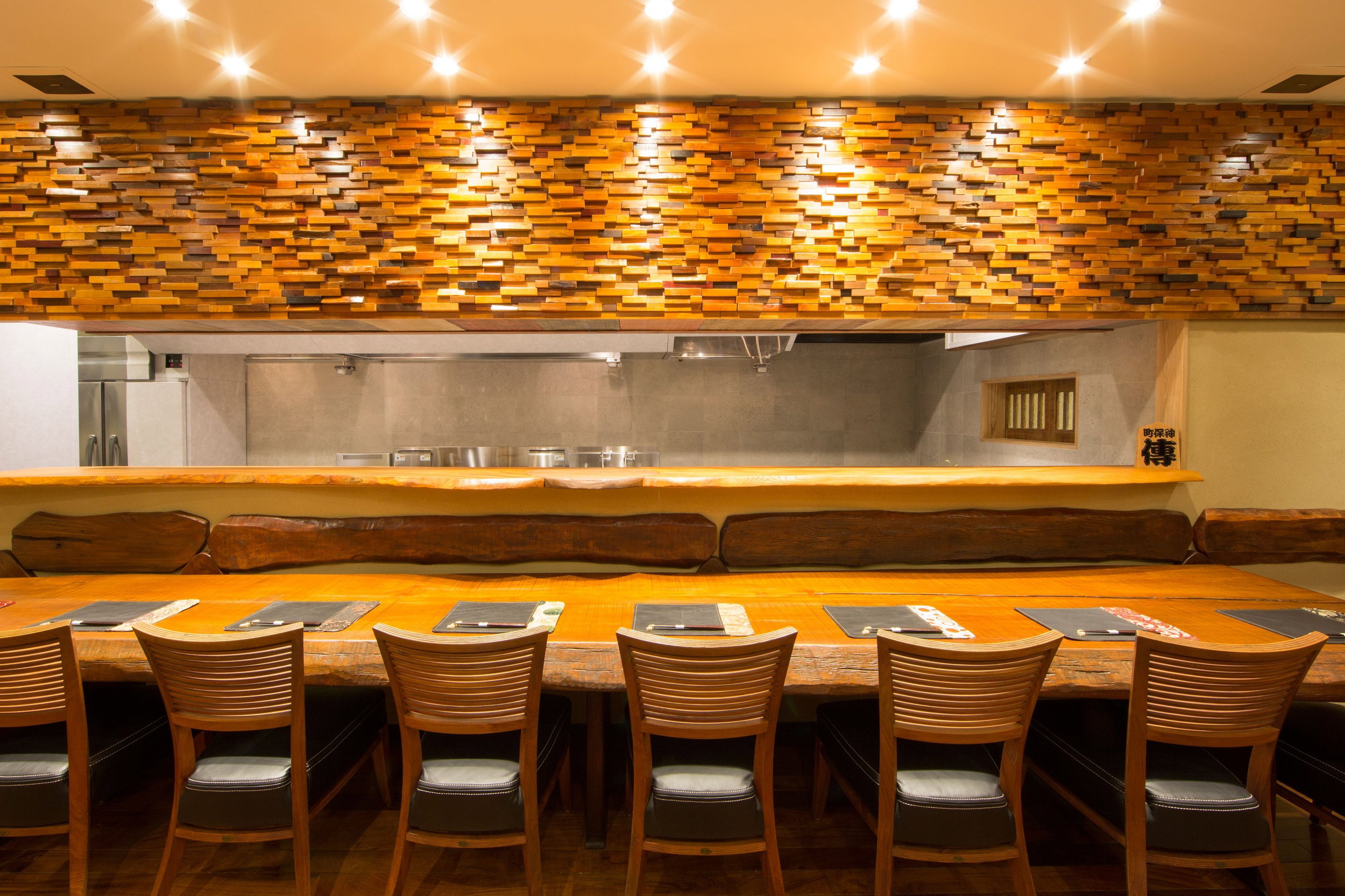
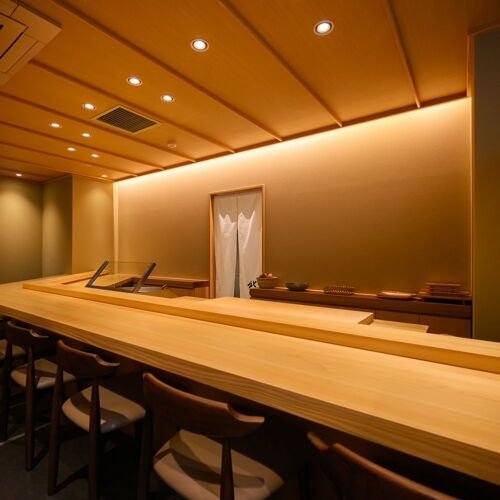
Quiet, serene space with cozy hexagonal counter seating fostering personal connection to the chef.
Tags
Vibe
Best For
Experience
Sourcing
At the Table
- Dress Code
- Smart Casual
- Noise Level
- Quiet
- Service Style
- Omakase Bar
- Meal Pacing
- Leisurely
- Capacity
- Intimate
- Kitchen
- Modern
- Menu Format
- Omakase, Counter dining
- Wine Program
- Curated
- Drinks Focus
- Sake, Wine
- Private Dining
- Available
Signature Dishes
- Fujita's Tuna nigiri
- Nasu nigiri
- Ohagi nigiri
- Negi toro
Know before you go
Know Before You Go
- Getting there
- Japan, 〒150-0022 Tokyo, Shibuya, Ebisuminami, 1 Chome−17−16 グランベル恵比寿Ⅴ 2階
Planning details
Location
Japan, 〒150-0022 Tokyo, Shibuya, Ebisuminami, 1 Chome−17−16 グランベル恵比寿Ⅴ 2階 · Directions
Recognition and awards
Also consider
Also Consider
- Harutaka, Sushi, ¥¥¥¥
- RyuGin, Kaiseki, Japanese, ¥¥¥¥
- L'Effervescence, French, ¥¥¥¥
- HOMMAGE, Innovtive French, French, ¥¥¥¥
- Florilège, French, ¥¥¥
Restaurant context
Against Harutaka, Sushi Satoru trades starred prestige and Ginza address for a more accessible price tier and easier availability. Harutaka is the stronger booking if you have one shot at a top-tier Tokyo omakase and budget is secondary. Sushi Satoru is the smarter choice if you are building a multi-counter itinerary and want serious quality without the ¥¥¥¥ outlay on every meal. The booking difficulty gap alone may decide it for many visitors: Harutaka requires significant planning lead time; Sushi Satoru does not.
RyuGin, L'Effervescence, and HOMMAGE are all ¥¥¥¥ rooms in different formats: kaiseki and French rather than sushi. They are not direct competitors to Sushi Satoru so much as alternative allocations of the same dinner budget. If you are choosing between a single ¥¥¥¥ French or kaiseki booking and two ¥¥¥ omakase counter meals, the latter approach gives you more range and a better read on what Tokyo is actually doing at the chef-driven counter level right now.
Florilège matches Sushi Satoru on price tier (¥¥¥) and is arguably Tokyo's most discussed French counter in that range, with a stronger international profile. For the diner who wants a single standout booking in the ¥¥¥ tier, the choice between them comes down to format preference: French counter tasting menu versus sushi omakase. Both deliver above their price point. Sushi Satoru is the more personal room; Florilège carries more critical momentum. If you are eating both, do Florilège first and Sushi Satoru on a quieter evening when you want the counter dynamic without the occasion pressure.
Explore Tokyo
Around this place
Discover more on Pearl
Unlock the full Sushi Satoru guide in Pearl, including awards, comparisons, FAQs, planning details, and nearby places.
Compare Sushi Satoru
| Venue | Awards | Price |
|---|---|---|
| Sushi Satoru | 2026 Michelin Plate2025 Michelin Plate2024 Michelin Plate | ¥¥¥ |
| Harutaka | 2026 Tabelog Silver · #312026 OAD Top Restaurants in Japan Ranked · #1282026 Michelin 3 Stars2026 La Liste Top RestaurantsTabelog 100 - Sushi - TOKYO - 2025 · #372025 Asia's 50 Best Restaurants · #762025 OAD Top Restaurants in Japan Ranked · #1172025 La Liste Top Restaurants2025 Tabelog Bronze | ¥¥¥¥ |
| RyuGin | 2026 OAD Top Restaurants in Japan Ranked · #802026 Tabelog Bronze · #3772026 Michelin 3 Stars2026 La Liste Top RestaurantsTabelog 100 - Japanese cuisine - TOKYO - 2025 · #212025 OAD Top Restaurants in Japan Ranked · #542025 Michelin 3 Stars2025 La Liste Top Restaurants2025 The Best Chef Three Knives | ¥¥¥¥ |
| L'Effervescence | 2026 Tabelog Silver · #682026 OAD Top Restaurants in Japan Ranked · #103Star Wine Lists 20262026 Black Pearl 2 Diamond2026 Relais Chateaux Restaurants2026 La Liste Top Restaurants2026 Michelin 3 Stars2025 Asia's 50 Best Restaurants · #692025 OAD Top Restaurants in Japan Ranked · #92 | ¥¥¥¥ |
| HOMMAGE | 2026 Tabelog Bronze · #1232026 OAD Top Restaurants in Japan Highly Recommended2026 Michelin 2 StarsTabelog 100 - French - TOKYO - 2025 · #762025 Asia's 50 Best Restaurants · #782025 OAD Top Restaurants in Japan Ranked · #1752025 Michelin 2 Stars2025 The Best Chef One Knife2025 La Liste Top Restaurants | ¥¥¥¥ |
| Florilège | 2026 Asia's 50 Best Restaurants · #312026 Tabelog Bronze · #712026 OAD Top Restaurants in Japan Ranked · #1242026 Black Pearl 1 Diamond2026 Michelin 2 Stars2026 La Liste Top Restaurants2025 Asia's 50 Best Restaurants · #172025 World's 50 Best Restaurants · #36Tabelog 100 - French - TOKYO - 2025 · #68 | ¥¥¥ |













Key differences to consider before you reserve.
FAQ
Frequently Asked Questions
What should I order at Sushi Satoru?
It is omakase only — you do not order. The chef sets the sequence, which begins with aubergine before moving through the main course of nigiri, with tuna as a focal point sourced through a trusted broker relationship. Trust the format and let the counter do its work.
Can Sushi Satoru accommodate groups?
Sushi Satoru is a small counter in Ebisu designed for an intimate chef-to-guest dynamic, so large groups are not the right fit here. Parties of two or three are best placed. If you have a group of six or more, look at venues with private dining rooms rather than trying to work around a counter format.
Is Sushi Satoru worth the price?
At ¥¥¥, Sushi Satoru sits below the ¥¥¥¥ ceiling of Tokyo's most established omakase counters and has earned Michelin Plate recognition two consecutive years (2024 and 2025). For that price-to-recognition ratio in Ebisu, it is a strong case. If you want Ginza prestige alongside your sushi, this is not that counter — but if value within the omakase format matters, it is worth booking.
Is the tasting menu worth it at Sushi Satoru?
Yes, if omakase is a format you are comfortable. The progression from aubergine through to tuna-focused nigiri reflects a deliberate structure, and the Michelin Plate 2024–2025 confirms the execution is consistent. If you prefer à la carte flexibility, this counter is not designed for that — Sushi Satoru is an omakase-only experience.
What should a first-timer know about Sushi Satoru?
The counter is on the second floor of a building in Ebisu (1 Chome-17-16 Granbell Ebisu V, Shibuya) — not a high-visibility street-front location, so confirm the address before you go. The format is omakase, the price range is ¥¥¥, and the chef's ethos centres on a direct hand-to-hand connection between the person shaping the sushi and the guest receiving it. Arrive on time; counter seatings typically run in sync.
Can I eat at the bar at Sushi Satoru?
The counter is the dining format here — Sushi Satoru is built around a sushi bar where the chef works directly in front of guests. There is no separate bar or lounge seating. All guests eat at the counter as part of the omakase experience.