

SHIBUYA STREAM HOTEL
Shibuya, Tokyo
Hotel in Tokyo, Japan
 Book with Pearl
The Read
Redevelopment-Anchored Urban Hotel
Price
$200–300per night
Why go
SHIBUYA STREAM HOTEL is worth booking if Shibuya access and an easy, contemporary base matter more than destination dining or resort-style facilities. Its Preferred Hotels membership and MICHELIN Guide hotel selection give it credible quality signals, but with no verified restaurant format or pricing, choose it for location and logistics rather than a food-led stay.
About SHIBUYA STREAM HOTEL
How is SHIBUYA STREAM HOTEL for a Tokyo stay? SHIBUYA STREAM HOTEL is a Tokyo hotel with Preferred Hotels Member status in 2025 and MICHELIN Guide Hotels Selected recognition in 2025. Evaluate it on that recognition and how well it fits your trip, rather than on assumptions about restaurants, amenities, room types, or service style.
For Tokyo hotel planning, the safest approach is to choose by the needs of the trip. Check dining, wellness, room, price, and service details directly before booking. If those details matter, compare current official information before committing.
Good Tokyo hotel candidate, not a dining-first booking
Dining should not be the main reason to choose it. If the meal itself matters, plan restaurants separately and treat the hotel decision as a lodging decision. For a Tokyo stay, that is often the cleaner call: choose the hotel on established recognition and trip fit, then choose meals independently.
Who should choose it over nearby Tokyo hotels
Consider SHIBUYA STREAM HOTEL if its recognition is useful to your shortlist. Other Tokyo options to compare include Hotel Koé Tokyo, Cerulean Tower Tokyu Hotel, Hyatt House Tokyo Shibuya, Hotel Indigo Tokyo Shibuya, and Shibuya Excel Hotel Tokyu. The right choice depends on current rates, availability, room needs, and the specific stay details you confirm before booking.
The strongest case here is simple: SHIBUYA STREAM HOTEL is a Tokyo hotel with Preferred Hotels Member status in 2025 and MICHELIN Guide Hotels Selected recognition in 2025. Beyond that, avoid relying on assumptions and check any practical requirements directly with the hotel.
Planning details
- Location
- 3-chōme-21-3 Shibuya, Tokyo 150-0002
- Website
- tokyuhotels.co.jp/stream-e/index.html
- Phone
- +81 3-3406-1090
The take
The Take
The Vibe
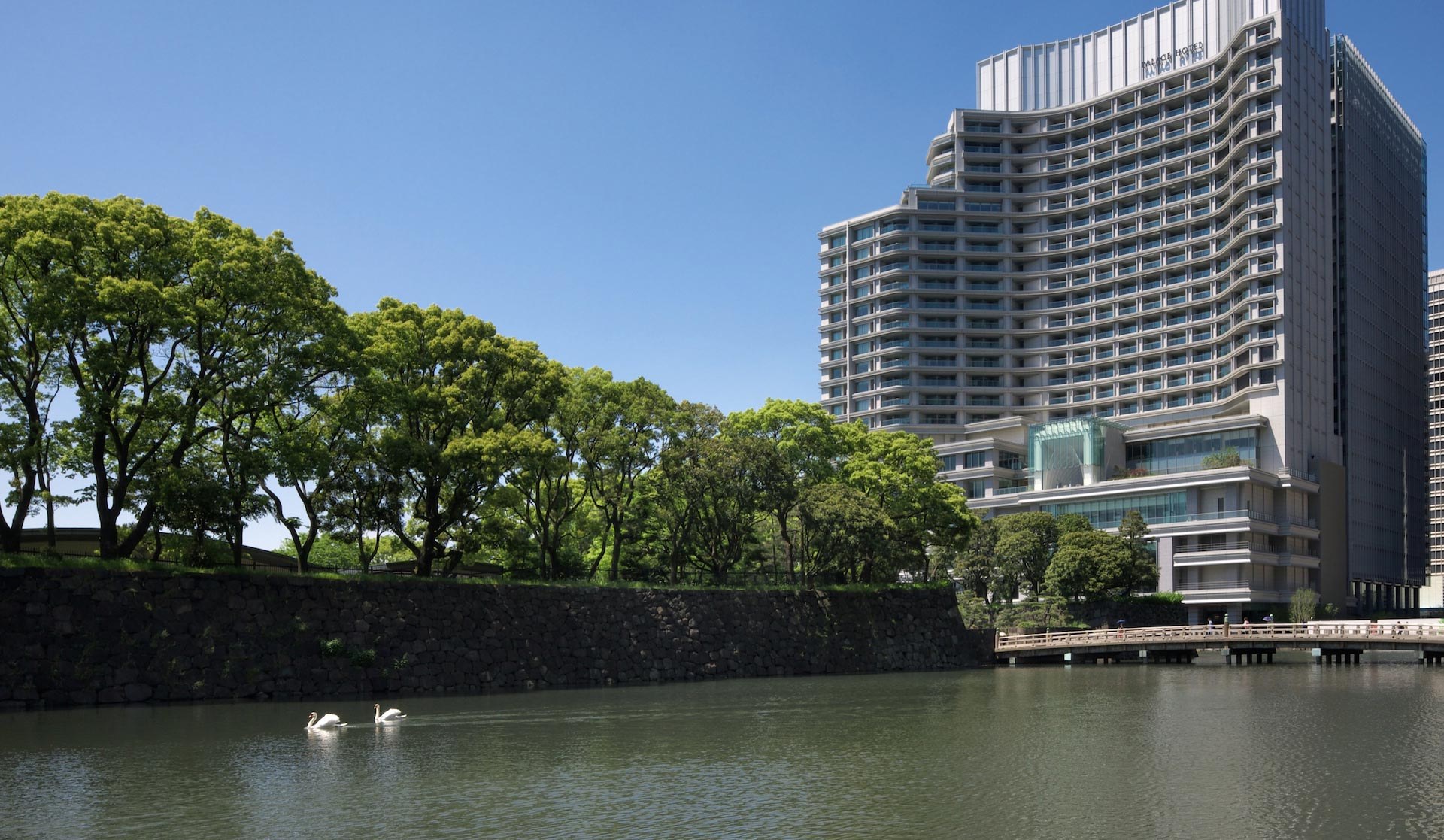
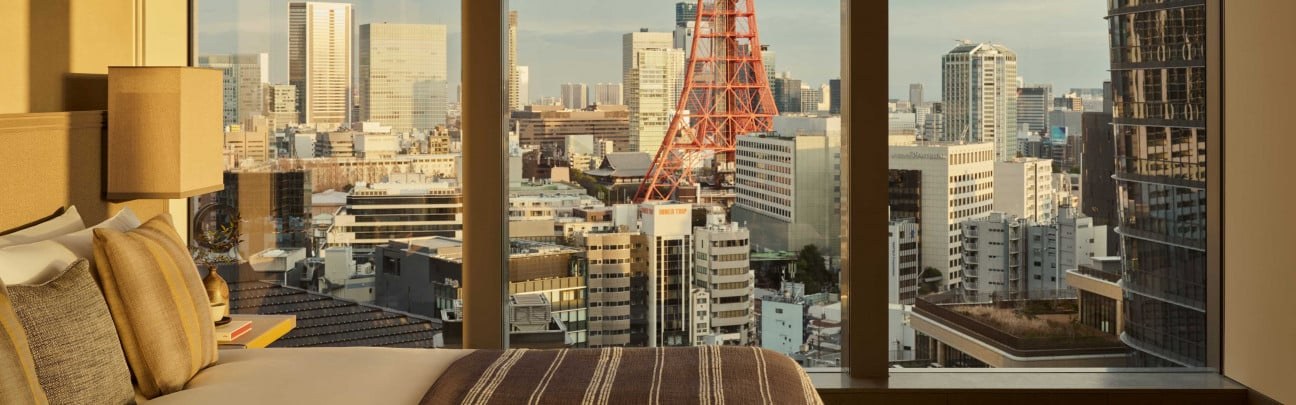
Shibuya Stream Hotel presents a quieter, more considered face of Shibuya by sitting along the Shibuya River and the adjacent river walk. The tower’s vantage point opens a southern axis toward Daikanyama and Nakameguro, which tempers the neighborhood’s usual bustle and lends the hotel a residential, relaxed quality. With a mid-scale 177-room footprint, service feels leaner and less ceremonial, so stays trend toward low-key celebrations and comfortable city living rather than formal pageantry. The result is a modern, scenic retreat inside one of Tokyo’s most kinetic wards.
Best For
The hotel suits guests who want easy access to Shibuya’s dining scene but prefer a quieter base for milestone stays. It is especially well suited to anniversary weekends and celebration stays that pair a calm room with reservations at nearby counters and kaiseki restaurants. Its position inside the Stream complex and direct connectivity to Shibuya Station also makes it practical for visitors juggling late dinner plans in neighbouring districts or early departures to the airport. Expect a residential, relaxed tone rather than flagship hotel formality.
Stay Tips
Book any high-demand restaurant counters or kaiseki services well in advance—Tokyo’s notable counters often require reservations—and plan logistics around the hotel’s direct connection to Shibuya Station, which reduces transit time to Ebisu or to early morning trains for Narita. Keep in mind the property’s tighter service ratios compared with full‑service city flagships; if you need extra arrangements for a celebration (flowers, special requests), confirm them ahead of arrival so the hotel can coordinate within its compact service model.
Venue details
Ambiance
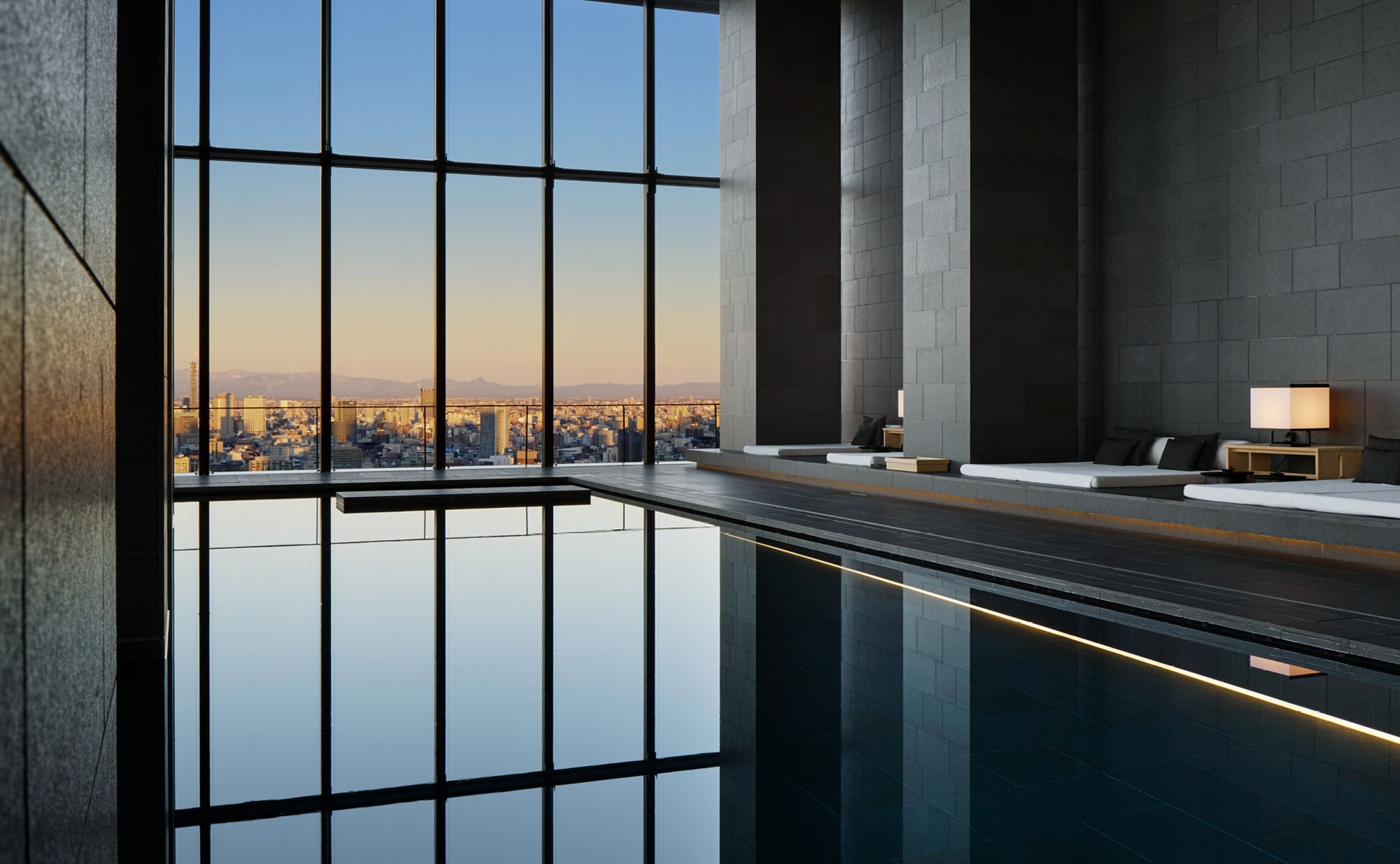
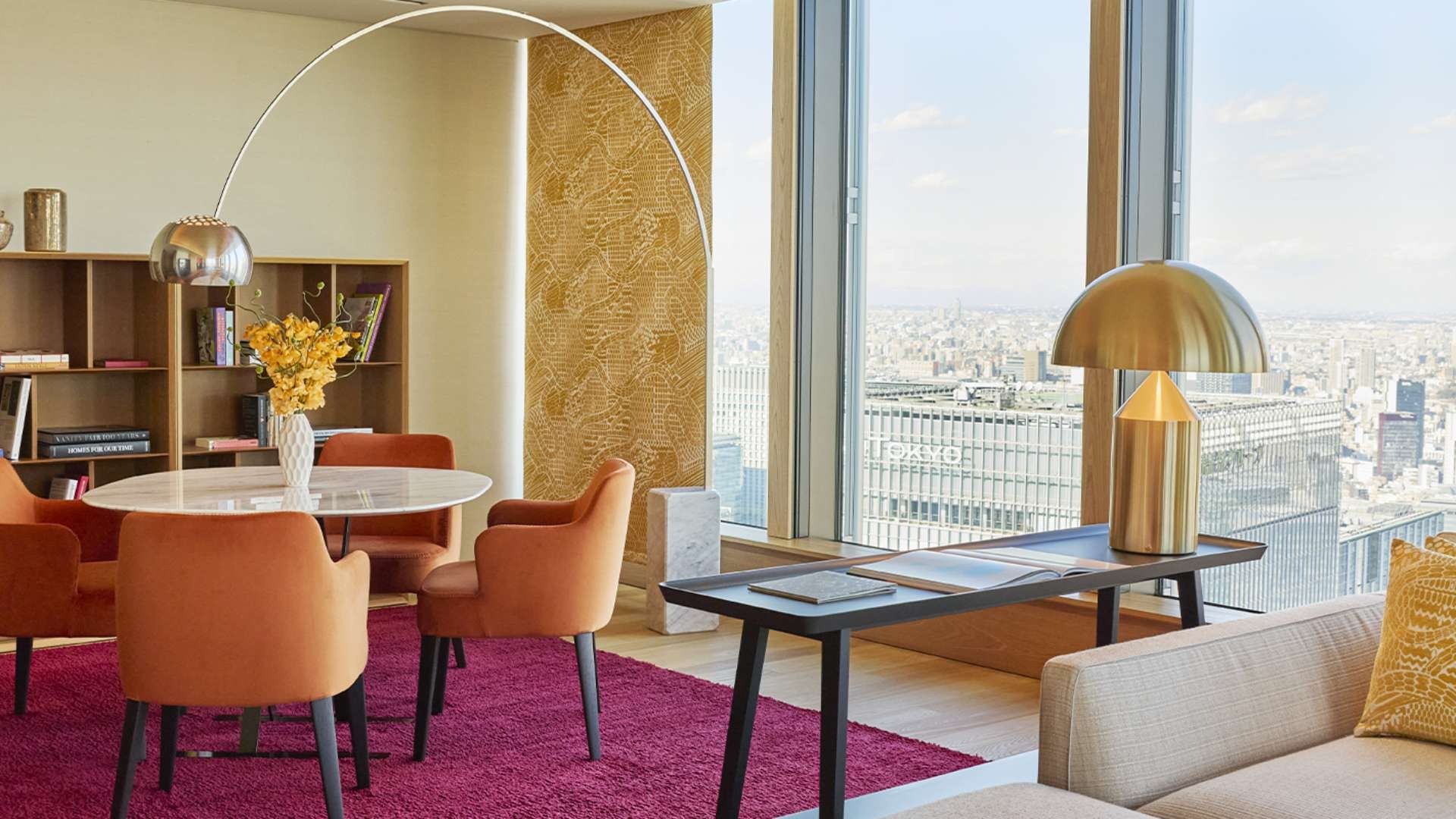
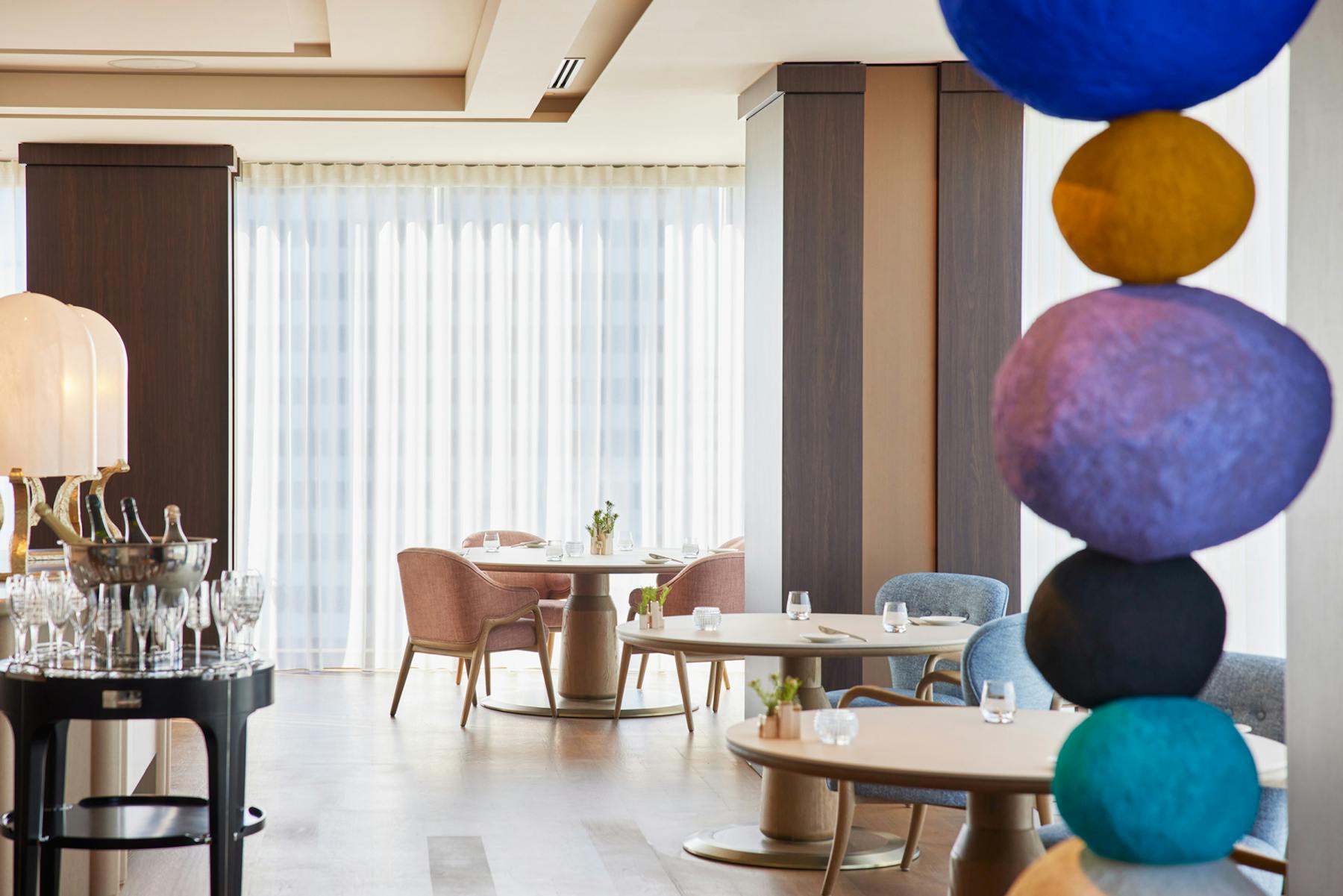
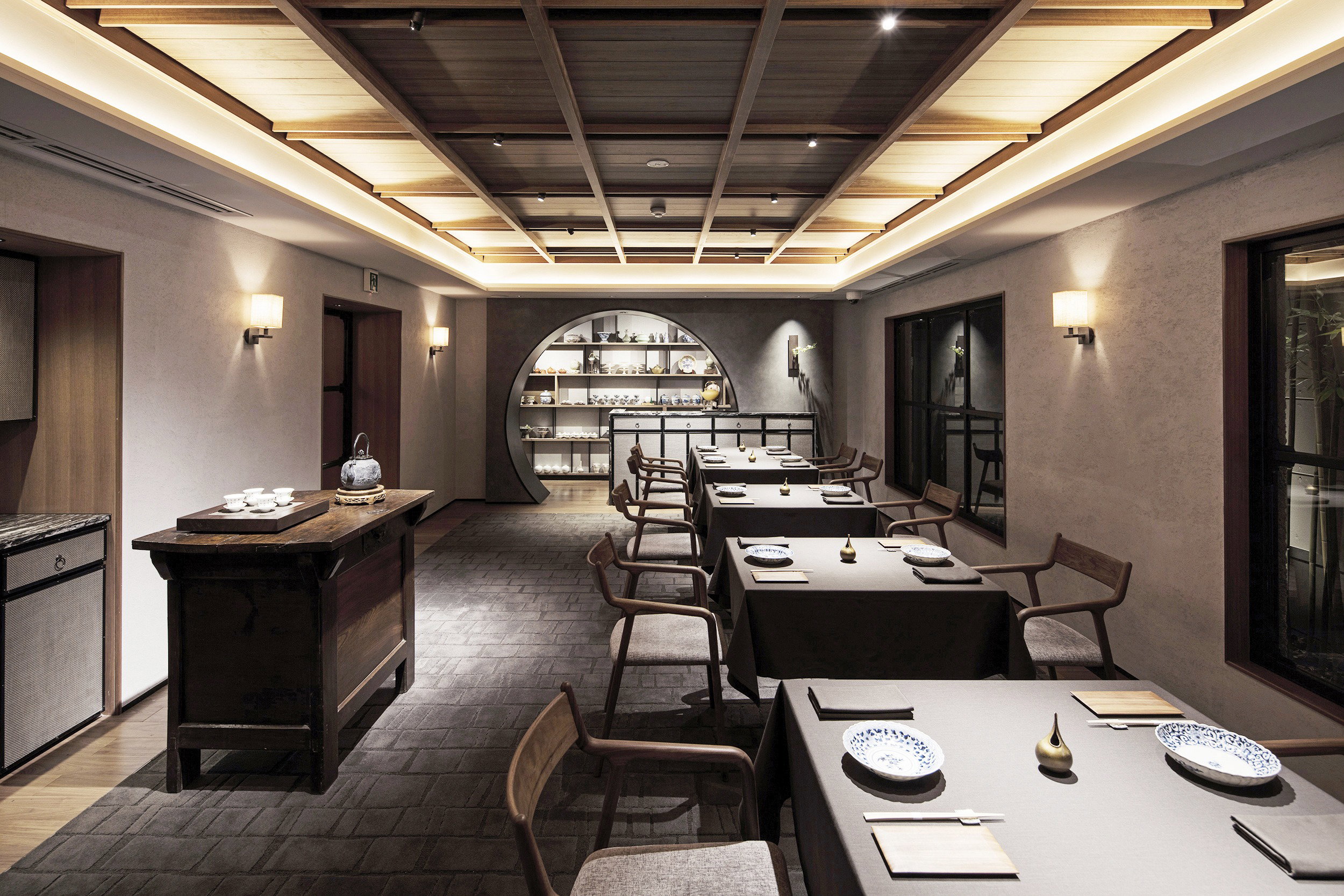
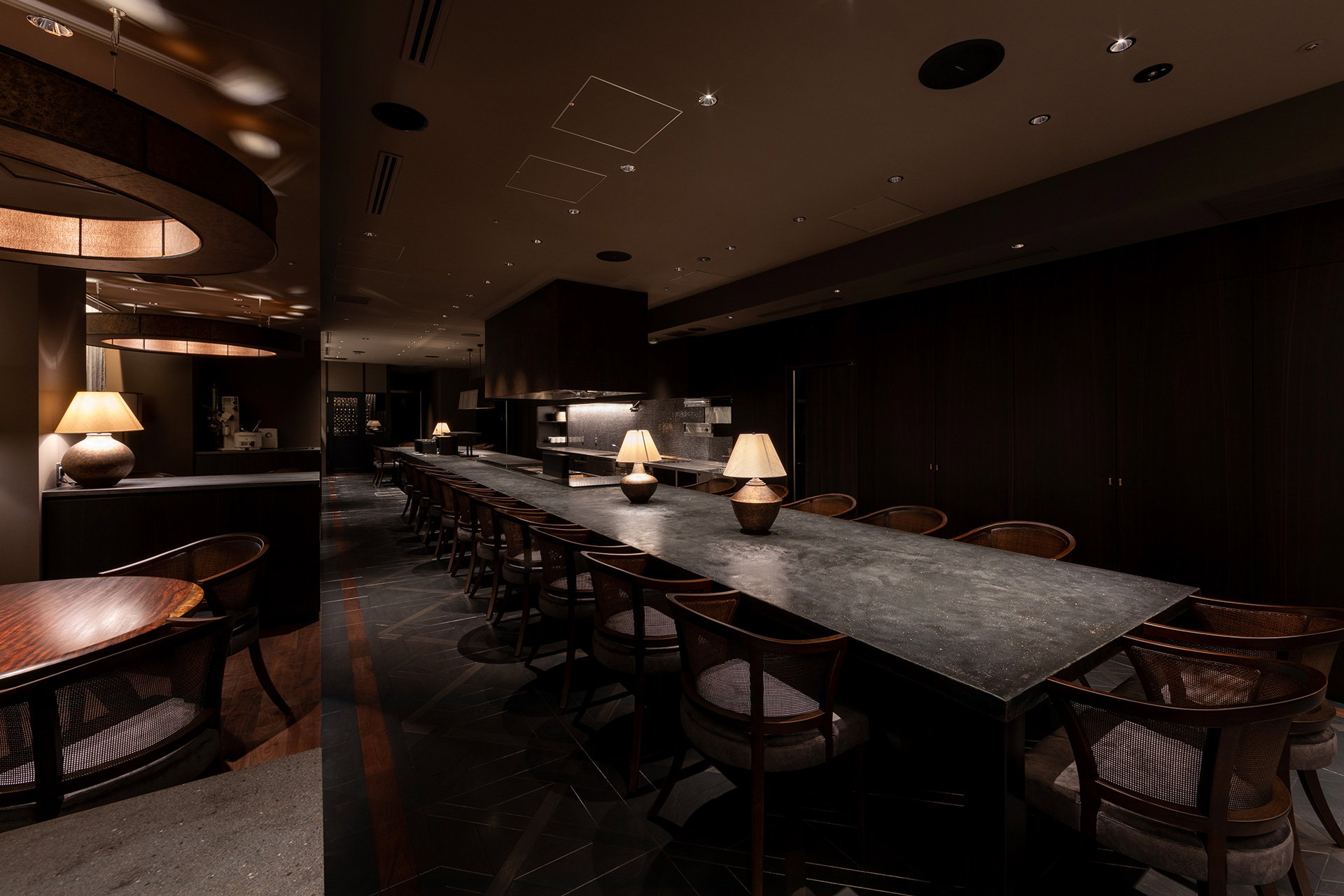
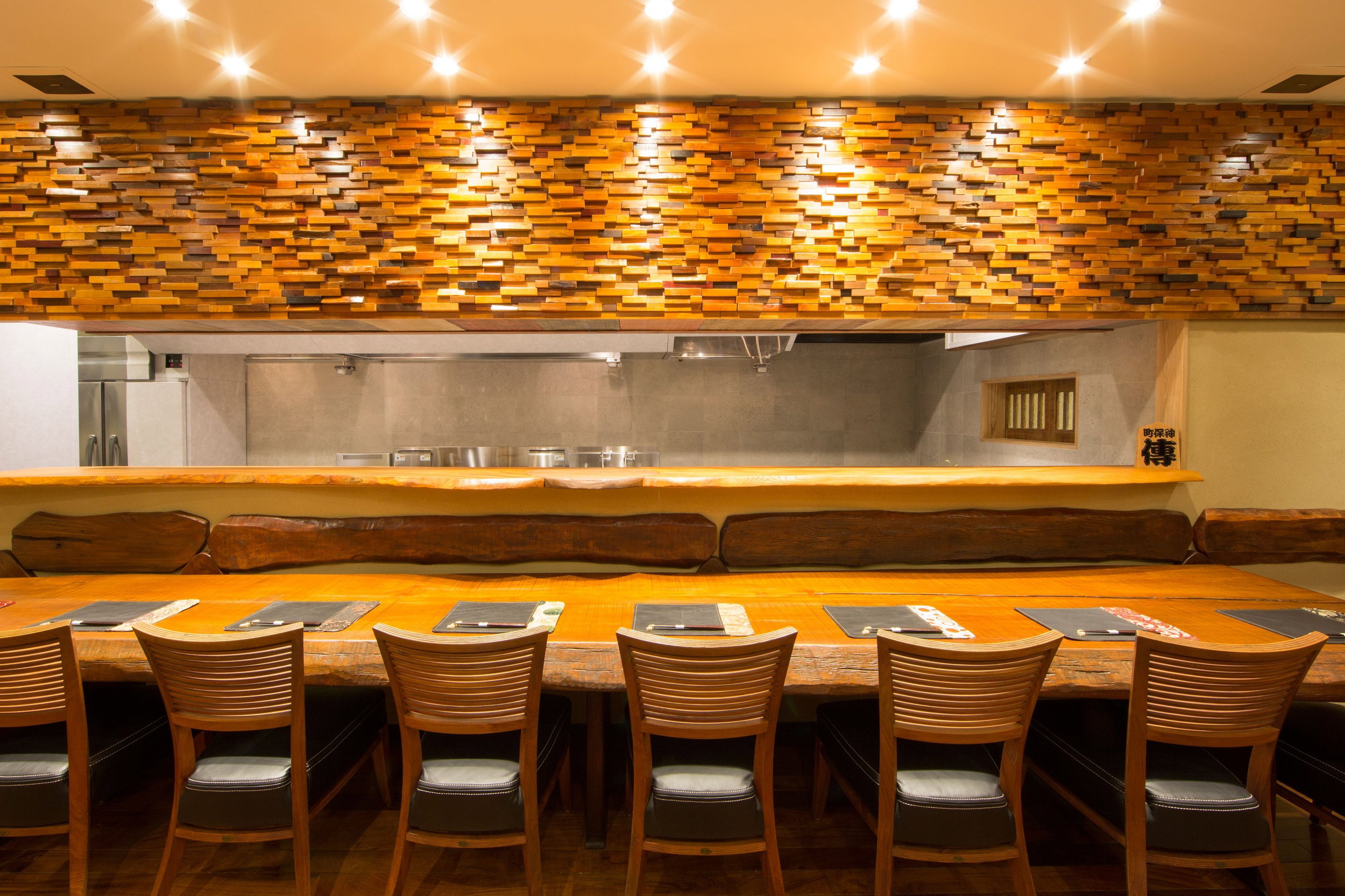
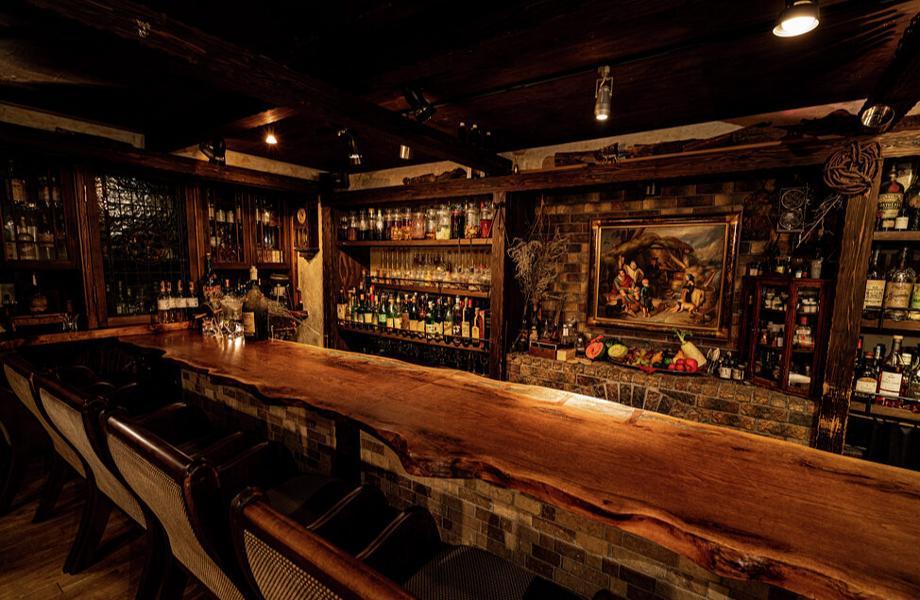
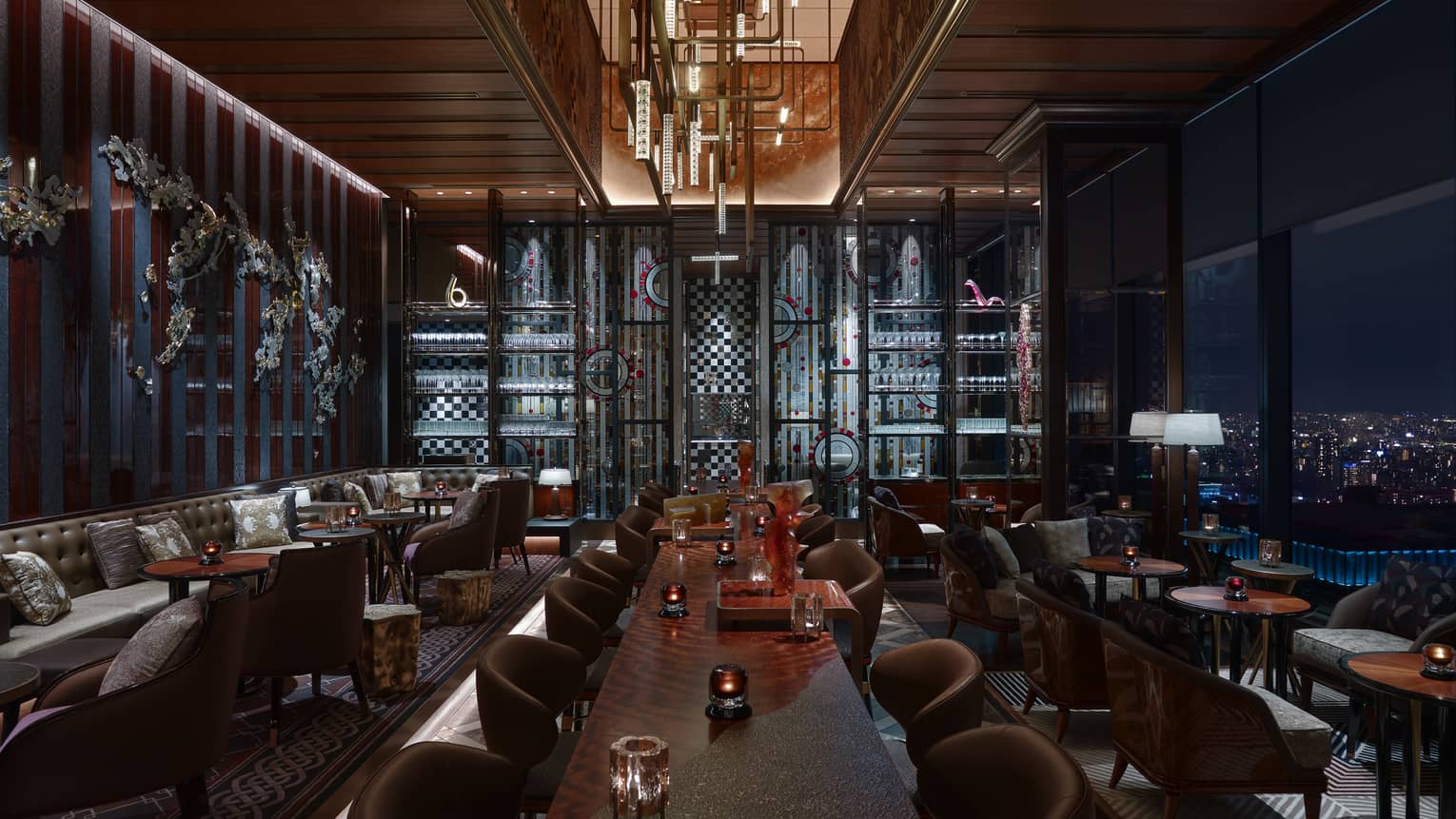
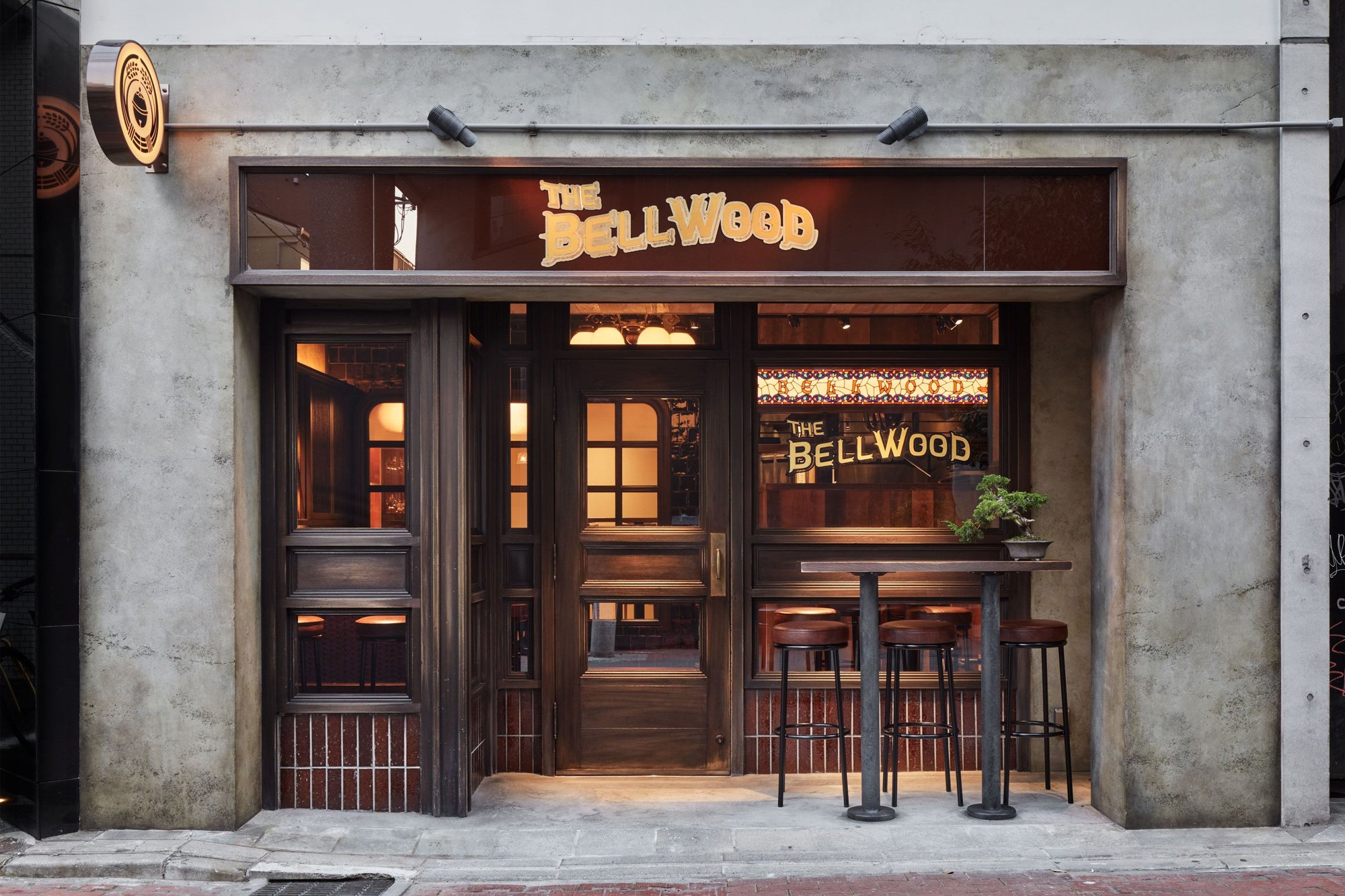
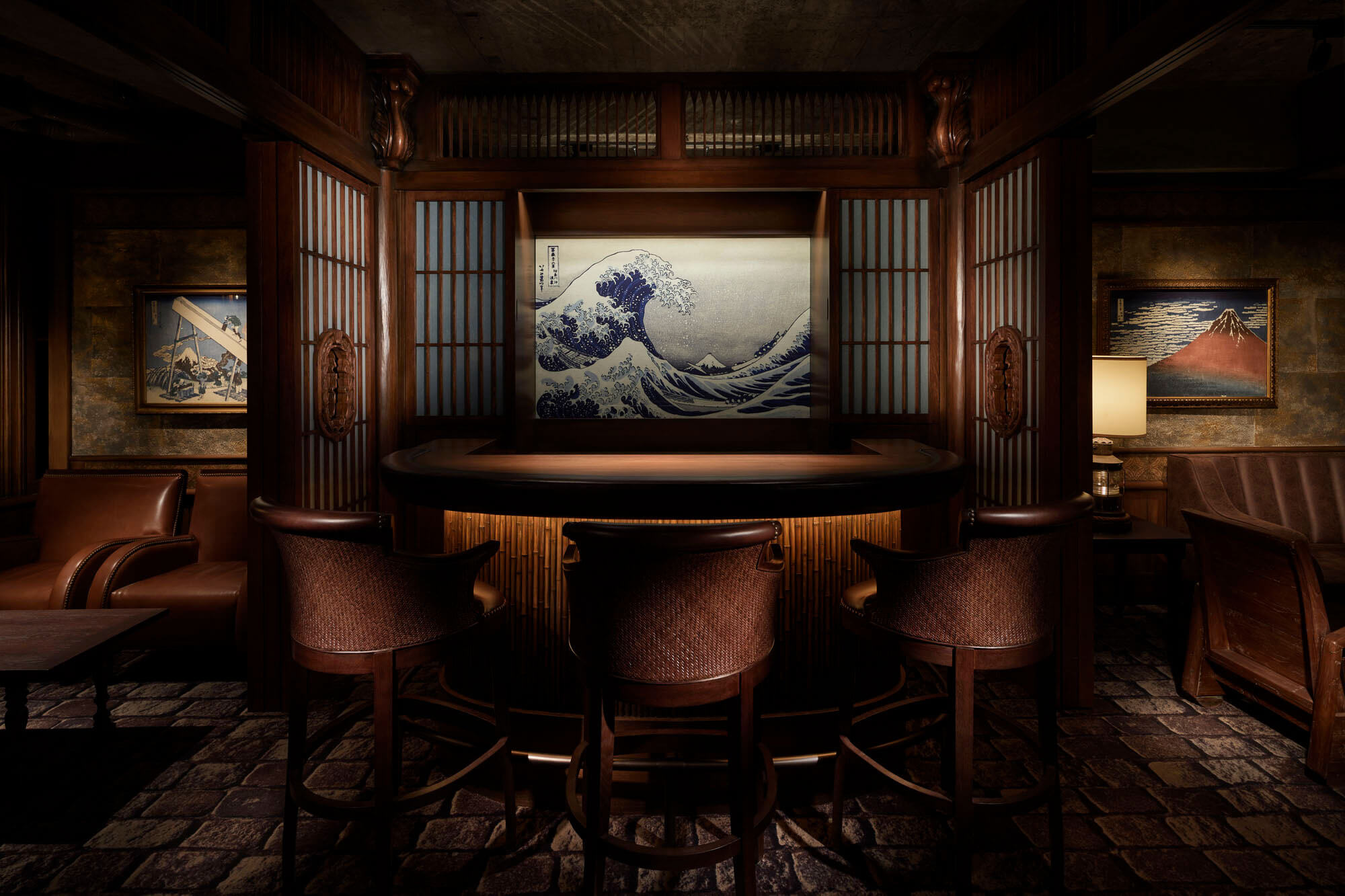
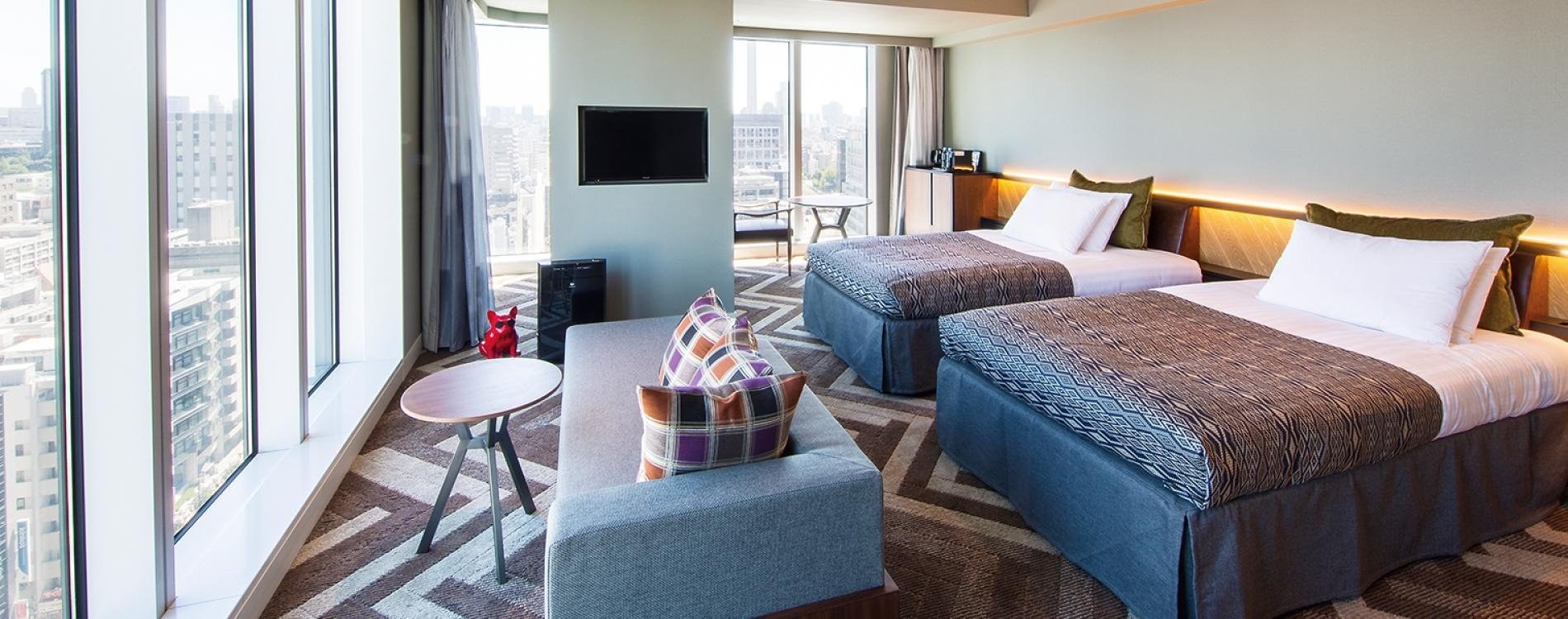
Modern design with vintage flair, stylish contemporary decor, comfortable and clean rooms with cityscape views from higher floors.
Tags
Vibe
Best For
Experience
Amenities
View
Accessibility
About the Stay
- Rooms
- 177
- Check-in
- 15:00
- Check-out
- 11:00
- Property Type
- Design hotel
- Property Style
- Vintage Modern Concept in Stylish Functional Spaces
- Design Style
- Contemporary with Modern Amenities and City Views
- Families
- Welcome
- Cancellation
- Moderate
Know before you go
Know Before You Go
- Getting there
- 3-chōme-21-3 Shibuya, Tokyo 150-0002
Planning details
Location
3-chōme-21-3 Shibuya, Tokyo 150-0002 · Directions
Recognition and awards
Also consider
Also Consider
- Hyatt House Tokyo Shibuya, Notable alternative
- Shibuya Excel Hotel Tokyu, Notable alternative
- Cerulean Tower Tokyu Hotel, Notable alternative
- Hotel Indigo Tokyo Shibuya, Notable alternative
- Hotel Koé Tokyo, Notable alternative
Hotel context
Among Shibuya peers, SHIBUYA STREAM HOTEL is the practical middle choice: easier to commit to than a stronger personality hotel, but less clearly full-service than Cerulean Tower Tokyu Hotel. Pick Cerulean Tower Tokyu Hotel if a larger hotel feel and broader in-house infrastructure matter more than staying in the Stream complex.
Hyatt House Tokyo Shibuya is the better cross-shop for longer stays or travelers who want apartment-style flexibility. Shibuya Excel Hotel Tokyu is the more classic station-area comparison: useful if transit convenience is the entire brief, less compelling if the stay should feel current.
For atmosphere, Hotel Indigo Tokyo Shibuya and Hotel Koé Tokyo are the sharper alternatives. Choose Hotel Indigo Tokyo Shibuya for a more design-forward hotel mood, and Hotel Koé Tokyo for a smaller lifestyle stay. Choose SHIBUYA STREAM HOTEL when the priority is a low-drama Shibuya base with easy booking.
Explore Tokyo
Around this place
Discover more on Pearl
Unlock the full SHIBUYA STREAM HOTEL guide in Pearl, including awards, comparisons, FAQs, planning details, and nearby places.
Compare SHIBUYA STREAM HOTEL
| Venue | Location | Awards |
|---|---|---|
| SHIBUYA STREAM HOTEL | Tokyo | 2025 Michelin Selected HotelsPreferred Hotels Member 2025 |
| Hyatt House Tokyo Shibuya | Tokyo | No published awards |
| Shibuya Excel Hotel Tokyu | Tokyo | Preferred Hotels Member 2025 |
| Cerulean Tower Tokyu Hotel | Tokyo | 2025 Michelin Selected HotelsPreferred Hotels L.V.X. Collection 2025 |
| Hotel Indigo Tokyo Shibuya | Tokyo | No published awards |
| Hotel Koé Tokyo | Tokyo | No published awards |
How SHIBUYA STREAM HOTEL Tokyo compares with similar nearby venues.
FAQ
Frequently Asked Questions
How is the location of SHIBUYA STREAM HOTEL?
SHIBUYA STREAM HOTEL is in Tokyo. The hotel also has 2025 MICHELIN Guide Hotels Selected recognition.
How does SHIBUYA STREAM HOTEL compare to nearby hotels?
It belongs on a Tokyo hotel shortlist alongside options such as Hotel Koé Tokyo, Cerulean Tower Tokyu Hotel, Hyatt House Tokyo Shibuya, Hotel Indigo Tokyo Shibuya, and Shibuya Excel Hotel Tokyu. The key points for SHIBUYA STREAM HOTEL are Preferred Hotels Member status in 2025 and MICHELIN Guide Hotels Selected recognition in 2025; compare current rates, rooms, and services directly before booking.
Is SHIBUYA STREAM HOTEL good for business travel?
It may be worth considering for a business trip to Tokyo. If business amenities, workspace details, or service features matter, confirm them directly with the hotel before booking.
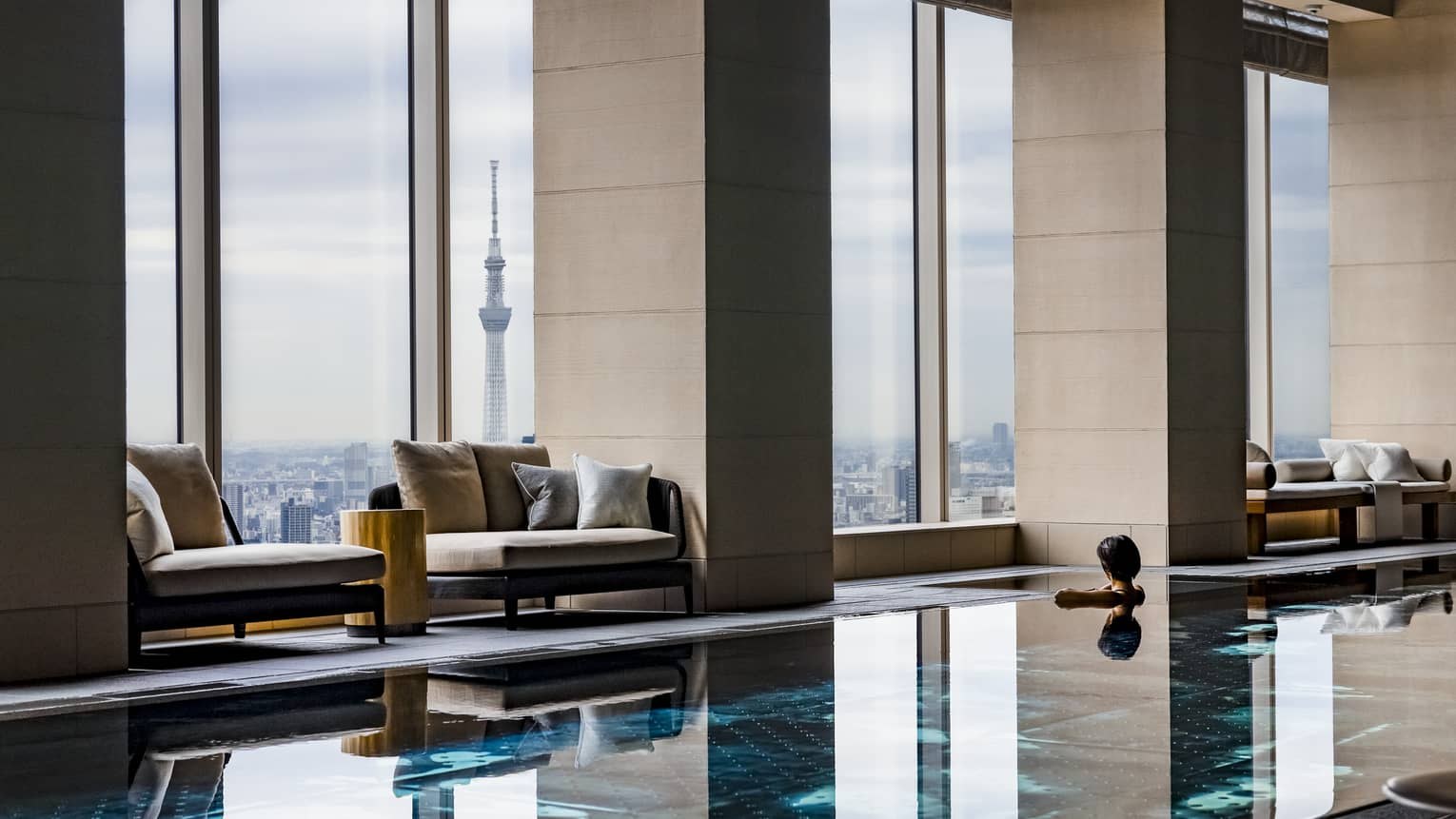
How is the pool and spa at SHIBUYA STREAM HOTEL?
Which room category is best at SHIBUYA STREAM HOTEL?
Choose based on the hotel's current room descriptions, availability, and your own needs after checking official booking information.
When is the best time to book SHIBUYA STREAM HOTEL?
If SHIBUYA STREAM HOTEL fits your Tokyo plans, compare current availability and rates before booking.