

Cerulean Tower Tokyu Hotel
Shibuya, Tokyo
Hotel in Tokyo, Japan
 Book with Pearl
The Read
Skyline-Anchored Shibuya Scale
Why go
Cerulean Tower Tokyu Hotel is worth checking when Shibuya access matters but a smaller lifestyle stay feels too casual. Its 2025 Preferred Hotels L.V.X. Collection and MICHELIN Guide hotel-selection recognition give it a stronger quality signal than many area options, but the value depends on the live nightly rate. Families and business travelers get the clearest case for booking.
About Cerulean Tower Tokyu Hotel
Cerulean Tower Tokyu Hotel is a Tokyo hotel recognized for 2025 in the Preferred Hotels L.V.X. Collection and selected in the MICHELIN Guide hotel listings. Those signals make it worth considering as a hotel option, but the best way to evaluate a stay is to compare the live rate, cancellation terms, and room details directly with what you need from a Tokyo hotel.
Use the current booking information to judge whether the room, rate, and terms fit your trip. That will tell you far more than broad assumptions about amenities or travel style.
A Tokyo hotel with 2025 recognition
Cerulean Tower Tokyu Hotel appears in the Preferred Hotels L.V.X. Collection for 2025 and is selected in the MICHELIN Guide hotel listings for 2025. Those are useful reference points for travelers building a Tokyo shortlist.
Specific room categories, restaurant concepts, views, facilities, service formats, and guest-program benefits should be checked directly before deciding.
Book it when the confirmed details match your trip
Use the recognition as a starting point, not as a substitute for checking the stay itself. If the current room, rate, and booking terms fit your Tokyo plans, Cerulean Tower Tokyu Hotel belongs on the shortlist alongside other named hotel options such as Hotel Indigo Tokyo Shibuya, Hotel Koé Tokyo, Hyatt House Tokyo Shibuya, SHIBUYA STREAM HOTEL, and Shibuya Excel Hotel Tokyu.
Quick reference: consider Cerulean Tower Tokyu Hotel for a Tokyo stay supported by 2025 Preferred Hotels L.V.X. Collection recognition and a 2025 MICHELIN Guide hotel selection; confirm all practical stay details directly before booking.
Inside Cerulean Tower Tokyu Hotel
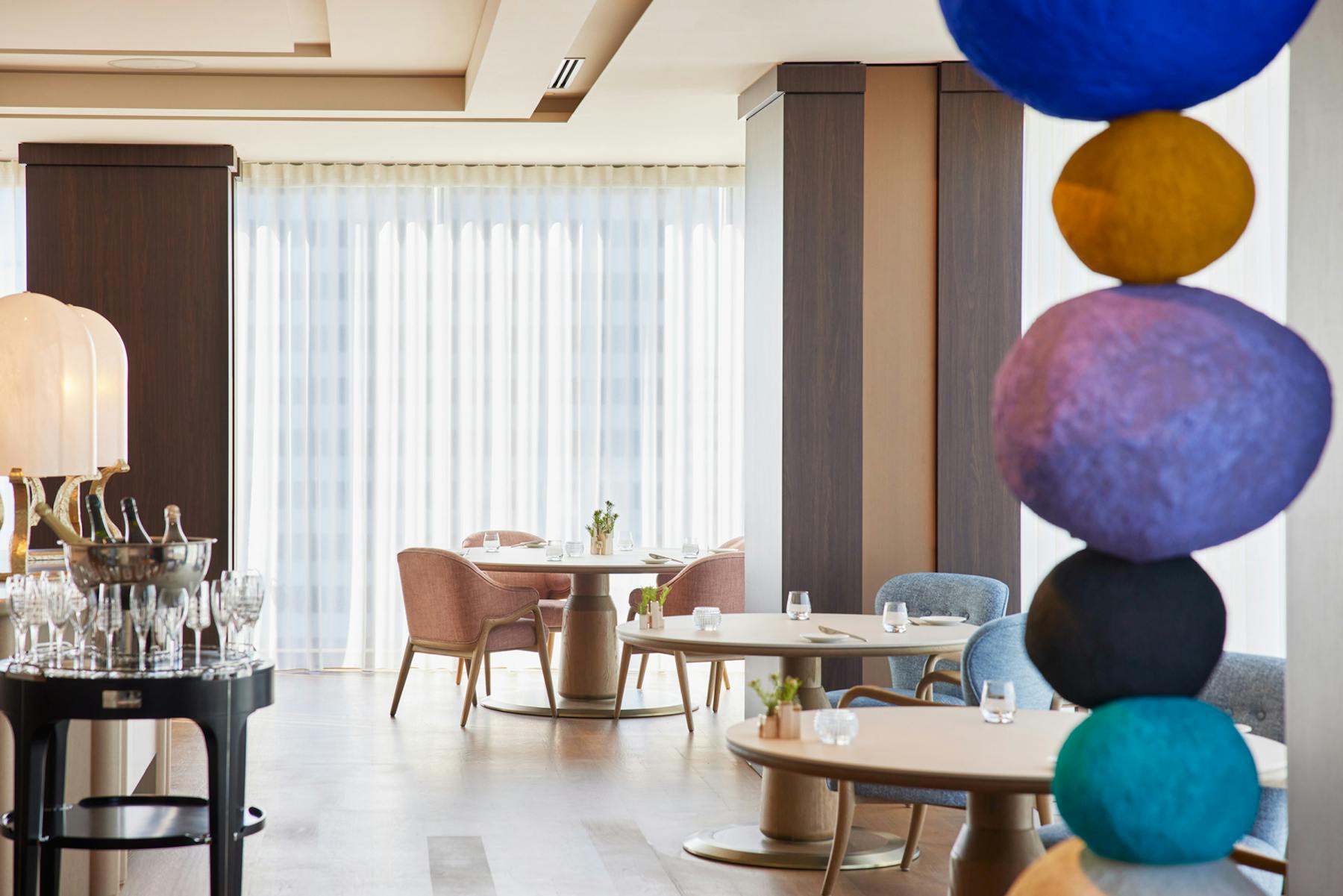
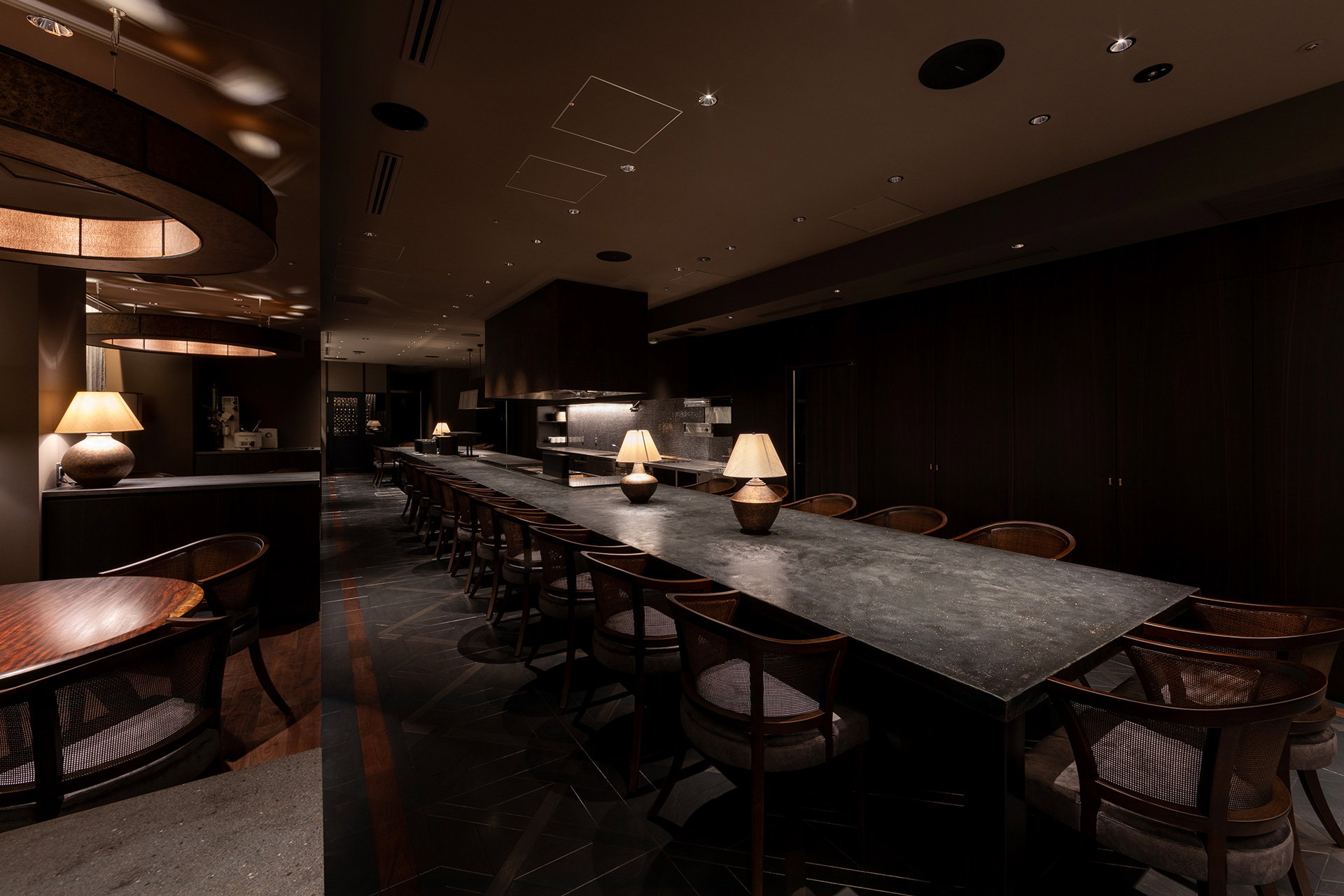
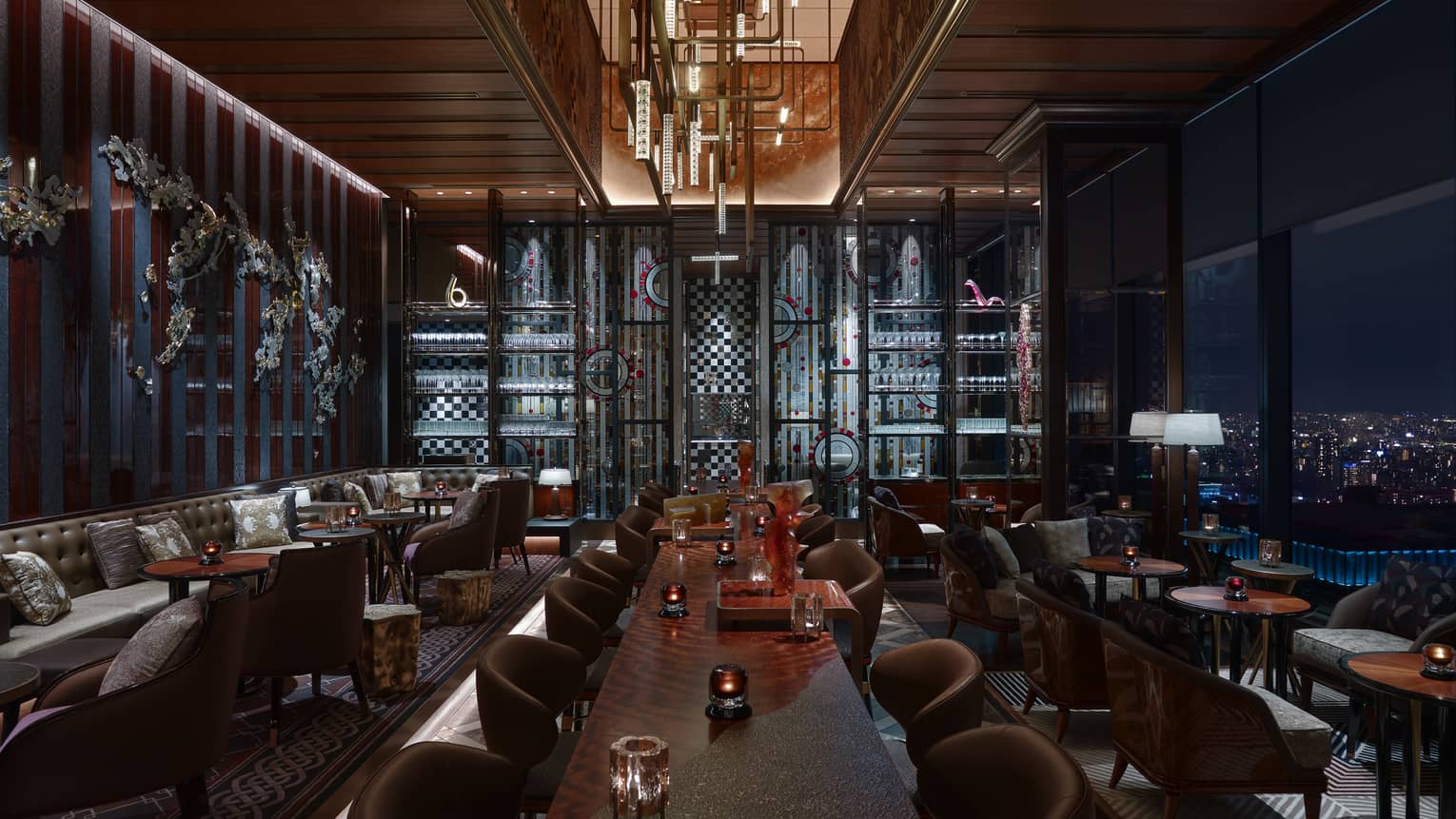
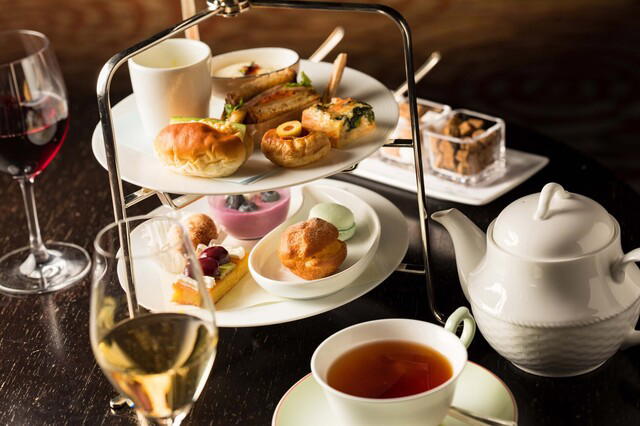 loungeGarden Lounge ZabouGarden Lounge Zabou brings Tokyo’s hotel-lounge tradition into Shibuya’s high-traffic orbit: café by day, bar-leaning salon by evening, with an 88-seat table format inside Cerulean Tower Tokyu Hotel. Its Tabelog 100 Cafe EAST 2025 selection and earlier 2021 Cafe recognition place it in a more selective café category than the casual kissaten or chain-coffee circuit.
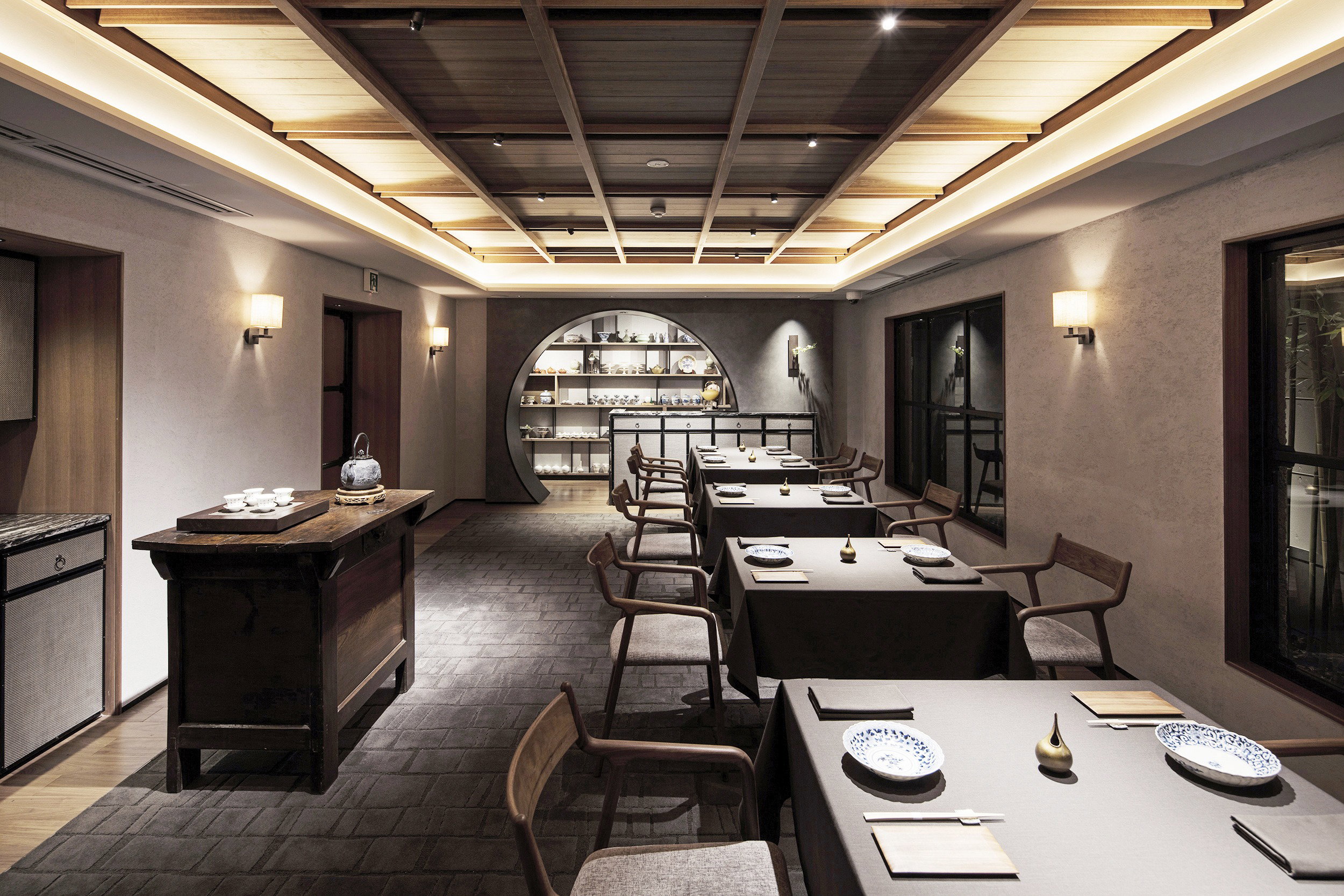
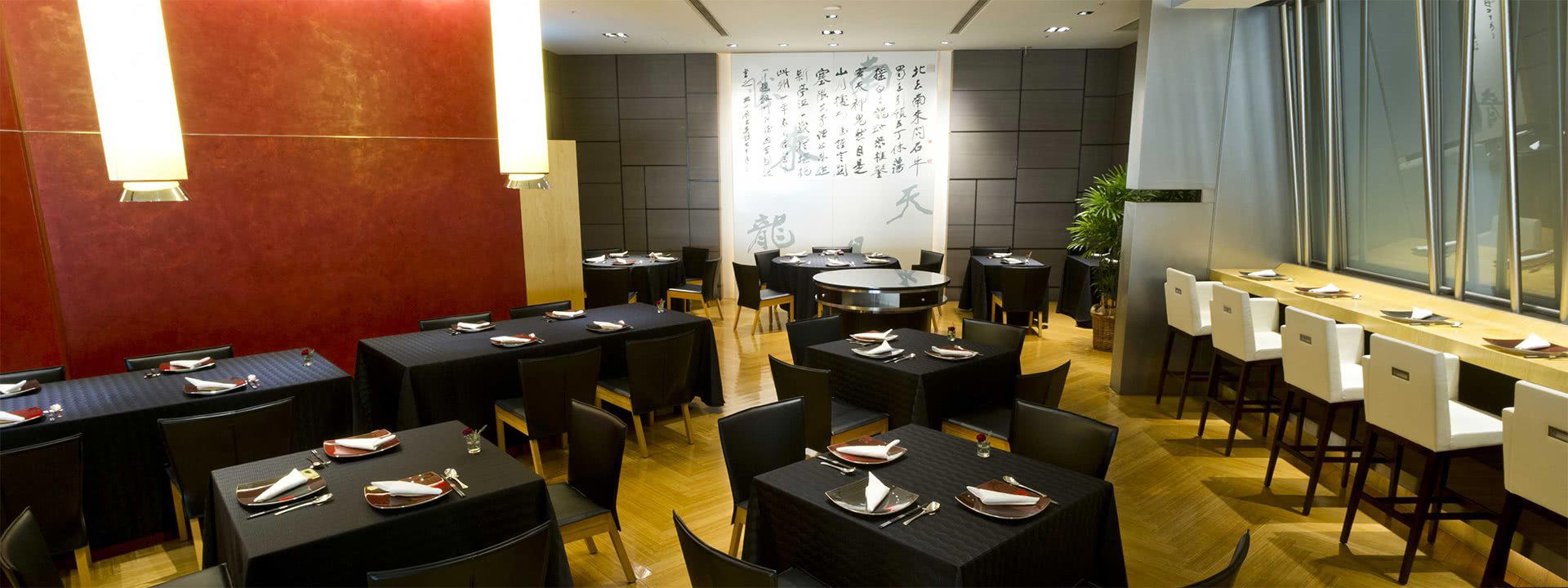 restaurantSzechwan Restaurant Chen ShibuyaSzechwan Restaurant Chen Shibuya serves Authentic Sichuan Cuisine at Cerulean Tower Tokyu Hotel, with formal service, a leisurely pace, and a sake program.
Planning details
- Location
- 26-1 Sakuragaokachō, Shibuya, Tokyo 150-8512
- Website
- tokyuhotels.co.jp/cerulean-h
- Phone
- +81 3-3476-3000
The take
The Take
The Vibe
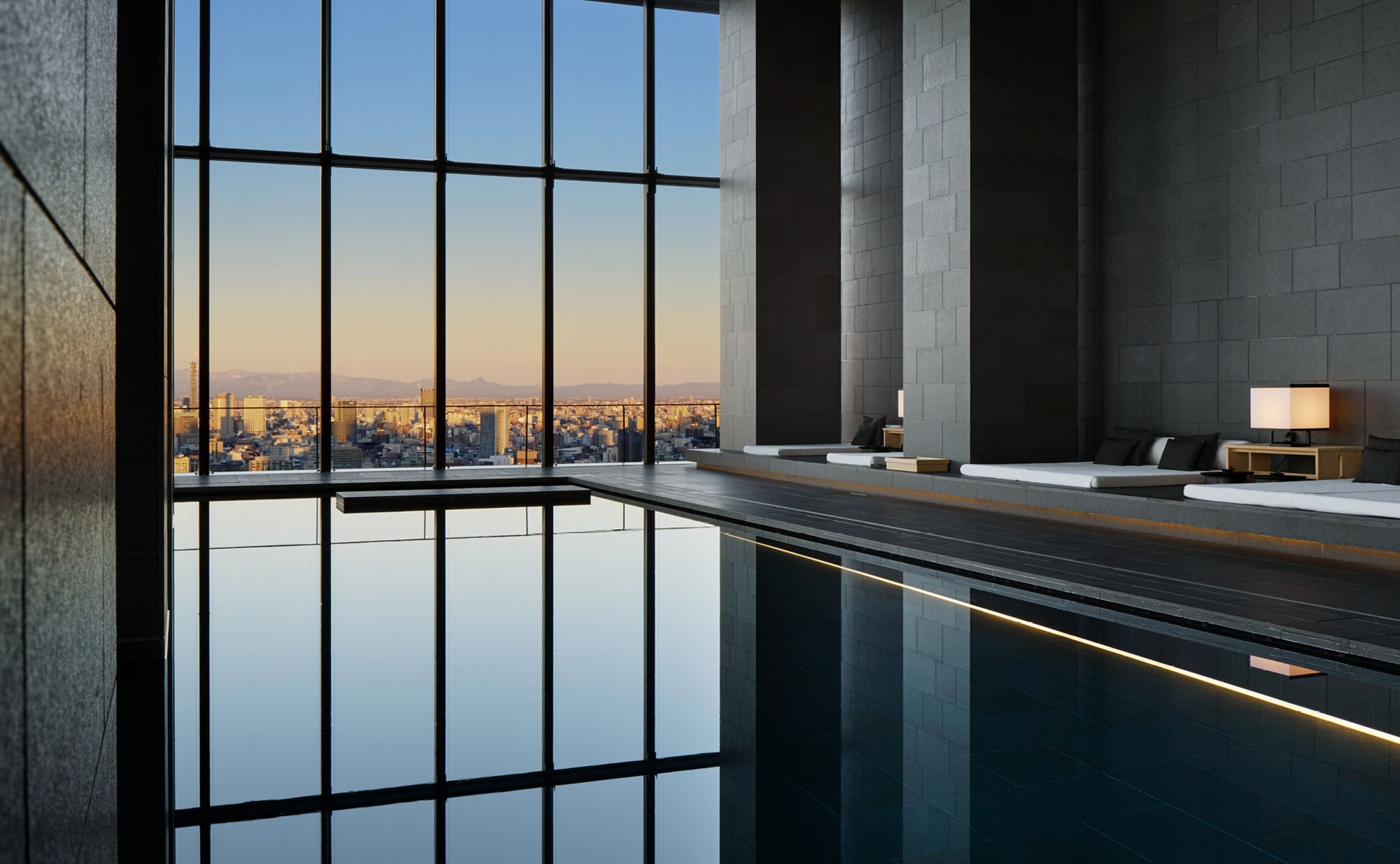
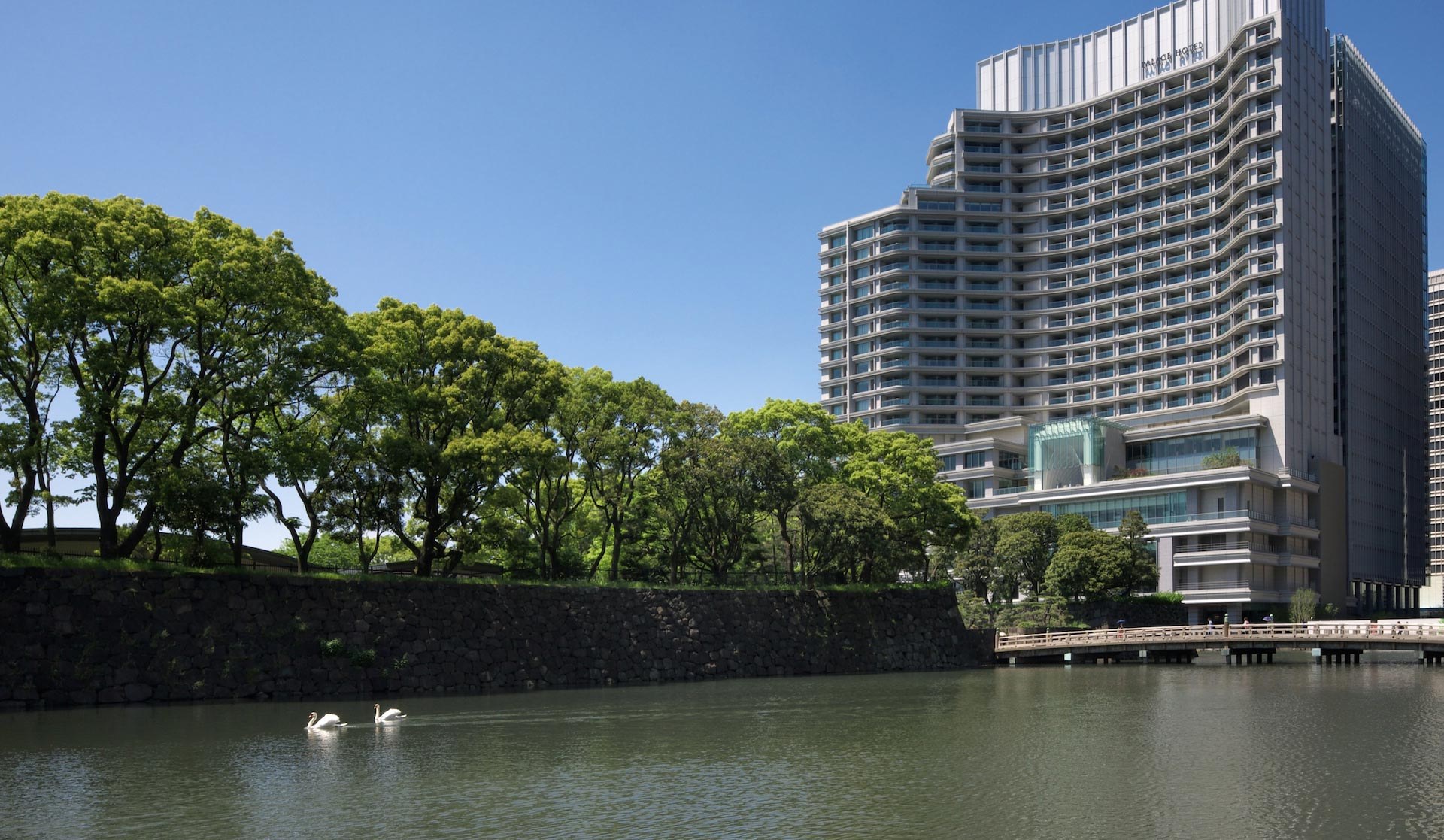
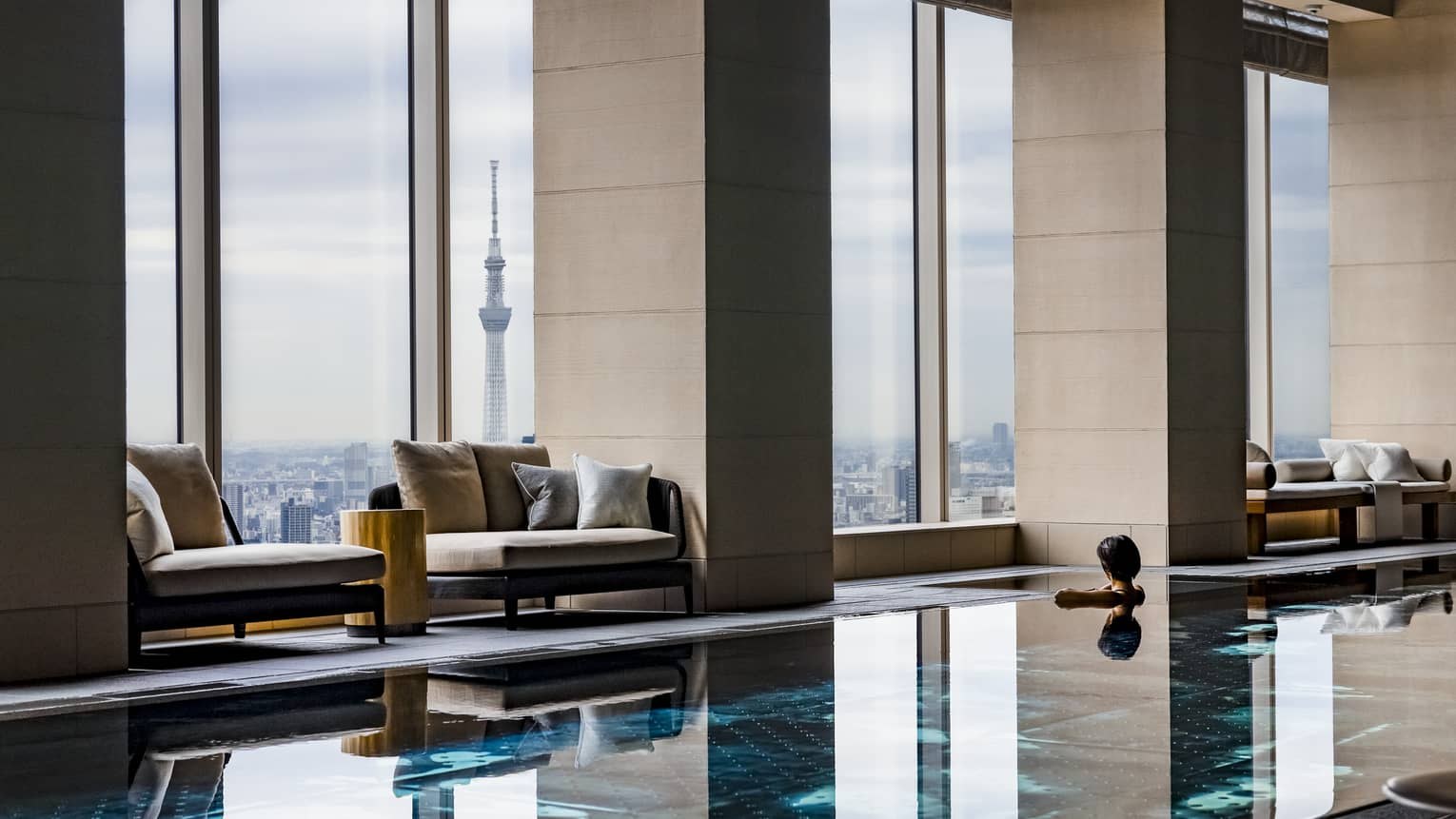
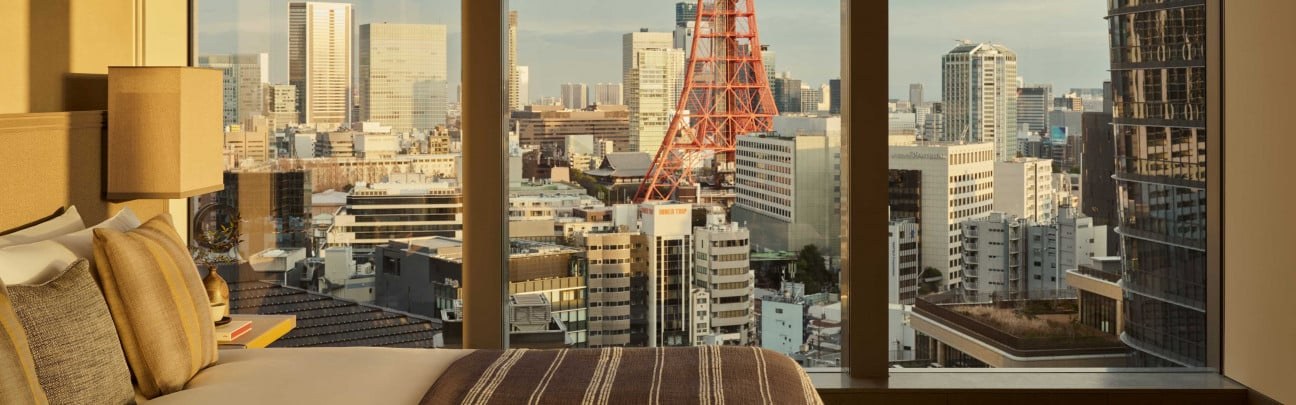
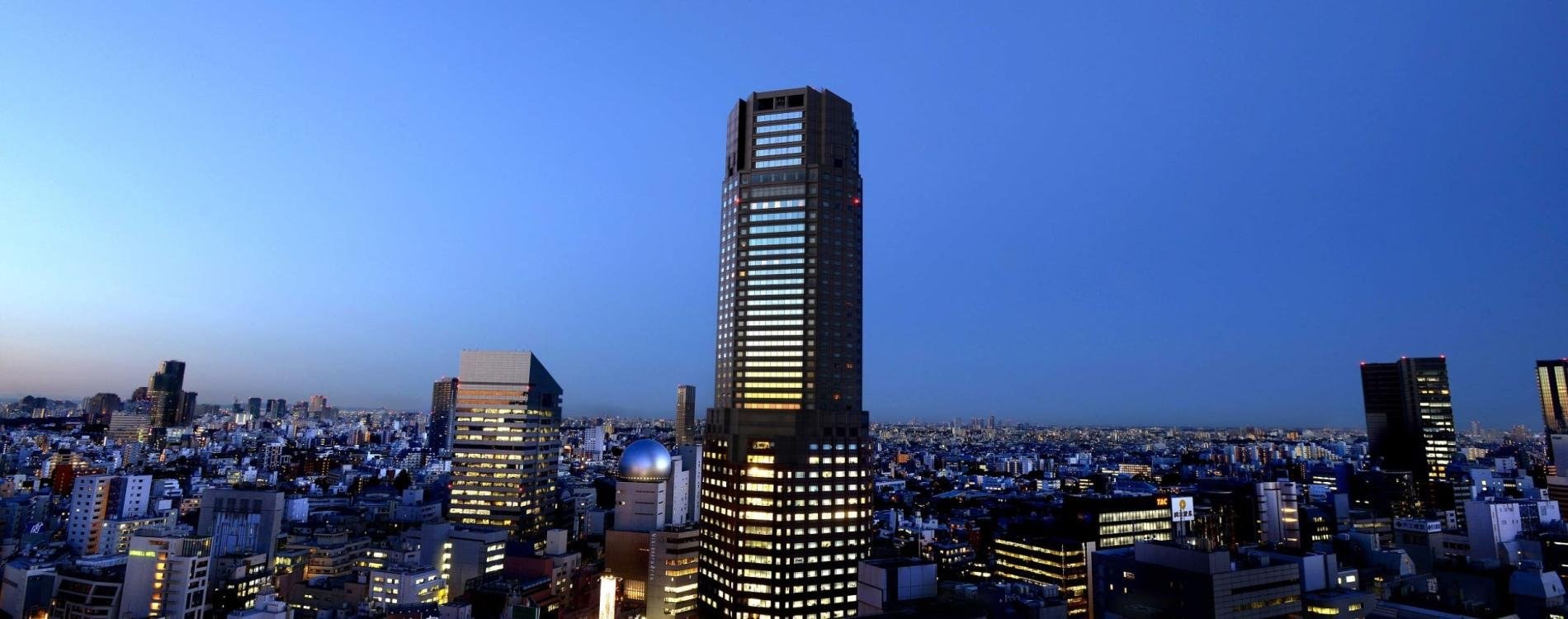
Cerulean Tower reads as a vertical city within the city: a 40‑storey tower in the heart of Shibuya that frames changing skyline views as a central part of the guest experience. It operates less like a simple place to sleep and more like a self‑contained destination, with multi‑outlet dining, a jazz club, a Noh theatre and a spa housed under one roof. The property's height and scale deliver panoramic perspectives across the busy Shibuya grid, and the hotel leans into the neighbourhood's urban energy rather than masking it.
Best For
This hotel suits travelers who want Tokyo from on high and who value on‑site programming. Guests who prioritize city views, convenient access to multiple dining options, evening entertainment such as the jazz club and theatre performances, and a full suite of spa and leisure facilities will find the Cerulean Tower particularly compelling. Its scale and range of outlets also make it a practical choice for business travelers and visitors who expect a hotel to provide everything they need without venturing far afield.
Stay Tips
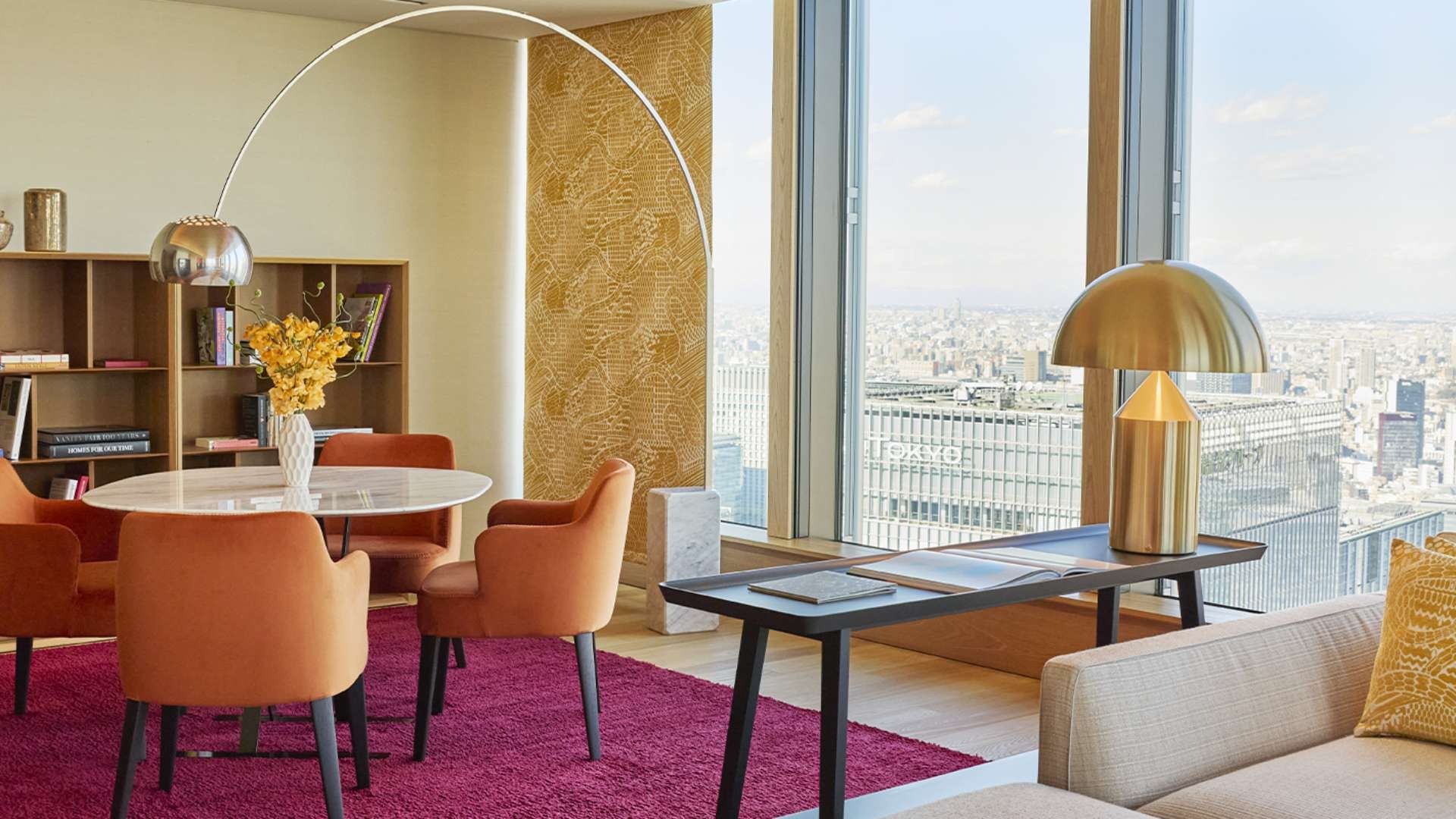
Ask for a high‑floor room when booking to maximize the tower's skyline and illuminated‑signage vistas after dark. Because the property positions itself as a self‑contained destination, reserve tables and plan visits to the jazz club, Noh theatre and spa in advance where possible — these are highlighted amenities and can form an evening itinerary. Keep in mind the hotel sits in energetic Shibuya, so if quiet is essential, request a room away from the busy side of the neighbourhood.
Venue details
Ambiance
Sophisticated and calming atmosphere with modern Japanese design elements, premium bedding, and cityscape views from higher floors.
Tags
Vibe
Best For
Experience
Amenities
View
Accessibility
About the Stay
- Rooms
- 403
- Property Style
- High Rise Luxury Tower with Executive Floors and Club Lounge Privileges
- Design Style
- Modern Japanese with Contemporary Twists and Premium Finishes
Know before you go
Know Before You Go
- Getting there
- 26-1 Sakuragaokachō, Shibuya, Tokyo 150-8512
Planning details
Location
26-1 Sakuragaokachō, Shibuya, Tokyo 150-8512 · Directions
Recognition and awards
Also consider
Where to look if it is not the right rate
If Cerulean Tower Tokyu Hotel prices too high for the trip, check Hyatt House Tokyo Shibuya first for family practicality, then Shibuya Excel Hotel Tokyu for a simpler Shibuya stay.
If the issue is mood rather than price, Hotel Indigo Tokyo Shibuya and SHIBUYA STREAM HOTEL are better for travelers who want the hotel itself to feel more contemporary.
Hotel context
How It Compares
Against Shibuya Excel Hotel Tokyu, Cerulean Tower Tokyu Hotel is the more polished choice if the rate gap is manageable. Shibuya Excel is the easier value play for travelers who mainly want station convenience; Cerulean Tower makes more sense for families or business travelers who want a calmer, more formal hotel feel in the same broader area.
Hyatt House Tokyo Shibuya is the stronger cross-shop for longer stays or families who care about apartment-style practicality. SHIBUYA STREAM HOTEL and Hotel Indigo Tokyo Shibuya lean more lifestyle-forward, so choose them if design and neighborhood energy matter more than a traditional hotel rhythm.
Hotel Koé Tokyo is the better fit for travelers who want a smaller, fashion-adjacent stay and do not need the same level of hotel infrastructure. For an easier booking and a safer family/business default, Cerulean Tower Tokyu Hotel is the more conservative bet; for a sharper Shibuya mood, cross-shop the boutique and lifestyle options first.
Explore Tokyo
Around this place
Discover more on Pearl
Unlock the full Cerulean Tower Tokyu Hotel guide in Pearl, including awards, comparisons, FAQs, planning details, and nearby places.
Compare Cerulean Tower Tokyu Hotel
| Venue | Location | Awards |
|---|---|---|
| Cerulean Tower Tokyu Hotel | Tokyo | 2025 Michelin Selected HotelsPreferred Hotels L.V.X. Collection 2025 |
| Shibuya Excel Hotel Tokyu | Tokyo | Preferred Hotels Member 2025 |
| Hyatt House Tokyo Shibuya | Tokyo | No published awards |
| SHIBUYA STREAM HOTEL | Tokyo | 2025 Michelin Selected HotelsPreferred Hotels Member 2025 |
| Hotel Indigo Tokyo Shibuya | Tokyo | No published awards |
| Hotel Koé Tokyo | Tokyo | No published awards |
How Cerulean Tower Tokyu Hotel Tokyo compares with similar nearby venues.
FAQ
Frequently Asked Questions
Which room category is best at Cerulean Tower Tokyu Hotel?
Choose based on the hotel's current room descriptions, rate, cancellation terms, and the amount of space you need for your Tokyo stay.
Is Cerulean Tower Tokyu Hotel family-friendly?
Do loyalty programs work at Cerulean Tower Tokyu Hotel?
The hotel is part of the Preferred Hotels L.V.X. Collection for 2025, but specific loyalty benefits vary by booking channel. Check the booking channel or the hotel directly if points, credits, or member benefits matter to your stay.
How does Cerulean Tower Tokyu Hotel compare to other hotels?
Cerulean Tower Tokyu Hotel has 2025 recognition from the MICHELIN Guide hotel selection and Preferred Hotels L.V.X. Collection. For a Tokyo hotel shortlist, compare current rates and room details with Hotel Indigo Tokyo Shibuya, Hotel Koé Tokyo, Hyatt House Tokyo Shibuya, SHIBUYA STREAM HOTEL, and Shibuya Excel Hotel Tokyu.
Is Cerulean Tower Tokyu Hotel good for business travel?
How is the location of Cerulean Tower Tokyu Hotel?
Cerulean Tower Tokyu Hotel is in Tokyo. Confirm the exact address and transport fit through the hotel or your booking platform.