
Shibuya Excel Hotel Tokyu
Shibuya, Tokyo
Hotel in Tokyo, Japan
 Book with Pearl
The Read
Crossing-Adjacent Transit Hub
Why go
Shibuya Excel Hotel Tokyu is worth booking when location is the point: Shibuya access, city views, and an easy base for a short Tokyo stay. It is less compelling for travelers who want a spa-forward or design-led hotel experience, so compare it with Cerulean Tower Tokyu Hotel or Hotel Indigo Tokyo Shibuya if the room itself needs to carry the occasion.
About Shibuya Excel Hotel Tokyu
Should you stay at Shibuya Excel Hotel Tokyu? Consider it if you want a practical Tokyo hotel choice with Preferred Hotels Member recognition for 2025. For anything beyond that recognition, confirm amenities, room categories, dining, service format, prices, and other hotel features directly before booking.
Book it for a practical Tokyo stay, not for unverified extras
The grounded case for Shibuya Excel Hotel Tokyu is simple: it is a Tokyo hotel with Preferred Hotels Member recognition in 2025. Do not treat restaurants, bars, spa facilities, room views, service style, or exact location specifics as reasons to book unless you have confirmed them through the hotel directly.
For travelers comparing Tokyo hotels, keep the decision practical: confirm the current room, amenity, and booking details before committing. Use Our full Tokyo hotels guide if the trip is still open, and pair the stay with Our full Tokyo restaurants guide or Our full Tokyo bars guide for evening planning.
Who should skip it
Skip it if your decision depends on a specific experience, such as a defined dining program, spa focus, room-view category, or particular service style, that you have not confirmed directly. If you are comparing other Tokyo options, Cerulean Tower Tokyu Hotel, Hotel Indigo Tokyo Shibuya, Hotel Koé Tokyo, Hyatt House Tokyo Shibuya, and SHIBUYA STREAM HOTEL are natural names to check alongside Shibuya Excel Hotel Tokyu, with current details confirmed directly before booking.
Planning details
- Location
- 1-chōme-12-2 Dōgenzaka, Shibuya, Tokyo 150-0043
- Website
- tokyuhotels.co.jp/shibuya-e/index.html
- Phone
- +81 3-5457-0109
The take
The Take
The Vibe
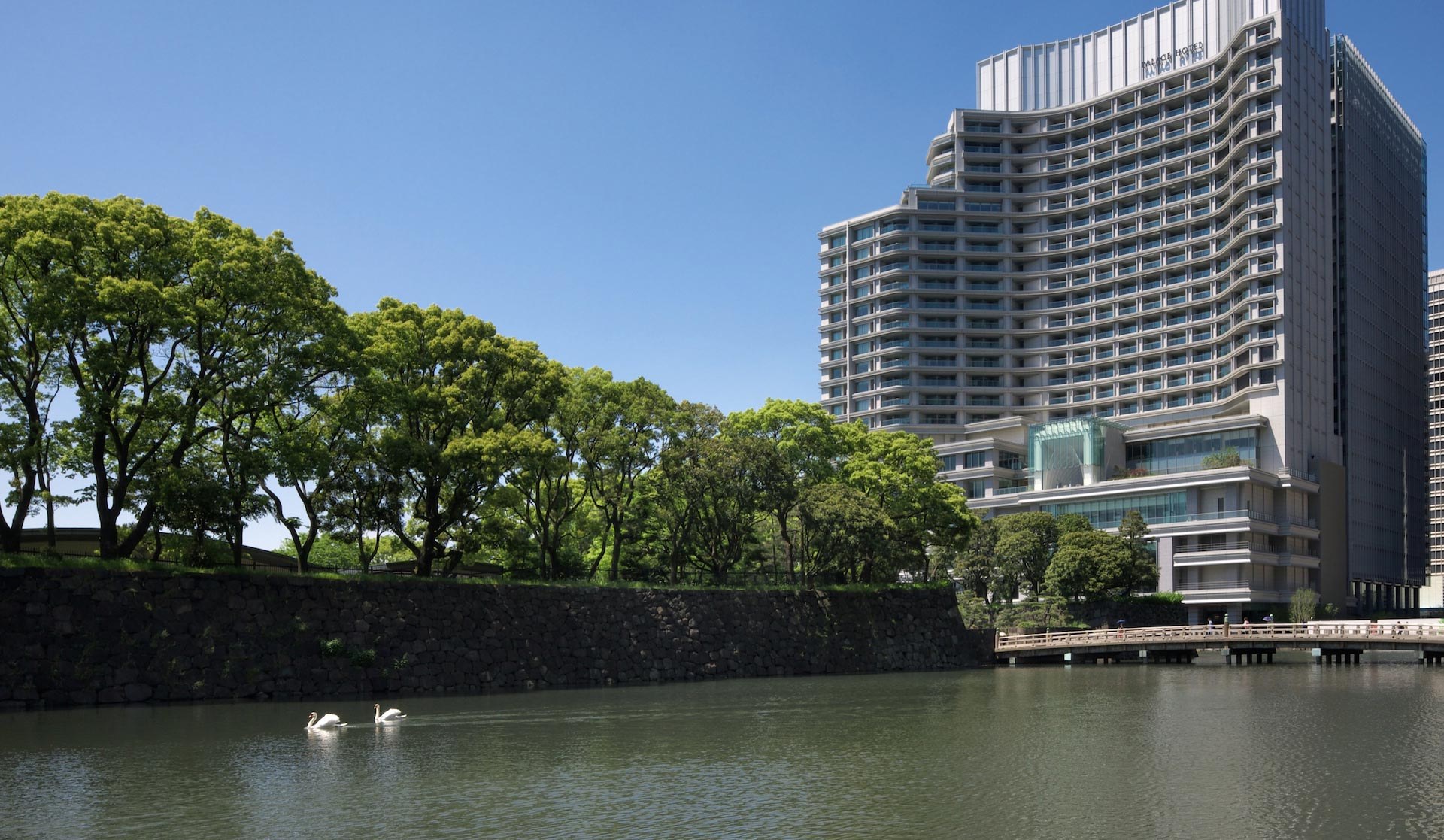
Shibuya Excel Hotel Tokyu reads as a transit‑forward, urban property that trades on motion rather than retreat. Sitting inside the Mark City complex and attached to Shibuya Station, the hotel leans into the district's kinetic energy: the neighbourhood itself feels like an extension of the lobby. The building's scale and placement make it pragmatic and modern, aimed at travelers who want direct access to shopping, dining and transport. It does not aim for the placid exclusivity of ultra‑luxury rivals; instead its personality is busy, efficient and firmly of the city.
Best For
This hotel is best for travelers who prioritize location and connectivity. With 408 rooms and a clear business‑oriented positioning, it serves commuters, corporate guests and anyone using Tokyo's rail network as a primary mobility tool. Guests who value being in the center of Shibuya—steps from transit links, retail and restaurants in the Mark City complex—will find the property especially convenient. It suits short stays and work trips where quick access to the city's transport web and a full‑service hotel setup matter more than high‑end pampering.
Venue details
Ambiance
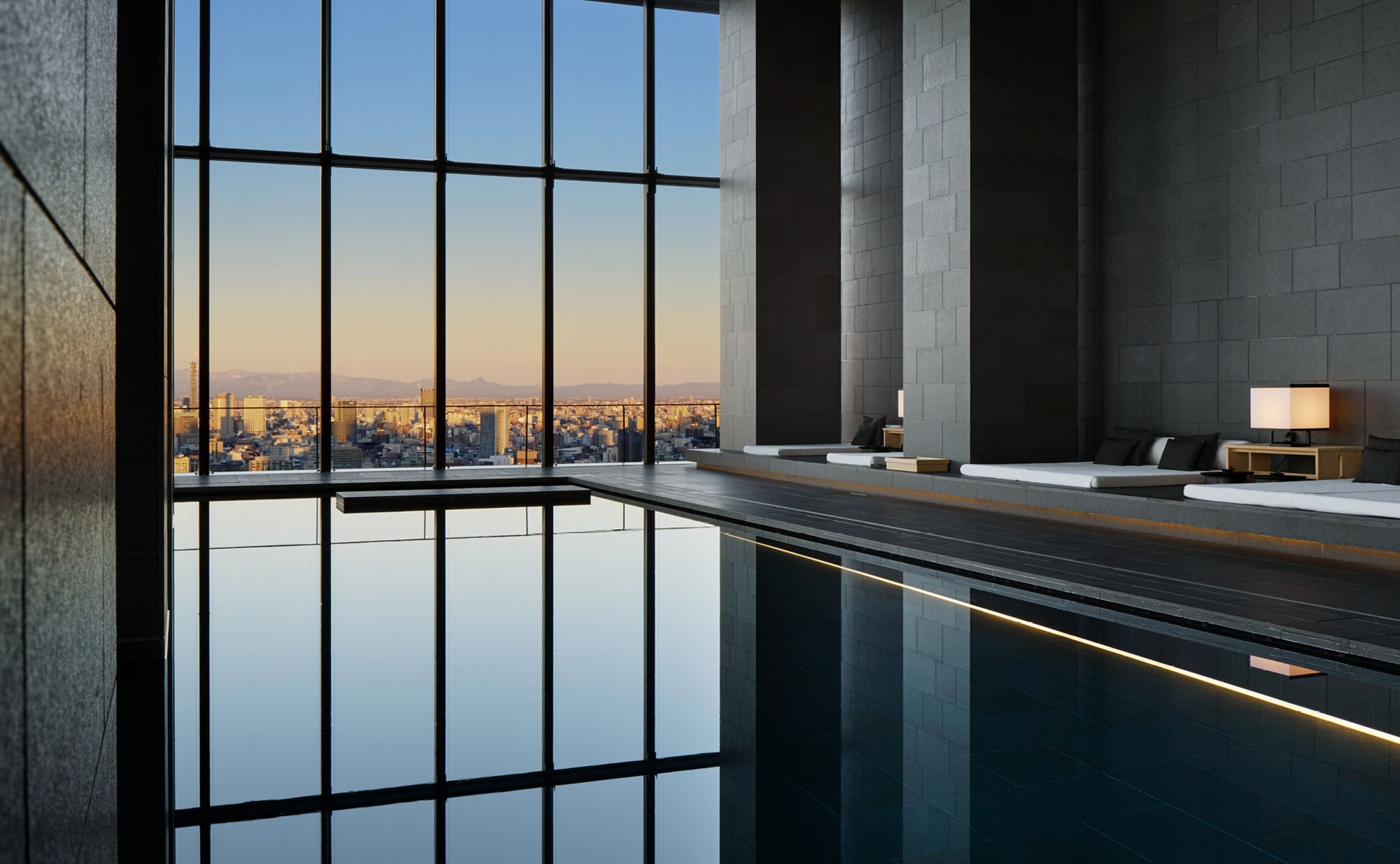
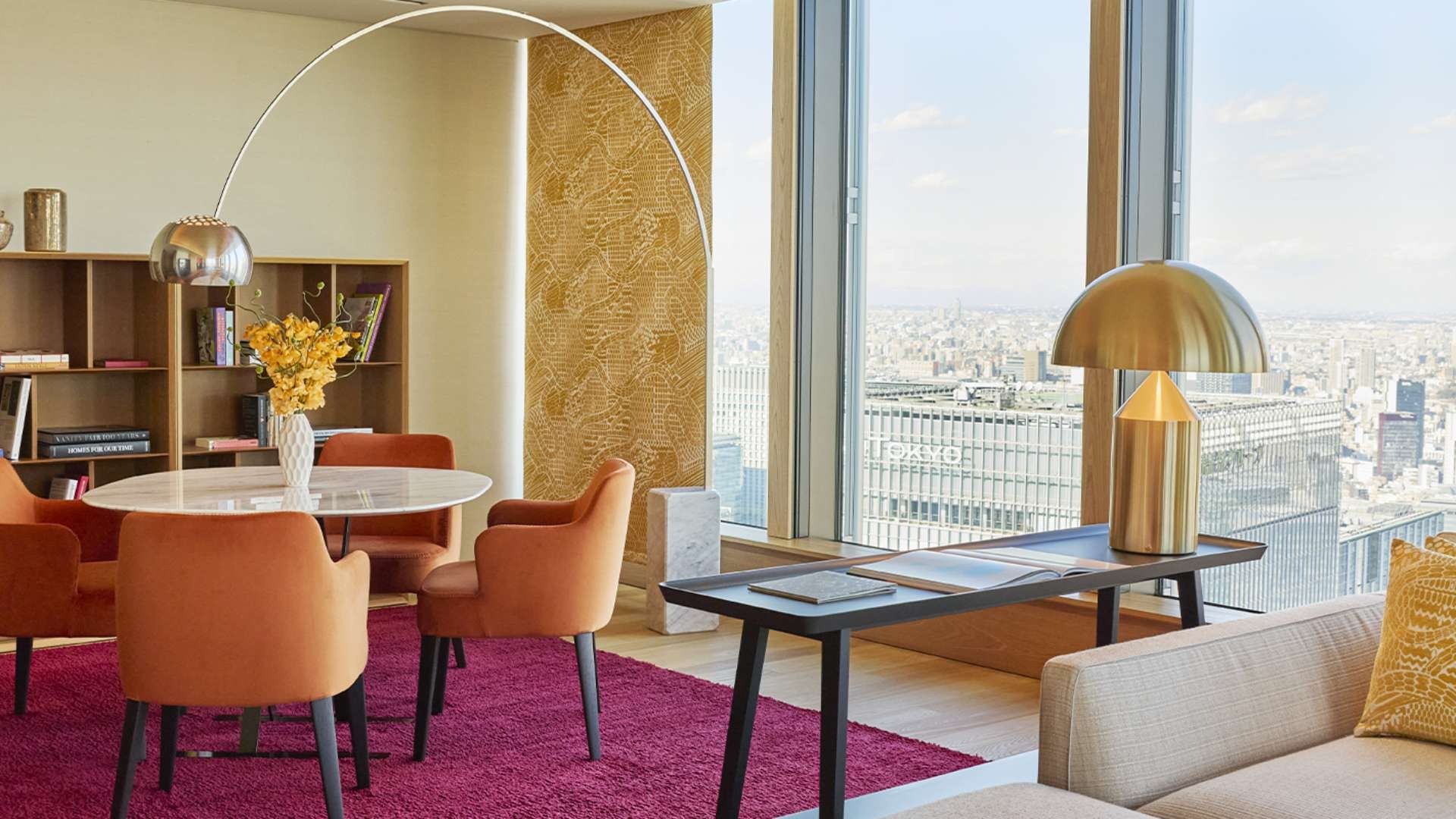
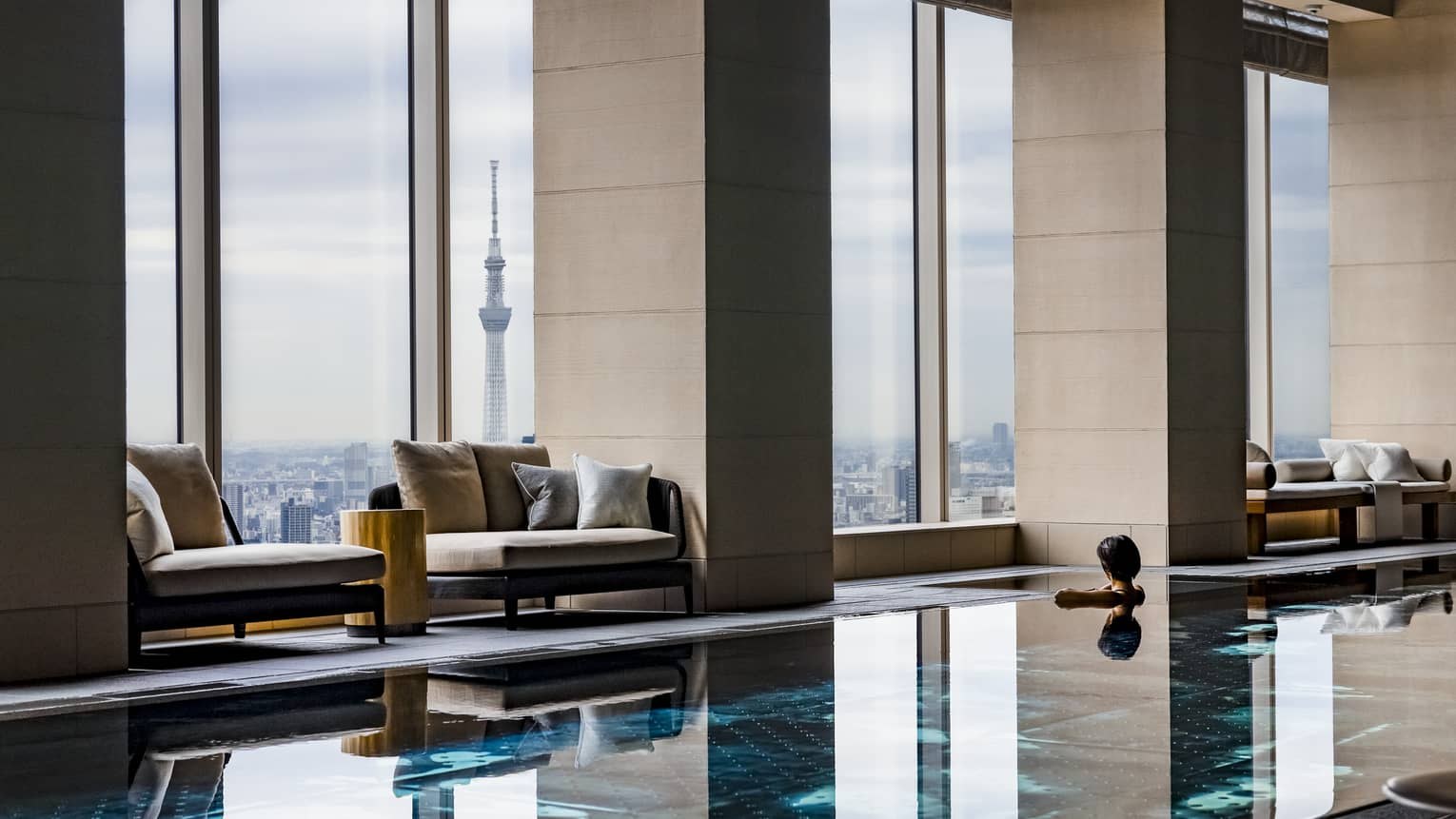
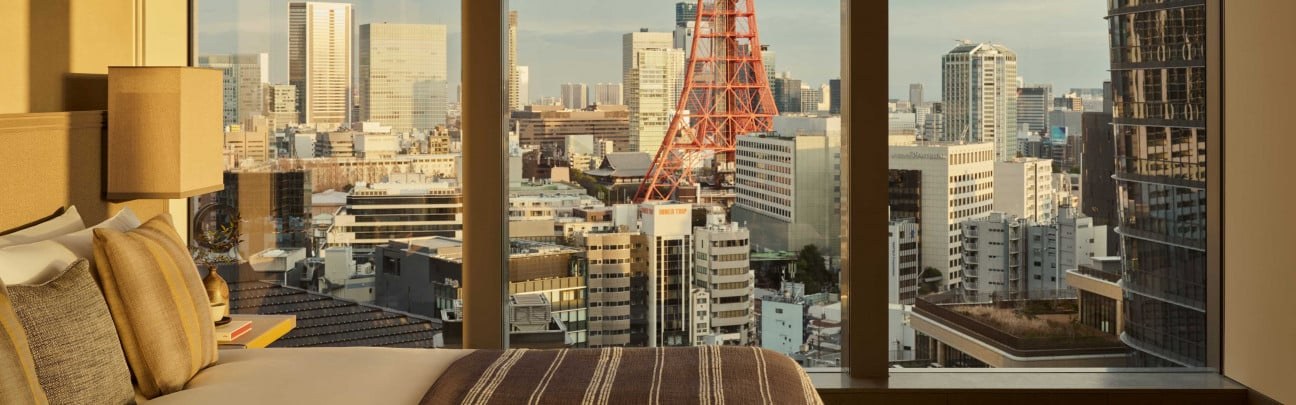
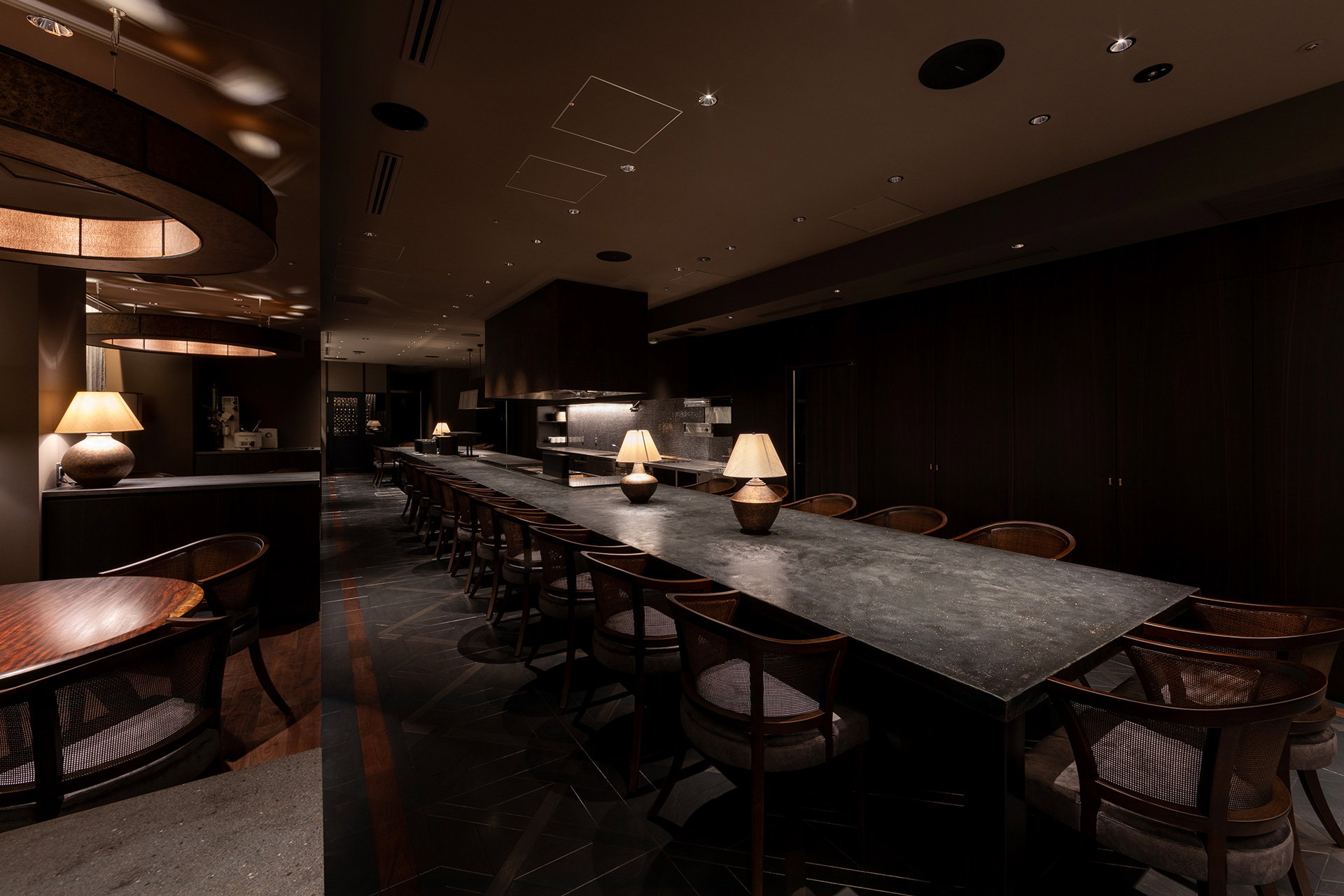
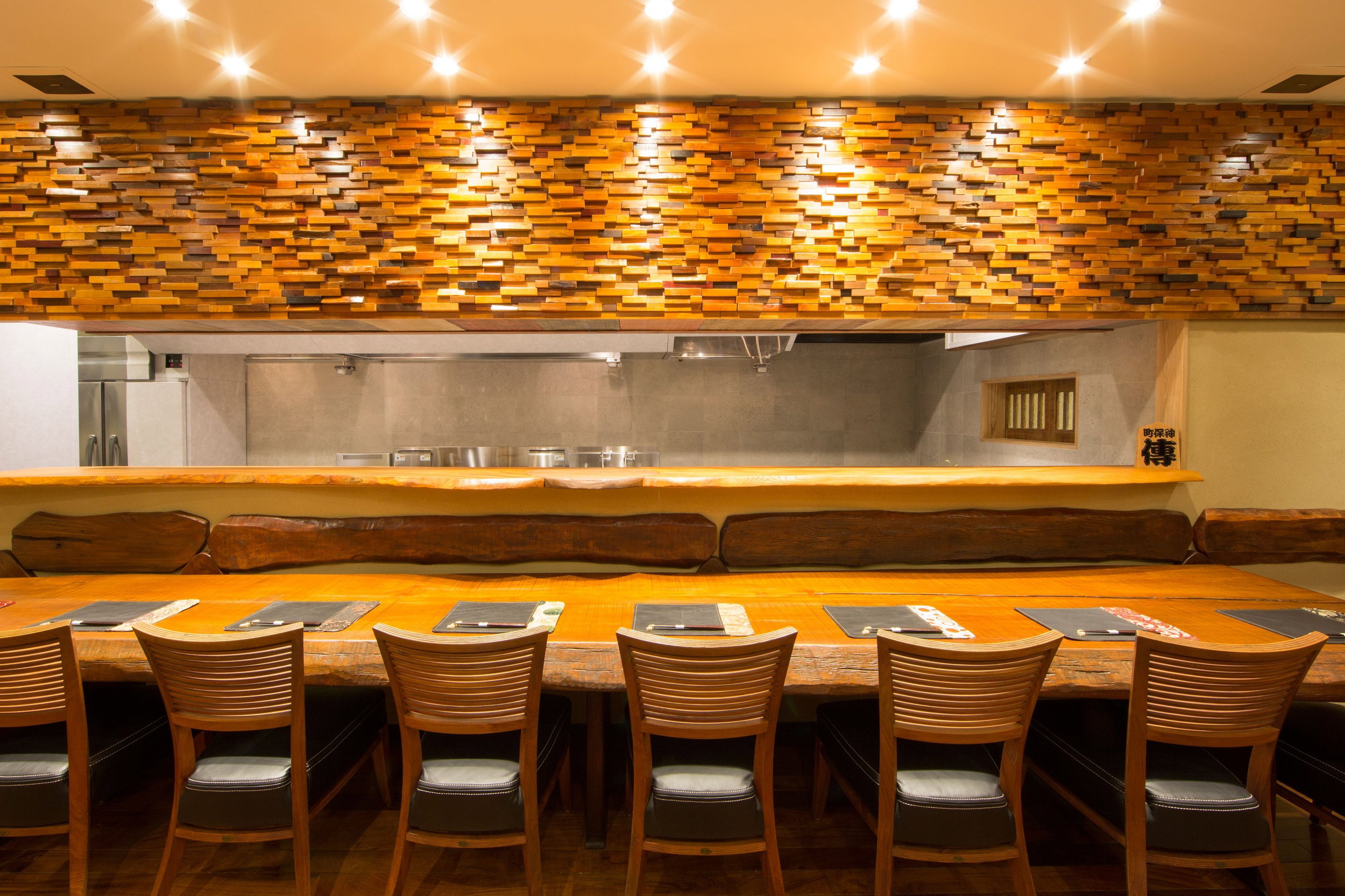
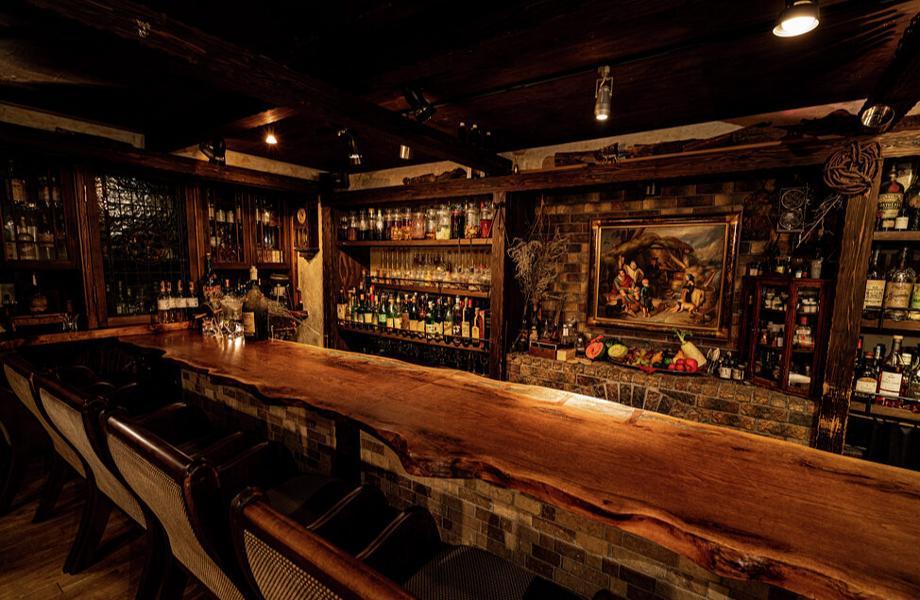
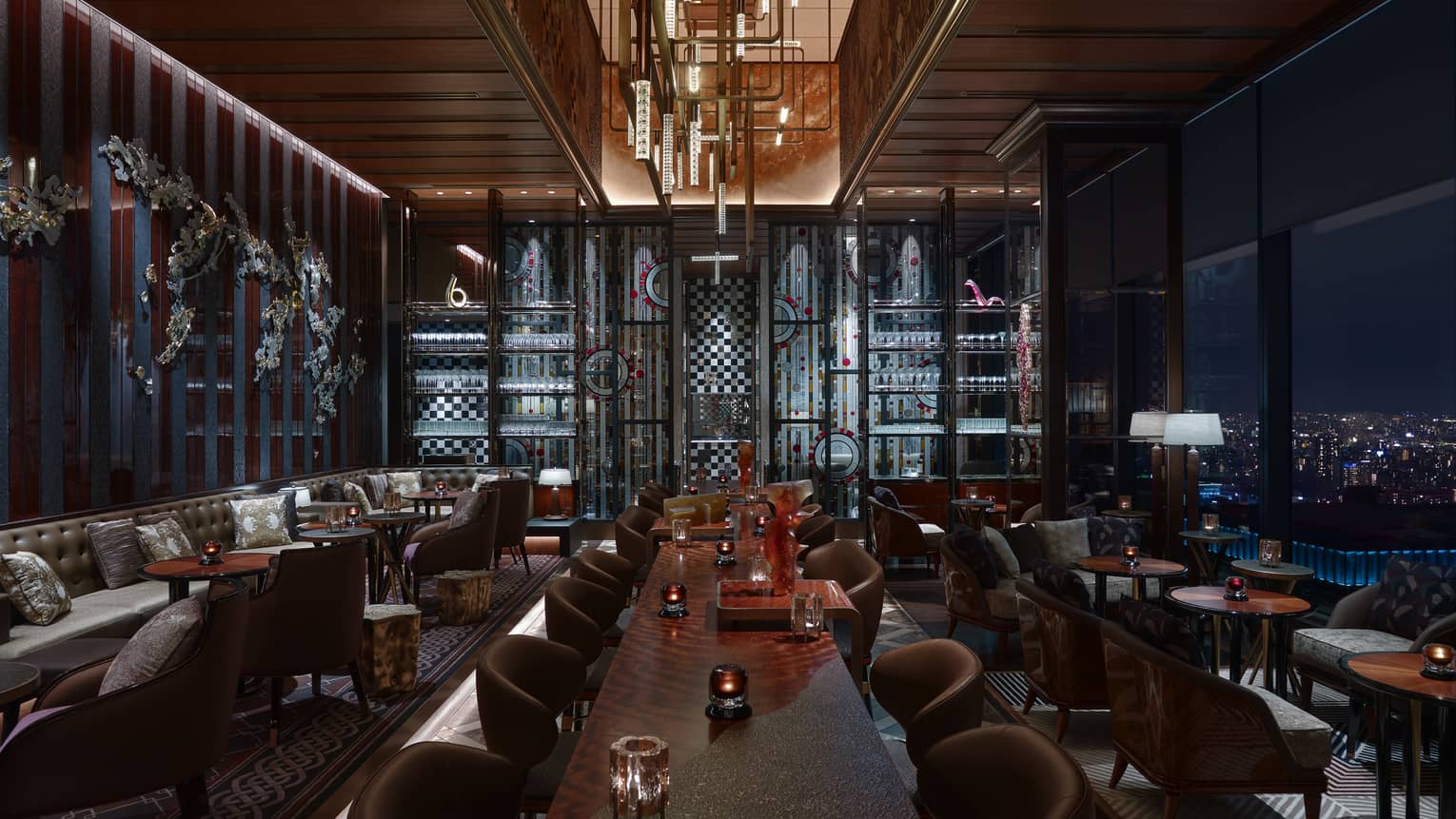
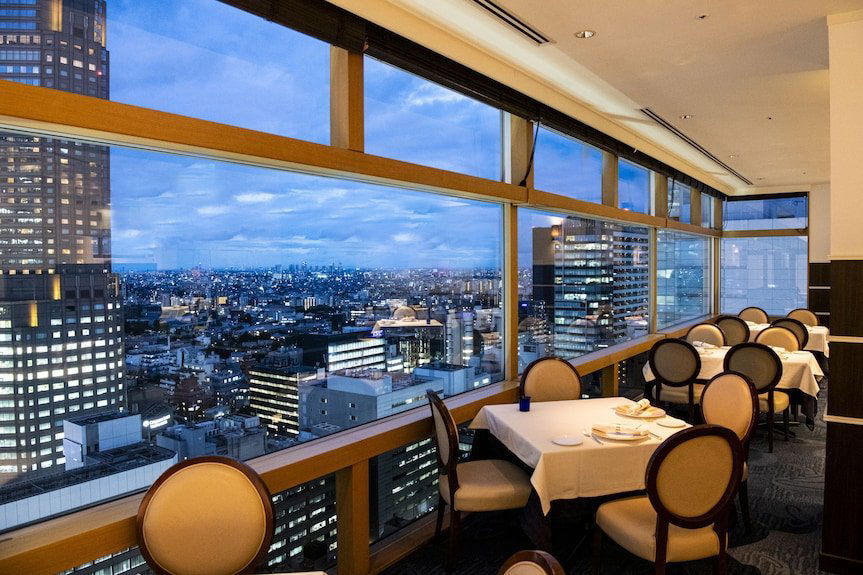
Modern and inviting with neutral tones, sleek wood accents, and a calm atmosphere elevated by panoramic city views over Shibuya.
Tags
Vibe
Best For
Experience
Amenities
View
Accessibility
About the Stay
- Rooms
- 408
- Check-in
- 14:00
- Check-out
- 11:00
- Property Style
- Full Service High Rise City Hotel Integrated with Shibuya Mark City and Oriented to Efficient, Transport Connected Stays.
- Design Style
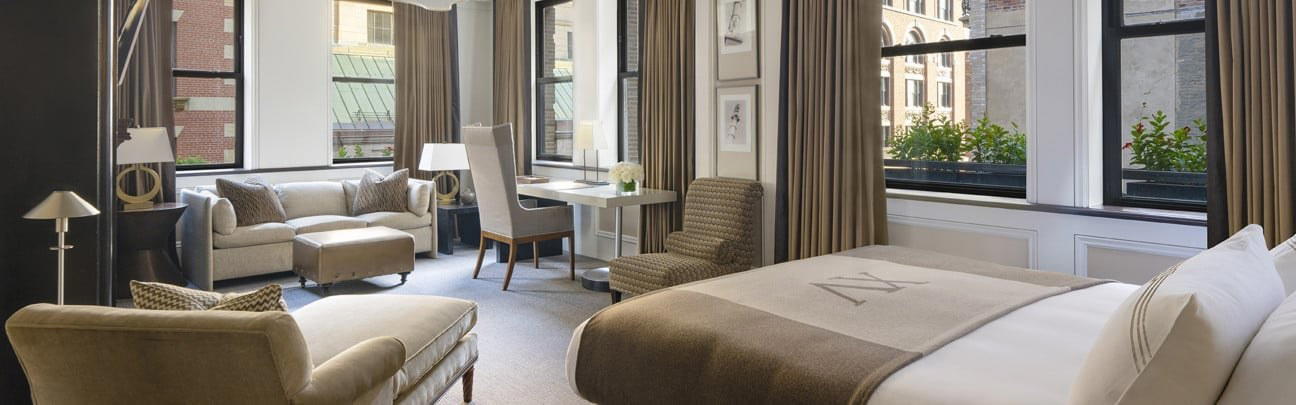
- Contemporary Japanese Business Hotel Design with Modern, Functional Rooms, Subtle Japanese Aesthetics, and Large City View Windows.
Know before you go
Know Before You Go
- Getting there
- 1-chōme-12-2 Dōgenzaka, Shibuya, Tokyo 150-0043
Planning details
Location
1-chōme-12-2 Dōgenzaka, Shibuya, Tokyo 150-0043 · Directions
Recognition and awards
Also consider
Also Consider
- Cerulean Tower Tokyu Hotel, Notable alternative
- Hotel Indigo Tokyo Shibuya, Notable alternative
- Hyatt House Tokyo Shibuya, Notable alternative
- SHIBUYA STREAM HOTEL, Notable alternative
- Hotel Koé Tokyo, Notable alternative
Hotel context
How it compares in Shibuya
Cerulean Tower Tokyu Hotel is the better fit when the stay needs a more polished, grown-up hotel feel, especially for business or a higher-stakes celebration. Shibuya Excel Hotel Tokyu is the more direct choice when station access and being in the middle of Shibuya matter more than a quieter, more formal atmosphere.
Hotel Indigo Tokyo Shibuya is the stronger cross-shop for travelers who care about design personality and a more current room mood. Hyatt House Tokyo Shibuya makes more sense for longer stays or guests who want a more residential setup. Pick Shibuya Excel Hotel Tokyu for a shorter, logistics-first trip where ease beats extra character.
SHIBUYA STREAM HOTEL is the closest alternative for travelers who want Shibuya convenience with a slightly different urban feel, while Hotel Koé Tokyo is better for a style-conscious stay where the social mood matters. If booking needs to be simple and the plan is built around Shibuya, Shibuya Excel Hotel Tokyu is the safe, practical pick.
Explore Tokyo
Around this place
Discover more on Pearl
Unlock the full Shibuya Excel Hotel Tokyu guide in Pearl, including awards, comparisons, FAQs, planning details, and nearby places.
Compare Shibuya Excel Hotel Tokyu
| Venue | Location | Awards |
|---|---|---|
| Shibuya Excel Hotel Tokyu | Tokyo | Preferred Hotels Member 2025 |
| Cerulean Tower Tokyu Hotel | Tokyo | 2025 Michelin Selected HotelsPreferred Hotels L.V.X. Collection 2025 |
| Hotel Indigo Tokyo Shibuya | Tokyo | No published awards |
| Hyatt House Tokyo Shibuya | Tokyo | No published awards |
| SHIBUYA STREAM HOTEL | Tokyo | 2025 Michelin Selected HotelsPreferred Hotels Member 2025 |
| Hotel Koé Tokyo | Tokyo | No published awards |

How Shibuya Excel Hotel Tokyu Tokyo compares with similar nearby venues.
FAQ
Frequently Asked Questions
How is the dining at Shibuya Excel Hotel Tokyu?
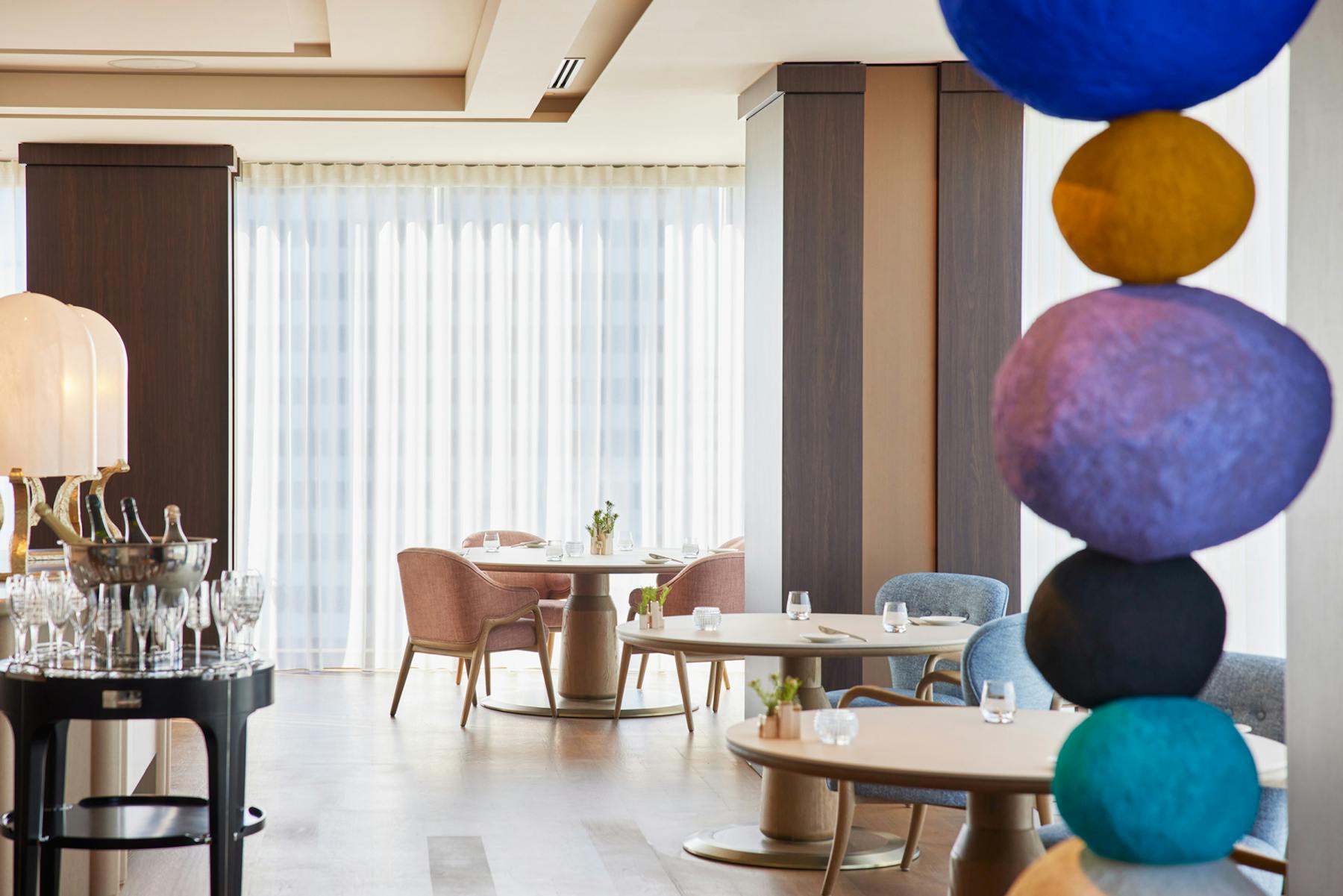
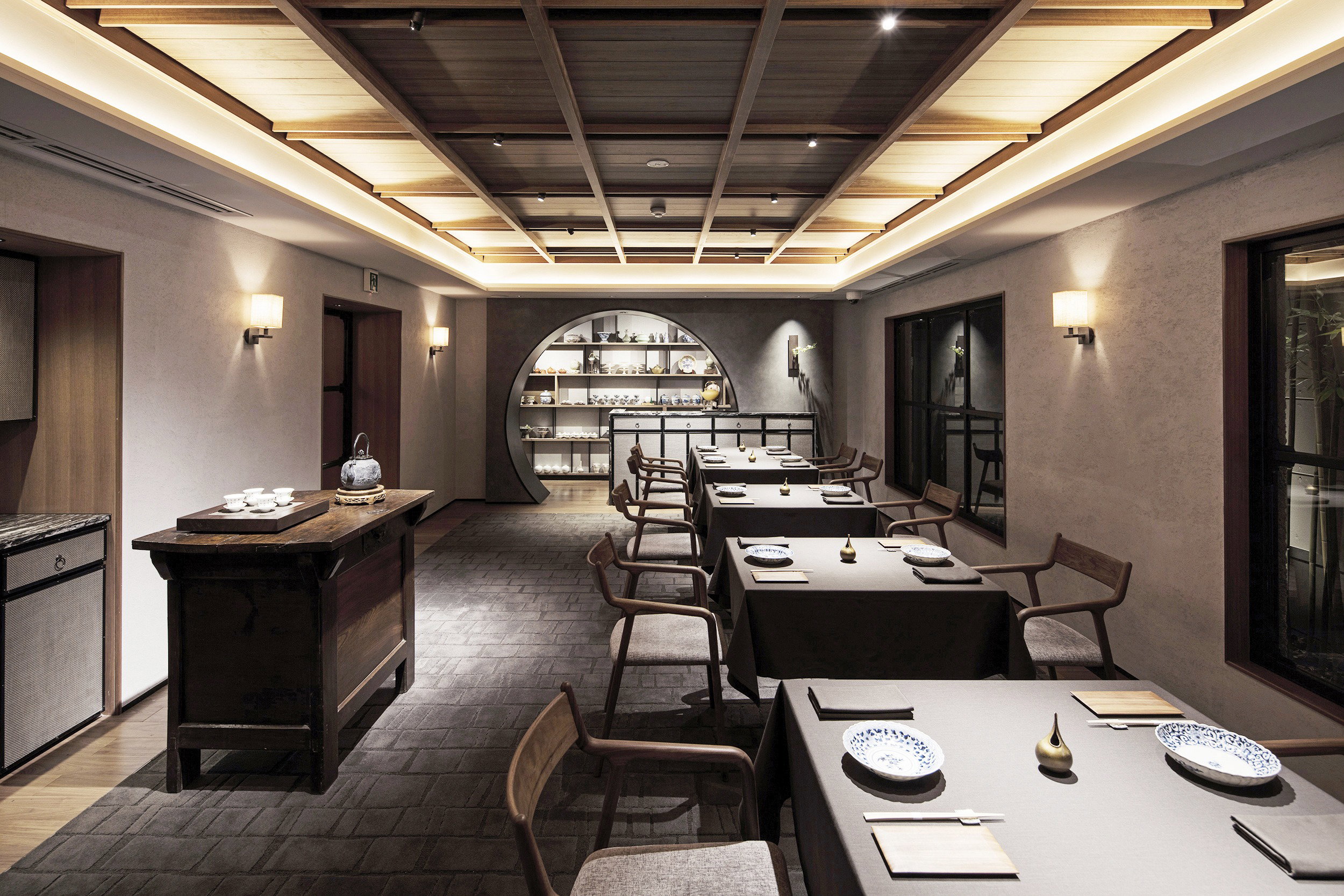
Do not book on the assumption of a particular restaurant, cuisine, meal period, or bar program. If dining is central to the stay, compare current information directly with the hotel and with other Tokyo options such as Cerulean Tower Tokyu Hotel.
How is the pool and spa at Shibuya Excel Hotel Tokyu?
If wellness facilities are important, confirm the current amenities directly before booking and compare Shibuya Excel Hotel Tokyu with other Tokyo hotels such as Hyatt House Tokyo Shibuya.
When is the best time to book Shibuya Excel Hotel Tokyu?
For any Tokyo stay, it is sensible to confirm current rates, policies, and availability directly before committing, and to compare other options such as SHIBUYA STREAM HOTEL or Hotel Koé Tokyo.
What is Shibuya Excel Hotel Tokyu known for?
Shibuya Excel Hotel Tokyu is a Tokyo hotel recognized as a Preferred Hotels Member in 2025. Confirm other specific claims directly with the hotel.