

Takanawa Hanakohro
Minato, Tokyo
Hotel in Tokyo, Japan
 Book with Pearl
The Read
Garden-Rooted Urban Ryokan
Why go
Takanawa Hanakohro is worth prioritizing if you want a quieter Tokyo hotel base with polished service signals rather than a high-energy lobby scene. Its Takanawa address works especially well for repeat visitors and business travelers who value calm between commitments; cross-shop Grand Hyatt Tokyo or The Strings by InterContinental Tokyo if nightlife access or a livelier city feel matters more.
About Takanawa Hanakohro
Takanawa Hanakohro is a Tokyo hotel with two notable recognition points: Small Luxury Hotels of the World membership in 2025 and Forbes 5-Star recognition in 2026. If your plans depend on specific room types, services, dining, neighborhood advantages, pricing, or guest facilities, check directly with the hotel before booking.
A Tokyo stay with luxury recognition
Takanawa Hanakohro's recognition profile is its clearest selling point. Small Luxury Hotels of the World membership and Forbes 5-Star recognition place it among Tokyo hotels with premium positioning, though travelers should still review current amenities, service inclusions, dining options, and room-category details before booking.
For travelers comparing Tokyo luxury hotels, Takanawa Hanakohro is best evaluated as a premium stay with external recognition. If your decision depends on a specific feature, package, access need, or loyalty benefit, check that detail through the hotel's official channels before committing.
Choose it for recognition; cross-shop for fit
The practical booking question is whether Takanawa Hanakohro's recognition and overall hotel positioning match the kind of Tokyo stay you want. Compare it on the facts that matter most to your trip, then check current hotel information directly.
For alternative Tokyo hotel options, compare it with Grand Hyatt Tokyo, The Strings by InterContinental Tokyo, The Prince Sakura Tower Tokyo, Autograph Collection, The Prince Park Tower Tokyo, or Fairmont Tokyo. Each may suit different preferences; review current hotel information for specific advantages.
Planning details
- Location
- 〒108-8612 Tokyo, Minato City, Takanawa, 3-chōme−13−1 グランドプリンスホテル 高輪
- Website
- princehotels.co.jp/hanakohro
- Phone
- +81 3-3447-1117
The take
The Take
The Vibe
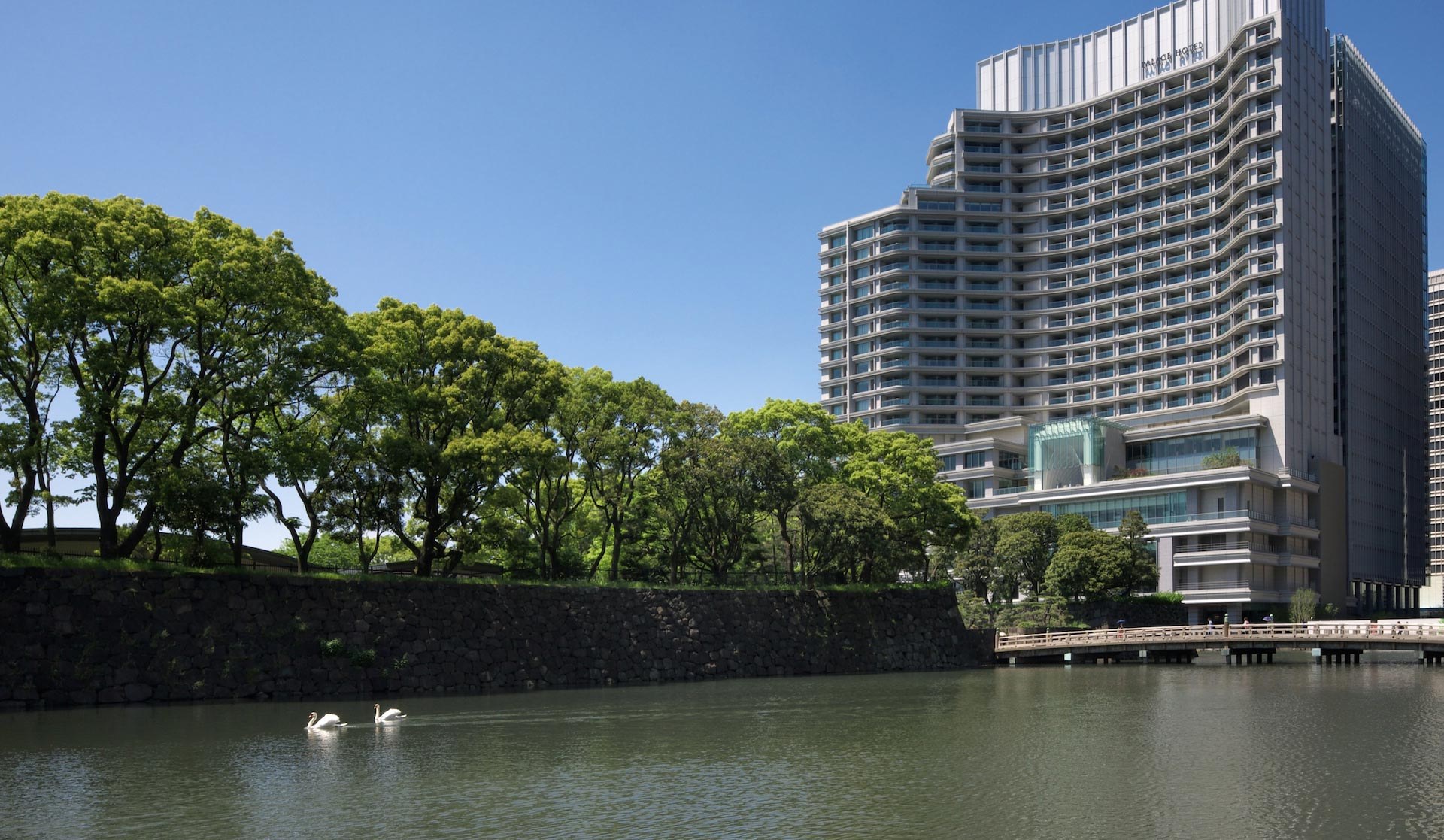
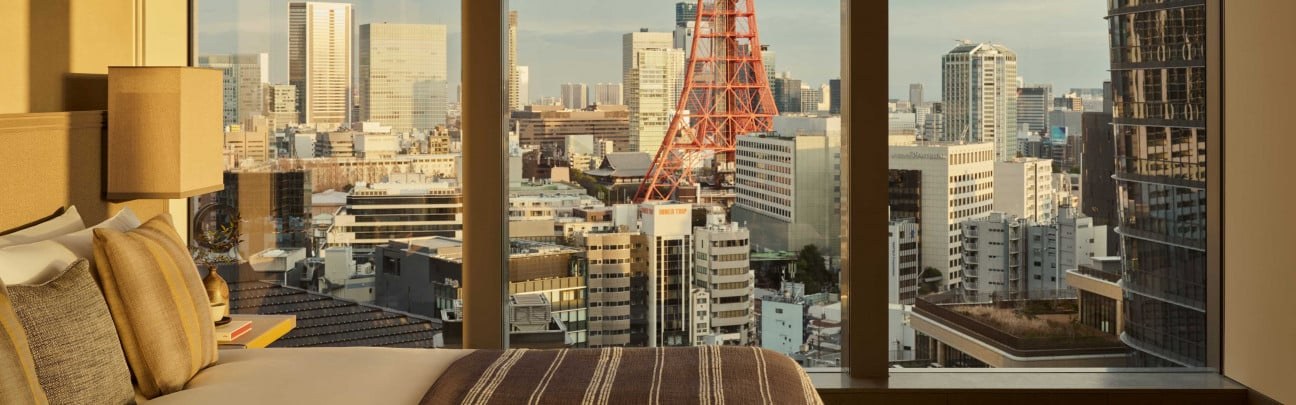
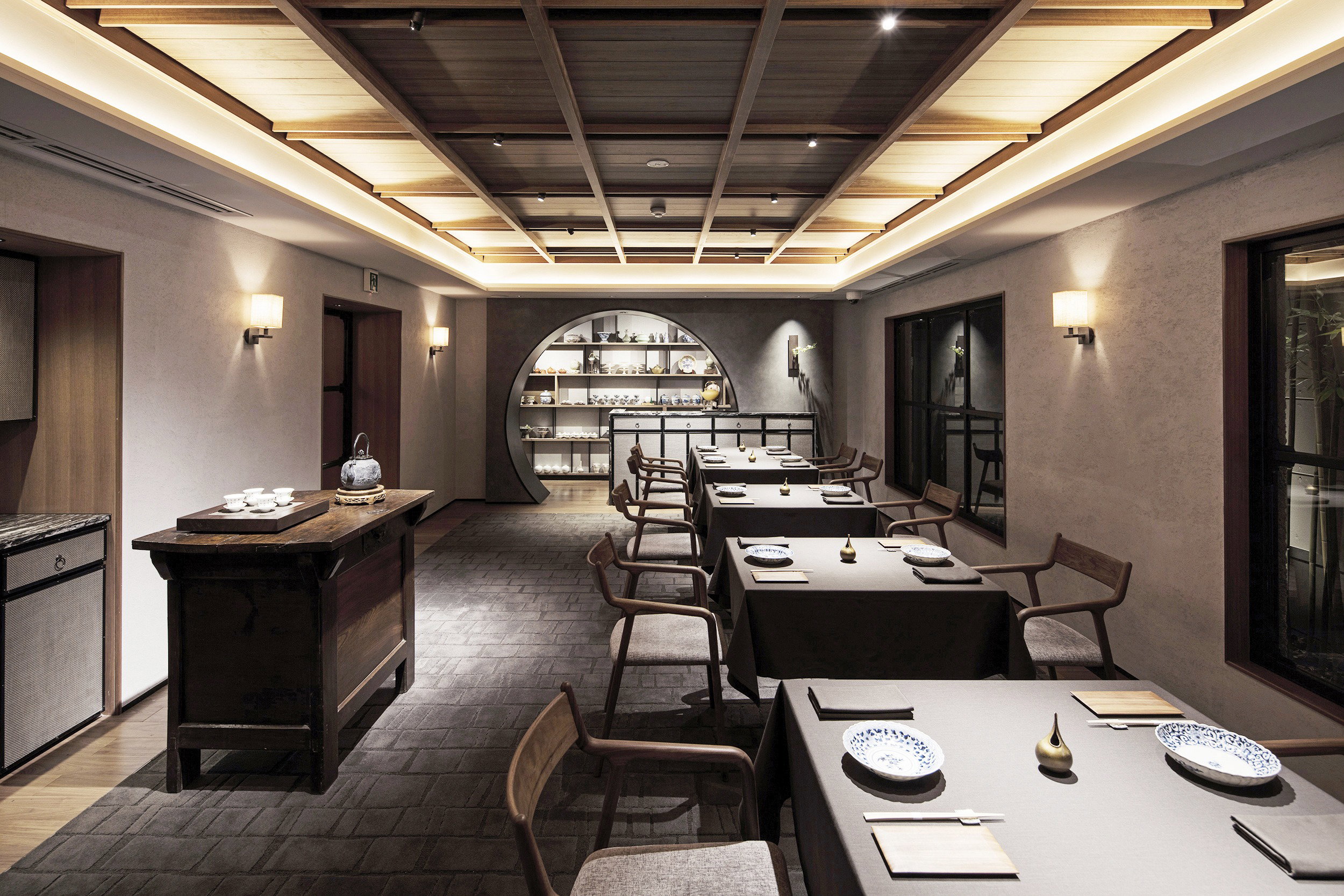
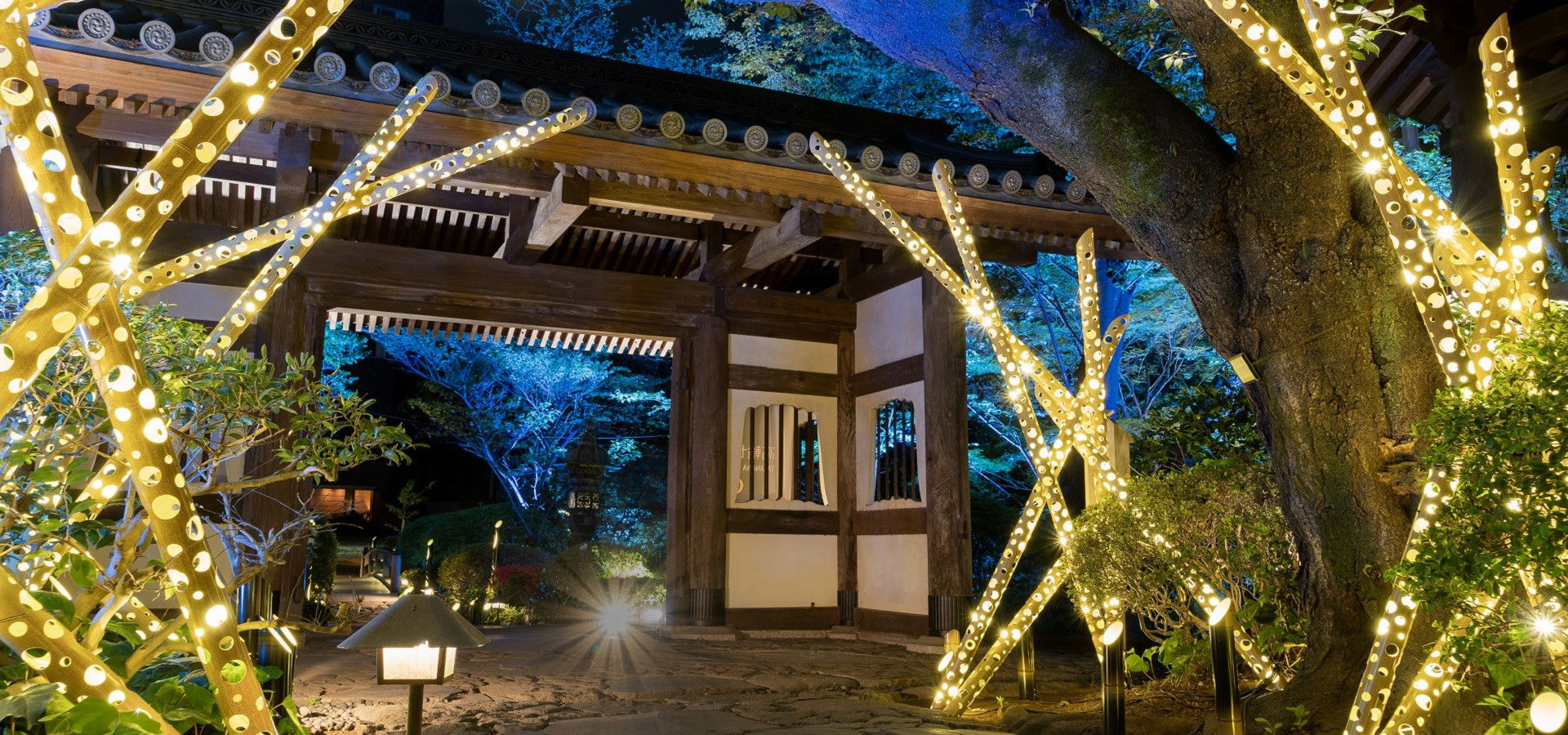
Takanawa Hanakohro reads as a traditional ryokan transplanted into a modern hotel context. It preserves classic Japanese inn details — tatami rooms, low beds and ikebana arrangements — while operating as a compact, 16-suite enclave, which gives the property an intimate, reserved quality. The writing stresses omotenashi-style service, so the guest experience leans toward calm formality rather than bustle. At the same time, access to the Grand Prince Hotel’s amenities — a summertime outdoor pool and extensive garden grounds — softens the seclusion, creating a quietly elegant hybrid of old‑world ryokan ritual and urban hotel convenience.
Best For
Hanakohro is best experienced in the morning: the OH-SAI Lounge, reserved exclusively for ryokan guests, is positioned as the focal point for breakfast and daytime ritual. The property promotes an 'extravagant breakfast' in the traditional Japanese style — think grilled fish, pickled vegetables, rice, miso and seasonal small dishes — rather than a Western buffet. That emphasis makes Hanakohro especially appealing to visitors who want an authentic ryokan breakfast ritual without leaving central Tokyo, and to travelers who prize a measured, hospitality-driven start to the day.
Stay Tips
Prioritize the morning offerings at the OH-SAI Lounge: the property frames breakfast as a signature occasion and describes it as an elaborate, traditional Japanese meal rather than a continental spread. Expect a variety of seasonal small plates, grilled fish, pickles, rice and miso — the items the description explicitly cites — and treat the lounge visit as part of the ryokan ritual. Because the lounge is reserved for ryokan guests, plan your morning around that exclusive experience to get the clearest sense of how Hanakohro differentiates itself from typical Tokyo hotel breakfasts.
Venue details
Ambiance
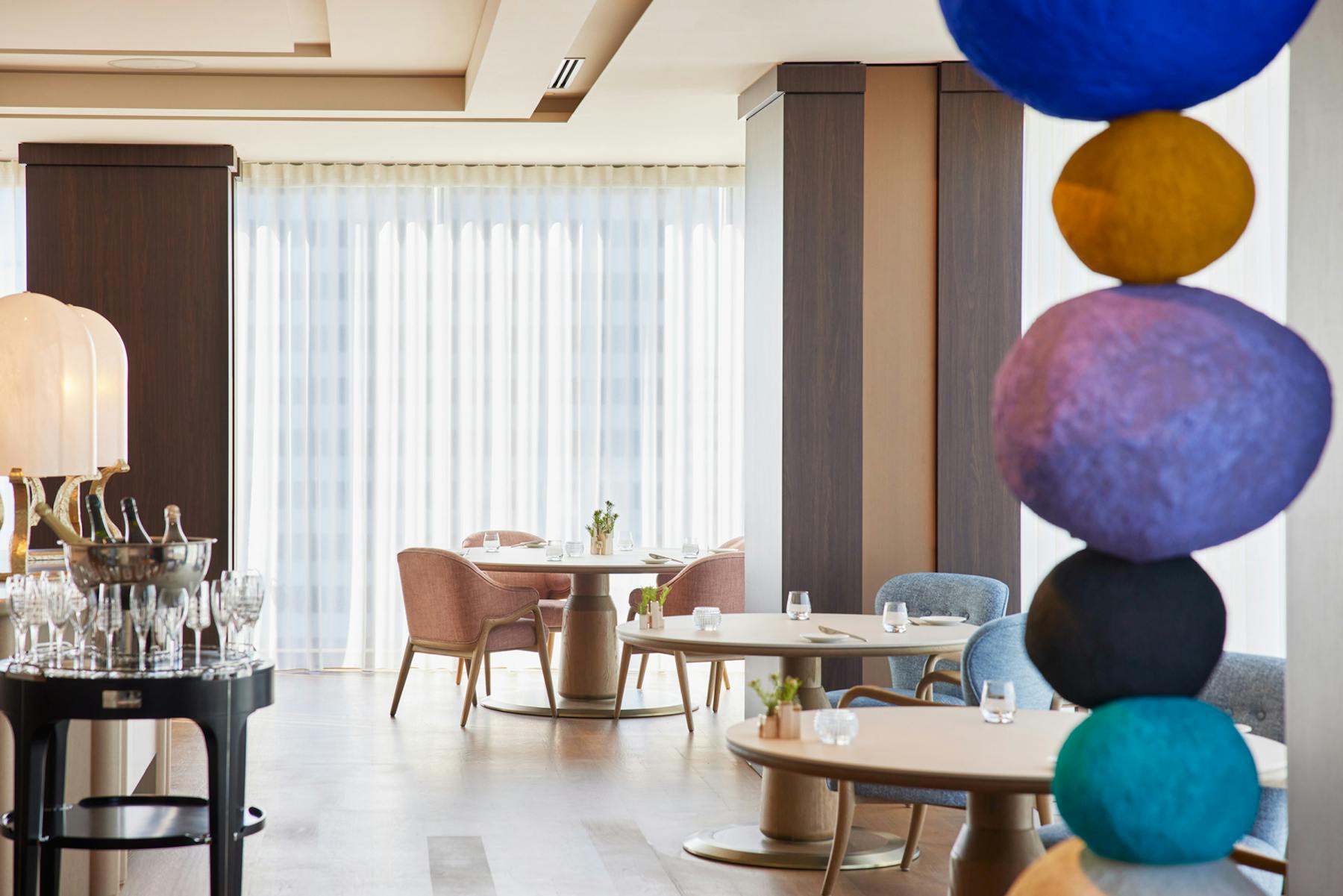
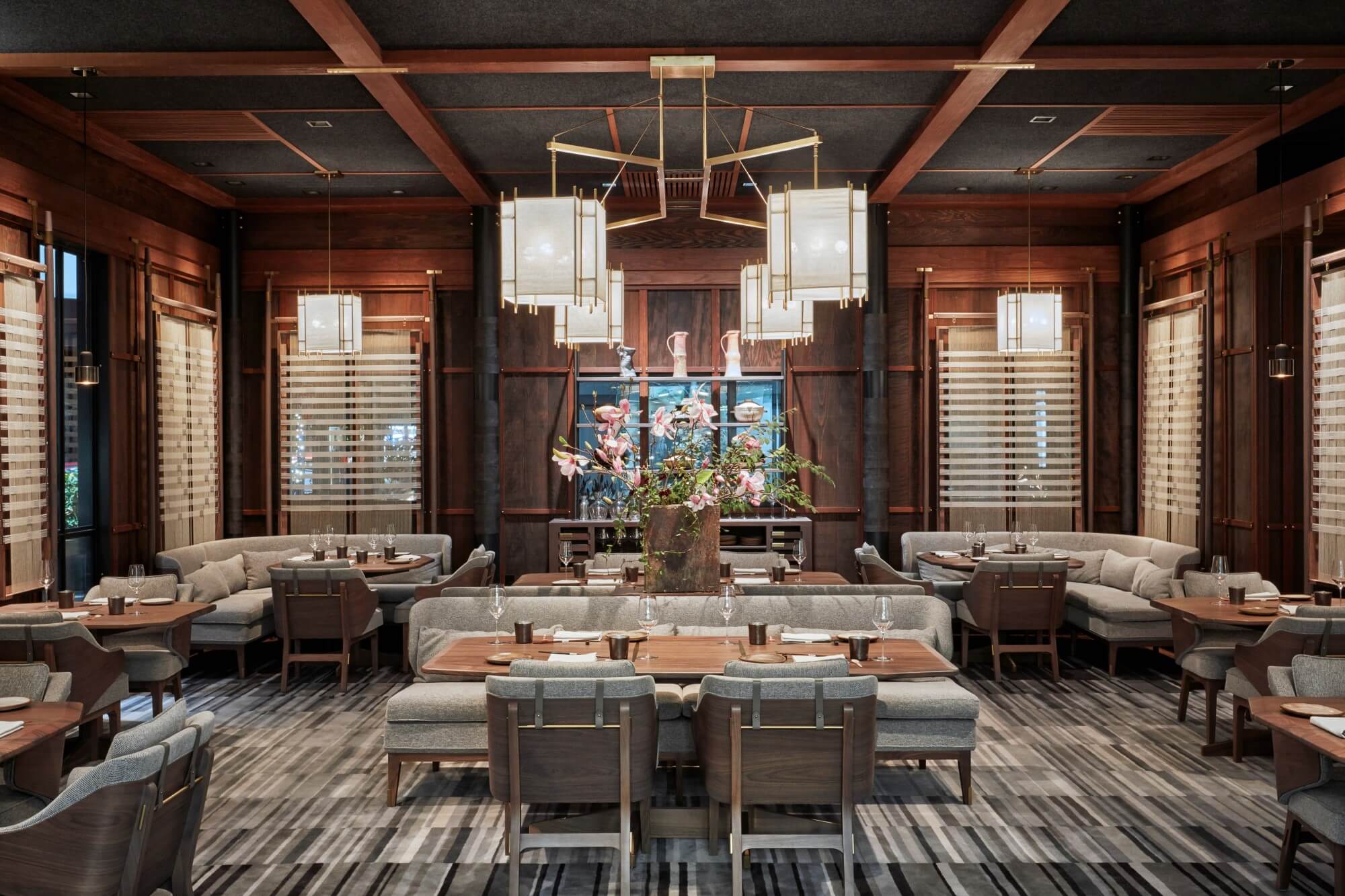
Quiet, refined, and serene, with traditional Japanese aesthetics, soft natural light, and a calming garden setting that creates an urban ryokan atmosphere.
Tags
Vibe
Best For
Experience
Amenities
View
Accessibility
About the Stay
- Rooms
- 16
- Check-in
- 15:00
- Check-out
- 12:00
- Property Type
- Heritage hotel
- Property Style
- Luxury Urban Ryokan / Contemporary Japanese Inn
- Design Style
- Contemporary Ryokan with Traditional Japanese Elements, Tatami Interiors, Shoji Screens, Natural Wood, and Modern Comfort.
- Pool
- Yes
- Spa
- Yes
- Families
- Welcome
- Opened
- 1971
Know before you go
Know Before You Go
- Getting there
- 〒108-8612 Tokyo, Minato City, Takanawa, 3-chōme−13−1 グランドプリンスホテル 高輪
Planning details
Location
〒108-8612 Tokyo, Minato City, Takanawa, 3-chōme−13−1 グランドプリンスホテル 高輪 · Directions
Recognition and awards

Also consider
If this is full
Try The Prince Sakura Tower Tokyo, Autograph Collection first if the Takanawa setting is the priority. Try The Strings by InterContinental Tokyo if station convenience matters more than retreat atmosphere.
Hotel context
How it compares in Tokyo
Takanawa Hanakohro is the calmer choice in this set. Compared with Grand Hyatt Tokyo, it is less useful for guests who want Roppongi energy, dining density, and a bigger social hotel feel. Choose Grand Hyatt Tokyo for city buzz; choose Takanawa Hanakohro for a quieter stay with stronger retreat value.
The Strings by InterContinental Tokyo is the better fit if transport convenience around Shinagawa is the main priority. Takanawa Hanakohro is more appealing when the stay itself matters as much as the commute. The Prince Sakura Tower Tokyo, Autograph Collection is the closest practical cross-shop for guests who want the same broad area with a more conventional luxury-hotel feel.
The Prince Park Tower Tokyo should be on the list for travelers who want a landmark-adjacent Tokyo stay, while Fairmont Tokyo is the more obvious choice for a newer international-luxury profile. Takanawa Hanakohro wins on quiet confidence, not spectacle.
Explore Tokyo
Around this place
Discover more on Pearl
Unlock the full Takanawa Hanakohro guide in Pearl, including awards, comparisons, FAQs, planning details, and nearby places.
Compare Takanawa Hanakohro
| Venue | Location | Awards |
|---|---|---|
| Takanawa Hanakohro | Tokyo | 2026 Forbes 5-Star2025 Forbes 5-StarSmall Luxury Hotels Member 2025 |
| The Prince Sakura Tower Tokyo, Autograph Collection | Tokyo | 2026 Forbes 4-Star2025 Forbes Recommended |
| The Strings by InterContinental Tokyo | Tokyo | No published awards |
| The Prince Park Tower Tokyo | Tokyo | 2026 Forbes 4-Star2025 Forbes 4-StarPreferred Hotels L.V.X. Collection 2025 |
| Fairmont Tokyo | Tokyo | 2026 Virtuoso Luxury Hotel Collection2026 Robb Report Best Luxury Hotels in Tokyo2026 Michelin 1 Key2025 Michelin 1 Key |
| Grand Hyatt Tokyo | Tokyo | 2026 Forbes 4-Star2026 Virtuoso Luxury Hotel Collection2025 Michelin Selected Hotels2025 Forbes 4-Star |







How Takanawa Hanakohro Tokyo compares with similar nearby venues.
FAQ
Frequently Asked Questions
What is check-in like at Takanawa Hanakohro?
Takanawa Hanakohro is in Tokyo and has Forbes 5-Star recognition. Guests should confirm current arrival procedures directly with the hotel.
Is Takanawa Hanakohro good for business travel?
It may be worth considering for a Tokyo business stay because it is a premium hotel with notable recognition. If your trip depends on specific business services, meeting facilities, transport needs, or loyalty benefits, confirm those details directly before booking.
How is the location of Takanawa Hanakohro?
Takanawa Hanakohro is in Tokyo. For access details and transit convenience, use the hotel's official channels or current mapping tools.
Do loyalty programs work at Takanawa Hanakohro?
Takanawa Hanakohro is a Small Luxury Hotels of the World Member. Confirm current earning, redemption, upgrade, recognition benefits, program participation, and booking conditions before reserving.
Which room category is best at Takanawa Hanakohro?
How does Takanawa Hanakohro compare to other hotels?
Takanawa Hanakohro has Small Luxury Hotels of the World membership and Forbes 5-Star recognition. For other Tokyo options, compare it with Grand Hyatt Tokyo, The Prince Park Tower Tokyo, The Prince Sakura Tower Tokyo, Autograph Collection, The Strings by InterContinental Tokyo, or Fairmont Tokyo, using current hotel details for amenities, location, and program benefits.