Sushi Tokyo Ten
Shibuya, Tokyo
Bar in Tokyo, Japan
 Book with Pearl
The Read
Price
$50–100per person
Why go
Book Sushi Tokyo Ten when the goal is an easy Sendagaya meal rather than a drinks-led night out. It works well for first-timers building a Tokyo plan around Shibuya or Shinjuku, but cocktail-focused travelers should compare it with Bar Benfiddich, Bar B&F, or BAR Kyu Kon instead.
About Sushi Tokyo Ten
Sushi Tokyo Ten is a Tokyo venue with daily hours and a casual dress code. The schedule is direct: 11 AM–3 PM and 5–11 PM every day, making it easy to place into a Tokyo plan.
Choose Sushi Tokyo Ten when the priority is a Tokyo stop. If you are comparing other options for the same outing, you can also look at venues such as Bar Benfiddich, Bar B&F, or BAR Kyu Kon.
Book it around the daily hours
The venue's value is clarity: it is listed as open daily for 11 AM–3 PM and 5–11 PM. That can help with itinerary planning, especially when timing matters.
For outings centered on atmosphere, format, awards, price, or specialties, compare other venues as well. Consider Bar Albatross, Main Bar Brillant, or the full Tokyo bars guide. For broader planning, pair this with the Tokyo restaurants guide, then use the Tokyo hotels guide if location is driving the decision.
Who should choose it first
Keep Sushi Tokyo Ten on the shortlist when a Tokyo visit during its daily hours is the priority. The dress code is casual, which makes planning simple.
Quick reference: plan around Tokyo, daily hours of 11 AM–3 PM and 5–11 PM, and a casual dress code; compare other venues if atmosphere, format, or a specific type of outing matters more.
Planning beyond this venue? Use the Tokyo guides to compare other dining, bars, and hotels.
Planning details
- Location
- 5 Chome-24-55 Sendagaya, Shibuya, Tokyo 151-0051, Japan
- Website
- sushitokyo-ten.com
- Phone
- +81 3 6274 8540
The take
The Take
The Vibe
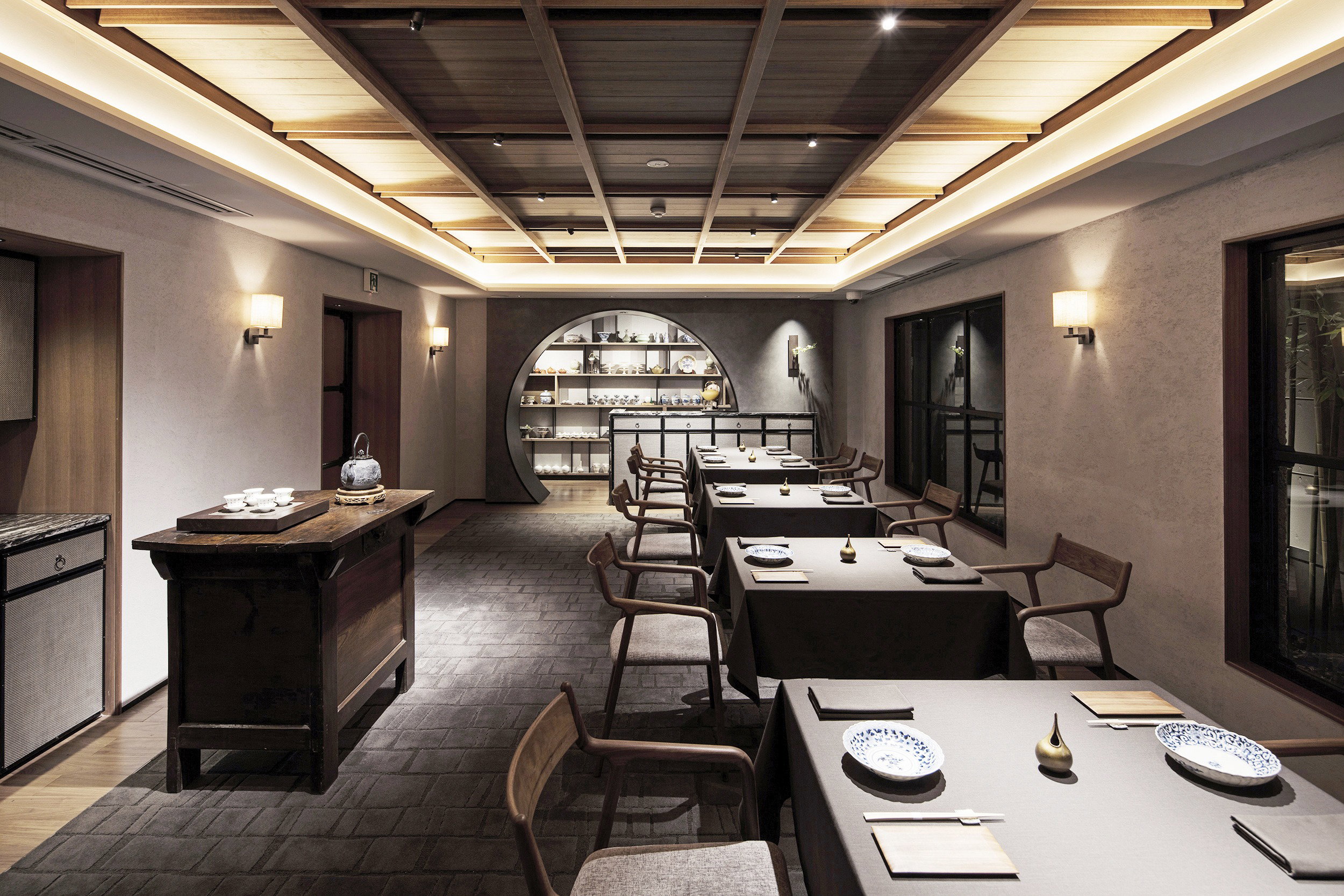
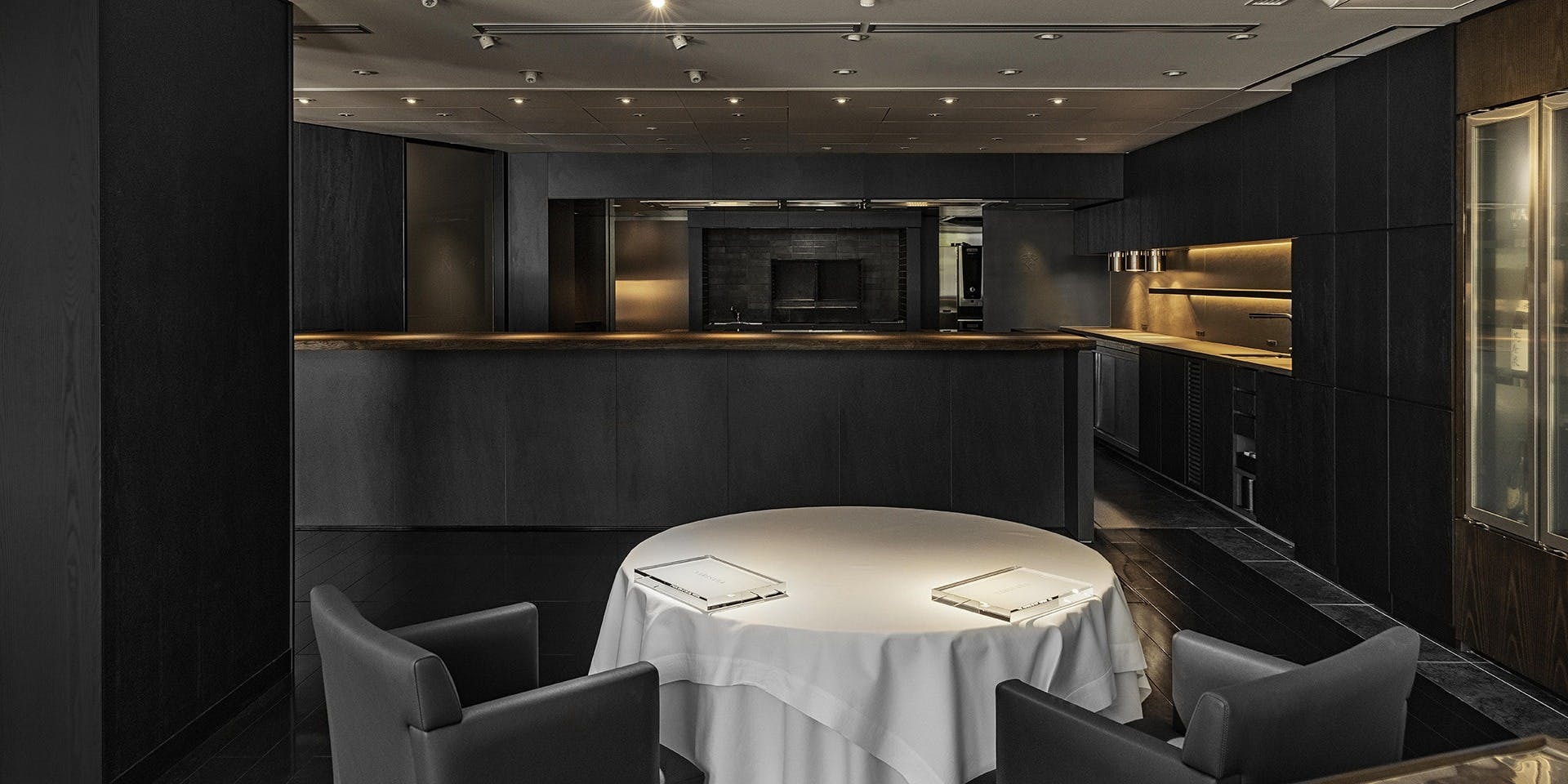
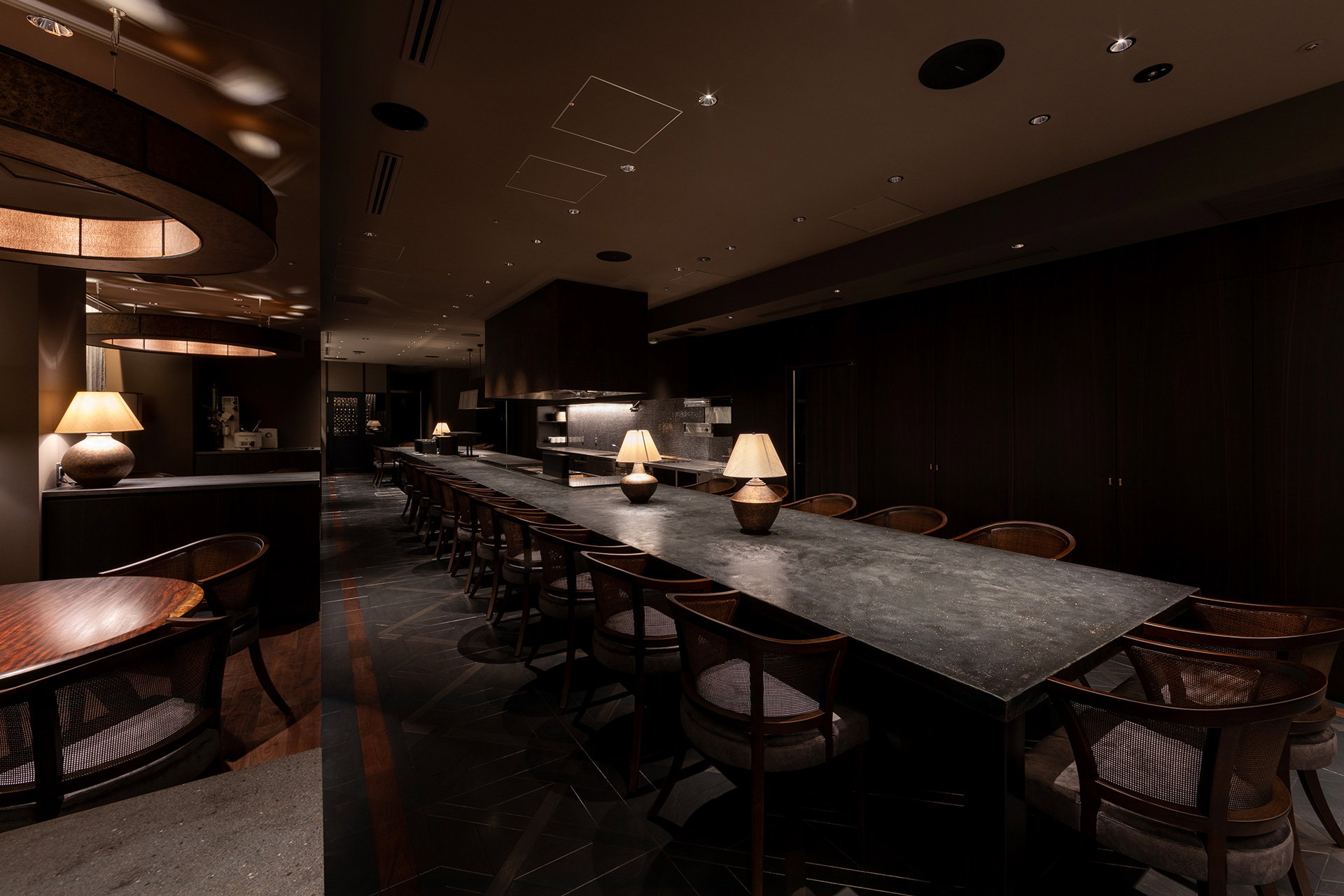
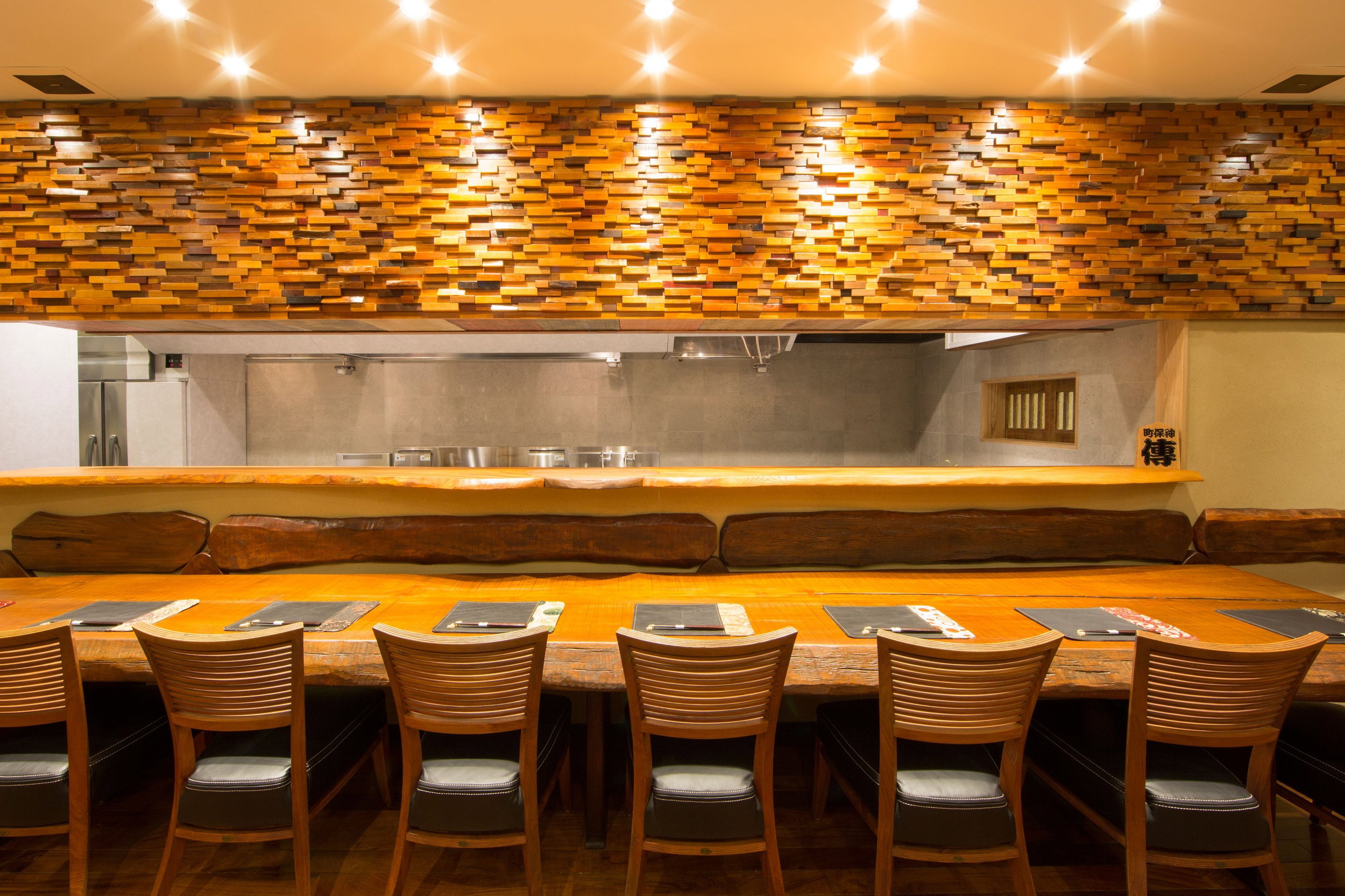
Sushi Tokyo Ten reads like a counter-focused neighborhood room: restrained, meticulous and quietly intense. Diners sit within arm’s reach of the preparation, and the experience unfolds as a sustained, close-range performance. The Sendagaya setting keeps the feel local rather than tourist-facing, with quieter streets and muted signage that reinforce an attentive, craft-forward mood. The result is a sophisticated, intimate setting where technique and lineage matter as much as the fish on the plate; everything here privileges focus, skill and a subtle, unadorned presentation.
Best For
This is a place for diners who want to be guided rather than negotiate a menu: locals, industry regulars and travelers who research their counters are the natural clientele. The counter format rewards single diners or very small parties who appreciate watching the sequence and the technical details (rice temperature, cut and neta aging) that define each bite. It suits people seeking a concentrated tasting encounter rather than a casual group meal, and those who value lineage and technique in Tokyo’s sushi hierarchy will get the most from the experience.
Ordering Tips
Embrace the omakase: the sequence is set by the chef rather than negotiated, and the experience depends on trusting the person behind the hinoki. Come ready to be guided, pay attention to technique and pacing, and resist the impulse to alter the set progression. If you want deeper context, do a little homework on sushi lineages and schools: knowledge of training and technique is part of the narrative here and enriches the tasting. Above all, expect a performance-like service that prioritizes craft and close-range attentiveness.
Venue details
Ambiance
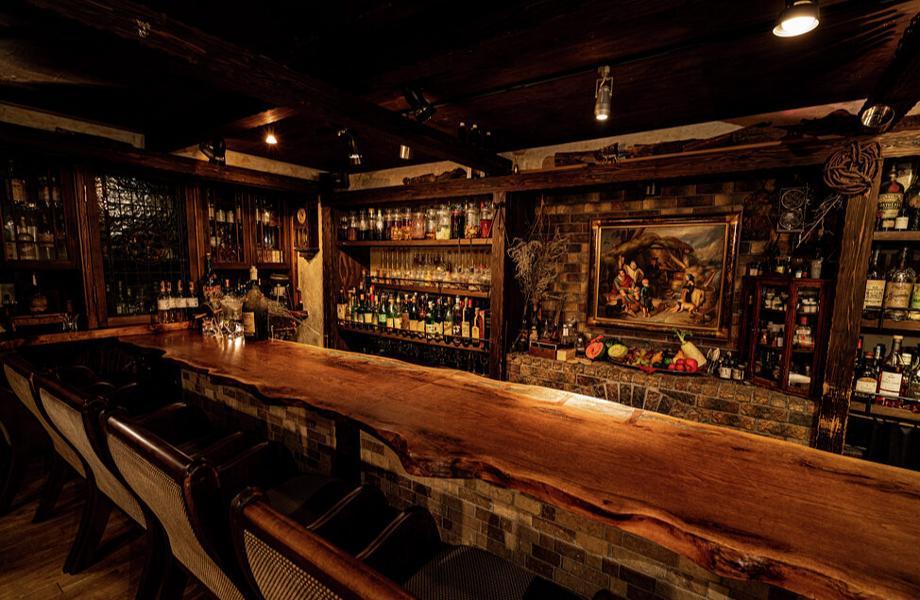
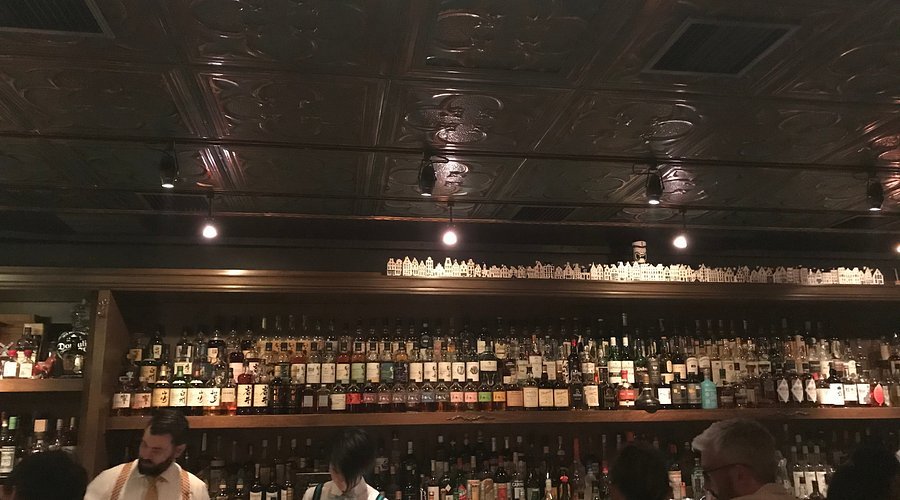
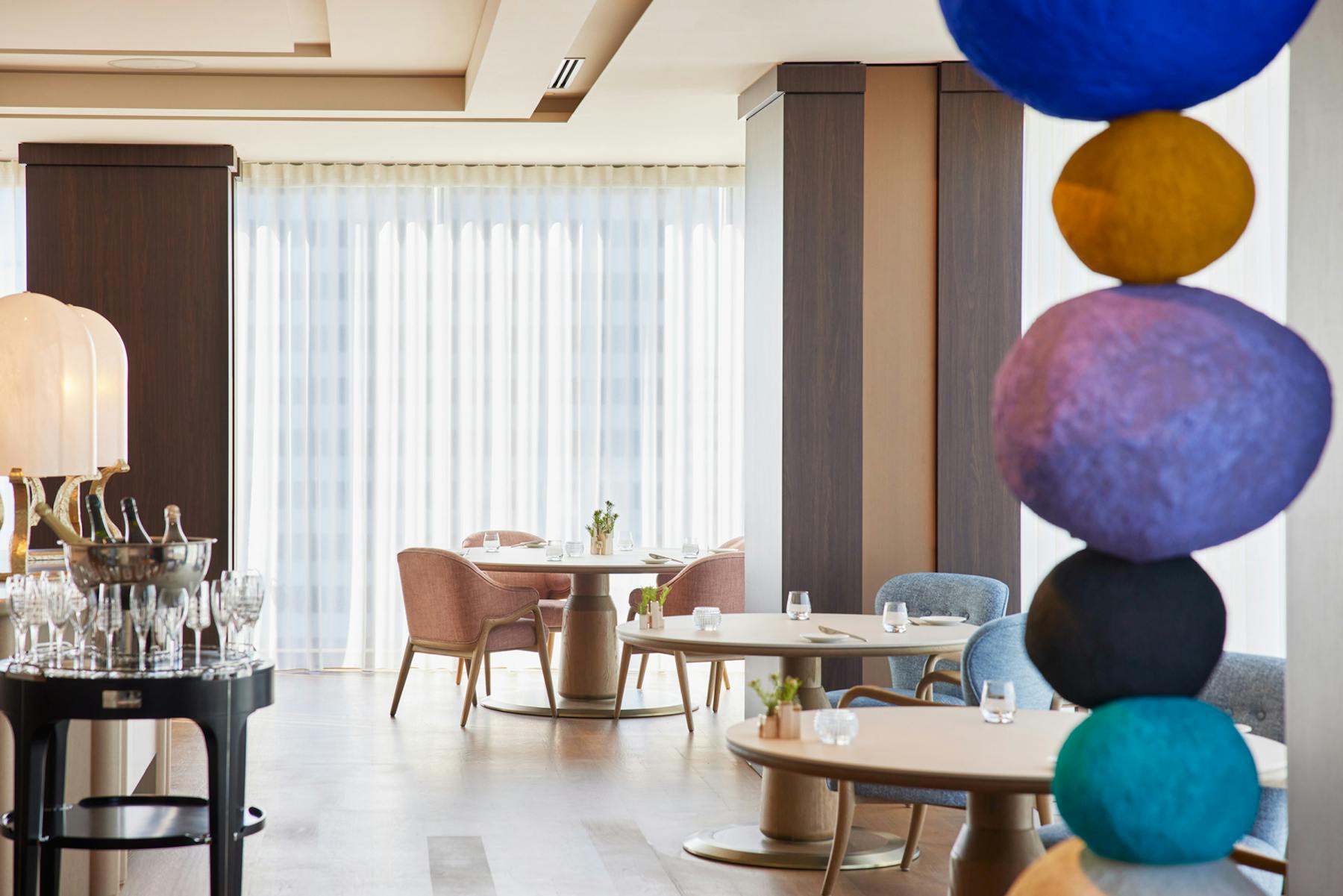
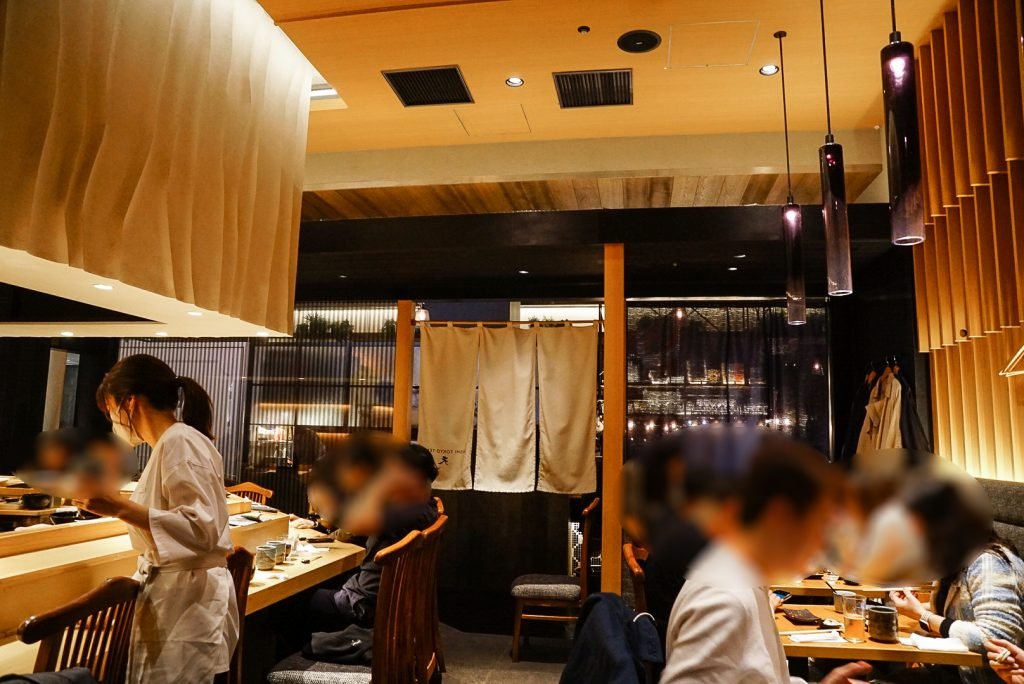
Modern, bright, and energetic atmosphere with a lively dining environment that feels more like a regular sushi restaurant than an exclusive omakase venue, featuring counter and table seating.
Tags
Vibe
Best For
Experience
Format
Accessibility
At the Bar
- Bar Category
- Sake Bar
- Late Night
- Closes by Midnight
- Spirits Focus
- Sake, Shochu
Signature Pours
- Omakase Course
- Tuna Tasting Course
Know before you go
Know Before You Go
- Getting there
- 5 Chome-24-55 Sendagaya, Shibuya, Tokyo 151-0051, Japan
Planning details
Location
5 Chome-24-55 Sendagaya, Shibuya, Tokyo 151-0051, Japan · Directions
Also consider
Also Consider
- BAR Kyu Kon, Notable alternative
- Bar B&F, Notable alternative
- Bar Benfiddich, Notable alternative
- Bar Albatross, Notable alternative
- Main Bar Brillant, Notable alternative
Bar context
How it compares in Tokyo
Sushi Tokyo Ten is the practical meal choice in this set, while BAR Kyu Kon, Bar B&F, and Bar Benfiddich are better matches when the night is built around cocktails. If the decision is dinner first, drinks second, start here. If the drink itself is the reason to go out, prioritize the bars.
For ambiance, Bar Albatross is the livelier cross-shop, while Main Bar Brillant suits a more polished hotel-bar plan. Sushi Tokyo Ten makes more sense for a lower-stress dining slot before moving on, especially when the group does not want the reservation to define the whole evening.
On booking difficulty, this is the easier call based on the assigned profile. Use it when schedule flexibility matters. Save Bar Benfiddich, Bar B&F, or BAR Kyu Kon for nights where cocktail quality is the central decision and the group is willing to plan around that room.
Explore Tokyo
Around this place
Discover more on Pearl
Unlock the full Sushi Tokyo Ten guide in Pearl, including awards, comparisons, FAQs, planning details, and nearby places.
Compare Sushi Tokyo Ten
| Venue | Location | Awards |
|---|---|---|
| Sushi Tokyo Ten | Tokyo | No published awards |
| BAR Kyu Kon | Tokyo | No published awards |
| Bar B&F | Tokyo | No published awards |
| Bar Benfiddich | Tokyo | The 50 Best Bars 2026 — 1–50 · #442026 Asia's 50 Best Bars 51-100 · #622025 Asia's 50 Best Bars · #92025 World's 50 Best Bars · #18Top 500 Bars 2025 · #42Tatler Best Bars Asia-Pacific 20252024 Asia's 50 Best Bars · #52024 World's 50 Best Bars · #252023 World's 50 Asia's Best Bars · #4 |
| Bar Albatross | Tokyo | No published awards |
| Main Bar Brillant | Tokyo | No published awards |




How Sushi Tokyo Ten Tokyo compares with similar nearby venues.
FAQ
Frequently Asked Questions
What's the crowd like at Sushi Tokyo Ten?
Plan for a Tokyo venue with a casual dress code and daily hours from 11 AM–3 PM and 5–11 PM.
What is Sushi Tokyo Ten known for?
Sushi Tokyo Ten is a Tokyo venue with daily hours of 11 AM–3 PM and 5–11 PM and a casual dress code.