
Edomae Sushi Hanabusa
Sushi · Minato, Tokyo
Restaurant in Tokyo, Japan
 Book with Pearl
The Read
Edo Lineage Counter
Price
$150–200per person
Dress
Smart Casual
Why go
Edomae Sushi Hanabusa is a Michelin 1 Star (2024) counter in Akasaka operating from a strict traditional philosophy: red-vinegar rice, Tokyo Bay fish, and a menu structured around tuna from first piece to last. At the ¥¥¥¥ tier, it delivers technically precise old-school Edomae with generous portions. Book six to eight weeks ahead: this one fills fast.
About Edomae Sushi Hanabusa
A Michelin-starred Edomae counter in Akasaka worth the price and the planning
At the ¥¥¥¥ tier, Tokyo offers no shortage of serious sushi, and Edomae Sushi Hanabusa earns its place among them. This is a Michelin 1 Star (2024) counter in Minato's Akasaka district that works from a clear, committed philosophy: the chef's lineage traces to an Edo-era food stall, his rice is seasoned with red vinegar and salt in the old Tokyo style, and his stated maxim, "everything begins and ends with tuna", is not marketing copy but an operational reality you taste from the first piece to the last. If you want modern sushi with creative detours, book elsewhere. If you want to eat Edomae sushi as it was practised before the format got polished into abstraction, Hanabusa is worth serious consideration.
What the counter actually delivers
The setting is described as old-timey, and that framing is accurate in the leading sense: this is not a room designed to perform nostalgia but one that simply never left. The chef forms sushi with economy of movement, pressing the rice gently so it holds together without compressing, the result is sushi rice that gives immediately rather than sitting heavy. That technique is harder than it looks and rarer than it should be at this price point. The rice itself is seasoned with red vinegar, which gives it a darker hue and a mild acidity that supports rather than competes with the fish. Fatty tuna comes first, as the opening statement the chef believes it to be. Gizzard shad, kohada, is flagged as essential, a species that divides opinion but that serious Edomae practitioners treat as a test of skill: the curing has to be exact or it overwhelms everything. Thick tuna rolls close the meal as they would have at the Edo-era stall this counter descends from. Portions are generous by Tokyo omakase standards, which at this price tier is worth noting.
The aroma at a counter like this is a useful signal before the first piece arrives: the clean, sharp edge of vinegared rice warming, the faint mineral note of fresh fish, the absence of anything cooked or smoked competing for attention. It tells you immediately that the kitchen's priorities are in order.
Who should book this, and under what conditions
If you have been once and are deciding whether to return, the answer depends on what you came away wanting more of. If the tuna was the high point, it will be again, the "everything begins and ends with tuna" philosophy means the kitchen's leading attention follows its leading fish. If you found the old-school format satisfying but want to compare it against a slightly more contemporary Edomae approach, Harutaka is the natural peer: also ¥¥¥¥, also technically precise, but with marginally more stylistic range. For a broader sense of how Hanabusa sits within Tokyo's serious sushi tier, the Sukiyabashi Jiro Roppongiten and Sushi Kanesaka If the format you want is less formal, Jizozushi is worth knowing about at a lower price tier.
Solo diners are well served at a traditional counter like this, the format is built for it, and there is no social awkwardness in a room where the meal is structured and the chef provides its rhythm. Groups of four or more should confirm seat availability carefully, as traditional omakase counters in Tokyo typically seat between six and twelve, and occupying half the counter as a group changes the atmosphere for other guests.
Booking and practical details
This is a hard booking. Michelin recognition at the ¥¥¥¥ tier in Akasaka, with a counter format and a chef whose approach has genuine historical grounding, means demand consistently outruns availability. Reservations: Book a minimum of four to six weeks in advance; for preferred sittings, eight weeks is more realistic. The venue has no website or phone number listed in available data, reservations are most reliably made through a hotel concierge if you are staying at a Minato or central Tokyo property, or through a specialist dining reservation service. Budget: ¥¥¥¥ in Tokyo's omakase tier currently places most counters at ¥30,000–¥60,000 per person; confirm the current price at time of booking as this range shifts with season and availability. Dress: Smart casual is the practical floor; the counter's traditional character rewards a degree of formality without requiring it. Location: 9 Chome-1-7 Akasaka, Minato City, centrally accessible by Tokyo Metro from most central neighbourhoods.
For broader context on eating and staying in this part of Japan: our full Tokyo restaurants guide covers the tier in detail, and our Tokyo hotels guide can help you position accommodation close to Akasaka. Our Tokyo bars guide is useful if you are planning an evening around the meal. If you are travelling beyond Tokyo, comparable serious dining is available at HAJIME in Osaka, Gion Sasaki in Kyoto, and Goh in Fukuoka. For sushi at this level elsewhere in Asia, Sushi Shikon in Hong Kong and Shoukouwa in Singapore are the reference points. Closer to Tokyo, 1000 in Yokohama is worth a detour. For something different in format, Hiroo Ishizaka operates in the same city at a different register. Our guides to Tokyo wineries and Tokyo experiences round out the picture, and akordu in Nara and 6 in Okinawa are listed for those extending their itinerary further.
Planning details
- Hours
- Monday: 5:30–10 PM · Tuesday: 5:30–10 PM
- Location
- 9 Chome-1-7 Akasaka, Minato City, Tokyo 107-0052, Japan
- Reservations
- Book on Omakase
- Website
- akasaka-hanabusa.com
- Phone
- +81 3-3478-1010
The take
The Take
The Vibe
Edomae Sushi Hanabusa feels anchored in time: a Michelin-starred counter that intentionally resists contemporary theatricality in favor of Edo-era rigor. The room privileges economy of movement, a compact counter layout and a clear philosophy, rice seasoned with assertive red vinegar and a near-dogmatic approach to tuna, over novelty. The result is a restrained, historically minded experience where ritual and repetition are the point: regulars return for the exacting consistency of temperature, seasoning and sequence. This is less about showmanship and more about a faithful, quietly powerful expression of classic Edomae sushi.
Best For
This counter is best for diners who prize tradition, technical consistency and focused tasting sequences over modern flourishes. Positioned at the upper end of the price bracket and awarded a Michelin star, Hanabusa suits special evenings and serious sushi lovers, including solo regulars, who appreciate tightly executed Edomae technique. Guests who want to study rice seasoning, taste a deliberate tuna philosophy and experience a compact, chef-led service will find it particularly rewarding. The room favors those who seek a direct connection to Edo-era sushi practice rather than contemporary sourcing narratives or theatrical plating.
Ordering Tips
Approach the meal with an eye for the shop's Edo-centric signatures: aggressively seasoned rice and a firm tuna philosophy should guide your choices. The house specialties, Tekka Maki, Tamagoyaki and Anago, are natural touchpoints for the kitchen's style. Expect a disciplined sequence and consistent pacing; follow the counter's progression to appreciate the progression in seasoning and temperature.
Venue details
Ambiance
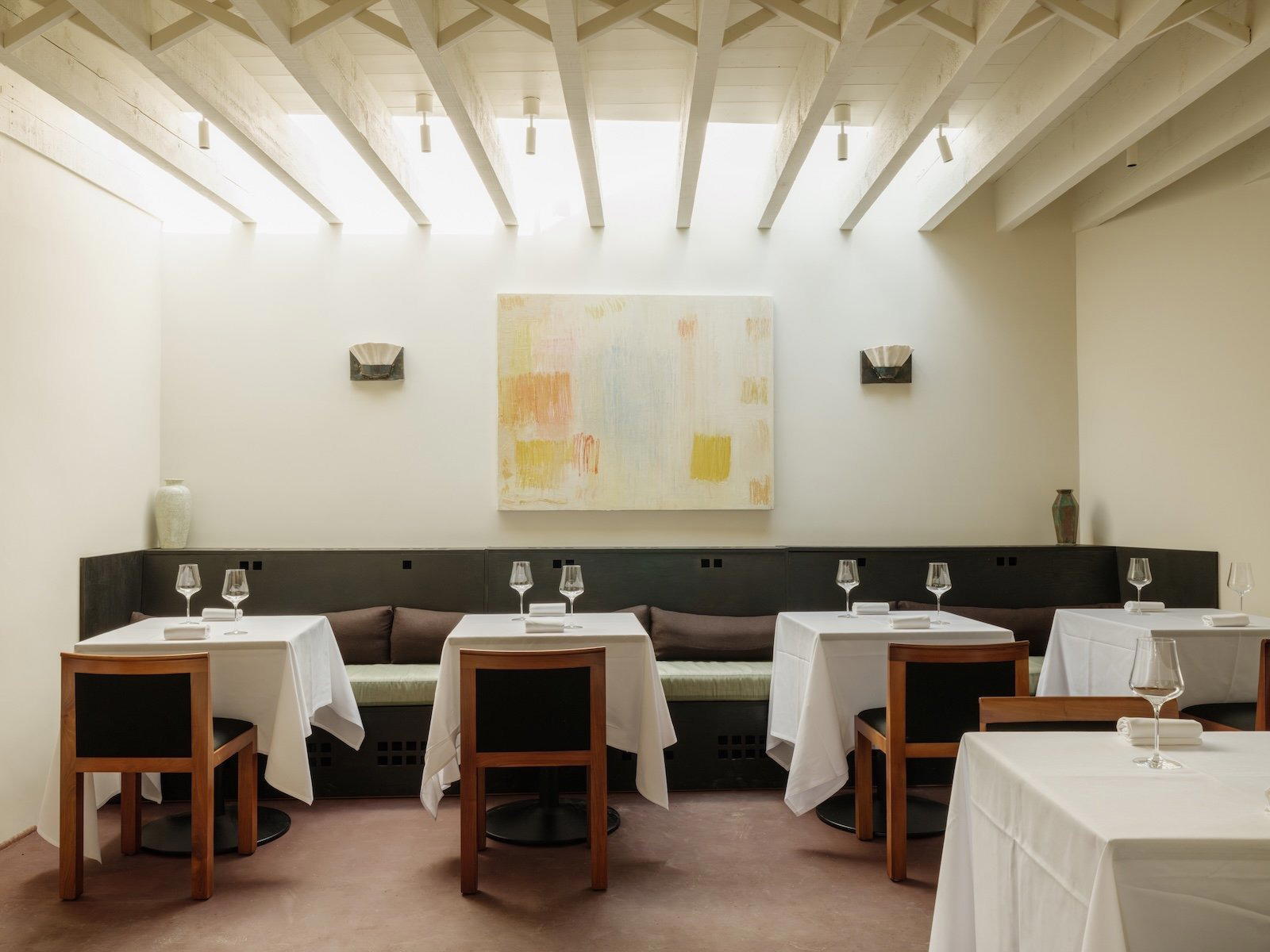
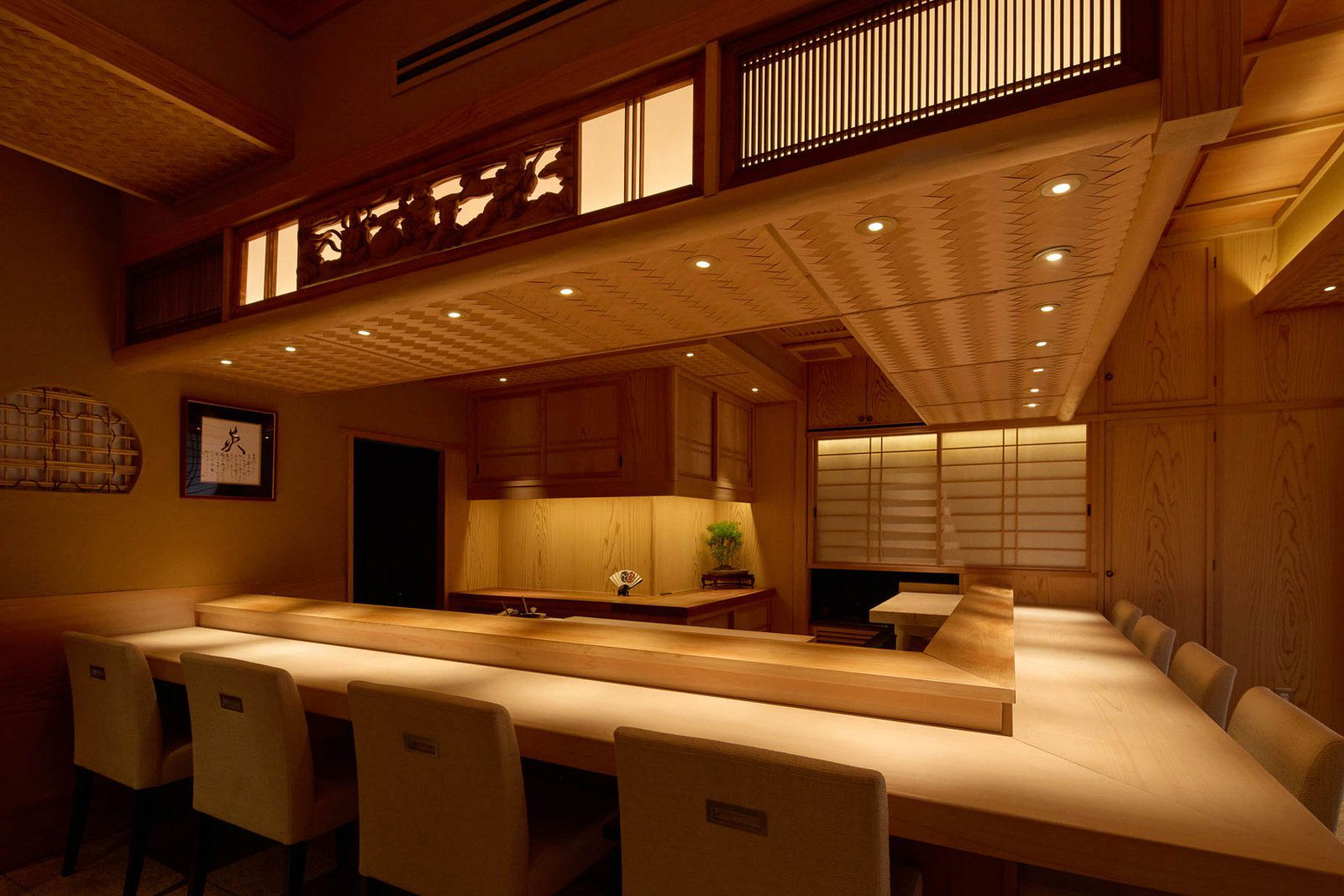
Calm hinoki wood counter seating in a quiet, old-school intimate space with minimal interaction and focused sushi preparation.
Tags
Vibe
Best For
Experience
Sourcing
At the Table
- Dress Code
- Smart Casual
- Noise Level
- Quiet
- Service Style
- Omakase Bar
- Meal Pacing
- Quick Bite
- Capacity
- Intimate
- Kitchen
- Traditional
- Menu Format
- Omakase, Counter dining
- Drinks Focus
- Sake
Signature Dishes
- Tekka Maki
- Tamagoyaki
- Anago
Know before you go
Know Before You Go
- Getting there
- 9 Chome-1-7 Akasaka, Minato City, Tokyo 107-0052, Japan
Planning details
Hours
- Monday
- 5:30–10 PM
- Tuesday
- 5:30–10 PM
- Wednesday
- 5:30–10 PM
- Thursday
- 5:30–10 PM
- Friday
- 5:30–10 PM
- Saturday
- Closed
- Sunday
- 5:30–10 PM
Location
9 Chome-1-7 Akasaka, Minato City, Tokyo 107-0052, Japan · Directions
Recognition and awards
Also consider
Also Consider
- Harutaka: Sushi, ¥¥¥¥
- RyuGin: Kaiseki, Japanese, ¥¥¥¥
- L'Effervescence: French, ¥¥¥¥
- HOMMAGE: Innovtive French, French, ¥¥¥¥
- Florilège: French, ¥¥¥
Restaurant context
Within Tokyo's ¥¥¥¥ sushi tier, Harutaka is the most direct peer comparison. Both counters operate at the same price level with Michelin recognition and serious Edomae technique, but Harutaka offers marginally more stylistic range if you want a traditional foundation with occasional contemporary touches. Hanabusa is the stronger choice when you specifically want the old-school format, red-vinegar rice, tuna-first sequencing, thick rolls, executed without deviation. If your priority is the purest possible expression of Edo heritage, Hanabusa wins; if you want a slightly broader menu experience, Harutaka is worth considering instead.
If you are weighing sushi against other formats at the ¥¥¥¥ tier, RyuGin offers kaiseki in the same price bracket with a very different register: seasonal, multi-course, and significantly more elaborate in presentation. It is not a direct substitute for omakase sushi, but it is the right alternative if your group is split on format. L'Effervescence and HOMMAGE are both ¥¥¥¥ French options that make sense if one person in your party does not eat raw fish: the cooking is at a comparable level of ambition, just in an entirely different culinary tradition.
For a step down in price without a significant drop in quality, Florilège at ¥¥¥ is the practical alternative if budget is a factor: though it is French rather than sushi, so it only works as a straight swap if format is flexible. Among sushi options specifically, Hanabusa's position is clear: it is the counter to book when you want traditional Edomae done with historical conviction, not when you want to explore what contemporary Tokyo chefs are doing with the format.
Explore Tokyo
Around this place
Discover more on Pearl
Unlock the full Edomae Sushi Hanabusa guide in Pearl, including awards, comparisons, FAQs, planning details, and nearby places.
Compare Edomae Sushi Hanabusa
| Venue | Awards | Price |
|---|---|---|
| Edomae Sushi Hanabusa | 2026 Michelin 1 Star2024 Michelin 1 Star | ¥¥¥¥ |
| Harutaka | 2026 Tabelog Silver · #312026 OAD Top Restaurants in Japan Ranked · #1282026 Michelin 3 Stars2026 La Liste Top RestaurantsTabelog 100 - Sushi - TOKYO - 2025 · #372025 Asia's 50 Best Restaurants · #762025 OAD Top Restaurants in Japan Ranked · #1172025 La Liste Top Restaurants2025 Tabelog Bronze | ¥¥¥¥ |
| RyuGin | 2026 OAD Top Restaurants in Japan Ranked · #802026 Tabelog Bronze · #3772026 Michelin 3 Stars2026 La Liste Top RestaurantsTabelog 100 - Japanese cuisine - TOKYO - 2025 · #212025 OAD Top Restaurants in Japan Ranked · #542025 Michelin 3 Stars2025 La Liste Top Restaurants2025 The Best Chef Three Knives | ¥¥¥¥ |
| L'Effervescence | 2026 Tabelog Silver · #682026 OAD Top Restaurants in Japan Ranked · #103Star Wine Lists 20262026 Black Pearl 2 Diamond2026 Relais Chateaux Restaurants2026 La Liste Top Restaurants2026 Michelin 3 Stars2025 Asia's 50 Best Restaurants · #692025 OAD Top Restaurants in Japan Ranked · #92 | ¥¥¥¥ |
| HOMMAGE | 2026 Tabelog Bronze · #1232026 OAD Top Restaurants in Japan Highly Recommended2026 Michelin 2 StarsTabelog 100 - French - TOKYO - 2025 · #762025 Asia's 50 Best Restaurants · #782025 OAD Top Restaurants in Japan Ranked · #1752025 Michelin 2 Stars2025 The Best Chef One Knife2025 La Liste Top Restaurants | ¥¥¥¥ |
| Florilège | 2026 Asia's 50 Best Restaurants · #312026 Tabelog Bronze · #712026 OAD Top Restaurants in Japan Ranked · #1242026 Black Pearl 1 Diamond2026 Michelin 2 Stars2026 La Liste Top RestaurantsJapan's Best Restaurant 20262025 Asia's 50 Best Restaurants · #172025 World's 50 Best Restaurants · #36 | ¥¥¥ |














A quick look at how Edomae Sushi Hanabusa measures up.
FAQ
Frequently Asked Questions
What should I wear to Edomae Sushi Hanabusa?
Dress neatly and conservatively. The counter is old-school in ethos, a Michelin-starred room rooted in Edo-era tradition, so avoid strong fragrances, which can interfere with the fish. Business casual sits comfortably here; the atmosphere rewards respect for the format rather than fashion statements.
How far ahead should I book Edomae Sushi Hanabusa?
Book at least four to six weeks out, possibly longer. Michelin 1 Star recognition at the ¥¥¥¥ tier in Akasaka, with a counter format and limited seats, means availability closes fast. If you are visiting Tokyo on a fixed itinerary, lock this in before you book your flights.
Does Edomae Sushi Hanabusa handle dietary restrictions?
This is a traditional Edomae counter built around a specific philosophy: the chef's maxim is 'everything begins and ends with tuna,' with gizzard shad as an essential course. That heritage approach leaves little room for substitutions. Severe fish allergies or vegetarian requirements make this the wrong venue: this is a counter for people who eat everything the sea offers.
Is the tasting menu worth it at Edomae Sushi Hanabusa?
At ¥¥¥¥, yes: provided the Edomae format is what you are after. The chef uses Edo-era technique: red vinegar-seasoned rice, generous portions, thick tuna rolls, and rice that melts in the mouth. If you want modern creativity or a contemporary aesthetic, this is not the room; if you want traditional Tokyo sushi executed with conviction and backed by a 2024 Michelin star, it earns its price.
Is Edomae Sushi Hanabusa good for solo dining?
Counter-format sushi is one of the few dining formats that actively favours solo diners, and Hanabusa is no exception. Sitting directly opposite the chef, watching the economy of movement as each piece is formed, is the intended experience here. Solo is arguably the right way to do this one.
Can I eat at the bar at Edomae Sushi Hanabusa?
The venue is a counter format, so the counter is the dining room: there is no separate bar seating or ancillary area. Every seat is at the counter, which means every guest gets the same direct sightline to the chef and the same pacing through the meal.
What should a first-timer know about Edomae Sushi Hanabusa?
This is a purist Edomae counter, not an introduction to contemporary Tokyo sushi. The chef's lineage traces to an Edo-era food stall, and the menu reflects that: tuna leads, gizzard shad is non-negotiable, and the approach is traditional rather than experimental. First-timers should arrive knowing the format, having made a reservation well in advance, and ready to let the chef set the pace: this is a 2024 Michelin Star counter in Akasaka, not a drop-in lunch spot.