.png?width=1200&quality=80)

OLD NEPAL
Nepali · Setagaya, Tokyo
Restaurant in Tokyo, Japan
 Book with Pearl
The Read
Dal Bhat Storytelling
Price
$50–100per person
Dress
Smart Casual
Why go
Old Nepal in Setagaya holds back-to-back Michelin Plates (2024 and 2025) for Nepali cuisine that is genuinely rare in Tokyo. At ¥¥¥, the set menu is the main event — appetisers show real creative range, and the Dal bhat course that follows is the strongest argument for a return visit. Book counter seats if you can and let the full menu run.
About OLD NEPAL
Verdict
At ¥¥¥ per head, Old Nepal in Setagaya is a well-priced entry point into Nepali cuisine in Tokyo, a city where the format is rare enough that finding it at this level matters. Two consecutive Michelin Plates (2024 and 2025) confirm the kitchen is doing something worth the trip. If you went once and ordered à la carte, go back for the set menu — the appetisers are where the chef's creative thinking is most visible, and the Dal bhat course that follows rewards the build-up. This is not a destination for splurge dining; it is a destination for something genuinely different from Tokyo's deep bench of Japanese and European fine dining.
About Old Nepal
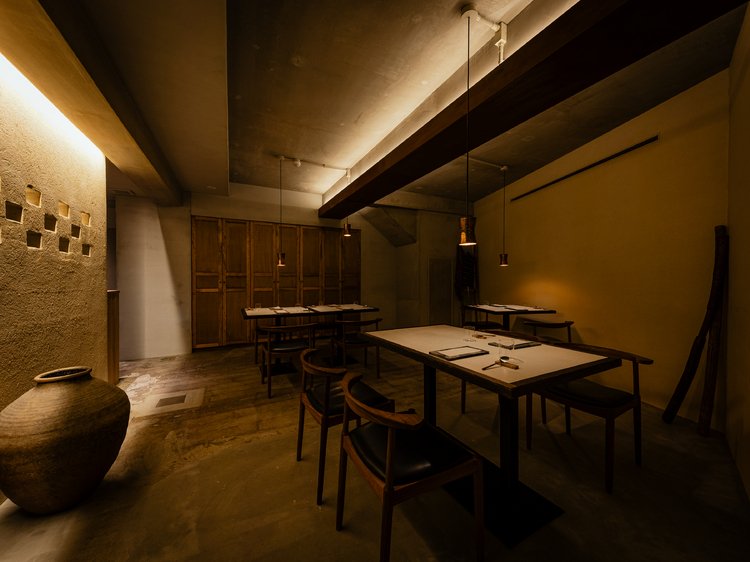
Old Nepal sits in Gotokuji, a residential pocket of Setagaya that most visitors to Tokyo never reach. That address alone filters out casual drop-ins, which means the room tends to fill with people who came specifically to be here. The walls carry street scenes from Kathmandu, and the overall atmosphere is grounded rather than theatrical — a deliberate choice that puts the food rather than the décor at the centre of the experience. If you have visited once and remember the room as unfussy, that reading is accurate and intentional.
The set menu is the clearest argument for a return visit. The appetiser sequence is where the kitchen shows its range, drawing on Nepali culinary tradition while applying a level of craft consistent with Michelin recognition. What follows is Dal bhat: lentil soup, rice, and curries served together, with the expectation that you mix them at the table rather than eating each component separately. For anyone already familiar with Nepali food, that is the familiar rhythm of a home meal treated with restaurant-level precision. For anyone coming to Nepali cuisine for the first time, it is one of the more instructive ways to understand how the cuisine actually works, flavour built through combination rather than isolation.
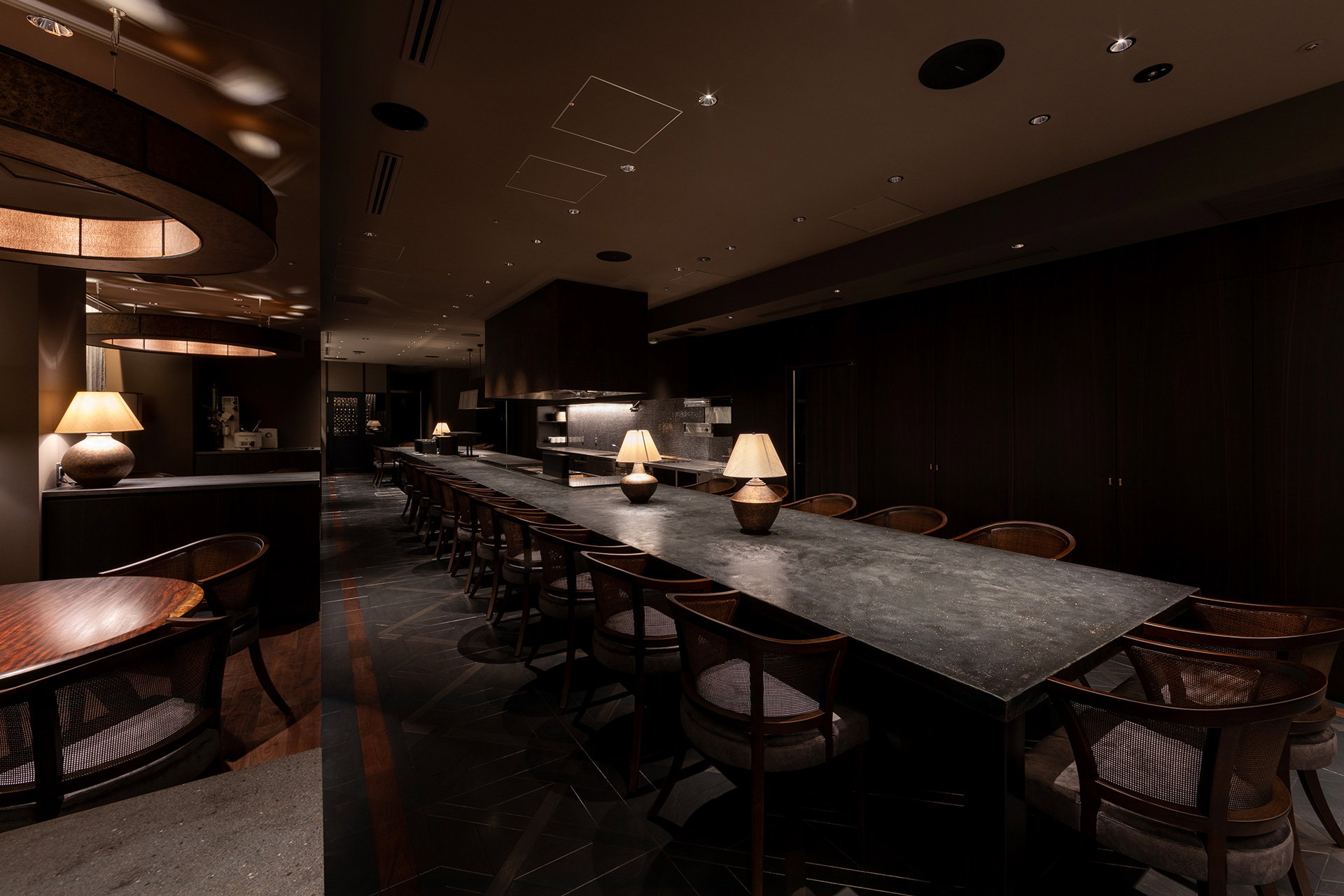
The counter seating, where available, is worth requesting specifically. Nepali cooking involves layered spicing and long preparation, and being close to the kitchen puts you near the aromatic output of that process, the warm, cumulative scent of cumin, fenugreek, and toasted spices that builds as service progresses. It is also the position from which the pacing of a set menu makes most sense; you can see and smell what is coming before it arrives, which changes how you read each course. If you are returning after a first visit, request counter seats and let the set menu run its course rather than editing it.
Gotokuji as a neighbourhood rewards arriving slightly early. The area around the station has a settled, local character, it is far enough from central Tokyo that the restaurant's choice of location feels like a statement about audience. The guests here are not passing through. For a repeat visitor, that consistency of crowd is part of what makes the experience hold up across visits.
On the broader Tokyo dining map, Old Nepal occupies a position that no other Michelin-recognised venue currently holds: Nepali cuisine, executed with enough rigour to earn back-to-back Plate recognition, at a price point that does not require the commitment of a ¥¥¥¥ kaiseki booking. If your last visit was primarily exploratory, a return visit with the set menu ordered in full is a meaningfully different experience. For Nepali cuisine outside Japan, Oven in Lisbon and Gorkhali Kitchen in Tampa offer useful points of comparison for the format.
Within Tokyo's wider dining scene, the contrast with the city's dominant formats is instructive. Venues like Harutaka for sushi, RyuGin for kaiseki, L'Effervescence and Sézanne for French, and Crony for innovative cooking all operate in categories where Tokyo already has substantial depth. Old Nepal does not compete in those categories. It is doing something structurally different, and the Michelin Plate signals that it is doing it well. For anyone building a multi-night Tokyo itinerary, it earns a slot on the strength of that distinctiveness and its pricing relative to the recognition it carries. See our full Tokyo restaurants guide for a broader view of the city's dining options, or explore Tokyo hotels, bars, wineries, and experiences to complete your trip planning.
For diners travelling across Japan, the country's regional dining scene offers further reference points. HAJIME in Osaka, Gion Sasaki in Kyoto, akordu in Nara, Goh in Fukuoka, 1000 in Yokohama, and 6 in Okinawa each represent strong regional options worth building an itinerary around.
Ratings at a Glance
- Michelin: Plate 2024, Plate 2025
- Price: ¥¥¥
- Cuisine: Nepali
Know Before You Go
- Address: 1 Chome-42-11 Gotokuji, Setagaya City, Tokyo 154-0021, Japan
- Price range: ¥¥¥
- Booking difficulty: Easy
- Recognition: Michelin Plate 2024 and 2025
- Cuisine: Nepali, set menu recommended over à la carte for returning visitors
- Counter seating: Request specifically for the leading experience of the set menu format
- Neighbourhood: Gotokuji, Setagaya, a residential area; plan your journey in advance
- Contact/website: Not publicly listed, search the venue name directly or use a local reservation platform
Planning details
- Location
- 1 Chome-42-11 Gotokuji, Setagaya City, Tokyo 154-0021, Japan
- Reservations
- Book on TableCheck
- Website
- tablecheck.com/ja/shops/oldnepaltokyo/reserve
- Phone
- +81 3-6413-6618
The take
The Take
The Vibe
Old Nepal feels like a deliberately placed discovery in residential Setagaya: a Michelin‑recognised restaurant that relies on the strength of its food rather than on tourist foot traffic. The kitchen frames Nepali cooking through a thoughtful set menu, moving from inventive appetisers to a central Dal bhat service that is both traditional and reimagined for Tokyo. The effect is quietly confident — the room reads as focused and hospitable rather than flashy, and the experience prizes the rhythms of the menu. Expect a low‑key, food‑forward evening that rewards attention to technique and cultural authenticity.
Best For
Old Nepal is best for diners who make a point of seeking out cuisine that reframes a national tradition — think special‑occasion dinners or date nights where the meal itself is the draw. Its Michelin Plate status and structured set menu make it a place for people who appreciate a composed, sequential dining experience centered on Dal bhat and regional specialties. Because the restaurant sits off the main tourist routes in Setagaya, it also suits visitors who are willing to travel a little for an intentional, locally anchored meal rather than casual drop‑in visits.
Ordering Tips
The set menu is the clearest way to experience Old Nepal’s intentions: the meal deliberately unfolds from creative appetisers to Dal bhat as the anchor. When Dal bhat arrives, it is meant to be assembled at the table — rice, lentil soup (dal), and an array of curries, pickles and sides are provided so you can mix flavours and textures yourself. Pace your meal so you have room for that central course, and treat the shared, assembled nature of Dal bhat as the highlight. Ask staff about specific components of the set to learn how the kitchen envisions the final combinations.
Venue details
Ambiance
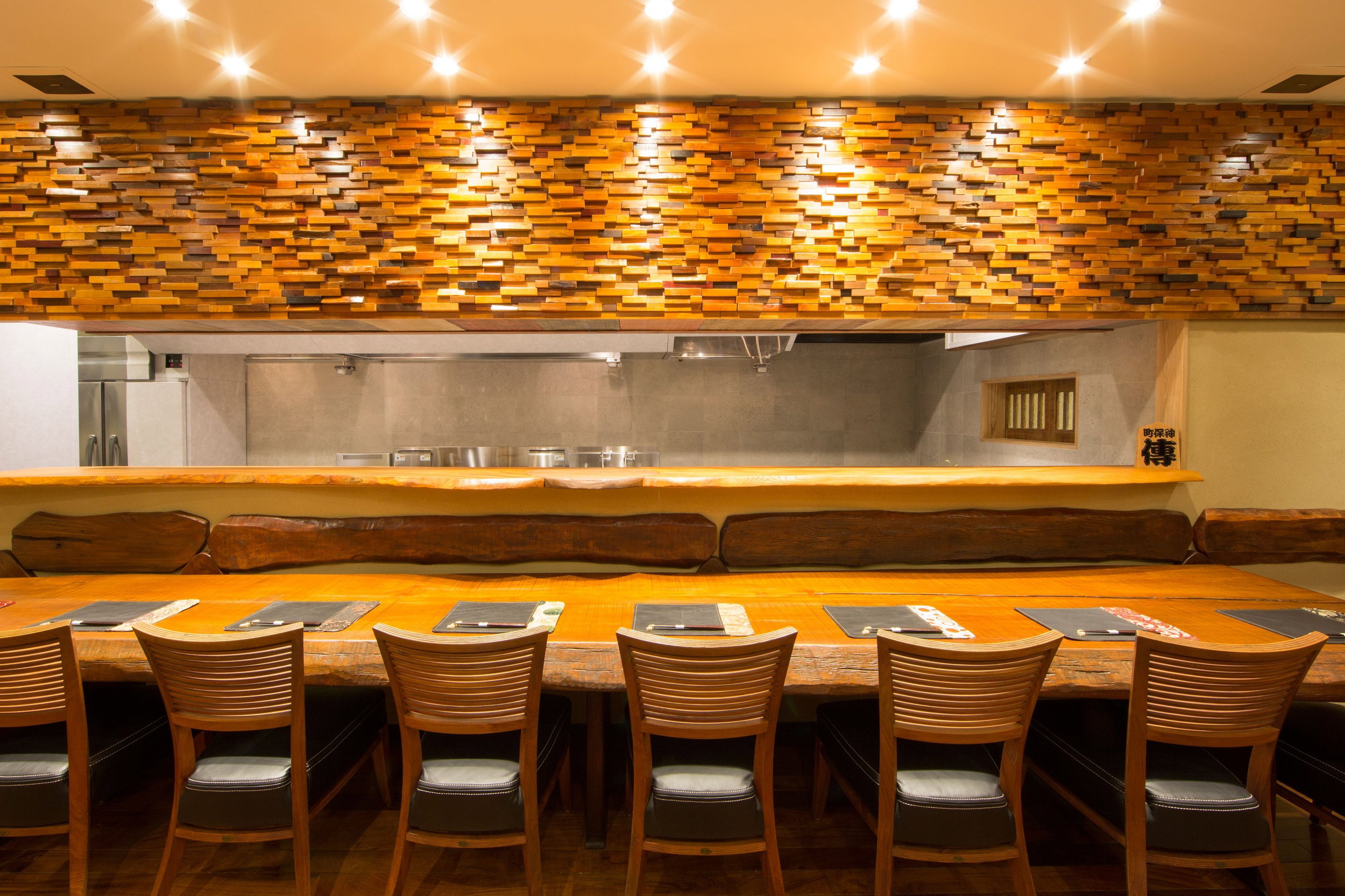
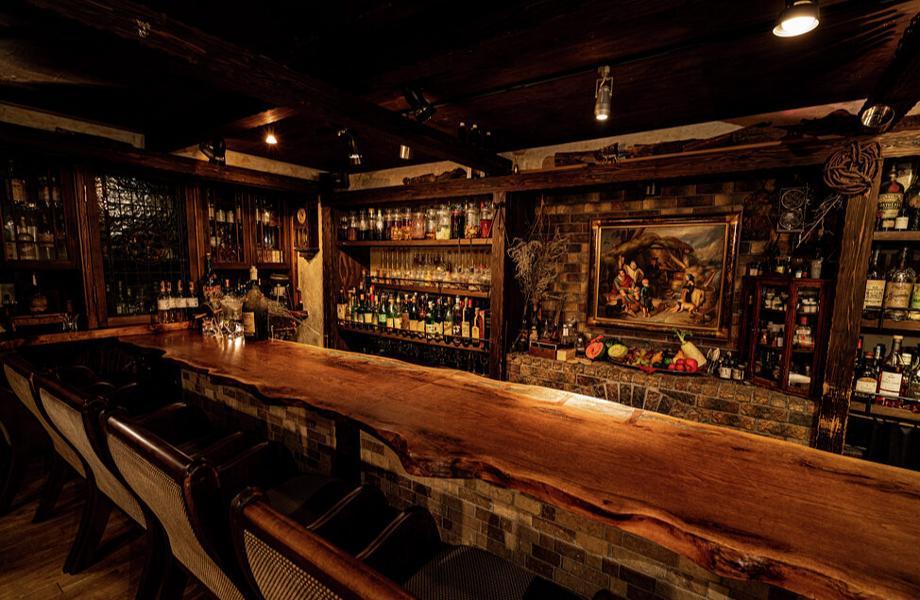
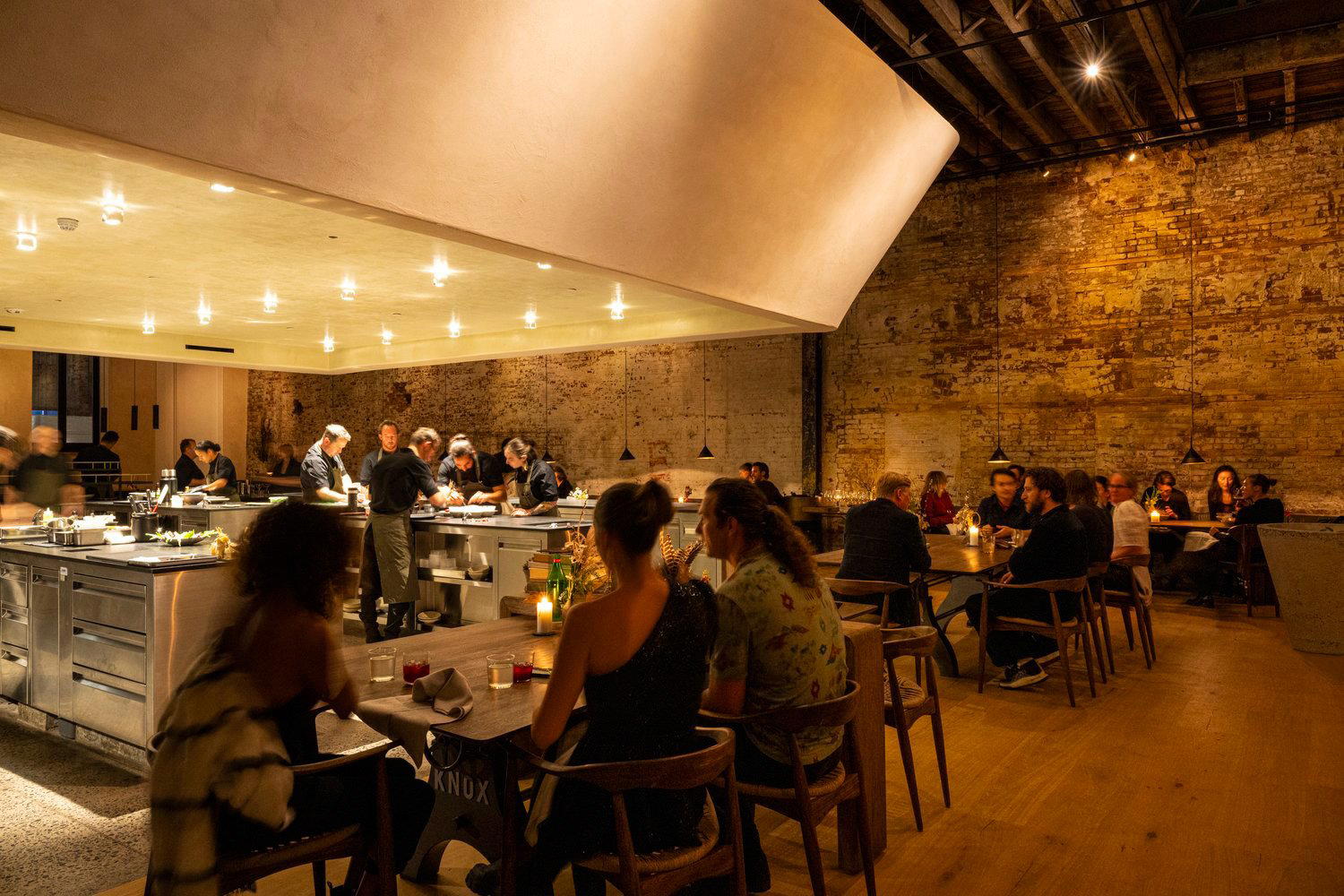
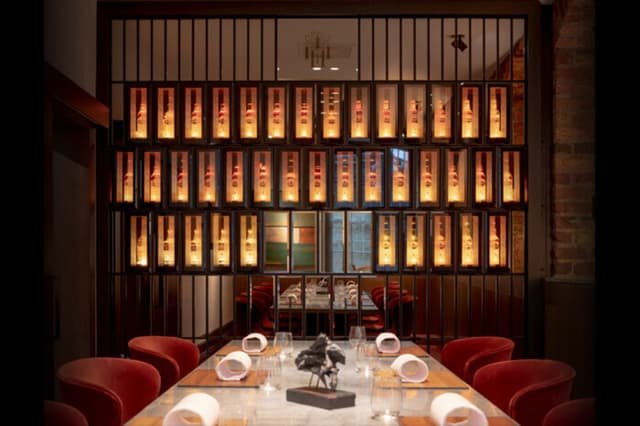
Pitch-dark intimate dining room with no windows, evoking traditional Nepali eateries during load-shedding; narrow corridors reminiscent of Kathmandu's backstreets; sparse design with earthy tones, incense scent, and clay vessels; walls adorned with street scenes of Kathmandu.
Tags
Vibe
Best For
Experience
Sourcing
View
At the Table
- Dress Code
- Smart Casual
- Noise Level
- Quiet
- Service Style
- Formal
- Meal Pacing
- Extended Experience
- Capacity
- Intimate
- Kitchen
- Modern
- Menu Format
- Set menu, Tasting menu
- Wine Program
- Curated
- Drinks Focus
- Wine, Timur beer
- Dietary
- Vegetarian friendly, Allergy accommodating
Signature Dishes
7 itemsKnow before you go
Know Before You Go
- Getting there
- 1 Chome-42-11 Gotokuji, Setagaya City, Tokyo 154-0021, Japan
Planning details
Location
1 Chome-42-11 Gotokuji, Setagaya City, Tokyo 154-0021, Japan · Directions
Recognition and awards
Also consider
Also Consider
- Harutaka, Sushi, ¥¥¥¥
- RyuGin, Kaiseki, Japanese, ¥¥¥¥
- L'Effervescence, French, ¥¥¥¥
- HOMMAGE, Innovtive French, French, ¥¥¥¥
- Florilège, French, ¥¥¥
Restaurant context
Old Nepal sits in a different category from most of Tokyo's Michelin-recognised restaurants, and that is its clearest advantage. Harutaka and RyuGin are both ¥¥¥¥ experiences requiring significant lead time to book and a substantial per-head spend. Old Nepal at ¥¥¥ is easier to secure and costs less, while still carrying Michelin recognition. If your priority is spending-to-recognition ratio, Old Nepal wins that comparison clearly.
L'Effervescence and HOMMAGE are both ¥¥¥¥ French-leaning venues operating in a format Tokyo already does well. They are worth booking if French fine dining in a Japanese context is specifically what you want, but they are not doing something the city lacks. Florilège matches Old Nepal on price at ¥¥¥ but operates in a more competitive category. For sheer distinctiveness relative to price, Old Nepal has the edge.
The practical recommendation: if you are building a multi-night Tokyo itinerary and want one booking that offers something outside the city's deep Japanese and European repertoire, Old Nepal is the clearest choice at its price point. For a full splurge night anchored by technical precision, RyuGin or Harutaka will deliver more in terms of formality and service depth. But Old Nepal is not competing on those terms, and it does not need to.
Explore Tokyo
Around this place
Discover more on Pearl
Unlock the full OLD NEPAL guide in Pearl, including awards, comparisons, FAQs, planning details, and nearby places.
Compare OLD NEPAL
| Venue | Awards | Price |
|---|---|---|
| OLD NEPAL | 2026 Michelin Plate2025 Michelin PlateTabelog 100 - Asian cuisine / Ethnic cuisine - TOKYO - 2024 · #332024 Michelin Plate | ¥¥¥ |
| Harutaka | 2026 Tabelog Silver · #312026 OAD Top Restaurants in Japan Ranked · #1282026 Michelin 3 Stars2026 La Liste Top RestaurantsTabelog 100 - Sushi - TOKYO - 2025 · #372025 Asia's 50 Best Restaurants · #762025 OAD Top Restaurants in Japan Ranked · #1172025 La Liste Top Restaurants2025 Tabelog Bronze | ¥¥¥¥ |
| RyuGin | 2026 OAD Top Restaurants in Japan Ranked · #802026 Tabelog Bronze · #3772026 Michelin 3 Stars2026 La Liste Top RestaurantsTabelog 100 - Japanese cuisine - TOKYO - 2025 · #212025 OAD Top Restaurants in Japan Ranked · #542025 Michelin 3 Stars2025 La Liste Top Restaurants2025 The Best Chef Three Knives | ¥¥¥¥ |
| L'Effervescence | 2026 Tabelog Silver · #682026 OAD Top Restaurants in Japan Ranked · #103Star Wine Lists 20262026 Black Pearl 2 Diamond2026 Relais Chateaux Restaurants2026 La Liste Top Restaurants2026 Michelin 3 Stars2025 Asia's 50 Best Restaurants · #692025 OAD Top Restaurants in Japan Ranked · #92 | ¥¥¥¥ |
| HOMMAGE | 2026 Tabelog Bronze · #1232026 OAD Top Restaurants in Japan Highly Recommended2026 Michelin 2 StarsTabelog 100 - French - TOKYO - 2025 · #762025 Asia's 50 Best Restaurants · #782025 OAD Top Restaurants in Japan Ranked · #1752025 Michelin 2 Stars2025 The Best Chef One Knife2025 La Liste Top Restaurants | ¥¥¥¥ |
| Florilège | 2026 Asia's 50 Best Restaurants · #312026 Tabelog Bronze · #712026 OAD Top Restaurants in Japan Ranked · #1242026 Black Pearl 1 Diamond2026 Michelin 2 Stars2026 La Liste Top Restaurants2025 Asia's 50 Best Restaurants · #172025 World's 50 Best Restaurants · #36Tabelog 100 - French - TOKYO - 2025 · #68 | ¥¥¥ |












What to weigh when choosing between OLD NEPAL and alternatives.
FAQ
Frequently Asked Questions
What should a first-timer know about OLD NEPAL?
This is a set-menu format centred on Nepali cooking — expect a structured progression that finishes with dal bhat, Nepal's staple dish of lentil soup, rice, and curries mixed at the table. The restaurant holds a Michelin Plate (2024, 2025), which signals solid execution rather than experimental fine dining. It sits in Gotokuji, a residential Setagaya neighbourhood — get directions sorted before you go, because this is not a venue you stumble across.
What should I wear to OLD NEPAL?
No dress code is documented for Old Nepal. At ¥¥¥ pricing with Michelin Plate recognition, clean smart-casual is a reasonable baseline — think what you'd wear to a mid-range Japanese kappo rather than a white-tablecloth omakase. The neighbourhood setting in Setagaya keeps the atmosphere from feeling overly formal.
Is the tasting menu worth it at OLD NEPAL?
If you want to understand Nepali cuisine beyond curry-house basics, yes. The Michelin-noted set menu leads with creative appetisers before moving into dal bhat — a dish designed to be mixed and eaten as a composed whole. That structure gives you more context for the cuisine than à la carte ordering would. At ¥¥¥, it sits at a price point where the value case is easier to make than at full fine-dining rates.
Is OLD NEPAL worth the price?
At ¥¥¥, Old Nepal is among the more affordable Michelin Plate restaurants in Tokyo, and it holds the only dedicated Nepali set-menu format the city's guide has recognised. For the genre, that's good value — comparable spend at an omakase counter or European tasting menu gets you a more common format. The price is justified if you're specifically after Nepali cooking done seriously; less so if you're just after a neighbourhood dinner.
How far ahead should I book OLD NEPAL?
Specific reservation windows aren't confirmed, but Michelin Plate venues in residential Tokyo neighbourhoods with a niche format tend to fill quickly, particularly on weekends. Booking at least two to three weeks out is a sensible baseline. The Gotokuji address means there's no passing foot traffic to absorb last-minute slots, so walk-in availability is unlikely.