Panacee
Meguro, Tokyo
Bar in Tokyo, Japan
 Book with Pearl
The Read
Residential Counter Precision
Price
$50–100per person
Why go
Panacee is a cautious yes for a low-commitment stop in Meguro City's Mita area, not a destination booking based on the available details. With no confirmed price range, hours, menu format, or awards, first-timers should compare it with better-defined Tokyo bar options before building a night around it.
About Panacee
For first-timers comparing Tokyo venues, Panacee is a cautious listing because Pearl has limited detail. The confirmed practical note is the dress code: smart casual.
The practical read is simple: use this page for the confirmed dress-code note, not for detailed editorial claims. If you want to compare other named options, look at Winestand Waltz, Bar Martha, A10, Bar TRAM, and Unknown before committing.
Use it as a Tokyo option, not the whole plan
Panacee is in Tokyo. For broader sorting, use Our full Tokyo bars guide, then widen the night with Our full Tokyo restaurants guide, Our full Tokyo hotels guide, or other Tokyo guides.
If this slot needs a firmer concept, cross-shop other options such as A10, Bar Martha, Bar TRAM, Unknown, and Winestand Waltz.
Planning details
- Location
- 〒153-0062 Tokyo, Meguro City, Mita, 2-chōme−3−20 Peerless1F
- Website
- lapanacee.com
- Phone
- +81 3-5725-8312
The take
The Take
The Vibe
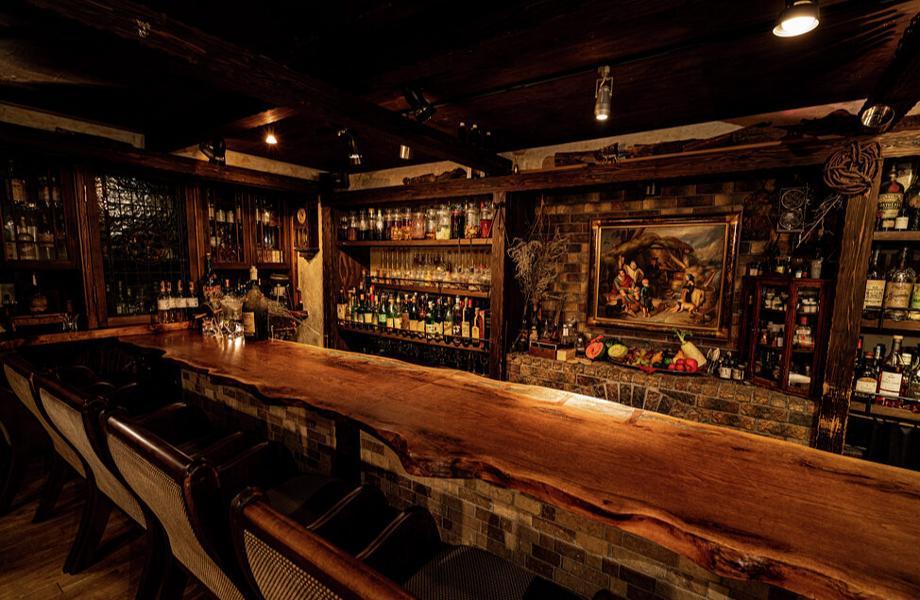
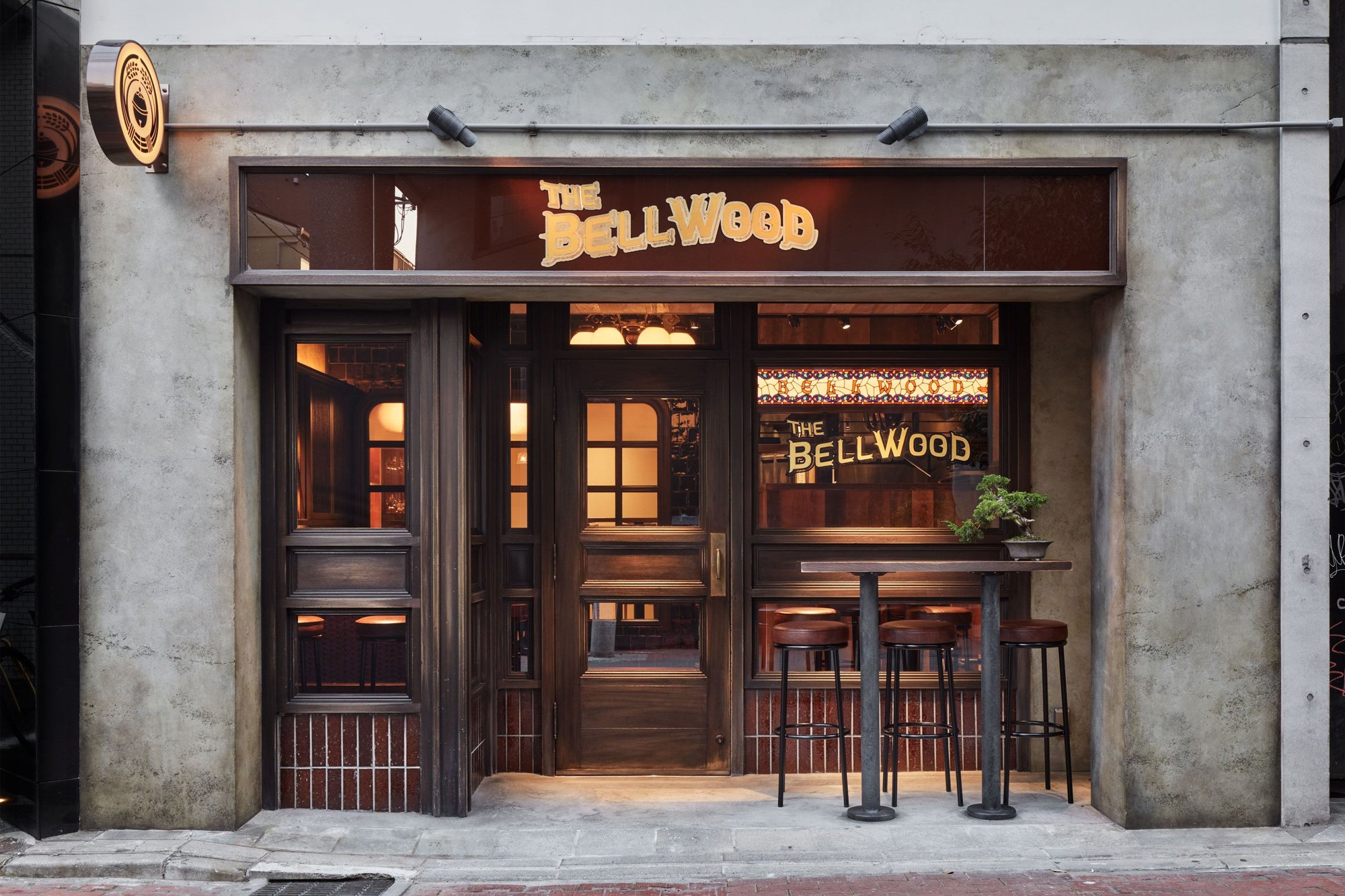
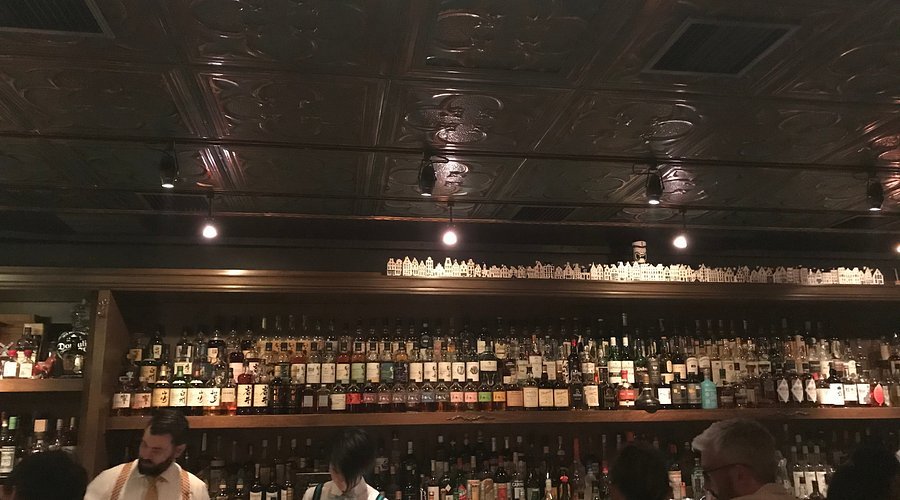
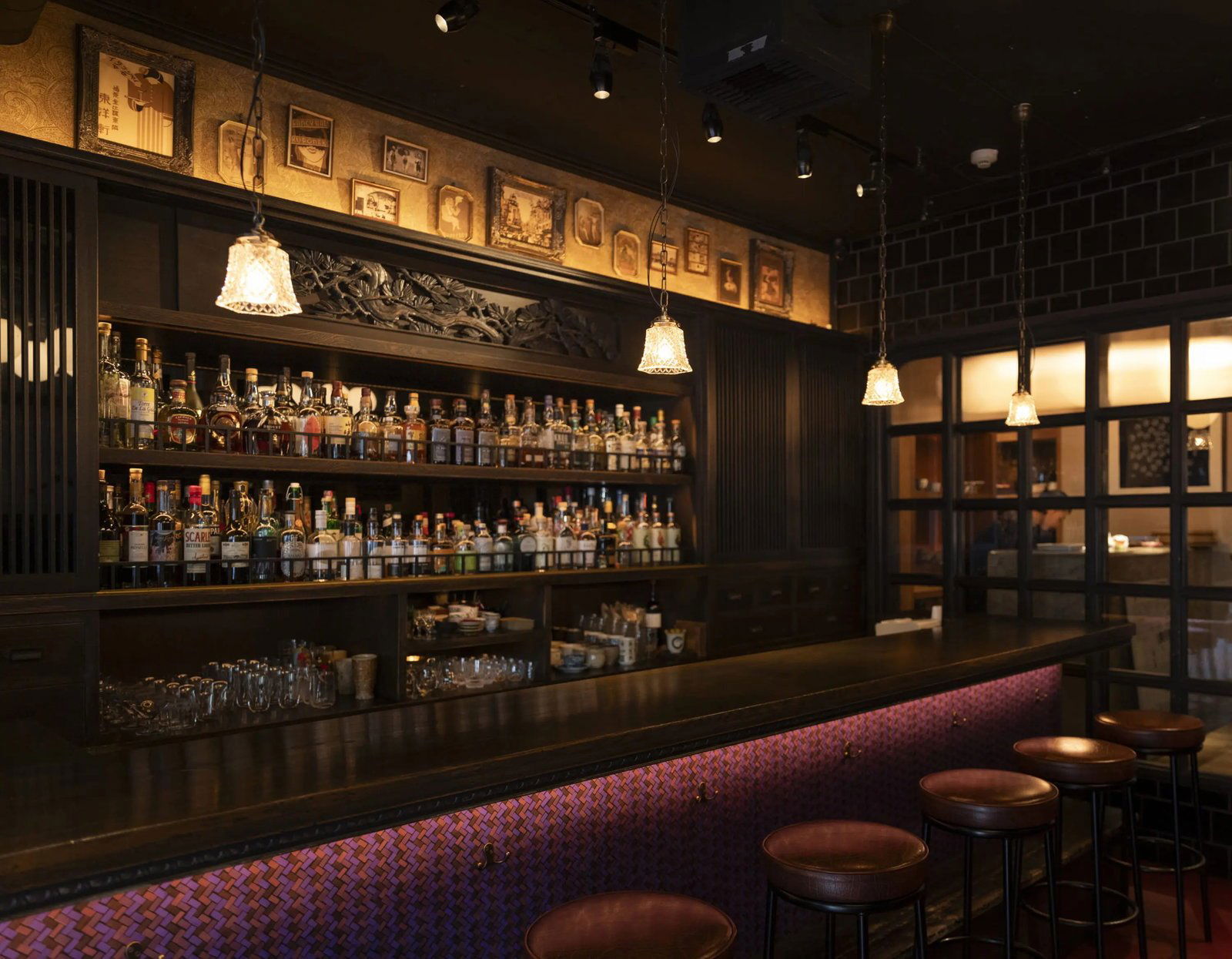
Panacee presents itself as a quietly authoritative neighbourhood bar that deliberately resists the spectacle of Tokyo's prize-winning counters. Situated at ground-floor level in Mita, the address reads as residential and low-key rather than theatrical; that restraint is central to the venue's appeal. The writing emphasizes a local, self-selecting clientele and a tone of modest intent rather than international showmanship. Visitors encounter a space that privileges subtlety and local belonging over overt signaling — a bar that feels tucked into the fabric of its neighbourhood and rewards those who prefer low-profile, quietly confident drinking rooms.
Best For
Panacee is best for people seeking a local, low-key drinking experience away from the usual tourist circuits. The description frames the bar as attracting a self-selecting, neighbourhood crowd, which makes it a natural fit for solo visits and intimate date nights where background bustle is minimal. It also suits drinkers who value restraint and authenticity over theatrics; rather than a must-see on a media-driven itinerary, Panacee reads as a place for repeat visits and measured discovery by those living in or exploring Meguro's residential corners.
Ordering Tips
Expect a restrained, residential-style bartending approach rather than performative theatrics. The write-up contrasts Panacee with bars that broadcast craft credentials through visible accoutrements; by implication, ordering here rewards patrons who are comfortable letting the bartender set tone and pace. Come prepared to be part of a self-selecting, local crowd and to appreciate subtlety in service and drink presentation. Because the venue's appeal is its low-key, neighbourhood character, approach orders with curiosity and openness rather than prescriptive demands for showmanship.
Venue details
Ambiance
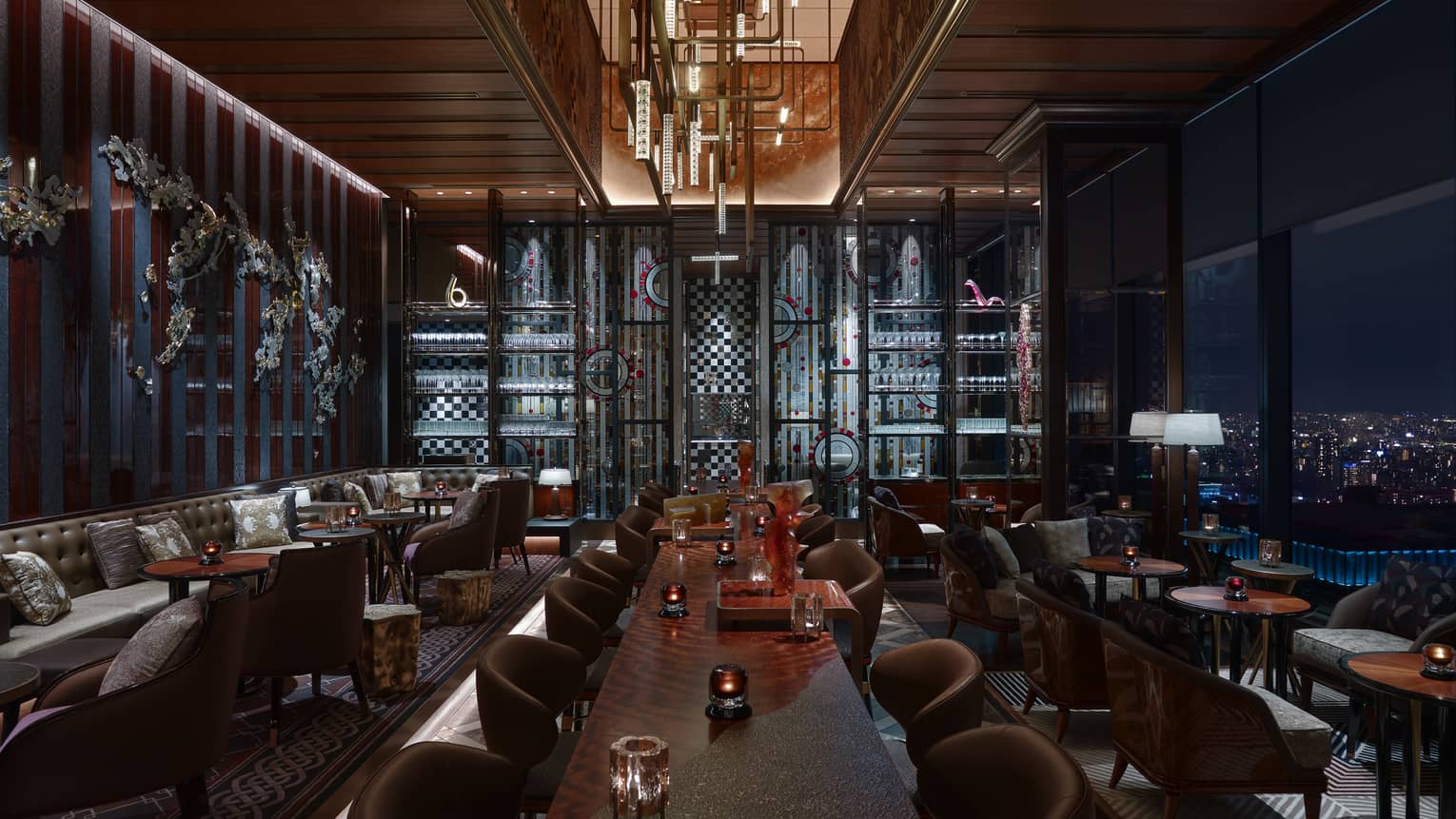
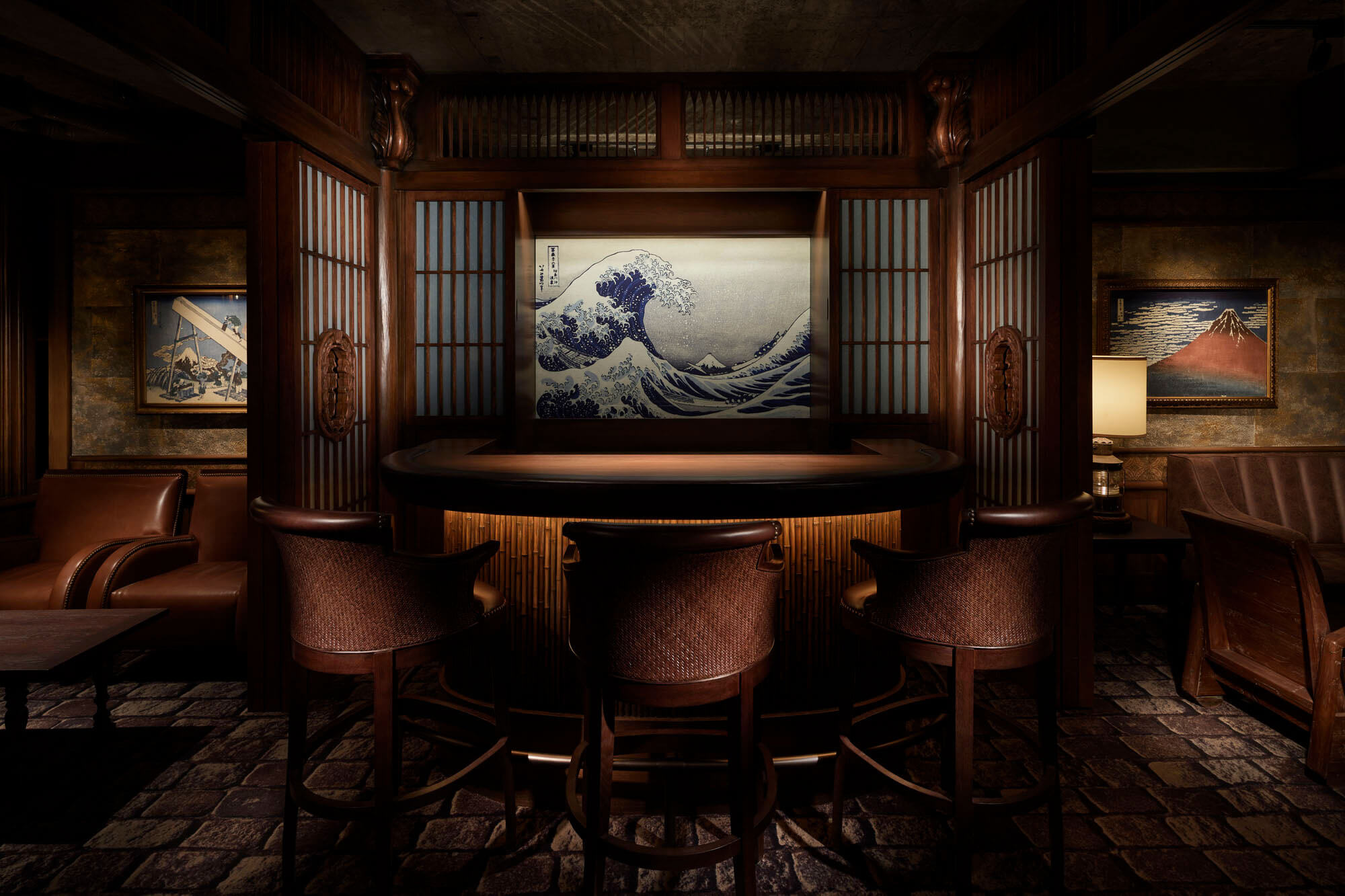
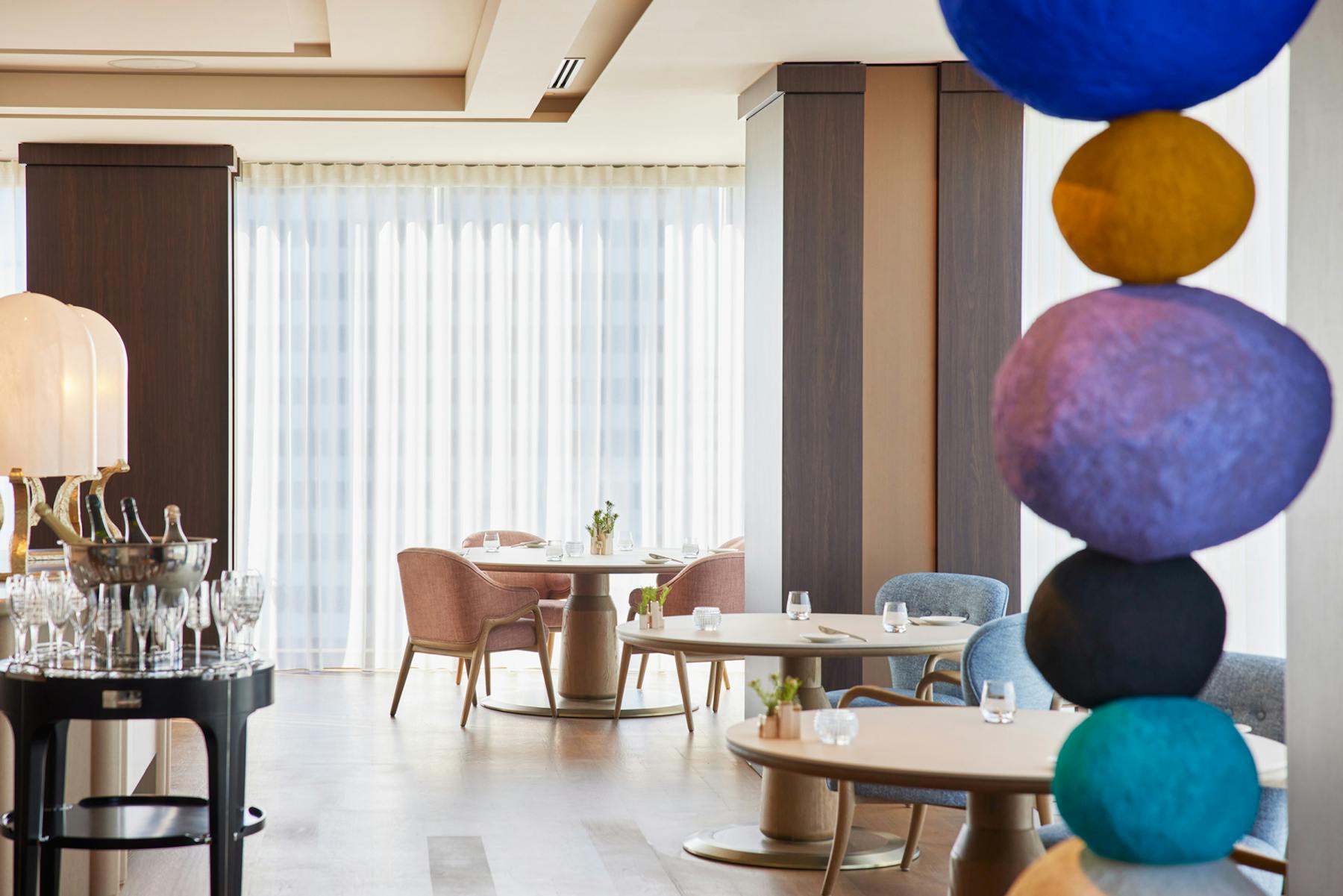
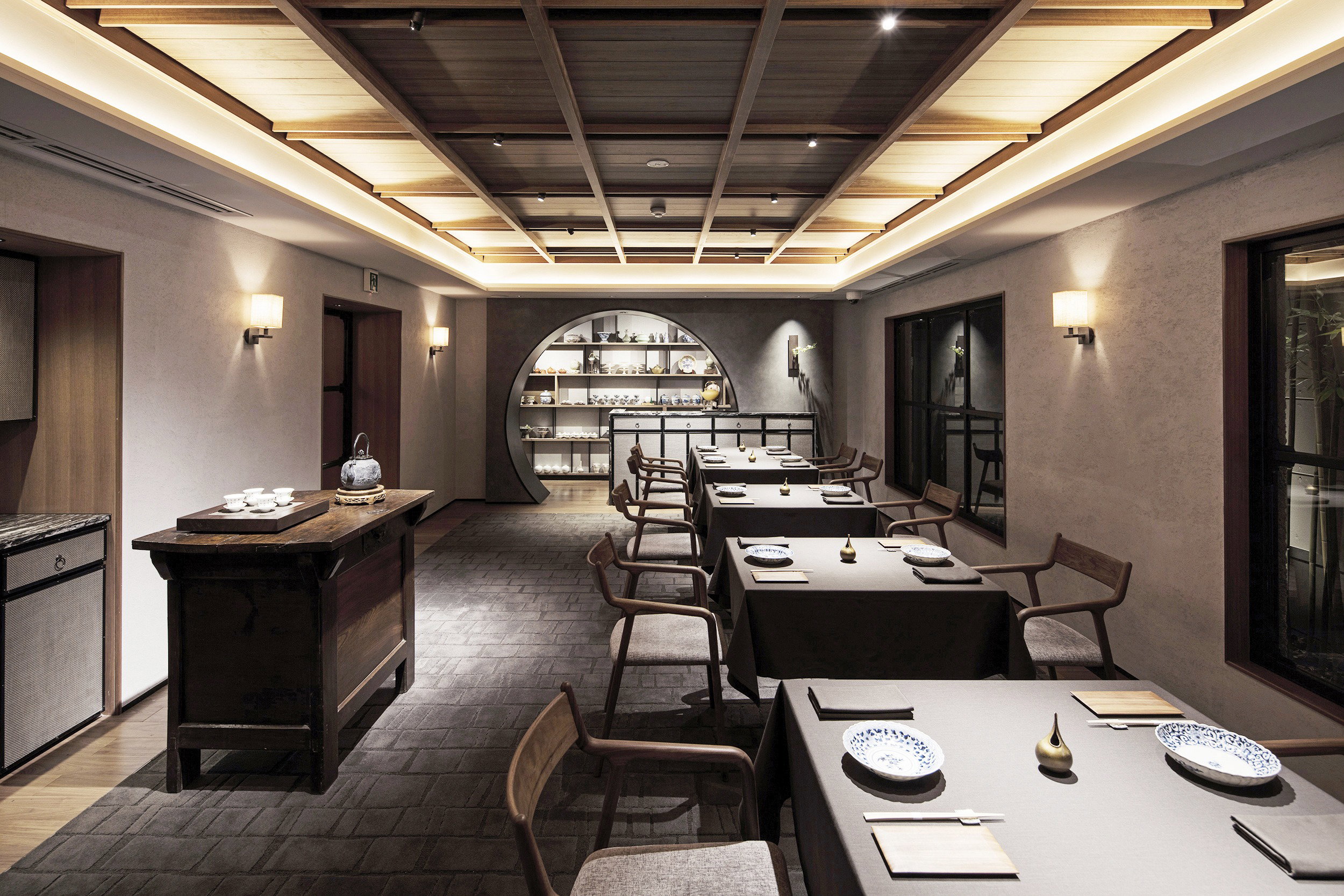
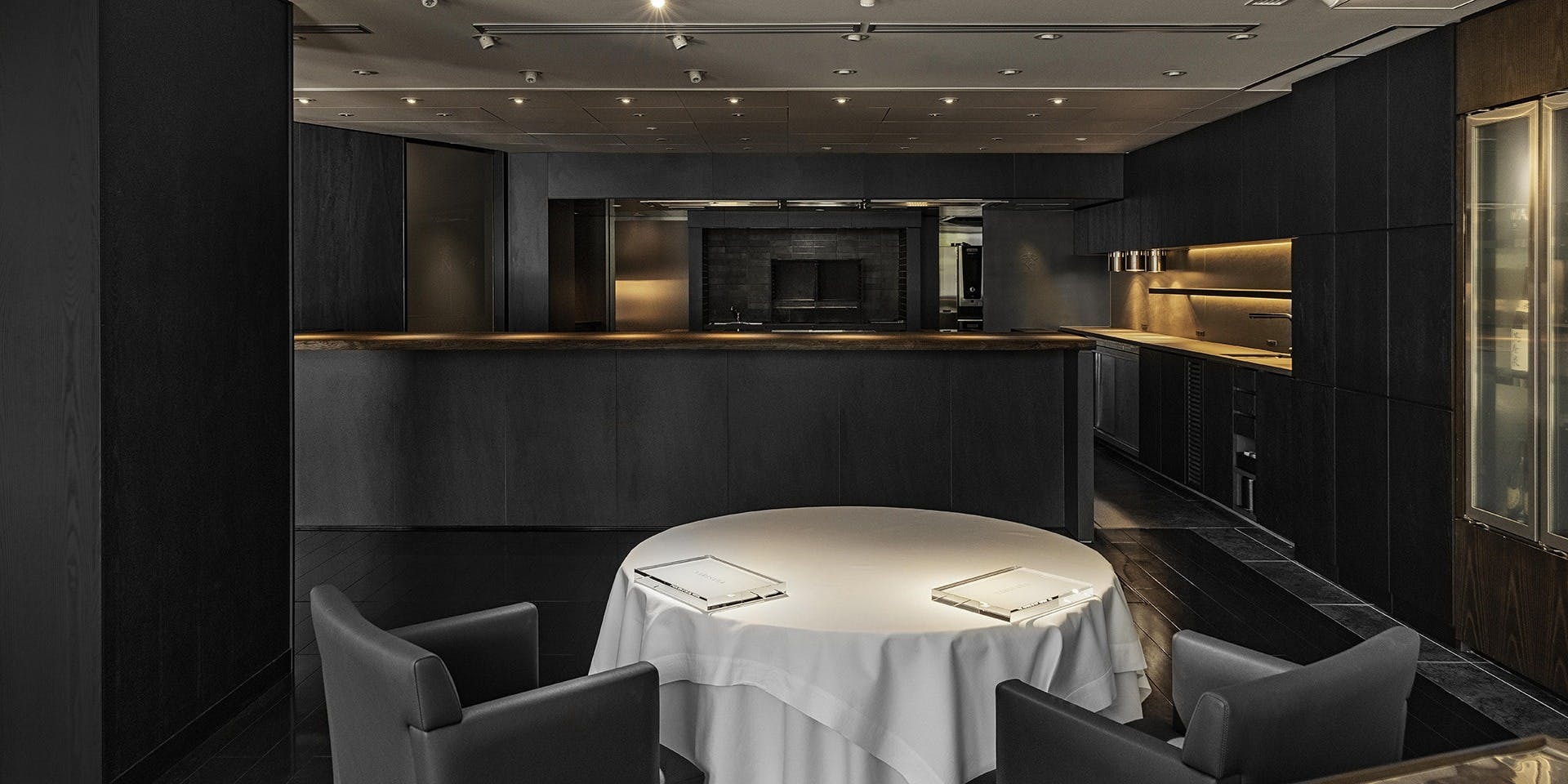
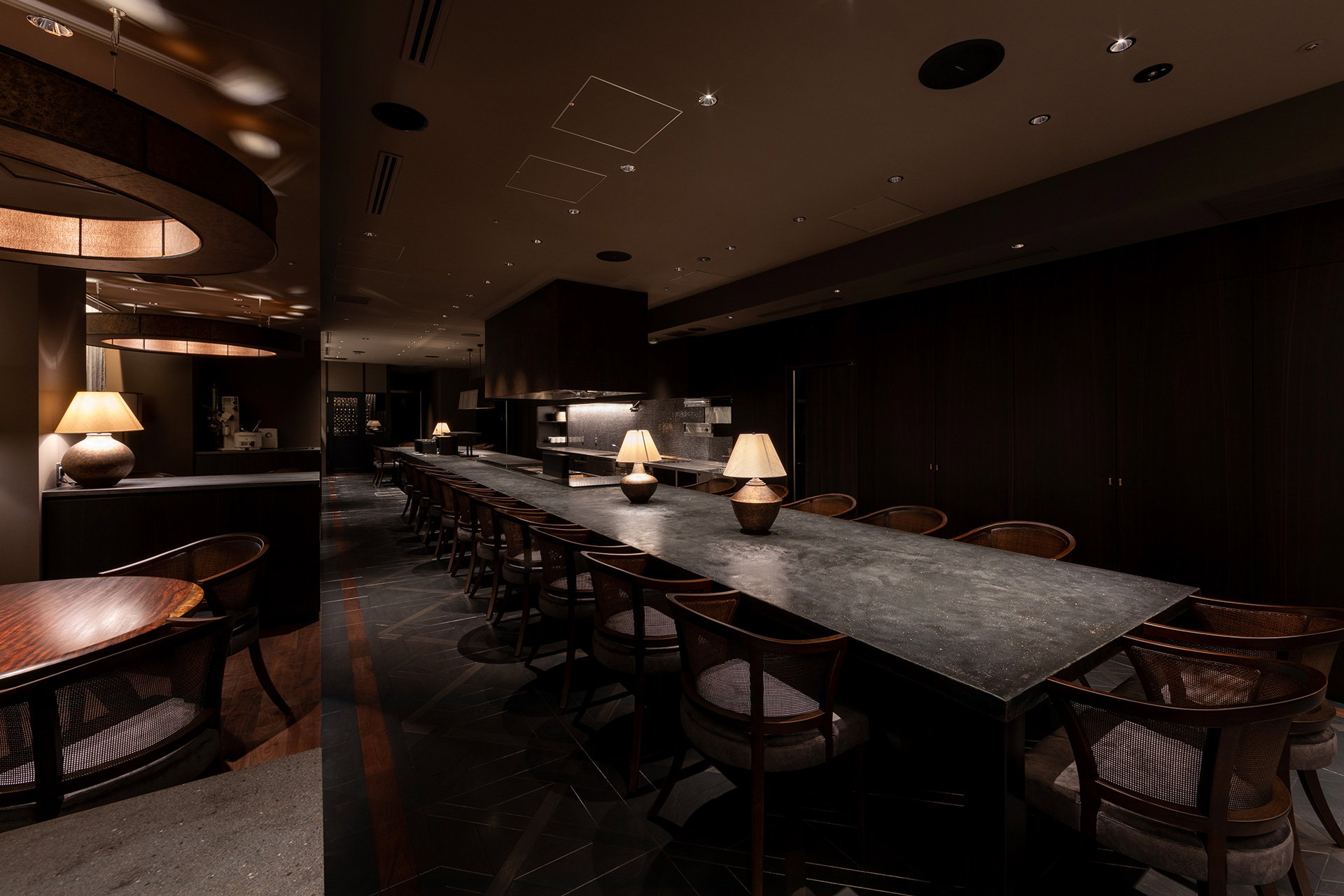
Low purposeful lighting illuminates the polished stone counter with honeyed wood and subtle backlighting, creating a restrained, conversation-friendly atmosphere with curated jazz music.
Tags
Vibe
Best For
Experience
Format
Accessibility
At the Bar
- Bar Category
- Cocktail Bar
- Music
- Curated Jazz and Instrumental
- Spirits Focus
- Whiskey
Signature Pours
- Mita Martini
- Smoked Plum Old Fashioned
- Matcha Negroni
Know before you go
Know Before You Go
- Getting there
- 〒153-0062 Tokyo, Meguro City, Mita, 2-chōme−3−20 Peerless1F
Planning details
Location
〒153-0062 Tokyo, Meguro City, Mita, 2-chōme−3−20 Peerless1F · Directions
Also consider
Also Consider
- Bar Martha, Notable alternative
- Winestand Waltz, Notable alternative
- A10, Notable alternative
- Bar TRAM, Notable alternative
- Unknown, Notable alternative
Bar context
How Panacee compares with Tokyo bar peers
Choose Panacee when location in Meguro City's Mita area is the deciding factor and the plan can stay flexible. For a more deliberate wine-bar comparison, Winestand Waltz is the cleaner cross-shop because the name and positioning give readers a clearer wine-led expectation, while Panacee requires more tolerance for unknowns around format, pricing, and booking.
For atmosphere-first drinking, compare against Bar Martha, A10, Bar TRAM, and Unknown. Those are stronger candidates when the room, drink style, or bar identity matters more than proximity. Panacee works better as an easy add-on if nearby, while the others make more sense when the bar itself is the reason for going.
Explore Tokyo
Around this place
Discover more on Pearl
Unlock the full Panacee guide in Pearl, including awards, comparisons, FAQs, planning details, and nearby places.
Compare Panacee
| Venue | Location | Awards |
|---|---|---|
| Panacee | Tokyo | No published awards |
| Bar Martha | Tokyo | No published awards |
| Winestand Waltz | Tokyo | No published awards |
| A10 | Tokyo | No published awards |
| Bar TRAM | Tokyo | Tabelog 100 - Cafe - EAST - 2025 · #22 |
| Unknown | Tokyo | No published awards |

How Panacee Tokyo compares with similar nearby venues.
FAQ
Frequently Asked Questions
What is Panacee known for?
The practical detail is a smart casual dress code.