

Tabelog 100 Asian & Ethnic Cuisine; Tokyo 2024
Tabelog 100 (Hyakumeiten) Asian cuisine / Ethnic cuisine - TOKYO selection for 2024. Tabelog publishes these as source-ordered lists of 100 restaurants.

Venues on this list
ERICK SOUTH Yaesu ten
Tokyo, Japan
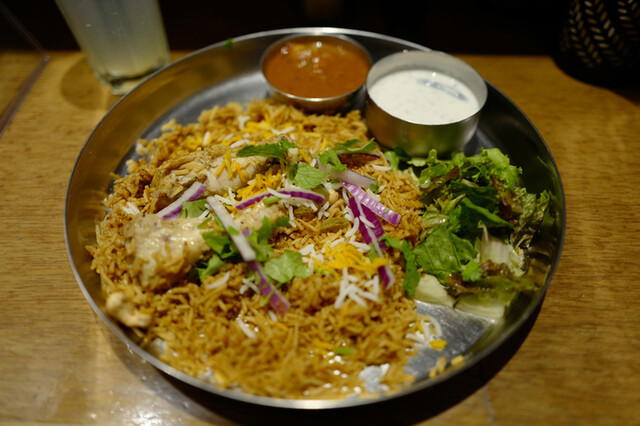
ERICK SOUTH Yaesu ten serves South Indian dosas, idli, and rice-based meals in Tokyo's Yaesu underground mall at JPY 1,000–JPY 1,999, with generous vegetarian options and rice refills. A Tabelog 100 regular since 2017, it handles quick lunches and takeout orders with equal efficiency, though peak-hour waits are common due to its no-reservation policy.
shiva curry wara
Tokyo, Japan
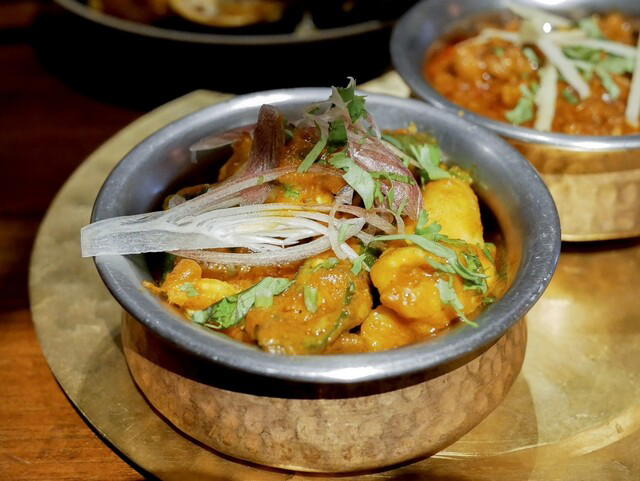
Sangen-jaya's eight-time Tabelog 100 curry specialist (2017–2024) serves technically precise Indian plates at an 11-seat counter-and-table setup. Dinner costs JPY 3,000–3,999, lunch JPY 1,000–1,999. Book dinner days ahead; lunch is walk-in only. Better for food-focused meals than special occasions.
GURGAON
Tokyo, Japan
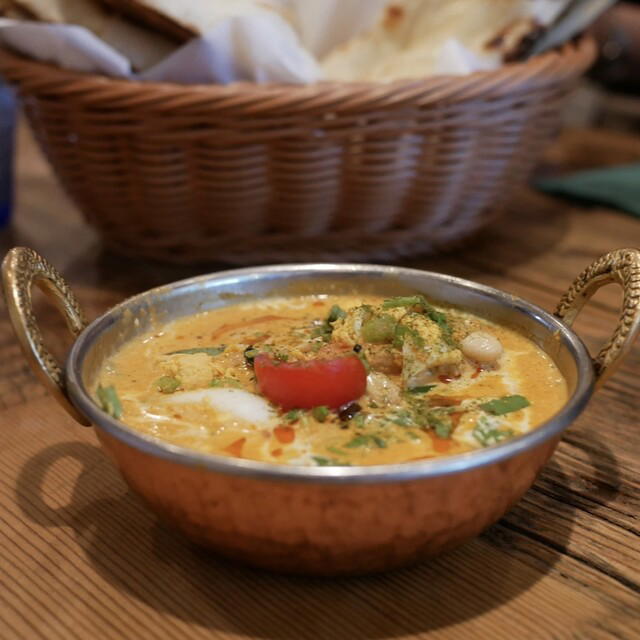
A Tabelog 100 curry specialist in Ginza charging JPY 1,000–2,999, with eight consecutive awards (2017–2024) and a vegetable-focused menu rare among Tokyo Indian restaurants. Dinner reservations accepted; lunch is walk-in and cash-only. The 38-seat basement space suits groups and special occasions better than counter-focused competitors nearby.
Spice Kurashi
Tokyo, Japan
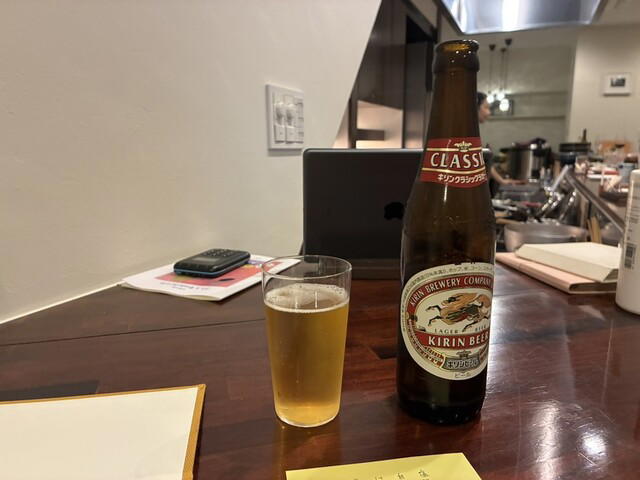
Counter-only creative spicing in Gakugei Daigaku, earning Tabelog 100 recognition (Asian / Ethnic, Tokyo) three years running. Eight seats, JPY 3,000–3,999, Thursday–Sunday dinners only. Book if you value precision aromatics and solo-friendly format; skip if you need weekday availability or group capacity beyond four.
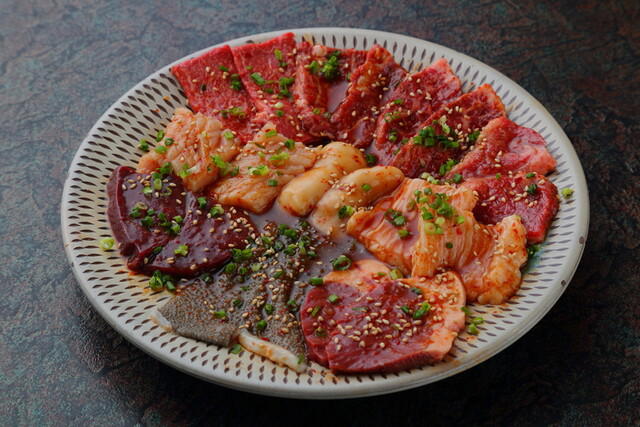
Korean Dun
Tokyo, Japan
Korean Dun delivers consistent yakiniku quality at ¥6,000–¥7,999 dinner, earning Tabelog 100 recognition since 2018. The 36-seat basement space in Tsukishima handles group bookings with tatami seating for up to thirteen, plus extended service windows over 2.5 hours. Book ahead for weekend slots and request the raised area if you're bringing four or more.
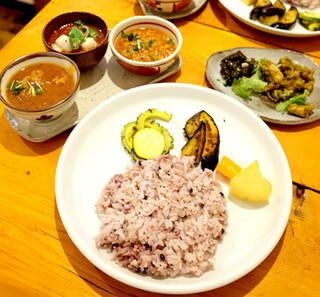
Hatsudai Spice Shokudo Wakon Insai Tandoru
Tokyo, Japan
A 14-seat Hatsudai curry specialist that has held a Tabelog 100 slot for eight consecutive years (2017–2024), serving ingredient-driven, spice-forward curry built around seasonal Japanese produce. Lunch runs JPY 1,000–1,999 weekdays only (Wednesday–Friday, 11:45 AM–2:30 PM), with one Saturday dinner service. Cash only, counter seating recommended for first-timers.
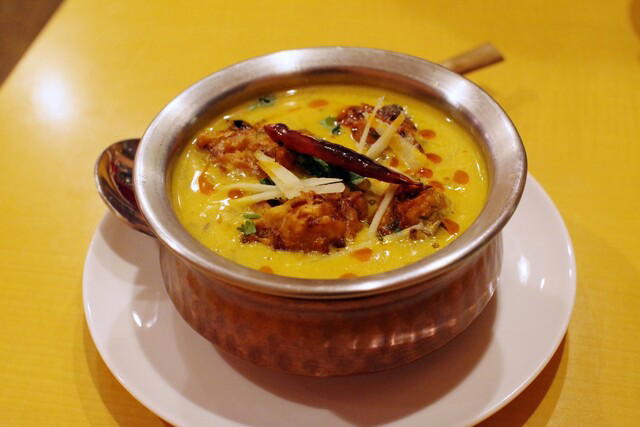
Indian Restaurant Aarti
Tokyo, Japan
Tabelog 100-listed Indian spot in Akihabara offering vegetable-focused curries at JPY 1,000–1,999 lunch and JPY 2,000–2,999 dinner. Private rooms seat up to 20; cash-only payment. Open since 2009 with consistent execution in a competitive district.
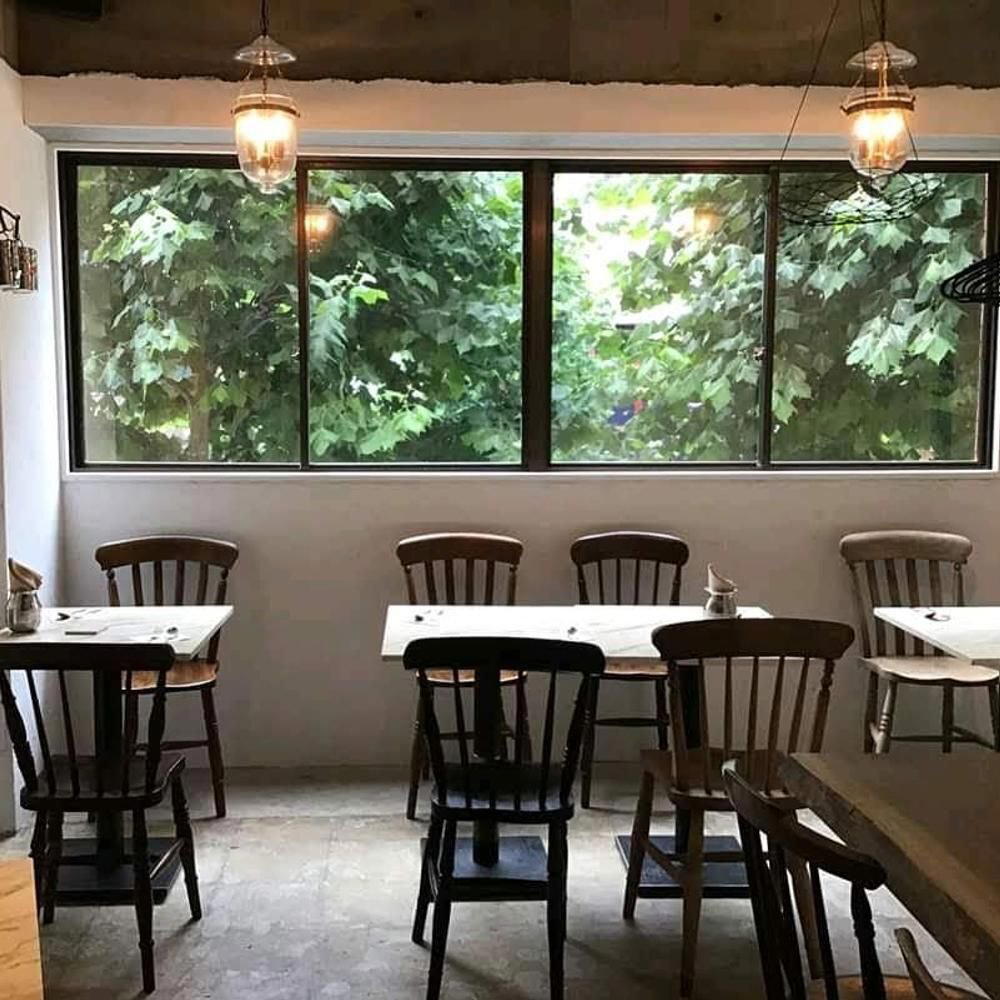
SANTOSHAM
Tokyo, Japan
Santosham holds a 2024 Michelin Bib Gourmand and is the clearest case for Kerala cuisine in Tokyo. Chef Bhagyalakshmi Gohokar and the owner-couple focus on coastal Indian cooking; coconut, curry leaves, seafood, black pepper; at a single yen-sign price that makes it an easy yes for special occasions or value-conscious dining. Book ahead; walk-ins are possible but this is Michelin-recognised.
Spice Bar Kozaburo
Tokyo, Japan
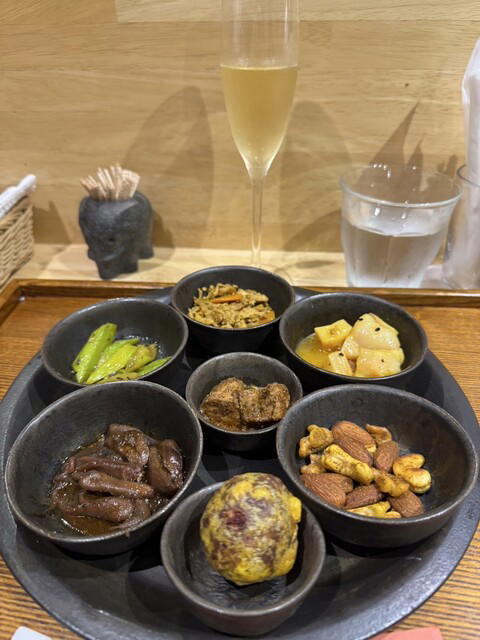
A 14-seat dining bar in Tokyo's Hon-Komagome neighborhood with Tabelog 100 recognition across four years (Asian/Ethnic 2024, 2023, 2022; Curry 2020). The kitchen works vegetables and fish with layered spicing, the drink list runs sake, shochu, and wine, and dinner lands at JPY 5,000–5,999 while lunch drops to JPY 1,000–1,999. Counter seats deliver the closest view; the two tables suit conversation. Worth booking if you want spice-bar precision without kaiseki expense.
spice kitchen moona
Tokyo, Japan
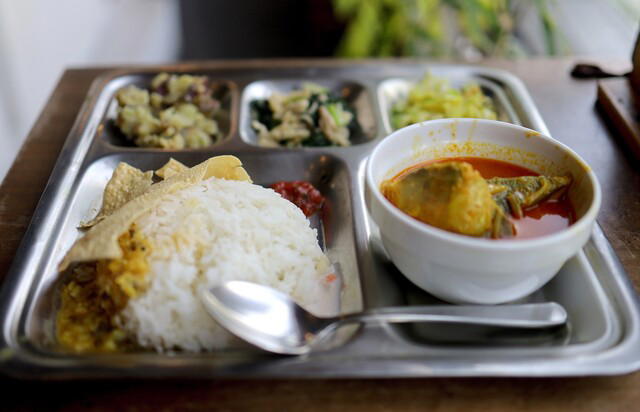
A fifth-floor Shimokitazawa hideout serving vegetable- and fish-forward Asian cuisine at JPY 1,000–2,999. Tabelog 100 selection across four years (2024, 2022, 2019–2020) signals consistent execution in Tokyo's accessible-price tier, with walk-in lunch and reservable dinner service that extends into late evening.
Akasaka Ichiryu Bekkan
Tokyo, Japan
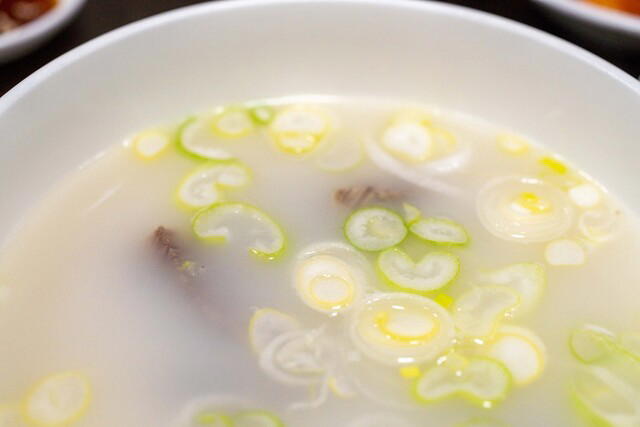
A 24-hour Korean soup restaurant in Akasaka with Tabelog 100 recognition and walk-in-only seating. Meals run JPY 1,000–JPY 1,999, shochu is the drink anchor, and the no-reservation format makes it one of Tokyo's most accessible award-recognized Korean venues. Best for late-night cravings or quick dinners without the JPY 6,000+ spend of premium yakiniku.
Los Tacos Azules
Tokyo, Japan
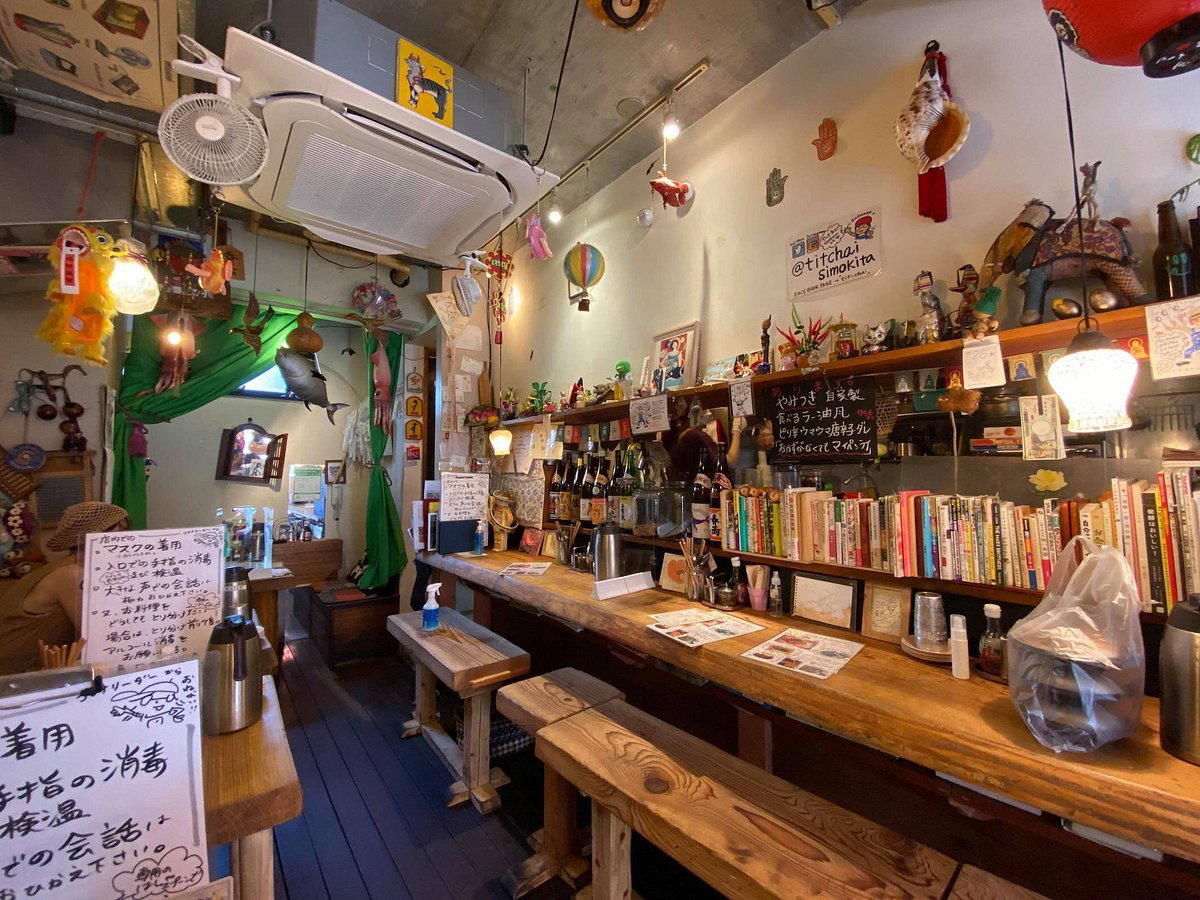
Los Tacos Azules is the strongest case for Mexican food in Tokyo's casual dining circuit, ranked #26 on the Opinionated About Dining Casual Japan list in 2025. Daytime hours only (Wednesday to Sunday), easy to book, and based in quiet Setagaya. Worth two or three visits for anyone spending time in the city.
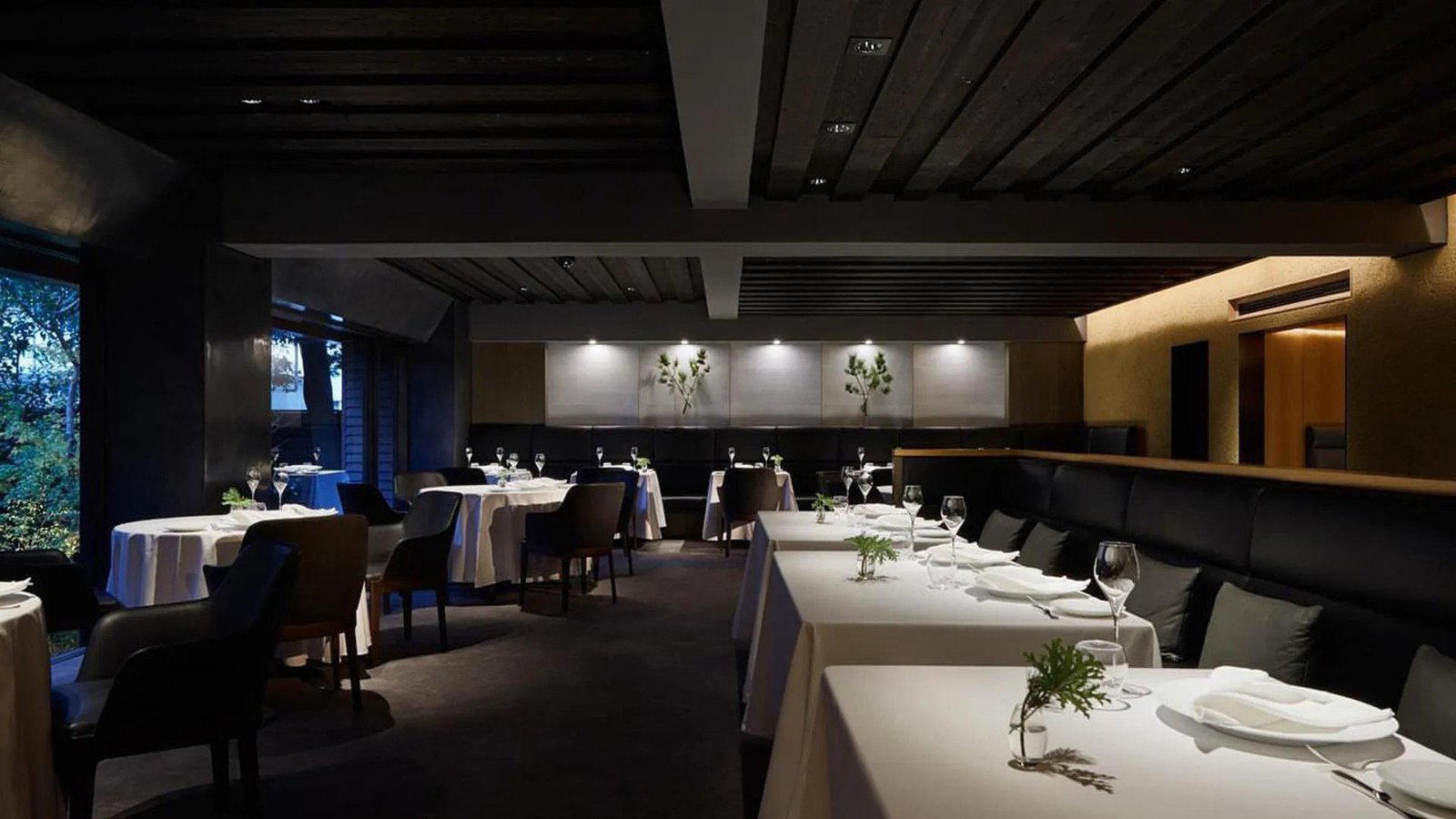
Sansar Shinjuku ten
Tokyo, Japan
Tabelog Top 100 Nepalese-Indian curry spot in Higashi-Shinjuku serving dinner at JPY 1,000–1,999 and lunch under JPY 1,000. The kitchen avoids chemical seasonings and heavy oil, offering tandoor naan and vegetarian options in a 30-seat room with counter and terrace seating. Takeout and frozen mail-order available; book ahead for weekend peak hours.
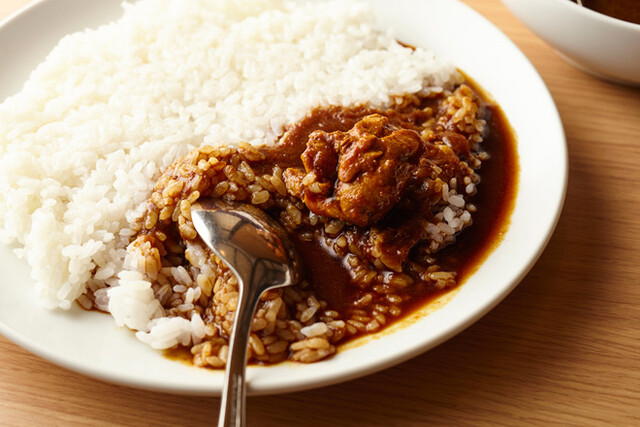
DELHI Ginza ten
Tokyo, Japan
DELHI Ginza ten, a 70-year Tokyo institution, delivers consistent Indian curries at JPY 1,000–2,000 per lunch in a no-frills 40-seat room. Tabelog 100 recognition (2019–2024) reflects reliability over innovation; the mutton and keema curries reward regulars who dial up the spice level. Book ahead for the semi-private room or walk in before noon to skip the weekday lunch queue.
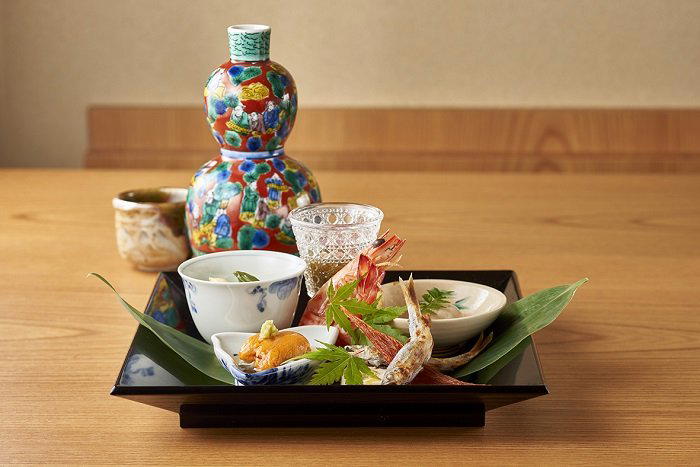
HASUO
Tokyo, Japan
HASUO in Tokyo's Hiroo neighbourhood holds Michelin Plates for 2024 and 2025, delivering New Korean cooking; including a 16-dish banchan spread and technically precise signatures like Ganjang-gejang; at a ¥¥ price point that makes it one of the most accessible serious Korean restaurants in the city. Book the counter for the full experience. Easy to reserve relative to Tokyo's starred competition.
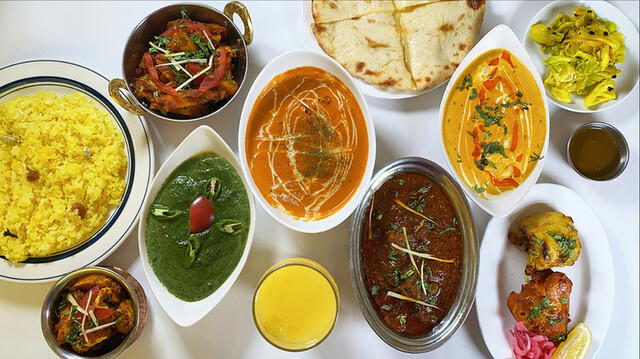
Yappari India
Tokyo, Japan
A two-chef collaboration in Minamiotsuka delivering Tabelog 100-recognized Indian curry with JPY 1,000-1,999 lunch and JPY 2,000-2,999 dinner pricing. Tables fill weeks ahead, but the spice layering and technique justify the chase. Semi-private seating suits groups; solo diners face limited menu variety. Walk-ins are a gamble; book early or try Sunday lunch.
Katchar Batchar
Tokyo, Japan
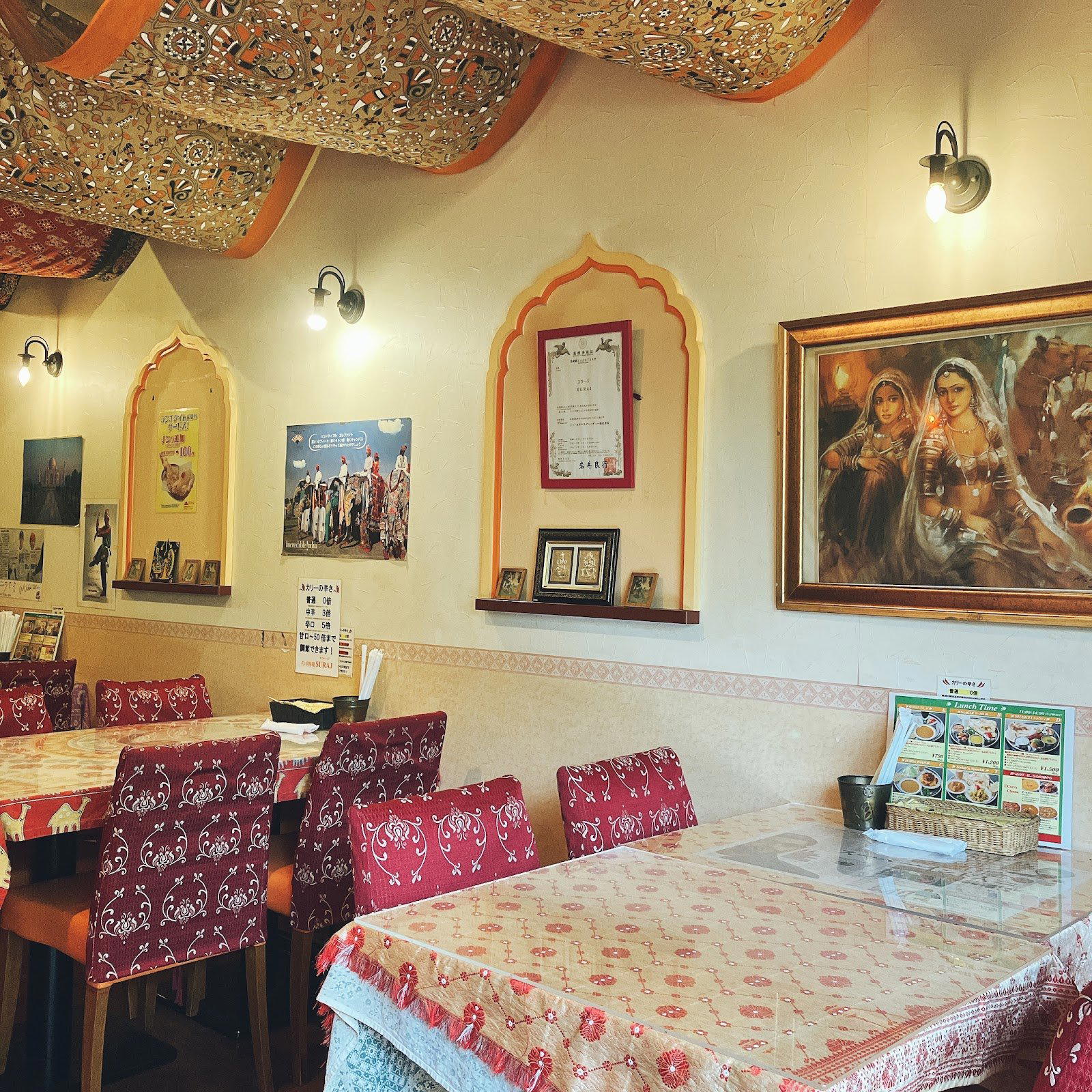
A Michelin Bib Gourmand pick in Toshima City, Katchar Batchar delivers regional Indian cooking; butter chicken, pork vindaloo, shrimp curry, tandoori; at ¥ pricing. The confirms reliable consistency. Book for a casual dinner or a low-key celebration; plan two or three visits to cover the full regional range.
Ăn Đi
Tokyo, Japan
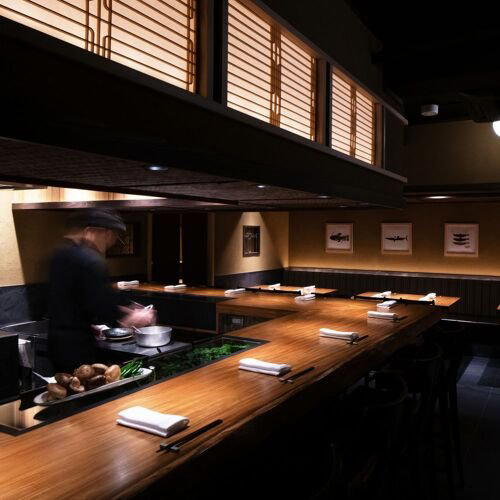
Ăn Ði brings Modern Vietnamese cooking, shaped by French technique and Japanese seasonal produce, to Shibuya's Jingumae backstreets. Holding a Michelin Plate and ranked #289 on Opinionated About Dining Japan 2025, it offers a thoughtfully paced tasting menu with a serious wine, sake, and shochu pairing programme; all at the ¥¥¥ tier. Easy to book, and meaningfully different from Tokyo's sushi and kaiseki defaults.
SPICE Cafe
Tokyo, Japan
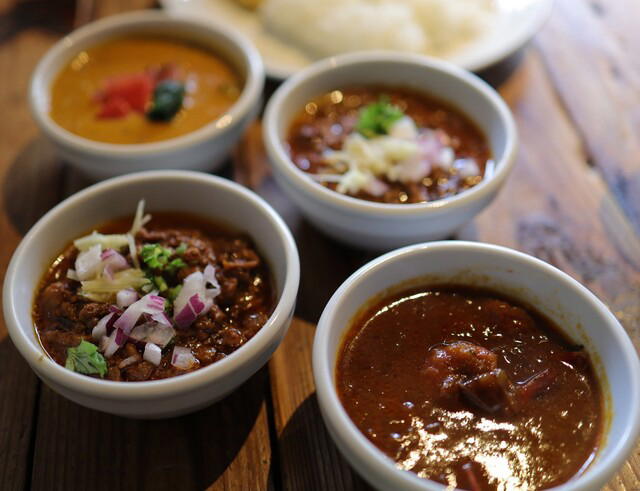
A 20-seat Sumida curry specialist with Tabelog 100 recognition from 2017 through 2024, offering seven-course spice-focused dinners at JPY 6,000–7,999 and sub-JPY 2,000 weekday lunches. The dual-curry tasting format and residential location deliver mid-tier value with less booking pressure than central Tokyo.
AJANTA
Tokyo, Japan
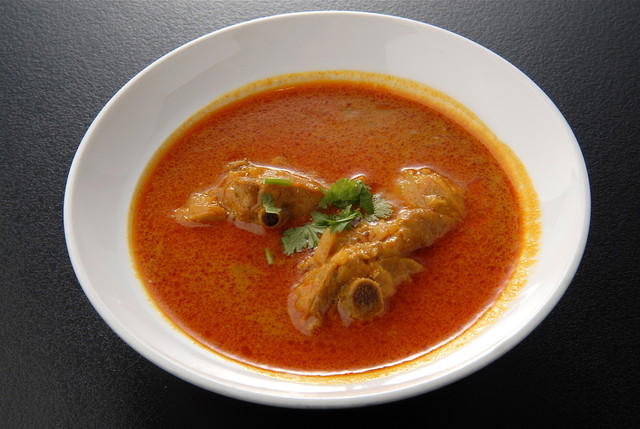
A Kojimachi fixture since 1957, AJANTA serves vegetable-forward South Indian cooking at JPY 1,000–3,999. Counter seating on the first floor offers direct kitchen views; the Tabelog 100 selection (Asian/Ethnic TOKYO, 2024) confirms technical execution that justifies the mid-tier price. Book 3–5 days ahead for weekend dinner, or walk in for weekday lunch.
Vietnam Chan
Tokyo, Japan
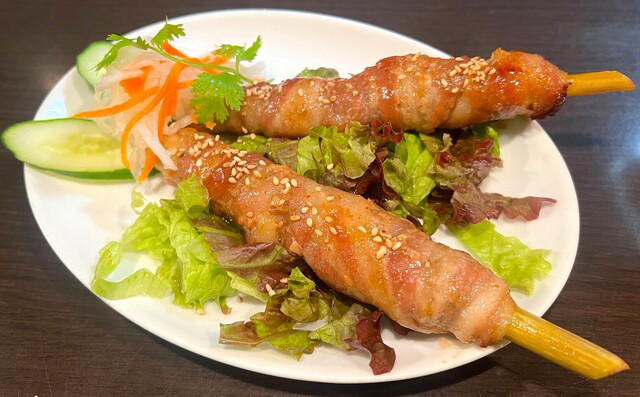
A Tabelog 100 regular since 2022, this Hyakunincho Vietnamese spot offers weekday walk-in lunch (JPY 1,000–1,999) and weekend courses (JPY 4,400+) in a 36-seat room. Dinner runs JPY 4,000–4,999; reliable execution rather than avant-garde ambition, with easy booking and a neighborhood following.
MAROLOGA Bhavan
Tokyo, Japan
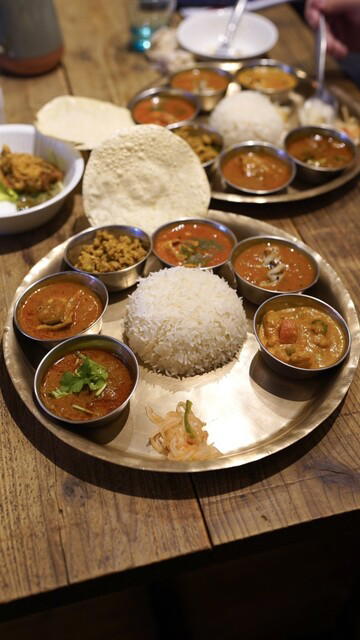
A seven-seat curry counter in Arai, MAROLOGA Bhavan earned Tabelog 100 recognition in 2023 and 2024 for delivering Indian cuisine at under ¥999 lunch and ¥2,000–¥2,999 dinner price points. The counter-only format means every diner watches the chef work, but capacity limits groups to two or three at most. Closed Monday and Tuesday; Sunday service ends early.
Zero One Curry A.o.D.
Tokyo, Japan
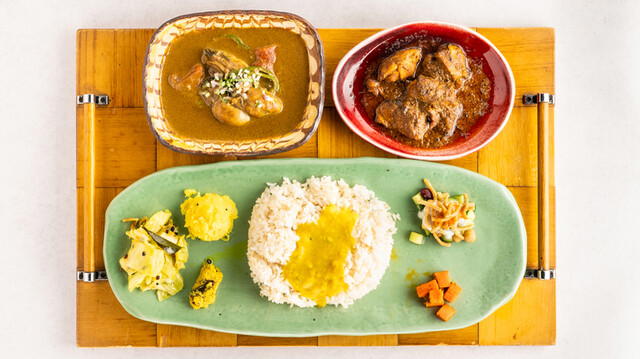
Zero One Curry A.o.D. delivers vegetable-forward Indian curry at JPY 1,000–2,999 in a counter-focused Mita space that prioritizes ingredient precision over tableside ceremony. Named to Tabelog's 100 for Asian & Ethnic Cuisine, it's the twice-a-week option when you want technical refinement without the fine-dining markup; book dinner, walk in for lunch, and expect efficient service rather than elaborate pacing.
COCHIN NIVAS
Tokyo, Japan
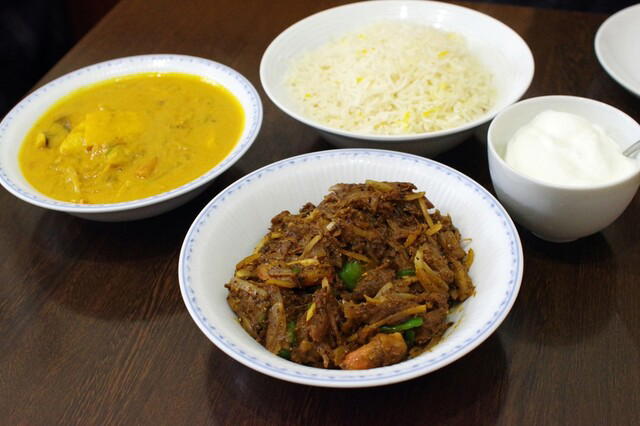
South Indian curry specialist in Nishishinjuku, recognized in Tabelog 100 lists from 2017 through 2024. The 11-seat room delivers Kerala-style technique at JPY 1,200–1,999, with weekday lunch sets and reservable dinner service requiring one drink per person. Walk-ins welcome at lunch; book ahead for dinner.
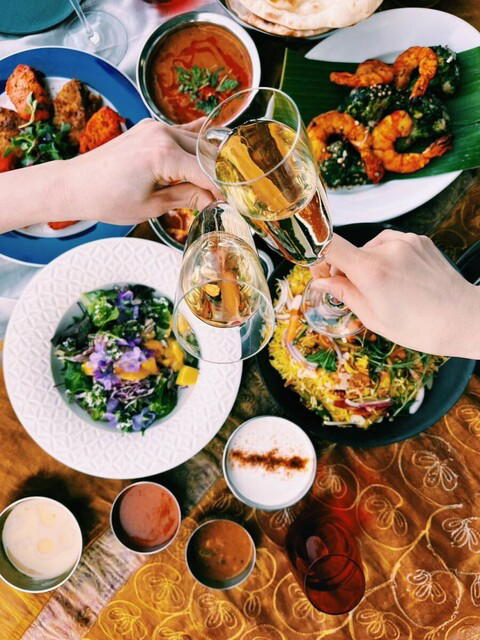
Nirvana New York Tokyo
Tokyo, Japan
Indian dining with a 32-seat terrace overlooking Hinokicho Park, ranked #27 in Tabelog's 2024 Asian/Ethnic Tokyo selection. Dinner runs JPY 5,000–5,999, lunch JPY 3,000–3,999, with vegetable-forward dishes and a sommelier-backed wine program. Book three days ahead for prime-time dinner; walk-ins possible Sunday lunch or after 9 PM weeknights.
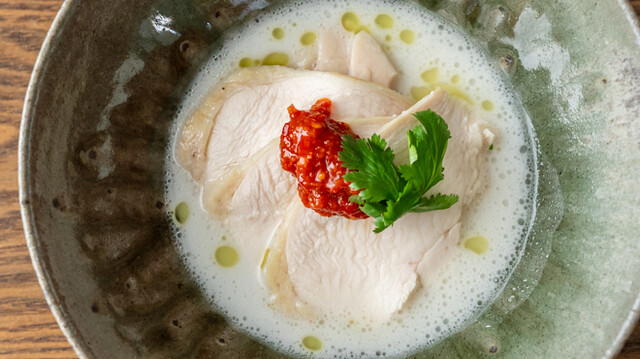
Thai Mimotto
Tokyo, Japan
A nine-seat Thai omakase counter in Meguro that earned three consecutive Tabelog 100 selections (2022–2024) for seasonally-focused tasting menus at JPY 15,000–19,999. The format is prix fixe only, with sake and wine pairings built to match fermented-shrimp funk and chili heat. Book the 5:30 PM seating for easiest availability.
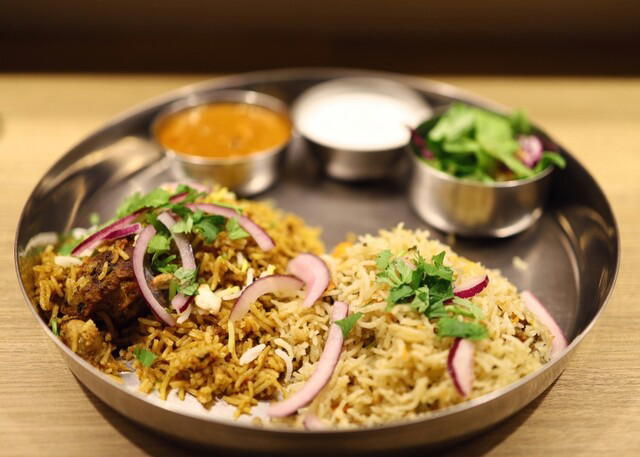
ERICK SOUTH KOENJI CURRY&BIRYANI CENTRE Kouenji karē&biriyani sentā
Tokyo, Japan
Tabelog 100-listed curry and biryani specialist in Koenji, open since 2020. Lunch under JPY 2,000, dinner under JPY 3,000, with strong vegetarian options and walk-in-friendly seating. Book if you want spice-layered South Indian cooking at casual prices, skip if you need upscale service or a menu in English.
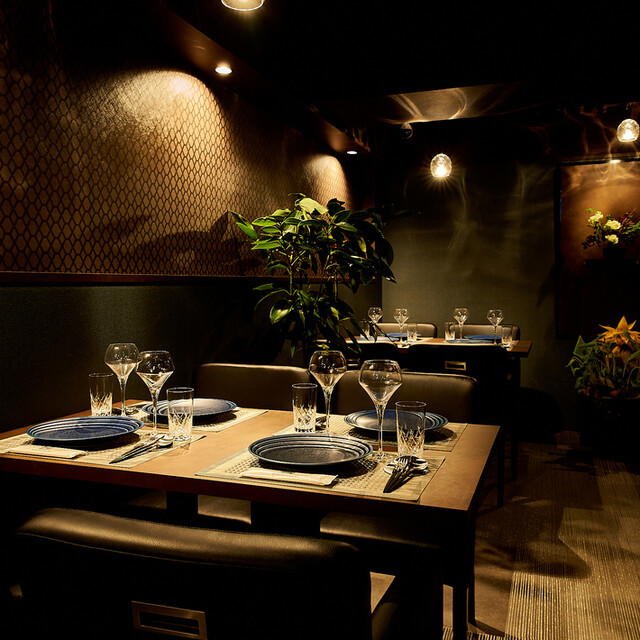
SEABIRD COLONY Ginza honten
Tokyo, Japan
A Ginza Indian restaurant that rotates its menu every two weeks around market-fresh seafood, earning three consecutive Tabelog 100 selections (2022–2024). At JPY 6,000–7,999 for dinner and JPY 1,000–1,999 for lunch, it offers à la carte flexibility and easier booking than the kaiseki tier; book if you want seasonal sourcing without the prix-fixe format.
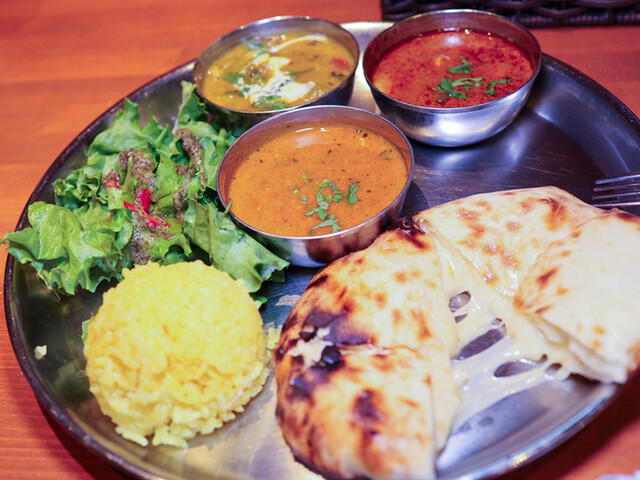
Tandoor Bar Kamal 2 Go
Tokyo, Japan
A Tabelog 100 Indian restaurant in Kameido offering vegetable-forward curries at JPY 1,000–3,999, with counter and table seating that accommodates couples, families, and groups. The room emphasizes health-conscious preparation and vegetarian options, making it one of Tokyo's more inclusive and affordable award-recognized Indian spots.
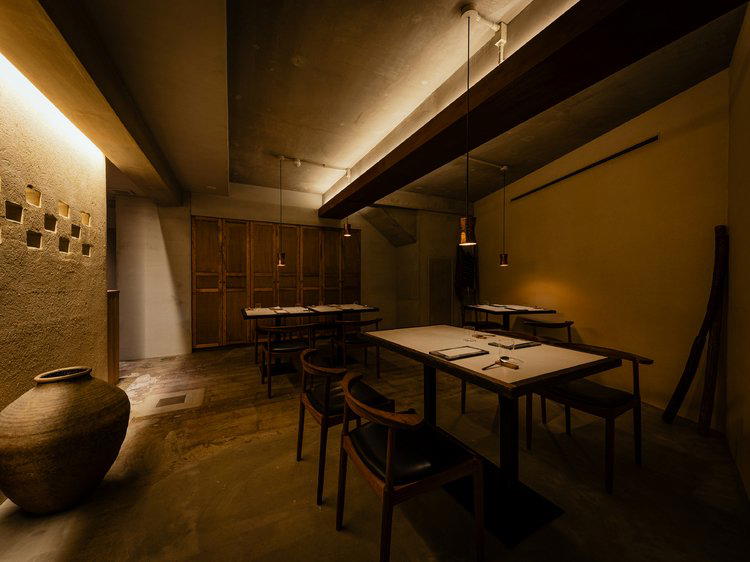
OLD NEPAL
Tokyo, Japan
Old Nepal in Setagaya holds back-to-back Michelin Plates (2024 and 2025) for Nepali cuisine that is genuinely rare in Tokyo. At ¥¥¥, the set menu is the main event; appetisers show real creative range, and the Dal bhat course that follows is the strongest argument for a return visit. Book counter seats if you can and let the full menu run.
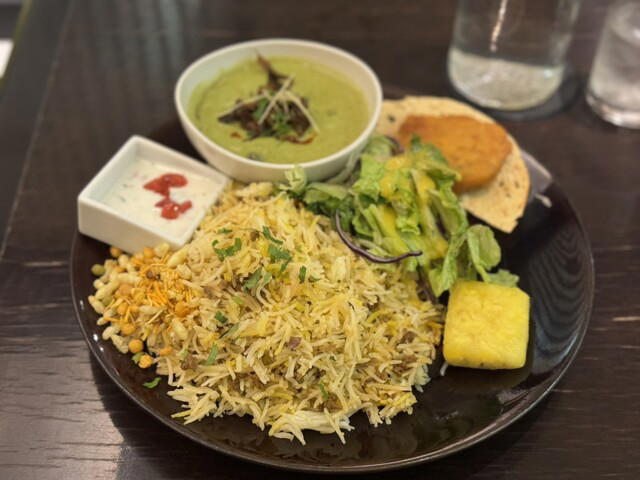
SITAARA Aoyama ten
Tokyo, Japan
A Tabelog 100 Indian curry specialist in Aoyama's basement, SITAARA Aoyama ten runs JPY 5,000–JPY 5,999 dinners and JPY 1,000–JPY 1,999 lunches in a 43-seat, family-friendly room with semi-private areas, sommelier-backed wine pairings, and vegetable-forward menus. Takeout travels well, and reservations a week out usually secure a table.
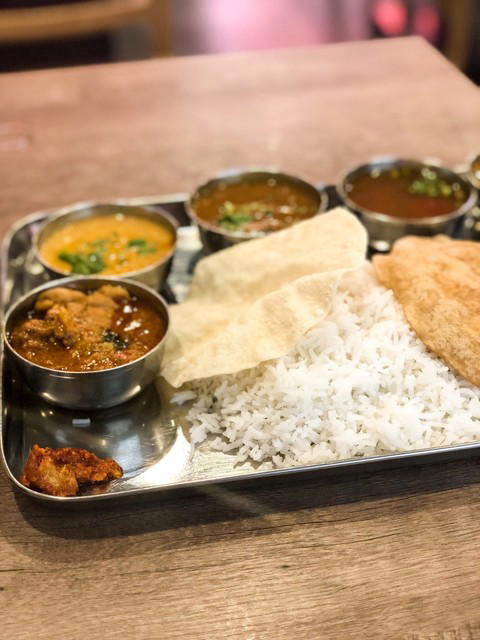
NANDHINI Toranomon ten
Tokyo, Japan
A Tabelog Top 100 South Indian spot in Toranomon offering vegetarian-friendly curry, lunch buffets under ¥2,000, and pet-friendly terrace seating. Practical choice for business lunches or casual dinners when you want generous portions and zero pretense.
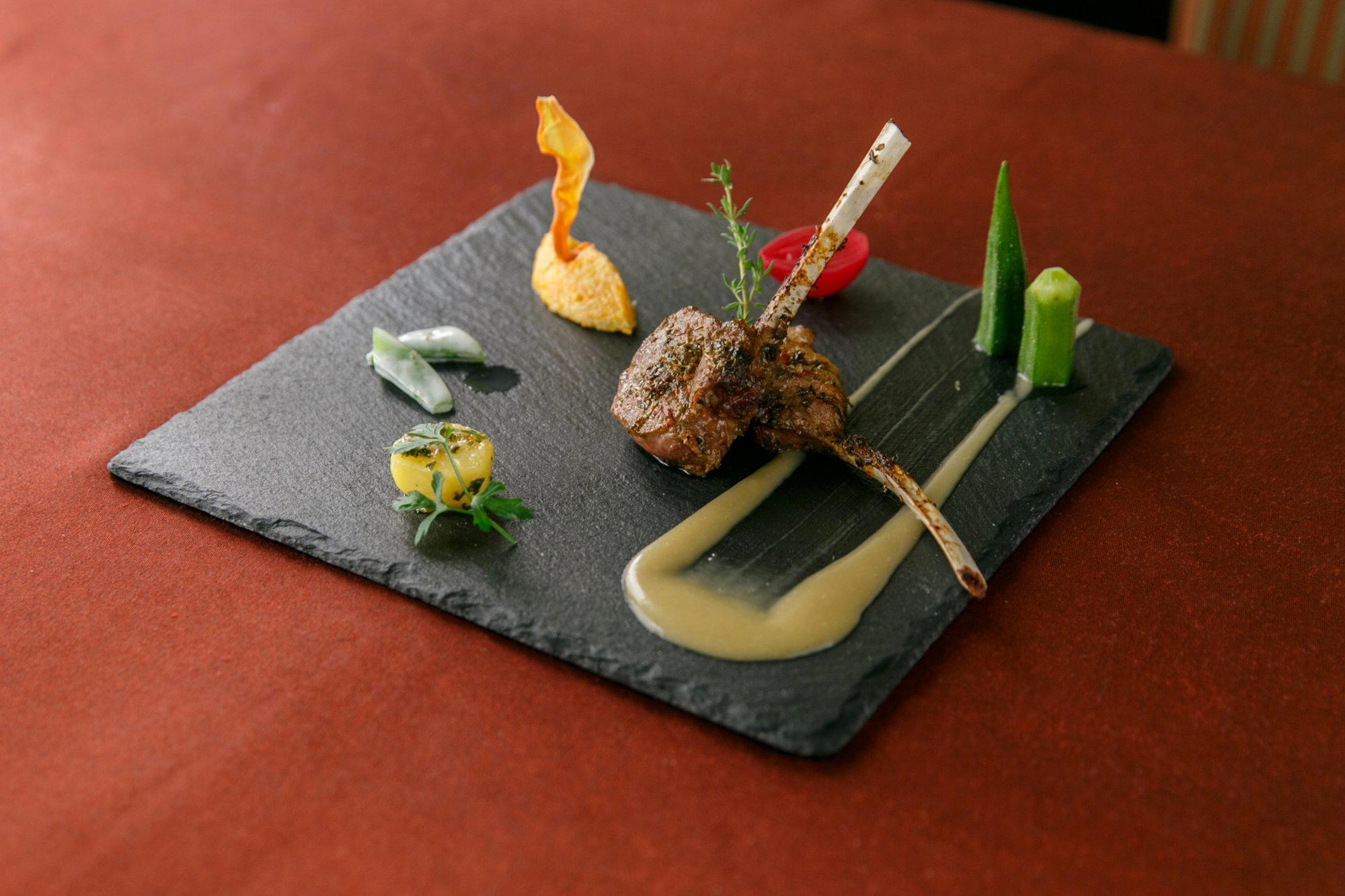
Burgaz Ada
Tokyo, Japan
Burgaz Ada is a dinner-only Azabujuban pick for a composed special occasion, backed by a Tabelog 100 #36 ranking in 2024. Book it when a calm evening matters more than lunch flexibility or a clearly signposted cuisine format; cross-shop sushi, tempura, or teppanyaki peers if category certainty is the priority.
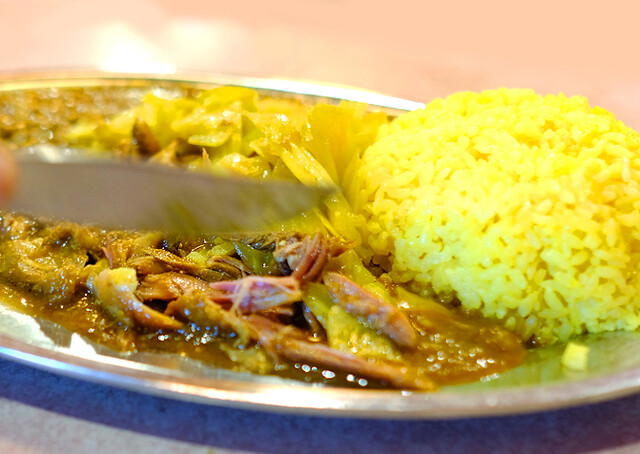
Ginza Nair's Restaurant
Tokyo, Japan
This 70-seat Ginza Indian curry house earned eight straight Tabelog 100 selections (2017-2024) at JPY 1,000-1,999 per person. Walk-ins work most days, reservations required only for groups of four or more. Vegetarian options, multilingual menus, and family-friendly logistics distinguish it from higher-priced Ginza peers.
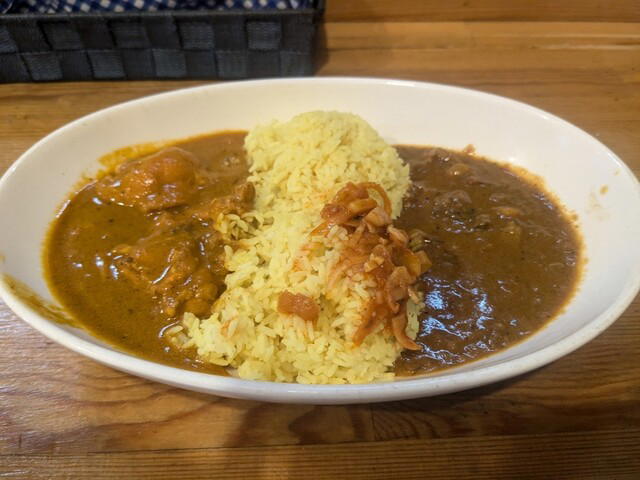
Silk Road
Tokyo, Japan
Six-seat counter serving vegetable-focused Indian curry under ¥999, earning three consecutive Tabelog 100 nods (2022–2024). Cash-only, no reservations, no website; walk-ins fill fast at lunch and dinner. Health-conscious menu with English translations, wheelchair access despite tight quarters.
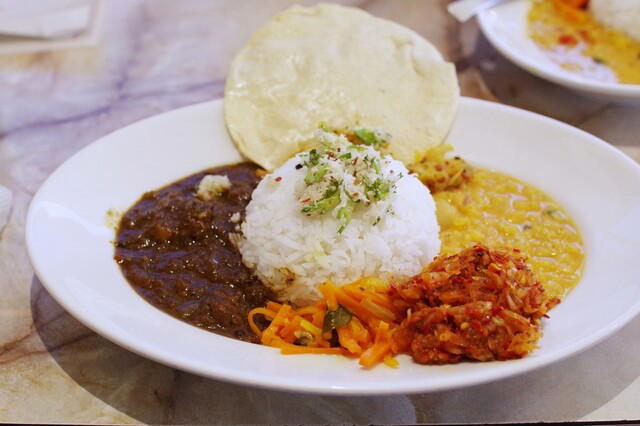
Acala naatha
Tokyo, Japan
Nakano's eight-seat Sri Lankan specialist has earned three consecutive Tabelog 100 selections (2022–2024) for cooking that layers spice with technical precision. Dinner runs JPY 3,000–JPY 3,999, lunch under JPY 1,000, in a no-frills room that prioritizes flavor over atmosphere. Private bookings for up to 20 make it a practical choice for group celebrations where food quality matters more than service polish.
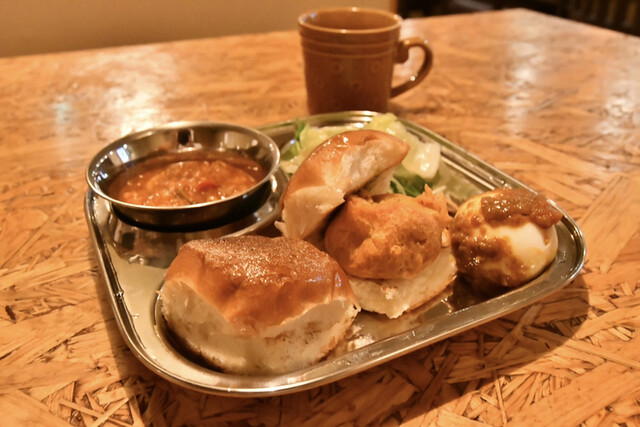
West India Spice Gayabaji
Tokyo, Japan
West India Spice Gayabaji is a 20-seat Nishiasakusa counter serving vegetable-focused West Indian curry at JPY 1,000–JPY 2,999. Three consecutive Tabelog Asian Cuisine TOKYO 100 selections (2022–2024) confirm consistent quality at a price point that undercuts most tourist-area options. Book ahead for lunch; walk-ins work but peak hours fill fast.
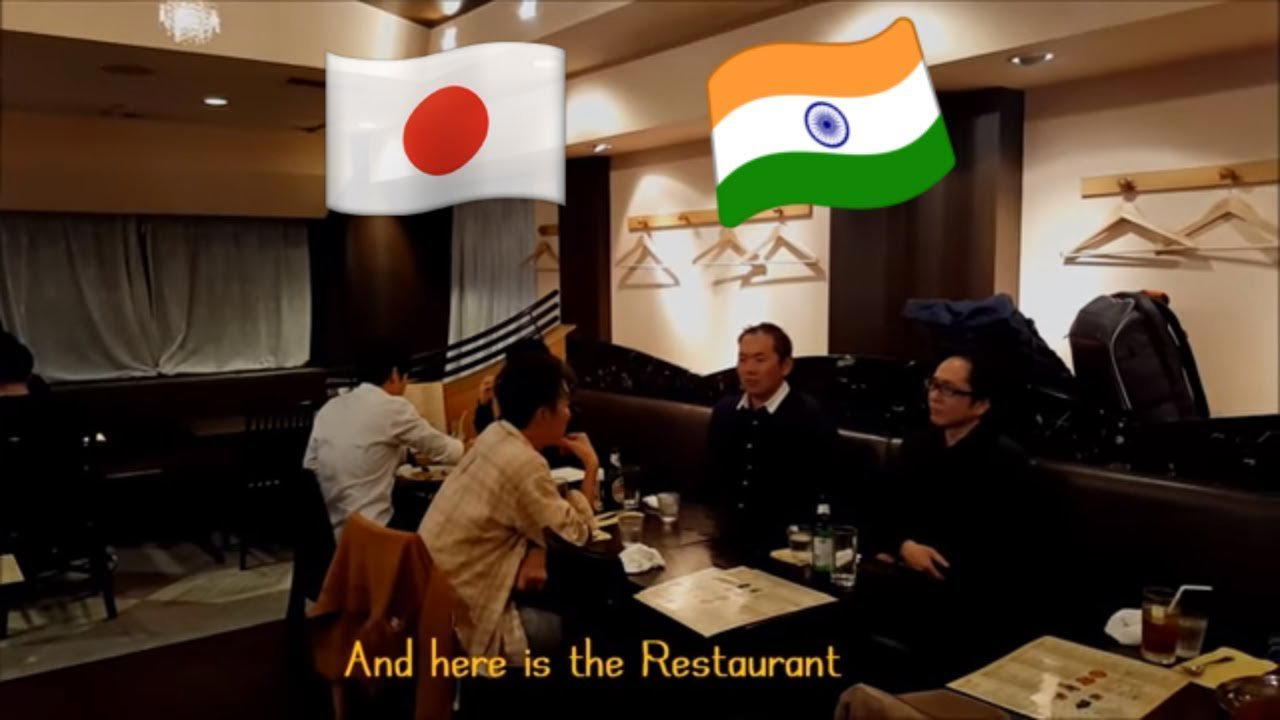
Andhra Dhaba Katana
Tokyo, Japan
Andhra Dhaba Katana works when you want an easy-to-book Tokyo meal with a real recognition signal: Tabelog 100 #42 in 2024 with a 3.6 score. It is a better fit for a relaxed date or casual celebration than a formal splurge, especially if central Tokyo convenience matters.
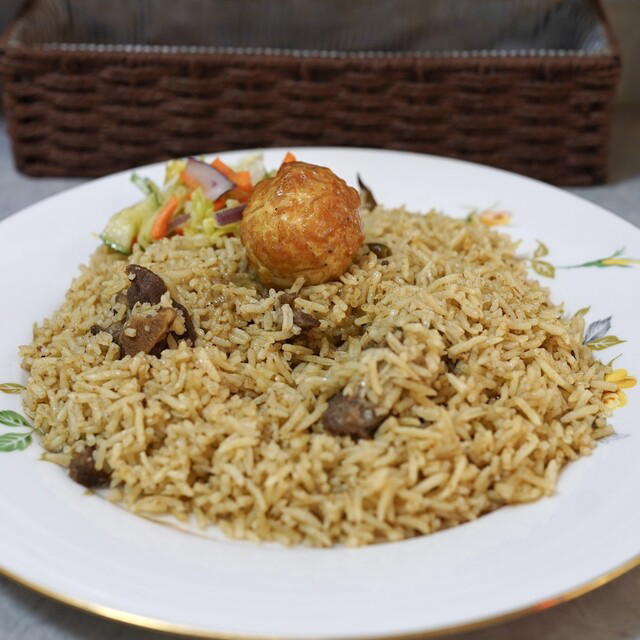
ASIA CURRY HOUSE
Tokyo, Japan
A six-seat curry counter in Kinshicho with six years of Tabelog 100 recognition, walk-in access, and JPY 1,000–1,999 plates. South Asian staples and Friday biryani service deliver consistent execution at a price point that encourages repeat visits. Smoking is permitted; cash-only payments.
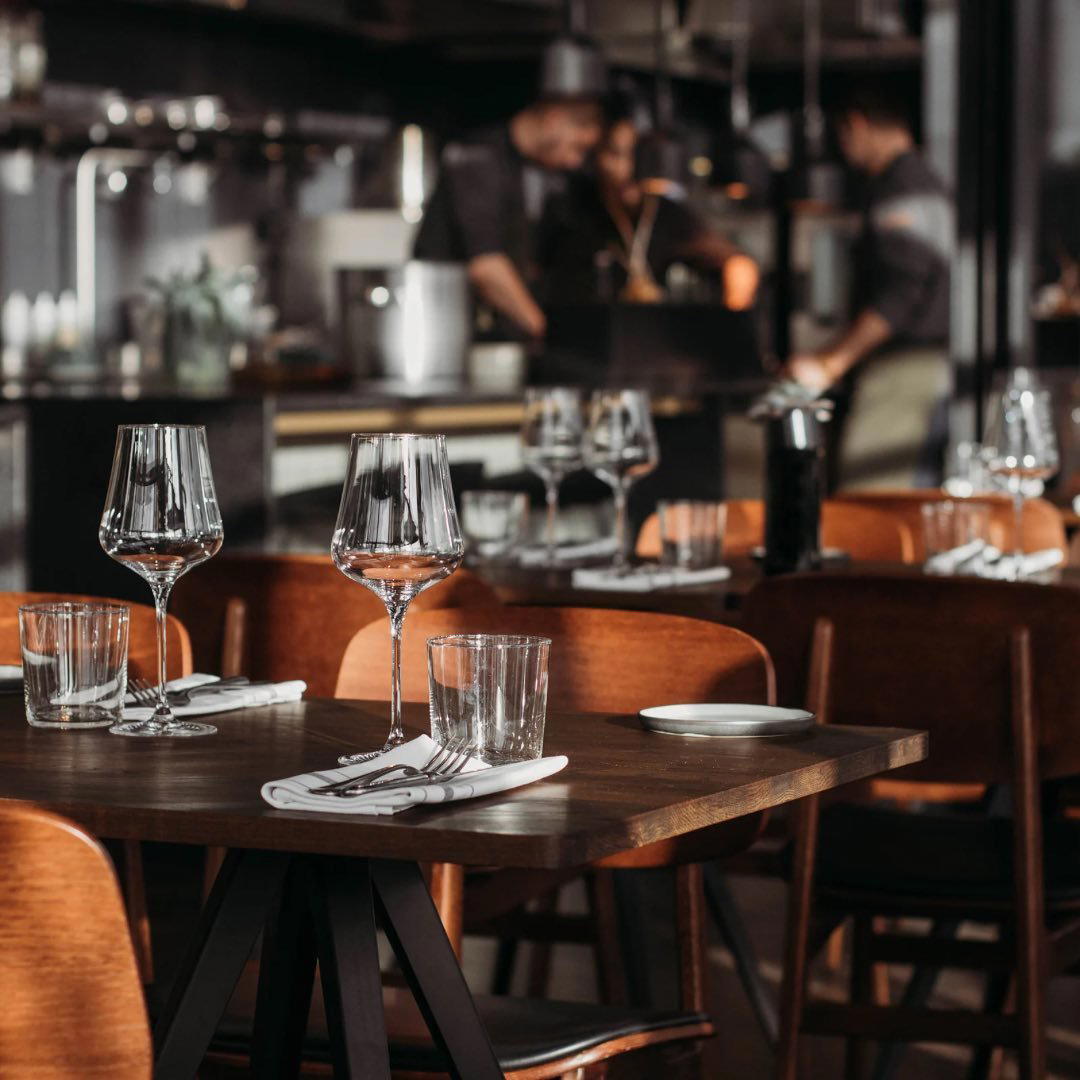
Andhra Dining GINZA Ginza
Tokyo, Japan
Tabelog 100 South Indian spot in Ginza 1-chome since 2012, serving Andhra Pradesh curries and biryani (Saturdays only) at lunch under JPY 1,000 and dinner around JPY 2,500. Counter and table seating for 54; book ahead for weekends, walk in for weekday lunch outside the noon rush.
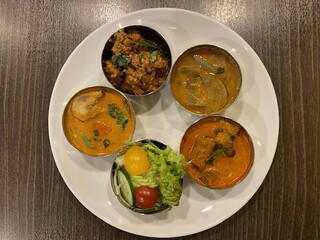
Venu's South Indian Dining Kinshichou ten
Tokyo, Japan
A three-minute walk from Kinshicho Station, this South Indian spot delivers vegetarian-forward cooking at JPY 1,000–1,999 lunch, JPY 4,000–4,999 dinner. Open daily 11 AM–3 PM and 5–10 PM, it accepts walk-ins, seats 28, and has appeared on Tabelog's Asian & Ethnic Cuisine 100 (2024) and Curry 100 lists (2017–2020). No credit cards; PayPay accepted.
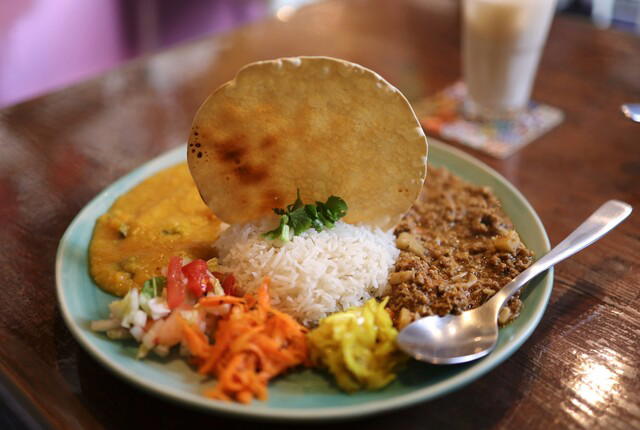
Curry & Spice Aoi Tori
Tokyo, Japan
Hatagaya counter serving Indian and Sri Lankan curries built on kasaneni technique (waterless vegetable layering). Tabelog Asian & Ethnic 100 three years running at JPY 1,000–1,999 per head. Vegetarian-forward menu, sake and shochu pairings, 10 seats. Dinner reservations recommended; lunch walk-in friendly except peak hours.
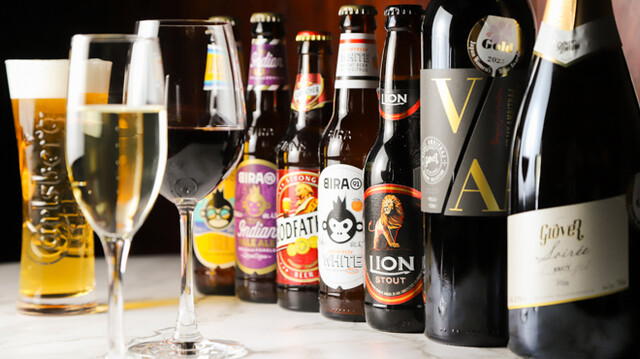
Eric South Masala Diner
Tokyo, Japan
A Tabelog-recognized South Indian diner in Shibuya offering tandoor grills and vegetarian curries at JPY 3,000–3,999 (dinner) and JPY 1,000–1,999 (lunch). The 58-seat room handles solo counter dining and group tables, with walk-in lunch and dinner reservations by phone. More approachable than Tokyo's fine-dining Indian specialists, with enough consistency to warrant three consecutive Tabelog 100 selections.
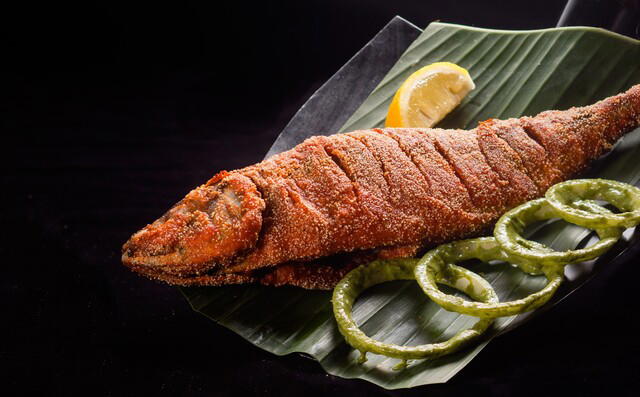
Bangera's Kitchen
Tokyo, Japan
Ginza's Mangalorean specialist delivers coastal Karnataka seafood and spice work at a sharp lunch-dinner pricing split (JPY 1,000–1,999 midday, JPY 5,000–5,999 evening). Five consecutive Tabelog 100 selections (Asian/Ethnic 2022–2024, Curry 2018, 2020) back the kitchen's consistency, but lunch is the clear value play; same output, fraction of the cost, no drink requirement.
Thai Miaomiao
Tokyo, Japan
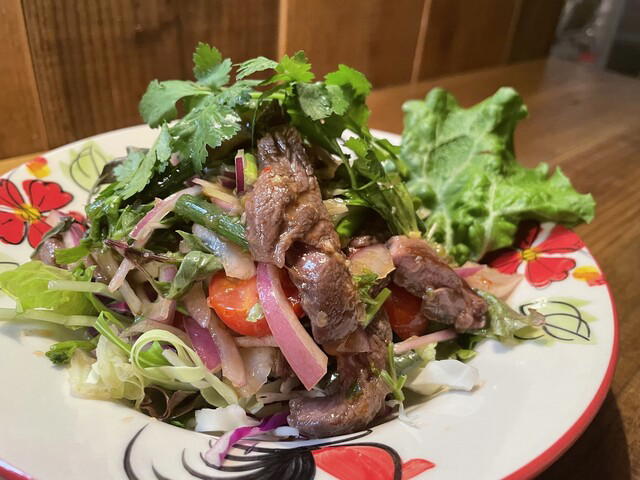
Tabelog 100–listed Thai izakaya in Hatagaya delivering JPY 1,000–1,999 lunch curries (walk-in only) and JPY 4,000–4,999 evening plates with a two-drink minimum. The dual format works for quick weekday lunches or casual sake-and-Thai dinners; skip it if you want refined plating or tasting-menu progression.
TOKYO BHAVAN
Tokyo, Japan
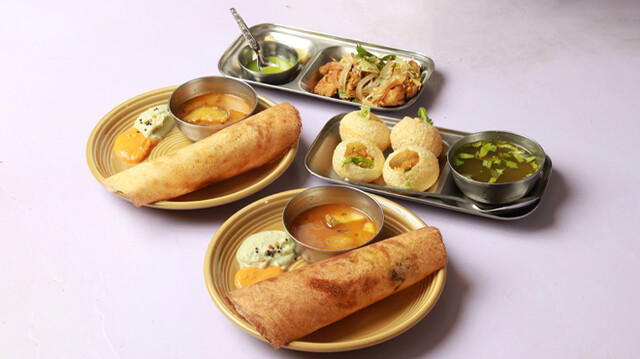
Tabelog 100–recognized South Indian restaurant near Kudanshita, opened April 2023. Dinner runs JPY 2,000–2,999; lunch JPY 1,000–1,999. The 37-seat space (counter, tables, terrace) accepts dinner reservations only; lunch is walk-in. Set menus required for parties of six or more; full-venue private bookings available for 20–50 guests.
AROMAS of INDIA
Tokyo, Japan
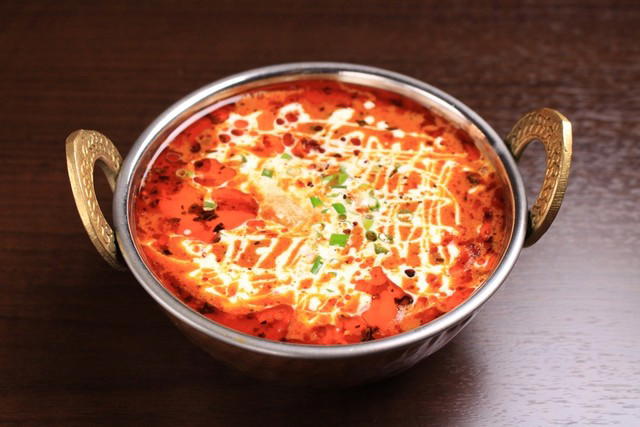
AROMAS of INDIA holds a three-year streak on the Tabelog Asian cuisine TOKYO Tabelog 100 list, charging JPY 1,000–JPY 1,999 at lunch and JPY 2,000–JPY 2,999 at dinner for biryani and curry sets that justify the recognition. Counter seating puts you close to the kitchen's spice work, and the family-friendly, multilingual setup makes walk-ins straightforward for most meals. Best for casual dining when you want reliable execution at this price tier.
PondyBhavan Musashi nitta
Tokyo, Japan
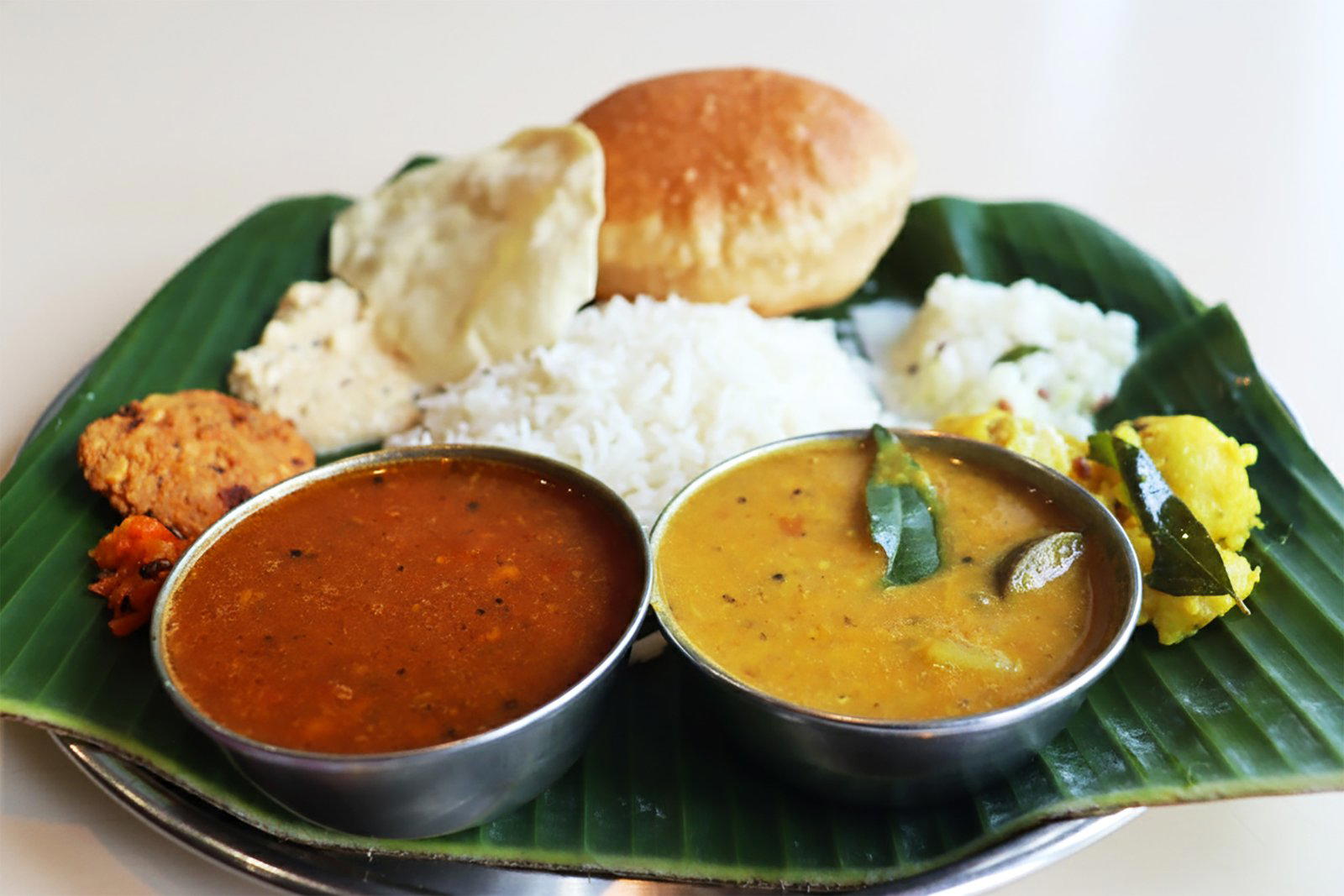
Six-time Tabelog 100 selection in residential Ota City, serving Tamil Nadu dosa and thali under JPY 3,000. The 22-seat room rewards repeat visits more than spectacle; walk-ins welcome, wine available, and lunch routinely under JPY 1,000. Worth the Tokyu Tamagawa Line trip if you already know you want South Indian cooking.
Cheongsol
Tokyo, Japan
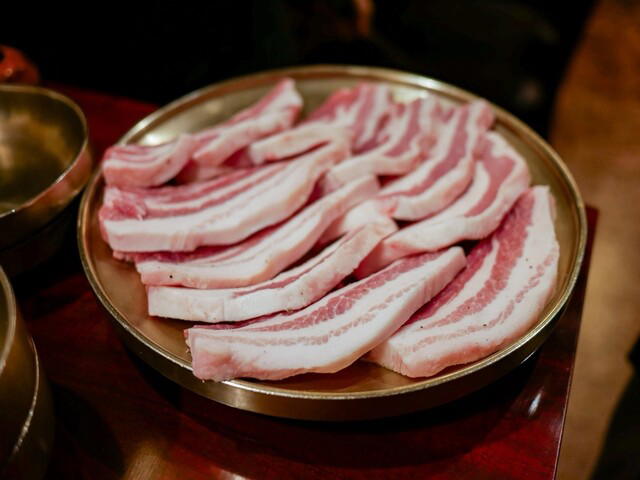
A 24-hour Korean restaurant in Akasaka recognized on Tabelog's 2024 Tokyo 100 list, with seafood-forward preparations and spacious seating. Dinner averages JPY 5,000–5,999, lunch under JPY 999. The all-hours format and mid-tier pricing make it a practical choice for late-night meals or flexible dining without advance booking pressure.
Indian Street Food & Bar GOND
Tokyo, Japan
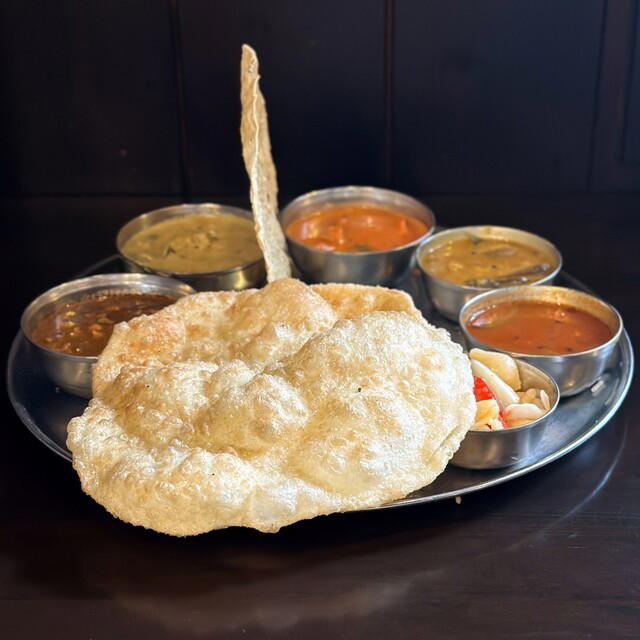
Tabelog 100–recognized Indian kitchen in Kanda Surugadai delivering vegetable-forward plates, halal and Hindu menus, and sub-JPY 2,000 weekday lunches. Cafeteria-style midday service targets office crowds; dinner accepts reservations and requires one drink per guest. A 2023 opening that earned 2024 recognition for precision without the typical Tokyo upcharge.
Curry & Spice Bar Curry Bito
Tokyo, Japan
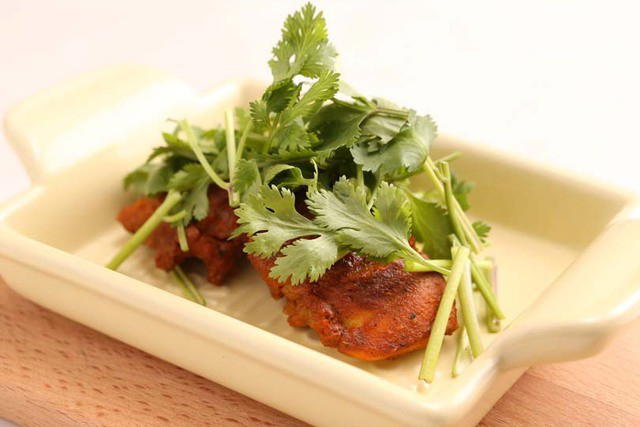
A nine-seat Iidabashi counter serving original spice curry and evening small plates, recognized in Tabelog 100 Asian/Ethnic (2019–2024). Lunch is walk-in only and fills fast; dinner reservations available Wednesday and Friday. Expect JPY 1,000–JPY 1,999 plates, cash or PayPay only, and a drinks-focused evening menu that pairs shochu and wine with vegetable-forward spice dishes.
BANDARA LANKA
Tokyo, Japan
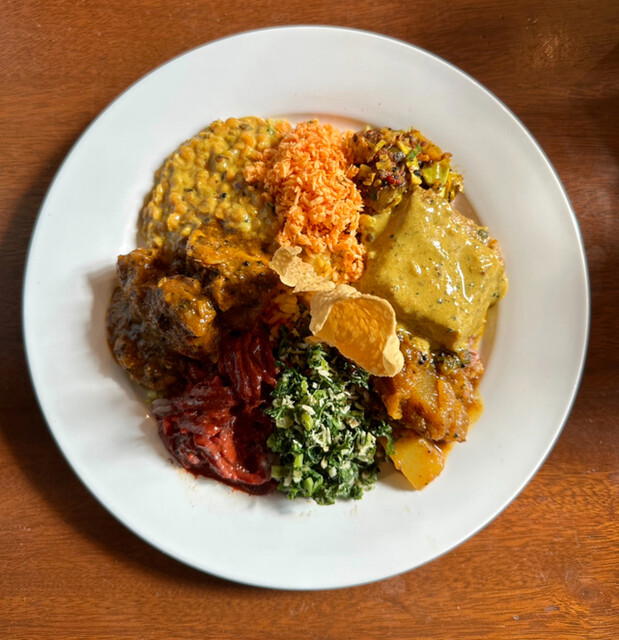
Tabelog 100-recognized Sri Lankan cooking in Shinjuku, priced JPY 1,000–JPY 1,999 lunch and JPY 4,000–JPY 4,999 dinner. The 24-seat room offers counter and table service plus takeout, making it more flexible than Tokyo's tasting-menu peers. Three consecutive Hyakumeiten selections (2022–2024) confirm consistent execution. No guests under 12.
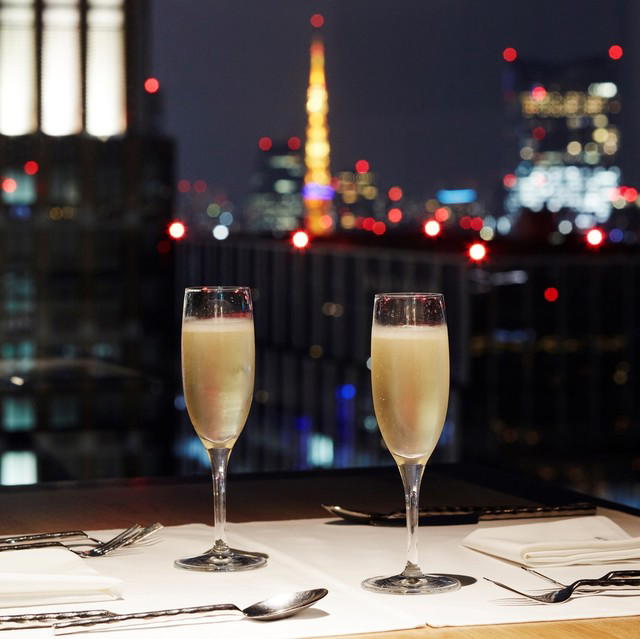
Mango Tree Tokyo
Tokyo, Japan
A Tabelog 100-recognized Thai restaurant on the 35th floor of the Marunouchi Building, offering counter seating, private dining rooms for up to 20, and floor-to-ceiling views over Tokyo. Lunch buffet and à la carte options run JPY 4,000-9,999 with a sommelier on staff for wine pairings, making it a business-district option that trades neighborhood character for convenience and consistent execution.
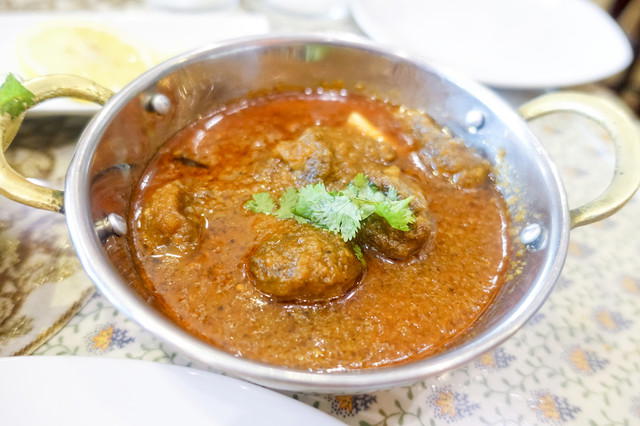
Rahi Punjabi Kitchen
Tokyo, Japan
A 10-seat Punjabi counter in Nishi-Ogikubo's second-floor walk-up corridor, recognized in Tabelog Asian Cuisine 100 three consecutive years. Lunch runs JPY 1,000–1,999 and books easily; takeout travels well. Closed Mondays and Thursdays, with lunch service Wednesday through Friday only. Solo-friendly counter seating and casual neighborhood dress code make this a practical midday choice for South Asian cooking without the booking pressure or price climb of central Tokyo alternatives.
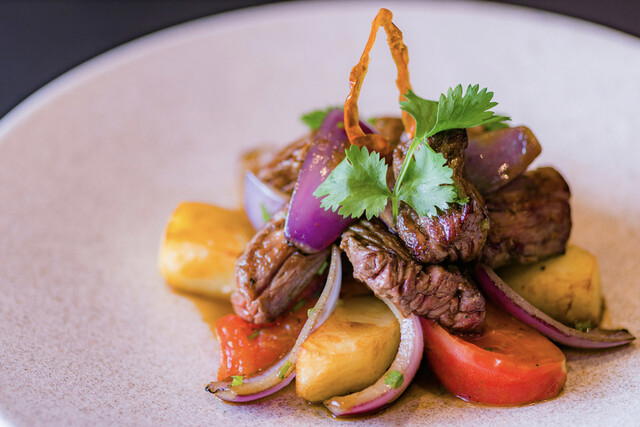
Peruvian DESTINO51
Tokyo, Japan
Peruvian DESTINO51 earned Tabelog's Asian cuisine / Ethnic cuisine TOKYO 100 in 2024 for fish-focused Peruvian preparations and a strong wine and cocktail program. Dinner runs JPY 8,000 to JPY 9,999 plus a JPY 600 cover charge after 5:30 PM, with counter seating offering the closest view of kitchen technique. Book three weeks ahead for weekend prime slots; the smart casual dress code and celebration-friendly service suit date nights and special occasions in Minami Aoyama.
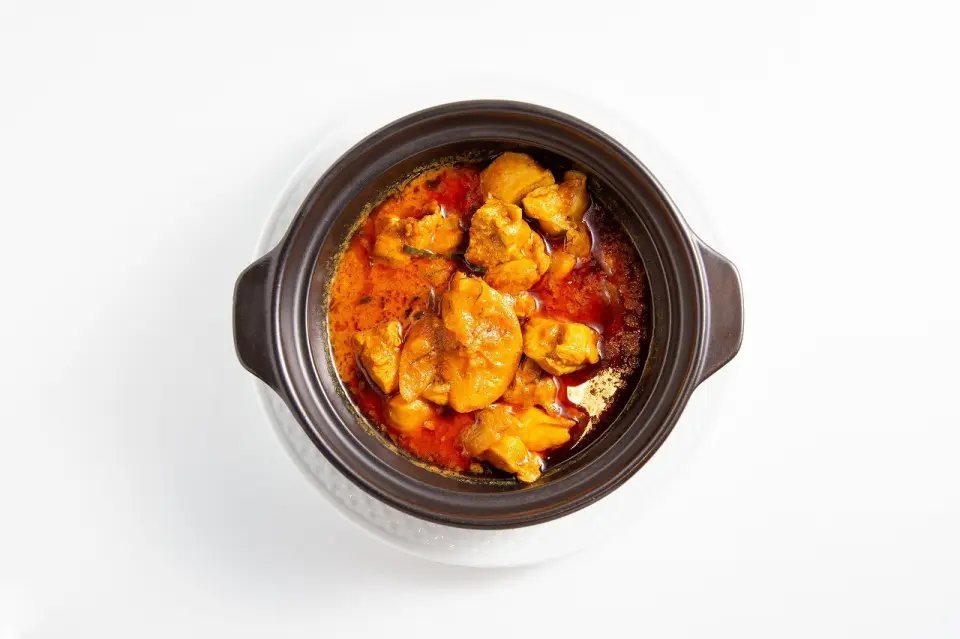
Garam Masala
Tokyo, Japan
A Setagaya curry specialist with eight Tabelog 100 selections, offering daily lunch curries and evening spice dishes in a 30-seat room that includes a 12-person private space. Dinner runs JPY 4,000–5,000 and pairs curries with lamb chops, cocktails, and wine; lunch is a streamlined two-curry format at JPY 1,000–2,000. Closed Thursdays, two minutes from Kyodo Station.
SERENDIB
Tokyo, Japan
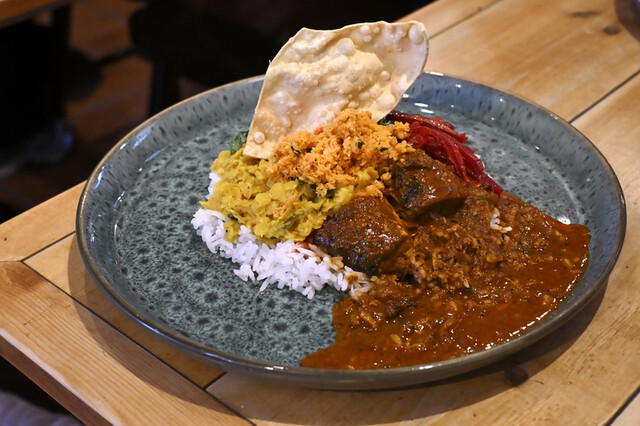
A counter-focused Sri Lankan curry specialist in Kuramae that earned back-to-back Tabelog 100 selections (2023, 2024) for its vegetable-forward cooking and spice precision. Lunch runs JPY 1,000-1,999 with no reservations, dinner JPY 2,000-2,999 with advance booking recommended. The kitchen closes when curry sells out, so early arrival matters.
Halima kebab biryani
Tokyo, Japan
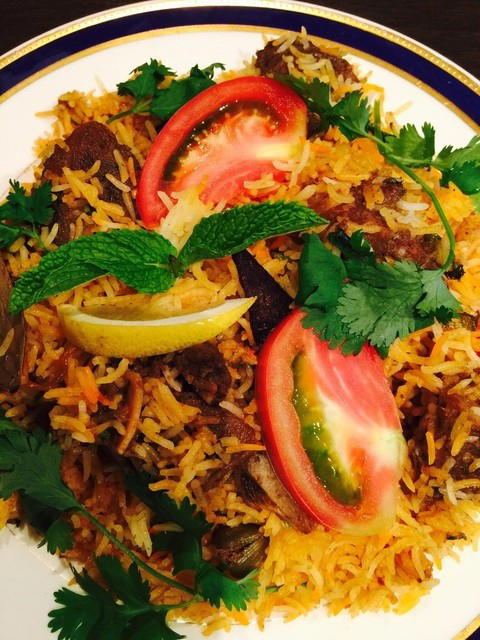
Walk-in-friendly South Indian and Pakistani restaurant in Higashiueno serving halal-certified biryani and kebabs at lunch for under JPY 1,000 and dinner for JPY 2,000–JPY 2,999. Tabelog 100 recognition (2017–2024) confirms consistent execution, with wheelchair access, vegetarian options, and 50-seat capacity for families and groups.
Anjuna
Tokyo, Japan
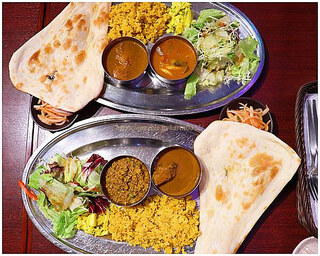
Tabelog 100 Indian curry specialist in suburban Hino, serving charcoal-grilled tandoori cooking at ¥1,000–¥2,999. Six consecutive Tabelog selections (2017–2024) reflect consistent execution and smoky precision rare at this price tier. Worth the 30-minute ride from central Tokyo for curry enthusiasts tracking the city's upper-affordable Indian dining tier.
Andhra Kitchen
Tokyo, Japan
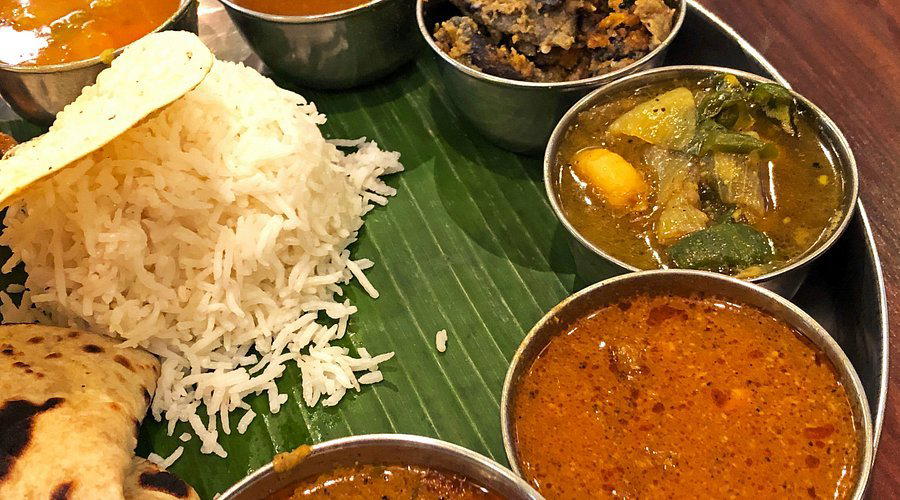
South Indian vegetable-focused curries in a 25-seat Ueno basement, with lunch under JPY 1,000 and dinner at JPY 2,000–2,999. Seven consecutive years on Tabelog's 100 Best lists (2017–2024) for lighter, spice-forward Andhra Pradesh cooking that skips the cream and oil common in North Indian menus. Book three days ahead for lunch; weekday walk-ins possible before noon.
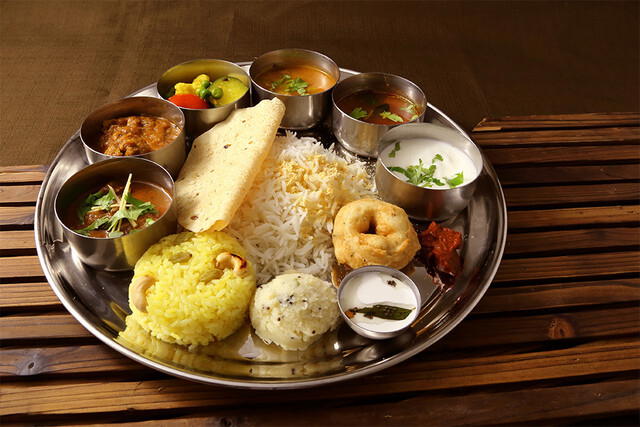
Eric South Toukyou gaaden terasu ten
Tokyo, Japan
A Tabelog 100 South Indian spot in Tokyo Garden Terrace, open since 2016, offering dosa, thali sets, and curry plates at JPY 1,000–2,999. Easy to book, consistent execution, and practical for repeat visits; but the format favors approachability over exclusivity or regional depth.
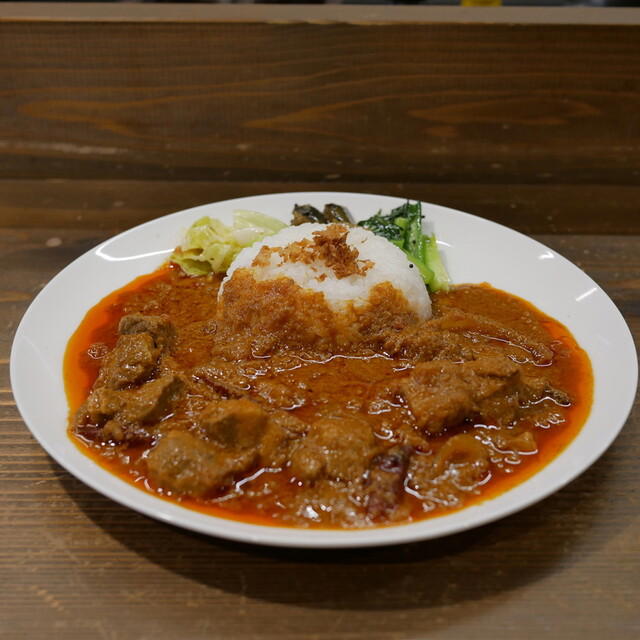
Spice Bar Nekoroku
Tokyo, Japan
A 16-seat spice bar in Higashimukojima with Tabelog 100 awards (Asian & Ethnic 2022–2024, Curry 2017–2018). Dinner runs ¥4,000–¥4,999, reservations are easy, and the format is casual counter-and-table service with a wine and beer list. Good for first-timers seeking solid spice work without the booking drama of Tokyo's marquee spots.
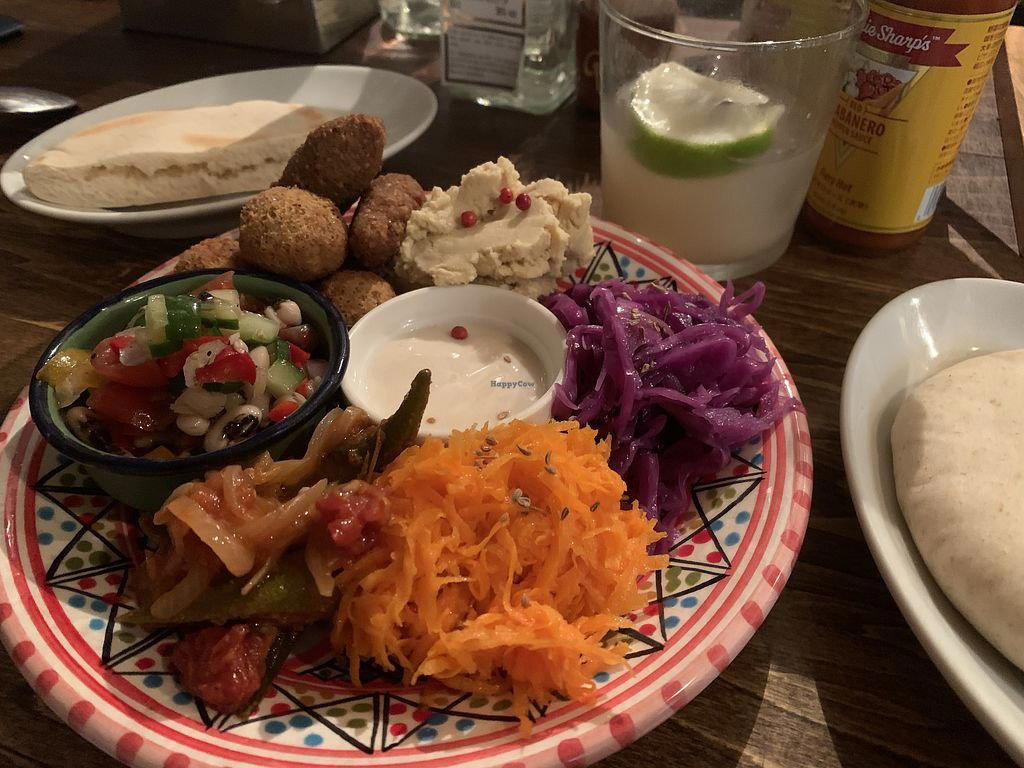
Los barbados
Tokyo, Japan
Los Barbados works for an easy Shibuya meal when daytime timing works and you want a place with a credible Tabelog 100 signal rather than a heavily staged occasion. It is a better fit for lunch or early plans than late dinner, and diners needing a defined sushi, burger, or splurge tasting-menu brief should compare nearby options first.
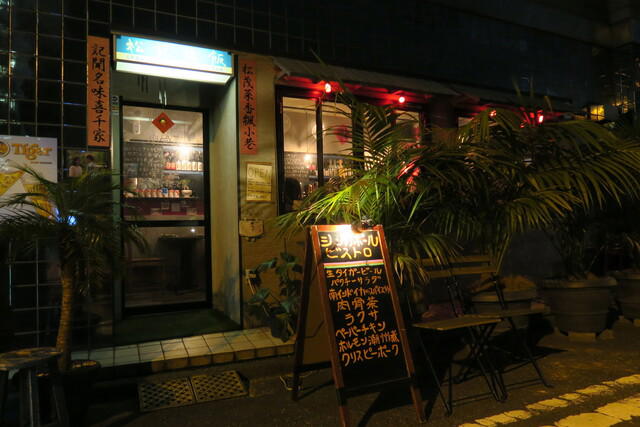
SONG KEE JEE FAN
Tokyo, Japan
SONG KEE JEE FAN is a Singaporean bistro in Kanda that pairs hawker-style dishes with natural wine, earning Tabelog 100 recognition in 2024. Lunch runs JPY 1,000–1,999, dinner JPY 6,000–7,999, and booking is easier than most Tokyo dining rooms. The 26-seat, table-only layout favors groups over solo diners, and specialty items like fish head curry require five days' notice.
Tandoor Bar Kamalpur Kiba ten
Tokyo, Japan
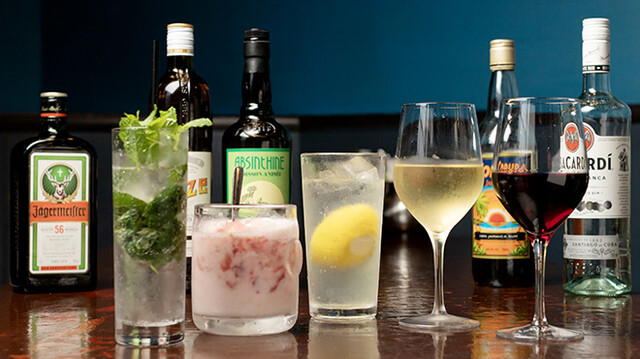
Tandoor Bar Kamalpur Kiba ten blends Indian curry with Japanese seafood and Italian technique, earning Tabelog 100 recognition from 2017 through 2024. At JPY 3,000–3,999 for dinner and JPY 1,000–1,999 for lunch, it delivers cross-cultural flavors in a 21-seat counter-and-table setup. Reservations accepted for dinner; lunch is walk-in only, best before 12:30 PM.
ADI
Tokyo, Japan
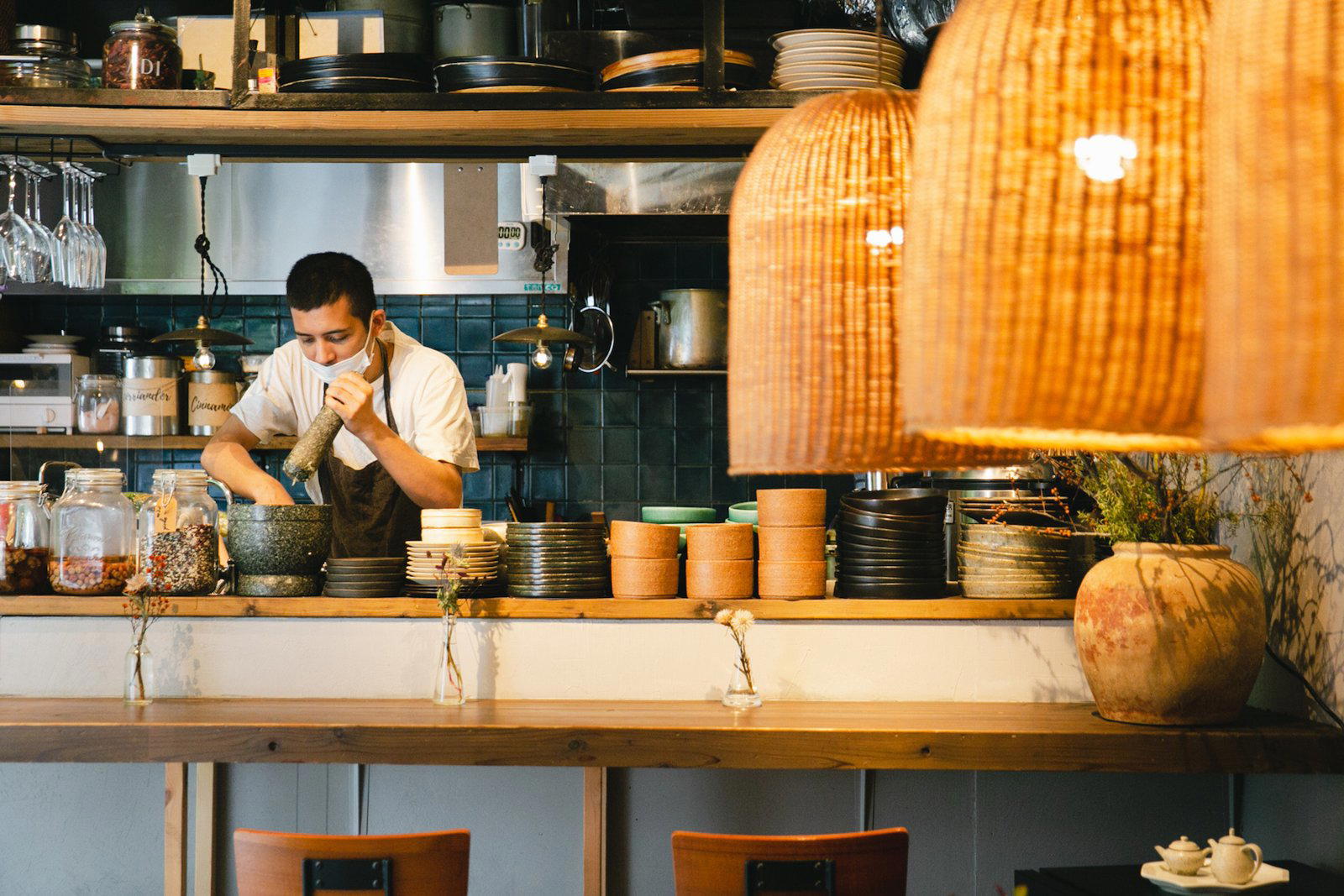
ADI is a practical Nakameguro pick for diners who value location, a planned schedule, and a quieter repeat-visit feel over a fully public menu or price story. Book it for a two-person Tokyo dinner; cross-shop if cuisine type, wine-list depth, or format certainty matters before committing.
Kerala no Kaze no Morning
Tokyo, Japan
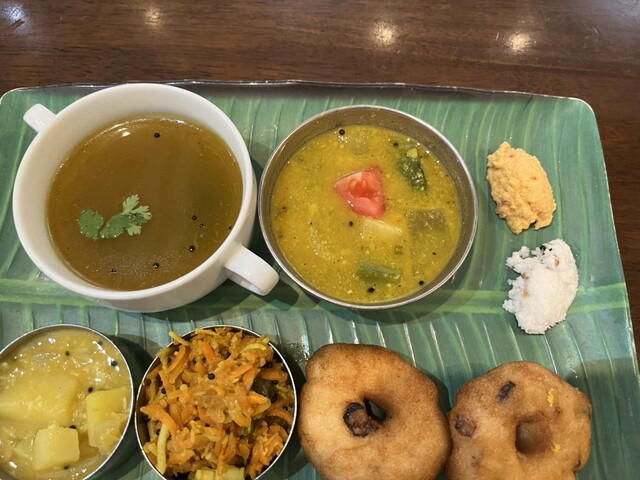
South Indian breakfast café near Omori Station, open Friday–Monday mornings only. Recognized on Tabelog's Asian/Ethnic 100 lists for Tokyo, the 25-seat space serves vegetable-forward thali sets under JPY 2,000, with PayPay accepted but no reservations and no credit cards. The four-day schedule and 10 AM–2 PM window demand early arrival on weekends.
HOPPERS
Tokyo, Japan
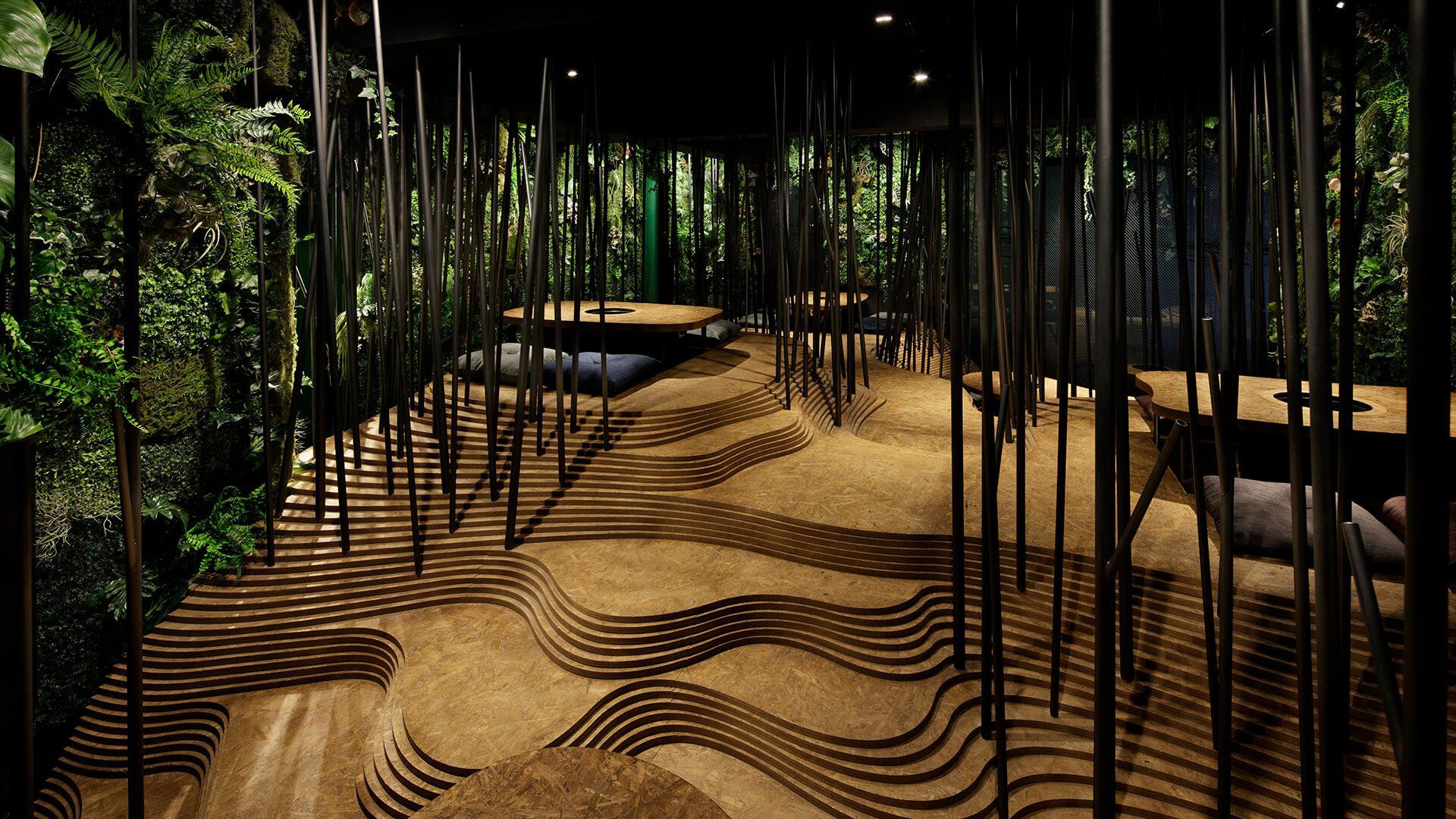
Sri Lankan rice and curry in Tokyo's Nihonbashikabutocho, served with the kind of spice literacy that most Japanese diners rarely encounter. HOPPERS brings Karam Sethi's London-rooted approach to a format built around Sri Lanka's national eating tradition, with Maldive fish curries and a basmati-Japanese rice blend that nods to its adopted city. Ranked #201 on the OAD Casual Europe list in 2024.
AANGAN
Tokyo, Japan
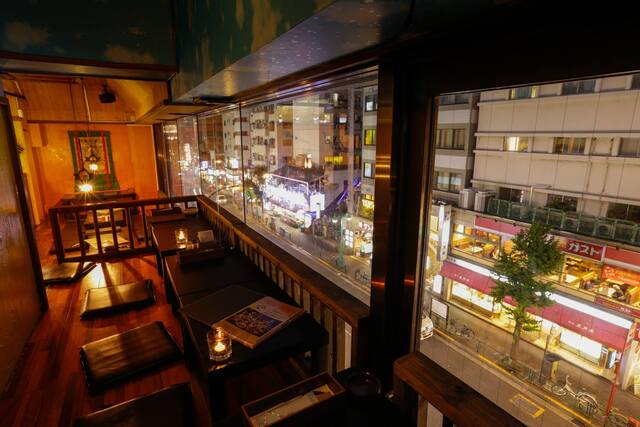
Three-time Tabelog 100 Nepalese restaurant in Shin-Ōkubo serving spice-forward dal bhat, momo, and vegetable curries at JPY 2,000–JPY 2,999 per head. The 120-seat space handles groups easily, offers tatami rooms for private parties, and pairs shochu and wine with ghee-rich preparations. Walk-ins welcome most nights; lunch runs under JPY 1,000.
Pro Ganjang Gejang Akasaka ten
Tokyo, Japan
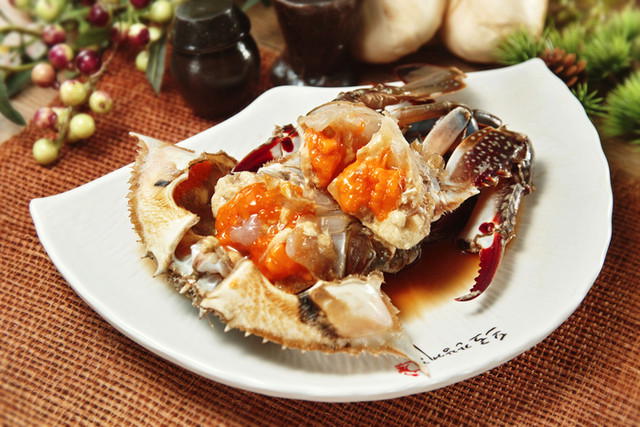
Book Pro Ganjang Gejang Akasaka ten for soy-marinated raw crab in a group-friendly Korean dining room, not for intimacy or counter seats. At JPY 8,000–9,999 (dinner) or JPY 4,000–4,999 (lunch), the specialty ganjang gejang justifies the Tabelog 100 recognition, though texture-sensitive diners may prefer cooked seafood options elsewhere. Reserve 1–2 weeks ahead for weekends; weekday lunches are easier to secure.
Bepocah
Tokyo, Japan
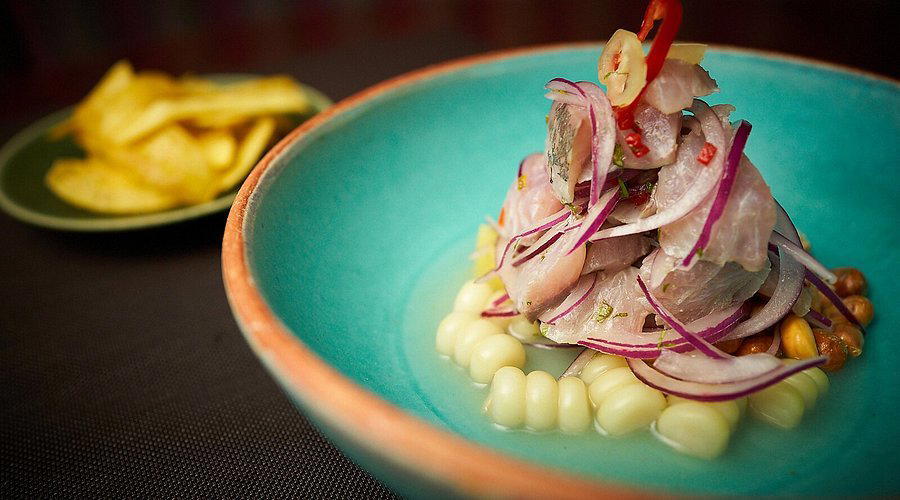
Bepocah is worth booking when the brief is a polished Peruvian dinner in Tokyo rather than another Japanese counter meal. The strongest fit is a date, celebration, or business dinner where the cuisine choice matters; cross-shop EMILIA for clearer pricing or Inbosuko Jingumae for a higher-spend Japanese splurge.
SUNVALLEY HOTEL
Tokyo, Japan
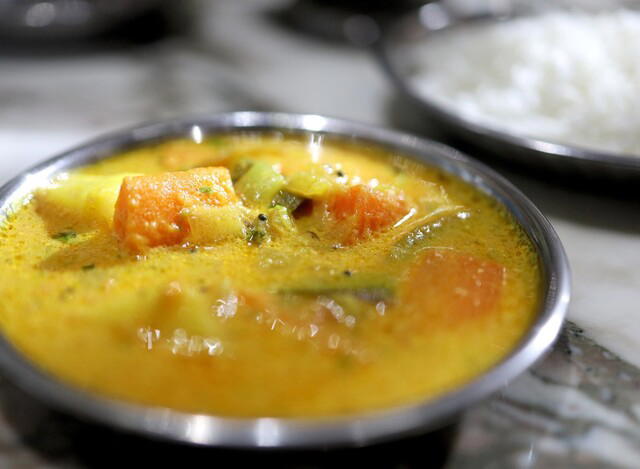
A 13-seat Sangen Jaya curry specialist operating four days a week with walk-in queuing and Twitter-based registration. Dinner runs JPY 3,000–3,999, lunch JPY 1,000–1,999, and the 2024 Tabelog 100 nod confirms consistent spice layering. The irregular schedule and no-frills service model reward locals and solo diners willing to track the feed; groups and spontaneous visitors will find the format challenging.
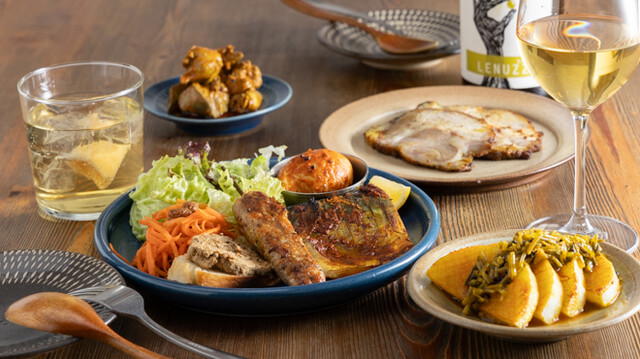
Ooiwa Shokudo
Tokyo, Japan
Three-time Tabelog 100 South Indian counter in Nishiogikubo offering vegetable-forward, health-conscious spice work at JPY 1,000–2,999. Walk-ins often land at lunch; biryani orders need a day's notice. Dinner Wednesday–Saturday, closed Sunday and Monday.
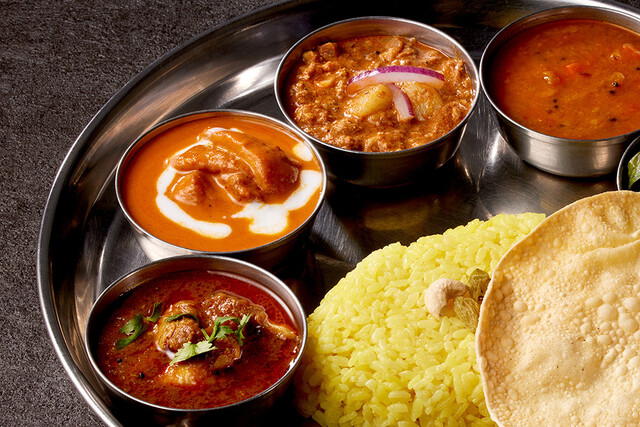
ERICK SOUTH Toranomon hiruzu ten
Tokyo, Japan
A Toranomon Hills basement Indian spot delivering South Indian classics at JPY 1,000-JPY 2,000 lunch prices, recognized in Tabelog's 2024 Asian cuisine 100. The 30-seat venue (counter and tables) handles walk-in lunches and reservable dinners with vegetable-forward options and family-friendly service. Book 3-4 days ahead for weekend dinner; arrive before 12:15 PM to skip lunch queues.
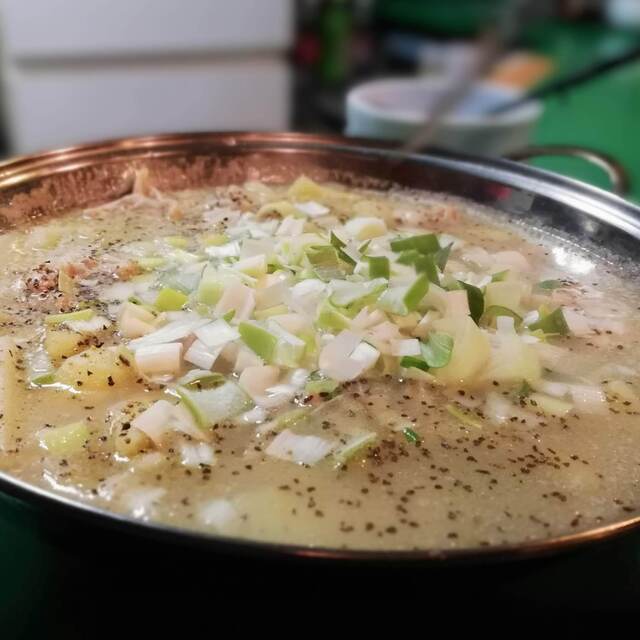
Simon
Tokyo, Japan
Simon serves home-style Korean cooking at JPY 4,000–4,999 in Azabu-Juban, earning a Tabelog 100 Asian/Ethnic Tokyo 2024 spot for consistent quality since 1996. The 24-seat counter-and-table setup runs phone-only reservations with 90- to 120-minute time limits, making it a practical mid-priced pick for casual Korean meals.
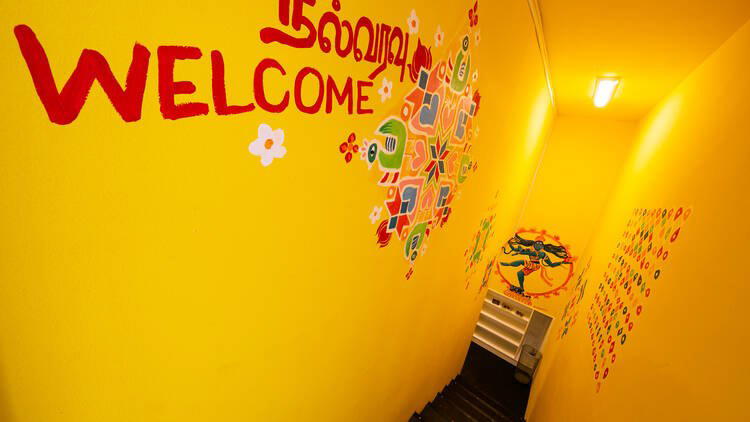
Sri Mangalam A/C Soshigaya-Okura Soshigaya ookura ten
Tokyo, Japan
A vegetable-focused Indian curry shop in residential Setagaya, recognized on Tabelog's 2024 Asian and Ethnic cuisine list. At JPY 1,000–2,999, it delivers award-validated quality at neighborhood pricing, with English menus, family seating, and vegetarian options across most sections. Worth the trip if you're already in western Tokyo; less compelling as a destination from central districts.
Spice Bazaar Achakana
Tokyo, Japan
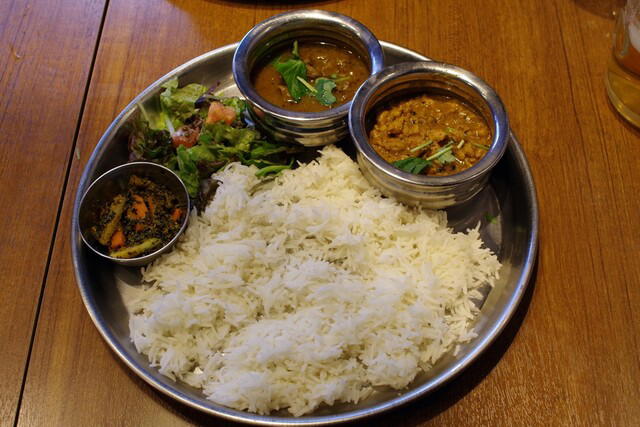
A casual Nishishinjuku spice bar serving Indian curry at lunch (JPY 1,000–1,999) and spice-forward small plates with Indian wine and whisky at dinner (JPY 3,000–3,999). Selected for Tabelog 100 Asian & Ethnic Cuisine (Tokyo, 2022–2024), it's one of the few late-ish options for this style of cooking in the neighborhood, open until 10 PM Tuesday through Saturday. Counter seating suits solo diners; reservations help at dinner but aren't essential mid-week.
Cheonggyehwa Honkan
Tokyo, Japan
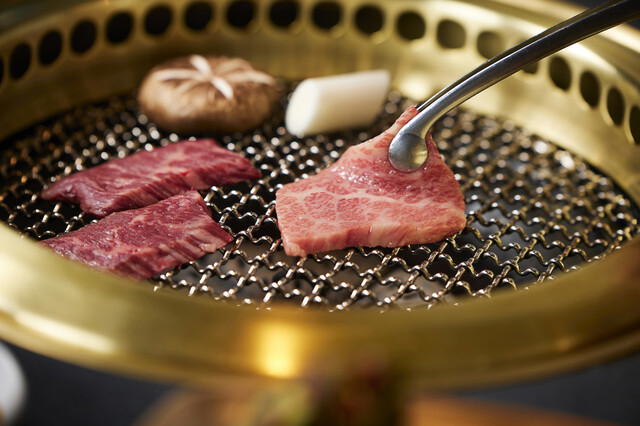
Tabelog 100-recognized Korean yakiniku in Akasaka priced 30–40 percent below peers (JPY 4,000–4,999 dinner, JPY 1,000–1,999 lunch). The 45-seat room offers private kotatsu rooms for groups of 5+, BYO wine at JPY 3,300 per bottle, and weeknight service until 4:00 AM. Book 48 hours ahead for prime dinner slots; walk-ins work weekday lunch. Two-hour table limits keep turnover brisk.
VEG KITCHEN
Tokyo, Japan
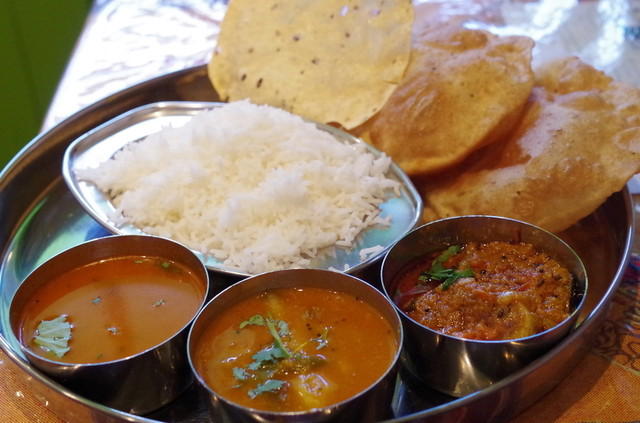
Vegetable-focused Indian curry in Taito (Tabelog 100, 2024) serving lunch and dinner at JPY 1,000–1,999 with seven-day service and walk-in availability. The 34-seat space handles solo diners and groups up to 50, delivering spice-layered curries anchored by seasonal vegetables rather than meat substitutes. Two minutes from Naka-Okachimachi station.
Sansar Koiwa ten
Tokyo, Japan
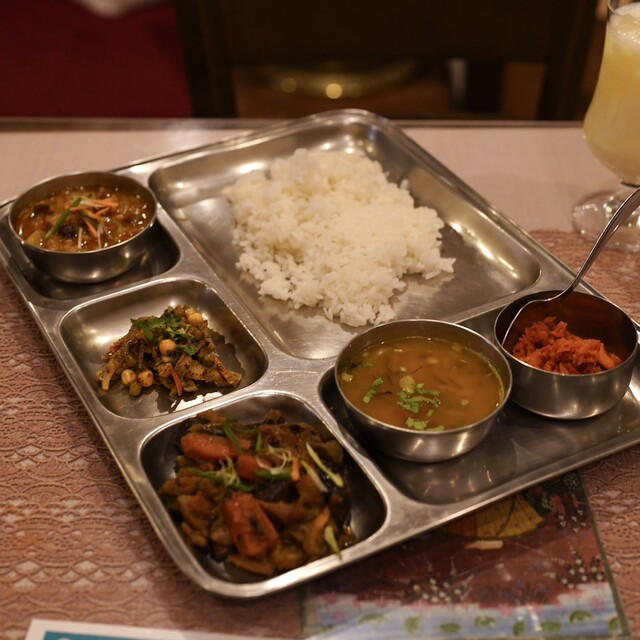
A Tabelog 100 house restaurant in residential Koiwa, 15 minutes from the station, serving Indian standards and off-menu Nepalese preparations. Worth the trip for curry-focused diners on a second Tokyo visit, with omakase courses available by reservation and a cash-only check averaging JPY 1,000–1,999 per person.
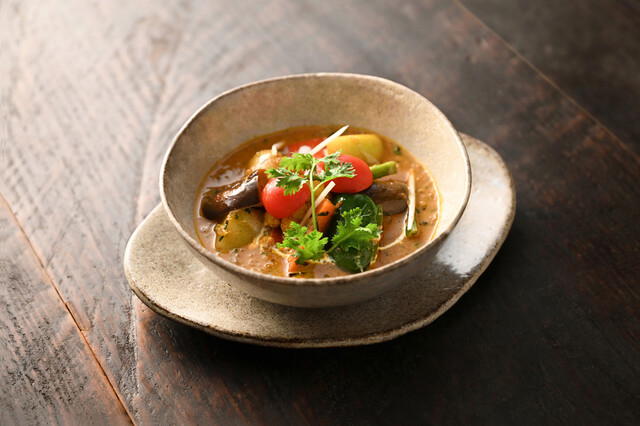
Indian Omoi no Ki
Tokyo, Japan
Seven-time Tabelog 100 selectee in Kagurazaka, serving precision Indian curry at JPY 8,000–9,999 dinner, JPY 4,000–4,999 lunch. Counter and table seating in a no-kids, non-smoking space three minutes from Ushigome Kagurazaka Station. Strong value and easier booking than nearby teppanyaki or kaiseki at similar prices.
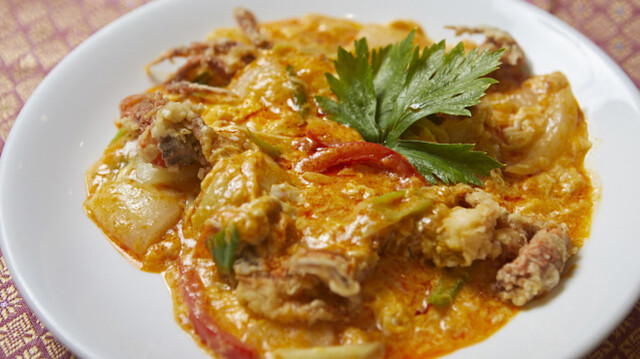
Hasu no Sato Shin okachimachi honten
Tokyo, Japan
A Tabelog 100 Thai kitchen in Shin-Okachimachi serving dinner at JPY 4,000–4,999 and lunch at JPY 1,000–1,999. The 27-seat room handles groups up to 20 for private dining, with an all-you-can-drink option for longer evenings. Reservations recommended for parties of two or more; cards accepted at dinner, cash only at lunch.
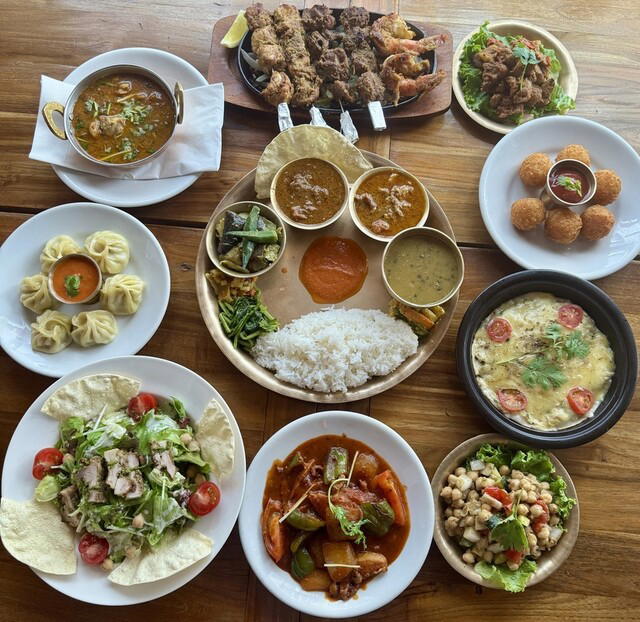
NEPALICO Shibuya ten
Tokyo, Japan
NEPALICO Shibuya ten serves dal bhat and homemade spice blends at JPY 1,000–1,999 lunch and JPY 4,000–4,999 dinner, earning Tabelog 100 recognition for consistent Nepalese cooking. The 26-seat dining room offers counter seating, tables, and an open terrace five minutes from Shibuya Station. Vegetarian, Hindu, and takeout options available; reservations accepted but walk-ins often succeed.
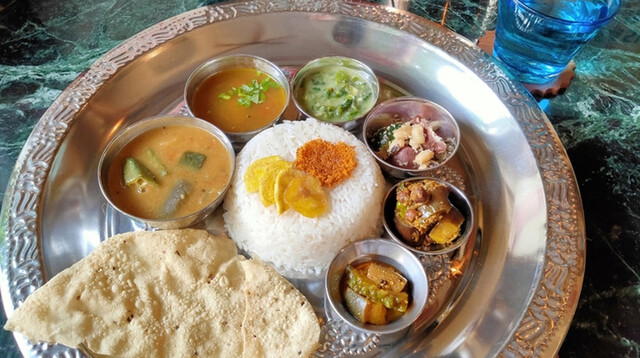
Suna no Misaki
Tokyo, Japan
Setagaya house-restaurant serving Indian home-style curries with no chemical seasonings, eight-year Tabelog 100 selection streak (2017–2024), and JPY 1,000–1,999 lunch pricing. Lunch-only format (10:30 AM–4:30 PM Wednesday–Saturday, 9 AM Saturday breakfast); 16 seats across counter and tatami; books three days ahead, closes periodically for India trips.
Spice Box
Tokyo, Japan
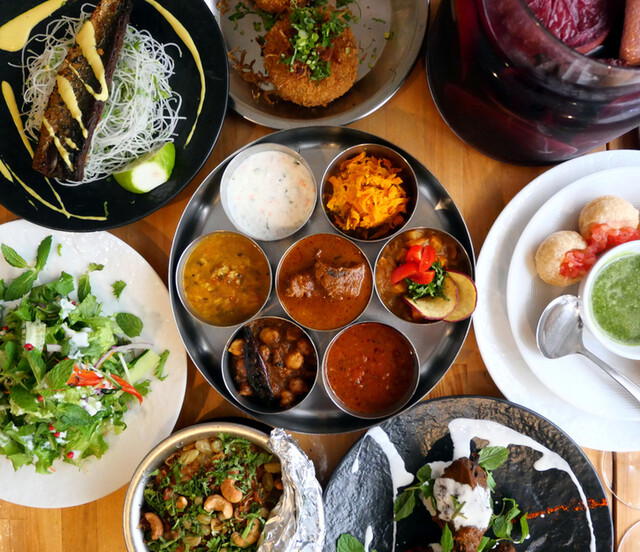
South Indian course cuisine in a 17-seat Uchikanda hideaway, open later than most Tokyo Indian kitchens. The chef trained in Kerala, and the menu skips chemical seasonings in favor of vegetable-forward preparations with vegan and vegetarian options built in. Dinner runs JPY 3,000–JPY 3,999, with weeknight service extending to 10 PM; practical if you're eating after standard hours.
Baan Tum
Tokyo, Japan
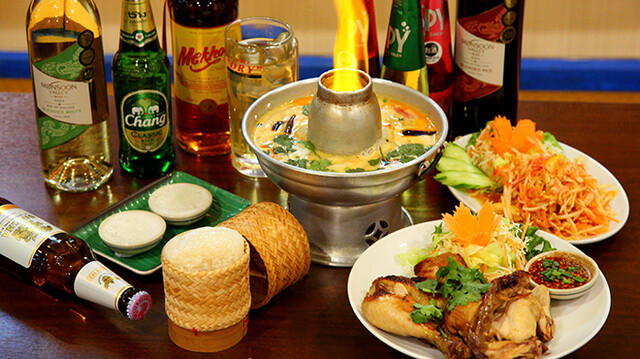
A Tabelog-recognized Thai restaurant in Okubo offering all-you-can-drink service and Isaan specialties at lunch prices under JPY 2,000. The 21-seat basement room favors groups over solo diners, with English menus and family-friendly seating. Dinner rarely exceeds JPY 3,000 per head, making this one of Tokyo's more accessible award-listed Asian addresses.
Phở Thìn Tokyo
Tokyo, Japan
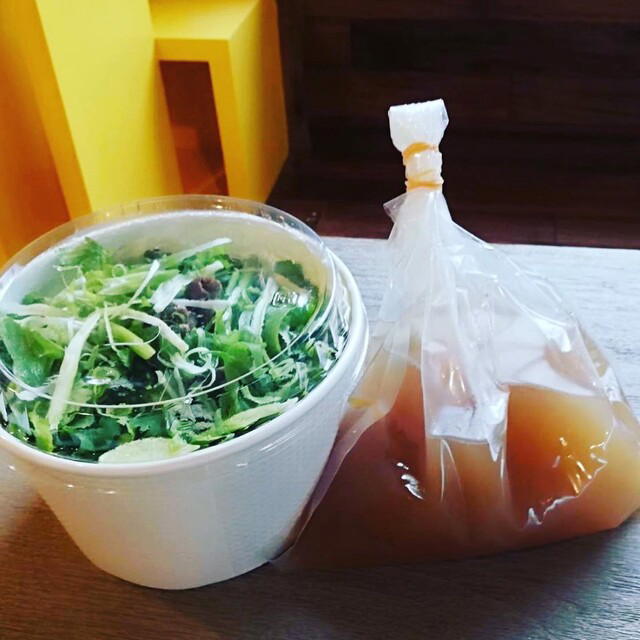
A basement counter in Higashiikebukuro serving Northern Vietnamese beef phở from a Hanoi original. Walk-in only, 20 seats, Tabelog 100 for Asian cuisine three years running (2022–2024), and priced between ¥1,000 and ¥1,999. The no-reservation format rewards off-peak timing over advance planning, and the focused menu; standard or large phở with stir-fried beef; keeps turnover brisk enough for weeknight visits.
Mi Rei
Tokyo, Japan
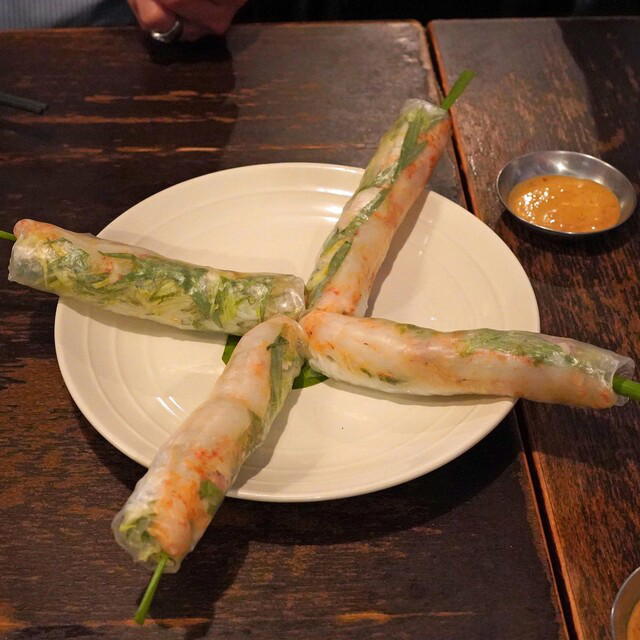
Three-time Tabelog 100 Vietnamese spot in Kamata with JPY 3,000–3,999 pricing and a local following. Books groups of 2–5; solo diners walk in, parties of 6+ require courses. Three minutes from JR Kamata Station; cash only, closed Mondays.
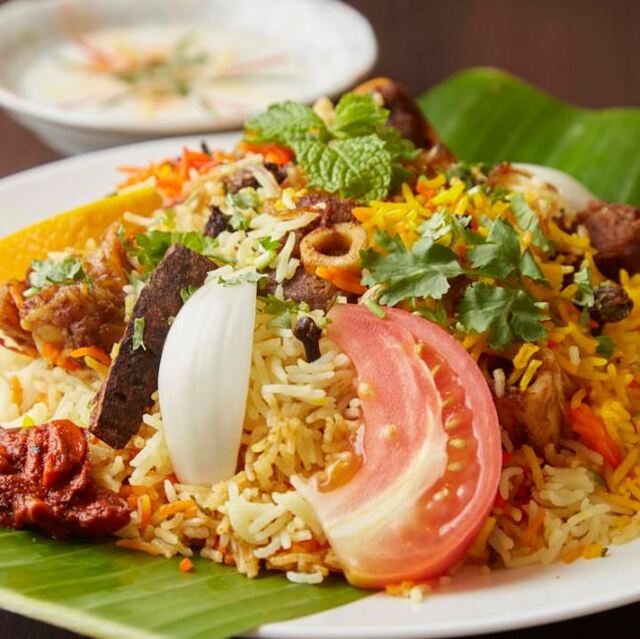
KHAN KEBAB BIRYANI
Tokyo, Japan
A 90-seat Pakistani and Indian restaurant on Ginza Hakuhinkan's sixth floor, holding Tabelog 100 status seven years running (2017–2024). Dinner runs JPY 3,000–3,999, lunch under JPY 1,000; accessible pricing for award-winning curry and biryani. Easy walk-in dinner policy, group-friendly capacity, and vegetarian options make it practical for mixed parties seeking verifiable quality without reservations stress.
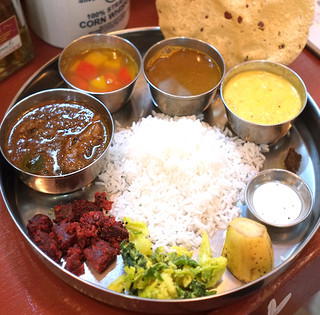
Minami Indian Nandori
Tokyo, Japan
South Indian omakase counter in Nishiogu Arakawa, Tabelog 100 recognition 2017–2024. Made-to-order cooking, daily-changing menu, and unusually strong sake and shochu selection at JPY 2,000–2,999. Eight seats, reservations recommended, cash only. Wednesday is vegetarian-only; no curries served at dinner.
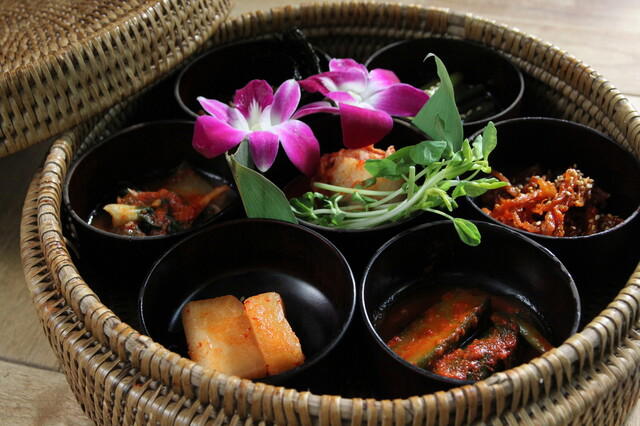
Ri Nan Ha Daikanyama ten
Tokyo, Japan
A basement Korean grill in Daikanyama recognized by Tabelog for its vegetable-focused menu, sommelier-curated wine list, and private rooms that seat up to 14. At JPY 10,000–14,999 per head, it delivers formality and flexibility without the multi-month booking window of Tokyo's haute yakiniku spots.
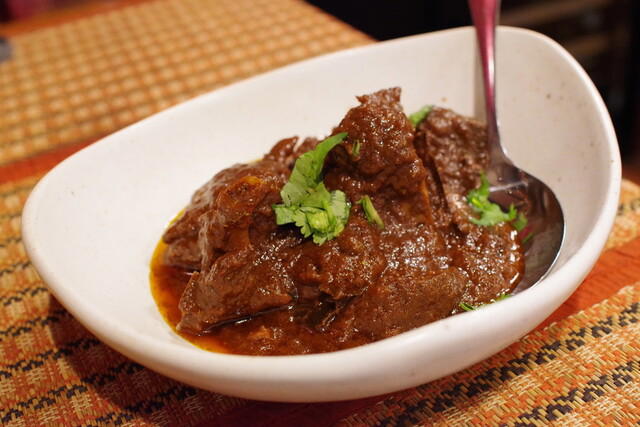
Puja
Tokyo, Japan
A basement-level Indian curry specialist in Arakawa, recognized by Tabelog 100 for eight consecutive years (2017–2024) for fish-focused Bengali technique at ¥1,000–¥2,999 per head. Worth booking if ingredient precision and award pedigree outweigh the residential location and cash-only policy; skip if you prioritize central Tokyo convenience or credit-card payments.
Overview
The Tabelog 100 - Asian cuisine / Ethnic cuisine - TOKYO - 2024 is a curated list of the top 100 restaurants specializing in diverse Asian and ethnic culinary traditions across Tokyo. Compiled annually by Tabelog, Japan’s premier restaurant review platform, this list highlights Tokyo’s most exceptional dining establishments based on rigorous user ratings and expert evaluations.
Since its inception, Tabelog has become Japan’s most authoritative restaurant review platform, akin to Yelp but with unparalleled depth and influence. The Tabelog 100 lists are annually released rankings that spotlight the highest-rated restaurants across specific cuisine categories and regions. The 2024 Asian cuisine and ethnic cuisine list for Tokyo captures the city’s rich tapestry of flavors, from traditional Chinese and Korean to Southeast Asian and South Asian eateries. This list not only celebrates culinary excellence but also serves as a vital guide for locals and international gourmets seeking authentic and innovative Asian dining experiences in one of the world’s most dynamic food capitals.
Tokyo’s culinary landscape is a global mosaic of ethnic flavors, and the Tabelog 100 for Asian and ethnic cuisine 2024 is the definitive guide to its most exceptional venues. From hidden gems offering regional Chinese delicacies to innovative fusion spots blending Southeast Asian spices with Japanese precision, this list is essential for discerning diners craving authenticity and quality. Whether you’re a local epicure or a traveler chasing unforgettable meals, these 100 restaurants represent Tokyo’s vibrant, evolving ethnic food scene.
Quick Facts
- Publisher
- Tabelog
- Year
- 2024
- Coverage
- Tokyo metropolitan area
- Items
- 100 Asian & Ethnic Cuisine restaurants
- Frequency
- Annual
About This Edition
The 2024 edition of the Tabelog 100 Asian & Ethnic Cuisine list reflects Tokyo’s dynamic culinary shifts, with notable increases in representation from Southeast Asian cuisines like Vietnamese and Filipino, alongside traditional heavyweights such as Chinese and Korean. This year also highlights a growing trend toward sustainable sourcing and fusion experimentation, underscoring Tokyo’s role as a global food innovation hub. New entries demonstrate the city’s expanding palate and the rising prominence of ethnic eateries beyond the established culinary districts.
Frequently Asked Questions
What is Tabelog 100 - Asian cuisine / Ethnic cuisine - TOKYO - 2024?
How are honorees selected?
How often is this list updated?
How can I find these on Pearl?
How many of these have you visited?
Find out on Pearl and keep score across every place in Tabelog 100 - Asian cuisine / Ethnic cuisine - TOKYO - 2024.