
Puja
Arakawa, Tokyo
Restaurant in Tokyo, Japan
 Book with Pearl
The Read
Price
$10–20per person
Why go
A basement-level Indian curry specialist in Arakawa, recognized by Tabelog 100 for eight consecutive years (2017–2024) for fish-focused Bengali technique at ¥1,000–¥2,999 per head. Worth booking if ingredient precision and award pedigree outweigh the residential location and cash-only policy: skip if you prioritize central Tokyo convenience or credit-card payments.
About Puja
Tokyo's Tabelog 100 selections have included a basement-level Indian curry restaurant in Arakawa every year from 2017 through 2024, a consistency built not on omakase theatre or central-ward polish but on ingredient precision at pocket-friendly prices. Puja occupies sixteen seats in a shopping-plaza basement seven minutes on foot from Machiya Ekimae Station, a hideaway format that draws families and curry enthusiasts alike to a neighborhood rarely visited for dining. The eight-year recognition history signals technical seriousness, this is not a standard Indian canteen, but the lunch budget (under ¥2,000) and cash-only payment policy keep the experience grounded in value rather than ceremony.
Worth booking if you prioritize ingredient quality and Bengali-style technique over central Tokyo polish, and if you value recognition depth (eight consecutive Tabelog 100 nods) more than Michelin stars or booking cachet. Skip if you expect English-language menus, credit cards, or easy accessibility, Puja operates in a residential pocket that demands commitment to reach. At ¥1,000–¥2,999 per head, the price bracket sits far below Tokyo's omakase curry specialists but above convenience-tier chains, delivering fish-forward curry construction in a small-format room that rewards planning over walk-in visits.
Bengali Technique in a Basement Hideaway
The Tabelog data specifies 'Particular about fish,' a signal that Puja treats seafood curry as its defining category rather than a side option. Bengali cuisine leans heavily on freshwater and saltwater fish preparations, and the eight-year Tabelog 100 record, spanning both the Curry category (2017–2020) and the broader Asian/Ethnic category (2022–2024), suggests consistent sourcing and spice balancing across seasonal shifts. The sixteen-seat layout divides into three ten-seat table zones and three six-seat raised tatami areas, with wheelchair access and a family-friendly setup that accommodates children and take-out orders. The room emphasizes relaxed service over formality: cash-only payments, no reservations difficulty despite Tabelog recognition, and a Wednesday-closed schedule that makes weekday visits simple for locals and weekend plans feasible for travelers willing to navigate Arakawa's residential grid.
The Tabelog 100 streak from 2017 forward places Puja among a small group of Tokyo curry specialists maintaining multi-year recognition without central-ward addresses or high-visibility locations. The hideaway designation and basement positioning mean zero street-level visibility, guests commit to the venue before arrival, relying on prior research or local knowledge rather than walk-by discovery. The neighborhood context (Machiya, north of central Tokyo wards) means fewer tourists and more regular clientele, a dynamic that supports consistent quality without driving up prices or booking friction. Shochu, wine, and cocktails round out the beverage list, an unusual breadth for a small curry-focused space and a hint that the operation views itself as a full dining destination rather than a lunch-only canteen.
Practical Positioning Across Tokyo's Curry Spectrum
At ¥1,000–¥1,999 for lunch and ¥2,000–¥2,999 for dinner, Puja sits between convenience-tier curry chains (¥800–¥1,200) and central-ward Indian fine-dining formats (¥4,000–¥8,000+). The value proposition depends on whether Tabelog 100 recognition matters to you, if award pedigree and fish-focused technique justify a trip to Arakawa, Puja delivers. If proximity or credit-card convenience weighs heavier, central Tokyo's Indian and curry specialists offer easier logistics at higher price points. The basement location and cash-only policy feel dated by 2026 standards but keep overhead low, a trade-off that preserves accessible pricing despite eight years of national recognition.
Booking requires a phone call (no website or online reservation system documented), and the family-friendly, hideout format means reservations are technically available but not enforced, walk-ins appear feasible outside peak dinner hours. The twelve-to-three lunch window and six-to-nine dinner service align with residential neighborhood rhythms rather than late-night dining culture, so plan accordingly. Take-out service offers an alternative for those prioritizing the food itself over the basement dining experience. For groups up to twenty, private-use arrangements are possible, a rare capacity option for a sixteen-seat venue that suggests flexible table configurations and a willingness to accommodate larger parties by reservation.
Reservations: Phone-based booking available; walk-ins feasible outside peak hours. Best time: Lunch (¥1,000–¥1,999) offers lower price entry; dinner (¥2,000–¥2,999) adds beverage options. Accessibility: Wheelchair-accessible basement space, seven-minute walk from Machiya Ekimae Station. Payment: Cash only, no credit cards or electronic payments accepted. Service: Family-friendly format with kids menu; take-out available for off-premise dining.
Planning details
- Location
- Japan, 〒116-0001 Tokyo, Arakawa City, Machiya, 3 Chome−2−1 B1F
- Website
- facebook.com/Puja.Bengali.restaurant
- Phone
- +81 3-3800-1636
Venue details
Ambiance
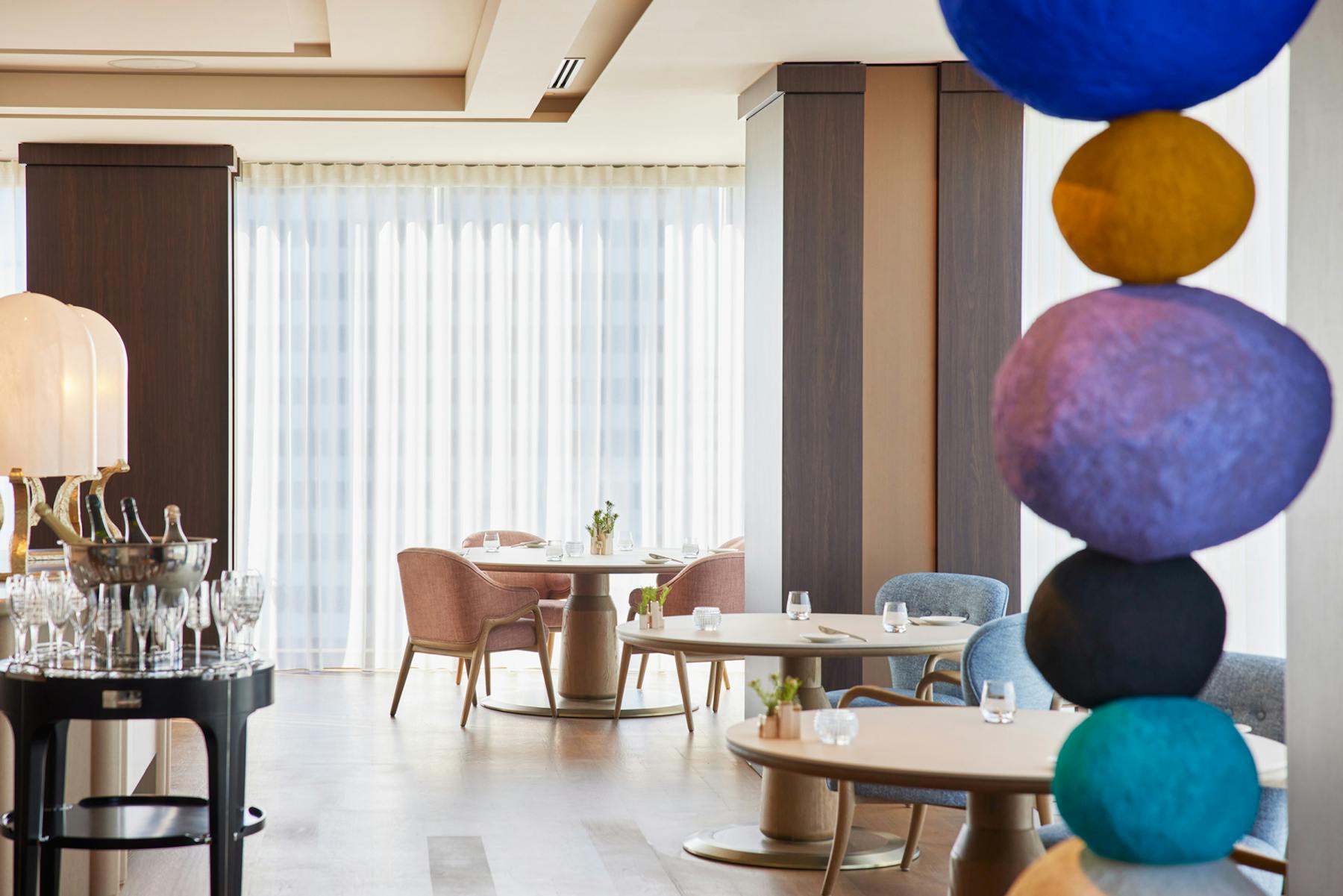
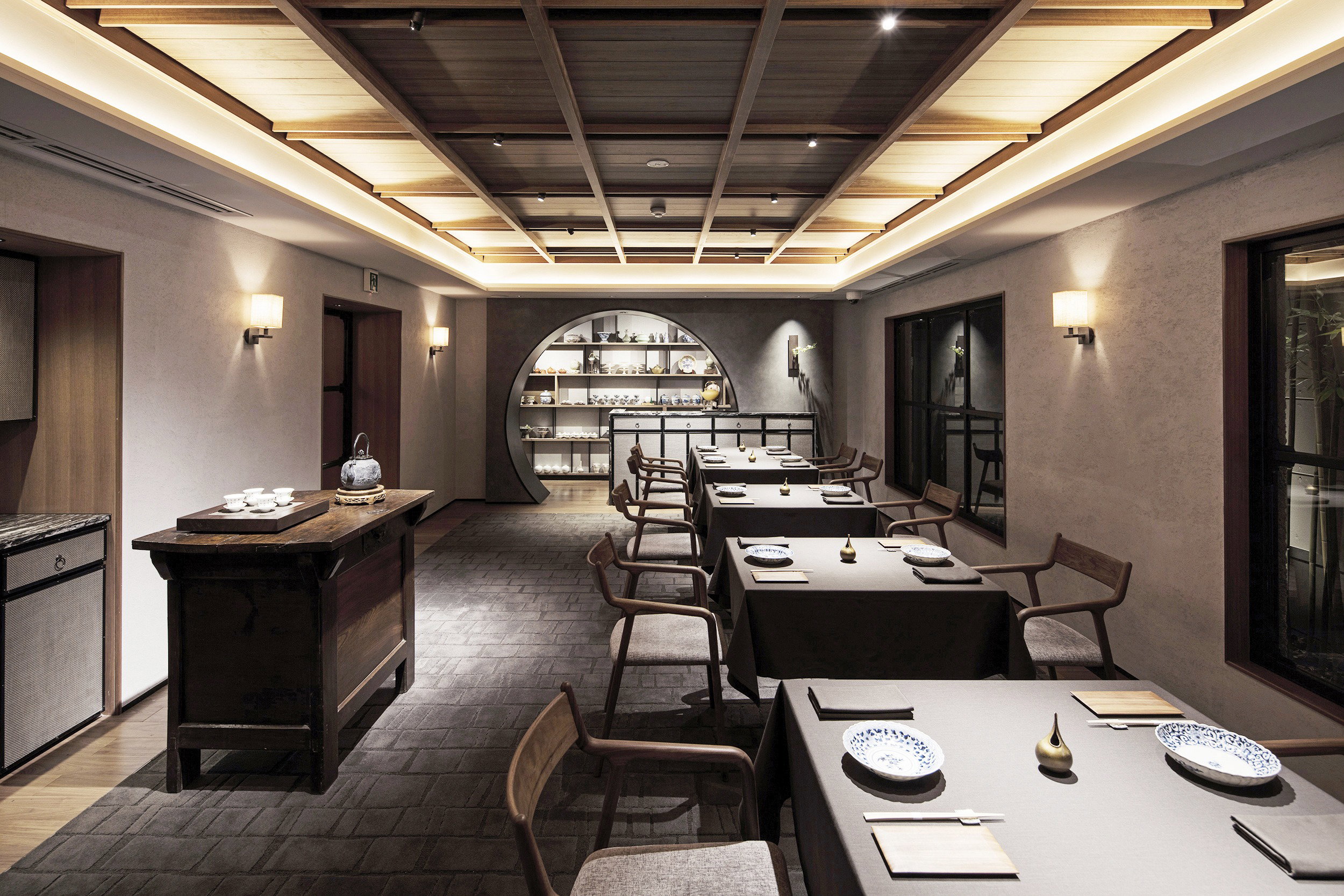
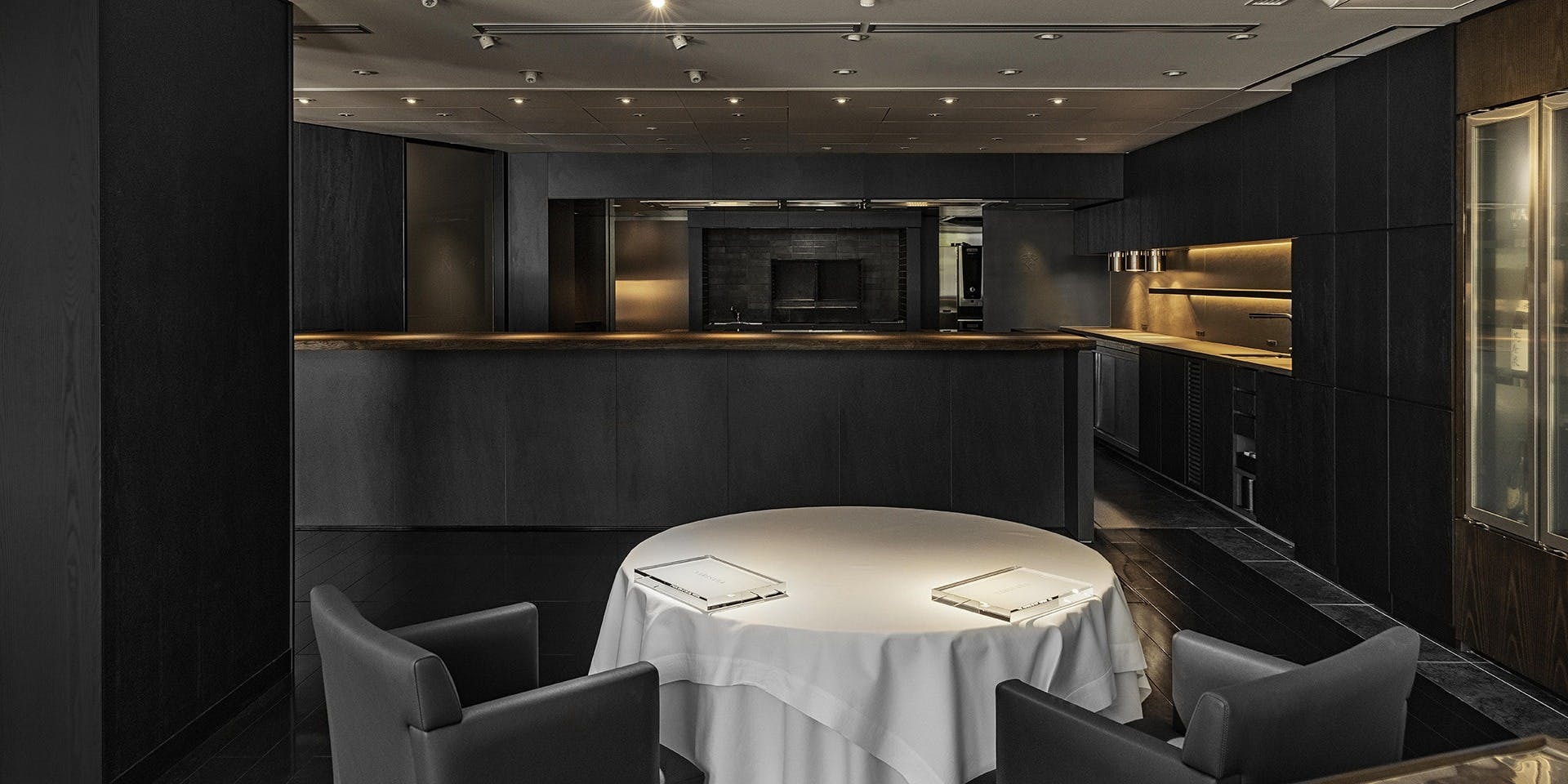
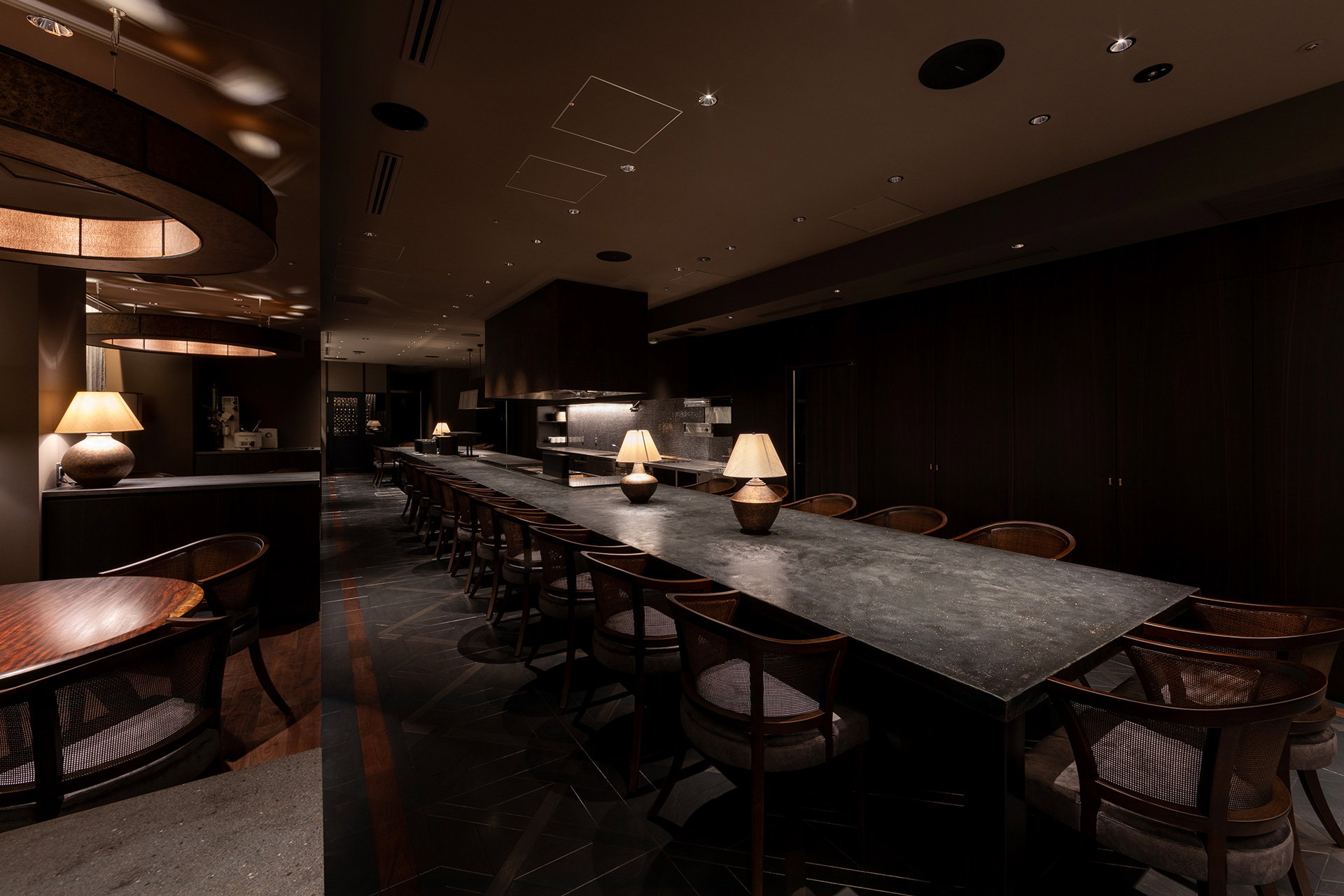
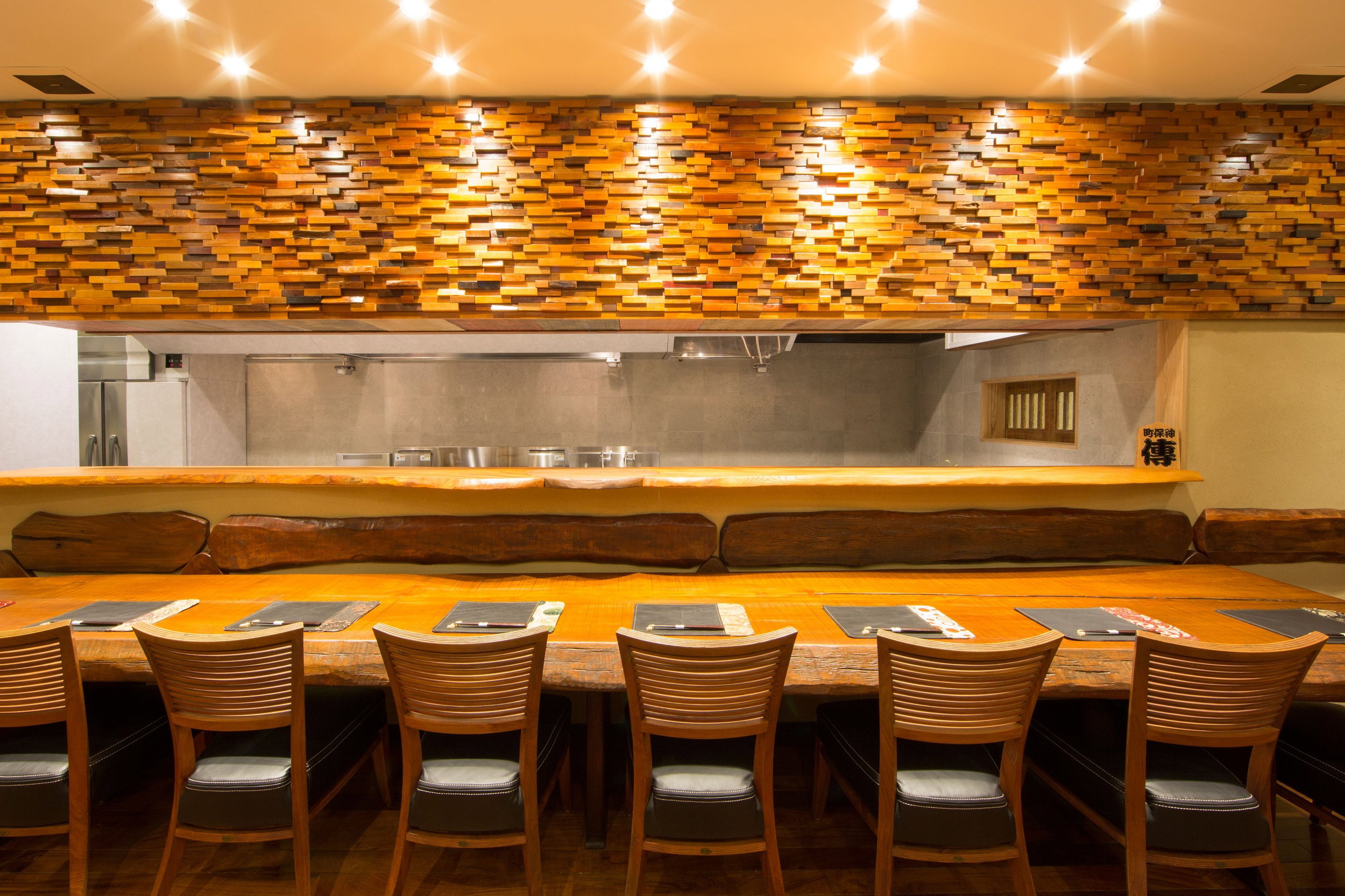
A warm, unpretentious basement dining room with around sixteen seats, simple décor and brass serving ware, creating a homely, canteen-like feel where the focus is on conversation and food rather than design.
Tags
Vibe
Best For
Experience
At the Table
- Noise Level
- Conversational
- Service Style
- Casual
- Meal Pacing
- Standard
- Capacity
- Intimate
- Kitchen
- Traditional
- Menu Format
- A la carte, Family style
- Dietary
- Vegetarian friendly, Halal
- Opened
- 2006
Signature Dishes
- Bengali thali set
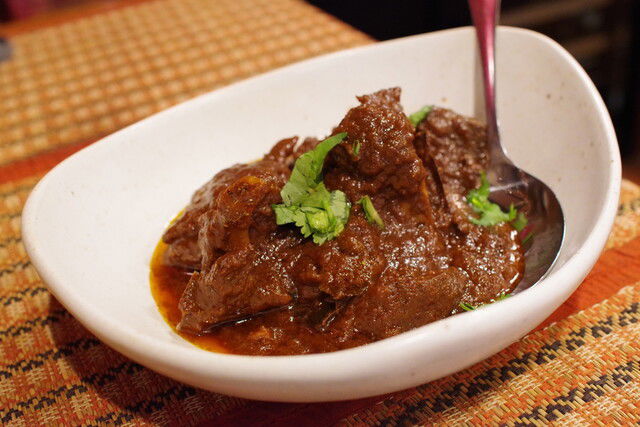
- Fish curry (machh-bhaat)
- Mustard-based Bengali curries
Know before you go
Know Before You Go
- Getting there
- Japan, 〒116-0001 Tokyo, Arakawa City, Machiya, 3 Chome−2−1 B1F
Planning details
Location
Japan, 〒116-0001 Tokyo, Arakawa City, Machiya, 3 Chome−2−1 B1F · Directions
Recognition and awards
Also consider
Also Consider
- Shōtai-en, Notable alternative
- Ramen 1/20, JPY 1,000 - JPY 1,999, JPY 1,000 - JPY 1,999
- Senju Takeyabu, JPY 4,000 - JPY 4,999 JPY 2,000 - JPY 2,999 View spending breakdown, JPY 4,000 - JPY 4,999 JPY 2,000 - JPY 2,999 View spending breakdown
- Yamada Ya, JPY 8,000 - JPY 9,999 JPY 6,000 - JPY 7,999 View spending breakdown, JPY 8,000 - JPY 9,999 JPY 6,000 - JPY 7,999 View spending breakdown
- Moranbong, Notable alternative
Restaurant context
Against Tokyo's Tabelog 100 curry and Indian specialists, Puja occupies the budget-conscious end of the recognition spectrum. Yamada Ya commands ¥6,000–¥9,999 for kaiseki-inflected Indian fine dining in a more central location, delivering higher polish and omakase structure at triple Puja's price. Senju Takeyabu sits between the two at ¥2,000–¥4,999, offering soba-focused Japanese cuisine in the same northern Tokyo zone with slightly easier booking and broader payment options. For travelers prioritizing accessibility over award depth, Ramen 1/20 delivers Tabelog 100 recognition at ¥1,000–¥1,999 in a ramen format that requires less navigation commitment than Puja's basement hideaway.
Puja's eight-year Tabelog 100 streak (longer than many central-ward specialists) justifies the Arakawa trek if Bengali fish curry technique and consistent sourcing matter more than neighborhood prestige. The cash-only, phone-booking format and residential location mean this is a destination choice rather than a convenience stop, commit only if the recognition pedigree and ¥1,000–¥2,999 price bracket align with your priorities. Shōtai-en and Moranbong offer alternative Tabelog 100 formats in Tokyo, though neither specializes in curry or matches Puja's multi-year recognition depth in the category. For first-time Tokyo visitors, Puja rewards curiosity and logistics flexibility; for repeat travelers seeking depth over convenience, the basement location and award history make a compelling case.
Explore Tokyo
Around this place
Discover more on Pearl
Unlock the full Puja guide in Pearl, including awards, comparisons, FAQs, planning details, and nearby places.
FAQ
Frequently Asked Questions
Can I eat at the bar at Puja?
No bar seating, 10 table seats and 6 raised tatami spots spread across 16 total. The basement layout favors small groups (2–4) at tables; tatami sections work for families with children welcome at all ages.
Is the tasting menu worth it at Puja?
No tasting menu exists here. Order à la carte curry plates, with fish-focused preparations at the center. Pricing runs ¥1,000–¥1,999 lunch, ¥2,000–¥2,999 dinner, budget accordingly for 2–3 dishes per person.
How far ahead should I book Puja?
Reservations accepted by phone (03-3800-1636); walk-ins possible but the 16-seat capacity fills quickly at dinner. Book 3–5 days ahead for weekday evenings, 1 week for weekends, especially given Tabelog 100 recognition since 2017.
Is Puja worth the price?
Yes for Bengali fish curry, the Tabelog 100 nod (eight consecutive years, 2017–2024) reflects consistency you won't find at chain outlets. ¥2,000–¥2,999 dinner sits well below central-ward Indian fine-dining (¥6,000+) while delivering technique worth the Machiya trek.
What are alternatives to Puja in Tokyo?
Stay in Machiya for different formats: Senju Takeyabu offers tempura at similar pricing, Ramen 1/20 delivers noodles under ¥1,000. For Indian curry downtown, expect ¥3,500+ dinner tabs and less fish-forward menus.
Is Puja good for a special occasion?
Not ideal, the basement hideaway fits casual meals and family outings (kids menu available, tatami seating) better than celebrations. No private rooms, cash-only payment, and Wednesday closures limit flexibility for planned events.
What should I order at Puja?
Lead with fish curry, the 'Particular about fish' Tabelog tag signals this as the kitchen's anchor category. Add shochu, wine, or cocktails (all available) and scale portions for 2–3 plates per diner given the ¥2,000–¥2,999 dinner average.