.png?width=1200&quality=80)


HOPPERS
Sri Lankan · Chūō, Tokyo
Restaurant in Tokyo, Japan
 Book with Pearl
The Read
Sri Lankan Curry Format
Price
$50–100per person
Dress
Smart Casual
Why go
Sri Lankan rice and curry in Tokyo's Nihonbashikabutocho, served with the kind of spice literacy that most Japanese diners rarely encounter. HOPPERS brings Karam Sethi's London-rooted approach to a format built around Sri Lanka's national eating tradition, with Maldive fish curries and a basmati-Japanese rice blend that nods to its adopted city. Ranked #201 on the OAD Casual Europe list in 2024.
About HOPPERS
Who Should Book HOPPERS — and When
If you are in Tokyo and want to eat somewhere genuinely different from the city's default repertoire of sushi, kaiseki, and French-Japanese fusion, HOPPERS is the clearest answer at the ¥¥ price point. That ranking is notable: it signals a kitchen operating to a standard that travels, not a concept coasting on being the only Sri Lankan option in the room. For a solo diner curious about the format, a couple looking for something affordable without sacrificing quality, or a pair of regulars who want to understand the menu more deeply across multiple visits, HOPPERS is worth your time.
The Room and the Concept
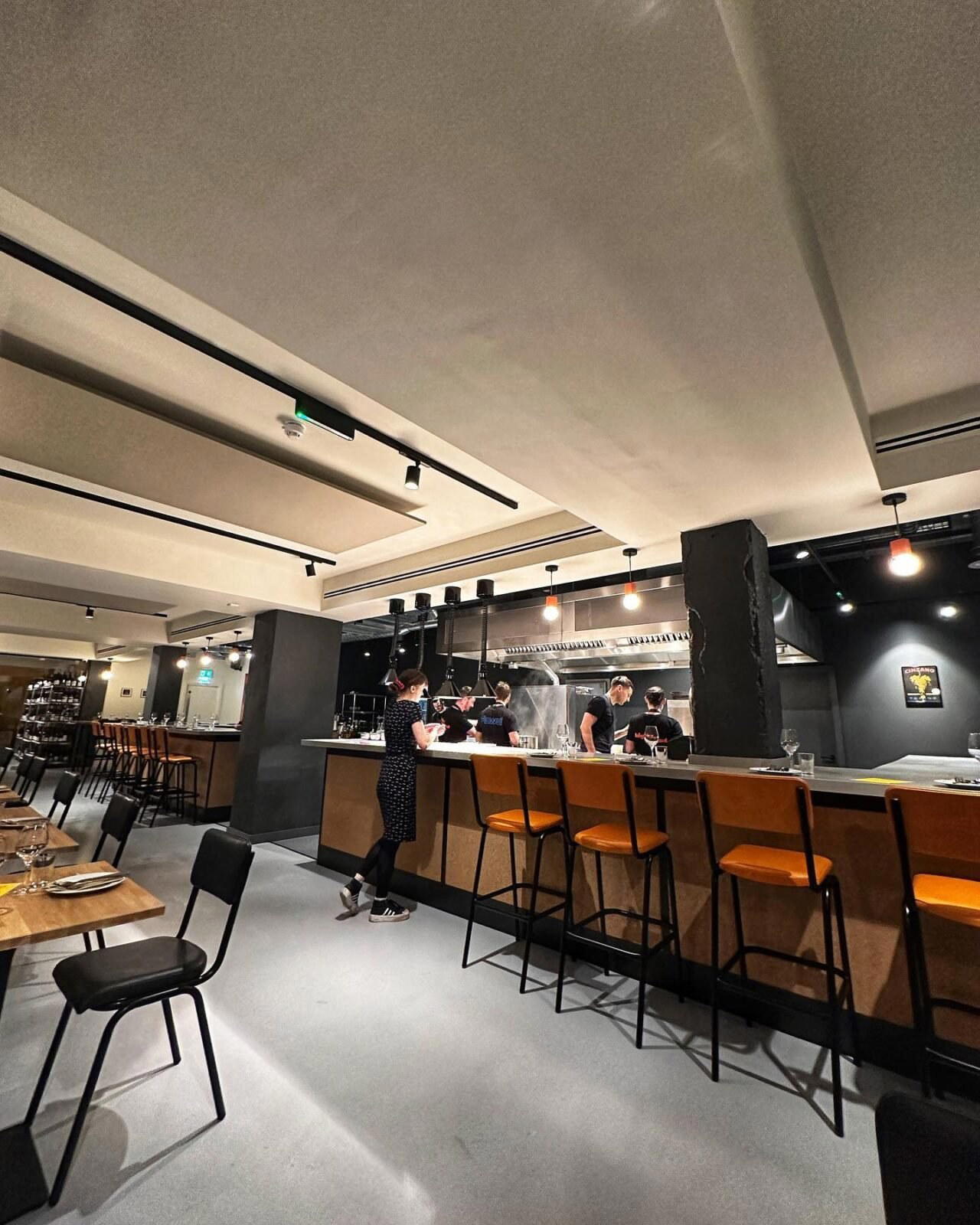
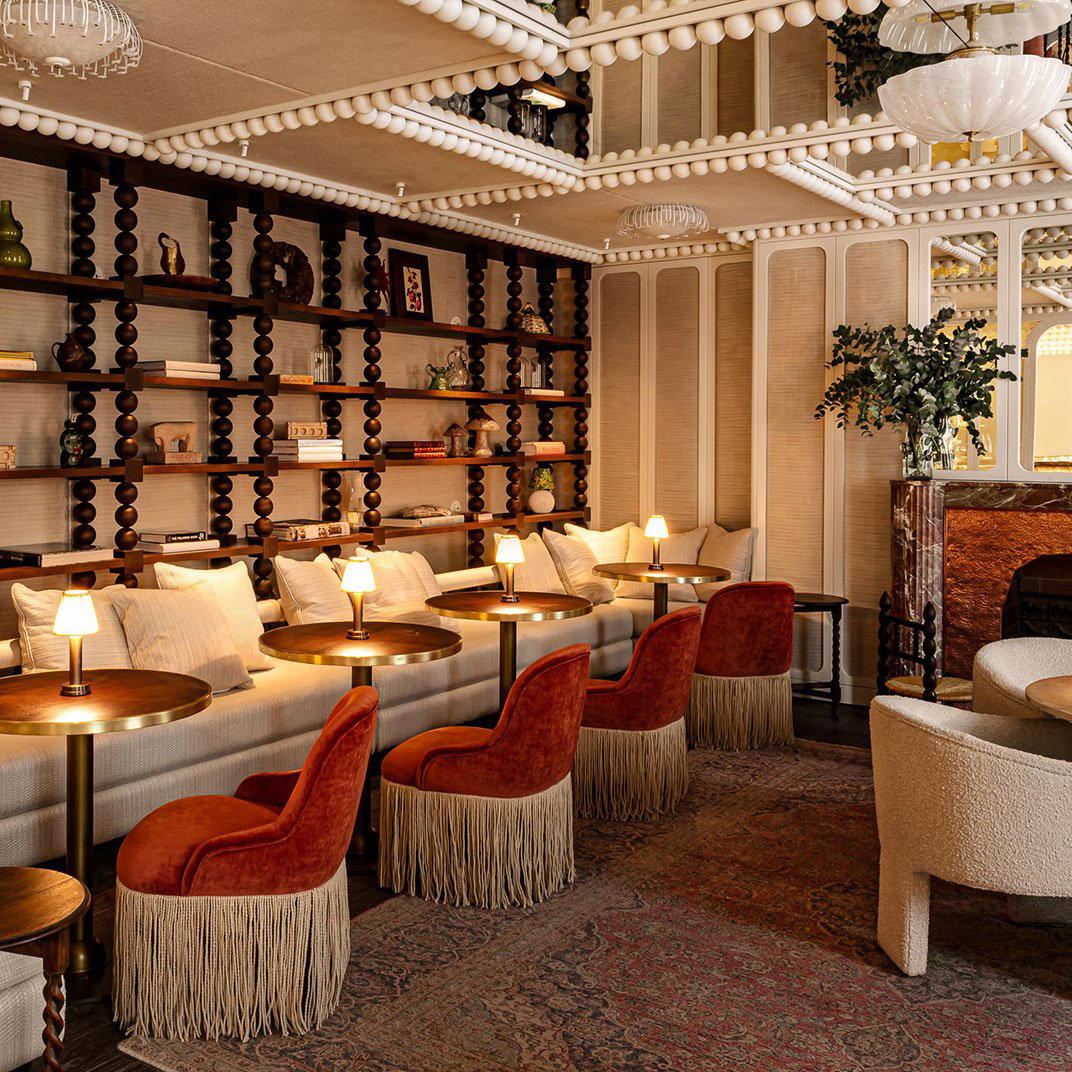
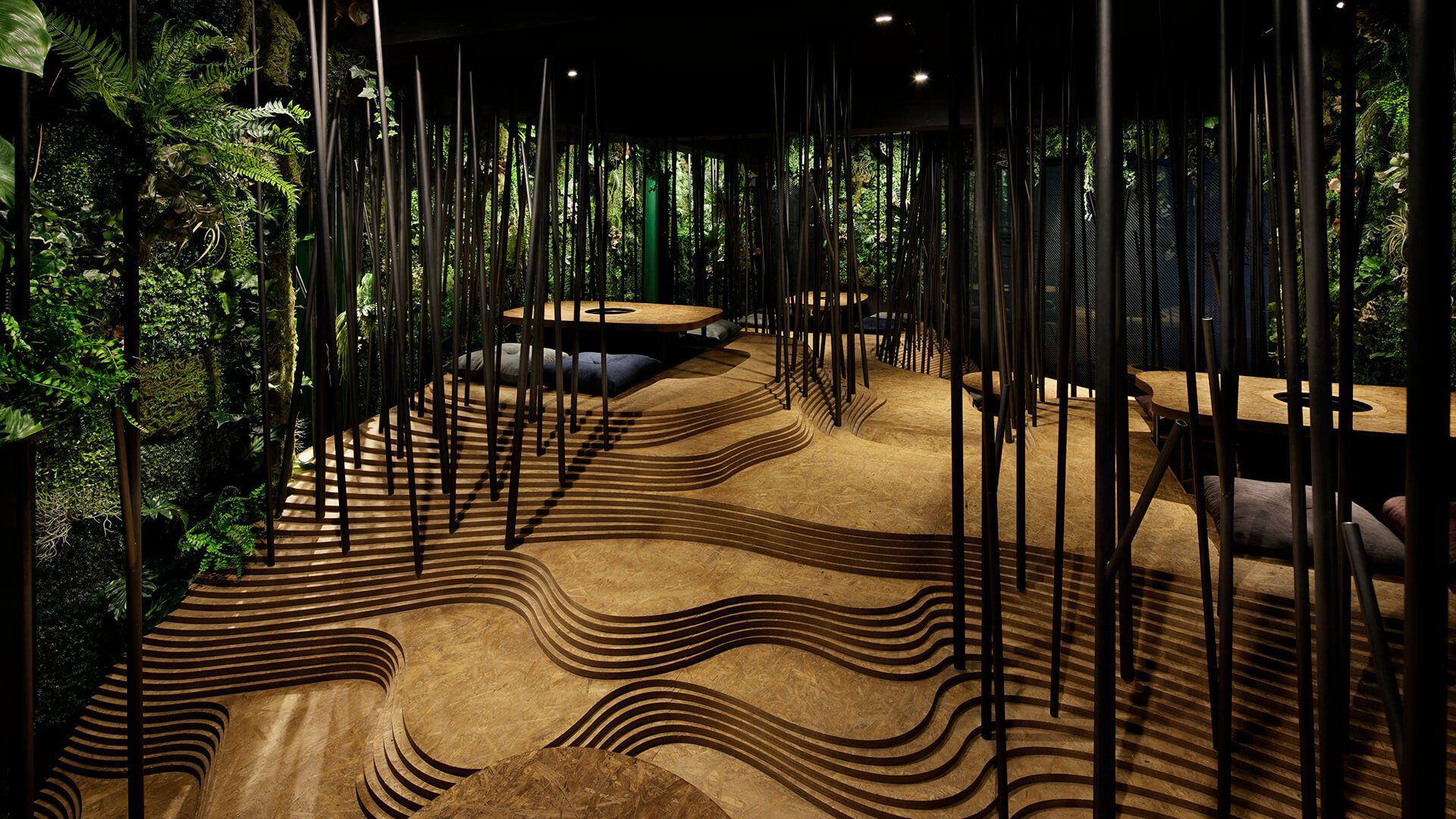
The ground-floor space inside KABUTO ONE reads clean and contemporary rather than decoratively Sri Lankan. What you notice first is the organisation of the kitchen's output: the rice and curry set, the hoppers themselves (bowl-shaped fermented rice-and-coconut crepes), and the surrounding array of curries and condiments that give the menu its logic. The rice itself is a deliberate hybrid: basmati mixed with Japanese short-grain, a small adaptation that reflects the kitchen's awareness of where it is without abandoning what it is cooking. The curry base uses Maldive fish, a shaved cured bonito that is as fundamental to Sri Lankan cooking as dashi is to Japanese, a comparison that lands meaningfully in this city.
Multi-Visit Strategy: How to Work Through the Menu
If you have been once and defaulted to the hopper with egg and a single curry, you have covered the entry point but not the argument. A second visit should be structured around the rice and curry set in full, this is where the kitchen's range becomes legible, with multiple curry varieties, the coconut sambol, and the Maldive fish-based preparations appearing together. The set-menu format means the kitchen controls pacing and proportion, which works in your favour: you are less likely to over-order one element and miss another. A third visit, for anyone who has made it that far, is the moment to focus on the side dishes and condiments that support the main event.
Practical Details
Reservations: Booking difficulty is rated Easy, which means walk-ins are plausible but a reservation removes the risk, particularly on weekends. Location: KABUTO ONE, 7-1 Nihonbashikabutocho, Chuo City, Tokyo, accessible from Kayabacho or Nihonbashi stations. Price: ¥¥, making this one of the more affordable intentional dining experiences in a city where the ¥¥¥¥ tier dominates the conversation. Dress: No dress code is specified; smart casual is safe for the Nihonbashi area. Group size: The format suits parties of two to four well; the set-menu structure means larger groups can share across dishes without the kitchen losing coherence.
Awards and Recognition
The Opinionated About Dining recognition is meaningful context. OAD's Casual Europe list measures execution against peer restaurants across a wide field of casual-dining venues, and a #201 ranking in 2024 with a Highly Recommended in 2023 places HOPPERS in a credible tier of kitchens that reviewers return to rather than simply note. For a Sri Lankan restaurant operating in Tokyo, where the cuisine has almost no competitive set locally, this external validation from a European-benchmarked list is the clearest available signal that the cooking holds up to scrutiny beyond the novelty of the concept.
How It Compares in Tokyo
To be direct: HOPPERS occupies a category of its own in Tokyo's restaurant scene by cuisine type, which makes direct comparison within the city largely beside the point. The honest peer group is price-tier and occasion, not cuisine. At ¥¥, it sits well below the city's celebrated fine-dining tier, Harutaka at ¥¥¥¥ for sushi omakase, RyuGin at ¥¥¥¥ for kaiseki, L'Effervescence and Sézanne for French at the upper end, but it is not trying to compete with them. Within Tokyo's broader dining scene, it is closer to Crony in spirit: an internationally-minded kitchen doing something with intention at a price that does not require advance budgeting. If you want Sri Lankan cooking benchmarked against its own tradition, Ministry of Crab in Colombo or Aliyaa in Kuala Lumpur are the relevant comparisons, and both operate in their home market. HOPPERS in Tokyo is the leading available option for this cuisine in the city, with OAD recognition to support that claim.
For broader trip planning, see our full Tokyo restaurants guide, our Tokyo hotels guide, our Tokyo bars guide, and our Tokyo experiences guide. If you are travelling beyond Tokyo, HAJIME in Osaka, Gion Sasaki in Kyoto, akordu in Nara, Goh in Fukuoka, 1000 in Yokohama, and 6 in Okinawa are worth considering depending on your itinerary.
Planning details
- Location
- Japan, 〒103-0026 Tokyo, Chuo City, Nihonbashikabutocho, 7−1 KABUTO ONE 1F
- Reservations
- Book on TableCheck
- Website
- hoppers.jp
- Phone
- +81 3-6890-1547
The take
The Take
The Vibe
HOPPERS blends a sense of history with unexpected warmth. Housed on the ground floor of KABUTO ONE, a converted heritage building at the edge of Tokyo’s finance district, the restaurant trades the formal language of nearby kaiseki rooms for focused, approachable Sri Lankan cooking. The contrast between the moneyed neighborhood and HOPPERS’ cuisine is a deliberate part of its identity: it feels like a discovered corner of the city where rare flavors are served plainly and well. The room’s historic shell and unpretentious culinary seriousness create a quietly charming, slightly tucked-away dining experience.
Best For
HOPPERS is best for diners who want serious Sri Lankan food without the formality or price of Tokyo’s high-end tasting menus. The kitchen frames ‘rice and curry’ as a codified, diner-assembled spread, so it suits solo lunches, relaxed business lunches, and relaxed dinners where sharing and sampling multiple curries is the point. The ¥¥ price band and set-meal format make it accessible for everyday meals, while the Modern Sri Lanka Course offers a fuller evening option. It’s a smart stop for anyone curious about authentic Sri Lankan flavors in the city.
Ordering Tips
Lean into the rice-and-curry format: dishes arrive as a spread around a central bowl of rice and are meant to be assembled and tasted together. Try the Rice & Curry Set Meal to experience that canonical structure, and consider the Modern Sri Lanka Course if you want a composed multi-course evening. Look for the use of Maldive fish in the curries—the description highlights it as the umami backbone—and note the rice blend (basmati with Japanese short-grain) that bridges Sri Lankan tradition and Tokyo preferences. The Shrimp Curry is listed among signature dishes and is a reliable pick.
Venue details
Ambiance
Chic concrete interior with warm, colorful lighting and a sophisticated, cozy atmosphere.
Tags
Vibe
Best For
Experience
Sourcing
At the Table
- Dress Code
- Smart Casual
- Noise Level
- Conversational
- Service Style
- Upscale Casual
- Meal Pacing
- Standard
- Capacity
- Intimate
- Kitchen
- Modern
- Menu Format
- A la carte, Small plates, Set menu
- Wine Program
- Curated
- Dietary
- Vegetarian friendly
Signature Dishes
- Rice & Curry Set Meal
- Modern Sri Lanka Course
- Shrimp Curry
Know before you go
Know Before You Go
- Getting there
- Japan, 〒103-0026 Tokyo, Chuo City, Nihonbashikabutocho, 7−1 KABUTO ONE 1F
Planning details
Location
Japan, 〒103-0026 Tokyo, Chuo City, Nihonbashikabutocho, 7−1 KABUTO ONE 1F · Directions

Also consider
Also Consider
- Harutaka, Sushi, ¥¥¥¥
- RyuGin, Kaiseki, Japanese, ¥¥¥¥
- L'Effervescence, French, ¥¥¥¥
- HOMMAGE, Innovtive French, French, ¥¥¥¥
- Florilège, French, ¥¥¥
Restaurant context
HOPPERS sits at ¥¥ in a city where most of the recognised fine-dining conversation happens at ¥¥¥¥. That price gap makes direct comparison with Harutaka, RyuGin, L'Effervescence, or HOMMAGE largely irrelevant for most decisions. Those restaurants are operating in a different spend category with different expectations around service formality, room design, and course length. If your budget is ¥¥¥¥ and you want a single exceptional evening, RyuGin for kaiseki or Harutaka for sushi omakase are the cleaner choices. HOPPERS is the answer to a different question: where do I eat something genuinely interesting in Tokyo without committing to a ¥¥¥¥ evening?
Among the ¥¥¥ tier, Florilège is the closest peer in terms of a kitchen with a clear editorial point of view at a price below the city's ceiling. Florilège is technically French and more formally structured; HOPPERS is casual and Sri Lankan. Neither is a substitute for the other, but if you are choosing between them on a given night, the decision comes down to format preference. Florilège suits a more structured dinner occasion; HOPPERS suits a meal where you want the food to generate conversation rather than ceremony.
The practical case for HOPPERS against all of these alternatives is booking difficulty: Easy, versus the weeks-to-months wait that applies to Harutaka, RyuGin, L'Effervescence, and Florilège at peak periods. If your Tokyo itinerary is short-notice or you have already missed the booking windows for the top-tier rooms, HOPPERS is not a consolation option, it is a genuinely worthwhile meal that you can actually get into.
Explore Tokyo
Around this place
Discover more on Pearl
Unlock the full HOPPERS guide in Pearl, including awards, comparisons, FAQs, planning details, and nearby places.
Compare HOPPERS
| Venue | Cuisine | Awards | Booking Difficulty |
|---|---|---|---|
| HOPPERS | Sri Lankan | 2026 Bib GourmandTabelog 100 - Asian cuisine / Ethnic cuisine - TOKYO - 2024 · #742024 OAD Casual in Europe Ranked · #2012023 OAD Casual in Europe Highly Recommended | Easy |
| Harutaka | Sushi | 2026 Tabelog Silver · #312026 OAD Top Restaurants in Japan Ranked · #1282026 Michelin 3 Stars2026 La Liste Top RestaurantsTabelog 100 - Sushi - TOKYO - 2025 · #372025 Asia's 50 Best Restaurants · #762025 OAD Top Restaurants in Japan Ranked · #1172025 La Liste Top Restaurants2025 Tabelog Bronze | Unknown |
| RyuGin | Kaiseki, Japanese | 2026 OAD Top Restaurants in Japan Ranked · #802026 Tabelog Bronze · #3772026 Michelin 3 Stars2026 La Liste Top RestaurantsTabelog 100 - Japanese cuisine - TOKYO - 2025 · #212025 OAD Top Restaurants in Japan Ranked · #542025 Michelin 3 Stars2025 La Liste Top Restaurants2025 The Best Chef Three Knives | Unknown |
| L'Effervescence | French | 2026 Tabelog Silver · #682026 OAD Top Restaurants in Japan Ranked · #103Star Wine Lists 20262026 Black Pearl 2 Diamond2026 Relais Chateaux Restaurants2026 La Liste Top Restaurants2026 Michelin 3 Stars2025 Asia's 50 Best Restaurants · #692025 OAD Top Restaurants in Japan Ranked · #92 | Unknown |
| HOMMAGE | Innovtive French, French | 2026 Tabelog Bronze · #1232026 OAD Top Restaurants in Japan Highly Recommended2026 Michelin 2 StarsTabelog 100 - French - TOKYO - 2025 · #762025 Asia's 50 Best Restaurants · #782025 OAD Top Restaurants in Japan Ranked · #1752025 Michelin 2 Stars2025 The Best Chef One Knife2025 La Liste Top Restaurants | Unknown |
| Florilège | French | 2026 Asia's 50 Best Restaurants · #312026 Tabelog Bronze · #712026 OAD Top Restaurants in Japan Ranked · #1242026 Black Pearl 1 Diamond2026 Michelin 2 Stars2026 La Liste Top Restaurants2025 Asia's 50 Best Restaurants · #172025 World's 50 Best Restaurants · #36Tabelog 100 - French - TOKYO - 2025 · #68 | Unknown |











What to weigh when choosing between HOPPERS and alternatives.
FAQ
Frequently Asked Questions
Is HOPPERS good for a special occasion?
It works for a certain kind of special occasion: one where the point is eating something genuinely different rather than performing a celebration. The ¥¥ price range keeps it accessible, so if you want a marquee splurge with matching price tag, look at RyuGin or Harutaka instead. For a low-key dinner that will generate real conversation, HOPPERS delivers.
Can HOPPERS accommodate groups?
The ground-floor space inside KABUTO ONE is described as clean and contemporary rather than sprawling, so large groups should enquire directly before assuming availability. Small groups of two to four are the natural fit for the format, particularly given the set-menu structure built around Sri Lankan rice and curry service.
Is HOPPERS good for solo dining?
Yes. The counter-style or compact contemporary room suits solo diners well, and the OAD Casual recognition signals a relaxed rather than formal atmosphere. The ¥¥ price range means solo dining here does not require a special justification — it is an easy weeknight call.
What should a first-timer know about HOPPERS?
The core of the menu follows Sri Lankan tradition: rice and curry means a set of several curries, side dishes, and rice — not a single bowl. The rice is a distinctive basmati-Japanese blend, and the curry is made with Maldive fish. Booking difficulty is rated Easy, so a reservation on weekdays is straightforward, though weekends carry more risk if you walk in.
What are alternatives to HOPPERS in Tokyo?
There is no direct competitor in Tokyo by cuisine type — Sri Lankan cooking at this level of recognition does not exist elsewhere in the city. If your goal is interesting non-Japanese cooking, L'Effervescence and Florilège cover French-influenced territory at higher price points. For a comparable casual-but-serious format in a different cuisine, HOMMAGE is worth considering.
Is the tasting menu worth it at HOPPERS?
The set menu format here is structural to the cuisine rather than a premium upsell: Sri Lankan rice and curry is, by definition, a multi-dish spread. At ¥¥ pricing, the format delivers meaningful value compared to Tokyo's tasting menus at ¥¥¥ and above. If you want à la carte flexibility, the format may not suit you.
Is HOPPERS worth the price?
At ¥¥, yes — this is one of the lower price points at which you can eat something OAD-recognised in Tokyo. The 2024 OAD Casual Europe ranking at #201 and 2023 Highly Recommended citation are earned benchmarks, not PR.