
.png?width=1200&quality=80)


Ăn Đi
Modern Vietnamese · Shibuya, Tokyo
Restaurant in Tokyo, Japan
 Book with Pearl
The Read
Japanese-Seasonal Vietnamese
Price
$50–100per person
Dress
Smart Casual
Why go
Ăn Ði brings Modern Vietnamese cooking, shaped by French technique and Japanese seasonal produce, to Shibuya's Jingumae backstreets. Holding a Michelin Plate and ranked #289 on Opinionated About Dining Japan 2025, it offers a thoughtfully paced tasting menu with a serious wine, sake, and shochu pairing programme — all at the ¥¥¥ tier. Easy to book, and meaningfully different from Tokyo's sushi and kaiseki defaults.
About Ăn Đi
Should you book Ăn Ði in Tokyo?
Yes — if you want a tasting menu experience that sits outside Tokyo's dominant sushi and kaiseki circuits without dropping to the ¥¥¥¥ tier. Ăn Ði brings Modern Vietnamese cooking, filtered through French technique and Japanese seasonal produce, to a Jingumae address in Shibuya. It holds a Michelin Plate (2025) and ranked #289 on Opinionated About Dining's Japan list for 2025, up from a Highly Recommended nod in 2023. That upward trajectory matters: this is a restaurant on the move, not one coasting on reputation.
The Space
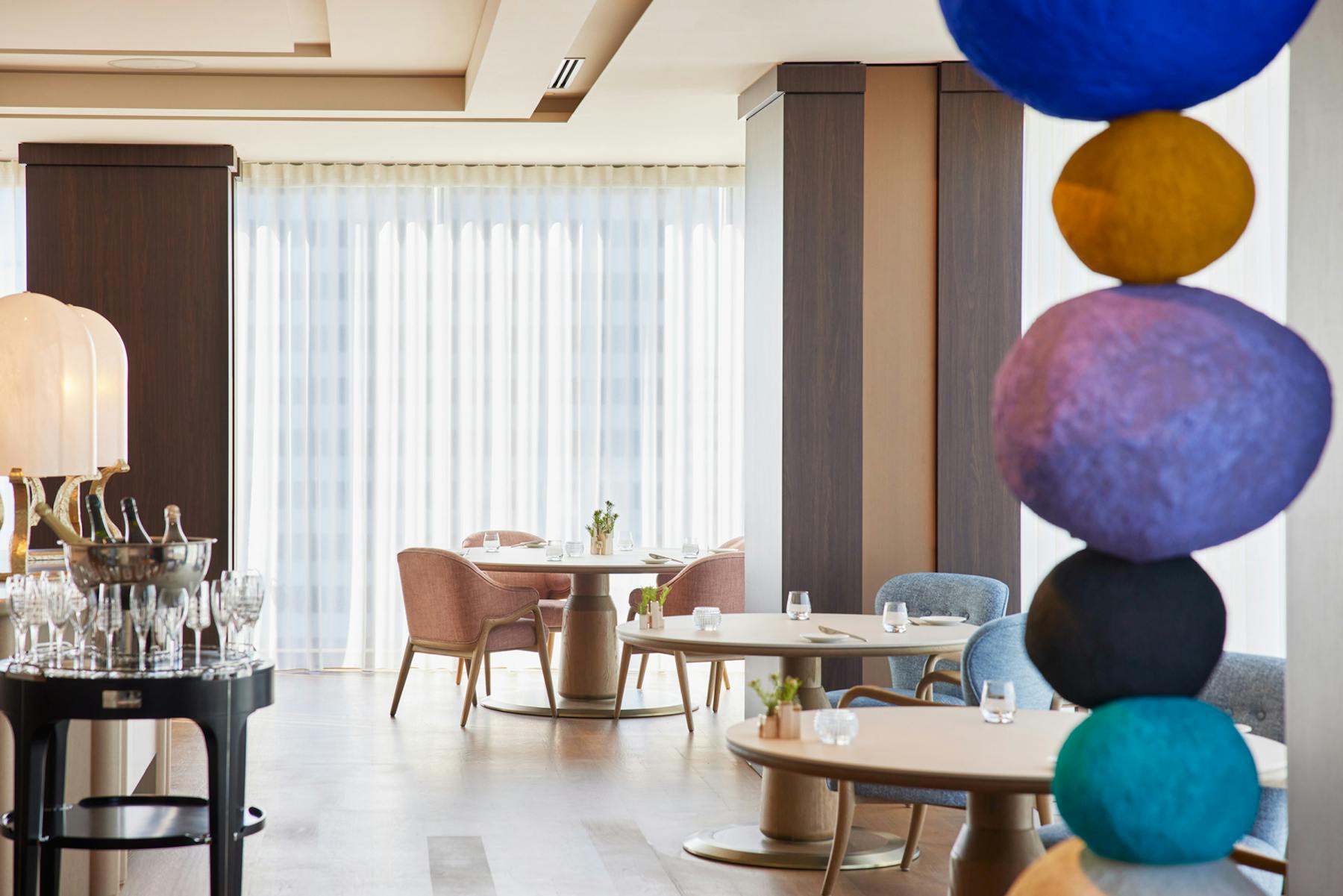
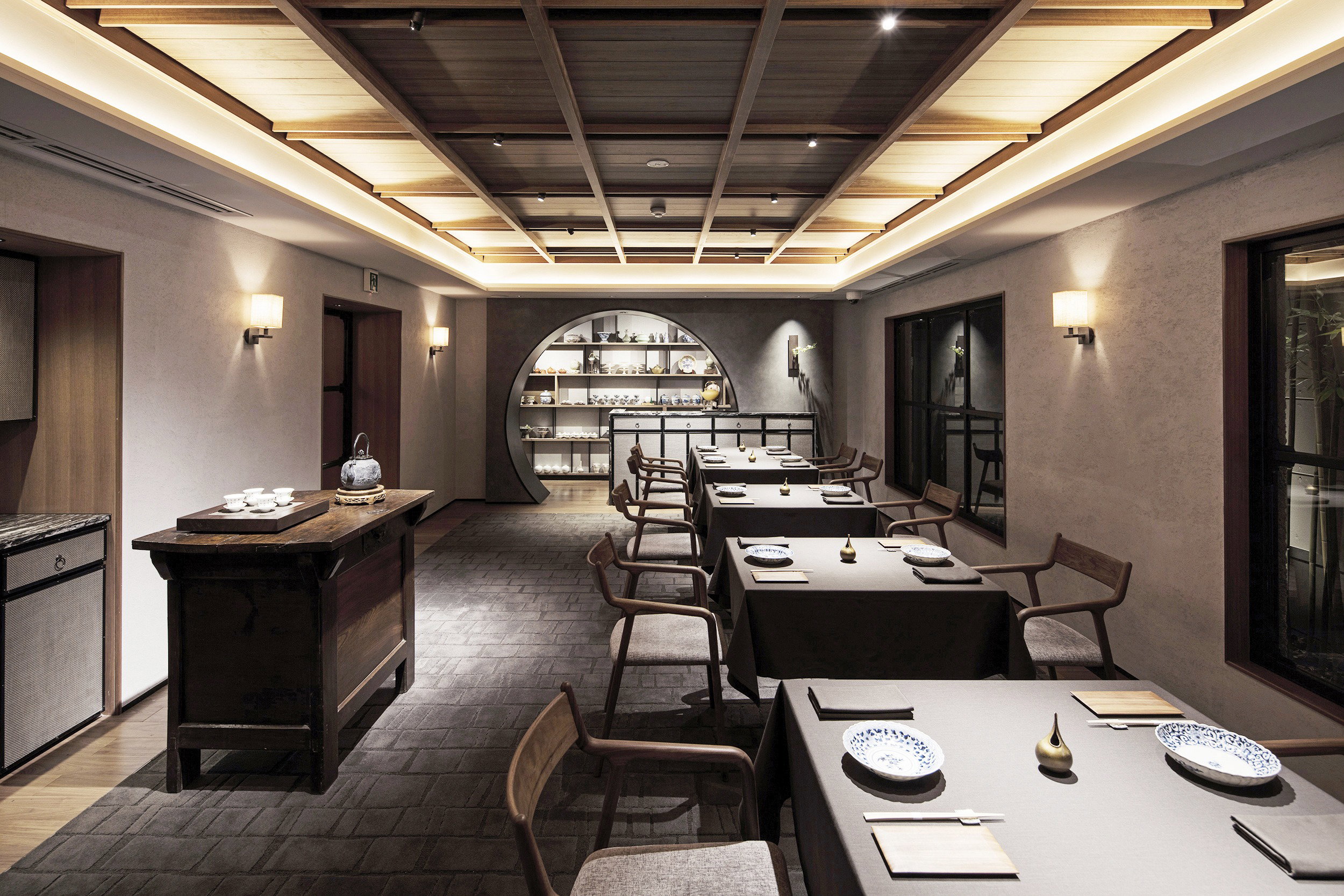
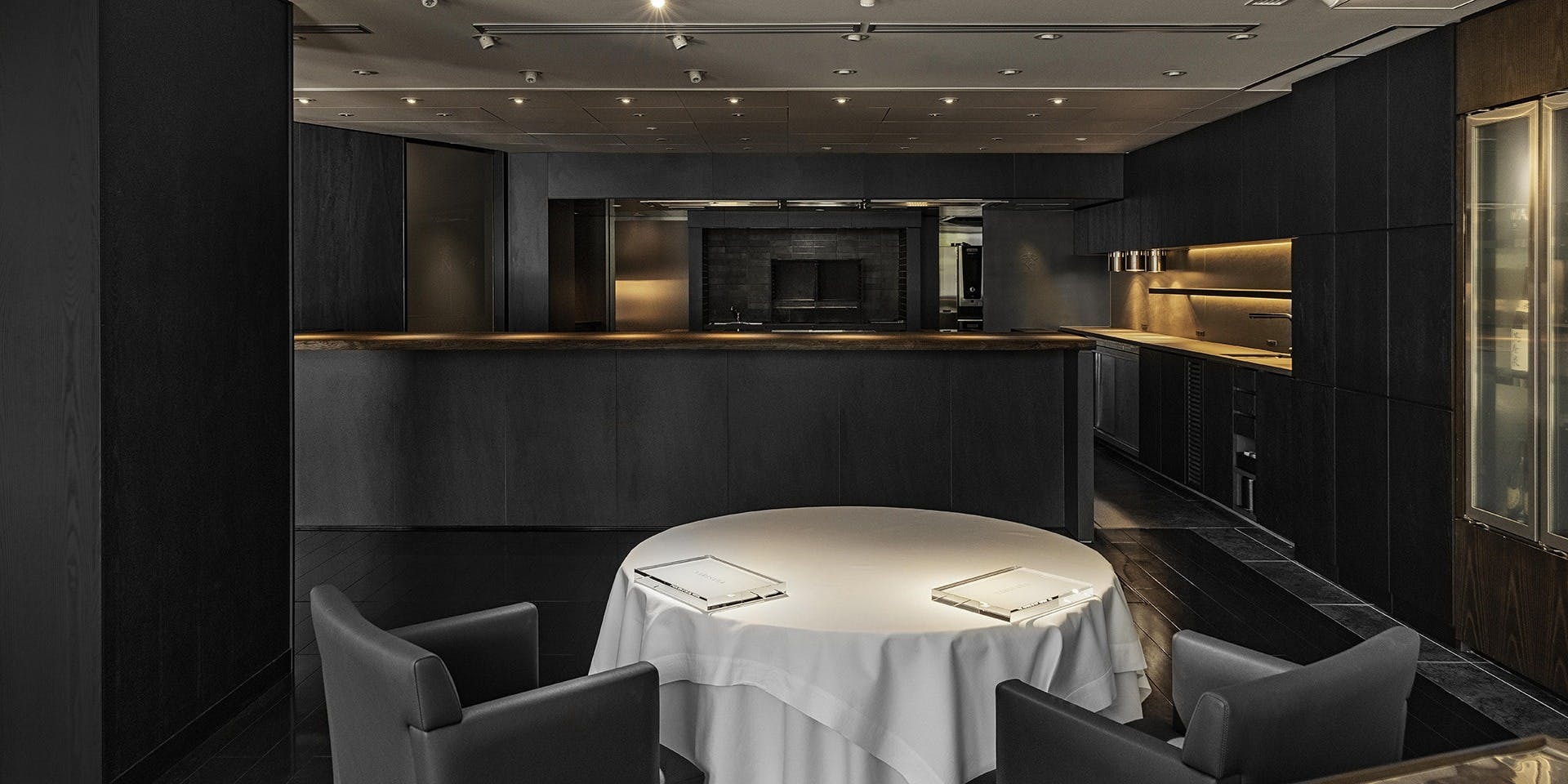
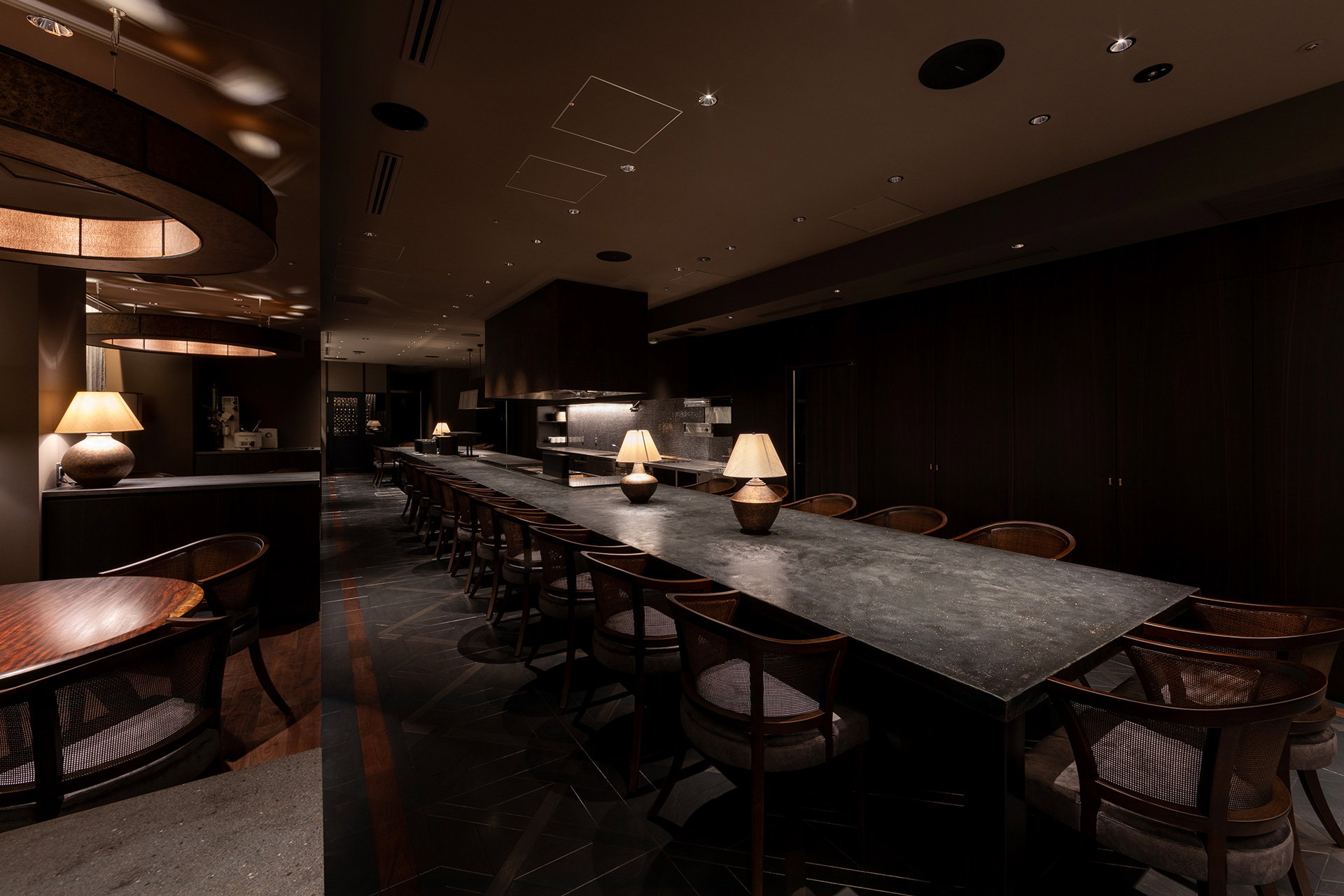
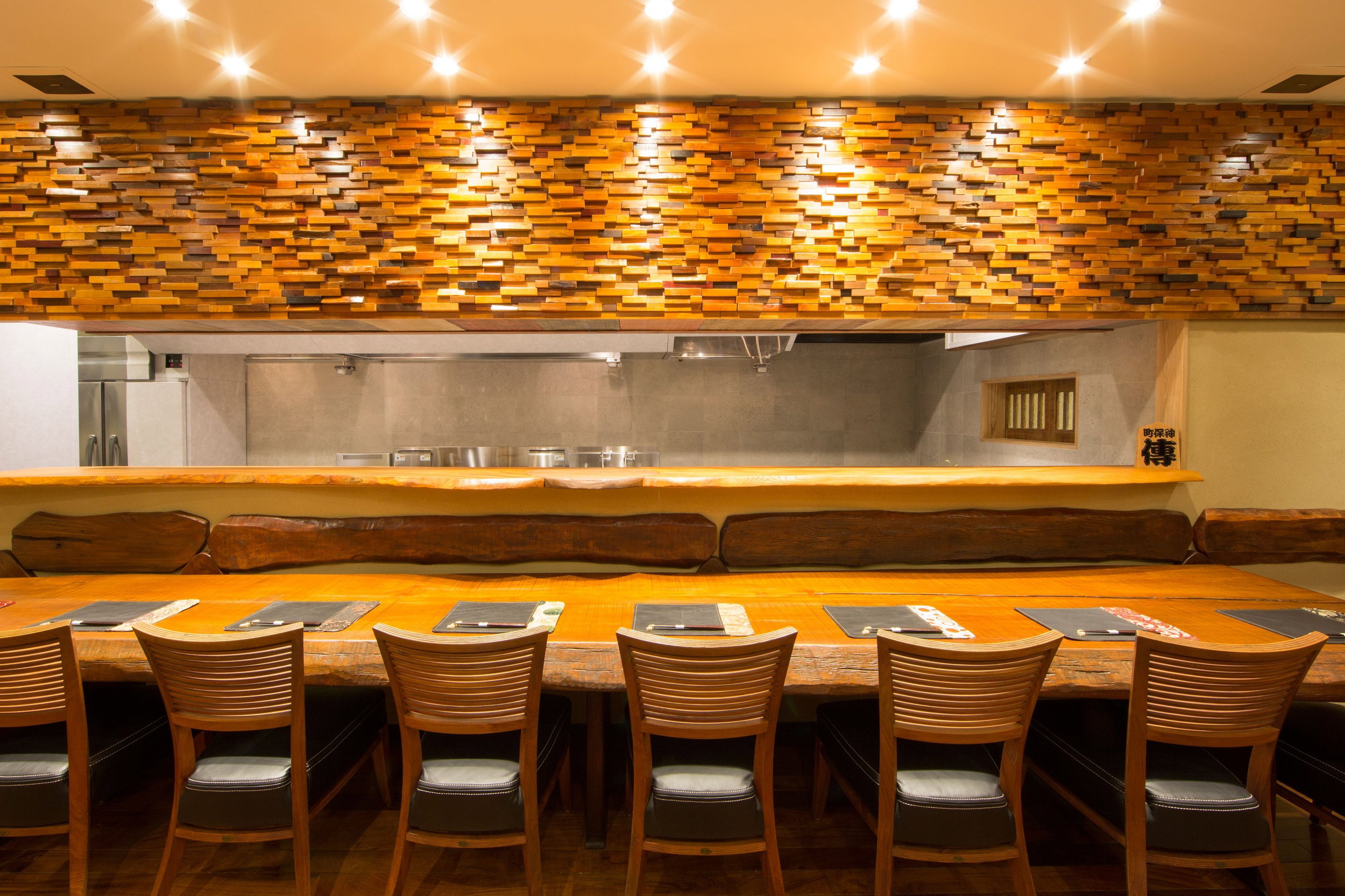
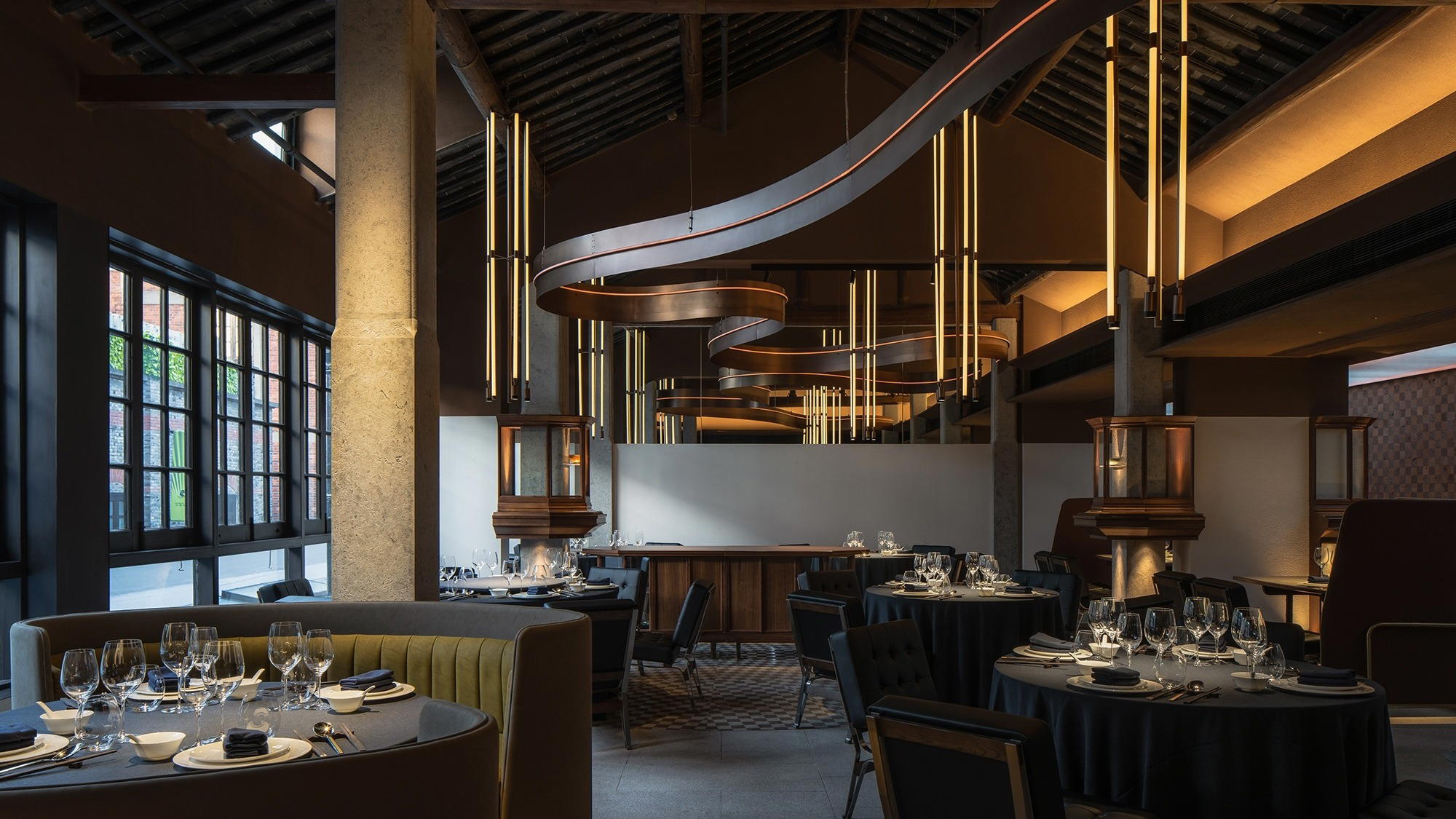
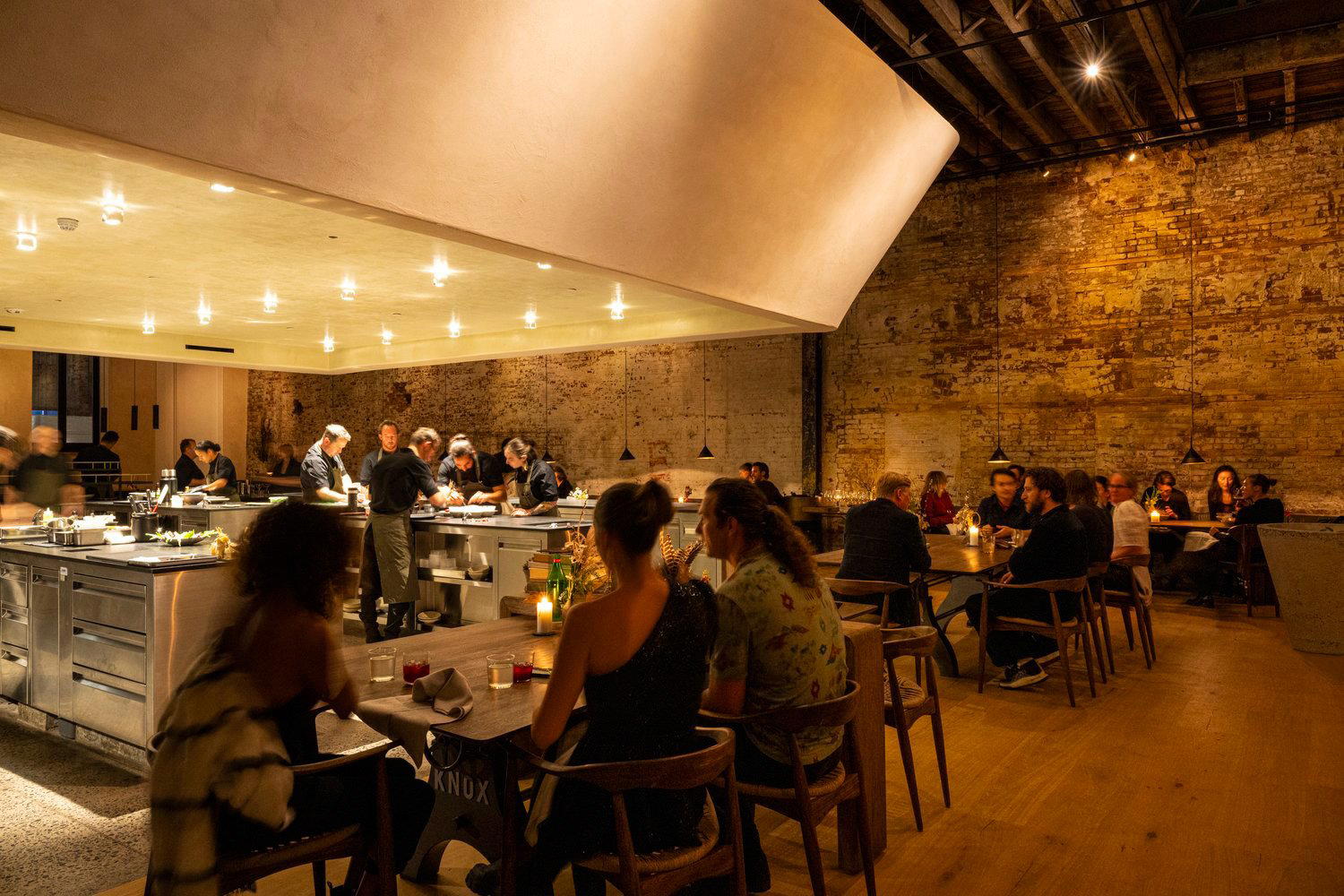
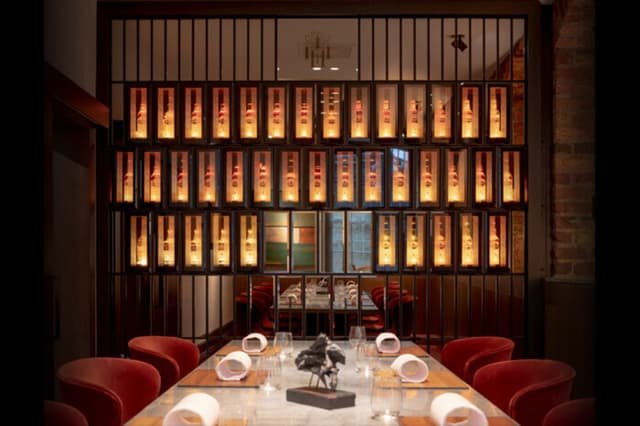
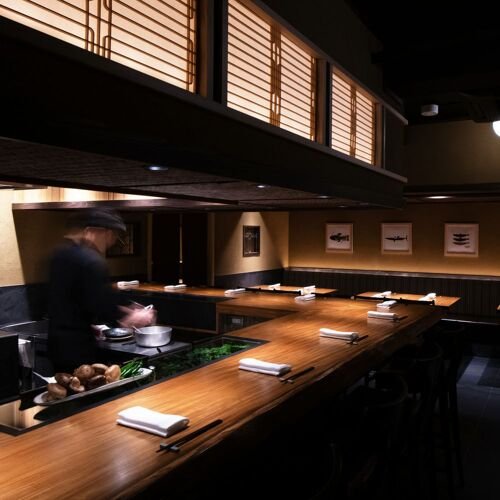
The address — 3 Chome-42-12 Jingumae, places Ăn Ði in the backstreets south of Harajuku, a neighbourhood where small, serious restaurants sit between boutiques and side alleys. Expect an intimate room: the scale here is counter-and-table rather than grand dining hall. If you've been once, you already know the room runs quiet and close, making it a better fit for two than for a group of six. For a return visit, request a counter seat if one is available, the proximity to the kitchen gives you more context for what arrives on the plate, and at a restaurant where plating is part of the communication, that context earns its keep.
The Tasting Menu Architecture
Chef Chihiro Naito trained in French cuisine before building a kitchen around Vietnamese foundations. That combination shapes how the menu moves. Vietnamese cooking is already a cuisine of contrast and progression, the interplay of fresh herbs, fermented notes, and clean broth, and French training tends to sharpen pacing and portion logic. The result at Ăn Ði is a menu that sequences with more architectural intent than a typical small-plates format. Dishes associated with bánh xèo, raw spring rolls, and phở are the reference points, but they arrive reinterpreted through Japanese seasonal ingredients, which means the menu shifts meaningfully across the year.
The We're Smart Green Guide recognised Ăn Ði for its plant-forward approach, though the guide also noted that fish and meat still carry significant weight on the menu. That's a useful signal for what to expect: this is not a vegetable-only tasting experience, but vegetables are treated as primary rather than supplementary. If you ate here in a warmer season, a winter or early spring visit will present a noticeably different progression, the seasonal ingredient sourcing is genuine, not decorative.
The beverage pairing is worth taking seriously. A skilled sommelier runs the wine programme, and the restaurant also works with sake and shochu pairings in a way that goes beyond tokenism. For a cuisine that is hard to pair conventionally, the pairing here is part of the architecture: each course is designed to be understood alongside what's in the glass. If you skipped the pairing on your first visit, take it on the second.
Ratings and Recognition
- Michelin Plate, 2025 and 2024
- Opinionated About Dining Leading Restaurants in Japan: #289 (2025), #188 (2024), Highly Recommended (2023)
- We're Smart Green Guide recognition for plant-forward cooking
- across 264 reviews
OAD ranking movement is the most telling signal here. Moving from Highly Recommended to a ranked position, then improving that rank year on year, indicates a restaurant that is still finding its ceiling. At the ¥¥¥ price tier, it is punching upward against restaurants that charge more.
Practical Details
Ăn Ði is open Tuesday through Friday for dinner only (6–11 pm), with Saturday and Sunday adding a lunch service (12–1:30 pm, then 6–11 pm). Monday is closed. Booking difficulty is rated Easy, you do not need to plan months ahead the way you would for a ¥¥¥¥ tasting menu at, say, RyuGin or L'Effervescence. A one-to-two week lead time should be sufficient for most dates, though weekend lunch slots will move faster than midweek dinners.
Logistics at a Glance
| Detail | Ăn Ði | RyuGin | L'Effervescence |
|---|---|---|---|
| Price tier | ¥¥¥ | ¥¥¥¥ | ¥¥¥¥ |
| Cuisine | Modern Vietnamese | Kaiseki | French |
| Booking difficulty | Easy | Hard | Hard |
| Lunch available | Sat–Sun only | No | No |
| Awards (2025) | Michelin Plate, OAD #289 | Michelin 3-star | Michelin 2-star |
Ideal time to visit
Weekend lunch is the most accessible entry point if you are new to the restaurant: the shorter sitting fits a tighter schedule and the room will be quieter than a Friday or Saturday dinner. For a return visit, a midweek dinner in autumn or winter is worth targeting, Japanese seasonal sourcing at these restaurants typically peaks when the ingredient contrast between summer and winter produce is sharpest, and a quieter midweek room gives the meal more room to breathe. Avoid a Friday dinner if conversation matters to you; small Jingumae restaurants fill quickly after 7 pm on weekends and the energy shifts accordingly.
How Ăn Ði Fits the Broader Japan Circuit
If you are building a multi-city Japan itinerary, Ăn Ði slots in as the Tokyo stop that covers something no other city does in quite the same way: French-trained Vietnamese cooking with Japanese seasonal produce. For contrast, consider HAJIME in Osaka for plant-forward French, Gion Sasaki in Kyoto for kaiseki, or akordu in Nara for a European-Japanese hybrid at a different register. For modern Korean tasting menu parallels in New York, Atomix is the closest counterpart in terms of ambition and cross-cultural architecture. See our full Tokyo restaurants guide for more options, or explore our Tokyo hotels guide, bars guide, and experiences guide to complete your trip.
Planning details
- Hours
- Monday: Closed · Tuesday: 6–11 pm
- Location
- 3 Chome-42-12 Jingumae, Shibuya, Tokyo 150-0001, Japan
- Reservations
- Book on Omakase
- Website
- andivietnamese.com
- Phone
- +81 3-6447-5447
The take
The Take
The Vibe
Ăn Ði reads as a quietly refined, romantic destination where Vietnamese regionalism is filtered through Japanese seasonality. The writing stresses technique and a shifting four-times-a-year menu, so the room feels deliberate rather than celebratory in a loud way. Dishes are rendered with restraint and precision—an approach that brings northern subtlety and southern boldness into the same conversation—so the overall effect is intimate and thoughtfully tuned. Diners encounter a focused service rhythm and a kitchen that treats domestic sourcing and the calendar with the same seriousness one expects from kaiseki practitioners.
Best For
This is a place you pick for dinner when the occasion calls for intent: date nights, special celebrations, or any evening when you want to emphasize craft and seasonality. The ¥¥¥ price positioning and comparisons to kaiseki rooms in the description frame Ăn Ði as a step above casual Vietnamese counters and banh mi shops, making it suitable for guests who expect a composed, multi-course orientation. Located in Jingumae, it fits neatly into an evening itinerary focused on refined, technique-driven dining rather than casual daytime meals.
Ordering Tips
Menus rotate with the Japanese seasonal calendar and change four times a year, so expect different emphases on ingredients and preparations across visits. The listing highlights signature items—bánh xèo, pho, and raw spring rolls—so those are reliable touchpoints for the kitchen’s approach to north-south contrasts. Order to sample contrasts in flavor and technique: seek the broths and restrained northern preparations alongside bolder southern dishes like bánh xèo. Ask servers about the current seasonal focus so you can prioritize dishes that showcase the domestic produce and the menu’s quarterly shift.
Venue details
Ambiance
Refined and intimate atmosphere with 24 seats, emphasizing delicate presentation and seasonal elegance.
Tags
Vibe
Best For
Experience
At the Table
- Dress Code
- Smart Casual
- Noise Level
- Quiet
- Service Style
- Upscale Casual
- Meal Pacing
- Leisurely
- Capacity
- Intimate
- Kitchen
- Modern
- Menu Format
- Omakase, A la carte
- Wine Program
- Curated
- Drinks Focus
- Wine, Sake
Signature Dishes
- bánh xèo
- pho
- raw spring rolls
Know before you go
Know Before You Go
- Getting there
- 3 Chome-42-12 Jingumae, Shibuya, Tokyo 150-0001, Japan
Planning details
Hours
- Monday
- Closed
- Tuesday
- 6–11 pm
- Wednesday
- 6–11 pm
- Thursday
- 6–11 pm
- Friday
- 6–11 pm
- Saturday
- 12–1:30 pm, 6–11 pm
- Sunday
- 12–1:30 pm, 6–11 pm
Location
3 Chome-42-12 Jingumae, Shibuya, Tokyo 150-0001, Japan · Directions
Recognition and awards

Also consider
Also Consider
- Harutaka, Sushi, ¥¥¥¥
- L'Effervescence, French, ¥¥¥¥
- RyuGin, Kaiseki, Japanese, ¥¥¥¥
- HOMMAGE, Innovtive French, French, ¥¥¥¥
- Crony, Innovative, French, ¥¥¥¥
Restaurant context
Ăn Ði's clearest advantage over its Tokyo peers is price tier. While RyuGin, L'Effervescence, HOMMAGE, and Crony all operate at ¥¥¥¥, Ăn Ði delivers a serious, multi-course tasting menu with a full beverage pairing programme at ¥¥¥. If you are building a Tokyo itinerary with one ¥¥¥¥ anchor booking, a night at RyuGin for kaiseki or Harutaka for sushi, Ăn Ði is the most credible way to add a second tasting menu night without doubling your spend. Its Michelin Plate and rising OAD ranking confirm it is not a budget compromise; it is a different kind of ambition at a lower price point.
On cuisine differentiation, Ăn Ði occupies ground that none of the comparison venues cover. L'Effervescence (French, ¥¥¥¥) and Crony (Innovative French, ¥¥¥¥) both work the French-seasonal axis with stronger Michelin credentials, but they are not doing what Ăn Ði does with Vietnamese structure and Japanese ingredients. RyuGin's kaiseki format is more ceremonially Japanese and considerably harder to book. If the category you want is chef-driven cross-cultural tasting menu with a genuine beverage pairing, Ăn Ði is the only option in this comparison set that combines all three at ¥¥¥.
On booking difficulty, Ăn Ði is the easiest of the group to secure, a one-to-two week lead time is typically enough, while RyuGin and L'Effervescence both require significantly more advance planning. That accessibility matters for trip planning: Ăn Ði can be slotted in where a ¥¥¥¥ booking has fallen through or where the schedule needs a serious dinner without a six-week commitment. For diners who prioritise cuisine novelty and value over Michelin star count, book Ăn Ði. For diners for whom the star count and the formal kaiseki or French fine dining format are the point, go to RyuGin or L'Effervescence and accept the higher price and harder booking.
Explore Tokyo
Around this place
Discover more on Pearl
Unlock the full Ăn Đi guide in Pearl, including awards, comparisons, FAQs, planning details, and nearby places.
Compare Ăn Đi
| Venue | Cuisine | Price | Booking Difficulty | Awards |
|---|---|---|---|---|
| Ăn Ði | Modern Vietnamese | ¥¥¥ | Easy | No published awards |
| Harutaka | Sushi | ¥¥¥¥ | Unknown | 2026 Tabelog Silver · #312026 OAD Top Restaurants in Japan Ranked · #1282026 Michelin 3 Stars2026 La Liste Top RestaurantsTabelog 100 - Sushi - TOKYO - 2025 · #372025 Asia's 50 Best Restaurants · #762025 OAD Top Restaurants in Japan Ranked · #1172025 La Liste Top Restaurants2025 Tabelog Bronze |
| L'Effervescence | French | ¥¥¥¥ | Unknown | 2026 Tabelog Silver · #682026 OAD Top Restaurants in Japan Ranked · #103Star Wine Lists 20262026 Black Pearl 2 Diamond2026 Relais Chateaux Restaurants2026 La Liste Top Restaurants2026 Michelin 3 Stars2025 Asia's 50 Best Restaurants · #692025 OAD Top Restaurants in Japan Ranked · #92 |
| RyuGin | Kaiseki, Japanese | ¥¥¥¥ | Unknown | 2026 OAD Top Restaurants in Japan Ranked · #802026 Tabelog Bronze · #3772026 Michelin 3 Stars2026 La Liste Top RestaurantsTabelog 100 - Japanese cuisine - TOKYO - 2025 · #212025 OAD Top Restaurants in Japan Ranked · #542025 Michelin 3 Stars2025 La Liste Top Restaurants2025 The Best Chef Three Knives |
| HOMMAGE | Innovtive French, French | ¥¥¥¥ | Unknown | 2026 Tabelog Bronze · #1232026 OAD Top Restaurants in Japan Highly Recommended2026 Michelin 2 StarsTabelog 100 - French - TOKYO - 2025 · #762025 Asia's 50 Best Restaurants · #782025 OAD Top Restaurants in Japan Ranked · #1752025 Michelin 2 Stars2025 The Best Chef One Knife2025 La Liste Top Restaurants |
| Crony | Innovative, French | ¥¥¥¥ | Unknown | 2026 Asia's 50 Best Restaurants · #34Star Wine Lists 20262026 OAD Top Restaurants in Japan Recommended2026 Michelin 2 Stars2025 Asia's 50 Best Restaurants · #30Tabelog 100 - French - TOKYO - 2025 · #782025 OAD Top Restaurants in Japan Ranked · #227We're Smart World Top Restaurants 20252025 Michelin 2 Stars |











How Ăn Ði stacks up against the competition.
FAQ
Frequently Asked Questions
What should a first-timer know about Ăn Ði?
Ăn Ði operates as a tasting menu format built around Vietnamese foundations — bánh xèo, raw spring rolls, phở — reinterpreted through seasonal Japanese ingredients by Chef Chihiro Naito, who trained in French cuisine. The restaurant sits in the backstreets of Jingumae, Shibuya, and is priced at ¥¥¥, which is accessible relative to Tokyo's kaiseki circuit. Expect a drinks program that covers wine, sake, and shochu pairings — the sommelier role is central here, not an afterthought. Opinionated About Dining ranked it #289 in Japan for 2025, so this is a recognised room, not a speculative booking.
Is Ăn Ði good for a special occasion?
Yes, and it works well precisely because it is different from the sushi and kaiseki options that dominate Tokyo's special-occasion circuit. The tasting menu format, dedicated sommelier, and Michelin Plate recognition (2025) give it enough occasion weight without requiring a ¥¥¥¥ budget. If you want something that feels considered but does not follow a format your guests have already done, Ăn Ði is a sound choice. Dinner service runs 6–11 pm Tuesday through Sunday.
Is lunch or dinner better at Ăn Ði?
Weekend lunch (Saturday and Sunday, 12–1:30 pm) is the better entry point for a first visit: the sitting is shorter, the schedule is tighter, and it is a lower-commitment way to test the format before committing to the full dinner run. Dinner (6–11 pm, Tuesday through Sunday) gives you the full experience and is the format the drinks pairing program is built around. If the wine and sake pairings are part of the appeal, go for dinner.
Is the tasting menu worth it at Ăn Ði?
At ¥¥¥, the tasting menu sits in a defensible price bracket for what it delivers: a French-trained chef applying Vietnamese structure to seasonal Japanese produce, with a sommelier-led pairing program across wine, sake, and shochu. Opinionated About Dining has ranked it in the top 300 restaurants in Japan two years running. If you are looking for a tasting menu that sits outside Tokyo's default formats, the value case is clear. If you want something more familiar — sushi omakase or kaiseki — look elsewhere.
Is Ăn Ði worth the price?
Yes, within its category. At ¥¥¥, Ăn Ði is cheaper than most comparable tasting menu restaurants in Tokyo, and it holds a Michelin Plate (2025) alongside an OAD Top Restaurants in Japan ranking (#289 in 2025, up from a 2023 Highly Recommended). The format — Vietnamese cuisine through seasonal Japanese ingredients, with a serious drinks pairing program — is not widely replicated at this price point in the city. For a directly comparable spend, L'Effervescence and RyuGin operate at a higher tier; Ăn Ði is the better call if you want something outside the French or Japanese tasting menu defaults.