
Sushidokoro Hirokawa
Sushi · Jōtō, Osaka
Restaurant in Osaka, Japan
 Book with Pearl
The Read
Joto Ward Counter Precision
Price
¥¥¥
Dress
Smart Casual
Why go
A Michelin Plate sushi counter in east Osaka's Joto Ward, sourcing from Tsuruhashi Market and operating at ¥¥¥ — well below the city's top-tier omakase rooms in price, not in care. Small-formed nigiri, a considered sake ritual using kiriko cut glass make this the right call for a special occasion dinner that feels genuinely local rather than tourist-facing.
About Sushidokoro Hirokawa
Verdict
Book Sushidokoro Hirokawa if you want a Michelin-recognised sushi counter in Osaka that sits well outside the tourist circuit. Located in Joto Ward — a residential corner of the city that most visitors never reach — this is a neighbourhood sushi-ya that has earned its Michelin Plate (2025) without chasing an international audience. At ¥¥¥ pricing, it sits at a more accessible tier than the city's top-end omakase rooms, and the counter format, small-formed nigiri, and a sake ritual built around kiriko cut glass make it a genuinely considered choice for a special meal. If you want a polished, high-stakes omakase on a date night or celebratory dinner, and you are comfortable navigating a venue with no English website and likely limited English communication, this is worth the effort to book.
Portrait
Sushidokoro Hirokawa is anchored in Gamou, Joto Ward, a part of east Osaka that locals know and visitors largely skip. That matters, because the restaurant draws its identity and much of its supply chain from its surroundings. Fish is sourced from Tsuruhashi Market, the well-regarded covered market complex a short distance away that supplies some of Osaka's most serious Japanese kitchens. This is not a restaurant that imports its produce from Tokyo's Toyosu for prestige; it is a place that has built its sourcing around what the city's own market culture offers.
The sake ritual is one of the most useful signals of what this restaurant is doing. When you order sake, the chef brings a paulownia wood box containing Satsuma kiriko and Tenma kiriko cut-glass cups, glassware traditions that reference Kagoshima (where the chef was born) and Osaka (where he trained). It is a quiet, specific act of biography told through craft objects rather than narration. For a special occasion dinner, these are the kinds of details that make a meal feel considered rather than transactional.
The meal structure follows a deliberate arc: snacks to open, then more creative preparations in the middle section, then nigiri. The nigiri are formed small by design, the intention is to cover more ground across the fish selection rather than fill up on a few large pieces. That approach rewards curious diners and makes the meal feel like a tasting rather than a feed. It is a format that works particularly well for two people celebrating something, because there is enough variety to discuss and enough craft in each piece to hold attention across a full sitting.
Michelin Plate recognition in 2025 places Hirokawa in a specific tier: a kitchen the inspectors consider worth knowing about, even if it has not yet reached star level. In Osaka's sushi category, that is a meaningful credential. The city has a dense concentration of serious Japanese food, and a Plate is not handed out for effort, it signals consistent cooking at a level above the average neighbourhood counter. Compared to the Sushi Harasho, Matsuzushi, and Sushi Hoshiyama options also operating in the city, Hirokawa distinguishes itself through the cultural specificity of the sake ritual and its deliberate neighbourhood positioning. Sushi Murakami Jiro and Sushi Sanshin are further points of reference if you are mapping Osaka's sushi options at this price tier.
The chef's demeanour is cited consistently: a ready warmth that keeps diners returning. For a solo diner or a couple on a special occasion, the counter format here is genuinely well-suited. You are close to the work, the pacing is set by the kitchen, and there is no pressure to perform the way a full dining-room table can sometimes create.
Joto Ward itself does not appear on standard Osaka itineraries. If you are building a trip around Dotonbori and Namba, Hirokawa requires a deliberate detour. That is part of what makes it interesting as a special occasion anchor: it is not a restaurant you stumble into. You go because you planned to go, which already frames the meal differently. For visitors staying in central Osaka and looking to eat somewhere that feels genuinely local rather than curated for an international diner, the east-side address is a feature rather than an inconvenience. Pair the evening with exploration of Osaka's broader food culture using our full Osaka restaurants guide, or extend your planning to bars, hotels, and experiences across the city.
If Osaka is one stop on a wider Kansai or Japan trip, Hirokawa is a useful calibration point. It gives you high-quality sushi in a neighbourhood room at ¥¥¥, which means you can spend up at a Gion Sasaki in Kyoto or akordu in Nara without the sushi portion of your trip eating the entire budget. For those travelling further, Harutaka in Tokyo, Goh in Fukuoka, and international comparisons like Sushi Shikon in Hong Kong and Shoukouwa in Singapore sit in a higher price tier and deliver a different calibre of production. Hirokawa is not competing with them, it is offering something more neighbourhood-rooted and less performance-oriented, which for the right occasion is exactly what you want.
Bottom line: book this for a date dinner or a personal celebration when you want a meal that feels specific to Osaka rather than generic to Japan's high-end sushi category. The ¥¥¥ pricing, Michelin Plate, and local sourcing from Tsuruhashi Market make a strong case. The east Osaka address requires planning, but that planning is part of what makes the evening feel earned.
Quick reference:
How It Compares
Planning details
- Location
- 1 Chome-8-39 Gamou, Joto Ward, Osaka, 536-0016, Japan
- Website
- sushi-hirokawa.jp
- Phone
- +81 6-7410-5343
The take
The Take
The Vibe
Sushidokoro Hirokawa sits deliberately between tradition and invention, leaning into classical Edomae logic while making room for Osaka’s market-driven, kaiseki-inflected approach. The writing emphasizes craft — regional sourcing, the itamae’s lineage and careful sequencing — and treats those details as the restaurant’s tone of voice. The meal feels refined rather than showy: a focused counter where small rituals (from the opening snacks to the sake presentation) underscore a sophisticated, measured hospitality. Diners encounter technique and curiosity in equal measure, a quietly assured sushi program that privileges provenance and conversation over performance.
Best For
This is a counter-forward omakase best enjoyed in an intimate setting: think date nights, special celebrations and solo visits where conversation with the chef matters. The structure of the meal — a series of snacks that calibrate the palate before nigiri and carefully considered sake moments — rewards attention and hospitality-minded guests. Because the experience centers on the itamae and a paced progression, it suits diners who want an engaged, single-table encounter rather than a loud, social dinner.
Ordering Tips
Embrace the omakase rhythm and let the chef direct the progression: the kitchen opens with snacks to set the palate before the nigiri arrives, so resist the urge to rush ahead. If you order sake, note the ritual presentation — a paulownia wood box with two kiriko cut-glass cups (Satsuma and Tenma styles) — and allow the server or itamae to guide pairings. Treat the meal as a conversation rather than an à la carte checklist and you’ll experience the intended arc of flavors and craftsmanship.
Venue details
Ambiance
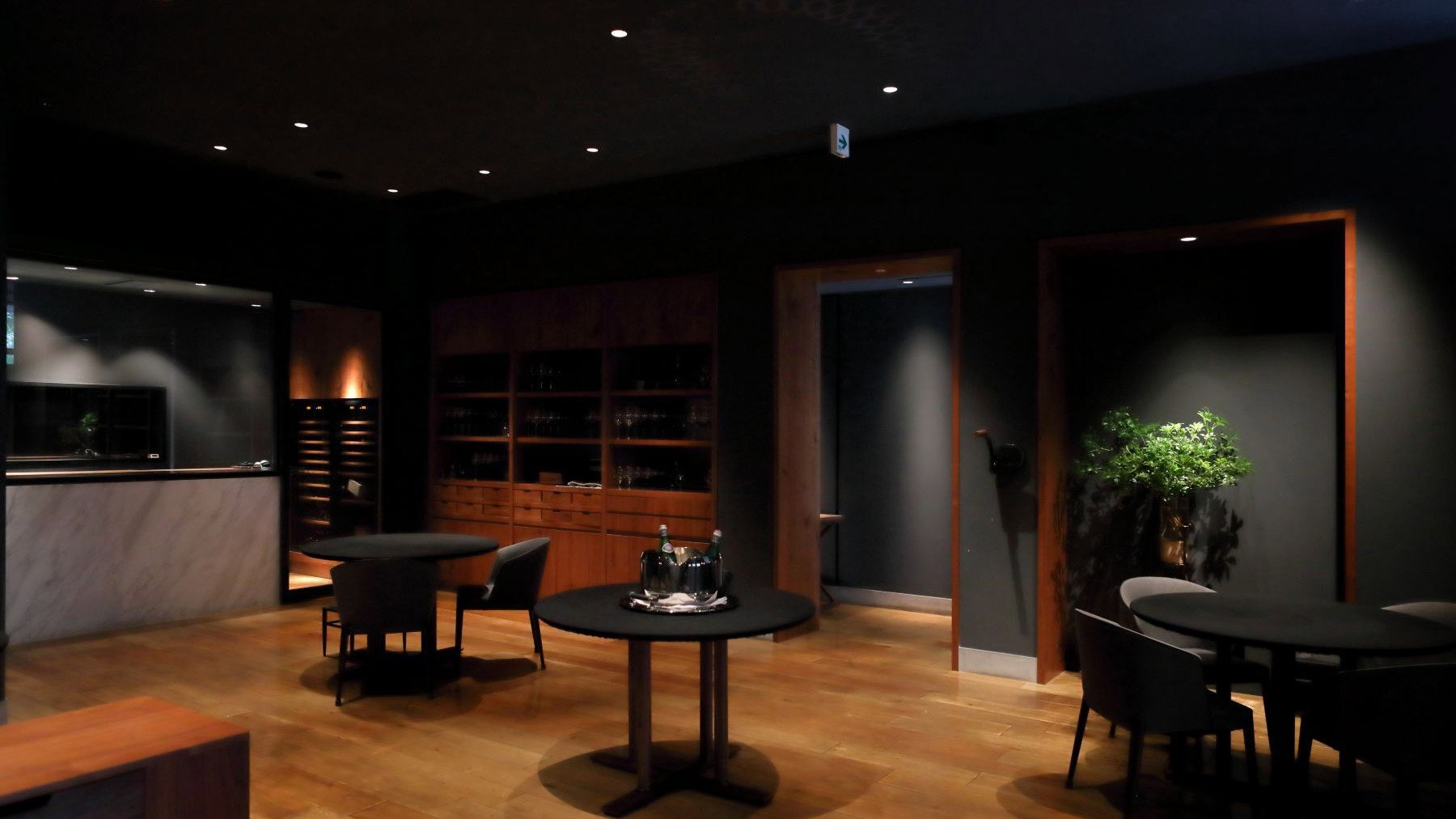
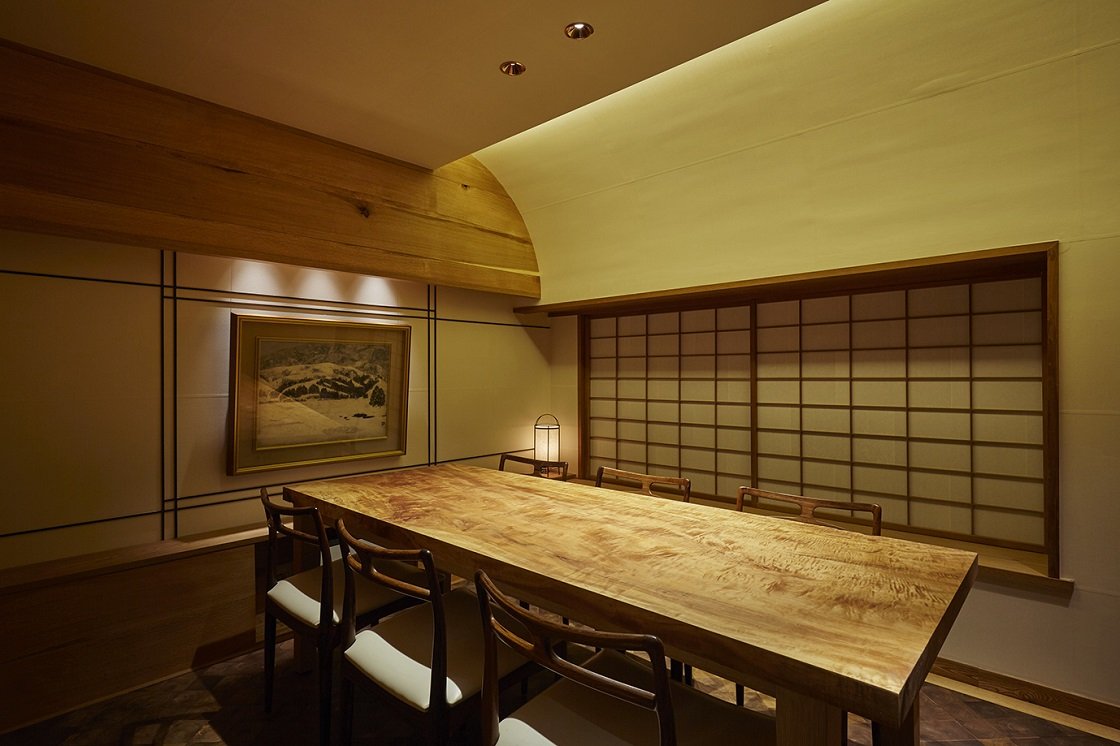
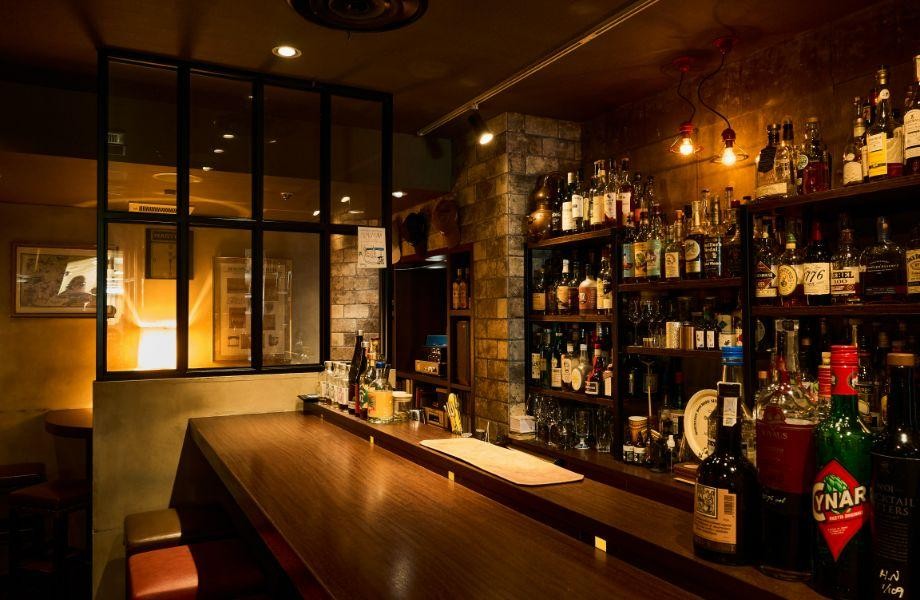
Small, cozy counter seating for 9-10 with a warm, relaxing homey atmosphere and friendly service.
Tags
Vibe
Best For
Experience
Sourcing
At the Table
- Dress Code
- Smart Casual
- Noise Level
- Quiet
- Service Style
- Omakase Bar
- Meal Pacing
- Leisurely
- Capacity
- Intimate
Know before you go
Know Before You Go
- Getting there
- 1 Chome-8-39 Gamou, Joto Ward, Osaka, 536-0016, Japan
Planning details
Location
Recognition and awards
Also consider
Also Consider
- HAJIME, French, Innovative, ¥¥¥¥
- La Cime, French, ¥¥¥¥
- Kashiwaya Osaka Senriyama, Japanese, ¥¥¥
- Taian, Kaiseki, Japanese, ¥¥¥
- Fujiya 1935, Innovative, ¥¥¥¥
Restaurant context
At ¥¥¥, Sushidokoro Hirokawa sits in a different tier entirely from Osaka's most decorated restaurants. HAJIME, La Cime, and Fujiya 1935 all operate at ¥¥¥¥ and offer French or innovative tasting menus with significantly higher production values, multi-course constructions, wine pairings, and the kind of service architecture that justifies a premium spend. If the goal is a landmark meal and budget is secondary, those three are the right options. Hirokawa is not trying to compete on that axis. Its case is based on craft, neighbourhood authenticity, and price discipline.
The more direct comparisons are Kashiwaya Osaka Senriyama and Taian, both Japanese cuisine at ¥¥¥. Kashiwaya and Taian lean into kaiseki structure, multiple course types across a longer sitting, often with private room options that suit groups and formal celebrations. Hirokawa is narrower in format (counter sushi, nigiri-led) but more intimate for two people. If the occasion calls for a private room or a kaiseki arc, Kashiwaya or Taian are the better calls. If you want a counter-format meal with a clear sushi focus, Hirokawa has the edge in specificity.
For solo diners or couples who want a meaningful Osaka meal without committing to a ¥¥¥¥ room, Hirokawa at ¥¥¥ with a Michelin Plate is the practical answer. It is also the easiest option to book across this comparison set, which matters if your travel dates are firm and you are planning a trip rather than waiting for a last-minute table. See our Osaka wineries guide and the full Osaka restaurants guide for additional context on building an itinerary around this part of Japan. If you are also visiting Kyoto or Nara, Gion Sasaki and akordu offer strong reference points for what serious Japanese dining looks like at different price levels across the region.
Explore Osaka
Around this place
Discover more on Pearl
Unlock the full Sushidokoro Hirokawa guide in Pearl, including awards, comparisons, FAQs, planning details, and nearby places.
Compare Sushidokoro Hirokawa
| Venue | Cuisine | Awards | Booking Difficulty |
|---|---|---|---|
| Sushidokoro Hirokawa | Sushi | Michelin Guide Kyoto Osaka 20262026 Michelin Plate2025 Michelin Plate2024 Michelin Plate | Easy |
| HAJIME | French, Innovative | Star Wine Lists 2026 · #12026 Tabelog Bronze · #922026 OAD Top Restaurants in Japan Ranked · #98Michelin Guide Kyoto Osaka 20262026 La Liste Top RestaurantsTabelog 100 - Innovative / Creative cuisine - 2025 · #692025 Asia's 50 Best Restaurants · #832025 OAD Top Restaurants in Japan Ranked · #87We're Smart World Top Restaurants 2025 | Unknown |
| La Cime | French | 2026 Asia's 50 Best Restaurants · #132026 OAD Top Restaurants in Japan Ranked · #1492026 Tabelog Bronze · #231Michelin Guide Kyoto Osaka 20262026 La Liste Top Restaurants2025 Asia's 50 Best Restaurants · #82025 World's 50 Best Restaurants · #44Tabelog 100 - French - WEST - 2025 · #932025 OAD Top Restaurants in Japan Ranked · #123 | Unknown |
| Kashiwaya Osaka Senriyama | Japanese | 2026 Tabelog Bronze · #1682026 OAD Top Restaurants in Japan Recommended2026 Relais Chateaux RestaurantsMichelin Guide Kyoto Osaka 20262026 La Liste Top RestaurantsTabelog 100 - Japanese cuisine - WEST - 2025 · #772025 OAD Top Restaurants in Japan Ranked · #1552025 Relais Chateaux Award2025 Michelin 3 Stars | Unknown |
| Taian | Kaiseki, Japanese | 2026 OAD Top Restaurants in Japan RecommendedMichelin Guide Kyoto Osaka 20262026 La Liste Top Restaurants2025 OAD Top Restaurants in Japan Ranked · #2042025 La Liste Top Restaurants2025 Michelin 3 Stars2024 OAD Top Restaurants in Japan Ranked · #1912024 Michelin 3 Stars2023 OAD Top Restaurants in Japan Highly Recommended | Unknown |
| Fujiya 1935 | Innovative | 2026 Tabelog Bronze · #752026 OAD Top Restaurants in Japan RecommendedMichelin Guide Kyoto Osaka 20262026 La Liste Top Restaurants2025 Michelin 2 Stars2025 Tabelog Silver2025 La Liste Top Restaurants2024 OAD Top Restaurants in Japan Ranked · #2392024 Michelin 2 Stars | Unknown |
.png?width=1200&quality=80)









What to weigh when choosing between Sushidokoro Hirokawa and alternatives.
FAQ
Frequently Asked Questions
Is the tasting menu worth it at Sushidokoro Hirokawa?
For a ¥¥¥ counter with a Michelin Plate (2025), the value proposition is solid. The format — snacks moving into more creative preparations, then small-formed nigiri designed to let you sample broadly — rewards diners who want range over volume. If you prefer a more ceremony-heavy, silence-first omakase, somewhere like Taian may suit you better. Hirokawa is the pick if you want craft without the stiffness.
What should I wear to Sushidokoro Hirokawa?
No dress code is listed for Hirokawa. The Joto Ward setting and the chef's noted approachability suggest this is not a jacket-required room, but it is a Michelin-recognised counter, so dressing tidily is sensible. Neat casual — nothing you'd wear to a convenience store — is a reasonable read.
Is Sushidokoro Hirokawa good for solo dining?
Yes, this is a strong solo booking. Counter sushi is the format that suits solo diners most — you interact directly with the chef, nigiri come small so you move through more items, and the chef's described warmth makes the experience feel social rather than isolating. It is better suited to solo and pairs than to larger groups.
Can Sushidokoro Hirokawa accommodate groups?
No private room or group capacity is documented. Traditional sushi counters of this type are typically small — assume limited seats. Groups of four or more should verify capacity directly before booking, and should be prepared for the possibility that a single counter sitting may not work for larger parties.
What should a first-timer know about Sushidokoro Hirokawa?
Two things set the experience apart from a standard sushi counter: the fish comes from Tsuruhashi Market, and when you order sake, the chef presents Satsuma and Tenma kiriko cut-glass cups from a paulownia wood box — a detail that signals how seriously the chef takes craft lineage. The nigiri are deliberately small so you can sample widely, so don't expect oversized pieces. The location in Gamou, Joto Ward is east Osaka — budget travel time from central Osaka neighbourhoods.
How far ahead should I book Sushidokoro Hirokawa?
Booking windows are not publicly documented, but Michelin Plate recognition in Osaka brings attention even to counters well outside the tourist circuit. Booking several weeks in advance is a reasonable baseline, and booking further out is safer if your travel dates are fixed. No online reservation system or phone number is listed on Pearl, so finding the booking channel will require additional research before you can secure a seat.