
Sushi Hoshiyama
Sushi · Kita, Osaka
Restaurant in Osaka, Japan
 Book with Pearl
The Read
Edo Sequence, Osaka Setting
Price
$200–300per person
Dress
Smart Casual
Why go
A Michelin-starred omakase counter in Osaka's Kita Ward, Sushi Hoshiyama follows the structural logic of Edo-style nigirizushi with Osaka precision: kombu-marinated sea bream, red-vinegar rice served warm, tuna delivered in three successive pieces, and simmered conger eel closing the sequence as tradition demands. The riverside address adds a rare layer of setting to a format where technique is everything.
About Sushi Hoshiyama
Verdict
If you have already visited one of Osaka's more accessible Edomae-style counters, Sushi Hoshiyama is the logical next step. Holding a Michelin star since 2024 and located in Kita Ward's Tillit's Hus building on the river's edge, it executes classical nigiri technique with the kind of precision that rewards returning guests. The price range sits at ¥¥¥¥, which puts it in the same bracket as HAJIME and Fujiya 1935, but those are entirely different formats. For traditional sushi at this tier in Osaka, Hoshiyama is one of the clearest choices you can make.
Portrait
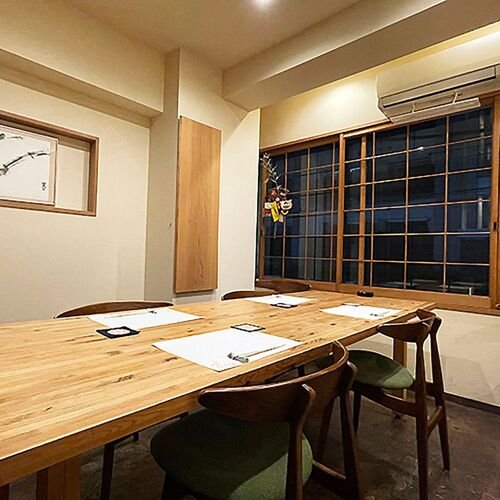
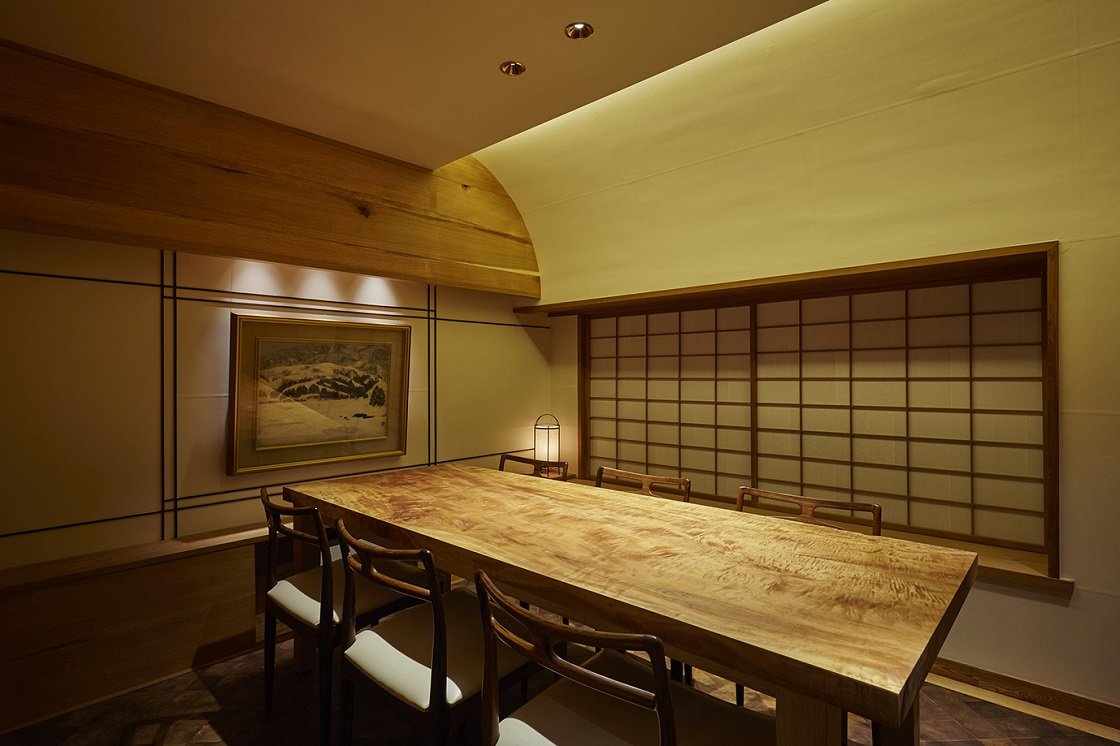
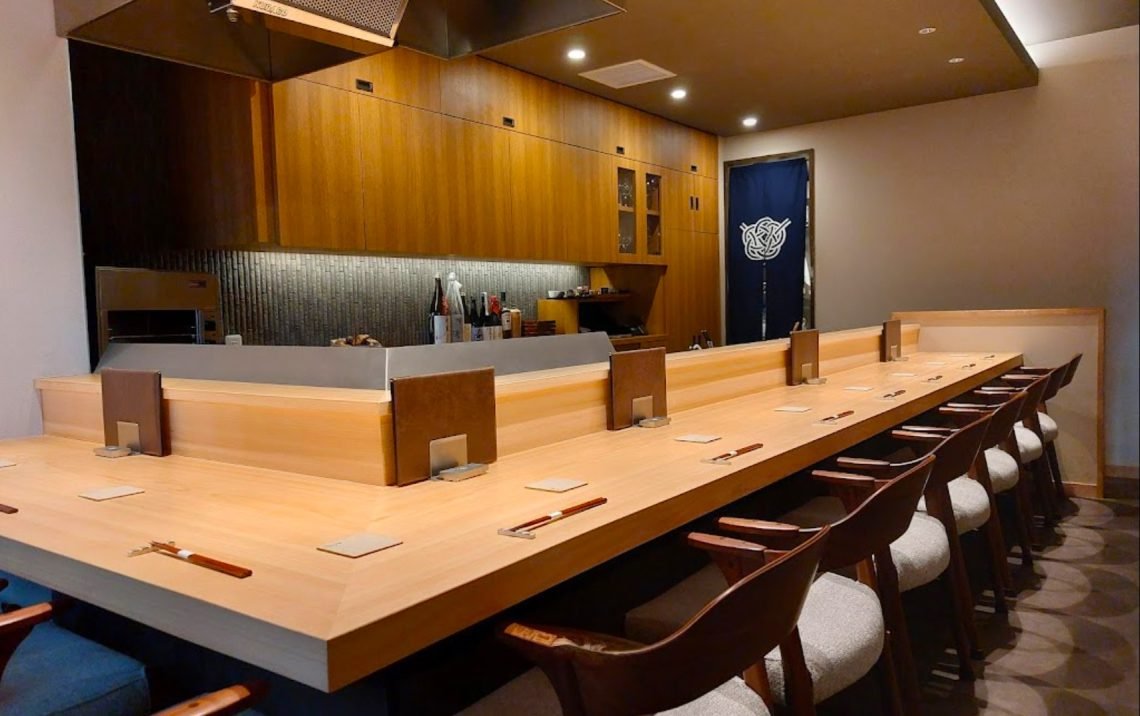
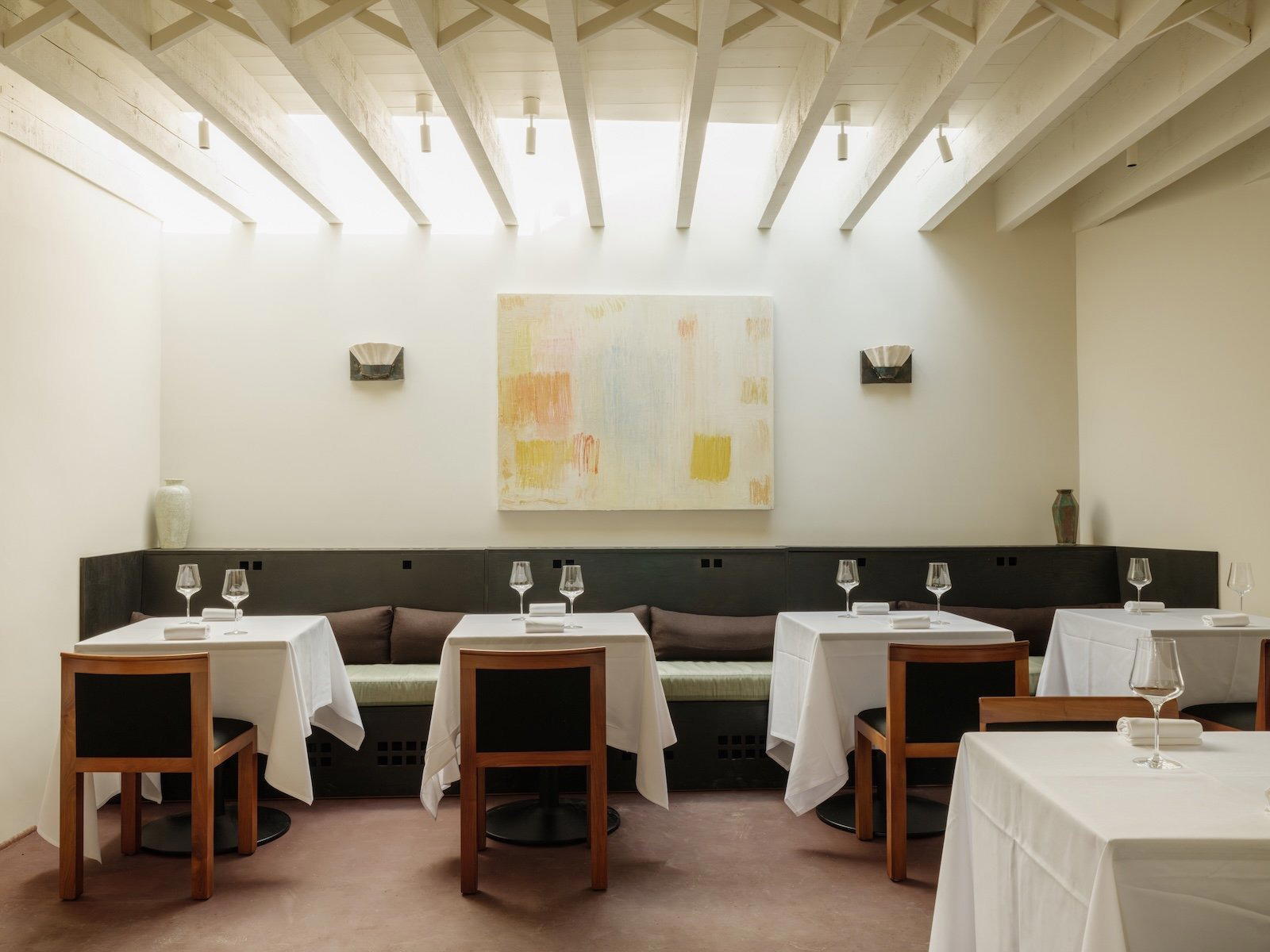
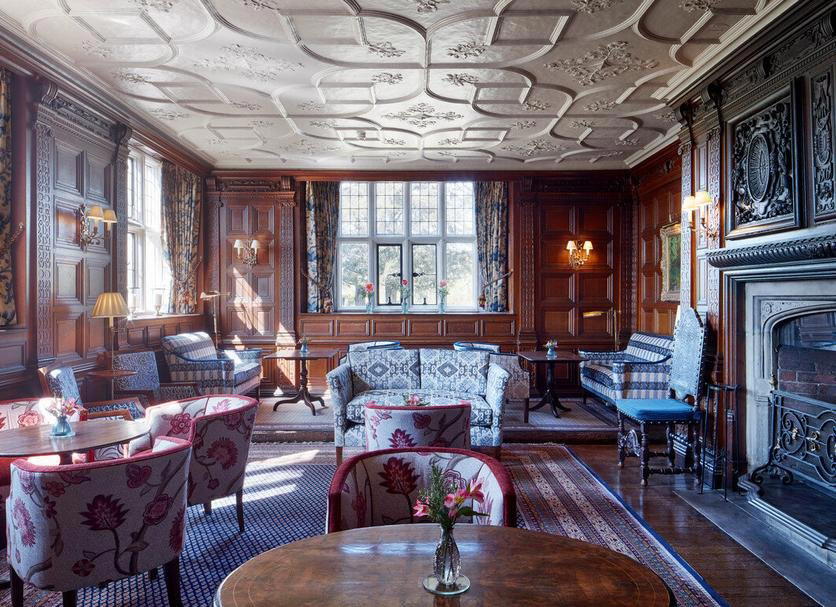
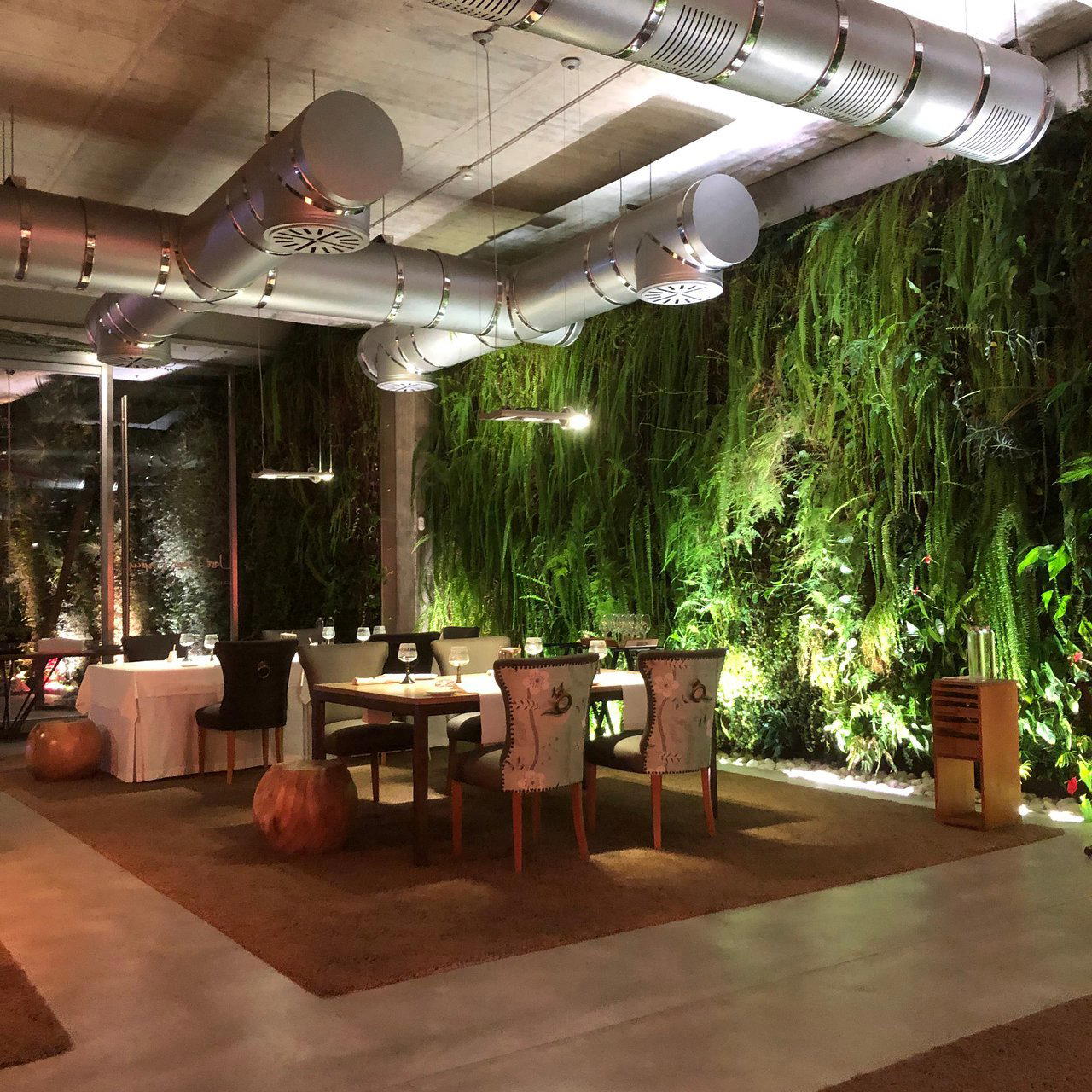
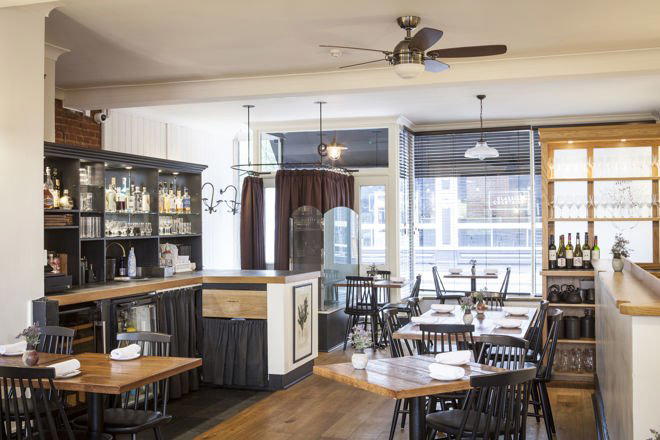
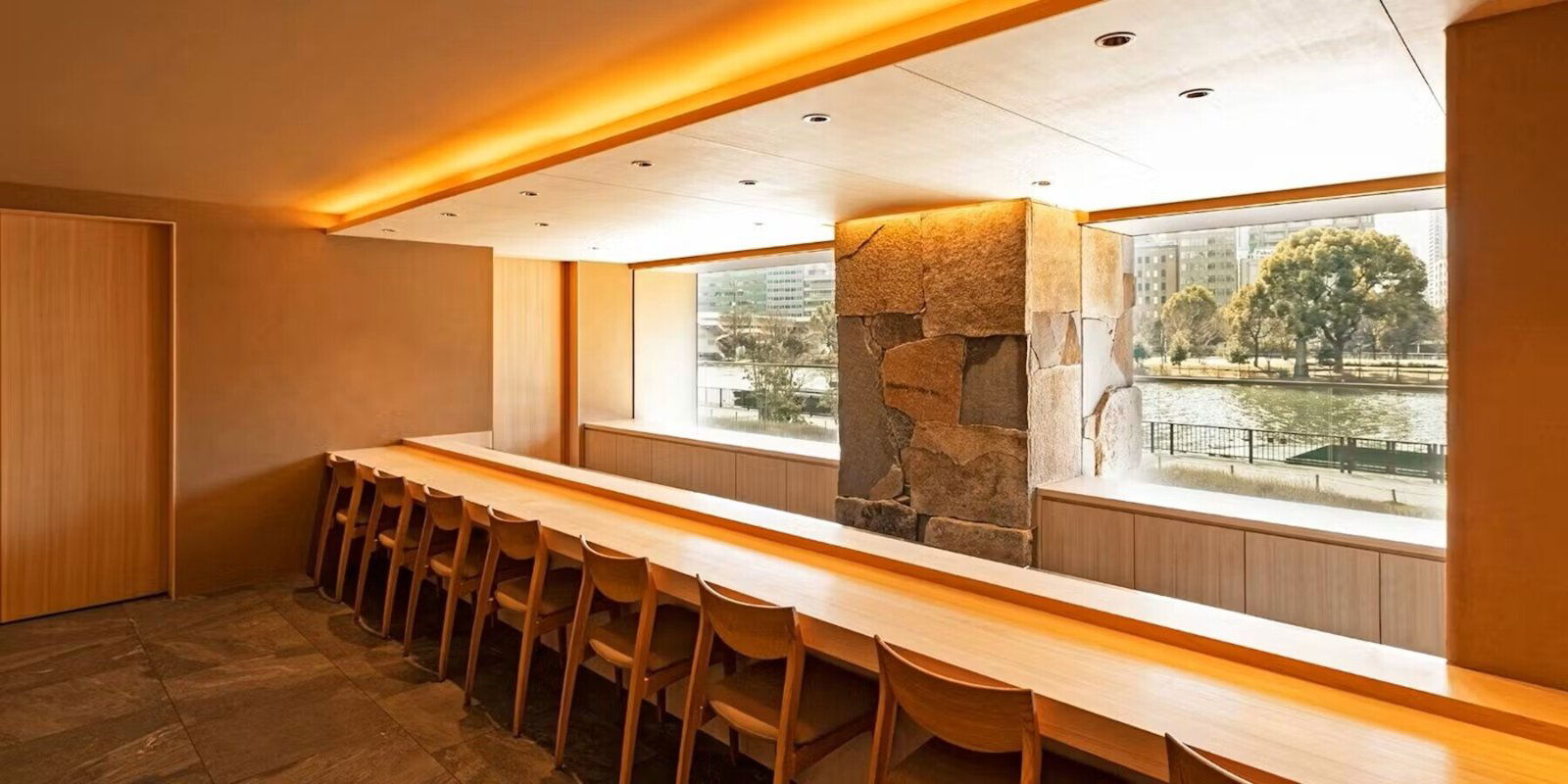
The room sits above the river, and the water view is not incidental: boats move past the windows throughout the meal, giving the space a quiet, unhurried rhythm that most sushi counters in central Osaka cannot offer. Noise is a non-issue here. This is not a lively counter with a convivial crowd; the atmosphere is controlled, focused, and well-suited to conversation between two or three people. If you are after the energy of a packed house, look elsewhere. If you want a counter where the food is the entire point, Hoshiyama delivers that.
The technique follows classical Edomae orthodoxy. Sea bream is marinated in kombu; gizzard shad is cured in vinegar. These are preparations rooted in the pre-refrigeration traditions of Tokyo-style sushi, and Hoshiyama applies them without shortcuts. The rice is seasoned with red vinegar and salt rather than rice-wine vinegar, which gives it a slightly more mineral character and a deeper colour. It is served on the warm side, which is the correct call: warm rice releases fat more readily from the fish, and the flavour integration is noticeably better than at counters that let the rice cool.
Progression is structured in the old-fashioned way: white-flesh fish first, tuna in three successive pieces, and simmered conger eel to close. For guests visiting a second or third time, this structure is worth understanding because it shapes how you pace yourself. On a first visit, the tuna sequence, arriving mid-meal in three pieces, tends to dominate the memory. On a return visit, pay more attention to the white-flesh opening sequence and to the final conger, which is the chef's clearest statement of classical restraint.
Multi-Visit Strategy
First visit: Let the sequence land without intervention. The tuna trio is the anchor and will tell you immediately whether the kitchen's sourcing is at the level the Michelin recognition implies. It is.
Second visit: Focus on the kombu-marinated sea bream and the vinegar-cured gizzard shad in the early sequence. These are the pieces where the apprenticeship training is most visible, the balance of acidity and fish fat in the shad in particular is calibrated to a degree that takes years to develop. Also note how the rice temperature is held consistently from the first piece to the last, which is harder to achieve than it sounds.
Third visit: Watch the conger eel. Simmered eel is one of the most telling preparations in Edomae sushi because there is nothing to hide behind, no bright acidity, no contrasting texture, just the quality of the fish and the skill of the simmering. At Hoshiyama, it closes the meal in the traditional way, and it earns that position.
For context on how Hoshiyama sits within Osaka's broader sushi scene, see also Sushi Harasho, Matsuzushi, Sushi Murakami Jiro, Sushi Sanshin, and Sushi Yuden. If you are building a sushi-focused trip across Japan, Harutaka in Tokyo and Sushi Shikon in Hong Kong are the most natural reference points for Edomae technique at a comparable tier. Shoukouwa in Singapore is worth considering if your itinerary extends to Southeast Asia.
For wider Osaka planning, see our full Osaka restaurants guide, Osaka hotels guide, Osaka bars guide, Osaka wineries guide, and Osaka experiences guide. If your trip extends to the Kansai region, Gion Sasaki in Kyoto and akordu in Nara are worth adding. Further afield, Goh in Fukuoka, 1000 in Yokohama, and 6 in Okinawa each represent their cities well at the top tier.
Ratings & Recognition
- Michelin: 1 Star (2024)
- 4.2 from 109 reviews
- Price: ¥¥¥¥
Booking
Booking difficulty is assessed as hard. With only one Michelin star awarded in 2024 and a small counter format, seats are limited and demand has risen accordingly. Build in at least four to six weeks of lead time, more if you are visiting during peak season (spring cherry blossom or autumn). Walk-ins are very unlikely to succeed.
Practical Details
| Detail | Sushi Hoshiyama | Sushi Harasho | Sushi Sanshin |
|---|---|---|---|
| Price tier | ¥¥¥¥ | Confirm on site | Confirm on site |
| Awards | Michelin 1 Star (2024) | See listing | See listing |
| Format | Edomae nigiri counter | Sushi counter | Sushi counter |
| Booking difficulty | Hard | Moderate | Moderate |
| Setting | Riverside, Kita Ward | Osaka city | Osaka city |
Planning details
- Hours
- Monday: 5:30–11 PM · Tuesday: Closed
- Location
- Japan, 〒530-0046 Osaka, Kita Ward, Sugaharacho, 1−16 Tillit’s Hus, 1階
- Website
- sushi-hoshiyama.com
- Phone
- +81 6-6361-1622
The take
The Take
The Vibe
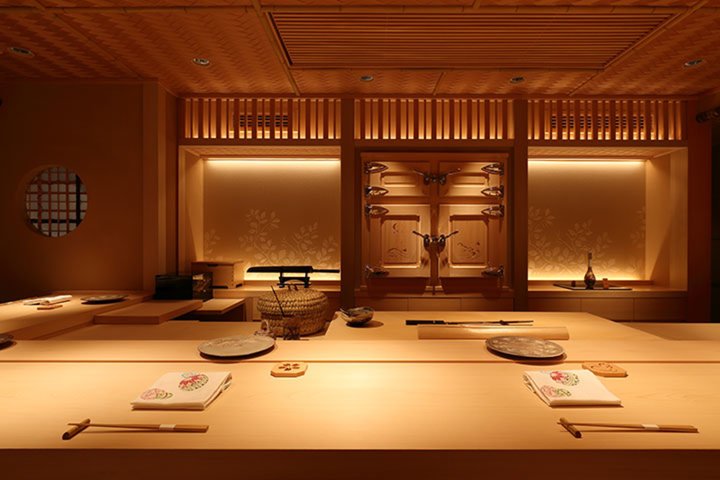
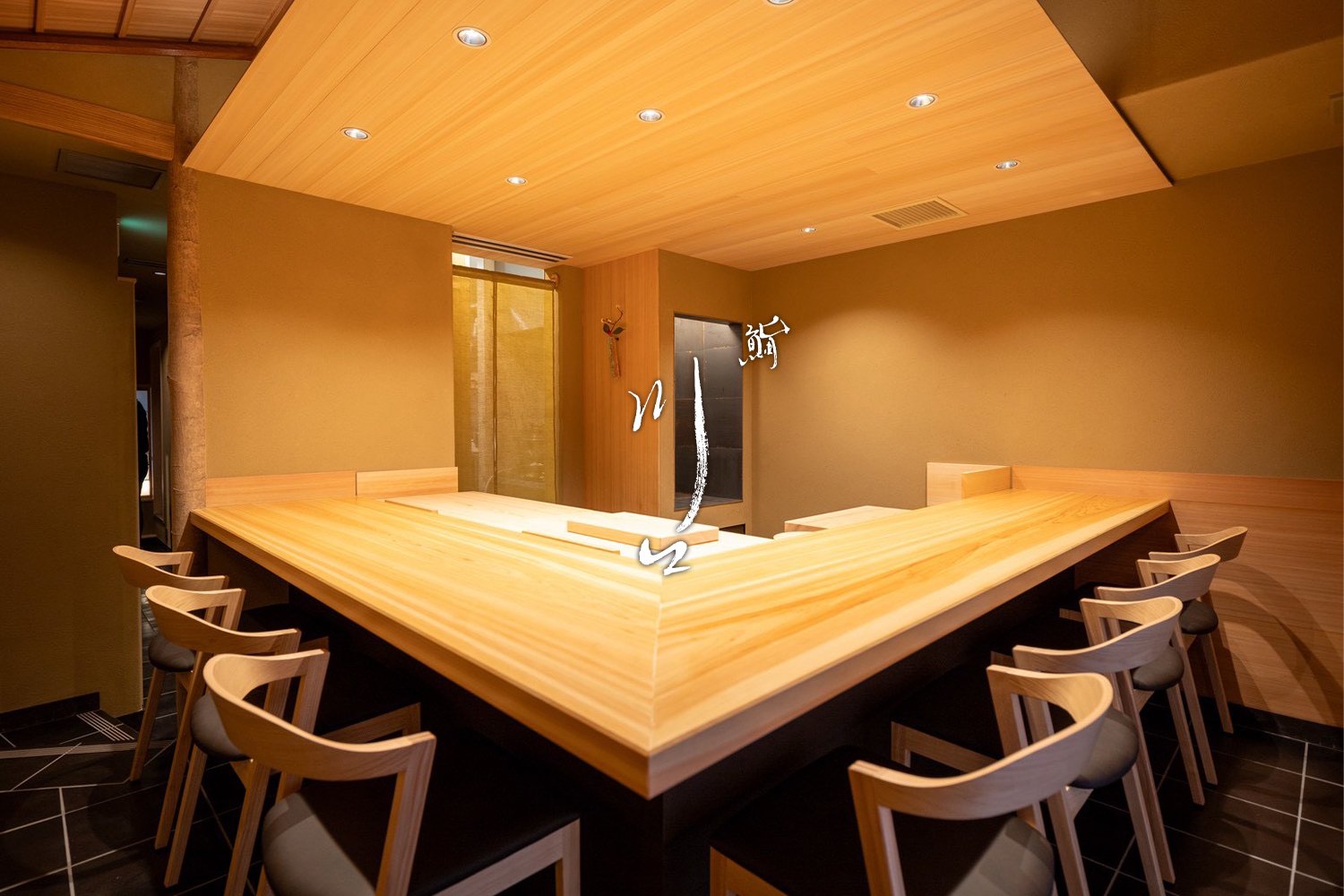
Sushi Hoshiyama is a quietly scenic omakase counter where disciplined technique and inward focus define the experience. The one‑Michelin‑star counter channels Edo‑style nigirizushi tempered by an Osaka sensibility, brighter marination and a deeper red‑vinegar seasoning, and the dining room deliberately keeps its attention inward, letting the wood, the chefs’ movements and the rice set the tone. A narrow concession to the outside world, boats drifting on the Sugaharacho visible through a window, punctuates the meal without distracting from the concentrated, classical service.
Best For
This is a reservation for serious sushi diners and intimate pairings: ideal for date nights and special occasions that call for a focused, ceremonial meal. The counter format places guests directly in front of the chef’s sequence, so the experience suits small parties or pairs who want to watch technique and taste a carefully ordered progression of nigiri. The Michelin distinction and the measured Osaka‑style preparations make it appropriate for anyone seeking a refined, traditional omakase rather than casual sushi dining.
Ordering Tips
Sushi Hoshiyama operates as a counter omakase, so diners should expect a prescribed sequence rather than à la carte choices; the menu opens with pale white‑flesh fish and builds through Osaka‑style preparations. Trusting the chef is the best approach: the kitchen emphasizes red‑vinegar rice and pre‑seasoned fish, so asking to alter that balance is likely unnecessary. Because the meal is inward‑facing and carefully paced, plan for a deliberate, multi‑course tasting and allow the chef to lead the flow.
Venue details
Ambiance
Intimate counter seating for 8 guests with a cautious, focused atmosphere centered on the chef's precise sushi preparation.
Tags
Vibe
Best For
Experience
At the Table
- Dress Code
- Smart Casual
- Noise Level
- Quiet
- Service Style
- Omakase Bar
- Meal Pacing
- Leisurely
- Capacity
- Intimate
- Kitchen
- Traditional
- Menu Format
- Omakase, Counter dining
Know before you go
Know Before You Go
- Getting there
- Japan, 〒530-0046 Osaka, Kita Ward, Sugaharacho, 1−16 Tillit’s Hus, 1階
Planning details
Hours
- Monday
- 5:30–11 PM
- Tuesday
- Closed
- Wednesday
- 5:30–11 PM
- Thursday
- 5:30–11 PM
- Friday
- 5:30–11 PM
- Saturday
- 5:30–11 PM
- Sunday
- 5:30–11 PM
Location
Japan, 〒530-0046 Osaka, Kita Ward, Sugaharacho, 1−16 Tillit’s Hus, 1階 · Directions
Recognition and awards
Also consider
Also Consider
- HAJIME: French, Innovative, ¥¥¥¥
- La Cime: French, ¥¥¥¥
- Kashiwaya Osaka Senriyama: Japanese, ¥¥¥
- Taian: Kaiseki, Japanese, ¥¥¥
- Fujiya 1935: Innovative, ¥¥¥¥
Explore Osaka
Around this place
Discover more on Pearl
Unlock the full Sushi Hoshiyama guide in Pearl, including awards, comparisons, FAQs, planning details, and nearby places.
Compare Sushi Hoshiyama
| Venue | Awards | Price |
|---|---|---|
| Sushi Hoshiyama | 2026 Michelin 1 StarMichelin Guide Kyoto Osaka 20262024 Michelin 1 Star | ¥¥¥¥ |
| HAJIME | Star Wine Lists 2026 · #12026 Tabelog Bronze · #922026 OAD Top Restaurants in Japan Ranked · #98Michelin Guide Kyoto Osaka 20262026 La Liste Top RestaurantsTabelog 100 - Innovative / Creative cuisine - 2025 · #692025 Asia's 50 Best Restaurants · #832025 OAD Top Restaurants in Japan Ranked · #87We're Smart World Top Restaurants 2025 | ¥¥¥¥ |
| La Cime | 2026 Asia's 50 Best Restaurants · #132026 OAD Top Restaurants in Japan Ranked · #1492026 Tabelog Bronze · #231Michelin Guide Kyoto Osaka 20262026 La Liste Top Restaurants2025 Asia's 50 Best Restaurants · #82025 World's 50 Best Restaurants · #44Tabelog 100 - French - WEST - 2025 · #932025 OAD Top Restaurants in Japan Ranked · #123 | ¥¥¥¥ |
| Kashiwaya Osaka Senriyama | 2026 Tabelog Bronze · #1682026 OAD Top Restaurants in Japan Recommended2026 Relais Chateaux RestaurantsMichelin Guide Kyoto Osaka 20262026 La Liste Top RestaurantsTabelog 100 - Japanese cuisine - WEST - 2025 · #772025 OAD Top Restaurants in Japan Ranked · #1552025 Relais Chateaux Award2025 Michelin 3 Stars | ¥¥¥ |
| Taian | 2026 OAD Top Restaurants in Japan RecommendedMichelin Guide Kyoto Osaka 20262026 La Liste Top Restaurants2025 OAD Top Restaurants in Japan Ranked · #2042025 La Liste Top Restaurants2025 Michelin 3 Stars2024 OAD Top Restaurants in Japan Ranked · #1912024 Michelin 3 Stars2023 OAD Top Restaurants in Japan Highly Recommended | ¥¥¥ |
| Fujiya 1935 | 2026 Tabelog Bronze · #752026 OAD Top Restaurants in Japan RecommendedMichelin Guide Kyoto Osaka 20262026 La Liste Top Restaurants2025 Michelin 2 Stars2025 Tabelog Silver2025 La Liste Top Restaurants2024 OAD Top Restaurants in Japan Ranked · #2392024 Michelin 2 Stars | ¥¥¥¥ |










Side-by-side comparison to help you decide where to book.
FAQ
Frequently Asked Questions
What should I wear to Sushi Hoshiyama?
Dress conservatively and avoid heavy fragrances: this is a small, intimate counter where scent competes with the fish. No dress code is published, but the ¥¥¥¥ price point and Michelin 1 Star setting signal that neat, understated clothing is the right call. Think smart-casual at minimum; avoid anything casual enough to draw attention.
Can Sushi Hoshiyama accommodate groups?
This is a small counter format, which makes it a poor fit for large groups. Parties of two are the natural unit here; anything above four risks fragmenting the experience or occupying most of the room. If you are planning a group celebration, check availability early and ask directly: the counter size limits options regardless of demand.
How far ahead should I book Sushi Hoshiyama?
Book at least four to six weeks ahead. The 2024 Michelin 1 Star award has tightened availability considerably, and the counter is small enough that a single busy period can exhaust near-term slots. Booking difficulty is assessed as hard: treat this like any sought-after omakase counter in Japan and plan accordingly.
Is Sushi Hoshiyama good for a special occasion?
Yes, provided the occasion suits a quiet, focused meal rather than a celebratory atmosphere. The river-edge setting, the structured Edomae sequence ending with simmered conger eel, and the Michelin 1 Star credential make it a strong choice for a milestone dinner for two. It is not the right venue if you need noise, toasts, or a party-friendly room.
Is Sushi Hoshiyama worth the price?
At ¥¥¥¥, the menu includes kombu-marinated sea bream, vinegar-cured gizzard shad, red-vinegar-seasoned rice served warm, and a tuna sequence served in three successive pieces. If Edomae precision is what you are paying for, the Michelin 1 Star suggests the kitchen delivers it. If you want broader creative ambition at a similar price, La Cime or Fujiya 1935 offer different returns.
What are alternatives to Sushi Hoshiyama in Osaka?
For traditional Edomae sushi at a similar level, Taian is the closest peer in format and discipline. For a broader fine-dining commitment in Osaka at ¥¥¥¥ spend, Kashiwaya Osaka Senriyama and La Cime both represent strong alternatives: the latter offers a French-influenced tasting menu if sushi is not your primary format. Fujiya 1935 is worth considering if creative progression matters more than classical restraint.
Is the tasting menu worth it at Sushi Hoshiyama?
The structured Edomae sequence is the entire point of booking here: there is no à la carte fallback to consider. The progression from white-flesh fish through a three-piece tuna sequence to simmered conger eel follows a classical arc rooted in the chef's apprenticeship training. If that format suits you, the Michelin 1 Star (2024) is a credible signal that the execution justifies the ¥¥¥¥ price. If you prefer a less fixed format, look elsewhere.