

Tenjaku
Tempura · Kamigyō, Kyoto
Restaurant in Kyoto, Japan
 Book with Pearl
The Read
Inherited Tempura Kaiseki
Price
$150–200per person
Dress
Smart Casual
Why go
Tenjaku is a Michelin-starred tempura kaiseki counter in Kyoto's Kamigyo Ward, rated 4.9 and priced at ¥¥¥: real value for the category. The kitchen fries each item individually in canola oil and finishes with its signature chopped onion and mustard dressing, a method inherited across generations. Book six to eight weeks ahead minimum; this is one of Kyoto's harder Michelin reservations to land.
About Tenjaku
Should You Book Tenjaku?
If you are planning a special occasion meal in Kyoto and want tempura taken seriously at the kaiseki level, this is the clearest recommendation in its category. Book as early as possible: this is not a walk-in venue.
What Tenjaku Is
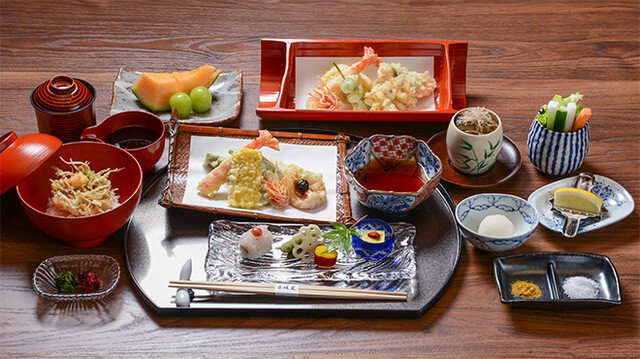
Tenjaku is a tempura kaiseki counter in Kyoto's Kamigyo Ward, built around a method the current chef inherited from his grandfather. The format is structured and unhurried: each tempura item is fried individually in canola oil, coated lightly, and served one piece at a time. The dipping sauce arrives warm. A deep-fried tofu preparation preserves the grandfather's original method. What distinguishes the Tenjaku style specifically is the finishing of tempura items with chopped onions and mustard: a signature that sets it apart from the cleaner, more neutral style at venues like Miyagawacho Tensho or the refined restraint of Tempura Matsu. The meal closes with white rice cooked in clay pots, which reflects the kitchen's stated intention that aftertastes should be clean and light rather than heavy.
The cuisine philosophy is rooted in seasonality, the kitchen frames Japanese cuisine as an expression of the turning of the seasons, and the tempura selection shifts accordingly. This is not a venue where you choose from a printed menu of fixed options. The kaiseki structure means the kitchen dictates the sequence, and what you eat will reflect the season you visit in. That framing matters if you are deciding when to go: Kyoto's spring and autumn seasons, when seasonal ingredients are at their peak, are when this format delivers its strongest argument.
The Experience: Special Occasions and Group Dining
Tenjaku works well as a celebration or milestone dinner for two. The counter format, one piece at a time, creates a natural rhythm that suits a considered meal rather than a social gathering with a lot of cross-table conversation. For date nights or a quiet anniversary dinner, the sequenced pacing is an asset. For a louder group celebration, it is worth considering whether the format aligns with what your party actually wants from an evening.
If you are a party of four or more, contact the restaurant directly and early, not just to confirm availability, but to understand what the room can actually accommodate for your group. Private dining arrangements, if available, would need to be established at booking stage. Venues like Gion Senryu or Enyuan Kobayashi offer useful alternatives if your group needs more flexible seating configurations.
For a business meal, Tenjaku's Michelin status gives it credibility, and the structured format keeps the meal moving without requiring guests to navigate choices. That said, the counter setting does not offer the privacy of a private dining room, which matters if the conversation is sensitive. Factor that in if the business context requires discretion.
Booking Tenjaku
Getting a table here is legitimately hard. Michelin-starred kaiseki and tempura counter seats in Kyoto are among the most sought-after reservations in Japan, and Tenjaku's rating data suggests a small room with very consistent demand. Book at least six to eight weeks ahead for a weekend seat, and ideally further out if you are travelling during peak Kyoto periods, late March through early May (cherry blossom season) and October through mid-November (autumn foliage). Visiting in the quieter summer months may give you marginally better access, though July in Kyoto is hot and humid, and the ingredient selection in August can be narrower than spring or autumn. For context on how this compares to booking difficulty across the city, see our full Kyoto restaurants guide.
Price and Value
Tenjaku is priced at ¥¥¥, a tier below the ¥¥¥¥ kaiseki institutions like Kyokaiseki Kichisen or Ifuki. For a Michelin-starred, counter-based meal in Kyoto, that positioning represents real value. You are paying for craft and lineage rather than a luxury hospitality package, which is the right trade-off if the food itself is the priority. If you want the full kaiseki kaiseki spectacle with lacquerware and a garden view, look at Kyoboshi. If your priority is the tightest possible tempura technique at a Michelin level, Tenjaku is the better call at this price point.
For tempura specifically at Michelin level across the Kansai region, you can also consider Numata or Shunsaiten Tsuchiya in Osaka if Kyoto access proves difficult. For broader Japan comparisons at this level, Harutaka in Tokyo and HAJIME in Osaka set the national benchmark for what a starred counter experience can deliver.
Practical Details
| Detail | Tenjaku | Tempura Matsu | Miyagawacho Tensho |
|---|---|---|---|
| Cuisine | Tempura kaiseki | Tempura | Tempura |
| Price tier | ¥¥¥ | ¥¥¥ | ¥¥¥ |
| Michelin | 1 Star (2024) | Confirm at booking | Confirm at booking |
| Booking difficulty | Hard | Moderate–Hard | Moderate–Hard |
| Format | Counter, kaiseki sequence | Counter | Counter |
| Leading for | Special occasion, couples | Tempura purists | Seasonal kaiseki |
For more on where to stay, drink, and spend time around your booking, see our full Kyoto hotels guide, our full Kyoto bars guide, and our full Kyoto experiences guide. If you are extending into the broader Kansai and Japan region, akordu in Nara and Goh in Fukuoka are worth the detour. 1000 in Yokohama and 6 in Okinawa round out a broader Japan itinerary at this quality level.
Frequently Asked Questions
How far ahead should I book Tenjaku?
Six to eight weeks minimum for a weekend table, more if you are visiting during cherry blossom (late March to early May) or autumn foliage (October to mid-November) seasons. Tenjaku holds a Michelin star in a city where starred counter seats are among the hardest reservations in Japan. Treat this like booking a leading omakase in Tokyo, early planning is not optional, it is the only way to guarantee access.
What should I wear to Tenjaku?
Smart casual is a safe baseline for a ¥¥¥ Michelin-starred counter in Kyoto. No jeans or trainers. Given the counter format and the kaiseki structure, guests are generally expected to dress in a way that matches the seriousness of the meal. Kyoto's Michelin dining culture skews more formal than Tokyo's, so err on the side of being slightly overdressed rather than under. A jacket for men is advisable.
Can Tenjaku accommodate groups?
Counter kaiseki venues in Kyoto typically run eight to twelve seats total, so a group of six or more will likely take up most or all of the room. Contact Tenjaku directly at booking stage to confirm what they can accommodate and whether any private arrangement is possible. If you need confirmed private dining or more flexible seating for a larger group, Gion Senryu or Enyuan Kobayashi are worth exploring as alternatives.
Can I eat at the bar at Tenjaku?
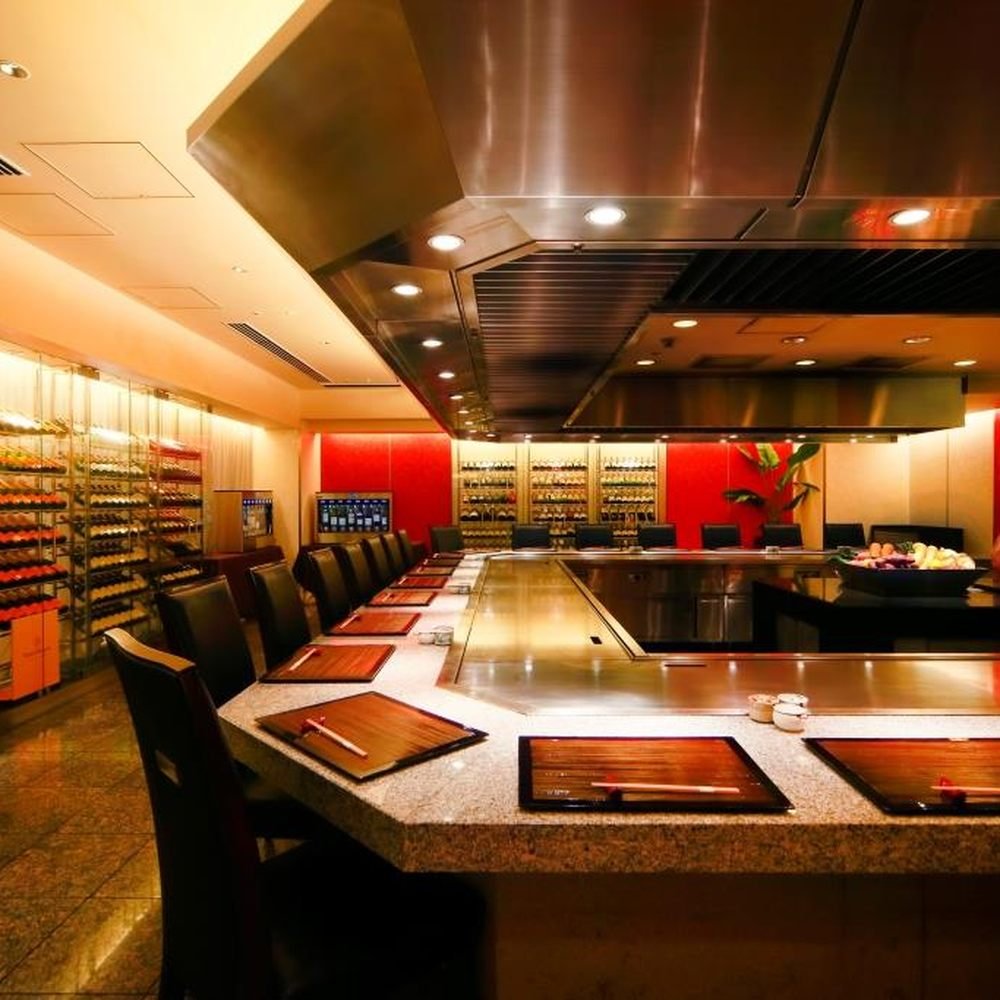
Tenjaku is a counter-format restaurant, which means the counter IS the dining experience, there is no separate bar area to drop into for a quick bite. Every seat is part of the kaiseki sequence. Walk-ins are not a realistic option given the demand and the format. If you want a counter seat, you book it. If you are looking for a more casual tempura experience in Kyoto where you can eat without a full reservation, the format here is not designed for that.
What should a first-timer know about Tenjaku?
Three things worth knowing before you go. First, the sequence is fixed, this is not an a la carte meal. You eat what the kitchen sends, in the order it arrives, and that sequence reflects the season. Second, the Tenjaku style finishes tempura with chopped onions and mustard, which is distinctive and not universal to tempura kaiseki, go in knowing that. Third, the meal ends with clay-pot rice deliberately, because the kitchen wants the finish to be light. Do not expect a heavy dessert course. At ¥¥¥ with a Michelin star, this is one of the better-value serious meals in Kyoto, but it rewards diners who understand the format and come prepared for a considered, unhurried experience.
Planning details
- Hours
- Monday: 6–10 PM · Tuesday: 6–10 PM
- Location
- Japan, 〒602-8475 Kyoto, Kamigyo Ward, Botanbokocho, 570
- Website
- pocket-concierge.jp/ja/restaurants/245273
The take
The Take
The Vibe
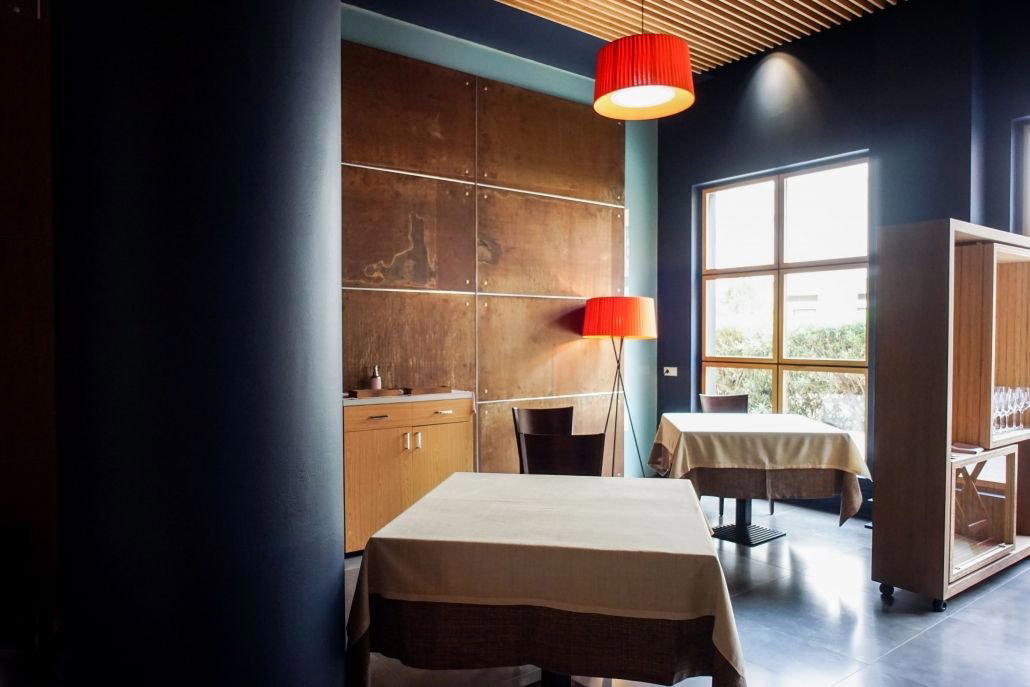
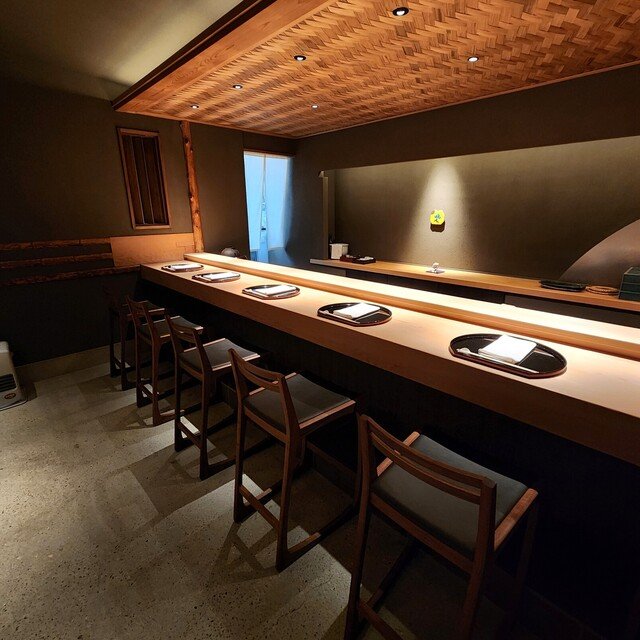
Tenjaku reads like a study in restraint: the kaiseki logic of Kyoto meets the immediacy of tempura, and the dining room reflects that discipline. The kitchen sequences single-ingredient fry courses with seasonal precision, producing an atmosphere that favors quiet observation over theatrical flourish. Service is measured and technical rather than exuberant, and the small scale of the room concentrates attention on timing and texture. The overall mood is serene and understated: an intimate, composed place where the composition of each course matters as much as the ingredients themselves.
Best For
This is a destination for diners seeking a focused, Michelin-recognized kaiseki experience without the top-tier price bracket. Tenjaku suits special evenings: anniversaries, refined date nights or business dinners where technical execution and seasonal sequencing are the draw. Its one-star status and multi-course tempura format make it better for planned, deliberate meals than casual drop-ins. The restaurant’s smaller audience and high level of kitchen craft reward guests who want a concentrated tasting that foregrounds single-ingredient frying within Kyoto’s ceremonial culinary framework.
Ordering Tips
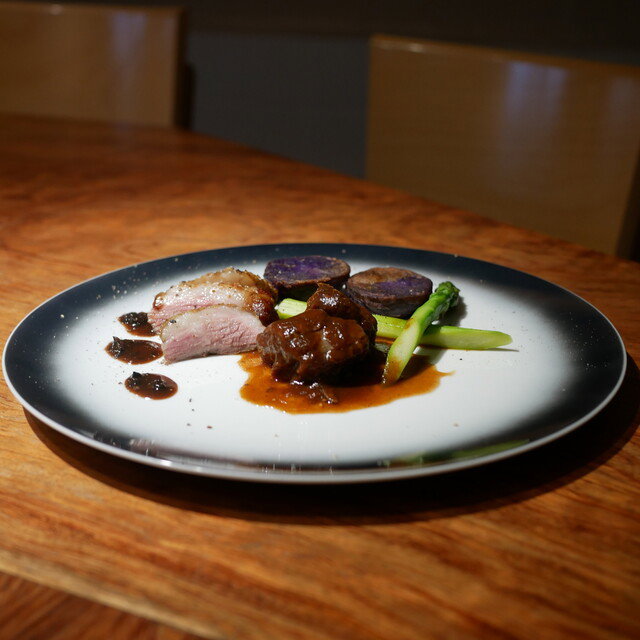
Expect a multi-course tempura kaiseki where plates arrive in careful sequence and immediate consumption matters. The menu highlights single-ingredient fry techniques, so let each course arrive and be eaten promptly to appreciate texture. Signature moments to look for include tofu tempura and the tempura fig with black miso; the kitchen’s choice to fry in canola oil produces a lighter finish that shapes the tasting balance. Because the format emphasizes sequencing and seasonality, plan for a full, sit-down meal rather than a quick counter-style lunch.
Venue details
Ambiance
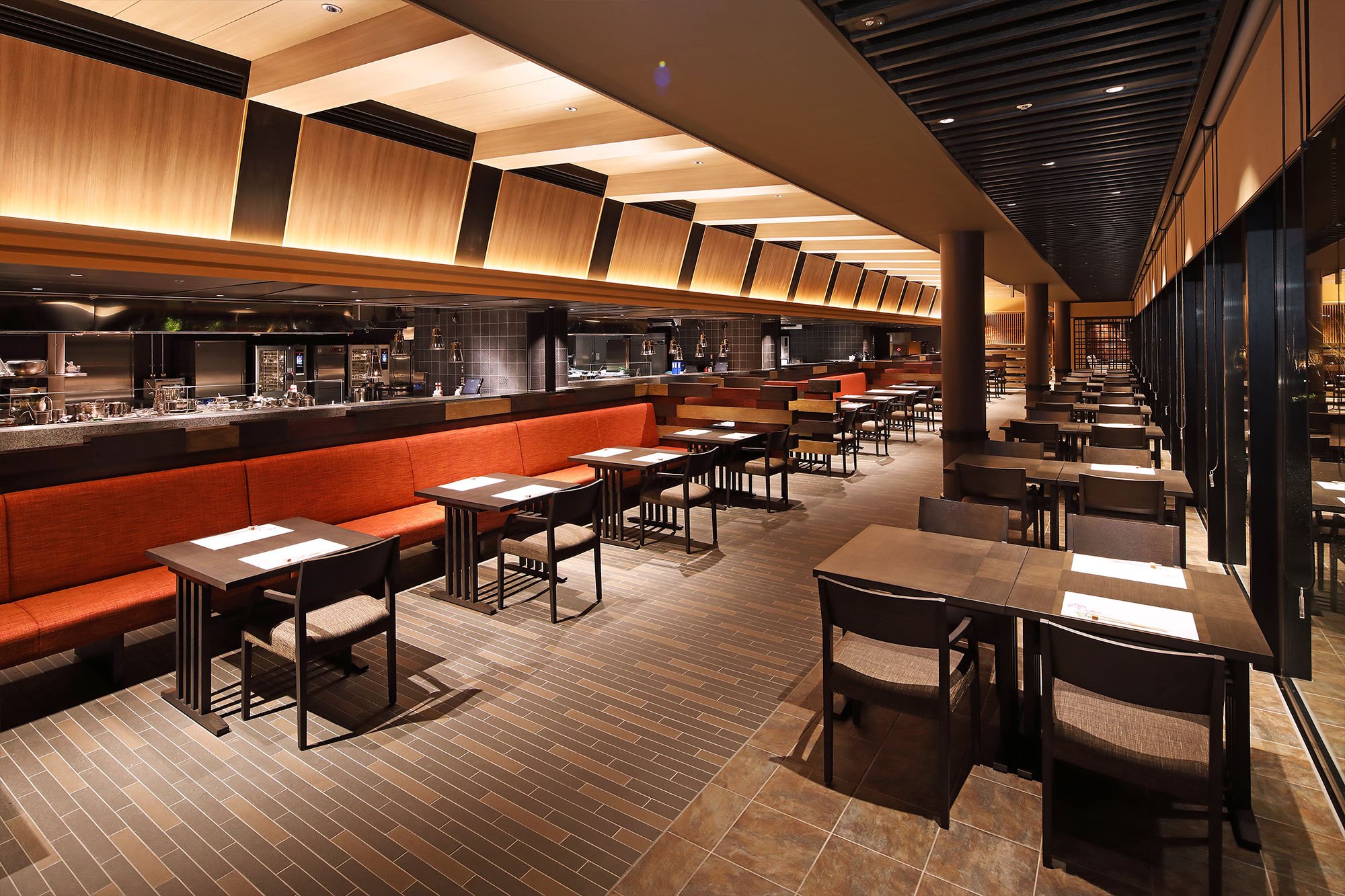
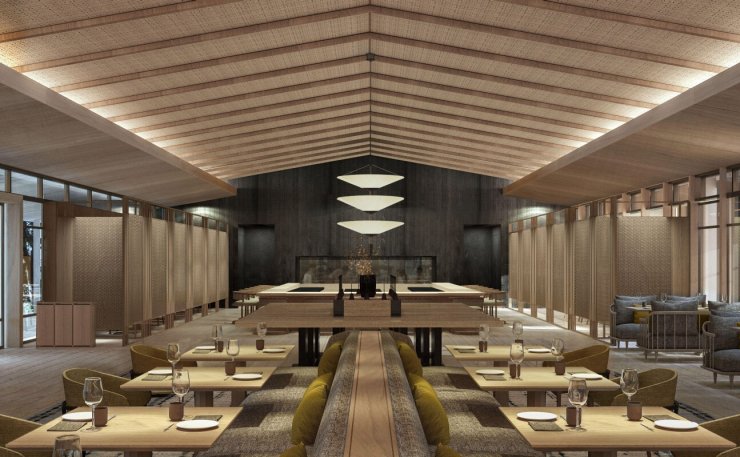
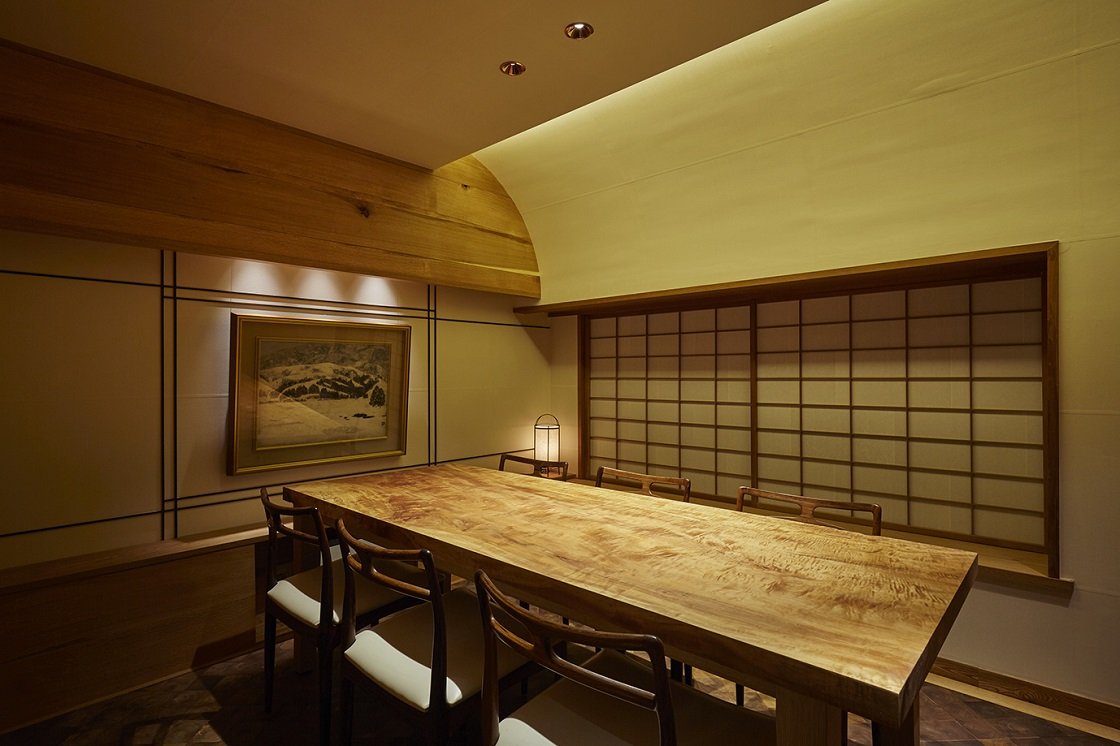
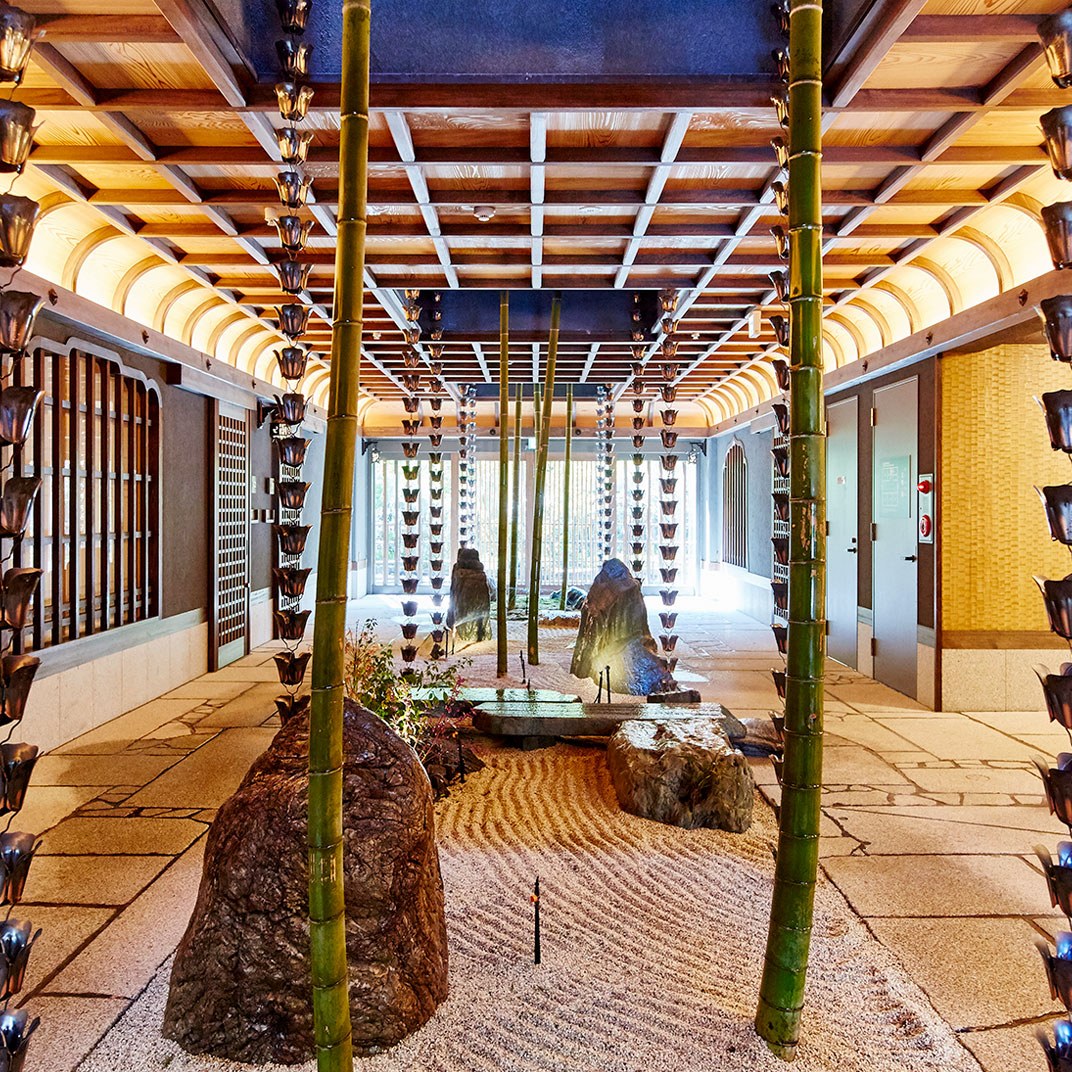
Serene and dignified with traditional Japanese craftsmanship, cozy repose from the hinoki counter, and subtle natural sounds from bamboo ceiling.
Tags
Vibe
Best For
Experience
At the Table
- Dress Code
- Smart Casual
- Noise Level
- Quiet
- Service Style
- Formal
- Meal Pacing
- Leisurely
- Capacity
- Intimate
- Kitchen
- Traditional
- Menu Format
- Omakase, Counter dining
- Drinks Focus
- Sake
- Private Dining
- Available
Signature Dishes
- tofu tempura
- tempura fig with black miso
Know before you go
Know Before You Go
- Getting there
- Japan, 〒602-8475 Kyoto, Kamigyo Ward, Botanbokocho, 570
Planning details
Hours
- Monday
- 6–10 PM
- Tuesday
- 6–10 PM
- Wednesday
- Closed
- Thursday
- 6–10 PM
- Friday
- 6–10 PM
- Saturday
- 6–10 PM
- Sunday
- 6–10 PM
Location
Japan, 〒602-8475 Kyoto, Kamigyo Ward, Botanbokocho, 570 · Directions
Recognition and awards
Also consider
Also Consider
- Gion Sasaki: Kaiseki, Japanese, ¥¥¥¥
- cenci: Italian, ¥¥¥
- Ifuki: Kaiseki, ¥¥¥¥
- Kyokaiseki Kichisen: Japanese, ¥¥¥¥
- SEN: French, Japanese, ¥¥¥¥
Restaurant context
At ¥¥¥, Tenjaku sits a full price tier below the kaiseki institutions that dominate Kyoto's Michelin scene. Kyokaiseki Kichisen and Ifuki both operate at ¥¥¥¥ and deliver the full multi-service kaiseki experience with the lacquerware and ceremony to match. If budget is not the constraint and you want the deepest possible expression of Kyoto's kaiseki tradition, those are the stronger choices. But if you are specifically drawn to tempura as a format rather than kaiseki broadly, Tenjaku's Michelin-starred, generationally-rooted approach is the clearest argument in the city at this price point.
Gion Sasaki is the comparison most serious diners will consider: kaiseki at ¥¥¥¥, with a reputation that extends well beyond Kyoto. It is the better choice if your priority is kaiseki at the highest level with a larger room and more established booking infrastructure. SEN offers a French-Japanese hybrid at ¥¥¥¥ for diners who want something less traditional in format. cenci at ¥¥¥ is the best alternative if you want a Michelin-level meal at a similar price but with an Italian-influenced menu rather than a Japanese one: easier to book and less demanding in terms of cultural context.
On booking difficulty, Tenjaku is among the harder ¥¥¥ reservations in the city given its size and rating. Gion Sasaki and Kichisen are also hard, but their relative name recognition internationally means more of their access is channelled through hotel concierges: which can work in your favour if you are staying at a well-connected property. Tenjaku, by contrast, is a direct booking challenge. If you can get the seat, the value-to-quality ratio at ¥¥¥ Michelin level is the strongest argument for choosing it over the ¥¥¥¥ alternatives for a first visit to Kyoto's counter dining scene.
Explore Kyoto
Around this place
Discover more on Pearl
Unlock the full Tenjaku guide in Pearl, including awards, comparisons, FAQs, planning details, and nearby places.
Compare Tenjaku
| Venue | Cuisine | Price | Booking Difficulty | Awards |
|---|---|---|---|---|
| Tenjaku | Tempura | ¥¥¥ | Hard | 2026 Michelin 1 StarTabelog 100 - Tempura - 2025 · #402024 Michelin 1 Star |
| Gion Sasaki | Kaiseki, Japanese | ¥¥¥¥ | Unknown | 2026 Tabelog Bronze · #3862026 OAD Top Restaurants in Japan RecommendedMichelin Guide Kyoto Osaka 20262026 La Liste Top RestaurantsTabelog 100 - Japanese cuisine - WEST - 2025 · #132025 OAD Top Restaurants in Japan Ranked · #2462025 Tabelog Silver2025 Michelin 3 Stars2025 La Liste Top Restaurants |
| cenci | Italian | ¥¥¥ | Unknown | 2026 Tabelog Bronze · #442026 Asia's 50 Best Restaurants · #762026 OAD Top Restaurants in Japan Highly RecommendedMichelin Guide Kyoto Osaka 2026Tabelog 100 - Italian - WEST - 2025 · #632025 Asia's 50 Best Restaurants · #632025 OAD Top Restaurants in Japan Ranked · #1682025 Tabelog Bronze2024 OAD Top Restaurants in Japan Ranked · #135 |
| Ifuki | Kaiseki | ¥¥¥¥ | Unknown | 2026 OAD Top Restaurants in Japan Ranked · #1222026 Tabelog Bronze · #128Michelin Guide Kyoto Osaka 20262026 La Liste Top RestaurantsTabelog 100 - Japanese cuisine - WEST - 2025 · #622025 OAD Top Restaurants in Japan Ranked · #1002025 La Liste Top Restaurants2025 Tabelog Bronze2025 Michelin 2 Stars |
| Kyokaiseki Kichisen | Japanese | ¥¥¥¥ | Unknown | 2026 Tabelog Bronze · #1752026 OAD Top Restaurants in Japan Highly RecommendedMichelin Guide Kyoto Osaka 20262025 OAD Top Restaurants in Japan Ranked · #1862025 Michelin 2 Stars2025 La Liste Top Restaurants2024 OAD Top Restaurants in Japan Ranked · #1422024 Michelin 2 Stars2023 OAD Top Restaurants in Japan Ranked · #136 |
| SEN | French, Japanese | ¥¥¥¥ | Unknown | 2026 Tabelog Bronze · #3952026 OAD Top Restaurants in Japan RecommendedMichelin Guide Kyoto Osaka 20262026 Michelin PlateTabelog 100 - Japanese cuisine - WEST - 2025 · #652025 Michelin Plate2025 Tabelog Bronze2024 OAD Top Restaurants in Japan Ranked · #3622024 Michelin Plate |






.png?width=1200&quality=80)
Key differences to consider before you reserve.
FAQ
Frequently Asked Questions
How far ahead should I book Tenjaku?
Book at least 4–6 weeks out, and expect competition. Tenjaku holds a Michelin star (2024) with a counter format that limits covers, making it one of the harder seats to secure in Kamigyo Ward. International visitors should explore concierge booking services or specialist reservation platforms, as direct contact options are not publicly listed.
What should I wear to Tenjaku?
Treat this like any other Michelin-starred kaiseki counter in Kyoto: neat, understated clothing is the right call. The format here is considered and deliberate, one tempura piece at a time, clay-pot rice to close, so dress to match the pace of the meal rather than a casual izakaya night out.
Can Tenjaku accommodate groups?
The counter format at Tenjaku is built for pairs or small parties, not groups. If you are planning for four or more, check seat availability carefully before committing. For larger milestone celebrations in Kyoto, a venue with a private room, such as Kyokaiseki Kichisen, is a more practical fit.
Can I eat at the bar at Tenjaku?
Tenjaku is structured as a counter restaurant, so the counter is the experience, not an alternative to it. Eating at the counter here means watching the tempura fried one piece at a time in canola oil: that sequenced rhythm is the format, not a walk-in option.
What should a first-timer know about Tenjaku?
The meal follows a kaiseki structure anchored in inherited technique: tempura fried individually, dressed with chopped onion and mustard in the house style, with warm dipping sauce and a tofu course prepared by the grandfather's method. The meal closes deliberately light, ending with clay-pot white rice. Come ready to sit with the pace of it: this is not a quick dinner.