.png?width=1200&quality=80)
Miyagawacho Tensho
Tempura · Higashiyama, Kyoto
Restaurant in Kyoto, Japan
 Book with Pearl
The Read
Sashimi-to-Tempura Arc
Price
$150–200per person
Dress
Smart Casual
Why go
Miyagawacho Tensho serves seasonal tempura kaiseki from a chef’s counter in a historic building, with quiet, formal dinner pacing and a sake program.
About Miyagawacho Tensho
Verdict
Miyagawacho Tensho is worth booking if you want a focused, omakase-format tempura experience in Kyoto at a mid-range price point. At ¥¥¥, it sits below the ¥¥¥¥ kaiseki heavyweights in the city, making it one of the more accessible routes into a structured, course-driven Japanese dining experience. If tempura omakase is your format, this is a credible choice in Higashiyama. If you want kaiseki or a longer multi-discipline meal, look elsewhere.
The Experience
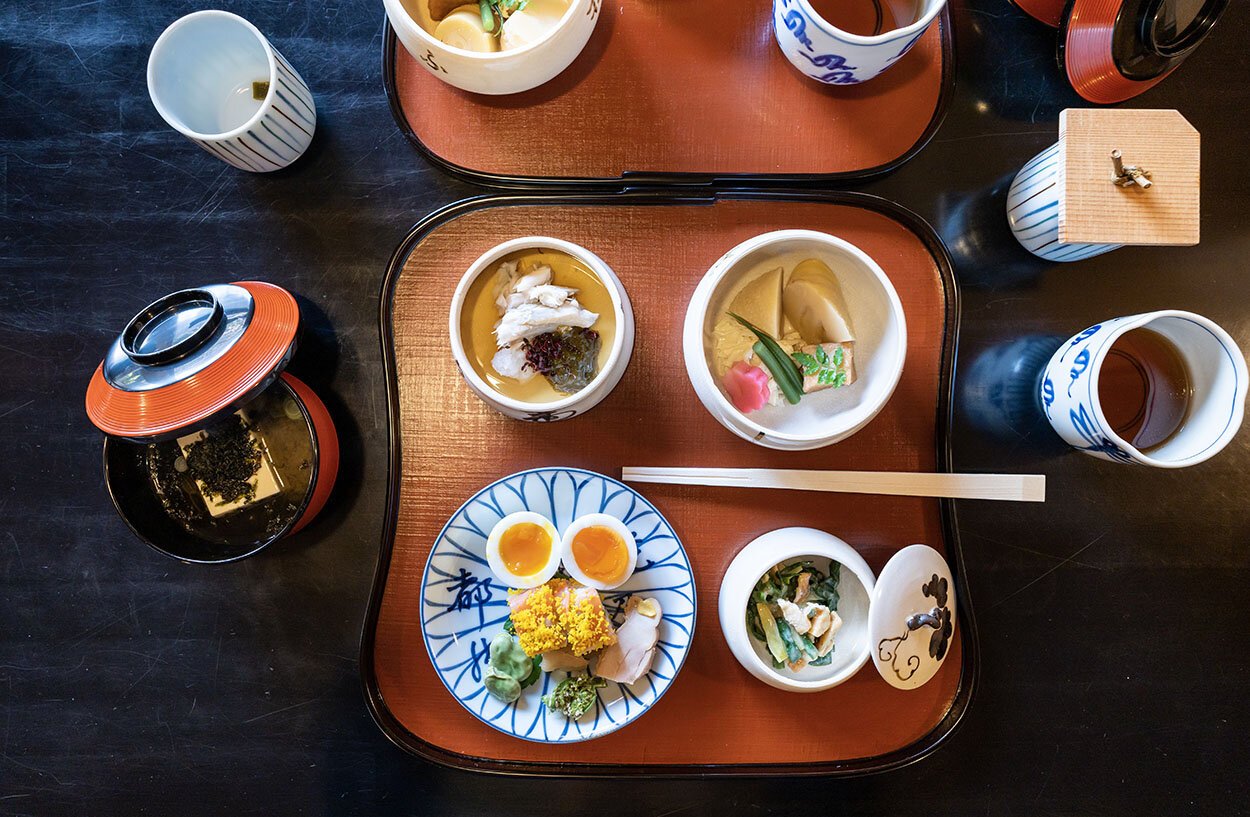
Imagine arriving in Miyagawacho — the preserved hanamachi district running south of Gion — as the evening shifts and the narrow streets carry the faint trace of frying oil drifting from the kitchen. That scent, pale and clean from the soy oil used here, is your first signal that the kitchen is already running. At Miyagawacho Tensho, the meal opens not with tempura but with sashimi and soup, a structural choice shaped by the chef's background working at a ryokan-style restaurant. That grounding in inn hospitality gives the pacing a deliberate, unhurried quality, you are not rushed to the fryer.
The tempura itself is lightly battered and fried in pale soy oil, a technique that keeps the coating thin and lets the ingredient's natural aroma carry. The kitchen moves through familiar anchors, shrimp and whiting appear as the reliable core, before introducing less conventional pairings. Scallops dressed with caviar represent the more creative register. The meal closes with kakiagedon: a combination of shrimp and vegetable tempura served over white rice, which functions as both a satisfying finish and a demonstration of the kitchen's confidence in blending textures. It is a considered endpoint, not a throwaway course.
The omakase format means you are eating what the kitchen sends, in the order they decide. For food-focused travellers who want to follow the chef's logic rather than navigate a menu, this is an advantage. If you need flexibility around dietary restrictions, contact the restaurant directly in advance, no booking or dietary information is published online, so direct communication before arrival is the only reliable path.
For context on how this fits within Kyoto's wider dining picture, the full Kyoto restaurants guide covers the range from approachable neighbourhood spots to multi-star kaiseki. If you are also planning time in nearby cities, HAJIME in Osaka and akordu in Nara are worth knowing about. For tempura specifically, Numata in Osaka and Shunsaiten Tsuchiya in Osaka are strong regional comparisons at a similar or higher tier.
Booking and Logistics
Booking at Miyagawacho Tensho is rated Easy, which is notable for an omakase counter in this part of Kyoto. No phone or website is listed in the public record, which means the most practical approach is to book via a third-party reservation platform or through your hotel concierge if you are staying in Higashiyama or Gion. A two-week lead time should be sufficient for most dates, though if you have a fixed travel window, book as early as your schedule allows. The address is 4 Chome-300-5 Miyagawasuji, Higashiyama Ward, walkable from the Gion-Shijo area and accessible by taxi or the Keihan line. For more on getting around, the Kyoto experiences guide and Kyoto hotels guide cover the district logistics.
Nearby tempura-focused alternatives in Kyoto worth knowing include Tempura Matsu, Tenjaku, and Kyoboshi. For broader Japanese omakase in Kyoto, Enyuan Kobayashi and Gion Senryu offer different angles on the format. If you are extending beyond Kyoto, Harutaka in Tokyo, Goh in Fukuoka, 1000 in Yokohama, and 6 in Okinawa are worth considering as part of a broader Japan itinerary. The Kyoto bars guide and Kyoto wineries guide can help round out an evening before or after your meal.
A Note on Takeout
Tempura is one of Japanese cuisine's least forgiving formats when it comes to off-premise eating. The batter degrades within minutes of leaving the fryer, and the delicate aroma that pale soy oil produces dissipates almost immediately. There is no evidence that Miyagawacho Tensho offers takeout or delivery, and for an omakase counter structured around live cooking and sequential pacing, it would not make sense. The value here is entirely in the seated, coursed experience. If you are looking for tempura that travels, it is not the right venue.
Ratings
- Michelin Plate: 2024, 2025
Practical Details
- Address: 4 Chome-300-5 Miyagawasuji, Higashiyama Ward, Kyoto, 605-0801, Japan
- Price range: ¥¥¥
- Cuisine: Tempura omakase
- Booking difficulty: Easy
- Phone / website: Not publicly listed, book via hotel concierge or third-party reservation platform
Planning details
- Location
- 4 Chome-300-5 Miyagawasuji, Higashiyama Ward, Kyoto, 605-0801, Japan
- Reservations
- Book on the venue's website
- Website
- miyagawacho-tensho.com
- Phone
- +81 90-2043-1093
The take
The Take
The Vibe
Tensho settles into the measured calm of Miyagawacho, where lantern-lit evenings and damp stone pavements set a quietly evocative stage. The room centers on counter service and an omakase rhythm that privileges restraint over showmanship, and the dining arc follows kaiseki logic—sashimi and soup establish a tonal baseline before the tempura sequence unfolds. Regular patrons and a location a few steps from a willow-lined canal give the place a discreet, historic feel; it reads as a Kyoto address that rewards people who know the city rather than those ticking sights off a list.
Best For
This is a place for focused evening meals that value sequence and seasonality. The omakase counter makes it an excellent pick for date nights and special occasions when a composed, kaiseki-inflected progression is desired. It also suits solo diners who want the precision and narrative of counter service, and business dinners that call for quiet formality and attentive pacing. Because the experience is centered on the chef’s rhythm and the tempura progression, guests come for the arc of the meal rather than a casual, à la carte experience.
Ordering Tips
Accept the omakase and settle at the counter: the menu’s structure is deliberate, opening with sashimi and soup before the tempura progression arrives. That sequencing reflects kaiseki thinking and changes how each fried piece reads in context, so resist the urge to skip ahead. Take note of the frying medium and seasonal choices—the text highlights a lighter soy oil that keeps flavors restrained—so expect refinement rather than heavy batter. Watching the chef’s rhythm at the counter is part of the point; the meal is about progression and balance.
Venue details
Ambiance
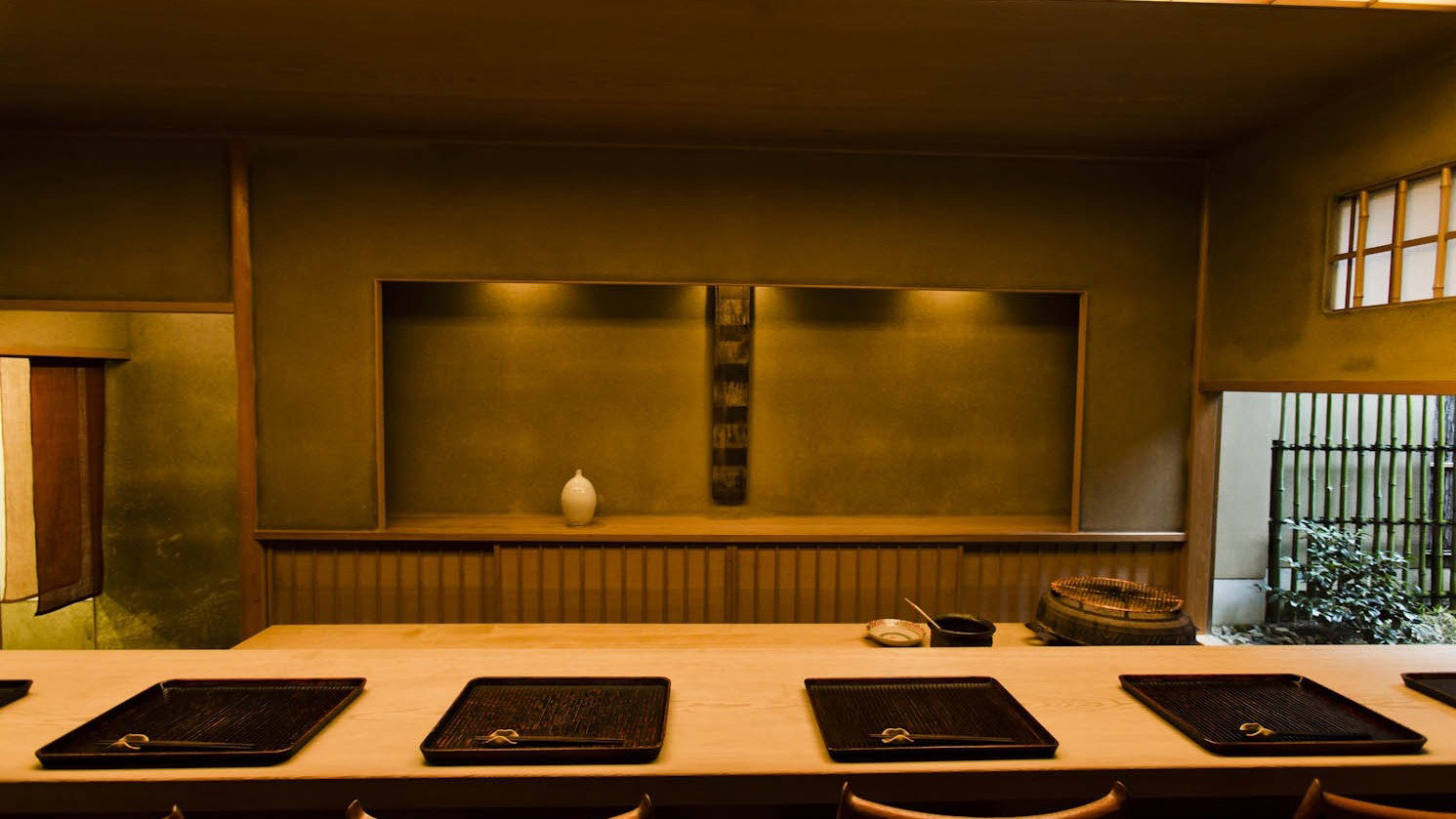
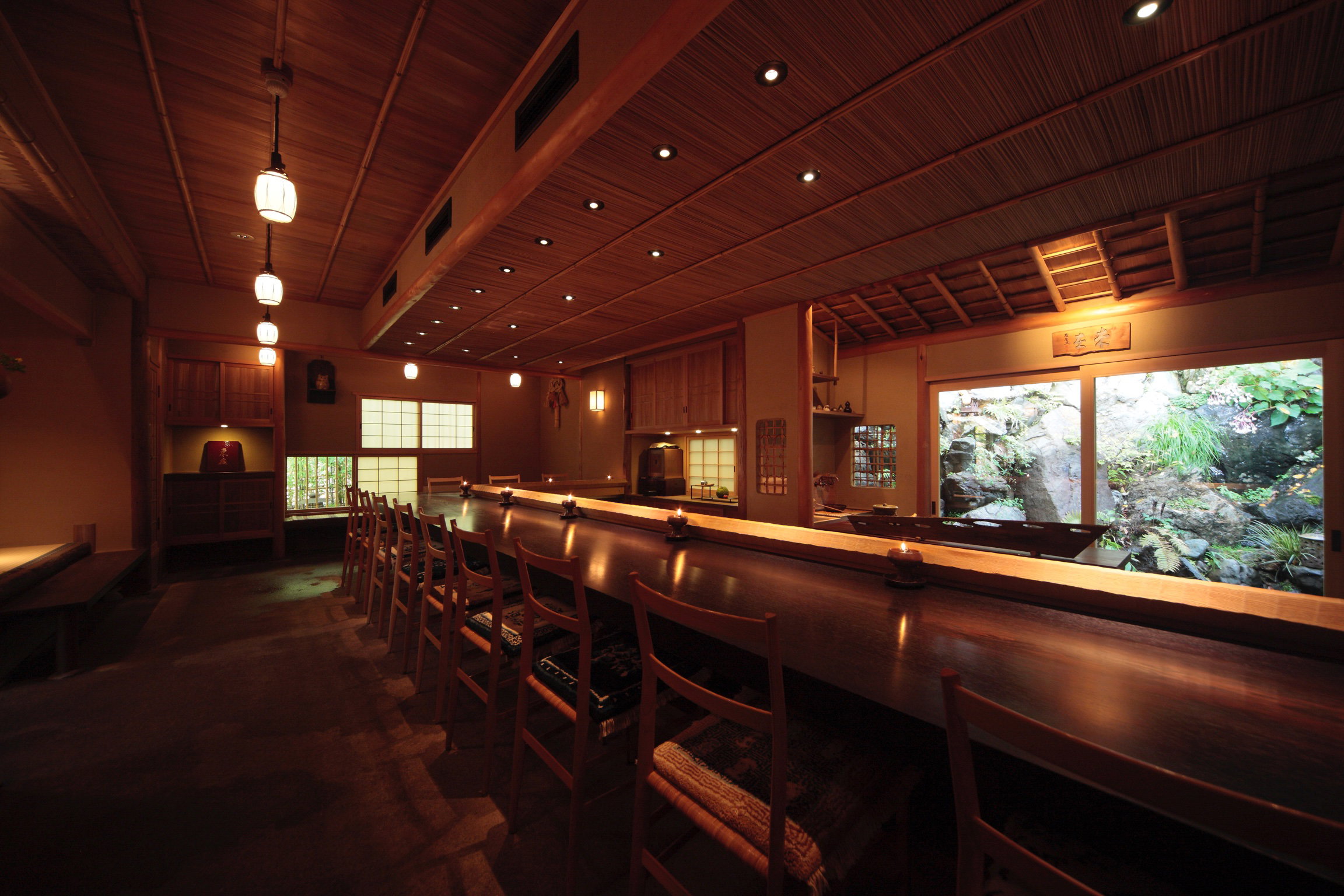
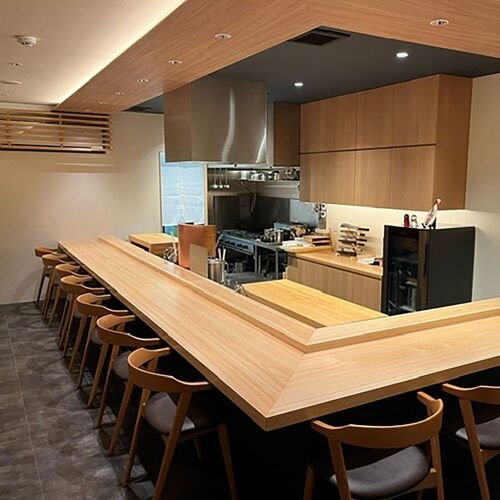
Relaxed and simple space centered around an impressive single-piece hinoki cypress counter, allowing guests to watch the cooking process up close in a traditional machiya townhouse.
Tags
Vibe
Best For
Experience
Sourcing
At the Table
- Dress Code
- Smart Casual
- Noise Level
- Quiet
- Service Style
- Formal
- Meal Pacing
- Leisurely
- Capacity
- Intimate
- Kitchen
- Seasonal
- Menu Format
- Omakase, Counter dining
- Wine Program
- Curated
- Dietary
- Vegetarian friendly
Know before you go
Know Before You Go
- Getting there
- 4 Chome-300-5 Miyagawasuji, Higashiyama Ward, Kyoto, 605-0801, Japan
Planning details
Location
4 Chome-300-5 Miyagawasuji, Higashiyama Ward, Kyoto, 605-0801, Japan · Directions
Recognition and awards
Also consider
Also Consider
- Gion Sasaki, Kaiseki, Japanese, ¥¥¥¥
- cenci, Italian, ¥¥¥
- Ifuki, Kaiseki, ¥¥¥¥
- Kyokaiseki Kichisen, Japanese, ¥¥¥¥
- SEN, French, Japanese, ¥¥¥¥
Explore Kyoto
Around this place
Discover more on Pearl
Unlock the full Miyagawacho Tensho guide in Pearl, including awards, comparisons, FAQs, planning details, and nearby places.
Compare Miyagawacho Tensho
| Venue | Price | Booking Difficulty | Awards |
|---|---|---|---|
| Miyagawacho Tensho | ¥¥¥ | Easy | 2026 Michelin Plate2025 Michelin Plate2024 Michelin Plate |
| Gion Sasaki | ¥¥¥¥ | Unknown | 2026 Tabelog Bronze · #3862026 OAD Top Restaurants in Japan RecommendedMichelin Guide Kyoto Osaka 20262026 La Liste Top RestaurantsTabelog 100 - Japanese cuisine - WEST - 2025 · #132025 OAD Top Restaurants in Japan Ranked · #2462025 Tabelog Silver2025 Michelin 3 Stars2025 La Liste Top Restaurants |
| cenci | ¥¥¥ | Unknown | 2026 Tabelog Bronze · #442026 Asia's 50 Best Restaurants · #762026 OAD Top Restaurants in Japan Highly RecommendedMichelin Guide Kyoto Osaka 2026Tabelog 100 - Italian - WEST - 2025 · #632025 Asia's 50 Best Restaurants · #632025 OAD Top Restaurants in Japan Ranked · #1682025 Tabelog Bronze2024 OAD Top Restaurants in Japan Ranked · #135 |
| Ifuki | ¥¥¥¥ | Unknown | 2026 OAD Top Restaurants in Japan Ranked · #1222026 Tabelog Bronze · #128Michelin Guide Kyoto Osaka 20262026 La Liste Top RestaurantsTabelog 100 - Japanese cuisine - WEST - 2025 · #622025 OAD Top Restaurants in Japan Ranked · #1002025 La Liste Top Restaurants2025 Tabelog Bronze2025 Michelin 2 Stars |
| Kyokaiseki Kichisen | ¥¥¥¥ | Unknown | 2026 Tabelog Bronze · #1752026 OAD Top Restaurants in Japan Highly RecommendedMichelin Guide Kyoto Osaka 20262025 OAD Top Restaurants in Japan Ranked · #1862025 Michelin 2 Stars2025 La Liste Top Restaurants2024 OAD Top Restaurants in Japan Ranked · #1422024 Michelin 2 Stars2023 OAD Top Restaurants in Japan Ranked · #136 |
| SEN | ¥¥¥¥ | Unknown | 2026 Tabelog Bronze · #3952026 OAD Top Restaurants in Japan RecommendedMichelin Guide Kyoto Osaka 20262026 Michelin PlateTabelog 100 - Japanese cuisine - WEST - 2025 · #652025 Michelin Plate2025 Tabelog Bronze2024 OAD Top Restaurants in Japan Ranked · #3622024 Michelin Plate |







Side-by-side comparison to help you decide where to book.
FAQ
Frequently Asked Questions
Is Miyagawacho Tensho worth the price?
At ¥¥¥, it sits in Kyoto's mid-range omakase bracket and delivers solid value for what it offers: a structured meal moving from sashimi and soup through lightly battered tempura in pale soy oil, closing with kakiagedon. The Michelin Plate recognition in both 2024 and 2025 confirms it clears a quality threshold without demanding the premium of a full Michelin-starred counter. If you want a complete tempura omakase experience without spending at the level of Kyokaiseki Kichisen, this is a reasonable call.
What should I wear to Miyagawacho Tensho?
No dress code is specified in the available venue data, but the omakase format and Higashiyama Ward address place it in company where neat, unfussy clothing is appropriate. Avoid beachwear or anything overly casual; a clean, put-together look fits the counter setting without needing formal attire.
Can Miyagawacho Tensho accommodate groups?
Group capacity details are not listed, but omakase counters in this format typically seat small numbers and run a single shared pace. Groups larger than four should confirm arrangements directly before booking, as counter seating rarely suits parties expecting to dine at their own pace or split across different seatings.
Is Miyagawacho Tensho good for a special occasion?
Yes, with caveats. The omakase structure, Michelin Plate credentials, and Miyagawacho location make it a considered choice for a quieter celebratory dinner rather than a big-group event. It works well for two people who want a focused, sequential meal in one of Kyoto's preserved hanamachi districts, but it is not the setting for milestone occasions that call for a private room or a longer tasting menu with wine pairings.
What are alternatives to Miyagawacho Tensho in Kyoto?
For higher-end Kyoto kaiseki, Kyokaiseki Kichisen and Gion Sasaki operate at a different price tier and formality level. Ifuki and SEN offer alternative omakase formats at varying price points. cenci takes a more contemporary approach to Japanese cooking. Miyagawacho Tensho is the most accessible entry point among these for tempura-specific omakase in the ¥¥¥ range.