
Gion Senryu
Tempura · Higashiyama, Kyoto
Restaurant in Kyoto, Japan
 Book with Pearl
The Read
Vegetable-Forward Tempura Omakase
Price
$150–200per person
Dress
Smart Casual
Why go
Gion Senryu is a Michelin Plate-recognised tempura counter in Kyoto's Gion district, priced at ¥¥¥ and rated easy to book. The chef-led format combines seasonal tempura and sashimi with guest input, and the kitchen's vegetable expertise makes it a stronger choice than most counters at this price tier. A practical pick for first-timers who want structure without the cost of a kaiseki room.
About Gion Senryu
Verdict
Gion Senryu is the right call for a first-time visitor to Kyoto who wants serious tempura without the booking anxiety that comes with the city's kaiseki circuit. The format is generous: a chef-led progression of seasonal tempura and sashimi, with the flexibility to add your preferred items as you go. It holds a Michelin Plate in both 2024 and 2025, which puts it in credible territory without the premium pricing of a starred room. At ¥¥¥, it costs less than most of the kaiseki houses nearby, and the experience is structured enough to feel like a proper dinner rather than a casual meal. Book it. It earns its place in a Kyoto itinerary.
What to Expect as a First-Timer
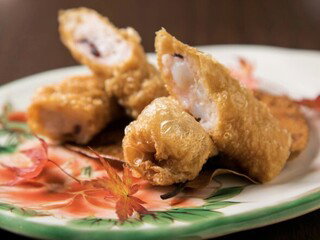
The menu at Gion Senryu is built around a hybrid approach that suits first-timers well. You are not locked into a rigid omakase sequence, but you are also not left to figure out an à la carte list in a language you may not read. The head chef steers the meal, presenting tempura and sashimi in a decorative, seasonal arrangement, then opens the floor for guests to add their preferred items. That balance, between structure and choice, removes the anxiety of not knowing what to order while still giving you some control over the direction of the meal.
The chef's expertise is in vegetables, and the list of vegetable tempura runs long. This makes Gion Senryu a stronger choice for guests who find fish-forward tempura counters repetitive. Sauce pairings are chosen to suit specific items rather than offered as a single dipping option across the board, a level of consideration that moves the experience beyond the standard tempura format. Rice is cooked fresh in an earthenware pot and served either as tendon (rice topped with tempura) or tencha (rice in tea broth with tempura), and both can be taken in small portions, which means you can try both without committing to a full bowl of either.
For the format to land well, go with an open approach to the vegetable courses. If your instinct is to push toward prawn and fish from the start, you will miss what makes this counter worth visiting. The vegetable tempura is where the kitchen's real point of view comes through.
The Food Travels Question
Tempura is one of the formats that suffers most when it leaves the counter. The batter depends on the gap between fryer and mouth being short, and the contrast between a crisp exterior and a hot, just-cooked interior collapses quickly. Gion Senryu's format, counter service with items handed across as they are fried, is specifically designed around immediacy. There is no version of this meal that works as takeout. If you are considering visiting Kyoto and wondering whether you could replicate the experience through delivery or takeaway from a comparable venue, the honest answer is no. Tempura is a counter discipline, and Gion Senryu is built around that premise. Plan to sit, stay the course, and eat each piece as it arrives.
For context, if you want to compare tempura counter experiences across Japan, Numata in Osaka and Shunsaiten Tsuchiya in Osaka operate in the same category and are worth considering if your itinerary includes Osaka. Within Kyoto's tempura tier, Tempura Matsu, Enyuan Kobayashi, Tenjaku, Kyoboshi, and Miyagawacho Tensho are the names worth checking before you lock in your booking.
Ratings & Recognition
- Michelin Plate: 2025
- Michelin Plate: 2024
The Michelin Plate designation means the Guide's inspectors consider the cooking good enough to flag, without awarding a star. In practical terms, that puts Gion Senryu in a reliable tier: technically sound, consistent enough to return to, and worth choosing when you want a focused meal without the price pressure of a starred room.
Booking
Booking difficulty is rated Easy. Gion Senryu does not carry the reservation pressure of Kyoto's leading kaiseki rooms. If you are familiar with the difficulty of securing a table at venues like Gion Sasaki or Kyokaiseki Kichisen, expect a noticeably simpler process here. Booking a few days in advance should be sufficient in most cases, though confirming a week out is sensible if your travel dates are fixed. No phone number or direct booking URL is listed; check the venue's address at 227-3 Nishinocho, Kyoto 605-0088, and use a hotel concierge or a booking intermediary if you cannot find a direct line.
Practical Details
| Detail | Gion Senryu | Tempura Matsu (Kyoto) | Numata (Osaka) |
|---|---|---|---|
| Cuisine | Tempura | Tempura | Tempura |
| Price range | ¥¥¥ | ||
| Michelin recognition | Plate (2024, 2025) | Check Pearl | Check Pearl |
| Booking difficulty | Easy | Check Pearl | Check Pearl |
| Menu format | Chef-led + guest choice | Check Pearl | Check Pearl |
| Vegetable focus | Strong (chef speciality) |
Explore More in Kyoto and Beyond
For a broader view of eating and drinking in the city, see our full Kyoto restaurants guide, our full Kyoto bars guide, our full Kyoto hotels guide, our full Kyoto wineries guide, and our full Kyoto experiences guide. If your Japan trip extends beyond Kyoto, Pearl covers HAJIME in Osaka, Harutaka in Tokyo, akordu in Nara, Goh in Fukuoka, 1000 in Yokohama, and 6 in Okinawa.
FAQ
What should I order at Gion Senryu?
- Let the chef lead the sequence and resist the urge to push straight to prawn. The vegetable tempura is the kitchen's strongest suit, with an unusually long list driven by the head chef's expertise in seasonal produce. Add your preferred items after the chef's selection has run its course, and try both the tendon and tencha rice formats in small portions at the end.
Is Gion Senryu worth the price?
- At ¥¥¥, yes. You are getting a Michelin Plate-recognised tempura counter with a flexible, chef-guided format and sauce pairings chosen to match specific items. That level of attention is harder to find at this price tier in Kyoto. If you want a starred experience, the budget needs to move to ¥¥¥¥ and the format shifts to kaiseki. For focused tempura at a price point that leaves room for other meals in your trip, Gion Senryu delivers.
Is the tasting menu worth it at Gion Senryu?
- The format is not a fixed tasting menu in the traditional sense; it combines a chef-led progression with guest input. That hybrid structure is worth it for first-timers who want guidance without rigidity. If you prefer the control of a fully open à la carte meal, this is not the right counter for you. If you are happy to follow the chef's lead and supplement with your own choices, the format works well and the Michelin Plate recognition suggests the quality holds up across the sequence.
How far ahead should I book Gion Senryu?
- Booking difficulty is rated Easy, so a few days in advance is typically sufficient. Given fixed travel dates, a week out is a sensible buffer. This is considerably easier to book than Kyoto's starred kaiseki rooms, where waits of weeks or months are common. A hotel concierge in Kyoto can usually confirm and reserve on your behalf.
Can Gion Senryu accommodate groups?
- Gion Senryu's counter format suits small groups better than large parties. Two to four people is the practical ceiling before the experience becomes logistically awkward; the menu's hybrid structure, where guests can add favoured tempura items to the chef-led sequence, works well at that scale.
What are alternatives to Gion Senryu in Kyoto?
- For tempura in the same city, check Tempura Matsu, Miyagawacho Tensho, and Tenjaku. If you want to step up to kaiseki at a higher price point, Gion Sasaki and Ifuki are the names to consider, both at ¥¥¥¥. For something outside Japanese cuisine at a comparable price, cenci runs Italian at ¥¥¥ and is worth a look if you want a break from Japanese formats mid-trip.
Planning details
- Hours
- Monday: 5–11 PM · Tuesday: 5–11 PM
- Location
- 227-3 Nishinocho, Kyoto, 605-0088, Japan
- Reservations
- Book on TableCheck
- Website
- instagram.com/gion_senryu?igsh=ZndrZHZyd3lkMnVp
- Phone
- +81 75-541-9679
The take
The Take
The Vibe
Gion Senryu channels Kyoto's restrained kaiseki spirit into a tempura counter that favors seasonality and quiet refinement over theatrical showmanship. The service is intimate and measured: the kitchen sequences courses with attention to rhythm, and the emphasis on Kyoyasai vegetables gives the menu an educative, terroir-driven character. The setting reads as quietly classic and rooted in place, more conversation than performance, so diners come for the subtlety of technique, the depth of vegetable preparations and the focused counter experience rather than spectacle.
Best For
This counter suits diners who prize seasonal precision and an intimate, chef-led rhythm to the meal. It's an excellent pick for date night, solo diners who want direct engagement with the chef, or a special-occasion dinner for those who favor vegetable-led tasting and Kyoto's local produce. The hybrid format, kitchen-led sequencing with the option to request additional pieces, makes it especially good for guests who like guidance but want to tailor pacing and choices as the service unfolds.
Ordering Tips
Expect a sequenced, chef-directed progression of tempura and seasonal sashimi, with opportunities to ask for extra items as the meal continues. Lean into the vegetable selections, the head chef specializes in Kyoyasai, and plan drinks around the measured pacing since guests can add pieces mid-service. Because the format balances guidance and choice, start by following the kitchen's sequence to understand the rhythm, then request individual tempura items to customize texture and timing.
Venue details
Ambiance
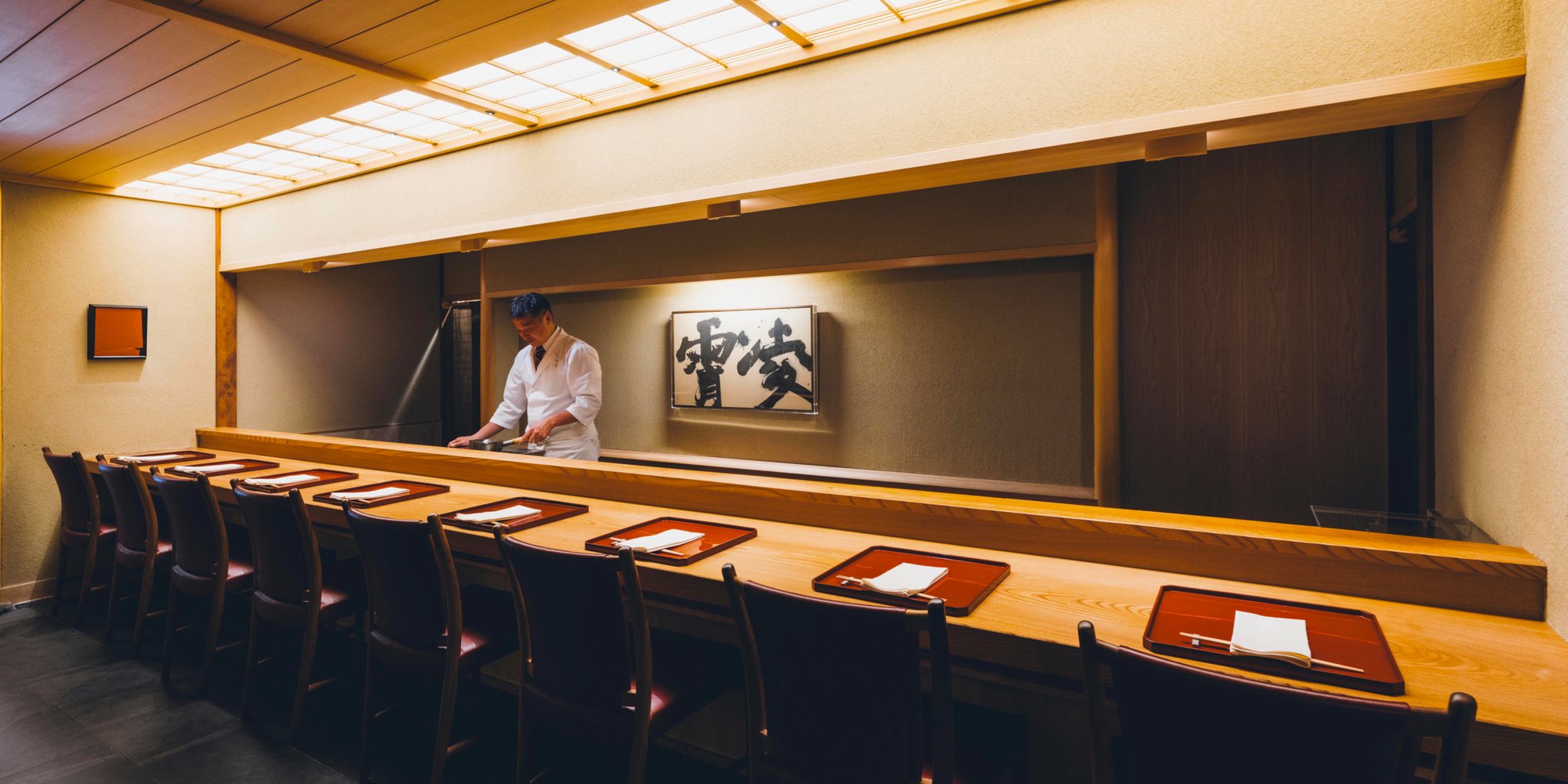
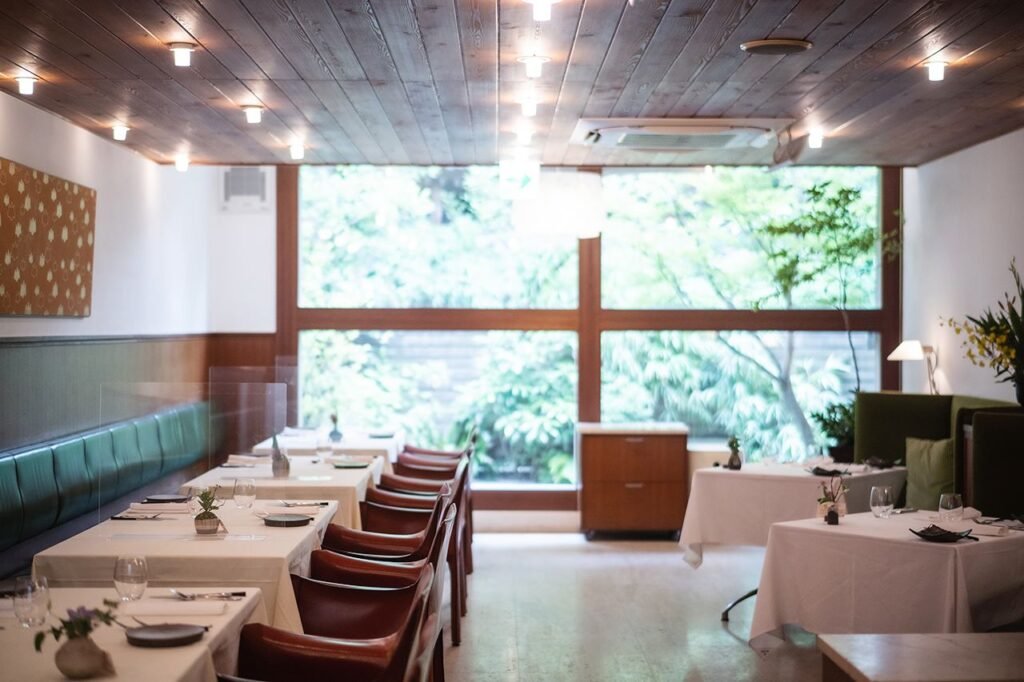
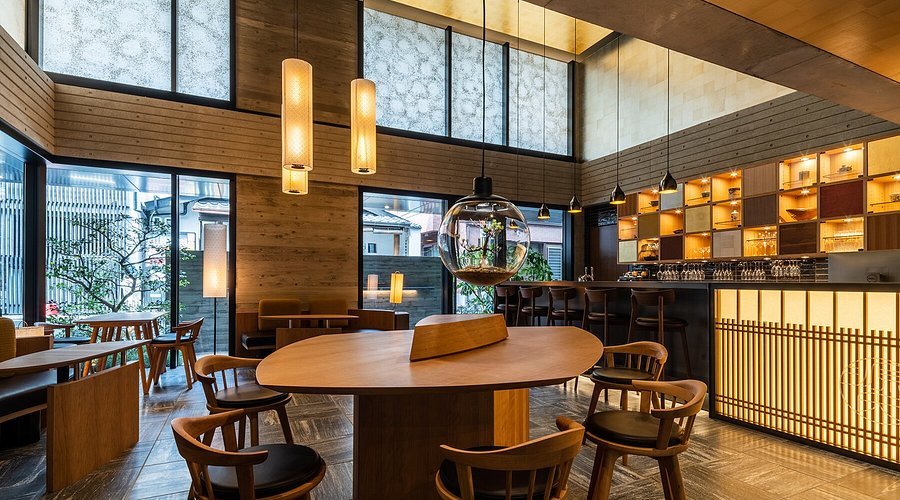
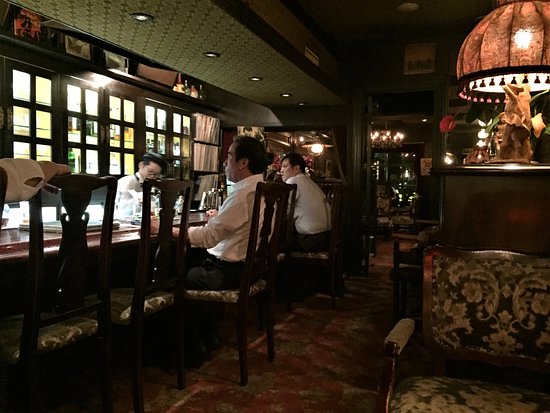
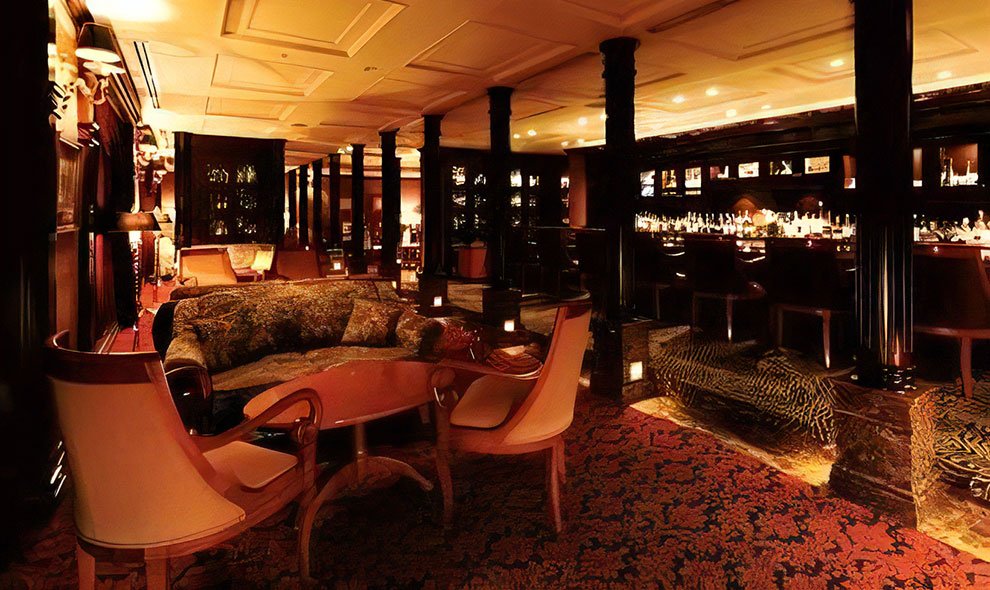
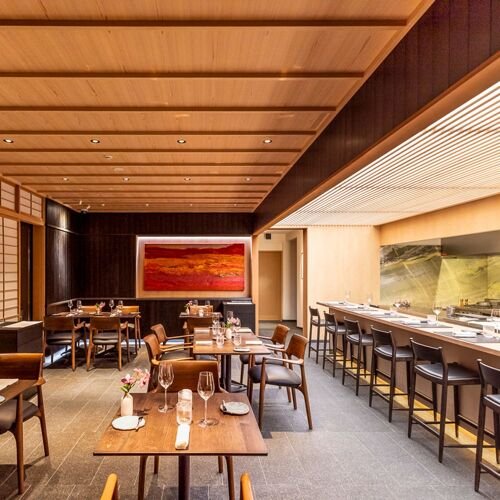
Tranquil, adult-oriented hideaway with warm counter seating overlooking the open kitchen, blending seamlessly into Gion's traditional architecture along Shinmonzen Street.
Tags
Vibe
Best For
Experience
Sourcing
At the Table
- Dress Code
- Smart Casual
- Noise Level
- Quiet
- Service Style
- Omakase Bar
- Meal Pacing
- Leisurely
- Capacity
- Intimate
- Kitchen
- Seasonal
- Menu Format
- Omakase, A la carte, Counter dining
- Drinks Focus
- Sake, Wine
- Dietary
- Vegetarian friendly, Allergy accommodating
Signature Dishes
- Live Kuruma Ebi Tempura
- Kyo-yasai Tempura
- Tendon
- Tencha
Know before you go
Know Before You Go
- Getting there
- 227-3 Nishinocho, Kyoto, 605-0088, Japan
Planning details
Hours
- Monday
- 5–11 PM
- Tuesday
- 5–11 PM
- Wednesday
- 5–11 PM
- Thursday
- 5–11 PM
- Friday
- 5–11 PM
- Saturday
- 5–11 PM
- Sunday
- 5–11 PM
Location
227-3 Nishinocho, Kyoto, 605-0088, Japan · Directions
Recognition and awards
Also consider
Also Consider
- Gion Sasaki: Kaiseki, Japanese, ¥¥¥¥
- cenci: Italian, ¥¥¥
- Ifuki: Kaiseki, ¥¥¥¥
- Kyokaiseki Kichisen: Japanese, ¥¥¥¥
- SEN: French, Japanese, ¥¥¥¥
Restaurant context
Against Kyoto's ¥¥¥¥ kaiseki rooms, Gion Senryu is the practical choice for diners who want Michelin-recognised cooking without the full financial commitment. Gion Sasaki and Ifuki both operate at ¥¥¥¥ in the kaiseki format, with longer tasting sequences and deeper seasonal menus. If that level of investment and formality is what you are after, they are the right call. But if you want a focused, single-discipline meal at a lower price point and with easier availability, Gion Senryu sits in a different tier that suits a different type of trip. Kyokaiseki Kichisen and SEN also operate at ¥¥¥¥ and represent the upper end of the Kyoto dining range: worth it for a special-occasion meal, but harder to book and harder to justify on a multi-restaurant itinerary.
Within its own price bracket, Gion Senryu competes with cenci, which runs Italian at ¥¥¥. The comparison is format-based rather than quality-based: cenci is the right pick if you want a Western structure and a wine-forward meal; Gion Senryu is the right pick if tempura is the specific experience you want from Kyoto. They are not interchangeable, and choosing between them depends on what you are trying to eat during your stay rather than which one is objectively better.
For tempura specifically, the relevant peer comparison is within the tempura counter category across Kyoto and Osaka. Gion Senryu's Michelin Plate recognition and documented vegetable focus give it a clear identity: it is not a prawn-and-fish counter dressed up as a specialist restaurant. If that specialisation appeals and the ¥¥¥ price point fits your budget, it is the easiest decision in this comparison set. Book it over the ¥¥¥¥ kaiseki rooms when your priority is value, accessibility, and a single-discipline meal done with genuine expertise.
Explore Kyoto
Around this place
Discover more on Pearl
Unlock the full Gion Senryu guide in Pearl, including awards, comparisons, FAQs, planning details, and nearby places.
Compare Gion Senryu
| Venue | Awards | Price |
|---|---|---|
| Gion Senryu | Michelin Guide Kyoto Osaka 20262026 Michelin Plate2025 Michelin Plate2024 Michelin Plate | ¥¥¥ |
| Gion Sasaki | 2026 Tabelog Bronze · #3862026 OAD Top Restaurants in Japan RecommendedMichelin Guide Kyoto Osaka 20262026 La Liste Top RestaurantsTabelog 100 - Japanese cuisine - WEST - 2025 · #132025 OAD Top Restaurants in Japan Ranked · #2462025 Tabelog Silver2025 Michelin 3 Stars2025 La Liste Top Restaurants | ¥¥¥¥ |
| cenci | 2026 Tabelog Bronze · #442026 Asia's 50 Best Restaurants · #762026 OAD Top Restaurants in Japan Highly RecommendedMichelin Guide Kyoto Osaka 2026Tabelog 100 - Italian - WEST - 2025 · #632025 Asia's 50 Best Restaurants · #632025 OAD Top Restaurants in Japan Ranked · #1682025 Tabelog Bronze2024 OAD Top Restaurants in Japan Ranked · #135 | ¥¥¥ |
| Ifuki | 2026 OAD Top Restaurants in Japan Ranked · #1222026 Tabelog Bronze · #128Michelin Guide Kyoto Osaka 20262026 La Liste Top RestaurantsTabelog 100 - Japanese cuisine - WEST - 2025 · #622025 OAD Top Restaurants in Japan Ranked · #1002025 La Liste Top Restaurants2025 Tabelog Bronze2025 Michelin 2 Stars | ¥¥¥¥ |
| Kyokaiseki Kichisen | 2026 Tabelog Bronze · #1752026 OAD Top Restaurants in Japan Highly RecommendedMichelin Guide Kyoto Osaka 20262025 OAD Top Restaurants in Japan Ranked · #1862025 Michelin 2 Stars2025 La Liste Top Restaurants2024 OAD Top Restaurants in Japan Ranked · #1422024 Michelin 2 Stars2023 OAD Top Restaurants in Japan Ranked · #136 | ¥¥¥¥ |
| SEN | 2026 Tabelog Bronze · #3952026 OAD Top Restaurants in Japan RecommendedMichelin Guide Kyoto Osaka 20262026 Michelin PlateTabelog 100 - Japanese cuisine - WEST - 2025 · #652025 Michelin Plate2025 Tabelog Bronze2024 OAD Top Restaurants in Japan Ranked · #3622024 Michelin Plate | ¥¥¥¥ |
.png?width=1200&quality=80)






How Gion Senryu stacks up against the competition.
FAQ
Frequently Asked Questions
What should I order at Gion Senryu?
Let the chef lead and use the add-on system to load up on vegetables: the head chef is a vegetable specialist, and the vegetable list is notably extensive. Finish with tencha (tempura served in a tea broth with rice cooked in an earthenware pot) rather than tendon if you want a lighter close; both are available in smaller portions so you can try both without committing.
How far ahead should I book Gion Senryu?
Booking difficulty is rated Easy, which puts Gion Senryu well below the reservation pressure of Kyoto's top kaiseki rooms. A few days to a week of lead time is typically sufficient, though booking further ahead during peak Kyoto travel seasons (cherry blossom in April, autumn foliage in November) is sensible. This is one of the few Michelin-recognised venues in Gion where last-minute plans can realistically work.
Is Gion Senryu worth the price?
At the ¥¥¥ price point, Gion Senryu holds up well against the Kyoto market. You are getting a Michelin Plate-recognised tempura counter (2024 and 2025) with a flexible menu structure, specialist vegetable sourcing, and freshly pot-cooked rice: all of which justify the spend. If you are weighing it against a kaiseki meal at a comparable price, Gion Senryu is the lower-pressure, higher-specificity option for anyone who wants focused technique over multi-course ceremony.
Is the tasting menu worth it at Gion Senryu?
The menu structure at Gion Senryu is not a fixed tasting menu in the traditional sense. It combines a chef-led sequence with guest input on additional tempura items, which works in your favour: you get the coherence of a chef's progression without being locked out of specific items you want. The rice course cooked in an earthenware pot and the option to take both tendon and tencha in small portions add genuine value at the close of the meal.
What are alternatives to Gion Senryu in Kyoto?
For kaiseki at a higher commitment level, Kyokaiseki Kichisen and Gion Sasaki are the Kyoto benchmarks, but both carry significantly more booking difficulty and cost. Ifuki offers a more accessible tempura-adjacent counter experience. Cenci and SEN skew toward contemporary Japanese cooking rather than classical tempura, so they suit a different intent. If tempura is specifically what you are after and you want to avoid reservation stress, Gion Senryu is the cleaner choice among this peer group.