
Enyuan Kobayashi
Tempura · Higashiyama, Kyoto
Restaurant in Kyoto, Japan
 Book with Pearl
The Read
Kaiseki-Paced Tempura Counter
Price
$200–300per person
Dress
Smart Casual
Why go
Enyuan Kobayashi is a Michelin-starred tempura specialist in Gion Higashiyama that opens with simmered Kyoto classics before moving into a seasonal tempura sequence featuring local vegetables and nama-fu. At ¥¥¥¥, it's one of the city's most focused expressions of Kyoto's food culture in a counter-dining format. Book at least four to six weeks out: this is not a walk-in venue.
About Enyuan Kobayashi
Verdict
Enyuan Kobayashi earns its Michelin star quietly, without the ceremony or spectacle of Kyoto's kaiseki institutions. This is a tempura specialist operating in Gion Higashiyama at a ¥¥¥¥ price point, and the question worth answering is whether that price buys you something genuinely different. It does: but the reason is less about theatrics and more about how a single-minded focus on one discipline, anchored in Kyoto's seasonal food culture, produces a meal that most visitors to the city won't encounter anywhere else. If you're planning a serious food trip to Kyoto, Enyuan Kobayashi belongs on the shortlist. If tempura isn't your format, go to Gion Sasaki for kaiseki instead.
About Enyuan Kobayashi
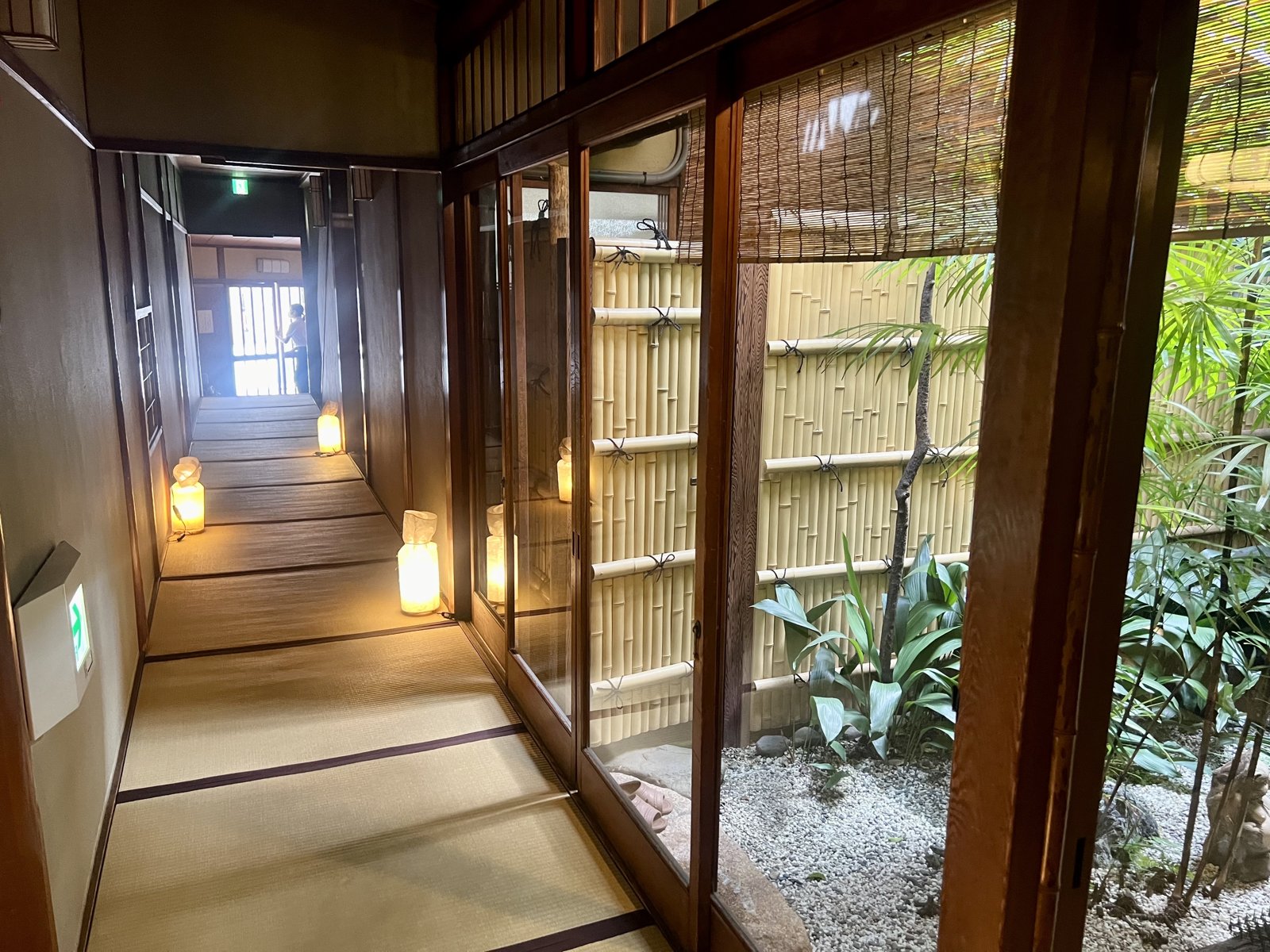
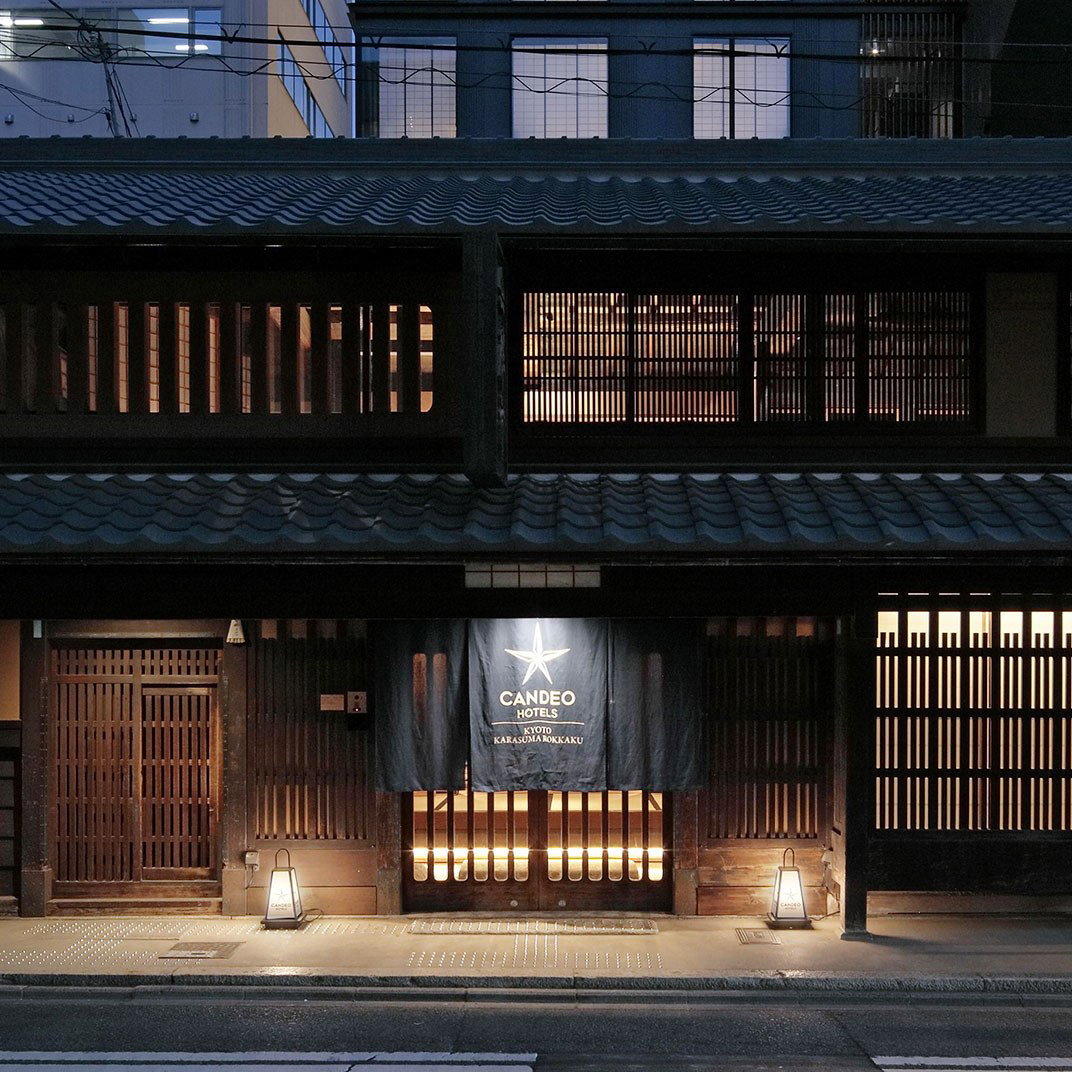
The address puts you in Gion Tominaga-cho, a quieter pocket of Higashiyama Ward that trades the tourist foot traffic of Shijo for something more considered. Arrive in the evening and the neighbourhood has the low ambient hum of a serious dining district: stone lanes, paper lanterns, the particular stillness that comes before a meal you've waited weeks to book. The room at Enyuan Kobayashi fits that register. Don't expect the loud convivial energy of a Tokyo tempura counter; the mood here runs calmer, more focused, suited to the precise work happening in the kitchen.
What makes Enyuan Kobayashi worth the detour is how it structures the meal. Rather than arriving at tempura cold, the menu opens with Kyoto's beloved simmered dishes: Pacific herring with aubergine, grilled honmoroko fish, before moving into the frying sequence. This isn't padding. It's a deliberate argument that tempura, when practised here, is a continuation of a broader food culture rather than a standalone performance. The chef trained in traditional Japanese cuisine before committing to tempura, and that grounding shows in how the menu is built. Kyoto vegetables appear in the tempura sequence alongside nama-fu, a steamed mixture of wheat gluten and rice flour that almost no tempura restaurant outside the region would think to include. A small dish of dried sea cucumber gonads serves as an appetiser and functions as something of a litmus test: if you're here for the depth of Kyoto's food vocabulary, that dish makes sense. If you want accessible crowd-pleasers, you're at the wrong address.
The pacing and ingredient selection carry the weight of the editorial angle here: this is casual excellence, not a maximalist tasting menu. The room isn't trying to intimidate. The format is approachable enough that a solo traveller or a couple without a kaiseki budget can access serious cooking in a setting that doesn't require the full ceremonial posture. At ¥¥¥¥, this isn't cheap, compare it against cenci, Kyoto's Italian option at ¥¥¥, which comes in noticeably lower. But within the top-tier bracket, Enyuan Kobayashi delivers focused, technically grounded cooking without the overhead of a multi-hour kaiseki production.
For context on how Enyuan Kobayashi sits within Japan's wider tempura scene, it's worth knowing that dedicated tempura kaiseki restaurants are less common than either pure tempura counters or full kaiseki operations. The hybrid model here, simmered Kyoto standards followed by a tempura sequence using seasonal and regional ingredients, is a real point of differentiation. Kyoto's food culture prizes restraint and locality, and the menu reflects both. Tempura practitioners in Osaka take a harder, faster approach to the fry; see Numata and Shunsaiten Tsuchiya for that register. Other Kyoto-based tempura specialists like Tenjaku, Gion Senryu, Kyoboshi, and Miyagawacho Tensho offer alternative entry points if booking here proves difficult, while Tempura Matsu represents another local benchmark worth considering. For a broader view of where Enyuan Kobayashi fits in Japan's dining geography, the cooking here shares some DNA with serious counter restaurants like Harutaka in Tokyo, precision-led, ingredient-driven, deliberately not flashy.
Booking is hard. For a Michelin-starred counter restaurant in Gion with no phone or website listed in public databases, reservations almost certainly run through a third-party platform or require a hotel concierge to secure. Build in at minimum three to four weeks of lead time, and for peak autumn (October to November, when Kyoto's seasonal produce and tourist demand peak simultaneously) push that to six weeks or more. If you're building a Kyoto dining itinerary around multiple starred venues, cross-reference with our full Kyoto restaurants guide to sequence bookings and manage timing across different venues. Accommodation near Gion can anchor your logistics; our Kyoto hotels guide covers the relevant options. For pre- or post-dinner drinks in the neighbourhood, our Kyoto bars guide is the practical next step.
Further afield in Japan, if you're building a multi-city food trip, the contrast with HAJIME in Osaka, akordu in Nara, or Goh in Fukuoka is instructive: each of those operates in a very different register. Enyuan Kobayashi's particular value is in the Kyoto-specific vocabulary it brings to a format, tempura, that most diners associate with Tokyo or Osaka execution. That combination is worth seeking out if Kyoto is already on your itinerary.
How It Compares
Planning details
- Hours
- Monday: Closed · Tuesday: 5:30–10 PM
- Location
- Japan, 〒605-0078 Kyoto, Higashiyama Ward, 祇園富永町125-2
- Website
- enyuan-kobayashi.jp
- Phone
- +81 75-746-7602
The take
The Take
The Vibe
Enyuan Kobayashi sits in Gion’s Higashiyama ward, where machiya townhouses and lantern-lit approaches set a quietly ceremonial tone. The restaurant channels Kyoto’s culinary traditions, trading Tokyo-style immediacy for a measured, kaiseki-like tempo. That rhythm, combined with the neighbourhood’s low hum and the kitchen’s meticulous technique, gives the place a historic and sophisticated air. The Michelin one-star nod underscores the seriousness of the cooking without calling attention to flash: this is refined, restrained dining rooted in local identity and seasonal practice, the kind of experience that rewards patience and attention.
Best For
This counter-focused tempura house is best suited to an attentive dinner and special evenings when you want to lean into Kyoto’s culinary rituals. Pricing and the Michelin recognition place it in a more elevated bracket, so it’s a natural choice for date nights and milestone meals. The kaiseki-like sequence encourages guests to surrender to the kitchen’s pacing rather than to graze or order à la carte, making it ideal for diners who appreciate a structured, ingredient-forward progression and an intimate counter setting where technique and timing matter.
Ordering Tips
Trust the sequence the kitchen sets: the meal here opens with simmered Pacific herring with aubergine, moves to grilled honmoroko fish and includes delicate morsels such as dried sea cucumber gonads before further courses. Because the service follows a deliberate, kaiseki-inspired pacing at a tempura counter, plan for a multi-course progression rather than individual à la carte items. Reservations at this price tier and with Michelin recognition are advisable; arrive ready to experience the full sequence.
Venue details
Ambiance
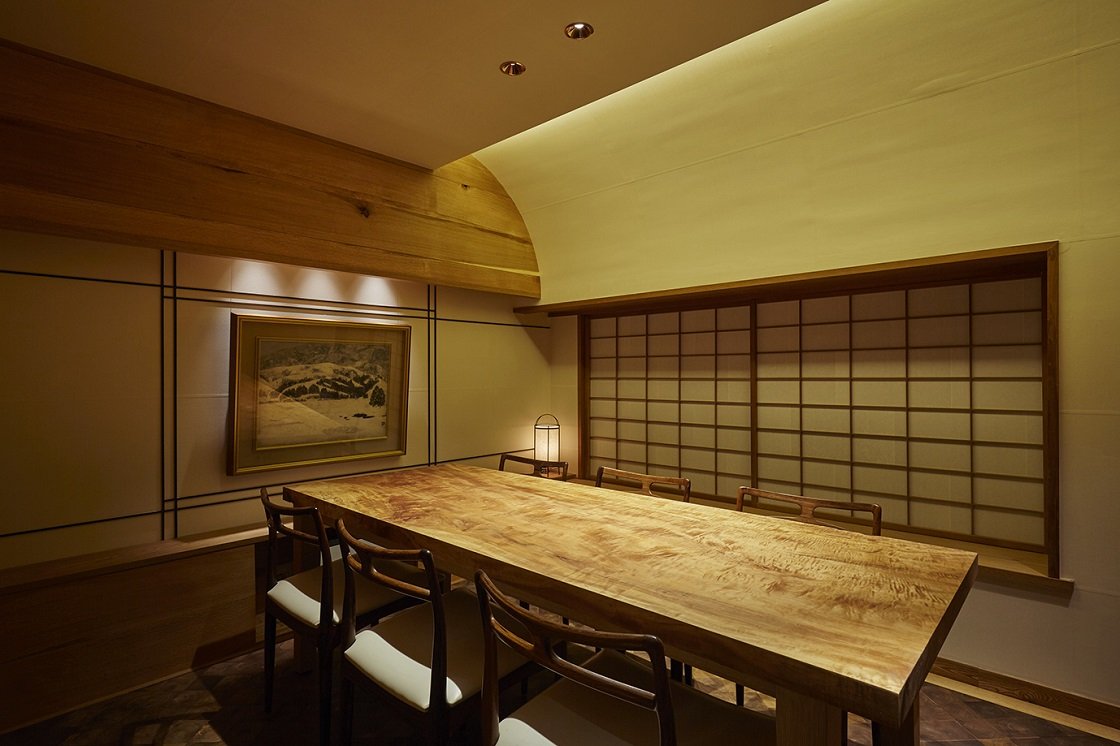
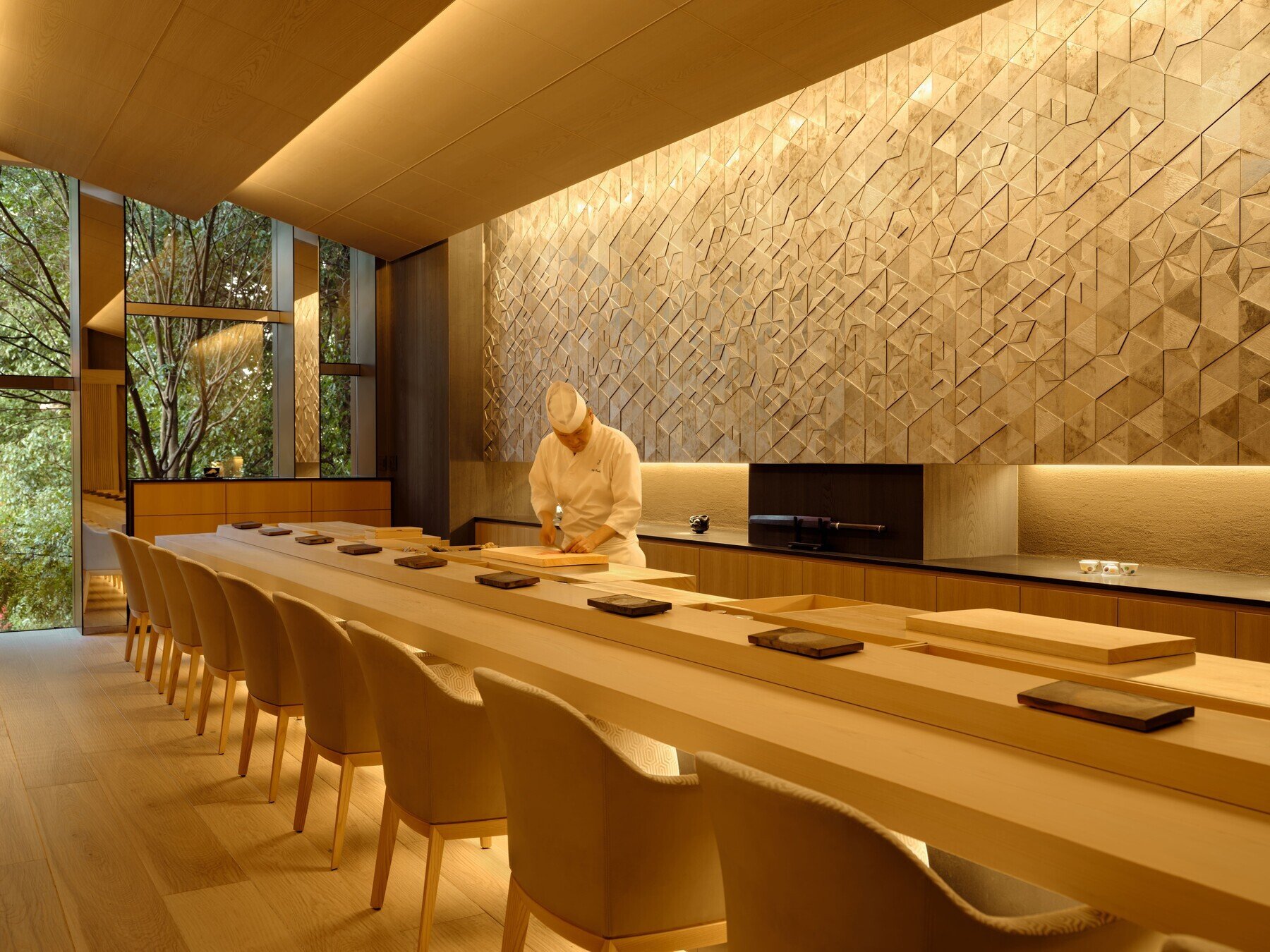
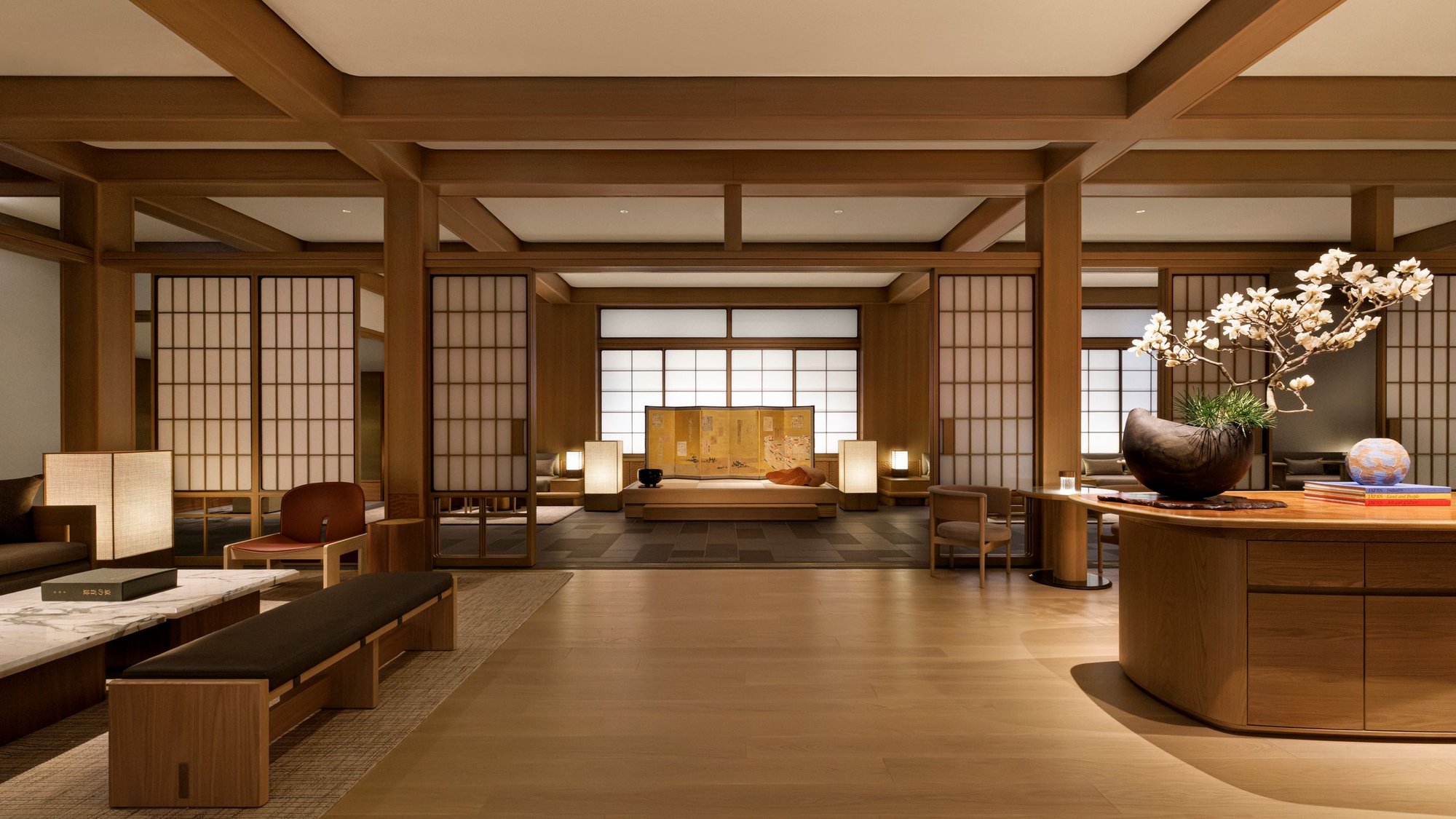
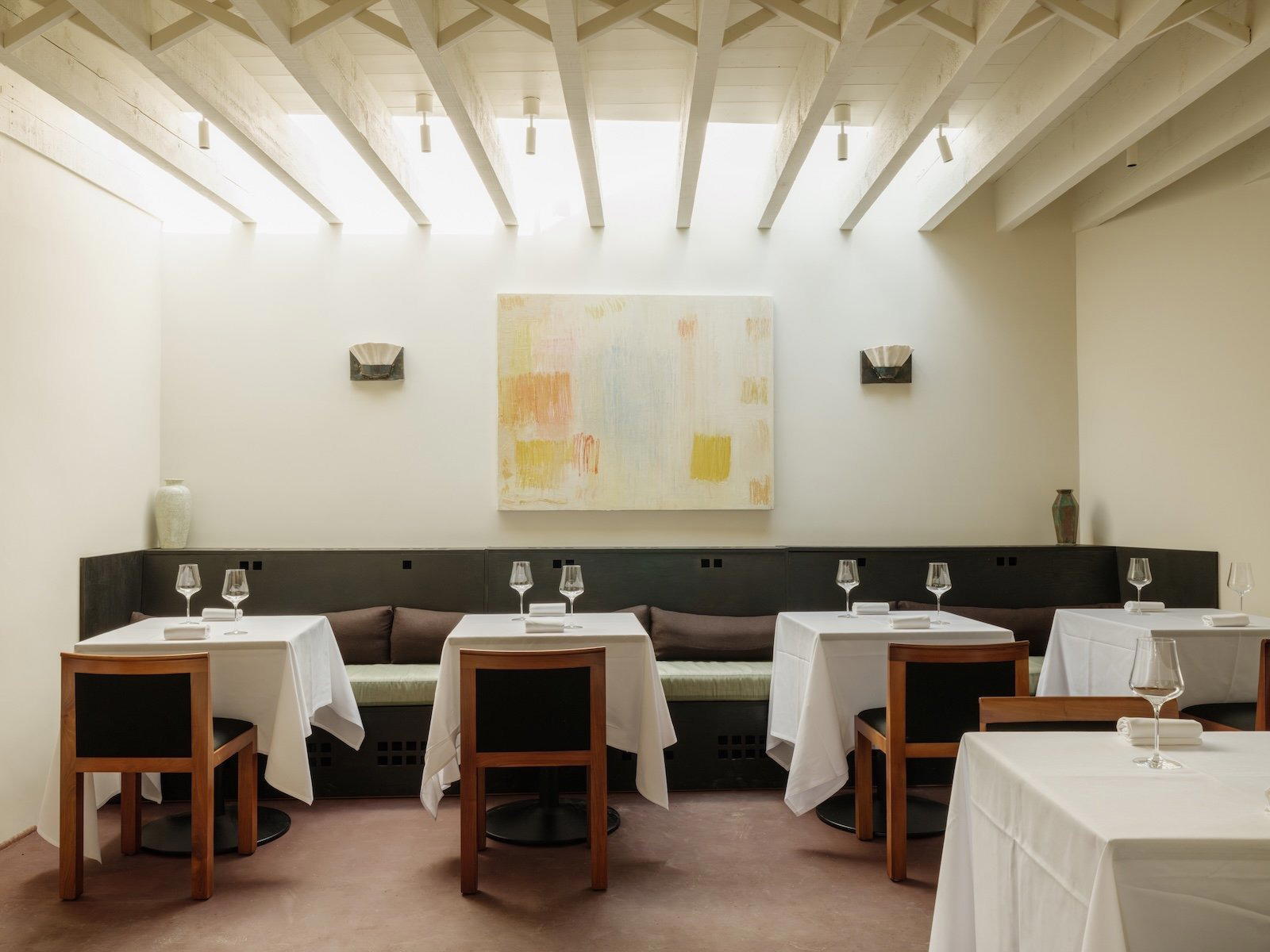
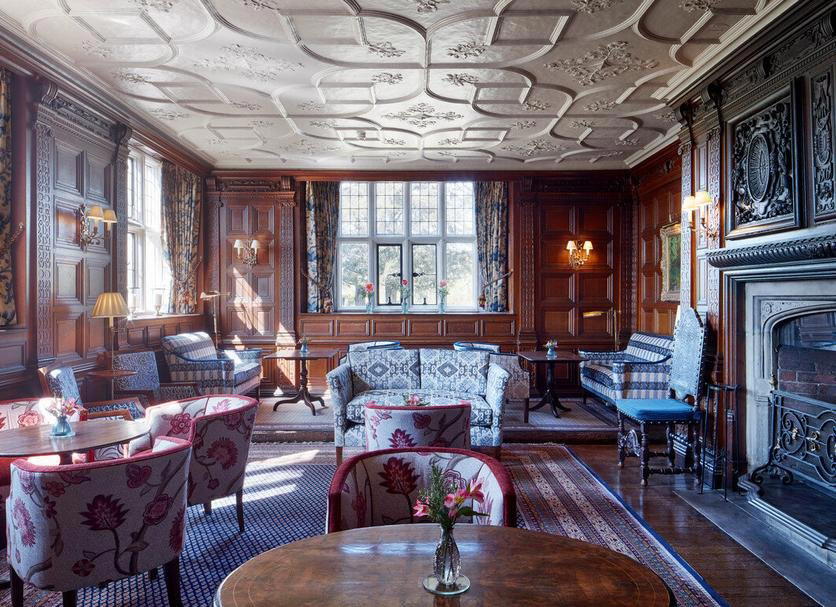
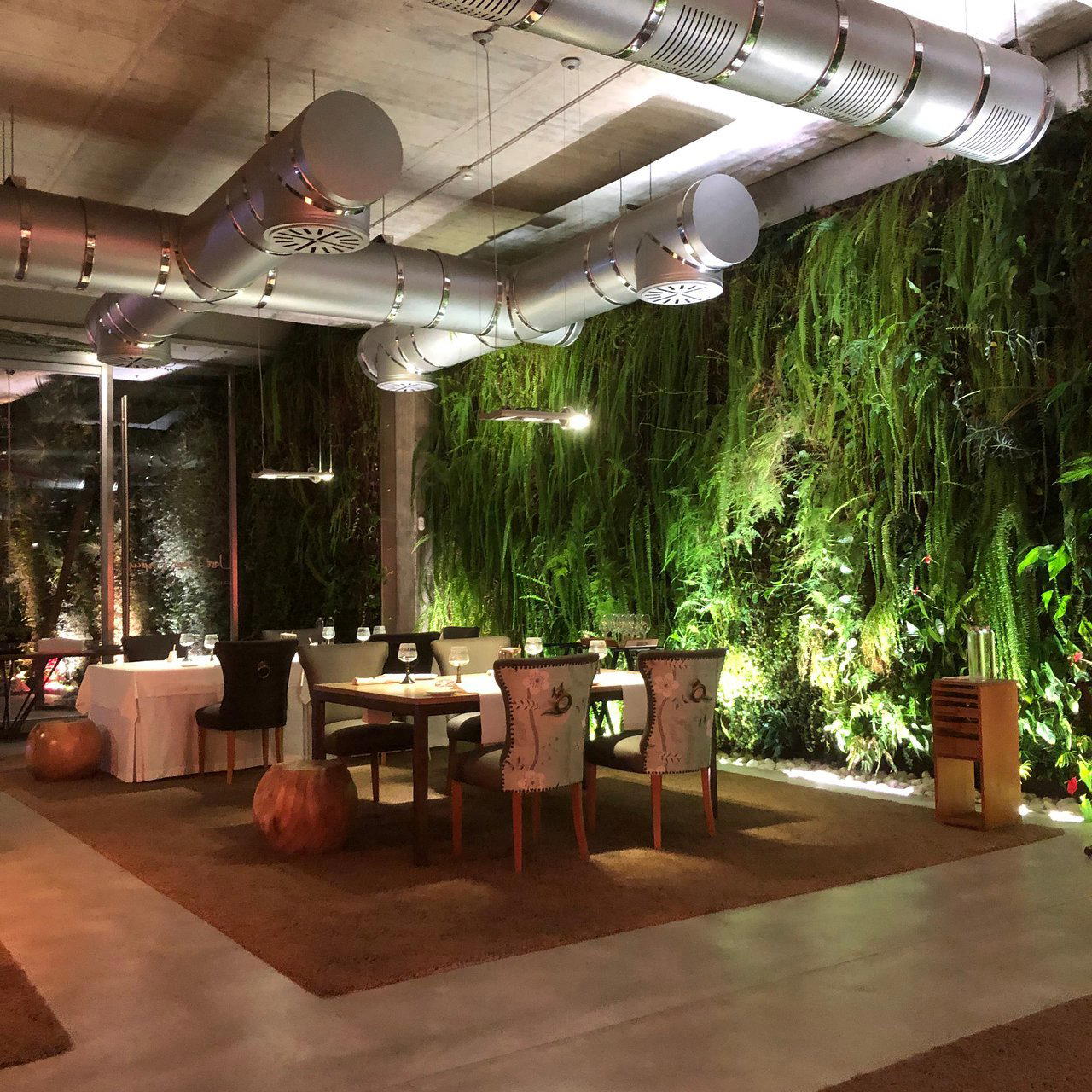
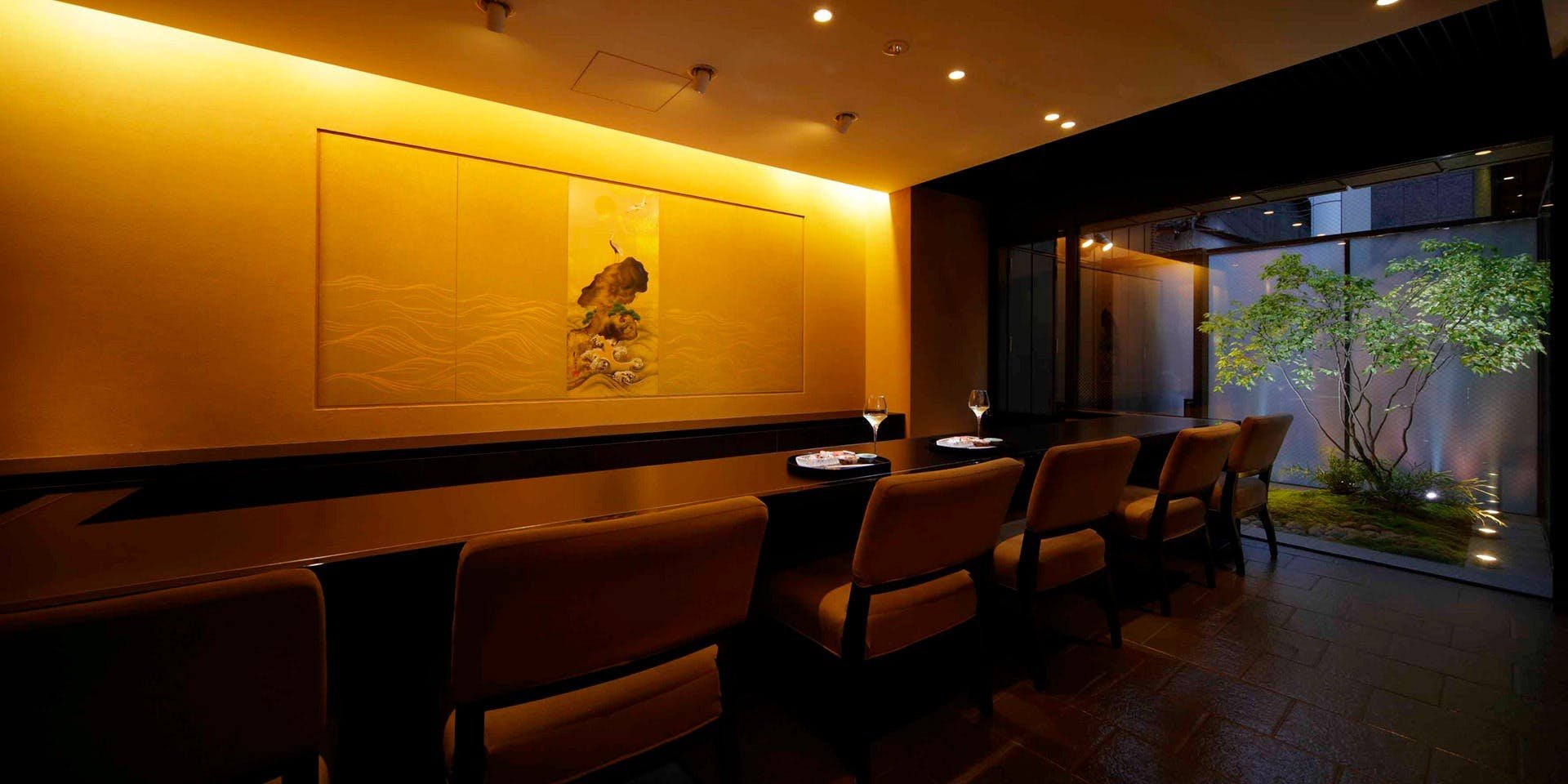
Traditional Japanese setting with wood elements, plants, garden view from counter seats, and a warm, intimate atmosphere.
Tags
Vibe
Best For
Experience
View
At the Table
- Dress Code
- Smart Casual
- Noise Level
- Quiet
- Service Style
- Formal
- Meal Pacing
- Leisurely
- Capacity
- Intimate
- Kitchen
- Traditional
- Menu Format
- Tasting menu, Counter dining
- Dietary
- Vegetarian friendly, Gluten-free options
- Private Dining
- Available
Know before you go
Know Before You Go
- Getting there
- Japan, 〒605-0078 Kyoto, Higashiyama Ward, 祇園富永町125-2
Planning details
Hours
- Monday
- Closed
- Tuesday
- 5:30–10 PM
- Wednesday
- 5:30–10 PM
- Thursday
- 5:30–10 PM
- Friday
- 5:30–10 PM
- Saturday
- 5:30–10 PM
- Sunday
- Closed
Location
Recognition and awards
Also consider
Also Consider
- Gion Sasaki: Kaiseki, Japanese, ¥¥¥¥
- cenci: Italian, ¥¥¥
- Ifuki: Kaiseki, ¥¥¥¥
- Kyokaiseki Kichisen: Japanese, ¥¥¥¥
- SEN: French, Japanese, ¥¥¥¥
Restaurant context
Within Kyoto's ¥¥¥¥ tier, Enyuan Kobayashi occupies a different position from the kaiseki heavyweights. Gion Sasaki and Ifuki are both kaiseki operations at the same price point, and both demand more of the diner in terms of time, formality, and the multi-course kaiseki framework. If you want the full Kyoto kaiseki experience, those venues deliver it more completely. Enyuan Kobayashi is the better call if you want serious cooking in a setting that doesn't require that level of ceremonial commitment: the format is more accessible, the meal shorter, and the mood quieter without being cold.
Kyokaiseki Kichisen sits at the top of Kyoto's formal dining hierarchy and is a different proposition entirely: longer, more expensive in practice, and considerably harder to book. SEN, which blends French and Japanese cooking at ¥¥¥¥, is worth considering if you want a cross-cultural angle rather than a purely Japanese one. For budget-conscious explorers, cenci at ¥¥¥ offers a genuine step down in price while maintaining technique, though the cuisine is Italian rather than Japanese.
The practical comparison comes down to what you're optimising for. If depth of Kyoto food culture in a focused, counter-format meal is the goal, Enyuan Kobayashi is the most direct route at this price tier. If you want the full multi-course kaiseki arc, book Gion Sasaki or Ifuki instead. If booking difficulty is a constraint, Enyuan Kobayashi's Michelin star and 4.8 rating suggest strong demand, so plan accordingly: but it is likely somewhat easier to secure than Kyokaiseki Kichisen.
Explore Kyoto
Around this place
Discover more on Pearl
Unlock the full Enyuan Kobayashi guide in Pearl, including awards, comparisons, FAQs, planning details, and nearby places.
Compare Enyuan Kobayashi
| Venue | Cuisine | Price | Booking Difficulty | Awards |
|---|---|---|---|---|
| Enyuan Kobayashi | Tempura | ¥¥¥¥ | Hard | 2026 Michelin 1 StarMichelin Guide Kyoto Osaka 20262024 Michelin 1 Star |
| Gion Sasaki | Kaiseki, Japanese | ¥¥¥¥ | Unknown | 2026 Tabelog Bronze · #3862026 OAD Top Restaurants in Japan RecommendedMichelin Guide Kyoto Osaka 20262026 La Liste Top RestaurantsTabelog 100 - Japanese cuisine - WEST - 2025 · #132025 OAD Top Restaurants in Japan Ranked · #2462025 Tabelog Silver2025 Michelin 3 Stars2025 La Liste Top Restaurants |
| cenci | Italian | ¥¥¥ | Unknown | 2026 Tabelog Bronze · #442026 Asia's 50 Best Restaurants · #762026 OAD Top Restaurants in Japan Highly RecommendedMichelin Guide Kyoto Osaka 2026Tabelog 100 - Italian - WEST - 2025 · #632025 Asia's 50 Best Restaurants · #632025 OAD Top Restaurants in Japan Ranked · #1682025 Tabelog Bronze2024 OAD Top Restaurants in Japan Ranked · #135 |
| Ifuki | Kaiseki | ¥¥¥¥ | Unknown | 2026 OAD Top Restaurants in Japan Ranked · #1222026 Tabelog Bronze · #128Michelin Guide Kyoto Osaka 20262026 La Liste Top RestaurantsTabelog 100 - Japanese cuisine - WEST - 2025 · #622025 OAD Top Restaurants in Japan Ranked · #1002025 La Liste Top Restaurants2025 Tabelog Bronze2025 Michelin 2 Stars |
| Kyokaiseki Kichisen | Japanese | ¥¥¥¥ | Unknown | 2026 Tabelog Bronze · #1752026 OAD Top Restaurants in Japan Highly RecommendedMichelin Guide Kyoto Osaka 20262025 OAD Top Restaurants in Japan Ranked · #1862025 Michelin 2 Stars2025 La Liste Top Restaurants2024 OAD Top Restaurants in Japan Ranked · #1422024 Michelin 2 Stars2023 OAD Top Restaurants in Japan Ranked · #136 |
| SEN | French, Japanese | ¥¥¥¥ | Unknown | 2026 Tabelog Bronze · #3952026 OAD Top Restaurants in Japan RecommendedMichelin Guide Kyoto Osaka 20262026 Michelin PlateTabelog 100 - Japanese cuisine - WEST - 2025 · #652025 Michelin Plate2025 Tabelog Bronze2024 OAD Top Restaurants in Japan Ranked · #3622024 Michelin Plate |







.png?width=1200&quality=80)
Side-by-side comparison to help you decide where to book.
FAQ
Frequently Asked Questions
How far ahead should I book Enyuan Kobayashi?
Book at least four to six weeks in advance. A Michelin-starred tempura counter in Gion with a menu rooted in Kyoto seasonal ingredients draws serious demand, especially during cherry blossom and autumn foliage seasons. Reservations through a hotel concierge or a third-party booking service familiar with Kyoto's fine dining circuit are your most reliable route in.
Can I eat at the bar at Enyuan Kobayashi?
Counter seating is the expected format at a specialist tempura operation like this: watching the chef work is part of the meal. Seat allocation details are not publicly confirmed, but tempura restaurants in this tier typically run a counter-led experience where all guests are positioned facing the chef.
What are alternatives to Enyuan Kobayashi in Kyoto?
For tempura in Kyoto at a similar price point, Ifuki is the closest comparison: also counter-driven and ingredient-focused. If you want to broaden into kaiseki, Gion Sasaki and Kyokaiseki Kichisen are in a different category but represent the premium end of Kyoto's tasting-menu scene. Enyuan Kobayashi sits between those worlds: a specialist format with broader culinary context built into the menu.
Is Enyuan Kobayashi worth the price?
At ¥¥¥¥ and with a 2024 Michelin star, the price is defensible if tempura is the format you want. The menu goes beyond standard tempura to include Kyoto vegetables, nama-fu, and traditional small dishes like simmered Pacific herring with aubergine, which adds range without diluting the specialty focus. If you are weighing pure value, this is a sharper proposition than spending the same at a multi-course kaiseki house where tempura is an afterthought.
Is the tasting menu worth it at Enyuan Kobayashi?
Yes, for the format. The meal moves from traditional Kyoto standards into the tempura sequence, with ingredient choices that reflect the chef's background in classical Japanese cuisine. Dishes like dried sea cucumber gonads and nama-fu are not standard tempura-house fare: they signal a kitchen with a point of view. If you want something more familiar, look elsewhere; this menu rewards diners who want craft over comfort.
Can Enyuan Kobayashi accommodate groups?
A specialist tempura counter is not well-suited to large groups. Counter dining in this format typically works best for two to four people. Groups of six or more should confirm seating options before booking: and be prepared that a private room or separate arrangement may not exist here the way it might at a larger kaiseki venue like Kyokaiseki Kichisen.
Is Enyuan Kobayashi good for a special occasion?
It works well as a special-occasion dinner if the person you are celebrating appreciates Japanese craft cuisine over obvious spectacle. The Michelin recognition gives it weight, and the Gion setting in Higashiyama Ward adds occasion without requiring you to explain why it matters. It is a better fit for a food-focused celebration than a milestone event where the room needs to impress on first sight.