

Tabelog 100: Best Yakiniku in Western Japan 2025
Tabelog 100 (Hyakumeiten) Yakiniku - WEST selection for 2025. Tabelog publishes these as source-ordered lists of 100 restaurants.

Venues on this list
Kyosho ran Minamimori chou
Osaka, Japan
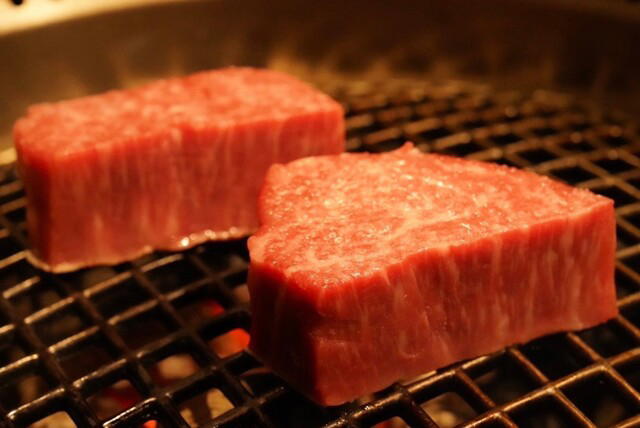
Tabelog 100-listed yakiniku in Minamimorimachi offering private-room wagyu grilling at JPY 8,000–9,999 per head; half the price of premium wagyu temples with the same recognition. All 36 seats run as private rooms; no counter. Shochu and wine selection outpaces neighborhood competitors. Book ahead; same-day slots sometimes open if you call early.
Beef Cook Kurazono
Kobayashi, Japan
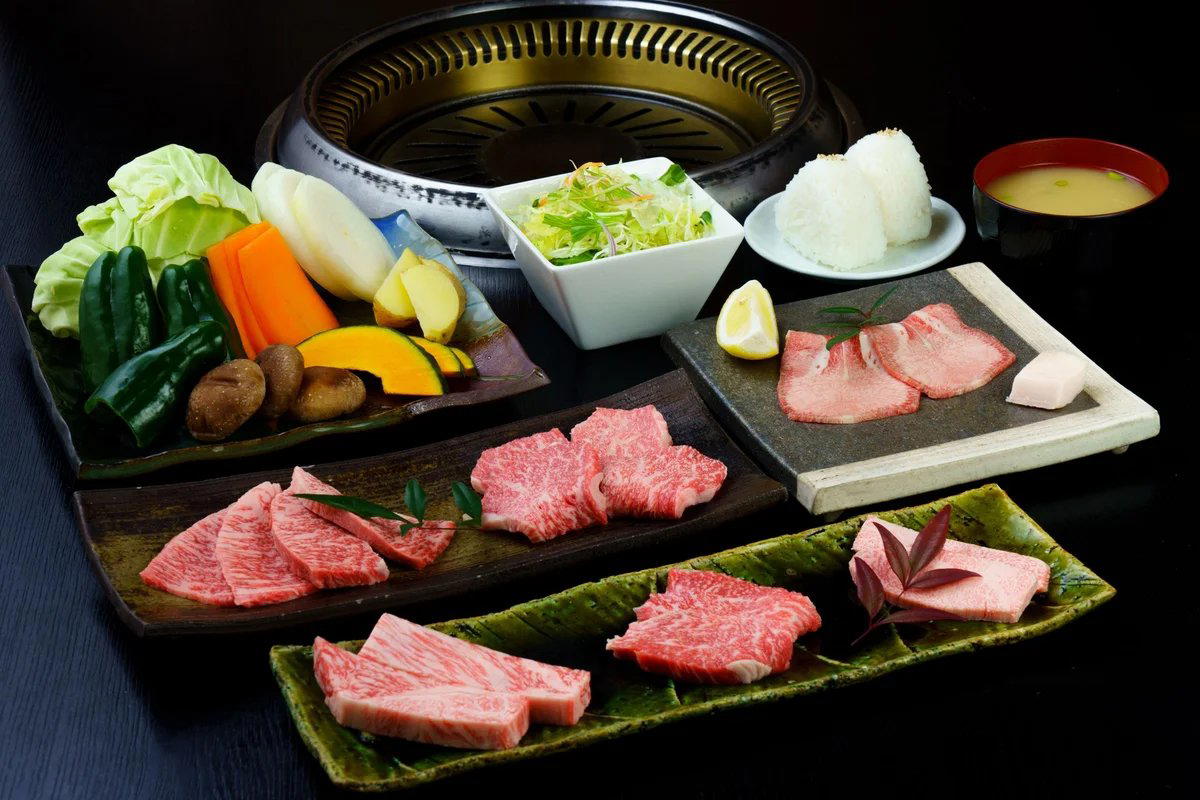
Beef Cook Kurazono is a reservation-only yakiniku specialist in rural Kobayashi, serving farm-direct wagyu from the same herd supplied to ANA first class. A Tabelog Award 2024 Bronze winner and seven-time Tabelog 100 selection, it costs JPY 10,000–JPY 14,999 at dinner; three times the neighbourhood average; but delivers traceable beef quality and private-room grilling. Book two weeks ahead and arrange taxi transport from Kobayashi Station (3.5 km away).
Ebata
Kyoto, Japan
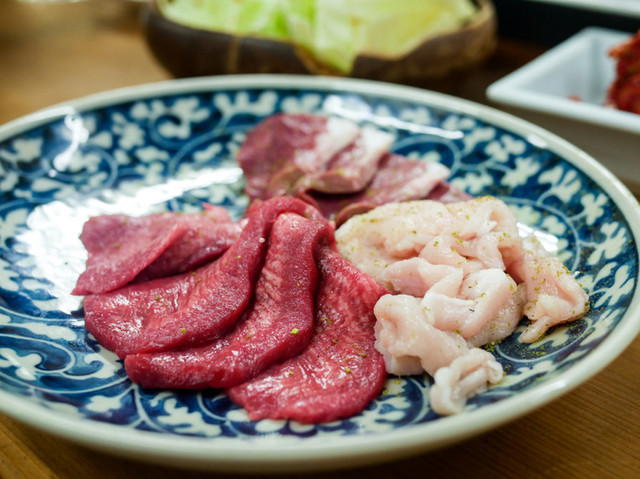
Walk-in yakiniku in Kamigyo Ward with late hours (9 PM last order) and eight consecutive Tabelog 100 selections. Tripe and beef cuts run JPY 6,000–7,999, counter and tatami seating for 40, cash only, no reservations. Busier and louder after 7 PM; arrive early for quieter tables.
Okada Shokuhin Kabushiki Gaisha
Kobe, Japan
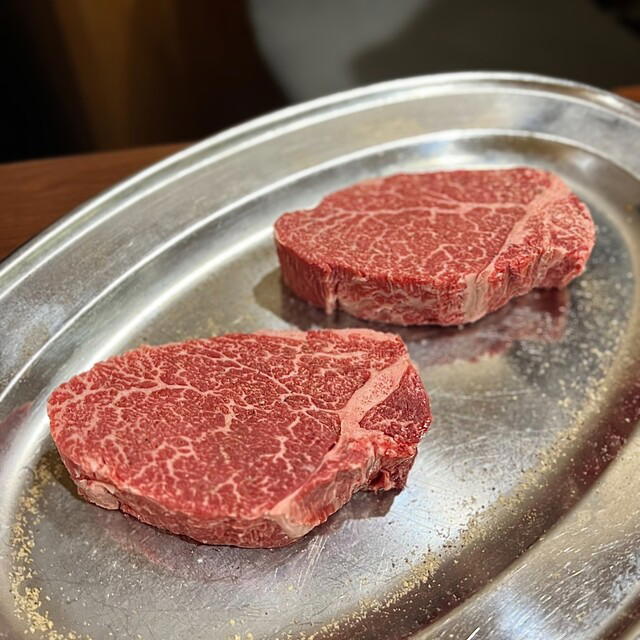
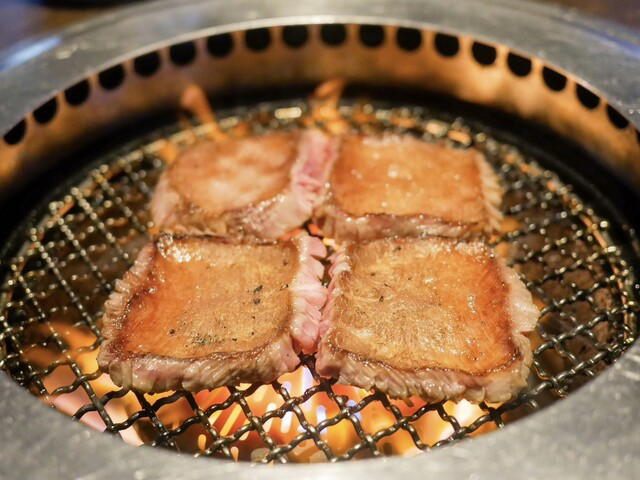
A second-floor yakiniku specialist above a working butcher shop, holding six consecutive Tabelog 100 selections (2020–2025) for beef quality and consistency. The reservation-only format, private rooms for groups up to 20, and BYOB policy make this a practical choice for JPY 6,000–7,999 per head, with direct-from-source beef sourcing as the key differentiator. Cash only, closed Sundays.
Yakiniku no Mr. Aoki
Iizuka, Japan
Mid-priced yakiniku in Iizuka with 160 seats, private rooms, and a wine program unusual for the category. Three-time Tabelog 100 selection (2023–2025) for western Japan. Family-friendly and group-oriented, with self-service table grills rather than chef-driven counter seating. Worth the visit if you are already in Fukuoka Prefecture, but Fukuoka city offers tighter, more chef-focused yakiniku options.
Sumiyaki Niku Ishidaya. Hanare
Kobe, Japan
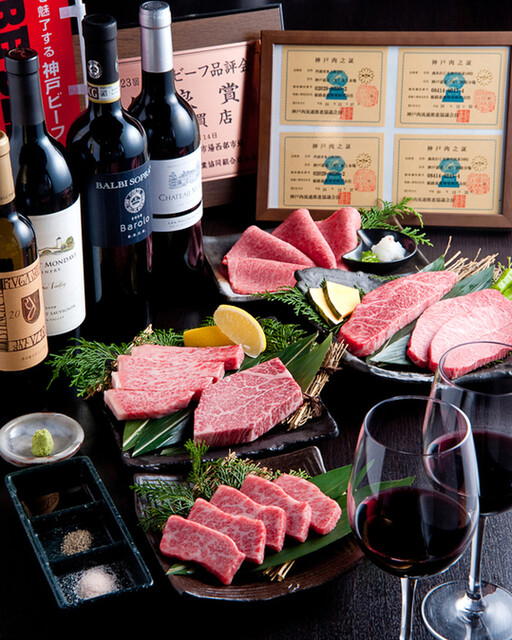
Charcoal-grilled yakiniku specialist in Kitanagasadori with a 14-year track record and six Tabelog Yakiniku WEST 100 selections. Expect tableside beef service, a sake-forward drink list, and dinner bills that run JPY 10,000–14,999 per person. Book ahead for weekend slots; walk-ins are possible but unreliable.
Yakiniku Horumon Uchida
Osaka, Japan
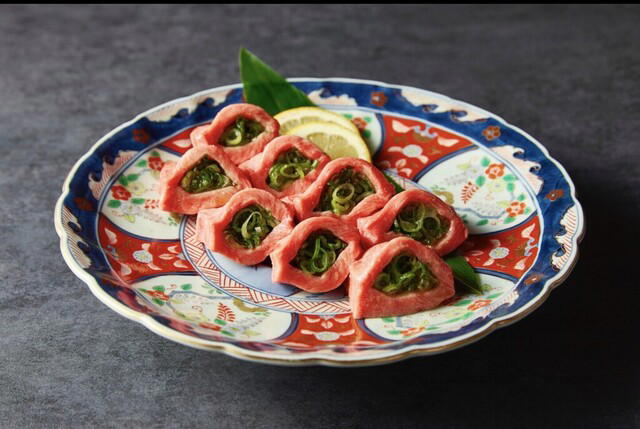
Tabelog 100 Yakiniku WEST recognition in a 28-seat Doyamacho room serving wagyu and horumon until 5:00 AM. JPY 5,000 to JPY 5,999 delivers award-tier grilling at prices below premium competitors, with multilingual menus and all-you-can-drink options for late-night groups prioritizing convenience over omakase formality.
Toraichi Seiniku Ten
Ishigaki, Japan
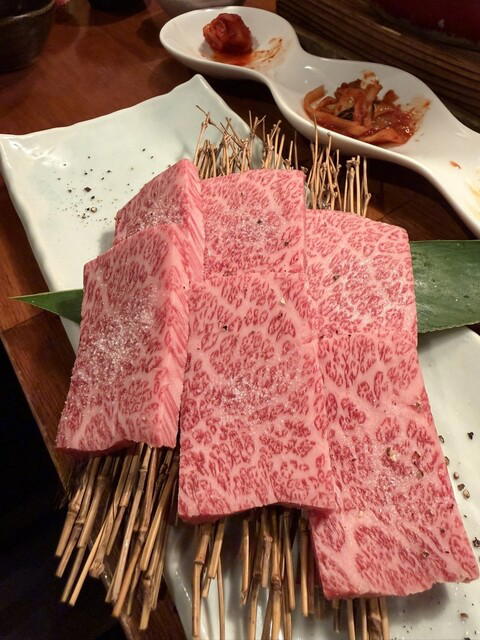
Butcher-shop yakiniku in Maezato with three-year Tabelog 100 recognition and tabletop grills. Dinner runs JPY 6,000 – JPY 7,999 for Ishigaki beef in a straightforward room; lunch (JPY 1,000 – JPY 1,999) offers better value. Service helps with grilling technique but expects self-reliance. Parking on-site, closed Tuesdays and Wednesdays.
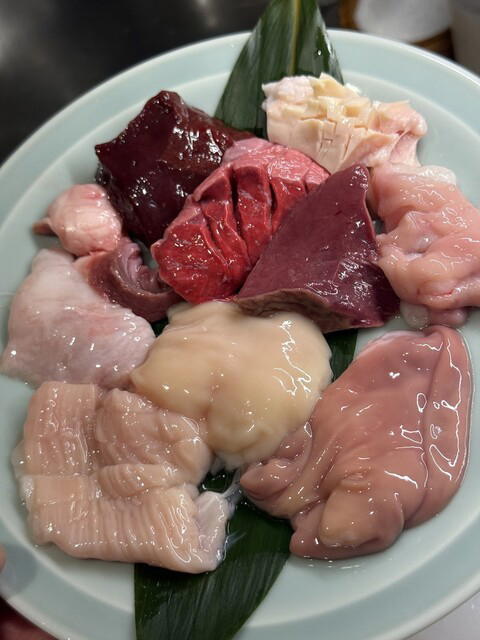
Sumiyaki Shio Horumon 『A』 Kobe Sakaba
Kobe, Japan
A Tabelog Yakiniku WEST 100 counter spot specializing in charcoal-grilled horumon and salt-seasoned offal. The 18-seat room delivers hands-on yakiniku at JPY 8,000–14,999 per head; less formal and more affordable than Kobe's steak-house tier, with same-day reservations often available.
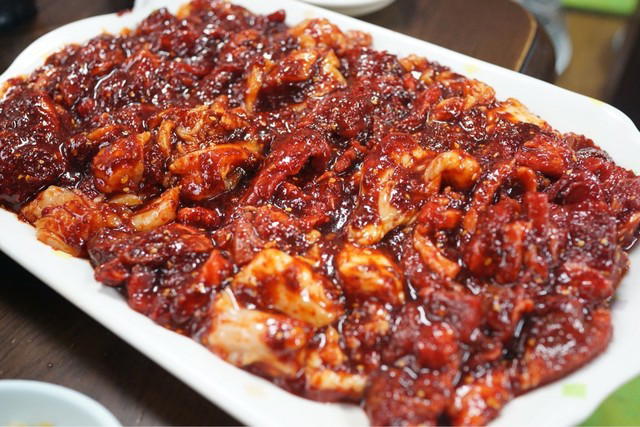
Gen pu kan Chiyo ten
Fukuoka, Japan
Neighbourhood yakiniku grill with Tabelog 100 recognition, serving beef and tripe in a 36-seat tatami-heavy space. At JPY 3,000–3,999 per head, it's a solid mid-tier option for groups who want reliable quality without the premium price of downtown grills. Cash only, smoking allowed, closed Wednesdays.
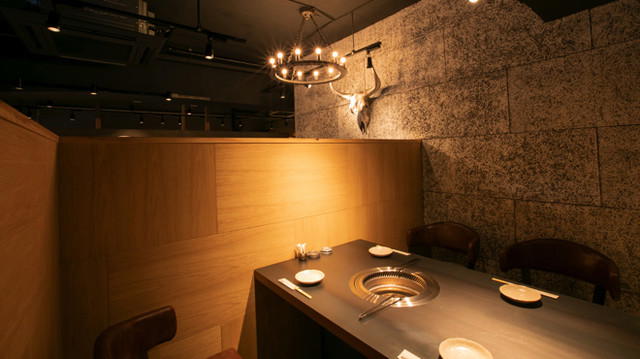
Yakiniku bue
Kobe, Japan
A 2025 Tabelog 100 (WEST) yakiniku spot in Kobe's Chuo-ku district, offering private-room seating, wagyu beef, and a sake-and-wine program guided by an on-staff sommelier. Dinner runs JPY 10,000–14,999; weekend lunch drops to JPY 8,000–9,999. Worth it for the private-room format and beverage depth, but expect a two-hour seating cap during peak times.
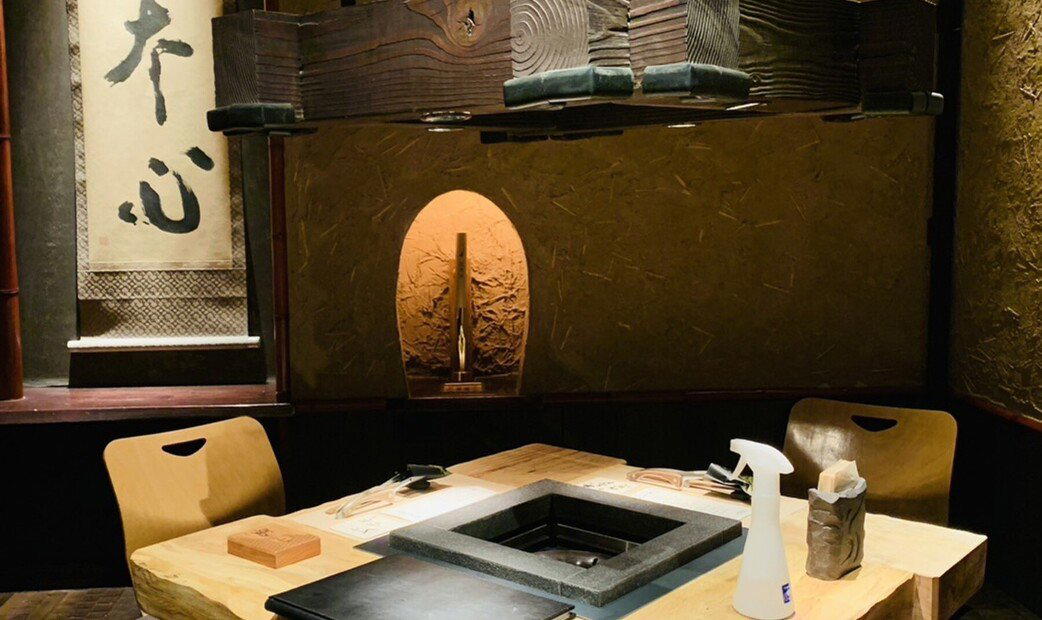
Wagyu Kaiseki Tajimaya Umeda
Osaka, Japan
Referral-only wagyu yakiniku in private rooms near Higashi-Umeda, running kaiseki-paced courses at JPY 15,000–19,999 per person. Eight consecutive Tabelog 100 Yakiniku WEST selections signal consistency. Book here when you need acoustic isolation and sommelier-supported wine pairings for business meals or celebrations.
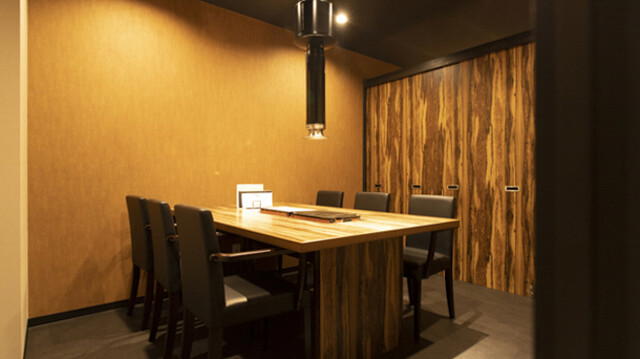
RIKIchan Kitahama ten
Osaka, Japan
Tabelog 100 yakiniku specialist in Kitahama serving charcoal-grilled black wagyu tenderloin with a wine-forward pairing program. JPY 20,000–29,999 per head in a 36-seat basement space. Reservation-only with 110-minute seating limits. Delivers premium beef focus at a price tier above casual Osaka grills but below Tokyo's top yakiniku rooms.
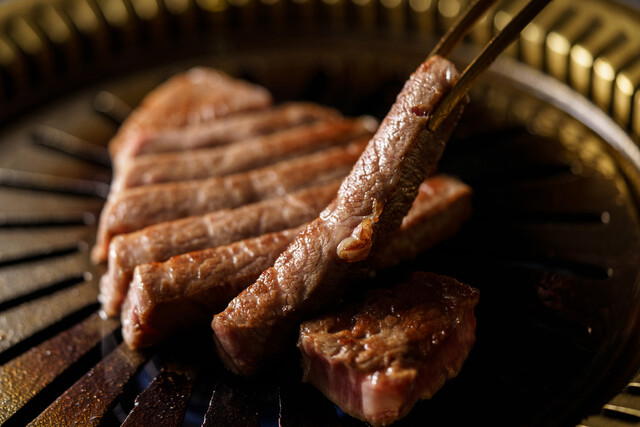
Wagyu no Kiraku
Osaka, Japan
A sixteen-seat yakiniku counter in Tenma serving domestic Kuroge Wagyu with tableside grilling guidance. Tabelog Yakiniku 100 regular since 2018, running JPY 10,000–14,999 with sake and shochu pairings. Counter seating suits solo diners and pairs; sunken-floor room accommodates groups to twenty. Book a week ahead for weekend slots; closed Sundays.
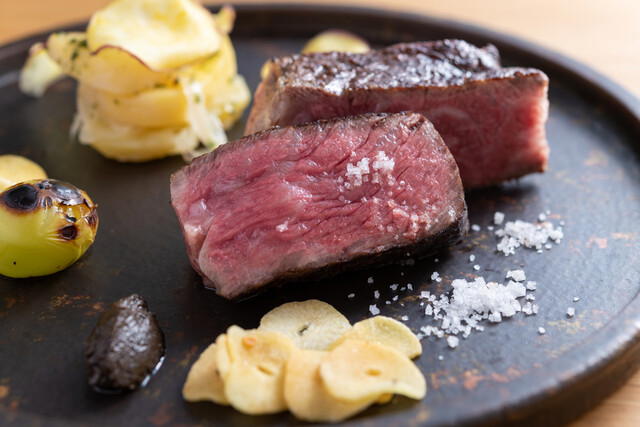
Matasaburo
Osaka, Japan
Matasaburo is a mid-to-upper tier yakiniku restaurant in Osaka's Nagai neighborhood, open since 1989 and recognized on Tabelog's Yakiniku 100 WEST list for seven consecutive years. Dinner runs JPY 10,000–14,999, lunch JPY 4,000–4,999. The wine program receives particular attention, and the 40-seat space includes five private rooms. Book ahead for weekends; weekday lunch is easier to secure.
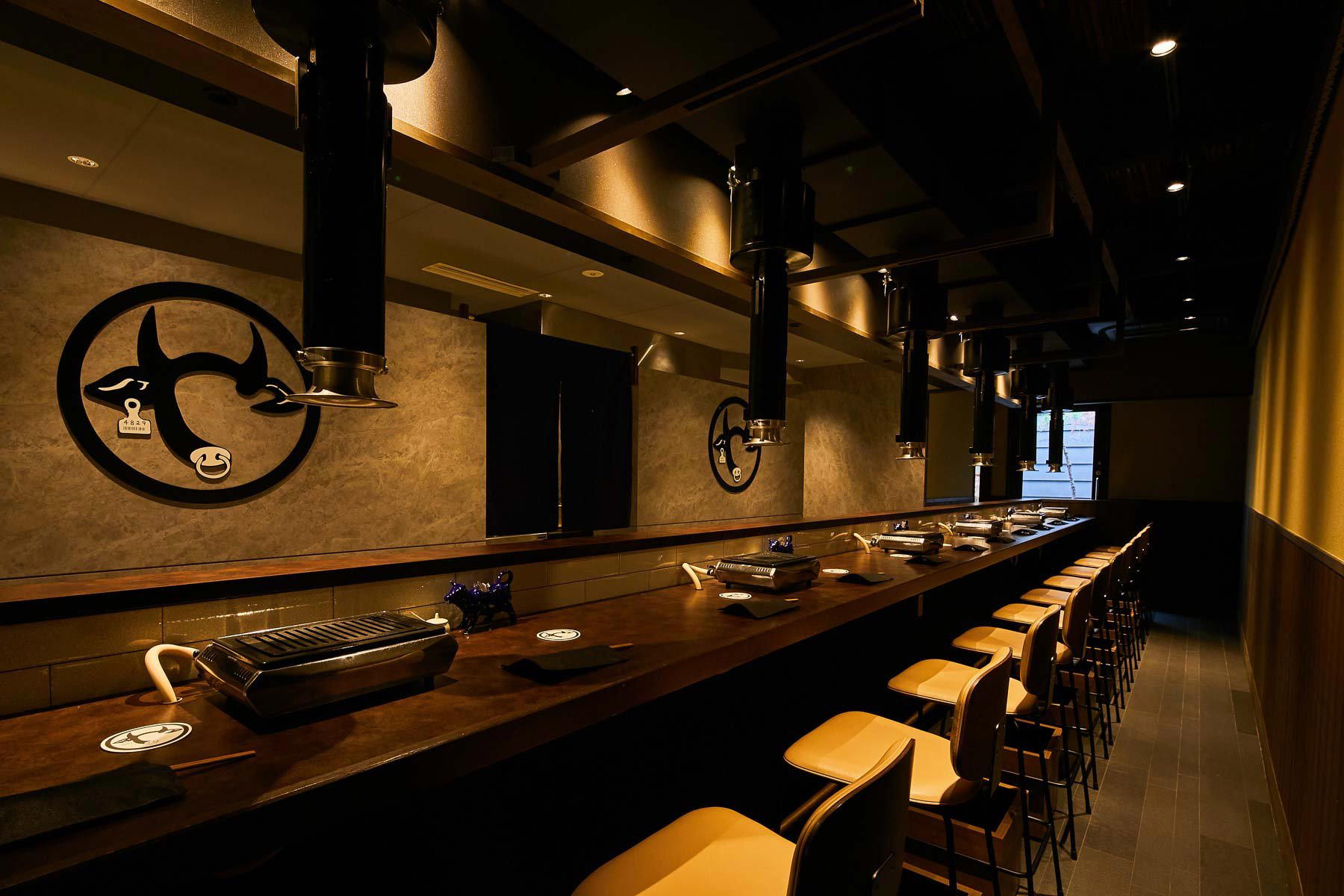
Yakiniku Yamachan
Kyoto, Japan
Yakiniku Yamachan works when the night's priority is grilled beef rather than a formal Kyoto tasting-menu experience. Its Tabelog 100 #17 ranking in 2025 gives it a credible quality signal, while the easy booking profile makes it a practical add to a Kyoto food itinerary if the format suits the group.
Niku Ryori Tatsuki
Nishiwaki, Japan
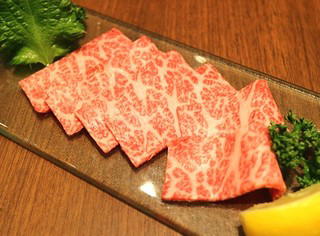
Tabelog 100 Yakiniku WEST honoree serving Kobe beef from Kawagishi Livestock at JPY 8,000–9,999 dinner, JPY 2,000–2,999 lunch. Counter seats offer the most control over grilling; the kitchen's vegetable focus and sake list reward repeat visits. Books one week ahead for weekend dinner, walk-ins possible Thursday lunch.
Manryo Minamimori machi ten
Osaka, Japan
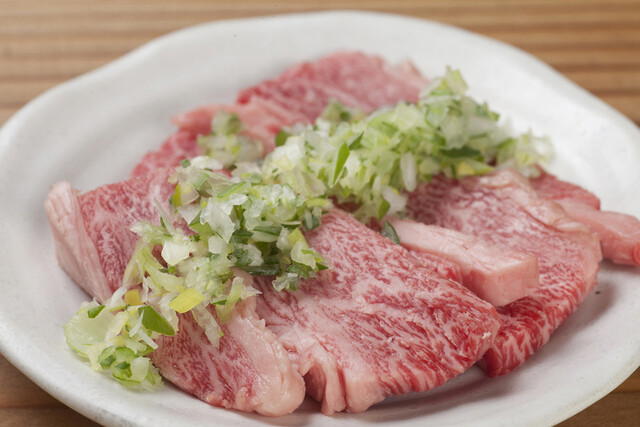
Eight-year Tabelog 100 Yakiniku WEST veteran serving grill-it-yourself beef at JPY 5,000–JPY 5,999 per head in a 76-seat Minamimorimachi neighbourhood spot. Dinner-only format (4 PM–midnight, closed Mondays) delivers reliable beef sourcing and technique without premium-tier pricing, suited to yakiniku enthusiasts who value award credibility over formal dining atmosphere.
Yuzaburo
Kobe, Japan
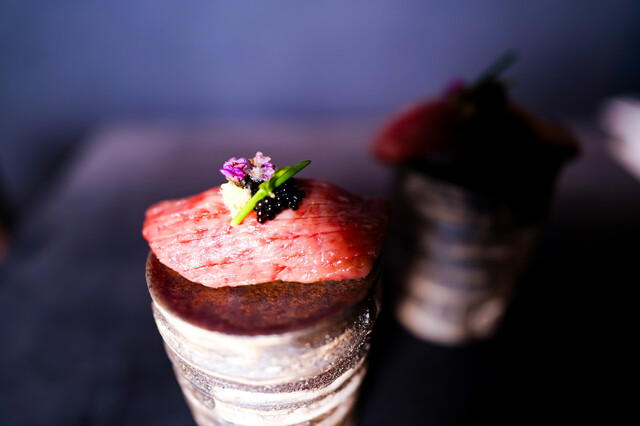
Eight-seat yakiniku counter in Chuo-ku where chef-led service replaces DIY grilling. Tabelog Yakiniku WEST 百名店 2020–2025; reservation-only, JPY 20,000–29,999, focused on cut selection and tableside pacing. Best for solo diners or pairs who prioritize technical execution over group energy.
Fujimura
Kyoto, Japan
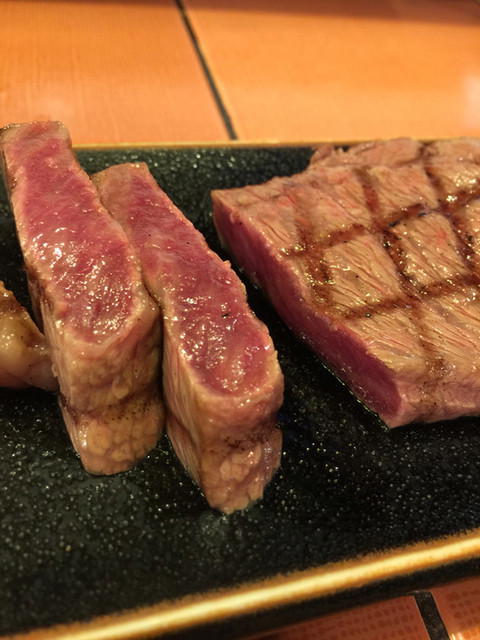
A sixteen-seat neighbourhood yakiniku specialist in Shimogyo Ward where charcoal-grilled beef and shochu take precedence over ceremony. Tabelog 100 recognition since 2018, dinner runs JPY 5,000–5,999, and reservations are easier than most Kyoto grillers. Counter seating for four, tatami rooms for groups, cash-only payment.
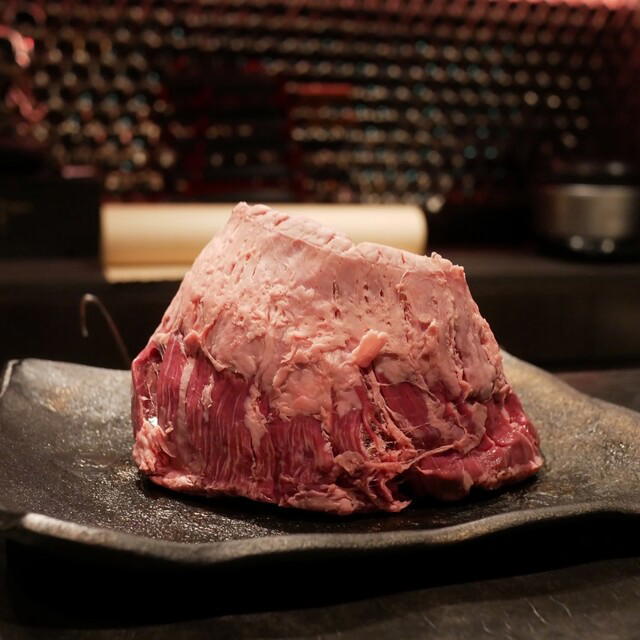
takigawa
Osaka, Japan
A members-only yakiniku counter in Nishitenma recognized in Tabelog's 2025 WEST 100, takigawa operates at the upper end of Osaka's grilled beef spectrum with dinner running JPY 40,000–49,999. The sixth-floor hideaway format suits serious beef enthusiasts willing to navigate access barriers through a concierge or local contact. Private rooms available, counter seating prioritized, non-smoking throughout.
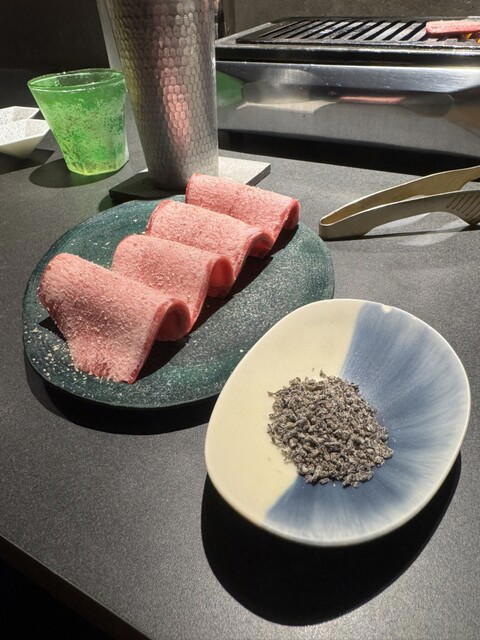
Kuku Hanare
Osaka, Japan
A seven-seat yakiniku counter in Sakai Ward running omakase-only dinners at JPY 15,000–19,999, recognized in Tabelog's Yakiniku WEST 100 for 2025. The counter format suits couples and solo diners who trust the kitchen's pacing; groups larger than four will not fit. Book three to four weeks ahead for weekend slots.
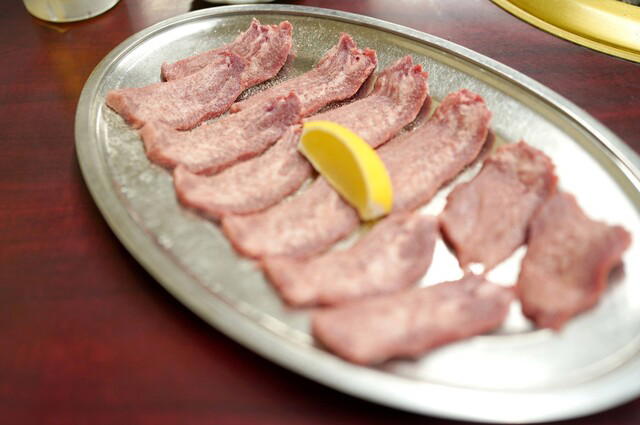
Shokurakuen
Tokushima, Japan
A Tabelog 100-recognized yakiniku spot in Tokushima's Minaminakanocho district, offering self-grilled beef in a 33-seat space at JPY 5,000-5,999 per person. Dinner-only service (5:30-10 PM, closed Sundays) with reservations recommended for weekend slots and private-use options for groups of 20-50.
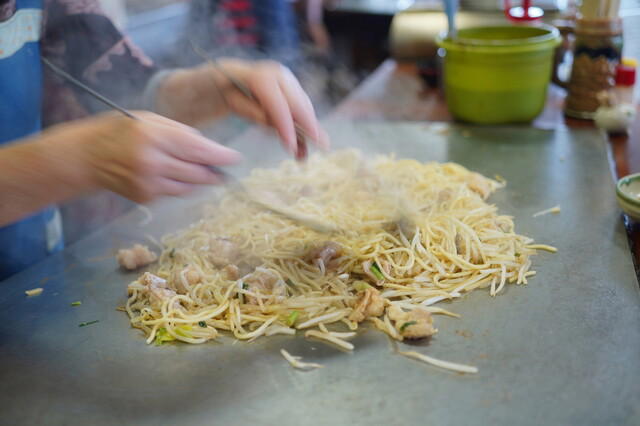
Matsuya Horumon Ten
Tottori, Japan
A Tabelog 100 West grilled-meat specialist in Yoshikataonsen serving tripe, hormone cuts, and yakisoba at JPY 1,000 to JPY 1,999 per person. Counter and tatami seating accommodate solo diners and groups; cash-only payment and easy reservations make it a practical choice for casual yakiniku without the premium-cut price tag.
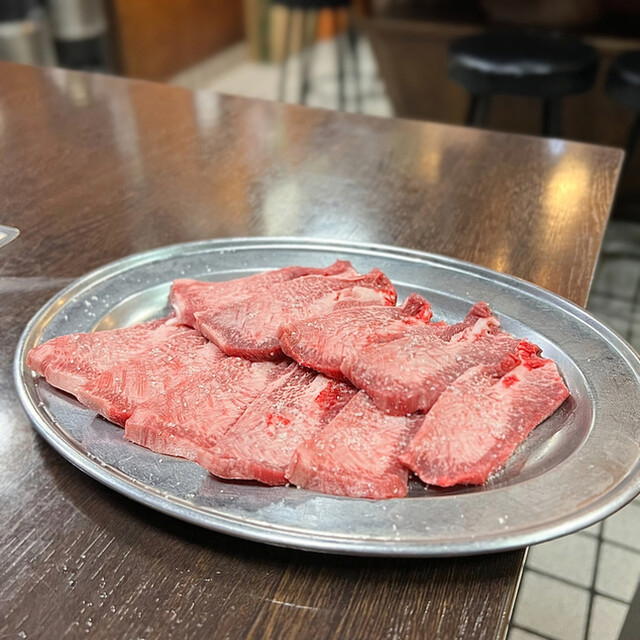
Yasubee
Osaka, Japan
Tabelog 100 Best Yakiniku West honoree five years running, serving grilled beef and tripe at JPY 5,000–5,999 in a 28-seat room that allows smoking. Counter or sunken seating, cash-only payment, and DIY grilling make this a hands-on, affordable yakiniku option one minute from Nishi Kujo Station.
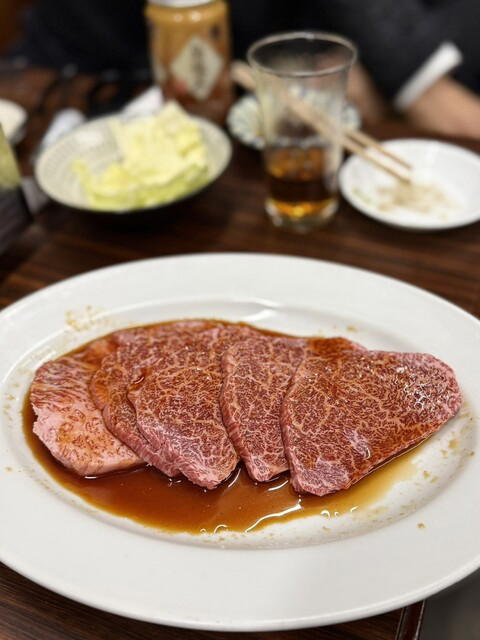
Yakiniku Kappa Kajioka
Osaka, Japan
A Toyonaka neighborhood yakiniku specialist since 1976, recognized in Tabelog 100 (2020–2025) for fresh, never-frozen beef at JPY 8,000–9,999 per head; roughly half what central Osaka peers charge. Reservation and cash mandatory, with extended summer closures and limited evening infrastructure nearby.
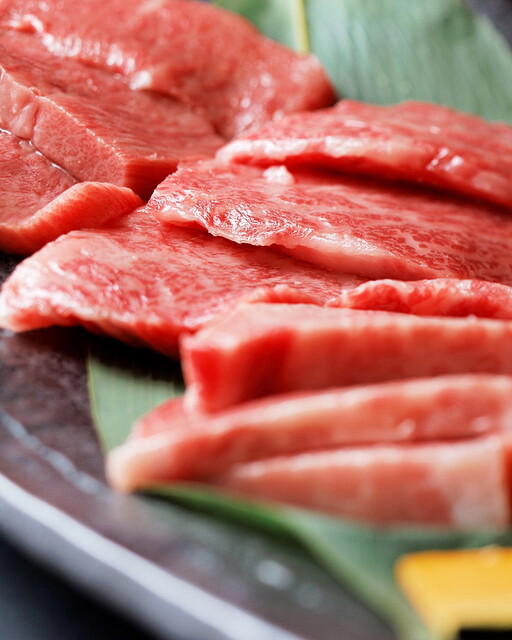
Yakiniku Hachina
yokoi, Japan
Tabelog Yakiniku WEST 100 selection (2022, 2023, 2025) in Nara Prefecture, serving pure black wagyu for tableside grilling. Dinner runs ¥4,000–¥4,999, lunch drops to ¥1,000–¥1,999. Reservations fill two to three weeks ahead on weekends; lunch offers easier walk-in access. Forty-six seats split across tables and tatami sections, with parking and family-friendly service.
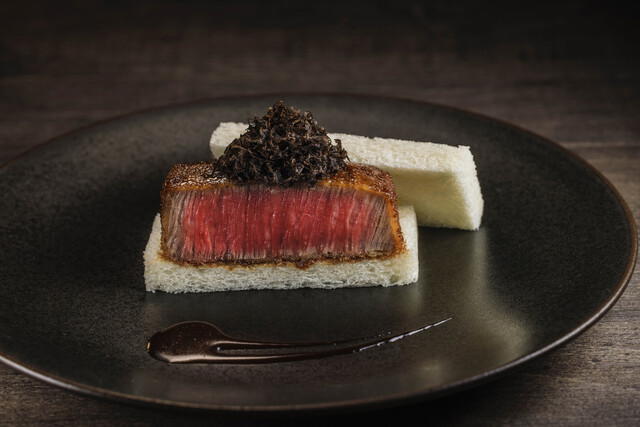
Yakiniku Ushigoro Umeda ten
Osaka, Japan
The Umeda branch of Tokyo's Ushigoro yakiniku group opened March 2025 with 92 seats, semi-private rooms for eight, and a Tabelog 100 (Yakiniku West 2025) selection. Dinner runs JPY 10,000–14,999, lunch JPY 5,000–5,999. Directly connected to JR Osaka Station's Umekita exit; weekend dinner books two to three weeks ahead, weekday lunch holds same-week availability.
Riki Hanten
Fukuoka, Japan
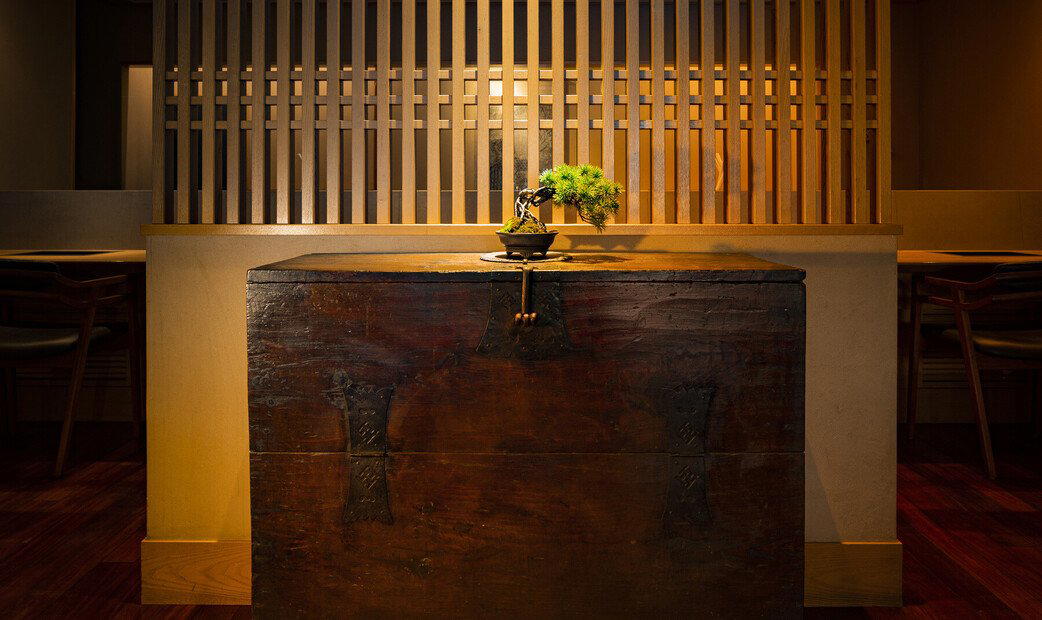
Six-year Tabelog 100 WEST yakiniku in Nishinakasu with self-grill binchotan format and private rooms for two to eight. JPY 10,000–14,999 dinner buys premium domestic beef cuts, sake and wine pairing, and flexible booking that fills weekends but stays accessible weeknights. Counter seats offer staff supervision; rooms suit business dinners and families.
Yakiniku fujimoto Umeda ohatsu tenjin ten
Osaka, Japan
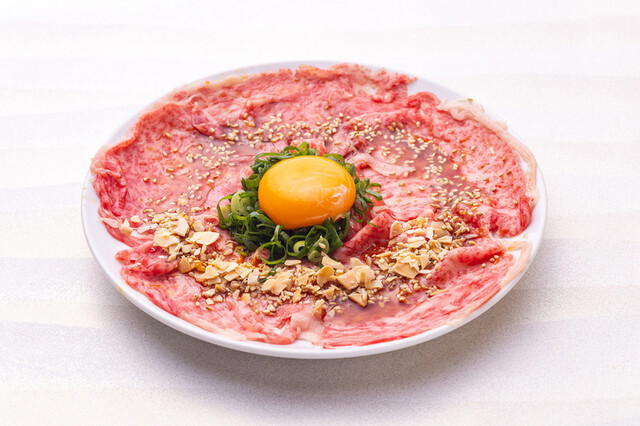
A late-night yakiniku counter in Higashi Umeda that earned a Tabelog WEST 100 nod within months of opening in October 2024. At JPY 5,000–5,999, it offers multilingual menus, offal-focused grilling, and service until 3 AM; ideal for solo diners or casual groups willing to cook their own cuts.
Yakiniku Possam Chip
Kobe, Japan
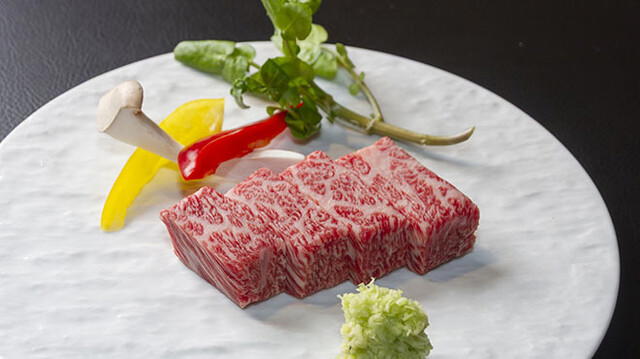
A neighborhood yakiniku specialist near Hyogo Station offering Kobe and long-aged Omi beef at ¥6,000–¥7,999 for dinner, with a quieter weekend lunch service at ¥4,000–¥4,999. Six consecutive Tabelog 100 WEST selections confirm consistency; the self-service tabletop format suits diners who want premium cuts without formal omakase pricing or ceremony.
Wagyu lab K
Hiroshima, Japan
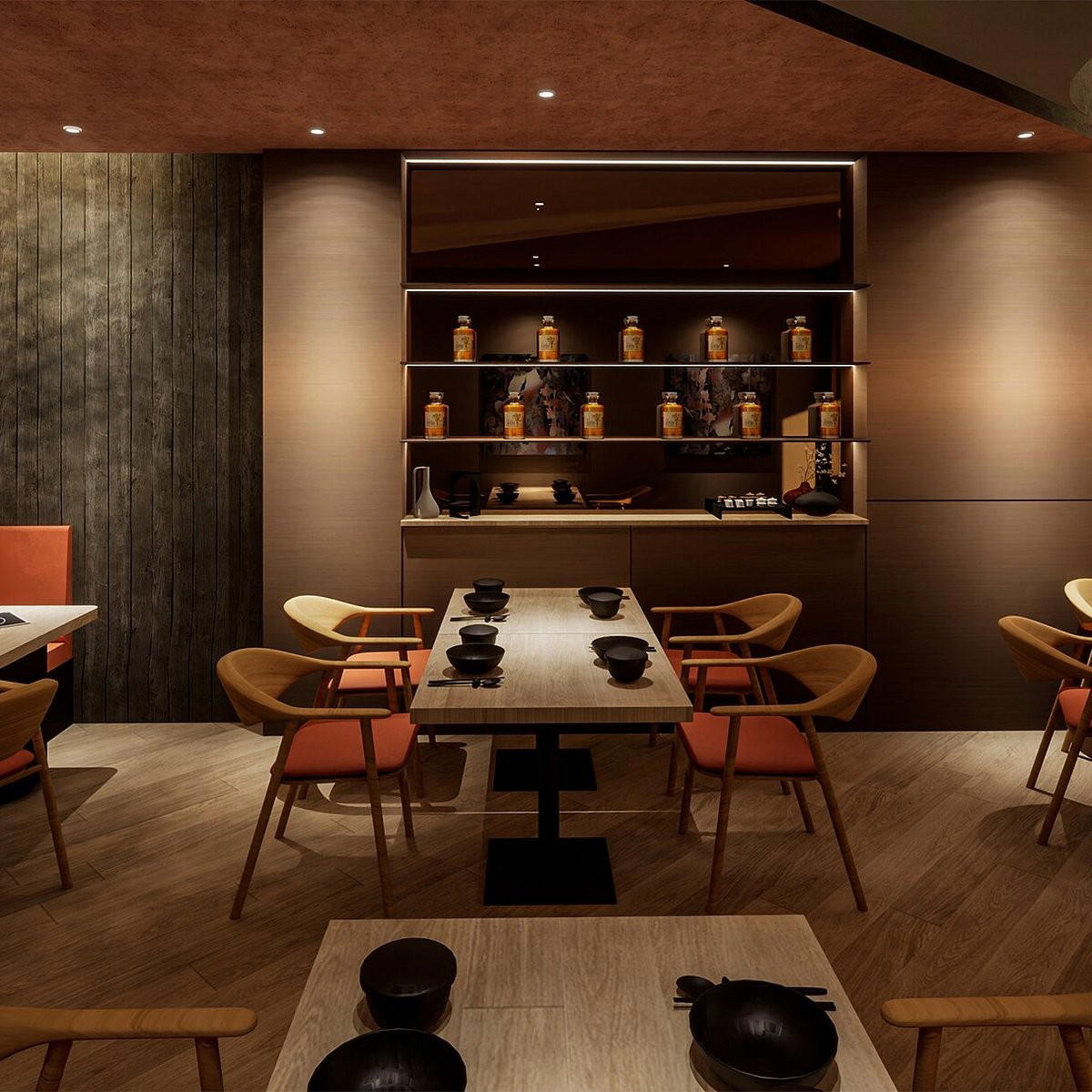
Wagyu Lab K is a 10-seat counter restaurant in Hiroshima's Nishi Ward, built around Sakakiyama beef courses at JPY 10,000–14,999 per person. A Tabelog Bronze Award winner in 2025 and 2026, and named to the Yakiniku WEST Top 100 three consecutive years, it is the strongest case for a reservation-only beef dinner in the city. Book a week or more out and arrive on time.
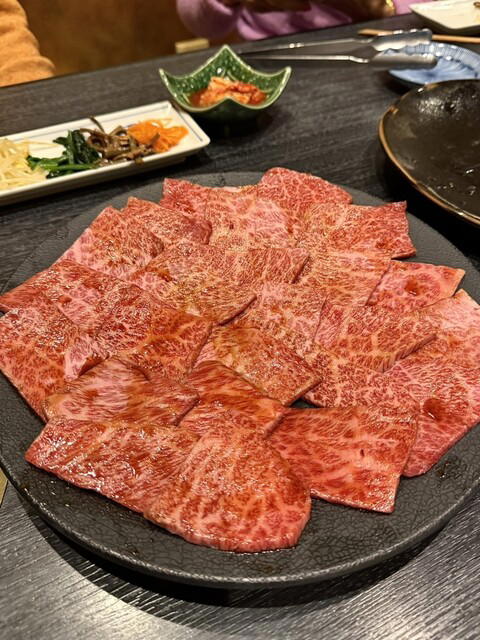
Kiraku
Kobe, Japan
A 100-seat yakiniku hall in Azumadori that's earned Tabelog's Yakiniku WEST 100 recognition every year since 2020. At JPY 8,000–JPY 9,999, the self-grilled beef format delivers better cuts than chain operations but keeps the atmosphere casual; tatami seating, smoking allowed, cash only. Groups fit easily; solo diners may find the grill-for-sharing setup awkward. Book ahead for weekends.
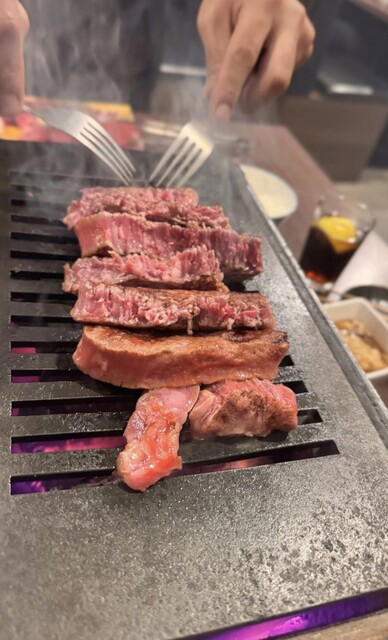
Riki Chan Oosaka toyonaka ten
Osaka, Japan
A 16-seat yakiniku specialist in Toyonaka dedicated exclusively to Hélène Chateaubriand, with three consecutive Tabelog 100 West selections (2023–2025). Reservation-only format and wine-forward pairings at JPY 15,000–19,999 per head; book if you want single-cut mastery, not menu variety. Five minutes from Hotarugaike Station and three minutes from Itami Airport.
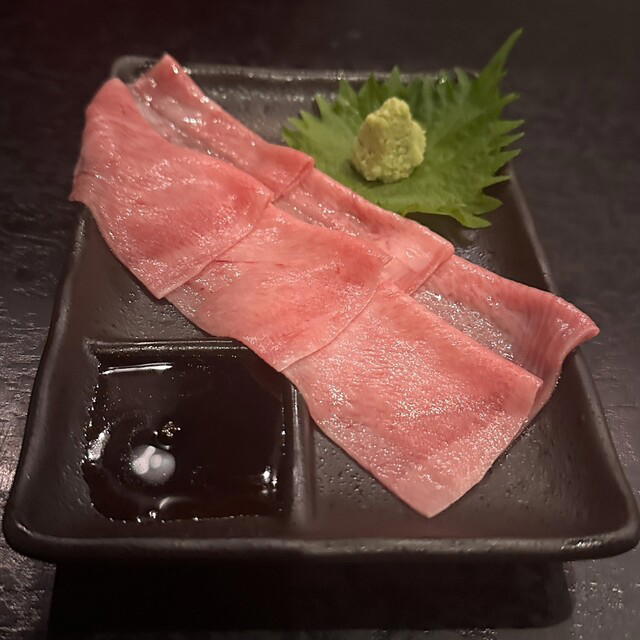
Yakiniku Zen
Kobe, Japan
Yakiniku Zen is a ten-seat hideaway near Sannomiya Station offering Tabelog Yakiniku WEST 100-recognized grilling at JPY 5,000–JPY 5,999. The counter-forward format suits solo diners and pairs who want credible beef sourcing without the JPY 40,000 commitment of Kobe's top-tier specialists. Book ahead for dinner; walk-ins are rare at this compact, late-night-friendly room.
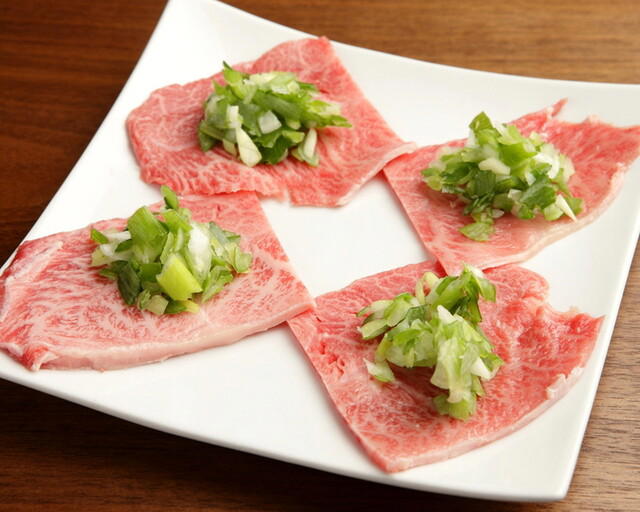
Manryo Higobashi ten
Osaka, Japan
Tabelog 100 yakiniku spot in Tosabori offering counter and table seating, weekday hamburger lunch, and a wine-forward beverage program. Dinner runs JPY 4,000–4,999, reservations fill with reasonable notice, and the two-hour table limit keeps turnover steady. Family-friendly, wheelchair-accessible, five-minute walk from Higobashi Station.
Korean Chubo Senara
Fukui, Japan
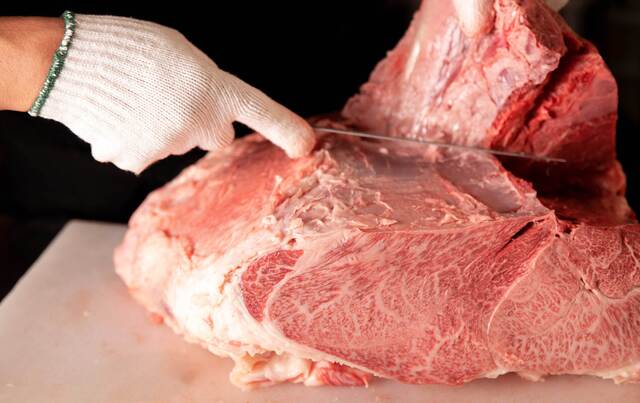
A 70-seat yakiniku institution in Fukui since 1978, holding four consecutive Tabelog 100 WEST selections. Dinner runs JPY 5,000–5,999 for table-top grilling with beef, tripe, and Korean cold noodles. The room seats groups up to 25, with tatami sections and three on-site parking lots. Reservations recommended weekends; midweek walk-ins work.
Daichan
Kyoto, Japan
A 16-seat reservation-only yakiniku counter in Kyoto with Tabelog Bronze awards in both 2025 and 2026 and a score of 4.28. Budget JPY 20,000–29,999 per head for both lunch and dinner. Cash or PayPay only, no credit cards. Book well in advance via Tabelog and confirm hours before visiting, as closing days vary.
Mangetsu
Kobe, Japan
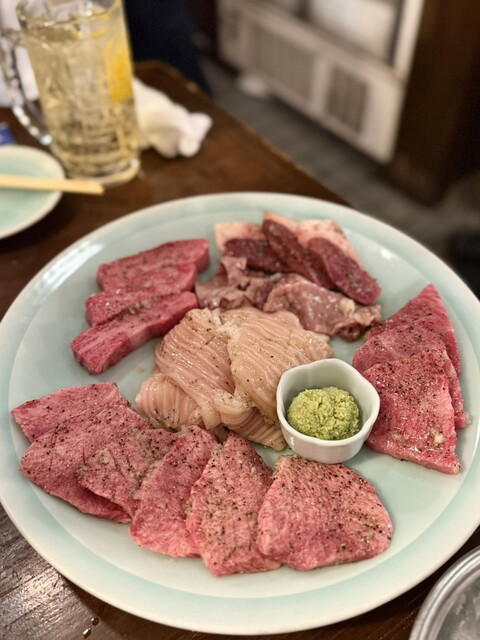
A Tabelog 100 Yakiniku (WEST) fixture since 2018, this Chuo Ward spot offers consistent beef quality at JPY 8,000–9,999 whether you dine in at the 42-seat kotatsu setup or order takeout. The carryout program makes sense for travelers who want the award-recognized beef without navigating weekend dining room crowds, though you'll lose the interactive grilling experience. Cash only, narrow booking windows (call 2–4 PM or after 10 PM), and closed Mondays and Tuesdays.
Aje Matsubara honten
Kyoto, Japan
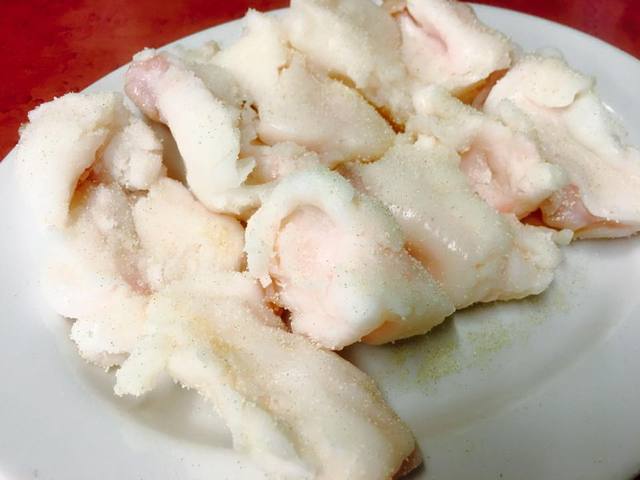
A no-reservations yakiniku specialist in Shimogyo Ward offering offal-forward grilling at JPY 4,000–JPY 4,999, recognized on Tabelog's 100 Yakiniku WEST list for seven consecutive years. Expect queues, communal seating, and a high-turnover format that rewards walk-in patience with consistent execution and value.
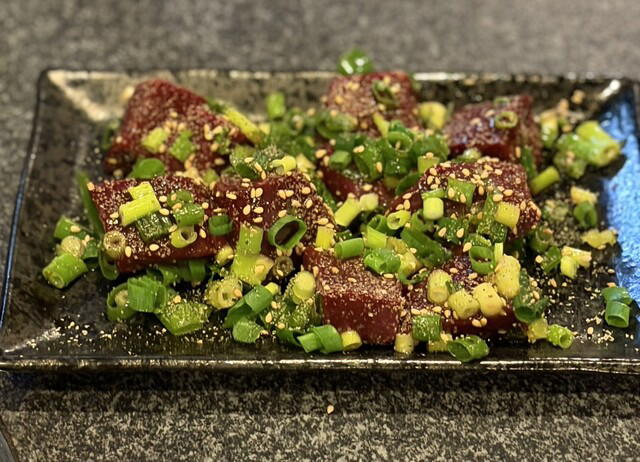
Yakiniku Sukkyanen
Kuwana, Japan
Charcoal-grilled Kuroge wagyu in tatami rooms at JPY 6,000–7,999, earning Tabelog 100 - Yakiniku - WEST honors four years running. The four-room setup in residential Daifuku sells out by 8 PM most nights; arrive early or book midweek for the best cut selection and shorter waits.
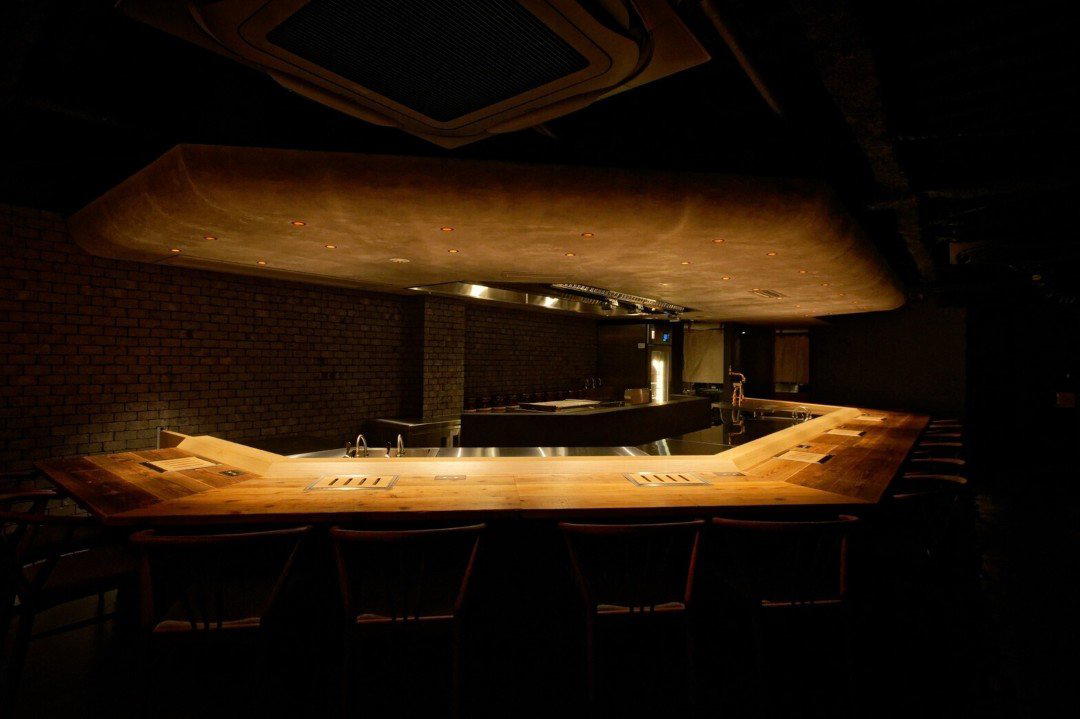
Wagyu Ryori Isseki Sanchou
Fukushima, Japan
This 27-seat Nakanoshima yakiniku specialist earned back-to-back Tabelog 100 WEST selections for wagyu-focused grilling at JPY 10,000–14,999. Counter seating and private rooms suit solo diners through family groups; the service team paces courses and explains optimal doneness. Open Monday–Wednesday and Friday–Sunday, 5:00–11:00 PM, with bookings recommended.
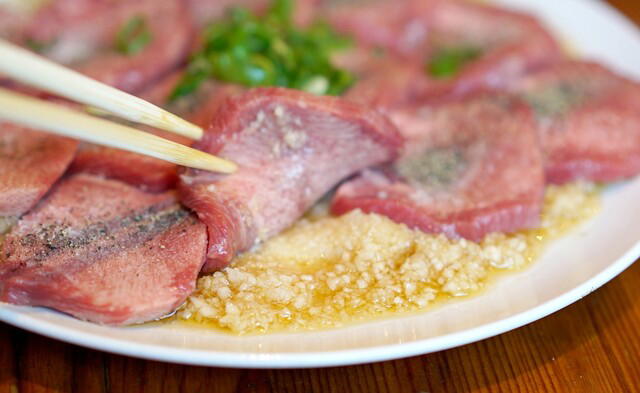
Man masa
Osaka, Japan
Man masa is a Tabelog 100 Yakiniku (West) fixture since 2019, offering thick-cut, block-style beef in a house-restaurant format near Tsuruhashi. Reservations require phone-only booking (same-day only for parties of 1–3; advance for 4+), and the JPY 6,000–7,999 price point delivers award-recognized quality without premium-tier surcharges. Cash-only, smoking permitted, and best suited for groups who value cut precision over polished service.
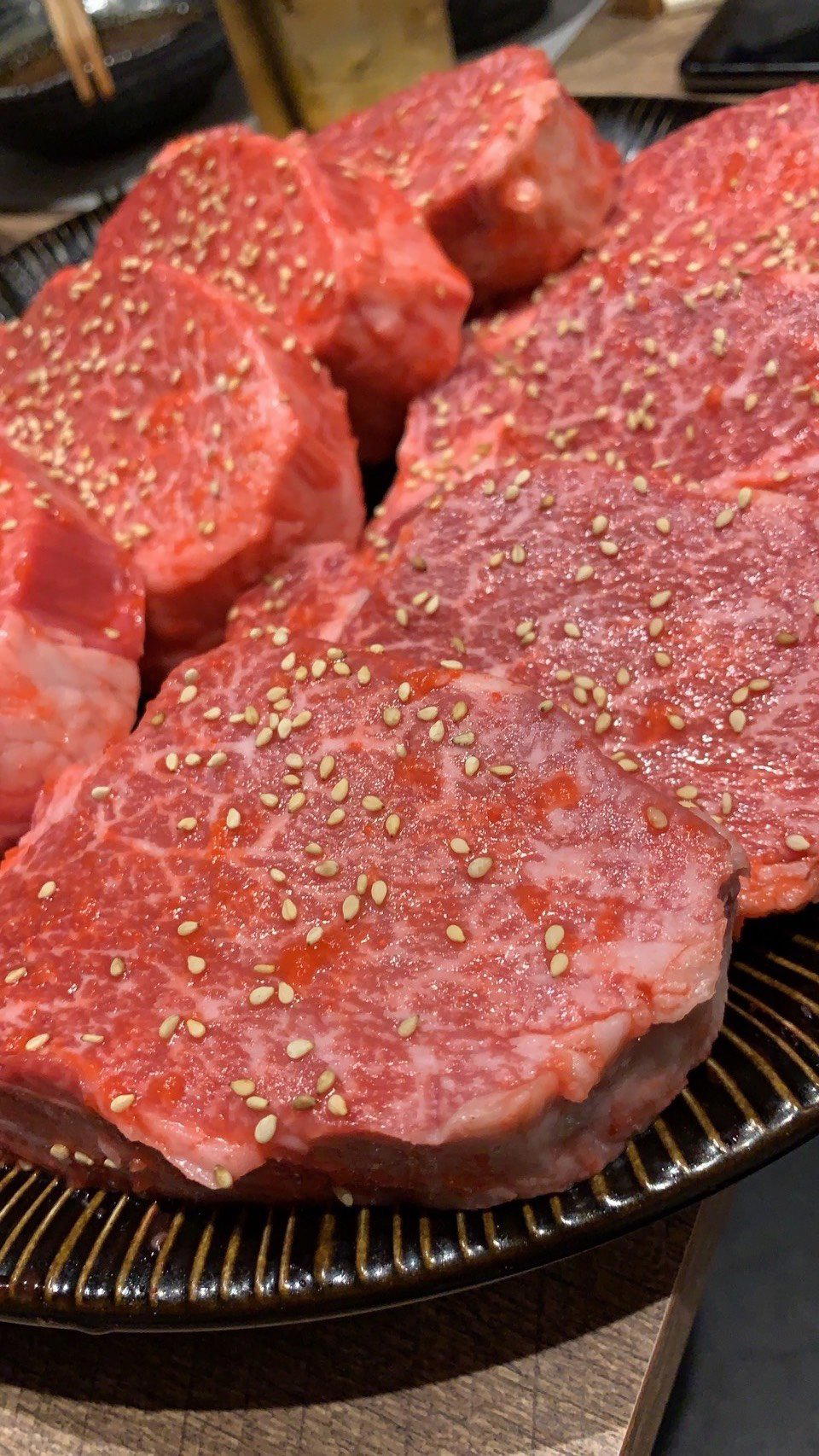
奈良きみや -別邸柘榴(ざくろ)-
Osaka, Japan
Against Osaka Shi peers, 奈良きみや -別邸柘榴(ざくろ)- is the stronger pick when an evening special-occasion meal matters more than having a published price range upfront. The Tabelog 100 #47 ranking in 2025 gives it a serious recognition signal, while dinner-only hours make it a poor fit for brunch or lunch planning.
Seoul
Osaka, Japan
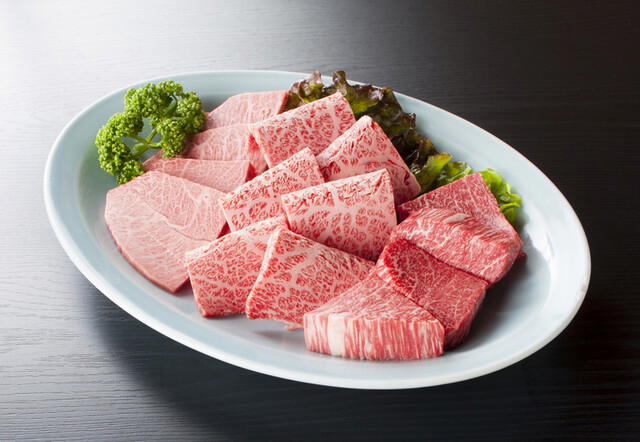
Black Wagyu yakiniku and Korean cold noodles served until midnight in a Naniwa-ku hideout five minutes from JR Namba. Tabelog Yakiniku WEST 100 four times (2020–2025), JPY 4,000–4,999, private rooms for up to 20 guests. Book by phone for late-night tables or groups; walk-ins possible on weeknights.
Yakiniku Horumon Jinsei Daichan
Fukuoka, Japan
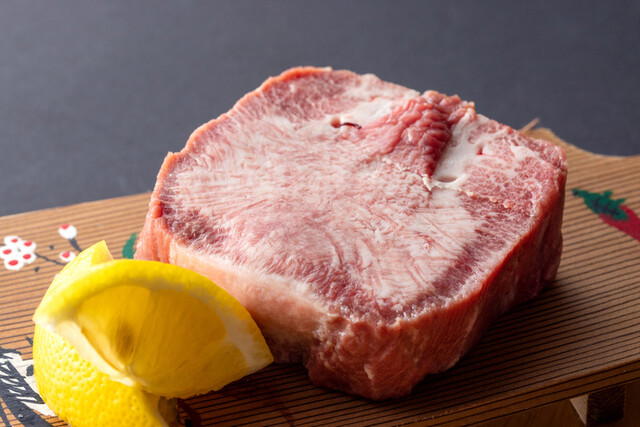
A compact 16-seat yakiniku grill in Higashi-ku serving hand-cut Kobe, Ota, and Tajima beef at JPY 5,000–6,000 per head. Recognized in Tabelog's 2025 Yakiniku 100 WEST, it trades downtown polish for suburban value, with horumon (offal) alongside premium cuts in a family-friendly, grill-it-yourself format. Easy reservations, no private rooms, walkable from Maidashi Kyudaibyoinmae Station.
Masachan
Osaka, Japan
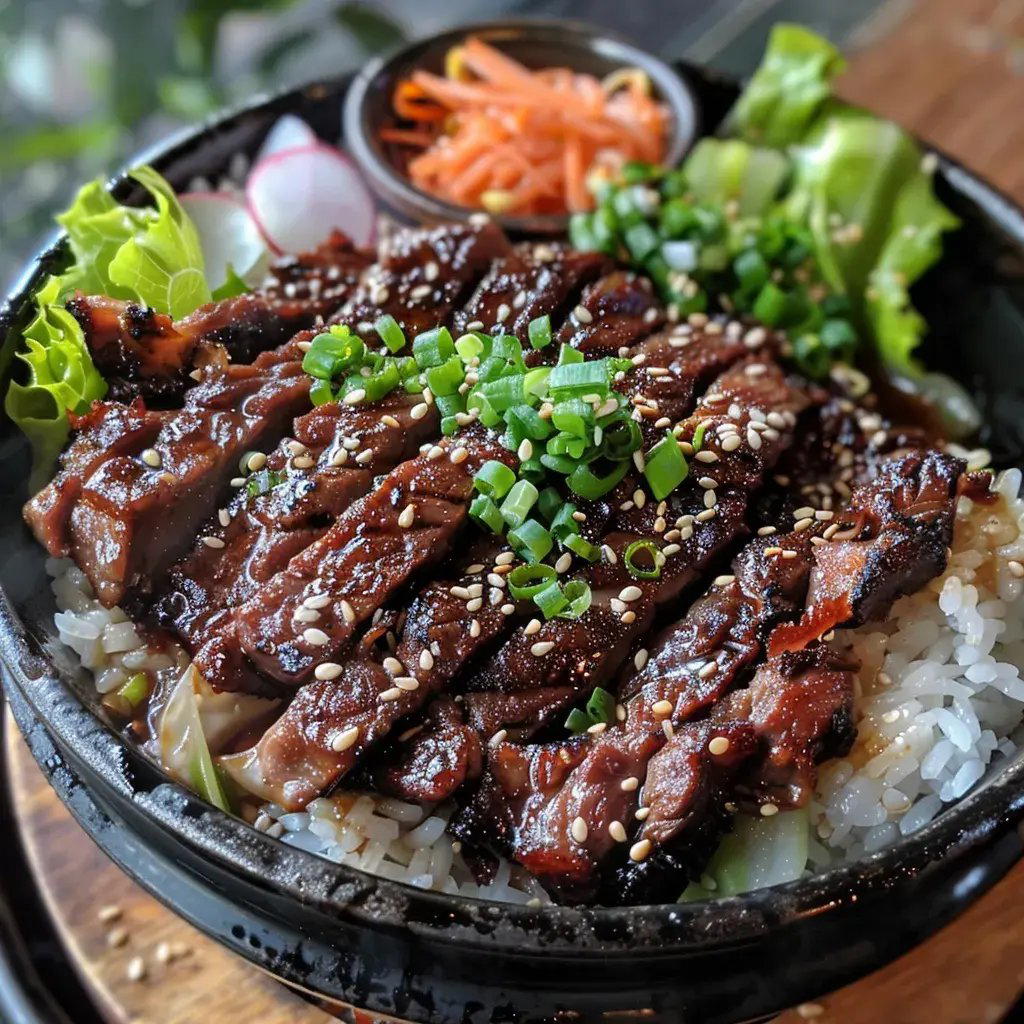
A 10-seat yakiniku counter in Osaka's Nishinari Ward with a Tabelog Bronze Award from 2022 through 2026 and seven consecutive years on the Yakiniku West Top 100 list. Dinner-only, cash-only, and closed August to September. First-time visitors cannot book without prior approval from the owner; plan accordingly.
Taigen Honkan
Fukuoka, Japan
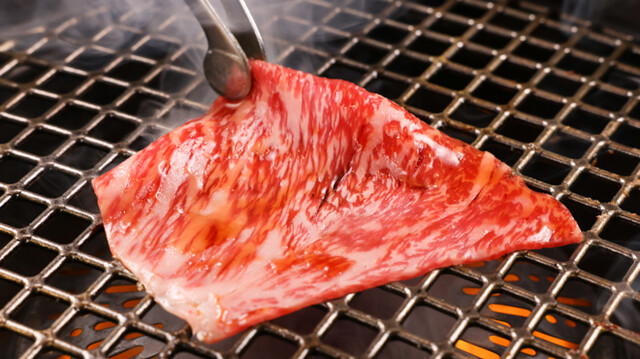
Fukuoka's Taigen Honkan secures Tabelog Yakiniku WEST 100 recognition (2022, 2024, 2025) for its farm-direct female-cattle sourcing and varied menu spanning tripe, sukiyaki, and rarer cuts. At JPY 6,000 to JPY 7,999, it sits mid-tier among Fukuoka grills; easier to book than omakase specialists but delivering consistent quality. Private rooms, multilingual menus, and family-friendly seating make it a practical choice for groups and repeat visitors.
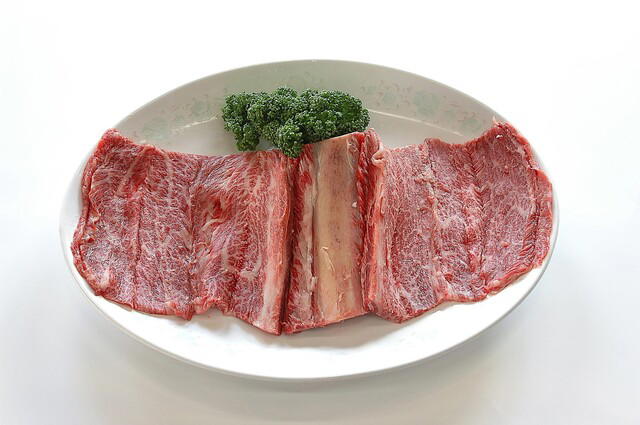
Miraku En
Amagasaki, Japan
Six consecutive years on Tabelog's Yakiniku WEST 100 list anchor this 100-seat house-restaurant in Amagasaki. At JPY 5,000–5,999, it delivers consistent grill quality without the booking pressure of Tokyo's top-tier spots. Reservations required for parties of six or more; smaller groups run first-come.
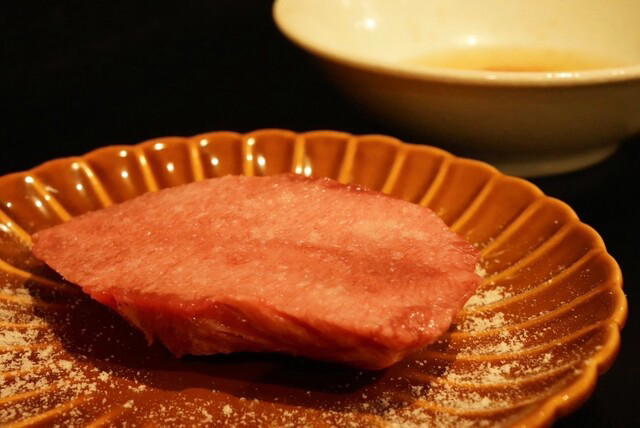
Kyoshoran Honten
Osaka, Japan
Tabelog Yakiniku 100 WEST regular since 2020, offering table-side wagyu and tripe grills at JPY 8,000–9,999 per head. Private rooms for two to eight seat 60 across 13 configurations; the family-friendly format and group flexibility outweigh counter intimacy. Book three days ahead for weekends, or walk in weeknights after 8 PM.
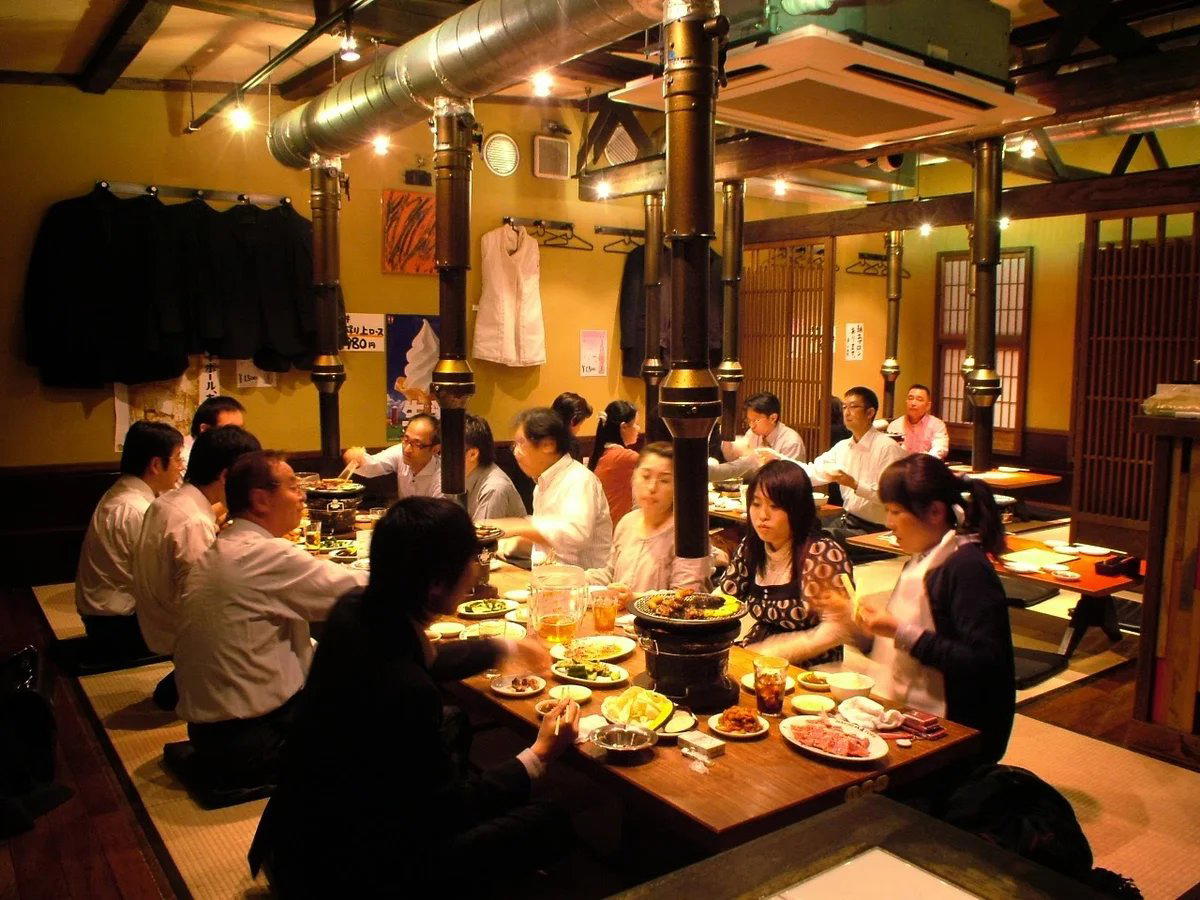
Yakiniku Sudo Kumamoto
Fukuoka, Japan
Yakiniku Sudo Kumamoto is worth booking when the meal brief is clear: a beef-led yakiniku dinner for a date, small celebration, or focused group meal. Its 2026 Opinionated About Dining Recommended recognition gives it a credible reason to be on the shortlist, but diners with dietary restrictions or mixed preferences should confirm details before committing.
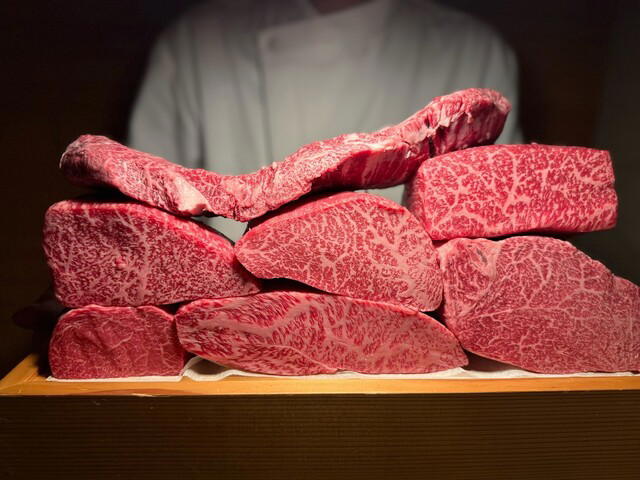
Wagyu Matsushita Kamidoori ten
Osaka, Japan
A Kitashinchi yakiniku specialist serving premium black wagyu cuts at JPY 10,000–14,999 per head, with counter, table, and private-room seating for 30. Multiple Tabelog 100 selections since 2018 confirm consistent execution; the two-hour seating cap and strict cancellation policy keep reservations moving. Book 2–4 weeks ahead for standard slots.
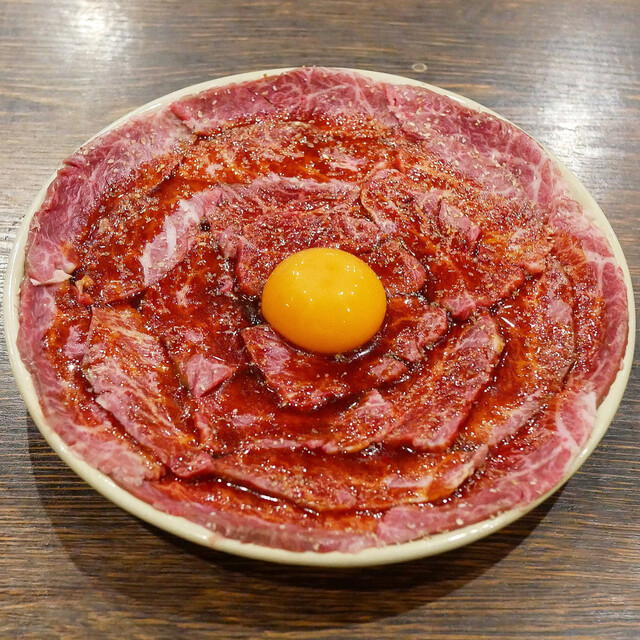
Yakiniku Mikazuki
Kashihara, Japan
Three-time Tabelog 100 WEST yakiniku specialist serving Kuroge Wagyu at JPY 6,000–7,999 per head. Spacious 50-seat layout includes private rooms and sunken tatami seating. Dinner-only format (5–11 PM) with family-friendly service and 34-space shared parking. Book ahead for weekends; sourcing quality justifies the price if you prefer grilling your own beef to plated kaiseki.
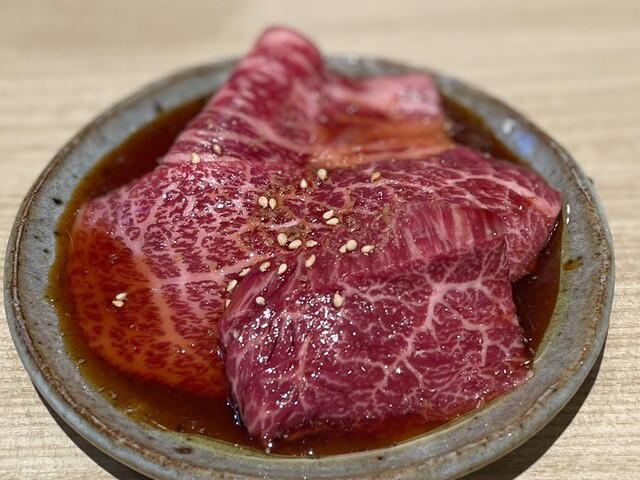
Yakiniku Horumon Odoru
Osaka, Japan
Yakiniku Horumon Odoru earned a Tabelog Yakiniku WEST 100 spot in 2025, nine months after opening, for horumon-focused grilling at JPY 8,000–9,999. The 14-seat room near Kyobashi Station offers counter proximity and offal breadth without premium-wagyu pricing; book two weeks ahead for weekends.
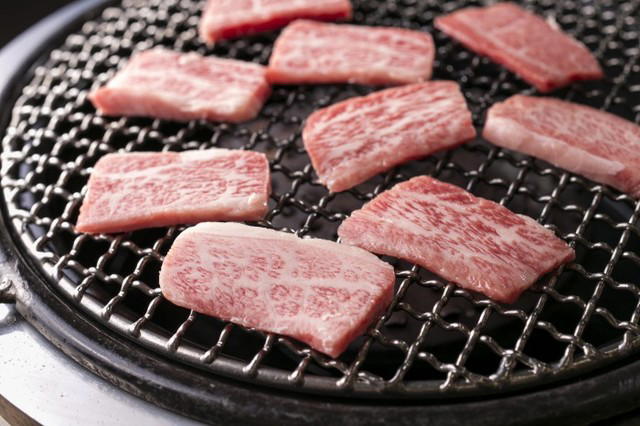
Drive-in Tori Imari ten
Imari, Japan
High-volume yakiniku and yakitori specialist in Imari, named to Tabelog's 2025 Yakiniku WEST 100. Lunch runs under JPY 999 for chicken-rice bowls; dinner reaches JPY 2,999 for tableside grilling. Best for car-traveling groups seeking casual grilled chicken in private kotatsu rooms, not for refined yakiniku technique or intimate counter service.
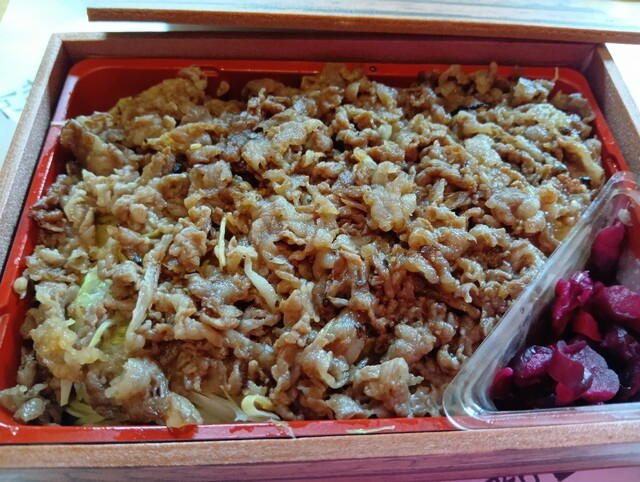
Hatsuda
Kyoto, Japan
Recognized on the Tabelog 100 Yakiniku WEST list since 2019, this 50-seat neighborhood yakiniku operation near Shugakuin Station prioritizes wagyu quality and restrained grilling technique at ¥8,000–9,999 per person. The à la carte format rewards diners familiar with self-grilling conventions, while the take-out bento at JR Kyoto Isetan offers a lower-priced entry point for travelers passing through central Kyoto.
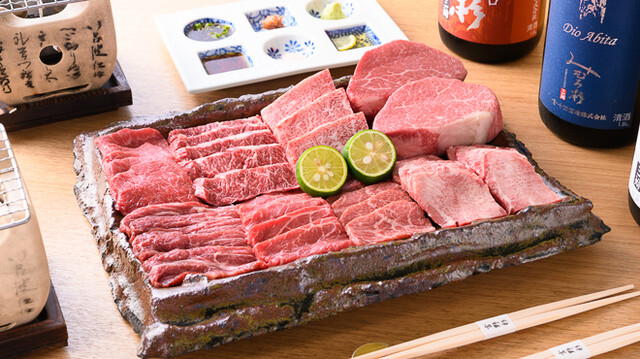
Yakiniku Mikazuki Tenjinbashi ten
Osaka, Japan
Tenjinbashi yakiniku spot with Tabelog Yakiniku 100 Best WEST recognition (2024, 2025), eighteen-seat counter-and-table setup, and JPY 8,000–9,999 dinner price point. Family-friendly à la carte service opened April 2023 in Rokkobako Yokocho alley; reservations recommended but walk-ins possible weeknights. Five minutes from JR Tenma Station.
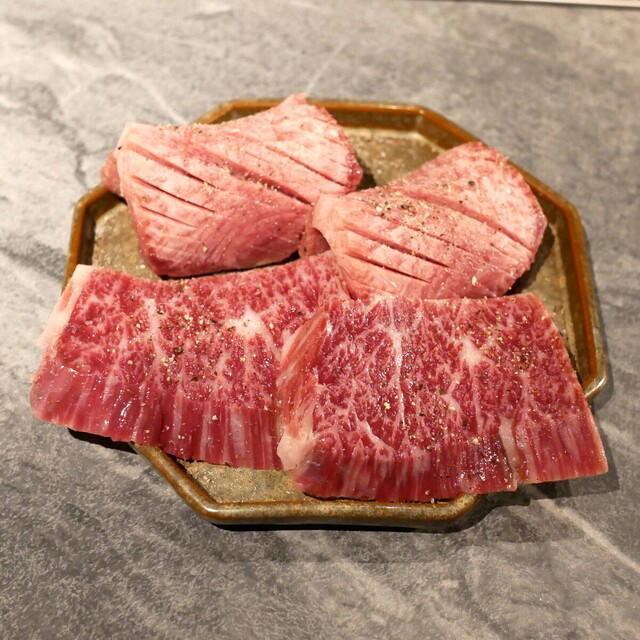
Pegopa
Osaka, Japan
A six-seat yakiniku counter in Kitahorie that earned Tabelog West 100 recognition within months of opening in late 2024. Chef-driven omakase sequencing at JPY 15,000–19,999 per head, with tripe cuts alongside premium beef. Reservations essential; cash only. Worth booking if you prioritize tight counter execution over table-grilling flexibility.
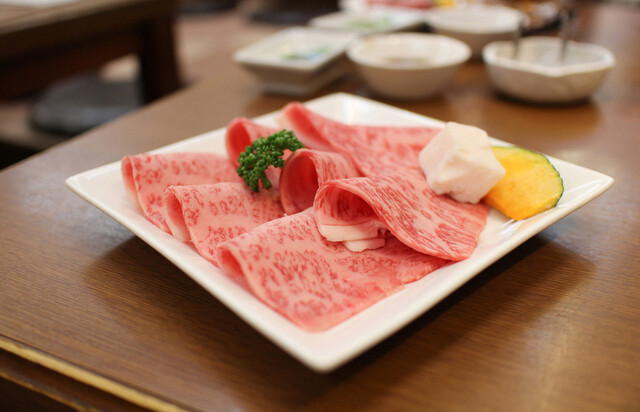
Itamae Yakiniku Itto Tengachaya honten
Osaka, Japan
A wagyu wholesaler's flagship yakiniku shop near Imafune Station, delivering Tabelog 100-recognized beef quality at JPY 6,000–7,999. The self-grill format and à la carte ordering offer control and value; book ahead to skip the walk-in queue, and arrive by 5 PM if you want to pace the meal without time caps.
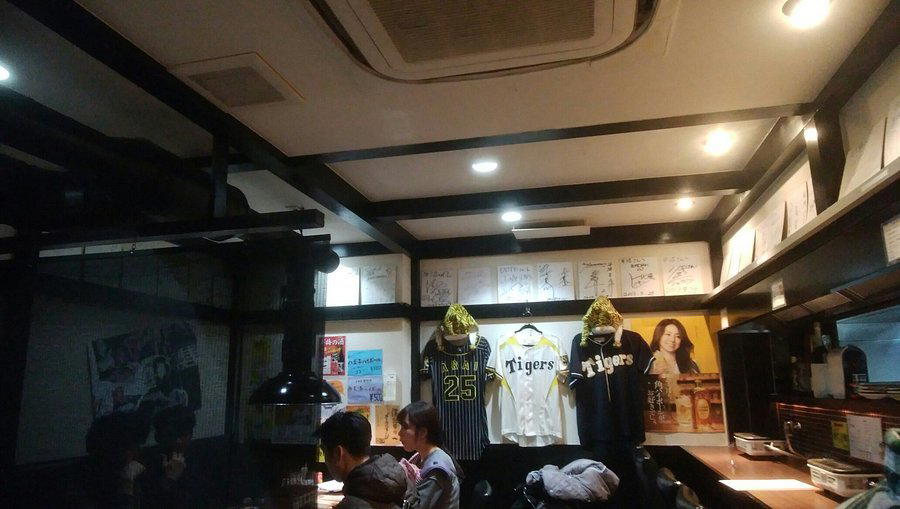
Yakiniku Dote
Osaka, Japan
A 2025 Tabelog 100 West yakiniku spot in Nishitenma offering female beef and offal at JPY 6,000-7,999 per person. The 28-seat room splits between counter and table seating, with dinner-only service from 5 PM and a more casual vibe than Osaka's premium grill rooms. Book ahead for weekends or arrive early weeknights for walk-in counter seats.
Yakiniku Horumon Kopu
Kobe, Japan
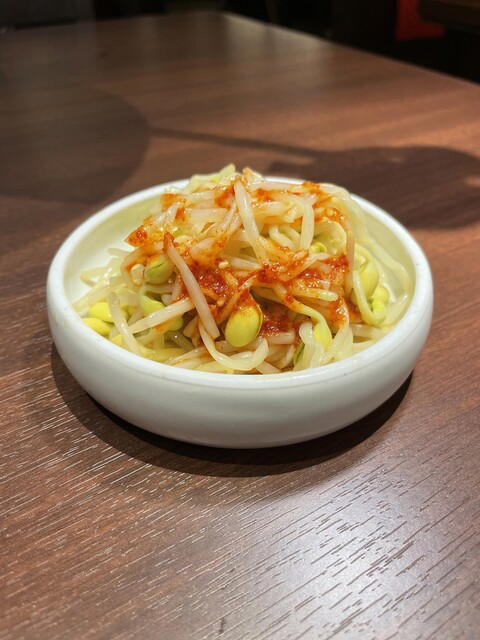
Two-minute walk from Sannomiya Station, this Tabelog 2025 Yakiniku WEST 100 selection focuses on clean, odor-free offal from Kobe and Kagawa suppliers alongside farm-selected wagyu, all grilled without flavor enhancers. At JPY 6,000–7,999 (dinner only), it competes directly with mid-tier yakiniku rooms but adds wine depth and a smoke-free exit. Book ahead; the two-hour seating window keeps pace tight during peak hours.
Tsunechan
Osaka, Japan
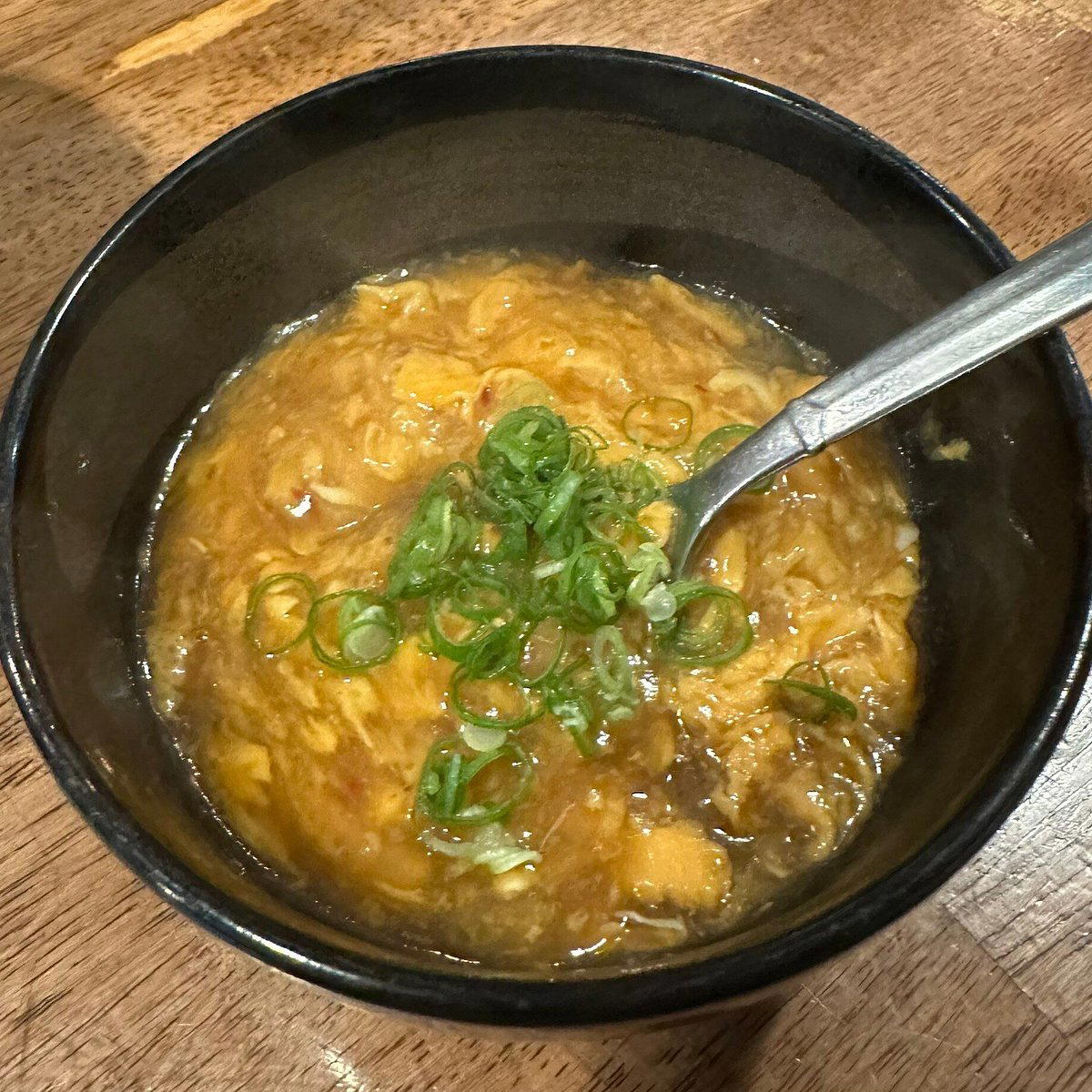
Counter-only yakiniku in Sakai with chef-guided grilling of rare wagyu cuts including Chateaubriand and black tongue. Tabelog Bronze winner 2025 and 2026, dinner-only format at JPY 15,000–19,999 suits couples prioritizing technical precision over self-service flexibility. Booking easiest Thursday; smoking allowed.
Soju En
Osaka, Japan
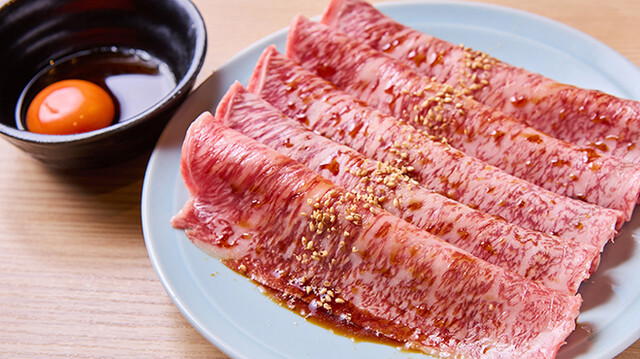
A Tabelog yakiniku WEST 100 pick serving Kuroge Wagyu at JPY 4,000 – JPY 4,999. Counter and table seating, grill-your-own format, and private-use options for groups of 10 to 20 make it a practical choice for families and casual gatherings in Osaka's Konohana district. Reservations recommended; closed Wednesdays.
Nikushou Nakata Honten
Osaka, Japan
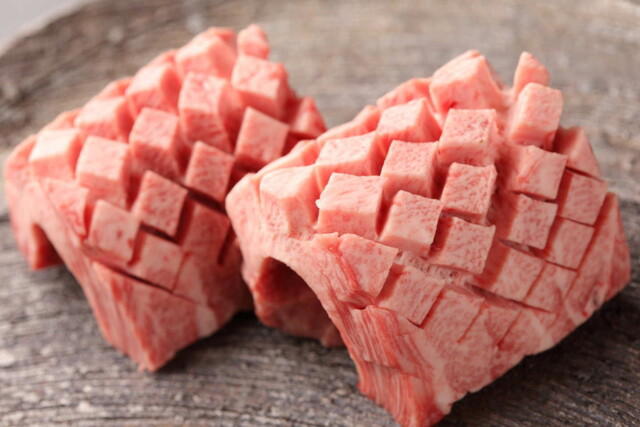
A Namba yakiniku specialist charging JPY 15,000–19,999 for 35-day aged beef grilled at your table. Tabelog 100 Yakiniku West regular since 2018, with counter seating, tatami rooms, and a two-hour seating window. Book two weeks ahead for weekends; the kitchen's aging process and repeat recognition justify the premium over casual spots like Ajinoya.
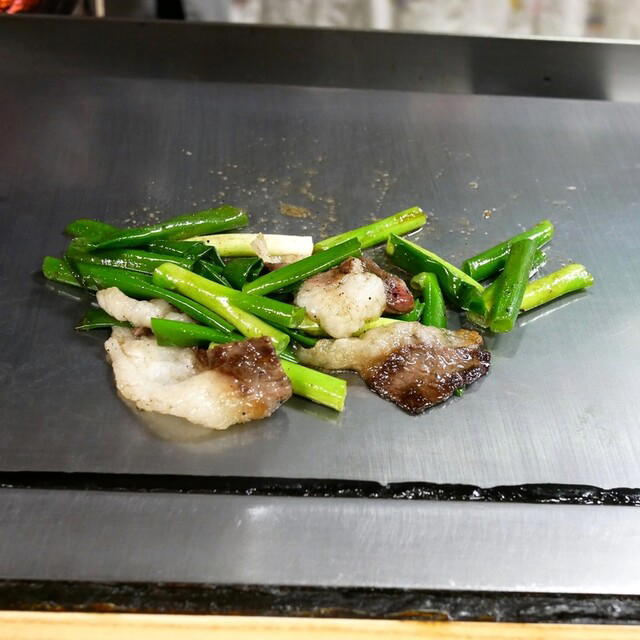
Horumon Ryori Senmonjo Toneya
Hiroshima, Japan
Tabelog 100-listed horumon specialist in Kanayamacho, delivering grilled offal and tripe at JPY 4,000–5,000 per head; half the cost of Hiroshima's premium yakiniku rooms. Counter seats offer technique lessons; tatami tables suit groups. Cash only, walk-ins welcome for parties under four.
Sudo Haruyoshi
Fukuoka, Japan
Sudo Haruyoshi is Fukuoka's most consistently awarded yakiniku restaurant, holding Tabelog Bronze from 2022 through 2026 and a Top 100 Yakiniku designation every year since 2018. Dinner runs JPY 15,000–19,999 per head in practice, with a reservation-only policy and semi-private seating for 30. Book the day before; getting a table here is straightforward.
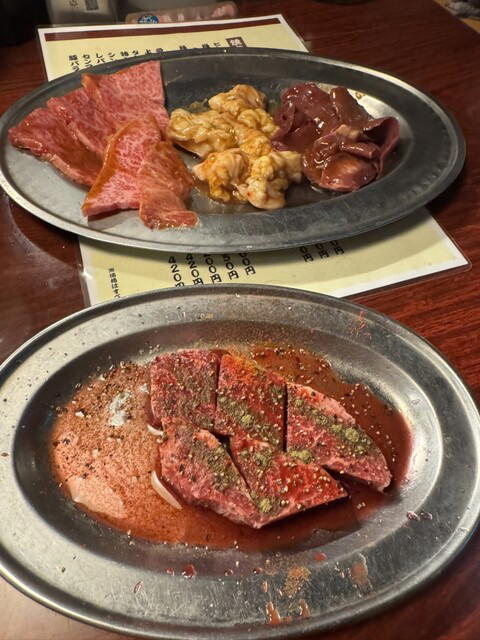
Yakiniku Ichiriki
Beppu, Japan
A three-time Tabelog Yakiniku 100 selection in residential Beppu, Yakiniku Ichiriki offers nationally recognized beef grilling in a neighborhood format. Open until midnight six nights a week with tatami private rooms, it's more accessible than the city's steak-focused tourist options and built for extended evening sessions over shochu and sake.
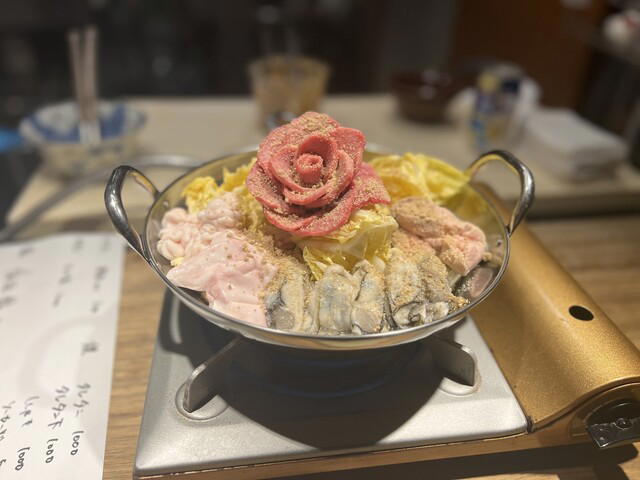
Kitashinchi Yamagata Ya
Osaka, Japan
Kitashinchi Yamagata Ya delivers wagyu tongue shabu-shabu and yakiniku at a seven-seat counter in Osaka's business district, backed by eight consecutive Tabelog 100 selections. At JPY 20,000–29,999, it suits diners who want beef-focused depth over variety, though the smoking-allowed policy and no-lunch format narrow the booking window. Book ahead; the short 6–8 PM slot and counter size make walk-ins unlikely.
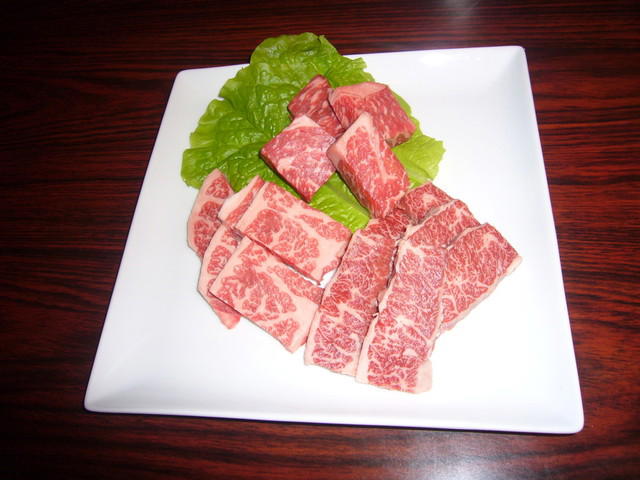
Oban
Osaka, Japan
Counter-only yakiniku in Kitashinchi with Tabelog 100 recognition since 2021 and a JPY 4,000–4,999 entry point. The 10-seat format, late hours (until 3 AM most nights), and focus on fresh cuts over frills make it one of Osaka's better values for solo diners and pairs who prioritize the grill over the room.
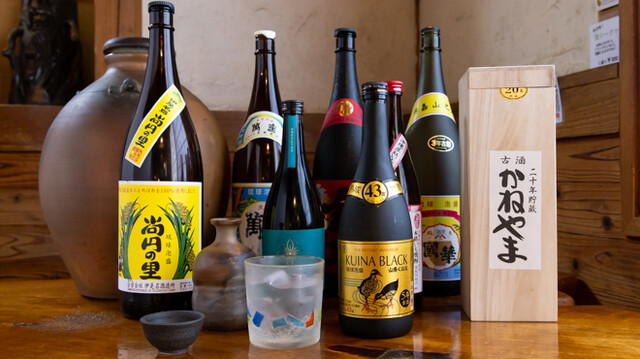
Manmi
Nago, Japan
A Tabelog yakiniku WEST 100 house restaurant in northern Okinawa serving locally-raised pork across grill, shabu-shabu, and offal preparations. The 100-minute table turn and 90-minute drive from Naha make this a better fit for travelers already touring the Yanbaru region than a destination meal from the capital. Semi-private rooms accommodate families; counter seats offer grill proximity.
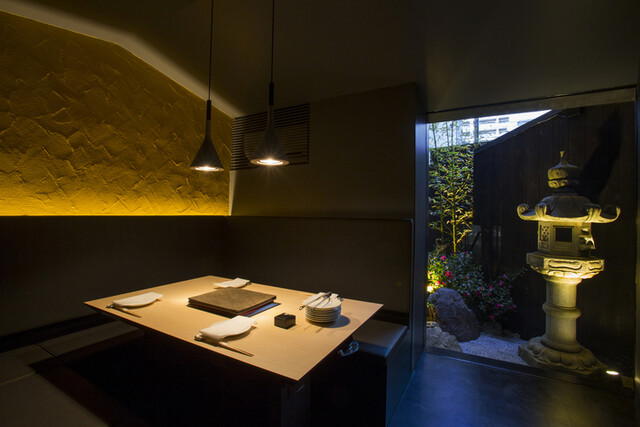
Yakiniku Yazawa Kyoto
Kyoto, Japan
A Tabelog yakiniku WEST 100 regular since 2018, this Shimogyo venue delivers Kuroge wagyu at JPY 10,000-15,000 per head with counter seating that gives you direct control over grill timing. Weekend lunch drops to JPY 3,000-4,000, private rooms fit up to 20, and booking stress stays lower than most peers in the category.
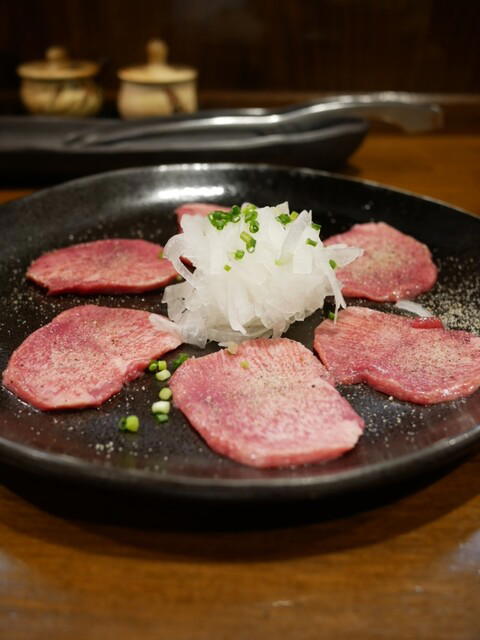
Sumibi Yakiniku Yamamoto
Ishigaki, Japan
Seven-year Tabelog 100 yakiniku specialist in a family-friendly house format, charging JPY 6,000–7,999 for charcoal-grilled beef and tripe. Strong sourcing and award consistency justify the mid-tier price, but the 90-minute turn, sold-out premium cuts, and self-grilling service mean this suits group diners who value flexibility over intimacy. Book three weeks ahead for weekends; harami and upper cuts disappear fast.
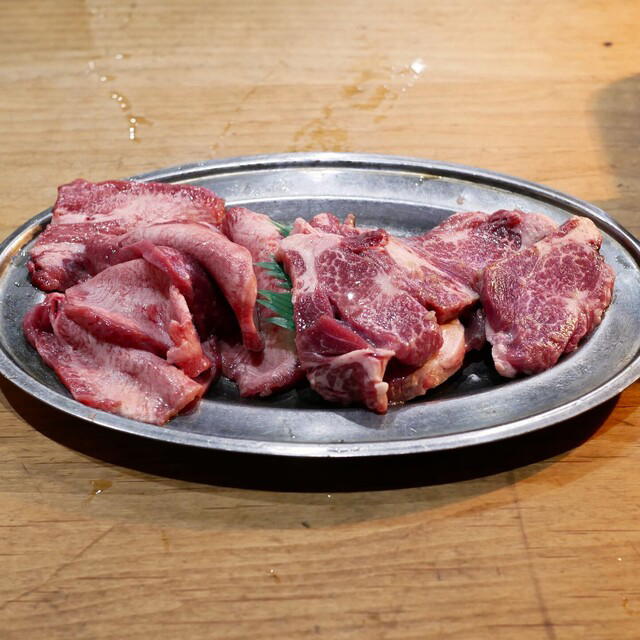
Yakiniku Hakkou
Tsu, Japan
A reliable mid-tier yakiniku spot in Tsu with eight consecutive Tabelog 100 selections, offering quality beef at JPY 6,000–7,999 per head. The 16-seat room allows smoking and favors group gatherings over solo dining. Cash-only, dinner-only operation closes three days per month.
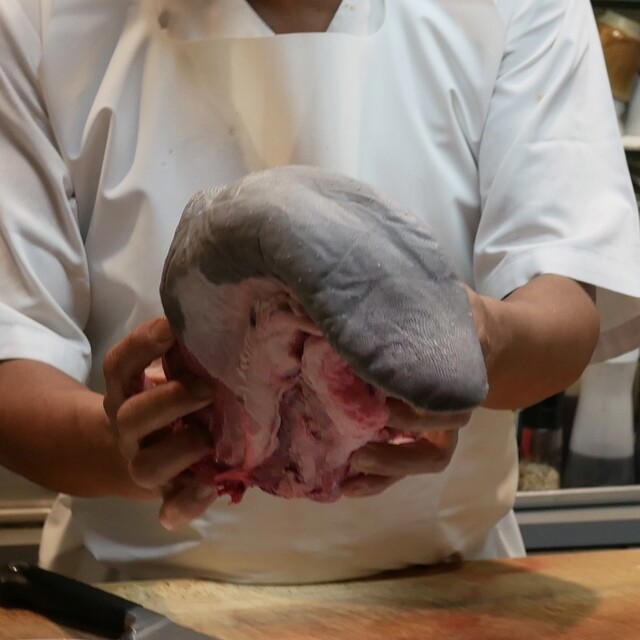
Niku Ryori Arakawa
Kyoto, Japan
Counter-only yakiniku in Kyoto's Kiyamachi district, selected for Tabelog 100 Yakiniku WEST annually since 2018. Hands-on grilling format with 11 PM closing time positions this as a rare late-dinner option at JPY 15,000–19,999 per person. Smoking permitted; 14-seat capacity limits group size. Book one to two weeks ahead for prime weekend slots.
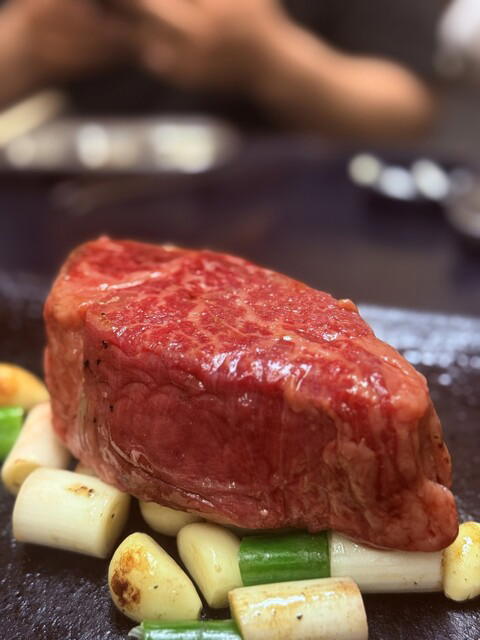
Yakiniku Katsuragi
Osaka, Japan
A Tabelog 100 counter-only yakiniku spot near Sakaishi Station, serving chef-paced beef courses with a 57-year-old house sauce at JPY 5,000–5,999. Ten seats, 90-minute seatings, and reservations in Japanese only; but the quality and price justify the constraints for diners who want structure over flexibility.
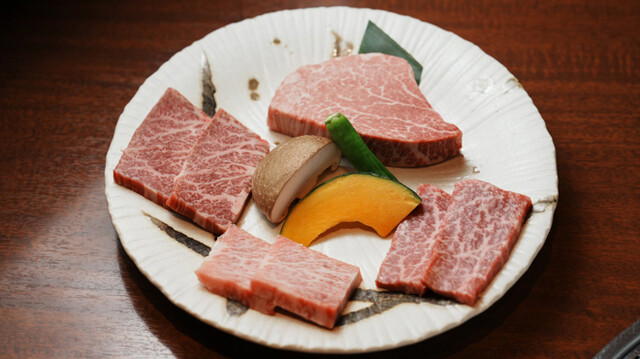
Higyu
Osaka, Japan
Dojima yakiniku specialist with private rooms for 20, open until 4 AM weekdays. Tabelog 2025 WEST 100 recognition confirms technical competence at JPY 10,000–14,999 per head, though smoking throughout and limited sourcing transparency make it a business-dinner choice rather than a destination for serious beef enthusiasts.
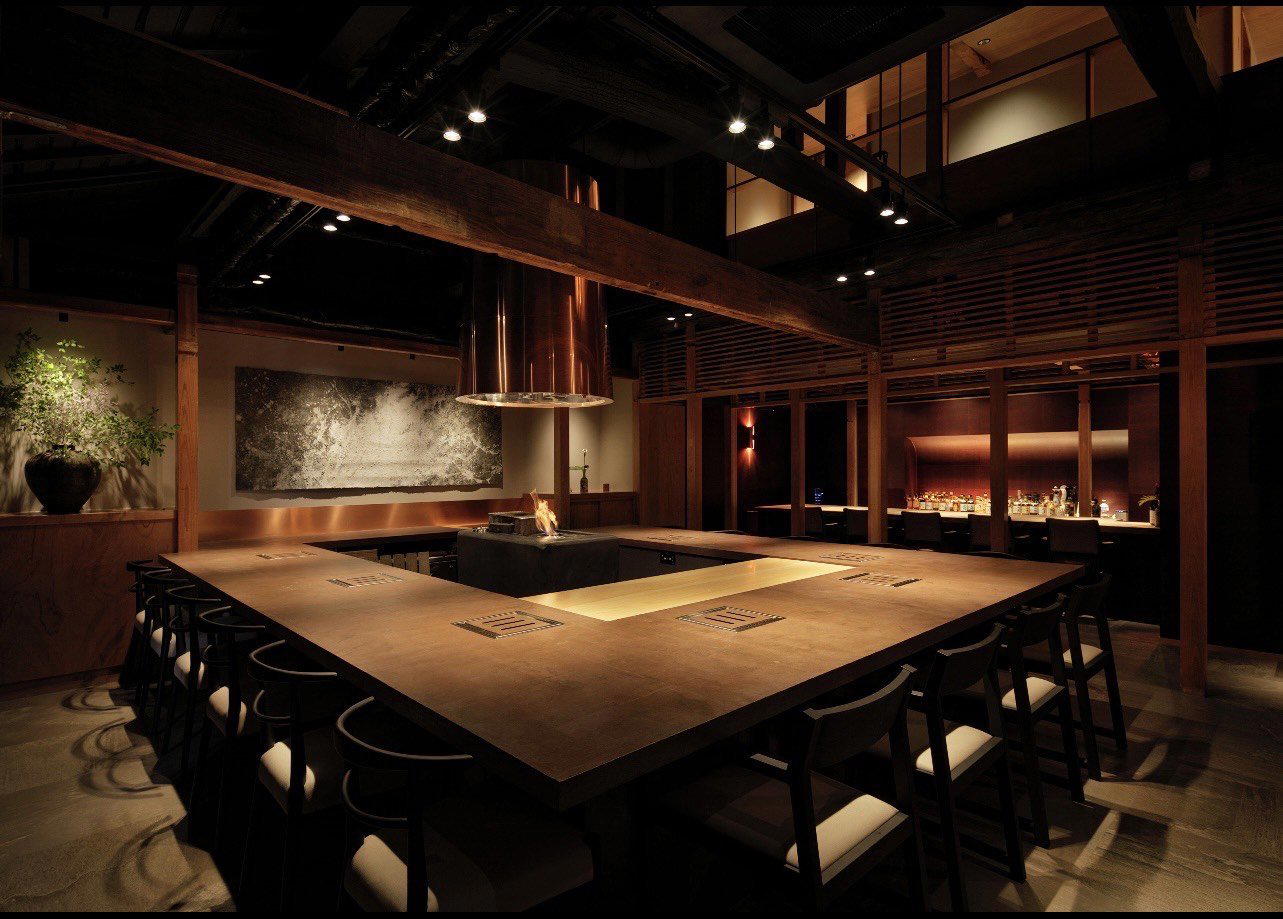
Kitan Hibiki
Osaka, Japan
Kitan Hibiki works when the brief is a casual Namba meal with recognized burger credibility, not a formal Osaka dining night. Its 2026 World's 101 Best Burgers placement is the main trust signal; confirm practical details before using it for a larger celebration.
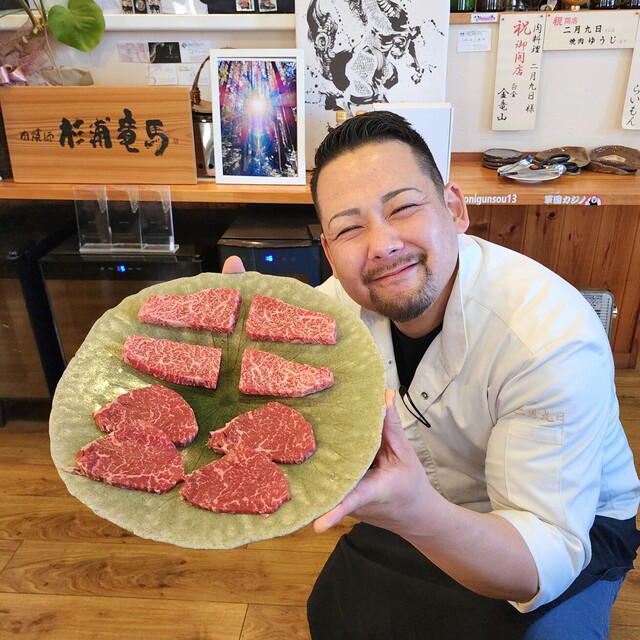
Niku Ryori Nigatsu Kokonoka
Kato, Japan
A six-seat yakiniku counter in Hyogo's Kato, recognized in Tabelog's Yakiniku WEST 100 for three consecutive years (2023-2025). The venue no longer accepts new phone reservations and operates at JPY 20,000-29,999 per person. Smoking is permitted; payment is cash or QR only. The rural location requires a car, with four parking spaces on-site and no practical public transit option.
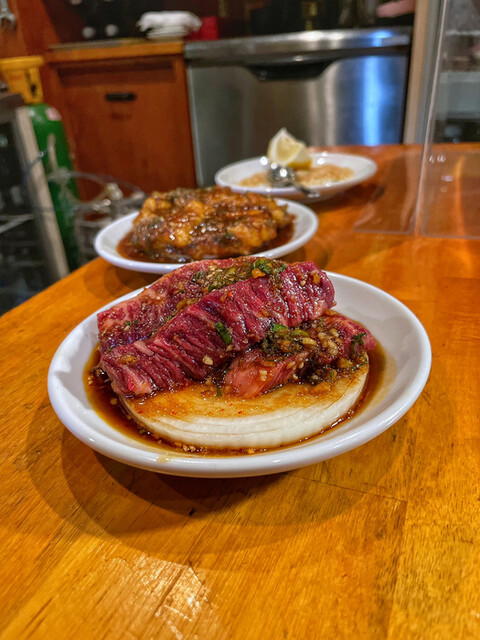
Yakiniku Horumon Mansen
Osaka, Japan
Tabelog Yakiniku WEST 100 2025 honoree serving horumon and beef cuts at a ground-floor counter in Shimanouchi. Opened 2022; focuses on daily-sourced offal grilled over binchotan charcoal. Average spend ¥6,000–¥7,999; cash only, smoking permitted, walk-ins often available before 7 PM weeknights.
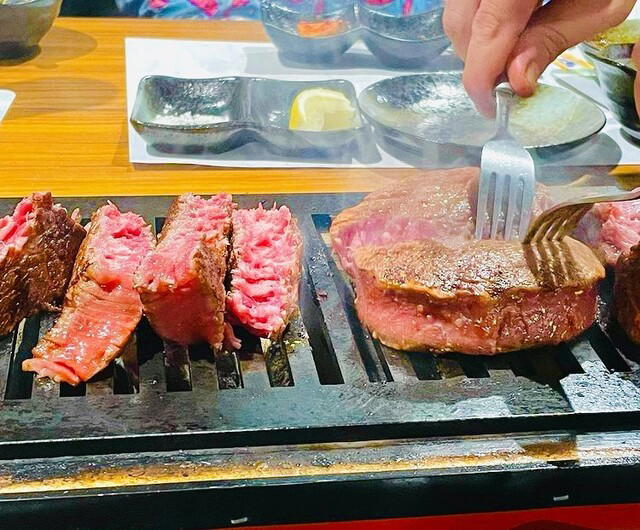
Riki Chan Gion ten
Kyoto, Japan
Tabelog 100 yakiniku specialist in Gion (2023, 2024, 2025) serving Wagyu beef grilled over charcoal in a course-only format. At JPY 20,000–29,999, it undercuts Gion's upper-tier competitors while maintaining sourcing credibility. Private rooms available; strict no-early-arrival and advance-booking policies.
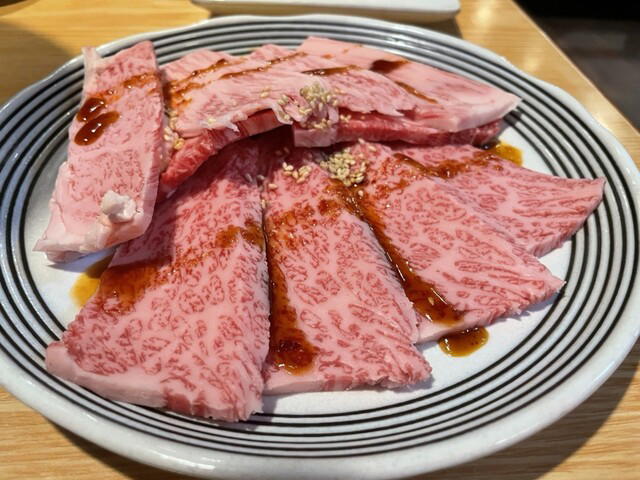
Yakiniku Tagyu Ekiminami ten
Fukuoka, Japan
A no-reservation yakiniku grill in Hakataekiminami serving Kyushu wagyu at JPY 5,000–5,999 per head, earning Tabelog 100 Yakiniku WEST 2025 recognition while keeping the format firmly neighbourhood-casual. Self-service charcoal grills, cash-only payments, and tatami seating deliver strong beef value but minimal service polish; book <a href="https://joinpearl.co/restaurants/teppanyaki-rikaen">Teppanyaki Rikaen</a> if you need reservations or a smoke-free room.
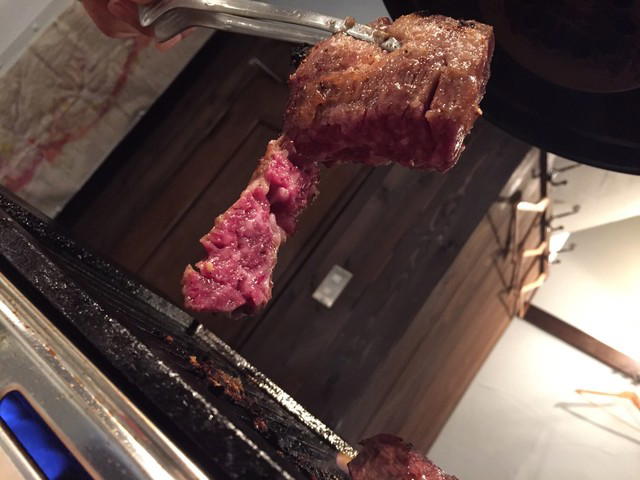
Yakiniku Horumon Bar Bovin
Kobe, Japan
A 20-seat yakiniku grill near Sannomiya Station, Yakiniku Horumon Bar Bovin delivers Wagyu and offal at JPY 6,000–7,999 for dinner, JPY 2,000–2,999 for lunch. Tabelog Yakiniku WEST 100 recognition (2024, 2025) confirms consistent execution, and the sommelier-led wine pairing sets it apart from counter-only competitors. Book the attic tatami room for groups of four-plus, or grab the counter for a solo or pair visit.
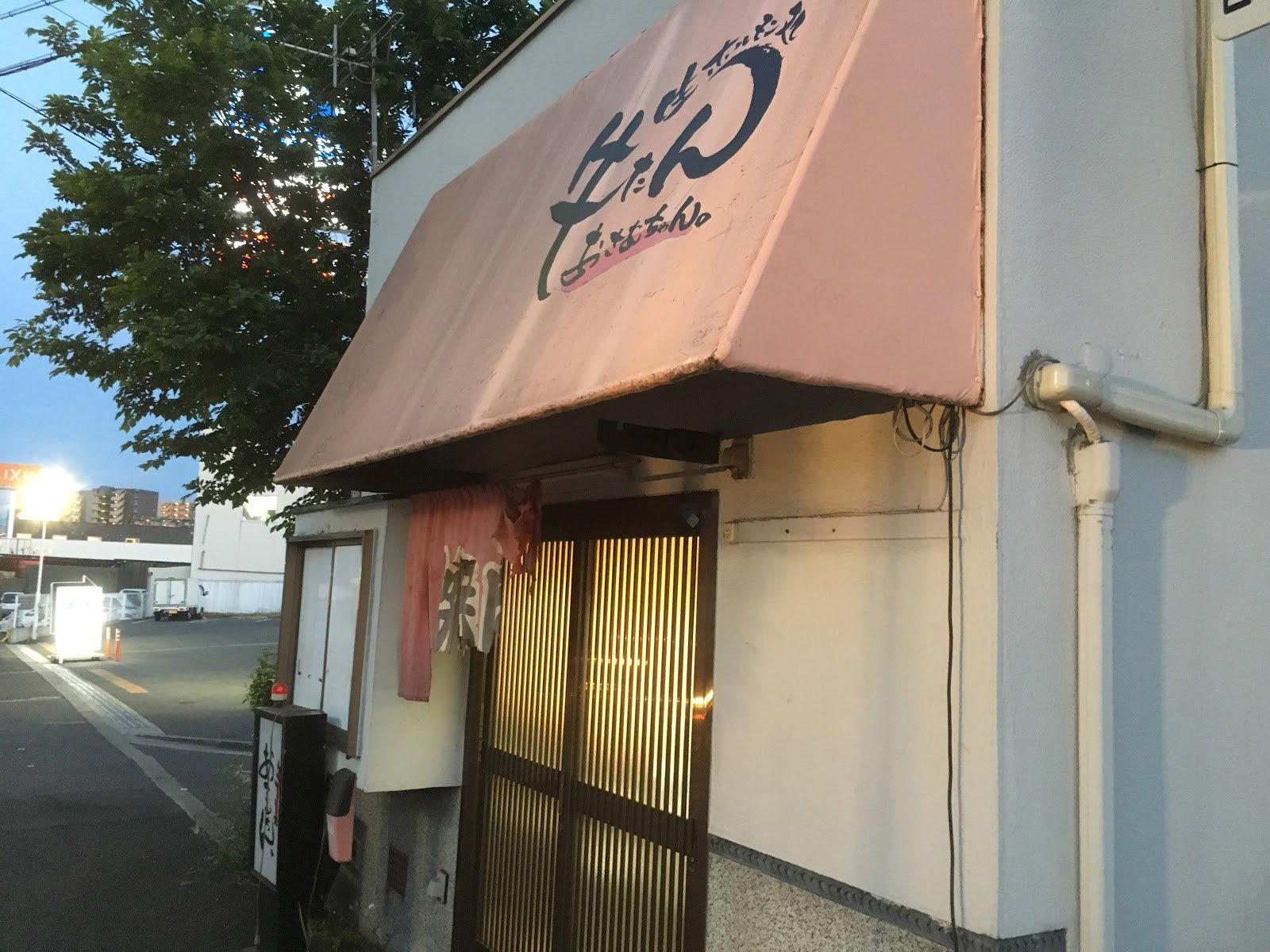
Osamuchan
Sakai, Japan
Osamuchan is a reservations-only, eight-seat yakiniku counter in Sakai specializing in fresh offal and chef-grilled charcoal execution. Expect JPY 15,000 to JPY 29,999 at dinner, a teaching-counter format, and a Tabelog Bronze Award streak since 2019. Best for special occasions and offal enthusiasts willing to book weeks ahead.
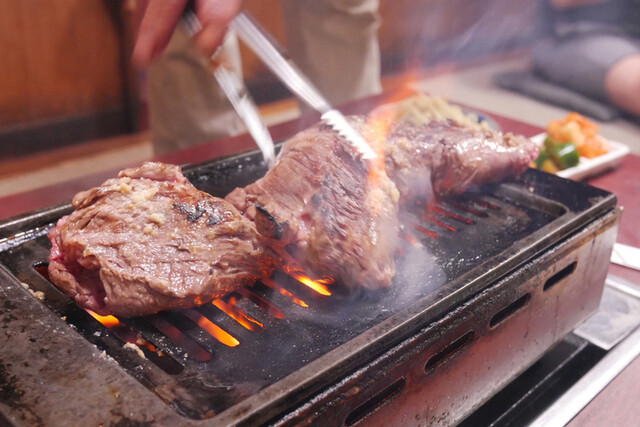
Doshin Tei
Osaka, Japan
Tabelog Yakiniku WEST 100 selection for 2022, 2024, and 2025, Doshin Tei delivers omakase-style yakiniku at JPY 10,000–14,999 in Kita Ward. The kitchen controls the grilling sequence rather than offering à la carte flexibility, and the dinner-only format (5:30–9:30 PM, closed Tuesdays) keeps service focused. Cash-only payment and a location 376 meters from Sakuranomiya Station make advance planning essential.
Tahei
Osaka, Japan
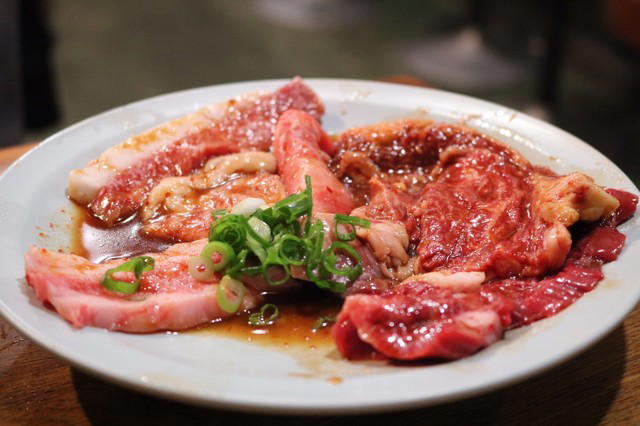
A no-frills yakiniku counter near Namba Station, recognized in Tabelog 100 Yakiniku West since 2020, where charcoal-grilled beef and tripe at JPY 4,000-4,999 per head reward those willing to navigate weekday group-reservation rules or weekend walk-in queues. Counter seating delivers proximity to the grill and operational rhythm; cash-only payment and a spare sake-and-shochu drink list reinforce the neighborhood-shop framing.
Jidori no Sato Eirakuso
Kirishima, Japan
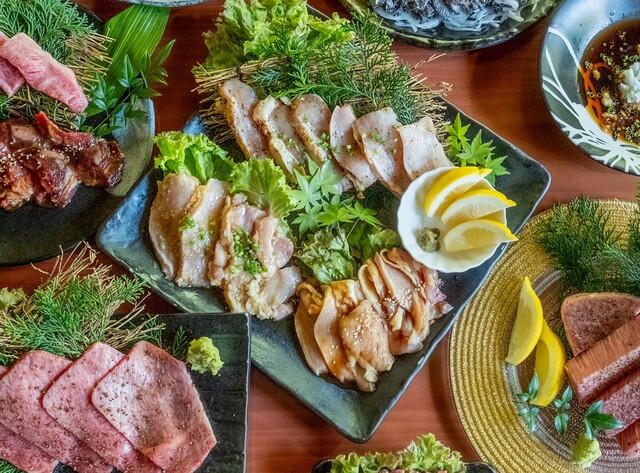
A farm-raised jidori chicken and wagyu yakiniku house in Kirishima, selected for Tabelog 100 West four years running (2022–2025). Lunch sets run JPY 3,000–4,000, dinner JPY 6,000–8,000, with private tatami rooms and on-site parking. Semi-self-service grilling keeps prices in check; book by phone for specific seating requests.
Itamae Yakiniku Hanafusa
Koyu-gun, Japan
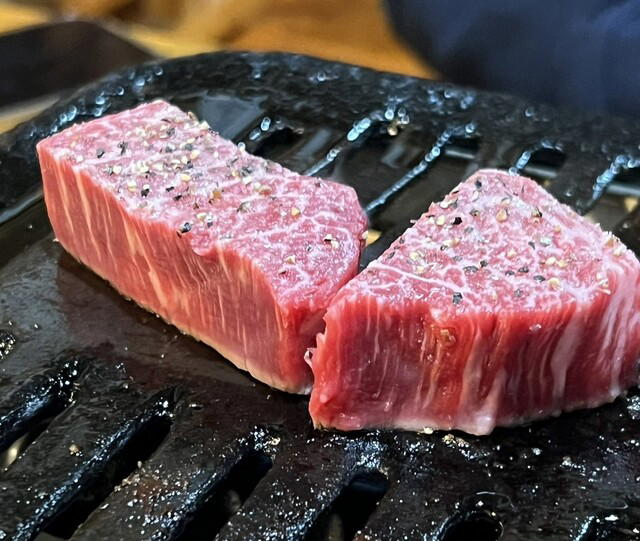
Three-time Tabelog 100 WEST yakiniku counter in rural Miyazaki, offering JPY 8,000–9,999 dinners with consistent recognition and easy booking. The 20-seat, cash-only format suits pairs and solo diners who value grill focus over polish, though transport logistics require advance planning.
Niku no Hentai Shudan Shippu Horumon Kumoji honten
Naha, Japan
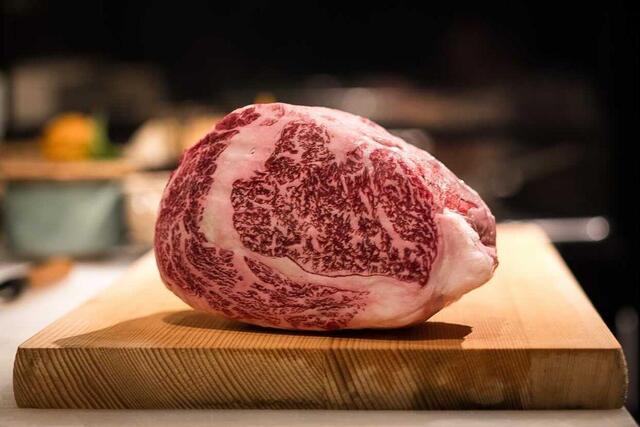
A six-year Tabelog Yakiniku WEST 100 fixture (2020–2025) specializing in Ishigaki beef and horumon cuts, with lunch-exclusive wagyu cutlets and straightforward LINE booking. At JPY 10,000–14,999 for dinner, it delivers mid-tier pricing with above-average execution five minutes from Kencho-mae Station.
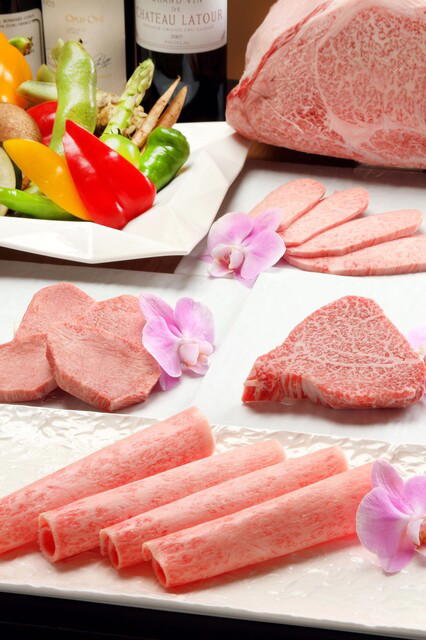
Osaka Ya Hamachou ten
Nagasaki, Japan
A strong Nagasaki dinner pick for first-timers who want a central Hamamachi meal with credible recognition, not a casual snack stop. It is easier to justify for couples or solo diners seeking a polished evening than for travelers looking specifically for a drinks-led bar experience.
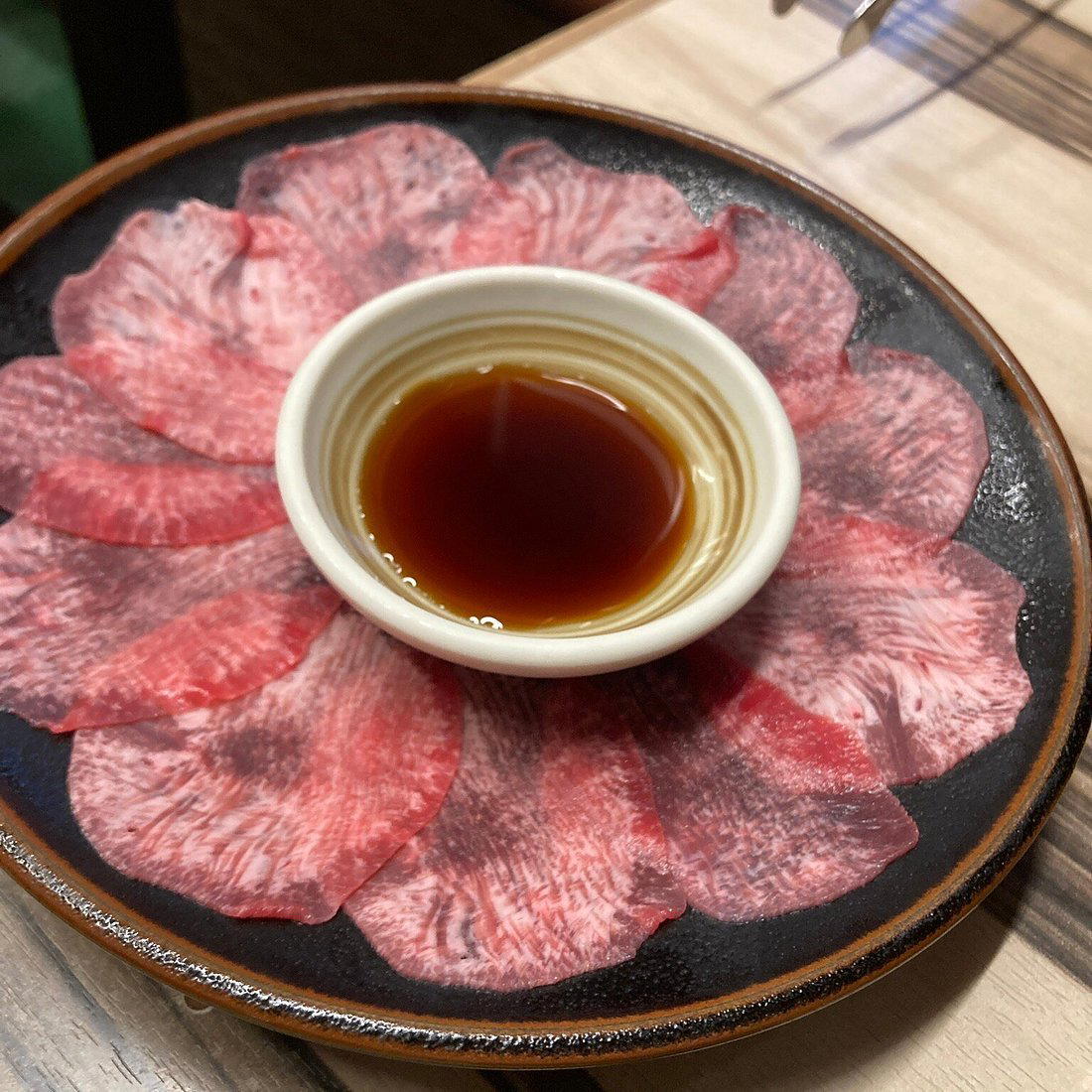
Issho Bin Honten
Matsusaka, Japan
A Tabelog 100 – Yakiniku WEST selection since 2018, serving A5 Matsusaka beef at JPY 4,000–JPY 4,999 dinner pricing. The 80-seat venue offers yakiniku, sukiyaki, and izakaya formats with parking, extended hours, and family-friendly seating; positioning it as a reliable mid-tier alternative to Matsusaka's high-end sukiyaki specialists.
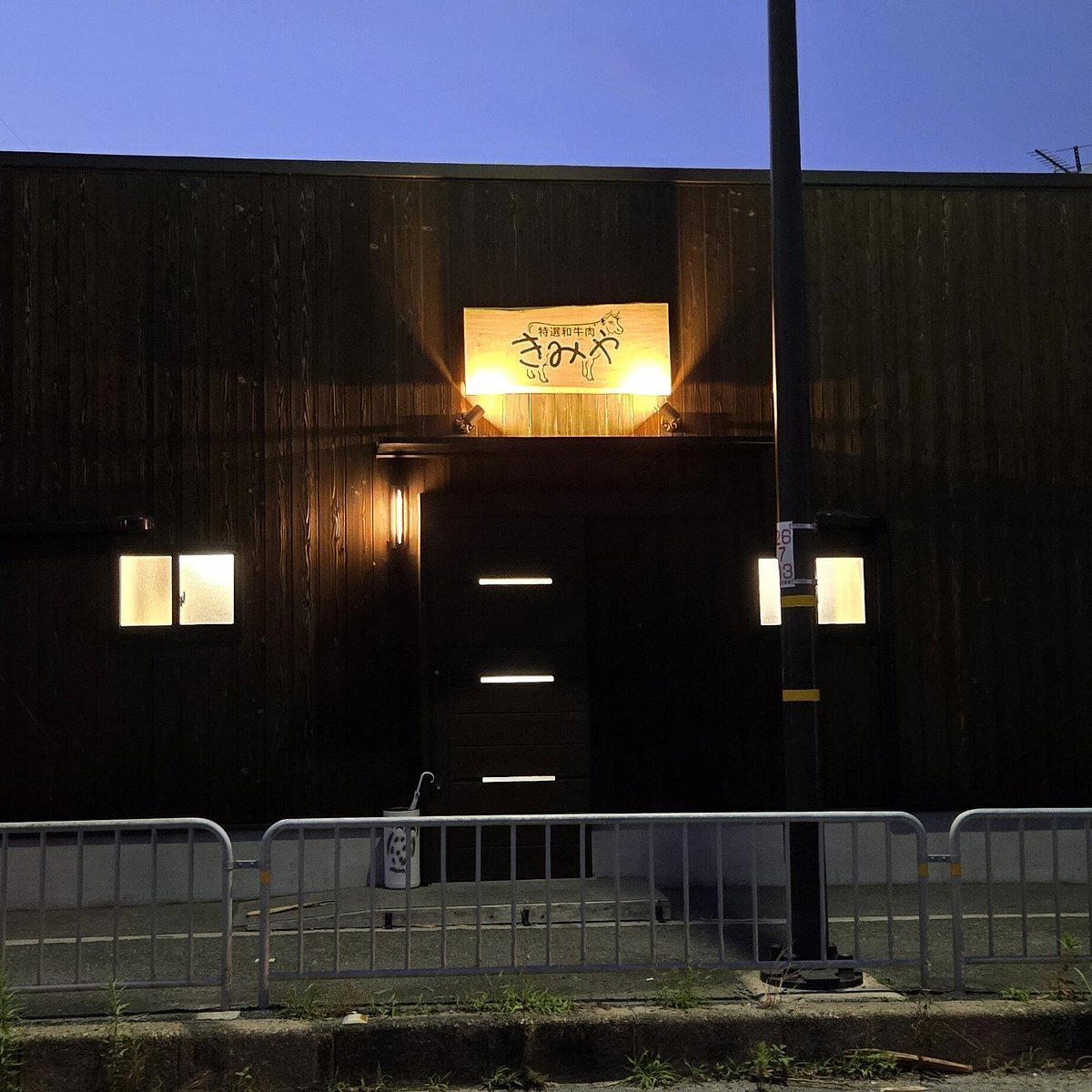
Kimiya
Ikoma, Japan
Kimiya works if Ikoma itself is part of the plan and dinner is the focus. The public details are limited, but the Tabelog 100 #94 recognition in 2025 gives it a stronger signal than a casual neighborhood fallback; compare La Cachette or Inada if you want a clearer cuisine and price tier before booking.
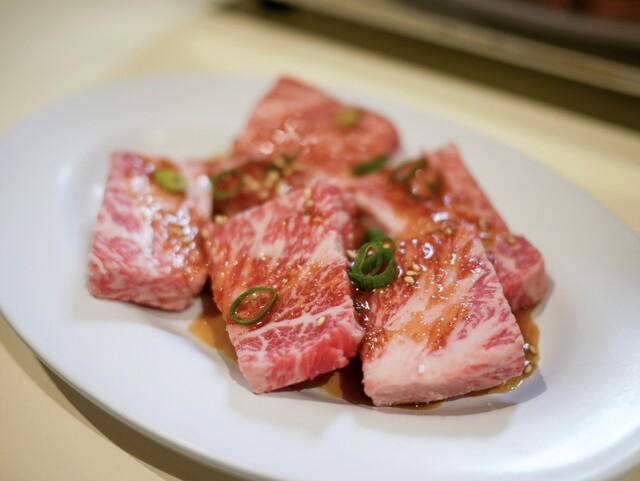
Satsuma
Osaka, Japan
Counter-only yakiniku in Dojima with 15 seats, late-night hours (until 3 AM most nights), and Tabelog Yakiniku 100 West recognition since 2018. Beef and tripe are the focus, the format is smoke-and-sizzle proximity, and the price (JPY 6,000–7,999) sits below Osaka's premium yakiniku tier. Book ahead; the counter fills fast, and walk-ins are a gamble after 7 PM.
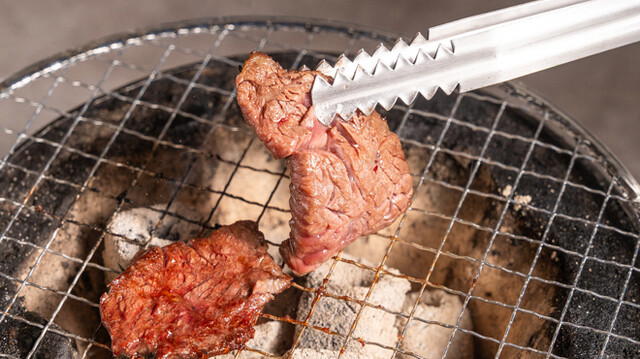
Horumon Nagaoka
Osaka, Japan
A 19-seat yakiniku counter in Osaka's Kita ward specializing in offal, Horumon Nagaoka earned a Tabelog Yakiniku WEST 100 slot for 2025. At JPY 4,000–4,999 per person, it delivers hands-on grilling and careful horumon sourcing at a mid-tier price. Cash only, smoking allowed, and limited seating make booking ahead practical. Better for solo and couple diners than groups.
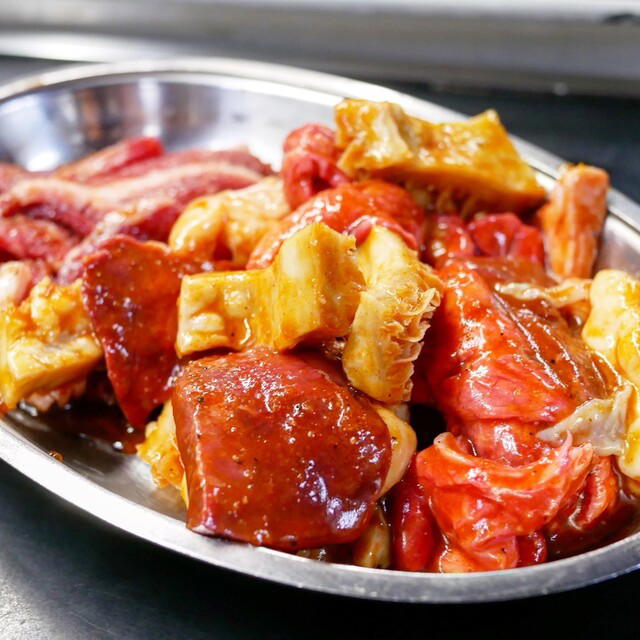
Sora Tsuruhashi souhonten
Osaka, Japan
A seven-time Tabelog 100 yakiniku house in Tsuruhashi serving quality beef at mid-tier prices (JPY 4,000–4,999 dinner, JPY 2,000–2,999 lunch) with a no-reservations, walk-in-only policy. The 120-seat counter and table setup favors diners who can time their arrival to avoid peak waits and prefer to grill their own cuts over charcoal.
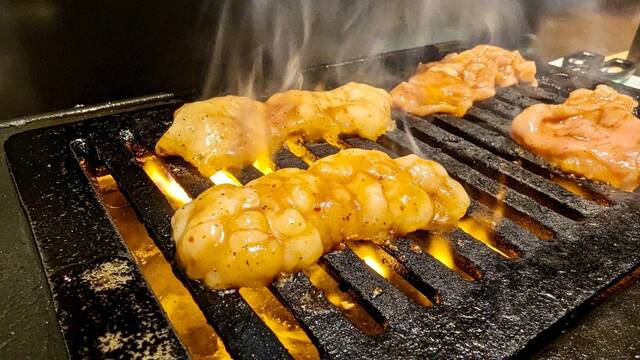
Yakiniku Futoro
Osaka, Japan
Counter-driven yakiniku in Sonezakishinchi with three consecutive Tabelog 100 selections since 2023. The 14-seat format delivers precise grilling execution at JPY 10,000–14,999, with late-night service until 2 AM and a practical drink program for beef and offal.
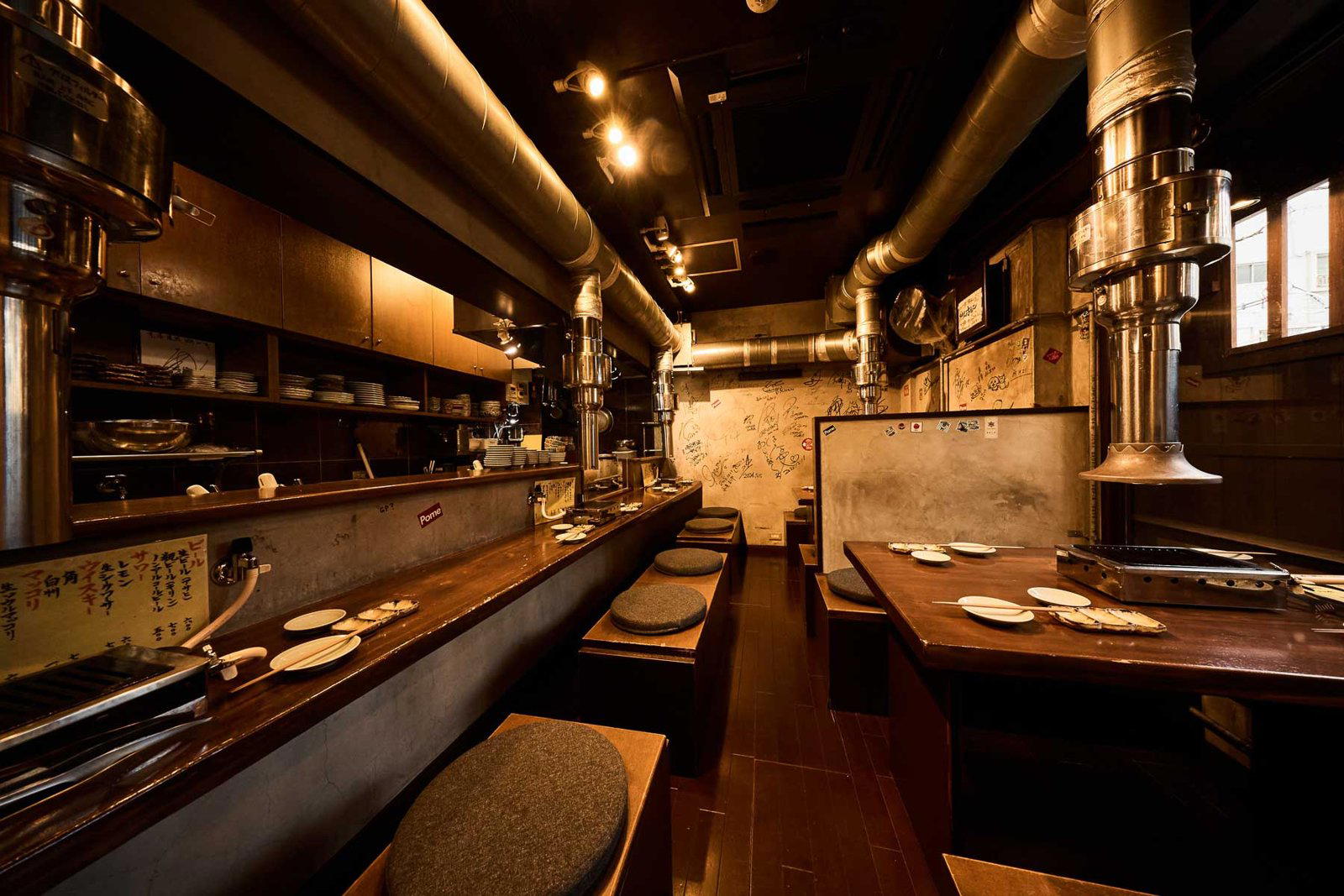
Pome
Osaka, Japan
A 14-seat yakiniku counter in Higashishinsaibashi with four consecutive years on the Tabelog Yakiniku WEST 100 list and Bronze awards in both 2025 and 2026. Course-only format, cash only, and a Tabelog score of 4.10. Budget JPY 20,000–29,999 per head based on reviewer spend and book ahead; this is one of Osaka's most consistently recognised grill restaurants.
Ito
Oita, Japan
Four-time Tabelog Bronze yakiniku in Saiki port city, offering tatami-room grill dining at JPY 8,000–9,999. The 46-seat venue accommodates families and groups, with sake, shochu, and wine pairings. Early arrivals (before 8 PM) secure premium tongue and harami cuts; phone-only reservations open monthly.
Overview
Tabelog 100 - Yakiniku - WEST - 2025 is a prestigious list compiling the top 100 yakiniku (Japanese grilled meat) restaurants across Western Japan for the year 2025. Curated by Tabelog, Japan’s largest and most influential restaurant review platform, the list reflects rigorous user reviews and expert evaluations, highlighting premier establishments known for quality, authenticity, and innovation in yakiniku dining.
Since its inception, Tabelog has become Japan’s definitive source for restaurant reviews, and its annual Top 100 lists set the benchmark for culinary excellence across diverse cuisines and regions. The 2025 Tabelog 100 - Yakiniku - WEST list focuses exclusively on Western Japan; encompassing major gastronomic hubs such as Osaka, Kyoto, Hyogo, and Hiroshima; showcasing the region’s vibrant yakiniku scene. This list not only celebrates traditional yakiniku masters but also spotlights innovative chefs pushing the boundaries of grilled meat dining. Globally, Tabelog’s rankings influence food tourism and industry standards, making this list a vital resource for discerning diners and travelers eager to experience Japan’s finest yakiniku.
For lovers of premium grilled meat, the Tabelog 100 - Yakiniku - WEST - 2025 list is an indispensable guide to Western Japan’s best yakiniku restaurants. From the bustling streets of Osaka to the historic quarters of Kyoto, these 100 establishments represent the pinnacle of yakiniku craft; where heritage wagyu meets masterful grilling techniques. Pearl’s curated showcase brings you closer to these celebrated venues, perfect for food connoisseurs and travelers seeking authentic and elevated yakiniku experiences.
Quick Facts
- Publisher
- Tabelog (Kakaku.com, Inc.)
- Year
- 2025
- Coverage
- Western Japan (Osaka, Kyoto, Hyogo, Hiroshima, and surrounding prefectures)
- Items
- 100 top yakiniku restaurants
- Frequency
- Annual
About This Edition
The 2025 edition of the Tabelog 100 - Yakiniku - WEST highlights notable shifts in the yakiniku landscape, including a surge in sustainable and locally sourced beef offerings. Newer venues blending traditional grilling with contemporary dining concepts have earned spots alongside long-established favorites. This year also reflects growing interest in regional beef varieties beyond Kobe and Matsusaka, expanding the palate for yakiniku enthusiasts. The list captures these evolving trends, marking 2025 as a dynamic year for Western Japan’s grilled meat scene.
Frequently Asked Questions
What is Tabelog 100 - Yakiniku - WEST - 2025?
How are honorees selected?
How often is this list updated?
How can I find these on Pearl?
How many of these have you visited?
Find out on Pearl and keep score across every place in Tabelog 100 - Yakiniku - WEST - 2025.