
Kuku Hanare
Sakaihigashi, Osaka
Restaurant in Osaka, Japan
 Book with Pearl
The Read
Price
JPY 15,000 - JPY 19,999
Why go
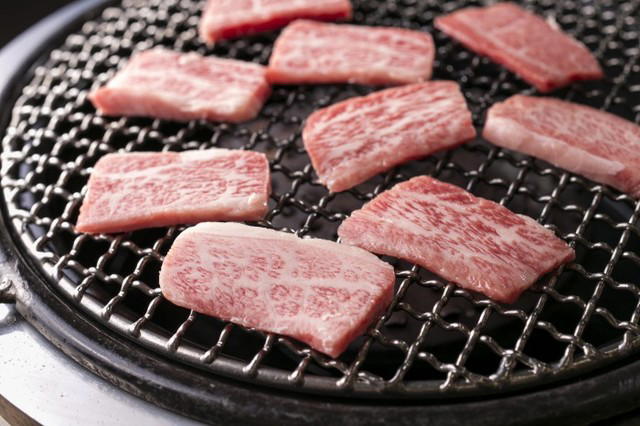
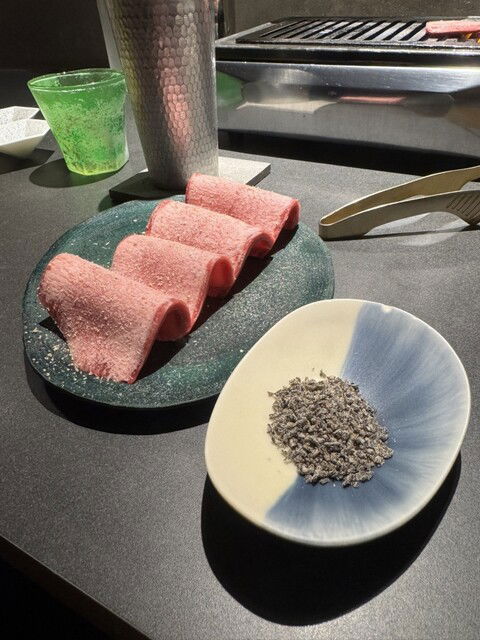
A seven-seat yakiniku counter in Sakai Ward running omakase-only dinners at JPY 15,000–19,999, recognized in Tabelog's Yakiniku WEST 100 for 2025. The counter format suits couples and solo diners who trust the kitchen's pacing; groups larger than four will not fit. Book three to four weeks ahead for weekend slots.
About Kuku Hanare
Kuku Hanare is a premium Osaka listing with a price band of JPY 15,000–19,999. It is also listed in the Tabelog 100 - Yakiniku - WEST - 2025 recognition set. For specific details such as seating style, reservation rules, menu structure, dishes, hours, payment methods, and exact location within the city, confirm directly before planning a visit.
For diners comparing premium options in Osaka, the most reliable takeaway is simple: Kuku Hanare sits in a higher price tier and has a 2025 Tabelog 100 listing in the yakiniku category for western Japan. If your decision depends on format, dietary accommodations, group size, or booking method, treat those as open questions rather than assumptions.
The Dining Format and What That Means
The specific seating layout and service format for Kuku Hanare are not specified. Do not assume a counter, private-room, à la carte, or set-menu structure without checking current information directly with the venue or booking channel.
That makes Kuku Hanare best approached as a premium Osaka reservation that requires careful advance confirmation. Before committing, confirm the current menu format, arrival time, party-size suitability, and any dietary or allergy needs through an official or reliable booking source.
How Lunch and Dinner Compare
Details on lunch service, dinner hours, or separate lunch and dinner pricing are not available. The price band is JPY 15,000–19,999, so any visit planning should start from that range and avoid assuming a lower midday option.
Dress code, payment methods, smoking policy, and other operational details are not specified. Confirm those practical points before visiting, especially if they affect comfort, timing, or payment.
In a broader Osaka comparison, Kuku Hanare is best understood as a premium listing rather than a casual default. Diners seeking other styles of meal planning can also consider comparisons venues such as Sakai Udon Chihaya, 99 Pizza Napoletana Gourmet, Men Kui Yamachan, Menza Gin, or Yakiniku Katsuragi, or use our full Osaka restaurants guide for more options.
Getting there should be planned around Osaka only; a precise address, station distance, neighborhood, parking situation, or landmark-based route is not specified. If you are staying at properties found through our full Osaka hotels guide, check the current route from your accommodation before booking.
First-timers should know that key information includes the JPY 15,000–19,999 price band and the 2025 Tabelog 100 - Yakiniku - WEST listing. For everything else, seat type, ordering style, availability, timing, and policies, verify directly rather than relying on assumptions.
Planning details
- Location
- Japan, 〒590-0023 Osaka, Sakai, Sakai Ward, Minamimikunigaokacho, 3 Chome−4−13 室谷マンション 102
- Website
- tabelog.com/en/osaka/A2705/A270501/27128792
- Phone
- +81
Venue details
Ambiance
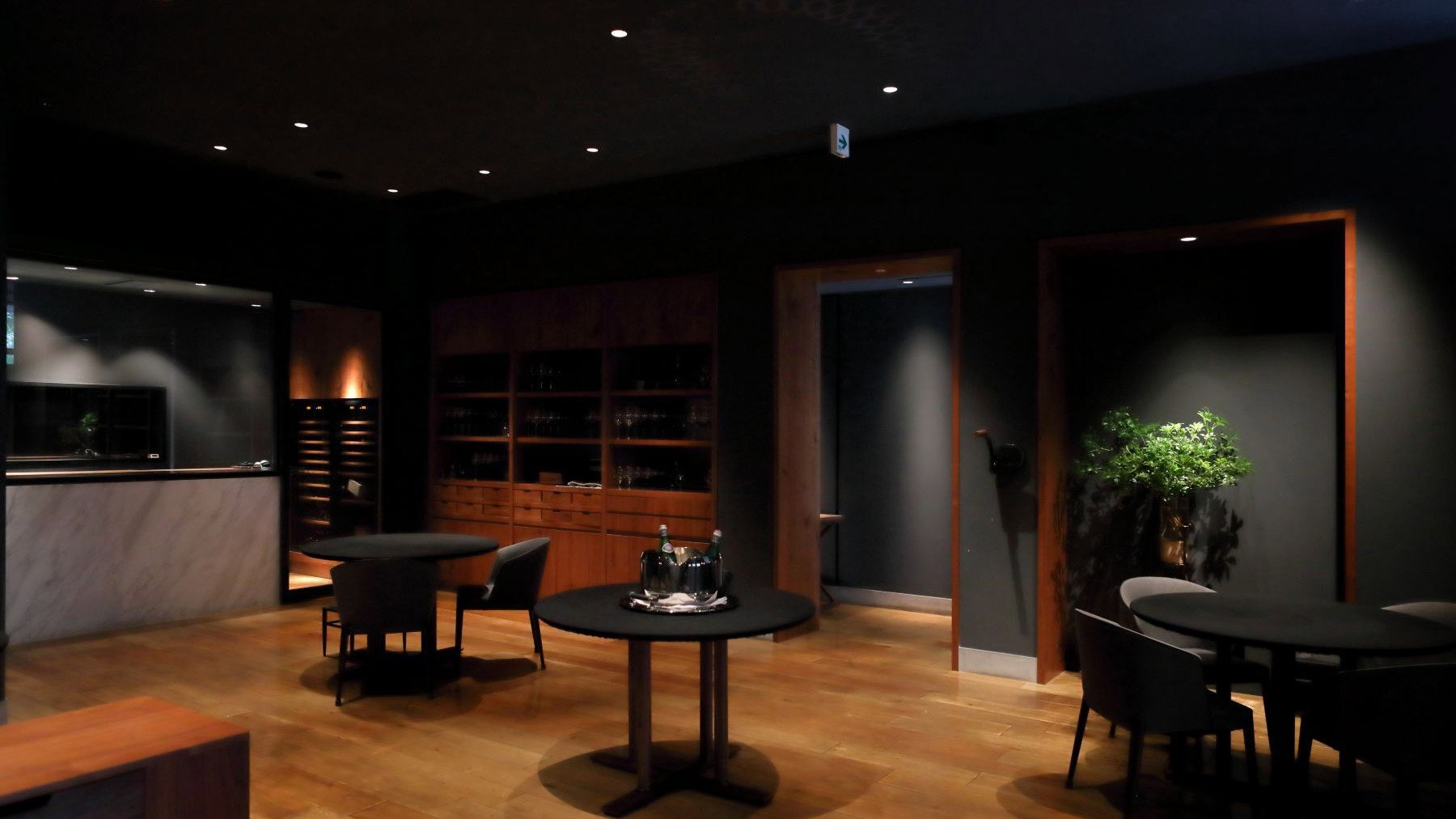
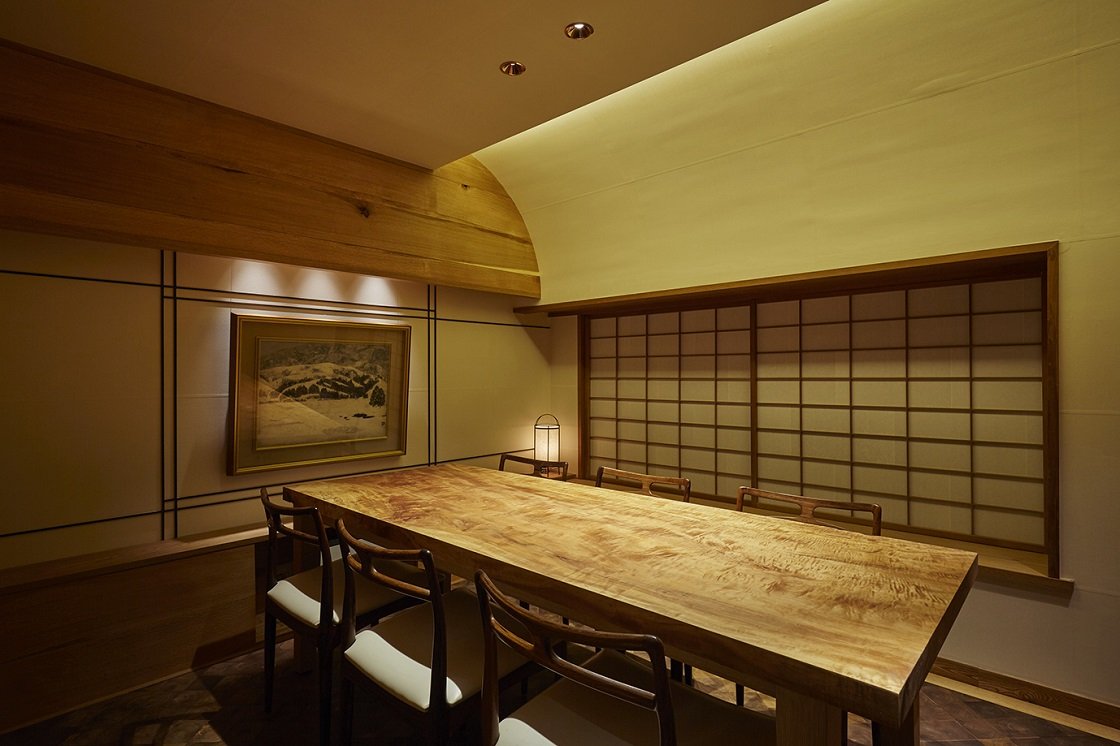
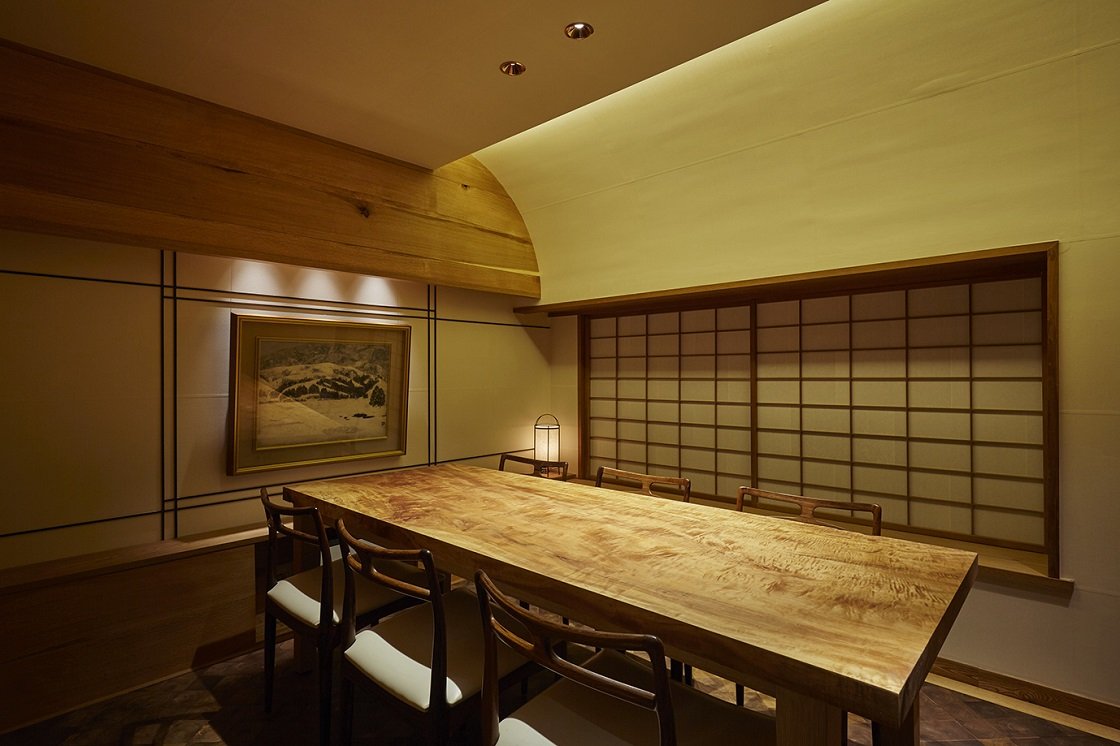
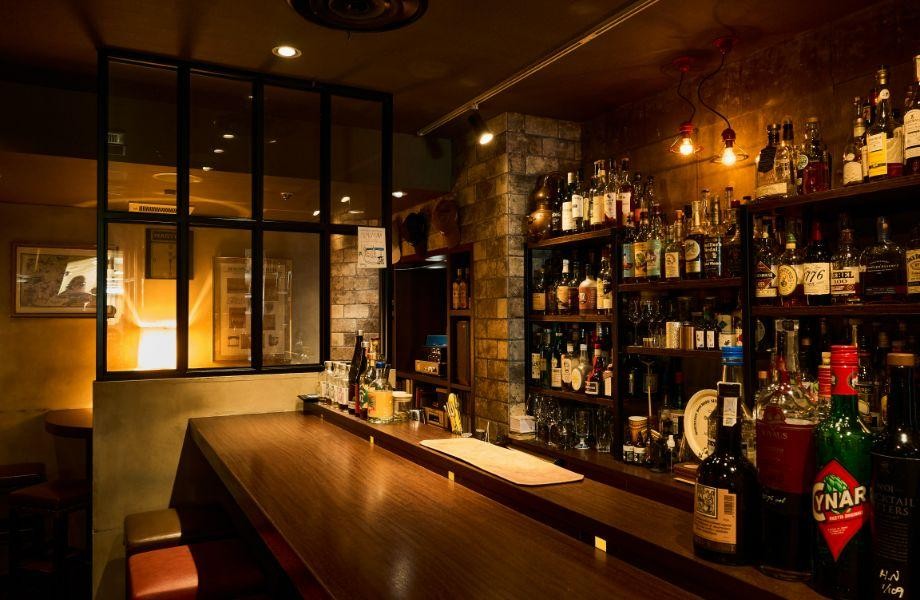
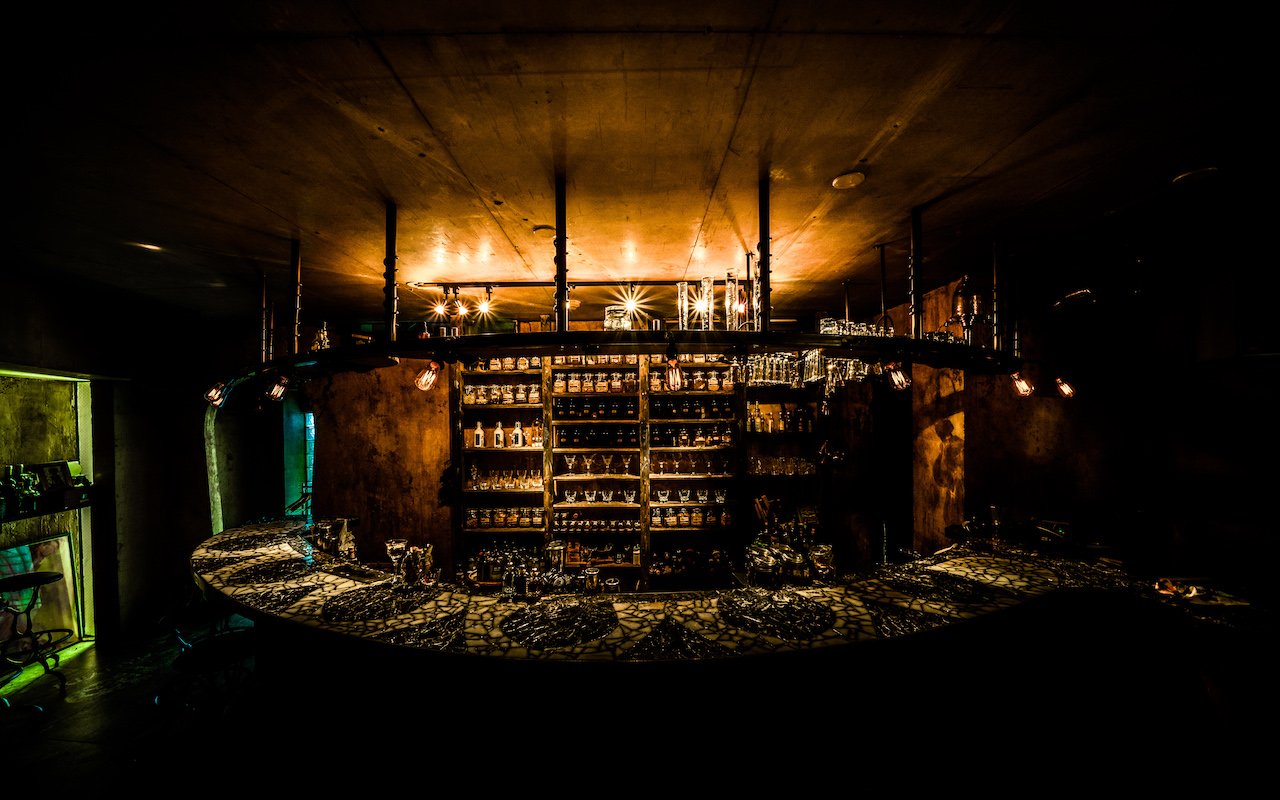
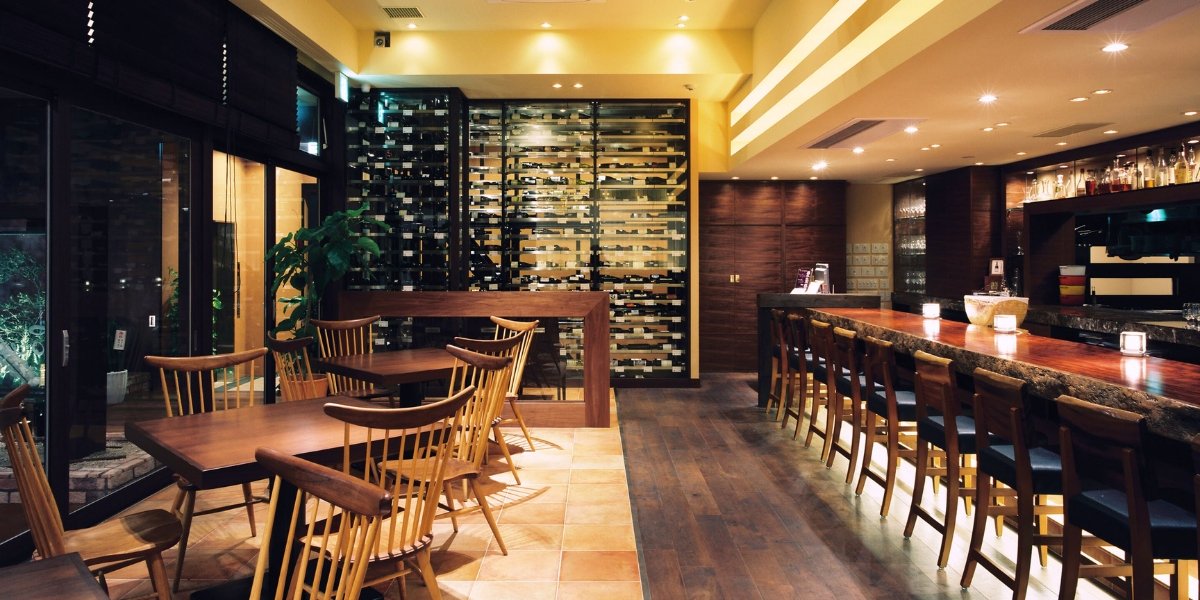
A tiny, smoke-controlled yakiniku space with only seven seats, non-smoking, and a hidden-gem feel in a renovated condo unit off a back alley, creating a cozy yet quietly lively atmosphere focused on grilled meat.
Tags
Vibe
Best For
Experience
At the Table
- Noise Level
- Conversational
- Service Style
- Upscale Casual
- Meal Pacing
- Leisurely
- Capacity
- Intimate
Signature Dishes
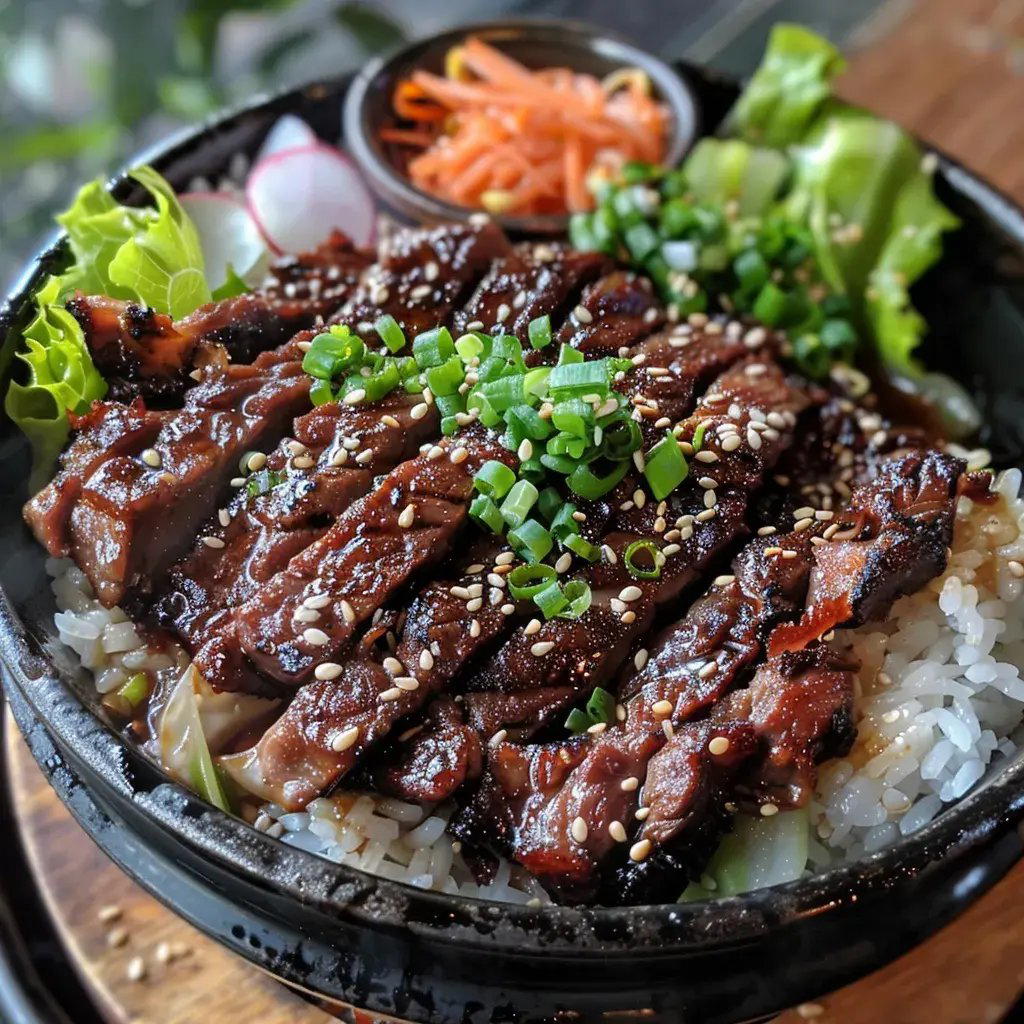
green-onion-topped harami
Know before you go
Know Before You Go
- Getting there
- Japan, 〒590-0023 Osaka, Sakai, Sakai Ward, Minamimikunigaokacho, 3 Chome−4−13 室谷マンション 102
Planning details
Location
Japan, 〒590-0023 Osaka, Sakai, Sakai Ward, Minamimikunigaokacho, 3 Chome−4−13 室谷マンション 102 · Directions
Recognition and awards
Also consider
Also Consider
- 99 Pizza Napoletana Gourmet, JPY 4,000 - JPY 4,999 JPY 1,000 - JPY 1,999, JPY 4,000 - JPY 4,999 JPY 1,000 - JPY 1,999
- Menza Gin, JPY 1,000 - JPY 1,999 - JPY 999, JPY 1,000 - JPY 1,999 - JPY 999
- Men Kui Yamachan, JPY 1,000 - JPY 1,999, JPY 1,000 - JPY 1,999
- Sakai Udon Chihaya, - JPY 999 - JPY 999, - JPY 999 - JPY 999
- Yakiniku Katsuragi, JPY 5,000 - JPY 5,999, JPY 5,000 - JPY 5,999
Restaurant context
At JPY 15,000–19,999 per head, this reservation-only counter occupies the premium end of Osaka's yakiniku spectrum. Yakiniku Katsuragi delivers comparable quality at JPY 5,000–5,999 with more flexible seating, choose it if budget matters more than Tabelog recognition or if you need to accommodate a larger group. The seven-seat limit here makes it a poor fit for parties of five or more, while Katsuragi handles standard table reservations without the same constraints.
For diners seeking entirely different value tiers, Sakai Udon Chihaya runs under JPY 999 for udon (a category shift but useful for context), and Menza Gin sits at JPY 1,000–1,999 for ramen. Neither competes directly with yakiniku, but both anchor the lower end of Osaka's dining price ladder. 99 Pizza Napoletana Gourmet occupies the JPY 4,000–4,999 band for Neapolitan pizza, again, a format shift but a useful benchmark for mid-tier spending. The real decision sits between this counter and Katsuragi: pick the former if you want the Tabelog 100 credential and omakase control, pick the latter if you want à la carte freedom and easier booking at a third of the cost.
Booking difficulty tilts easier here than Tokyo's top yakiniku addresses, three to four weeks ahead secures most weekend slots, and midweek availability opens up closer to the date. The absence of a public phone number means online reservations only, which filters casual inquiries. Katsuragi accepts walk-ins during slower periods, a flexibility this counter cannot match. For splurge-worthy occasions where the Tabelog recognition matters, the seven-seat format works. For repeat yakiniku meals where value and flexibility drive the decision, redirect your budget to Katsuragi and spend the difference on our full Osaka bars guide stops afterward.
Explore Osaka
Around this place
Discover more on Pearl
Unlock the full Kuku Hanare guide in Pearl, including awards, comparisons, FAQs, planning details, and nearby places.
FAQ
Frequently Asked Questions
Can I eat at the bar at Kuku Hanare?
What should I wear to Kuku Hanare?
A dress code is not specified. Kuku Hanare is in the JPY 15,000-19,999 price band, so dress in a way that feels appropriate for a premium Osaka meal and check any venue-specific guidance when booking.
Can Kuku Hanare accommodate groups?
How far ahead should I book Kuku Hanare?
Specific reservation rules and booking lead times are not specified. Because Kuku Hanare is a premium Osaka listing with Tabelog 100 - Yakiniku - WEST - 2025 recognition, it is sensible to check availability early, but exact timing should be confirmed through the current booking channel.
What should I order at Kuku Hanare?
Menu details are not available beyond the JPY 15,000-19,999 price band. Confirm the current menu format, dishes, and any dietary or allergy considerations directly before visiting.
What should a first-timer know about Kuku Hanare?
Key information includes that Kuku Hanare is in Osaka, falls in the JPY 15,000-19,999 price band, and appears in the Tabelog 100 - Yakiniku - WEST - 2025 list. Confirm details such as seating, payment, hours, and reservation policy before you go.